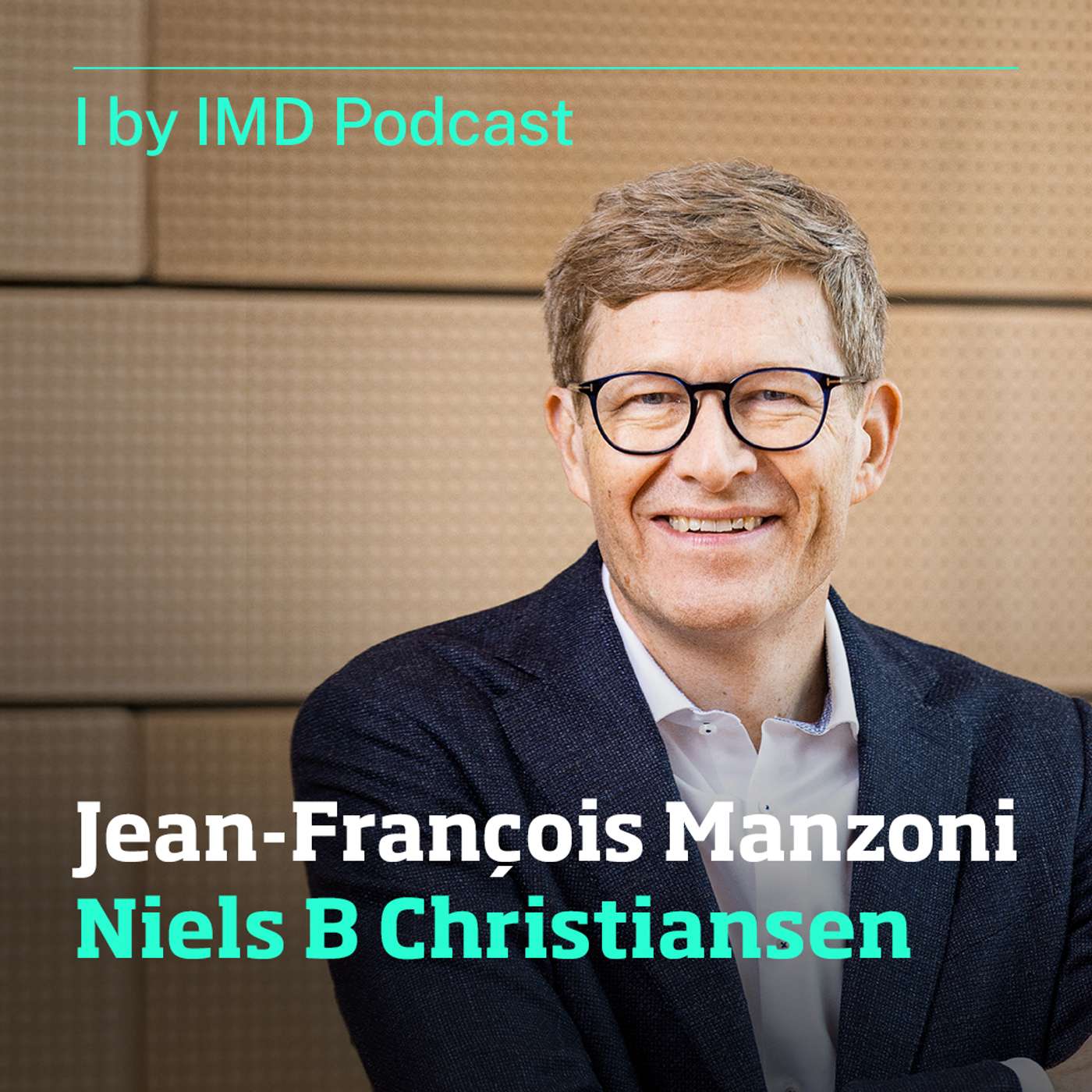
Niels Christianse took over as CEO of LEGO in 2017 to rescue a company that had stalled after 12 years of success. Rather than pursuing grand visions immediately, he prioritized simplifying operations, restoring decision-making speed, and reactivating the core "flywheel" of product, marketing, and channel synergy. He empowered local teams—like in Germany—with immediate financial autonomy, resulting in faster, more agile marketing. Strategically, LEGO shifted from theme-based to audience-driven product development, using data and testing to improve hit rates and launch new markets, including adults and teens. Sustainability became a mission-driven priority, with significant progress in reducing fossil-based plastics to 52% of total material use. Digital engagement was embraced not as a threat, but as a tool to enhance physical play, with digital experiences designed to complement, not replace, building. Organizational changes—such as reducing the leadership team to seven and instituting regular performance reviews—improved agility, clarity, and accountability. Niels’ leadership is rooted in transparency, delegation, and a culture of learning from mistakes, allowing LEGO to balance innovation with operational efficiency. His approach combines strategic vision with operational rigor, enabling LEGO to grow its relevance across generations while maintaining its foundational identity as a trusted, physical-play brand.
Hi and welcome to the I/I/MD CEO Dialogue.
Today's guest is a Niels Christianse, president and CEO of the LEGO Group, and here is your
host, Jean-François Manzoni.
I'm delighted to speak today with Niels Christianse and CEO of LEGO.
LEGO has been and very much still is today one of the world's favorite brands.
It's also a large and very successful company, revenues in excess of 11 billion euros,
operating profit of almost 3 billion euros, around 34,000 employees, the largest toy company
in the world, by a significant margin as LEGO is currently larger than the number two
and number three combined.
Now this success has not always been smooth sailing, the company has had apps and downs
over the decades and will come back on some of them.
Niels became CEO in October 2017 after a very successful 12-year tenure at the helm
of Dan Foss.
Prior to that Niels studied engineering and started his career at McKinsey, followed by
a stint at Hilti and then GNnetcom, which was Niels' first tour of June as a CEO.
Following the way, Niels has served on a number of boards, including Epimolar Meersk.
He still serves on the board of Tetra Laval and Codoplast.
Niels, thank you for welcoming me to LEGO's offices in Copenhagen.
It's a pleasure.
Niels, let me take you back to 2017.
You've been CEO at that time at Dan Foss for 12 years.
You have a clear successor, Kim Fousing, who by the way is still on the job and you're
starting to think about your next chapter.
In fact, I heard that you kind of called the LEGO Chairman at the time to have a discussion
about. That's true.
Now, it wasn't an easy situation, right?
The company had enjoyed 12 years of success.
Yeah, sure, they run into some challenges, but probably not yet a big sense of urgency.
You would be an external CEO coming into a company with a strong culture and the CEO
who had led to 12 years of success was a Chairman.
We had advantages and disadvantages.
What attracted you to the job?
Yeah, I guess this is quite an accurate way to paint the situation at the time.
The language we used was the company had stalled.
I found myself at some of the first townholds talking about different things that I thought
I would have.
So instead of being super visionary about where should this go, it was much more down
to how do we get control of the basics, how do we figure out what really matters and
what doesn't matter, and how do we simplify it?
The company wasn't that big, but it had become very complex and quite slow from the size
of company.
And that just dawned on me.
We have to change that before we start being very ambitious and visionary on stuff.
You, again, were an external hire into this organization?
What were you mindful of doing or not doing, entering into this organization at that time?
Yeah, no, I think I was mindful of showing action.
I talked a lot about what I called bias to action because I felt I entered an organization
that had been very successful, maybe hadn't totally understood why, and now wasn't that
successful.
And therefore, if you don't understand exactly what drove the success, it may be hard
to say what is it that then is lacking for the success, so I thought it was important
to do less talking and do more action and starting to show things.
This was down to simple things, kind of symbolic actions, making clear to everybody that now
we were doing something.
And I found myself with a very short term focus, okay.
Now, fast forward to today, the company has been very successful under your leadership,
which has led to a number of accolades, including the 2025 Danish leader of the year award.
And of course, this kind of success is never just one or two things, there's strategic
decisions, operational decisions, personnel decisions.
Let's start with strategic decisions.
If you had to pick two or three that had the most impact, what would they be?
No, I think that's one around what we call kind of the flywheel.
I think it's more or less true in most companies, it's particularly true, I think in the
legal group, that in the commercial triangle between having the right portfolio, between
activating that every year with the right push and type of marketing globally and locally,
and then really working the channels to have the right access for the type of products
that you have.
It sounds pretty basic but orchestrating that and making sure you excel on all three elements.
That's our flywheel and that flywheel had stopped.
So getting back into that strategically was probably the most important.
Now the problem is you don't correct your product portfolio overnight, you don't redesign
your channels overnight.
You can move on how you activate, how you spend your marketing, you can actually change
that a lot faster.
One of the first things I did, I was in a meeting in Germany with the leadership team
and we sat down and I just asked them, "Listen, I'm the new CEO, I'm trying to unbolt
the best again, what could I do to help you in Germany to do?"
Then it was a little bit silent and the general manager, he said, "Listen, if you could allow
us to make decisions faster or if you could give us a little bit more own decision power
to do stuff faster here, then that would really help.
It takes us too long from we ship, to be loans, business case and whatever, and it's
too random, what comes back."
What I did was we caught them, boost the funds.
Over and above the budget that had been negotiated, there was seven countries that had just a bag
of money.
Germany got seven million euro that they could decide.
It was over and above they didn't have to ask anybody.
They could decide on those and the only thing I wanted was after when the year had gone,
I just wanted to hear what they spent them at and whether it worked or not.
It worked fantastically and that was exactly the marketing activations.
What do you do in stores?
How do you get precision?
Can you jump into this short-term campaign and do stuff?
Can you be a little bit opportunistic on what you do?
That decision power suddenly sat there and that worked in a way that we really got more
decision power pushed out and became very visible to the company.
It's kind of a tactical symbolic.
You can say in the big picture, small decision, but it really had a big impact.
I guess it generated momentum and also, again, was one of this bias for action.
At the same time, then, we decided strategically when we were on that to open stores, when
everybody else were closing stores and saying everything was going online, we were really
investing behind the portfolio that, in the mantra, maybe we can talk about that.
That the operations had kind of had the upper hand.
They want less complexity.
It's easier to manufacture less products than many products.
We'd actually been on a curve that the product portfolio was shrinking.
We turned that around and allowed it to grow so that we could address more audiences and
more things, but there's a certain delivery time on that.
While actually having trouble, we started to invest into those two things, channels that
were counter-intuitive or counter-trend, at least, and then portfolios that wouldn't yield
anything for at least two years.
In hindsight, it was fantastic to do that.
It would probably have been more difficult, have there not been a privately-owned company.
Right.
Let's get to this product portfolio because there's two aspects.
There's the breadth and there's having more hits than misses.
Right?
So the breadth you've already commented on, let's come back on it.
A second.
How did you also improve the quality of the year, the more good bets than bad bets?
Yeah.
It's interesting.
When you come in externally as a new CEO, you are not an expert in anything.
So I was quite aware that when we looked there, I've been sitting in to all those meetings
where we decide on all the products ever since actually the first or the second months
I was in.
So when you're new, you're in, you see all these products.
It's a lucky punch if you're the best one to make decisions on that.
So I was quite aware that I wouldn't be just the one to make the decisions, but I could
push a lot for who was involved in making those.
And what kind of, now we do what we call holistic portfolio testing or planning.
So we have really, really strong test and input.
So we know pretty well before we make a decision whether this is a hit or not, it's a very
highly-based, with database today, with a lot of data behind that.
Back then we didn't have much of that.
So it was actually starting to do that and at least go the extra mile testing for the
big bets.
So I wouldn't say we got it all right in 18 or 19, but it gradually got better.
And then I think one thing that was important was more philosophically we went from thinking
a lot about themes, so we had a little city theme or a little friends theme into thinking
audiences.
So what matters for a girl, six to eight, or what matters for a boy, nine to 12, what matters
for teens, and we opened up for what we said adults welcome.
So we knew we had adult facts.
going into legal products but we never really addressed them, kind of saying so
what would be applicable for adults? What would women like to build? I mean
botanicals is an example of actually more systematically trying to find
these opportunities and try them out. So more more segmented? Yes, more data,
testing with various kinds of audiences. Also some top-down decisions, this F1
theme. That was a little bit later, yeah, but that's true. Yeah, one of the
things, I mean when you're new you come in, you do a lot of testing. One of the
things that that concerned me at the beginning was that kind of the relevance
or the coolness wasn't high enough. I literally in the first year got the
question whether the I mean the legal break was data, kind of whether that's
error, was over or whatever. I was convinced it wasn't but it was it was
it was a legitimate question to ask at that point in time. I haven't gotten that
question the last seven years. So I think I think now it's just clear that it
isn't, but we really thought about what does it take to be more relevant than
who where you do you need to be? What are the kind of things? It was just interesting
that I think Formula One similarly wanted to broaden up from from primarily
having males getting up in the morning at three o'clock or four o'clock to
getting to families. Kids were starting to get interested. So so it was a really
interesting partnership that we could really I'm really complimented each other
in what was there. It's been it's been very successful and we brought some
authenticity and some reach also to the Formula One that I think is quite
quite amazing and at the same time we have addressed some of the audiences that
I think we were not cool enough or relevant enough with anyway. You've mentioned
adults. Did Covid help in this respect or was this already clear in your head
that there was more potential with adults? It was clear in my head. We were on that
journey. If Covid did Covid actually was maddening on to that but the adult
business factor that that was a deliberate decision to welcome adults and
start looking at those passions. Today we consider ourselves kind of a
cultural brand with with serving a lot of different passions for all ages
basically. So still I would say predominantly a kids business when we think about
what we do we have most products for kids we invest a lot behind kids. It's your
purpose. Yeah that's that's linked to our mission that we really make a
difference I think for for future generations by allowing kids to come into
legal play and gain the skills and the development that comes we serve all
kind of audiences and one of the fastest growing audiences actually women
above 18 so it's for it's for everybody but of course the products are
different. Now also on the strategic front you articulated two kind of long
term challenges or opportunities one of them is sustainability historically of
course the brick isn't plastic which is fossil fuel based tell us a little bit
what you guys are working on in this respect. That I think was clear even even
prior to 17 when I joined already back in 1415 this this thing that that
plastic at that point in time was fossil based that we had to do something we
have a planet promise also with a mission around serving kids of course you
want to protect the planet that they will inherit so there's been a lot of a
lot of push for that and today we do we do way more than most companies we
spend a lot of money and we get recognized for doing a lot of stuff doing it
over and above I don't get any extra price on the product so consumers are at
this point in time not willing to pay for it right I think it means something
for the brand but it's not a commercial thing to do we do it actually for the
longer one and I think that's also part of being part of being family on this
family I believe a certain they will own this company also in 30 40 and 50
years out so of course we need to solve for this issue so and that involves more
recycled yes what we have been able to do though is really use materials that
are partly renewable based or partly by a way so we use a lot of mass balance
where where where it's not entirely renewable but it's it's high so last year
if you take an average legal break produced by Austin 2025 52% of that is
non fossil so we kind of passed the half mark on our journey to get to full we
will be working this issue getting the 52 to 54 to 58 and and that's a long
journey so no silver bullet but a lot of steady yes a lot of steady progress
not but I think we have really we really taking steps that few companies have
done now we could make more money if we hadn't didn't have to do that but this
is really also mission purpose we need to find our ways over here and and do
that but I'm also hearing so I've known you a long time this and I know you
mean this and I know that also the family means this I'm also hearing it's
probably also not about idea from a protection of the brand right the the fact
that legal is beloved as a brand yes right and and that that would not sit well
with they don't care exactly so I absolutely think you're right and that's
harder to measure of course whenever we measure can we sell this product a
little bit at a little bit higher price because it's more sustainable typically
yes right that that's but I think it matters anyway then of course you can
always say and this is then kind of a leadership decision how much does it
matter how quickly does it matter how much will you spend this year and stuff
that has the long range and that's something we have a very close dialogue with
the owners around because at the end of the day it's a judgment call and it's
a judgment call that needs to reflect also their values and aspirations and that
actually brings us far to the right if you can say or the spectrum of making
sure we don't undo it the second challenge that you've identified is is digital
and the fact that kids are spending more and more time on digital media which
of course is leaving them less time to operate in the physical world so how
what is this a challenge an opportunity no I think it's both I think when we
looked at it like seven eight years ago we started out looking at that as a
challenge because what it did was exactly I mean when I got the question I said
listen we are maybe less competing in a toy industry we're probably more
competing for kids time now I would even say for consumers time now then we
look at digital also in the sense back to the relevance we need to be where
consumers are we need to be where kids are so it cannot be that we kind of
become the thing you don't want to talk about in the school yard when you're
there because it's only your your computer game or your mobile application
that's the interesting one so we should be there in a super exciting way but
try always to link it to physical in that sense so you know some of the most
exciting games on consoles have been legal games and then and we're doing a
right now we're actually spending quite a bit of money on it but it's always
always with a tie into the legal universe that hopefully means that at
university or the next Christmas or whenever you have something yeah you may go
for a game but you also if you go physically play you go live play and I think
we've seen that working really really well so we're not enemies of digital
we embrace digital we will actually be participating more and more but never
forgetting never forgetting the physical side I imagine that there are some
revenues coming from this digital activities can you imagine a world where
where the digital revenues become more significant I mean engineer I can
imagine a lot I don't think that will happen soon but but I I mean I would
never rule it out but I but I also think if you look at a lot of digital only
companies they would actually love to have a physical revenue as well so the
combination is a super strong one and at the end of the day I mean it's also a
decision do you do you participate in digital to provide good experiences to be
relevant to have the connection and and you have your more of your business side
on the physical side or or do you want the digital side to be the heart
monetized you know in our sense we do not like digital experiences where you
monetize too hard or where you put in these loops that makes kids addicted to
your game we stay away from that just from just from a values point of view so
that would actually say we would much rather have them super excited about the
legal brand and what you can do so excited that they also would like a
physical set one day to play with okay so that's how we think about it but but
we would have revenue and digital and also significant so it's not an either
or what we would never I mean the basis is physical right now of course having
great strategic decisions is good but then they also need to be implemented so
let me shift to organizational decisions because you also made a number of
organizational decisions that have been contributing to the success if you
have to pick two or three of these key organizational decisions yeah I think
there's probably two things I would say one is one is simplifying I mean there
was a corporate management type organization when I arrived with 30 plus
people in it so I immediately took that down to 10 and over over the last
years taking it down to seven so the top team seven people which really allows us
to to
have really in-depth discussions to get to know each other and really get to the meat of
the discussions and then still have execution power around that.
So I think that simplicity, that ran all the way down, so we increased the span of control.
Things that I think a lot of companies are looking at just to make sure we were not overly
heavy on some management levels and it became a discussion club there, but really that
we had a structure on that.
So I think that's been important and then it has really been finding the right balance.
I mean what is your balance between being innovative and being too complicated or too complex?
And in our case that's typically the portfolio of against the fact it needs to be produced.
So the more exciting things you want to do, the more passions you want to get to, the
more consumers you want to excite, the broader portfolio you want with a lot of new fancy
elements and whatever.
When you get to the production side in order to have this service level that we have to
produce so close to order to do it regionally around the world, you want this few elements
and as few as possible, how do we balance this?
That has been I think one of my key tasks as a CEO to make sure that balance that may
seem a little bit operational for some is always right.
And at any point in time, we lean sufficiently into innovation but we don't forget the back
end of the business so we can do that.
And I've sometimes said that we are one of the companies that can be super efficient on
one side, just like a big industrial company but we can be super creative and innovative
on the other side, just like a startup.
And if you can combine those two things in a sizable company, then I think it works well.
And that starts with the way you've constructed and the way you operate your leadership team.
Yes.
It absolutely does.
How so?
I think first of all, and that goes probably for many things, I think you need to address
those issues.
Right.
So they need to come into the open that it's not a small war that happens in the Francis
around.
It's something that you talk to and you specifically, I mean in our case, I felt I had to move towards
being more creative, allow more portfolio, allow more passion points.
Now then you cannot just say to manufacturing or production go do that.
Now, then it's around asking the question, I think in the way, what does it take for
us?
It'd be just as efficient over here being able to deliver that.
And then we are into different technologies from all these.
We're into a lot of different ways of doing things where we actually made significant investments
on this side to allow them to do what they needed.
So suddenly it doesn't become a win-lose situation, it becomes something that their job just
changed from just producing a single element as cheaply as possible into providing this
level of complexity to the organization at the lowest possible cost.
So what I'm hearing is a lot of focus on managing complexity.
On one hand, you increased complexity by broadening the product portfolio, but then you're
also saying, so that in a way is kind of unavoidable complexity, that's good complexity
if you want.
And we become very good at managing that.
And then we also become very good at eliminating unnecessary complexity spot on.
I think that's exactly it.
And finding out what is what, what's valuable complexity that you can make into business
and what is unnecessary complexity that just slows you down or has cost to it.
Now, large organizations have been described as complexity creating machines.
How do you stay vigilant with unnecessary complexity?
It's a fantastic question, because I agree, left alone, large organizations will just
grow more and more complex until they eventually have poor results and die.
It's kind of the mechanism.
But in parties, because we hire smart people, smart people will have new ideas, right?
Yeah.
And it's all the good things.
You want collaboration.
You want a lot of people in the meetings.
You want all the meetings.
You want to make absolutely sure you want to have done this analysis before.
I mean, there are all the good arguments for dragging out things, making it more complex.
So I think it's a long line, just like if you practice, it's really good to do something
every day.
It doesn't really help that once a year go out and you run a marathon.
It's good to constantly do something.
And that, I think, for an organization like ours, it is a topic all the time.
I try to be a role model.
So I have actually, I mean, it may sound again like small things, but they've been quite
symbolic.
I have cut down the number of ELT or leadership team meetings.
I have made them shorter.
I have been very clear on if we have an agenda.
This is what we use it for if we're done early.
We stop.
And I try to push that all the way down that the next levels would do the same.
So you all the time, question whether we need this and you all the time have this push
for simplification, push for productivity.
So all the things you can do.
So it's constantly on your mind.
Constantly.
But don't believe much in every seven or 10 years.
You have to make a big restructuring and fire a lot of people and clean it up.
It's much better if you actually can, can go like this.
Small organizational changes almost all the time in different areas so that you keep agile
and you keep right.
And then you keep pushing for productivity and you keep pushing for simplicity.
We have actually done more strategic investments than those companies.
We funded it all from productivity drive every year.
And in fact, you have a partner for productivity program, right, which is a drive every year
to, I guess, try to extract costs.
Through the same and a little bit low cost.
How does this work?
This partner for productivity program.
It's, that's some element.
It's interesting because if you take, if you take a company like the legal group, super
creative, these kind of people, I mean, there was a tendency at one point to say, okay,
it's fantastic with productivity, it's just not something for a company like us, I mean,
we agree.
Otherwise.
But the issue is just that you need it.
Not only to save money, you need it to stay simple enough and agile enough that you
do.
So, we have a program.
It's led from one place, but we've made it very clear that everybody owns it.
In my monthly business update with all the 150 job leaders, we address this every single
month.
We've personally taken also the chance that this is very, very important.
So, it's one of the things we just follow up on.
I mean, we never forget about it.
It's always there.
It's one of the key metrics that we have.
What we do is we target set it and then we are actually a point now when we target set
it at the end of the year, we take it out of people's budgets.
So, it's not like we wait until the end of the year and see if you actually did get
your productivity.
No, you start out the year having to get your productivity.
Now, then there are all the tools.
We have a very structural process around how we get the ideas, how we mature those through
and how we actually get them and what counts and what doesn't.
But so, it's not like you're left on your own, but it's not an optional thing to do.
And I think that has changed the way we look at that.
And people are super proud today that we keep keeping the machine like that.
It's not a feeling that we just do this to make the bottom line look better for somebody.
It is really part of our striving forward and it allows the same organization to do some
really exciting things that, by the way, then also pays off.
As you know, I'm a leadership professor.
I have to ask you a few more personal questions.
But one last question on your team, you said I reduced the number of meetings and the length
of meetings.
But at the same time, you also have four times a year, where you meet for a substantial
number of times, so it's less tactical and more, tell us how you're managing this rhythm.
So we have very short monthly, we call them performance trackers because that's exactly
what they are.
They're quite transactional.
They're not intended to solve the biggest strategic issues or the bigger chunks, but they're
really just getting aligned around what are other any tactical, operational things we
need to move quickly on.
We do that every month.
It's typically a team's call, it may be an hour, an hour and a half, that's it.
And once a quarter, we have three days together.
We actually had the three days last week.
And that's where we have the agenda then very different.
That's when we talk about the bigger topics.
That's when we align on strategy.
That's when we try to deal with the things, I mean, cross-functional projects are by definition
super hard for any company.
And I think we've learned that unless the top team is super coordinated on those and aligned
and really willing to work through that, you just see a lot of churn.
And that's why EMP programs and so are so difficult for many companies because there's
actually probably a lot of fights going on.
And the top team doesn't really get involved or want to take it.
We use those sessions to really get into the meat and stuff like that.
So it works differently.
And with three days, you can really get a little bit out of a day today.
You can allow the conversation to go on long enough.
At some point in time, at hopefully the right point in time, then of course it's my role
to lead us to a conclusion.
And when we get to that conclusion, to really rationalize why is that.
But then also to expect everybody to hear by that.
Even if we had discussions on the way, I can just feel that C today, by allowing that
bigger discussion, really being together now, the team is also quite well knifed by now.
But that actually brings more power when we get to the decision.
So you can say sometimes it's going slow to go fast.
You just don't want to go slow to go fast on everything, because then the result will
be going slow.
But there are things where if you can get to the right type of alignment and people, then
really stand by it.
So it's really this balance that I think any CEO has between providing the speed and
decision power that's needed.
But also really getting everybody sufficiently aligned that when you go out there, it moves.
An article has described you as having a healthy dose of self-confidence and self-esteem.
What is a healthy dose of self-confidence and self-esteem?
Yeah, I have confidence, but I'm a very delegating leader in that sense.
So I think if you asked any of my team, they would not feel micro-managed.
They would actually feel, in the beginning probably, maybe even a little bit uncomfortable with this space they had.
And the way I operate around that is, I feel probably confident on making the decisions.
I feel pretty strongly on setting the long direction and making that extremely clear.
But then I allow a lot of space within that to the day.
So empowerment within a clear strategic frame?
Yeah.
And I am probably quite strict on the strategic frame and also the simplicity and clarity of that.
But then quite open, true allowing.
I mean, as long as we move along that, I don't need to decide exactly how you do that.
And I'm sure some of those ways of implementing maybe are slightly different in the marketing organization from the manufacturing organization.
That's why we have different people there.
And as long as it works and it's well orchestrated, I don't need to decide that.
I have people sometimes try to get you to decide this.
One of the things I found as the president of IMD is people would walk into my office and ask for my opinion.
And how do you deal with this?
You just tell them why are you asking me or?
Yeah, I think it's different.
Yeah, if it's on individual basis.
Yeah, I've tried to have this conversation about what's your own opinion.
Why would you do that?
Or have you thought about this or whatever?
If it drags out, I'll make the decision.
OK.
On more like cross-functional work, I've been working a lot on also saying, listen, given that we are not a team that sits together every second week and deal with everything.
We would rather say we do the overall, but we have the commercial triangle, for instance.
So it's between marketing sales and manufacturing.
There's a lot of things that needs on a relatively ongoing basis to happen there.
Now, I or the--
This is like a board committee.
Yeah.
You've created a committee with delegated to them.
And I said, listen, you have a lot of decision power within our plan and what was there.
If you cannot agree, I'll help.
And those are the areas that I wouldn't want things to go into turn for too long.
And they can't even-- nothing really happened.
Decisions are not made on, but they tell their organizations different things.
That doesn't work.
Then I'll get involved.
But reality is, because they know that option is always there.
They very, very, rarely meet us.
But probably you also hire specific kinds of people, right?
One of the things that struck me is in previous interviews.
I've never heard you talk about this.
So let me ask, recruitment is one of the key tasks of a CEO.
What do you look for?
How do you recruit?
What are some of the non-negotiables?
You know, I think I've learned also a lot of times.
You can find the best person in the world if you look down the CVs or the experience,
and they can be extremely bright.
If the personality doesn't fit this role and this culture, it is likely not working.
And I made those-- I consider them mishires, but I made those myself and learned from that.
When people come to interviews with me, I'm really trying to get a feel for how would they be if they set.
Now, in my leadership team, when we had the first meeting, how would they act?
What would they do?
What would be their approach to doing it?
And I just need to feel good about that that would actually work in our setting.
So it's harder for me to be more precise on what--
OK.
Here it-- yeah.
Here intuition and Godfield means a bit on that element.
If I started working for you, what would be one or two things that you might say to me,
look, you want to be successful with me?
Do this or don't do that?
Yeah.
I wouldn't want us to have to sit together every second day because we weren't taking the decisions
or you weren't so I think--
So you look for that.
I look for a certain level of independence or belief or self-esteem enough to go ahead and do
something and not gain too uncertain about things because I think I need that.
One of the things I look for is transparency in the way.
I mean, everybody makes mistakes.
I hate if people come to my office and something has gone wrong and they try to kind of explain
that it went wrong or it was because of that or something.
I mean, there's nothing better with me than come in and say, listen, we screwed this one
up.
We should have done this.
We did this for--
OK.
Then I can be mad like for a millisecond.
And then we are into what to do about it.
But if I feel somebody saying they're hiding it, playing overly political, it just--
I mean, that doesn't work well with me.
And so I guess those would be--
OK.
--those would be some of the things that I would be looking for.
You mentioned this and then immediately I mean to how do we do this.
This is this after-action review.
What do we learn from this?
This is actually something you've institutionalized.
Yes.
Yes.
It's become a regular--
That's something we do.
And it's really good, in the sense, because it is also a mechanism to dealing with mistakes
without creating a situation that people get to know is about making a lot of mistakes.
You cannot be as creative as we do if you don't-- we hit on things that doesn't work.
It's just reality.
I mean, it's not every product we do that becomes a success.
But as you said in the beginning, as long as by far the most do, we are in a good place.
But it also means that when something doesn't work, it's quite important to figure out
why.
So we can avoid doing exactly that same mistake again.
It also makes it a little bit easier to put on the table, that's what we schooled this
week.
Right.
Because we can take it from there and we can figure out why.
It's been said about you that you have a remarkable ability to toggle between very strategic
5, 10 years out and very operational with a great command of numbers and details.
Sounds like a great skill, doesn't sound easy, what's the secret sauce?
I don't know, I guess I don't think so much about it.
But it is true.
Sometimes I get home at night and I feel like I turn my hat 15 times between exactly
very strategic, very operational.
It's probably something about-- I mean, I like-- I mean, it's the engineer.
I like the strategic thinking, I like this getting things together and I like to be able
to clearly articulate what it is we're trying to do.
But that I really like, it gives me energy.
And then I would say on the other side, I really have seen over time that I mean, a strategy
that's not implemented, isn't worth anything.
And you can be a CEO, you can go on conferences, you can make the best presentations and so
it sounds fantastic.
But if it doesn't happen in the organization, it doesn't really matter.
So I think that's where-- I think I learned there's a lot in my-- also in my DENFORCE
times that it's just very, very important that you follow it through.
So that's probably more something I have learned, or I do because I know it needs to be done.
I probably carry some energy through that.
But it works for me as long as it's a combination of the two.
And then I-- I mean, I guess I'm just lucky, I have a pretty good memory.
The joke is always, they say, don't tell him the number if you're not certain because
he will remember.
So that helps, of course, in that part of it.
One day years ago, Lauren Schuster, who has been your chief people officer for eight
years, and I think just stepped down, one day he said, "Neil's is the most disciplined
time and agenda management CEO I've ever met.
You've also commented on this in some interviews.
Were you always, or is this something that you learned, or--?"
No, I think I learned, but that's also where I see myself as a role model.
If I am always there, and we start, and they can assume I've always read the material
so we can be-- we can go to the point and they don't have to present what was supposed
to be present.
Right.
I tell you, it goes down the entire organization.
So this is one of the places that-- if I got up there in town hall to say, "Listen, we
always need to be on time," and that would not be nearly as efficient that I am on time.
And I am prepared when I'm in the meeting.
That efficiency and that signal is really high.
So I've learned that, and I've practiced it now long enough that it's becoming habit.
To do that, generally, one needs to do less.
Yeah.
Does that mean you say, "No, a lot," or you're very selective what you say, "Yes, I'm super,
super selective."
Probably to the extent that many journalists or conferences also think that I always say
"No," I'm very conscious to spend my time on the most important things.
And that's also-- I think that's where the delegation part is also important.
I think there's a lot of areas where I get asked, "Do you want to be part of this?"
And I typically start with a "No," unless there is a super good argument for why.
Interesting.
G-Fault is "No."
G-Fault is "No."
Not because I'm not interested.
I'm saying "No" to things I would really like.
But I also-- you know, I have a job.
I could work 24/7.
And there would still be a pile of things I wouldn't do.
So you kind of have to draw the line somewhere.
And the more specific you can be on what you do, the better you can draw that line.
And I decided early on that I also need-- I mean, I need a bit of time outside of work.
And I developed this mantra a little bit for myself.
I will give it all of this and if it's not. good enough then maybe I shouldn't be the CEO. If as a CEO you get if you get
driven by your calendar then it's a problem. You need to drive your calendar and
that's more difficult than than just saying it. So I started to actually make
sure that every week there is a bit I call it flex. So there's a there's a few
areas in my calendar that has not been taken. Okay. Because it's absolutely
certain but something will happen next week that needs my attention. And if it's
not a minus world plan for that to happen. So that that I can devote my time for
that when when when when it happens it always happens. And if it doesn't then
there is several things I can do in that. So you never have to. But you push
that a little bit. So you actually make your prioritization a little bit
stricter than you would have done if you thought you had a full calendar next
week and that makes when the week is over then you have probably ended a slightly
better result. It's not easy but but but I do that and that's probably back to
what law and say every three months I sit down with my assistants and they know
exactly by 20 different categories what I spent time on the last three months.
Okay and we look at that and we see does that reflect what I want to or is there
any adjustments. And that means they help me push back. So if something happens
something comes in that I say okay does I want to do less of then I get it
right in my face. One of the things that you've said is in large organizations
there's often over the years something that develops into and if I wait long
enough it will go away you know about and you said look you've got to create a
sense of inevitability. If I if I launch it they got to believe that this is
going to go all the way through. How do you create that sense of
inevitability. Yeah you know it's a super good question. I have seen it a little bit
also on steadily this kind of how do you when a leadership team comes out
with a new direction or a new initiative. How do you make an organization like
the idea and actually lean into it. And sometimes I call it a little bit this
the the train at this station. If if what happens in many organizations that most
people are on the fence they've heard about this along with many many times
and I will see at least I don't want to jump on it too early let's see. If it
happens I will get on board if it doesn't then then I haven't misused a lot of
time. I would like to have those initiatives that when we present them
first of all they're very clear but they're also very committed in the
sense that I would want people to believe if I say this is what we do it's
super important for us then this is going to happen and that would convince a
lot of employees to jump on. Don't bother to worry. Don't bother to be a first
mover here because there's an advantage because this is going to take off. If
you can create that sense then your initiatives can get off and this is
really kind of a sense almost let this train has almost left the station a
better jump on it. If you wait it's not a it's not a positive to wait here it's
better to get on. That I think works really really well if you can build as a
CEO but also as a leadership team this feeling in the organization and this
credibility. Yeah also you restraining yourself because if you misuse it if you
load them with initiatives and it's unreasonable and they don't have the
time for it then you will lose it. It goes back to choose your battles. Yes. If you
choose them right and you make them clear and you create this ambition in the
organization then you can actually get pretty good executions. Yes and last
question you love your job because I mean I am very very privileged. I get to
manage probably one of the most unique brands in the world in the
organization of really really capable people so yeah I believe myself I have
the best job in the world. Thank you so much for making the time and until
next time. Yeah thank you. If you enjoyed this conversation subscribe to I by
IMD on your favorite podcast platform. I by IMD is brought to you by the
Institute for Management Development. Find out more at IMD.org
Podcast Summary
Key Points:
Niels Christianse joined LEGO in 2017 as an external CEO to address a company that had stalled despite 12 years of success, focusing first on simplifying operations and restoring decision-making speed.
A key strategic shift was reviving the "flywheel" model—aligning product portfolio, marketing activation, and channel access—to drive performance, with immediate action in Germany boosting local marketing autonomy.
LEGO expanded its audience reach by shifting from theme-based to audience-driven product development, using data and testing to improve hit rates and launching adult-focused lines like botanicals and Formula One.
Sustainability became a core mission, with LEGO reducing fossil-based plastics to 52% in 2025 and committing to long-term renewable materials, without charging consumers extra.
Digital engagement was embraced as a complementary force to physical play, with digital experiences designed to enhance, not replace, the physical building experience.
Organizational simplification—reducing the leadership team from 30+ to 7 people—enabled deeper alignment, faster decisions, and better balance between innovation and operational efficiency.
A yearly "Productivity Partner" program and frequent performance reviews ensured ongoing operational discipline, transparency, and accountability across all levels.
Niels emphasizes strong leadership through delegation, transparency, and a culture of learning from mistakes, relying on clear strategy, agility, and trust in team autonomy to drive results.
Summary:
Niels Christianse took over as CEO of LEGO in 2017 to rescue a company that had stalled after 12 years of success. Rather than pursuing grand visions immediately, he prioritized simplifying operations, restoring decision-making speed, and reactivating the core "flywheel" of product, marketing, and channel synergy. He empowered local teams—like in Germany—with immediate financial autonomy, resulting in faster, more agile marketing.
Strategically, LEGO shifted from theme-based to audience-driven product development, using data and testing to improve hit rates and launch new markets, including adults and teens. Sustainability became a mission-driven priority, with significant progress in reducing fossil-based plastics to 52% of total material use. Digital engagement was embraced not as a threat, but as a tool to enhance physical play, with digital experiences designed to complement, not replace, building.
Organizational changes—such as reducing the leadership team to seven and instituting regular performance reviews—improved agility, clarity, and accountability. Niels’ leadership is rooted in transparency, delegation, and a culture of learning from mistakes, allowing LEGO to balance innovation with operational efficiency. His approach combines strategic vision with operational rigor, enabling LEGO to grow its relevance across generations while maintaining its foundational identity as a trusted, physical-play brand.
FAQs
The key strategic decisions included restarting the company's 'flywheel'—aligning product portfolio, marketing activation, and channel access. Another major move was investing in underperforming markets and audiences, such as adults and women above 18, while simplifying product lines to improve efficiency and relevance.
LEGO shifted from theme-based to audience-based product development, using data-driven testing to identify which products are hits. This approach helped improve the quality of product decisions by focusing on specific age groups and passions, such as adult interests like botany and Formula One.
Niels reduced the corporate leadership team from 30+ to just 7 people, simplified meetings, and increased decision-making power at the operational level. This allowed faster, more agile responses and reduced bureaucratic delays, especially in marketing and product launches.
LEGO maintains a balance by allowing innovation in product portfolios and audience targeting while ensuring production remains efficient. The company invests in technologies and processes that enable complex, creative products to be delivered with minimal cost and high service levels.
Sustainability is a core mission, with LEGO aiming to reduce fossil-based plastics. In 2025, 52% of the average brick was made from non-fossil materials, and the company continues to increase this share through mass balance and renewable materials, all without raising product prices.
LEGO embraces digital platforms as tools to engage consumers, but always ties them to physical play. Digital experiences are designed to spark interest in physical sets, ensuring that digital and physical play remain interconnected and mutually reinforcing.
Chat with AI
Loading...
Pro features
Go deeper with this episode
Unlock creator-grade tools that turn any transcript into show notes and subtitle files.
 PodcastTranscript AI