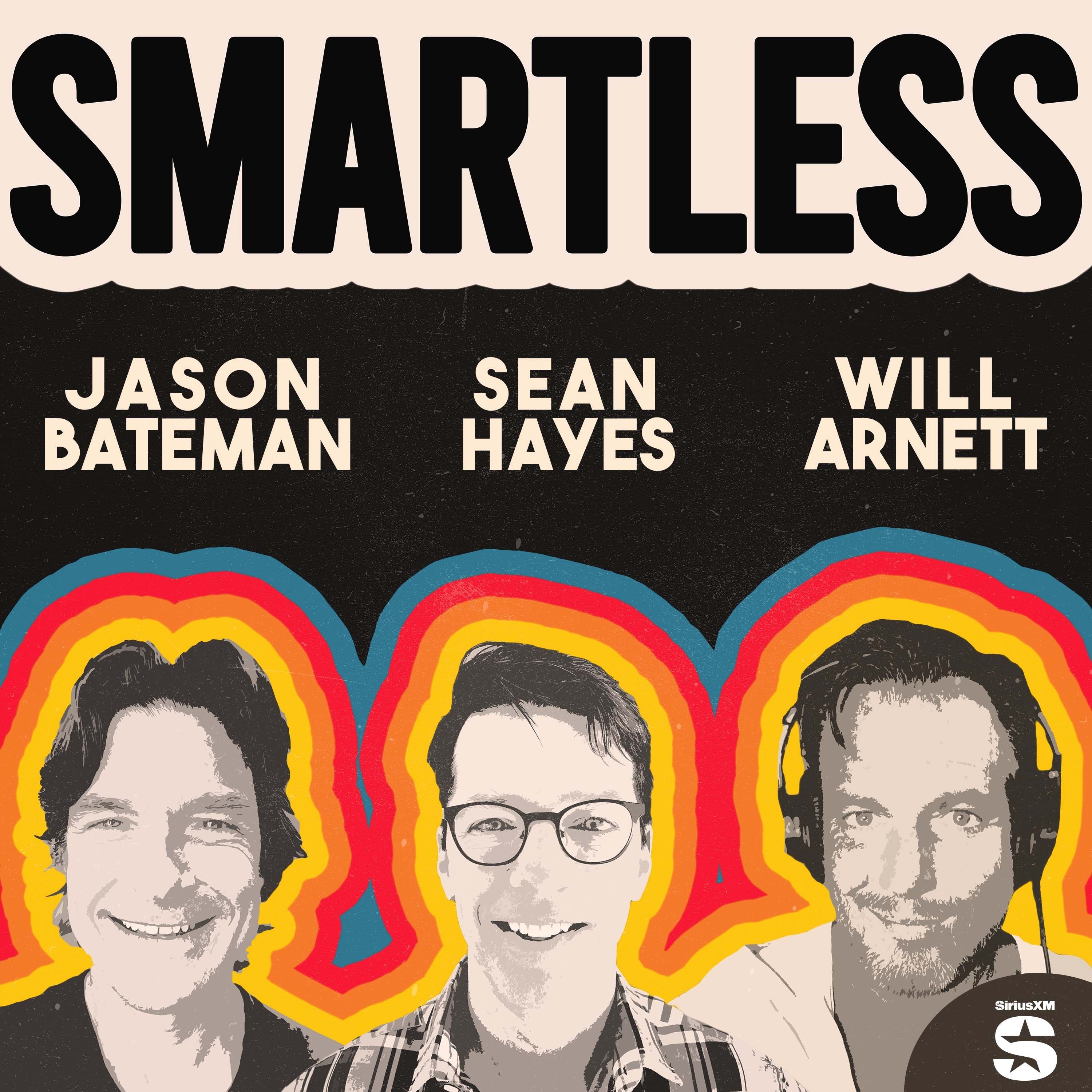
Nick Jonas opens the episode with a nostalgic reflection on his early career, beginning with a Broadway role as Gavroche at age seven and transitioning through music, acting, and family life. He shares vivid memories of early performances, including being shot in a rehearsal and performing as an understudy for Tiny Tim, which shaped his resilience and love for live theater. The conversation shifts to a deep dive into his musical journey, where he discusses the personal and emotional authenticity behind his lyrics, often using metaphors to protect privacy. He also addresses the growing role of AI in music, emphasizing that while technology can assist in generating initial ideas, human experience remains irreplaceable in songwriting. A key moment involves a heartfelt discussion of family and collaboration, highlighting how his bond with his brothers provides emotional stability. The segment concludes with a cultural celebration of Indian traditions, including a memorable wedding in India that featured a competitive sangeet ceremony, blending music, family, and tradition. The episode also touches on broader themes like creative fulfillment, the evolution of music consumption, and the enduring power of human connection in both art and life. From personal anecdotes to cultural observations, the conversation offers a rich portrait of creativity, resilience, and the joy found in shared experiences.
Good morning from both coasts.
Oh, we're recording from both coasts there.
Jason's still in New York City.
Oh, Sean, are we going to take a look at the weather first?
Or are we going to get right down to the news?
Yeah, we're going to take a look at the weather before we get into the feel-good piece.
You know, we're going to look at the weather.
Traffic on the threes.
We're going to look at the weather right after this wonderful episode of Smart Less.
Let's go.
Welcome.
Good morning, everybody.
Good morning.
Hi, Sean.
Sorry, are you about to launch into something?
No.
Hi.
He's like, good morning, everybody.
Remember when Sean used to have a bunch of talking points prepared for the coffee chat?
I always do.
I have them today.
I have them today, if you want.
Do you really?
Yeah.
Do you have it written down on a piece of paper?
I jot it down.
A couple of things that happened.
Does Nick do it?
No, I do it.
Huh.
Just right before we sign on.
Does Scotty ever recommend or suggest, hey, you know what would be fun for you guys to
talk about tomorrow?
Ever?
No, not really.
No.
All right.
So what are the hot topics today, Sean?
Yeah, let's go over a hot topic for Sean.
What do you got down there?
So my sister was here, you know.
Yeah.
The Tracy.
Listener.
The Tracy not only exists.
The Tracy exists, but she had a little stay at Shawnee's house.
Yeah.
Yeah.
And Jay, you called and she talked to you and you talked to her.
And you two were spooning, right?
I mean, like.
Spooning in bed.
Yeah.
Scotty was out.
There's nothing weird about that.
No, you guys were cuddling.
That's fine.
Yeah.
That's fine.
We could use, you know what?
We could use more cuddling in this world.
We could.
And maybe a little less gum.
Yeah.
Fuck.
I know it's hard to remember because, you know, we do these like a week apart and then
you forget a lot in six days.
It's difficult.
Is there like a nicotine cream?
What about if you found like a cream you could just put on your shoulders or something?
Yeah.
What about?
Yeah.
Is it like, like, like, like a testosterone cream?
Yeah.
That I've read about.
Yeah.
So I've heard about that too.
Oh, no.
Yeah.
Oh, yeah.
It's not working.
It's not working.
I need to do a few more clicks.
So, Shawnee, hot topic.
So, Tracy was here and we watched the documentary.
You guys got to see this.
It's called Trust Me, The False Prophet.
Wait, is this the one about the Mormon?
Oh, I heard about it.
Yes.
Somebody told me about it.
Well, no, it's not about the Mormon.
It's about the Fundamentalist Church of Latter-day Saints.
Isn't that, is that not Mormonism?
Which is an extension of, it's an offshoot.
Oh, I didn't know that.
Oh, yeah.
So, Sam Bateman, right?
Yes, that's right.
I thought of you.
I'll bet you did.
Yeah.
It's, I don't know.
Explain yourself, Jason.
Yeah, I don't know if there's a relation there, but I would guess that there is.
I mean, our family is out of Utah.
So, I mean.
No.
So, that was your, that was probably your first tip, I guess, huh?
Was that, what kind of got you going in that direction?
I'm not an experienced investigator, but those are two hot leads.
Name and location.
Fuck, nothing gets past you, dude.
It's unreal.
Name and location.
So, how is Sam doing, Jason?
Yeah, I have not spoken to him for years.
No, I have no idea.
I haven't seen him since the family reunion.
But Amanda did actually just this morning say that she finished it, and she said it's
really worth watching, that it lands the plane very well.
Yeah, it's sad and fascinating and all those things.
It's crazy.
It's crazy.
It's crazy.
Well, you know, there's a Bateman that runs through that great John Krakauer book that,
uh, that I, I optioned and produced that, um, um. "Under the Banner of Heaven."
"Under the Banner of Heaven."
It's a great read.
If you've, if you've never read it, it's a great read.
Yeah, it's really tragic, but there is a Bateman that goes through that, and, and I bet he's
related.
Did you guys make, you made that, right?
We did.
Yeah.
Yeah.
How was it?
I'm gonna watch that.
Andrew Garfield plays, uh, plays a lead in that.
Yeah, how was it?
On FX.
Great.
Yeah, be honest.
Incredible.
How was it?
Yeah.
Oh, I gotta see that.
That's a great book.
Yeah, that book is. That story is insane.
What's it like, generally, in one sentence?
There's these, uh, there's these brothers. Um, it's about 250 pages, probably.
These brothers kill, uh, kill another brother's child and wife, uh, because they say they
got a, they got a sign from up above.
Oh, God.
Yeah, it's not fun.
It's not a fun, it's not a fun read.
Wait, based on a true story, or.?
Yeah, yeah, yeah.
Yeah, it's a full true story.
And then, oh, my God.
But what's interesting about the structure of the book. And then every other chapter.
Yeah.
Yeah.
Every other chapter is sort of, uh, it's telling the linear, uh, birth and progression
of the religion of Mormonism, and you can see how, um, well, you can make your own decisions
about, uh. But Joseph Smith from, coming from upstate New York and all that sort of stuff, and then
he sort of breaks that down in his way.
But, but either way, either way, wherever you land on it, it is a kind of, I thought
it was an excellent book.
He's, God, crack, I was something else.
Yeah.
He's the man.
Yeah, that. Oh, Sean, sorry, one more, sorry, let's get to the next topic.
Sorry.
No, uh. Sorry we got hung up.
We haven't even explored this one.
We haven't explored it with Tracy.
You're watching the doc.
And you're just giving us. Are you worried that you just, you can't be, you just can't be yourself in the moment?
Sure.
Is that what it is?
No, we can totally.
By the way, every day.
Um, was that it?
You were just gonna make a recommendation for media?
Yeah, that, and also I saw, now that we're talking about documentaries, Jay, I finally
saw the "Apocalypse Optimistic."
Oh, yeah, the AI documentary.
Yeah, yeah.
The AI doc.
That, that was wild.
Do, so what do you think?
Are you, are you, are you. I can't. Are you, are you, uh, uh, bullish?
I can't. Or pessimistic about AI?
Yeah, no, I, I, I can't be pessimistic.
I can't.
I can't.
Right.
I, I, I have to believe, just so I can get through every day, that AI and us will work
together.
And AI is not gonna destroy the world.
Yeah, that, that mankind will, will, will do the right thing when, when, when presented
with an option to use this incredible technology for good or for bad.
Yeah.
I always believe humanity will win out.
out in the end.
Hey, guys.
That is so good.
Speaking of humanity.
I have to believe.
Wait, Will, are you about to get to the intro?
It's still me.
Oh, sorry.
Wait, Sean, you had one more bullet point or not?
It was just cultural recommendations.
Oh, Sean, we should mention
just our little side menu,
our little side thing,
which is Sean's menu,
which is becoming our new.
It's our new feature called Sean's menu.
Last night, Jason and I received a text in the chat
and a picture of the beginning of a s'mores extravaganza
on a Monday night.
Yeah, I'm not sure it was fully dark out yet, though.
No, not fully dark.
Not in a beach setting.
Not on a vacation around a camp.
Not on a campfire.
Just a Monday night in Los Angeles.
Just a standard Monday night.
Yeah, regular dessert.
It was a. Dessert was at 615, by the way.
Okay, keep going.
And it was elegantly laid out on a plate
with proper ratios of graham crackers, chocolate,
and mushroom, not mushrooms, sorry, marshmallows.
There on the plate.
Very dignified.
Like this is your s'mores kit
that the chef laid out for you?
No, I did it myself.
I was all alone.
Scotty was out of town.
I was all alone.
I had, so. That was just for you?
That was just for me, yeah.
And I had four in a row.
But wait, this is the hack.
This is the s'mores hack.
Oh, yeah, tell us.
I take the chocolate and I microwave it
so it's more like a sauce.
Yeah.
And then I pour the sauce onto the marshmallow.
Oh, man.
You figured it out, motherfucker.
Yeah, so it's not like you're just biting into a chocolate bar.
Hey, Sean, why don't you just stuff it all in your mouth
and then hop in a sauna
and just let it melt in your mouth?
Okay?
By the way, that's not a bad idea.
All right.
What are you doing?
I'm making s'mores.
Most people go in there to lose some weight.
Sean goes in there to really dive into the sweets.
Or to reheat any sort of food.
He'll just walk in there with his plate.
Fucking hell, man.
Ding dong.
Unbelievable.
See, why waste the wattage?
Well, while you were doing that, I'll say this.
Our guest, Sean, you're going to like this.
He started performing on Broadway at the age of seven.
Really funny.
Okay?
Seven years old starting on Broadway
and has continued on, on and off on Broadway
amongst the other amazing things he's done
which have been, had multiple number one albums,
chart-topping singles in a group.
A fella.
And also with a solo career.
Hugh Jackman.
And incredible acting credits across film, TV,
big studio movies, prestige TV,
then returned to Broadway.
He's been nominated for Golden Globes,
headlined Global Tours,
coached on The Voice, okay?
And built a career that goes,
that went from teen idol to serious actor
to legit, and legitimate musician all the way through.
It's Howie Mandel.
Okay.
He's got his new, his new record came out
February 6th, Sunday Best.
Marking his first solo project in nearly five years.
Please welcome to the show, Nick Jonas, you guys.
Nick Jonas!
Come on.
Yeah.
You look nothing like Howie Mandel.
Or Hugh Jackman.
Well, give it time, give it time.
Hello, Nick.
Good to see you guys.
Nick is seeing you.
This feels overdue.
What an intro.
That was great.
It's so insane.
I saw you at the Golden Globes.
I know.
That was so lovely.
We were backstage at the holding room for the presenters.
My wife was presenting you guys there.
It's not a big room.
It's not a big room.
That's one of the bleakest, most depressing rooms in Hollywood.
Yeah.
Everybody's just locked in and out.
It's way too small.
The ceiling's low.
I did enjoy listening to you guys rehearse, though.
It was a master class in bit rehearsal.
And you guys crushed the bit.
It went viral after.
It was great.
Thank you.
Did we honestly rehearse?
You don't remember that?
There's a little side room.
No.
You ran it back like six times.
It was great.
We did?
Yeah.
Just for timing.
And then I'll bet it was nothing like, just for timing.
Just for timing.
You got to do it.
Get familiar with the piece.
Didn't you think that Jason should have spoken up?
He was a little soft on that one line.
If we were still rolling, I'd go back and raise the volume a little bit.
Yeah.
Because you were turned away.
The attitude was great, and the performance was great.
We just needed to hear it better.
Oh, cheers, man.
The people loved it.
It was great.
I loved it.
Cheers.
Nick.
Thanks for having me, guys.
Yes, well done, Nick.
Of the pod.
Dude, it is so overdue.
It's so overdue that you're here.
And like I said in the intro, as you go back and you look at all the stuff you've done
from such a young age, and how much incredible success you've,
not just had, but continue to have, it's remarkable, man.
It's so singularly, like, that is so tough to do.
And it's really a tribute to your talent.
It's unbelievable.
It's just that you've always, at everything you've done, you've excelled,
and you've managed to sort of keep it, you know, you've done top-rated stuff.
And I wonder if for you, starting young like that, did you feel pressure?
Like, "I got to keep this going."
Did you ever feel that?
Did you ever feel that pressure, starting, starting so young?
I think to a certain degree, yeah, you know, I started, as you mentioned before, on Broadway as a kid.
I was lucky enough to do a few shows, and then I was actually a family friend that heard a song.
Oh, does it sound bad?
No, no, family friend, those stories never really go well.
Oh, I thought the same.
I'm on set right now, and there's trucks behind me, so this one does go well.
Family friend, he also happened to be our chiropractor.
And he's like, "Oh, guys, we're going to take a short break."
He told my dad, he was like, "Look, you know, I know Nick recorded this song.
I'd love to play it for this guy who works at Sony Music Group."
Did he ever, did he ask you to just relax?
Sorry.
Thankfully, thankfully not.
But, you know, started recording, and then we got signed as a trio, me and the brothers.
And I think, you know, because we had, you know,
we had sort of early in our career had a big failure.
Our first album did not do well.
We got dropped by our first label.
Oh, God.
It took, you know, us finding a home with Disney and our partners there
to kind of really step into the next phase.
And I think that resilience came from that early perceived failure.
Right, right, right, right.
Well, that's, yeah, I mean, did you have, am I right about that?
First of all, I read somewhere that, and I don't know, you tell me if it's true,
that you were first discovered by, like, a talent manager or pushed towards one
when you were at, like, a barber shop, like, getting a haircut or something.
I was at a hair salon with my mom, yeah, I was six.
And I was always singing, you know, before I was even talking.
And she was getting her hair done.
I grew up in Jersey, and so we're known for our hair salons, diners, bowling alleys,
and that's about it, shopping malls.
And, yeah, so she was getting her hair done.
I was singing, the woman next to her said, "Hey, my son is Gavroche on Broadway.
I think your son could do it.
You should go see this talent manager."
So we went in to go see Shirley Grant.
Was it Gaten Matarazzo, by any chance?
Didn't he play Gavroche on Broadway?
No, he played Gavroche later than I did, I think.
I did it in the early 2000s.
But, basically, went into this talent manager's office.
Her name's Shirley Grant, rest in peace, Shirley.
She's got her walls lined with, like, you know, headshots of little actor kids, weird actors.
You know, like, the actor kids who look you in the eye and shake your hand really intense.
He's looking at you, JB.
- He is. - JB, he's looking at you.
Did you notice that? He's looking at you.
And she started sending me on auditions,
and that was kind of the start to my run doing shows.
- That's so nuts. - Wait, so you played Gavroche?
- And I played Gavroche. - Who's Gavroche?
I'm embarrassed to say I don't know.
He's the kid that basically is the kind of narrator for the second chapter of the story.
Basically, when Valjean-- Have you seen Les Mis?
- Of Les Mis. - Of Les Mis.
- Les Mis. - Oh, oh, oh, oh.
- I don't know if I have. - He's the only kid in the whole--
Spoiler alert, he gets shot in the head and he gets killed.
And as a child actor, it's, you know, a dream role.
You get to do the old snap of the head back and die.
It's epic.
- I also played-- - Wait, wait, wait, wait.
Full side-- Wait, full sidebar pause.
Have either-- You have, you've just admitted.
Have you guys ever been shot in a production, in a show or anything that you've had to get shot?
- No. - Yeah, I think I've bored you guys
with my Little House on the Prairie story of getting shot.
- First time I've ever been shot. - No, no, no, I've never heard it.
I was, what was I, 10, 10 or 11, something like that.
God, they're shooting a lot of kids in these productions.
Okay, keep going.
- Jesus Christ. - First big gig.
I'm playing this kid.
Me and my older brother, we walk into a bank there in the little western town.
And it's in the middle of getting shot.
And we see these two little kids getting robbed, but we don't know that.
We walk in, ding, ding, the door chime goes, and the bank robbers turn around,
they see these two little kids, and he fires and hits me right in the chest,
or the leg, or whatever the hell it is.
We shoot the rehearsal. Michael Landon's directing this episode.
We shoot the rehearsal, so I get shot, and I throw myself against the wall.
I slide down the wall, and when I get to the floor, I start shaking and quivering like one does,
all you can see is in the movies and the TV, and then I slowly expire.
And all I hear is total silence, my eyes are closed on the floor,
and I just hear Michael Landon go, "Okay, we're gonna cut?"
And he walks slowly over to me. I still have my eyes closed, I'm still in it.
And he whispers in my ear, "Okay, we're gonna do another one,
and this time I'm gonna want you to just collapse on the floor.
Okay, next time you get shot, I want you to just slowly just collapse and quietly expire."
Here we go, everybody, back to work.
I was so mortified and embarrassed.
I mean, I was just, you know, vibrating and throwing myself.
- Sure, sure. - Fucking terrible.
Oh, God bless you, JB, that's good.
- I know. - I'm feeling it.
- So you do play in this. - Wait, so you were gonna say,
after "Gabros," you played. Oh, yeah, so I did, my first show, I did "A Christmas Carol,"
which is kind of a seasonal show, so technically not a Broadway show,
but "Annie, Get Your Gun" was my first show.
I did the first show with Reba McIntyre.
I did it with Frank Langella, actually, it was pretty incredible.
- Oh, whoa. - He played Scrooge.
I was, actual character name, Scrooge at eight.
- - And I was the understudy.
I was the understudy for Tiny Tim, and in the eight years that this show had run,
they'd never had a Tiny Tim cover have to go on.
So they just didn't bother rehearse the Tiny Tim covers.
- Oh, shit. - And the year I did it,
you know, again, my dad gets a call, and they say, "Hey, Nick's gonna go on
for Tiny Tim today.
We gotta get you here an hour before the show to do a put-in."
So I rushed over to the theater and basically run the five scenes
that Tiny Tim has in the two songs.
And, you know, thrown out there for the opening kind of song,
and literally my mind goes blank.
16 bars of just silence as the music's playing.
There's really intimidating conductors there looking me in the eye,
and it was a good entryway into live theater, you know, shit happens.
- Oh, wow. - You just gotta roll with it.
But as an eight-year-old, I was pretty mortified.
"Scrooge at Eight" would be a good title for an autobiography
if you ever decide to write one.
I'm gonna write that down, actually. That's a good idea.
Wait, did that instill a fear in you about performing going forward?
Well, the conductor came up to me after,
and I was expecting him to sort of scold me or something like a teacher would.
Instead, he came down on my level, and he said, "Things happen."
- "You just gotta keep going next time." - He said, "We're just gonna drop to the floor."
- Yeah. - "We're just gonna collapse."
- "We're just gonna collapse." - "We're about to reset and reveal."
- "And expire." - "And yet you're just gonna collapse and expire."
Um, actually, I wonder if, you know, hearing you say that,
and, Sean, your question, I wonder if it had the opposite effect of having that.
You kind of mentioned, like, your first record wasn't the hit,
that it didn't go well, that you had that experience at eight on Broadway.
In a lot of ways, it probably galvanizes you.
'Cause if you can kind of get through that at such a young age. - Yeah, yeah. - Yeah.
Right? In a lot of ways, you kind of go like, "Well, fuck, I've done that already."
Like, you know, otherwise, you're waiting for that moment your whole life.
Like, when is gonna be the time that I'm gonna completely bottle it in the moment, you know?
- Yeah, and I've had a few of those, too, later on. - Sure, sure.
Moments that certainly didn't go the way I hoped.
But, yeah, I do think that those early experiences helped kind of create a foundation
foundation that led to
me not losing it yeah yeah what about the things that went way better than you thought they were
going to go at at an early age like for instance you know the the like the incredible fandom of
like all of these like girls screaming at you even at an age where you might like you're just
starting to like get all crazy about girls and like has is that sort of thing now that you're
you're an adult and you have you've you've managed to weather the transition between sort of like
teen idol into into an adult you know a professional actor performer etc um you know
how does all that stuff kind of transition for you in your in your head about you know how much
of it is real how much of it is just part of the job or what do you do with all that sort of like
that ego surplus
and uh you know because it's all kind of junk food to a certain extent and like you got to figure out
where to place it all right i guess yeah it's a great question i mean i always think it's funny
when people uh frame an answer this way so so forgive me for doing it but i think you know
one of the biggest misconceptions about us and odd to acknowledge your own perceived misconception
sure um but it was was that because we worked with disney and the core of our demo was you know
primarily teens yeah
um that you know there's no way this music came from an honest source or or that it came from us
even right right um and it was a really bizarre thing to sort of you know be in a spot where at
13 14 years old uh i was i was experiencing all the things you're talking about first love first
heartbreak real big you know human emotions that i was able to put into song in a way that spoke
directly to that audience and when you ask about like what it
what's something i thought went incredibly right it would be that the fact that our dad raised us on
this this this great bed of of of classics we discovered our own kind of sound and and found
our own voice creatively and i had this this outlet that both helps me process these big
feelings but also connected in a way that that frankly now you know we play these songs 20 years
later as men and dads and husbands in our 30s it's even more resonant with the audience because
they've grown with us yeah and
tracking that over time it's just been the most fascinating thing and and um pretty
pretty uh special to be out you know and we will be right back
and now back to the show
you mentioned that in your your dad raising on those those classics and musically like
so what was that who is the person did they discover that oh that you had a talent for music
that they kind of came from your your parents were they musical in that way like was that
something that they came from them yeah our dad was a really gifted musician he um he's a pianist
a vocalist and he was actually a pastor um when we first started we we lived in dallas for a bit
where i was born um and then we moved to jersey and he became a senior pastor at this this church
there and and um music was always a part of our life and and you know
i think my my latest album sunday best came out in february really kind of musically speaking not
so much but lyrically but musically touches on some of those early musical roots in the church
but the thing is that he also really educated us on everything else the you know bgs the beatles
stevie wonder carol king all the greats and we had you know a real sort of deep dive musical
education uh by way of those hour-long
drives from our house in wyckoff new jersey to the city to go perform and shows there and
um eventually you know we we left the church or we're sort of pushed out because our music wasn't
christian music right and so some of the people in leadership there were upset about that and
thought that we were sinning um sure we took a different path yeah exactly you sean he was
looking at you yeah no i got it so i can sean you want to talk about the time that you wake
off in new jersey okay so listen listen
to start yeah um but that's so so you had all this music and then you start and then you start
acting and you have consistently gone back and seamlessly back and forth between the two and and
sometimes the marriage of the two in in musical like on broadway and then yeah and and then and
then doing serious acting roles and doing all that stuff and is there one i mean you don't have a lane
you have you're occupying multiple lanes at the same time uh and how do you approach it do you
have like an approach like well now this year i want to spend more time making music or do it or
does it just kind of flow it just kind of flows and as of course you you all know that the lead
time for a film or tv project is so much longer you know then then the turnaround time we can
have in music i could i could record a song this afternoon and then if i wanted to put it out this
evening um yeah but there's so many people that are going to be there and they're going to be
there and they're going to be there and they're going to be there and they're going to be there and they're going to have to weigh into you know how something gets made um on the film and tv side which is something that is sort of new for me you know on the development side of things and um i always love hearing you guys talk about your process with development and and you know kind of what that's been like because the last i'd say six years kind of during and post covid um outside of touring and music and all that that's been a really exciting thing is to to sort of do my best to to forge a path where
i am a little bit more in the driver's seat than i've i've been in the past yeah yeah um been really
fortunate to be a part of some great projects but when you can start to develop things that you feel
like are the right next steps for you and you're you're more in a sort of position to to make
decisions it's a really empowering thing how are you finding your your like just to sort of follow
up further on will's uh question there like are when what what do you what do you find is drawing
you more towards acting at times and what's putting you more in a music mood um is it um
you know is it um money yeah well i mean but right there are certain drugs like are i guess the
question behind it all is is what what is the difference in creative fulfillment that you find
between acting and music you know what is what's what's touching you you know in your in your in
your most core place um versus some other place i don't know yeah i think that honestly becoming a
father we we have a four-year-old um that really changed everything for me as a as a creative um
both on the music side in and as an actor and um i've always loved acting and and i i've kind of
bounced between you know uh things like uh
you know jumanji for instance which is very big and fun and exciting and incredible cast
um and then smaller things you know the the one million dollar movie right the thing that that
you just kind of grind and and i love both and think that that it's it's amazing to kind of have
that that range um and on the music side uh you know the driver is the the fans truly and i'm not
just saying that it's it's it's bizarre to get to do anything for as long as we've we've now been
fortunate enough to do especially with the way it kind of began you know with there is a uh a reality
to the fact that that teen fans or or that sort of heartthrob label can can be a challenging thing
to to step out of right um and i think my my our daughter and and the experience that i'm having
with her have me way more connected to the words i'm saying no matter what they are and kind of my
my world view and everything else so i can't really say one thing is is more inspiring or
exciting but but actually looking at the world through her eyes in a sense gives me just a better
perspective and a deeper you know sort of angle on what i want to be doing well and you've also
had the you know part of your experience has been a big part of it on and off has been work
with your family right to work with your brothers on and off i mean that that's a very that's also
very unique and in addition to your solo work as a musician uh and then your solo work if you will
as as an actor going from project to project one of the sort of the one of the through lines has
been has been uh what you've created with with your brothers and i wonder is that something that
you like the
is that something that feels good as as a sort of a steady thing that's always there that you can
kind of lean on that that idea of that family and you guys doing that stuff together what's that
experience like yeah it's it's um it's incredible to get to do you know anything with with the
people you love and share and those experiences and um you know we we also had a moment where it
wasn't good you know we've had that that chapter of the journey too where we had to basically say
let's let's not do the music together and
more work together so that the the family at you know the table can can still all be there and love
each other and and um you know i think it it took us sort of going through that that season and
coming out the other side in a healthy way yeah because you guys went through like a you know the
A period in everyone's life of change that happens between the ages of, like, 15 and 20 is massive.
You know, like, and that was the, you guys were just tied at the hip during those years, yes?
Or, I mean, what?
Yeah, absolutely.
It was, you know, it was both good and bad.
There are times you, I look up and I look at folks who went through similar experiences to us who were on sort of a solo journey and didn't have that built-in support system.
Because we would check each other too, you know, which was important to the dynamic and also be a shoulder to lean on when there was tough times and frustrating situations to navigate.
Yeah, I mean, you want to change so much, right?
During those years, you kind of like, you try on these little outfits.
I mean, Willie, we're seeing it with our kids, right?
During those ages, like, you're kind of like, you're kind of flexing a little bit and seeing, like, kind of like what kind of young adult you want to become.
And if you've constantly got a sibling there, that's why siblings fight so much, is that you're always calling each other bullshit, you know?
And like, oh, just stop with the face or with, oh, nice, nice outfit or what's going on with your hair, you know?
I was thinking about this with us.
Like, as you were saying it, and obviously it's very different, but the three of us, Nick, in this way have. You're like brothers.
Yeah.
We've been friends for a long time.
But we're settled into who we're going to be.
Yes, but at the same time, we check each other all the time.
I FaceTimed with both of you yesterday.
Yeah.
I was going to do this thing on Thursday, and Jason's like, you got to play golf with me.
I'm leaving.
I'm going to New York.
You have to move that thing because I'm leaving.
I'm not going to be able to play for a while.
I was like, okay.
And I called the guy I was going to do with.
And I go, I have to go because Jason's leaving, and I have to play golf with him the day before he leaves.
And he goes, I think it's so sweet that you guys still want to hang out with each other.
That's right.
And it occurred to me.
Yeah.
But I get it.
Like, you guys are my constant in that way.
Like, you're my thing.
We come back and get to do this together in that same way.
And we, so I can kind of relate to that.
It's different.
Again, I'm not.
And you also, you guys are probably as fiercely protective as we are about maintaining the harmony.
Because it does take some diligence.
We don't talk to each other about, like, you know, the effort I made to avoid a conflict with you.
Like, no, you've got to take care of that shit internally.
And make sure that you're being the right partner to keeping everything.
Like any family.
Yeah.
Like any family, any relationship, you've got to do your part.
Yeah.
And you've got to also talk a decent amount of shit to the people you love.
You have to.
Which you guys have in spades.
Yeah.
Wait, Nick, is there anything, as far as your music goes, I was thinking about this when Will was kind of touching on this, too.
And you were speaking about it.
Is there anything, how do you determine?
Of your personal life, what to share in a public forum through art?
You know what I mean?
Yeah.
It's a good question.
There are things that I.
Even a stop clock tells the right time.
Yeah.
No, he's got nominations to back it up.
Yeah, he sure does.
Interviewer of the year.
Yeah.
I don't think.
Did he win?
He did not win.
Did not win.
No, he lost that one.
No, he did not win.
He didn't win until he got to the co-host.
The co-host version of the nomination.
And then.
We won.
Yeah.
Congrats.
There are things that I feel, you know, are probably better to just keep private, you know, or find a different way to say it.
But I have lived a lot of my life, you know, in the public eye.
Yeah, no shit.
It would be odd to not acknowledge some of the things that are already known about me.
Right.
So you write these lyrics.
You know that you, I mean, a writer only writes what a writer knows.
So I'm assuming that your feelings, your emotions, your stories come from your life experience.
And then oftentimes you want to sort of explore this through a song, but you're afraid the public might sniff out who that person might be.
So you kind of change a name, maybe even change a gender, change who you are, change the, or make it a metaphor, right?
Like all of a sudden it's about two dogs in a park.
What an imagination.
Yeah, thank you, man.
So is there a little bit of like a concoction going there sometimes when you're writing out lyrics?
There is, yeah.
And, you know.
Are you ever a puppy?
Oh my God, dude.
Enough with the dogs in the park.
Hey, Nick, ever a puppy or a kitty?
That's actually what the entire next album is about.
Fucking Nick, please write a song about two dogs in a park.
I honestly got it.
Yeah, I'm going to figure it out.
I'm going to figure it out.
There's got to be a way.
And then look over there.
I'll show it to you first.
You can premiere it on the pod.
Yeah, but truly, yeah, it must be hard to decide how to do that.
Yeah, I mean, I think that it's always fun to think of a different way to say a thing and to, you know, to throw a metaphor in there.
But also, you know, to just say the truth is so empowering.
Instead of like they're just sniffing each other, you know.
They actually take each other out on a date.
Oh my God.
Oh my God.
It's the song's writing itself right now.
Fuck, this is never going away.
Yeah, I mean, have you ever had, well, then conversely, have you ever written a song and then had questions about it or it felt like people misinterpreted it?
Like they think that it's about something and you're like, oh, no, it's not about that.
That has happened a few times.
And then the other thing that happens is that. You know, in the year 2026, there's only so many notes left.
There's only so many songs.
When we first started putting music out in the early 2000s, on any given, you know, Friday release day, there would be anywhere from 30 to 50 new releases.
There are now thousands, 3,000 to 5,000 somewhere in there releases.
Oh my God.
Every Friday.
Of known and unknown artists?
Yeah.
Of anybody?
Yeah.
I mean, there's just. There's so much music out there, which is both incredible and we love that there's so many people that are creative and that there is, you know, new pathways for people to independently release music, all these things.
But the landscape has just changed so much.
And so, as writers, we have to adapt as well.
And musicians, you know, you've got to find a new way to cut through.
And this is, it's 3,000 to 5,000 now.
And then in a couple of years, you're going to have all the AI groups releasing stuff.
Exactly.
Like labels.
Labels will probably just have certain groups that are fully AI, right?
How do you feel about that?
Have you. This one goes out to my mother.
Have you played around with, like, just get like a first draft of a song or like, whether it's lyrics or melody to see what AI can give you on just, I don't know, just a first pass that you then would change to make your own?
I mean, any kind of art, I think.
Any kind of art, AI, I hear, can give you a first sort of pass at it, as opposed to. Because the hardest thing is creating something out of nothing, right?
And I. So, about 25 years ago, or whatever it was, 30-ish years ago, probably not that far back.
Let's call it 25.
I don't have the exact facts.
There's the introduction of autotune into the music-making process.
Tell Tracy what that is.
Before that, there were little tricks you could do to basically. Take the pitch of a singer and just bring it slightly back in tune so that it just sounded better.
Right.
And then there's compression, which is another tool that's used.
So, as modern music-making, much like film and TV, started using the technology available to them, it evolved.
It changed.
And it became a part of the process to where. Now, hearing a song without autotune to your ear would. It would probably sound odd, or just slight pitch correction.
Rough.
Rough, or unfinished, or raw.
Or more real.
Or more real, exactly.
My thing, as it relates to the AI conversation and the creative process,
is that it is inevitable that this thing that is available to everybody will be used in some way,
and there will both be good and bad examples of how it's used.
But I believe that the lived experience. The human experience cannot be replicated.
And certainly, you know, songs about dogs sniffing each other's butts in the park
could only come from great minds, human minds.
Right.
Right.
But it's a really interesting conversation, because it's happening, you know,
in the circles I run in L.A. with other songwriters and screenwriters.
It actually, and this isn't to, like, bring up the thing,
but I have this movie coming with Paul Rudd in June,
which is all about my character, basically, effectively, as an artist.
He's a sort of former pop star, boy band artist,
who is at a crossroads in his career, who wants to go to that next level.
And he meets Paul in a happenstance situation at a wedding that Paul's wedding band's playing at.
And basically, I steal. I like it already.
I steal this song from him, and it becomes a global smash.
Oh, wow.
And he doesn't get the credit.
And then he comes after you?
And he comes after me.
really fun movie john carney's the director he's one of my favorite directors and um paul's
incredible in the movie and but the the basic kind of like hook of it is always had me when i first
heard the log line and then when i read it i was just blown away but it asks the same question i
feel like that some of the ai conversation asks like what is this idea of ownership uh of truth
and accountability and all these things and um you know i'm excited for people to to see it because
it it will leave you with a lot of questions yeah i love that i love that sounds really good
i think we all they're all everything around this topic or feel like just open-ended questions
because we just don't know and we don't is we're all trying so hard to figure out where it's going
to end up and and we're spending all our time just spinning our wheels going what's it going
to be is it going to be good or bad is it going to be this or that and i guess we just that's
the frustrating part we have to kind of surrender to we don't know yet you know
yeah um what what kind of i'm curious what kind of music do you listen to uh like if you if if i
were to turn on a playlist that that you had right now like what what what's the kind of stuff that
and i'm sure it varies like everybody like you go through phases and stuff but do you have any
kind of like specific genre or something that you always find yourself going back to or artists that
you really i i have a few you know i've got i make playlists that are are um themed so i'll do like a
playlist and it's anyone that's related to that's funny another famous musician and it starts a good
debate of who is the more yeah famous musician of the two which is a fun one or great songs with key
changes so when me and my friends get together we sit down and have a couple drinks and we we all
like pass the phone around and add to these playlists oh that's fun that's really gives you
yeah it's a fun game to play with with your friends if you ever want to do it uh and then
outside of that jango reinhardt um
is a gypsy jazz guitar player just really puts me at ease and like it's always playing in our home
along with you know my my wife priyanka's is indian and and i've learned so much about the
bollywood film scene and indian film as a whole and and the music from those movies and really
come to love it um so that's those you know those are kind of my tentpoles we'll be right back
and back to the show
i don't know how i'd answer it who's your favorite do you have a favorite band of all time
yeah favorite band well i know what yours is well what is it who's built to spill
built spill is up there but it's not number one oh is it um what's the uh the the french
fusion band do you love smith smith is my number one band of all time i love that it's like my
french french fusion what's it called the french canadian fusion van that you just go twat on and
on about but no he's not french oh bonnie bear bonnie bear french canadians he's from wisconsin
that's close it's close and it's a french name bonnie bear is amazing right do you love bonnie
bear i love love he's incredible justin vernon and those guys and i think i turned you on to them
will i mean it was an earlier early adoption sean carrey who plays with with when when when
justin vernon when they were doing bonnie bear sean carrey's got a beautiful voice and the two
of them there's a version if you want to um
it means good winter so it does but but without the age just so there's there's a song they
released they they did it live in a studio and you can go look it on youtube and it's uh justin
vernon and sean carrey on dueling pianos and they're doing bunny rates uh i can't make you
love me it's one of the most incredible it's one of the most incredible performances jb make fun of
it as much as you want you never understand it okay you have the heart of ai you have a heart of
jason as i was saying jason has the personality of a waymo driver
but you nick i check check it out and check it out those guys doing uh i can't make you love me
it's absolutely heartbreaking but yeah i want to know his answer i know what's your favorite band
if you had to i mean it's the beatles you know of course okay sure okay um and then the bgs i love
the bgs um there's a band called switch foot that that we love um they were really influential for
us they and now i'm called a beautiful letdown 2003 it's like san diego um you know surf kind
of like just just a rock kind of it's that punk pop emo rock thing that yeah yeah yeah we'd love
but yeah the the beatles i think number one sean you got a favorite band well the smiths is really
really really really high up there but probably depeche mode or erasure or new order all the all
the european synth pop of the 80s and 90s i listen to it every day still bronski beat erasure yeah it's
all those yeah what's the best concert you've ever seen oh me uh probably depeche mode i mean
depeche mode yeah because yeah jb best concert you've ever seen jb and favorite band radiohead
we know what it's ready yeah yeah yeah yeah i think the best concert i ever went to
was like 19 i want to say 85 and it was the violent femmes and the pogues and the double bill
oh wow yeah yeah it was sick where'd they play uh in toronto
yeah i grew up in toronto great concert city is it is it a great is it a great concert it is
you know that one of the most asked questions on a golf course when i'm like playing with with some
guys that i i don't really know is always what's the what's the best city to play in yeah and and
it's i so it's toronto yes mexico city montreal great concert city great town uh barcelona wow and
brazil i mean anywhere in brazil like it's just wow listen shout out to toronto i just want to say
to all my all our canadian listeners we love you so much and our friends at rbc wait a minute but
nick sorry by the way
it's not a pain in the ass
not a pay dad not a payday i'm from uh i'm from a little tiny town called glen allen illinois
and you played at the village shout out it's just a net jets trip away it's a net jets trip away
okay net jets it's the easiest way to get around you know but wait did you guys go to the masters
this year i did not i went last year yeah were you there this year no i missed it i'm up in vancouver
right now i'm speaking of canada is that right and uh and i couldn't go but my brother joe and i
we first went to the masters back in uh 2017 2016 or 17. um whatever the sergio garcia year was i
think it was oh yeah yeah yeah and then we kind of made a tradition of it we would go on saturday
night or sunday morning and and and do sunday well it's a tradition it's unlike any other and um you
know speaking of that jim nance is he's kind of been a family friend for a while um he he's come
to a lot of shows with his daughter they have like a connection of coming to our shows together it's
really sweet and she's now you know married and and um it's it's a beautiful thing anyway
he he let us come into butler cabin and and watch his intro a few times and um and you know
i was there the year tiger won but i missed it this year and i think i've seen you from afar at
masters one of the years i went and just one quick golf story and sorry to to bore you no um i did
this we're all in i did this commercial with uh jordan spieth for um for at&t at&t yes yes yeah and
as a sweetener for the deal yeah they were like hey um we're gonna get you on to play on the
monday after the tournament oh right after so i got to go and play augusta how'd you score how'd
you score in those so i'm not playing to it now but at that point i was i was a seven um wow and
the conditions were brutal uh but i shot it at 84. that is really good did you play their tees no no
no they had us they had us up yeah jb don't be that's a devil well i mean i don't know things
i went i went and embarrassed myself i went with the manning brothers about a year ago just over
a year ago and i really stuck up the joint i finally got it kind of got it together but i
really stuck up the joint but you got to see i feel like they could be they could actually be
like real working actors now the manning brothers they're very funny peyton manning i he knows this
i've said i've embarrassed him many times he's the he's the greatest working athlete uh former
athlete actor of all time yeah um we're die hard giants fans so we had a couple of great years with
eli and uh we love eli too we love we love eli legend sean you okay yeah sean sean just tuned
out more than ever he's just he's still coming off his high from last night he had a campfire
i don't know if you knew in hancock park that little campfire uh campfire for one
i was gonna ask you because i was listening in before we jumped on can you how how does that work
the the campfire out outside in the california it's over it's in the oven when i made my snores
it's on the stove okay i was like that seems really dangerous if the gas is shut off he'll
just go in the sauna as well explained yeah so you'll just you're just standing there jackassing
it over an open flame in your kitchen on the stove yeah absolutely yeah what are you eating standing
up like are you absolutely standing up and then make the next one that's right well and your fingers
are now sticky in there totally i'll bet you've got the phone i bet you're scrolling through your
while you're eating next to the stove.
No, I was listening to The Smiths, actually, last night.
Were you really?
Wait a second.
You're listening to The Smiths off your iPhone,
alone in your kitchen,
making s'mores over your gas range.
That's right.
That's right.
Fuck you.
Fuck you.
And you're in slippers and, like, pills.
Yeah, I'm in slippers.
Totally.
It's just disgusting.
Wait, Nick, we do have to get you.
You have to come play golf with us.
I don't know if you heard.
Jason's leaving, so we can't play for a while.
Until August.
Have you guys had Kevin Hart on the podcast yet?
We have.
We have, yeah, on the last show.
So he's, you know, newly obsessed with golf.
Is he?
Yeah.
I just finished up on the number three, Jumanji,
and he was literally scrolling, you know,
just watching golf videos
and practicing his swing with, like, this contraption.
It's like a thing that simulates, like, a golf,
I don't know, it was very cool.
I find it on eBay.
Was this over in Hawaii?
Hawaii and some in L.A. as well.
And so in Hawaii, you played some yummy courses, I'll bet.
Don't say yummy.
I didn't have a chance to.
I brought my daughter out with me and my parents.
My wife is shooting in India, so I brought her out.
And I did the dad stuff.
We did, like, the dolphin, swimming with the dolphins.
Nice.
I took her.
They're at the Kahala Hilton?
Yeah, I think so, yeah.
And they have a Disney hotel.
And so, you know, she went and met Moana and all.
It was great.
I sacrificed the golf for the dad stuff.
Talk to me about India.
How is India?
I've never been there.
I'm curious.
I'm so desperate to go.
You gotta go.
You should bring the podcast there and do it.
It would be massive.
We should do that.
Do an episode there.
That's a great idea.
Smart List goes to India?
I watch a little bit of Indian, this is true,
Indian Premier League cricket from time to time.
Yeah.
Oh, yeah.
And there's this new kid he plays.
IPL.
Yeah, the IPL, this kid, he's 15.
He's, like, this total--
On the Indian team?
Yeah, he plays for one of the teams.
No, I don't know if he's playing for the national team yet.
He's playing for one of the teams in the IPL right now.
This kid is having--
I actually watched a game where he was out after one run.
But this kid is, like, an absolute sensation.
He's 15, and everybody else is way older.
Yeah, he's sensational.
I love cricket.
Do you think the audience is hanging on to this particular
section about the Indian cricket?
I don't know.
Do you think they're fucking tuning in for it?
In India, they are.
Let me tell you something right now.
How can you hold an audience to something like that?
He gets that.
Jason just straightened himself.
Well, yeah, you should go to India.
So Priyanka's been shooting there.
This movie, by the direct of it, did RRR.
That was his last film.
Oh, sure, sure, sure.
Yeah, that got a lot of great notice.
Yeah, big Indian kind of epic film.
And she's not done a movie there in about eight years.
So it's a big deal, her return.
You know, she did 80-something movies before she started.
No way.
That's crazy.
Yeah, it's an enormous industry over there.
Over 80 films?
Over 80 films, yeah.
She's 75 years old, Will.
It's a fascinating thing, though.
The way in which the Indian audience reveres their film
talent, their stars, it's unlike anything I've ever seen.
And it's obviously an enormous audience, over a billion people in India.
And then globally, the reach is so big and there's a bunch of projects
that are really starting to make a huge impact globally now as well,
which is exciting to see.
The culture there, I hear that weddings are a major thing.
Did you guys have a bit of an Indian wedding or no?
We did.
We were friends for about a year before we started dating.
And then once we started dating, it all happened very fast.
We just both just kind of knew.
So, you know, first real date was in May.
And then by July, we were engaged and then married in December, the same year.
Wow, that's awesome.
Well, how did you guys meet?
We had a mutual friend who kept saying, "You know, you guys will really hit it off.
I'm going to connect you." And he never did.
And I got frustrated waiting.
And I saw a billboard of her on Sunset Boulevard for her show Quantico.
I was like, "You know what, fuck it.
I'm going to see if she follows me on Twitter."
And she did.
Ah, wow.
And so I messaged her and we went back and forth for a bit.
We met for a drink, just kind of casually in New York.
And it took, you know, a year or a year and a half for us to really say,
"All right, let's separate the time in our schedules to just like give this a go,
go on a date and see what happens."
And so we did and it was literally,
you know, instant and we both just kind of knew.
So, flash forward to the wedding, we decided to do it in India.
And we were scrambling to find a place to do it because we had spoken to Priyanka's
mother's pundit, her spiritual guide and astrologer.
And they had said that the best window, the most auspicious window would be in December.
Wow.
So we're like, "All right, we got to find a place."
We're like, "Let's find a wedding venue."
And she showed me this video of this commercial that she had shot at this place,
this palace in India.
And she was like, "There's no way this would ever be available.
When I shot here 10 years ago, I said I want to get married there someday."
And so her friend who was with us, her best friend and her best friend's husband,
he's like, "Let me just cold call them right now and see if they're available for these dates."
And he stepped out of the room and he came back about 10 minutes later, he goes,
"They're available. It's the one weekend this entire year that they have
available for a wedding."
No way.
How crazy is that?
So we did what's called a sangeet ceremony, which is the first night.
Basically, it's a really fun tradition where the families, the whole thing is about
not just the couple, but introducing the families and integrating them together.
And there's the spirit of competition that comes along with Indian weddings.
So you basically do a performance and you battle.
And the family that wins the performance is the more dominant.
And the more dominant is the more powerful family.
So on her side, you have her, a global Bollywood icon and Hollywood star,
along with a bunch of her cousins and other folks in her family who are also Indian film stars.
And then on our side, you've got the motherfucking Jonas Brothers.
And our friends and family, and it was epic.
Like a song competition, dance competition, both?
Like a show.
I'm not even kidding you.
It was like a 45-minute show.
And she crushed it, her side crushed it.
And then we came out and I walked out because they did what the actors do in Indian cinema,
which is that there's a playback singer, it's called, or an artist.
But then the actors on screen, in character, lip sync to the song, although it's a different singer.
So they did that and I walked out and got on the mic and said,
"We have one thing, it was an amazing performance and you all crushed it.
And we're humbled and honored to get to go after you.
But we have one thing that you don't, live microphones."
And then we started.
Wow, that's great.
Is there a strategy to going first or second?
Like, did you guys flip a coin to see who would start?
We didn't flip a coin, it just kind of happened that way.
And I'm glad it did because, you know, it put the fear of God in all my friends and family
when we were backstage after and it was like, we got to hold the fucking line.
They brought it, like now is the time.
We never needed you more.
So we did that, then basically we did like a Western Christian wedding.
And then the following day was the Indian ceremony.
So three nights, and by the way, that's a short, considered a short Indian wedding.
Usually they can go up to, you know, a week or two.
I was just thinking, I was imagining if we introduced that here in America,
sort of the competition element to a wedding, and I'm just thinking of like a wedding up
in Massachusetts of two families like, fuck you, you motherfucker, you motherfucker.
You thought that was trash.
That was fucking immediately like, here we go, let's fucking, let's kill these clowns.
Fucking, you know, just total brawl.
It would escalate quickly.
Yeah, wow, that's so cool.
Dude, I can't believe it's already been an hour.
Yeah, we didn't get to much, but so much.
It's a good, it's always a good sign when you just roll through.
Nick, man, you're such a talent, dude.
You're such a great dude.
And I just love what you do, and so much admiration for all of it,
and just continued success.
Yeah, same, but thanks for making time where you're there at work, right?
You're in your trailer there.
Thank you for doing this now.
Of course, and I'd love to come back next time with the bros, too.
Yeah, come on.
We'd love that.
We'd love that.
We've got to play some golf, you know?
We've got to get it all done.
Yeah, let's get it all done.
This was awesome.
Thank you, Nick.
We can workshop the dog play, too, you know?
Okay, you know what?
That's it for Nick, okay?
So, Jason, we're good, okay?
Somebody cut off Jason's mic.
Uh, thank you, Nick.
Thank you, guys.
Thanks, Nick.
Thanks, buddy.
Nice to see you again, Nick.
All right, pal.
Good to see you.
See you later.
Bye.
That's Nick Jonas.
Wow.
That is Nick Jonas.
Yeah.
What an impressive dude.
Yeah, when I saw him backstage with Golden Globes with Priyanka,
it was just us three.
We were chatting for, like, you know, like a half an hour.
It was great.
It was so cool.
Do you think they rolled their eyes after they walked away from you?
Yeah, absolutely.
Who doesn't?
Who the fuck is that?
Why is that guy talking to us?
This guy is. They let such random people backstage.
He goes on and on.
I don't care.
They're cooking s'mores?
He's wearing slippers to an award show?
Wearing kajuma, by the way.
That sounds like a dream.
But it's very admirable that he is, you know,
just thriving and incredibly relevant
and working like a dog.
And, you know, he's made that transition
from child star to adult.
Yeah, I mean, and started on Broadway.
Actually, I didn't even mention that.
He and I, years ago, went to a hospital
here in Los Angeles around the holidays.
And visiting with all these kids who were sick.
And he brought his guitar.
And he played songs for all these kids individually.
And it was so, yeah, it was so moving.
I mean, it's like. Like, he was just giving.
He was so generous.
Yeah, and doesn't stop with his time like that.
Like that or, I mean, going from movie to concert
to the recording studio to the. It's exhausting.
It sounds exhausting.
Oh.
Oh, that was it.
I thought that was a lead-in to a bottom.
We both thought you were. Yeah, we thought you were a leading-in too.
No, but they do have. They do have, you know, a song, a title called Goodbye.
It's an album or a song or something.
Yeah, so. We got to give you a quick lesson on how to do the bye thing.
Well, there's this song called Love Buzz.
Well, I will say this.
I will say that, like, his, you know, he, like,
he's got the music and the acting and all this stuff.
And so, like. Yeah.
Yeah.
How does he decide how he's going to, with his career,
how he's going to go, like, to bye for Kate?
Bye for Kate.
Those two talents.
Bye for Kate.
This has got to be the worst part of every episode.
Smart.
Blast.
Smart.
Blast.
SmartLess is 100% organic and artisanally handcrafted by
Rob Armjarff, Bennett Barbico, and Michael Granteri.
Smart. Blast.
Podcast Summary
Key Points:
Nick Jonas shares his journey from early Broadway performances at age seven to a successful career spanning music, acting, and film, highlighting resilience through early failures.
A documentary on the Fundamentalist Church of Latter-day Saints, titled *Trust Me, The False Prophet*, sparks discussion, with connections drawn to Sam Bateman and the book *Under the Banner of Heaven*, which explores real-life religious extremism.
Nick reflects on the balance between public and private life in music, using metaphors like "two dogs in a park" to express personal emotions, while acknowledging the evolving music landscape and AI's role in creative processes.
Summary:
Nick Jonas opens the episode with a nostalgic reflection on his early career, beginning with a Broadway role as Gavroche at age seven and transitioning through music, acting, and family life. He shares vivid memories of early performances, including being shot in a rehearsal and performing as an understudy for Tiny Tim, which shaped his resilience and love for live theater. The conversation shifts to a deep dive into his musical journey, where he discusses the personal and emotional authenticity behind his lyrics, often using metaphors to protect privacy.
He also addresses the growing role of AI in music, emphasizing that while technology can assist in generating initial ideas, human experience remains irreplaceable in songwriting. A key moment involves a heartfelt discussion of family and collaboration, highlighting how his bond with his brothers provides emotional stability. The segment concludes with a cultural celebration of Indian traditions, including a memorable wedding in India that featured a competitive sangeet ceremony, blending music, family, and tradition.
The episode also touches on broader themes like creative fulfillment, the evolution of music consumption, and the enduring power of human connection in both art and life. From personal anecdotes to cultural observations, the conversation offers a rich portrait of creativity, resilience, and the joy found in shared experiences.
FAQs
Sean's menu is a new feature on the podcast where he shares personal, often whimsical, recommendations like themed desserts or cultural highlights. It's a playful, informal addition that adds a unique, human touch to the show.
Sean's s'mores hack involves microwaving chocolate to make it a sauce, then pouring it over marshmallows instead of biting into a solid chocolate bar, creating a smoother, more melted texture.
Yes, Nick Jonas started performing on Broadway at age seven, playing the role of Gavroche in Les Misérables, a character known for being a symbolic, tragic figure who dies during a scene.
Nick was shot during a rehearsal for a Western-themed show as a child, which led to a moment of fear and embarrassment. However, the experience helped build resilience and became a memorable part of his early acting journey.
Nick seamlessly balances both careers, with music providing emotional connection through lyrics and acting offering creative expression. His family and shared experiences with his brothers remain a core support system.
They often use metaphors or fictional scenarios—like songs about two dogs in a park—to protect personal truths, allowing them to explore emotions without directly exposing private experiences.
Chat with AI
Loading...
Pro features
Go deeper with this episode
Unlock creator-grade tools that turn any transcript into show notes and subtitle files.
 PodcastTranscript AI