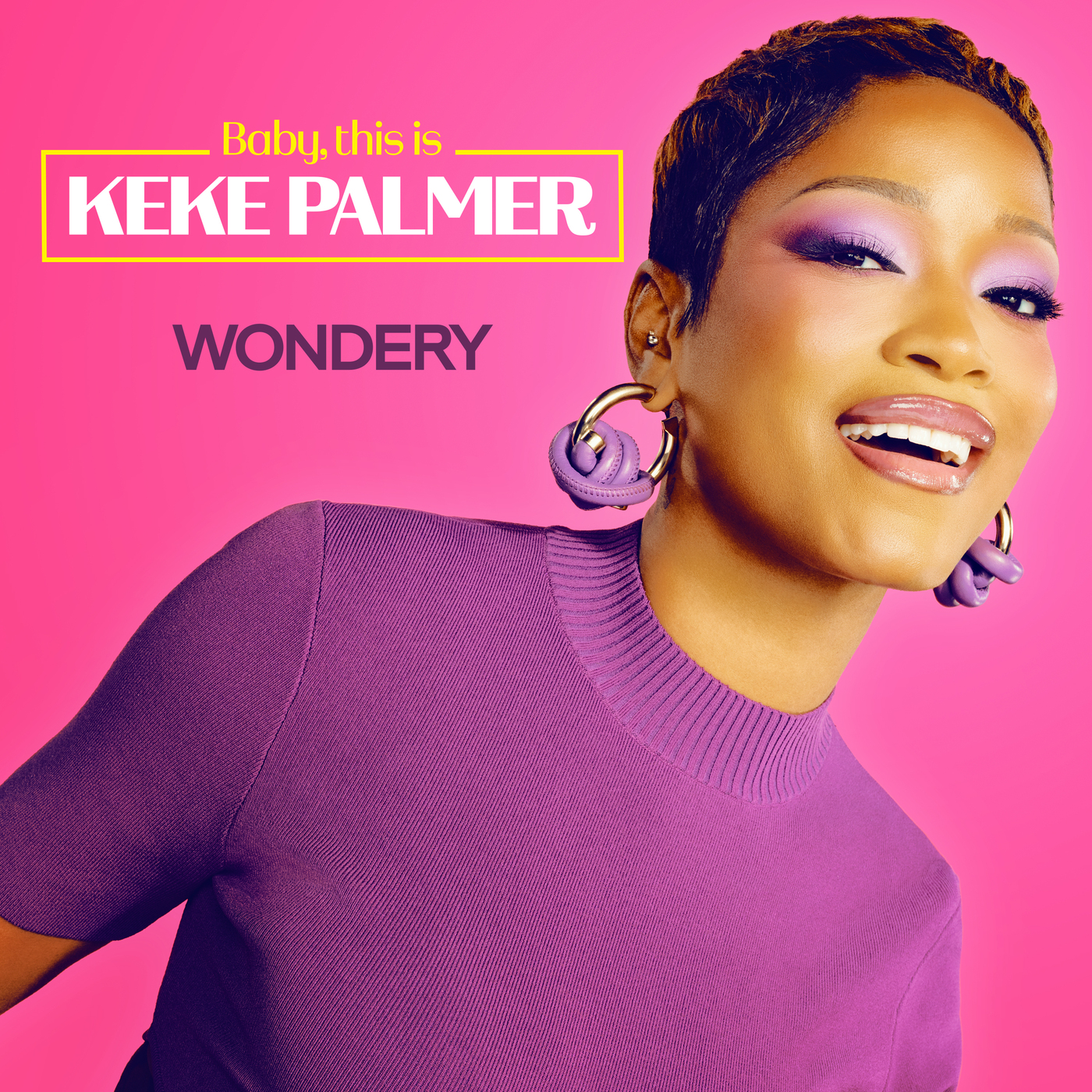
Kiki Palmer shares a deeply personal and reflective journey as a Black woman in Hollywood, rooted in resilience, identity, and community. Raised in a racially charged environment in Iowa and South Central LA, she experienced early racism and identity confusion, which shaped her worldview and artistic vision. Her career began with a strong sense of self and authenticity, notably in John Singleton’s *Boys in the Hood*, where her emotional vulnerability and connection to real Black experiences resonated deeply. She emphasizes the power of truth, community, and self-awareness in storytelling, crediting her growth to moments of emotional honesty and self-discovery. Palmer reflects on the value of authenticity over performance, especially in a digital age where substance and real connection matter more than polished image. She highlights her admiration for films like *Love Jones* and *The Best Man*, which mirrored her own lived experiences and values. Her journey also reveals a thoughtful evolution—from survival to self-acceptance—where she finds strength in presence, gratitude, and slowing down. As a mother, she underscores the importance of rest and emotional reconnection, noting that motherhood and personal growth are intertwined. She also values cinematic experiences, particularly in theaters, as meaningful and communal, contrasting them with the fragmented nature of streaming. Ultimately, Palmer celebrates Black storytelling rooted in truth, community, and cultural authenticity, seeing her own life and career as a living testament to those ideals.
My guest today is Beauty Personified, a legendary actress with the film catalog that touches every facet of black love, friendship, family, and sisterhood. She stole our hearts as Nina and Love Jones, defined an era in the best man, and now she's stepping into the matriarchal role of Catherine Jackson in Michael. For decades, she has carried a softness and a strength, acquired power that always filled the room. She's built a life while raising two sons, and remains a symbol of grace and presence in every chapter. Yes, V, Nealong. And today, we're getting into the woman behind the globe, 'cause baby, this is Kiki Palmer. Okay guys, please welcome V1, the only Nealong. Oh, hi babe. So good to have you on the podcast. Oh, I'm so happy to be here. You look so stunning. Thank you. I say this every time I see you. I'm so sick of it. Oh, you're good. You're good. So let's get into this little pre-show pull-up questions. Okay. So your zodiac sign, I've always known, is a Scorpio. Mm-hmm. But I'm gagged to see that your son and moon are both a Scorpio. And then your rising is a Virgo. Oh, so good. It's so good, 'cause I like to clean. It explains why I'm organized. I'm a hyper-achiever. Mm-hmm. You know? Now what parts of you feel very Scorpio? If any, do you relate to the signs at all? Oh, I do. I believe in astrology. I think, probably I'm a deep thinker. I prefer to be solo than running a pack. Yeah. If I **** with you, I **** with you. If I don't, I don't. Mm-hmm. I mean. I'm so glad you **** with me. Oh! I don't want to be on the other end. Let me tell you. I could have used nicer words, but I mean, we're just being having an honest conversation. Exactly. No, I mean, listen, I am a. I believe that everyone deserves a 10 in the beginning. Yes. I want to believe that we are good humans. I want to believe that we do the right thing. I want to believe that we love and respect one another. But it doesn't always work out that way. And I think after being in this industry for so long, you kind of just have to pause and go, okay, I don't need to be friends with every single person. And every single person doesn't have to like me. And then you choose your tribe, right? Yes. That's a real thing. And I think it's healthy. Yeah, and I think I've learned too. A lot of times we feel like our industry, like because it's our industry, we have to connect to everybody. But it's like. You didn't work that way. Yeah, your crew might be a bunch of people that are in art museums or it might be to finance or absolutely. It doesn't mean just because we all do the same thing, we're gonna get along. Yeah. I had to learn that the hard way. Yes. And I think you keep your old friends from back in the day and they keep things centered and focused and real. And then you meet new friends along the way. The thing is this to be inspired. Yes. Who inspires you to be the best version of yourself? Who's supporting that growth? Oh my gosh, yes. That growth. Because some people. That's true. Love is just talking about this as somebody. Some people relate to you on growth. And then some people you have a form of recognition and stagnation. Yes. Where the. They're hitting this hurt point. Where it's like this is the only place that we can vibe together. It's thinking about all the things we've been through. And how hard it's been in that rut. No one wants to be in that rut. No, what? And it's like. We're like growing women and we are evolving women. And it doesn't mean that you don't love the people from your past. It just means that some people. You know, this is kind of a funny sad thing where. Have you ever looked back at people that maybe you went to high school with or that you've known from the past? And they were like the most popular girl at school. Yeah. And you wanted to be them. Yeah. And then you see them years later and you're like. Oh, no, what happened? Yeah. (beep) Nothing. (laughs) I'm like, who was that in my class? I got the names. (laughs) But no, but it's a choice to evolve is my point. And if we stop, we become stagnant. We don't grow. And then you're like, how can I be at my best self if this is where I'm stopping? So I think it's important to like. Yes. have these conversations and also encourage the people who may need that. Encourage the friends who may need that. Yes, I couldn't agree with you more. What are you very long answer by the way? But it was supposed to be quick. (laughs) It's a pull up. It's not a spin the night. But also, I like to spin the night. I like that it becomes a sleepover. What do we need to sleepover? I think about me and you at the 15% pledge. Yeah. We're walking out and we're like, we're planning to sleep over. And we said that! So we need that to happen. We need to do it. And I'll bring Kez. So then he can look after your boy and they can have their moment. I just need it for the boy mama. I know it's so good. He pulled up. I think that night picking you up. Mass idea. That's the coolest thing I said. That's my son like honey. I bet at the party. I'm like. Pull up and get mama. Yeah. Listen, I'm saving money. Okay. Listen, no car service. He is the car service. (laughs) What are you most grateful for today? Wake up with joy in my heart and good health. I mean, what else could you say? Yeah. I feel that way ever. I try to, I try to pause every morning. Yeah. And just feel that. It's easy to say. You have to feel it. Yeah. Because that's where the manifestation of good things starts. Is by feeling that. And knowing I can imagine even with your schedule that you probably sometimes feel like, how am I going to do all of this today? And I find when I feel that way and I start with that, it's actually the feel that I need to do it and feel good and know that like, I'm just going to take a breath and pause. Yeah. And it does, because really what I realized I used to do a lot is the movie that I made in my head about what needed to be done was way more dramatic than what actually needed to be done. Yes. So I stopped that. You got to quiet the noise in your head and just be, just be grateful. You do seem like gratitude. Every time I've been around you, you always have this sense of pacing. How do you keep things slow down? Because it's not like you're moving slow, but you kind of have a presence about yourself where it's like that chaos ain't over here. I can't do it. I look at you and I'm like, what? This baby is made of magic because every time I see you and what I love about you is you're fearless. You will say what you think you stand for what you believe in. You will speak on things that maybe are uncomfortable but necessary. And that is brave. Thank you. That is brave for us women to do those things. I think for me, I wish I had that thing where I could just go, go, go, go, I'm in the bed at like 9.30. That's fabulous. I am like 9.30. My son is like, oh, you going upstairs? Yep. Got to go. I think that's important because you still have everything from how I look at you. You know what I mean? And you don't operate from that thing that we do often see that I think some people use me as an example of where we're always this hyper functioning, which is fine. I think there's seasons of that. It's great. It's cool. But you hit 50. You're going to be like, yeah, right. I'm done with this. What should we do now? Because I'm trying to come on your side. It's a different thing. And I feel like you've always had that. And you've always been very successful. So I think it's important because everybody don't have to move like that with urgency. You don't have to to still get what you want. That's important. There's two, yeah. There's two thoughts, right? But I also think, let's talk about the world that we're living in right now. We're in a world where we're getting constant information. So that constant information on our phones make us feel like we actually really need to be in this state of urgency all the time. Yes. I didn't come from that generation. If there were cell phones with me in the 90s in New York City, do you not understand the stories that would be? I was naughty. I was naughty. Oh my gosh. I would have lived to be back there with you. We had fun. Nobody knew. Nobody knew. No one. Were you at the clubs? Were you at the like just like fascist? Like what was your-- I was definitely at the clubs. I was definitely at the clubs. I was definitely hanging out with boys. I had no business hanging out with. You know, I was in the street. I love that girl. It was a good time. Because you're kind. You are. I mean, I know that must be ridiculous when people-- It's true. But that's-- I mean, but like-- I don't know. I cannot tell a lie. Call me Abe Lincoln. We're going to get to that. Okay. We still-- we really been-- I know. --not pulled up. We've been at the sleepover with this. Let's get to the end of this. Okay. Okay. We've been owning the next morning. We can. Okay. What's the question you wish you were asked more in interviews? This is good. I would be doing if I wasn't an act.
- Okay, so what would you be doing if you were an actor? - I think I'd be a therapist. - Good, I'm already on the couch. But I wouldn't have been a therapist 10 years ago or 20 years ago. I'd be a therapist now because I have such a better understanding of self. I have a better understanding of grace. I have a better understanding of how to get to your truth. And so I don't think you could be helped to anyone else if you don't know how to do that for yourself. - How do you get your truth is really, really hard. - It's so hard. - It's like a series. 'Cause a lot of times in your mind, you have a lot of pseudo emotions. I feel like it's what I think I read that when I was reading like Eckhart toll, one of his books where you're always in this surface point where it's like you might think you're angry or you're up, you know, you like this or you want fame or you want these things that are surface. But really it's like, actually I want to be seen. - Yeah. - Or actually I want to be loved. - I need love. - I feel insecure, I don't feel powerful. So, right, so getting to the core of that emotion. - That is tough. - That's the work. - Yeah. - That's the work. - This next one I'm very jealous about. - I don't even know. I don't remember what it is. - What was someone you met that made you feel star-struck? - You met Michael Jackson. - I met Michael Jackson. - When did you meet Michael Jackson? - I met Michael Jackson at a Stevie Wonder concert with John Singleton and I couldn't speak. - Nia. - I literally couldn't speak. And you know when someone standing next to you and you're like, that's not Michael Jackson. That's like a look alike. - That's like an impersonator. - 'Cause he always had one too. - He's got like 20 people. - Yeah. - And now they're about to really come out, girl. We gonna see like 9900 Michael Jackson. - I'm so excited for that movie. - There's this one impersonator of Michael Jackson where he literally would go around and look at other Michael Jackson to be like, good job. - Uh-oh. - Like he's Michael. - Like he is the real Michael. That is so nerdy. - He's so funny. - He walks around, he's like, good, he's good. - He's like, you not Michael either. - Setting the bar for the rest of the Michaels. - He's gonna see this and be like, they're talking about me. - Oh my gosh, he's definitely gonna post this. He is good with his digital. I'll tell you that. - Oh well, he's all over this. - Okay. - He's coming over for the sleepover next time. (laughing) - Last one, what's the mantra you live by and why? My (beep) business, I don't need the noise. - Okay. - Now that's the third F-bomb in one interview. - That's what I'm talking about. - There you go. - I don't need the noise. - The noise is heavy. - The noise will break you down. - Girl. - So growing up, you moved from Brooklyn to Iowa City. - Yeah. - Those feel very different in my life. - They were very different. - Because what's in Iowa? - So my mom went to the University of Iowa. She got her masters there. She's a painter, she's fabulous. - Yeah, so this was during a time where, you know, the scholarships were given and young black artists where she got a full scholarship. - Two masters and fine arts. - Yeah. - Incredible. I mean, how do you feel like going from those places impacted or shaped? How you looked at, you know, at the work ethic and adaptability, just seeing your mom as a single mom handle all of it? - It's so crazy sitting here talking to you because you're like my baby in my mind, like my little tiny baby that was like my little baby sister and now like your, like, does everyone say that to you when they come on the show? - Like, I just had a moment when I was like, oh my gosh, she was like a full woman now. And a mommy. - Okay, sorry, I'm crazy from these two. - I just blacked out like real quick. - Okay, so I think, okay, so yes, there was a culture shock. - For sure, right? - So I'm in Brooklyn, my grandparents are Caribbean. - Oh, we're from Trinidad. - Period. - Barbados, Grenada. - I knew you had the island 'cause you're gonna get somebody and check fast. - Quick. - I said island. - Yes! - There's some hot pepper sauce at any time. - I love it so much. - Don't play with me. (laughing) - I love it. - We don't play them games, you know? - So we're in Brooklyn. - Yeah, so then my mother got a full scholarship to go to the University of Iowa. She took the scholarship. She went to Cooper Union in New York. She went to Howard. And so she was a single mom. We got there and it was very white. - Right. - And I was the only little black girl in my school. I think there was maybe six black children in the whole school. And this was a K through 12 school. And I experienced racism and I experienced hate and I experienced definitely a sense of identity that I did not, I was not very sure of who I was. - Wow. - And I had a lost sense of my own identity. And at times, what it meant to be black in America in the 1970s because that was a very important time for us. And it was until I got to LA and I landed in South Central that I really understood what black people were going through because it was in front of me. I knew what I had gone through in Iowa, but being in a community of black people where I was often teased for speaking proper. - Right. - Or teased for having a little bit of a different look that didn't really fit with the light skin girls or the dark skin girls and being like the colorism. - Right, but these are the things that we understand as black women. - Yeah. - And so yeah. - So when you moved to LA, when you moved to South Central, how old were you and was this immediately about you and your career? Were you still just kind of just-- - Oh, I was nine. - You were nine. Yes, so you were nine when I was a baby. - So you was still quite young. - Yeah, I was really young. And I didn't start acting like taking my first acting class. I was about 12. - Wow. - Yeah, I was about 12. - How did that into, was it because your mom already was an artist that that seemed like an available option for you, 'cause I feel like a lot of people don't know, hey, you could be a kid actor. I mean, I think it's popular now, especially Disney, nigga, all that stuff. - Yeah, yeah. - But like, what made you think I could be a kid actor? Or actor as a kid? - I was always kind of interested in show business, but not because I wanted to be a star. I just thought like, well, if they can do what I can do it too. And my mother was also really big into R&B music back then. And so I saw women like Whitney Houston, but also women like, it was Whitney. It was Barbara Streisand. It was Minnie Riberton. It was Phyllis Hyman. - Phyllis Hyman. - Yes, it was Patrice Russian. And these were all the women that I would see just on album covers in our home in Iowa. So when I got to LA and I started meeting the girls from around the way, we would do, you know how you had your crew and you do dance routines on the board. - Of course. That's how I go. - It's TikTok. - Mm-hmm. - Girl, I had the bull. - We've been doing it. - We've been doing, where's the camera? (laughing) - Y'all ain't, y'all don't know nothing about this. But we had, I had the OG boom box with the cassette tapes and solid gold, remember solid gold? - Oh my gosh. - That's OG. - That's what I'm saying. - So I and I started at the YMCA. My babysitter would take me to the YMCA and I would perform there. And one day I was like, I wanna take an acting class. And so I took an acting class at LACC Community College. And then I met Regina King at high school. - And Regina had already been on 227 by then, would you say? - Not yet. - But she was definitely there. - Wow. - And working. And so one day she invited me to a class and it stuck. - It stuck. - That is so cool. - It would you say that's when you thought, this is my dream, like this is, I'm gonna be an actor. - Honestly, acting class was very therapeutic for me. - Interesting. - Because I was able to explore my emotions through scene work. And that was a little bit of like, you could work through some things. Single mom, my dad wasn't really around. You know, you're dealing with abandonment issues. You're dealing with growing up in Iowa as a young black girl. You've experienced racism. You understand what segregation is. You're trying to come into your own, but you're also in a black community with people that aren't totally accepting me as I was. - Wow. - So there was a lot to uncover and to understand. - Yeah. - And there were conversations. We didn't talk about that stuff. We just felt it. - Yes, I mean, I think it's so crazy how words can give clarity and almost relief. Like when I think about the language we have now with like microaggressions or structural systemic races. Like we didn't have, it was just like this feel weird and deal with it. - Some going on. - And deal with it. - They sent my hair crunching. You know, like there was nothing more that you could go and then the whole like, you know, Oreo or the concept of cold switching. You know, at a young age, I knew very early on, you know, my parents put us in private school 'cause they wanted us to have a better education. - Yep. - My sister and I both were the only black kids in our class were four years apart. - Where school was, did you go? - St. Benedict. I went to St. Mary's for a hot second and then I got into a fight with the senior and got kicked out. - Oh. - Yeah, it was weird. - That was at Trinity. - It was Trini Cave. Trini said, "I don't care if you're a senior." (laughing) - Girl, period. 'Cause what did you do with messing with me? - Well, this is the thing. It's like, no one wants to be bullied and no one wants to be talked about or, you know. - I became funny. My sister was, you white girl, full eyes and I was like, "Oh, it won't be me!" - So you performed, right? - I performed because that was my safety, so I really relate to you on those characters, those that gave me an opportunity to express and play with themes.
- Yeah. - Of emotions and things I couldn't have otherwise accessed. So it's like, yeah. - And we weren't, there wasn't a space for us to think enough about ourselves to even explore what we were feeling. It was like survival. I mean, even though I went to private school and even though my parents did what they could do and my mother worked really hard and my grandmother and grandparents provided, that we were still, at least I know I was, we were still my family. We were in the mindset of survival. And when you are constantly trying to survive, there is no room for self-exploration. And so that becomes the thing that as an adult, as you become a mother, as you deal with relationships that are trying and poke you. And when those things happen though, it's such a blessing because those are the things that make you stop to try to seek understanding. - Yes. - And so you can never look at anything that happens in your life as bad or good. It's just part of the journey. - I love everything you're saying, especially as a, and even to people that don't have children, but I will say for me, having my son has done just that, especially when we think about themes around survival and continuity over just like embodied experience and presence. - Absolutely. - The concept of rest as something that you shouldn't have to work to have or receive, but it's something that you give yourself. - You hit a gift. - And have that safety in that. That's something that I've really been thinking a lot about because yeah, like you think about a lineage and it's like so many of us were just taught to survive. - Yeah. - Just to make it to the next day. - And that's it. - Yeah. - And you weren't even allowed to stop and pause and check in with yourself. So that thing that you're talking about, that's slowing down, it's because I require that of myself for myself. And it's a little bit difficult to do, I think, when you have younger children. But you're gonna wake up one day and you're gonna go, oh, I'm back. That part of me that had to give and give and give to this little being, now you're able to look and go, oh, he's there. And then you start pouring back into yourself, unless you do like me and have another one 15 years later. I was like, well, I was like, thank you. Kids are so far apart. - At what age would you say, or at least with your first son, or you said you already have the second one that became the same thing, but what age did you get to where you were kind of feeling like, we had, you know, it's about, we were old. - It's like nine. - Ooh, we got some time. - You got time, girl. (laughing) - You're gonna be like, 20, 10. And then, no, no. And then it happens again and again and again. So with each stage, you know, you pull back that thing as a, you know. - I wouldn't say I'm a helicopter mom, but I'm definitely in all of that business. - Yeah, yeah, yeah, yeah. - So you just pull back a little and then they prove to you that they can handle the independence. And then you give them a little more. And as you're taking away, you're pouring back into yourself 'cause you got to stay fine, you've got to stay fine. - Got to stay fine. - There will be, (laughing) - That will be, there will be. - There will be, you know what? 'Cause we're in the industry where like, we're not really allowed to fall off. - You have to. - And I do actually love that push. - I love the push. - Keep me together. - Yeah. - 'Cause I don't wanna be just like, you know, so sometimes you can't be the girl, what's the girl in high school? - Oh my gosh, yeah. (beep) - Like the last name you know who you are. - You know who you are. - She knows what she did. - No, she was mad tonight. (beep) - You liked me. - You know what, I have so many of those. - You mad. - Why you mad? - Okay, now you ended up telling yourself, if you don't have a consistent acting job, by the time that you got your high school diploma, you'd go to the university. - Yeah. - But you ended up landing a job? - I did. ♪ Baby, this is, can you pull my yeah ♪ (water splashing) - Do you hear that? Baby, a warm getaway must be calling my name because spring has officially sprung. We're saying bye-bye to endless winter layers and hello to sunny beach season. I finally have a little time off coming up and with my crazy schedule, that's rare. So I'm thinking of a long weekend escape with my family. The question is coastal Santa Barbara vibes or desert stay in Palm Springs. All I know is that when I'm planning a trip, booking to stay on Airbnb just makes everything easier. I just love having a whole house to ourselves. We can each have our own space, no cramped hotel rooms to worry about, and come together for fun movie marathons or epic game nights in the living room. Everyone can be as loud as they want because things can get competitive y'all. And let's face it, a meal is better shared around a table than a bed, especially when it's my dad's cooking. But here's the real magic. We get to play locals. Wandering through neighborhood parks and popping into all the best family owned under the radar restaurants on the recommendations of our lovely super host. Mmm, you already know I love a good food tour moment. So if you're planning spring or summer getaways with your favorite people, find a stay on Airbnb. Trust me, that home away from home feeling can't be topped. And that job was the guiding light. That job was the guiding light. So how was that for you? Because did you feel like, did you expect to get a job or were you kind of like testing yourself? Like was there true belief that you'd, you know, be able to make it a real thing? Listen again, I was in survival mode. I was like, I've done, I graduated high school early. I went to Santa Monica College to two years. I had a plan for myself. And I was very deliberate about my plan very early on. And so I said, if I don't get a job by this point, I'm gonna go back to school and get my degree. But I was so close to so many things that I felt like, maybe I don't need to go to college. Maybe the, and so guiding light ultimately became four years of university hands on experience. Wow, yes. What are the things that you remember from working on that show that you feel like? I remember cameras everywhere, but they were moving. I remember the lights. I remember having to hit my marks. I remember having, you know, five and six pages of dialogue where you're like, I remember all that, but it was really an exercise of being completely present. Yeah, yeah, yeah. Well, let's talk about boys and hood because I mean, it wasn't just the movie. It was a cultural shift. It really, really was. I even still think about that now when I'm thinking about John Singleton and just miss him so much. Oh, gosh. I hate that I didn't get a chance to work with him, especially because so much of his work, especially now that so much time has passed, it was like documentary narrative. Absolutely, and it was on film. It was on film. It's incredible to just think about the way that he was exposing what was happening in the world in this way that his very pop culture has so much depth. But I found it interesting that you at first, before knowing he was directing it, kind of like unsure if this was a movie that you wanted to do, which I think is really cool because it's like, hey, who's telling the story? Who's telling the story? I mean, we had Spike Lee in New York, but we didn't really have our LA director yet. It was, everyone was kind of, it was, it was marinating and percolating, but it hadn't landed yet, right? And so when, I got the call, I said John Singleton, well, that doesn't necessarily sound black to me, and I said to my agent, I said, oh, is this some white guy trying to tell the story about where I live and what we do? So I get the script, boys in the hood, I'm like, okay, what kind of title is this? 'Cause I'm living in South Central at this time. Yep, read the script, I couldn't put it down. And it was the realest, most honest thing that I had ever read about young, urban, black culture. And so I remember just saying to my agent, I'm like, is this director white or black? Because from where I stood, I didn't mean very many black directors. And sure enough, on a rainy day, I walked in the casting room and there he was, and I just was like, hi. And he was like, who are you? And I was like, who are you? 'Cause I didn't know it was him. And he got right up in my face and I was like, I know this guy is not trying to holla at me at the audition. This cannot be what's happening right now. And he said, I'm John Singleton, the director, and I go, oh, hi, I turned real sweet. Code switch, okay. I'm not so glad to be here. I'm so happy to meet you. John Singleton, and I did the audition and I walked out of there not knowing what was gonna happen, but the thing that I appreciated about him most is his commitment to truth. Every character in that film, in some sort of way, had a connection to the real person in a real authentic way, right? And so there wasn't a lot of acting required. There was more, it was more about being vulnerable. - Wow. So he's kind of one of those directors that lets you interpret the scene. - Well, I think he could see pieces of the actors, pieces of the character in who he casts. So 'cause he wanted to know everyone's story. You didn't just come in an audition. It was like a therapy session. - At one point, I think I even cried, 'cause he was like,
So, tell me about your life, so I go on, I tell my life, and then I'm like, yeah, he's like, well, what about your dad? And I remember I just started crying 'cause it was still very raw for me at that time. And I just thought, oh wow, he hit a nerve. - That is really before the time. Meaning that type of casting, that meta type of narrative storytelling that's coinciding with the storyline. I feel like we see a lot of that now, but that was not happening then. - No. - Which I think is just so remarkable when we think about people like John Singleton. But it's also interesting for you to be a newcomer and already be thinking about just like, how black stories are being told, excuse me. How were you? - My father, he was, he did not play when it came to us. He was a poet, a deep thinker. He, you know, he was very much a part of the, the belief system of the civil rights movement. And he was a, he was a voice in the community. And so I think certain things are just inherited. I don't know that I, I mean, I know my history and I've seen what we've been through, but there's that thing inside of me that cares deeply about us. - Absolutely. - And to represent who we are and the older I get and the more that I'm raising these young men, it's become more and more important. - Yeah. - Because I want us all to understand each other. It's not just about separatism. I don't believe in that. I believe in understanding and finding truth and finding that connective tissue that actually makes us human. - Yeah, I, I feel the same way. - And that doesn't have a color. There's no, there's no race to that. You know, that's humanity. - Yes, so. - You credit John Singleton with discovering you. - Yes. - How did you, what are some things? - You've said a little bit over here, but when you think about those early days on set with him, what is something that you feel like still stays with you or are stuck with you from there, especially as you now also a director? - Yeah, he's so specific. He was so specific about what he wanted. And I think you can probably relate to this too. When a director knows what he wants, it doesn't matter how good you are. When he knows what he wants and he tells you where to go and he, but he also gives you the freedom to change it if it doesn't feel good. You know you're safe. - Yeah. - And the worst thing in the world is to be on a set and you're shooting a film and you feel like you're kind of on an island alone and there's no connection between you and your director. - Yeah, yeah. - And we've all been there, it's a million times, you know? (laughing) Oh God. - Could you just let that just start telling me? I'm bleeping this, but guys. - Outtakes. - Okay. - Outtakes. - It's tough. - It's tough. - It's tough. - It's tough because you're relying on yourself and then you feel like you got to look at the monitor. It's my hair done. It's my makeup right. And I'm like, I was here to act. I'm not here to be the wardrobe person, the hair stylist, the makeup. I just heard when you said that. I'm not scared of you, these other dudes. They might be scared of you, but I'll whip your ass. That line just, I heard it. When you did that there, I went right back. - It's the same girl girl. - It's the same girl. - She said I will whip your girl. - I remember F Gary Gray cracked up when I said that. I don't even know that that was in the script that way, but here's what happened. We had literally 30 seconds to get that shot. And as you notice, there's no coverage of me on the ground because we ran out of money and time. So I was like, I said, well, are you gonna turn around and get me on the ground? Like, is there a stunt involved? He said, no, you're gonna be slapped right out of the frame. Just go. Girl, that, I just watched it recently again. - It's a funny movie. - It's so, and then I think I feel like also what makes it so good and like a classic, especially of the Friday franchises at the center of it. It was about a lot of what you just said. It was about community, it was about gun violence. - Absolutely. - It was about, you gotta live, live, to fight another day. - That's it? - Especially at that time where gun, I mean, we still having issues with gun violence. - Same thing. - And you think it's like, I'm like, y'all, at the end of the day, Friday was funny, but it had a message. - It was a real Friday in the hood. And it was layered with all the things that we dealt with. The good stuff, the funny stuff, the weed, the cereal with water and maybe losing your life. - All of these things. - Like, I just love that. - It was a great film. - Let's get into the '90s because, you know, you mentioned it earlier, y'all didn't have social media. - Mm-hmm. - No branding, consultants. Like it was very, it was a different level of mystique. And I'm wondering if you feel like that has allowed more longevity or do you feel like it would have been great if y'all had a little bit more digital access or just to expand your reach? - I think it was perfect. - I think the '90s was absolutely perfect. - Oh my gosh. - I told her we, we wanna go back. And I just feel like, you know, there was a naivete about the '90s that made us very powerful because we didn't have, I couldn't afford a stylist. There was no, you got dressed with what you had in your closet and you found a drug dealer by you some a new perk. - Come on. - I definitely had some Gucci sneakers in my day and a good purse. - Oh my gosh, that is so funny. And I love that you, I also wonder like, is that just what we all feel about our youth? Like even me, I think about the 2010s and I'm like, they were awesome. Now I still look at the, I think about the '90s and I'm like, oh my gosh, they were so cool. I wish I was that the age I am now then. But also in general, I think some of that is, is that just that error of any of our lives, the early 20s? - No. - Because the, no, sorry. - Man, I mean it was just different then. - It was different because. - I love that though. - It was different because it was the beginning. There's a renaissance. It was a renaissance. There was hip-hop music in New York City, in LA. Then it went, sprinkled down to the South. So there was just the surge of energy, of greatness, of talent, of music. And we didn't care who said yes or no. We owned the space and we were so hungry for more because when you think of the civil rights movement and you think how they're pushing their voices, got us to be where we were. - Yes. - We were empowered. - Yes. - Now young people are being powered by fake imagery and images on social media that don't have very much substance. The substance is the thing that gets you longevity. - Yes. - You can't pretend to be a star. You can't pretend to be talented. You have to have the substance to marry the talent and that's what gets to longevity. - And I really do agree with you. - I mean, I don't know if I'm right about everything but I know that I'm committed to that. - I mean, to me, it aligns it. When I think about like, we were just talking about Friday. It ain't just a funny movie. It has a message. Even when I think about the most silly satirical works, like, don't be a minister South Central while drinking your juice in a hood. - But it was a message. - Message. - Message. - Hi. - We knew exactly what that meant. - Hollywood shuffle. - Oh. - You know, like every town in Virginia. - They were all, it was always something that was crucial happening at the core of it. You might think about the wood, it's about growing up. It's about we no longer can be childish and do the funny kid things we did anymore but we can always love each other even though it's time for us to move on. Like, everything had, wait to it. What do you think it's because we're chasing numbers? And just like, we're equating visibility and popularity with, you know, like, you know, is that what's has happened with digital? 'Cause I wonder why it's like, what has changed with the material? Why aren't we always looking at-- - It's the quality. It's just not, it's crazy. - What it used to be. - Everything doesn't have to be perfect art. I don't think there's such a thing as perfect art anyway. But when I turn on a film and I say turn on a film because now everything's streaming, there's no more going to the movies. It makes me so sad. - Baby. - Girl. - It breaks my heart. - That was my thing. - I know and I think as much as we love streaming because it's giving so many other actors opportunities that may not have those opportunities, right? But I really miss the art of going to the theater. And I think because there's such a quick turnover with streaming, there's a, you have to inform the audience in a different way when you're working on something that's streaming. And I just did a film for Netflix and I love Netflix and they've been so amazing and supportive with my career. But we were having this conversation about streaming and the difference and the difference is, we are usually, I know for me. I'm usually folding clothes, washing clothes, making a bed, cooking, doing five other things while I'm watching a movie. - Yes. - And so the content of that film has to in some sort of way have a little bit of repetition so that if your audience member walks away for 20 minutes and comes back, they can plop right back in. - Yes. - When you go see a film in a movie theater, you don't, you can't do that. You can't rewind it. If you can't, if you get up to the user.
restroom, you better pick a time that you think it's going to carry you to the next moment. Yeah, we didn't get commercials. We don't have commercials. Yeah. And so I think the quality of, of filmmaking is a lot different. And I think the, the content that's being, I don't love all of it. And I'll be honest too. There's something that's different too with, when it, I also love streaming. I love getting opportunities to perform and act. The world is changing technology all that I get it. You got to just, you know, I get it. We have to be accepted. But when we think about that early Renaissance of the 90s, black romcoms, just family movies, early 2000s, I mean, so food. Yeah. But ever body shaped like a coke bottle. So let's call it. Hey, Cola. My dad, come on, dad. My husband, that's my husband. I loved it. Oh my god, I love, Vivica was so great to me in that scene too. You know, I love me some Vivica. Corn, bread. I love it, family. Cause it's fake, without fast, fast, you know, the family did, the family. My husband, Vanessa was a mate. I remember, wait, hold up. When we filmed that scene and she said those lines, I was like, yes, yes. I couldn't even act in the scene because she was so good and she was so proper and so regal. And I was just so tripping that this was like Vanessa Williams in the same scene with her. I'm a cosy foo with his fine ass, wow, I was just too fine and that was mad at bird. That was mad at me with my blue nails. Okay. Girl, I'm gonna do it here with a crimp sad movie, speaking of all of that to save, yeah. I realized that a lot, even with my movie in early 2000s, 2004, 2006, Akulean the B. Yeah. Didn't do well in the theaters. Yeah. Yeah. And so it's very interesting, even with you, speaking of love Jones, you talk love. But then it's this, so it's interesting because I feel like now we're seeing where we don't have DVDs anymore, but to me, that's what streaming has become where these movies that were hits on DVDs that people bought from home that maybe weren't big in the theaters, they've, it's now unfortunately hurt the cinematic opportunity for rom coms and those kinds of films because now they just, they go straight to the DVD. I know. They don't, they totally go over that, that cinema part. And I don't, you know, again, it's like, it's interesting as time changes. I'm not sure how good that is for artists or how not, you know, I don't know how many of us get box office back in, you know, I don't know if we're in the middle of where we don't know. Right. Because we're kind of, it's like one foot in and one foot out. I'm just hoping that we, the tide changes and we end up, you know, having that experience in the movie theater. I hope that we get back to that because I think it's, it's like, you, I mean, I just remember it. We used to go to the movie theater every Christmas day, that was our family thing. And it's, I mean, there's usually like one good film during Christmas time, but like, it's hard to find options. It is. So it really, really is. You said in the same interview about Love Jones that you felt Nina is the most like you. Mm-hmm. Why? Love that character. He was so bad. Oh my God. He's such a hater. He was hating on that. Bill Bellamy. You're a hater. Where are you? Bill Hayton asked Bellamy. He packed me up and then we said, this brother go come to the club again. I said, I said it. We were shot. I said damn. Well, the interesting thing about Love Jones was, you know, it was, it was one of those things where I picked up that script again. Yeah. Yeah. Read it in one swoop. And I was just like, and you know, and it was a lot like me in the sense that it felt like I was in this world. Like I was just submerged in art. And you know, my dad was a poet and we, and he loose from Trenton and so Chicago and New York have a thing. Yeah. Y'all shot that in Chicago. We did. Yeah. My mom actually tried to write a song for that movie. She did. Yeah, she did. Oh my God. I love Chicago. You know how Chicago has so much talent. It's like so much. I know. Anyway. But anyway, we did, uh, soul food with Chicago too. Yep. I spent a lot, I've spent a lot of time in Chicago. I really, really love Chicago. Soul food was so true to me in my family. They ain't cutting off my leg and that's that like that movie. We all got. Big mom. I mean, I don't even remember half of the stuff that she remembers. My big mom told me we got to get the family together. So I came for Sunday dinner. Girl, that movie is my life. You know all that. I'm a mom. I'm a life family. Gotta be right. You know, let's stop with the diabetes. That movie yet again about how soul food, like how do we come together and not kill ourselves? I know. With the food. I mean, prayer and God and being and having a way out and community all of that. But I will tell you something. So you know when you shoot a scene with that many actors. Oh my gosh. Girl, I wanted to throw that chicken across. It was too long. It was so long. Yeah. Like coverage. Anytime I see a scene that has I'm like I'm a vegan and I also am at the end of the table. And at this point, I've gone to the bathroom. You know what I'm saying? How do you get out of the scene? That's all you think of as an actor is talking like that. That's what John Stamos taught me when we were working on the TV show. He said you just got to find your way and exit. You just all see and he's good at that too. That's his. He's actually famous for that. He's always doing it. That's how he get that coverage down. Genius. Genius. We have to talk about another favorite of mine. The best man. Iconic. I mean, let's just get into the slap moment, which is an early like slow, wait a minute. Stadex, he said it was improvised. Stadex is a liar and I actually called him about this because I was like, you need to stop. This is such an old story and you're also making me look like the villain. But I'm not. Howling. Because then Michael D Lee said it wasn't. It was absolutely scripted. Malcolm D Lee. Well, thank God somebody stepped in and told the truth. That is how. Why does Tay do this? I feel like Tay is always messing around. Tay is messy. I love him. I love him, but he's messy. And also, you know, we're all like brother and sister on that. So like, there's a bond between us that like, I guess he feels like he can just. He's just messed with me, but you guys was so cute and that even the most recent that was on HBO or it was HBO, yeah, it was no, no, no peacock, peacock on peacock. I watched how many stations there, right? It's just cable at this point. Yeah, damn, you know what I mean, we can't keep up, but peacock shout out to them. We love them. They did the new best man. I love just seeing you two together. The chemistry is just palpable. I mean, it's just so. How was it working on that film in, you know, the first time and then seeing how the franchise is so beloved, even all to this time? Yeah. I mean, you just say, thank you, God. This is so great that we've done something that's actually touched people so deeply. And, you know, I look at you with your short hair and I envy you because I'm like, should I go back? But it's your look. I really, I even put freckles on, you know, because I'm literally, I want to talk to you as you. It's funny. You know, can you see my freckles today? I always see them. Maybe a little bit. Yeah. I'm trying to do it. I've been doing less coverage. Less coverage. It's so pretty. Thank you. I feel like freckles make you feel and look younger and fresh and so cute. Oh, God. So are you. Stop. Very cute. I just live. So cute. Oh, wait. Whoa. Oh, so this. So, listen, we were coming off of, we were coming off of COVID. Yes. It was, it was my first job back. Right. Smacked dead in the middle of menopause, I'd gain 30 pounds. I didn't feel beautiful. I was drinking red wine every day. I slipped in the snow and broke my arm like it was just not a good time. We were going through, I was living in New York because I saw you. I don't know if I saw you right at that time, but me and you saw each other right outside. Did you make it? Yes, yes. Miss Anne's. Miss Anne's. Yes, yes, we were right up. Miss Lilly. Miss Lilly. Thank you. I say, come on in, KK. Yeah. I remember that anyhow. But yeah. Yeah. So, it was a tough time for everyone because we all needed to work. No one had worked. Yes. And so, we were getting the, you know, the gang back together and people had changed and had different ideas about their characters. And I think we landed on something that felt honest enough for us as actors and entertaining enough for the audience. Yes. But honestly, I felt more adult in my skin than the characters allowed us to be. Interesting. I was like, I wanted, I don't know, I wanted Jordan to feel more settled at that point. But I also realized that she wasn't settled in the last one. So we kind of needed her to see her feel unsettled before she made real strong decisions at the end. So, I guess it all works out. And I feel like she's very representative of a woman that I think that was introduced to us in that era early on that really has cemented herself in
media and just as an archetype in general, because she was a career, she was nuanced, she had this very unique dynamic with, you know, Taze character and she was, I really relate it to her. So even at this point in her life, I really was into it and I was into the evolution of all of them because I felt that it didn't try to wrap everything up with a boat. - Well, that's good that you say that because you know, I've never actually sat and watched the whole series. - Yeah, not because I didn't love it, because I did love it. - That's always weird with your own work. - I don't watch a lot of it. - Yeah, sometimes I'm like, okay, that's enough. I don't need to see all of that. - Yeah. - You know, it's like, it's for the people, it's for the fans. Some things are just like, it's something that you do because you know people want it. And you know the impact that these characters had. And like, it was fun. And we are like, I think we were the first franchise film girl, all black people. - When I tell you that I wanted, I told Malcolm, I said, man, do the best men to college years and call me. - Oh, right. - Okay, the prequel. - The prequel. - But there was actually a time that there was a conversation about that. - We've got to do that. - But I wouldn't be in it 'cause then I'd have to be like your auntier or something and that would be when you make that. - I mean, you could be me. - I definitely would be Jordan. - You could be the hurry up. I'm already getting older. - Listen, 'cause in a minute, you know what I mean? - Like college, okay. - But you're not getting older, but like, you know, okay. - It's like, we're pushing it. But I really want that. - I really want that prequel. I also want the prequel to why did I get married. I wanted to be how did I get married. Tasha Smith. - Oh my God, you have a whole kid of love. - She's got her work lined up for the next 10 years. - Well, let's talk about Don't Ever Wonder. Coming out of Netflix, reuniting you and my first crush, Ever Lerence Kate. - Everyone loves him, he's so fine. I don't even understand it. You don't understand how much moisturizer and (beep) I had to put on just to keep up with him. I'm like, thank you, Jesus, for Estee Lauder. - Oh my God, girl, you have literally just become the first brand ambassador. This is huge news. But also makes total sense because your skin is like an owingly perfect. Make up, no make up. It's starting to get sickening. What do you do? - What do you do? - I mean, she said five things. (laughing) - Listen, I am, first of all, I will not support anything that I don't believe in. - Yeah. - And advanced night repair really changed the game for me. Especially in LA because it's dry here. The water's dry, the air's dry. And so it's like giving your face a drink of water. And the first time I tried it, I was like, oh. And then it was like, oh. And then it was like, oh, and the hand cream and the skin. There's so many products that are, and I think here's what I really think. I think sometimes people don't think of Estee Lauder because it's been around so long. - Sure. - And so we are inundated with so many new products. And so when you just pause for a minute, and you think about the brands that have been dependable that have had longevity, there it is. - Absolutely. - There's Estee Lauder and it's in that pretty brown bottle. It looks pretty on your, in your bathroom. - We love aesthetically pleasing stuff too. - Thank you! - You're darling. - Well, you look great and it makes total sense. - Yeah, no, it doesn't want skin like knee long. - It's a fun family and it didn't happen overnight and that's what I love the most is that it's a really authentic connection. - You've had a lot of great partnerships. - I remember commenting and going up for your Skims campaign, fabulous. - I didn't eat for three weeks. - Maybe three weeks. - What were you, when they called you up with that, was there any, 'cause you know it is all about skin and being, you know, showing the, you know what I mean, what were you, were you kind of like, let's just go, you know. - I was like, finally there's a reason to lose 50 pounds. (laughs) - You are crazy. - 'Cause I was not gonna play with myself. - You look so good. - In my skin. - I'm really great friends with, I can't win a Kim's partners. And she called and I was just like, yes, let's do this. And I was also in a place where my, I was coming out of a really long relationship and I wanted to like reclaim my sexuality and my sensuality and I wanted to feel good in my skin and we were past COVID and we were past breakup and my kids were getting older and it was like, I am woman here, me roar in my skin. - That's everything. - And I just said I'm gonna do it and it was one of the best shoots of my career. There were so many amazing women on that set and I actually let Kim know. I said, Kim, I just have to tell you that that was one of the best shoots of my, I didn't have to readjust the lighting. - Oh, 'cause girl, we love a great creative team. Can we talk about the lighting and- - 'Cause you can get spooky. - Listen. - My girl, Kenya is like, she needs a bounce underneath. - It gets to that point. - I'm okay. I don't know who that is that you just act. Hey, Kenya. - She does the glam and she be directing the people on set. They be tied to her. - But no, this is listen, you have to have that. - Yeah. - Because it's just not, they don't always light for us. So you have to be able to say it and you have to just know what you need and that's it. And if you do it in a non-emotional way, it just becomes like, okay, can I have a glass of water? Can I get a light in my eyes? Can I get a bounce? Can you not light my neck? Girl, your neck look good. What, you put an Estee Lauder on there too? - Yes, neck cream. I've been using neck creams since I was 20 though. - Girl, I can hope I didn't run out of time. I gotta hurry it up. - I feel like I started too late, bitch. - It's so much we have to think about. The hands and the neck sneak up on us. - Go hands. - The hands and the neck. - 'Cause you can't really bump onto the neck, you know? - I think you can. - I have it, look, I have it. - Then you like this and (beep) - No, no, that would be crazy. Like, hey, y'all, you're just dead. - I think the key is to, I'm looking at my shot. I think the key is to kinda, - I'm trying to be here. - You know, you kinda gotta be in here. (laughs) - And you just, - Girl, I'm out. - And you just move your eyes, you know, literally. - Every, listen, I wear a ponytail for a reason. - Snatch it. - Period. But you're gonna eat a silk press down every time. - Every time. - You're not eating. - Every time. - Every time. - I was picking up love, 'cause I let you just brought up that whole, like, I mean, stepping back and I'm single, you know, stepping out. Like, how are you feeling about dating? How you having fun? - I'm not, it's stupid, I hate it. - It's so dumb. - I wanted to be like the '90s, how y'all made it look in the movies. It ain't fun, Nia. - I want flowers sent to my house. - I need you to show consistent effort. - Like, I need you to show me that I need you. - Okay, 'cause that's the thing. - That is it. - Y'all want somebody to play dumb, but then you are already dumb. But it's like, you've already, you already are dumb. So now, what do I do? - I'm sorry. - Somebody's gotta teach somebody something. - Somebody has to be the student and someone must be the teacher. - It's getting to the point that I was at some, one of these events and the guy next to me, I mean, he's talking to me, talking to me about he's just going to France and he did it, and we have such a great time. 69, though. And I started to think. - Should I date? - Should I date? - I was like, should I date? - I was asking you to do 69. I was like, what? - On the first conversation, he gave me an evening to remember. I started to think. - No, no. - 69. - Honey. - No. - 70 maybe. - No baby. - No. - But he's like a grandpa to your child. You're looking for, he's done it before. You can help me with a little girl, because it's getting to the point where the guys that are, - I can't go. - Are these boys? - 'Cause I'm not fresh and clean and it's just, that just feels like it could just get a little sexier a bit of it. - It could be a little weird. - Yeah, I feel the same way. It's like I'm open to love, I'm open to the vibes, but the vibes aren't giving vibes. So then I just find myself having so much more fun with myself, with my girlfriends. - Yes, this is the thing, listen. - Every girl wants to feel special. - Yeah. - But I also feel like I've experienced good love in my life. And so I know when it's good and when it's just play time. But what I do think I need to do more of is engage in play time. - Because I've always been in a relationship. I've always been like, oh, you like me, I like you, okay, now we're a thing. - Me too. - And then five years later, and you're like, oh, whoa. But I don't really know how to casually date. - I feel like guys don't want to casually date when you're not begging for more. - I think that's what, 'cause I am very aloof. - Want me to go up late. - I'm like, do you think? - I got (beep) to do. - We're not chasing. - They don't want that. To me it's like, why can't we be consistent sneak links? Why can't we just say, hey, it's time to talk too much. - Where's the NDA? - Way too much. - I do need a NDA. - The NDA, I need stat. - Right now. - 'Cause I'm looking for, what do you guys do now? - Are we on Friday night again? - Yeah, are these the right thing? - Uh oh, are we on Friday night again? - Yeah. - Ain't that. - Eat that, maybe. - We definitely eat, yes. - You know. - You know. - 'Cause I'm done. I'm done, but they're not being mindless. - They're not being mindless. - Crazy. - It's so, he didn't sign, it's eating it. - Okay. - Listen. - Yeah, it's tough out here, but you know, hey. - I feel, I feel like.
Like the thing about dating for me is I want to date with intention. Yes. But I also want to have fun. I just don't think I'm like into it though, like it's, here's the other thing, I don't have time. Yeah. That's really the truth. I don't have time. I don't have time to your point. I don't have time to do something that doesn't feel worth it to me. And I can compartmentalize. I can do the same thing a guy, I can do respectfully and ethically, right? I can have a sneaky link vibe or not even a sneaky link, but just like a guy that we know we work with friends and we enjoy each other's company every now and then, but it's nothing serious between us. And then the opportunity of possibly being something serious with someone, you know, I'm open, but it's not, I don't feel like there's a lot of me, I think I need to get into that. I would too. I, there's a couple that I do that with that I know. Ah, you think they're scared. You know they're like scary because they got to fall in love with you. I don't know about that. Yeah, baby. Cause once you point it, damn. Hey, they don't know how to control themselves back that thing up. Okay. I'm just saying. I just say go away. Go away, go away. I'll take some. This is going to be nuts. The sleepover that we're about to have agreed are having a sleepover next time I come and wearing my pajamas. Yes. Let's go. Come over, Jennifer. It'd be so cute. Let's do it. Okay. I got to get into Michael. What was the process of getting that role like? I just remember my agent called and said Antoine Fuqua is directing the Michael Jackson biopic and Graham King is producing and I was like, where do I sign? I've wanted to work with Antoine for a very long time and Graham King is a hit maker. So as Antoine, that's just a very powerful combination. And they said they need you to do a Zoom tomorrow morning at like, it was like something crazy like 830. And I said to my team, I said, you have to lie because like, I need a minute to get my **** together. Period. Cause this was right off of my big breakup. And so I was still like kind of a hot mess and like figuring out my life and I literally was like, I got to get my hair done. I got to go like I needed to pour into myself. So anyway, we do this Zoom. I do the Zoom with Graham for like an hour and a half and I'm just telling him about, you know, my life and how I met Michael and when I met Michael, he said, you're near long. It's so nice to meet you. And I was like, you know, the only thing I ever said to Michael was, you know my name. And like, and then I was kind of like, I couldn't talk after that. So and my mother also worked at his label at the time. So I would see, we would like steal photos from the, from the record label, like real ones and take them home and they'd be like part of our collection. And then, you know, we just talked and there was just this really wonderful understanding of who Catherine was and I asked a ton of questions and I pulled from my own experience as being a mom and I was offered the role and I just was like, couldn't kind of believe it because it was like one of those things that just literally fell out of the sky. And that's the thing that we cannot forget. What is for you will find you. That goes back to what I was saying that's so awesome about you and what you represent is there's this constant sense of grace and ease and I'm still on top, you know, and I think people have to see that and know that and remember that because everybody operates in a different way. And so it's like if you like, no matter what, the cream rises to the top, no matter what. And how you get there is your personal journey and the way in which you get there is your personal journey. And what feels good for you is is part of the thing that makes you have all of the things that you have and all of the opportunities that you have and and the impact that you have on the culture. Yes. And that's when you can identify that's your truth, that's your power, that's your superpower. I know for me, if I try to do things that don't feel authentic to who I am, I pause. I'm like, okay, you're being performative right now, stop. You don't have to do that. You don't have to do what works for someone else. And we all get caught up in it, especially someone like me who rarely goes out. So I go out and I'm like, ah, where's the magnesium, I'm having a panic attack. Come on, magnesium, yes, oh my God, there's people in the room. Girl. And it's like, let me get out your way and now I'm in a car already. I'm like, that's why you saw me in the parking lot, leave the room behind you. You see I was right behind you. I was like, master, time to go, come, good mommy. And I like that about myself. Yes. I like that I know when it's time for me to leave. I like when I, that I know that it's, I don't have to do what you do to, to get what I need. It's a lot of confidence, but it's important. It's confidence, it's also knowing my limit. It's also being aware of my own insecurities. It's also just being a grown-ass woman. Period. Because it comes and when it lands, you're like, ah, you're like, you start singing Lion King out of blue. You're like, what? Who am I? And I probably feel like there's been many different phases of it for you as, I mean, in womanhood. But when do you feel that the, the wave of it that you're riding on now really hit? Proving to myself that I can do all of it and still feeling empowered to do more. I can be a great mom. I can write a book. I can do a film. I can produce another film. I can develop something over here because when I was younger and like in the thick of being a mom, I felt like those things weren't attainable that I couldn't, oh, I'm not ready for that yet. So just knowing that it's my choice to say that I can do all of those things. I love that that was not it. That was not something that was attached to an age or a moment. It's lily attached to capacity, you know, capacity, yeah, that's the thing. It's knowing when it's your time to do certain things. Love that. Well, unfortunately, I kept you over time and you know, this has just been the best time ever with your money. Okay. Y'all heard her. She's not lying. It ain't coming out of my check. Amazon got plenty. I just ordered groceries and I know what I spent working with Amazon drives me crazy. Do you? Do you get, like, just be shopping on your note and give it a damn gift card. They just pay me and then I'm finding myself on Amazon anyway. It's like, well, we got to add that to your contract next time before your guests. I feel like your guests should get nothing. You got me already. I'm about to call the lawyers after that is because that's good. They should give me an allowance, but an Amazon shopping allowance. Shopping allowance. That's, see, this why she need a long line. I'm always trying to find a check. Okay. I always play a game with my guests before they leave. Okay. Let's do it. And so I'm going to name a category and you're going to induct one film or character viewers into the meal-long hall of fame. Don't ever think it. Just go what feels right. Okay. Okay. The film that aged the best. Love, Jones. The character that was the biggest stretch or most difficult to play. I want to say Katherine because I had such a huge responsibility to do it right and, you know, Katherine is so graceful and there's a quiet strength about her. And so a lot of times I had to go against my instincts as an actor to be true to her. I love that. Yeah. It was. Do you want to get a chance to meet? I know she's got a chance to meet her. I hope that I meet these, right? Yeah. Yeah. Yeah. Yeah. I just, I think of her all the time though. When things get tough, I think about her because I'm like, what would Katherine do? She would pray probably she'd be strong in her footing and, you know, love on her children deeply. It's beautiful when it wouldn't any time. And I feel this way about characters that have played, they leave us with something. Yeah. Do you learn something that you can take with you? It's, that's very true with this one. The scene you can't escape to this day. The slap with Tay Diggs because he just be lying. Tay is so funny. He's a liar. He lies. I don't believe anything he says about that scene. I feel like there's must be some truth to this because Gabrielle says the same thing about Tay. Oh good. Where's Gabrielle? Get her in. Get the other Scorpio in here. Okay. It's a Scorpio thing. The line that still follows you everywhere. Oh ****. Can he along? Okay. Yeah. God. That's like the fourth F-bomb. And what's wrong with it? I love it. You guys can bleed me. I think it's funny. The film that hits different now as a grown woman. Oh, uh, the film that hits, that hits for me, that was my, like now that I'm looking back on. Exactly. Uh, that scene where Jordan opens the door for Tay.
and she's in her purple sexy thing and she's got short hair and she sprays air freshener on herself and in the room. Anytime I feel like do I still have that thing and I watch that scene, it makes me feel happy. Like, oh, she's still in me. I still feel that sexiness. I can still wear that same negligee or lingerie and feel sexy. It's just a different version, you know? - I love that. - Yeah, she's like my sex kitten. - I mean, Joy and I just, I just loved. - We all got to have a sex kitten. - The role, you know what? The character you'd want your sons to see. (laughing) Can they? Brandy from Boys in the Hood, we recently watched. I recently watched that with Kes. - I would never forget that scene that they redid in the Wands movie where he'd doing like this. (crying) (laughing) Or when Snoop and I reenacted it. - This is so funny. - It's so bad. - That is so, and it's dramatic, right? So it's like, oh my gosh, it's so sad and she's like, holding on, it's like, and you so tiny, too. - So tiny. - Thank you, you know? But I just loved, that's, it's just so funny. Okay, the role that shifted how Hollywood saw you. - Hmm, I don't know, have I played her yet? - Ooh. - I think there's different phases to one's career, right? Like, Boys in the Hood was one thing. Then it was Brandy as a woman. Then it was, you know, Nina as a lover. And now there's Catherine Jackson, so we'll see. - I'm very excited about this. - Yeah, we'll see. - The last two, the film you'd turn into a series today. - Hmm, I would like Love Jones a series. - Well, I think the Hang Sweet, AKA Don't Ever Wonder, we've had many different titles. Right now it's called Don't Ever Wonder. And the joke on set was Don't Ever Wonder. That was like, we were just running around set saying that. - And this is the new one coming out with the ringer rings. And I think it would actually make a great-- - Shout out to macro. - Yeah. - In James Lopez. - James Lopez. - Charles King. - Charles King, shout out to them all the time, yeah. - So okay, Don't Ever Wonder, I'm very excited about this. I will say, I do have a pitch for Love Jones, guys. Love Jones, but you do it like every episode is a new couple of Loan Jones. It's like an anthology of romance. - She's hijacking all of my movies. - Guys, it's true because she has an archive. Do you know how long it takes to build that? - Okay, last one, and you kind of mentioned it a little bit, but the story that you'd want to tell that you haven't told yet, is there something that speaks to you that you don't want to be in it? - Yeah, there's a story about a woman and a son that I want to tell, that you know what it is or you, it's just something about that. - Well, I think that the intimacy between a mother and a son is something that you can't always describe. And I have two sons and I have very different relationships with both of them, but they're both so necessary for my soul, right? And so, I think it doesn't have to be tragic. - Yeah. - I think it needs to be real, and it needs to be contemporary. - Yes. I mean, I can agree with you more. - I'm just tired of seeing us in these dark, dark, dark, dark places. It's not necessary, 'cause we are everything and we are all the things. And we should be able to play every, we should be able to explore the pieces within us in these women that we're playing. And I think I have a responsibility to myself to be a part of that, so I'm just trying to figure it all out. I'm still growing, I'm still learning, I'm still making mistakes, and that means I'm alive, and that's great. - Yep, I mean, I'm right there with you, and I'm so happy that you came on the podcast. - Oh my God, this is like my first podcast. - Oh my gosh, really? - I think so. - Period, baby, this is Kiki Palmer, baby, this is Nealong. (laughs) - Yay! - There's a reason Nealong has such an impact on the culture. Okay, the takeaways from our life on screen and behind the scenes are a master class and how to not only survive, but thrive in an industry that didn't come with a playbook. And our next chapter, stepping into the role of Catherine Jackson and Michael, is a reminder that what's meant for you will always find you. Nea consistently raises the bar, and it's proof that time does not define you. You define it. Thank you for watching. And you know we'll see you next time on Baby, this is Kiki Palmer. ♪ Baby, this is Kiki ♪ ♪ Baby, this is Kiki Palmer, yeah ♪ [BLANK_AUDIO]
Podcast Summary
Key Points:
Kiki Palmer is a celebrated actress known for defining Black love, family, and sisterhood through iconic roles like Nina in *Love Jones* and Catherine in *Michael*, embodying strength, grace, and authenticity.
Her journey from Brooklyn to Iowa and later to Los Angeles shaped her resilience, exposing her to racism and identity struggles, which deeply informed her understanding of Black experience and community.
She credits John Singleton’s *Boys in the Hood* as a pivotal moment in her career, valuing his commitment to truth, vulnerability, and authentic storytelling that reflected real Black life in urban communities.
Summary:
Kiki Palmer shares a deeply personal and reflective journey as a Black woman in Hollywood, rooted in resilience, identity, and community. Raised in a racially charged environment in Iowa and South Central LA, she experienced early racism and identity confusion, which shaped her worldview and artistic vision. Her career began with a strong sense of self and authenticity, notably in John Singleton’s *Boys in the Hood*, where her emotional vulnerability and connection to real Black experiences resonated deeply.
She emphasizes the power of truth, community, and self-awareness in storytelling, crediting her growth to moments of emotional honesty and self-discovery. Palmer reflects on the value of authenticity over performance, especially in a digital age where substance and real connection matter more than polished image. She highlights her admiration for films like *Love Jones* and *The Best Man*, which mirrored her own lived experiences and values.
Her journey also reveals a thoughtful evolution—from survival to self-acceptance—where she finds strength in presence, gratitude, and slowing down. As a mother, she underscores the importance of rest and emotional reconnection, noting that motherhood and personal growth are intertwined. She also values cinematic experiences, particularly in theaters, as meaningful and communal, contrasting them with the fragmented nature of streaming.
Ultimately, Palmer celebrates Black storytelling rooted in truth, community, and cultural authenticity, seeing her own life and career as a living testament to those ideals.
FAQs
I always felt drawn to show business, not because I wanted to be a star, but because I believed anyone could do what I could do. Seeing women like Whitney Houston and Phyllis Hyman in music videos at home sparked my interest and showed me that storytelling and performance were possible.
Growing up in Iowa as the only Black child in a predominantly white school, I experienced racism and a loss of identity. Moving to South Central LA changed my perspective, where I saw the realities of Black life and began to understand the depth of community and resilience.
John Singleton discovered me through 'Boys in the Hood' and his commitment to truth and authenticity deeply impacted me. His focus on real stories and vulnerability helped me see acting as a form of self-exploration and emotional truth.
Authenticity connects with audiences on a human level. Even in the early 90s, without digital tools, we had to be genuine and raw. That honesty created lasting impact, while polished perfection often lacks emotional depth.
Motherhood has taught me to slow down, prioritize self-care, and understand the value of rest. It's helped me balance professional success with personal presence, giving me a deeper appreciation for family and community.
True connection comes from vulnerability and shared truth. Whether in 'Love Jones' or 'The Best Man,' the films that resonate with people are those that reflect real emotions and lived experiences.
Chat with AI
Loading...
Pro features
Go deeper with this episode
Unlock creator-grade tools that turn any transcript into show notes and subtitle files.
 PodcastTranscript AI