Go back

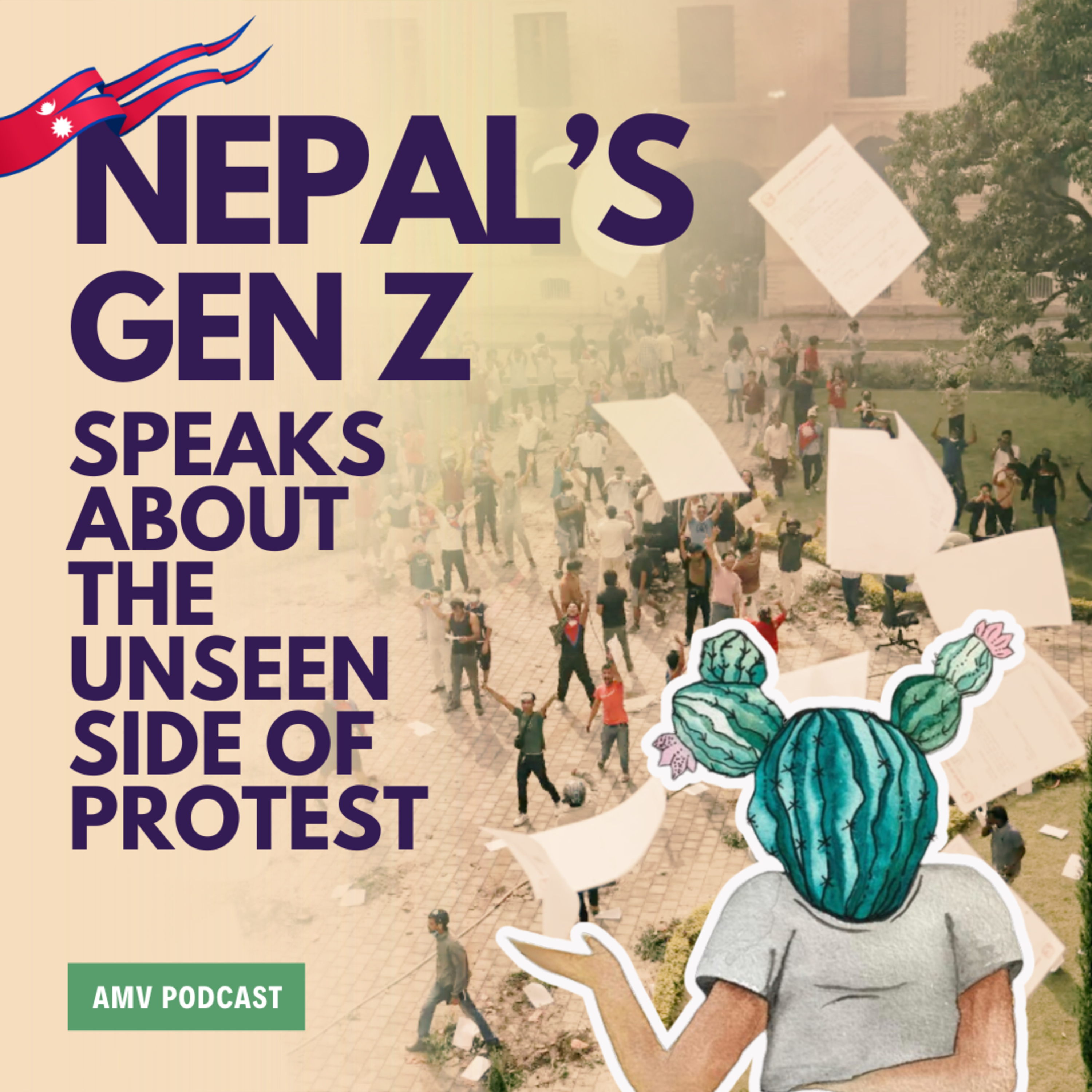
Nepal’s Gen Z speaks about the unseen side of the protest Ft Aadarsha

50m 42s

Nepal’s Gen Z speaks about the unseen side of the protest Ft Aadarsha

The Genzi protest in Nepal, discussed on the Narag Manasuruma podcast, originated from dissatisfaction with political corruption and a recent social media ban. The protest, initially a call from various Gen Z groups, was influenced by the NGO Hamine Pal, leading to complexities in its organization. Violence during the protest resulted in casualties and public unrest, with demands shifting towards the dissolution of parliament and a new interim government. The protest highlighted issues of corruption, wealth inequality, youth unemployment, and bureaucratic corruption in Nepali society. Conspiracy theories linked the monarchy and political figures to the protest. Despite the rise of leftist parties, discontent with the political system persisted, challenging the hopes of change brought by democracy and leftist governance in Nepal.

Transcription

6655 Words, 35888 Characters

So welcome to Narag Manasuruma podcast and the topic of today is the protest Genzi protest which happened in Nepal. For this I spoke to other Shah who is a law student in Kathmandu currently staying in Kathmandu and who told me that was also part of Genzi protest before it turned violent and he is someone who closely observed how the whole protest and these marches have unfolded. He also suggested me that looking at this protest only from one Genzi angle is a very simplistic reading of it and there are many forces which are behind it so it is going to be very interesting podcast which goes beyond the surface level labeling of this protest. Please do listen to it and support us in making more of these conversations happen. You can support us by becoming a patron on Patreon or YouTube membership. We also have razor pay page which has the link for UPI debit card payment and also PayPal for international audience. PayPal is in the pay later section of razor pay page. Additionally we also have by me a coffee page all the links are mentioned below. Please do check out because at the moment we are really trying to expand our podcast and in this we seek your support to keep things going. Another major announcement is that I have started a new video section of podcast named in the mood for discourse this has been DAWs where I and my friend Karthik will try to decode internet news memes pop culture and other topics which are part of the culture environment every week. First episode is out and it has been received quite well by our audience so please do check it out by typing on rug minus or my podcast on YouTube and yes shout out to Nilesh Chattwa who has helped me with the sound design of this podcast and many of my podcast is a wonderful sound designer so any of you who are looking for a sound designer for your project and I personally highly recommend him. I am attaching his profile below and also thanks to someone from Nepal who connected me with other Shah and made this podcast happen now without any delay let's start the new episode of Anurag minus orma podcast. Thank you so much for joining and if I am correct you are currently a law student right in Kathmandu. From what we see outside we only get these headlines on social media that Gen Z is demanding this Gen Z is demanding that but I am sure Gen Z is not homogeneous identity. Yes, there might be some group in the protestor and there are there like many separate groups in the protestor because who are these protestors first we also can understand. To look into that I think we should take a little step back and we have to see what happened before the protest before September at what happened. Many dissatisfaction among the people there was much dissatisfaction among the people because of the internal democracy of the political parties mainly and the expressed dissatisfaction was mainly on two grounds that is the corruption of the politicians and the next one is the recent social media ban that created you know and that ignited the protest. Yeah that ignited the anger and the and the international trend of nipo babies nipo kids that was also going on in niply social media and you know in the amalgamation of all these factors there was a call of protest on September 8th call of protest of Gen Z you know the term was already floating on the internet. The protest was the protest of the Gen Z and the protest was called and there are people say that the protest was quite independent and all the independent people collectively thought of that date and that time and that place you know but we all know that doesn't happen independently. And the protest was called on September 8th there were many sponsored posts on instagram that September 8th is the protest date and this is the place this is the time and there were also many influencers on social media in instagram and tiktok they were calling for the protest were calling to you know stand against corruption stand against this recent social media ban and that was happening on. The foreground but in the background if we see there were many small small groups that were calling themselves the organizers of the protest as well and we're not quite open to the public on social media or on the on other news platform but they were calling themselves the organizers of the protest and they were made it nine groups all around. We were calling themselves the organizers of the protest but among that also the organizer of the organizers were also there which was quite organized and. Yeah yeah yeah yeah yeah and and the coordination of those groups this protest happened but the main organizer the organizer of the organizers. The reception level and they took hold of the protest on the September 8th and what happened in September 8th was people thought that this was an independent protest and the many organizing groups you know it nine organizing groups they also thought thought that they were part they were a major part of the protest but what later happened that. There is a group there is an NGO called hamine pal I think you have word of fit Sudan Gurung hamine pal you have word in some headlines is this the coconut which is coconut yes yeah yeah yeah yeah yeah they they have they're on their NGO have funding from coconut as their website says what happened on September 8th was the hamine pal group they brought the. They brought the vehicle that had a sound system and mics in it they called themselves the volunteers or you know the managers of the protest and they brought in the medical help medical helpers they provided water and they also helped with kind of security of the you know the. The mass the rally and the and and one interesting one surprising thing was what happened was they you know they sat around the. When the the van of the organizers that they put all the sound system and speakers in and the mic was only controlled by few people five six people and that five six people who control the mic who controlled what the rally will say. That was controlled by those few people and and at the end after all the aftermath of the protest that was the one who got to the table and got to the negotiation and you know we got to put who will be the prime minister of the interim government so yeah that that that I think that quite gives you the picture of how this protest went before. So okay so this NGO is also very central I mean very very central to this protest the hammer NGO yeah yeah it is quite central because before the protest even in their Instagram account the NGOs Instagram account they say they have they still have the post that where they say that we are not the leader of this protest and they still have the. Different interviews that where they say that we are just volunteers were helping people we are just here to provide water and medical support to the protesters will get in problems and at the end what happened was they are not just volunteers but they became the leaders they said they call themselves that we are the leaders of this protest and we demand this and we want this. And they got to the table talk where they negotiated who will be the head of the interim government so that so they are quite central to the so what can be the exact motive of the NGO in the protest like because as you are as you are aware that there are many conspiracy theory which are also revolving that somebody through NGO is channelizing these things are this these kind of theories in Nepal as well because I read it on on some post online. Yeah there are many conspiracy theories and some believable some not believable like people also say that the NGO the leaders of the NGO mainly a man called Sudhan Gurung. He is quite associated with balance the mayor of Kathmandu metropolitan city the rapper that you talked about yesterday. Yeah yeah yeah he is you know friends with the mayor and other conspiracy theories things are like that he is funded from Coca-Cola and other many foundations from I and you and and things are like a thing that like that are floating around the internet but that is the thing about is that we cannot prove it we can only we can only connect the dots we cannot make the line. Like these talks are there in Nepal as well so I was just curious like these theories this concept was there many people in India some media houses are also hinting at that but obviously these are theories. But one thing we can say that the protesters original demands were not what they got at the end the original demand they started with was you know the end of corruption and the end of recent social media then but at the end of it what they got is what the bar again is the dissolution of parliament and you know the appointment of a new interim government and the head of which they chose and there it gets quite sketchy it gets quite gray on what what this protest was started to make out and what what they got in the end and how it became and it gets quite sketchy I think so if I get it correct the protest was not about changing the regime did toppling the government it was bringing the reforms. Yeah it was just bringing the reforms the protest so I think you can understand it when you look at the incidents of what happened in the September 8th and September 9th can we kind of some of the incidents. Yeah so what happened is people are unsatisfied with the internal democracy of the political parties and what parties have been doing for a very long time you know the same three people becoming the prime ministers for 15 years and the corruption and recent social media and that ignited the protest the people to come to the streets and what happened was it the people started gathering at a place called my finger at around 9 a.m. they started gathering and a much people gather in the end I think approximately 10 to 12,000 people they were from the streets you know the mainly people were from the age group of 18 to 30 and many college students were also involved and many mostly youths we we could see that. And the protest started to march from my finger to Baneshwal and that is the place where the parliament is you know and that is I think you know two to three kilometers road yeah and when they started to get to Baneshwal there was a barricade of police and they broke the barricade the protestors broke the barricade of the police at around 12 at 12 p.m. and after the barrier they broke the barricade of the police they started to march towards the parliament and when they when the protestors get to the parliament you know it is natural for the for the police to you know issue a call few yeah and the police issued the call few but since the people were on the road and they were not seeing what the notice what notice police might have given people do not know about the curfew and little violence started from the protestors also from the police side also and the mistake that happened was the state the police started firing guns at the people there was a curfew and people were trying to freeze the parliament and they started firing and they and the grave mass killing of the by the police by the state was done you know maybe 20 people died on that day only and the the injured people later died on the other day also and the major mistake happened that day and that day home minister had resigned from his post and that happened in September 8th and September 9th people got more agitated because you know the government killed so many people and without the most you know they they sought in the head of the people of the students of the little students 20 to 22 years old and that ignited more anger from the people and they came to the streets again in September 9th and and on September 9th what happened was people were so much in anger that they started beating up police they started you know vandalizing public places and they also got to the houses of politicians you know and when they started to get to the house of politicians they you know a former prime minister say whether they were and his wife they were brutally beaten in their house and they had to be escorted by the APF later they had to be saved they had to be saved and taken out and at the 9 at 9 p.m. what happened was the chief of army at risk on September 9th at the chief of army at risk and before that at 1 p.m. the prime minister resigned he had called for a meeting of the cabinet in the evening but 1 p.m. he had to resign and 9 p.m. the chief of army he addressed to the nation and one interesting what one interesting thing what happened during the address by the chief of army was in the background conventionally there there used to be president's photo since we are in a republic there used to be president's photo but in that address he put the photo of thimnanza who was the first king of unified Nepal and that is and things became quite sketchy there also and intent September there had already been too much violence there had already been too much vandalism and people had been killed people were you know burned inside of a burning buildings and too much violence had occurred that had gone beyond control and on September 9th at around 10 p.m. the army assumed the control of the nation and on the September 10th we were already in sorts of a new prime minister how we should solve this crisis and all and president had also been not been seen on a video and you know the the army the president was in the army and everything had happened and I think in this background of this these incidents you can quite see where things gone bad and where things you know where people became more angry that like to this crisis I think basically what looked like a completely organic protest there might be some clues which are connected to it like for example you mentioned about the family if I'm correct the king family so there are some theories that there can be some I mean obviously it's not proven yet but some connections some little bit of sketchy things which are going on on that when we further try to you know source for different dots to connect what happened was when we were in source of a new prime minister and there were many talks of you know negotiation at all from who is going to be the next prime minister they were they were talks with you know the Gen Z protestors and all and among the negotiators one party was a man named Durga Prasai note this name Durga Prasai he is now a kind of you can call him a politician he is a politician and he is a pro monarchist force and he had organized a rally in April March March and April in the end of March I think and in that pro monarchist rally there was also many acts of vandalism and you know violence and in that after that protest he was arrested and he had recently been it had only been one month that he was released on bail and he was also in negotiation with the chief of army and and these different dots were you know connecting to the pro monarchy kind of Bive and that that scared people for four to five hours in the night of 10 September yeah and there are as many dots I think yes very interesting and the monarchy ended in 2006 right 2006 seven yeah yeah yeah we have a different calendar here in yeah yeah to discuss your different technique okay so it's very interesting how we explain because not many people know about it I think there is a very limited understanding you know just Gen Z because even I was also when I was listening it I thought it's a little bit of over romanticism of all things happened because there are obviously many factors which are at play here and there is obviously one legitimate angle but then there are other forces because that's our politics function there can't be just one thing which leads to everything there are many hidden forces also around it so it's very interesting so I also wanted to understand like the corruption the issue of the corruption was decent to it like the NEPO maybe edits I've seen their gates are case 10 youth were frustrated with how things are going on what exactly was a scale of corruption that frustrated for us treated so many people what was exact scale of the corruption in NEPO political society the corruption is actually I think a symptom that that we can see you know the main problem the main problem is the corruption itself but around it there are also problems like you know the wealth inequality and you know locks and locks of youths they have to go to abroad for you know minimum ways and they are not getting employment here and everything was happening and you know the people don't study after the high school many people don't study here after high school so they go to you know abroad for work or for study higher study and in the name of highest higher study they also work and earn money there and the wealth inequality and the unemployment and everything and corruption also that had been going on that has been going on for a really long time and you know the politicians they are getting richer and richer the the businessmen connected to the politicians they are getting richer and people are people who are very much frustrated and the the question of bureaucratic corruption had not even been introduced to this protest and only the political politicians corruption and we and we can quite surely say that in country like ours in NEPO and all countries do that and politicians corruption is only a very small amount compared to the bureaucratic corruption the question was only here of the politicians corruption and the number I am not quite familiar with but you know the politicians sons and daughters who were you know fronting their lifestyles and all that that was seen in the edits of actually I think a lot of many people don't know that the huge percentage of economy depends on the NEPO the economy depends on the remittance money which is basically the migrants are sending back home especially from the Gulf country Korean country Gulf countries and Korea and India and if there is some crisis in the global market then Nepal will also get hit so it is very much dependent on the money which is earned by the migrant so that discontent has to happen sometimes because you can't survive on the economy which is based on the money from the global markets like from the migrants only so that is one of the so it was brewing because of that in some time yeah the people not getting employment in their own place like people want to live in around their house around their family and work and they are not getting that and they are you know they are suffering in the Gulf countries and with that also there is many there is much disparity in well talking wealth you know and the politicians and the bureaucrats they are they are living quite good lifestyle and so this is also the betrayal because Nepal got the democracy after 10 to 10 years of the Maoist wall and finally when they reached then there was high hopes also because they thought that now things will change but things didn't really change even when there's a left government in charge still the same situation continued in a different form otherwise in general people hope that if there is a leftist you know government in charge then inequality will end so Utopia of the left is also questionable from you know the political situation the I think a few years back you know the world were you know the leftist of the world were idolizing the Nepalist communist parties because you know the two big parties the two big parties are the communist parties in the airport I put yeah in the name communist parties and they had united into a single party a few years back and after that unification they became they became the party with two third majority in the parliament and and now also they have a pretty good seat in the parliament but they are only leftist in the name they just have the name that communist party of Nepal Marxist, United Marxist-Leninist or Maoist but in the in their practice in their you know what policies they introduced they are they are not we can surely say they are not quite they are not Marxist enough yeah yeah so that is there and now what did you why you also part of the protest like I was I was not the part of the protest person like I had gone in one meeting that happened in September 7th you know I said there were many small groups that called themselves organizers and among them those groups I went to one of them and there I put and I put some opinion on you know how protest might go what happens you know have we secured you know the security concerns and have we informed all the people all the stakeholders that we need to you know human rights stakeholders at all and also you know how are we going to organize this protest like are the people from political parties what's the end is you know are they going to speak should they speak and all I raised some of the questions but you know those questions were unanswered in that meeting also and you can say that I kind of was but I was not in the organizing team I did go to the September 8th protest and I returned after it kind of seemed like that could take a violent turn at around 12 p.m. we could see you know the barrier being broken and people getting violent a little and when that happened I saw that okay things are not getting getting good yeah yeah and we should get out of here and I got out of the protest and that violence like what the Gen Z part of it or other people what is the story of violence like what happened is okay let's start with September 8th what happened was the police was soft at the beginning you know like in Nepal if we you know small leftist groups are there who are not themselves a party itself but you know leftist groups small small groups and when they organize a protest there will be too much police you know too many police police will be there on the road and they don't let us you know do what we want to do they don't let us to brave the barricade at all but in this protest what surprised what surprising thing happened was the police was a little soft at the beginning but when the protestors broke the barricade they got very much violent very fast you know they should not have the protestors on the head like generally in protest they fire in the sky in the open sky first and they won and they you know they may be used sticks at first but the police the state they started using bullets very fast very quick and on September 8th there was not much talk of infiltrators you know some say that some some people from the protestors I say that the break into the parliament parliament building on September 8th was from the infiltrators group not from the Genji protestors group but the main talk of the infiltrators of the protest that is seen in the September 9th the next day of the protest you know where you know they burn the supreme court they burn the singha darbar that is where the ministries are and you know they burn the autonomous general office and all these vandalisms they say that the infiltrators of the protest had the and in those vandalisms infiltrators are mostly involved in September 9th but September it's also the claim that protestors claim that the violent acts of the protest was done by the infiltrators but the non-violent was done by the protestors one thing also very interesting on internet was which is floating on Instagram that I saw that the prime minister was chosen on discord server is it true or is it the Western media and in even Indian media they are portraying as if the democracy the democracy was practiced online and you know discord they chose the prime prime minister district but I don't think the prime minister was chosen by the discord voters I think she had already been appointed by the you know interested parties and the discord thing was just an apparent democracy you know but when you see a little deep into it the the prime minister the now prime the prime minister that we have now just former chief justice Sushilakargi is not I may people are contesting and most of whom are law students and lawyers they are contesting that the grounds on which Sushilakargi became the prime minister was on constitutional and we may talk further on that about on that later but you know the prime minister she was already appointed by the interested parties the protestors and the you know chief of army and the discord thing was just an apparent democracy kind of thing and where 30,000 maybe 30,000 people were voting in that server and an interesting thing about that voting in the discord is the first name was Sushilakargi with the first vote was Sushilakargi with the former chief justice of Nepal and the second vote is for a name called random Nepali and when the people outside Nepal see that name they they think that as so that people are voting a random Nepali to become a prime minister but random Nepali is a YouTuber in Nepal which is also a lawyer and his internet name is Random Nepali I thought it's like that meme say that now prime minister is kind of like that you know say that the constitution does not allow the member outside of the parliament to become a prime minister and the constitution does not allow a chief justice to become a prime minister and sees both of that she's not a member of parliament and sees the former chief justice and that is quite there would be some complication as well yeah yeah yeah we have kind of overwritten we have we have kind of undermined some constitutional provisions in these in these few days so like from outside there some people are saying that there is complete anarchy in Nepal that's not true that's not true right there is a system which is still in in process and everything is working according to system still now yeah if you talk about September 9th yeah there was anarchy because you know in the September 9th at around 10 11 a.m the police backed off and they lost the control of every place you know they they backed off and many police were beaten and the weapons the the mass the they called they called them infiltrators the infiltrators or the protesters whatever the people might want to call them they had taken guns and you know police uniforms and they had burned these stations and everything had happened there was no rule of law and there was complete anarchy but after the protesters chose their prime minister and the prime minister got the you know approval from the president and all the things are getting smooth the people are back in the normal days yeah and and what what are the hope currently off of youth of Nepal like what are they hoping like how things are going to change from at this point is it going to be very it is going to be in the direction that people are hoping or things also can go let's say the return of monarchy that some people are claiming can that direction it can also take what are the current hope and situation especially among youth like how things are going to go the complexity in that question is we don't know what we want right now that we just know that like we want no corruption but everyone want everyone wants that you know we don't know what reforms we need to make to stop that corruption you know politicians corruption and bureaucratic corruption everything we don't have a roadmap for that we might have by you know the next election but a good thing that happened after the aftermath of this protest is many people became politically charged people who take interest in politics and the news and everything people started to become aware of the constitutional provisions on how the prime minister is chosen what constitution says and what is a constitution people became interested in that and many other things that people become politically charged that is the first good thing this protest has done and the second good thing that this that this protest has done is that it made people aware that if we have you know if we want to make a change we can do it because you know in the previous times many people who are active politically and you know who are not in the political parties we're just working in small small groups and study circles and you know max groups and all they had little hope that we can bring about a change if we have you know if we have a map we can bring about a change we had very little hope but after this protest we we can see that yes if we have the road map if we have have the political program on what we can do after we take the government after we as you know after we are in power then we can make a change that that this protest has made people conscious but bad thing that this protest as soon is that we are in an ideological void we are we have we don't have a political program on what we can do you know like if I made the prime minister the next day I don't know what to do you know I know that we need reforms in our governance system we need reforms in our electoral system and we need you know we need to make our you know the property relations of the society better to make you know the class inequality less and we have we all have these big ideas but we don't have this you know the ideological framework of the political programs that we should work on and that is a bad thing that this protest has pointed out not not quite not actually a bad thing but you know less and this protest has given us but yeah there are some hope that you know people that the election did have been announced it's in Fagun 21 that may be in March first of first March first week of first week of March maybe and people are quite hopeful that they will become politically aware and they will vote better candidates and all but fundamentally I don't think that we make much of a difference because you know the political parties they may be a little scared but in six months there they they have you know time to yeah they're maybe some exceptions that new people will come to the politics and they will be become the member of parliament but few people won't change the system you know that's true that's true yeah and also the I think it my my final question is also related to the Nepali society which is very diverse like from outside it looks like a homogeneous but when I read more about it there is a different politics of the hill region of mountain region plain region and then there are many Jati is Jan Jati so it is a very divided and diverse not divided I would say it's a very diverse society in that sense. So connecting people for singular issues in that diversity it's also very difficult so if you can talk a little bit about that diversity of the Nepalese society. Yeah you know the Genji it is just an age group but in that age group people from you know different caste class and gender and region they all are there and and one thing we can be clear that all these Genji all the Genji do not have a political consensus on what I what we need you know it is not a homogeneous group if we talk politically and yeah there are many political issues that different reasons have and different caste class have but there and this protest also did not start with a you know kind of homogeneous identity these protest was just and put to put an end to the corruption and to you know unbend the recent social media ban and that we all can agree on all the Nepalese people can agree on that two things you know even all the people of the world can agree on that those two things but the specific problem of the you know class caste and gender and reason and language they are still there and this Genji movement they cannot form a you know public or common consensus on these things we need these things we don't need and because they will even a class society and you know the demands of the upper class and lower class will be very different even the caste demand of the caste will be very different yeah yeah Super because I also saw one video where the which was went viral so many my friends were sharing that Genji's are now cleaning up Genji's are now cleaning up the vandalism that happened and everything it sounded a bit like Oshos Rajnishpuram or something like that but that that so a little bit of romanticism is also good for society so that that that's fine so yeah thank you thank you so much Adarsha for coming to this podcast speaking and I really hope that things get better for Nepalese society both politically and socially so thank you thank you so much for sharing here inside Thank you a little note I might say that the other party is that the Genji's and the pro pro pro pro anarchist were only involved in the 10th September talks the negotiation talks One thing I should make clear that on the September 9th where most of the vandalism happened what happened was at around 1 p.m. the leader of rastriya suttandrasa party that is one of the national parties in the parliament that parties leader was recently jailed on a fraud case and the vandalism the infiltrators they called them the infiltrators they got to the prison that he was imprisoned in and they caught him out and and you know he got out and he made a statement that I was you know laid out by the prisoner and the prison the jailer and all and recently he also went back and among all these the the deadlock I think the contradiction this interim government lies in is that the government formed because of the vandalism not just vandalism because of the you know the deaths of all these people and you know the demands of the protesters and also the vandalism by the infiltrators and all and the government bargained for that the protesters bargained for that position the interim government and now on that ground the interim government has formed but what will interim government do to the to the protesters like will they reward because you know because of them they got that's also a question yeah or will they punish and on one round they will punish because there are thousands of people who are who have stolen the goods from the you know supermarket and all they have burned the buildings whose footage and CCTV camera footage and videos they are all gone viral will they punish the protesters or will they reward the protesters and that is quite kind of quite interesting contradiction that this interim government faces I think yeah we are in quite a mess right now but things in fines I really hope that things get fined I really hope so thank you thank you so much I also see you play very good guitar do you want to play any song of hopefuls I think not actually of hope but you won't understand do you understand Nepali are a little bit you have gone to jail you know so Nepali I don't understand I don't understand actually yeah actually I literally don't understand foreign language if there is a cinema that I've seen in that language but I think I haven't seen any Nepali films so yeah but you know Indian Nepali are quite close language and you can I listen to the music which are which I don't understand that doesn't matter in the music you know it doesn't need language as much the lyrics as much because yeah okay this song is you know this is translated from Hindi song actually because in India there is a group called look nada do you know about them Vinay and Saru look nada they write progressive songs and they are one of their songs is called jaanne ka haq and it is quite pro basic on what the people need to get informed on what on their daily lives things and all we have translated into Nepali so I'll be putting that in my mind. [Music] [Music] [Music] [Music] [Music] [Music] [Music] [Music] [Music] [Music] [Music] [Music] [Music] [Music] [Music] [Music] [Music]

Podcast Summary

Key Points:

  1. The Genzi protest in Nepal was discussed in the Narag Manasuruma podcast.
  2. The protest stemmed from dissatisfaction with political corruption and a recent social media ban.
  3. The protest started as a call from various Gen Z groups but was influenced by an NGO called Hamine Pal.
  4. Violence erupted during the protest, leading to casualties and public unrest.
  5. The protest demanded the dissolution of parliament and the appointment of a new interim government.
  6. The role of corruption, wealth inequality, youth unemployment, and bureaucratic corruption fueled the protest.
  7. The monarchy's presence and potential connections to the protest are subject to conspiracy theories.
  8. The dissatisfaction with the political system persisted despite the rise of leftist parties in Nepal.

Summary:

The Genzi protest in Nepal, discussed on the Narag Manasuruma podcast, originated from dissatisfaction with political corruption and a recent social media ban. The protest, initially a call from various Gen Z groups, was influenced by the NGO Hamine Pal, leading to complexities in its organization. Violence during the protest resulted in casualties and public unrest, with demands shifting towards the dissolution of parliament and a new interim government.

The protest highlighted issues of corruption, wealth inequality, youth unemployment, and bureaucratic corruption in Nepali society. Conspiracy theories linked the monarchy and political figures to the protest. Despite the rise of leftist parties, discontent with the political system persisted, challenging the hopes of change brought by democracy and leftist governance in Nepal.

FAQs

The dissatisfaction with political parties' internal democracy, corruption among politicians, and the recent social media ban were key factors.

Multiple small groups identified themselves as organizers, with a central role played by an NGO called Hamine Pal.

The protest began with demands to end corruption and the recent social media ban, but later shifted towards dissolving parliament and appointing a new interim government.

Protesters clashed with police, leading to casualties and violence. The situation worsened, resulting in deaths, resignation of the home minister, and the army assuming control.

Corruption, wealth inequality, lack of employment opportunities, and dependency on remittance money were significant factors contributing to the discontent that led to the protest.

Chat with AI

Loading...

Pro features

Go deeper with this episode

Unlock creator-grade tools that turn any transcript into show notes and subtitle files.