Go back

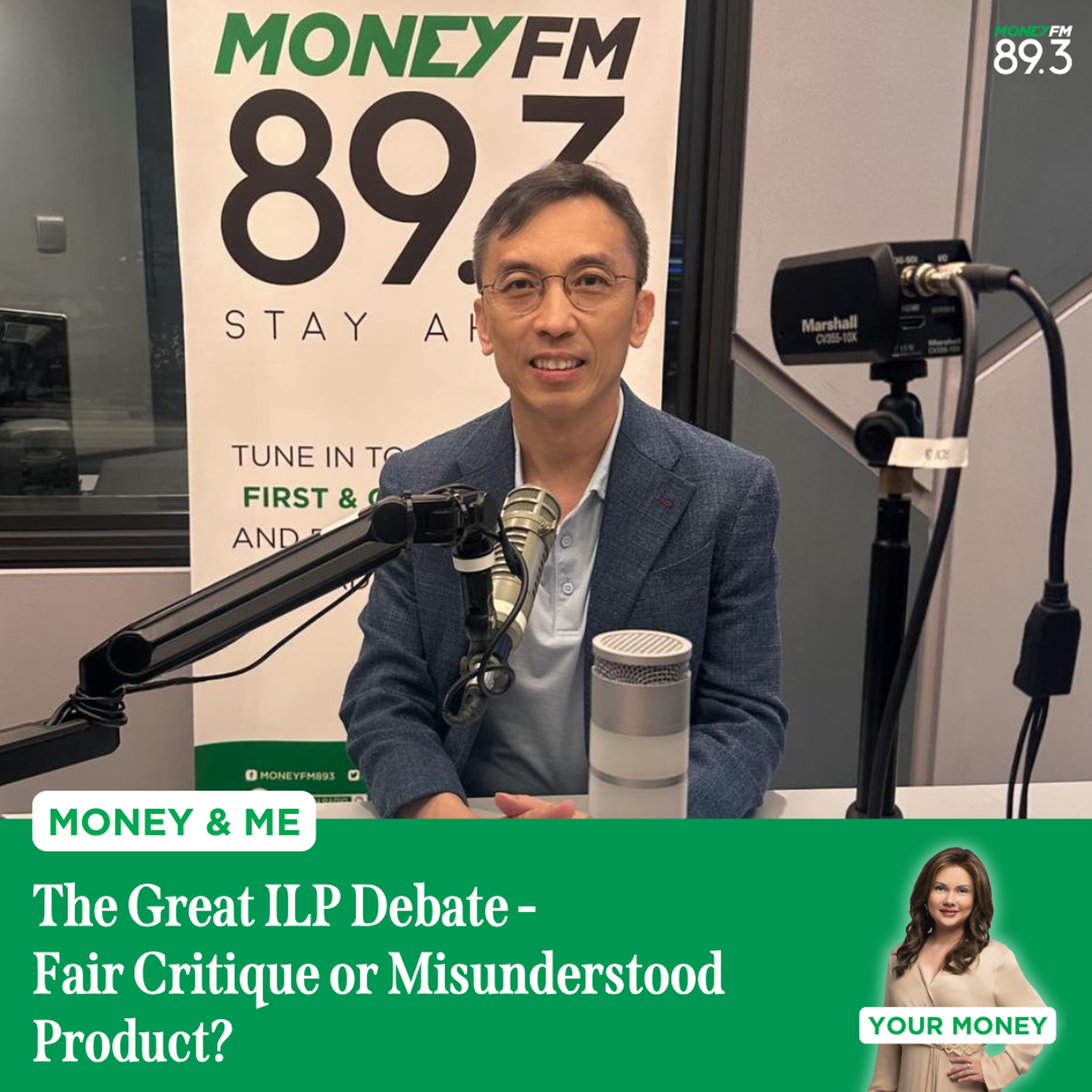
Money and Me: The Great ILP Debate - Fair Critique or Misunderstood Product?

24m 9s

Money and Me: The Great ILP Debate - Fair Critique or Misunderstood Product?

The discussion revolves around the contentious topic of investment linked insurance plans (ILPs), with a focus on their intricate nature and cost implications. Christopher Tarn's article dissected the complexities of ILPs and explained Provident's stance of not incorporating them into their portfolio management. Contrasting responses highlighted the strategic benefits of ILPs for long-term servicing, access to a variety of funds, and their potential role in tax and estate planning. Tarn's views triggered a mix of reactions, leading to complaints, including one lodged with MAS. Overall, the debate underscores the diverse perspectives on ILPs, emphasizing the need for a comprehensive understanding of their complexities and potential drawbacks, while also acknowledging their strategic advantages in specific financial planning scenarios.

Transcription

4393 Words, 23430 Characters

Money FM 89.3 the best of your money money and me on your money only on money FM 89.3 investment linked insurance plans have been the subject of fierce debate in the financial community with their value proposition the complex cost structure all coming under intense scrutiny there were two articles published in the business times recently offering sharply contrasting views on whether these hybrid products deserve a place in investors portfolio Christopher Tarn's money wisdom column on September 23rd titled investment linked insurance plan that welcome bonus could cost more than you expect pointed to the complexity of the product consumer confusion and explained why the firm provident does not use ILPs with research provided on 101 ILPs to determine total annualized costs it drew a response from a reader who wrote to the paper with the opposing view defending the use of ILPs arguing that sweeping generalizations against them are misleading and fail to acknowledge their strategic benefits so what can investors trying to make an informed decision on ILPs in 2025 take away from this well Christopher Tarn see or provident joins me today Chris welcome to the show good morning hi morning Michelle is good to be in a studio yeah great to see you in person so after our interview on in September on ILPs you wrote this article and right after that I understand you had a lot of texts you had a lot of comments coming your way as well from detractors in the industry and some posts on social media some wrote to the business time someone even sent a complaint to MAS after you did a live stream with an influencer on this topic so tell me how are you feeling about all these views coming your way I was quite surprised because I I didn't really intended the article to be controversial and the way I wrote it I didn't put out anyone I was just simply sharing you know my view and the firm's position and so when all you know all those comments came through social media platforms even writing that it was a association who wrote through the straights times to share their views and then of course the complaint to MAS I was like shock you know I actually really didn't realize or rather expect that kind of response you didn't expect it but this is a hot-button topic right ILPs yes but you know I mean I guess if you are just sharing your views and it is a view that is backed up by research you wouldn't expect people to be angry about it I mean most people will share their view about what they think about the subject the tone of voice of some of the comments are actually quite hostile you know and you wouldn't expect somebody to go to MAS when they don't agree with your view and before we started this show and we're just talking about it it's like you know between siblings they they argue they debate and then they don't agree with each other and then they go to the parents and said I don't agree because his view and please take him out of the house all right so yeah so I was quite shocked by the intensity of the responses what do you think about what caused so much unhappiness what was it about what you had to say I think in that after our interview in September I decided to put it on into words on the business time and the article really just focuses on three things right the first I was talking about why ILPs are complex and I didn't say anything different from the questions you asked me in September which is basically I broke down how you know although the welcome bonus when you buy one one ILPs although the welcome bonus can look very attractive in the beginning but because of the policy fees that is imposed on these bonuses it eats up the welcome bonus and in the end well although the welcome bonus looks attractive the fees eats them up right and so that was the first thing and as I explained that structure I was trying to show readers that look that's why it's complex right a lot of people don't understand it you got to break it down and so the first point was complex and the second point is I was explaining why as a firm probably don't we don't use it because to us it's very difficult to use as an instrument for portfolio management it sits on the insurance platform it doesn't sit on an investment platform you are do rebalancing it's tough and they are limited funds that you can use and the cost is high the NO fees are high and a lot of ILPs are actively managed funds which we don't use it so just explaining why we don't use it and then finally of course I said that I can I really really cannot find a use case for ILPs because many of the things that even the detractors say there are other ways to go about achieving the same goal without having to use ILPs so that was what I said but I guess some of the readers who wrote to me not from the industry consumers you know and they said that well I think you basically struck on a raw nerve because a lot of ILPs are being so and you're out there saying things that you disagree with it and so that's why people got angry so basically the ILPs are complex why provident doesn't use it and your personal point of view on ILP and its place in portfolios which you believe it doesn't have a place in that's right so what was some of the rebuttals let's go through them one by one yeah many the first has to do with the bonuses right so there was a person who wrote and said that you know in the article that I wrote in October or September rather that in that article I ignored the compounding of the bonuses right so although yes I broke down the welcome bonus I shared how the fees were eat into these bonuses but this person said that I ignored the compounding of the bonuses and the compounding of the bonuses were somehow mitigate the fees which is not really true but well I'll talk about it later on and then another comment came in as and actually this one I just read last night and and this one said you'll buy the policy that's been running for four years and it's been making money and on average I'm making about 6.2% per annum it's not that bad right so that was the second comment and then the third one talks about that you know when you pay for the cost of the LP it's really for the advisor for long-term servicing yes the fees are high but it's for the advisor to serve you for the long-term and then another one said that you know it's not true that it limited funds we have up to 150 funds that the ILP can access so how can you say Chris that they are limited funds to choose from right and then another one said that well you know if MES permits ILP it cannot be very bad right and well another one talked about the product problem it is a product problem don't blame it's not a product problem it is a practice problem it's a practice issue meaning to say the product is fine it's just that the advisors who are advising it they are doing a bad job and actually I find that last comment to be quite interesting because I didn't even say that it is the advisors that are misselling or mis-advising but now in the end it is from the industry they said no look it's not a product problem it is just that advise the advisors are not advising properly and so don't don't don't don't blame the product fierce defense of the products that's right that's right okay so would you like to take on any of these rebuttals for example long-term servicing that's why you pay so much for ILPs yeah so you know the problem with the cost of the ILP when it comes to this area of long-term servicing is this the way the compensation structure is for ILPs is that it tends to reward the salesperson in the beginning few years especially the first year which means to say when you sell an ILP the bulk of the compensation who the salesperson comes in in the first year that it tails off right into a very small amount so now I'm not seeing of course all advisors are like that but when we structure a compensation like that we are incentivizing the initial sale we are not really incentivizing the servicing right and after a while because of the nature because of the nature right I mean if I'm a salesperson right I need to do business right I need to make more commissions it's only right I need to make more commissions and so I will spend time getting more and more clients and after a while I just cannot handle 1,000 clients 500 clients right so after I'm being paid the initial compensation right is there a possibility that I'm not as motivated now now again this is live show I gotta be very careful I'm not saying that advisors are like that but I'm just being objective and say look if a compensation is structured like that what are we incentivizing that's a problem and after a while if the policy is not serviced properly clients don't get advice the initial funds that you have bought may not be performing as well it may not be suitable for your life stage anymore but nobody is servicing it a new advisor may take over but unfortunately currently the new advisor doesn't get paid the salesperson who saw the policy continues to get paid so what is in it for a new advisor to take over to service right so so this thing about when you pay the fees for long-term servicing well the intention might be there but the actual impact is not felt by the consumers and so that is why well we hear a lot of consumers complaining now even if it's true even if it's true that the product is fine but that's not how the consumers are feeling they are not feeling served and perhaps it is the compensation structure the way things are structured is there anything in these seven rebuttals that you mentioned that you think is important to clarify I think the other thing is about you know my policy over the last four years have been making money but look Michelle the last four five years markets have been good in fact since Covid started the markets up and down a bit but generally markets have been good right and I think we cannot say that okay just because the last two years the last three years returns have been good and I'm not sure whether 6.2% is good because if you relatively to the S&P 500 you relatively to the equities market 6.2% is no big deal in the last few years right but I'm not even talking about that but I think what is more important is to us ourselves and we look at investment because history is past is whether the investment approach will help you continue to get good returns going forward and there are many things we cannot control but the one thing we can control is cost cause is into returns now the last few years I've been fine cost may be forgotten but going forward when the market becomes tough but the one thing we can control to ensure that we get we have a good investment experience if we control cost that's basic investment 101 right and the fact is cost is expensive for an ILP and so if I were to continue on that command that says look look Chris you ignore the compounding of the bonuses in yes in this year article in October or September I think September September yeah September I didn't show the compounding effect because the purpose of the article was to just show how complex ILPs are right but in the 2023 article I actually showed the full breakdown if we consider compounding over a long period of time up to 64 years from the time you buy an ILP the cost the annual fees of the ILP can range from 1.4% to 5 over percent per year over a period of time so five percent five percent and the five percent one is if you keep the ILPs for 11 years it's five percent but if it's 64 years there is one ILP from an insurance company about 1.4% so I've considered the compounding effect but the cost is still high right and so well like I said we cannot just look at the last few years and say returns have been good and so therefore I think I got the correct product we should look at how the product is being invested approach and we're going to ask ourselves is this the way that gives you the highest probability of success going for the next 10 next 20 years? Christopher Tan is my guest CEO of Provident we're talking about he fears debate around ILPs or investment linked insurance products you mentioned a complaint to MAS what was that all about yeah so how much details accept that MAS to us is because this person felt that you know the views that I gave was unbalanced it was not my own podcast it was a live stream done by an influencer was invited to talk about ILPs you know it was myself and Eddie Chong the CEO of Haven which is a subsidiary company and then we talk a little bit about our views on ILPs and then after that the complaint went to MAS but okay so far nothing okay because we have answered all the questions I believe the MAS will be fair we didn't say anything wrong we didn't pay the influencer the influencer is not going to benefit from anything out the program financially so well we just have to take the complaint and you know over the last 24 years it's not the first time that I've received complaint for sharing a view so I think I think I think we should be fine because I expect you back next month Chris all right so what is this about the compounding do you still have anything to say about compounding all right so if we talk about the cost of ILPs anything else you want to add to the argument that the cost really undermines these bonuses I think like I said I mean the one thing that we can control is cost well in another of the latter this person said Chris you're not transparent because your firm charge a percentage of AUM as well and you use other instrument you don't use ILP so you're not being transparent you are putting ILPs down because you don't use ILPs and you are saying the cost is high but you are also charging an ongoing fee right well so my response to that particular person was that well yes in the September 2025 article that I wrote I did not talk about the use how does ILP compare to the use of other instrument because I only got a thousand two hundred words for the article and that's not the focus my focus was just to explain that it is a complex instrument why we don't use it but in the 2023 article I compared it to any financial advisor out there not just us but any financial advisors out there that use other instruments not ILPs and how does the cost stacked up if you compare to other advisors who use a normal unit trust the cost is about the same or generally lower than the ILPs if you compare to an advisor that use low cost funds like an index funds like an ETF the cost is a lot lower but here's the thing Michelle and I talked about it earlier on if you use an ILP you are paying say 1.5 1.6 percent for a product a structure but when you are paying 1.4 1.5 percent to a financial advisor that users not ILP but example your portfolio using other funds or uses a low-cost fund whatever it is this guy is doing portfolio management for you there's a lot more work in portfolio management than just selling you a structure right so that's the difference and actually when I talk about this I realize why the detractors are all putting that comment we are actually on a different wavelength we're talking about two different it's apples and oranges yes because for for them they are saying they are looking at ILP like a package product that is ready we are talking about ILP being just an ingredient in portfolio management right and that's why I said that I cannot see a use case in using an ILP as one of the ingredients for my the dish that I'm cooking they are talking about ILP being a dish by itself right so because of that our views differ and yeah maybe I'll talk a little bit about the comment that said that you know but you know the ILPs have access to 150 funds it's diverse there are a lot of choices Chris why do you say it's limited yes 150 sounds like a lot but relative to the universe in Singapore you know we have about a thousand eight hundred funds that's like more than 10 times of what the ILP structure can offer right so why why do we tie ourselves up why do we lock ourselves into the illiquidity of the ILP because there is a locking period why do we subject ourselves to a high cost when you have a lot more options right right if you are objective advisor you have a lot of other choices to use you know why get so hung up over this set of instruments called the ILP when there are a lot more disadvantages sounds like you both saying the same thing actually both sides of the argument that these things are complex yes number one and number two you're saying basically there are other better ingredients to use in the soup you know if you want to use this ingredient go use this ingredient but there are other better ingredients yep and Michelle you actually hit the nail on the head when you said it's actually complex yeah because look you know the debate right it's really it just proves the point exactly it's actually complex now to the point that ILPs may have a place if you take a step back and you're looking at the soup approach a holistic financial planning approach what do you say to the point that ILPs can help with estate planning yeah so I mean I think that is a in a way a valid point some people say ILPs can be used for tax and estate planning and I'll talk about a tax planning first right so they are I mean that's that's the thing that I was talking about we are looking at ILP like a product that can solve everything it's like bundled to solve everything and that's why it makes it expensive but if you unbundle it we can solve the same problem without paying such a high cost right I mean if you really want to do tax planning I know today for example for the Australians they expect working here Australian experts working here when they want to bring their investment back to the country they might be taxed but if they wrap it around in an insurance wrapper over a number of years when they bring back they won't be taxed right so you can actually separate it and say I find the investment instrument low cost enough they will give me the highest probability of success I buy them first because that's the best instrument for investment but I've got a tax issue how do I solve my tax issue you can always park there in the platform that has an insurance wrapper around it and that solves the tax problem right so that's one way to solve the tax problem without the use of an ILP but estate planning for example so some people say you know you buy the 101 ILP the good thing about the 101 ILP is that when the market crash and if you die the value of your investments get preserved well does it make sense yeah it makes sense right but is there another way to solve this problem yes there's another way to solve this problem you can buy insurance separately from the investments and you still got a sum of money that comes in and your family can wait for time wait for a better time for the investments to recover right so there's still a and it's a cheaper way to start a problem you just buy the term plan and you separate investment it's still cheaper and then people push on and they push and they said yeah but Chris not everybody is insurable right if you buy a 101 ILP because the insurance element is just 1% well even if your health is bad most likely you will buy an ILP because underwriting is not done on a 101 ILP so no Chris not everybody is insurable yes but we are talking about a very small percentage of the people here they are really outliers right so I think the the argument is taken a bit too far because we are saying something that is really outlier and then we use this product for everyone else just because it can be useful for a very small group of people right can we really extrapolate from such a small sample yeah so I I think we are pushing that argument a bit too far finally what do you say to the common ILP issue is a practice problem not a product problem and since it's approved must be okay I think there's a MAS spokesperson here the MAS spokesperson will definitely say it doesn't mean that MAS approve it means the product is good yeah right so I think that's not the right view to say that just because MAS is okay it means it's good quality it will deliver performance I don't think any MAS spokesperson will say that is the case and to the comment that it is a practice problem and not a product from I agree 50% it is a practice problem but it's also a product problem and maybe it is first a product problem maybe because a product is complex right because the product incentivize the sales person because the initial compensation a lot more maybe it is first a product problem that caused the practice problem and how long must the consumers wait before we get our act right and it's a bit ridiculous I mean in if we call ourselves professionals and we compare ourselves to the doctors to the lawyers to the accountants these are all professional services right in these professional services they don't say that the doctors must it is not the medicine problem but it is a doctor's problem right we make sure that the doctors are qualified to advise before they become doctors right but yet we have to wait for advisors to be ready before we can advise that product so I find very hard to take it in at that we push the problem purely to the practice and not the product because it is unfair to the consumers the consumer shouldn't be waiting for us to be ready and meanwhile they suffered the ill effects of our advice yeah and again it points to complexity because of even a trained advisor finds it difficult to explain the complexities fairly and fully to the consumer who is confused about this product again it points to a problem yeah so complexity makes it hard to advise and incentive right again not saying every advises are like that you gotta help me I want to come back to the program again I'm not saying all advises are like that I'm just saying that maybe the incentive does not it motivates the advice to be given throughout the term right because no longer paid right so yeah so yes I agree the practice has a problem many advisors said that in fact they themselves said it that the advisors is a problem right so yes I agree but we cannot take the product out from the equation and it's important to hear these points of use because this is how you can course correct and perhaps improve the whole process and and product yes so the comments are great because it allows us a platform to discuss is openly and consumer can judge for themselves exactly just don't complain to MES about something that you don't agree with regret talking about this in the first no regrets at all no regrets at all yeah perhaps after this I won't talk about it for the next two months so that I get a rest but yeah no regrets at all fantastic it's Christopher Tan see all provident Chris we so appreciate you coming by thank you thanks for having me this is money and me I'm Michelle Martin the news is next before acting on the information on money FM please consider if it's suitable for your own investment objectives financial situation and risk tolerance

Podcast Summary

Key Points:

  1. Investment linked insurance plans (ILPs) have sparked debate in the financial community regarding their complexity and cost structure.
  2. Two articles in the Business Times presented contrasting views on the suitability of ILPs in investment portfolios.
  3. Christopher Tarn's article highlighted the complexity of ILPs and why his firm, Provident, does not utilize them, triggering mixed responses.
  4. Rebuttals to Tarn's views included arguments on the benefits of ILPs for long-term servicing, access to diverse funds, and their role in tax and estate planning.
  5. Complaints, including one to the Monetary Authority of Singapore (MAS), were raised against Tarn's views on ILPs and their impact.

Summary:

The discussion revolves around the contentious topic of investment linked insurance plans (ILPs), with a focus on their intricate nature and cost implications. Christopher Tarn's article dissected the complexities of ILPs and explained Provident's stance of not incorporating them into their portfolio management. Contrasting responses highlighted the strategic benefits of ILPs for long-term servicing, access to a variety of funds, and their potential role in tax and estate planning.

Tarn's views triggered a mix of reactions, leading to complaints, including one lodged with MAS. Overall, the debate underscores the diverse perspectives on ILPs, emphasizing the need for a comprehensive understanding of their complexities and potential drawbacks, while also acknowledging their strategic advantages in specific financial planning scenarios.

FAQs

ILPs are hybrid products that combine insurance and investment components, facing scrutiny due to their complex cost structure and value proposition.

Tarn's article highlighted the complexity of ILPs, consumer confusion, and why his firm, Provident, does not use ILPs, leading to strong reactions and debates.

Rebuttals included arguments on the compounding of bonuses, performance of ILPs over time, the purpose of high fees for long-term servicing, fund diversity, and blaming advisors over the product.

The cost of ILPs was compared to other investment instruments, highlighting that while ILPs may offer diversity, they can be costlier than alternatives like low-cost funds or index funds.

ILPs can be used for tax and estate planning, but there are alternative ways to achieve similar goals without the high costs associated with ILPs.

A complaint was made to MAS due to perceived unbalanced views shared during a live stream discussion on ILPs, leading to concerns about transparency and fairness in the discussion.

Chat with AI

Loading...

Pro features

Go deeper with this episode

Unlock creator-grade tools that turn any transcript into show notes and subtitle files.