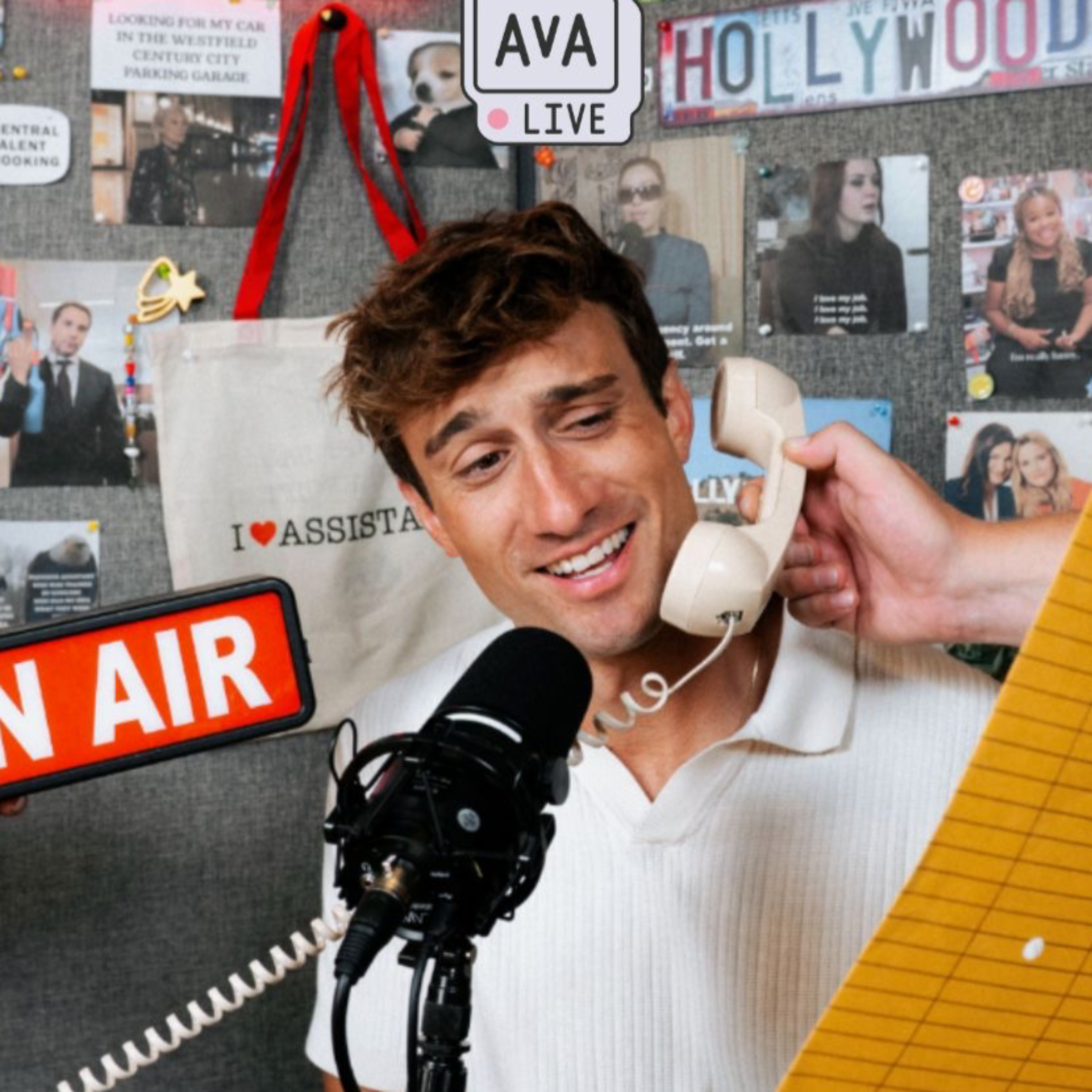
Matt Belloni on the future of working in Hollywood + Mary Beth Barone's GRAMMYs push
1h 19m 12s
Matthew Bellany, a prominent figure in entertainment media and a founding partner at Puck, offers a nuanced view of Hollywood’s evolving landscape. He stresses that traditional career paths, especially in talent agencies, remain vital as entry points for apprenticeships and networking, despite being undervalued. The rise of the creator economy—driven by platforms like YouTube—is no longer a fringe trend but a core force reshaping content creation. He highlights that traditional studio roles, such as studio executives, are under strain due to financial pressure and a preference for safe, commercially viable projects. Meanwhile, short-form content like micro-dramas shows promise but lacks mainstream traction. He cautions that journalism at major trade outlets is being automated, pushing young talent toward independent voices and newsletters. Bellany also notes that industry-wide layoffs—seen at Netflix, Disney, and Paramount—are part of a systemic trend that impacts both operational and creative roles. On the other hand, he sees theater as resilient, with a growing need for support in transitioning emerging talent into film and TV. He concludes by affirming that creators and influencers are now central to the industry’s future, offering both opportunity and a necessary shift in how talent is discovered and valued.
It is Wednesday, October 14th, welcome to AV Live. Hollywood, boy it's changing. Every week we seem to cover now the merger, consolidation, layoffs of major companies, but also investments in worlds like the Creator Economy, and the more traditional paths. So today, we wanted to bring on one of my favorite people in Hollywood, Mr. Hollywood himself, the chief gossip officer, founding partner of Puck, and he also has one of my favorite newsletters out there and hosts the town you may know him as Matthew Bellany. We wanted to bring him on to talk about what it really means for the next generation, 'cause my problem with how the press covers it, they treat the next generation people trying to enter the workforce as just a number. Someone that can be replaced or laid off in the thousands like Netflix did this morning, without a real focus on what it means for them as they enter the workforce or attempt to enter the workforce. So I have a quick funny story here, as we try to pull up Matt, we got him in the way to him, so let's pull him up. And I'll share the funny story with him. So Matthew Bellany, welcome to AVA Live. Let's pull him up. It's great to see you. How are you? We're gonna, where? - There we go. - There he is. How are you? - I'm doing okay, yourself. - I'm doing well. So I wanna hear from you a little bit about yourself. We gave you a quick brief intro and then I'll tell a funny story about how we first met. - Oh gosh, well, brief story. So I am a founding partner at Puck. I write a newsletter a couple of times a week called What I'm Hearing, all about the entertainment business. If you're watching this show, you've probably heard of that or heard of the town, the podcast that I host. Three times a week, we talk about the entertainment business. We talk about the stuff that's hopefully not on other entertainment podcasts. And I've been doing that for four years. I was an entertainment lawyer when I started in the business and then I was at the Hollywood Reporter for 14 years, became the editor-in-chief, did that for almost five and then left in 2020 and helped start Puck. - I love it. I got a funny story. So last January, January 2025, I was like, hey, I like this guy, I like his podcast. I'm just gonna send him a cold email and say, hey, I think I have some funny stories. Let's get on. What do you say I hop on the town? I had no idea the implications of what would happen after that. So you were pressing me. You were trying to get me to roast my little boss. I held strong and didn't, but an hour and three minutes after that episode, I got a text from my boss essentially saying, thanks for taking me here. So now you're in the hot center in Matthew Bellany, but I appreciate you joining the show. - Let's get in. At least it wasn't mad at you for the show. - What did you say? - At least he wasn't mad at the show. - No, he was happy. And he wasn't my boss at that point. But I do want to play a quick game. I know that your show is just pretty serious. We've got a little fun over here. So it's gonna be called Career Liner. And essentially what I'm gonna do is I'm gonna read you a career path. And you're gonna tell me if you were a early 20s assistant, a coordinator, a student, would you venture into that career path? Finding the yes or no and then you can go off and give a little explanation. What do you say? - There. - All right, cool. Let's start. I want to start with a talent agent. Would you venture into that career path? - Yes, with a big caveat on what kind of talent agent? Would that be a traditional talent agent to the stars and how to amass a actor as possible? - No. - But the way that the agencies have diversified these days and essentially become gatekeepers in a lot of the aspects of the business that are interesting and are growing and I would gravitate towards one of those industries and be a major for creators or brands or podcasts or things like that. - Yes, it's a talk about that. So essentially, do you think there's an ability for people to enter into the traditional system and then switch over to be a creator agent or you think you just go full-fledging the creator world? - I still think the best way to enter the business is through the mailroom, the bottom at a talent agency. I wish it wasn't a case. Those are, those are the thankless jobs. But you do get a broad education on different aspects of the business. You get to make connections with people that you know for the next 30 years. You get an apprenticeship in a way that unfortunately sort of gone away at a lot of the traditional companies because they just can't afford to do that anymore. So I would still recommend doing it. However, if you had an idea of what kind of agent you'd like to be, definitely ask to specialize in that as soon as possible. Try to make relationships with people in that world and don't waste your time trying to get close to Tom Cruise or Cape Lanchette because the business is great for people who are not star fuckers. - I love it. So on that path too, in terms of getting close to talent, what about the role of a manager? - I should caveat this by saying my wife is a talent manager. But I actually think that going the management route is smart. I'm not sure at the very beginning of the career because you, first of all, there are not as many opportunities as many companies to in the door and actually learn. There are, they are there. And these are the jobs are there. But agency still have the widest breadth of opportunity coming out of them. But once you kind of decide what you want to do, I do think the management companies can be a great springboard because you're going to have more personal relationship. Plus formal, you might be on a business trip with the talent and one other manager and that's it. And the agency is there would be an entire team that a company's you can or whatever. And it's a little more formal. I think the management companies can be great. And obviously you're interested in producing data and the agencies don't really. So you have more opportunities to learn that. - I love it. Let's transfer over to the world of the buy side. Maybe the studio exec, is that my old path now? - I don't know, most studio execs are terrified. They're going to be fired or hamstrung by the corporate overlords into not enjoying themselves and not making the kinds of projects that they'd rather be making. So I'm less bullish on those kinds of jobs. Plus everybody's just hanging on as long as they can. The notion of being a studio head until you're 50 or 55 or 50 phone and doing something else. Not the case anymore. These people retire if they ever do. It's like 70. So it's created this log jam at the bottom where it's so hard to get a leg up. And obviously there's a pretty interaction right now. So these career executives are all fighting to stay in the lab or not as room for people at the bottom. - Well, what type of movies do they want to make? You said they want to make certain movies. What is it? - And they want to make big authoritarian driven movies that are commercial hits, right? They want the 30 rock line. They want to return to 1995 from science or magic and feel like they can be proud of what they do and also justify their jobs by making money for everybody. And sometimes it happens more often than not, you're making Matchbox the movie. - Or the 11th version of Fast and the Furious, the TV version. - Yeah, what about-- - Rewarded nowadays. It's not, you took a swing on movie and it did well. It's you have successfully managed a portfolio of bands and turned them into franchises that can be ongoing and ever. - So you're telling me after obsession in backrooms, not everyone's still obsessed with IP that's proven and not taken risk? - Exactly, of course, but look at what Sony just did. They went on higher YouTube to do the head of screen gems, trying to chase the YouTube talent because they need to go there in order to have relationships with these digital creators. To me, that seems like the wrong thing to do. Maybe have people on your team that are younger and have relationships with up-and-coming filmmakers and then put them into a studio system that is good at making movies that people want to see in theaters, but we'll see how it happens. - So I guess Fox Studios, what do you think about that model? Like taking a traditional studio and investing in creators through key hires outside. Do you think that's a strong model that was survived? - I think that that's a good way to develop talent, for sure. You know, it's so different than go to Sundance 30 years ago and putting up-and-coming filmmakers on an overall view or doing a small movie to direct and then see where it goes. It's just that now there's this democratized talent platform that essentially does that for you and surfaces people that have found audiences. And you can capitalize on that. All the more reason to go fishing there. - I love it. Let's keep back on the game, because I knew I went up and asked a couple questions there. We're gonna fire through some of these again. Yes or no, and then we can talk through them. But what about an animator? - What do you mean about, oh, what do you want? I'm obviously not. I mean, would I want to be an animation director? Maybe, but would I want to be, you know, a, a, a, rank and file animator? No, 'cause they are ice cream for that. - I thought in the podcast, Jeffrey Katzenberg said that it's gonna expand jobs. I didn't say what a fine job is. - That's true, that's fair. We're on an infernist in Jeffrey, he believes in A.I.
will allow more movies to be made so that there will be more opportunities for people to become directors of animated movies. Whereas these days, there's only, you know, ten or so those jobs a year that gets you a major studio theatrical release. And what he's saying is that in the future, there could be 10, 20, 30, 50 of those releases per year. Fair. Fair. I'm still not totally convinced but fair on that. The next role I want to discuss is a TV writer. I think there's always going to be that demand and we're going to down. That's right right now for television production. Still historically, it's pretty good compared to, you know, 30, 40 years ago when there were four broadcast networks or three and there weren't as many platforms doing this. In the past 10, 15 years stuff, but I do think even with AI, I think TV writers are still going to be looked at as the, the instigators of projects and whether they use AI as a tool or whether they use it as the ability to do five projects at once instead of one. No, but the TV creator is still going to be a TV creator. I think just maybe if you were them, but it'll still be a job. Yeah, I also think the definition of what TV is is obviously changing you go from hour long with 30 long. Now you do these micro dramas, which actually let's get into that. What about that? No, I haven't. And I wrote about it yesterday. Have you ever watched a micro drama? No, but do you know anyone who has? I actually did a poll on our Instagram and 78% of people said they haven't. So that's the lower than I thought. Maybe we're not in the core demo. I am actually I just wrote about that yesterday. I'm fasting to buy it. So the question now is, would you want to be a micro drama platform founder? Sure, we're going to get investment from private equity bros that I think this is the future of the way to ask about that is just I don't believe that these shows have found mainstream audiences yet. And maybe they will, but I think it has a pretty good track record of co-opting different formats and different things that come up. Kind of making it their own. So there will be some it's I don't I'm not saying it's going to be Jeffrey or someone else, but there will be some Hollywood version of a micro drama platform that pair professionally produced bigger budget, not huge budget, but more professionally produced and professionally looking shows with that format and maybe that's what I want to do. My point to that and I agree with you is that you go and talk and there's these short form scripted series that feel like micro dramas. I don't know what the definition is. I think it's big in China and Asia. They're trying to bring it over here. If you put the term. It's like AI or was like Bitcoin NFT. You put the term micro drama. You'll get a big fat fundraiser out of it. I don't know what the line is between the two. But I have not seen one knowingly or choosing me, I guess. And what is the monetization tool you need scale in order to make money out of the budgets are so low. And you hear complain after complain of these actors who do it and it's just not very lucrative and then they training their own AI haven't talked to their place. Someone asked me about yesterday the answer is a flat out no. But I want to go into something that you are, which is a journalist. If you were a young 20 year old trying to break in the industry, would you want to be a journalist at a major trade. At a trade publication. Probably not because I think a lot of that lower level entry level stuff is going to be automated soon. It's sort of a catch 22 because in order to get to the place where you have any kind of reputation or following or expertise, you kind of have to do it. It's going to be years and become a part of the community and have a profile. And it's really difficult to do that as these outlets now that are struggling and can't really offer you that. And in five years, all the press release journalism is going to be automated and managed by a web editor already starting to see that it's certain news sites. So it's just so challenged and the people at the top are going anywhere. It's tough. I mean, I was always really into it. I chose to get in journalism, even though I had a good legal career just because I'm more interested in that figure. If I was ever going to be really successful, it would probably be at doing something that I'm excited about every morning, rather than building my time in a law firm where I was perfectly happy and it was fine, but I didn't want to be my boss. I do want to be a 40 year old law firm lawyer trying to figure out how I transition into something else. I would have much rather been a 30 year old lawyer who still had runway in other careers and it was much easier for me to make that leap. And sure it took up financial financial hit, doing it, but I figured I would be more successful in the long run if I was motivated and you're right. Yeah, and I think there's also a lot of opportunity, the definition of again, a journalist or we have a newsletter, a lot of people are launching them to open up opportunities. If I was 20s and I'd probably start down thing, yeah, maybe go to a small place for a few years to learn the basis and then start my own thing. If I had something to offer or something to say, it's really hard, I mean, this space and the newsletter and creator space and what I do, you kind of have to have everything, you have to have a voice, you have to have original reporting, you have to have something that people can't get elsewhere. And there's no one secret formula, I see other newsletters that are like opinions and maybe I am into that once and I like the opinion, but I don't tend to go back to the newsletters that are just commentators or bloggy type people tend to want original reporting with that. And that's it's really hard, you know, with our managing people and all the reporter, there were a lot of people who are good writers and there are people that are good reporters, it's really hard to find people that have both. And that to me has been the secret stuff, not that I'm a great writer, I'm certainly not, but I can write conversationally, like having lunch with someone and for whatever reason that resonates. Yeah, I mean, you're the scoop king, where so I went through the roles real quick, because we have something else in the last four minutes, who do you think holds the most power in Hollywood right now? The platforms by far expand on that. And some of the stone content is King mantra, not true anymore, the scaled hyper scaled platforms at power and it's going to get worse and you know, you saw the New York Times this morning reported on this effort by these producers to start an version of Finston. I am in favor of that, I don't know that they put their best foot forward by putting Brian Grazer and Jason Blum on the phone to talk about how young producers need the opportunity to be successful when scaled platforms. We set up the buy from outside producers, it needs to be younger people that are speaking up and talking about that subject, but if there is some kind of a return to a requirement for buying outside projects at the studios and streamers, that would be a shot in the arm for the industry. So let's go topical and that it's very similar to actually what you're just talking about, we pulled you had mentioned you are a writer, you've been news letter, we pulled a couple of your headlines, we're in pull up on screen, and you're going to react to them, but in the way in the framing of what it means to the next generation, a lot of our viewers, so the first one that we're going to talk about is this ongoing federal film, federal film conversation, but I really want to talk about the tax credits, do you think the work being done at the federal level, at the state level, and especially in LA, the local level will yield more production jobs in the future for LA. I do actually if they can get this past because it would essentially make the US and on top of that, the stacked credits from certain states, competitive the UK, and that's the big competitor right now, along with Canada and Bulgaria and some other spots, but it's all a math problem, and when studios do the math and look at that they can get above the line expenses as part of the credit in the UK, and they see that the expenditure for a Marvel movie is 200 if they make it Atlanta, and it's 160 if they make it in the UK, like it's an easy decision. So I do think that by making it competitive, let the states go at it with each other and California at least lately has shown interest in competing there, it's not going to ever be as big as New Jersey or even like Atlanta if they get their act together or Georgia, but it'll at least be competitive so that if you want to shoot here, you can. You mentioned New Jersey, someone who just built a big facility there in the in the past, more recent next headline here Netflix layoffs so I was going to ask you this actually just drop this morning, who they ended up laying off and I would ask you your prediction on what departments you would have confirmed what we're about to say is so they laid off a thousand employees, 6% of the workforce, a lot of the departments that were affected were more back office of product tech, HR legal. So engagement levels pretty flat, not good in the eyes of Wall Street, do you think that those departments you look at somewhere like Skydance who's trying to cut $6 billion worth of cost, is that going to be a macro.
theme or was that specific to a Netflix issue they're having? It's certainly a macro theme because they're not alone. I mean, Disney's been doing rolling layoffs for three years every few months, despite what Dick Walden says. Like, it's been a rolling layoff machine. The others are doing it as well. Sony has had quiet layoffs. They lay off a bunch of people in their TV business affairs department and then that's that. The studios are all doing it. And this is on top of the bloodbath that's about to happen at one of brothers in Paramount with this guidance. I mean, they're telling us $6 billion in cost energies. They're saying it's not primarily from layoffs, but layoffs are a big part of it. And they're under enormous financial pressure and getting worse every day with the debt. So this is going to be a fact of life. Now, the question is, is it going to impact the creative side as much? Velocents know that they're going to invest, and they need these movies and TV shows in order to be competitive. I still think it's going to have the enormous pressure on even the creative hubs. And that's like, yeah, the majority of these are not the creative people. But obviously Doug Brograd leaving at the film unit. There's a couple big TV executives whose name is I'm forgetting that have left. They are heading back there as well. Yeah. And last story, really about a minute here. I want to go back to the creator economy and place that I hope we've convinced you as viable option for Hollywood. But you broke yesterday that Druski is going to be SNL's first digital creator host. Is that enough to convince you that the creators belong in traditional Hollywood and to viable path or a flash in the pan, they're trying to get the advantage of trends and be on top of forward thinking of it? Listen, the future of entertainment is necessarily going to involve creators because the democratization of the platforms, if anyone can build a business on YouTube with great content, then the business is necessarily going to move there. I mean, listen, I am part of the creator economy. I view a podcast now that is on YouTube. I am a creator and the growth that we've seen through the town lately, it's growing on all platforms, but it's growing particularly on YouTube. And my newsletter is, you know, a podcast, a digital creator first company. By the way, you can get a discount to subscribe a podcast. You go to our subscribe page and it's what I'm hearing, all caps, no apostrophe, I'm hearing, and viewers of this will get a discount on subscribing. But I'm in the creator economy as well. Well, actually, I'll stop you there. So Ross, let's pull something up. I was going to ask you this. So you can have creators speaking of potentially influencers. We dug deep in your comment section. And we had these to pull up for you. Matt Bellini is in his influencer era. Matthew Matt Bellini is a film influencer. We've all been waiting for this is from your video at BFI, London Film Festival. Are you an influencer now, Matt? I don't think so. I make pretty explicitly clear on my show that my opinions about the quality of movies do not matter. I'm pretty good at sensing the awards race and what's getting traction with the voters. But whether I like primetime or you can see everything doesn't matter to the overall film ecosystem. But everybody's an influencer. If you're on video on social media, and you can influence something, sure. I used to do those videos when I was at Holley DeWater as the editor on the red carpet introducing videos. Nobody called me an influencer. Then now it's like you're all social media and video you're an influencer. So OK, fine. I think it's an easy way and I was giving you our time. But I think it's an easy way for people to put titles on things they don't totally understand. I appreciate the work you're doing. Thank you for having me on your show last year. It changed the trajectory of my career. I appreciate you coming on this show and sharing with our audience about what the future may look like in Holley DeWater. Because people are scared and rightfully so. And I think through reporting, giving a sense of positivity is something that's much needed in the industry. And I appreciate all the work you're doing for it. Well, you've got to come back on and we'll do worse classes in town. Promise you I'm not going to talk about bad about my boss, but I'm happy to do so. Let's do it. Sure. Enjoy. Thanks, Matt. Our segment, "Leading Ladies of Entertainment." With Kira Jo, Ross, take it away. Hi, I'm Kira. I'm an ABA student ambassador. And today I'm going to tell you about this week's "Leading Ladies" in the business of entertainment. First, HBO is green live. Five episode revival of Lena. Donum Show Girls set to begin production in 2027. Donum, Allison Williams, Jemima Kirk, and social mammoth are set to return. And taking place a decade after the original series, their revival will take a new perspective focusing on the character's adulthood. Next, "Fremantle" pointed Sharon Levy as head of the Americas in Australia, starting January 2027. She's the former CEO of Endomolshye North America with her work spanning MasterChef, Lego Masters, Ripley, and Waterford Chocolate. And this comes as American Idol is planning on leaving LA for Georgia, which shows like AGT considering the same. So it'll be interesting to see what she does with the company. And lastly, Apple TV is acquired a six-episode Australian crime drama called Dustfall set to premiere next year. It's starring Anna Torv, written by Diane Taylor and directed by Emma Freeman. It follows a detective investigating a sexual assault case, exploring themes of misogyny, victim blaming, and institutional failures, which is such an important topic for women to be exploring in media right now. See you next week, AVA. - So let's go back into the world of the traditional system. We talk a lot about film, about TV, about music, and even the creator economy. But one area that we really haven't talked about in the show a lot, and an area I'm not really truly too familiar about is the world of theater. So we wanted to bring on a VP at Buckwald, named Sherry, who works with talent across the board, including Maria Joy Moon, who just signed a Netflix deal from the world of theater. And we're gonna bring her live to talk about her career, as well as the careers of some of her clients. Sherry, welcome to the show. - Hi, thank you so much for having me. - It is great to meet you, see you. How is your Wednesday, October gone? - It's going, I'm in New York, full fall over here. So we're cruising, having a good time, how about you? - It's great, we're not circling back till next year yet. We got a whole winter out of it, right? - Yeah, we have a whole winter still. We're able to just enjoy pumpkin season right now. - We got skeletons back here somewhere, or a little fall theme today. Let's get to know you quick, though. What do you say we do a quick lightning round? - By all means, hit me. - Let's start. What was your first job in the industry? First job in the industry, funny enough, was interning at Fashion Week many, many years ago and checking in people for Fashion Week. - What was your first job overall, in general? - Overall, I was a lifeguard. - I love that, that's funny. We actually have a, we're talking about Baywatch later. So, very fitting, who would play you in a movie? - Ooh, good one. Allison Williams, I think, is a good choice, just because I just saw her face just now. And I think that that could fit. - I love it. I know we got a blurred background, but what's your favorite thing in your office? - Not in my office right now, so I'm in my house. But in my office, I actually have some cool artwork that I purchased from Etsy of Hell's Kitchen that I really, really love. - We'll talk about that in a second. And last, what's your go-to coffee order? We got to know. - Go-to coffee order right now. Again, I'm going to lean into a pumpkin spice latte. - You're on the, you're on the pumpkin train. I love it. It's a Starbucks. - I believe in it. - Decorations all over. - So, I come from the agency world. I was an assistant WME. We often try to have agents on in different areas of the business. For you, we want to really talk about the theater business. But before we do, give us a bit of background on yourself and the evolution quickly in a minute in your career. - Sure. My spiel is really that I grew up as a theater kid and wanted to be a musical theater performer and ended up going to college for a musical theater at peace university. And while I was there, I decided, take advantage of New York City and become the smartest actor in the room. And so I interned everywhere that I could. And that's really kind of what led me into the agency world. I entered into different theater marketing offices, different theater casting offices. At one point, you know, I just wanted to dabble into the TV and film space. And so it back in New York in that time. The soap opera scene was really big. So I interned at ABC Daytime. And from there, when I graduated, I realized that like the life of being an actor wasn't for me with an anxious personality. Like I kind of needed to know where my next paycheck was coming from. I knew I wanted to have a family one day. It might be on tour and then coming back to things and having to find another babysitting gig. So I decided to pivot into wanting to help actors walk through the life that I wanted to walk through because I found that there weren't many people that were really guiding college kids specifically in those early years in a really careful and delicate and nuanced way. So I worked at another agency for a while that no longer exists. And I say, I learned a lot of the not into the what not to do is there. And that was very transactional and that was very much focused in the New York theater market. And then I ended up over at Buckwald about 14 years ago in what was at the time known as the Young and Emerging Artist Department. And there was a big swap in the scene there. So the agents that were over at Buckwald went over to A3 and the agents that were over at A3 went over to Paradise. So it was a big swap that went on. And they had brought in a woman who was one of the former casting executives over at Nickelodeon to kind of relaunch and rebrand this department. And in that case, she was really the TV film focus and they brought me and as her assistant at the time to kind of helm in the theater space and balance that out a little bit. So the two of us kind of together relaunch this young talent department within a larger department and it became very successful. We had a lot of clients that were starting to pop off in different things.
and quickly kind of realized that I didn't want to work and focus on young talent, so to speak, just because, you know, I think it's one thing, if an adult is making a bad decision for an adult, and I think it's another thing, if an adult is making a bad decision for a child, and just wasn't really the right fit for me. And so I ended up working and focusing my energies into building a list that is mostly focused in those transitional years coming out of school through, you know, their early 20s, 30s, and on the up and up. So that's the long and the short about. - Let's talk about one of those clients. So Malia Joy-Moon, we talked about in the intro, and we'll talk more about the transition from the theater world into more traditional Netflix season two, just got picked up, huge congrats on that. But I want to talk about the theater industry as a whole, 'cause we, this is the first time in 28 episodes that we've had someone on who can speak from the inside about that industry. So we pulled a couple of facts in our research, Broadway right now, their grosses are down, 12 to 22% below last year, with the attendance staying flats. There's still a lot of interest in it. Give us a sense from the inside of how healthy the theater business is right now, and where the demand is for Colin, especially on your roster and others. - It's a very good question and a very interesting question. You know, I think there is an appetite for it. There's always an appetite for it. I think what happens up happening is how accessible things are and how things are marketed. And so you start finding that a lot of what's happening is that new plays, new musicals, new voices, it's much harder to get those things made and up and produced than it is for something that has a huge IP following behind it, or you're talking about a megawatt star that's coming into lead something where I think, you know, producers and investors are thinking that that's gonna be, you know, more of a surefire way of recouping their investments. So it's definitely a tough landscape, but I think there's rejiggering to be done. And I think there's a new class of producers that need to rise up and just kind of rethinking a very old model in order to try and get different kinds of butts and seats because I think, you know, from what I've seen, there's a young generation that's ravenous for Broadway and for talent that's coming out off of the stage. And there's a lot of really amazing work that's out there that lives off Broadway that deserves its chance in the spotlight and to have, you know, more momentum to become more mainstream. - From that interest level, let's talk about the fan first. Do you think a lot of that's due to stunt casting, putting, say, creators in these are more traditional actors? And, or do you think there's this jubination of Broadway and musical in the arts or a combo of both? - I think it's a combo of both. I think it's definitely a combo of both. I think that, you know, when you stunt cast something, you're buying into that fan base. They, it's also weighted very interesting, you know, like there are people that are seen as theater names that, you know, could warrant a higher quote for their weekly salary that aren't necessarily general public names versus, you know, bringing in a movie star A-list name from Hollywood, which, again, is a little bit more of a marketing ploy to the general public. So there's different ways I think producers look at how that's going to escalate the ticket sales. - And let's talk about one of the key stars in the last couple of minutes here. You mentioned her name a couple of times, Melia Jumman. Let's talk about how she went from the world of theater into Netflix, a different world, which got picked up for season two. What has it been like working together? - I mean, Melia is like a dream client, you know, I think we've been working together since Melia was 18 years old and through the entire journey of Hell's Kitchen, from the inception of the readings and fighting to figure out how to make that happen through, you know, obviously, open night, Tony Awards, all of the exciting stuff that kind of comes with that. And for somebody that's so young who, that really was their first foray into anything, having to kind of be at the helm of that, watching them and helping them handle that with grace and navigating the trials and tribulations of what that is along with the success of it. But, you know, I think what is so exciting in the New York market is that we do have the landscape of theater to play with in order to kind of launch a new talent, whereas you have a whole bunch of new series dropping and who's to say what's gonna break through the zeitgeist. You know, you could be a series regular and you think that that's gonna be the job that's gonna break you, but if you're not having a Bridgerton moment or something that's really popping off, you know, in the way that propels you forward, it doesn't necessarily have the same impact. So really being able to identify those roles on stage where executives, casting directors, everybody's coming to see that and there's no variety attached to it. And so I think after, you know, it started to escalate to the point of the Tony, there was a lot of intentionality with Malia as far as what we wanted to do next and how we wanted to center the thing that was next. There was a lot of things we passed on, you know, we talked with Malia too, like about things being shiny pennies, people being shiny pennies. And you don't always want to be glamored by the first thing that presents itself. So, you know, I think when a different world was sort of something that started percolate for us, it became really interesting. Obviously, Debbie Allen being at the helm of it is such a pioneer in an inspiration to Malia and so many others. And just the excitement that they had about her and the vision that they were trying to bring to life and the care that Netflix was trying to take with it, it just felt like a very natural progression. Even though it's funny, Malia and I were speaking recently about like her feelings and her vision of it being maybe something a little edgier and grittier, just because I think sensibility wise, that's sort of what leans in, but also, you know, the humor and the comedy and the dramedy of a different world just plays to all of her strengths. - We're so excited for season two and see her career continue to progress. In the last 30 seconds here, I have a burning question. Do you think it's easier in your mind to go from the world of theater to the world of traditional or traditional theater or both? - I think it depends. If you are a celebrity and you are already at that level and you say to your agent that you want to go do a play and you want to have them pitch that out and it's something that people are going to bite on, that could be easy, but if you are more of a mid to your actor that doesn't have that A plus named Cache, it's very hard to kind of get in and break in. And then on the flip side, I think you have to be very careful with the navigation of breaking in as kind of a new face in the theater market. I think that you have to have somebody that's at the wheel helping that knowing what the right rules and the right opportunities are to be able to capitalize off of them. So there's ways in on both sides, but I think it's, again, it's very careful navigation on what those roles are, what those creatives are and how to kind of balance that all out. - And you've got to have someone like you behind the scenes and the career in front of the scenes now on this show. Thanks for taking the time, talking about the world of theater, your clients and yourself. And we appreciate you joining Navy Live. - Well, thanks for having me. - We'll see you next time. - I'll see you later, bye. - The Queen of the Barones joins us, and she is on a Grammy campaign for her show. Galaxy Brain, if you haven't seen it, we're gonna give you a little preview. We're all sticking away. - This is the first Netflix special ever to be done completely in vocal fry. It's still very rare for women to get Netflix specials. I had to have sex with so many executives over there. I was worried when they were gonna maybe acquire Warner Brothers. It's like I just had sex with all these Netflix guys, and now I have to bounce on some brothers. How many are there? There's gonna be some tough fun, Seth. - Very Beth, welcome to the show. It is so good to see you. - Thank you so much. I'm really glad that all the viewers now know what the inside of my bedroom looks like. - Well, they do. - And it's the best viewpoint here so far. Talk about the art on the wall or why is there none? What's gonna go up there? - I just moved, I actually moved the day before the special came out, so I'm just settling in slowly. I have one piece of art up right there. - I see it. I'll use my binoculars. What's gonna go in that big wall? We gotta know, the viewers are demanding. - Okay, it's gonna be a lot of paintings by women. Female, female painters. - Love it. So I gotta be honest, last time we saw each other, you didn't see me, but we were at the globes. You were on the carpet. You came back from the viewing party. The shoes were off. You looked like you just had the time of your life. What was that experience like? - Wow, the globes was truly a career highlight for me. It was definitely sensory overload. I felt very overstimulated after, but it was such a fun experience. And it was sort of one of those things where I was just like in a bubble for like five hours and talking to all these incredibly famous people who I'm a fan of. And then I just had no idea what we had made or like if it would be well received. So as they started slowly drip feeding the videos out, it was a very pleasant surprise that people were being nice to me. - Many people out there may not know, but Jeremy Lowe texted me last night who I think you know, he was really excited about this. We were really excited about this. The chat right now is blowing up. Mary Beth, I love you. I'm in support in women from Savannah. But I want to start with a little game. What do you say? So we play some fun games on here. They're interactive. A lot of our followers work at Hollywood. They're assistants, they're coordinators. They may be PAs on set. So we're going to play a quick game of what you rather. And here's the premise. - A quick game, okay, right. - It's a great game and you just wait. It's going to get worse. But I'm going to give you two places. And you're going to tell me which one you'd least rather do stand up in or at. What do you say? - So I'm saying the one I would least rather do stand up. - Least rather, which one's worse? - Okay, trust me. - Which one's quite terrible. Okay, let's start from the top. The little bathroom in the back of a tour bus full of strangers or a birthday roast of a really sensitive studio exec. - Ooh, which one's worse? I think that,
- Back of an empty bathroom, would be worse. I'm down to roast an extremely sensitive executive. I think I could do it from a kind place and totally subvert the form. - I love that. I mean, I've probably seen you do it already, but so let's go, again, which one's worse? The little bathroom in the back of a tour bus full of strangers or Tilly Norwood's Oscars party at Soho House. - I am not going near Tilly Norwood, that bit just toxic. So that would be worse. That would be worse. That maybe it's worst case scenario in life, in general. - That might be the worst place you could ever be. - In general, I mean, I don't do stand up, but I also don't want to be there. What about Tilly Norwood's Oscars party at Soho House or your boss's couples therapy appointment that they were late for? - Oh my God, definitely. I would, I still don't, Tilly Norwood, I don't know what you could put in front of me that I would want to do less than that. Because I think my boss's couples therapy, first of all, Benny's technically my boss in so many ways. So like I'm there, I'm probably, I'm probably part of a couple, honestly. I'm relate because of him. And I'm gonna make a, I'm gonna cut the tension with a knife and make everyone laugh their little heads off. - I love that and the relationship will be repaired. Maybe you'll just go into couples therapy after this. - It, you know why it's not off the table. - Hey, let's see where it goes. What about, okay, Tilly Norwood's Oscars party at Soho House or your boss's dogs funeral? - I think still Tilly Norwood would be worse. 'Cause I, again, I think we could, we need to find light in the darkness. And like, I've given a eulogy, I've given a couple eulogies, actually, and like, there's always jokes in there. - I was gonna say, if you're giving a eulogy, you gotta have some humor in it, right? If someone's bringing you one to do a eulogy, you gotta expect some humor. - They know what they're getting. Also, before we go on, I actually went to college with Benny, which is a funny, full circle moment here. - He probably has a new idea, I am. - Yes, unfortunately. Probably made fun of me in the show at some point, but that's aside the point. - So let's end this segment with Tilly Norwood's Oscars party at So House, or assume all hands immediately after mass layoffs to Skydance. - Oh, man. - And everyone's like, has to stay on for your segment. - I-- - With their camera on. - I once did stand up in the VIP tent at Glastonbury on a calm down. I think I could handle the Skydance layoff zoom. - That's just fun, though. I feel like they're more attentive. 'Cause they're, on the flip side, they're not gonna come up. So they're probably really excited. - They wanna laugh more than ever. - True, thanks for playing the segment. That's not the show, but you're a great sport. And I appreciate you. - Thank you. I like games, it's fun. - So I wanna shift to the Grammys. We actually had a quick video that was leaked of you preparing for your Grammys acceptance speech and dance. Ross, can you play it? Do you recognize this? - Oh, yes, that was me. I planned for an advance. That was like 20-something years ago. - So I've been practicing this dance for about a week. When was this? Was this your first real performance? My first real performance in the front hall of my parent's house. This is stock right now by The Spice Girls' full blowout. Looks like I'm wearing a wig, 'cause I would force my mom to give me blowouts when I was eight years old. - Amazing, we had to pull it up. But on a more serious note, I do wanna talk about the Grammys. We wrote about it this morning. So nine of the past 10 Grammys winners, Grammys winners for best comedy album were men. Tiffany Haddish being the only woman to win during that stretch. With Galaxy Brain, talk about that project, and talk about what that means to you and why you're fighting so hard for it. - Yeah, I mean, I think looking at the best comedy album, Grammy just historically, it's men win almost always. And there's honestly hardly even any women nominated. So it's not like I think that Galaxy Brain should be nominated just because I'm a woman. I think that when I set out to make the special, I really wanted it to feel special. I wanted it to be aesthetically very beautiful. I wanted to put thought into every detail. And we edited it very tediously to make sure that there was exactly the product that we wanted it to be. And even a very thoughtful and cinematic cold open and the ending, I just feel like I put a lot of thought and effort into it. And then on top of that, making sure it was very joke heavy. So that if it was in fact nominated for a Grammy, people would feel like it was warranted. But I think part of the Grammy campaign is to start the conversation and just bring awareness to the fact that this is the category where women are severely underrepresented every single year. And yeah, only four women have won since 1970. Before that, two women won as part of comedy duo's. But I just think it's important to celebrate women being funny because they're still a huge contingent of people in the world who think that just women aren't funny across the board. I hear that still. And expand on that. Because I think what we had an award show last year and we got a chance Nikki Glazer gave a send a video in. It became one of the hallmark pieces of the award show. She was the only, I believe number nine, ninth highest grossing comedy tour last year, the only woman in the top 10. What is the reality of being a female comedian right now? - Well, it's interesting because I feel like in my circles, they're, it's female dominated and members of the LGBTQ community. Like that's who I'm performing alongside. That's the people that I enjoy and I find funny. So that's who I surround myself with. But when you do get to those very, very upper levels of comedy, it is just so male heavy and mostly just white guys too. So it just, yeah, I don't, when you look at like who sold out Madison Square Garden, for example, I think LA Times didn't article about that earlier in the year, maybe yeah, in July or August. And it is just mostly straight white guys. And I think it's because we just don't have as many people that are creating content for those other audiences. Men just have bigger platforms and they sell more tickets and venues want to book them and they'll bump women who are touring just to put like Andrew Schultz in there. So I think it's an issue of like the gatekeepers of the traditional comedy like industry are still valuing straight white men above everybody else. But what's nice is with the internet and more independent comedy venues like we can find our own audiences. So I feel lucky. - I don't mean to put it in the spot here, but I think what's happening now, you know, look at SNL with what happened with Shane's comment. And how is your community reacting to that? - I just don't find that surprising at all. So the conversations that I'm having in the group chats are at dinners, it's just like sort of rolling our eyes that like when you book Shane Gillis to host SNL, you know what you're getting from that monologue and it's exactly what he delivered. So if that's the type of voices that they want to elevate and amplify, then I hope they're balancing it with a lot of female comedic talent as well. But I guess it just remains to be seen if that happens. It's just very unsurprising to me. I feel like that's, yeah, he has his audience and he's making jokes to make them laugh. - Yeah, I appreciate you answering that. It was a very top of mind. And I think unbelievably unfortunate, obviously. And I love seeing people like yourself, we cover Hannah, we cover we love Meg, interviewed her on the carpet. Meg is my first interview ever actually. But I want to talk about you. So I want to talk about as a comedian right now, a comedian generally, what is your North Star? So you're going after a Grammy, you got your special, yet someone like we mentioned Nikki Glazer going and hosting the globes and hosting these roast for you and your peers. What is a North Star in the world of comedy right now career? - Well, I think I'm lucky that I came up when Amy Schumer's career was really like, she was having this meteoric rise where she had stand up, which she is incredible at. She had the TV show on Comedy Central and said Amy Schumer and then she had train rec. So she was really like hitting on all verticals and then I have a podcast as well. So I think it's like having all of these things complement each other and making them feel really like, I guess genuine and authentic to like who I am. But it's, I want to work across the industry. So it's right now I'm in pre-production on a romcom and then I have a show at Hulu that has not been greenlit yet, but we're working on that. It's in development over there right now. So I think just yeah, it's nice that we don't have to just do one thing anymore. And in fact, we can't because the financials don't make sense. - Expand on that. Where do you think the most opportunity is then financially and do you feel the pressure on a business sense to go after certain areas that aren't as passionate or you in your career being like, I'm going after what I'm passionate about and we'll find the money that way. - I think it's just all about balance. Like honestly for the way I look at it is like I do brand deals so that I can afford to be an actress because the economics of being an actress and having a publicist and a stylist and glam all the time and traveling for these different opportunities. Like you have to supplement it even though people think and actors do get paid really well, you still need to supplement it with other things. So yeah, for me, it's brand deals and having the podcast where we do ads for companies. And yeah, it's just all part of the ecosystem now. So it would be great to be making like $10 million in movie, hopefully that's in my future. But it's not. - We're manifesting it. We're manifesting it. - Chat blown up, Annette St. Mary Beth for hosting SNL. We have Richie saying MBB on SNL with the Soon emoji. Let's make that happen. I'm gonna make some questions. - I would love that. And I have a question for Shane Gillis. Well, actually it's more of a statement. Like we've been dressing like whores of the gym for at least 20 years. So where have you been? - Love that. I don't think I'll have a comment on that because you burned him on that one. - That would be a question that I would be wondering. I would be wondering the answer to you. - I don't want to have him on the show, but hopefully it gets to him and hopefully it's not a comment. No. - I'm sure he's watching right now. - He probably is not. He's got enough heat, deservedly so. But I want to end this, give us like a crazy story from either the globe is behind the scenes working with Benny. I want to hear something. I feel like you have something you've been holding on to that you've been waiting to share with a bunch of assistants watching out there. - Well, first I just want to say to the assistants, like thank you for all your hard work and for keeping this industry running. A crazy story. I'm trying to think like,
I don't know. It's just so hard because when I think of crazy, it's probably going to like make someone look bad You want to be anonymous? You want to make someone look bad? We just made all the assistants look really good So I think you got some good juju coming your way. You put me on this one a crazy story. Oh, okay So when I was filming over compensating There's a scene where I have to do karaoke. I have to I've seen welcome to the black parade As a karaoke version. Danger one of my favorites of all time an amazing track So first of all, I asked to do voice lessons to prep for the scene and they said verbatim No, we like how you did it in the audition. We want it to sound bad So that's where I'm starting from so I said just make sure the lyrics are on the TV like real karaoke because I don't know them Like while I'm scream singing I I learned them as much as I could but I was just like I need that security blanket Show up to set lyrics are not there. There's 100 supporting actors as the bar patrons And I start singing the song with the backing track and then as soon as we get to the screaming part We realized we have the wrong backing track So I had to they had to cover an air pod in black tape. I was wearing it with my hair over it I'm listening to the backing track. It's silent in the room for everyone else Oh my god. I'm singing and they are hearing nothing except for me singing a capella scream singing So that was ego death for me and I think I grew a lot as a performer, but Yeah, all those supporting actors are my family now because they've seen me in my most vulnerable state which I'm singing But you started that journey in the video we showed I wish we get audio now because you actually ate on that you were Incredible. Yeah, yeah, and that is the choreo from the stop right now video By the spice girls. I love it I didn't we need that video. We'll have you on when you win a Grammy and we're gonna play that scream singing Welcome to the black parade Mary Beth Brown who's gonna be winning a Grammy and he's gonna be hosting SNL in my lifetime And by lifetime I mean in the next year. What do you say? Well now? I'm scared that by commenting on Shane They're gonna not ever ask me to host, but I guess like I have to be true to who I am Reach I love that always be authentic. Thank you so much for joining. It is awesome to talk to you Great. Can I just say you have a great tan. Thanks. I was in Mexico and the hurricane category four was approaching So that's not that's not a lie in Porto Varrona So I was like I had 24 hours there and you best believe I was acting like a lizard out in the sun just of just Being under this bright lights too Chris. Well, it really paid off. So congratulations Thank you and good luck with the art. I'm excited. That wall better be filled with It's gonna be you know what it's gonna be filled with all my platinum albums and the Grammy And I'm gonna get the grant. I'm gonna put the Grammy right here. I love it. Mary Beth Brown for Grammy for president for SNL Thanks for joining us. We appreciate you. Bye We have a Interview with someone who is doing way more than I did at his age. His name is Jake FOX dropped their now viral Baywatch trailer On Tuesday and he is behind it all as names Jake. He's gonna be joining us in just one second But little context here. So Jake is the CEO and founder of campus launch And he's joining the show now to talk to us about his career and working with FOX Jake. How are you? No, great. How are you? Good. It is great to meet you. So for our viewers out there give us a little context in yourself in the company Yeah, so we produce viral sorority activations for brands So two hour events with an entire sorority posting about products in this case Baywatch And the goal is really to flood the algorithm with content with the sororities Before we get into FOX's Baywatch global trailer campaign that you were behind How did you start the company because we have a quote actually that we'll be reading a second about the power of college campuses and You know marketing and brands wanting to activate it and it being a really hot area right now But how do you start the company and do you remember the first dollar you made from it? Yeah, so I started it in College actually so I went to USC and I always wanted to go into finance so studied finance in college wanted to go into investment banking But I've always had this like entrepreneurial side to me So I decided as a side hustle in college that I would do street interviews for brands on campus and My friend ran a marketing agency So he has given me all these products to do these street interviews on campus and I did that senior year of college I was going around to people on campus just like interviewing them with my iPhone with the products All of the videos flopped like I was you know Every single video flopped I almost got fired from like these brands And then I ended up doing a video outside of a sorority house With a sorority girl around a product that video got 13 million views on tech talk and I realized that like sororities are a global phenomenon like everyone You know across the world is fascinated by this group of 500 girls living in one house as a friend group So I decided to build an entire business around that category I ended up going into investment banking and moving to the New York taking the safe route And then I ended up tweeting about rush talk and that I could get brands sponsored in these videos And all of a sudden I had body I'm reaching out call sheet that's it fun I realized there's a huge market for this type of marketing And I quit that job with 0k studies, 0 clients, but I knew there's huge product market fit And I built relationships with sororities across the country And now we've done it for Nike we've done it for body armor benefit And this is with Baywatch one of the coolest products I've ever worked on How did that start? So we saw the videos go up yesterday actually Ross. I think we have one here Let's play it on the side while you dissect it But here's one of the videos. I think it was San Diego State all going crazy viral right now across the internet Cross the interweb. How did that start? How did the relationship with Fox start? Obviously Baywatch is an iconic title. Talk to us about that So this was actually after August rush So we did activations with Nike benefit and body armor and the one with Nike blew up So it got over 30 million views across platforms And that helped us get a lot of like inbound from clients from perspective clients And I saw Baywatch both a call like the Fox entertainment team and I started freaking out I was like, I mean this it couldn't be more perfect for what we do So we took that call we started planning We planned for two months and now we're launching it across You know different sororities. So now I'm at Arizona right now Um we're going to SDS you yesterday and it's just like a four-day sprint of these activations What was the what was the first conversation like so as I you know you said you freaked out you saw Fox What is it like getting on a call with a business like that around a A title like Baywatch? What does the prep look like going in what's going through your mind in those meetings because what you're doing at such an young age right now is incredibly impressive Um and the people I spoke to at Fox speak so highly of the work you're doing. So what was it like preppy for that? Yeah, so I obviously did a lot of research on the Baywatch show and it's like a show my parents watched too so it's like uh there's this whole um You know, it's known about and then they're revamping in January so super excited. Obviously you have the cast Living done know a back um this amazing cast uh Steven and Mel who's like my favorite um but they booked a call And in terms of prep like I always ask a lot of questions on like you know what is the client's goals and um you know is their goal Virality is their goal um is it adoption is it more awareness or is it actually getting people to take an action Uh so just really understanding like their goal so that we tailor the plan to meet their goal Um but I joined the call it was just me and there was like a full entire room of like 10 people from Fox entertainment They were so friendly like Not your typical corporate um call like they're the most friendly people ever And we started shopping it up and I I showed them some examples of the work that we did in our process and They were in like the you know right afterwards and we got ridden to planning It's funny you say that because I remember when I first started my career. I was an assistant at wme Uh at live nation as well, but I was running this meme account assistance versus agents Which is what grew into this and I had a fake assistant her name was Sarah It was looping in my assistant at gmo.com and went out pitch brands The first one was lion's gate that we ever I ever did a deal with I was a one-man show I was like yeah looping in water to you know to to confirm this deal the same thing was happening like where Sarah on the call my gosh She's bit she's not you know here at the same time so I was faced with that same situation 10 people looking you dead in the eye and it's amazing what you become is why do you think You have been able to accomplish what you have uh and what is the secret sauce about what you're doing good question so the the first is I genuinely believe that anything is possible. So like 10 months ago I was working an investment making job and then I called out reached to Nike benefit cosmetics. I literally sent 500 cold outreach messages per day and I ended up signing these massive clients and I could not have imagined what my life would look like a year a year ago So I truly believe anything is possible. I go into every sales call. I don't think anyone is off limits and um You know someone one of my teachers told me like never can't yourself out never can't yourself out literally anything's possible So I strongly believe that in terms of the secret sauce. I would say there's two elements to
it. So one is we build an experience that these sororities love. And that's the first part because if the sororities are, if the sororities and the girls within the sororities are having a great time at the event, they're going to be posting about it on Instagram, TikTok, etc. And that's exactly what we want. And the next thing is that we have a great production team that really understands virality on TikTok and Instagram. So we have amazing editors, an amazing producer that comes to us for every single activation. I'm always on site because I think I have a good eye for virality and I always want to be there. I don't think I'll ever delegate that. But we really flood TikTok and Instagram with content around the event. So in a world of content abundance though, you mentioned you have a good eye for virality. What makes something viral in a world where you can essentially spin up. I mentioned this yesterday, an AI bought on Higgs field or go and we just were ragging until I know what earlier. But you can make content easier than ever. There's people that have approached me, been like, I want to clip your show with a thousand clips in episode. We'll go viral. But what you're doing, it seems like is a smaller amount of videos really highly produced. And then there's UGC or user generated content coming out of that because there's a real vested interest for the college students to get their names out there. Is that in your mind what makes something viral of what you're doing or what do you look for or think about insane. I want to make this go viral. Yeah. So I, for our activations, actually, we get an average of 44 TikTok videos posted. So we're really trying, we're not only making high quality videos, but we're having all of these members within the sororities post about the event. And I have this system where it's called the shock flood playbook. So the shock is this hero video that goes on the sororities account. That's the dance video that you just played with like Baywatch. It's this core gap dance video. It's meant to get millions of views and this shock in the TikTok algorithm. And then we flood TikTok with member content and campus launch content. So we have all of these members in the sorority posting about the event. And we get an average of 44 videos. We guarantee a minimum as well. And then also the campus launch team is doing street interviews, event tours. We're getting such a wide variety of content at these events that the probability of going viral just increases because we're putting out high quality content and so much content that one of those videos will hit a lot of again, what you're doing 44 is a fairly reasonable number, but it's also college campuses and we actually I don't feel breaking and entering. We mentioned them a lot in the show. They do a similar thing in the world of ads and marketing and in preparation for this interview, I reached out and asked Jack from breaking and entering why are college campuses and what does the scale of rush talk look like? And he said college campuses are the most influential place for brands to build their consumer base. Not only does word of mouth spread like wildfire, but with the advent of the algorithm and geolocation based feeds content can spread across a 40,000 person campus in seconds. For you now, you have this business built around colleges looking into the future. What is a dream client you want to work with a dream project? I know you're in the midst of midst of Fox and Baywatch being one of those, but let's look into the future. What's a dream of yours or goal of yours with your own business? That's a great question. I think you're totally right for one about college being like an influential space. For the record Jack, Jack said it on breaking and entering. I give him all credit but gone. Yeah. It's like, for example, when I was in college, I got Chipotle every single day and that's like embedded into me. What's your closure order at Chipotle? I get a, I'm like super basic. I get chicken, white rice, cheese, and corn on our side tortilla, vinaigrette, too, of course, but I guess at like every day now, it's like eight in a college. So it's like you're getting consumers where they're starting to make their own financial decisions. They're, you know, picking their brands that are going to be their like lifelong brands in college. So I'm obviously hugely bullish on campus marketing. In terms of the goal for the future, I would say like right now, our immediate goal is just continuing to, you know, dominate the sorority space. So people always tell me like, why don't you do fraternities? Why don't you do student athletes? And we do, but we want to stay super niche and build out this entire new category of content within sororities. And I would say like the three to five year plan is, you know, dominating the cop, the campus space as a whole. And then just Gen Z in general. So we'll expand, but right now the goal is really to stay focused with these sorority activations. And focus on Baywatch near an Arizona now. We got the chat blowing us saying, same, I just had Chipotle and I get it every day. USC from Emily. I don't know if you know her, but shout out Chipotle. Maybe we'll do a Chipotle partnership. It seems like a pretty obvious. Yeah, that's probably one of the dream brands on us. Let's make it happen. But congrats on your success. It's super cool. I mean, I think what you're doing is incredibly unique. I think any student out there, anyone young should look at what you're doing is taking bold risks, showing up and being fearless when you're approaching these big companies because they want to hire and want to work with people who are in the age demo of people they're going after, including yourself. So congrats on the success. We're excited to see the rest of the Baywatch Global trailer campaigns roll out. Yeah, thank you so much, Warner. Appreciate it. Have fun in Arizona. Take care. We'll see you. Bye. We're going to stand in the theme of college campuses. But before we do that, we can, too, of ACL just wrapped up. We were down there for Weekend One where we were taking our unsung hero campaign interview series with an artist by the name of Bunt. Ross, take it away. We got Bunt here. We're going to ask him a quick question. Yo, Bunt, Bunt. Can I grab a quick question? Yes. Who's on your team that doesn't get enough credit you want to give a shout out to? I mean, obviously Paul Lewis. Get in here, boys. Introduce yourself. Hi, I'm Lewis. Nice to meet you guys. I am Paul. And what do you do in the team? I know they're trying to be low key. Not just camera fans. They're beautiful human beings. So go into the crowd with every single show. Heiped them up. They actually do my work just way better and if all of them the show wouldn't be like it is right now, they're creating the energy and these are the unsung heroes of Bunt. How do you guys get into do what you do? I did economics and then I started doing videography and then we met in a holiday and it all came down to this now. It's 100% this same story. He forced me to just get into it. You remember the very first show you guys did together? Oh yeah. It was like a very local club in Stuttgart. It was also their first booking. I got the booking in into my email account. I was like, oh my god, they offer us 400 euros to play a show. Let's get a train ticket and make this show and nobody showed up but it was so great. But these are the things that you will remember forever. What do these guys mean in the team? Everything. They are the project. They're not just part of the project. I just wanted to say thank you for the opportunity because it's always the artist that gives the chance. He gives us the opportunity to jump in there, have fun with the people and have a good time. These two boys love me to have my dream life. They change my life. I'm song heroes right here with Bunt. Let's interview the cameras right here. What do we think boys? We are staying on the theme of Austin with two co-founders here, Aidan Elliott for a join in the show. Can you guys tell us a bit about yourselves? What's up, Warner? I'm Aidan Weinstein. I'm originally from Los Angeles, California, but moved out here to Texas for school, and I'm a junior radio television film major. And I'm Elliott Science. I'm originally from Westchester, New York, but also moved out here for school and also a junior radio television film major. I love it. Let's talk about the business you all built. I think when we get pitched and sent around a lot of things, and this came from someone else talking about what you all have built on campus. I myself was booking shows in college. I think what you're both doing is so impressive. So tell us about the business that you've created. Yes, so this is Longmore and Artists Connect, where a student ran a talent agency at UT Austin. We noticed that there was a problem where all of the different creative departments at UT, whether it be the acting school, the film school, the music school, the marketing school, were all very disconnected from one another. And so we came up with a solution to kind of act as agents to facilitate connections between all these different departments and then create better art, better experiences, better concerts, opportunities for everyone. So we're more ready to go out into the railroad. But it's grown though. So like, from my understanding, it's on how many college campuses now? Yes, so we just expanded to our third college campus. It's now UT Austin, USC, and Berkeley. Huge. I mean, that's incredible accomplishment. What was it like taking what you were passionate about building on campus and trying to, how did you essentially grow it into other campuses? Well, we really felt that what was happening here at UT Austin where all of these different parts of the real industry were separated on the campus is not unique to UT. And we felt that it's a real issue that we've been combating and by pitching it to other college students and by teaching people about what we were doing and how we were solving that on our campus, it could be extremely useful for them and we could keep this mission going and growing and eventually connect all of these college campuses and all of these creatives. Yeah, that's the goal. Okay, gone. And that's the response we've gotten. To do it, we've just reached out to our friends from other campuses who want to work in entertainment, whether it be on the business side or as a creative, and they responded with us saying, "Yes, we need this. We want more collaboration and a place that makes these colleges feel like a real industry." And so they have been adamant and very intimate wanting to expand. I love it. What's the goal for you, you both? Like, do you have a number in mind? I know we're October. We're in the fall semester now. I'm thinking back 10 years to my college experience, to make it sure that's correct, but what's your goal?
What's your goal with the company? And then we'll talk about professional app for that. - Yeah, I'd say by the end of this year, as in like the school year, it'd be good to have around 10. - Nice. - Which is great. Some just can be smaller schools in Texas as well. We really want to lean into that, where if we had other schools near us, like A&M, or TC or SMU, we could send artists back and forth and we could do collaborations, meet in the middle, but then also the bigger schools as well across the country that just have really big, have a really big footprint with their state events. - And the idea as well with every chapter we open, we want to keep more chapters opening close by there so that those people can go and help each other on different sets, can have their artists go and perform with these different campuses. And we can keep the collaboration not just on our campus, but across different campuses and have college students collaborating non-stop. - And you know, one of the advantages for you all is you built a playbook that you can take to students at other campuses. There's also called some risk, right, with licensing a name or opening other chapters. How are you looking at that? So say you're opening seven other schools from where you're at. What are the conversations you have with students on those campus to make sure that what you've built is being honored culturally or from a namesake as you do expand? - I think we're giving them a good amount of freedom once we find the right people to run it, but we're also checking in with them and making sure that the events that they're doing kind of line up with how we have been doing it. And for example, at Berkeley, they have just put on their first couple concerts and they've looked amazing. And they did a very similar vein as we did pairing with different places in the local community and then pitching it to many different students and then bringing in student bands and people that they want to work with to do those performances. And it has been amazing to see what they've been doing. - Yeah, each of the different chapters can have their name or their mascot for their school and then artists connect. But we really do want schools to have a lot of freedom with how they navigate the problems within their school because of course some schools, they do have better connections between their film school and their teacher school or they have a less developed music scene. And ultimately we just want to know about what they do. We want to know the cool things that are happening on other college campuses. And as long as we are getting to that as we're in the know and we can see where other cool things people are doing then that helps all of us out and we feel like we're winning. - We felt like experts at UC on what was going on just being students here. And I feel like most students can say that they understand what their kind of student industry looks like. But we can't say that about these other schools. We want to give people the freedom to solve these issues in the way that they feel really would work for their campus. - Yeah, and I was gonna say, I think you got your expansion plan on the group chat right now. We got Maggie hit pit up next and rise and go to LSU. So I think I might have your two new campuses right there in our chat. I want to know the final minute of this interview, you're both students, you're both doing way more than I did when I was your age. What do you foresee as you enter the job market? The excitement, the challenges, how are you guys feeling right now about entering into, the music industry of the world of entertainment? If that's a path that you want to follow down? - Yeah, I think it's a really exciting time. Many things are changing in the way that we approach these issues is changing in the way that being an agent or manager or being on the business side of film and music is constantly changing. But I feel like that's a very exciting thing in being on these college campuses. You can see how people are approaching the industry with their unique perspective of verticals and content and kind of this marketing arm to everything that you do. And so, it's really fun to get to experiment with that on college campuses and to have a collaborative environment where people are mimicking what they want the industry to look like more than just what it is right now. - Yes, and doing this organization has really shown us how much talent there is out there that goes unnoticed. And because of social media, because the way that the media economy is changing, it's really exciting that we have the chance to elevate all these artists that normally, when we see it and whether it be through long-term artists connect or college artists connect or through other platforms and just through YouTube and social media and Instagram, there's so much room for independent creators to grow their fan bases and their content and get seen for the hard work and passion that they've been put into their art. - I love it. Congrats to you both. It's incredible you're doing. And I hope you are enjoying it and realizing it in the moment because college is fast. The time goes by quickly. I think what you're doing, enjoy it in the moment. Don't be thinking too much what's happening in the professional real world. Think about what you're doing now. And I'm excited to see you all hit 10, 50 and 100 campuses next semester. - Thank you, Anna. - Thank you, Laura. - Thanks for joining the show. - Give away time, let's do it. So as you may know, we have an event this weekend and we're going to do a quick giveaway in the chat for Brent. Let's see, I think we have a guest over here. There he is, have you been sitting there the entire time? - I have, as I do every episode, yeah. - This is my chair, my dog house, if you want to call it that. This is where we are and look what I have here. - He also has a dog. - I do. Look at that. - Wow, look at that. - All right, so we got giveaway time. What's in the bag right now? - Yes, so this is our exclusive ABA live swag bag with actually a bunch of unreleased items that we've never given out ever. We've got our ABA tote bag. - It's a beauty. - Brand new item to be sold at the panel, something just fell. We have our ABA live Stanley cup, black engraved, so good. Our tried and true favorite, the ABA hoodie. Oh, I thought this fella didn't. We got Ian Charms, a beautiful key day. - Shout out, me, except for me and Charms, we love you. - Shout out, we have a personality higher mug and then brand new exclusive merch item for the panel on the 18th. A boss makes me want to drink shot glass. - Are you gonna see these at the panel on Sunday? - I was gonna say, I won't take offense to that one, hopefully. - Not a hopeful one. - I probably do make you want to drink. - You're my boss these days, but all right, let's go. Let's go, here we go, ready? Okay, give away, Ross, put me on. Put me on the big screen, I need the big screen, all right. We have three hints, hopefully you get it by the first one. This person is gonna be our guest on Sunday. He made his first film for just $15,000 in a single house over one week. His breakthrough hit grossed him nearly $200 million worldwide. Is anyone gonna get it in the chat? I'm gonna keep reading these so someone gets it. Before his modern horror hits, that could be a big hint right there. His early work included the 1995 debut, kicking and screaming in acquisitions at Miramax. Is anyone gonna get this? And the final hint, his blockbusters include, get out, whiplash, paranormal activity, that's gotta give it away. The purge, Megan in five nights at Freddy's. So we're gonna monitor, oh, here we go, we got a winner. We got one, Noah. Shout out to Noah. Shout out Noah, you've won. Ross, let's start on screen. We're thrilled to announce that Jason Blum will be joining us at AVA Live IRL this Sunday, by a hundred tickets left where we're taking this show in front of an audience of 750 of you. And Jason Blum's gonna be joining us. We're gonna have a one-on-one conversation about his career, his outlook, advice for the next generation, where the opportunity is, his lessons, his learnings, and a bunch more. But wait, I think we got another surprise. - We do right now. - We got one more guest to announce. Ross, pull it up. The one the only respeldman will be joining us. You may know him as a guy with a movie camera. He's a creator, he's a filmmaker. He just got announced as an Oscars correspondent. Official one. He is one of my favorite people in the whole industry. What he's done is inspirational because he started as a PA, but to make it better, what we're gonna do is I'm gonna give up my chair at the show to a PA that we have sourced who's gonna be interviewing Reese Live in front of an audience. We're excited for that. And excited to see you all in person in LA this Sunday, October 18th at AVA Live at the will turn. Quick, thank you to Pixel. So we just also are last surprised the day is we just released our new website. It's Central Hub for all things AVA. We have our job word on there. We can watch the weekly show. We have all of our event tickets. You can submit some team, hopefully some texts about your bosses that maybe make them anonymous. We're gonna give a big shout out to Behive. So Behive is the design agency for world class founders. They design your newsletter and website so everything feels cohesive, premium, and built to convert shout out Behive for that beauty redesign. Thank you for joining us in this show today. Amazing group of guests, a lot of inspiring conversations. We'll see you same time, same place next Wednesday. But before that, if you're in LA, AVA Live IRL this Sunday, peace.
Podcast Summary
Key Points:
Matthew Bellany emphasizes the importance of entry-level roles like talent agency assistants as vital apprenticeships for understanding the entertainment industry.
He believes the creator economy is a growing and essential part of Hollywood, especially with platforms like YouTube shaping future talent and content.
Traditional roles such as studio executives are becoming less viable due to financial pressures and a shift toward safer, formulaic content.
The rise of micro-dramas and short-form content signals a transformation in television, though mainstream adoption remains uncertain.
Journalistic roles at major trade outlets are at risk of automation, pushing younger talent toward independent newsletters or creator-driven platforms.
The creator economy, including digital influencers and podcasts, is now a legitimate and sustainable career path in Hollywood.
Major industry shifts—like Netflix layoffs and studio cost-cutting—are part of a broader macro trend affecting both back-office and creative functions.
Theater remains resilient despite declining attendance, with a growing need for new voices and better support for emerging talent transitioning into film and TV.
Summary:
Matthew Bellany, a prominent figure in entertainment media and a founding partner at Puck, offers a nuanced view of Hollywood’s evolving landscape. He stresses that traditional career paths, especially in talent agencies, remain vital as entry points for apprenticeships and networking, despite being undervalued. The rise of the creator economy—driven by platforms like YouTube—is no longer a fringe trend but a core force reshaping content creation.
He highlights that traditional studio roles, such as studio executives, are under strain due to financial pressure and a preference for safe, commercially viable projects. Meanwhile, short-form content like micro-dramas shows promise but lacks mainstream traction. He cautions that journalism at major trade outlets is being automated, pushing young talent toward independent voices and newsletters.
Bellany also notes that industry-wide layoffs—seen at Netflix, Disney, and Paramount—are part of a systemic trend that impacts both operational and creative roles. On the other hand, he sees theater as resilient, with a growing need for support in transitioning emerging talent into film and TV. He concludes by affirming that creators and influencers are now central to the industry’s future, offering both opportunity and a necessary shift in how talent is discovered and valued.
FAQs
Yes, I would recommend starting in a talent agency, especially in specialized areas like creator or brand agency roles. The traditional mailroom path offers valuable hands-on experience and long-term connections. However, it's important to specialize early and avoid chasing fame, like trying to work with A-list stars.
Yes, talent management can be a strong path once you've established yourself, especially because it offers deeper personal relationships and more opportunities to learn about production and creative decisions. However, early access to opportunities is limited, so it's best to build relationships and gain experience in the field first.
I'm less bullish on studio executive roles due to financial pressures and an industry shift toward lower-risk, commercially safe projects. Many executives are retiring earlier, and the path to advancement is now extremely difficult, creating a bottleneck at the bottom of the industry.
TV writing remains a strong career path due to ongoing demand and creative control, even with AI. As for micro-drama platforms, I see potential, especially with professionally produced content, but I believe they haven't yet found mainstream audiences or sustainable monetization models.
Not really. Much of the basic journalism work is being automated, and traditional outlets are struggling with budgets and staffing. A better path for young journalists might be launching a niche newsletter or digital content platform with original reporting and a unique voice.
Absolutely. The democratization of platforms means creators can build businesses directly. I'm personally in the creator economy, and I see a growing trend where creators—especially through YouTube—have direct influence on content and distribution, making them essential to Hollywood's future.
Chat with AI
Loading...
Pro features
Go deeper with this episode
Unlock creator-grade tools that turn any transcript into show notes and subtitle files.
 PodcastTranscript AI