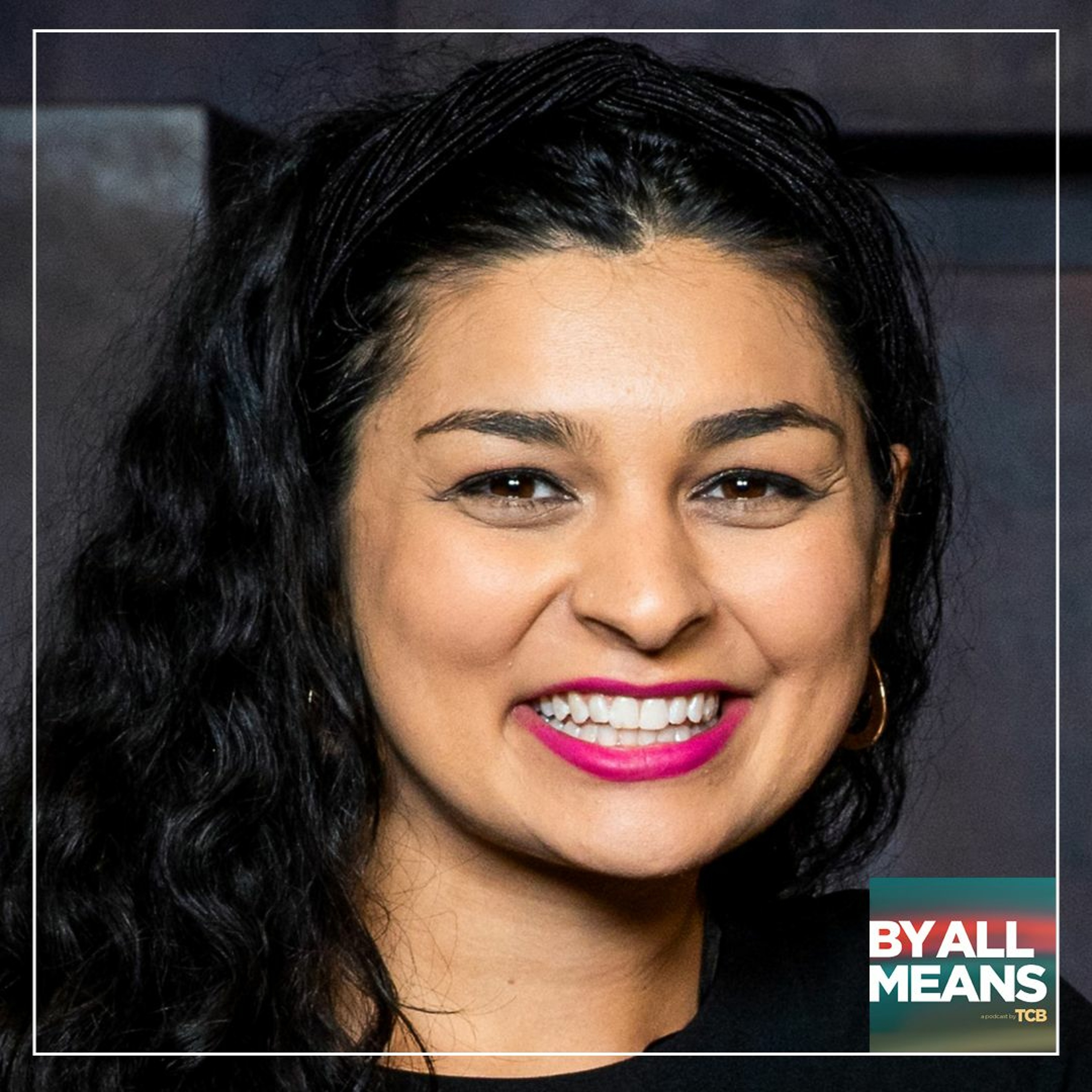
Yasamine Sadaat transformed her Afghan family's traditional chutney recipe into the national brand Maza Chutney. Initially sold at Twin Cities farmers' markets by Yasamine, her mother, and sisters, the business remained a side project for years. The pivotal shift occurred when Yasamine enrolled in business school and participated in startup accelerators, which provided her with the strategic tools to scale the venture. She redesigned the packaging for retail, hired a publicist, and leveraged e-commerce, especially during the pandemic. This led to a half-million dollars in seed funding and a major breakthrough: national distribution in Kroger stores, with Costco to follow. The brand's mission extends beyond commerce; it seeks to increase cultural representation in mainstream grocery aisles, offering a fresh, cilantro-based condiment that serves as a versatile alternative to staples like ketchup. The story underscores the power of family tradition, entrepreneurial education, and strategic risk-taking in building a successful consumer goods company.
Today's episode is made possible with support from the law firm of Best and Flanagan, a team dedicated to building uniquely close relationships with all clients, including individuals, businesses, nonprofits, and generations of family members seeking legal advice. Online at bestlaw.com. Best and Flanagan, lawyers you know. I want to walk down the aisle and see more representation of Middle Eastern, Southeast Asian, brands at the store, not just in the global food aisle, but like all over, right? Like I want to, my mom to be able to shop for a whole lot of meat and cheese is not just like at her local, like at three different stores, like she should be able to walk into Target and find something. From Twin Cities Business, this is by all means a show about innovation, drive, and purpose, and the leaders who make business work in Minnesota. I'm Allison Kaplan, your host and editor-in-chief of Twin Cities Business Magazine. Coming to you from the studios of our presenting sponsor, the University of St. Thomas Sholtz School of Entrepreneurship, cultivating the next generation of problem solvers and innovators. The school offers undergraduate and graduate programs in entrepreneurship and corporate innovation, as well as community resources to support new ventures, family businesses, and corporate entrepreneurs. And now, by all means. Move over, ketchup and mustard. The Sabley's Saracha broke through the grocery store clutter to become a mainstream condiment. Maza Chutney is poised to do the same. Several years ago, Yasamine Sagati decided to bottle up her mom's delicious Afghan Chutney sauces and sell them at a local farmer's market. She called it Maza, which means "flavor" in Farsi. For nearly four years, she and her mom and sisters sold at markets throughout the Twin Cities. It wasn't until Yasamine enrolled in business school that she started to see the bigger potential. It's been a wild ride since. Yasamine has participated in several accelerator programs, including Lunar Startups in the Twin Cities, Good Food Accelerator in Chicago, and Impact SQ, a program specific to consumer product goods known in the biz as CPG brands. Maza has raised a half million dollars in seed funding and is working on its next investment route, which is needed to meet the mounting demand. We're catching Yasamine as Maza is rolling out to Kroger grocery stores nationwide, with Costco and others soon to follow. And to think the condiment these national retailers are now fighting over was right there Yasamine's whole life on the family dinner table. Honestly, I don't have many memories not in the kitchen or like not around the dinner table. Our family is always cooking. We're always eating. Always always thinking about eating and like what meals we're gonna have. Like if we do a weekend up north, it starts with a menu. Who's taking breakfast? What are we gonna eat? Lunch. We like hardly ever go out as a family. We're just always cooking. So growing up, like that was just who we were. And I just remember always being in the kitchen with my mom or my aunties and my favorite meals growing up were the meals where you had to have like an army of aunts in the kitchen, like rolling out dough, putting in the filling into a dumpling, closing it. And like steaming dumplings and then as soon as they were like hot and ready, all the kids would come crashing into the kitchen like ready to eat. Was it just about good food or do you feel like it was for your mom and your aunties? Was it about carrying on cultural traditions and making sure that you grew up with them here in the United States? I think it's just inherent that that's what they were doing, right? Like that's what we were all just doing together. All the aunts would like come and share their different techniques of how they would like prep carrots or julienne, they wouldn't call it this, but like all of the things of the traditions of food. And I think that's just what was always special was like everyone had their own style of doing something and we always got to get together and share what made it special. You grew up here in the Twin Cities. Your parents did not talk a little bit about where your parents came from. My parents immigrated to the Twin Cities from Afghanistan in the late 1970s. So my grandfather actually came over first. He was a doctor and a researcher and then slowly his sons and daughters and wife came over. So now almost everybody is here in the Twin Cities from my mom's side and my dad's side. Why Minnesota? Just the medical community. I asked myself that as well. And growing up for you. I mean, what was your, what were you like as a kid? I was always very outgoing. I always said yes to like every activity or opportunity. Like I was either on the playground or I was playing sports or basketball with the boys. I have a lot of cousins. I have like 55 cousins. So I just were always playing. Always playing and always eating. Favorite foods? My mom makes a really awesome eggplant dish that I absolutely love. That's like my, I know that that sounds crazy. I'm still trying to learn to love eggplant. And I'm a vegetarian. Okay. But food was not something that you saw as a career path. Was it, what did you think you wanted to do when you grew up? I always loved business. So my family, both my parents have a small business. That's what we grew up seeing. Is them working for themselves their own hours building something from nothing. So I. What kind of fields are they? I think I was a little bit more dynamic. And then my mom had like a used car dealership right next door. It's so cute. They would have lunch every day. Like they still do this. And I think growing up in that environment, I always knew I wanted to build something of my own for my family. But growing up, I studied business in my undergrad. I went back and did my MBA. And I loved this idea of like business supporting community. So I worked before him as I worked in social enterprise doing this with young people. And it was like all of my dreams come true. When you were, you worked for an agent for a nonprofit. Yeah, I worked for a Pillsbury United. Okay. And when you were doing that, was part of you kind of looking for the thing? I mean, were you, you know, we talk. There are some people who become an entrepreneur because they have an idea. They have to pursue. And there are other people who are sort of entrepreneurs waiting for their big idea. I think I've always been an entrepreneur. That's the muscle that you have that you just have to like keep building and creating and tinkering and fitting pieces together and making it better. I think when I was at Pillsbury and working with young people, young people make you cool, by the way. Good to know. They don't just make you feel old sometimes. I always loved mentoring young people and just being that support to like listen to them, listen to what they were thinking about what they wanted to do. Their struggles or whatever. And I always thought that business was a cool way to like empower or teach, do skills or do whatever with young people. So honestly, when I was there, it kind of checked a lot of the boxes of what I thought was fulfilling at the time, right? Like you're getting to build something with really cool young people that are like, I don't know, haven't chanced at it. Sure. So you're doing that work. You know that you love business yourself. Food has always been a part of your family and your life. What made you suddenly say to yourself, I think we could actually bottle up my mom's sauces. Talk about that epiphany in the kitchen. So my sister, Shilan, we always love going to new restaurants and new places to eat in the cities, right? She works downtown at Target and she would call me and say, hey, there's a new restaurant in the skyway. The line is really long. It's like good, but it's not at good. Like mom can make better food than this, right? And I grew up in my undergrad, I worked at restaurants and worked in catering and worked in food and knew that like having a restaurant was kind of crazy. And I wasn't that crazy, but we wanted to do something in food, like a food truck or something. And then one day we were having lunch at my mom's at my parents house. And my mom added fresh ginger to her chutney recipe. And that day, like I have a really big loud family. And that day the only thing anybody was saying was mom, yum. What is in this chutney? This is so good. And then I was like, oh, can you pass that chutney? I want some more. And I was like, oh my god. Right. So I slim my fist down on the table and I said, this is it. We have to bottle this. So that was like Saturday. I think by Tuesday we had an LLC. Really? Yeah. And then I took a ministry of Minnesota certified foods training course. And then that somewhere we were in our first farmers markets. Wow. So you kind of were in the middle of the day.
You liked the idea of being in a food business, but it wasn't so much like your mom's recipes until that moment, until you tasted that chutney. - I mean, she's an amazing cook. Like she's a mad scientist. She's got all of her hacks, all of like she can whip up the most delicious meal in 20 minutes or less. And nothing is from a box or from a can. It's crazy. - Can you do that too? - I cannot. (laughing) - But you have her chutney. - Yes. And did you know how to make, for anybody who isn't super familiar, talk a little bit about chutney and the magic of it. - Yeah, so chutney can be a lot of different things. There's Indian style chutneys, there's coconut chutney, tamarind chutney. A lot of different bases. They can be sweet, they can be sour, they can be spicy. Our family chutney is apple cider vinegar based with lemon juice. So it's a little bit citrusy tangy. The main ingredient is cilantro. So there's that fresh, vibrant taste of cilantro. Either you love it or you hate it. I think the majority of the people love it though. (laughing) So this is made with all fresh ingredients. So there's ginger, garlic, some jalapeno. And this was growing up always on the table. Like it was our ketchup, it was our mustard. We put it on everything. And when you had that epiphany of, wow, this tastes so good, we have to bottle this. Were you thinking at that point strategically, like there isn't just the way Saracha broke through in the grocery aisle, were you thinking chutney hasn't had its mainstream moment? - Not at the time, but I think, going shopping at the co-op at cub foods at Lake Winds, you don't really see a lot of that at the time, right? Like you didn't see any kind of representation of like Afghan culture or Indian culture, right? You kind of only saw that in the ethnic food aisle or the global food aisle. And a lot of those brands are not super accurate or like the taste and the flavor is just really off. Like have you ever had anything comparable to like, real Indian food at the restaurant, like from aisle 10, right? - Just not comparable. - Not the same. Okay, so you decide you're gonna test this out at the farmer's market in St. Paul's at the first one or which many apples. - We were in Minneapolis, we'll see. - How did it go? Do you remember that very first day? And this is how many years ago that you and your sisters and your mom was part of it right from the start? - Yeah. - Was she like, what are we doing? Why are we doing this? - Oh my gosh. - Yeah, I think she loved it, right? Like she, we all got to spend time in the kitchen together which is our favorite thing, right? I think those first farmer's markets were, they were a little vulnerable, right? Like you're putting this thing into the world and nobody knows what it is. And then I think after the first few farmer's markets, we've really figured out like, okay, we gotta sample this 'cause there's really no one knows what it is. So we started sampling on like non and pita chips and tortilla chips and once you could get someone to take a sample, they like loved it. It was a lot of, oh my gosh, I've never tried this before. This is a fresh tasting, what's in this? How do I use this? So we really had to start there. - And did you immediately start thinking, well first of all, how'd you come up with the name? 'Cause I mean, you didn't matter of days. Was there, was that a conversation with your family? Or did it just come to you? - It took a few days, I think it took a couple weeks actually. So we had like our LLC name and then the brand name took a couple of weeks. Maza means flavor in Farsi. So it's one of those words that has two meanings. So you can use it to talk about the flavor of food and describe like how great something tastes or you can use it to describe like that really special moment in life when like everyone's laughing around the table and you're like looking at each other or that really nice like sunset on a boat or something is that moment that truly hits the spot. - Ah, and you would say, Maza. - Yeah, come on. - Yeah. - No, not at all. - Okay, but I get it, I mean it captures that feeling. - Yeah. - So how quickly did it take off at the farmer's market because you did that for quite a while? - Yeah, it took a little bit of time, right? Like we got feedback that maybe it was too spicy or feedback that like the glass jar 'cause we had it in these like really nice jars and people are like, I don't really know what that is. I've never seen that and then we had it in like a deli container and people are like, oh, I love hummus and we're like, oh, that exactly. - That's a mess. (laughing) - And then we switched to a squeeze bottle and I think that really like unlocked like just usage for our customer. - Right. - You can put it on a taco, you can throw it on a burger, you can put it on eggs. - Sure, that informs a lot of how people think about it. So it isn't even just the nailing the recipe and the name, it's literally how you're delivering the products. - Yeah. - And how the consumer will use it when they take it home. - Right. - So and while you were doing this and kind of, I mean, this was just a fun weekend hobby. I mean, you had a job, you were also in school. - Yeah. - Your two sisters were helping or just the one. - All of us. - Okay. - Okay, two sisters in our mom. - Okay. And did you all, I mean, as you were making your batches every week where you thinking, this is something bigger or this is just like some nice extra mad money? - Um, I think it was honestly just the way we get things for a very long, like six years, maybe five or six years, that we were like, yeah, this is like fun and we get to get together and like the kitchen and it wasn't until I went back and did my MBA and was thinking about it in this different way and this like bigger way, bigger way that I thought, okay. We could take this outside of our backyard. Like we could take this and run with it for sure. So how did that begin to change your thinking or what you actually did? How did you go from farmer's market to. - Yeah, so I ran. I did my MBA and I did lunar startups accelerator at the same time, so I kind of got to ping pong between like this very, I don't know what to say. (laughs) - I got to ping pong between a very academic way of how you would build a business and kind of like organizational structure and marketing and all of these. - Sure. - You know, fundamentals of business to like very tactical startup. Like how do you pay someone? - Yeah. - What's a 1099? How do you execute on like a social media calendar? Or something, you know? - And lunar startups is an accelerator that's for very early stage companies. - Yes. - Focused on women and BIPOC founders and gives you kind of the support that you need. Dare I ask, which was more helpful? - The MBA program or the accelerator program? - I think they were great. It was a good compliment, honestly. It was like a community of founders that like we could ask for help and then just like really great speaker series and content coming through there of like truly how you would execute day-to-day. And then MBA program was, I think there was only like three startup founders in the program. I think it was like 20 of us. But you could feel that like the other 17 wanted to. (laughs) - They were a little jealous. - Yeah. - To teach you had the chutney. - Yes. - So during that time, you're working double time, you're absorbing all this. You're still doing the farmer's markets on the weekends. What steps did you take? How did you begin to progress with the brand? - Yeah, so I quit my day job in January 2020, finished my MBA that March. And then when the pandemic was kind of like in full force, this 18 month, 12 month plan that I had for the business, I basically had to like throw it out the window and figure something out and like probably like six months that I had to make some really big business decisions. Like I wasn't gonna have a job and I wasn't gonna have a business if I didn't, right? So we moved to a co-packer. So somebody else that would manufacture a product for us, we redesigned our packaging to be stronger for retail, right? So something that would represent our family, our culture, what was in the bottle? So we have like a lot of fresh flavor cues on the packaging, like a fresh lemon, some like usage cases on the side of the packaging, a little bit about the family, about our mission supporting the Malala fund. And then we relaunched at the end of the day,
the year and end of 2020. - At the end of 2020. - Mm-hmm. - As kind of a, or ready for market brand. - Right. - So, so this whole process was about taking you from farmers market where you can be a little less formal and be in unmarked packages and things like that to thinking about how could we sit on a grocery store shelf? - Yep. - And that takes some investment. Did that, did the accelerator program help with that? Or did you put in money or raise money at that point? - We had like a little bit of money from the pandemic, like relief programs. Like I think we got like, I don't know, maybe like $2,000. Like a couple of small grants. - Mm-hmm. - And we used that money to hire a press company. - Wow. - I like I thought, okay, I can, we can put this thing out into the world, but if like nobody knows about us, like what's the point, you know. - Huh. So you invested in PR. - Yeah. - Interesting, risky move, but it paid off for you. - Yeah, it was at that point, I'm sorry, before you tell what happened, where was the product available? - We had relaunched and had gotten back on shelf like our local co-ops. - Okay, yeah. - So it was really only in the Twin Cities, could you buy online or you weren't set up to do that? - In 2020, basically, if you weren't online, you didn't exist. So we did have an e-commerce shop. - What happened when a professional publicist started sharing news about Maza? We'll find out after a word from our sponsor. - Today's episode is made possible with support from the law firm of Best and Flanagan. Understand, identify, manage, protect, and realize the value of your intellectual property and other business assets. Expect a customized approach from Best and Flanagan with legal advice carefully tailored to protect your interest within the context of your overall business strategy, goals, and vision. Best and Flanagan, a legal team dedicated to understanding where you wanna go and helping you get there. Local advocacy and advice from lawyers you know. (claps) So how does a farmer's market project really become a national mainstream commercial food brand? You're about to find out. So you hire a publicist. You're using your few dollars for that and what happened? - So her story is she was a restaurant publicist and lost all of her clients. So she was shifting to CPG and wanted to support by Pocken women owned brands. - Okay. - And I was one of her first clients. And I think she was taking a chance on me. I was taking a chance on her. The first sample that we ever sent was to the New York Times. - It's a good place to start. - Right. Gotta go thing. - Yep. - And they tried it and they loved it and they wrote about it. - Wow. And what happened? Our online store exploded. We got calls from retailers from across the country from like little retailers like Airwan and different like shops like that to like Elbritzen's and Hivee and took a couple of meetings and realized we had no idea what we were doing. - Oh wow. (laughs) - So let me ask you something. If you could go back to that moment when you hired the publicist, would you still do it? - Oh, totally. - Okay. - Sorry. - I wouldn't have- - No, that's great. I mean, I just was wondering if you would do a few other things first to be ready for the opportunities that came your way. - I think you have to be a little naive like getting into the industry, right? - Yep. - So I think we do have that in our favor, right? Not being, you know, having CPG in our background or but I think honestly that was the right time and just the right moment for us to take a swing like that. - Sure. - And also like not everything is always gonna be perfect even if I knew how to navigate some of those big retailer conversations. - You're so right. If you had just waited and sat out, you would have missed that moment and it was that moment, everybody was at home and looking for ways to do new, interesting things with food at home and I think more interest maybe in bringing new kinds of foods into their home and having new experiences. So you were right on, what did you do? You had all these opportunities coming your way where you were able to take advantage of any of them or when you realized you didn't know what you were doing, then what do you do? - We took advantage of some of them and then we asked for help. So we basically looked in our internal networks and in the ecosystem here in the Twin Cities about how do you even ship a palette to chutney to kill someone I don't know. - I'm right, I'll do you. - That summer I did the Impact Sq accelerator and that kind of opened the hood on what a national retail strategy could look like and operations at that level and kind of what you like that strategy piece that we did not have when we started the year and that network of just expertise of people that have done it before, right? Being able to ask for help of, yeah, they want me to send this much product to this weird EC in a city that I've never heard of. It's a good idea, it's so bad at you know. - Yeah. So you've got some good advice through that program. At the same time, where were you, you weren't just still making product in the kitchen at this point, you had moved into a manufacturing facility. How did that go? Was that a learning curve too? - Yeah, so we moved to a local co-packer here in the Twin Cities and that was amazing. Like just the perfect timing to get us out of the kitchen and being able to focus on the other areas of the business. - Mm-hmm. - When we finished the Impact SQ accelerator, we had applied for the CROGAR Fresh and Local Program. - Which is what? - It's an accelerator type of program as well. They were searching for fresh products, innovative products from all across the country. They picked a company to launch in five different regions. So we won for our Midwest Division. - Amazing. And that was in 2021 or 20, that you actually won. - So we won in 2021. And this is the first year of the program. They gave us time to set up a new co-manufacturing facility. They gave us time to kind of like. - Because the one that you were with wasn't gonna be big enough. - Right. - To ramp up for CROGAR. Because the idea was they were going to sort of, they understood that you were a small brand. They're gonna help you grow. But the idea is that eventually you're gonna be in, what, how many hundreds or thousands of stores? - They're 2,700 CROGAR doors. - And they want you in all of them. - Yes. Well, that's the idea is they want to be able to kind of usher brand into national retail. - So I mean, it's an amazing opportunity. Congratulations. And I mean, I also just want to know that, I mean, how you have done one accelerator after the other and each one is kind of built on the last one. And it seems like from the outside, like that's really helped your brand. - Yeah. We've gained so much expertise and knowledge just from being in these types of programs. And honestly, building a company from family recipes and our mom's recipe, like we don't know about, or we didn't know about commercialization or we didn't know about promotion planning or distribution or any of those things until, yeah. And delete this. So. - Not only do you have to learn about all those aspects of this and then are there issues with, you know, keeping preserving the sauces or refrigeration or things like that too. - Yeah. - All of that stuff. - A lot of food science. - You have to be the best. - So you've got all of that. And then let's acknowledge it takes a considerable amount of money to ramp up for this level of opportunity. It's, you know, I think we tend to, you know, from the outside go, oh my gosh, that's so amazing. You know, your brand was chosen to go into crowbar stores. You've got it made. Well, it costs a lot of money to produce all of the product you need. How, how did you do it? Did you raise money? - We did. So we raised like a pre-seed friends and family around to help support the launch of crowbar. And that was led by a group capital who kind of writes you your first check as a startup and kind of tells you to go for it, which was amazing. - How did that feel? - Oh my gosh, so honored. - Yeah. - Scary? - A little bit, but like we were ready for it. (laughs)
And then thunder of enters. So those two together led that round for us. And the opportunities that came afterwards like being in the room with Kroger the last year, we just learned so much from them about the industry, about like their customer, about our brand. We got to just kind of dive in deeper of who we were and what we were besides just the chutneys, right? Mm-hmm. So many facets of this, I mean telling your story and I think your story is probably what has propelled so much of the interest, is that fair to say? Yeah. You kind of got that nailed down. But I mean, even when it comes to like raising that first round, was being able to tell your story enough or did you have help and even like how do you go about that? Raising the money? Yeah. I think at the different levels of fundraising, you kind of need someone to help kind of guide, you know, how much at what time, what are like the milestones, what are the proof points for your products for the industry. I think right now we're finding ourselves again in that kind of sweet spot of we have opportunities like Costco and Target and Whole Foods coming, you know, we're all coming out. Yeah. Coming at us and the idea of like, you know, all of this needs capital, it's a big investment. I think the industry is kind of like ripe for our product lineup for kind of this shake in the industry of being a woman of having a global product on the shelf representing so much that we do, right? And I think just the way customers are shopping and eating a lot of trends kind of fall in our favor. And I think that's why we are getting the calls from these retailers. And I think it's about time, right? That there is more representation on shelf that retailers are kind of sourcing from smaller brands that are authentic and real and not kind of like made up at some giant right, right? Somewhere, right? Yeah, they couldn't create the story that you have with your sisters and your mom, right? So, but, but like to your point, I mean, it is it's a lot of it's a lot of pressure. It's not all just smooth sailing when the big grocers call you. Correct. So what has been so much has happened and just a couple of years, you've had some amazing support, you've had some huge wins. There was also the Minnesota Cup in there where you got some great recognition. You've had kind of constant validation and market validation to what's been the hardest part of scaling up? I think the biggest challenge of scaling up for us is every three or four months, everything just gets so much bigger, right? And I think we have a clear vision of what we're building for and where we're going. And all of that takes capital, right? It's like capital and knowledge and of like the direction that you're going and the steps to take. So we've really been working on our network of mentors and advisors of kind of helping us guide us in those next phases of growth. We have the retailer opportunities in front of us. We have the product to launch. And then finding the capital. I think that's the biggest challenge. You're in fundraising mode again. Yeah. Kind of always in fundraising mode. Do you do that? I mean, how do you how big is the team at this point, first of all? Yeah. So it's myself that's full time. My mom and my sister help support at trade shows and help support kind of like behind the scenes with some strategy stuff with marketing. And then we have like a handful of 1099s that help us. That's it. Yeah. That's it. And you're going to the fancy food show and every grocer in the country wants you. And that's all it is. You gotta build it brick by brick. Yeah. So we have really great advisors around us that are helping us build that bigger vision. Right. I think the last year being able to be in the market with Kroger and other natural like channel grocery stores to kind of help us like prove out our brand has been very helpful. And that is manageable with like one or two people. But this next level of growth and what we want to do over the next two years does take a team of people. So right now we are looking at branding and marketing and operations and sales. We're kind of at that point in the journey where we need the extra muscle in all of those areas. Right. And when you say extra muscle is that do you mean financial or do you mean building up the team? When you have a team you gotta pan. Bro. You need it all. You need both. You need it all. So are you able to even like are you able to kick back and go wow look at us. We're in Kroger. We're launching in Houston. We're launching in Chicago. Are you able to enjoy that or is it like oh my gosh. How do I keep this going? I always have a good time. Well that's good. I think when I say we have been ready for this I think we have we've been working really hard building for all of this to this point right like we did two trade shows this year to get our name out there. We'll do another one in June so we did the fancy food show in Las Vegas in January and that was our first kind of like on our own trade show. And we should say that before you did that with your own booth last year you went and walked it already kind of thinking ahead. Yes. To plan and it was that helpful in being successful this year. It was helpful. I walked Expo West last year and it scared the shit out of me. How so. I remember walking away thinking I'm not gonna do this. And you weren't there even trying to sell. Maza you were just there to learn the show. Yes. Why did it scare you? There's something like 40,000 people attended for three or four thousand brands have booths at the show. It's in like different buildings. There's just a lot going on. Yeah. And you have to have a lot of money and you have to have something to say and you have you know you have to have a lot of money to support your vision and your brand at a show like that because there's just so much going on. Right. Right. But but you're doing it? Yeah. This year we we did present at Expo West. Yeah. So what changed from last year seeing it and being scared to this year being out there and doing it? Expo definitely was not on the list for this year. So we were just gonna do the fancy food shows in January and in June. And then I applied for this program called included access where they give you a free booth. They give you free badges in a hotel room for the show. And it's for brands like by pocket women own CPG brands. So they're trying to take away like the financial barriers to CPG companies that want to present at shows like this and kind of giving them a stage to amplify you know what they're doing. Nice. So we got one of the spots. So one of 10 brands that got to go and we basically did our think-odd that we did the January food show because we just kind of took that booth set up. Yeah. And sent it to California. And I think before we got there we had some really great press about you know our mom, our story, the recipes, the products. We were one of the new and noteworthy brands for the show. So we were on a list with Momofuko which is like a amazing amazing brand. So right next to them. So people were kind of talking about us already before we got there. And then the first day of the show on Wednesday I got to stand up in pitch like one of 10 companies for the Expo West pitch slam competition and walked away with the top prize. Amazing. Yes. It was so exhilarating. I still can't believe that we won. What you've done this a lot of times now. What's the secret to doing a successful pitch on a big stage like that? I hear there's no cheat code to it. You just keep practicing. Yeah. Do you always tell the same story? Do you always talk about your mom and her recipes or what's your- It kind of changes for the audience and kind of the parameters of the pitch. But I think doing Min Cup last summer definitely gave me some confidence that it could stand up in front of some people in pitch. I've been doing this behind the computer basically for two years. Pitching buyers are pitching investors. So on stage the only times I've been on stage I've been in front of Kruger Min
cup and expo-west. And what do you feel like what you can kind of read the room? What connects? When do you know you have them? I think when you can tell your story in a very honest and authentic way, right? Like, people just want that connection and I think audience members or judges or whoever is in front of you can kind of see when you're putting on a show. Yeah. Yeah. Is there a certain anecdote that you always use? I talk a lot about my 55 cousins, my aunties. Talk about, yeah, just the family. The whole family. Yeah. Now, when it's when I'm shopping at a Kroger store, if I was in one of those markets, I don't have the benefit of having you tell the story about your cousins and your mom. So the product has to be able to stand on its own. Is that happening? I mean, you've been in certain, you launched in Chicago last fall. How is it going? So that is what is the most terrifying thing about all of this is you're not selling it in your backyard anymore. Right. Right. So the cool thing about this partnership with Kroger is we're merchandise in the Marie's cheese section at Kroger. So Marie's is this big iconic cheese shop that was in based in New York. Kroger acquired them. I think almost like eight years ago now. And now they run the entire cheese program for Kroger. So I think they're in their thousandth Kroger door. So wherever there's that specialty cheese section, it has like branded Marie stuff, right? Okay. So for us, this is a really cool opportunity to be able to be merchandise in this more specialty high end area of a Kroger. But then also be able to take part in their cheese programs and their new product launch programs. So last month, I was in Houston doing a training at like their seasonal product training with 50 cheese mongers and cheese specialists about our brand. Maza and about our family and our mom and how to use the product. What's in the product? How to sample it. And it was just like a great opportunity to build this relationship and connection with people that would be merchandising the product, downloading the product, representing who we are as a family, you know, so that they can retell the stories for you. Because so you don't have to tell every single person yourself. Yes. Exactly. You need some help. Yes, I mean. That's wonderful. And obviously the results have been positive because they're they're looking into more markets and more stores. Yeah. So we started in Detroit and then moved into Chicago. Now we're in Texas. We did a 20 test store in Texas and now we're in 60. And I think maybe 80 or 100 by summer. Wow. How many stores overall right now? Overall with some of the natural stores like we're in central market, we're in Puyeler's Earthfare. I think we close to like 150, 175. And where do you think you'll be by the end of the year? Closer to 300. Okay. Maybe more. Yeah. That's amazing. Do you have the manufacturing capacity right now to just keep growing? Yeah. We do. We found a great co-packer. And that's not always easy. It's not always easy. Remember there was a really scary glitch. I've had the benefit of following along because you were writing along with everything else as our in part of our founders journal in Start MN. And I remember a pretty scary moment that you had right before the Kroger's launch. Yeah. I've I've been brokenhearted by many co-packers. So what advice would you give other startup brands? Because you're kind of you're dependent on on them. Oh yeah. Absolutely. I think a co-packer relationship is very you have to be very um I always say to which coming at it fully and authentically so I have to come up with a different way of saying that. No, I just say it like it is. We can we can always leap you out. Okay. Okay. I think for co-packers you truly have to find the right fit, right? Like you you're always needing to kind of advocate for your your brand and your story and getting front of you're always selling right when you're getting in front of buyers. Funders all the time. And I think with your co-packer like you have to be able to share the vision. You have to be able to share your volumes where you're going how you're growing. And I think you should be able to do that solidly once and like build that trust with them in the beginning and then you should be able to have that understanding throughout the relationship like if you're constantly battling for a line time or constantly battling for them to like get that PO in to you you know. I think that's when you run into a lot of problems. Yeah. Eventually do you envision factories of your own where you're not dependent on a co-packer? Yeah. I would love that. Yeah. Yeah. How big do you have to get for that to happen? I have no idea honestly. Let us know. Get back to us on that. Get back to you on that. You launched to the market with three different sauces right? Three three chutneys. Yes. At this point you are planning some extensions, some some new flavors or other products. Yeah. So we'll be launching a mango cardamom chutney in August with croaker and with Costco soon. Wow. Yeah. Amazing. And will you stick with that lane or are you going to stay in the chutney lane or do you see other products in the line? Yeah. We're also working on commercializing a line of doll dips. So this is our solution to all the crappy hummus on the shelf. Okay. How is yours different? So we use lentils. We didn't grow up with hummus but we grew up with doll which is like a cooked lentil and you add different spices and onions and different things to like make it delicious. Okay. And when you set out to make a new product, what does that look like? Is that use instructing your mom to go home to her kitchen and whip it up or how are you doing this? I think it's a little bit of both right? It's my mom being a mad scientist. Yeah. And her kitchen be like, Hey, I think we should do this. It is her recipe. This will be her recipe. Okay. All right. And so it really is just back to the basics. It's it's your family cooking it up and just and deciding when it's ready to actually be packaged. Yeah. I think taking a family kitchen recipe and then taking it to a manufacturing facility takes time and takes, you know, it doesn't always scale up in that exact way. Sure. But yeah. That's amazing. It's all of us in the kitchen. Me like, No, I think this needs more basil or I think this needs this right? And then working with a group to help kind of prove out like the ingredients that we're using or offer suggestions of how to really keep that basil flavor. If we use basil oil, should we use basil extract? Should we use, you know, and then kind of putting the pieces back together, right? Do you have any competitors at this point? You've been walking these shows. You're talking about thousands and thousands of brands. There, you know, there's a moment of sort of a diversification happening. Is there anybody else, you know, that has you kind of, we better do this faster? We're not feeling the pressure of that, but I think what is truly innovative, like what is coming out right now at the show is our like authentic family recipes. So like a lot of people having their moment at these shows being like, yeah, this is something that we grew up with and it's the most delicious thing that you've had at the show, right? Like there's finally this recognition that not everybody just wants ketchup and mustard and that there are a lot of different people and, you know, it's sort of like it's taken a generation for you to take these recipes and say, no, this could be mainstream as well. Mainstream looks like a lot of different things today. Yeah, absolutely. And there's industry support then to help you break through. Yeah. Yeah, I think the industry is seeing how valuable it is to have that type of representation. And I think customers and people shopping in store, people shopping online are approving it with what they're buying too. Yeah. Yeah. Are you able to pay yourself? Yeah. So after this last year, I was able to pay myself and kind of in on the journey to pay myself more. But because you work really hard, you should get a paycheck. Thank you. What are your beyond, I mean, you're going to probably double the number of stores by the end of the year. You have new products that you're launching. Then what? I mean, how far ahead do you allow yourself to look or do you need to look right now to really ramp up? Yeah. So we're taking off a seed round of funding this summer and we're looking at the next 18
months, the next 18 to two years, about what we're planning, what retailers we're planning to launch with, with which products, and how much support it would take. Do you want to just keep, I mean, think about where are you, you know, five, eight, ten years from now? Are you running this empire? I'm told it. I told it. Are you on a beach somewhere? What is happening? Uh, all of the above. Yeah? Yeah. I'm not going to say that a little bit of thought. But I mean, do you feel like you're building this to be acquired? Yeah. Yeah. Absolutely. I think we're, we're, it's our authentic expression of how we love and how we share our family recipes and how we kind of invite people to the table, but it's also something that we know that is missing from a lot of people's lives, right? Like I want to walk down the aisle and see more representation of Middle Eastern, Southeast Asian brands at the store, not just in the global food aisle, but like all over, right? Like I want to, my mom to be able to shop for a whole lot meat and cheese is not just like at her local, like at three different stores. Like she should be able to walk into Target and find something, right? Yeah. How does your mom feel about all of this? What is it like for her? I think she loves it. Like she loves spending time with her daughters in this way. And I think she's really proud of what we've built. We were all at Expo West together. And I think after the pitch slam and people just like coming up to the booth congratulating us, like I think she just can't believe it still. Yeah. So far from like the Mill City Farmers Market to this. It's pretty amazing. Right. I love to be creative. I love to build things. I love to find different solutions to problems, you know? And I love being able to do it with my family too. Like I've seen such cool sides of my sisters enough. My mom that I like had no idea existed. Like they're all superheroes in their own way and have like their strengths, right? But I'm like, what? Yeah. What did I do there? Awesome. That's amazing. I also just want to touch really briefly without bringing down the mood too much on the fact that as you've been scaling this, it's been a very challenging, depressing time in Afghanistan where your mom comes from, your parents, you know, when you look at what is happening with education for young women. And I know that's been a, you know, a cause of yours and you do what you can to support. And how does that feel to be the strong women in America building this brand at this time? Yeah. I feel so incredibly lucky and honored that I get to wake up and do this every day, right? I think there are not a lot of, there are not a lot of CPG brands or a lot of even like artists or activists or people that like come from Afghanistan or represent like our people, right? Like, and I think that's just with so many years of war and trauma and just such a difficult history. I think when everything kind of crumbled in the last two years, just seeing my parents not surprised and just like, like I think that was the biggest shock to me of like we're all feeling very saddened and are like trying to figure out ways to support and trying to figure out like how to get through this challenging time and my parents have already seen it happen before, right? And like seen their country already taken away before. So it's like that feeling of loss has to be so much deeper to them, right? Right, right. But what a wonderful way that you're able to kind of celebrate the place that they did come from and the good things about it and carry on some of those traditions. Yeah, absolutely. One last thing for newbies who are no doubt on their way to a grocery store right now is they're listening. What is the first thing they should put one of your chutney sauces on? I love it. If you do eggs in the morning, I would say make a killer egg sandwich. It's so good. Put some chutney on it or if you're avocado toast kind of person. Yeah, great. Great with that too. Oh, sounds good. I'm hungry. I'm going to see what you're building and I know there's lots more to come. Thank you. Thank you for having me. Such a great story and so delicious too. I got to tell you, if you want to know where to buy Maza products or get some recipes and ideas, go to MAAZAH.com. That's Maza.com. Well, for more perspective on entrepreneurship and the food industry, let's go back to the classroom with University of St. Thomas, short school of entrepreneurship, where John McVeigh teaches all things entrepreneurial related and I'm really curious, John, when you think about a company like Maza, does this tell us that we're, does it, does it speak to the broader industry? Are we headed in a new direction when someone like Yasamine can get a chance as an individual to get on the shelf of major grocery stores around the country? I think there are a couple of trends that come together at this point in time that are taking changing our trajectory slightly. One of those is the move to a more diverse culture and a second one is post-COVID. COVID changed just about everything in our lives and what I hear notably in this story is maybe we've reached a point where people in our current society have become sort of impatient with what could I call a sort of inauthentic brands. We actually have this hunger for authentic brands. I think that has always existed but maybe we've reached the inflection point where people's personal patients for large corporations generically trying to sell us other cultures. We've got our own pet peeves. I'm an Irish person. Have fun. Have to listen to Irish spring adverts one more time and sit in front of the TV and say, can they not even find an actor with a real Irish accent to do this advert even though the product has nothing to do with Ireland. It doesn't feel real to you. No, funnily enough, we don't wear a little green hat and dance all the time. I'm sure many Mexican people are equally frustrated with tackle bells approach. We've seen billions of dollars wiped off stocks in the German pancake sort of insulting to African American culture. People really have reached the point I think where they're saying to big companies, don't try to recreate this and fool us. We want access to the real stuff, the real brands. I think this company is emblematic of that. We're really looking for that. Right. I mean, what's interesting is in the case of Muzza, I mean, I don't think a corporate brand has even tried to do chutney sauces the way they have done Taco Bell or your example. It's really an untapped space as far as the mainstream grocery market is concerned. Absolutely. And the sword cuts both ways because big food companies are also struggling on the product development side. So what we're increasingly seeing, it's costing them so much money and they're so slow to develop new brands and their brands are not seen as authentic. They are really struggling to relaunch brands as they age and to keep their growth up. So maybe what we're seeing is big food actually has a specialization in distributing and developing brands, but they're going to let the product development and the startup phase be handled by entrepreneurs and then buy them up when they've actually been filtered out. You know, we've seen Ben and Jerry snapped up with Unilever was probably the first of those. And then there remains an interesting tension. Can the founders live with the values of the large corporation? A bit of back-and-forth with Adam and Ben and Jerry's. But I think it's a healthy phrase for Minnesota because we really are, you know, we set up and we should be the Silicon Valley of the food business. Yeah. And we've got some parallel expertise. We've got such generosity and both people with that expertise, all of the startup support that you mentioned. We really are beginning to turn out dozens and dozens of these exciting genuine food startups. And so what we need to see in the next couple of years is, I will at checkout, will they get enough resources to grow themselves or will they have to lean on some of the big traditional food companies in order to enter the mid-sized, large-sized part of the market? Yeah. I mean, the Kroger program that Maza is benefiting from is really interesting and what a great example. But again, you know, Yasemin is the one who has to come up with the resources and the ability to manufacture. So let's end with this for other aspirational entrepreneurs who might be listening, who have an idea, you know, they might be the right person to develop it, but actually getting it scaled
to market is another story. What's your best advice? - The best advice is you've got to go with people who do share your values. And I would encourage everybody to read the kiss study of Ben and Jerry's and Unilever and how they tried to create a little firewall around that new business that protected the funders' values and yet used the scale of the corporation to make it a global brand. There are pros and cons and I think you will see all those pros and cons if you read the story of Ben and Jerry's. I think overall it's been a success but it has been a difficult transition for the company in order to get that scale. - Yeah, great advice. We'll check that out and I don't know about you, John. I'm hungry. - Yeah, absolutely. And some ice cream and some chutney. So it's like a perfect afternoon snack for me. - You never know. Could be an interesting combination. - John McVeigh, thank you as always for your perspective and thank you to our partner, the University of St. Thomas Sholtz School of Entrepreneurship. If you want to know more about the show, go to tcbmag.com/byallmeans. Thanks so much for listening to Bye All Means. (upbeat music) It takes teamwork to make Bye All Means and we've got some all-stars. Thanks to our audio engineer, Tom Frelitti. Digital support is Ricky Hanigan and Dan Nipo. Thanks to the University of St. Thomas, Opus College of Business and Sholtz School of Entrepreneurship, especially Dean Laura Dunham for all their support. Our theme music is by Song Finch. Thank you for listening to Bye All Means. (upbeat music) (upbeat music) [BLANK_AUDIO]
Podcast Summary
Key Points:
Yasamine Sadaat founded Maza Chutney, a condiment brand based on her Afghan mother's recipes, starting at local farmers' markets.
The business gained significant traction after she pursued an MBA and joined accelerator programs, leading to a brand redesign and national retail expansion.
The company successfully raised seed funding and secured placements in major grocery chains like Kroger, with plans to enter Costco.
The brand emphasizes cultural representation, aiming to bring diverse flavors to mainstream grocery aisles beyond the "ethnic food" section.
Family, tradition, and community are central to the brand's story and product development.
Summary:
Yasamine Sadaat transformed her Afghan family's traditional chutney recipe into the national brand Maza Chutney. Initially sold at Twin Cities farmers' markets by Yasamine, her mother, and sisters, the business remained a side project for years. The pivotal shift occurred when Yasamine enrolled in business school and participated in startup accelerators, which provided her with the strategic tools to scale the venture.
She redesigned the packaging for retail, hired a publicist, and leveraged e-commerce, especially during the pandemic. This led to a half-million dollars in seed funding and a major breakthrough: national distribution in Kroger stores, with Costco to follow. The brand's mission extends beyond commerce; it seeks to increase cultural representation in mainstream grocery aisles, offering a fresh, cilantro-based condiment that serves as a versatile alternative to staples like ketchup.
The story underscores the power of family tradition, entrepreneurial education, and strategic risk-taking in building a successful consumer goods company.
FAQs
Maza Chutney is a family recipe of Afghan chutney sauces, created by Yasamine Sagati and her family. It began when Yasamine decided to bottle her mom's chutney after a family meal, leading to sales at local farmer's markets in the Twin Cities.
Yasamine pursued an MBA and joined accelerator programs like Lunar Startups, which helped refine the business. The brand redesigned packaging, hired a publicist, and secured seed funding, eventually expanding to major retailers like Kroger and Costco.
Maza Chutney is a fresh, cilantro-based sauce with apple cider vinegar, lemon juice, ginger, garlic, and jalapeno. It offers a tangy, vibrant flavor and is versatile for use on various dishes, aiming to bring Afghan culinary traditions to mainstream grocery aisles.
Initially, customers were unfamiliar with chutney, requiring sampling at markets. Packaging evolved from jars to squeeze bottles for better usability. The pandemic also forced rapid business adjustments, including shifting to a co-packer and focusing on e-commerce.
Growing up in a family of Afghan immigrants who valued cooking and cultural traditions, Yasamine was inspired by her mom's recipes. Her experience in business and social enterprise, combined with family support, fueled her entrepreneurial journey with Maza.
Programs like Lunar Startups and Good Food Accelerator provided practical startup guidance, community support, and resources. They complemented Yasamine's MBA education by offering hands-on tactics for manufacturing, marketing, and scaling the business.
Chat with AI
Loading...
Pro features
Go deeper with this episode
Unlock creator-grade tools that turn any transcript into show notes and subtitle files.
 PodcastTranscript AI