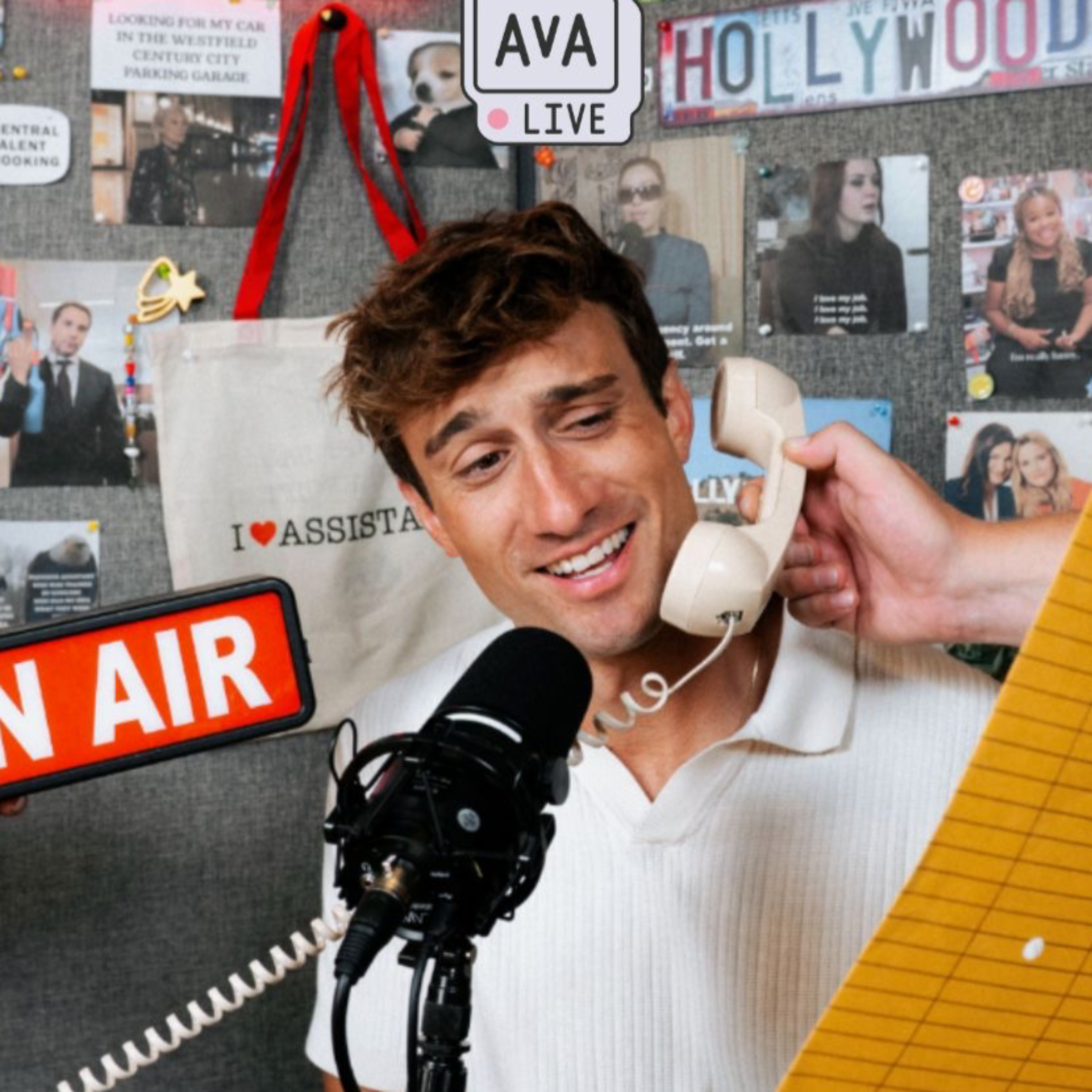
Love Story Creator, Curry Barker's Manager, Bran Flakezz, Oren John & Inside the Writers Room
1h 22m 17s
The episode explores key shifts in Hollywood and the creator economy, centered on transparency, authenticity, and evolving business models. Free streaming on platforms like YouTube and Roku is growing rapidly, raising questions about the future of traditional ad-based models and prompting speculation about a return to Old Hollywood-style funding. Disney’s record Super Bowl ad campaign underscores the immense value of major media events, though affordability remains a challenge. Creators face increasing pressure from platforms like YouTube, which has raised monetization bars, threatening sustainability. Meanwhile, content platforms like Unwell and the Muppets' Emmy-nominated series demonstrate the power of bold, creator-led storytelling and brand partnerships. Brand Flakes champions transparency, promoting creators as authentic experience providers rather than sales-driven influencers. Connor Heinz’s journey from self-produced sketches to a critically acclaimed series illustrates how passion and persistence can lead to industry success. James Orange emphasizes the importance of value-driven, community-based content, citing experiential events and direct audience engagement as key to long-term creator growth. Together, these stories reflect a dynamic industry where creators are not just influencers but innovators shaping content, partnerships, and audience trust in a rapidly evolving digital landscape.
- It is Wednesday, August 12th. Welcome to AVA Live. Entertainment's weekly talk show. I'm your host, Warner Bailey. Appreciate you being here. We got a stack lineup presented as always by Central Talent Booking. Run it down the list. Brand Flakes, one of my favorite creators talking about brand deals and transparency. Connor Himes, go back with him. It's amazing to see what he's done with love story. He also just brought his new project with A24. Over to Netflix, we got Orange John. The internet's favorite creative director, an Aaron Fulby, a manager at Underground working with someone named Curry Barker. You may know him. And last but not least, we have Serena. She's a TV staff writer. She's worked at places like Sony and Stars. And she's gonna take us into the writers room a place I've never been allowed because I'm a little too unhinged apparently. But we have very, very special guests showing us today. Straight from London, she's about four feet away from me. Her name is S.J. We're excited to have her. There she is. S.J. Harley. Hello, hello. I might have a little bit of residue of an English accent, but it switches up like your boss on a Monday morning, but we'll find out. That sounds real. You fooled me. I think you've been fooling me since you joined the show. S.J. has been doing this segment virtually. We decided to bring her in studio back in LA. We're gonna run through four of the top stories taking over Hollywood this week. I'll give the onq take and S.J. is gonna give the real take on what's happening. First up, Disney, Paramount Skydance and even Netflix are looking at free streaming as YouTube, Toobie, and Roku keep taking more of their time. Those three platforms now count for 19% of US TV viewing up from 17% just one year ago. S.J., how we feeling about the free tier? I feel like it's, we're kind of going into the YouTube direction. It's like the creator economy. And I feel like I think eventually we might just go back to ads in Old Hollywood. And I'm really excited to watch the live action tangled on VHS because I think that would be fun. Have you ever watched a VHS, actually or no? I think the last time I watched VHS was like the hunchback of Notre Dame and like when I was being babysat by someone, but you know what, it was the time of my life. That was not in the aristocrats. So beautiful. Classic pull right there. That's a generational pull. Next up, we got Disney Super Bowl's Super Bowl ad. So Disney's first Super Bowl on ESPN and ABC is a monster for advertisers selling out all of their ad spots. They have 58 brands across 34 categories. I didn't even know there were 34 categories. They've signed on, including nine first time Super Bowl advertisers. Those are going for a little something called eight to nine million dollars. SJ, can we afford an ad? We unfortunately, I think we were a little bit over budget, but we were really close. I'm hoping that next year as part of our five year plan, we can get into the Super Bowl the year of year after next. Yeah, I would say maybe a two year plan. Let's try maybe a two year plan. We can do it 2042. We'll go for a Super Bowl ad. Someone please buy us YouTube. We're streaming on YouTube right now, but they're making it harder for creators to monetize on their platform. As of February 1st, which is coming up, they are doubling the bar for monetization. Requiring, practice that word, requiring, 8,000 annual watch hours or 20 million short's views. SJ, are we going to make money on this thing? I think so. I'm just happy for creators like Curry Barker, because I know that like financially, it's been a rough year for him, it's been really tight. And so I'm grateful he's got YouTube going for him, but no, I'm just teasing. We're really excited to have Aaron on today. But I think it's going to be okay. I feel like YouTube may be turning into the Hunger Games with not enough money, but Boy Too Many Views. So Mr. Beast, get on that quick. They call me Mr. Least back to us here. Alex Cooper may know something called Unwell. They just took on their first outside investment from WMEX, Chairman Patrick Whitesell's fund, who invested in a $500 million valuation to a huge headline number, obviously. There's a lot to unfold, including how much they raised, the dilution at which they raised at. Seemingly great investment, but not throwing one of the buzz. If you look at things like Vice in the past, haven't worked out because of those massive numbers, those investors continue to try and raise the bar on what's next, how much more can we go? Is Unwell well or are they unwell? I think they're doing very well. And I think that they actually might change their name to we're doing very well. So hear that in the next headline. We'll take 500 million for anyone out there watching. We do want to thank Muppets, who's a sponsor on the show. And I think what better way to welcome S.J. back to the United States of America than putting her on the hot seat? So we're gonna play the little game. I printed these out. These are beautifully color-coded, just like our background. For each of the Muppets, S.J., we're gonna go through these and you're gonna tell us which department at a talent agency they would be in. S.J., take it away. I'm really excited, guys. We're gonna kermit to the bit. So first, all of all, we've got kermit, the frog. He's got, he's the leader of the pack. So of course, we believe truly and undoubtedly, he is going to be in talent or comedy touring 'cause he's our comedian. We love him. He is described as very stable. He's very good at what he does. And responsible and occasionally overwhelmed, just like Warner over here. - That's me. - We love it. We love it. We love kermit. Next up, we've got Miss Piggy, the talent herself. And she is in Drumroll, please. She will be in Creators because she is the, she's basically the first influencer, really. I mean, like I was influenced by her. I was her for Halloween many, many years ago. So we love her. And then we've got Scooter. Scooter, our beautiful, beautiful man. He is actually also known as a manager. So we put him in BA. This man, he's the man, he's the Muppet, he's the moment. He is also in charge of Business Affairs and Theater. I feel like the glasses give theater. Do you think? - I agree. - I agree. We love our theater children. Okay. Next, we've got the Rizzler, aka Rizzo. He is incredible, beautiful. And I've also put him under BA because he just kind of seems like he's got it together. I think he's a little chaotic, but you know what? People with BA, you guys really hold it down. So we really need your help. And that's where Rizzo goes. Next, we've got the man, the myth, legend, Pepe, the King, Prawn. He is, Loki, he's the Rizzler. Like, he's the most beautiful out of the bunch. And I say he's in music crossover because man's is doing too much. Look at him, he's already on the phone. I'm pretty sure he's booking a show as we speak. So, and then next, we've got Gonzo. Gonzo is a fabuloso. He is going to be in awards. He is very good at organizing. Show more, please. Yeah, we need to see the whole thing. Look at him. Look at this man. Look at all he does. That screams awards. I know. In the past, I've heard that he organized YouTube rewind. So he's doing very well. And then we've got our beautiful, loved, dearly beloved, Fawzi the Bear. And of course, he is going to be lit. He is the most lit. He is in literary management. He gets a little overwhelmed. And he likes to crack a good joke that people either find funny or don't, but we love him nonetheless. And then finally, we've got our favorite. We've got animal. And he is one indeed. Let me see if I can grab him. And of course, where's he going to be? He's going to be beaten that drum. He's going to be in music. Here we go. Close up on the beautiful, the man, the myth legend. So there are muppets. And those are the departments they would be in at an agency. I love it. I'll take that Miss Piggy compliment. Because every day I'm one minor in convenience away from going full Miss Piggy. I do want to thank the muppets in Disney Plus. The muppet show is for your Emmy's consideration. It's nominated in six categories, including Outstanding Variety Special, pre-recorded, Outstanding Writing for a Variety Special, and Outstanding Character Voice Over Performance. It's streaming now on Disney Plus. Big shout out to muppets, industry, amazing job. This past weekend, it was up in San Francisco at one of my favorite festivals outside lands. I got a chance to sit with a bunch of artists and true unsung heroes on site behind their teams, as well as behind the festival itself. One of my favorite interviews we've ever done is with Rufus de Sol, Ross, Let's Roll the Tape. Rufus de Sol, we got one question. Who is someone in your guys' team that is not good enough credit you want to give a shout out to? Is there unsung here, Leah Barowski? Let's bring her in, Leah. So I'm Leah Barowski on the Motion Director. I do one shots of the band throughout the set. Most memorable time working together as a team. When Interbloom ends, and I go to the crowd, and I'm standing next to them, I look at Ty and John and James, and it's just, it's, you can't put into words, it's so surreal. One thing that isn't being said is the amount of editing time. Like initially, it wasn't what she filmed went to the screens for people to see. It was what she filmed. She would then paste together and like edit in the amount of time and care that she would put into every edit and being like, oh, it doesn't feel quite right. I think you feel the difference when it's done. So to get to see that happen live on the big screen in front of a crowd is just such a cool evolution for what you do. You know, we met Leah and I was just in instant connection as a friend, but then learning about your style and straight away we saw that there was a really specific aesthetic and stylistic approach to the way you film. And it's really organic and like very felt. It's like how you would use an instrument. But now for it to evolve into you being the fourth band member on stage, it's been really cool. And like to see a little more appreciation for you because you're up there running around the stage is really cool because you deserve it. I just see her face just above the camera all the time. So I'm just having a really good connection with her like every show. So it's really fun just to see her folding around the stage and having fun and capturing some magic. How many steps are you taking for each each shoulder? I don't know. My or ring doesn't work. It's 20,000 for sure. When she's running around the whole stage, it's an absolute man. How proud would you younger yourself be? I think she'd be really proud about being a woman in this industry and being brave.
- Unsung hero, Leo right there. Thank you guys. - Swear my allergies were buzzing me when tears were on down my face in that interview. Leo's amazing, Rufus is amazing. That whole set was incredible. And yet, thank you to the whole Rufus team and outside lands. First guest of the day, Brand Flakes, Brand Nettelman, excited to have him join. He's one of my favorite creators that I mentioned. There he is, how are you? - I'm good, how are you? - I am so good. I gotta start with, I don't know if you can see this. We got an upper Dublin thing behind me. What does that mean for you? - That's my alma mater. - I'm a Philly guy, did you know that? You didn't? - No, I did not know that. That's crazy, did you go to upper Dublin? - I didn't, but I stalked you a bit. I also like the logo, it's a little cardinal. - Oh yeah, good. - But, well, I'm kinda doxing us right now, but we had to start with the Philly connection. - Hell yeah, that's amazing. Wow, I've been meeting so many Philly people here in LA and it's just always refreshing. - We're the transplants that everyone makes content about. Which is fine, I'm cool with it. - Exactly. - Talk about content, you make a ton of it. I think I saw you at the variety event recently, but what have you been up to? - Yeah, well, I moved here in May and I've been doing a lot of really fun stuff. That variety event was incredible last week. I was just like, I can't believe I'm in a room like this. When I moved here in May, I got to host the Red Carpet. Well, not host, but do some Red Carpet interviews of the Lost Culture East as awards. And I'm a big reality TV fan. So I've been doing a lot with CBS Big Brother, which has been awesome. And then just enjoying life and enjoying the sunshine and the weather and the beaches. It's been incredible. - What's your top reality show? You mentioned one there, what else? - Big Brother Survivor, Love Island. And I would say my top right now though is the traders. - I love that. Our production team loves Survivor. I saw some hands go up back there. We're big fans of reality. But quickly for people who don't know you, first of all, shame on them. Give a quick intro on yourself. - Yeah, so I'm Brandon Edelman. I go by Brand Flakes online. I am a social media content creator. I started my TikTok account five years ago. I currently have 1.4 million followers. I also have about 400,000 on Instagram, same username. And I make content about daily life, friendship, dating, funny skits, some partying here and there. That's kind of where I got my start when I was 25 years old back in the day now. I'm a little bit older and wholesome. Yeah, a little bit of everything is what I would say. You can see on my page, some of my hobbies. I like to yap a lot. I'm not really that guy who's gonna be using like a funny trending sound. I'd love to talk to the camera and make you feel like you're on FaceTime with me. - I love that. Do you remember the first video you ever made? You mentioned you were 25 parting. - First video I ever made right in line with that was me taking it to Kill a Shot. And the background song was Harlem Shake. - Crazy. - That's how all good things start, I guess, right? I guess so, that was the birth. - One of my favorite parts of your online content is the way that you talk about working with brands. It's transparent, it's pretty refreshing in a world where a lot of the dollars behind things are behind closed doors. Was that the goal from the beginning? Or was there a time in your career that you started to really focus on that? - Not at all the goal from the beginning. I just was so surprised when I started like how insane of a world this all was. Like when I started like seeing how much money you could make and the opportunities that were available, I was like, holy crap. I feel like a lot of people would want to do this if they knew what was on the other side of it. And at the same time, I also felt like no one was talking about it. So I was like, I'm always looking for space and content where maybe there's something that isn't discussed frequently, you know, some topics are super saturated and you know can be beating a dead horse into the ground. But at that time, there was really no one talking a lot about this in depth. So I started making a few videos about it and it was by no means under like my niche at the time. And I would say it was a slow burn for sure and then it kind of became like a key pillar of my brand the more and more I did it. And I love making videos about topics that I'm either super passionate about or super knowledgeable about. And I just felt like I was getting so much knowledge in the industry and could provide a lot of tips and tricks for other people who wanted to do this. - And you're unbelievably authentic in the way that you approach your videos. But how do you feel early on when you were approached by brands or approaching brands who wanted to work with brand? How did that unfold and was there a feeling that you had to adapt towards certain memos or things that they had wanted? - Yeah, I was super excited when I was starting to get like my first brand outreach because I was like, wow, I can like actually, this is a hobby of mine. And now I can build it into what can start as a side hustle and then potentially into a full time career. It was definitely a learning curve for me of like, okay, when I'm making content for a brand, I can't just hop up like completely like how I do in my organic videos that I am fully in control of. You know, I have to do certain guidelines and say certain things and make sure you know you're following the fair trade laws. And that's definitely, I would say probably a pain point for a lot of creators is just still to this day how stoic a lot of the brands work and how some of them, it feels like they want you to make a commercial and it's just not what is gonna succeed while on your page. So that was definitely an adjustment for me but something that I was obviously so grateful for because I'm like, wow, these brands value me so much that they're willing to compensate me and trust me to like really deliver messages about their brand and products. - So what do you think brands, you mentioned a couple of things, still up to learn and how have they changed recently? And I guess if you want to use specifics around what brands do you think are doing the best out there working with creators? - Yeah, I think a lot of brands hire creators to create content that the brand itself has already thought of and they're all attached to a campaign and it's like hire creators to create. If there's something you've already thought of, why are you spending thousands of dollars on someone else to execute it? You know, do that internally and then use a creator to do something that maybe you wouldn't get approved to post on your own channel but a creator could post it and just have fun with it. I think the brands that are doing the best are doing just that. Like first brand that comes to mind to me is like poppy where they're really just celebrating creators and doing really cool activations around certain creators like that Coachella House they did was absolutely sick and just being really smart with the way that they're partnering with brands. Even a lot of like smaller brands like I love pop up bagels where they take a creator and they make them their own cream cheese spread and it's just so fun and smart and so authentic to the creator who is like in charge of that. That stuff is really refreshing to see and I think it really gets that creator's audience on board whereas a lot of time you're posting a product and the audience is like a scroll they're posting ad. - Well, okay, so that like very nicely segways into the next question. You're using the term creator, not influencer. First, what's the difference and how do you think the perception of those two terms have changed recently? - Yeah, so the reason I specifically used the word creator is I think influencer unfortunately holds a very negative connotation. One, that's not really totally accurate of a lot of creators on the app. I think creators make content. I think influencers sell and I think you can be a hybrid of both. I personally feel as though I am through and through a creator. I'm not gonna influence you to buy a lot of things. I'm not linking things on my story 24/7. Of course, they make advertisements but I really try to lean more towards experiences and like food and things that other people can really go and get and they can see my reaction to doing that experience or taking that first bite or drinking that drink. But I'm not a product to push her by any means. I think influencer has this very old underlying definition of like the 2014 OG bloggers Instagram girls who were pushing you to buy all these products. And there of course is still some of that but a lot of what we're seeing right now online is just really creative people doing really cool things and sharing them online. And to me, it's almost like me following somebody because I really like them not that I even care about what products they're using or what you know. It's very rare to me honestly that someone influences me to buy something. I think I personally more towards watching people that I find very likable or entertaining or very relatable. And I think those are more qualities of an like a creator. It's just likability, relatability. And I think it influencers more like, I guess maybe the word would be aspirational and like, ooh, I wanna do the things that she's doing. I wanna do her glam routine. I wanna do her workouts. And I think there's really the people who succeed the furthest probably are a little bit of a hybrid of both. - Yeah, I love it. And one of the, you mentioned also drink in there. There's a new allegedly a drink at Croft Alley in Beverly Hills brand. I saw the event. - Yeah, it's awesome. - The blog, you didn't even ask me to plug it. I'm just plugging it myself. But what I liked about that and the question here is do you think the opportunity right now for creators instead of going and partnering with endless brands is to try and create whether it be CPG products, tech platforms themselves? - Yeah, so I think there's so much opportunity and I think that's what maybe brands aren't doing right. And I made a video about this a few weeks ago. I think this brands wanted to work with a creator. And rather than just assigning them to a campaign or assign them to be a product, start a general talk with them. Be like, hey, we really wanna partner with you, but we're curious, is there anything you're looking to do? Is there any ideas that come up for you when you see this brand in your inbox? [BLANK_AUDIO]
And giving a creator an opportunity to, you know, make their own product or have their own temporary item on a menu, it's so powerful and it's so fun and I think the audience really likes to see that too because it's such a cool accomplishment. And I find that that's very incredible and I definitely see a lot of influencers now going in the founder route. Personally, that's not like a journey for me. I'd rather kind of go the route, which is also becoming popular of investing and finding a really cool thing to kind of put my money in and then seamlessly, of course, making not ads, but videos about that product. That's kind of more the journey I see for myself, but yeah, I mean, we are trusting influencers more than celebrities at this point in our career and in our phase in life. I think creator is even more than influencers if we're going by terminology. We actually have Peyton Frank in the chat saying brand had a great video about how he loves when brands make PR, gifting personalized so shout out Peyton in the chat, shout out brand. What is, let's talk about your career in the last two minutes here. What do you think is a mistake you made earlier in your career that you would urge young creators to really think about? Yeah, it's so funny you got a little pretty because I'm making a video about this being scared of your manager. You see so many creators who are like scared to go against what their team says and listen, you should always listen to what your team says to a certain extent, take their advice, they're there for you, but the same time you're paying them, they work for you. So if you have a gut feeling about something, do it. There are so many things that were extremely successful for me that my team was like, we don't know if you should post that and I post it. And then yes, there are handful of things where they said, don't do that and I did that and I had to learn the hard way. Okay, maybe should have listened to them on that, but I feel like a lot of baby creators are very scared of doing anything really risky or wrong because they just want to grow so bad, but part of growing is honestly making those mistakes and learning from them and anyone who has a really, I guess you could say easy journey often hits a wall sometimes where they hit really hard. Because they make a mistake and they've never made a big mistake before and they're like, holy crap, I don't know how to recover from this. Yeah, and you obviously have a positive outlook on the industry. So do I last question here before we go to our unsung hero segment. A lot of a lot of headlines right now pulled up for them. The extras are tired. You can't just be showing matcha, Paladizzo, consumers are fatigued, influencers are burnt out. I disagree. I think the creator economy is unbelievably fruitful place to be entering and in right now, but what's your outlook on and hot take on the creator economy right now? I think the creator economy is booming. The numbers are actually there, but when things rise, more opinions about things come up. So I think we're seeing the boost in creator economy, but because of that, we're also seeing more and more opinions of people commenting on that now because it's becoming a bigger and bigger space. You know, when we used to have e news and access Hollywood and those were the major things, it was because culture like Hollywood was our biggest thing. Now we're having creators doesn't mean the industry is shrinking though by any means. If anything, it's more publicity, more word of mouth around it. And that I think is actually building the actual physical economy of creators significantly more amazing last question here. We've a series called unsung heroes. We got a new graphic flying across the screen. You don't get to see until you watch it after, but who is someone behind the scenes in your life or career who have made an impact that you want to shout out? Yeah, I definitely want to shout out my boyfriend. I mean, he has just been the most supportive person ever. This is not necessarily a job that is easy for someone today. You know, there are private moments that have to be public. There is a lot of eyes on you and for someone who doesn't necessarily sign up for this or have like an interest in doing this themselves. It takes a lot to then be with someone who does do all this and he has just been my backbone through the last year and a half and has just made me such a better person, which translates into every single thing I do, especially content. So have to give him a shout out. Shout out to the permanent plus ones out there. I got my wish. And Brandon, I appreciate you. We'll check you out. I'm excited for this upcoming video. I'll see you craft alley. I'm excited to try that craft as well. Yes. Thank you so much. Have a good one. The best. I'll see you later. Thank you. From a creator to the creator of love story. You probably have seen it. If you haven't, what are you doing with your life? Connor Heinz. Incredible to see his career rise love stories, Emmy nominated across the board. He also has a new project that he just sold into Netflix. We're going to talk about there. He is live on screen. Connor Heinz. How are we? I'm good. How are you? Thanks for having me. Appreciate you joining. I was hoping you were going to wear that yellow shirt. I keep seeing it on red carpet pictures. One of my favorite shirts. I've seen on the carpet. I think I've used it too much at this point. So it's it's at the dry cleaning it as we speak. I love that. Well, next time I see you on a car, you better be wearing it. But for those, for those out there who don't aren't aware of the Connor Heinz of it all yet, introduce yourself. I'm Connor Heinz. I am a writer and producer and most recently created love story, JFK Jr. and Carolyn Bassett for FX. And I'm now recently announced doing a new project for Netflix that I'm very excited about. Before we get into the Netflix deal and the project, I got a chance to interview you a couple months ago when love story was just continuing to rep and it was it was a still streaming live episodes. What was that experience like and talk about what how your life has changed because of it. It's probably the most surreal experience of my life, you know, I've been writing for a long time. And this is the first thing I've ever written that's been produced, let alone, you know, consumed on this sort of scale. So to have been sitting with something in my apartment for almost three years to watching it sort of be consumed around the world, it's, I honestly don't think I've still processed it entirely. It's, I mean, it's such a privilege and such a joy to get everybody come together and enjoy it the way that they did. And I'm just I'm just incredibly grateful. And it's opened up more doors for me than I ever thought possible. So I'm just I feel very, very lucky. Yeah, we're lucky to have seen it in future projects of yours, but there's a one of my favorite things when we first chatted and I got to interview was how you first got your start in the industry and the way that you raised capital for that project. Let's go let's take it all the way back early career. How did you first break into the industry? Yeah, I was an actor. I had done theater my whole life. I studied at a conservatory in New York after Hamilton College. And I think within three months of, you know, showing up to open audition cattle calls with, you know, 150 actors willing to work for free that look just like you. I'm like, there's got to be a better way to do this. And, and I just figured, well, I know my, my skill set as an actor better than anybody. So why don't I try just putting a video online. And really was not to create a web series. It was not to establish myself as a writer, but just so I could get like an agent and a manager so they could see something that I've done, you know, because I was doing off off Broadway plays that were absolutely terrible that I wouldn't invite anybody to. And so I was like, I have to find something that I'm in that's worth watching. And so I put it on YouTube just to send a link around, you know, cold email, a bunch of agents and the video ended up going viral. And I was like, let's see if I can do this again. And I ended up making maybe 12, 12 videos, 12 sketches. I sold the project to lifetime, got an agent, got a manager. I was working as a nanny. I'm not three side at the time. And I was flown out to LA to sort of do a meet and greet with the whole town. And I had all these meetings with executives. And they were like, what's your, do you want to do a TV show. And I said, I've no idea how to write a TV show. I'm not equipped to have that conversation. And then a bunch of them were like, well, what do you do in New York? And I said, I'm a nanny. And they're like, we'll take that show. And that was the first thing I ever sold had no intentions. I did have to go home and tell the family I was working for that I had just sold the TV show based off of their lives. That's amazing. They were ultimately very supportive. But then from then on, it sort of changed everything. You think that path still exists because a lot of, we talked to a lot of students and young people trying to break in the industry who are struggling right now to break in how much of that path you think is still realistic now. I think it's very realistic because to be honest, I don't believe that your content that yourself generating has to go viral anymore. Like I wasn't like, you know, I wasn't like being invited on the Ellen DeGeneres show. But I was gaining enough traffic and enough engagement. But more importantly, I found that when I was talking to agents and managers, they, it was just a demonstration of your ability to create for yourself. I didn't need it to become a sensation. I think people are just drawn to people that are able to sort of take matters into their own hands and create opportunities where there aren't any. And so it's more about just an exercise in what you're able to do and less about, I think, this need to go viral or whatever. And your career, they say overnight success takes 10 years. My case longer, certainly not not a overnight success in the way that you are, but I think the, or the career that you've had, but I think what inspires me the most sort of the time period.
between when you were creating that show and then love story. There's a lot that happened in between it. What were some of the hurdles that you had to overcome through your career and what did you learn about yourself during those moments? - Oh man, I learned a lot because I must have written 10 scripts when I moved here that did not see the light of day. Pilots, movies, and I never really read any screenwriting books. I have ADD, I don't have the patience to sit down and do that, but I did learn a lot, just trial and error of I'd send a script out and I'd get good feedback and then they would sort of tell me what wasn't necessarily working about it. But I think it was the biggest thing I learned, at least for my line of work, is that it's so hard to get something from the page to production on screen, have it be consumed. And I think the biggest thing and I tell it to everybody, is that like you should always be writing multiple things at once. Because it's just too volatile of the business to go in on anything entirely. And if and when something invariably falls through, even from an emotional standpoint, you have to be able to pivot very quickly and throw yourself into the other project. So it's really, I'm a fan of throwing as much at the wall as possible and waiting for something to stick. - Well, one thing that stuck is this new project with A24 Jupiter Island, that you just sold into Netflix and you also signed an overall deal. So a lot of people out there, there's multiple facets of that line right there. Talk to us about what the project is and how those deals are structured for someone young that may not be as familiar. - Yeah, well, there's the pitching of a show and then when you pitch a show, you have a studio behind you that's going to be actually producing the show when you take it out to streamers. And usually the best case scenario is that they buy the rights to it, you develop it with them, they pay you to develop it. And then after you usually write one or two scripts, they determine if the project is going to move forward into maybe a writer's room or if you're really lucky and they feel confident about the first two scripts, they will commit it to series. And I was very fortunate that I was in a position in my conversations with Netflix that based off of my pitch and my enthusiasm for this world in the show, they committed the show to series. And we really hit it off in all of our initial meetings and it led to a broader conversation about me exclusively creating content for the streamer. And so sort of alongside doing the deal for the show, we had a larger discussion about what an overall deal would look like. And that's basically just you're contracted for X amount of years to generate material and content for that studio alone. And so I'm, I mean, I'm unbelievably flattered by their vote of confidence and I couldn't imagine a better partner and I'm hoping that the show will find, you know, as big of an audience as love story did. - Yeah, confident it will. What do you think went into that pitch that made it successful? - I will say I do think having a background as an actor and a performer makes a world of a difference because I really approach pitches like I am doing like a one-man show. I mean, I don't read from anything. I always have it memorized. And I mean, I really go to extreme lengths not to bore anybody at any point in the conversation. I think you have to just be engaging. You have to really convey your passion for the project. But you also know how to be concise as possible because these people are listening to these presentations all day long. And so you have to be able to stand out and sort of answer the question as to like, why do we need this show and why now? And I do think my background in performing sort of lends itself to me really being able to convey that successfully. - Is that something you still have a drive to do? Take it back on the screen, stand screen. - It's how I got here. It was my first love. It still feels so connected to what I love about writing, which is like in some ways I sort of feel like I play all the different characters before we cast them. But I think it would really have to be the right part for me and likely be in something that I've written. But I've learned from this job, it's 24/7 work behind the camera. I'd have to be really sort of diligent and judicious about what I decided if I was going to appear on camera that made it worthwhile for everything else that I was juggling. - Yeah, and so this machine's a success with love story. Do you feel a different sense of pressure now trying to now either you said match it or one up it going into any future projects and how have you approached things differently? - I definitely feel a lot of pressure. I definitely feel a lot of expectations. That's mostly just sort of who I am with myself. I put a lot of pressure on myself. Prior to love story, I've been like this scrappy upstart. And so that was my identity for so long. And it is different to approach work when there's more of an expectation, especially with the success of love story. But I think I saw it was like an interview with Dan Levy who did "Shits Creek" and he was talking about following that up. And he was like, what you have to do as opposed to like letting it loom over you and kind of be staring you in the face every day while you're making something new, I think you just have to feel really grateful that you got to have that experience at all and not let it be something that sort of is more overbearing than anything else. And remind yourself, I've done this once. I can do it again and just stay the course. Last question here, who is a dream collaborator of yours or a project that you'd like to take on one day? Phoebe Wallerbridge. - Love it. - I agree. - I just think her tone of comedy and drama is as good as it gets. So smart, so compelling, so original. And I just think she has a voice like nobody else and I would just be honored to work with her. I love it. I lied, one more question for you. We have a segment called Unsung Hero. We're gonna ask you, who is someone behind the scenes in your career who does not get enough credit you wanna give a shout out to? - I mean, my manager, Justin Letter, is you can't find a better manager out there. Unbelievably thoughtful on top of everything. We have an incredible relationship. He's a support network and the voice of reason and doing this alongside him has made all the difference for me. - Amazing, can't wait to see Jepar Allen. Many more ahead, I'm sure you're writing 10 things I can imagine at this moment. But Connor, congrats on the success. Excited to continue to see you succeed in this industry. - Thank you, congrats to you and thanks for having me. - And man, I appreciate you. See you soon. - See you soon. - Thank you. Connor Hines, go check it out. If you haven't seen Love Story, one of my favorite watches of the year up for a bunch of Emmys as well. I'll credit a lot to him in the cast. Going from someone behind the scenes in Hollywood to someone who is probably my favorite follow on YouTube. James Orange, John, we're gonna bring him up. He's the internet's creative director. He is here, he is live. There he is. How are we? - We are doing wonderful. I'm here in the heart of Hollywood right now. So let's get into it. - I love you. What are you doing in the heart of Hollywood? What's taking up your day? - I'm filming you. If you're a creator now, you get access to all these film sets, right? You can always can rent them. So we were filming in like a lot yesterday. I'm filming in a restaurant on sunset for an interview here in an hour. So yeah. - What are the projects that you are currently working on? - I mean, look, this is all from my social media, right? I'm trying to expand out. I do allow like talking behind the screen. So I'm doing a lot more with other people visiting creative studios, doing stuff like that currently, which has been really exciting. We just left my friend studio. He designs all the NBA trophies. We were learning about that whole process. It was really sick. - You are your curiosity for topics. I was watching one of your videos talking about whoop first, apple watch first, or ring, et cetera. Where do you derive that curiosity? And what are things that have really taken up a lot of your energy recently? - Yeah, I guess so look, I've always been fascinated with how things are made. And I had an agency. I was a partner in for years where we did product development, right? Contract engineering. And so I'd always like love to solve that problem. Like, all right, like, okay, how does a Bluetooth module work? Like, okay, like can we as a team of a couple people like go and make some electronic or make something? It's just fascinating. And we live in a world where it's all available, right? If you want to go be like, how was that shirt made? How is this thing work? You know, you can ask all the questions, get the answers and find someone to make it. And I just find that really magical. - Yeah, a lot of what your lens is through, not being a creator. I believe until '37 was when you went full-time on it, which I can't believe that you're over '37. But take us back to your early career and the progression through it, because a lot of people I think don't know that about you that maybe have just seen a video or two. - Yeah, absolutely. So look, I started as a designer, kind of like in a creative field, went from design into marketing, which has come like a natural arc, many people, many people do. But I was in marketing and outdoors and consumer electronics for a long time. I worked my way up from junior content marketing role to SVP of marketing at my last job, but a, you know, a eight-figure revenue company selling in the toy category. So I've sold into all this major retail. And I started making content because I realized my marketing toolkit wasn't that great. I knew meta-ads, I knew retail support, I knew events, social media was changing. I was bad at it. The teams that were managing were bad at it. And so I started creating. But like in marketing and product development, you just learn these skill sets. Again, how to be curious about the world, how to. things work. Why why does a consumer pick this versus that? And I think those are really apt topics for modern social media. What was the hardest part about starting to create content? I'm doing it as a 37 year old, my wife being like, what are we doing here? Like you're like, I'm an older person, quote unquote, like making, making TikToks and just kind of getting over that and putting it on main. But you know, sometimes you just have to be willing to put yourself out there. And I am thankful every day I did. And were there goals that you would set, like, I'm going to post every day. I'm going to post by this certain topic where you just like, I was going to post. So I got 5,000 views on a video. That was my goal is I was like, all I want to do is just make one video personally that gets 5,000 views because we were like having trouble getting like 10,000 views on our our brand content. And it actually took a really long time. That's what a lot of people don't realize. Like it took me, I think it was like 60 videos before. I even got to that benchmark. And now I'm 1500 in. And it kind of keeps compounding. But once it was so funny, after I had one video, do really well. Two videos later, I got my first brand deal offer, which was Timberland, shout out the gods. You know, I will always have a stop spot in my heart for Timberland for $1,500. And once I was like, oh, this is how this works. I was off to the races. What do you think makes a good brand partnership? Did you work with a bunch? Yeah, I think like it's talking into like, I think it really has to be symbiosis on both sides, right? Where they have to be able to understand, you know, a lot of people, I make jokes. I have like a lot of like things in my content that, you know, aren't necessarily super brand safe. It has to be conversation for it to be good content. So they have to understand that. I also have to understand that they have goals. And they were helping achieve them. And so, at least for my content, it was very value-focused. It's like, how do we help people walk away with a use case and a playbook that they can go use? That they want to share in their work slack. That they want to get passionate about why and feel enabled to do it. I feel like makes a good partnership. At least in B2B where I live a lot. Yeah, and you do live, and I was going to mention that B2B, where's the most opportunity for young creators right now just entering the space? I think just as a counterpart to your career, right? If you understand how social media works, you are already like ultra valuable. And if you have some other, you're an accountant, you understand social media, you're an artist, you understand social media, etc. You have a unique skill set. And I think I just look at it like, let's like, oh, I want to make a bunch of money. And more like a permanent compliment to whenever you want to generate leads, or you want your next job, or you do want to make a bit of side money, or you do whatever you have this kind of now permanent creating companion, whether you're on LinkedIn or YouTube or Instagram, that will follow you. And I look at it now, you know, I've got close to 100,000 email subscribers. If I never made another video, I could probably sell marketing and creative services to that list until I die, right? And I think that that's something to think about in this world where there's very little company loyalty. And our futures are kind of in our own hands that, you know, it's good to even set up the basis of that to have for the rest of your life. Yeah, and you mentioned emails. There's a lot of, you know, our argument here is that as the content world gets more saturated, and there's the abundance of content, you lose that direct relationship with your audience, you put out a video, you hope people watch it, but emails you own, technically, I guess, IRL events. Where do you, how much emphasis are you putting on your own channels and your ability to reach an audience? Yeah, I mean, I look a lot, that was our big thing this year. Look, I always have to think of it when I look at, I make enabling content, right? I teach people a lot, people are going to learn, and they're going to copy, and they're going to get better. And honestly, there's plenty of smarter, more capable people than me out there. They're going to be better creators. And so you have to look at, how do you stay ahead of what other people are doing? So this year, our focus was community engagement, which is IRL and online. And so I do these community calls, I do every month, where basically it's like a call where I'll do some training, and then it's just Q&A, and we just hang out. We usually do them on Sunday night because it's like once a month, because that's when people have like anxiety, right? That's cool. Come hang. Let's chat. Look, it's really popular. I've gotten to know a ton of people. That's been awesome. And then yeah, IRL, we did a tour earlier this year. We did a big event. We put together at Can Lions this summer. And you start to realize like it's harder. It takes a lot more out of you, but it's so much more rewarding when those relationships come in person. And there's also a premium on it in terms of partners and brands that want to be involved, because everyone knows like, okay, if everyone's competing on the online route race, you know, how can we do something something better? So I'm really focused on like kind of training based events. I don't want to be like, you just show up and it's a happy hour. It's like, oh, it's a workshop. I can walk with away with a deliverable, I still try to anchor everything in value, but yeah, it's been our focus this year and we've done, you know, four tour dates. We've got some more coming and then we have, you know, our big can event and I've been really stoked. Walk us through that can event. I think I saw you with Chuanabego, J.T. Barnett, who's joining the show next week. Walk us through end-to-end quickly. How those events come to be? Ah, yeah. So this one for instance, you know, the can Lions is an amazing opportunity, right? You have all these creators and all these ad agency and marketing people that don't exist anywhere else. And we didn't event the prior year. They kind of sucked. It was like the first time. And I saw it and I was like, I didn't know what I was doing. There was our first time there. There was like, we had like 50 people show up, but then I saw the vision of like what we could do, which is like, all right, like people want to have access to the creator economy. This older marketing gem wants to learn what the new people are doing. How do we make it unavoidable? So we actually had a creator house. So J.T. was there, Sammy Cohen, Ashwin, a bunch of up-and-coming creators that came out of cup 30 as like, you know, Var, who's been like, she went zero to 100 really fast. We had like 14 of us in this house and we hosted an event. We had a, you know, motion and triple whale kind of as corporate partners. And we just basically invited people to workshop and we made it so super photo-friendly. We had like blow-ups, the popular CPG products. We had an agency partner and just kind of brought that, hey, do you really care about modern marketing? Or are you very intrigued with it on that side? Like this is the place to be and time about make it so good and so arc-directed. Like really cool flyers. Everything was conceptual. Just make it so exciting that when you're comparing it to a sea of happy hours and, you know, kind of corporate events, wouldn't you want to be at the one where like, yeah, oh, it's a crime noir theme and all these creators are there. I really want to make things irresistible. That's what that's what speaks to me. I love it. And in the last two minutes here, I want to go through some recent TV and movie marketing campaigns. You're the most creative person. I think I know we're going to run down a couple of them and you're going to talk about really quickly, why don't we give them like one to five stars and just talk about what you liked about them. So there's been this Netflix billboard. The last House billboard. Talk to us about that. Oh man. So if you haven't seen this, this is like they have someone living in the billboard, right? That's up there. And this is interesting. My fun fact about this is I believe they own this billboard. I don't think they bought this billboard. I think Netflix has bought some like permanent billboards. And I'm not a hundred percent sure this is one, but like 85%. So it means they can do things you couldn't normally do. You can't just go ask, you know, whatever Jay, Jay, Jay, Jay, Jay, Jay, Jay, Jay Deco. If you can go stick a human being living in a billboard. But Netflix was like out of home means so much to us. We're going to own our own inventory and we're going to do something conceptual and obviously jump through less hoops. But yeah, like it takes a lot to stand out there now. And while I like to say call about billboards and these campaigns, everything is content now, right? The billboard isn't just about who you see, the billboard is about who takes a picture of it and shares it. And they have nailed that concept exactly with this out of home is, you know, AI proof HBO Max also owns a billboard. We did a meme campaign with them on sunset. That also they can be a little more creative with it. Probably my favorite one recently. What about the Odyssey? Yeah, or if anyone knows how to buy a billboard. Yeah, I was my two, me and two of my friends who do some stunts are looking, are looking to invest some things. So let me know. Do you have me? I can guarantee you someone's going to reach out for watching this. But the Odyssey. Yeah, yeah. The Odyssey's example, like format is marketing, right? So I'll give that a five, right? There's all this hype. Everyone's talking trash about it beforehand, whatever. But at the end of the day, it's like they took the craft of the iMac seriously. They made a must see movie. They kind of followed what I feel like is the the Ryan Kugler's model when he was doing centers of like they they showed the craft, right? They showed like the big the big people fighting the small people and how they did the behind the scenes. They cared so much about the iMacs and insisted they made it a must see event by caring about the craft. I feel like that should be a reinforcement for every artist that your time in the AI era is not yet over and in fact perhaps more important than ever. I love it. Something that's been everywhere and crushing the box office Spider-Man brand new day. Yeah, look, in Spider-Man, I feel like the brand new day isn't like they didn't even have to market, right? It's like such a blockbuster. But what I love about this one is they had 165 brand partners. It's like the Barbie model. It's the most brand partnerships ever. They had little caesars called out in the movie. My kids like what's little caesars, you know? It's like and so I think that's an interesting note of like just how monetizable these few last monoculture moments we have are the Super Bowl, Barbie, Spider-Man. If you do make something good, like how far they can go. Like I don't even remember seeing any marketing for it. I just remember being ubiquitous. I'm curious how many more events like that we'll see. Yeah, and then last couple here, what about let's go to the devil. Where's product two? Man, see that I look at more of like that's sort of like a victory like a monetization victory lap. I feel like in the original era like in the sell out era that never would have happened. They just took this iconic piece of IP and we're like we're gonna sell against it. Yeah, they use Valentino and Dior, etc. I made this marketing campaign, but to me it just felt so overtly commercial and so like romanticized nostalgia that I feel like it almost like defeats the point of art and film in some regards. So I did not love that in the same way as iconic as the franchises. Yeah, I agree. I felt it felt very some parts very corporate. There's a lot of brand integrations within it, but it's hard. That's also a hard one because devil's product two is a five-star note notes movie. So to come back and try to do it, it's got to be tough. But what about last but not least, Marty's Supreme? Yeah, look and this is a great example of the marketing is so good. It overshadows the film, right? The film is like fine, but look I think look I think that's the playbook for rollouts for these like this new age of personalities, right? If I was a up-and-coming actor who realizes you may we never, we never see another Zendaya or Tom Holland or Summer or Timothy Xiaomei someone at that scale ever again that may not exist. But if I was going to try and crack through to that if I was like someone who wanted to do it, you begin to realize wow, this is the level of personality and the level of execution you have to be, but also how possible it is. He's got like he's got integrations with cash app. He's got like a, they have it integrated in the media tour. It's conceptual like I paint that as an example of like what's the creative direction of a personality needs to be like on an album rollout or a tour and the possibilities you have and and I think you can learn a lot from that even if you executed it at a lower scale. So as as overhyped as it may have made the movie, I think it is the model going forward and I think showed a lot more personalities they can really embrace creative direction. Yeah, I think what they did so well is leaned into a color. You think about Barbie and Pink, Brad Summer in that lime green, and now you look when I see something orange I think about those pink,
and Marty Supreme, also those helmets walking down the street. We'll clip that out and pull a little thing below it. But brilliant five star, no, no, it's a 24 crazy. They do crazy stuff over there. But last but not least, we have a little series here called Unsung Hero. This is your time to give someone behind the scenes in your career, the shine they deserve. Who would it be? - Oh man, the editor for my YouTube videos, I wanted to share, there is a, you know, when you, the amount of time it takes to go through someone talking on camera for so long. And then also to like all the cultural references. And so not only has he meamed me and like, cut me into so many photos and stuff like that that I could go and go up and beyond to, look, at some point mock me, I know, get some of that out. But then also to like go make these kind of things, works of art in a role that's absolutely not celebrated on big shout out to home. My guy, let's go. - Shout out to editors, we got Shelby doing ours. I gave her so much credit. I just yapped for an hour and a half and she pumps out 10 beautiful clips. So shout out to the editors out there, shout out to Lauren. Thanks so much for joining us, man. I really appreciate you. Of course, man, appreciate having me on. - Thank you, guys, everything. We'll talk soon. We got Lauren, go check them out. We will link his IG in the description. We've had another surprise guest here before we go to Aaron, Kira Jo. So she's going to do a segment called Leading Ladies, which is recurring on AV Live. And we're going to kick it to Kira Jo. Let's roll it. - Hi, my name is Kira Jo. I'm an AVA student ambassador. And today I'm going to tell you about this week's Leading Ladies in the business of entertainment. First, Bella Thorn is going to be writing, directing, and starring in Spring Breakers 2. And this opportunity came about because producers saw an early cut of her directorial debut, Color Your Hurt, and asked her to take a job at this sequel. This is now her second feature behind the camera. And since she's already an established actress, it's pretty interesting to see where her career in film goes next. Next, Amanda Lippitz is making her narrative feature debut with nice eggs starring Jane Krakowski and Andrew Rice. Rice plays a young aspiring writer who's trying to mend this generational cycle of broken relationships with her mother, played by Krakowski. Also, Sandy Farkas wrote the script and Dianne Nabitoff is among the producers. And I think this is so important. Nobody knows a mother-daughter relationship like a woman. Then, over at the Academy Foundation, Kim Tiller Coleman was re-elected president for the 26th, 27th, 27 year. Also joining the board are Brooke Breton, Patricia Cardoso, Lynette Hall-Taylor, and Tara Lynn A. Schoppshire. And the board truly shapes the Academy's future overseeing education, preservation, talent development, and the Academy Museum. So it's great to see so many women involved. See you next week, AVA. - Shout out Kira Jo. We love her. She's a segment leading ladies, highlighting all the amazing ladies in entertainment. Second of last guest here, Aaron Fulby. He's a manager at Underground. He works with Iconic Town, like Curry Barker, many others which we'll get into. We're gonna bring him live onto the show. - Hello. - How are you? It's great to see you. - It's great to see you. - Thanks for having me. - Thanks for joining the show. So for people who don't know Aaron Fulby, give me a little log line of who you are. My name's Aaron Fulby, I'm a manager at Underground. I work with writers, directors, creators. And yeah, I mean, it's like there's everyday's different and all the things in people and properties and everything you get to be involved with is just always a different day. Every day is a different day. - Yeah. - Yeah. - People who don't know, you know, coming up, like I didn't really understand, I worked at WME, but before that had no idea about the difference between a manager and an agent. Can you talk about the difference between the two? - Yeah, I mean, I think that like, obviously there's a lot of overlap and how we function. And I think that like, it's almost all my clients have agents and I love working with my agent partners. I think the biggest difference I think is the day-to-day is much more, you're much more hands-on with the clients development and material. And that may be from a development of helping them to get better at what they're doing, but also helping them to make the right choices for what they're gonna work on next. And then also just getting into the weeds on how to improve the material and give notes and help there. But then I think the agents are much more when you have that product and when you have that thing that is ready for the marketplace, they're great at being able to go out and find opportunities and to create opportunities for that material and for that client. I think that that's the biggest thing, but I think the managers are more of the day-to-day architect of I guess someone's career is gonna be and they're honestly, they're almost like their creative partner. - And in those relationships, what do you think makes a great manager talent partnership? - You've been between the agents and the managers? - No, sorry, between the managers and their clients. - I think the biggest thing is like, I mean, I think for me, just personally, when it comes to when I, the way I look at what I do on a day-to-day basis, I think it makes me better. Like me representing writers, directors, and like this creators and helping build their careers. I think a lot of that for me personally is development, like the material and ideas. And then also which is identifying people early. And I think a lot of people can recognize something great once everyone already knows it's great. But I think the real skill and something I'm always trying to get better at is kind of recognizing a person or an idea before everyone else sees it. And like kind of understanding what's special about it and helping them develop into something undeniable. And then it's like, it's figuring out how to turn that into opportunities and a career. And I think that the day-to-day is just, it's smaller. Like you're working, I think people say like you're working with no one's looking. I think it's like you're putting up the shots and you're open to feedback and you're coachable and you're working towards a goal and you're not kind of like just throwing stuff at a wall or just like writing into a void. A lot of my clients talk about writing into a void. I think that can be really daunting and I think that like I'm there to help work out those things and be your advisor on those things. So that's where I kind of, that's what I think is really essential to that relationship. - Yeah, and you work with some amazing names that keep it twins in a gold, you sold projects. Now they have to a bunch of places like Amazon but there's one reason where you found someone pretty early that's caught fire in Hollywood. Do you want to give yourself a little credit here and talk about that story? - Yeah, I mean, obviously Curry and everything that's happening with him has been, it's been an incredible experience. I mean, it's really cool. I mean, like I started working with Curry when I was a coordinator. I was kind of in a position where like they weren't gonna promote me, like they don't promote unless you're profitable. And like I always felt like my strong suit was development. So I think that like it was always really important for me to like look out and find like loud voices. And I think that, and if they're coachable and I think that I feel confident that we can like figure, I can try to pull that thing out of them. That's gonna be right for the marketplace. And I think Curry, he just came up on my Instagram feed one day, I think people are like, oh, you're tapped into the internet. Like I was just like just on Instagram. It was like relatively early days of their page, their Instagram page, that's a bad idea. And he, there was a sketch that came up that I thought was he just had such incredible comedic timing. And I just, for how young he was, I just thought he was just so incredibly funny. And I didn't even know he was a filmmaker at that point, to be honest. I reached out to him and I just told him how I was just like, you're so funny. And I think that we just talked back and forth. It's been a while, but it's like, we talked back and forth and eventually he was promoting his like, one of his early short films that he was gonna be putting on YouTube. And I saw like, I think he either, he like messaged me about it or he's, or I reached out to him, I forget what it was, but it was like, you should check this out. And I watched it and I was blown away. 'Cause it was just, you know, it's obviously still needed some development, but I think ultimately like, he was doing things that I really hadn't seen other directors that were well, be like way older and more experienced doing, I think it's just like his stuff felt very cinematic. I mean, he just also had this really unique way of holding and releasing tension that I really hadn't seen. And I just like, my previous experience, I'd worked for managers that worked like they represented toward him peel. And then I watched the, I worked for a manager that represented Zach Kregger. And I just had seen that path and I immediately saw like, oh my god, this guy is gonna do something really special. And I think it was never a matter of like, if for him, it was just a matter of when and how. So it's like, he had so much hunger. And the fact that they were putting up these shorts, I mean, these sketches really allowed for them to grow pretty quickly in their social media, but it also allowed for them to get these brand deals when some of them were very small, but a lot for them to really hone their craft on what they did not really worry about a nine to five and like they really got to just work on their stuff. So I think Perry eventually was like finishing up milk and cereal. And I think we tried for like, I was, I think we were just not pleasantly surprised, but it was like really remarkable what he was able to do with no budget on that. And we tried for about a year to get traditional distribution for it. And I think that it was just, we started thinking outside that we got a couple like small offers that just weren't gonna be helpful. It was gonna get buried on some platform or whatever. And eventually, you know, like there, like that's a bad idea. YouTube's just like channel was growing and there was an audience for it. And so, and at that point his shorts were doing really well. So I think we eventually were just like, you know what? Fuck it, let's just put it on YouTube. And it just, it really took off. And that really gave us a leverage. And I think at that point, we were developing obsession already. It was kind of an idea. It was like in that that we had, when we were talking to James Harris about it, he was like, if you get us a first draft, I can help get this made. And we worked on that, he was honestly, he was just,
He he's such a quick learning curve and the fact that he'd never really worked with producers in that way He was coachable, but he also like just wrote a great script and I was there just to help tighten it and give him notes and everything like that and And then I think that that Milk and cereal like really helped us like push this the momentum into getting his first movie made and Obviously the budget was really low. I think the initial budget was like 650 or something like that and he did pickups that ended up pushing it to that 750 number, but Yeah, I mean, I think that it was just like I always just want to put them in the best position to like get better But then also put them in the best position to execute at the level they want to so it's like making sure they had the right tools in Or it's like execute that movie You we thought it was a great movie, but you can do that you can never I don't think it's possible to ever assume that Something's gonna be like a 500-million-dollar box office I think that's what everyone's so fascinated by. Yeah, there's obviously a bet that you made that he made that many others made around him and you all Why do you think it was so successful? And what do you think people are doing wrong in trying to now copy it? I think that the reason why I was so successful was because it really We were very lucky. There's a lot of things that had to happen right for this movie to be successful beyond just like curry And like obviously had a great team around him with like the people that like the below-line people the actors everyone the producers the Finance years everyone that had all had to go really well and it's like The when you're working on that budget like the the margin for error is very slow, but it's like I think I always say this like I don't think there was because of the amount of things he was putting online and the amount of shorts he was doing I don't think that there was anyone that was more prepared to make their first 750k movie than Curry Barker It's just like people like he came out of nowhere. I'm like he Forget his like following and all this stuff. He was putting up shock for years And so like when he stepped into that role I think that he was just the the finance years really let him do his thing on it and Really just believed in his vision and everyone around him that he was working with You got a great team that really also believe in that vision and I think that there's also just something to be said about like The one thing I will say about these people that are coming up online. I think that there is a I think the industry has a way of boiling down like the lowest common denominator of what Works and it's something like this happens and then they Try to like reverse engineer it. I think that I don't really subscribe to that I think it's more so that he's an excellent filmmaker and He and we always talk about it's like if there was like if if Christopher Nolan or like like Em Night Shyamalan or any of those people not to say that he's like those people But it's like if they were coming up now they'd be putting their stuff on YouTube It's like that's just where you put your stuff and I think he Really like was Prepared to make this movie and then I think that it's just he was he got to obviously got great actors and I and I think If he wasn't if those things didn't work out for him He wouldn't have been in the position to really show off like what he was capable of and And then I think that also just when it comes to just the the genre of horror when you are at that million dollar range or below It's when you it's interesting It's like when you get to that million dollar range like the Naturally the the concepts start to become less and less grounded. It's like they started to come very abstract and Indie in our house, which is great. Those have their own lane But I think that it's really hard to find something that feels grounded and commercial and a hooky And that can sustain that for that long of a period when you're at that low of a budget Obviously the filmmaking and the DP everything has to go well on that sprung and like Curry's vision for it But I think that the concept itself and the script that he wrote Really sustain that and I think that you have those ingredients like also the fact that he had a low budget the financier didn't really care We cast thought that you have to pre-sell the international distributions it for something has value He was able to just get people that could give him great like just great performances So I think that the end of the day I think the wrong message is that we should just be like chasing people that have followers and have a this thing But I think it's more so I'm I think curry and I talk about it It's like I think that the I think that we we hope for is that just more Filmmakers with emerging filmmakers with great voices Get shots because of this yeah 100% and so we've got about a minute here I'm really curious now you mentioned. You're not chronically in reddit But where are you finding the next crop a great talent? Well, I actually I am chronically I'm ready to Yeah, I mean like I mean like I sold recently something that like over the last year There was like I found this reddit short story That it's called that pretend to be missing girls. That's like it was on a random subreddit and like it was from this writer who now I'm very close to the thing with Joe Kote. He's like an English teacher in Boston, and I read it and it was like Doom's going on reddit at two in the morning, and it was like a like Gone girl holy shit. This is an incredible thing and I reached out to him and I got the rights to it and then I Went and put it together and that that I ended up hitting Roy Lee and see the Schneider to come on and then Sidney Swini came on to produce a star and then we air crough came on to adapt it and then we ended up at that that ended up at Warner Brothers, and that's in the process of development right now, but it's like I think that it's just You I think it's just like leaning into your like what you're like my curiosity has just like is a lot of for me to find people and I think it's more about like when you see something that you're excited about Like plenty of people are gonna tell you This isn't that or like yeah Like they try to diminish like what you found But it's like if you have this like gut feeling and you have to go with your gut and you have to have good taste and everything like that and it's like You just have to just follow that. I think I wish it was like more there was something that I could just say that's like this special sauce I think it's really if you love something and you love it a space of the industry or you love storytelling Like I think you said to be open to seeing finding things and finding people and all these different places and regardless Whether it's online or or to a script or a short story or wherever a video game. It doesn't matter It's just I think you it's just there's all this great wealth of of IP and information and just the great voices all around us. Yeah, I'm bullish about it It's incredible what you've done and carries down in the entire roster We end each segment with something called unsung hero who is someone behind the scenes in your own career Who does not get enough credit? You want to give a shout out to? I want to say I Will say two people one My parents for like being for Michigan and like just letting me just go and do this and seeing like not letting me But it's like they were very supportive of me just like after going to like being for Michigan like no one's doing this stuff And then I think the other part is like my partner and my girlfriend Leo well, she's like it's not easy to do this job well I think that like there's something that I have to have a conversation like we've had a lot of conversations about it where it's like It's not easy to do this job at a high level and it's like obviously. I'm not at the mountain top yet So it's like in order to really do well in this industry specifically, but I'm sure other industries you kind of have to be obsessed with it and I think that If you don't have the right partner that is supportive of that but also encouraging and also like you still are able to find time for each other and everything like that These types of things are just are not possible So it's just I think that those are two people. We call permanent plus ones. Yeah, we started to show with Brand Flakes Shouting out his partner and we we will go there as well shout out to all the permanent plus ones out there But Aaron such a pleasure. Thanks for sharing the story congrats on all you've done and we'll see you in the reddit threads tonight Thank you. We'll see you good chat in Aaron Fulby manager and We got one more guest Excited very excited to chat with her name Serena. So we talked a lot about the manager roles to create a roles Serena is currently in it She's in writing rooms and we're gonna get an inside look into what those look like Serena pleasure to have you on the show Hey, Warner. How are you? I'm doing great. Give us a quick intro on yourself Yeah, so I'm Serena. I got my start when I moved down here two weeks after graduating college. It didn't have a place to live or a job or any industry connections A friend eventually passed my resume off in a post-production facility Took a receptionist gig there made friends with my clients and got my first Writer's room support staff job off of that and then kind of climbed the ladder from there There were some of the challenges you went through while you were trying to break into the industry Um all the rejection. I remember Specifically talking to one of my friends whose dad was in the industry, but he wasn't and I was interviewing for all these writers PA jobs and thinking you know This is a very entry-level job pretty much everyone is qualified to do it but it was so hard to get one to take me And he was like well, what did you expect like you don't have You didn't go to USC. You don't have family in the industry like you just kind of have to stay the course and eventually You will be the most connected person, but I think there was a period where You know interviewing for these entry-level jobs and not getting them. I became Very worried that nothing was going to fall into place for me and that was kind of the tough love moment I needed was there backup planery like I'm just doing this entertainment thing No, I don't believe in having a plan B. I think if you have a plan B especially in this industry It's too hard to default onto it. So you kind of
kind of have to just have the mindset of, this is what I'm doing and I have to make it work. And if I don't make it work, I guess I'll die. - That was unbelievable. We're gonna clip the hell out of that. I can promise you that. That was amazing, but talk to us about what you're doing now. If you're in a writer's room, you've been in a couple of writers rooms, you've been in a couple of companies as well. What does the role in tail and look like day to day? - Well, I'm a brand new baby staff writer. I just got my first promotion in July of this year, but I am fortunate enough to have been in rooms for years before that. So, you're basically, you're pitching, you're contributing as the story gets broken. And then as a staff writer on the shows that I've worked on, every room does it a little differently. We're generally in charge of managing this big white board, that kind of tracks all of the pitches and all of the episodic breaks. And some rooms will have a writer's assistant help out with that, but I've found that in the rooms I've been in the writer's assistant is very busy taking vigorous notes. So, it's typically fall into the staff writers. And I think in your first writer's room job, it's very helpful to do that because it'll help you figure out when to distill what to say and what they're landing on and what they're moving away from and how to synthesize a big idea into a digestible nugget that can be easily read and tracked. - Yeah, so when you're in there, obviously things come up, you may be unsure. Who are the people you're turning to that give you the most help during those moments? - You know, hmm. I think it's, I'm very fortunate that I've gotten to work with a lot of the same people over the last few years. So I'm just very big on asking for feedback, usually from the number two, which is like the person who's just below the showrunner and typically will help out with either overseeing running the room if the showrunner has other things to do or on days the showrunner is in meetings. And that person is usually a really good resource for how you're doing or just anyone else who climbed the ladder up. 'Cause obviously there's two ways of breaking into a room. You can either do the support staff ladder, which is what I did or you can try to get wrapped and get in that way. So I tend to ask other people who've grown organically how they think I'm doing because they know what it's like to transition between the roles a little bit more. - Dan, what do you think you've learned throughout the process of receiving feedback and how that's changed your career and outlook on your life? - Never to never be afraid to murder your darlings and don't get attached to anything. Because ultimately writers are serving the tastes of the showrunner, that's how the process works. So I worked in restaurants a lot. So this is the metaphor I always use. If I see a really, really, really good stake and I make the best stake in the entire world, but my showrunner is making salmon, it doesn't matter how good my stake is. I need to learn how to make salmon. So through feedback, I've definitely learned how to adapt my voice to the tastes of the show and not be too precious about anything and also understand that being a creative and being a producer are two different tasks and I had a manager once tell me that the way I was gonna get ahead in my career was to start thinking like a producer, like what's affordable, what's logical, what you can actually sell. And I think those are the things that have made me grow a lot in terms of how to tailor my voice to something that can be made into television. - Yeah, and what do you think would surprise, you've been a lot of writers rooms now. What do you think would surprise people about the reality of actually working in one? - I think how collaborated it is. I think when people think of screenwriters, they think of film and you think of like a guy in a room with a typewriter and a glass of whiskey and that is certainly the script writing process but I think people don't understand from the outside looking in that everything we do in a writer's room is done together. Like it usually starts with what's called blue sky which is like anybody can fire out any idea for the arc of the season and then we'll get into character arcs and then we'll start refining those and then we'll do what's called breaking which is putting those pieces into which episode they fall into and it's really not until you're off on script that you're writing alone and I think that's what drew me to TV specifically is I love the collaboration I love. I was never to quote the sopranos I never had the makings of a varsity athlete so I didn't have a lot of the team sports backgrounds but a lot of people had so I'm very drawn to the team sports mentality of a writer's room. - Clearly pulling out that quote you've been in a lot of writers rooms and consumed a lot of content yourself but the landscape right now is very difficult for young people, a lot of people trying to break in, a lot of people in your shoes, you are going to make it. I am very clear because you have the drive to do so but what is the reality of working in entertainment right now? - I think I'm not gonna lie and say that it hasn't been hard out here the last few years and that since the strike the landscape has been very different but I think the biggest thing I wanna remind people of is that I am proof that the pipeline is not broken. It is hard and I'm not gonna say, oh if you just work super hard and you're super talented you're gonna get where you wanna be because there is a factor involved that is luck. You have to be in the right place at the right time and I guess you can't really control luck but you can control how many places you put yourself into so getting out there and I hate using the word networking but realistically every single one of, like I've been very fortunate since working in my first writer's room I haven't had any breaks and employment, knock on wood. And I think that's because I like to think I've done a good job at making an impression everywhere I've been and using those connections to fuel your next gig. And part of that was the luck of someone taking a chance on me in the first place which I will say, I think they hired me for my first writer's PA job because I had already memorized the showrunner's coffee order. - That's the key right there, we love it. - I mean half of being a writer's PA is remembering everyone's coffee order. So the more you can remember about people, people love to be, especially writers, love to be noticed because it's such a thankless job and a piece of advice someone gave me about writing was like once you're in the WGA, reach out to people, tell them you like their work because especially lower level writers are not getting that kind of feedback very often. So if someone did something that you really love, you should tell them because they're probably not hearing it enough. - I love it, we're gonna do a rapid fire session last two minutes, this is off the cuff right now. You just reminded me, we even done one this episode. What is your go-to coffee order? - Cold brew with cream top, but otherwise black and no sweetener. - Love it. - And I'm a spanner. - What? - I'm a spanner, I'm probably saying it wrong which is bad 'cause I used to be a barista, but. - What goes into that? I'm like mind blown right now. - You can do it with cold brew or espresso and then there's like a whipped cream, it's not like whipped cream, it's like a cold foam type of type. - I'm gonna go to Starbucks after this and mispronounce the hell out of that and get a bunch of blank stairs, but I trust you. - What's your favorite movie of all time? - Oh gosh, I can't, I wonder, I don't know. It depends on my mood. - What movie, do you have a movie show after actors that made you fall in love with the industry? - True Detective was the show that made me realize how TV is just as valid as of a storytelling medium as film. So I think like that was when I was like, oh, I wanna do this, I didn't realize this was an option. I feel like I am a lot more, it's easier for me to answer what my favorite TV shows are. - Okay, that was the next question, we can go to that. Also, I hope your time on season one 'cause no notes, perfect, true detective. What's your favorite TV show of all time? - Probably the sopranos, I know it's such a basic answer, but I also really loved, it's succession is a big one for me. Love a good limited series, sharp objects really inspired me like things that are adapted from books. - Last question, who's your dream collaborator? Who is my dream collaborator? I don't know, I think I'm kind of living my dream right now. - Love that, God, no notes on this interview. You've been amazing, Serena, thank you so much for joining last segment. You have to do it, it's called Unsung Hero. Who is someone behind the scenes in your own career that doesn't get enough credit you wanna give a shout out to? - Writer's Assistance in Researchers. It is a job that I didn't have, and every time I watch the Writer's Assistance in the researcher's work, I think about how much goes into this process. One in particular that I've worked with is a woman named Adi, and she's, the shows that I've worked on have typically been very big high concept things. So there's an incredible amount of research, and there's periods where it's just, we're up late looking at Oxford English Dictionary, trying to figure out if a word was used in that time period and researching very, very niche things and just turning out pages and pages and pages of research to make sure that the shows are as accurate as possible. And I think people don't even really know that there's a researcher employed by a lot of Writer's rooms with like these bigger concepts who was just churning out things that you would never even think of to look into. - Shout out to the researchers, shout out to Serena. Thank you for joining the show, we appreciate you, and hopefully see you soon. - Thank you so much, Warner, I have a great rest of your day, and thank you for having me, and this was great, I've been a big fan since the beginning. - I appreciate it, and your advice was incredible, I love it, and congrats on all you've done, excited to follow your success. - Thank you so much. - We'll see you soon. - Bye. - Last but not least,
at least in the show. Got a couple jobs to highlight here. If you don't know already, we have a job board, 250 plus jobs that are across entertainment film, TV, music, creator economy, PR. We're gonna highlight a couple of them here. Lionsgate, great company, we love 'em. They're hiring an assistant in the domestic TV and digital distribution world. To desk where you're gonna learn how shows get licensed and land on streaming platforms. It's a great opportunity to see up close at a major studio, we all love. Next up, Sony Music. This is a big one and I wanna highlight this one for one core reason. There are hundreds of stories of people who've started office managers, who've started on reception desks. They are hiring office manager for masterworks. If you wanna break into entertainment, you might have a perfect role, you wanna hit, you have this dream that you wanna bark on. The best way to get to that is a foot in the door. This is the type of role that I would be applying to if I wanna break into the music industry. Next up, we had Netflix, small company, I think we know 'em. They're hiring a specialist for studio comms. It's more important than ever in the world of AI to have good comms teams that connect with your end consumer. The role is help shaping. Studio's talk about itself, to the press. We get pitched a lot of things. Some of the comms, people that are the best, are the youngest who are in tune with the zeitgeist of culture, go apply for that on our job board. Next up, to be, we highlighted them early in the episode. They're hiring a coordinator on their original content team. They're aggressively building out their slate of IP. I would be applying to that if I were looking to break into TV, the content into series. Last but not least, almost Friday media. Founders, the Barrett's went to Georgetown, fellow grads. They are building new age media company. They're hiring a production coordinator. If you wanna be at the forefront of internet, native content, I'd be working at almost Friday media. Better known, they're also known as Friday beers. We love them. Those are the jobs of the week. I think we just pitched a perfect game. Shout out to our production team, James Ross, all the people that joined the show, SJ, Kira Jo, across the board, Dominic, Alex, Shelby, Brent, and our editor and all the people. We love them. We'll see you next week, same time, same place.
Podcast Summary
Key Points:
Free streaming on platforms like YouTube, Toobie, and Roku is growing rapidly, shifting TV viewing patterns and prompting concerns about the future of ad-supported content.
Disney’s massive Super Bowl ad campaign, featuring 58 brands across 34 categories, highlights the continued value of major media events, though costs remain high and accessibility may require a two-year plan for future participation.
YouTube’s increased monetization thresholds are raising concerns about creator sustainability, despite current financial support for creators like Curry Barker.
Alex Cooper's Unwell has secured a $500 million valuation from a major investor, sparking debate over whether such high valuations signal long-term success or unsustainable growth.
The Muppets’ new Disney+ series is nominated for multiple Emmys, showcasing the enduring cultural impact of beloved content and the value of diverse storytelling.
Brand Flakes emphasizes transparency in brand partnerships, advocating for creator autonomy and rejecting the influencer model in favor of authentic, experience-driven content.
Connor Heinz’s success with *Love Story* demonstrates how self-driven content—born from personal passion—can lead to industry breakthroughs and long-term opportunities.
James Orange highlights the power of creator-led, value-focused partnerships and community engagement, showing how direct relationships and experiential events drive audience trust and brand loyalty.
Summary:
The episode explores key shifts in Hollywood and the creator economy, centered on transparency, authenticity, and evolving business models. Free streaming on platforms like YouTube and Roku is growing rapidly, raising questions about the future of traditional ad-based models and prompting speculation about a return to Old Hollywood-style funding. Disney’s record Super Bowl ad campaign underscores the immense value of major media events, though affordability remains a challenge.
Creators face increasing pressure from platforms like YouTube, which has raised monetization bars, threatening sustainability. Meanwhile, content platforms like Unwell and the Muppets' Emmy-nominated series demonstrate the power of bold, creator-led storytelling and brand partnerships. Brand Flakes champions transparency, promoting creators as authentic experience providers rather than sales-driven influencers.
Connor Heinz’s journey from self-produced sketches to a critically acclaimed series illustrates how passion and persistence can lead to industry success. James Orange emphasizes the importance of value-driven, community-based content, citing experiential events and direct audience engagement as key to long-term creator growth. Together, these stories reflect a dynamic industry where creators are not just influencers but innovators shaping content, partnerships, and audience trust in a rapidly evolving digital landscape.
FAQs
Platforms like YouTube, Toobie, and Roku now account for 19% of U.S. TV viewing, up from 17% a year ago, indicating a significant shift toward free streaming. This trend is seen as a move toward the creator economy, with some suggesting a possible return to ad-based models reminiscent of old Hollywood.
S.J. expresses concern that YouTube is becoming increasingly difficult for creators to monetize, especially after raising the bar to 8,000 annual watch hours or 20 million short video views. She acknowledges the financial strain on creators like Curry Barker and jokes that YouTube may be turning into a 'Hunger Games' scenario with limited resources.
Disney’s Super Bowl ad campaign, featuring 58 brands across 34 categories and including nine first-time advertisers, sold out all spots. While the campaign was a success, S.J. notes that the budget was slightly overestimated and suggests a two-year plan for future participation, citing financial feasibility as a concern.
The term 'influencer' is seen as outdated and negative, with a shift toward 'creator' that emphasizes authenticity, relatability, and shared experiences. Creators are valued for their likability and genuine content, not just product promotion, reflecting a more human and trusted relationship with audiences.
Brands should collaborate with creators to develop original, authentic content rather than simply executing pre-thought campaigns. The best partnerships allow creators to have ownership and initiative, resulting in more engaging and trusted content that resonates with audiences.
Connor Heinz recently sold a new project to Netflix, titled 'Jupiter Island.' He began his career as an actor, creating YouTube sketches that went viral, leading to a successful pitch to Lifetime and eventually to a major TV show, which opened doors to his current success and industry recognition.
Chat with AI
Loading...
Pro features
Go deeper with this episode
Unlock creator-grade tools that turn any transcript into show notes and subtitle files.
 PodcastTranscript AI