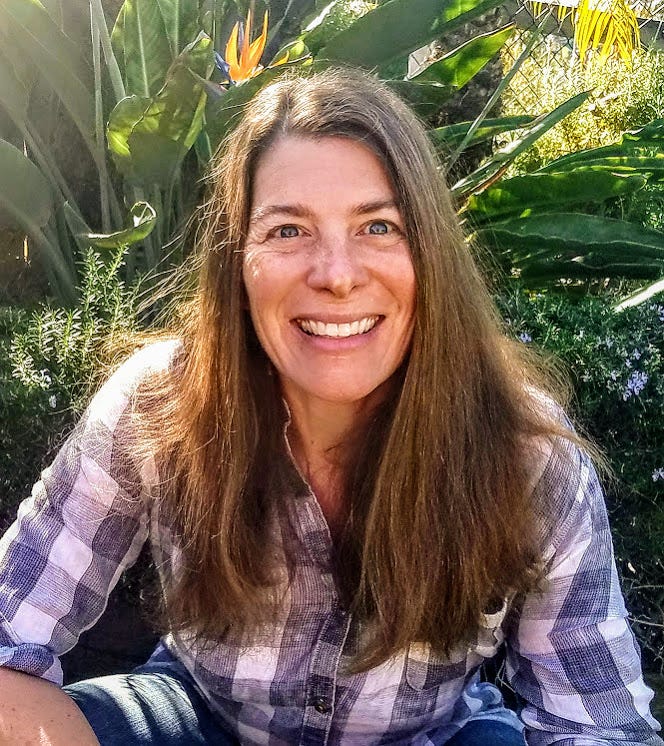
Joletta Belton on Chronic Pain From the Patient Perspective
78m 44s
Jeleta Belton, a former firefighter and athlete, shares her journey into chronic pain after a seemingly minor hip injury in 2010. Initially dismissing it as a twinge, the pain persisted and worsened despite physical therapy focused on strength, which was misaligned with her already high fitness level. As her function declined, she realized she was becoming a hazard at work, leading to her removal from duty. This triggered a profound identity crisis, as her self-image was deeply tied to her physical strength and career. Navigating the workers' compensation and medical systems, she experienced fragmented care, delays, and a lack of holistic attention, culminating in hip surgery that failed to resolve her pain. Forced into medical retirement, she faced emotional and physical turmoil, with weight loss and altered appearance compounding her distress. Belton's story underscores the value of patient narratives in pain science, illustrating how personal experiences can enrich clinical understanding and highlight systemic gaps in chronic pain treatment. Her recovery involved reframing her identity beyond physical capabilities, emphasizing the psychological dimensions of healing.
Hi everyone, welcome to the Better Movement podcast. This is Todd Hargrove. This podcast is listener supported. So if you want to show your support you can become a subscriber at ToddHargrove.substac.com. My guess this week is Jeleta Belton. Jeleta writes and speaks about her experience with chronic pain. I've heard her speak several times at pain science conferences in San Diego and Oslo and each time she had one of the most informative and engaging presentations. Jeleta is co-chair of IASP's Global Alliance of Partners for Pain Advocacy which focuses on integrating the patient perspective into the study research and treatment of pain. She's also the first patient and public partnerships editor at the Journal of Orthopedic and Sports Physical Therapy. In this podcast Jeleta tells her story about how she went from being an athletic firefighter to someone who was almost physically disabled within just a year after what initially seemed just like a minor injury to her hip. She also explains how she eventually recovered and how her sense of identity was profoundly impacted during the whole journey. We talked about in this podcast the trajectory of her injury. It's transition to chronicity, what she did to treat it, the pain of losing her job and her sense of self, her experience in the medical and workers comp system and how some deep realizations about the meaning of her physical life helped with her healing process. We also talked about the value of stories and personal narrative to patients and how clinicians can help patients create those stories. If you haven't heard Jeleta talk before I highly recommend it and even if you have, listen again I have several times and I always learned something new. Jeleta Belton thanks very much for coming on my podcast. Thanks so much for having me Todd I'm looking forward to it. Yeah me too so we've been able to talk about the things that you talk about for a while we've met at the San Diego pain conference at least a couple times and I've seen you talk at pain cloud in Oslo a few times and so I'm psyched to do this all in the podcast now even though we've kind of covered some of this ground in person. Yeah me too and I'm sorry you have to keep hearing my story. No I love hearing your story so for those that you don't know Jeleta has appeared at pain conferences a few times to tell everyone there that studying who are studying pain and treating people in pain what her experience was like getting into pain recovering from pain healing from pain going through the medical system what the whole experience is like from your perspective which is just incredibly valuable for a clinician to hear it's valuable for a researcher to hear some of the lessons that I've learned listening to you are kinds of things that in a way I already knew or I thought I knew but maybe just on a surface level and kind of like seeing those those ideas like embodied in a real story kind of communicated it to me and I know to other people at a much deeper level so I'd kind of I'd like to hear your story why don't you tell us just kind of start talking with us about how you were doing before you had this experience with chronic pain and and how you first started suffering from chronic pain and what was like going through that yeah thanks and I love that intro to all this because I think it shows the power of storytelling and why this matters why listening to people who have experienced pain matters because you do see it through a different lens from a different perspective and all of the things that you do know that you learned through your training or your education or just your own life experiences are kind of brought to life in a different way and so I really appreciate that introduction so my pain story started back in 2010 now I can't believe that it's almost a dozen years ago it was January of 2010 and I was working as a firefighter paramedic in Southern California for you know a pretty good sized fire department I was one of about 22 23 females on my department of a thousand firefighters that was really really focused on strength and fitness and working out and sort of being one of the guys because I had to for my job that was my my profession it was very physically demanding very mentally demanding but I also loved it I had been an athlete my whole life of competitive athlete when I was younger up through college where I played on travel teams and women's leagues so I was a very competitive person which is part of what made me successful in becoming a firefighter in the first place I worked at a really busy station where we ran a lot of calls and I also was a wildland fire EMT so would get shot out of county that's what we call it wildland fires for you know days or weeks at a time so this was my life I was a firefighter if you had asked me to describe myself back then that's how what I would have answered because to me that encapsulated everything that I was you know I was strong I was fit I was a part of a team I was really active I solved people's problems you know people called us on their worst days and we were a part of that solution and helping people get through their worst days so that's who I was when this stupid thing happened to my hip in January of 2010 that was completely unexpected and didn't make any sense at all we were just on a routine call it had been a medical aid it was in the middle of the night but that was routine for my station and I had left my clipboard in the ER in the emergency room and had to run back in and get it so I told my I'm like hey cap I got to go run in and get my clipboard so I was in a hurry to get out of the engine and just miss the step so so dropped from the cab to the ground so just landed on my my right foot was still standing I still ran into the ER to grab my clipboard but I had felt this twinge in my hip it was just a twinge okay I said I still ran into the ER so it wasn't like I thought oh some catastrophic injury has just happened in my hip was just a twinge no nothing twinge but I did tell my captain about it just because we were taught in our academy always always tell your you know your captain about anything that ever happens injury wise for workers compensation purposes but I didn't do anything about it for a couple weeks I think it was about two weeks later that I finally went and saw our occupational doctor because that twinge just became this really nagging kind of sensation and it wasn't getting any better I also didn't do anything to make it better I was still going to work I was still working out I was still running I was still doing all my normal day-to-day activities so finally went to our occupational doctor who first just gave me muscle relaxants and sent me to physical therapy and at physical therapy and this only doesn't make sense and retrospected me looking back the first clinic that I went to I did what I called triathlons I would be on the bike for 15 minutes then run on the treadmill for 15 minutes and then do the stair climber machine for 15 minutes and I don't know what the rationale for this was other than this general sense of I needed to I had a soft tissue thing that was going on and it needed to be strengthened or I needed to be stabilized in some way looks some of those types of narratives so that's what I did and that's and I was still going to work so not surprisingly still working out still running that surprisingly didn't get better went back to the occupational doctor I think six or eight weeks later went to a different physical therapist and again the focus was really on strength and in exercise and doing these things which weren't a deficit for me what all of this happened I was in the best shape of my life I could deadlift twice my body weight I was bench pressing my body weight and I would tell you about it it was very proud of these things back then I could do 12 strict pull ups not that I'm not still proud of those things now as you can tell but I was a really fit and active person back then so that it's only in retrospect now but but looking back at that I realized that that's not the things that I needed I probably needed some rest but I worked instead for five months five and a half months after experiencing this twinge and went to physical therapy and did all of these things how much is it bothering you right now that the problem that's ongoing it's at this moment I don't even notice it oh I mean like at this time that you're doing the physical therapy oh my god I'm very literal Todd so it became really problematic over time so you know months in that the twinge just it became more nagging and more constant and I started worrying about it more because it wasn't resolving in any way so I had this expectation that it would just go away that it's just a soft tissue injury that all this PT that I'm doing is going to fix it and when that didn't happen then it becomes
more and more concerning for me at that time. And then it also started to affect my function, or my function was affected at that time too. And when it really hit home to me that maybe there's something more going on here, was when we were doing some training, I worked at a big house, and we always had rookies. So we were always doing what we call manipulative training, pulling holes, throwing ladders, that kind of stuff out in the community. And we were at this one residential area that had a lot of stairs and steps going up to various apartments. And we were just pulling holes up the steps. And I was really struggling with my right leg, just in turn outs, moving naturally and easily like I normally did during the course of my career as a firefighter and doing this training all the time. And I said to my captain at the time, there's like, this is a problem. Because it hit me at that time that I was becoming a hazard to my crew, because I wasn't able to do my job. Like I suppose to was becoming a hazard to community, becoming a hazard to myself. And that maybe this was more serious than I had thought. So that was when I really started to worry. Because now it's not just my hip that is threatened or my tissues that are threatened. It's my livelihood, my career. My identity, my sense of who I am. I said I was a firefighter. I was an athlete. I mean, I prided myself in outlifting the guys at work. Like this was so built into who I was at that time. I was a peer fitness trainer. So I was someone who would train other firefighters and strengthen conditioning or in academies doing our physical training in the mornings. So this was so much tied into who I was that when I went back to the occupational doctor after this training session where I realized my function was being limited and I was really struggling, especially in turn outs to climb stairs or get on and off the engine. And he took me off work. So I went from being at work 24, 48, 72 hour shifts or even being out of county for weeks at a time to now love the sudden being home all the time. And not being with my crew, who I was used to spending more time with than I spent time with my husband. I was used to being at the station more than I was at home. So it was like all the sudden, this little twinge had led me on this totally unexpected path of my life being completely upended and myself being completely upended and not having any explanation for why any of it was happening. I had no idea. And it didn't make any sense. - What was your explanation at the time? I mean, even though you didn't know what story was where you telling to explain what was happening, there must have been something. - So and there must have been. And I don't really know. Like all I had been told was that it was soft tissue. I didn't really have any kind of diagnosis for a long time. And then, I mean, I was in the workers' compensation system when I went off work and being a firefighter in Southern California, the way that the system worked for us was that you are investigated before you are treated to make sure that you're not mullingering, you're not lying about this just to get time off, which doesn't make sense whatsoever because they actually gave me more time off in this during this investigative process than if I had just gone to see someone right away. But I was so lost during that time because I was completely cut off from my department and also completely cut off from healthcare professionals. So I wasn't getting any information from anyone about what could be going on. And I think that my idea of what was going on was just like a general sense of dread. Like I didn't have like a specific notion of what might be happening. It was just this overall sense of dread and worry about what was happening and that it didn't make any sense. Like I said, I had been an athlete my whole life. I had had a lot of injuries during that time. I'd even had multiple surgeries under anesthesia because I've had some pretty traumatic injuries, including broken legs, I've broken my nose four times and had to have reconstructive surgery twice. All sports related, but one was dancing related, but that's a difference. Sorry. But so I'd had these major injuries before. I mean, I had a compound fracture, open fracture of my leg and I never had a pain issue. - Yeah, so you're expecting this is gonna get better. You've regained your injuries before. - I'm like, literally I've had a bone sticking out of my leg before and recovered fine from that. Why is this stupid twinge completely upending my life? And it wasn't until I think in October of that year, I got injections by an orthopedic specialist. And my pain actually got worse after that and then I was sent to a surgeon in December of that year. So now 11 months into this experience, that was when I got my first diagnosis, which was FAA, from Moral Acetabular and Pingement. And that to me was great. Now I know what it is. And of course I saw a surgeon, so his recommendation was surgery. And I wanted surgery because that was gonna fix it. My pain was caused by this anatomical thing that happened. My hip, my femur jammed up into my acetabum when I stepped off the fire engine. Now everything makes sense. I have an explanation for everything. And now there's this surgical solution for it. So great, I'm feeling really good about all this. But of course, throughout the process of being in the work hop system, it took three months for that to go through review and to get approved. So I didn't actually have surgery until March of the following year, which is now 13 months about since this twinge first started. At that time, when I went in, because they weigh you, you know, for the anesthesia before you're going in for your surgery, I weighed 110 pounds going into this surgery, which was about 30 pounds less than I had weighed when I went off work in July. So in less than a year, I had lost almost 30 pounds. And I didn't even look like myself anymore at this time. And there's so much that I attribute to that. Like I was just really stressed. I was really, really worried at the time about losing my fitness and my strength because I really wanted to go back to work. My only treatment side I've been given was physical therapy. So I was still doing workouts and exercises and all of that stuff to maintain my strength and everything like that. But I think my metabolism must have just been freaking overdrive, because I was still eating in a normal amount, but I was losing weight like crazy. And I wasn't working out as intensely as I was before. So I lost a ton of muscle, because my body fat percentage was dangerously low too, like around 7%. - Oh wow. - Yeah. So when I looked in the mirror by the time I had surgery, I didn't even look like myself. I was unrecognizable to myself. And I had been in pain at this point now. For 13 months, even though those early months, I wouldn't, like it was more twingy, those early months. But you know, a good, at least nine, 10 months, where it was pain. And so, to me, it's interesting in looking back that didn't raise any flags for anyone that was in my healthcare process. Like how, and there's, because of the lack of continuity of care too, I was only seeing different people. So people didn't, by the time I got to my surgeon, he had no idea what I looked like when I first got hurt back in January or first went off work in July. But it didn't raise any red flags for people. Like there's something wrong here. Like people shouldn't look this drastically different. - Yeah, you've kind of like become like a cog and a big system, like a wheel and a big system. And there's not a person they're looking after you. There's just a system doing it. And it's kind of blind to your situation. And it's not really solving your problems. It's kind of like looking at you as a problem to solve and kind of bouncing you around. It sounds to me like that's what people often experience getting into the system. - Yeah, it's like you're just punted to the next person. I can't figure this out and fix this problem that's presented to me. So I'm just gonna send you down the line to the next person. Then you get further and further removed from people who actually like know you or have seen you early on in your care. My surgeon, sorry, out of all of this was actually, he was wonderful. And probably the most like biopsychosocial person that I saw during this entire time. And I'll get more into that post surgery because this, which might not be a surprise to anyone listening, it didn't work. It didn't fix me. My pain wasn't resolved afterwards. My anatomy looked absolutely beautiful afterwards 'cause he's a world-renowned surgeon in this area in terms of hip surgeries. And so my anatomy was all fixed, great. And I went back to physical therapy and I hit physical therapy hard because I really wanted to get back to work. But I still had this pain. I still had pain. It was different. My pain was qualitatively different after surgery than it was before. Before surgery, I'd had this deep visceral pain. I called it gremlins squeezing my ovaries, which sometimes they say that bone pain,
pain can have this referred visceral type sensation. So I do think that my surgery helped to resolve some issues. But I still had localized pain in my hip, particularly in my groin, in my SI joint. And in my paperwork, it said I could not go back to work until I was pain-free, which reinforced those notions for me. That pain is a problem. Pain is really bad. Pain means that there is something wrong with those damage in there. And so I took that on as I messed this all up. I messed up my surgery. My surgery was perfect and good. I did something afterwards. Just screw it up. I had to of, because why else didn't it work? Why else wasn't I fixed? I had to have done something wrong. And I was given, because I'd been off work for almost a year. It was like eight months or nine months by the time I had surgery. It was only given three months to get back to work. And I had to be pain-free within three months. And that didn't happen. So I was essentially forced to medically retire from the career that had defined me, from the job that had defined me, that I wanted nothing more than to get back to, because I completely, utterly, totally did not feel like myself. And I had no idea who I was. Like, I was a complete stranger to myself. Before all this, I had prided myself in being strong. And the worst insult you could have said to me was that I was weak or small. And now all of a sudden, that was this weak and small person. I became those things over the course of this year and a half or year and five months. By the time that decision was made for me to medically retire from work, when I look back at it now. The most distressing aspects of that pain experience weren't the sensations that I felt in my hip. It wasn't what I felt in my SI joint. It wasn't even the groin pain or the tugging or any of those things. And I had used to describe the pain in my hip as being like a blunt knife, being like dug in and then dragged across, which is not pleasant. But that wasn't the most distressing aspect of all of this. It was all of those life and social changes, social disruptions that were the most distressing. No longer being able to work in this career that defined me. I, because of the way that my pain was, I couldn't sit. Like, sitting was my most painful activity. It was so difficult to sit. So that meant no driving. It meant no meeting a friend for coffee or going out to dinner. But I couldn't even watch movies on the couch with my husband because I couldn't sit on the couch. My entire existence was standing or lying flat on the ground. And I didn't do anything. So I didn't go anywhere. My world and my life became really, really small. That's not true. I say that, but I worked in a civilian position after all of this. I still went back to work, but in a civilian position for my department. But it's like this big black mist when I look at it. I don't really remember much of what I did. I became a wellness and fitness coordinator. Like I said, I was a peer fitness trainer before, so I'd been in that program for a long time. I transitioned into our wellness and fitness coordinator role, managed like a multi-million dollar budget. I don't know how I did any of this because I don't remember it. All I remember is like pain and just trying to get through each day and just trying to function. During your understanding this, I mean, you mentioned like part of your understanding was I messed up. It was my fault. I mean, that was one explanation for it. But what were the other kind of explanations or stories that you were telling to explain, how did this happen to me? Is there like a scientific explanation or a biomechanical explanation or a medical one? So my, and again, I feel like I wish I had started journaling much earlier in this process. So I had greater insight into what I was thinking at the time. Because when I look back now, it really is this generalized sense of dread and worry and true letter who wrote an amazing paper called the experiential paradoxes of pain, which is just absolutely excellent. He's an MD, PhD, philosopher, dude. So like is looking at chronic pain and who experienced chronic pain himself. So he's looking at it through all these multiple lenses. He talks about the experiential paradoxes of pain. But in that, he also talks about how the specific pain, you know, becomes this totalizing experience and this malignant mist through which you experience everything else. And it's so hard for me to see through that mist to know what I was thinking back then. But I did, I know that I, my beliefs about it were very damaged based. When I say I did something wrong, it meant I re-enjured the structure somehow. Like I had to have somehow created more damage in my hip joint in that hip socket somehow. Because of how I was moving or how I was sitting or how I was just being in the world. I had to have done more structural, you know, devastation. It was kind of probably my thinking at the time because my life was so devastated. It has to be something really, really wrong in there for all of this bad stuff to have happened and to not get better. And then there's no, there wasn't offered any explanations other than after going through surgery and then physical therapy again afterwards. It becomes kind of that in the absence of a disordered spine. It must be a disordered mind. You, you are the problem here because we can't find anything. Everything looks fine. You are kind of like being starting to get this idea maybe there's something wrong with my mind or are you getting the idea that I'm imagining it or that it's not real or I'm doing it to myself or anything like that. Yeah. We do and they're, yeah. Yeah, like it's just an incredible sense of shame. You know, shame that I didn't get better. Shame that I let so many people down. I fell off firefighters. You know, my friends, my family, my husband, because I was no longer the same person. That he had fallen in love with. And, you know, we've been together at 10 years when this happened. So we have 10 years of this completely different life. And now everything in our relationship is upended. Everything in our life is affecting him too. Not just me. So ashamed that I didn't get better when I should have. And then that leads to that blame too because I should have gotten better. Everyone's told me that I should have been better now. It doesn't make any sense for me not to be better. So then taking on that blame that it's my fault that I didn't. There's something fundamentally wrong with me. That's just my hip. Like I said earlier, my surgeon was actually the one who made me feel the most believed during this whole process and never once made me feel like I was at fault for my pain or that I had screwed up his surgery. He also didn't have explanations for my pain. And to say, your pain is real, but there's nothing that I can do about it. And he was the one that encouraged me actually to get out of the workers' compensation system and to try and seek answers on my own. He's like, I think that you are smart enough that you will be able to figure this out, but you will not be able to do it within this system. Because the system is going to keep telling you that there's nothing wrong. And nothing that can be treated. And so eventually, that was what I did. I worked in this civilian position for two years. So that was three years total from the injury to the day that I left the fire department altogether. And during that time, just horrible interactions. Like the system itself is very adversarial where you are put in that position of constantly having to prove that you're in pain. And then having to prove that you're in pain, having to just prove your worth and value as a human being. And that's such a difficult place to be in when you're already so low and in so much pain. It's just like, it's this massive burden. And I remember I was commuting to work. I was taking the train so I could stand. I don't know if you've ever been in Southern California, but our public transportation is very inadequate. It was like a big process just to get to and from work. So I was commuting about three hours a day and working full time, working 40 hours a week. And then trying to self-manage my pain atop all of that. And it all just became too much and I couldn't do it anymore. And there was a time where I wasn't able to sleep. Where I was just in so much pain, I couldn't sleep. It was like two weeks that I was getting really poor sleep and I felt like I was losing my grip on reality. I felt like I just felt so untethered from everything. And I called my claims adjuster. I just wanted to go back to physical therapy because I did like physical therapy even though it didn't work from my pain. I did like it. I mean, it suited all of my biases of working out.
do it exercise all that kind of stuff. Plus I was doing it as supervised and safe environment. And she said, in order to get physical therapy and you need to see her surgeon again, this is almost two years out from my surgery. And I'm like, what is he? Of course he's going to say yes. So let's just do it. Like, why would he deny it? But can that be a phone call? No, you have to go in and see him in person. So calling his office, it's nine weeks out to get an appointment because his surgeon does surgeries. So I'm like, for this flare up that I'm in right now, because I haven't slept for two weeks and all I want is physical therapy. I have to wait nine weeks to go get a recommendation for it that you then have to approve. Like, the system is so messed up. And then I remember saying like, this just, this isn't feasible. There's got to be a different way. And her response was, if you're really in that much pain, go to the ER. I was like, what? How are you telling someone who's had pain for three years now at this point? Go to the emergency room. If I'm really in that much pain, it just, it just kind of highlighted how awful, and stressful, and distressing all of those things. It is for people who are in those systems. And how much that has to contribute to the experience of pain itself. Like, all of that, you know, alistetic load, that toxic load that is added to this pain experience just kind of amplifies everything. But so after that experience and my surgeon's kind of recommendation, I'm medically retired from the fire department altogether or left the fire department altogether, three years to the day of the twinge. And I went back to graduate school, which is not a viable treatment path for most people living with pain. But I went back to graduate school to study human movement, and I studied pain science too, because I really wanted to understand pain science, or I really wanted to understand pain better. And I really had biomechanical, biomedical notions of what pain was. So that was why I chose human movements. I thought if I just fixed my movement, fixed my posture, did all of those things even better than I would be out of pain. So I wanted to figure that out. And it was the best and most expensive decision I could have made for my pain, because I did through that experience come to a different understanding of pain through what I learned of pain biology and the science of pain. But there was also a lot of cognitive dissonance in my program, because some of the human movement courses I was taking were in direct opposition to some of the things I was learning through what I was studying of the biology of pain. But it's through that process and it was actually when I was in graduate school, and this is how we met very tangentially my brain works in strange ways. But we had to interview someone in our field. So I had no idea what my field was going to be, because I had retired from the fire department. I had no idea what my future held in store. So I figured my field was pain. And I reached out to Laura Mermosley to see if he would do an interview, and he agreed to it. So I had a wonderful conversation with him for about 45 minutes, grilled them about all things, pain science, and I'm going to tell two little stories in here, because I think they're both relevant. At the end of that conversation, I asked him, "What is the one thing you would want people with chronic pain to know or to do?" And he's like, "I'll give you a scientific answer first, because that's what I'm supposed to do." So he did, and he said, "My real answer is to love and be loved." And that was such a turning point for me, because I realized how much my life had been on hold, how unlovable and unloving I felt at that time, how unworthy and devalued I had felt through this whole process, that maybe there was a different way forward, that if I had focused on the living part, the meaning part, the value part of my life, the loving part of my life, even if pain was still present, that might be a viable way forward. But he also told me during that conversation that he was going to be the keynote speaker at the first San Diego Pain Summit, which was the following year. This was 2014 that I talked to him. In 2015, he was the keynote. So I registered as soon as I got off the Skype with him for that conference, and I remember having to finagle with Regime to get in because I was a patient, and I didn't fall into any of the categories you could check. But thankfully, she let me in. And it was through that process then of engaging with people like you and the people that I met at the San Diego Pain Summit, and through that conversation with Lorimer and his generosity and insights through that conversation that I felt like I had this new way forward that I had never been exposed to during the previous four or five years of my care when I was in active treatment. This new way of thinking about pain and what might help with it, and that it didn't just have to do with the tissues and structures in my hip, that maybe there was more to it, which is overwhelming and daunting, but also offers more ways and potentially changing that experience. Sorry, Nora. What you mentioned this idea that I need to move forward with my life and start loving again and things like that. What does that look like concretely, like in terms of just for you and like a physical basis? How did your life change and what you were physically doing because of this new idea that you had? So it started so small, so small, and it's why I think all small victories should be celebrated for people with pain, but it led me to reflect on all of the things, like learning kind of more of the psycho-sociality of pain. Let me to reflect on all the things that might be contributing to my experience, all of the contextual things, the social things, the things in my environment, all of the things that maybe I was no longer doing, no longer engaging with, that made me feel like me, because I realized how much not being a firefighter anymore, not being that person who lifted heavy in the gym and ran and did all of these things, how much that had affected my sense of who I was and my sense of self. And it took me a long time to realize that I wasn't who I was because I was a firefighter, that I had become a firefighter because of who I was. So it was about getting into touch again with those values that drove me to becoming a firefighter in the first place. And the reasons that I enjoyed being a firefighter and figuring out what those things were, I'm part of it, you know, being a part of a team, being outside, being active, being, you know, being out in the world, just being out in the world, and I hadn't been doing that for so long, I'd been living this very isolated, pained life within the confines of my home. I wasn't even spending much time out in my backyard, let alone out in the world. So like some of the concrete things that I did were just one was just to go outside again and I started taking pictures just through my phone, pictures of nature, started with like snails in my backyard or flowers or plants like micro photography with my Samsung Galaxy phone. And just being outside was helpful, just being in the sun again was helpful. It was starting to do things like I was a runner before all of this and I knew I couldn't just get back into running but I was getting back on the trails again, like out of my neighborhood, out of my backyard and onto a trail. And that was really helpful, like just being out in nature again for me because I've been camping since I was in diapers. So that kind of stuff really is something that I've done. You can do that stuff where you're afraid of flaring up with you kind of became more physical and got outside or I wasn't I was never afraid of the pain itself. I was always afraid of what the pain meant. So for me flaring up was okay and worth it. It even if it happened because I no longer after a time, it took a while for these ideas to take hold and for me to be able to apply them to myself. This wasn't an overnight thing where I learned pain science and I'm like oh I don't have to worry about this stuff anymore. It took time and everything was a gradual process but I was no longer worried of doing damage to myself or that I was messing up my hip joint and so that different disposition was huge and being able to engage with those things because I wasn't so worried then. If my pain went up a little bit, I wasn't worried that I had devastated or destroyed my hip in some way. I remember the first time I went snowboarding again was five years, five years? Yeah five years after I'd gotten her and I had asked my surgeon before I went if this was something he thought was okay. I'd ask him about running too and he's like I don't see why the mileage running would be a problem. I don't see why you can't snowboard. So I remember the first
time I went snowboarding again. So this was January of 2015. So five years after the twinge, four years, almost four years after my surgery, a couple years into me learning about pain science and all that kind of stuff. And I remember being on the lift and going up the mountain and where we now live in Colorado and Winter Park. Obviously it was a really transformational and good experience because we just moved there afterwards. But going up the lift and seeing the continental divide and just thinking to myself, "Oh my God, like the world is so beautiful and amazing and incredible, despite my absence from it for so long." You know, it's still there, like to be explored and to be experienced in all of these ways. And I remember the first run down, which my husband took me down on a freaking terrible run. It was like a bum's run, a mogul run. But I survived it and got to the end of it. And I remember thinking to myself. So when you talk about like what did I think was going to happen or what did I think was happening in my hip, this might offer a clue. I remember thinking to myself, my femur didn't explode through my thigh. And then I realized that maybe I had been thinking that all along because I didn't, like it wasn't until I had that thought that I even recognized that I was worried about that. And I think some of that has tied to this notion of how unstable my hip was or how unstable I'd been told I was over time. So having these visions of like my femur just knocking around in there and someday it's just going to pop out and pop through my thigh. But so getting to the end of that run and just being like, "Oh my God, I did it." Nothing catastrophic happened. I'm not, you know, I'm not in any less pain for having done it. But I'm also not in significantly more pain either. Like I can do this. And that was huge. And for me, like I said, just being outside was incredibly valuable. And then some of it was just like awkward conversations too, texting people, going, "I know I've disappeared the last few years." And back, like still have pain, might still like decline invitations, but would love to be offered invitations to go out if you want to include me. Sorry for having disappeared on you. Hope you've been doing well. Like really awkward texts that I sent out to people just because I wanted to reconnect with people again. And then I took some bravery. Going down the hill, took some bravery, sending out the text, took some bravery, right? Both of those things could have gone wrong. Oh yeah. Oh, well, some of them did. Some of the texts did not go well, but I also had prepared myself for that because it's weird. Like this is weird to just hear from someone out of the blue after a while. But they're both kind of, they're both kind of risky things, they're creative things, they're things that have a big reward to them, they're things that were meaningful to you. And then when you tell your story, that's what kind of strikes me. It was that was that just kind of moving in the direction of things that are meaningful, even though there's frightening barriers in the way, has something to do with the recovery, right? Yeah. And I think that that that ability to do brave things so much of it came from my pain, meaning something different and having a different understanding of it because that freed up capacity to take on that additional load of being brave or or taking risks where there was no room for that before because pain took up everything. The worry about that pain took up everything and what that pain meant to, you know, me, my life, my future, my husband, my relationships, all of that took up so much space and so much of my capacity. There wasn't room for that bravery or that taking chances or taking risks. Or we've talked about this before, like that sense of curiosity and exploration again or play just getting back out into the world and like, hey, like I can do think, let's see what that is. And for me, it had to be really, really unstructured. I mean, I know snowboarding is sort of structured because it's a specific activity, but it's really just flying down a mountain and avoiding obstacles and reacting to the things that come along the path or the terrain differences and that kind of stuff. It's much more just being in it without, well, at least for me, I can just be in it without overthinking it too much depending on the terrain. Sometimes I overthink it. Super steep stuff. I overthink that for sure. But so I mean, snowboarding was so beneficial for me for that reason. I wasn't thinking about anything other than just being out there snowboarding and not planning my movements, just moving. Or you were in a narrow groove, right? I mean, you were in a narrow groove. You talked about it like a dark tunnel where you kind of like put yourself there because you thought it was the safest place to be and the system puts you away from work and they put you away from, you know, social things and you put yourself physically into a little box that would be the safest box to be in and there was some benefit to introducing some chaos to like get to even if it was, you know, creates the potential for danger. Yeah, but it's like danger of my own making rather than imposed on me and I think that's different to, you know. But I mean, just that visual to me of being in that narrow place or that bark box, which I envisioned being very like dark and you can't see anything. And then that opening up to like a wide open snow covered ski run, like it's such a powerful visual for me to think of it in those terms. Yeah, I can't, when you tell this, you know, the story, I keep thinking about the story and the importance of, you know, our own narrative for ourselves, you know, you've got to, like, a vision of yourself, a self image and that, that, that kind of determines what you perceive and what you do. The way you see yourself and the story you told about yourself and your story is like, changed a lot over time and it affects the way what you do. Yeah, I think I read something that you wrote. I think it was quoting something else someone said, which is that we know that facts don't care about feelings, feelings don't care about facts either. So you can, you know, you can learn some new fancy new paint science and those are facts that you're conscious mind way up here appreciates, but there's feelings down inside of you and other like little scared people inside of you that don't give a shit about their own story to tell. Story might be, I'm a bad person and I should be sitting in a black box somewhere and it's that, you know, story that needs to be changed and it's not just about the facts to change that story, right? Yeah, very, very true. And I hope people will take that to heart because I, all of the words and language that we use in healthcare and strengthen conditioning in the fitness world, they can be really negative and when they're piled on to people, it becomes a part of your belief system about yourself. So I know in a lot of the presentations that I give, I have one slide that a lot of people have told me had had an impact on them and it's all the words that I heard during the course of my care about being weak and unstable and dysfunctional and out of alignment and disordered and torn and all of these things and it's like they all just pile on you and then you start feeling weak and unstable and dysfunctional and incapable of doing things. Plus, you know, in the work-hop system, you're told specifically not to do things. I was told no running, no climbing, no awkward positions, which I don't even know what that means. What does no awkward positions mean? No squatting. Like, you squat every day as just a part of life. Like, what does that mean? And then those transform from these are things that you shouldn't do to these are things that you can't do in your belief system about yourself. So so much of it in creating that new story, you have to unlearn a lot of those things that you were told about how messed up and broken and dysfunctional you are and like build yourself up again and understand that you are courageous and strong and resilient and capable that you can do these things. But there are so many possibilities, even if you are limited to some extent by pain or to disability or, you know, different things that happen, we all have limitations and that's okay. There's still so much possibility within those constraints. Yeah, so I mean, what you're saying, you know, I'm sure any clinicians listening can have a lot of ideas from what you're saying and they've heard before that there's a lot of things that you can communicate to your client when you're trying to help them with well-intended advice that might be not so helpful if you're communicating to them that they're weak and fragile and need to be protected too much. So there's a lot that clinicians need to listen to about your story and learn from. But what about researchers? Recently you've been working with pain researchers are talking about people who have experienced pain working with pain researchers to help their research. I'd like to hear more about your recent work there. What it's about why should researchers be listening to people like you? What are you doing? Yeah, it's I'm really excited about this work because it seems like it has really ramped up in the last couple of years and that interest in it and practicing it has really ramped up in the last couple of years. So in 2019, kind of how I got into this space.
is just for my advocacy work in general and presenting at conferences and engaging with researchers and clinicians in that space. And then I became co-chair of IASP, the International Association for the Study of Pains. They're global alliance of partners for pain advocacy. So GAPA, and what GAPA has been developed to do is to integrate lived experience into the study of research and treatment of pain. So helping IASP achieve its mission of relieving, you know, pain worldwide through integrating lived experience into all areas of pain research, knowledge, translation and dissemination and mobilization, all those terms and clinical practice as well. And it's really exciting to be able to see the ways that this is already being done and contributing to it too because patient involvement in research and including in the US is becoming a driving focus for a lot of funders. So the grant makers that are funding research want the researchers to have that public or patient involvement to help, you know, establish research priorities are making sure that the research is actually addressing questions that are relevant and meaningful to patients and will have greater impact in the real world. But we all hear a lot about how like guidelines don't work in the real world or how research doesn't apply in the real world. So bringing the real world into those processes can help improve that translation from what we're studying from basic science to preclinical work to clinical sciences to the actual communities that research is intended to ultimately serve. So that's why I think it's really important because we need to have better alignment between those things. Plus, I mean, all of the researchers and clinicians that I have worked with in this space, they really value that patient perspective and patient input because it gets them thinking about their own research in different ways or how their research can be applied in different ways or what different questions they might start asking. Another huge element of all that I keep trying to push for too is integrating more like peer coaches, peer mentors, peer facilitators in the actual delivery of care because we learn differently from our peers than we do from health professionals or clinicians, researchers. And so I think that's a really undertapped and underused resource that could really improve pain care by improving, just how we talk about pain with people and how we share the research in ways that patients can actually use. That people with pain can actually use in their day-to-day life. Like you said, all those facts might be really interesting but how are they relevant to me in my day-to-day life? Like that's often the step that we're missing. So patient partners can help to provide some of that translative work. This is the research. This is what it means practically in your day-to-day life in bridging that gap. So that's some of the ways that I think it helps. Do you have any examples of things that researchers were doing wrong because they weren't listening to the patients enough and that you could like a new avenue that they could go down that things would work better? So I don't want to frame it as doing wrong, but maybe doing it in ways that don't have the impact that they would like their research to have. So there's a huge translational gap between intervention development. So many interventions that are developed are really sound theoretically and can potentially work even in randomized control trials, but very few of the treatment interventions that are developed in that way aren't actually translated into practice in any kind of widespread use or have an impact on practice. So one way is just by improving that. Like we're actually creating interventions then that can be implemented more widely. So Beth Ternel is doing a lot of that research. She works with the Patient-Centered Outcomes Research Institute a lot or is funded by the Patient-Centered Research Outcomes Institute where there's one research study that she's doing right now, which is called the Values Study. There's 13 people with the experience of pain that are on the research team. So what's about-- and that's centered on voluntary opioid tapering. And also the other things that people who are being tapered off of opioids can do to help manage their pain. Because that's a big missing gap that patients have said is important. It's one thing to say you can no longer have opioids or you should taper your opioids. But it's a completely other thing to say you can taper your opioids. And these are all of the things that you can do to manage your pain that you now have access to and that you have set are acceptable to you. But we tend to just do the former. Opioids are no good. No one should be taking them. We've had this huge-- where people have been harmed from that sort of approach where they've just been involuntarily told not to-- or put into positions where they no longer have access to the only treatment oftentimes that they've ever been given for their pain. So it's that implementation and to practice. It's been done a lot more in the technical interventions for pain, like apps that are being developed and having patient partners being involved in the process of developing what goes into those apps and how they look in those sorts of things to pain management programs being co-designed with people living with pain, either online, like telehealth programs or in-person telehealth programs. And New Zealand, Hem Devon is doing amazing work with the Maori communities there. And they're actually developing a Maori-centered pain management clinic that is based on their traditional ways of healing and wisdom and knowledge and modern medicine ways of managing pain and bringing those perspectives together. Sorry, I'll over the place, but hopefully that answer-- Oh, yeah, absolutely. --a lot of ideas. Well, it seems to me that the people suffering from pain have been able to give some feedback in recent years, not only in research, but in what they're saying about the different approaches to explain pain. So therapeutic neuroscience education, explain pain approaches, trying to help people and power people give them different ideas to help with the pain related to explaining why the pain happens. And that was kind of rolled out a little while ago. And it's probably evolving and changing based on the kinds of feedback it's getting people from people who have pain. Some of the negative feedback that I've heard is some people don't like the idea of the word brain ever being mentioned because it has the possibility of applying that pain isn't real or that pain is imagined or that you can change pain by changing your thoughts and that kind of stuff. And you can see how those implications are there. How did that come across to you? Did you ever feel like if someone said that pain is in the brain or that thoughts and emotions affect pain? How did that affect you? Was that empowering? Was that have negative implications to you in terms of blaming yourself, which is something that you said you were kind of subject to? And what about the community in general? Yeah, I think there is great risk. And I've written about this because I hate the pain as an out foot put of the brain kind of framing of this. And just because of those implications that you've indicated, it kind of says like pain is all in your head. And we don't talk about other aspects of life in that way. We don't talk about reality being all in our head or love being all in our head or in our brain. We don't talk about other human experiences as being in our brain or an output of our brain. It's just not the language that we use. So I think it's really understandable that people take that to mean. You're telling me that it's all in my head. Or that my body is somehow not involved or that that's not even where I feel this pain. And there's a lot of cognitive dissonance there because of the way that information is presented. And I don't actually think it accurately reflects the science either where we now understand to pain to be like to involve the immune system, to involve the endocrine system, to involve all of these other systems too, beyond just our nervous system, and that you can't separate the nervous system out from the immune system or the endocrine system or any of our systems. We're an integrated whole when it comes to who we are as people. I think that that also contributes to why like psychological interventions or behavioral interventions for pain are really stigmatized too because there's this implication that it's all in the head. And if we just fix the way you think for the way that you behave, then your pain will be fixed. So I think we have a lot of work to do to better convey these concepts that we're learning in the science and why certain things work and how what is happening in the body when including the brain, when pain is happening. And that patient partners or people of the experience can inform that because they just use regular language that we use every day and make people to come up with different ways of framing things. That adequately and accurately reflect the science but are also acceptable to the communities that they're targeted for.
Yeah. Another thing I've heard from people suffering from chronic pain is they really don't like people asking them to put a number on their pain. And from the clinician's point of view, from the researcher's point of view, it makes sense. We're trying to figure out how much this hurts. There's a difference between something hurting a little. There's a difference between something hurting a lot. We want to analyze this using tools of science. We want to know whether there's been progress, but I've heard a lot of negative feedback from people like you and Keith and others. I don't like all that number stuff. Tell us why not. Yeah. Well, and there's multiple sizes because there are patients where pain intensity is really important for them. And they've communicated that to researchers as well. But for me, what is difficult is knowing, I don't know how to quantify my experience into a single number. Because my pain fluctuates throughout the day, throughout the week, throughout the year. And by talking about my pain in this very moment when I'm engaged in a conversation, so I'm not thinking about it or when I hang up the Zoom call. And I stand up for the first time after sitting in my chair for an hour because my pain's going to go up. It always does when I'm sitting for a long period of time. So is it then or was it when I woke up this morning, just when my pain tends to be at its works, or is it after I've moved for a little bit, or if I just drove to physical therapy, is it after driving there, or is it after being there for 15 minutes? Like, it's different depending on the context and what I'm doing. And it's hard to quantify that. And then I also, like I'm having this conversation right now, my pain is super low. I'm not paying attention to it. It doesn't register at all. I don't want to report something that then diminishes or trivializes my experience altogether because it's still not so much now, but back then still has an impact on your day-to-day life. It still influences the decisions that you make and all of that. So if I tell you that right now in this moment, it's a one, you're going to be like, "Ah, your pain is nothing." So we don't have to worry about it. And it's totally ignoring that later, it might be a seven, or an eight, or that yesterday, it was a nine, or so it's really hard for me to put a number on my particular type of pain. Muscle, assault, or pain, neuropathic pain is a bit different than something like CRPS or fibromyalgia would be. All of those experiences are different too. And people think about them and conceptualize their pain experiences differently. And some might have a number that they can tie to their experience. But for me, it's always been a challenge because how do I quantify all of that? And there's discussion too, like how much of it is pain, how much of it is the suffering of the experience of pain itself, how much is the impacts of pain on all these other aspects of your life? And how do you, is that a part of that quantification? Are we assuming it in that quantification and how do we separate those things out? Because all of those things influence our experience of pain too. So for me, pain is incredibly complex, both the science of it and the lived experience of it. So to try to boil all of that down into a single number is just mind boggling to me personally. Yeah, it's kind of scientifically kind of weak because you're taking thousands of variables and collapsing them into one small variable. And it's also a little dehumanizing because you're taking this profound human experience and it turns into a little check mark and so much piece of paper. I can see it from both angles there. What's something else that you just really like researchers and clinicians to know, which they don't seem to know, even the supposedly enlightened ones that have read their pain science, that are very well intentioned, that are trying their best? What's something that they kind of need to know that you people who've suffered pain, know, and you're kind of yelling and the messages isn't getting through? I think one big one and it's something, it's a drum that I beat all the time, but they're in the qualitative literature. There is this overriding theme of patients feeling like they're invalidated, that they are not believed, that they haven't been heard in their care. Yeah, anecdotally, when I talk to clinicians or researchers, everyone thinks that they're doing that. So there's a huge gap between the experience of patients, of people living with pain and what researchers and clinicians think might be happening. And I think that's something we need to explore and address. Why do so many patients feel like they're not being heard, or that their pain is being invalidated or trivialized or dismissed in some way? And why do so many clinicians think that they do a great job of listening to their patients and validating and acknowledging them? There's a gap there that I think we need to explore and address more because it's, I had very kind and caring clinicians throughout my time in work. The system itself was terrible, but the people in it were nice people who I knew wanted to help me. But even through that, I didn't always feel heard. I didn't always feel like my pain was believed or validated or acknowledged. Or, and I definitely never felt like my challenges that I faced because of this pain experience were acknowledged in any meaningful way. But just how hard it friggin is to live with this ongoing pain that doesn't get better, that you can't make sense of, that has completely upended your life. Like, I never felt like anyone just took the time to say, "Damn, that sucks. I'm really sorry that you've gone through all this and that your life has changed so much because of this." And how much, I'm actually getting teared up saying that, how much that could have meant, because it was always very, very, you know, clinical objective. There's no emotions here during my care, even though they were nice people. My life was so utterly changed by this experience, and not one person ever said, "I'm sorry that that happened to you." You know? What if they said that in a way that was just kind of, they said those words, but, you know, there's six people coming in every day that are the kind of in the same situation, and at some point it just becomes words, and you can kind of sense that. Yeah, and that's no good either. And so I think we need to have more people advocating for systems change too, because our current systems aren't just bad for the patients, like me, who had terrible experiences in them. They're really bad for the clinicians working in those systems too. Because if you have to stop caring about your patients in order to get through your day, there's a huge problem there, and that's where we're at in many places. So this is something that I've shared in a different peer reviewer on, you know, multiple papers, and some of them, I'm encouraging to start more explicitly bringing in those arguments that we need systems change. We need policy change. We can't keep focusing on fixing individual patients, and we can't keep focusing on fixing individual clinicians to make them more time efficient and more, you know, all of those things. Like, we can't keep fixing clinicians and patients. We need to fix the systems that we're operating within and that we're interacting with in if we really want to improve, not just pain care, but health care in general. Yeah, yeah, I love the word systems that you're using there because it could be that all the individuals in the system are perfectly nice people and trying their best, but the system as a whole is treating the patient badly. Yeah, and the clinician badly. Yeah, yeah, I'd be treating everyone badly. What about this? I wonder, I'm maybe getting a little bit off track here, but just kind of like it seems to me that one of the competencies of a clinician should be being able to kind of listen that way and talk to people that way in the way that you need to be listened to without kind of destroying themselves in terms of like the amount of, yeah, my wife is a therapist. She's a counselor. She talks to people all day long about their problem. It's her job to sit there and listen and really listen. And you know, and it's and it's a hard job, but like it's kind of like she develops a certain type of fitness to do that, you know, and I think there's certain ways of listening that are probably more tack that are less taxing than others, but you're still hearing the other people. I'm not saying that I'm the person that can do this, but I just kind of makes me think of something that the idea of the difference between compassion and empathy. Yeah, I was thinking the same thing. Yep. Yeah, so so for the, no, empathy is kind of like you feel what someone else feels, which is very taxing. Yes, to to to to you know, once you wait, you're there with them that they like that there. That's good, but it's very hard on you, but compassion is kind of like you're not necessarily feeling what the other person feels. You're just giving them a very, very, very sincere wish that they feel better, which might be good for them, but not necessarily killing you. Right. The work that Mateo Ricardo has done in that area. I don't know if saying it's right. It's the same right. In that like empathy burnout or fatigue and that it doesn't seem to happen with compassion. That it's just a different stance to take. And I do think that there, I think one of the huge services that we're doing for, for health professionals is not teaching better communication skills and ways of,
having difficult conversations because oftentimes these are hard conversations, especially when you're working with people who've been living with pain for a long time. Like that can be a difficult conversation to have yet. We often don't help people to feel comfortable in themselves in having those conversations. And we need to do a better job of that because that's, I mean, adding that stress. Like I have to now be a good communicator, but no one ever taught me how to do this. And I think that we need more of like the narrative medicine and medical humanities approaches integrated throughout our educational systems for people who go into to health professions or to helping professions of people who are living with pain. One resource that I will share on this is John Launers book conversations inviting change approaches. It's like in health and social care. Or narrative approaches to health and social care conversations inviting change. But it's an excellent, excellent resource and it's a very slim volume, very accessible for clinicians to read with really practical ways of initiating these conversations or sustaining these conversations in practice and ways of doing it that aren't trying to like coerce patients to believe what you believe and do all the things that you want to do. And it's not going to help be compliant and obey to actually get to know what the most concerning issues are for this person and at this time that they're presenting to you and how you can work towards those. And it's, I think that there's a misunderstanding too that if patients are just given free reign to tell their story that it's going to take forever, it's going to be like this conversation that you and I are having here. Nobody's got time for that, but usually what patients are given the chance to tell their story or share what matters to them most in a clinical encounter at the start, they only take about two minutes. They know they're going to they're going to they'll err on the side of not of telling less. I have everyone tell me your story and I'll use those words tell me your story. And sometimes people will kind of think that they need to like be really quick about it and I say no, no, no, no, no, no, don't worry. You want to start a go where you want to go tell me your story and they don't it doesn't take a long time and if it does I feel like. This is good because you know they're getting they're getting something out of this to you know they might not even know what their story is and to start telling it they're actually constructing it for themselves right now and learning something about what they think about this whole thing and giving me. Maybe a target to aim at if that story is like obviously wrong and hurting them. Then you have one of the easier clinical targets to aim at right one and like you just said that ability to just tell your story. Arthur Frank talks about how it gives us critical distance from the tail being told which might be the first time that we have some critical distance from the story that we're telling you have to step outside of yourself and look at yourself. Right. It's a meta and then you might be able to start making some of your own connections and be like oh shit like I never thought of it this way or it might open up some new possibilities or new ways of thinking and he also talks about how we don't just talk about ourselves or tell about ourselves when we tell our stories we construct ourselves in the talent and that there's always the potential to retell a different story the next time and I think that clinicians and health professionals have an integral crucial role in helping us. To tell better stories helping us to co create you know better narratives about what we're experiencing and what our possibilities are you know who we are in this moment in time and who we want to be in that co construction of of narrative and stories I think should probably be more of a focus than it is and like you said it's therapeutic in and of itself oftentimes for the people who get that opportunity to tell it and by getting to tell your story. It opens up the capacity then to take on new information to be able to now I know you've heard me I know you heard me I know you have a better understanding of me and so then we'll have a better understanding of pain in my experience now I can take a breath and I have some more capacity freed up to take on what you have to tell me where if you don't do that first that capacity might not ever open up and there might be that resistance to your facts don't matter because you haven't heard my feelings. And you have the chance yeah you have the chance to kind of reframe their story a little bit you know with the you know I'm hearing this or I'm hearing that you might be able to reflect something that they've told you that they didn't even know that they were telling you like the story might be I hear that this is very valuable to you and you're very scared of losing that they don't even kind of know that that's kind of a huge issue. Yeah, I mean that's what happened with me at the again at the San Diego Pain Summit when I was the patient demo for Peter O's Solomon and he started off that session so at that time this was seven years after the twinge over seven years after the twinge and I had started having pain in my other hip my I quote unquote good hip so that's that's a sensibly what I was there for was for the new pain I've been having for about seven months at that time in my left hip when he's I didn't do any research I didn't know who Peter O's was before all the started so I wasn't prepared at all for him to say tell me your story and I was like oh where do you want me to begin he said wherever you want and I didn't tell him a thing about my left hip I went back to the story I told at the beginning of our conversation here about being a firefighter. Stepping off the fire engine and my life being completely upended by this stupid twinge and then in that telling that to see how scared I was that I was going down that same path again you know that that I had built up my life again it was doing things that I loved and that were meaningful to me I had you know recreated myself in a sense I was telling a really good story up until this pain in my left hip and I was worried I was going to lose it all again and then he was able to challenge that like I said I was going to do that. Like is that really what's going on here we got to explore that throughout the session and it wasn't an amazingly I haven't had pain in my left hip since I feel like it's a miracle but I understand more of what's happening like so much of the pain that I was feeling and I do things to probably have F.A.I. in that hip as well. It was probably more genetic than anything else or contributed to it just because of the way that my femur had it shaped and so I do I don't squat is deep when I squat now I don't you know there are things that I can do to manage that that now aren't a big deal where before I had these notions of you have to do you have to move in this way this is the right way to move and if you don't you are you are not doing it right well I've gotten passed all of that now so I can manage what was going on in that hip much differently than I did in my right hip. Well that's great well I've kept you for a while here but we didn't talk about it time but it's been a while I'm sure we can keep going. What tell us what what should we work and we find you online what are you up to right now what do you want to tell people about to look for from you. So I am online everywhere as at my cup of Joe NYC PPA J.O. but I'm mostly on Twitter these days and that other social media's but also follow GAPA pain which is at GAPA PAN and that is all the work that we're doing in terms of this bringing together people with lived experience of paying clinicians and researchers to better understand pain and what to do about it and really building this community of people who want to do that we just want to do that. We just launched our membership and our first conference this month so check out what's going on there that's where anything new and exciting that I'm involved with will be at. Alrighty well thanks a ton for coming on. Thank you so much Todd it was so good to see you. You too. Thanks everyone for listening to the Better Movement podcast if you enjoyed it please like and subscribe and if you want to support the podcast go to ToddHargrow.substack.com and become a subscriber.
Podcast Summary
Key Points:
Jeleta Belton transitioned from an athletic firefighter to experiencing chronic pain after a minor hip injury, leading to a loss of identity and career.
Her journey through the medical and workers' compensation system was fragmented, lacking continuity of care and effective treatment, ultimately resulting in failed surgery and medical retirement.
The experience highlighted the importance of patient narratives in understanding pain, emphasizing how personal stories can deepen clinical and research perspectives on chronic pain management.
Summary:
Jeleta Belton, a former firefighter and athlete, shares her journey into chronic pain after a seemingly minor hip injury in 2010. Initially dismissing it as a twinge, the pain persisted and worsened despite physical therapy focused on strength, which was misaligned with her already high fitness level. As her function declined, she realized she was becoming a hazard at work, leading to her removal from duty.
This triggered a profound identity crisis, as her self-image was deeply tied to her physical strength and career. Navigating the workers' compensation and medical systems, she experienced fragmented care, delays, and a lack of holistic attention, culminating in hip surgery that failed to resolve her pain. Forced into medical retirement, she faced emotional and physical turmoil, with weight loss and altered appearance compounding her distress.
Belton's story underscores the value of patient narratives in pain science, illustrating how personal experiences can enrich clinical understanding and highlight systemic gaps in chronic pain treatment. Her recovery involved reframing her identity beyond physical capabilities, emphasizing the psychological dimensions of healing.
FAQs
Jeleta Belton is a former firefighter who experienced chronic pain and now writes and speaks about it. She co-chairs the IASP's Global Alliance of Partners for Pain Advocacy and serves as the patient and public partnerships editor for the Journal of Orthopedic and Sports Physical Therapy.
It started in January 2010 with a minor hip 'twinge' after stepping off a fire engine. Initially dismissed, it worsened over months despite physical therapy and led to significant functional limitations in her physically demanding job.
She was initially given muscle relaxants and sent to physical therapy focused on strengthening exercises. This approach did not address her need for rest and failed to improve her condition, reflecting a narrow focus on biomechanics.
The system delayed treatment by investigating her for malingering, cutting her off from her department and consistent healthcare. This lack of continuity and support exacerbated her stress and physical decline.
She was diagnosed with Femoroacetabular Impingement (FAI) and underwent surgery. Although her anatomy was corrected, her pain persisted post-surgery, shifting from deep visceral pain to localized pain, indicating that structural fixes alone were insufficient.
Her identity as a strong, fit firefighter was shattered. She lost significant weight and muscle, felt unrecognizable, and was forced to medically retire, leading to a profound loss of self and livelihood.
Chat with AI
Loading...
Pro features
Go deeper with this episode
Unlock creator-grade tools that turn any transcript into show notes and subtitle files.
 PodcastTranscript AI