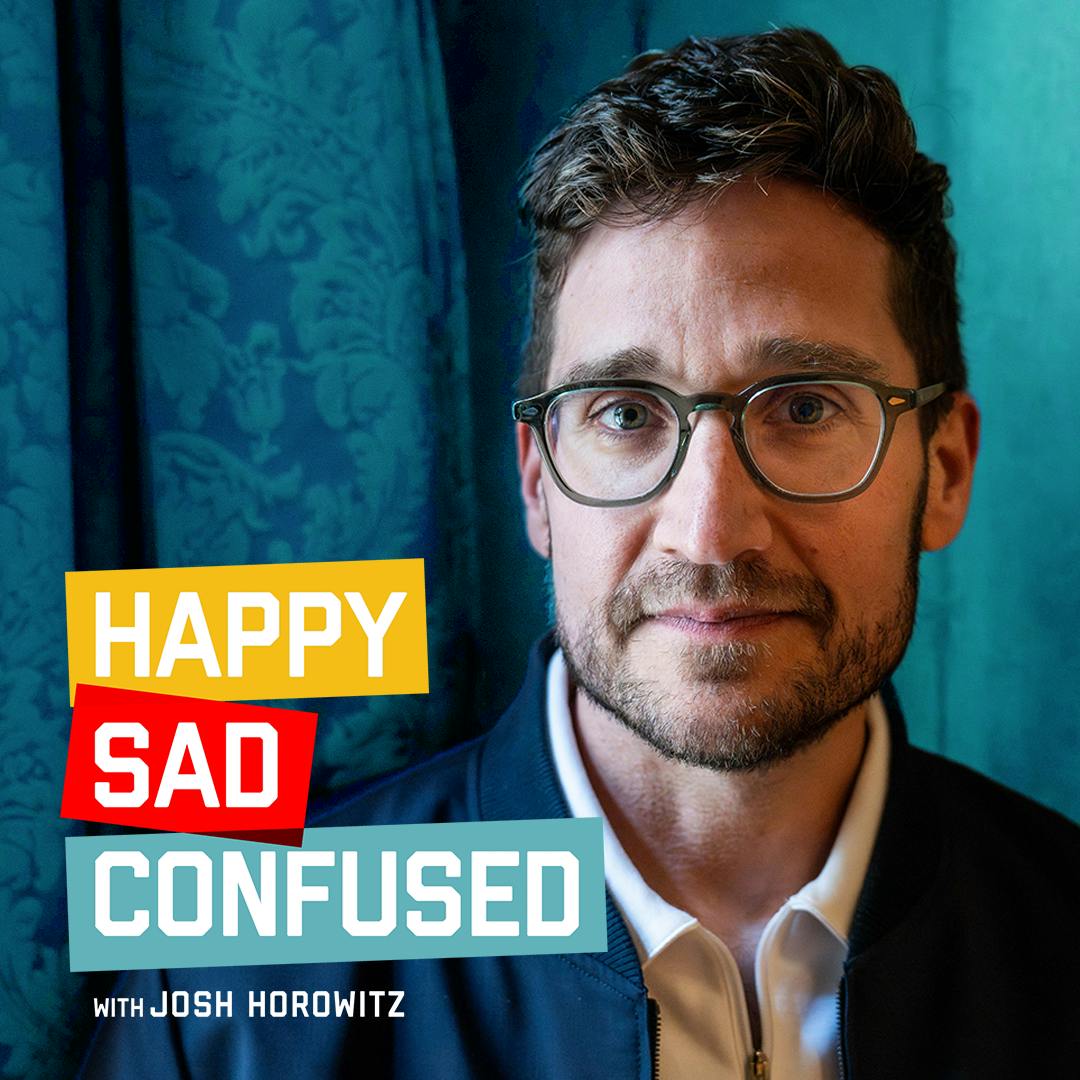
John Cusack reflects on his diverse and influential career in film and art, from iconic roles in *Say Anything*, *High Fidelity*, and *Gross Point Blank* to his new graphic novel *Momo*, a surreal, Hunter Thompson-inspired work rooted in artistic freedom. He emphasizes that true creativity thrives on ambiguity, emotional complexity, and personal authenticity—qualities he believes are missing in today’s corporate-dominated film industry. Cusack credits formative relationships with artists like Hunter Thompson, Paul Newman, and Terrence Malick as pivotal in shaping his unique artistic voice. He praises films that allow characters to be flawed, contradictory, and morally ambiguous, arguing that such depth connects more deeply with audiences. His bold choice to wear sandals in an action movie is presented not as a gimmick, but as a symbol of rejecting convention and embracing personal authenticity. He laments the current state of filmmaking, where commercial safety and corporate control have replaced the creative risk and independence that defined earlier eras. Through his experiences, Cusack celebrates the power of collaboration, personal risk, and the enduring value of human complexity in storytelling—reminding audiences that true artistry lies in embracing the messy, contradictory, and unpredictable nature of life.
I said, I will be the first non-biblical action star in the history of an action movie
to wear sandals throughout a film. It's like, post-Heston, non-biblical, there's one guy.
I'm gonna die on this hill.
Prepare your ears, humans. Happy, Sad, Confused begins now.
Hey guys, it's Josh. Welcome to another edition of Happy, Sad, Confused. Today on the show,
we've got John Cusack here, guys. An absolute icon of the 80s, the 90s, all the way up until today.
This man has been in more iconic films than I can count on two hands,
and we cover a lot of them on this one. I'm so thrilled this one happened.
Thanks guys, as always, for checking out the podcast. Remember to check out our Patreon if
you want to support us. That's the best way to do it. Patreon.com slash Happy, Sad, Confused.
Bonus materials, early access.
Access to our live events and so much more. Check it out.
Okay, so John Cusack. This is one of those, what am I doing even trying to give an introduction
to John Cusack? You know him and love him from Con Air, Say Anything, Gross Point Blank,
High Fidelity, on and on and on. He's one of the best, and he's a part of my, I don't know,
my maturation as a film lover and probably yours. So many iconic roles, and we honestly cover a ton
of them in this. He has a new graphic novel out. This is a new, newest,
expression of his artistic vision, and I'm so proud to support it. It is called Momo.
It is wild. It is trippy. It is definitely influenced by his old buddy, the dearly departed
Hunter S. Thompson. We talk about that relationship in this and more. So check it out. If you wanted
to support what John Cusack does, check out Momo. It's a new graphic novel on Amazon, wherever you
get your graphic novels. Check it out. All right, let's get to the main event because he doesn't do
a lot of these kind of long form conversations. So this is a treat. Here is me and the iconic
John Cusack, everybody. John Cusack. How are you, sir? It's so good to see you, man. It's so good to
see you. Thank you for doing the podcast. Thanks for having me. You don't do a lot of this, so this
means a lot to me. I'm obviously a fan of everything you've done as a, look, you're an actor, you're an
activist, you're a writer. You're now a graphic novelist. Look at this. It's true. How does this
feel to look at that? In print, it exists. It's real, John. It feels good. It feels fun. It feels
like we were just talking a little bit before we started.
It was fun just to write something and say, okay, I kind of think this is good and done,
you know, and usually, you know, you can keep obsessing and rewriting things all the time. But
I said, I'm just going to, I think the script is done. And then I said, well, let me find a cool
writer. And a good friend of mine connected me with Ignacio No, and I saw his work and he was
so, it was so beautiful. And he responded and he said he really wanted to do it. So we just did it
together. You know, self-financed. I like, I financed it.
Doesn't have to go through committees. Doesn't have to go through, we need $20 million to get
this off the ground and just expunge all the creativity from your soul.
There was no pitches. There was no nothing. Right. And so we just did it. And then, and I said to
him, you know, your full creative partner, don't draw anything you don't want to do. Make yourself
completely happy with it or as happy as you can be. And if you want to collaborate, we will, but if not, you know,
like just your, I wrote it and now you do your thing. And so it was a very, very like cool, fun,
pure experience just to make something with like one other person.
Yeah. So we're going to, you know what I'm saying?
Yeah, totally. I totally get it. And I, and I, I'm glad it's brought you here today because
there's a lot to talk about. And like, and this, this particular project,
it's fascinating to me because look, you've, you've been a part of some
amazing iconic works over the years. What I'm curious about is like, is the dopamine hit you get out
of this similar? Is it different? Are you feeling like a different kind of, I don't know, rush out
of this experience versus writing gross point blank being and say anything like these, these
movies that mean a lot to a lot of people?
Yeah. I think it's like, it's, it's similar or, or it's a little bit higher probably
because, you know, when you write a screenplay or whatever it is, it's still your,
you can just do it the way you want it. Unless you're, you know, selling it to somebody and
you're writing for someone else. But I've, a lot of stuff I've done, I just do like on spec,
you know, I just, I write my things I like. And that is really fun because, you know,
it's just how you imagine. You don't have to like sell it to anybody or justify things. And this was
like a, a pure rush. I mean, my buddy Mark Lehner and I, um, and it's, it originated, we were both
really interested in Artaud because he's just a fascinating figure.
This is a French artist.
The surrealist.
Um, and he was the one like Andre Breton and all those guys said he was the one who never
relented. Like he was just the guy, right. He just pushed it farther and farther and farther
and was committed. And he was a silent film star. He was in Joan of Arc and all that stuff,
but he was really kind of a radical guy. And even his philosophies and theories are
unachievable. Like, but that's kind of the point. He was just,
he was kind of a wizard we thought, you know, and we were like, what would be a great movie
about Artaud. And we were trying to think of it. And that one time we had Mark, we had the idea of
full metal Artaud, which would be like a, if he was some sort of robotic thing, no, that's no good.
And then it sort of, well, it got there, but then the, the, the, the origination was Mark and I was
sitting and I said the best version of it was in the, he wrote it in the forward that it's
actually a true story. I did try to bribe him. Not really.
But I said the best version of the, of an Artaud movie would be
Artaud rising out of the sea like Godzilla and smashing, you know, AI tech, all the future
civilization. Right. There's a little bit of that towards the end of this.
Well, yeah, that's the end of it. You're right. And so, but then we said, well,
the, that movie would be, oh, to the theme of the monsters.
Obviously. Of course. Sorry. I left that out.
To be fair, the theme of the monsters goes with everything. It makes everything a
little better. Yeah, I think so. So
we knew that would be the best version of the Artaud movie, but then we both agreed,
like there's no other Artaud movie to make, but that would be a two minute movie or a three minute
movie. So then, and then I started to think about Jackie Gleason and Richard Nixon and the alien
heads as one does. And, uh, I came to the conclusion with some top secret documents
that were handed to me that, um, perhaps Artaud did not die in the insane.
Asylum on the south of France, but the Jackie Gleason, yes, the Jackie Gleason
arranged, uh, Eagle will dare commando style raid to extract him.
When you say it out loud, it makes more sense. Now I get it.
Now you see what I'm saying? Like you're trying to put things together.
Were any psychedelics used or consumed in the, in the making of this?
Well, I think I've had psychedelics used and consumed in my life.
Right. So maybe based on some residuals.
Yes. Could be based in that. Um, but it also has like, it's an homage to lots of
genres and things that I love.
It's a road trip. It's a buddy thing.
So there's a lot of things, you know, references that I love, you know, but there's definitely
some Hunter in there, you know, I was going to say, I mean, there's no doubt. I mean,
Hunter S. Thompson, it's like a fan fiction novel of something that doesn't exist.
I was going to ask you, I was going to actually ask you, you knew Hunter?
Yeah. He was a friend.
I mean, that's, you were talking before, like one of the pleasures of your life,
one of the gifts is like the people you've collected, the people you've gotten to know
through your crazy life.
Yes.
To know Hunter.
Yes.
What was that relationship? What did he, what was it like to be in his
presence where shotguns fired was like the whole experience?
All of it. All of it. He was great. Um, Corey was a Southern gentleman and
a romantic and idealist and, and, you know, obviously a disillusioned idealist. Um,
he was always the smartest guy in the room, probably the funniest human being I've ever met,
a wild animal that could be dangerous. Um, but a very loyal guy. So the relationship,
I mean, I went out to see him and, um, at Woody Creek a few times and very memorable stories.
Um, like when you see him turn, like from like, no, no, no. He was always, uh, he was always great.
It was just like, when, you know, he was a great guy, he was a great guy, he was a great guy. He was
a great guy. He was a great guy. And he picked us up at the airport. You know, he was in one of his
Cadillacs and then he drove in and he said, oh, okay. Yeah. But you know, you see that car on
there, the car over there, if you could just grab that and follow me to the, um, follow me to the
farm. So right off the bat, it was like, he had me steal like Glen Fry's car. So it was like right
off the bat, like Grand Theft Auto, not even out of the air, like just out of the airport.
Yeah.
And then when we got there, you know, he's like, uh, do you, do you play golf?
Do you shoot? I was like, sure. And he goes, and he set up a, he goes, I'm going to get back
inside for a minute, you know, affidavits I've got to sign, whatever. And he set up something
called Shotgun Golf where it's like a pitch and putt with the flag. But if you can blow the ball
out of the air, you know, fair play. So that was like within the first half hour.
Right. And then the other stuff is not.
So he put on a, he put on a nice show. It was a, it was a nice show. He said, yes, come out.
And on the weekend there will be games.
Some will be legal. Some will not. Most will not.
But he was also like, uh, I mean,
I mean, look, he was, the myth and the legend of, you know,
that was one part, but he was also a guy that woke up
and read everything and was a brilliant, brilliant guy.
So he's in your mind a bit when you're writing this?
I mean, a little bit?
Yeah, I don't think there's, there's some writers
and some influences that affect you so hard you can't,
it's impossible to get their tone or their comic sensibility
out of your head, and all you can do is like sometimes
pay homage to it, because it's, it's just,
he's sort of like Lono, the god of fun, you know.
But he was a, yeah, very great guy.
And then most of the relationship back then
would be at night, and I would get lots of faxes
and things, and he would send me stuff,
and I would send him stuff.
So you were talking to him on the phone,
because this was before all the stuff.
You must have like a half dozen of these people.
Like, who's like, who's like Brando in your life?
Like, did you, Brando?
No, no, no.
I do, I do have some amazing people that I've met.
But in the, we have like a book, another book coming out
with like more stuff in it.
Right.
And in that I have all, a lot of the fax correspondence
that between Hunter and me, all the late nights,
you'll see like 1991, right?
And he's, and you know, and I would send him things,
like I would try to work him up.
Like I send him a Wall Street Journal article
about like these pansexual snails that were brought in,
from, and so then it became a story
about pansexual snails inviting the White House, you know?
And so I like, I have the article I sent him,
and then I have the story.
You need to release the Hunter files.
It sounds like you are releasing the Hunter files.
There's some Hunter files, but they're all, it's all,
it's all love.
And then I did a version of his,
I did a version of Fear and Loathing on Las Vegas on stage.
Right.
And then he had,
Ralph Steadman make the cover art for it.
And that was what,
that went on the Rolling Stone cover of Fear and Loathing at Elko.
He did that for our show, so.
Amazing.
So I've had, yes.
What about, here's a random one that's not so random,
because there's a lot of exorcists in this.
Did you know Friedkin?
Did you know?
I did, I had met William Friedkin,
and we had talked about doing a show together.
I was like, William Friedkin wants to do a show.
I was like, yeah, he goes,
oh, we'll send you the script.
I was like, why, I'm going to do it.
You can send it, but I mean, I don't.
It's a courtesy, sure.
I'm going to, I want to work with William Friedkin, right?
And what I found was fascinating was we had to go around
to all the studios and pitch it, and they turned down William Friedkin.
I mean, I was just like, French Connection, Exorcist,
like two of the literal perfect movies in the universe.
I just stared at them like, I couldn't believe, I mean,
I didn't know during the,
the pitches, but I guess they know better.
Yeah, well.
But no, I've gotten to meet so many wonderful people and like.
It is arguably the greatest gift of something like this,
an unexpected gift, like to be like, enter a club you didn't know existed.
Yeah, I wouldn't say it was like that, because that sounds sort of like,
you know, as you get older, you realize everybody wants to be in the VIP club,
and there is no VIP club.
There's always another velvet rope to get on.
Right, right.
And the people that you meet that are awesome, like, don't.
Kind of say, fuck it.
They don't acknowledge the VIP club.
Yeah, exactly.
They're all outcasts and weirdos.
Yeah, yeah, exactly.
Like I got to, yeah, it just was strange because I was working when I was such a young kid.
You know, I started when I was a teenager.
Right.
And so I got to actually meet some of my heroes and actually work with them.
I mean, yeah.
I mean, I got to work with Al Pacino, who became a friend.
City Hall, great.
And he is also one of the great, great human beings and one of the funniest guys you'll ever
meet and just such an original mind.
And he's, yeah, he, I mean, I'm privileged enough that he's been on the podcast.
Oh, wow.
So, you know.
Well, I mean, we all know.
I mean, like that mind is just going a thousand different places at once and you're just trying
to like follow it as best you can.
But it's like he's got all the stories, all the wonderful eccentricities, and he's the
greatest actor ever.
Yeah.
So it's everything.
More Happy, Sad, Confused coming up.
We'll see you next time on Happy, Sad, Confused.
Bye.
Bye.
Bye.
Rare Beauty, and Heinz to brands just getting started. Shopify has hundreds of ready-to-use
templates that can help you build a beautiful online store that matches your brand style.
And you can tackle all the important tasks in one place, from inventory to payments to analytics
and more. No need to save multiple websites or try to figure out what platform is hosting the
tool that you need. And if people haven't heard about your brand, you can get the word out like
you have a marketing team behind you, with easy-to-run email and social media campaigns
to reach customers wherever they're scrolling or strolling. Start your business today with
the industry's best business partner, Shopify, and start hearing. Sign up for your $1 per month
trial today at shopify.com slash realm. Go to shopify.com slash realm. That's shopify.com slash
realm.
You've got your favorite blanket.
You've got your favorite blanket, a freshly poured drink, and a cold case burning a hole in your
streaming queue. You're not just watching true crime, you're running the investigation from the
comfort of your couch. Welcome to Murder, She Watched, the podcast where we recap, dissect,
and slightly overanalyze some of the best and craziest true crime documentaries on our favorite
streamers. Did the spouse do it? Why is the shady neighbor wearing leather gloves in July? Why did
this guy agree to be in trouble? We ask the tough questions that you're often just screaming at your TV. So every week we break down
the twists, red herrings, and absurd documentaries that have kept you up all night. It's high drama,
cozy vibes, and absolute couch detective energy. Grab your throw blanket and hit subscribe. Search
Murder, She Watched wherever you listen to podcasts, and let's solve this thing together.
I mean, you know, you referenced kind of like, you kind of came of age, you were a teenager when like
the short thing happens, which is your first leading. Yeah. Is that the, is that the shift
point for you that you think of when kind of fame and kind of, I don't know, a shift in your life
happened? Is that a demarcation point when you look back or? Well, yeah, because I was, I went
from being in high school, like in study class to being on a set with Jacqueline Bessette. I mean,
like, what is it? You know, I, that was when I was in, I think a sophomore in high school. And
that's just luck because they happened to be making movies in Chicago. You were at a good time
when Chicago, John Hughes, all these films. Yeah. Yeah. So I happened to be of age and was interested
in acting and sort of doing it. And, you know, and so I was lucky enough to get a, get a, get a part
and then get another one. And then I was still a junior in high school and I auditioned for Rob
Reiner's The Sure Thing.
He hired me. And so, so I basically, you know, that was my first lead role.
Were you, how, when?
So like demarcation point is sort of like, I was a teenager and I got to jump into this world.
But you'd already done a couple smaller roles. Yes. Like, were you, were you going up? Because
you did, you were part of the John Hughes world a little bit. You were in 16 Candles.
I was in one of his movies. Yeah, I was in 16 Candles.
I'm surprised you actually didn't pop up in other things. There's, there's like the,
there's conjecture that like you were offered the Judd, Judd's role in Breakfast Club.
No.
No, no, no. I think there was one time, at one point where I think he thought he wanted me to do
it. And I think I would, I would have done it. I thought it was cool script, but it didn't go that
way. Got it. But so, and what do you remember of like, how did you handle, what are the pros and
cons of being a, this is going to make you gag, a teen idol, like kind of like getting into that
world, like, and getting that degree of fame and probably being on the cover of those magazines at
the time? Was that, when you look back, was that fun? Was it overwhelming? Did you,
did you handle it well?
No, I think, you know, the, they say fame is something that, you know, you have to sort of
deal with because you, you don't really get prepared for it. Especially when you're probably
a teenager. So, but I, I was lucky because I think maybe the way my parents were, or the
people that I admired, you know, I hadn't done anything.
Yeah.
So I would, I was never going to buy my, buy the hype or anything like, right. I want, you
know, I wanted to work with great people and do great movies, but I knew I hadn't done anything
yet. So, you know, I wasn't.
It, it does seem like from the beginning you had really good taste. Like, I don't know how
much of it is luck and how much of it is taste.
Also, I think, I think my, my father was always like, he just said, you know, you, to be a
celebrity is death for an artist. Like, you know, he was always about like, what's the
script, what's the part, what's this thing saying. And so like, he was, wasn't impressed by
any of that. So I think that rubbed off on me.
So because of things like that, because of that kind of stuff.
Yeah.
Like the, because of that kind of thing being grand when some like John Sayles calls that's
meaning.
Yeah. Like that was, yeah, that was like, oh, wow. That's like the big league.
This is like a real auteur, real writer.
So I even.
didn't take any of that stuff seriously as a teen were you were you already a huge baseball fan once
when yeah yeah that's probably still got to be then one of the great jobs ever to like be a ball
player tell that story that it was it was and um it was john sales was in it studs turkle was in it
like i remember that studs turkle played uh remember uh john sales did a great ring lardner
yes right and then huey i think it was named not huey long the governor but huey something
who's sports writer was studs turkle so wow i mean you could just listen to studs turkle talk for
days yeah and then um it was filled with other great christopher lloyd was in it uh
clifton james all right and clifton james remember cool hand luke sure he says spend
the night in the box i'm i'm carl the floor manager right just a great one of those great
great characters character actors you know that this i mean truly fantastic so he played charles
comiskey so i was like it was unbelievable and then you get the eventually look at paul newman
himself yeah and luke himself did he live up to the hype did he completely yeah completely great
just a human great human being obviously but also like those guys were um like al and uh newman they
were very gracious with younger actors you know like if they you know they they would sort of look
out for you and they knew
admired them and they were you know they were really very gracious and warm so i got to
you know hang out with paul a little bit and get to know him what a privilege again okay so i mean
there are a few iconic roles we have to mention and look you know lloyd dobler is one of the
alzheimer's and like has such a personal connection for literally millions of people
everybody like experiences say anything at a certain point in their life and they invariably
connect with it that feels like the great like a great fusion of you and cameron at the time because
that character it seems as much as obviously Cameron's writing it. Yeah it was a real collaboration. Like where do you begin and Lloyd begin like when you look at that character what of you is in there? I think a lot but you know Cameron's was we used to say like all right the version that we see together would be like a and of course this is a very pretentious thing to say for a 21 year old whatever but
it's like Lennon and McCartney right? You know you got to admit it's getting better it's getting
better all the time. Lennon says it can't get no worse. So you hold those things. So my thing was
I felt like to be 19, 20, 21 in the Reagan America it was dark. Yeah. And you know that's why all the
punk movement was so cool and that's why you you know you'd have to go get your information
you know through culture and you had to you had to kind of earn it and
you know it's time when you would carry books around in the back of your you
know you you know all that's you're a young man right? So when I would meet
people who wanted to do versions of teen that sounded like 50 year old men
talking. Yep. You know okay that's quick dialogue and it's witty but I don't
relate to it at all. So like. That was Cameron's gift that he was he was young
enough that he was still connecting with those characters and like. Well he had a
he had um he was inclusive enough to know or at least um instinctive enough to know that like I
had something that I had to bring to it in order to do it. Right. Um and you know he was big enough
to embrace that I guess. Did he connect with I mean. But I remember I talked to the like the
the producer who's a great guy and like was great for the film. Yeah. But you know at first they he
sort of tried to wrangle me a little bit and he said um called me into his office and said uh look
I don't think this is a character that has an agenda. I don't think this is a character that
needs a beer at a party to have a good time. I just said Jim stop there. I don't understand
anything that you're saying and when I mean anything I mean nothing. I don't want to do that.
Yeah. I want to do like I want to wear a Clash t-shirt. I want to like you know you have to have
a worldview right? You have to like especially when you're a young man like you're trying to figure out what
the hell you want to be a part of what you don't want to be a part of like you know what you reject
what you accept like it's that's part of what you know that's I feel right. Yeah yeah yeah. Like I
want that's I don't I don't want to do that thing so like I I told you I didn't I told you I'll do
I'd only do it if I could work on the character and and rewrite it so but to his great credit
you know and he was sort of like look at me like oh this kid's got you know what does this kid talk
but then but when he saw what I was doing he he was I don't know I don't know I don't know I don't
support it 100%. I mean that iconic kind of speech the I don't want to sell anything buy anything
process anything that feels still very like yeah I mean I wrote that with Cameron and I wrote the
first part and then Cameron added I can't figure it all tonight sir I just want to hang with your
daughter which was a that was like a perfect combination. Right there's Leonard McCartney
right there. Yep totally yeah so uh so that was a that was a a really good experience and um
yeah that was just great. I do I have like a
but I do think the movie works it people talk about like Cameron and me but I think the story
of the father and the daughter and and the John and John and I only together I think that speaks
to a lot of people as much as you know that my character did because it was very uh had a very
genuine dark kind of really and John Mahoney such a great actor yeah and I had worked with him on 8
and he was the guy saying oh I'm going to do this say anything you got to do it and I was like oh
but it's a teen I don't want to go back to doing that and he goes no it's better than that it's
cool but then it was John so um I think that that part was I think totally underrated let's just say
can I give you a 17 year old overdue apology I don't know if you remember this do you remember
that we had an encounter related to say anything a thousand years ago um I don't think you owe me
an apology no I do I do no matter what you said it was the 2012 junket and I silly Josh who was
trying to be funny brought in a cardboard boombox and oh I was that guy and that's all right well
yeah yeah but like I get it like you were in the middle of promoting another movie and then some
guys coming in with a shtick being like here's the boombox John and I wasn't expecting I don't
even know what I was expecting at the time but I feel like part of this today I want to talk
about your life and career I just want to say sorry I didn't mean to like don't be sorry okay
I didn't I don't I probably didn't I wasn't what did I look mad I feel like I just didn't
like you know I feel like you there's a lot of baggage to like that character and that that's
been with you every day of your career and like for somebody I think if I was if I was giving you
you know a little attitude I think it's because when you make a movie like 2012 you literally
promote the movie around the world for like seven months yeah like double the amount of time it took
to shoot the movie so just there's you can't you know you just get a little bit tired of answering
I get it yeah I get it but I must have been it was probably the most important thing I've ever
done that we were both saying yeah this this whole podcast is a reaction to that culture basically
like it desensitized me from human interaction and just like what is it like to actually have
a conversation with a human being again yeah here we are here we are more happy say confused coming
up from the parents behind law and order comes a mystery the whole family can enjoy
patrick pickle bottom everyday mysteries step into the women's
world of patrick pickle bottom a precocious 11 year old with a love for reading and an uncanny
ability to solve mysteries inspired by the beloved children's book of the same name this podcast
vividly brings patrick's tales of deduction and everyday adventures to life as he unravels
baffling enigmas and solves clever cases patrick pickle bottom everyday mysteries is perfect for
kids and is just as entertaining for grown-ups who love a good mystery the whole family can
listen now wherever you get your podcasts
reality tv is messy pop culture is louder than ever and the internet completely unhinged welcome
to roxanne and chantelle the podcast where cousins roxanne and chantelle break down reality tv
celebrity drama and the stories everyone's texting about we recap the shows spill the headlines and
sit down with the stars themselves no filter no boring takes
you
just the tea new episodes every week if it's trending we're talking about it this is roxanne
and chantelle let's get into it
so i was gonna say so like in the wake of say anything again like i feel like your taste has
always been impeccable like you know you work with paul newman and fat man and little boy
you work in the grifters i mean come on the grifter stephen frears who obviously became
an important collaborator for another reason later on the grifters is a great one like
a great great movie and you um annette who kind of seemingly came out of nowhere she's done some
stuff but like she's a lightning bolt in that film yeah that she would she had done a version of
dangerous liaisons with mila's foreman which was very good but for some reason steven's got more
attention at the time and you and angelica talk about an interesting dynamic was she intimidating
is angelica houston like well for some reason um we got along so great and i think you know maybe
it's the irish heritage and i think it's the irish heritage and i think it's the irish heritage and
and I don't know, there was just some,
we had an instant sort of friendship
Chip what how did that because like Frears has had such such an eclectic interesting career
like for him to direct that and then also for you to collaborate all those years later did you think
of Frears all those years later well yeah because for High Fidelity I thought of it Joe Roth who
would ran Disney who was a great great friend to artists like he had his studio movies like we do
Con Air and all those kind of movies but then he had seven or eight slots out of his 30 movies he'd
make a year and he would just give it to filmmakers that he liked so I got to make Gross Point Blank
and High Fidelity and Spike Lee got to make Summer Sam Wes Anderson got to make Rushmore so like he
really and you know he didn't mess with you he was he really supported the film so it was just pure
luck so anyway I'd worked with him and on Gross Point Blank and he said he had the rights to
um the studio had
High Fidelity so he said do you want to write it and I said yeah and I wrote it and he liked the
script so we were green lit and then we got to hire a director and I thought well you know it's
a British story and Stephen can do anything and I thought it was a lark I said hey Stephen you want
to take this check this out maybe that's something you want to do and he wanted to do it how did you
get Springsteen Springsteen does not do I know that kind of thing well that was another like
the weird
life thing which was like I got to go you know to see Springsteen shows and stuff and that somehow
I still could never understand how any of the people that I was heroes with knew anything about
my work or had seen my movies like honestly it seems odd to me that they knew anything about me
because I was huge fans with them since I was you know a kid but I knew him and had gotten to hang
out with him a little bit and and so you know I had his uh
number so I called him up I said hey um do you want to play a version I said I got to ask you
something and please apologize you know I I understand that this is going to be a weird ask
but I got to try it and uh please forgive me for asking yeah he says stop go ahead what what you
got and um I said do you want to play yourself talking to me in my head about and I pitched for
him and he went I just paused and he went sounds good
it was like I was like wait a minute but I think he knew the he knew about the book right and he
also knew that it was about music and a love letter to music so if there was going to be
something he could do that would fit his groove sure I mean this was like the whole book was a
love letter to yeah great music so and he was in the book and he knew that he was in the book right
so um it was just basically a hail mary that you know landed but I was always grateful
for him to for doing it did you have did you ever out of curiosity see the I think it was an amazon
show the zoe kravitz show was that a curiosity to see a different interpretation of it or no I didn't
because um nobody asked me about it yeah so I've sort of thought okay well that's cool
um but I mean I was I I know that um I'd work with you know Lisa was in the movie and I also
work with her father Lenny but I just thought no one if they didn't they didn't call about it so I
you know I didn't see it I mean I look at the career especially the 90s like there's never been
a 1997 like like I've seen on someone else's career you have gross point blank you have
con air and you have midnight in the garden of good and evil that's that's quite a trio that's
like all over the map in the best possible way that's pretty crazy when you think about it um
gross point blank I mean that does that remain kind of like for you artistically maybe the most
creatively satisfying film experience of your career like is that something that you've been
doing is that the truest expression of what you were it's the yeah that's about the best comedy I
can make yeah I think you know what I mean like those are your sensibilities that's what I think
so yeah you know probably and those kinds of things are sort of hard to make so and again
that was just like I don't think it would have happened without a guy like Joe Roth running the
studio because honestly because I'm getting other movies made is always so difficult getting the
best champion in the movie so it was like a uh you know I was very lucky to again to know a guy like
Joe Roth and to have him like my work and and you know those are a few and far between they were few
and far between now they're almost a non-existent now I don't think they exist anymore when you I
was going to talk about this later but let's talk about it now because like I don't want to make it
like a sad state of affairs because I still there's still a lot of great film out there but
when you look at the landscape now most of it comes from out of the country though I mean that's fair
Korean cinemas awesome right and like lots of stuff around the world is really cool but the
Americans are the films are flat you know have you seen that kind of like how did you see it kind of
happening in real time for you because like it does feel like the last decade 15 years 20 years
I mean and I like superhero films don't get me wrong we're talking about a graphic novel that's
comic you know there's the comic world the good ones are great but I don't know does it is it
depressing for you I don't know does it is it depressing for you I don't know does it is it depressing for you
you as someone that kind of came of age in a time where you were allowed a little bit of artistic
freedom well like getting back to like um when I was when I was doing say anything right so
the producer of it was Polly Platt right Polly Platt was married and worked with
Peter Bogdanovich so she had made Paper Moon last picture show like I mean great
films right really cool seminal amazing films so she was like
that was her mindset her mindset wasn't uh how are we gonna you know make the most money and
who am I going to connect with here it was like different values the cinematographer was Laszlo
Kovacs right you know the guy was carrying you know during the revolution he was you
know going across fields with canisters of film right you know he's a real artist and uh
the first AD was Jerry Zeismer who was Francis Ford Coppola's first AD on Apocalypse Now who is
in the scene when he says you know terminate with extreme prejudice that's Jerry amazing and you know
so um there was you know there's that feel of you know you're here to try to make something cool and
artistic and I think over the years um it became more and more corporate and the people who were
doing the studios um it used to be that they the studios were just Studios and then you know people
forget but there was a time with Paramount Warner Brothers weren't held by some huge international
right now the the movie things are a tiny tiny part of a media Empire and it's all about vertical
integration strategies and all that so they're selling telephones they're not selling movies yeah
so the the environment the corporate environment around it has to do with like kind of uniformity
and surety and um but movies should you know the one thing that movies lack is ambiguity right like
you can't feel conflicted ways about a character no right yeah and and I mean look I if you're
just thinking about making money maybe I don't I still don't think it's the right move yeah but
um they seem to think that way so you know a good way to say it was you ever heard anyone say it was
like Philadelphia was better when the mob ran it right and that's a good good kind of metaphor
because at least when the mob is like you knew who he had to pay off right the garbage got collected
don't go into that neighborhood don't mess with that guy okay and you know you can make a deal
right so like some of the studio it was like the Wild West but some of this you could still make
with people who ran Studios who were just people right now it feels like a faceless boardroom yeah
you're you know now now you're like your scripts are every script is going to Amazon to go into the
AI machine and get you know now they have AI gives notes for Studios do you see a place for yourself
in like the studio system nowadays it's been a minute since you've done like a studio film and
like I think a lot I speak for a lot of fans were like we love you and we want to see you like in
great projects and I feel like you are not being rewarded you're not being rewarded you're not being
rewarded for what you can do and um I don't from your perspective like are you wanting for great
material or what do you yeah I mean I just think I I think uh it's just a different um it's just a
different vibe you know uh like when even Harvey the the Harvey Weinstein like he was you know kind
of a gangstery guy yeah I didn't know or no one knew the extent of his
personality right but he was the guy who ran Miramax and if you if he and his brother if like
if they liked your stuff if you were good with he and his brother or if you could tolerate their
notes or whatever it was yeah you you'd make your movie and you know some you know yeah but it was
like you knew there was a there was somebody there was a person you could deal with yeah
we just need a less horrible version of Harvey that's actually calling the shots to we're calling
some shots so I mean I think uh and also like studio movies are now the independent like when I
was when they made tape heads in um 19 I don't remember what it was that was pre-sundance right
yeah and that was like
those were really independent films, right?
There was, you know,
but now the independent version
is just a subdivision of Universal
and basically means you get to do a really good project
but we still don't, you know,
we're not going to give you less money for it.
But you know, which is cool
because you get to do a good project,
but it's just, they're not independent.
It's an independent brand,
but it's still a Universal or whatever movie.
And it still goes through those processes.
Look, you were able to work within the studio system
quite a lot and have been.
And like, then there's like a weird like anomaly,
like on paper, I don't know.
I'm talking about like, you know, Joe Roth, John Calley,
like those are the good versions.
And then there's the outlaw Harvey Weinstein thing.
But, and the terrible,
those terrible revelations about him.
But what you did know is that he, you know,
if he got behind a film, he could get it made.
And, you know.
Where does something like, like Kanye
or fit in like Kanye should not have worked.
I feel like in retrospect, like it's like.
Well, that was, that was, that was Joe.
And that was a Disney.
And is that a Bruckheimer?
I can't even remember.
That was Bruckheimer.
Right, right, right.
Like, did that feel like at the time,
something that was working?
Like, I mean, you had, look,
it had an amazing company of actors.
Like that was undeniable.
You look to your left, you look to your right.
You've got Buscemi and you've got Malkovich.
You've got Nick, like everybody's going for it.
Right.
Bing, Bing Raines.
Amazing.
Steve Buscemi.
David Chappelle's in that.
Right, right.
Whose idea were the sandals for your gut?
Of course it was.
Right, thank you.
My plan was, I had a very specific plan
that your audience might not find interesting.
And they've probably fallen asleep right now.
No, no.
Yes, they have.
But I said, I will be the first non-biblical action star
in the history of an action movie.
To wear sandals throughout a film.
I'm going to die on this hill.
Yeah, well, I just thought it was really. It's a distinction.
Because the film was ridiculous.
Yeah.
So I just thought, yeah, why don't I be ridiculous?
And I thought, if I do an action movie in Birkenstocks,
that'll be really hard and it'll be really weird.
And that was my plan.
Yeah.
Does the movie work without the Birkenstocks?
We'll never know.
We'll never know.
We'll never know.
But it works with the Birkenstocks.
We know that.
Yes.
So we thank you for your service.
Thank you.
Thank you.
But it was fun.
It was. I mean, look, no one's taking that movie seriously.
And I think if you do take the movie seriously. It's a cartoon.
It's a total cartoon, but it's. I mean, I just loved hanging out with John Malkovich.
And also, it was Disney and Joe Roth was like,
had given me. Everything I needed for Gross Point Blank and High Fatality.
I was like, you got it.
This is a deal I'll make.
I mean, look, and I was like. It was probably a smart move.
That would be like the funnest way you could do
the putting on the tights, the Marvel stuff.
Totally.
It was like, at the time, that was a fun thing to do.
And I remembered it being just funny and absurd.
Yeah.
Speaking of the comic book world,
I remember a long time ago,
and I don't know if this was like fan casting at the time
for you and Watchmen.
Do you remember that?
Like there was talk of like. Yeah, but you know, there's. Some of those things are so like weird
because there was this whole riff
that I had turned down Walter White.
Yeah.
And I never ever remembered that.
And I was like, did that happen?
And I'm like blacked out.
Back into the email, you're like. No, no, I'm just saying like, you know,
did I lose time or, you know?
So for the record.
No.
So. And I met Vince Gillen in New York
and I was like, hey man, I love your show.
It's awesome.
I got a note.
Everyone's saying you offered me that.
Did you offer me that?
He was like, no.
I was like, thank you, Vince.
So like, I don't know.
But even if people say, oh, would you regret doing that?
I was like, how could you regret
Bryan Cranston playing that role?
Sure, for sure.
Like, it's his.
Right.
It was meant to be his, right?
You know, if. Like, if they say, oh, do you regret this or that?
You know, I would have loved to have been
in Drugstore Cowboy, right?
But that's Matt Dillon's.
Sure.
It's his.
Like, he was perfect.
Him and Gus Van Zandt were perfect.
It was, you know, so when a movie works like that,
you know, no, I don't want to take that away from, you know.
So similarly, that was the Watchmen stuff was,
there was nothing else.
No, I never, I didn't get offered that.
There was also like a famous,
I think that was unearthed in the last few years of like,
Tarantino supposedly had you as the top choice to play the role
that eventually Eric Stoltz played in Pulp Fiction.
Did you hear about that?
I think I might've been.
I do remember meeting with him about that movie.
And, you know, he went to a,
we went to a Denny's and he basically told me
the whole story of the movie.
Probably acted it out for you.
He did, right?
Yeah, he did.
And then he was telling me about his,
how cool is like his new TV and screen.
The screening room were and his projectors and stuff.
And he was like kind of geeking out on that stuff.
And so I thought he was,
I thought it was,
it was cool story,
but I never,
I never got it offered or turned it down.
Okay.
He knows your number.
He's got it somewhere in the phone.
Yeah.
But.
Look, you did work with Malick
and not a lot of actors can say that.
That's true.
And he came,
that was a huge one at the time.
I mean, like we were all like,
wait, Terrence Malick is making a movie again.
And then he collected 20 of the greatest actors
on the planet in this movie.
Yeah.
And then he cut out six of them.
It's like when the finished prop were Andrew Brody.
It's like,
I thought he was the lead.
I know.
Unbelievable.
I think Sean thought he was the lead too.
Everybody probably thought they were the lead.
I knew I wasn't the lead,
but I knew that because of the way he was shooting it
and the nature of the novel,
that the only linear part of the story is Captain Gaff,
me and Nick Nolik,
go get that hill.
We try to get the hill,
can't get the hill.
Go get that hill.
We get the hill.
And then we,
right.
That was the only.
You want a semblance of something to hold on to.
You got to.
Everything else was like a river that could go anywhere.
You know,
it was,
it was just like a three hour tone poem.
But so I knew that part would stay in,
but yeah,
that was great working with him.
Great working with Nick Nolik too,
who was another,
another getting to work with your heroes,
you know.
The best voice in the business.
The best.
Like when I was a teen,
you know,
I wasn't looking at fucking Tiger Beat.
I was looking at North Dallas 40,
but I draw on the ground.
Yeah.
Like in,
you know.
There are too many great films.
Let me,
I'll mention a couple others before I let you go.
Being John Malkovich.
You don't have to let me go.
We can talk.
We can keep talking.
Whatever you want.
When you read that script,
Charlie Kaufman,
what do you make of it?
Are you like,
who is this mad genius?
I mean,
are you all in?
Do you have questions?
What did you make of it at first?
I actually have a,
I've told it before,
but I can say it.
When I went to one of these agencies,
I was with an agent from Chicago and for a long time.
And,
and then finally,
I went to a,
you know,
William Morris at the time,
a big agency.
I said,
you guys have to have like a black box with your unproducible scripts,
you know,
like the weirdest shit you've ever had.
And like,
I want to know what's in that black box.
And they were like,
well,
you know,
there's this.
And,
and there's like,
that's not weird enough.
I said,
I want to know the most unproducible,
insane,
like psychotic thing that you guys know about that you put in a box somewhere.
Open the box.
Right.
Open the box.
And then one of the guys said,
Oh,
I mean,
well,
there's being John Malkovich.
And I said,
excuse me.
So I read it and I said,
okay,
here's the deal.
All you have to do is get me in the door first with whoever finances it.
I have to do this role.
And if you get me in the door first,
I'll stay with you.
And if you don't,
I got to move on.
That's all you got to do.
You don't even have to deliver.
Just,
I just want a shot at getting in there first.
So I tracked it and I knew about it before it got financed.
Did you relish?
I mean,
that's a pretty unlikable guy.
Like when you get right down to it,
like he's kind of like,
I mean the look,
everything about it.
And like,
again,
someone like you can play that because you have an inherent,
like we're going to stick with you because you're John.
Like we,
we,
we,
we love you,
but the accoutrements,
I don't know.
Was it fun to kind of disappear into that kind of like,
yeah,
it's an odd character for you.
It's not something I've seen you do for sense.
I feel.
Yeah.
I mean,
it's,
um,
it's also about like an inert relationship.
People who are totally stuck,
you know,
and like it was dark and funny,
but again,
it goes to like ambiguity,
which is like you can see character.
It's a relatively new development that you have to equate my ability,
like ability,
every moral action with whatever is considered,
you know,
acceptable now or not.
Right.
I mean,
I mean,
I,
there's a good chance if say anything was made today,
they'd be like,
you can't do that.
You're stalking her.
You're stalking her.
You know,
you're,
you're right.
She gave you her emotional boundaries and you're,
you're,
you're putting a,
you know,
a boombox outside of her.
Like,
I guarantee there's a PhD paper on that somewhere.
So right,
right,
right.
But like,
you know,
and I'm,
but I mean,
uh,
or even in,
in high fidelity,
one of the things that people like about the movie is that he is an asshole.
Yeah.
all assholes and like you're allowed to be an asshole to fuck up and still be a decent person
like the range of like people talk about range like can you do an english accent and can you
play like you know this or that but like ranges do you have the capacity to be like a complete
moron and somebody who's like an evolved sophisticated thoughtful intelligent person
does the same person contain that yeah most people would say yes yeah right or most people
like do you there must have been things you did in your 20s you were like i cannot believe i was
that fucking dumb sure but doesn't make you a bad person right so it's like movies have to be able
to admit that we're all human beings you know and you have to be able to laugh at the fool like the
fool is us right it feels like those characters have gone to tvs better at that nowadays i think
that's correct right
that space has gone to to tv where you can have characters there
and to your point films so like bigger films that have to be safe and then they have to yeah
equate is equated to boring characters i mean there's a there's this something in in momo where
momo writes the you know the loss of ambiguity is the highest value of art will be right and i
do think that's true which is um like i love the french connection right um
poppy doyle uses the n-word totally yeah and it's shot right yeah and he had a whole thing
where he didn't want to do that with billy freaking for a lot of the reasons i wouldn't
want to do it because i don't want to be condoned that or all that stuff but that isn't the point
the point is it is it true for that guy in that milieu in that time yeah and can somebody be
brought up in a place that that happens and but you know is it true is it a great character yeah
it's a compelling character yeah right so you don't have to you know agree with a hundred percent
of every i don't know i just think i just think ambiguity is is uh to feel like uh pulled in two
directions like you don't know how to feel like you're repulsed but you still like the guy like
that's interesting yeah to me you know and i think that's the that's one of the
the juicy stuff is that's the good stuff well that's the stuff that's lost these days i think
one one more i do want to film but yeah you're right in cable it is too but yeah i guess maybe
there's some shows that do that love and mercy i want to give some love too because that's sure
that's a great performance and it's it's it's a fascinating structured film that where you're
kind of essentially sharing brian with great paul dano um did you form a relationship with
brian wilson when you were yeah during or after um i did um you know paul
was playing him you know in his uh beatles phase where everything he did was public yeah um yeah
and i played him during that phase where he would you know the the great rock and roll burnout story
where he went away and was you know in the dark yeah and no one knew what was happening so um
in a way i was like uh i asked brian and melinda i said can i you know get to know you and talk to
you about this time in your life and you know with all due respect and they were so kind to
like let me hang out with them and talk to them and get to know them and you know i talked to you
know gloria the woman who you know saved his life many times by like emptying these bottles of these
you know so um yeah he was very um they were very gracious and ver to let me you know into their
lives and so i hung out with them as much as i could before the movie and um but brian was uh
like legitimate legitimately like followed by angels and like he was he was like this
huge antenna big raw heart with legs you know like and also the the most open sensitive and like
but a tough at the same time like a real interesting paradox you know survivor a real
survivor and um this is a true story you know because it seems unbelievable but it's i i have
people who can document it which was we were doing the scene where and we're shooting in all the same
places where he's been at right so we're in the studios where the breakdown when he had that was
the studio where he was making the music that he made his earlier music that still exists right
right so brian used to wear like these um
kind of hawaiian shirts and there was time you know when he had his hair kind of slicked back
sure right and so during that scene i had you know a purplish kind of hawaiian shirt
and i had my hair slick back it was brian's look and paul and i i found later both used
a smile sessions box set as like our entry point because that was the peak of paul's version of
brian yeah the ultimate peak where you know paul mccartney was showing up in the studio and he was
chewing the carrots on vegetables he heard that said oh my god we have to scrap everything and
then he went and made sergeant peppers and you can hear sergeant peppers from smile and that is no
dis on i mean it was just like you know i guess like jackson pollock breaking through the painting
it was just yeah it was just it broke through you know but that was the first time anyone had brought
orchestrations in you know like seven tubas and four violins but
you have to think back then before computers like you had to hear all of that and book all
of those musicians trust me can we get all these because it's in my brain can we now translate right
and doing these parts and then you know you could you'd hear them on smile sessions say like
uh third trumpet move your mic an inch back like one ear that's crazy so anyway i digress but so
we're in the studios where he's doing all this stuff and
we're doing the scene and that is probably the most painful part of his life when
he couldn't let go of he wasn't ready to break free of this guy this terrible person that was
abusing him but he was in love with melinda and but yet he couldn't get free right so it was really
really dark terrible time and so i was you as i said paul and i use smile sessions so i was just
like immersed in smile sessions i'm sort of sitting on the floor going how the fuck do i do this i don't
like i don't know how to do this like i don't how do i do this scene like how am i going to do him
justice right or whatever you know it's just it just seemed like an impossible hill to climb you
know yeah and um my sister malika tapped me on the shoulder because i was just sitting on the
ground listen she went i was like what and he said brian's here and i went brian who and she went
wilson he had never come to the set he didn't talk to anybody from the movie he had like a loose loose
relationship he came right before we shot that scene with his hair slicked back in a hawaiian
shirt everybody was just their draws were dropped so he just sort of came by and then like sprinkled
magic dust on us talked for a while and then he left and i was just sort of like yeah roll the
cameras
something's about something happened something's gonna happen yeah i mean so he was like stuff
like that was just like he didn't know this he didn't know the schedule he didn't like he just
knew he's touched from another yeah point of existence yeah like it was complete shock to
everybody that he he came in at that exact moment that day
it was yeah it was like so anyway he was uh he was definitely touched
until until you write the memoir this conversation is gonna have to suffice because like i mean
crossing paths with the likes of brian wilson yeah and hunter and newman and like al like and we've
barely touched the tip of the iceberg so i i appreciate you going down memory lane for this
before before we add well yeah yeah please tell me so you you got to read this crazy thing i did
all right that's it momo is the is the graphic novel um and there's more to come right you have
another another yeah we um i had such a good time with ignacio we're gonna do uh he's he's work i have
a the story written and he's drawing it now so is the hope i mean you were talking before we even
started on mike like it's it's a it's a it's an artistic expression for you and ignacio and if it
becomes a film amazing but it's also like you feel something like i don't know like something
clarifying purifying out of like having a true clear artistic expression
not for the first time in a while but like you know as we've said the industry sucks
basically a number of reasons does this feel like i don't know to give you a little hope a little
like juice going forward well it was it seemed like an you know as you're doing it's so natural
because you're writing it like a film you know yeah first thing the church in in oklahoma and
someone's talking and then you you write the dialogue so it seemed like a very natural
expression and then yeah i thought um what what you missed
is i think what i learned is you you're hardwired to like tell stories whether it's a quick song or
this or that or you know even if we're doing this podcast here you know you're taking me through a
story of the beginning when i started and like you know we're so i think we want to tell stories and
uh i just didn't want to like tell tell a story that takes five six years to do and
all that this was just such an easy way to do it so i i wish i would have thought of it earlier but
i i um yeah it's fun to do no and it's a new medium and it's fun to play around with it and
um and there's no algorithms or ai nothing about this feels like this was manufactured in ai this
is like no this is this is feels like your brain exploded all over the page perhaps yes which is
you know just great like which is fantastic um before i let you go we end every happy
second fuse with some profoundly random questions john you ready i am more than ready are you a dog
or a cat person oh i would say ultimately dog but i love them both okay great do you collect anything
yes um old books right but not um but specific ones by what's the treasure what's the like
well i like this guy rudolf steiner who's who was sort of like this
figure that he's like
you know uh i'm interested in these people that are like brian wilson or whatever people who can
channel things yeah you know where does that come from who are they they've always fascinated me and
i think um like rudolf steiner was this guy who he was like clairvoyant and he started the waldorf
schools and he started like i think like stanislavski method acting and he had this whole
thing on music and art and he was an architect and philosopher and he literally wrote down
biodynamic farming like he just wrote down biodynamic farming and he wrote down biodynamic
farming and he just wrote all the things down to what organic food movement was like how did where
did it come from i don't know so i was so i i'm interested in his stuff his writing and like uh so
i collect old books for his from like the you know 1900 to like 1920 like if you can get those old
first editions because like when you read those it's a different it's a different thing than you
know reading on a screen or whatever and you could you can feel how old the book is i think those are
those kind of like
old books excite me yeah i don't know why do you have a favorite video game of all time
let me think you mean like uh you know you mean like playstation or the old way i think it could
be like pac miss pac-man or it could be you know grand theft auto 6 whatever you want
well i suck at all video games i think ultimately um i had a few good years as a 12 year old with
um galaxia and i was like oh my god i'm gonna die i'm gonna die i'm gonna die i'm gonna die
is that the right one you know and you're right yeah i had a few good runs at that
but i can't really yeah but i can't bring it out we're gonna roll with the console in and see if
you still got it yeah i mean i don't think you know i wasn't good at donkey kong or
any of those things and uh i did play a
i did i wanted to play um some video games because i realized that's what the movies were
yeah so i was like i might as well figure out what this is
yeah it's a bigger industry than film now it's by far but also you can see the influence too so
a lot of the movies are you know it's that are the same moves that are in the video games you
talked like yarmulke toro he's like all the storytelling is happening in video games right
now basically yeah yeah so i so i thought it'd be silly not to get check them out so i checked
some stories out and i got through a couple ones um i got through one that was really really hard
but um but then i thought i was kind of mad at the the
video game because it made me spend that much time trying to get past things but i did the
calisto protocol which was just a gruesome it sounds like cyberspace zombie horror show
but somehow i finished it's like the worst exercise regimen ever the calisto protocol
it was uh it was gruesome it was gory takuda johnson asked me this don't blame me i ask
everybody would you rather have a mouthful of bees or one being your butt mouthful mouthful of bees
i mean there's no right answer i don't think there is there isn't uh what's the wallpaper on your
phone i don't know okay that's an honest answer right like i don't know okay i mean i suck it
um i'm kind of generally yeah yeah i'm kind of like a bit of a ludite yeah
who's the last actor you were mistaken for um
does that ever happen
well yeah i think sometimes or sometimes they mistake me for being in a different film
there's the very famous video the american beauty woman right right right where she
thought i was kevin spacey she was you were very sweet about it for the record she insisted you
were in american beauty and you had to gently say no i remember i remember one guy um i was
at some political event at some uh congressman was like hey ferris
bueller i didn't know whether he had mistaken me or he was insulting me or i don't but it was
just like kind of a new york thing ferris bueller i mean like i guess he's great too but no he's
awesome but but i don't i don't know if he thought i was ferris bueller or he was just like yeah
you're one of those guys yeah it's better than kevin spacey we'll take matthew broderick over
that uh what's the worst note a director has ever given you good question
the worst note a director has ever given me i you know what i probably blocked it out yeah well
that's probably for the best because i can't remember is there a type of direction that you
just don't respond to like what's an ideal versus a an unhelpful direction you know uh
it's kind of a maybe a pretentious answer but um as long as the overall aesthetic of the film is
there's lots of ways to make movies right yeah you know like uh david crotenberg for example
he's every he wants you to do every line like when they do maps of the stars he wants you to do every
right line as written yeah and even with emphasis you know is not was yep and but he has a very clear
version to it because he like he makes things slower than naturalism so that it starts to feel
like you're being lulled into some trance you're being lulled into some trance you're being lulled into some trance
right that works his films are hypnotic yeah yeah so you know there's a rhyme to the reason there's
a reason why he's doing that right now and then you could work with woody allen and woody allen
literally would say and there were some of the best scripts you've ever read i mean i know what's
happened to him later but the work is undeniable working with him was you know he was certainly
very assured and he'd have the best written scripts you could read and i was doing this
great monologue and he came up to me he says you know hey you know just step on it you know you're
doing this great monologue and he came up to me he says you know hey you know just step on it you're
you know, just step on it.
You know, if you don't want to say these words,
say your own, but like put some you knows and ands in there
and you know, just make it your own.
- And one of the great writers gave you that.
- And I was like, no, no, but I said, it's really good.
- You're really good at this.
- Like I was just wanting to get what he wrote,
but he just looked at me and went, trust me,
it's not that good.
And he walked away.
But the point of it was, he didn't want it to sound written.
- Yeah.
- He didn't want, he didn't, that wasn't his goal.
He wanted it to sound like musically,
like people are talking.
And he also knew that when actors come up with stuff,
all of a sudden, you know, there's a lot,
there's a little energy, right?
So he, that was his aesthetic, right?
- Yeah.
- And that worked.
- As long as there's a consistency.
- Yeah.
- As you say, it's like, like.
- So, you know, what you don't want to do
is get a direction from someone.
Like you have to have a point of view
to have a coherent thought.
If you don't have any point of view, then your notes,
if you don't have a point of view on the material,
then you're probably.
- In trouble.
- Gonna just be saying, talking shit.
- Diane Wiest's doing "Don't Speak," iconic.
- Yeah, that was.
- Forever.
- That was in, that was improvised.
- Really?
- Yeah.
- Well, it's over Broadway.
She won her an Oscar.
- Yeah.
And that, you know, and then at the end,
Chaz did it to me.
- Right.
- Right, that was, you know.
Or like when, yeah, so there's a lot of room for that.
And like when I, I usually write where I'm hoping
I'm gonna be in it and thinking I'm gonna be in it,
but what I'll also do is I'll,
especially when you're writing comedies or something,
I'll get it like 70 to 80% done,
but I don't wanna finish it
'cause I want the actors to finish it, right?
- Yeah, yeah.
- And then, so if I'm working with like Alan Arkin
or my sister Joan or Dan Aykroyd,
I know, I know what they're gonna do.
They're gonna come in and they're gonna have these things
that they wanna do and they're gonna look at the scene
and they're gonna take the good parts of the scene,
but they're gonna challenge it.
They're gonna make it better.
- Yeah, give 'em the bones.
- And like we should use, you know,
and then one of the other producers,
I was like, what does he do in the script?
I said, you should be so lucky that Alan,
you should be so lucky Alan Arkin
wants to make the script better.
Like just-- - Let him cook.
- Like watch and learn.
Like these guys are great.
And so then also like, and then the actors,
when they sort of finish it
and then they can come up with the dialogue
that is just as good as anything we've written,
then they own it in a way that you can see on film,
you know?
So there's all those types of things.
And then there's,
but there's no one way to work, right?
Like I worked with Sir Ben Kingsley and he came on
and we were doing a political vaudeville thing
with Mark Lehner at War, Inc.
And we had Dan and he loved it and he wanted to do it.
And he came to Bulgaria and he said,
"One thing, don't change the script.
"I wanna memorize what you have
"and I wanna do what's written."
I was like, you got it.
- Yeah.
- Of course you got it.
And then, you know, so you'd have these long things
and he came in, like Bulgaria,
got into the bulgarian garbage truck i was like boom boom like an assassin nailed it you know
whereas other actors they don't do well if unless they make it sort of improvisational yeah you know
it doesn't work right what size does not fit all you yeah or like like i i remember the in
jennifer tilly who i think she won an oscar or got nominated got nominated yeah should have won
she was so funny um but her dialogue was written and then at some point her and woody said look
just don't stop talking and she just talked she just she just went on and on but none of that
was written that was just jennifer fucking going yeah so that was the tools that you've got and
make it take advantage of them when you can yeah and it's different things for different you know
it depends on the kind of movie it is or you know who the actors are on a fincher
set
and improv on you know yeah you know you know the right vibe all right last thing happy second
fused actor who always makes you happy you see them on screen you're in a better mood
first first one that comes to mind
there are so many well i love cnl just because i i just love cnl um yeah movie that makes you sad
a movie that um guts you yeah puts you through
the
emotional ringer maybe there's a tear or two okay a devastating movie yeah um
this will be good because it's not a normal one but uh there is a movie
sydney lamette and sean connery like had a very interesting time together where
sean was like a you know a big movie star but wanted to do deeper work right and sydney
was a up-and-coming director who wanted to do great work and they sort of met and
did a couple movies together yeah that are so dark and so devastating they're they yeah you're just
one of them is called the hill i've heard of this film i've never seen with ozzy davis yeah and rory
uh can you the the python-esque actor the the you know he was in um three musketeers he was in
he's veruca salt's dad like the great got it all right right and he's in a dramatic role and okay
and uh sean connery's in it and it'll take you to some dark places is brutal i'm in um you know
brutal like in the paths of glory kind of way and then there was another one he made with him
it's almost like a pinterest thing and i can't remember the name of it but he plays a detective
in scotland who has to investigate um like a child murder case sounds fun and well it's you asked me
like it's no i mean i'm devastating i mean at the end stating we met connery any day of the week oh
my god two of them they're i mean they're dark there's our tip of the day and a food that makes
you confused you don't get it that i get confused if i eat it or yeah why would people eat that i
don't want that around me um anything with anchovies just too too much too strong too i
don't understand the the allure of really really really smelly canned fish like i don't want to eat
that i don't even want to be around it i don't want to look at it triggering yeah 100 on the test
thank you sir congratulations man this has been such a treat honestly as you can tell i'm a huge
fan of all your work and we just hit the tip of the iceberg but most importantly hopefully we've
spread the good word we got to support john cusack and his crazy amazing endeavors momo is the graphic
novel there's going to be more of this if you've ever wanted to see john's brain exploited onto
some beautiful pages illustrated by ignacio no way and there will be um the next printings we're
going to are going to have this qr code so that when you go and see music like right that comes
on the radio or you see hawaii 50 on a tv you'll be able to press a qr code and hear it and see it
so you know there's tricks i love it you've always got tricks up your sleeve keep
creating whatever the medium will follow you um john it's been an absolute pleasure i appreciate
you pleasure is mine and so ends another edition of happy sad confused remember to review rate and
subscribe to this show on itunes or wherever you get your podcasts i'm a big podcast person
i'm daisy ridley and i definitely wasn't pressured to do this by josh
oh please not that music that music gives me nightmares from my childhood
we get something a little bit lighter lighter music here are you a fan of true crime tv shows
and what about unsolved mysteries the show that jump-started all of our love of true crime
i'm ellen marsh and i'm joey taranto and we host i think not a true crime comedy podcast covering
some of the wildest stories from your favorite true crime campy tv shows all the way to unsolved
mysteries baby you will laugh you will cry you'll think about true crime in a whole new way and
who gave these people mics new episodes of i think not are released every wednesday with bonus
episodes out every thursday on patreon and every monday you can listen to our true crime rundown
where we go over the top true crime headlines of the week so come and join us wherever you
listen to your podcasts
Podcast Summary
Key Points:
John Cusack shares his passion for artistic freedom, emphasizing that creating his new graphic novel *Momo* was a self-financed, collaborative, and deeply personal experience.
The graphic novel is influenced by Hunter S. Thompson’s spirit and surrealism, blending absurdity with deep philosophical themes, including Artaud’s legacy and the nature of reality.
Cusack reflects on the emotional and creative impact of working with iconic figures like Hunter Thompson, Paul Newman, and Terrence Malick, describing them as transformative and formative in his career.
He values ambiguity and emotional complexity in characters, arguing that films that allow for moral ambiguity—like *Say Anything* or *High Fidelity*—are more authentic and human.
Cusack criticizes the current film industry for prioritizing safety, uniformity, and commercial appeal over artistic risk, lamenting the loss of creative freedom seen in earlier decades.
He expresses admiration for the independent spirit of past filmmakers and studios, contrasting it with today’s corporate, vertically integrated systems that stifle originality.
His decision to wear sandals in an action film was a bold, self-aware act of absurdity, rooted in rejecting conventional action movie tropes and embracing personal authenticity.
Cusack highlights the enduring power of character depth and real human flaws, noting that films that embrace chaos, contradictions, and emotional complexity resonate more deeply with audiences.
Summary:
John Cusack reflects on his diverse and influential career in film and art, from iconic roles in *Say Anything*, *High Fidelity*, and *Gross Point Blank* to his new graphic novel *Momo*, a surreal, Hunter Thompson-inspired work rooted in artistic freedom. He emphasizes that true creativity thrives on ambiguity, emotional complexity, and personal authenticity—qualities he believes are missing in today’s corporate-dominated film industry. Cusack credits formative relationships with artists like Hunter Thompson, Paul Newman, and Terrence Malick as pivotal in shaping his unique artistic voice.
He praises films that allow characters to be flawed, contradictory, and morally ambiguous, arguing that such depth connects more deeply with audiences. His bold choice to wear sandals in an action movie is presented not as a gimmick, but as a symbol of rejecting convention and embracing personal authenticity. He laments the current state of filmmaking, where commercial safety and corporate control have replaced the creative risk and independence that defined earlier eras.
Through his experiences, Cusack celebrates the power of collaboration, personal risk, and the enduring value of human complexity in storytelling—reminding audiences that true artistry lies in embracing the messy, contradictory, and unpredictable nature of life.
FAQs
John Cusack was inspired by the work of Hunter S. Thompson and the surrealist philosophy of Antonin Artaud. The graphic novel is a trippy, self-financed project that reflects his creative freedom and collaboration with artist Ignacio No.
He described the process as a pure, fun, and creative experience where he wrote the story and trusted his creative partner to draw it, without needing studio approval or financial backing. It was a deeply personal and authentic collaboration.
He mentioned having used psychedelics in his life, and while not confirming direct use during Momo's creation, he suggested the work is influenced by psychedelic and surreal elements, including references to Hunter S. Thompson's style.
John Cusack was a close friend of Hunter S. Thompson, and their relationship was deeply personal. They exchanged faxes, shared late-night conversations, and Cusack has referenced Thompson’s influence on his work, including in Momo.
He feels the studio system has become increasingly corporate and standardized, lacking the artistic ambiguity and creative freedom of past decades. He believes modern films often prioritize safety over depth, leading to less compelling characters and stories.
He found those roles deeply meaningful and artistically satisfying, especially because they allowed him to explore complex, ambiguous characters—like an asshole who still has depth—showing a range of human behavior that resonates with audiences.
Chat with AI
Loading...
Pro features
Go deeper with this episode
Unlock creator-grade tools that turn any transcript into show notes and subtitle files.
 PodcastTranscript AI