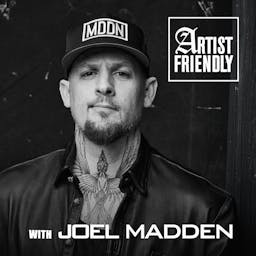
The conversation explores how the creative journey of making music parallels the deeper rhythms of life—centered on authenticity, curiosity, and staying present. The band emphasizes that their greatest motivation has always been personal passion, not commercial outcomes. They reflect on how early success, like their first gold record, felt surreal and transformative, and how those moments were not just trophies but signs of genuine accomplishment. Over time, they’ve learned to value process over perfection, embracing imperfection and the unpredictability of creative flow. They stress that true connection comes from being open to the moment, not from chasing approval or external validation. The band’s longevity is attributed not to strategy, but to a deep-rooted commitment to creating what excites them. They also note how their early days—marked by DIY efforts, physical music culture, and hands-on promotion—shaped a grounded, resilient approach. As music culture has evolved with digital tools and accessibility, they’ve adapted by releasing singles and embracing new listening habits, yet still hold deep respect for the album experience. Ultimately, they believe that creativity thrives when guided by curiosity, not control, and when each person in the band sees themselves as part of a shared, evolving journey. This mindset—of savoring moments, staying open to change, and maintaining emotional balance—has allowed them to endure through decades of shifts in music, technology, and society. Their legacy isn’t defined by milestones, but by the consistent pursuit of genuine artistic expression.
The creative puzzle you gotta solve to create like a song is not dissimilar from like just the fundamentals of that apply to all of life for life. You don't know why but like you just you'd chase the thing you're excited about and sometimes that ends up coming home with the stuff with like an extra bag of vinyl toys. Yeah, is any of this like fan donated or is now no fan stuff that I could think of. But maybe some of it but just cool shit that's that picked up over this kind of like at our studio we just have like the fan or sometimes like a music venue. Maybe something of appreciation that stuff. Yeah, it goes in our studio. Yeah, we had that stuff all around the building. Yeah, like you know, you get like you sold out this thing and they give you the whole thing. Yeah, you did at the end of the tour they gave you this thing or you know the promoter get they're cool actually. Yeah, no, I mean like it's usually like a local artist person that they're bros with took some time. Yep, like did this piece and they're giving it to you and like you don't know how you're going to actually get it home. But like it's it's now yours. I thought I was the only one that got that stuff. We got it. Yeah, it's nice. It's actually really nice. I think that like artists maybe I'm just what I think maybe like I personally like things that feel like trophies because I can get any trophies growing up. I just didn't I wasn't like an athlete. And I didn't have trophies is a thing like it's it's it's it's actually meaningless, but it isn't because you accomplished something and you got a trophy for it. You want to keep it so you look back and remember it or like what's what's the thing in that moment that it feels like a little bit of an accomplishment to get represents the accomplishment. You're you're you're being seen. Yeah, in that moment for the thing that you don't struggle to overcome. Yeah. Yeah. No, it is cool. It's it's certainly cool like when you have when we got our first gold record. Yeah. Yeah. It was a huge deal. Big deal. It was a huge deal because it just like so much about that time was unreal. Yeah. And then they're they're handing you this thing and it's like who am I right now? What is this? Yeah. It took a minute for it to sink in that like this actually happened. It's a huge deal though. When you think about like it's more likely for someone to become a pro athlete or even like an astronaut. Then get a gold record or it's our platinum record. It's especially now. Yeah. It's actually like so hard to make some art or you know some creative product. However you want to whatever you want to call it. I call it art. And then the world consumes it in a way that a large enough people have have agreed that it's good and all consumed it where it amasses a million copies right now whatever those those metrics are. It's actually like pretty unachievable. The fact that that many people found something that they connect to what you're doing and decided they were going to pay their money to own it forever is like the huge compliment you can get. Yeah. Huge compliment. So my perception of you guys always was so my perception of you guys always was well I was always a fan. I think you know that like we've always we've always seen each other around over the years and it was always been nice. But we were always fans of your music. But I always felt like you guys had a very grounded kind of approach to that side of it. I can sit outside as a music fan and because I'm in a band I get a little I have an understanding of both sides but I'm truly a fan. So I get to look from both angles and I see your band and you guys are just cool. You're agreed on like as a great I think one of the poor father bands of a kind of genre and time in music. And also your records were super cool and like it tended to be that like really cool people like all the people that I knew that got the people that got me into cool people that I respected their their taste. Thanks. And you had also but you also had mainstream big success. It's not you can't argue with that is like you had like big songs big records as a band. You're a big band. You play show like you've had a long career of seating at a high level in a space that like you came from was mostly like it's garage. It's garage music. It's bands. It's it's mostly small stuff. You know what I mean? And you you emerged to a global kind of place as a band. And you seemed always to handle it in a very kind of grounded, balanced, you know, no nonsense kind of way. I think we're really fortunate in like the things that I mean this is my high school band. Right. The things that started in high school. Yeah. Same guys. This band is my high school band. The things that we learned early on like in that formative years as a band as people. We were really lucky in the sense that those those things that were our foundation coincided with what you I feel you need to have like a long dare I say career in this thing. Yeah, where you know you like I said the no one has the magic formula to hit the nail in the head every time for a commercial success. So what can you do what is what's in your control. I can be proud of the thing I put my name on. I can feel like I'm doing the best work I can given what I know about how to make music and my physical abilities, limitations in actually doing that. That's what I can do. Everything beyond that is like totally not up to me, you know kind of filtering everything through that lens is you end up making a pretty good decision when you're faced with a choice. Yeah, you go to me success and anything is like one good one good decision at a time, right? Yeah. And also I would say what I see from getting a front row seat. Some bands can get in their own way, right? They can they can be unpleasant to deal with, right? So it's true. It's like they're like after enough times of that. You're like, I don't know if we want to deal with them or I don't know if you you keep the focus on like why you doing this because it should be fun, right? It should be rewarding. You should be challenging yourself in a way that the challenge brings a reward. Yeah. And you know that also means like in that you there's a respect for everybody in the in the process. Yeah. You might have really passionate disagreements about a direction of something, but you got to realize they're all fighting for the same thing. They're coming at it passionately for maybe different areas. I mean, that doesn't happen all the time, but like it might, but you got to realize you're arguing with me right now because you're on the same team and you're trying to make this better. Yeah. Like that reduces all ego. You know, I need to have my cool part in the song because I thought it up and you're telling me like your cool parts better or like, yeah, but it sounds to me like you guys have a very functional band. I think so. I mean, we're still here. We're still here because there's exactly something right. I don't know. Well, I was just going to say, so I was going to say to reinforce the accomplishment. That is Jimmy World. You guys started the band in what 94? 94. Okay. So you started in 94, 32 years ago. Right. Think about that. Yeah. It's crazy. You still be together. Like a marriage, it's got to be functional, a functional relationship. Yeah. Because everything else wears off. You could have a hit record or you could have a visor of that. And then you don't. And then you can't again. And then you don't. And then you don't. And at some point, that's not as shiny and exciting as doing something you from my experience, you go full circle where you're like back to, I just really want to make something that I love. Right. I mean, this year is the 25th anniversary of our album, Bleed American, which is arguably our most successful in what most people consider success metrics. And when we made that, it was all about us. Right. And what we want to do and what's exciting for us. And chasing the ideas we're excited about in the moment with no regard of, and is anyone going to like this, no result. What are we going to go result in? What label are we going to shop this for? Like what's our marketing plan? You know, how are we going to self promote? Nothing none of that. It was like, we have these songs we want to record or we like them. Let's see if we can make them the best that we can be. Yeah. And like as time goes on, like what you're saying about, like this, like up and down of the trends are going to come and go. People's tastes are going to come to go. Like the way people consume music is going to be drastically different over time too. Like as that's a, that's something new. I didn't expect in the 90s to happen. But like we've proven to ourselves that when we're focusing on that, like what we can control keeping things fun for us, it works in that other way. So it's like when you, when you start thinking about like some imaginary demographic that's going to be hearing this thing and what they're going to think about it. Like you got to say, well, what has been really successful for us is honoring our ambition and goals and dreams. That's what works. It's like not chasing this thing, not making decisions about like the editing process.
of creativity, like how you kind of tweak an idea, like maybe we should make this more of a rock song. Maybe why? Because it's exciting for you or because you're chasing like some imaginary listener. - Right, it's not gonna work, or some result. - Yeah, or some result. Like there's nothing, I feel like the right people are going to connect with it. - Not everybody will, but like people can hear when you're trying to be, it's like insulting. - Yeah. - Almost when you're like trying to chase their approval, it's just a turn off. - Oh yeah. - Yeah, it's a young mistake, I think. - All right, but yeah, it's kind of a young mistake. It's just like, yet chasing people's approval. It's a good way of putting it. 25 years of Bleed American, that record, I mean, it's on all kinds of lists of like the great records. It's a great record. - Oh, thanks. - And it deserves to be on those lists. It's a great record. And I remember when that record came out, it was fucking, that record is the shit, man. That record is great. - Well, thanks. I mean, clarity is a great record. That's a great record too. - What are the records that you would say you hear from fans the most, that's their favorites? - It's all over the place. - Yeah. I think people, it's usually the album that I think people connected with when they heard about us first, right? It was definitely something special and elevated about like the material that you heard that got you into a group that other albums can't touch. - Yeah, but it doesn't matter, you know? And that's different for everybody. There's just something special about that. - Yeah. - And for a lot of people, it was Bleed American. For some people, it was clarity. Features is like a big one. - Yeah. - Yeah, it's just, yeah, it's kind of all over the place. - Do you have a favorite album? - Yeah, like do you have one that just-- - No. - I don't know if I do either. - Yeah, trying to rate or organize or put a sort. Your work is kind of, it's tough because I know that I did the best job I could at each of those points in my life that we've made those and you can't beat yourself up over something that is like maybe now you would approach differently. Or you know more about something like I would, I feel like I connected the dots the best I could at every stage of my life when we made albums. I mean, recorded things. - That's a great way of putting it. I feel like-- - I do think as a musician, you're probably most excited about the thing you just did. - Yeah, that's a little like a time. - When that, solving that puzzle, create a puzzle that's fresh, you're stoked on it. - Yeah, 'cause I guess you wonder, like I always go like, do I have anything else to say and then I go in and I start trying to write. And then you dig and then you make something that you like. And it's a good feeling. And you wanna, you know, it's like that is the process. You're trying your best to get to the truth. - You go in thinking like, what do I have to say? For me, that's like the sure way to not have anything. - Yeah, well I just go like, what do I have to say or what am I interested in or what do I want to, what do I, like the question is is like, what could I even make? - Right, I guess like in the back of my head that I get short-circuited at that point because like it's what do I have to say and then the parenthesis is that that's good enough to say. - Yeah, or like, what if that's nothing? - That trip see me up every time because I gotta remember it's not about like, I said, being good enough is just about working. And then you end up saying-- - And then like for me, it's just like vomiting up whatever comes out and like, it's a song. And then I go, what am I saying there? And then I'm like, okay, it's like something really simple or something, whatever. But yeah, because I don't go in with any idea. I just never go in with any ideas. - That is funny like later on, you kind of like, what is, because of your winter working and it's like that you enter that sort of like, you have to both resist the temptation to put on the editing hat, like too early in the process or you'll kill it, whatever it is you're trying to say. You want to like be in the way of yourself as little as possible, like when you're in that kind of like, flow state of creativity. You want to nudge it a little bit within the parameters that you the editor wants to keep it in. And you can't use words to describe it in the moment. It's just like, I want to nudge it this way because it feels like it wants to be this type of thing. - And then live for me goes hand in hand with it. So I find I need to make something I'm excited about because that's the only way I'll get back on stage. You mean that could be the way that you're sort of nudging it? Yeah, like does it, like I'm flowing, I'm working, I'm trying to like create this thing and I'm not trying to self-censor too much, but the nudges will this be fun to play? - Yeah, I like that. - Well, I make another moment. - But like in the, and then later on, you kind of, when you're thinking about it, when you, after it exists, then you're sort of like, what was I trying to tell myself in that moment? And that kind of changes over time. Yeah, kind of, you know, like, what was I trying to say? - Well, this thing, I was just letting it go, is trying to be free in the moment, with no self-censoring. Like, what was I actually trying to say to myself? And it's like, later on, you kind of-- - You as a listener, almost later on, kind of like, connect with the thing you did. - Yeah, more than at the time. I always go, "Oh, I actually understand more now what a song is about than I did when I wrote it." Yeah, that happens all the time for me. Like, I'm not too, there's just like a, in the moment you sort of know, do I like this? - That's it, does it feel good? - Is there a fuck yeah? - Yeah, does it feel good? - That's happening with this thing I just did. - Great. - I think that's like, to me, when writing, it's something like a stream of consciousness. - Yes. - I'm just like, you know, and then-- - How's that again? - Ugh. - And then, um, whoa, ugh. - That's a lot of work. That's a lot of work, my sounds like you. - And then I think how it feels is like my body responding to what's coming out, right? So I'm like, "Oh yeah, okay, this is fucking cool." And then we'll get to the other side of a song and then we'll finish it and I'll either just put it away or I'll listen to it or whatever and make some little changes and then later, usually later on, I get deeper into like, oh, I think this is about that. - Yeah, so. - Later on being the key part there. - Yeah. - Somewhere out there. - Somewhere out too early, like he won't finish the thing later on. So that's a trick for me, man, is like putting on the editing hat too early. - Yeah. - Can you overthink a little? You find yourself? - Can I overthink a little? - Yes. - Do you overthink? - Where else in your life do you overthink? - There's no chill in thinking ever. - No. - Ugh. - I don't actually like sleep, I just like lay, I just like rest my body when my brain just runs. - Really? - Yeah. - What do you think that is? - I have no idea. - That you were born. - I have no idea. I don't know. - Are you ADD? - This is D type of person. - No, I've never been tested for anything, but I'm sure that like, did you go to college? - For about a year and a half. - Okay. - It's kind of funny, I felt like that was like the, the music thing was like, I was passionate about it. What could I do that would be something I could support myself in the future? I thought, I'll do photography. - Oh wow. - I'll do photography. - I'll do it. - But like, so are you. - That's what I would. - Being a fine art thing that I could ever make money doing that. - I'll go into journalism. It's a good thing I dropped out to sleep on floors, right? - Yeah, it's a touring event. - Yeah, it was just funny. Like, the path I thought was safe was about to get decimated by the internet, you know? - Yeah. - All of it. - All of it. - And now AI. - Everybody. - Everybody. - The people that I think are thriving right now, I try to tell my kids, you know, like when they're worried about or thinking about future. - How many kids do you have? - I have three boys. - Oh wow. - Yeah, they're late teens, early 20s now. - Oh wow. - Teens is a circus, man. - It's real. - It's real. - Yeah. - 'Cause they're an adult essentially, so they can do adult damage. They can make adult mistakes, but they're a kid still. They think they're an adult, but they're a kid. They don't have experience. So when you try to tell them something, you're like, hey, I've been alive for 46 years. Listen to me. They don't understand. - There's a big part of me that's still you. - Yeah. - Right now. - Exactly. - I know exactly what you're doing. - Yes. - I am still there a lot of times. - Yeah. - The people that I know that are thriving now, like in their late, you know, in late 40s or like, what they're doing, the entire industries didn't exist when I graduated high school. - Yeah. - I know maybe two people in my, from, I can think of in my graduating class, I knew what they wanted to do, went off, got education to do it, and are still doing it. Like one of them is like an architect. - Right. - Everybody, everybody else is like Wild West, man. That journey of whatever you think an adult should be is the Wild West. - It's bullshit to think that there's, and I say this for anyone listening, 'cause there's a lot of people listening or like figuring out their lives. As we all are. - I'm currently doing that sitting across from you. - Yeah, all of us. - Yeah, me too. - Whenever in this moment, this year, this day, this month, whatever, I'm worried about right now. In a year from now, on this day, in this moment, I'm not gonna fucking remember likely what I was worried about. We tend to overthink. We tend to overanalyze. We tend to overstress like chronically, I'd say, and focus on little details or little things. When, to me, the zooming out and looking at the big picture and trying to go towards something is probably like the best way I can live is like pulling upwards and trying to go towards things. And worry as little as possible about most of the details so I don't get caught up. Like what you just described. Entire industries have emerged in the last year, two, five, 10 that didn't exist. Everyone now just agrees that they're there 'cause they're working it and they're making money and they're building lives. But five years ago, you would have been like, scratch your head, go, like, what are you talking about?
But that is what we always have to remember that is the way life works, the way the world works, is that there's always emerging possibility on the horizon and it'll never not be that way. It'll always be more things than emerge. The creative puzzle you got to solve to create like a song is not dissimilar from like just the fundamentals of that apply it to all of life life because it's like you need a direction, you need a goal, you know, but like I think a lot of the stuff that you're tripping out on. Yeah. In the moment, or usually not about the moment, they're about, they are about a year from now. There's stuff that doesn't exist yet now, but you got to, you got to hold that balance of like you can't just like be so living in the moment that you have no plan. Yeah. Yes. Because like it's not, it's not rewarding either like to, to have no, you know, you need some direction of how are you going to carry yourself into the future. But like you, at every moment, have to be paying attention to the data coming back from that effort. And adjusting and making, because like, yeah, because like what you, the, because it happens all the time in that solving that creative puzzle, you got to be willing to completely let go of that end thing based on what's coming back. Like you might be trying to direct a song towards something that is a, you thought it was going to go one way and then you had a cool idea somewhere in that process that took it a completely different way and it's no longer about that at all. It's about where you took it. You know, like a, that's life is revealing itself to you as you pass through it. Yeah. It has a thought of this. It's selling your future short to restrict it to the idea you had, you know, you know, the things that you thought you might value now like if you asked 20 year old you to make a list of like what, what's important? What do you value? What do you, what do you hope to get out of this life thing? Your list would look probably a lot different now. Absolutely. It would probably look a lot different in, in another 10 years too. Yeah. Like, but that's, even in five years. That's just like the, you got to like let, let that go because that's part of it. You build something and then you turn around and you're like, oh my God, look where I'm at. I'm further than I was and I've done this and I've done that. And I think like, it's the same as you could say with bands is when I say they get in their own way. I said it earlier, they can get in their own way and stop themselves on the road instead of just like, which is why, you know, making albums is such a great what you're talking about. You got to have something to like look towards and go towards and dream about and try. That's a career one at a time, one thing at a time, then you turn around in 10 years and like, oh my God, look, we've done four records and we've had this and that happened. You don't plan on the moments that become the ones people maybe remember you for this song or that song or this. Those are the moments that happen while you're going towards your goal of existing. I mean, time is going to pass and that's not up to you. Yeah. How it does. But those things I think apply to life. Yeah, sure. I mean, like it, I think what people refer to as a comfort zone should be more like a fear zone because you're comfortable in staying outside of, you know, fear, but that's really just the unknown. And you got to remember that outside of, you know, people talk about like, when their eyes light up and they get excited talking about like the life they have that's beyond their wildest imagination, like, well, how'd you get there? You went outside your imagination literally. That's how you got to their, you know, like that's where growth is. That's where the true, like reward, that's like, you got to think about those things that come up that are going to take you out of that zone as adventure. Yeah. Instead of like something scary, you got to remember that there's always a reward waiting for you in that adventure place. This outside of like your safe zone, you know, that getting in your own way, a thing might be like that this is always worked or this is working. I'm going to keep doing this. Great. Yeah. But like that's got to grow. I just think like you got to leave the doors, leaving the doors open for yourself in the future is like the only way that you can get to it. I don't know. Just staying in that zone is just not, it's not rewarding for me. You know, I don't think you're going to burn out. You're going to get, you're just, you know, why why stay there? You did this. How have you kept your yourself from like burn out or have there been moments where you felt burned out? I don't know. I mean, you're just sort of the good. Never take any like time away, like, like long periods of time away. I don't think you ever really clock out of this thing. Yeah. If you're in it. Yeah. It might not look like a tour. It might not look like you're actively making a record. It might not even look like the, you know, what, what writing looks like could be drastically different. I think it presents itself to you as time moves on. Yeah. There's definitely been moments where I've been more active in that. But in my, in my, back in my mind, I'm always kind of like open to the creative idea that comes in. I've said it a couple times, but I feel like it just comes down to chasing the idea you're excited about. Yeah. And that fundamental principle is what's going to carry you into music is going to carry you into everything. So I don't look at it necessarily like I'm not doing music now. I'm chasing the idea. I'm excited about it. It might look different as time goes on and it, it certainly has, usually involves music somehow because that's how I, that's just me now, I think, yeah. But like music or music related, you know, it's just about being excited about something and, and heading toward it. How have you managed touring, career and family? The best I can. That's hard, right? It's hard. Yeah. I don't know. I mean, I would do things differently. But if you could go back. Yeah, I mean, if you watch the game, I wouldn't know to do anything differently on this, everything happened exactly the way it did. Yeah. So there's that. But if you could knowing what you know now, you could go back and move a couple things around or change some things. I try not to, I try not to dwell too much on that because like that, that only informs what I do now. Yeah. And that's the practical way. That's the practical way I can look at it. Like you'll go crazy. You'll live in regret. I toured a lot in the first five, six, seven years of my kids' lives and it was really hard. At the time, it was really hard. And we did our best. They would come sometimes and we would like, but also my wife grew up around touring and she didn't like it. She was, she wasn't into it. So I was tough. And if I could go back, I don't know what I could do different because I was doing everything I could. Well, that's a thing. You know, that's a first time. It's landed in your lap. You don't know. Right. I don't know if the word is regret, but it makes me sad sometimes if I think too much about some stuff I missed. Of course. But it also does kind of help me enjoy what I haven't missed in this. When I decided like, no, I did it as much as I could until I couldn't and then we took time off. We took time away. We changed some stuff, which was great. And now I do find that I savor things more that is really the key to it. I think is like the idea of savoring. Yeah. You know, that's, that's the best way I can describe it now. Like that's what any wisdom, my age and experience has brought me is like now. It's easier to have gratitude for the thing for smaller and smaller things that come my way. Yeah. And it's easier to savor everything that comes by. I think I didn't let myself do that in those in that that's probably one of the things I would do differently, like about those, because we, I mean, we lived on tour basically. Yeah. You guys toured especially. We still do kind of. Yeah. You guys tore a lot, but especially in the rise of, of, of, of, of bleed American, like getting into just the insanity that that was coming from where we came from, the unrealness of it all. Yeah. Like playing unsaturday night live. Like what? Is my life right now? Yeah. What? Like where do you put that as a kid, where, where are you supposed to put that? Yeah. What you do is like it's not you, you, you sort of stuff it or you, you, uh, you don't accept it. Yeah. It's not real. It's not real. You don't, you certainly don't savor it because it's, it seems like something that could go away at, at the slightest, you know, it's, it's tough because I feel like some of the things we did make sense to me as like a, almost a defensive mechanism, like a coping mechanism. I don't want to let this in because this is ridiculous. I don't want to be disappointed. This is ridiculous. Yeah. We're just a fucking band and we just like load it out of Rome, someone's basement, like a month ago and what we're doing. What are we doing? Yeah. Yeah. Yeah. Yeah. Were you supposed to put that man? Like a, you don't put it anywhere. It's what happens. You don't really appreciate it. You don't savor it and that causes. You don't hold it. You don't hold it. And, and that's what I've learned. You don't want to, you don't want to be an out because you don't want to be an asshole. You don't want to let it go to your head. You certainly don't want to have to count on it. And isn't that like an unfair idea that was put in our heads that it would go to our head? I don't know, man. I've seen a whole lot of lesser shit that we've had that went to some people's heads. Yeah. But it feels to me like it's programming is a little bit, it's not exactly wrong. But you got to couple that with like just a healthy way to accept it. A healthy way to hold it and accept it and go, oh, this is cool. I play in Saturday Night Live. This is fucking awesome, man. And kind of find the middle is good, is it bad, is it this, is it that? And like with no, what I've learned at my age and where I'm at in my life now is kind of, however, this sounds.
I'm in the middle, no pun intended, but I didn't mean to do that, but I am. I'm not so quick to say this is great, or this is bad, or this is, I'm more like, this is cool. This is great. And I go with things and I kind of like, I do save for them. I go, this is nice, but it's not, it's not the end all be all. It's, but it, to me, it's like, I think I'm just more even keel, even about big opportunities. I'm like, we'll see how it goes. Almost because it, you know, it's fleeting, you, you save it more intensely. Yeah. It's not, it's not the fact that it can get to, it will be taken away, like, it's going to do this, it's all going to do this. And the fact that you're going to be riding that crest and it's going to turn the corner, like allows you to save it more intensely. And coming to kind of the idea, like, what we do, and this is what I've kind of, this is how I've, I've maybe like, reconciled what we do in the emotional experience of it. One I've looked at now, it's not like some luck, dumb luck, a magic thing. You know, if you fuck up in the middle of your performance, it's not good. It's so, that's what, to me, like, live and live performances and TV, that's kind of like surfing a big wave because you have to stay on the board. You have to, yeah, it's not a given that you're going to, like, plenty of people have wiped out. But when you get good at it, it can be really fun, but you're also really focused. And you have, there's a lot of things you have to be to surf that big wave. And then when you cruise into the shore, you go, man, that was fucking great wave. That was fun, right? And then you paddle out and you look for another one, doesn't mean another wave always comes right away. Like, there may be no more waves that day or whatever. But to me, it's like that, like, when I, when I do like a big, we just got, we just did a tour and it was like the biggest shows we've been doing the biggest shows of our career. And that's what it feels like. It feels like a backstage and it feels like a big fucking wave. And I have to be focused, but I am having fun. But I also want to like deliver and it feels like there's a lot of focus that goes into that. You do have to have experience. You do have to have talent. But also you savor when you get a big wave and you get to ride wanting it. Right. Because like you get the perfect wave, you have your best set, run, whatever it is. People call the thing whatever they call that, I'm not a surf, but like, great. So now you're done. Yeah. Like, you know, I mean, like, where do you like the, but I also could say it's not the end all be all. Yeah. But that's what I mean. Like, it's, it's like, so the wave happened. It's over. It's easier to connect that in your mind of like the importance of that, like you can't, you're not going to be able to coast on that for the rest of your life that that one event happened because there's another wave, what, you know, and it might not, it's going to be a unique wave in that, yeah. And then also like who am I outside of this, which was big for me was like, is this defa, does this define me as being the singer of this band to find me? And then I had to go find out that it doesn't, but it is a big part of who I am. And finding that balance of like actually what defines me is like my family, my, my wife and kids, my, my friendships, my, who I am to my, my friends, my, and my family and, and then in, and my everyday life. And they all like what I did with my life and my band and they like what I've done. But like it doesn't define me today as a part of, so part of you, yeah. But then if I go into obviously if I go into the world and I meet a stranger, that does define me to them. Oh, you're the guy from blah, blah, blah, and you're like, well, yeah, I, I have, but like I think, I, yeah, I, I, I, hey, hey, you're Jimmy world, I guess, I mean, Jimmy world. I, yeah, sometimes you're not entirely wrong, yeah. But that's a, an experience that like everyone has in some way, right? Like everyone, even listening, there's a, there's a, the people who know you, who love you, would define you differently than the people that don't know you. And I think for a long time, I was a little bit chip on my shoulder, like maybe like, yeah, I don't know. Like I, for, I think that's also just getting comfortable in the idea that someone knows you that you don't know or that they have an idea of you or something. And I think that now I don't say, hey, I am, yeah, I'm the guy from the band. But I think that was like a thing that had to grow through, like I had to grow up in that. I mean, you're going to stop everyone that might say that to you and like give them the, actually, no, I'm, I'm kind of more than that. I'm so much more than that. Yeah. Exactly. That's a really good. Yeah. Interesting point you bring up, actually, I'm quite more than that. You see, I'm also a dad and like an employer and, you know, I, they're like, okay, I'm just saying hi, like the, like the, like the tenacious D like reverse fan, hey, are you doing anything? Now let's go to lunch. I can tell you more about like everything. I'm doing it. I got to go. It's so funny. Like, yeah, I'm good. I was just saying hi. Sorry. No, no, no. Come on. No, no. Really? I got like 20 years song. Sorry. But that's the thing. It's an artist. Sometimes we get so in our head that everything, it's so funny, man. It's like such a good stuff about like yourself identity. Yeah. I get that open, you know, like a, like a room in that, you know, I've kind of accepted that I do this. Mm-hmm. This is kind of my thing. Like, it took me a really long time to accept it. Like, okay, I, I, for the most part, like I'm doing a music thing as like my thing. Yeah. It seemed, it seemed hard to accept that. Because of what I was saying, but earlier about it, either going away or like, who thinks that about themselves? This is ridiculous. Yeah. That's a good point. I still have that. Kind of, I'm still kind of like in the back of my mind thinking what, what else I'm going to do. Yeah. If this, if this doesn't work out. Do you think that we're, that like to that point, which I actually have never heard it put like that, which I really like, that you accepting that you, you, you do this? Do you think it's because we're kind of programmed to think it's not a real job? It's not. Yeah. Programmed? Are you kidding me? Well, you said like, you could be an astronaut easier job than, than like supporting yourself doing this. Yeah. At this level, you could do this, but at the level you've done it. Yeah. We're in multiplayer. We're just doing it. You're like a multi platinum. Yeah. Yeah. Because if you want to start, if you want to do music, and this is what I've always thought, like, I know for a fact, I'll always be doing music in some capacity for the rest of my life. Am I always going to be playing in a rock band and that'd be the thing I do? Hmm. I don't know. Maybe. Maybe probably not. I mean, yeah. Physically, you can't. Right. I don't think in music. I'm always going to be doing something in music. I know that. But if you want to do music, you can. I know I have a, I've really talented musician friends that like do, they're playing music. They do like, you know, brunch, cover set, jams. Yeah. And they're great. Yeah. They're doing music. That's what they enjoy. Well, yeah. I think so. I mean, for the most part, you can do that or you can be, you know, a session person can just play music. You might not, you could just do stuff on your own recording in your bedroom or whatever. Like, there's never been a better time to be a music fan than now. And there's never been a better time. I think too, there are so many tools available for you just to create things now. Yeah. It's a lot. And you. It's a low barrier for sure. Yeah. The barrier to be your own worldwide distributor of your creations has never been lower. That produces another problem that everybody has those opportunities and tools. Yeah. And more things out there, like now the battle is like breaking to like will what you do, like transcend to to being something that gets you to that place where you are just supporting yourself, doing music. Yeah. I don't know. But like if you want to do it for that sake, you can. That's always been true. Who drives in your band? Is everybody kind of doing different things? Is it a group who's pushing it forward? It could be different at different times. I think like the how something comes to be is not there's a pattern of how it's just things have kind of like happened, but it's not it's definitely not set in stone. It's just about generating ideas like does something end up being a song. I don't know, but as long as that as long as there's like the the seeds of ideas that are coming, like that's what you can do and explore that. I think like I'll have an idea that I'll bring to the group and everything goes through a whole band editing process at some point for sure, like how it gets to that editing process is is any number of ways like we might all set up in the room with amps and like one mic in the middle of it, like garage style and like let it roll and see what happens and then go back and listen to things that might whatever jumps out of you there, you know, I get a lot of fun about like recording everything on my own sometimes and that like which is funny because so you'll do like whole songs complete songs on your own and then bringing to the band. I'll do yeah. Yeah. So it's sort of like I'm not a very good drummer, but right, but I don't play drums. But it sort of it works out because like it leaves enough space for for Zach or drummer to like do what he would do, you know, it's like nothing is like overly defined. I'm not precious about it all, but it's kind of funny because he's like the really the only drummer of I've played with. So what I'm doing is sort of like an amateur version of like how he drums and then he's like embellishing the seed of an idea that I come up with is a this is a circle. Bring ideas to the group. He does everything to sometimes on his own too. So he might have like a whole idea, uh, everyone will contribute like, you know, voice memos or or voice notes or a big thing, like just kind of scraps that show up.
and get flushed out, it's, you know, I don't know, man, like when there's an idea and you're excited about it, that usually means like you can hear the next thing, we have ideas for where the next thing could be, it kind of starts running, then it starts running, and then you just go until like, you'll know it when you hit negative returns. Were you guys all in the same school when you started your band? To us were. Yeah, Rick and Tom are a year older than Zach and I, and they went to a different high school, but was, was all the same city, like all the same school system. How'd you guys meet? Well, Zach, his mom was, was like our preschool teacher. Oh, wow. Yeah, that's crazy. Yeah, it's pretty, it is literally crazy. And then the other guys, how did you meet viewer at different schools? Well, back then you sort of learned everybody in town. Okay. Who plays anything like punk music? Yeah, yeah, pretty quickly. Yeah, because there's like not many, not many of you. So like through, through, through playing in bands and like parties. Yeah, like semi-legal punk spaces. Yeah, like DIY shows, yeah, yeah, you meet the other kids that are doing the same thing. Yeah, they're all in bands and they're all like around hanging. Yeah, same. That's cool. What music do you love now? Would you say? And exactly different than when you started the band, you were, you were into like in the 90s. I mean, I'm guessing it was like, it's, it's been all over the place. You know, like I guess when you start writing your own songs, it kind of sounds like your record collection. Yeah, at the moment. So I think like it was a lot of, it was sort of all over the place really. Like I remember some of the, some of the, like the, the fat wreck stuff that was coming out. A lot of California bands would come and, you know, Phoenix general area there would be like the first, the first stop for anybody in San Diego going on a tour. Right. So it was a lot of like the head 100 cargo things that came to town. Yeah. Like, did you like that stuff? Yeah. Oh, wow. Are you kidding me? Yeah. Yeah. So I mean, that's probably, that's really interesting because as long as I've known you guys seen you around, been around it. I never looked at you guys as a punk band, but you always could hang like you guys could play on stage on a lineup of any band. And you throw down like you, because you have these like heavy, but then you also have like sweet or sensitive. I think that's kind of what makes Jimmy world like like Jimmy world, because you can play on any lineup. I don't know why. I don't know how, but I mean, yeah, we definitely have done tours where it's like nine scabands in us. Yeah. Or like, or like eight, like hardcore bands in the us. And it works. It's, it really works though. It's, it's just like, then you could also somehow we don't get chased out of the room. But you could also go play with a weaser, which is like a born from 90s radio alternative rock. Yeah. You can live in alternative rock. You can go play in punk. You could go play with a radiohead or a you could also play with fucking the rolling stones or like you could eat. So when I look at like great rock bands, there is something about them that like you could play with the food fighters and you could play with like, there's something about the optionality of a rock band that can play heavy, but then also has some what I've always liked about your music is is is a lot of the like, the sweeter stuff, the softer stuff, but they work together. And musically, there's always kind of had some depth. So I always thought it was interesting though, because you guys could really hang. I think what speaks to me in music is, is not like, I've never been, I never felt like I couldn't like something just because it didn't fit into an identity. Or it's just been, you know, all over the place, like I remember like growing up my my record collection was like violent films and a little about and like, but also like twisted sister. Yeah. And deaf leopard. I felt like the violent fans didn't get enough credit or something like because it was maybe a radio, it's such a radio time. I don't know. Like for like, I got introduced to with the to violent fans by like skater kids. Yeah. You know, it was almost like, it was subversive. Yeah. When I got introduced to it, we thought they were great. Yeah. No, they're amazing. The 90s was an amazing time for rock. Everything except for, except for, you know, fitting clothes, right. You see like saved by the bell now, like nothing fits. No one has clothes that fit. It's like, everything is, everything is like not. It's just not that way. Yeah. It's just like, yeah. And it was like like new ideas like, like, asymmetrical clothing. That's like everything was like a new idea. So there'd be like, yeah, like skids or chinkos, chinko jeans, they're like, their little legs are so big. Like hyper collar, hyper collar. Look. My hand. Yes. Let me draw more attention to the fact that underneath my, my arms gets hot. Yeah. The 90s was wild. Check it out. Yeah. So wild. Everything was a thing. Yeah. I'm really grateful that I grew up in the time that I did. Yeah. Me too. Analog. The explosion of music that was happening and when you found it, it was really special because you had to work to get it. You had to really work to get it. You had to go wait and line sometimes because the CDs would sell out. You had to go wait and line. Yeah. I did like, uh, remember that? You'd be like, the new CD sold out. It's sold out everywhere. Yeah, you can't. Yeah. I can't get it. You can't get it. Or you had to like, uh, yeah, yeah. I'd have someone special order it for you. Club me a house, remove a Columbia house. I do. Did you join? I ordered like the most obscure things I could think of just to see if they could get it. Right. And then you got charged for 10 years. Well, I don't mind when I had to buy it. And then I got, okay, you got out of it. You went through the process. Oh, and it was like filling out a paper, putting it, putting a stamp on it, sending it in like to cancel your thing. Yeah. Yeah. It was like, that was the way it was at the risk of sounding like a really old about some of this stuff. Yeah. That's the way it was. We wrote, when we first were shopping our demo in the 90s, we would, we made our own press kit. So we had like my sister took like a, ooh, a picture of us. And we like went to kinkos and got like to the pictures printed. Yeah. And it had like our band name. And then we had a bio. Ben's wrote. And then like we had our demo tape. And we went, there was a magazine called the musician's guide to touring and promotion. And it was quarterly. It would come out and had all the label addresses. And our guys were the clubs, all their addresses. Who booked the club? Every kind of like industry. It was like a, like a phone book for the industry. Yeah. Yeah. I mean, maximum rock and roll put out a similar one like that that we'd listen to ourselves in as a, as a group. Yeah. Yeah. So we would get all the addresses and we'd make these press kits and we'd send them in. And then we would call the numbers. Like, well, I'm the manager of good Charlotte. We sent you a package and a couple people answered. We'll never forget like Brett Gerowitz answered. And we talked to us on the phone. You were doing like the Mentos commercial. Yeah. And that was the 90s though. You were like sending letters, writing people, you know, you call them on the, on the land. Like there was only landlines. So you were like calling people. I think the 90s weeded out a lot of bands because you had to like be somewhat capable. You had to actually play. Yeah. Well, you had to like, you had to like find the venue to find the venue without owner. How many bands like like dissolved because I couldn't find the venue. Yeah. Like they like driver. Yeah, driver. No, you missed a turn on tour on a road in the middle of the country. You would set yourself off by hour or two like before you realized on the fucking road Atlas that you like, wait, where are we? And you're like looking and you're like, oh my god, this is, this says this is a hundred miles back that way. We missed the fucking turn. We've loaded in real late because one or two of those times, it's crazy. And I don't know if it was like, if it's just me because I'm from the 90s, but now's my teen years. But I still think it was like the best era of music. It was pretty, it was pretty wild. I mean, like, well, you know, like you, that when you discover something as always, like, it's this heightened special thing. Yeah. And then in the 90s was a lot of that. I do think, I do think a lot of that music holds up still. Does hold up. Like, yeah, I mean, all the time, I'm like, whoa. And some records, I didn't appreciate that. And now I appreciate them. I'm like, fuck, this is really good. The sound. And now, like, my kids listening to the night. I am constantly on a loop listening to all my records from A to Z. And why are you listening on vinyl? Yeah. And when I get to the end, then I start over again. It takes months. I don't do it like all the time. But you go by alphabetical. I force myself to listen to everything I have on a regular basis. And I'm constantly ready to listen at home. But do you have a room that's like your vinyl room? Sort of. Yeah. Yeah. I got, I got kind of into collecting vintage audio gear over the last few years. I just thought to myself like I spent all this time because I didn't have that. I would just like be listening in my car. What I used to have that as a kid growing up. But then it kind of, I don't know what happened. I just sort of like work so much in our studio where it's all about critical listening. You're listening for you know, where certain things are doing what kinds of things you are recording right into what frequencies. Yep. And how do they
blend together and does this work to get what I want to hear and I'm just like I want to have like a enjoy it as it's served kind of just feel good without like I mean there's no ceiling on high-fi right like I don't even want to go down that road but I but I do want to kind of like work with the limits of maybe more vintage gear that feels like yes when I listen to it so I have like a set up at my house where it's just like is it sick I don't know it's I like it it's not it's not like the most crazy is that what you collect would you say yeah do you have any other collections no no no comments yeah I mean I did comics as a kid do you keep them yeah because it's sort of like I don't they're not worth as much now okay I remember watching you know the over street price guy grow and grow and grow and then I came back to it as an adult is like oh this is not guess my Punisher War Journal series is not worth as much as I thought it would be as a kid yeah that might be though some of it might be I don't know yeah I'd be curious to go through it I mean this but it's cool like that it's it's still cool your kids collecting thing not really no my kids aren't really big on like stuff which is cool let's cool but it's it's kind of funny like I set my my youngest kid up with like a with like a record player that's cool and when I took him like shop and to pick up some records for the first time he was just blunt it was like okay oh it's like what's a what's ABC D what is this like like oh it was as it was a double album and got by somebody and like oh that's right you have grown up with no physical media in your life yeah like no sides no sides it's like that's a that's a different kind of thing I think I think it's I think it's sort of um you've seen vinyl come back in a way I mean a lot of for a lot of people it's like a merch item almost uh-huh yeah it's a collectible it's a collectible kind of thing yeah it's you hold it it's cool and they're not actually listening to vinyl some people they're just buying it it's a it's a physical collectible right it's like it's interesting it's the ultimate collection collectible kind of thing because it's like it's the group that you love it's a music that you that you really are into it's most vinyl now is limited run so like every thousand records you press is actually it's interesting like most record runs are in a thousand five thousand ten thousand max and they're one one pressing at a time so like you are getting something that's kind of in the idea of limited it is like a limited run or a color wave or whatever so the way vinyl's been brought back is is really cool because for people who love vinyl there's that and then there's people who just love want to have something that it's more rare than you know I bought a CD player again that's cool no it really because it's it's like since high school I never sold any of my CDs oh wow you kept all them yeah and I mean I saw some recently but like for a good 30 years I kept all of my CDs and you know going back and listen to a CD now it's like oh yeah it's really strange because like it is what you remember how does it sound next to the vinyl is there like do you find this difference like some some some things like I think are just feel better that way or have convinced myself feel that better that way I used to love getting a CD the first week a record came out putting it in my like little CD player and like reading the the album yeah going through all of it while I listen to it packaging was it was a big thing for us as kids yeah that's a big thing it was part of the experiences you're like listening to it for the first time digging through that yeah did that too but the the album experience now is something that I think is a really valuable and I don't know if like the majority of people now probably listen to music like as playlists or by track I'd say the at the average listener probably I do think that the more engaged kind of like hardcore fan of anything is listening to an album still I think like the real fan the real the fan the fan it would buy a ticket to your show is someone I think that would listen to an album the average person who's kind of just like going through their day and just needs a soundtrack or whatever is probably like on listening to this playlist I do think that like we live in a time where music is more shared more played more ex artists are getting more exposure because of the number of phones there's more opportunity than there's ever been for artists and their music to be you know yeah you can do whatever you want if you have an idea like you can doesn't have to be doesn't have to be an album could be yeah whatever yeah you're not limited by anything really yeah I still think there's a value in the idea I want to chase is albums for sure yeah me too but it's not and we've tried not we've tried like after the pandemic we decided to try something where we just released singles you know how to go it was it was fun yeah you know it was like well you know meet people where they're at like how are people listening to music it's like or how they expose to music is usually like by an individual song or a playlist or something like you might you might go back and buy the record after you discover it like that's kind of what I do like I listen to everything in a streaming sense yeah and the things that resonate with me I'll go and like explore you'll buy the record I'll go and buy the record right you'll listen to it on vinyl which which kind of because things are limited now I miss out on a lot of of records right it's hard to buy I'm trying to catch you can't you can't catch everything as it comes out there's so much stuff yeah and it takes a minute for something to really be special too like you have to live with it yeah like I want to own this it's got to be special and it takes a minute to to become your soundtrack I'm like I said I like a lot of people love your band I told one of my best friends his name is Matthew Koma he's in a band himself a really good band Winneka Bullying League really good band okay yeah I heard him um he's a one of the most talented people I've ever met I told him I was talking to you today and he was like he's excited so I'm just saying a lot of my musical friends like your band and I think live you guys are known for for being a good live band so I think you've built what you have touring because you are you don't suck live most of the time in a time where live live is come back to importance but there was a gap there I think like I think the last five years it's emerged again as like something that we've all went oh shit I forgot live is where I really actually like to experience music and I think there was some gap from the 2010 to maybe 2020 where maybe we forgot or something but I feel like now more than ever if you're a good live band it's really important and I and I think bands have have to be good live and so to go and see a band that play a record you love and it sounds great again also like people are spending their time their money they they go more than ever they're like more critical about what they're getting for their money yeah I think there's definitely something to the the your experience is valuable yeah and it's you can't as much as like giant tech wants to present you with a virtual experience that's disposable with like an algorithm to just keep your your dopamine and your attention that gets you do get sick of that to me that's just in between in between live you're filling the gap and you're in your car you're here you're there and you're interacting with digital but it's your attention but always till the next in real life experience is what's always going to be the most important thing you can have and so to be able to go and and see that record is it's special so I'm really happy you guys are doing it I think it's going to be really really great tour thanks man yeah we're super excited congrats yeah thanks thanks for coming on the show thank you so much for having me in this is this is great I don't know if you know this but I have been a huge fan of you guys and I always remember how nice you guys were over the years you guys were always one of the coolest was that slam dunk festival the last time that we were like last time we saw you guys yeah yeah but back in the day Laura's warp tour there was all kinds of we'd always run into you guys and you guys were always so nice so classy well thanks and I've always had such a good impression of your band not just because of your records that's always the first thing but then getting to meet be around bands and meet bands like you leave impressions on people and I always thought you guys were really really cool nice like classy guys and always great line you guys have always like delivered you know well thank you that's really nice to you to say man I appreciate it I was so excited you were coming on so I appreciate it thanks for having me in thanks bro yeah all right thank you for listening to this episode of artist friendly you can also watch the episodes on Spotify Spotify premium users get no commercial breaks on my show make sure to follow like and comment because I always read the comments
Podcast Summary
Key Points:
The creative process of making music mirrors the fundamental principles of living—focusing on what you're excited about, staying grounded, and trusting the journey over external validation.
Success in music, like in life, is built on personal authenticity and passion, not chasing trends or audience approval, with long-term sustainability rooted in enjoyment and self-belief.
Over time, the band’s approach has evolved from pure excitement and spontaneity to a balanced, reflective practice where they value process, emotional honesty, and the ability to grow without being defined by a single achievement.
Summary:
The conversation explores how the creative journey of making music parallels the deeper rhythms of life—centered on authenticity, curiosity, and staying present. The band emphasizes that their greatest motivation has always been personal passion, not commercial outcomes. They reflect on how early success, like their first gold record, felt surreal and transformative, and how those moments were not just trophies but signs of genuine accomplishment.
Over time, they’ve learned to value process over perfection, embracing imperfection and the unpredictability of creative flow. They stress that true connection comes from being open to the moment, not from chasing approval or external validation. The band’s longevity is attributed not to strategy, but to a deep-rooted commitment to creating what excites them.
They also note how their early days—marked by DIY efforts, physical music culture, and hands-on promotion—shaped a grounded, resilient approach. As music culture has evolved with digital tools and accessibility, they’ve adapted by releasing singles and embracing new listening habits, yet still hold deep respect for the album experience. Ultimately, they believe that creativity thrives when guided by curiosity, not control, and when each person in the band sees themselves as part of a shared, evolving journey.
This mindset—of savoring moments, staying open to change, and maintaining emotional balance—has allowed them to endure through decades of shifts in music, technology, and society. Their legacy isn’t defined by milestones, but by the consistent pursuit of genuine artistic expression.
FAQs
The core principle is chasing the idea you're excited about, without worrying about results, approval, or commercial success. This creative process is seen as fundamental to both music and life.
A gold or platinum record is a significant accomplishment, representing that a large number of people have connected with the music and chosen to support it, which is a powerful compliment to the artist's work.
Fan-given items, like memorabilia from concerts or gifts from local artists, are kept in the studio as tangible symbols of connection and appreciation, reflecting the personal and emotional value of the music.
Chasing approval can feel insincere and turn off listeners; true creativity comes from passion, authenticity, and personal fulfillment, not from trying to fit a predefined audience expectation.
It's a stream of consciousness process where ideas flow freely without self-censorship, and the song evolves organically until it feels meaningful and emotionally resonant.
Over time, the band has shifted from chasing commercial success to focusing on personal fulfillment and creative integrity, believing that staying true to their passion leads to sustainable and authentic work.
Chat with AI
Loading...
Pro features
Go deeper with this episode
Unlock creator-grade tools that turn any transcript into show notes and subtitle files.
 PodcastTranscript AI