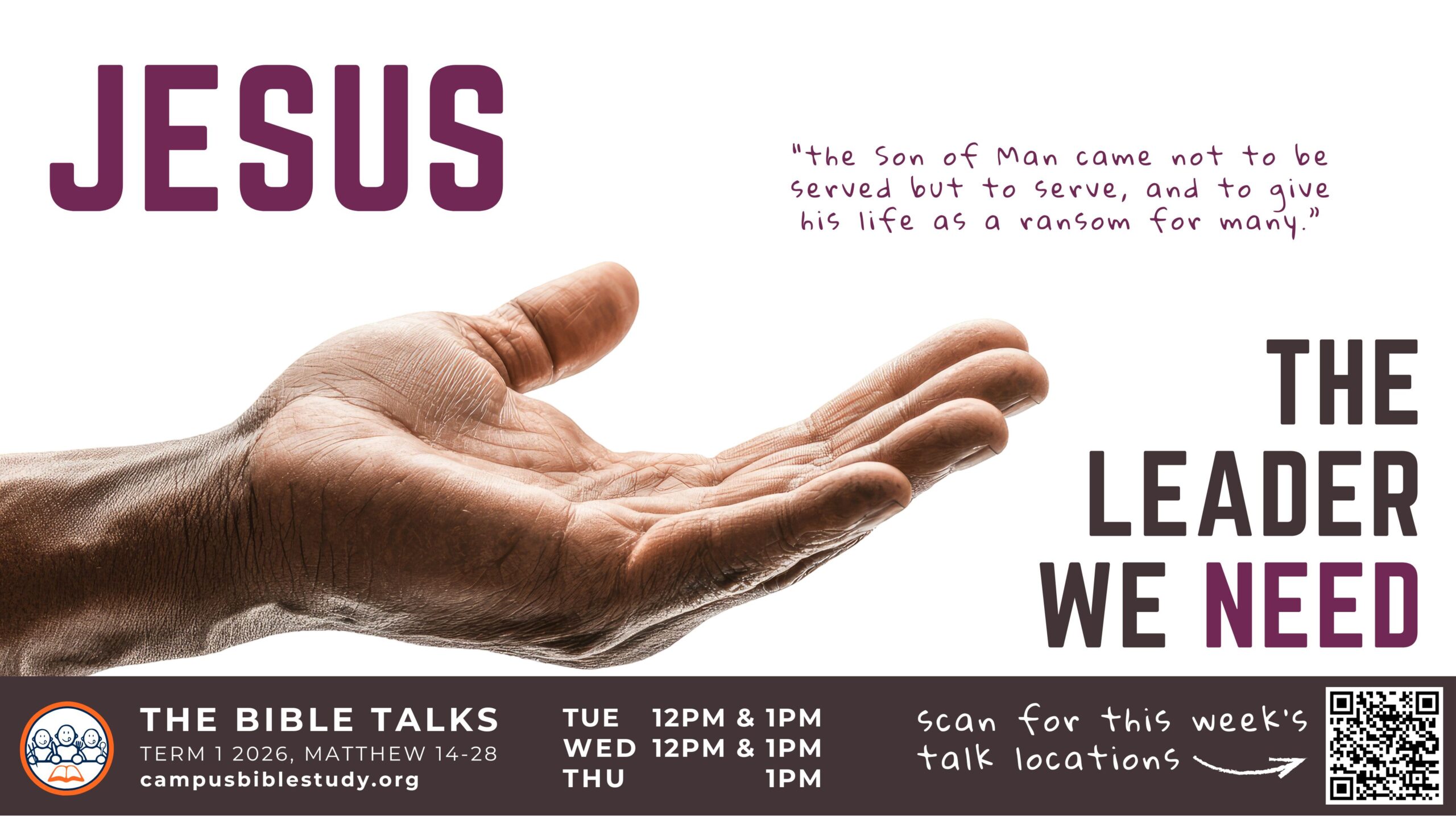
The podcast examines Matthew 17:1-21 and surrounding passages to address common misconceptions about faith. It begins with the Pharisees demanding a sign from heaven, but Jesus rebukes them, pointing to the "sign of Jonah"—his resurrection—as the ultimate proof of his identity. This shows that dramatic signs do not produce genuine faith; instead, faith comes through God's revelation. The disciples, despite witnessing miracles, are called "O you of little faith" when they worry about bread, highlighting their failure to trust Jesus' power.
The narrative then focuses on Peter, who correctly identifies Jesus as the Christ, the Son of the living God. Jesus commends him, calling him "the rock" and promising the keys of the kingdom, symbolizing the gospel message that opens heaven. However, when Jesus explains that he must suffer and die, Peter rebukes him, prompting Jesus to call him "Satan." This illustrates that even those who grasp Jesus' identity can stumble over the necessity of his sacrificial death.
Finally, the disciples fail to heal a demon-possessed boy, and Jesus teaches that faith, even as small as a mustard seed, can move mountains. The key insight is that faith is not a measurable quantity to be increased through effort or signs; it is a gift from God that trusts in Jesus' work, especially his death and resurrection. The passage challenges listeners to stop seeking signs or comparing faith levels and instead rely on the revealed truth of the gospel.
[Music] Hello and welcome to the Campus Bible Study Podcast. Campus Bible Study is the Christian University group based at the University of New South Wales. We seek to prayerfully proclaim the crucified Christ as Lord of all and hope that these weekly podcasts are an edifying encouragement to you, wherever you are tuning in from. Matthew chapter 17 verses 1 to 21. And after six days Jesus took with him Peter and James and John his brother and led them up a high mountain by themselves. And he was transfigured before them and his face shone like the sun and his clothes became white as light. And behold, their appeared to them, Moses and Elijah talking with him. And Peter said to Jesus, "Lord, it is good that we are here. If you wish, I will make three tents here, one for you and one for Moses and one for Elijah." He was still speaking when behold a bright cloud overshadowed them and a voice from the cloud said, "This is my beloved son, with whom I am well pleased. Listen to him." When the disciples heard this, they fell on their faces and were terrified. But Jesus came and touched them, saying, "Rise and have no fear." And when they lifted up their eyes, they saw no one but Jesus only. And as they were coming down the mountain, Jesus commanded them, "Tell no one the vision until the Son of Man is raised from the dead." And the disciples asked him, "Then why do the scribes say that, 'First Elijah must come?' He answered, 'The Elijah does come and he will restore all things.' But I tell you that Elijah has already come and they did not recognize him but did do him whatever they pleased. So also the Son of Man will certainly suffer at their hands. Then the disciples understood that he was speaking to them of John the Baptist. And when they came to the crowd, a man came up to him and kneeling before him said, "Lord, have mercy on my Son for he is seizures and he suffers terribly. For often he falls into the fire and often into the water." And I brought to him, brought him to your disciples and they could not heal him. And Jesus answered, "O Fapus and Twisted Generation, how long am I to be with you? How long am I to bear with you? Bring him here to me." And Jesus rebuked the demon and it came out of him and the boy was healed instantly. Then the disciples came to Jesus privately and said, "Why could we not cast it out?" He said to them, "Because of your little faith, for truly I say to you, if you have faith like a grain of mustard seed, you will say to this mountain, move from here to there and it will move and nothing will be impossible for you." Father God, thanks so much that we can gather together to hear you speak to us in the Bible. Please help us by your spirit to understand what you are saying in these chapters so that we might respond the right way to everything that you've done for us in Jesus. We pray in His name, Amen. All right, sometimes when we read the Bible, does it sound to you like we just need a little bit more faith? Just a top up, just a touch more. When we read passages like the one that we just read, do you perhaps start thinking, "If only I had 10% more faith?" Or maybe 30%. Then I'd really be a strong Christian. Do you ever find yourself thinking about faith quantitatively? About the amount that you might have, whether you need a bit more? Is faith like a uni-grade? Where you can get different percentages of it and fall into different bands? Perhaps you have a high distinction kind of faith, but I just scrape through with a past kind of faith. Is that how faith works? Does faith even come in different amounts? In the past, I've had people say to me that they wish they had my faith. Have you ever had anyone say that to you? I wish I had your faith. And it sounds like you've done something really impressive to kind of pump up your faith. And kind of like a Jim Bro might put a lot of effort into pumping up the muscles or a fitness freak might put a lot of effort into building the cardio. That kind of thing. Have you done the work and you've built up your faith? And so you've got this kind of faith that people are envious of. Can you train yourself into better levels of faith? Is faith something that you work up for yourself? Or is faith something that you are given by God? Can you see, we've got lots of questions to think about today. So many questions on this thing called faith. Let's see if this passage can help us answer a few of them. We're at point one, show us a sign. Our passage begins with the Jewish religious leaders asking Jesus for a sign from heaven, chapter 16, verse 1. And the Pharisees and Sadducees came and to test Him, they asked Him to show them a sign from heaven. Remember in the previous two chapters what we looked at last week, they were miraculously fed thousands of people with five loaves and two fish. And they're asking for a sign. Can you see the incongruity? They are not asking with good motives. Matthew tells us they're asking to test Jesus. And Jesus says, "You guys know how to read the signs in the heaven, so why don't you get it?" Have a look what he says, verses 2 and 3. "When in these evenings you say it will be fair weather for the sky is red. And in the morning it will be stormy today for the sky is red and threatening." You know how to interpret the appearance of the sky, but you cannot interpret the signs of the times. Now I know you might find this hard to believe, but some people a long time ago did not have weather apps on their phones. So when they wanted to know what the weather was going to be like that day, you know what they had to do? That's like go outside and kind of look up at the sky and kind of work out what kind of day it was ahead. And there were always little telltale signs. An old farmer still has little sayings about these telltale signs. Let me give you one that's Australian. It goes like this. Red sky in the morning, shepherd's warning, red sky at night, shepherd's delight. You can see what it's saying, can't you? It's saying exactly the same thing as Jesus said in those two signs. Very interesting, we still use that kind of logic. Jesus says these religious leaders can read the weather signs. So why can't they read the signs that he's already given? But the very fact they're asking for another sign proves that they actually can't read the signs. Jesus says to them, you'll only get one sign. Have a look at verse four. An evil and adulterous generation seeks for a sign, but no sign will be given to it except the sign of Jonah. So he left them and departed. What do you think this sign of Jonah is? Have you thought about it much? Sign of Jonah. Jesus doesn't really tell us here. He kind of just drops the mic and walks away. Now let's leave that for a moment. Why do you think these religious leaders can't see that Jesus has arrived with all the power of God Himself? Do you think they have a faith problem, not enough faith? They've got a past conceited kind of faith maybe at the moment or even less? Do you think it's a faith problem? Would it be fixed if Jesus did show them lots of signs? Do you think that would be fixed? Do you think signs from God are the way to grow faith? A friend of mine told me about his son who was thinking about God in the shower. The boy basically said, "God, if you're there, let me know it." And apparently at that very moment the tap fell off the shower wall and it was just a little bit freaky. Now the tap had fallen off before. It was one of those taps that falls off, you put it back on, it falls off again. That kind of thing. But the timing apparently was just a little bit too freaky. So what do you think my friend's boy did after the tap fell off the wall as he was asking God for a sign? Do you think he changed his life from that point onwards? Do you think he fell down and worship God there and then in the shower? What do we sinful humans normally do at times like that? Apparently after recovering from the shock and putting the tap back on the wall, the boy said, "God, if you're really there, do it again." I'm not sure whether the shower tap was really a sign from God, but you can see the problem with signs, can't you? They're just so easy to ignore. God does not grow faith in people by giving them dramatic signs. So how does God grow faith in people? Jesus just dropped the mic and walked away after mentioning that sign of Jonah. But earlier in Matthew's gospel, Jesus had already told similar religious leaders about the very same sign. So if you've got a Bible there, just flick back to Matthew 12 verses 38 to 40. Matthew 12, 38 to 40. Then some of the scribes and Pharisees answered him saying, "Teacher, we wish to see you again."
see a sign from you. But he answered them, an evil and adulterous generation seeks for a sign, but no sign will be given it except the sign of the Prophet Jonah. For just as Jonah was three days and three nights in the belly of the great fish, so will the son of man be three days and three nights in the heart of the earth. That sign of Jonah, it seems to revolve around the three days and three nights thing, doesn't it? It was mentioned four times, three days, three nights, it's there. So what is this sign of Jonah? Well being in the heart of the earth, that's about being buried. Okay? And when you get buried, you probably know this, but most burials are not short term accommodation, right? You don't look on Airbnb for a burial plot for the weekend. It's pretty obvious, isn't it? So three days only in the heart of the earth is weird. And that's why the resurrection is the great sign, perhaps the sign of Jonah, declaring exactly who Jesus truly is. Now we live a long time after the resurrection of Jesus, but still today, if you want one sign that tells you exactly who Jesus is, you should look at the resurrection. The resurrection tells you that Jesus is God's promised Messiah, because all the way through the Old Testament, it was only God's promised Messiah that was ever promised to rise from the dead. The next section of Matthew's Gospel is all about bread and yeast, or as the ESV calls it, leaven. Let's have a read of it. See what's going on, verses five to seven. When the disciples reached the other side, they had forgotten to bring any bread. Jesus said to them, "Watch and beware of the leaven of the Pharisees and Sadducees." And they began discussing it among themselves, saying, "We brought no bread." We won't go into this section in much detail, but as Jesus warns his disciples about the leaven or the yeast of the Pharisees and the Sadducees, they get it wrong and think he is having a go at them for forgetting to bring bread. Have they forgotten as well that Jesus just fed 4,000, a crowd of 4,000 before that, a crowd of 5? Have they forgotten that Jesus doesn't have a problem coming up with bread? They are worrying about food, but Jesus is worried about something much more insidious, the false teaching of Israel's religious leaders that will spread through God's people like yeast through bread dough. But during the discussion, I want you to notice one of the things Jesus says about the disciples in verse 8. But Jesus aware of this said, "O you of little faith." Why are you discussing among yourselves the fact that you have no bread? "O you of little faith." Jesus is speaking here about his closest disciples. He seems to be saying they need a serious top up of faith. Do they get who Jesus truly is or don't they? Can I understand the sign of Jonah or can't they? Now we get a big insight into the answer to those questions in the very next section as the apostle Peter takes center stage and gets called three different names by Jesus in this next section. So we are 0.2, what's in a name? We are going to try and understand this section through those three names that Jesus gives to Peter. So first, it's Son of Jonah. Have a look at chapter 16 verses 13 to 17. Now when Jesus came into the district of Caesarea Philippi, he asked his disciples, who do people say that the Son of Man is? And they said some say John the Baptist, other say Elijah and others Jeremiah or one of the prophets. Jesus said to them, "But who do you say that I am?" So I'm in Peter replied, "You are the Christ, the Son of the living God." And Jesus answered him, "Blessed are you Simon bar Jonah for flesh and blood has not revealed this to you, but my father who is in heaven." This section opens by reminding us that not many people are yet understanding who Jesus truly is. And the interesting thing about all the suggestions from the crowd about who Jesus is is that they are all dead people, or people who haven't been around for hundreds of years, somehow thought to have come back to life perhaps. Now last week we saw that Herod had this same view of Jesus. It's even the crowds think that Jesus' great power must somehow come from beyond the dead or something like that. All of those dead people's suggestions, they're all wrong answers. So Jesus asks that disciples directly and Peter has the right answer. Jesus is the Christ. Now you're probably aware that Christ is the Greek translation of the Hebrew word Messiah, Christ equals Messiah. And another word that the Hebrew people used for this same Christ Messiah was Son of God. Son of God equals Messiah equals Christ. They all mean the same thing. The great anointed king that God was promising. We are told how Peter came up with this right answer. Did you see it? God revealed this truth to Peter. Peter had probably seen enough of Jesus' signs that he should have been able to work it out, but signs don't generate faith. Peter had to be given this truth by revelation from God. But it's interesting that Peter's correct answer leads Jesus to call him Simon Bar Jonah. In the Aramaic language in which Jesus spoke, that's the kind of dialect of Hebrew that Jesus spoke in His disciples. The word bar means "Sum." So bar Jonah means Son of Jonah. Jesus is calling Simon a son of Jonah. Now it's interesting because in John chapter 1 we also learn Peter's father's name. John chapter 1 verse 42, Jesus looked at him and said, "You are Simon, the son of John. You shall be called Seifers," which means Peter. Son of John or son of Jonah? What's going on here? We, Jonah is a kind of a derivative of the name John. Yes. So is it just the same person we're talking about? That's a possibility. However, is Simon, is John Simon's biological father and Jonah, his perhaps spiritual father, because of what he's just been given to understand? I think that is seriously worth asking. Is Simon a son of Jonah because he's been given the right answer to the sign of Jonah? I'll leave you to think a little bit more about that in your time. I don't mind which way you decide on it, but I think it's quite interesting in the context of the sign of Jonah. And then Simon gets another name in verses 18 and 19. Have a look, verses 18 and 19. And I tell you, you are Peter and on this rock I will build my church and the gates of hell shall not prevail against it. I will give you the keys of the kingdom of heaven and whatever you bind on earth shall be bound in heaven and whatever you lose on earth shall be loosed in heaven. Petros, Peter, Petros is Greek for rock. Seifers is Aramaic, four, and he guesses rock. You're good. Very well done. So you could call Simon Rocky. You could call him the rock and you're getting the right kind of idea about this name. Both terms bring to mind big, tough, strong individuals. Jesus gives Simon this name because Simon is going to function like a foundation stone. For what Jesus is about to build. And this is where the Roman Catholic Church tried to justify having a Pope who has all authority in their church. They say Peter in this very story was made Pope by Jesus and that that authority of being Pope was then passed down to the next guy that Peter chose and the next guy and the next guy and so on. But I'm not sure this verse is about establishing papal authority. Simon Peter was just seen, he's the first one to really be able to to enunciate that Jesus is the Christ. That seems to be the key to him being this foundation stone. Here is the first disciple who understands this really important truth about Jesus. But that doesn't establish a papal system. A lot more disciples will also come to understand this important truth about Jesus and they will be built into the great gathering of the Messiah's people. This is not about power and control. It's about God given understanding of the truth about Jesus. And when we get that I think it helps us to understand the keys. What are the keys about? The keys. Jesus is
is going to give Peter the keys of the kingdom of heaven he says. Now notice Peter doesn't yet have the keys. It's a future thing that he'll be given. At this point in the gospel he doesn't yet have them. So what is it that Peter will be given that will open the kingdom of heaven for people? I thought you might need a bit of a chance to have a think about this one so I've put the question on the screen and I'd love you to think about it with the person next to you. Ah no where are we there? What will Peter be given that might open the kingdom of heaven for people? That's how we answer the keys question I think. Thirty seconds with the person next to you see what they think go for it. Okay can I collect some answers? What are the possibilities? Let's try and see if we can get some answers here. Remember you don't have to be right just have to have a go and we'll work together on it. Who wants help us out? Keyes to the kingdom? The thing that opens the kingdom of heaven? Knowledge that Jesus is the Son of God. Oh that's good that's a good start. What might we call that knowledge that Jesus is the Son of God? Oh you guys are on fire. This is excellent. You might have spoken about something similar I hope you did. I think it's the gospel that opens the kingdom of heaven to people and the apostles are going to be the key people who speak that gospel, who write that gospel down for us. That's the key isn't it? That the apostles are going to hold. Jesus and the interesting thing is Peter doesn't yet fully have it does he? He's got a bit of it perhaps. He's well on his way perhaps but he's about to demonstrate that fully understanding that gospel is still off in the future. Let's have a look at that verses 21 and 22. For now time Jesus began to show his disciples that he must go to Jerusalem and suffer many things from the elders and chief priests and scribes and be killed and on the third day be raised and Peter took him aside and began to rebuke him saying far be it from you Lord this shall never happen to you. Now I want you to notice that little word must in verse 21. Jesus understands that this is exactly what he must do as the Messiah. This is his father's great plan for salvation that the Messiah will suffer and go to death on a cross. The sign of Jonah is also there isn't it? Part of this must is that he will be raised from the dead on the third day. These things must happen for Jesus to open the kingdom to people like you and me and Peter will come in the future to have this message of the gospel the message of the suffering death of the Messiah and his resurrection and ascension into heaven and that will open the kingdom of heaven that message like keys to the kingdom will open heaven for many. But do you notice Peter can't yet understand it? How the great Messiah king could possibly suffer and die like a criminal? So Peter takes Jesus aside, probably with good motives, well meaning, and tries to quietly correct Jesus' poor self understanding. And this is where Jesus calls Peter his third name, it's there in verse 23. But Jesus turned and said to Peter, "Get behind me, Satan, you are a hindrance for me. If you're not setting your mind on the things of God but on the things of man." In just a fraction of a moment Simon has gone from the foundation stone to a stumbling block. Jesus refers to Simon as Satan because Simon's desire is to protect Jesus from that death that he must go through. And so Simon sets up a great temptation for Jesus, doesn't he? The temptation for Jesus to run away from God's plan, to not give his life on the cross, must have been huge. And Jesus did not need Simon Peter waving this temptation in front of him. At this point in the gospel, Jesus has clearly committed his own life directly towards the cross in Jerusalem. But Jesus also says that if any of the disciples want to follow him, then they need to head towards their own deaths as well. Let's have a look at it very briefly verses 24 to 28. Then Jesus told his disciples, "If anyone would come after me, let him deny himself and take up his cross and follow me. For whoever would save his life will lose it. But whoever loses his life for my sake will find it. For what will it profit a man if he gains the whole world and forfeits his soul? Or what shall a man give in return for his soul? For the Son of Man is going to come with his angels in the glory of his Father and then he will repay each person according to what he has done. Truly I say to you, there are some standing here who will not taste death until they see the Son of Man coming in his kingdom." Jesus says something really interesting in that last verse, did you notice it? Some of those standing there, standing next to Jesus when he's speaking, are not going to die before they see Jesus coming into his kingdom. How is that possible? When you might think that 2,000 years later it still feels like we are waiting for Jesus to come into that kingdom. Have we got our timing wrong? We're at point three, the Son of Man is coming. And chapter 17 opens with an event called the Transfiguration. Have a look at the first three verses. And after six days Jesus took with him Peter and James and John his brother and led them up a high mountain by themselves and he was transfigured before them and his face shone like the Son and his clothes became white as light and behold their appeared to their Moses and Elijah talking with him. Now this is a very interesting meeting. Moses and Elijah are two of the big guns of the Old Testament. Moses wrote the first five books of the Old Testament that we call the law and Elijah is one of the great prophets. These two guys are the goats of Old Testament Revelation. And Peter seems a little bit overwhelmed amongst such prestigious company. Look at verse four. And Peter said to Jesus, "Lord it is good that we are here. If you wish I will make three tents here, one for you and one for Moses and one for Elijah." Now is it just me or is that a little bit of a bizarre idea? I'll put it up three tents because there's three of you, you obviously need a tent each. Let's make some tents. Of all the things, because I guess a lot of other things might have been set up on that mountain, right? We haven't been given everything set on that mountain but we've been given that. And it seems a little bizarre to me. So I'm not sure there's a. I'm not sure you'll be able to get a correct answer this question but I thought you might enjoy thinking about why do you think the Bible even mentions this bizarre idea? Have fun with this. Enjoy 30 seconds. Go for it. Okay. I would love to, for the next hour, just listen to all your thoughts there. I reckon it would be so much fun. We don't have time to unfortunately. Let's try and work this out together. Now we can't be sure of why this is included in the Bible but here's a possibility for you. I wonder whether it might all be about the three. Moses, Elijah, Jesus, three great ones through whom God has spoken and Peter's idea highlights all three of them, doesn't that. As almost like kinds of equals, I'll make a tent for each of you. Three tents. But before you start getting comfortable with the three, let's keep reading. Versus five to eight. He was still speaking bizarre things when behold a bright cloud overshadowed them and a voice from a cloud said, "This is my beloved son, with whom I am well pleased. Listen to him." When the disciples heard this, they fell on their faces and were terrified but Jesus came and touched them saying rise and have no fear. When they lifted up their eyes, they saw no one but Jesus only. The voice from heaven doesn't seem to focus on three. In fact, it doesn't even mention the others. The voice from heaven focuses on one. Jesus is not just one amongst three. This is God's son who has no equal. And message is very clear, we need to listen to him. You know, some people think this transfiguration is the son of man coming in his kingdom because they're going, well, if we're still seemingly waiting for this kingdom coming and apparently those people were not going to die before they saw it, here's a convenient space that could possibly be it. Are you convinced that this transfiguration is the son of man coming in his kingdom? I'm not convinced either. Yeah. Not very convincing. It doesn't feel like a kingdom entry. So, when
"When does the Son of Man come into his kingdom?" Well, the passage tells us a larger must come first. Let's have a look versus 9 to 13. And they went and sorry, as they were coming down the mountain, Jesus came out of them, tell no one the vision until the Son of Man is raised from the dead. And the disciples asked him, "Then why did the scribes say that first a larger must come?" He answered, "A larger does come and he will restore all things, but I tell you that a larger has already come, and they did not recognize him, but did to him whatever they pleased. So also the Son of Man will certainly suffer at their hands." Then the disciples understood that Jesus was speaking to them of John the Baptist. Now this all flows out of a little passage in Malachi 4.6. Where God kind of promises that a larger will come to his people and restore things. The disciples know this a larger promise, and they know that it's somehow connected to the Son of Man coming into his kingdom. But Jesus immediately tells them that a larger has already come. John the Baptist has already been recognized as the Elijah figure, and Jesus confirms it right here. The Elijah promise has been fulfilled in John the Baptist. You can tick that one off. It has already happened. John has fulfilled the Elijah mission and he was killed doing it. Jesus says the Son of Man is going to suffer the same fate. So are you starting to put all the clues together about when the Son of Man will come into his kingdom? How many death and resurrection predictions have we had in these chapters? Have you noticed how many times Jesus has spoken about his death and resurrection? How many death and resurrection predictions do you need? Pretty key, isn't it? When will the Son of Man come into his kingdom? It will be through his death and resurrection and ascension to the throne in the kingdom. Let me try and diagram this for you. My favorite diagram, those who have been up a years, you know I love this. That little line there is the timeline of world history. I love it when you smile, go, oh, Carly, he's back at the old diagram. That's the timeline of world history. We sometimes call it the old age. Now you know that Jesus entered into our world history. He became a man. He was born amongst us. He lived amongst us. He died for us. And then he rose from the dead. And he ascended all the way to the throne in the kingdom of heaven, where he began the new age of his kingdom. He has said that he will return and in judgment and put an end to the old age of sin and death and suffering once and for all. So you and I live somewhere between the two coming of Jesus in what we call the overlap of the ages. Yes, you lived now in this old age of suffering, sin and death. You know that. But if you are a follower of Jesus, the Bible says you have been raised with Christ, seated with Him in the heavenly realms. Because He is there, if you're united with Him by faith, you are there too. It's radical. It's remarkable. This is why the New Testament calls Christians citizens of heaven. Now, it's not that you will be a citizen of heaven in the future. If you're trusting Jesus, you are there now. So you how you live in the overlap of the ages in two ages at once. Now, we live in the time between the two great comings of Jesus. So when do you think Jesus comes into his kingdom? Last chance to have a chat with the person next to you. Here's the question. When do you think the Son of Man comes into his kingdom? There's the diagram. Go for it. Do you need, do you need 30 seconds? Chat with the person next to you. Go for it. OK, the diagram makes it really clear, doesn't it? The diagram helps us understand that Jesus has already entered his kingdom. He did it through his death, resurrection and ascension. See, Christians often think that Jesus enters his kingdom there when he returns as judge. And when it's all, I guess, a physical reality for all of us. But what is really clear in the Bible is that Jesus enters his kingdom there. That's where he takes the throne. It's through his death, resurrection and ascension that Jesus enters his kingdom. And that was well within the lifespan of people who were listening in Matthew 16 and 17. Now, if you'd like to think a little bit more about all this timing stuff of when the kingdom comes and things like that, then you are in luck because this term at Corotheology, we are thinking about that exact issue. I highly recommend you getting along to Corotheology. These last days, have a look at week three, enter the kingdom. Oh, I think we're talking about that today. Have a look at week four, interpret the signs. This is all the stuff that we're dealing with today. You want to think a bit more about it? Corotheology is the place to go. I highly recommend it. But what does all this have to do with growing in faith? Where at a last point, point four, a little faith problem. From the glory of the transfiguration, the disciples come back down to earth with a bang. While Peter, James and John are upon a mountain with Jesus, the other nine disciples have been failing. Let's have a read. Chapter 17, verses 15 to 18. Lord, have mercy on my son for he has seizures and he suffers terribly, for often he falls into the fire and often into the water. And I brought him to your disciples and they could not heal him, fail. And Jesus answered, oh, faithless and twisted generation, how long am I to be with you? How long am I to bear with you, bring him here to me. And Jesus rebuked the demon, it came out of him and the boy was healed instantly. Now, this issue of failure of the disciples has been a recurring theme in these chapters. And Jesus has used the same words to describe the disciples, I think four times, oh you of little faith. It all comes to a head in verses 19 to 21. Then the disciples came to Jesus privately and said, why could we not cast it out? And he said to them, because of your little faith, for truly I say to you, if you have faith though a grain of mustard seed, you will say to this mountain, move from here to there and it will move and nothing will be impossible for you. Why do you think that disciples have little faith? They are watching Jesus, they're working with Jesus, they're learning from Jesus, they've been chosen by Jesus, they're trying to trust Jesus. What does it mean that they have little faith? Jesus literally calls them little faith ones. Oh, you of little faith is literally, hey, little faith ones. And you can see why this causes some Christians to think that, well, every Christian must have different amounts of faith, because if the disciples only had little bit of faith, then I guess we're somewhere not much better than them. But that is not how faith works. Faith is never something that you pump up for yourself and gradually increase like your muscles or your cardio output. Faith is always a gift from God, given by His Holy Spirit. So it is important that we see the great Holy Spirit giving event does not happen until after the death, resurrection and ascension of the Lord Jesus. It's only as the new King takes his throne that he then gives his spirit generally to all the people that he saves. Now that doesn't mean that the Holy Spirit is absent from the disciples ministry in the gospels. The Holy Spirit is there, but he's only there because Jesus is there and Jesus is equipped with God's Holy Spirit. The Holy Spirit hasn't generally been given to all the disciples and all those saved people at this point because Jesus hasn't yet died and risen and taken the throne. But after Jesus sacrifices his life at the cross and rises from a dead and ascends to the throne in the kingdom, his first act as the new King was to pour out his spirit on his people. You can read all about it in Acts chapter two. So how does Jesus grow faith in his people? He gives it to them. Through the gift of his Holy Spirit. Paul puts it brilliantly in Galatians three. Galatians three. Now before faith came, we were held captive under the law imprisoned until the coming faith would be revealed. Can you see there's a point where faith comes when the Spirit is given. This verse helps us understand why the disciples in the gospel were little faith ones, why they struggled to understand the truth about Jesus and why they sometimes seem a bit thick in the gospels. They didn't yet have the Holy Spirit in their lives, giving them faith and understanding. but with the coming of faith after the
the death, resurrection, ascension of Jesus, the situation is now different for you and for me. We can put our trust in Jesus, we can be forgiven for our sins, and we can have God's Holy Spirit at work in our lives. It is God who gives faith, it is God who gives understanding of these things, and he gives them by his Spirit. So don't be too hard on the poor old disciples in the gospels when they look a bit thick. They didn't yet have what you and I take for granted. But the coming of the Spirit in Acts 2 meant the coming of faith and understanding, and those seemingly thick disciples, after Acts 2 getting the Spirit, they go on and change the world. So do you need more faith? Faith is not like petrol where you need to constantly pull in and top up. Faith is God's gift to you, given through His Spirit. Ephesians 2, 8 and 9 is worth thinking about. For by grace you have been saved through faith, and this is not your own doing, it is the gift of God, not a result of works so that no one may boast. Can you see that salvation, even the faith that saves you, is God's gift to you. Faith is something that you either have, or you don't have, it's not a sliding scale between 1% and 100%. God gives faith, and He generously gives 100%, isn't God kind. Now the Bible will sometimes talk about living out your faith in ways that speak about growth. And it might sound like you're growing the amount of faith, but you're actually growing in your ability to live a lifestyle that is appropriate for your faith. So we all need to keep growing in living out our faith in every area of our lives, but we don't grow in more faith. We grow in living out, life appropriate to faith. And if you don't yet have faith, if you haven't yet put your trust in Jesus, but you think today I would like faith, I want faith, ask God to give it to you. He loves answering that prayer. And if you do already have faith in Jesus, thank God that He's been so generous to you, and keep growing in the way that you live out the lifestyle of faith that seeks to honour Jesus as King in every aspect of your life. Let's pray. So, thank God, thanks so much for everything you've done for us in Jesus. Thank you that as the King who has entered his kingdom, he gives his Holy Spirit to his people so that we can have faith in you, and we can live in understanding of the gospel, and we can live a life appropriate to the gospel. Father, please keep us growing in living out the lifestyle of faith. We pray this in Jesus' name, man. [Music]
Podcast Summary
Key Points:
The passage (Matthew 16-17) explores the nature of faith, contrasting reliance on signs with God-given revelation.
Jesus rebukes the Pharisees for seeking signs, declaring the only sign is the "sign of Jonah"—his resurrection after three days.
Peter confesses Jesus as the Christ, but Jesus reveals this truth comes from God, not human reasoning.
Peter is called "the rock" on which Jesus will build his church, but later rebuked as "Satan" for rejecting the necessity of Jesus' suffering and death.
The disciples' inability to heal a boy demonstrates that faith is not about quantity but trust in God's power, even as small as a mustard seed.
Summary:
The podcast examines Matthew 17:1-21 and surrounding passages to address common misconceptions about faith. It begins with the Pharisees demanding a sign from heaven, but Jesus rebukes them, pointing to the "sign of Jonah"—his resurrection—as the ultimate proof of his identity. This shows that dramatic signs do not produce genuine faith; instead, faith comes through God's revelation. The disciples, despite witnessing miracles, are called "O you of little faith" when they worry about bread, highlighting their failure to trust Jesus' power.
The narrative then focuses on Peter, who correctly identifies Jesus as the Christ, the Son of the living God. Jesus commends him, calling him "the rock" and promising the keys of the kingdom, symbolizing the gospel message that opens heaven. However, when Jesus explains that he must suffer and die, Peter rebukes him, prompting Jesus to call him "Satan." This illustrates that even those who grasp Jesus' identity can stumble over the necessity of his sacrificial death.
Finally, the disciples fail to heal a demon-possessed boy, and Jesus teaches that faith, even as small as a mustard seed, can move mountains. The key insight is that faith is not a measurable quantity to be increased through effort or signs; it is a gift from God that trusts in Jesus' work, especially his death and resurrection. The passage challenges listeners to stop seeking signs or comparing faith levels and instead rely on the revealed truth of the gospel.
FAQs
The sign of Jonah refers to Jesus being buried and raised from the dead after three days, as Jonah was in the great fish for three days and nights.
They asked to test Jesus, not with good motives, and Jesus rebuked them for failing to interpret the signs He had already given.
God grows faith through revelation, not dramatic signs, as seen when Peter's understanding that Jesus is the Christ was revealed by God the Father.
Jesus warned about the false teaching of the religious leaders, which spreads like yeast through dough, not about literal bread.
Peter was blessed because God revealed to him that Jesus is the Christ, and 'Bar Jonah' may connect him to understanding the sign of Jonah.
The rock is Peter's confession that Jesus is the Christ, the Son of the living God, which is the foundation for the church.
Chat with AI
Loading...
Pro features
Go deeper with this episode
Unlock creator-grade tools that turn any transcript into show notes and subtitle files.
 PodcastTranscript AI