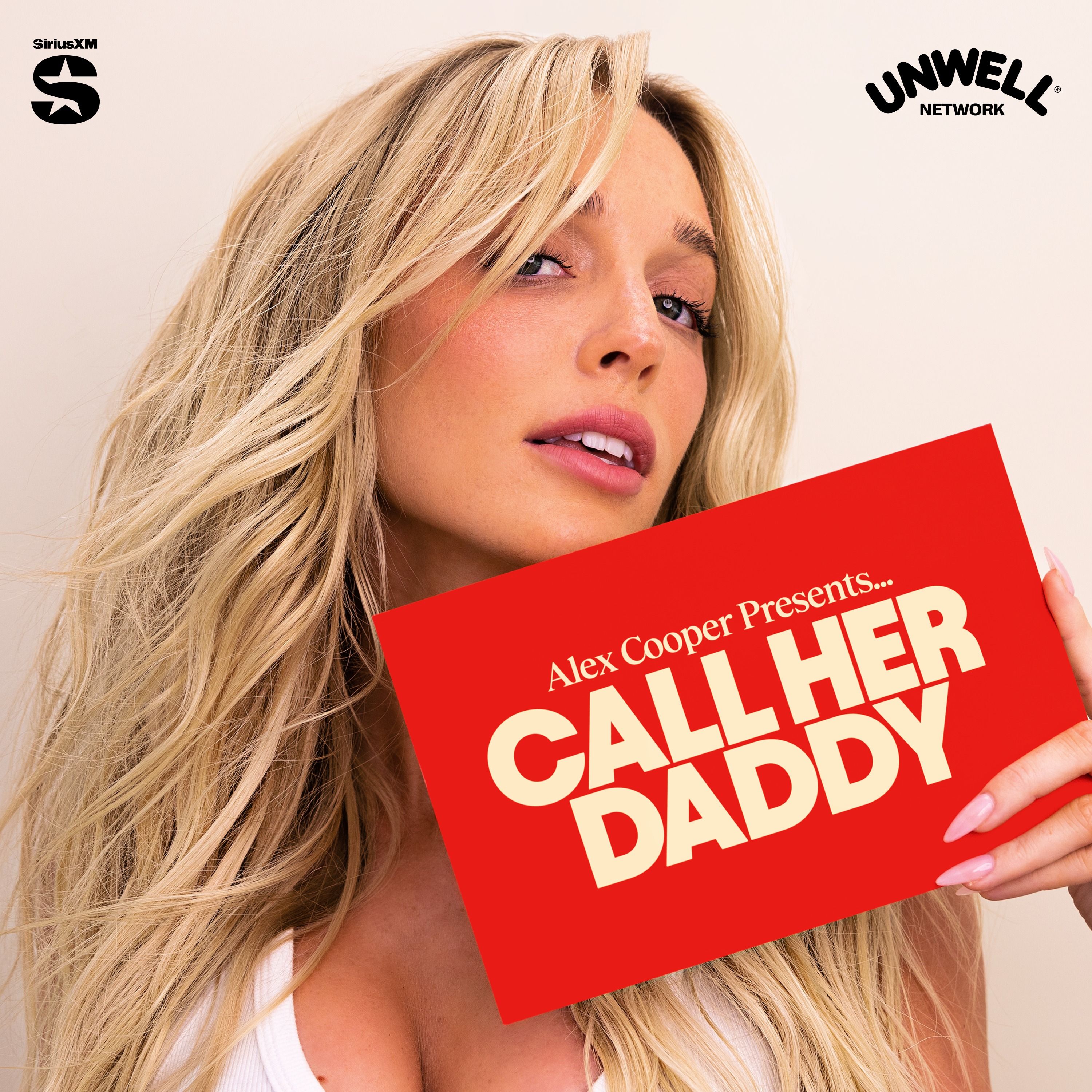
Jay Shetty: The Rules for Falling in Love and Not Messing It Up (FBF)
58m 45s
Alex Cooper's *The Eight Rules of Love* offers a transformative perspective on relationships, rooted in self-awareness and emotional authenticity. He argues that people often enter relationships out of fear of loneliness, leading to unhealthy dependencies and self-devaluation. The book emphasizes that true love begins with self-love—practicing self-care and honoring one's needs before expecting them from a partner. Cooper highlights how early life experiences, especially from parents, shape our relationship expectations, urging individuals to identify and close emotional gaps in their own lives before seeking a partner. He challenges the romanticized idea of love through material signs or fairy-tale endings, instead promoting genuine connection built on mutual respect, vulnerability, and shared values—not identical ones. A key tool is the "three-date rule," where deeper understanding is built through intentional conversations, especially on the third date, where vulnerability and trust are tested. Cooper also introduces the concept of "fight styles" to illustrate how stress is managed differently in relationships—such as venting or hiding—which can either deepen or damage connection. Ultimately, he advocates against setting expectations in relationships, instead focusing on intentional actions, consistent communication, and emotional honesty. These principles, grounded in personal experience and research, offer a practical, compassionate roadmap to building fulfilling, long-term partnerships where both individuals grow.
(dramatic music) - What is up, Daddy Gang? It is your founding father, Alex Cooper, with Call Her Daddy, Daddy, Daddy, Daddy. - Jay Shetty, welcome to Call Her Daddy. - I'm so grateful to be here. - I am so happy to have you here. I feel like we've become quick podcast friends. - Yes. - Everyone I went on Jay's show, the first, I don't really go on podcast, and you made me feel so comfortable. So I'm so happy to have you here now at my studio, keeping the comfortable vibes. - You're amazing, people loved you, as always, as expected, but I think people love seeing that side of you, and I'm just so grateful that you gave me that opportunity. So thank you so much. - Well, thank you because now we're gonna learn from the master today. We're gonna talk about love. The real reason you're here is you have a new book out, the eight rules of love. - Yes. - I read this and was like, Daddy Gang. Every single person listening today, you are gonna learn something because I learned so much from your book. What inspired you to write a book, breaking down all things love related? - So I think I just had so many friends, clients, and people in my life for the last few years, that had a passionate career, but they felt unfulfilled because they didn't have love in their life, or they were hustling and they were making things happen, but then their partnership was falling apart. Their relationship was falling apart, and that was affecting their self-esteem. And I started to find that whether you were at the beginning of your career or at the peak of your career, if you weren't figuring out your relationship, it was causing massive issues with self-worth, self-esteem, and self-respect. And so I realized that no matter what you achieve in your life, if we don't play close attention to this, we're gonna feel extremely disconnected from the quality of our lives. And so I don't want people to live their lives feeling unhappy, dissatisfied. And then let's talk about this. Schooled in teaches how to fall in love. They didn't teach us how to find people. They didn't teach us how to keep love. Our parents may have struggled. Most people didn't see a great example if you did. You're extremely fortunate. So we didn't have a good example at home. And then when you look at your friends and family members, you see a lot of dysfunction. And so I wanted to study all of that. I wanted to look in within the dysfunctions I've had in my own life. And then go, okay, how do we actually give people a guidebook, a map, and not tell them how to do it and what to do perfectly, but give them everything they need to think about along the way. We're gonna get into all of this, but let's start from the beginning. The first rule you write in your book is let yourself be alone. We see it all the time. People can convince themselves to say like in a really bad relationship rather than ending it and just being good with being alone. How can people get over the hump of actually breaking up with someone they know is not good for them and be alone? - Yeah, I'm so glad we started here because I've wrote a book about love and relationships and the first chapter's about being alone and everyone's like, "Jay, what are you doing?" But the research shows that when you get into a relationship because you're scared of being alone, raise your hand if you've ever got with someone because you were scared of being alone and single. Both our hands are up, everyone in the room. - Everyone in the room. - Everyone's in the room's hands are up. We've all done that. And here's what happens when you get into a relationship because you're scared of being alone. The first thing that happens is you settle for less than you deserve. The second thing that happens is you become more dependent on them. And the third thing that happens because of the first two is you are so scared of breaking up with them. You struggle to break up with that person, which is the core of your question. And the reason for that, and we have to dive into why that happens, like when I get to the question of like, how do you break up with someone when you know they're not right for you, we have to go backwards and look at how we ended up there. We ended up there because society makes you feel less than when you're lonely. If you went to school and you had a birthday party and no one showed up, you were the loner. If you sat alone at the lunch table at school, you were the weirdo. If you're in your 20s or 30s, or maybe even 40s and you turn up at a wedding without a plus one, it's like, oh, poor you. And so society's made being alone the victim. And so somehow that's gone inside our minds and we've gone, oh wait a minute, if I leave this person, that reflects on myself worth. And what I want people to understand is the difference between compatibility and self worth. You may be incompatible with someone, but that doesn't mean that that's a reflection of yourself worth. And so we need to disconnect the idea that just because this person's not right for me doesn't mean I'm bad. - The way you just described that, it's so fascinating to actually, if you dissect the concept of like, you're right. Being alone has always been something that you feel shame for. And then I think as we get into our adulthood, we start to realize like, shit, I feel so uncomfortable when I'm alone, but I think that's what I'm supposed to feel the most comfortable with. But how do I achieve that? Again, back to like no one taught us that being alone is actually very cool. And it's like the sexiest thing about someone is if you can be good on your own, you're gonna attract better energy because you are an independent, fully formed human being that's not then attaching yourself to someone else just because you're trying to fill a void or a need. Throughout the book, you use your own love story with your wife, Roddy, as a reference point for the reader. Where were you at in your life when you met your wife? And how did you grapple with being alone prior to finding your person? - When I met my wife, I hadn't been on a date in probably around three to four years. And then all of a sudden, I'm dating this girl that I'm really into and I go back to all my old habits so I'm trying to impress her with everything. By the way, I have no money. I'm $25,000 in debt, I don't have a job and I'm trying to craft this thing to her that I'm really cool and I have it and I know what I'm doing and so what I'm doing is I'm tutoring kids on the side like students making like 20 pounds an hour from teaching economics to a student at university or college, saving up to pay for our dates and then trying to pull off the most expensive epic show off 18 year old dates that I thought were impressive. - Classic. - And so I took it to La Candela Catelli, which is like this, Michelin style. Like David Beckham goes there, it's in London. I couldn't afford it to save my life. I like to save up everything I possibly can to book a table there. You can never get a reservation. I took it to see Wicked in theater, like saving up for that. So I'm saving up like literally my 20 pound an hour of student payments to pay for a date and I'm realizing, what am I doing? And the best thing was my wife came to all these things and now I know, obviously I know her, we've been together for 10 years, but at the time I didn't know, I thought that's what women want. - When you start dating and if you're not so self-assured with yourself and who you are and what you can offer in a relationship and confident, I think that's a huge thing, right? You can then start to try to appease the person sitting across from you, like, what do they want? What do they want? It's like, hey, hey, what do you want? And what would you naturally want to give this person and what kind of experience would you want? - I would say that I felt confident about who I was internally, but I was really unconfident about what I had externally because I didn't have a job, I didn't have money, I didn't have a car, I didn't have a home, I didn't have anything, and because I thought that's what relationships were value based on, I was devaluing myself. And I think we all do that, right? Like, we just, we find another way to find one of our own inadequacies and devalue ourselves. And that's the thing, we're trying to devalue who we are and value what we think the other person will value. And that paradox, like that challenge ends up making you move so far away from who you are that actually that person could have fell in love with that. And I think I feel the opposite now and it's really interesting where, and I'm sure you've gone through some form of this, but I found that as I became more externally successful, I wanted my wife to validate my external success. So every time I'd win an award, I'd be like, "Look what I did, like look how cool this is," or like when we did something big, I'd be like, "Love me for this, like please appreciate me for this." And luckily I have a wife who humbles me in every possible way and just doesn't care. And I started to realize that actually my wife loves me for who I am, and I should just see that as the greatest truth and accept that, rather than constantly trying to get her to love her for stuff that I have. - Yeah, that reminds me of something, I really appreciated you talked about in your book and I actually pulled a quote 'cause I thought it was so powerful. Something I say all the time and I think we're aligned on this is like the best way to get into a relationship I always think is to focus on yourself. Really focus on, obviously without being fully selfish, like what do you want? Who are you? What do you need in a relationship? That's when you're gonna attract someone that then's going to be a great partner for you. You wrote in your book, in solitude we practice giving ourselves what we need before we expect it from someone else. People determine how to treat us in large part by observing how we treat ourselves. A relationship with someone else won't cure your relationship with yourself. Can you give us an example of like, how do people negatively talk to themselves and how does that impact then how they're gonna be treated? - Yeah, so I think that a great example would be we think like I'm not smart and so or I'm not intelligent or I don't have anything valuable to say and I have a bunch of friends who the world would consider absolutely stunning and gorgeous and beautiful and everything else but they're super smart and intelligent.
But they never show that side of themselves because they're scared they're not allowed to be that and What ends up happening with that is you never show and display that side of yourself So in a conversation when a topic comes up you stay quiet When you have something to say you remain silent So you're constantly like suppressing your own voice and now what you don't realize is that you've created a persona for that person to fall in love with And if that person falls in love with that persona now you've got to act and perform for the rest of your life Right exhausting exhausting or chances are they don't like that person because they would have liked you But now you've started to think there's even more inadequacies in you So I think what ends up happening is I think we've just been made to believe that there are certain things that people are attracted to and there are Certain things that people are not and I think when you play that game You run the risk of not being attracted to yourself anymore and I think that that's the most dangerous thing You're right a lot of life is about viewing ourselves through the eyes of other people and if you don't really know yourself You're probably yourself worth is going to be predicated on how other people view you and if you're seeing someone Treating you a certain way though what we don't realize and what you so beautifully write in your book It's like because you're probably giving that energy that you treat yourself that way and you're not even noticing it You don't speak up or you talk you literally talk down on yourself to a group of people and so you are devaluing yourself in their eyes In the only way that people are going to then all of a sudden start to treat you as an equal or what your worth is Especially in romantic relationships is if you carry yourself in the way that you want to be treated and you actually Conceal yourself, but you can't get there unless you actually do the work I've done a few episodes talking about how our relationship with our parents and our siblings Has so much influence on our behaviors and our life course I love that these two lines are literally in bold in your book. You write. This is so fucking smart I love this part if there is a gap in how our parents raised us We look to others to fill it and if there is a gift in how our parents raised us We look to others to give us the same, which I immediately I mean there's so many gaps and there's so many Obviously gifts that my parents gave me, but like just a personal note I was fortunate my parents are still very in love How they've been together for 30 40 years totally and everyone would always look at it when I was young Like that you are so lucky and I feel that way But then I started dating and I was like I had the craziest standards because I was like no one is gonna be the way That my dad treats my mom like I it's a perfect relationship and so everyone has the way that they look at it Like oh, I was fucked up from this way or this way if your parents are divorced You're fucked up if your parents are together you're fucked up, right? Yeah, it's all the same So how can figuring out the gifts our parents gave us and the gaps that they left Impact how we operate in dating. Yeah, that's such a great question. Thank you for sharing your personal because that that's exactly how I wanted it to hit that I didn't want people to be like oh, yeah Well Alex your parents are great, so you're lucky like you should be and it's like well, no, no, no You don't understand like it's really hard for me to find someone to make me feel that way The first thing is I want everyone to know what their gaps on the way you and I have exercises all over the book to help you do this deeply But in essence the way to build a gap or figure out your gap is obvious It's like what do you feel you wish you got from your parents that you didn't get maybe it was praise Maybe it was encouragement maybe it was belief maybe it was presence and energy You just wish they were there at your football game or you just wish that they showed up to your dance rehearsal or whatever it may have been What are those gaps that have been left out? I want you to go fill those gaps yourself. I want you to go do each and every one of those for yourself if your parents didn't compliment you compliment yourself if you didn't if your parents didn't show up for what you love show up for what you love If your parents didn't turn up at your games or whatever it was make sure you're turning up Are you have you given up on your passion because your parents didn't show up for you? And so I want people to fill that gap themselves because what that does is that now when you go meet another human You allow them to just be themselves and give you love in the way that they like to show it rather than them trying to figure out How to be your dad or your mom and I think that that's often what happens is that we become a project and we're looking for someone to fix us and what we do is we Become broken hoping that we're going to find a fixer and exhaust the fixer trying to fix us Because we're broken from something that they never did If you don't fill in those gaps for yourself Backed what you were saying earlier you're then going to enter a relationship and want that person to fill the gap for you And you'll never even know if that's the right person for you Because if your gaps were filled you probably would have a very different compatibility rather than you're finding someone that's like Filling your need for compliments filling your need for this. Well, imagine if that was filled Would you even be with that person? What would your relationship be like if they didn't have to constantly fill you out those areas exactly and then the gifts part is looking at the same things Is what you just said like what were the way your parents loved you or showed you love that you thought were beautiful that you thought were Amazing and then ask yourself is that something that I want or is that something my parents had and it was beautiful for them But maybe I don't want that like maybe that's not exactly how I want it to be and when you figure out the gifts that you received Now what you're going to do is when you meet someone you're going to realize if they give those gifts that's amazing But don't become blind to the other gifts that they want to give you and I think so often we're like Well, they're not giving me these three things that I really wanted and you're missing out on all this amazing stuff that they're giving over here Because you don't think that's love you think love looks like ABC and if they're giving you xyz You're like no, no, but that's not love this is love and I think so often we limit how people love us Because we put limits on what love looks like to us and so I'll give you a practical example of this with me and my wife So me and my wife have completely different love languages. We have completely different Parenting situations for my wife love was shown by presence and time and energy her parents took the day off on her birthday They would take her out on long walks. They'd spend lots of quality family time together My parents didn't have lots of time. They were working really hard to make sure that we had enough money and had enough food and Working hard to take care of me and my sister. So my parents gave me gifts They would save up to buy me the one thing I wanted So when we met I just wanted someone who'd buy me epic gifts and my wife's like cooking an amazing meal and making all this time and energy And I'm going well, why didn't I get the gift I wanted and and that's how the gifts and the gaps play through Because your love language is just based on the gift and the gaps you had But what I'm saying is don't don't limit love to your love language Your partner may be able to express love in a far more beautiful, great way and you're just missing out on it Speaking of you know material items you talk a lot about the tradition around diamond rings and the culture around Engagements just in general You also mentioned Disney princess movies and how we were taught from young age like your prince will come and your life will be complete What is the fallout from this fairy tale fantasy that all of us grew up watching? Yeah, I have to tell you this story. It's I think you may have may have read part of it But I think I want everyone to hear it because it's it's amazing So when I was deciding to propose to my wife I went to my brother-in-law and I was like dude, I think I'm going to propose And he was the only person in my life at that time who'd already got engaged and married so I was like he's the right person to go to And I was like okay, I want to propose How much should I spend on a ring? I have no idea right? I've never Thought about getting an engagement ring for anyone before never been into a store no idea how much it costs and he was like Yeah, you just spend two to three months salary He just threw that number out there and I was like okay cool And then I went and asked another friend who was about to propose and he was like yeah, yeah two to three months salary So I started here two to three months from a lot of my male friends I didn't make a lot of the time and I was like okay two to three months salary Okay, cool and so I was like fine. I went and spent two to three months salary I proposed I we got marriage. He said yes Well the rest of it and then years later When I was researching this because I was thinking about this and I was like how did everyone know that number like where did that number come from literally in 1977 Debeers has a commercial you can YouTube this and in that commercial It's this black and white commercial. There's like silhouettes of a man and a woman And at the end of it in this silhouette There's a diamond ring that's sparkling and shining that's going on to the finger And it literally says what better way to spend two to three months salary in 1977 a full marketing ploy a full marketing ploy What advice can you give around being happy with what you have as opposed to focusing on what you don't have? Happiness actually sits at the intersection Of gratitude and growth and so I would encourage anyone who's listening to genuinely be grateful for what you have But then think about who you want to become and who you want to grow into Not the house or the car or the external thing because We both know this and everyone knows this and I will never be the person who say money doesn't buy happiness or money is not important I just don't like that rhetoric But I think it's unhealthy because it makes people feel like.
Well, AMH people feel bad if they do want that, but it also feels like it always comes from people who are already financially stable who say stuff like that. I'd actually say that you need growth in your life constantly, but the goal is to bring out growth. I appreciate that, because I think even just in the world of social media, everything we just talked about, like, you viewing things that make you feel less center, you're not adequate enough, and then it's like, and then on top of it, just where you're at in your life, I think a lot of times, I think the younger generation is having a hard time finding their own path of growth, because there's a lot of people trying to be like, I want to be like that person, or I want to be like that person, because people are more accessible and sharing more of their life. And although it can be someone that you look up to, and you're like, I appreciate how they do that. I think there's been a little too much of people trying to quite literally emulate exactly what people are doing on the internet. And I think growth-wise, you're in danger of not allowing yourself to pave your own path, and figure out what's good for you. We all learn from people that came before us, but I do think there's some type of copy-cat mentality that it's like, wait, wait, but what do you want? Do you even, you're watching that person on TikTok, but like, do you even like that? No, it just looks cool. Well, then maybe carve your own path. I thought what you wrote in your book was interesting, and I kind of want you to talk about this, because you talk about, there's five people that we fall for, right? The rebel, the chase, the project, the fuckboy, and the opulent one. Yeah. When I read that, I was like, this was my ex-boyfriend, this was my first boyfriend, like, I was exactly this. Line them up. Line them up, yeah. Can you explain what the opulent one is? Yes, yeah, absolutely. So I had to put this one in there, because I think this is the most misguiding one. This is the one that you don't quite understand. So the opulent one is the idea that they have one thing that you really like about them. So you may look at, obviously, the obvious one is, they're so attractive. The other one is like, oh, they're so smart. Like I love the way they think, or oh, they're so educated. They went to a great school, right? So you find one thing. Rich. Rich, right? Like, well, he or she drives a nice car, like he or she is famous, whatever it may be. You find one thing, and you start giving someone other qualities because they have that quality. So I'll give an example. You say, oh, he's rich, which must mean he's organized. Got it. He'll be an organized partner. Oh, they're good looking. They're trustworthy. Right? I can trust them. We think anything we find attractive about someone, we start to give them softer qualities. We're like, oh, they must be kind. They went to a good school. They must be nice. They must come from a good family. Right. And we just start giving people all this ammunition because we start painting a picture. And so the opulence completely is an illusion. Because now you're not letting someone earn the right to be those things. You're not letting them become those things or demonstrate those things. You're just assuming. And I think that that's really unnerving because it's so intoxicating. When you're, we all know what that feels like. Yeah. When you're an opulent one, Jay. Yeah, exactly. When you're attracted to someone, it is so intoxicating that you will push yourself out of these reasoning techniques. And the reason I put these all there was just like, please reflect if this is all you're doing. And I'm not saying you shouldn't go off to someone you're attracted to. I'm just saying, check that the other things you think they have, they actually have. Don't just give it to them because you assume that they must have these abilities. I did this little video on Instagram recently, which I think made the point. And I lit a match and I was like, this is what chemistry feels like. And it's amazing. And then I lit a candle with it. I was like, this is what connection and compatibility looks like. It's going to burn a lot longer. This match is going to run out. And so the idea being that like, I'm not saying you shouldn't feel chemistry. I want everyone to feel chemistry. But chemistry is just this one specific spark. And now your job is to turn that spark into a burning flaming candle. But if you don't make that transition, that spark in and of itself is not going to create love. It's the idea of how the chemical, what's happening chemically? And I think we have to look at that. So when you find someone attractive, there's two things happening. You're experiencing attraction, but you're also experiencing stress. So there's attraction of like, oh, they're hot. The stress is, do they think I'm hot? The attraction is, oh, they're really smart. I really like how they think. The stress is, do they like how I think? So there's this, but when you first meet someone, you're experiencing attraction and stress. And that's what feels like chemistry. Now the science shows that what happens as you become more comfortable with each other is the stress decreases because you now actually, they make you feel distressed because you feel comfortable with them. But we see that comfort as anti-chemistry. We see that comfort that that person now provides as the spark is gone. But it isn't that. It's literally a feeling of our bodies. I think everyone always says like, the spark is gone. And you even talk about the flame versus the candle. It's like, the spark isn't gone. Your stress is now down. You're now not so freaking nervous to walk into a room and wondering, like, is he going to think I look good? And it's like, well, now that you've been with them for a while, you know they find you attractive. You're comfortable. And so eventually when you get into the right relationship, it, there is nothing better than that comfortability because they are the person that you trust. And that trust is built where the stress comes down and the trust raises, I think. And so some people get a little stress out about that different dynamic. But then you have to look internally of like, why are you so addicted to the chaos? And I was for a very long time. Like if I look back at my relationships, I'm like, I was so addicted to drama. And like all the guys that I was dating, it had to be something, but because I wasn't ready to settle down. And then when I was, I started to look for those qualities of trust and not feeling so on edge and not feeling insecure. And then all of a sudden I was like, oh, that's definitely more of the vibe than the person I want to be around. But it takes time. It takes time. When looking back at past relationships, what types of things should we look to examine to make future relationships easier? When you're starting, it's better to look at pace. I think one of the things in a relationship, I would look back on your relationships and look at how fast did they get serious, intimate or close? And I would analyze the pace of the relationship. And you find that relationships that have a steadier, slower build help you make better decisions. And so I'm not saying that if you have a slower rise, you're more likely to stay together. I'm just saying that if it doesn't move in too fast, if you don't fall in love too fast, you have the ability to make healthier, better decisions sooner before you're too attached and you're too deep in. So I would look at pace of relationship and go, let me look back at my last few relationships and ask myself, did I fall in love too fast? Maybe did I fall in love too slow? Was I too skeptical or was I too optimistic? I would look at, was I letting the person show me who they were, or was I painting the picture of who I thought they were? And I think that in and of itself is everything. Like, we're constantly not actually letting people earn their stripes. And this applies to trust. Like I talk about trust a lot and you just brought it up and that's what's on my mind. And I created these four levels of trust. We often think of trust as binary. Like we think of like, I trust you or I don't trust you. And that's how we think about people. You walk into a room and like, yeah, you're trustworthy, you're not trustworthy. I would go home with you, I wouldn't go home with you. You can drop me home. You can't drop me home. So we think of trust as black and white, but trust isn't. It's actually levels. And so the first level of trust is zero trust. When you meet someone, I don't care how good looking they are, I don't care how smart they are, I don't care where they went to college, how much money they had, don't trust them. They've got to earn that trust from you. And I know that sounds really dark, but it's not. It's give them the opportunity to show you where they're trustworthy. So they may say, I'm going to pick you up at 7 p.m. They picked you up at 7 p.m. They may say, I'm going to text you on Sunday. They texted you on Sunday. These are like signs of transactional trust. That's the next level. There's a transactional trust. They say something and they live up to it. Then the third level of trust is reciprocal trust. Now you're getting deeper. It's like you do nice things for each other, but you're not checking in. You're not having to check every minute detail, but you know it's going to be reciprocal and procated. And the highest level is unconditional trust, which is like God level trust, which to be honest, beyond your parents, probably most people are never going to have it. But we want that so bad that someone does one nice thing for us. They're the best. They're amazing. Like I'm done. I love them. They want, they're not like my ex at all. And it's like, guys, they got one thing right. That's okay. That's great. And I'm not saying you're going to test the person. I'm just saying, just don't trust them based on a couple of things. And so I think pacing is what I would look at it from a last relationship. I would look at how much you let them show you who they were versus you made them who you wanted them to be. It's so fucking good, Jay, because I think you're so right. Everyone can fall in the spectrum of like either you're someone that trusts so fast. And it's like, wait, did you even know them now all of a sudden you're getting engaged. And it's like, do you even know their childhood trauma or what they like, you don't know anything about them? And you've just trusted them to like hold your heart and go forward and it's like, hold on. And then when one weird thing happens and you're going to your friends crying, they're like, well, did you ask him? And though she's like, no. And I think the other side can be people that have a really hard time trusting. And even as much as someone's showing you.
There's clearly something from your past that's withholding you from being able to move forward because it's like I've seen relationships. I've done it in the past where they're like I have literally done nothing why do you not trust me and it's because I didn't heal my past relationships Where someone broke that trust and so it's like everyone's gonna have a different level But I think the pace is such an interesting concept because I know from my personal Current relationship we were in the pandemic it moved way too fast in the very beginning and I made a Very very hard conscious decision that I worked on in therapy to slow it down So I could we oh, I was like we need to go back and pretend we're not in the pandemic Are spending so much time which is great, but we're moving too fast. We can't move in together yet We've only been dating for like six fucking months like hold on and so I think you can always alter the pace You're never too far gone. There's always times to really and but you have to be with a partner That's willing to also adjust pace wise and not be like what the fuck are you talking about? We like we live together. We don't need to talk about that now Well, no, I realize we've never had a conversation about xyz Yeah, so pacing can also be on your terms and you can Dictate it, but you have to have a partner that's willing also to work with you I love the point you just made that it can change at any time This isn't like oh, I messed up in the beginning and move too fast I'd say the same as me and my wife actually I'd say in the beginning We move away too far we spent every day together because I didn't have a job We spent every day together for like six months and then all of a sudden I got a job and now I couldn't see her every day And it shifted into the pace changed again Yeah, and so I I fully agree with you that the pace can change at any time and the reason why I talk about pace is just You make better decisions when you have more time and you have more clarity and you don't feel pressure all the research shows that when you are Clear of mind you can deal with seven things at once But when you're stressed that number goes down to three and acute stress it gets lower and lower and lower And so when you start making really big decisions based on really small pieces of information You're gonna make some unhealthy choices Another research study I read that blew my mind was that This really hit me especially with I'm someone who really likes to make new friends And I like building new connections with people I feel a similar value and This science really blew my mind. It said it takes 40 hours of spending time with someone to consider them a casual friend 40 hours I was like wow I haven't spent 40 hours a lot of people of course I do think things like Interviewing someone being interviewed by some podcast or kind. There are certain things like deep intimate conversations vulnerable conversations accelerate this this journey 100 hours counts as a good friend And 200 hours counts as a great friend. So the question when you're dating after you have to ask yourself is Do I want to spend 200 hours with this person and have I spent 200 hours with this person? It's a great metric to like just check. Yeah, it gives you something tangible when your feelings are like running ahead It like 2000 hours like daddy game. Don't you dare be telling some guy you love him And you haven't even spent like 80 hours together. Yeah, like let's like the fourth date I get it. It can feel like it's very exciting, but you don't really know that person yet So maybe like hold hold your cards a little closer to the chest. Yeah, the next rule that you talk about that I think is very very important is define love Before you think it feel it or say it. Yeah, so Jay How do you define love? I define love romantically as when you like someone's personality when you respect their values and When you're committed to helping them achieve their goals and The reason why I define love that way is Liking personality is obvious and that goes back to do I want to spend 200 hours with this person Do I want to spend 2000 hours with this person and 20,000 hours with this person? Respecting someone's values. I use that word very carefully Most people feel that relationships are where you have the same values and that you're on this magical search to find someone who believes in the same stuff You believe in that is so hard and so impossible and I don't even want to put fairy dust on it I don't think that's gonna happen because people are so different Well, why it's so differently. Yes, we can have shared values But we have Trump values and priority values and so I'll give an example with me in my wife my wife values Family above everything her immediate family that she grew up with that is like her number one priority My number one value is my purpose. It's my work. It's what I do for others. It's my service It's my passion. That's that's what I love above everything else And when we met we both talked about this and we realized that if she had a family event She would choose that over anything and if I had a purpose based opportunity I would choose that over everything and I don't want to change that and she doesn't want to change that either But we respect it so when she says to me and the reason I respect it Alex It kind of comes back to your relationship. My wife's amazing because of how her parents raised her And my wife's incredible because the relationship she has with her parents Why would I want to take that away from her? Why would I say no? You got to come and support me at my thing? No, you got to give up your family to come be with me at this thing because my thing's so important because I'm doing XYZ like There's a certain respect that I have because I know that her love for her family is what makes her so lovable And she knows that my drive and my ambition and my persistence is what makes me attractive to her And so why would you want me to give that up? I feel like of course There's going to be some values that you hold very similarly to the person because naturally if you are In simpatico with like how you want to live your life? There's going to be things that are overlapping but I agree that there's going to be an emphasis for each individual on a different value and where it lies on the scale of importance to you And I think it's really interesting because if you are with the right person I think it's really good to have different values. Obviously that don't completely contradict each other that you're like you can't stand each other But having different values. I think allows you to grow as a human being and in a dynamic of a relationship Pushes each of you to learn to compromise and compassion and to learn to respect the other person because you respect your value So you're going to respect what they like and so I really think it's it's a really great way You just dissected that because I think sometimes people worry if we don't have exact same values How are we going to make it? Well, do you like what they value? Do you agree with that exactly then you're you're good Yeah, it does have to be your number one. It's it's their number three. It's your number one like it's okay What you're trying to do is get someone to value what you value and that's not possible They can respect what you value, but they're not going to shift their value to value what you value Yeah, I love what you're talking about because I want to get into the part of the book where you talk about the three date rule Yeah, and I think this is very applicable to transition in this way because We're talking about finding that person and the values and feeling like you can really connect with that person on multiple levels That allows you to be like that's my person. That's my partner for daddy gang listening That's like I'm in the dating phase like Jay. I'm single. I'm trying to get that back up a little bit You have this three date rule and your theory is that by three dates in you should have had enough time to Determine if you and the other person will be a good match So these are not the first three dates the three dates that I recommend you sprinkle across 10 dates 20 dates 100 dates. I don't mind where you put them in I'm not expecting you to make the first three dates an interview and I don't want you to do that and I actually think that Dating that dates that start like an interview and like a firing right like I really feel like that Like that's how it feels because all you did was put your best foot forward and then all of a sudden you feel fired or rejected Because you're like oh, no, no, I was interviewing for this role like right I came dressed and prepared and you know, so I don't expect you to make these your first three dates I expect you to use them in your dating journey. You're saying there are three dates Within the scope of you getting to know someone that you would like them to sprinkle in these questions So your first date Questions you think should be asked that are geared around finding out someone's tastes or preferences What's something you love to do? Do you have a favorite place? Is there a book or movie you've read or seen more than once? What is occupying your thoughts most at the moment? What's something you wish you knew more about what's the best meal? You've ever had what I'm saying in this is you're getting to know someone's personality the question you're asking is like Do I find someone interesting? Do I find someone intriguing? Do I do I like them? Do I enjoy who I am around them? But on a very Personality chemistry level sometimes you don't even have to ask these questions that sometimes you're actually going to just observe those You're not like having these in your nose And do I like the tone with which they carry themselves right like and the tone is so important even compared to the words like
to really listen out and go, oh, is this person arrogant? Is this person like coming across like my ideas are not interesting? Like do they ask the question back? And by the way, you know, I think that a lot of, some of these questions like men may struggle to answer because they feel quite, you know, they feel quite personal and they can feel quite like intimidating sometimes because you can feel like, oh God, like why am I? And so these questions are gonna be fun. They're gonna be, they're not an interrogation that are an intervention and they're not an interview. It's being inquisitive, right? And I like to make that difference between, you're never asking a question from an interrogation standpoint or intervention standpoint because everyone, no one, no one likes that. You're asking it from a point of like genuine interest. And by the way, have your answers ready because if you have your answers ready, you can say, well, let me go first. Let me tell you mine. And now it's a conversation and now it's open and vulnerable and it's not this forced thing of like, well, I wanna know what you have to say and I'm judging you. It's like, no, no, I've talked about this for myself too. - It's all coming from a place of, which I think if someone's open, you just wanna get to know them too early. And I think that's very fair. So second date questions. At some point while you're dating this person, you're gonna feel like you're ready to get underneath a little bit more. If you won the lottery, what would you spend the money on? I think that's so telling about someone. Are they just gonna, which is totally fine if they're like, oh, I'm retiring and I'm just like never doing anything again. Totally fine. But like, is that someone you'd wanna be with? - Exactly, they just told you, they just told you, they're not gonna be driven, they're not gonna be ambitious, they're not gonna push for it. And there's nothing wrong with that, right? - Totally. - That's the point. Like I think sometimes we have a hierarchy of like, oh, this kind of person is better. - Totally. - And it's not, people should just be happy living the world. - Well, no, and I think even the way you said it, I think because you and I have kind of agreed like, for me, I wouldn't be happy if I didn't have a purpose. I think a lot of my purpose comes from my creativity. I think you're similar. So that question to me is like, I would keep working if I won the lottery. Like I don't, I, but there's also then I know a friend of mine that was like, bitch, I'm getting five dogs moving to a ranch and living my goddamn life, I'm having 10 kids and I'd be like, like, and do you and I totally respect that. But again, then maybe the person sitting across from me would be better for me or my friend based off of that answer, you would find out. - Correct. - You gotta ask these questions. - Correct. - And then the third day, this is where you get really a lot deeper, right? At some point you're gonna feel like they've opened up to me in some capacity. And what types of questions are you thinking should be asked on this third date where you're really trying to get under? - Yeah, these are the ones where you're trying to do something called like self-disclosed vulnerability where you're really trying to get to a point where you're building a sense of trust and you're building a sense of openness where you're comfortable having uncomfortable conversations. And I think that that is an art and skill that you have to test in a relationship if you think you're getting serious. If someone asks me, how do I know that a relationship is getting serious? It's when you can have uncomfortable conversations in a comfortable way. That to me is a sign that your relationship is actually serious. Not that you moved in, not that you get nice gifts, not that you can spend lots of time together or you go on vacations together. Can we have a conversation that usually creates conflict and not get mad at each other and not make it about each other's weaknesses? - There's so many things that people like this tangible thing will allow me to be closer, moving in with someone. You can move in with someone and realize you barely know that person. But can you have a conversation and you don't even live together? Can you really go deep with someone like where they're trusting you with information that they clearly keep close to their chest? That they're like, you know what? I trust you, again, trust, stress is going down, trust is going up. - And I love what you just said about the trust element. The way we check whether we trust someone is like, we trust each other, right? Like we literally ask that question and that makes no sense. It's like, we trust each other, right? Like you trust me, right? I trust you. No, trust is me being able to tell you stuff that may be uncomfortable for me. One of my favorite questions that, and you can read more from the book, but one of my favorite questions that's not in the book is a question that I often ask my wife and I ask it even till this day. And so every couple of months I'll say to, and it's not like it's in my calendar, it's not like it's in a spreadsheet. I don't record the answers. This is a, you know, it's not a technique. It's a genuine thing. I'll say to her, is this relationship going in the direction you wanted to go in? And if it's not, what are we willing to do about it? And if it is, what are we doing right that we should keep doing? It's just such a healthy question. And it's asked not because I think things are going wrong. Like I'm not asking that because I'm scared or I'm worried. I'm asking it because it's the same as doing this podcast, right? It's the same as doing anything. There's a famous quote that says you can't improve what you don't measure, right? You can't grow something that you don't measure. Like you, whether it's a business, whether it's a podcast, whether it's, whether it's life. And I just think life is something that is lived so unintentionally and unconsciously that 10 years go by. Someone comes, knocks on the doors and goes, I don't think it's working out anymore. And you're surprised because that person kept it inside them every three months how they were feeling. I was going to say, I think that's such a testament to how much you trust your partner to be able to go to your wife and know that you're ready for any answer. But you also kind of know there may be something little she wants to adjust. But you know you're not going to be fully blindsided because you're constantly checking in on your partner. Correct, because of consistency. Exactly. And I also think it's like there's a lot of people and I would really encourage daddy gang. I know it's so uncomfortable sometimes, but like having those card conversations allows longevity in a relationship and it to grow. Because if you're not having that conversation, like you said, you're having so many in your head, I hate him for this, I hate her for this, I hate them for this. And then you're like, what are we doing here? So that's really cool that you do that with your wife. And if anything, I'm going to steal that from you because it's just a really mature way of basically saying, I'm giving you the opportunity to say anything to me and I'm willing to hear it because I care so much about our relationship that my ego is on the floor right now. And like I care more about our partnership than whatever you're going to say individually that I could potentially also work on. And then you also know she's willing to hear it from you. If you're like, 'cause I've been thinking about this, I mean. I know this is hard, like I want to empathize with everyone. Like I'm not saying this is easy. I'm not saying that you should do this tomorrow. What I am saying is I'm just trying to save people from wasting 10 years of their life with someone that doesn't love them and that they don't love by. Like that's where this is coming from. This isn't coming from a place of, I'm really smart and I know what to do in a relationship. It's coming from a place of just, I know how hurt people have been by relationships. And I know how much pain it causes when you feel blindsided and when you feel like you've just been surprised and someone just like delivered you a big notice that you had no idea was coming your way. I just don't want you to have to go through that. Like you know, I just want to save you from the big, not that I can save you, but I want this advice to save you from the bigger pain. To save someone for the bigger pain, I agree with you. I think there are sometimes people, especially maybe in those early dating stages where they get a little excited, they get a little ahead of themselves. What's your advice for managing expectations in a new relationship? So I have an interesting take on this. I don't believe, so when people say like, how do you make expectations? How do you set expectations? I believe the word expectation is completely insignificant and useless. And I'll tell you why. An expectation is a hope, a wish or a want that something might happen, just hopefully, randomly, potentially. I don't want to live my life in expectations. I want to live my life in intentions and actions and attention. Like I want to live my life in saying, I'm going to be vulnerable in this relationship and I'm going to see if the person's vulnerable back. I'm not going to expect the person to be vulnerable or open because that doesn't give me anything. And so I kind of remove expectations from pretty much every area of my life and I go, how do I change that into intentions, action and attention? So if I want a open, exciting, fun-filled relationship, I'm going to bring that energy to the relationship and then see where that person matches. If they're on a lower frequency or a lower vibration, it will show you won't have to ask them because you can tell immediately, right? Like if you bring your best, it's kind of like with an interview, with a get, and you know when a guest brings their best energy and now you were probably prepared anyway because you're a great interview but you can bring your best energy to now you're creating something amazing. But if you're waiting to see what energy the guest brings and then basing your energy off it, it kind of starts creating, it could create something that you don't want to create. And I think that happens in a relationship on a much bigger scale. - What is your advice for people that are in a relationship where both of the partners handle stress differently? - That's such a great question. So I mean, one of the things I've realized about stress recently is that oftentimes when we break a habit, for example, you want to be strict about what you eat, but chances are you break that habit when you're stressed. You want to be a nice kind person, but chances are you compromise with that because you're stressed. I'm snappier with my wife when I'm stressed. I say things I don't want to say to my wife when I'm stressed. I wouldn't say them to them if I'm not stressed. So you start seeing how stress literally makes you who you don't want to be. And so sometimes we're trying to manage our diet or we're trying to manage how we talk we're trying to, it's managing.
stress is actually the core of what allows us to be a nicer human a healthier human a better person. When you handle stress differently, I think the core in a relationship is knowing how the other person handles stress. And I think for so long in relationships, we don't know or we don't like. So another thing and it goes back to respecting, we have to respect unless it's abusive, manipulative, physically, verbally, like there's none of, there's no part of me that says you have to be patient with anything of that sort. But beneath that, if anything in your life, if you don't understand and accept the way your partner deals with stress is different to yours, that creates issues. So in the book, I break down three fight styles. And the reason why I came up with the fight styles is because me and my wife would always argue and fight and have discussions. And we would never, we, we would never swear or raise our voices, but we would get into really intense discussions, debates around stuff that didn't even matter sometimes and stuff that did matter. And I would walk away always thinking like she didn't care as much as me. I would always feel like she didn't love me as much as I loved her because she had a different way of dealing with stress. So her way of dealing with stress was she wanted to lock herself in a room. She wanted to be quiet. She didn't want to talk to me. She just wanted space and time and she would figure it out. And my way of dealing with stress is we're going to talk about it right now. We're going to talk about everything. I've got all the points laid out, the bullet points are ready. And that shows I care. And her way of showing she cares is give me some time. If I get to reflect and digest and introspect, I care. But I didn't think that I think you don't care and I care because we always think what we do shows we care. And so my fight style, which I broke it down is called venting. And her fight style is called hiding. And the third fight style in the book is called exploding. And so a a mentor is me. I want to talk about it. I want to talk about it right now. A hider is I don't want to talk about it. I need space. And an explorer is my emotions matter the most. And I just need to talk about how I feel emotionally. And so none of these are good or bad. None of these are better or worse. None of these are things to judge each other for. But when you know that's how your partner deals with stress, you can now create a healthier boundary. So me and my wife will say, all right, you need two days. We're going to talk about in 12 hours. Let's find the space where you get enough space. But I don't have to wait for two days because I want to talk about it now. And now I'm dealing with stress healthier rather than saying, oh, I don't like the way you deal with stress. You shouldn't be stressed. You don't deserve to be stressed. I love that. It's I think everyone in a relationship can immediately, if you're thinking right now about your relationship, you can kind of pinpoint how you deal with stress in the beginning of my relationship with my boyfriend. It was the same dynamic. I would be like, I need a minute. I'm going to go. And my boyfriend would be like, we need to talk about this. And he had the same exact response where he was like, I feel like I care more about you in this relationship. You don't care as much. And I'm like, just because I don't want to talk immediately. I'm thinking about it up there. But like, I want to talk about it right now. And so I think eventually we got to a point where we respected that boundary of, I know your need and I know my need. And let's find compromised. Totally. And it changed the dynamic because what it also allowed us to do is feel safe in the relationship of like, okay, we now have established we know we both care. Yeah. We are just handling it differently. Totally. And when you know that, like even when I was up in the bedroom, just like ruminating on something, I still knew like, I know he's there and he wants to talk. And we're boat, we're going to figure this out. But you have to first acknowledge the difference in how you handle shit before you can actually then actually handle it. Yeah. And that's why I say respect because it's like judging someone for putting their milk before their cereal, right? And it's like you put your cereal before your milk. And you would never be like, I mean, I mean, some people get really passionate about this kind of stuff. But generally, I would think that you wouldn't, but that is exactly how we do it stress. It's that like, it's that example cereal first. Obviously. Yeah. Okay. I was just checking. Yeah. But again, no judgment. But that's what I mean. We get so attached to like how we have learned to process emotions. And we think if you don't process emotions like I do, you don't care. You don't love me. We're not in this together. And that's, and that's what we just create assumptions out of nothing. Yeah. And start pushing the other person away. And I'm like, no, just realize that that person deals with it that way. You do it that way and we'll figure it out. I have one more final question. Okay. What is the most common mistake people make in love? I think the biggest mistake people make in love is that they think the epitome peak experience of love is only through romantic love. And I think people devalue the love a mother has for their kids. Friends have for each other. People have for their brothers and sisters. The love kids have for their parents. Like, there are so many opportunities in life to give and receive love. And the biggest mistake we make is we think that this romantic relationship is the only place I get to give and receive love, which means I know single moms who love their kids with all their heart and their kids love them back, but they don't feel like that's enough because society has said, well, if you don't have someone in your life, then you are not worthy of love. And so we kind of have a hierarchy of love where it's like romantic loves at the top. And when I look at the greatest acts of love in the world, often they're not romantic, often they're family, often they're friendship, often they're people for society like sacrifice. So I just want people to remember that as much as romantic love is important, don't make the mistake to devalue all the other relationships in your life. Studies show that 70% of people believe in solmets, which is the definition that there is one person out there for me, that is perfect for me. And until I find them, everyone else is not that person. And I think that's a mistake we make in relationships because I think a healthy relationship is where two people say we want to make this work, not a relationship where you're searching for this perfect person, fully formed, ready made, waiting to come out of a box. And I think that's kind of how we've been trained, like the perfect Barbie doll and the Kendall that sits inside a box that's shiny, sparkly, brand new. They are they are they wearing the perfect outfit that we want them to wear. We can buy clothes to put on them and make them who we are. And it's like that person doesn't exist. But what does exist is this unique, interesting, flawed, fascinating individual that wants to make it work with you and you want to make it work with them. And that's what makes it more special because you chose each other. You weren't meant for each other. If you were just meant for each other, that means there was no choice. That means it was just meant to be. But if you chose each other, that's what makes you special. And that's what makes them special. And that's what makes what you have special because every day you're working against all odds to be together. It's such a good point. The like we said, the word growth and the effort that you're putting in is also why you're in love with that person. The issues you've gone through, the things that you've had to overcome. That's why I'm in love with my partner. That's why you're with your wife. It's like looking at what we've gone through and how we've gotten to this point. I don't want something that's easy. I want something that's worth the work and the effort. Jay Shetty, everyone go read your book. It is truly like there are exercises. This is not a book that you're just casually reading. Like I read this and it is really incredible. Jay just like you are able to do exercises that are very thought provoking and really give you an insight into yourself and what you want for your future. So Jay Shetty, it was an absolute pleasure. Alex, thank you so much. You're so phenomenal at what you do. This is so fun. You're the sweetest. It's like I am so honestly this is like I'm so grateful to you on such a deep level for doing this and to open me up to your beautiful community. Thank you so much.
Podcast Summary
Key Points:
Alex Cooper wrote *The Eight Rules of Love* after observing that people often lack fulfillment in relationships despite achieving career success.
A core principle is that being alone is not shameful—it builds self-worth and helps individuals recognize that incompatibility doesn’t reflect personal value.
Early relationship choices are often driven by fear of loneliness, leading to settling for less and emotional dependency, which harms long-term compatibility.
The book highlights how parental upbringing shapes our expectations in relationships, emphasizing the need to fill emotional gaps and embrace personal growth before seeking a partner.
Misguided attraction to "opulent" traits—like wealth or looks—leads to assumptions about character, distorting genuine compatibility.
True love is defined by respect for a partner’s values, not shared beliefs, and allows for growth through healthy differences in priorities.
A three-date rule encourages deeper self-awareness and trust, with the third date focusing on vulnerable, uncomfortable conversations that signal emotional safety.
Relationships thrive on intentional actions and mutual vulnerability, not expectations, with regular check-ins forming the foundation of lasting connection.
Summary:
Alex Cooper's *The Eight Rules of Love* offers a transformative perspective on relationships, rooted in self-awareness and emotional authenticity. He argues that people often enter relationships out of fear of loneliness, leading to unhealthy dependencies and self-devaluation. The book emphasizes that true love begins with self-love—practicing self-care and honoring one's needs before expecting them from a partner.
Cooper highlights how early life experiences, especially from parents, shape our relationship expectations, urging individuals to identify and close emotional gaps in their own lives before seeking a partner. He challenges the romanticized idea of love through material signs or fairy-tale endings, instead promoting genuine connection built on mutual respect, vulnerability, and shared values—not identical ones. A key tool is the "three-date rule," where deeper understanding is built through intentional conversations, especially on the third date, where vulnerability and trust are tested.
Cooper also introduces the concept of "fight styles" to illustrate how stress is managed differently in relationships—such as venting or hiding—which can either deepen or damage connection. Ultimately, he advocates against setting expectations in relationships, instead focusing on intentional actions, consistent communication, and emotional honesty. These principles, grounded in personal experience and research, offer a practical, compassionate roadmap to building fulfilling, long-term partnerships where both individuals grow.
FAQs
The first rule is to let yourself be alone. It's important because society often makes being alone feel shameful, leading people to settle for less in relationships. Being alone helps you develop self-worth and independence, which are essential for healthy, fulfilling relationships.
Breaking up requires self-awareness. Many people stay in unhealthy relationships because they fear being alone. The key is to recognize that incompatibility doesn’t reflect your worth. You must understand that your value isn’t tied to a relationship, and being alone is a powerful step toward self-growth.
We often fail to prioritize self-love and self-worth. When we don’t treat ourselves with kindness and respect, we project our insecurities onto our partners. A relationship won’t fix your self-worth—only self-care and self-awareness can do that.
If our parents were together or divorced, we often internalize that as a measure of our own worth. We may seek partners to fill emotional gaps or replicate what we didn’t receive from our parents. The key is to identify those gaps and fill them yourself, so you can form relationships based on mutual growth, not dependency.
The 'opulent one' is someone you're attracted to because of one strong quality—like wealth, looks, or intelligence—and you assume they have other positive traits too. This creates an illusion of compatibility. It’s dangerous because you’re not letting them earn those qualities, and you may end up in a relationship that lacks genuine connection.
The three-date rule suggests that after three meaningful dates, you should evaluate if you’re a good match. These dates don’t need to be the first three—any three spaced throughout your dating journey. They help you understand someone’s personality, values, and emotional depth without rushing into commitment.
Chat with AI
Loading...
Pro features
Go deeper with this episode
Unlock creator-grade tools that turn any transcript into show notes and subtitle files.
 PodcastTranscript AI