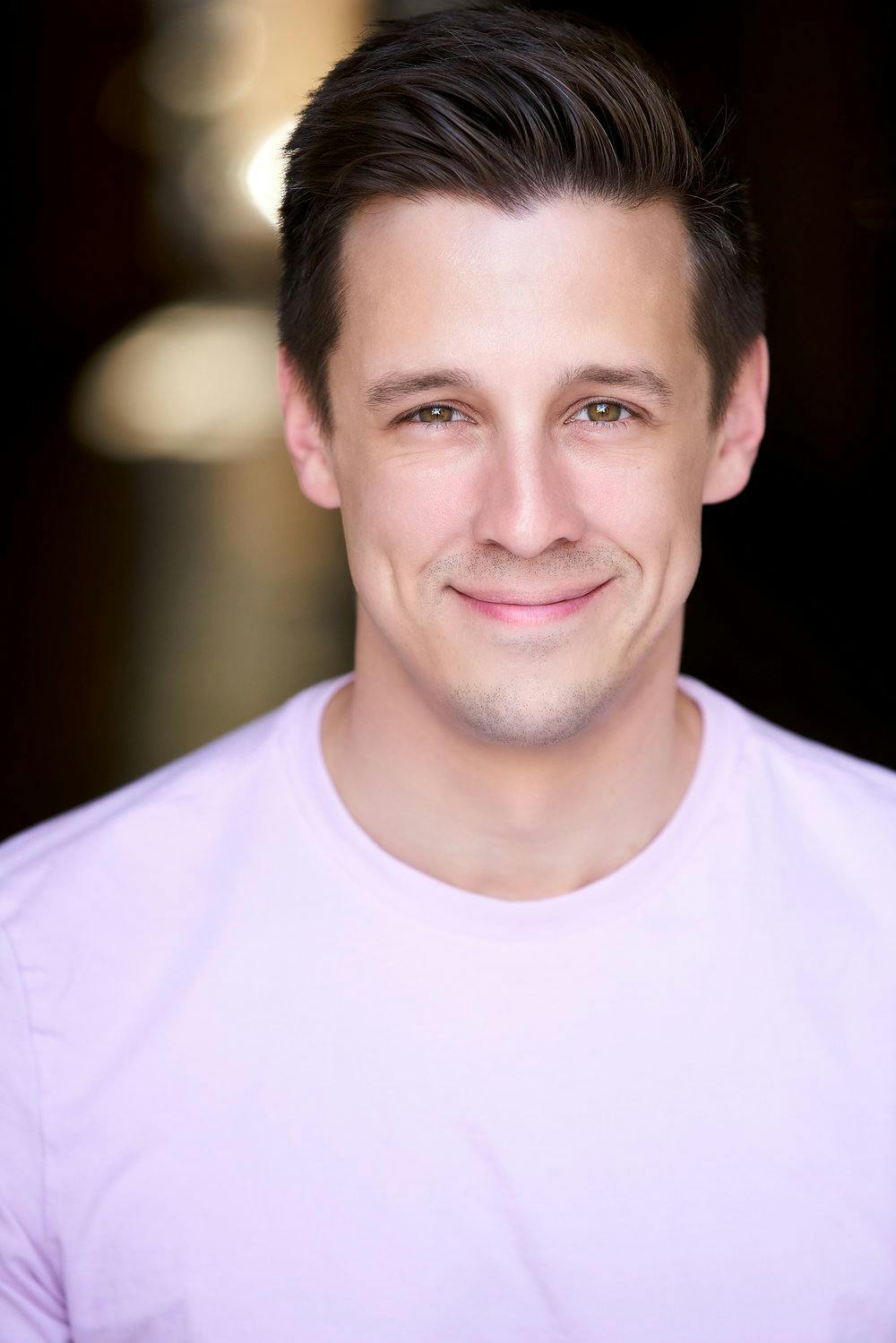
In this episode of "Living the Dream," Rory O'Malley chats with Jason Michael Snow about their shared experiences in "The Book of Mormon" and life after Broadway. They contrast the close-knit, social theater community in New York with the more isolated, car-dependent culture in Los Angeles, where making spontaneous plans is harder. Jason reflects on career jealousy, admitting to having a "mortal enemy" but learning to let go of competition through age and self-acceptance. A pivotal moment came when he didn't get a role in "Waitress," which allowed him to be with his mother during her final 18 months battling cancer. This loss taught him that missed opportunities can lead to invaluable personal moments. Jason now copes with grief and depression by talking to himself like a "buddy" and maintaining a routine, such as a daily morning walk set to jazz music. He also shares his early start in theater in Spokane, Washington, where his stepdad encouraged him to audition for "Charlotte's Web," leading to a decade of using "Supercalifragilisticexpialidocious" as his lucky audition song. The episode highlights resilience, the value of community, and finding meaning beyond career setbacks.
You're listening to the Broadway podcast network. You're listening to episode number 72 of Living the Dream with Rory O'Malley Audition side jobs swimming upstream believe it or not you're living the dream Hello dreamers Rory O'Malley here. Thank you so much for listening to Living the Dream Thank you for downloading. Thank you my friends So belt the vote we're still about in that vote folks. It is Still possible for many of you to register before the November 6th election Some of the voter registration deadlines are passed in states, but Like in California, it's October 22nd. So go to belt the vote dot org and register to vote in the election November 6th so important that the entire theater community and all of us make our voice heard So please do that. Thank you so much and Just a reminder we still have a very exciting Giveaway happening right now. It's the $100 question. You can win the chance to ask Leslie Margarita my upcoming guest a question over the phone will have you call into the show when she's on and You'll also get $100 towards gold start make a purchase of tickets on our sponsors website all you have to do is go to goldstar.com's Facebook page and make a comment of what question you will ask Leslie in the post about Our giveaway so go ahead and do that and we'll pick a winner and you'll get to ask Leslie a question Well, that'd be fun. We're getting interactive here at Living the Dream So my guest today is Jason Michael snow a good buddy of mine we were in the book of Mormon together and We were both the part of the beginning of that show and I love getting to Reminisce with people about how that show came about and how it's effector alive and The ups and downs since we've been in that show. I think that Jason has a really incredible story and He's out in Los Angeles as I am right now working in TV and film and and writing like crazy. He's a really incredible guy and I Think he'll enjoy this conversation here is Jason Michael snow. Hi Jason. Hi, Rory. Welcome to Living the Dream It's happening. I feel like I'm living a dream currently. You are great. Yeah, it's alright, but It's good to have you on the podcast bud. Thanks man. We've been on each other for a long time now But I was trying to remember when we first met was it at the first reading that we both did of book a Mormon It was the summer of 2009 when we did the last reading at the vineyard theater. Wow. Yeah, okay. Is that when you join? That's when I joined Okay, yeah, you guys had done I think one reading of the full version before that and then a reading of act one before that Yes, and I jumped in in the second reading of the of both acts Okay, and then we became mission companions. Yeah, we did at least in the first Yeah, two by two we were paired up. I was elder green. Yeah, and I was elder I had dumb names. It was either Marshall Cross or Jonah Davis I forget one of them I was what I was in Uganda and the other one I was the one I was that we were in I Think Japan now you know like there are several people who know exactly the answer to this listening and I think that you must have been Davis in the beginning wasn't cross like a new ganda. I don't remember. I honestly don't remember How long has it been since we how when did you leave the show 2014? So it'll be five years this yeah, I left every year before so it'll be six years. Yeah for me. What did you go and do right after? I did Two off-broadway shows at second stage right little miss Sunshine and that nobody loves you right right right right right Yeah, both old globe right Yes, yeah No, wait, I think little miss Sunshine was a little boy. Yeah, yeah, yeah, but yeah, I didn't do either of there I just did a mid second stage. I literally was at second stage for like six months after so a Dean of himself Oh, yeah, yeah, yeah, yeah, I'm not gonna do the out of town. I'll do it when I come to New York. Yeah, for sure Yeah, I got the a Dean of himself writer So let's let's let's talk a little bit about What you're doing right now you have a web series that we're in Los Angeles Mm-hmm. Yes, Broadway musical theater gaze living up life here in sunny California sunny California Although today it's windy California. It's very windy. Is that the Santa Ana's? I think that comes I think that's what they call it and the power's out like blocks from here And all those all the stoplights are out. I know yeah, and people are being very polite. They are which I'm a very very proud of how many fights would break out in New York City Yes, and everyone here is just kind of like no, no, no, you were here first you guys go ahead through the light go ahead Yeah, you're like, oh, thank you. Thank you. Can you can we maybe keep this? Yeah, when the power comes back on I know no Everyone was very very decent to each other. Yeah, that's nice But it's it's a big change for us folks from the theater community in New York to come out to Los Angeles Because we have such a sense of community in New York and it's hard to even know where anyone is in LA And I just feel here too Well, what I say when people ask me the difference with my thoughts on the difference between New York and LA is that in New York You're all on only a handful of subway lines that all Converge into one location usually right like if you're in theater You're always only going to like 40 second to 54th Street And it's that small little pocket of of the world And so when you're there You're always gonna and everyone's always kind of filing in from their various locations to get to that little like grid And you're always going to run into someone you know or or someone that you have a relationship with or a friend of a friend And then plans get made and then more plans get made and it just feels so social because of that right and also think because your Your mode of transportation is a social mode of transportation rather than being in your car right and here I just feel like the city isn't trained I don't know you know Nope, no pun intended or all puns intended. They're not trained to to be social In like this, you know Spur the moment way right and so you know you don't see people on the street random and be like hey, what are you doing later? Oh nothing great. Let's all go out for dinner like let's get a group together. Yes. Well, you also just don't see people on the street Yeah, yeah, you just don't bump into anything you have to be very active and and motivated to see someone So a lot of times it's hard to meet the right group of people out here Um, and I think that's really hard for a lot of New York folks to deal with. I mean have you had other friends who've come out here? I was out in LA first So I had like my group of LA people and then went to New York and I feel like did you come back to that group of people? Where they like were they all kind of still here when you got them? Yes, some of my closest friends still to this day and and I feel it's kind of like where I had to prove myself that I Couldn't make something happen and work um You know when it was completely broken trying to get ahead in this business and then in New York You have that community that is just already there and you just kind of like check in and they're like oh welcome Okay, yeah getting lined and here's your audition and equity You know exactly you kind of know actually I remember coming up with a game night There was a group of us who would go to these non equity auditions and like do the the open calls? Oh, yeah, and we would you'd be sitting there with all these other people who aren't part of the union And you're just sitting there all day and you'd be like what are you guys doing later and we this group of us all eventually like went to the same catering company to like survive And then we all kind of started like a little game night and then half of the men end up in Mormon You're kidding. Yeah, I'm the tour like Kevin Murphy is one of them. Oh, yeah, yeah That's so cool. Yeah, I mean we used to like we were neighbors in a story Yeah, we would go to open calls together and we catered together It's it's also like just a common thing that when you're going on auditions You're always with the same group of guys or people who are very similar to you because you're trying to get the same roles Yes, yes, yeah, and that's The healthy way to to deal with that decide to be friends rather than oh, yeah, I think a competitive. Yeah Yeah, I mean there's there's nothing useful to that no, I mean I would say luckily I only I only have one mortal enemy Uh in the business really oh my god only there's one person that just makes my blood boil that I'm like Because the of the way they've treated you or because of the The jobs that they've oh no, it's just jobs. They're nice put they're a nice person a very nice person And for no reason other than just me being a petty horrible human being I like when they have a success. I'm like oh And I get so mad about it for no reason. It's it's so Normal it's it's it's I mean that's we all have that to to say that you don't have that with a certain person or some kind of jealousy or comparing yourself to somebody else even be lying You'd be like oh, I'm not a person, you know like of course you do and especially in our industry which is actually very small You know that I'm right into the same groups of people all the time. So how do you kind of like acknowledge your feelings about this person inside of side so it doesn't kind of destroy you I I think when I was 28,
or 25 even, and I was like doing a character in like a bunch of readings, and then they would get that character for the show. Or like-- - So you're saying like the Adina Menzel that you were blaming. - Yeah, but I just wanna be on record. This is not me. - They were Adina Menzel and I was Stephanie J. Block. - Okay, almost shit. (laughing) - Okay, but no, it's not you, that I'll say on Mike. What did we turn it off? I have a lot to talk to you about about the attention. No, I think it's been age. I think it's been time and just the self-confidence of like, man, I'm happy with my career. I really hope they're happy with their career 'cause boy, they've had a good one. And it just kind of feels like, you know what doesn't matter anymore? This competition, this fake competition, 'cause it doesn't matter. I mean, you know, every now and then like, just recently there was an announcement. And my writing partner was here and he was like, I have to just brace you. This thing happened. It was a thing I had gone in for, I've gone in for, I've gone in for, I think three years. And like, then this announcement came out. And I, in a bit, I just, like, I took my phone out of my pocket, my wallet, my pocket and just walked into my pool. Oh my God. (laughing) - Oh my God. And they were like, you're a sugenity. And I was like, this is my coping mechanism. And I'm like, and now I feel fat. (laughing) - I mean, you have to develop a sense of humor and you have to find a way to laugh. - Yes, 'cause again, it doesn't matter. Like, all the jobs I don't get don't go to this one person and all the jobs they don't get don't go to me. We, you know, and it also doesn't matter anyway, because like, I hope and knock with knock away. But I feel like I've been able to do what I really want to do. And like, the shows I haven't gotten, you, I mean, I don't know if you feel this way. This feels altruistic and dumb to say. So forgive me, you know, for inducing an IRL comment, but I just feel like all the jobs I haven't gotten to do, I'm so thankful for not having gotten to do them because the life moments in events that have happened have been so necessary for me to go through that I wouldn't have gone through had I gotten the job. - Right. - You know, like my, to make it very real. And I mean, you know this whole situation, but for people listening, my mom got cancer and she's my best friend and she had cancer and passed away from it in 18 months. It was like diagnosis and they tried to operate and it didn't work and then she passed away. And for that year and a half, I went in for waitress and got cast and then got uncast because they changed their mind before they went to Boston. And had I gone to Boston, I wouldn't have been there for my mom's last summer. - Right. - You know, and just things like that, that like, you know, once you had it happen enough times, I mean, that's an extreme version of it. But like once you've had enough versions of life happen to you that are, that are, you can look back and be like, you know, I'm glad I didn't get that job because I was able to do this other thing or I was able to work on myself or I was able to discover this other artistic thing, you know, whatever the, - Well, and also for something is beautiful as, you know, an important is having that time with your mom. - Yeah. - It takes a little bit of experience in life to understand the value of that, to know and to be able to realize how priceless it is. There's no job that will make you happier, - Then spending time with your parents. - Yeah, yeah, you know, right. And which is, you know, that was one of the most, I can't believe it was 18 months, it felt even shorter, you know, just from the outside of knowing how difficult that was. - When you're going through something difficult like that and you still have to show up for your career, you know, like, your home, maybe you're getting an audition and you're like, - Well, I did this bunch of hard workshop. - Oh, right. - So you did a workshop and you're going back and forth, you're trying to keep things going. I remember many times in life when I was like, I don't want to do this project or this audition, but I have to for the version of me that's three months from now, who needs that job or will need to be able to move on. But how do you find the strength when you're going through something as difficult as losing your mother? - Sometimes I think you don't. I mean, I always raised Catholic and so I'm real good at gilting myself and judging myself. - Same. And I just feel like, you know, I just watched them, I just watched Big Mouth. And season two on Netflix streaming now. (laughing) They have their annals as well. - Yes, and he's very funny in it. They have this section where this girl, her parents are divorcing and she's acting out because of it. And first of all, my parents, they divorced and so I recognize that all too well. There's an episode where they have a depression cat, a depression kitty played by Jean Marsh, from that show on Netflix about Professor Axe and with Dan Stevens. Anyway, Legion. - Legion, yeah. - The woman from Legion, right? Who runs the school? Anyway, she's the depression kitty and she had this line where she's like, no, don't you want to just curl up and bed all day and sleep until noon or one o'clock with like reruns of friends on the TV, but you're not really facing the TV, you're just like looking away and I was like, oh my God. I was like, that is the most accurate, funny. - Very specific. - But real, like I have those days here in LA sometimes where I'll just be like, oh my God, I'm laying in bed. I'm watching TV not really, falling asleep sometimes and like not doing anything. And it all feels very reminiscent of this like crazy depression that only really sat in around time that mom got sick. And I think those times I think I'm a crazy person, but I've talked to people who've lost a parent and they all say they kind of live in this world that exists where you talk to yourself and I really talk to myself like a crazy person. So I'm so thankful I live alone sometimes. 'Cause like, like I haven't done this in front of Daniel yet, but I talked to myself and sometimes I just say, - Daniel, your boyfriend. - Daniel, my boyfriend. And I literally say, I can't live in many of this out loud. I like to say like, hey buddy, get up. (laughing) And I tell myself, I call myself like buddy or pal and like try and like talk to myself the way I would to like my younger siblings and just be like, you gotta get up, you gotta start your day. You have to just put one foot in front of the other and go. And what I found is for me, my shortcut to getting over that hill is to go for a walk outside. And so I have an alarm set that goes off at 9 a.m. everyday. And at 9 a.m, it's one of my favorite jazz songs 'cause that all puts me in a good mood. So I like get up and at 9 o'clock, my favorite, my favorite military song comes on. And I get out of bed and I, and if I don't feel like showering or if I don't feel like eating, then I'll just put on my little slipper shoes and like go for a walker on the block. And then come back and usually by the time you've done that, you've taken enough breaths outside and you've woken your body up that you feel like, okay, cool, I don't wanna go back into bed. - Do you feel like, I love that because it kind of gives you a routine no matter what's happening because our days are not routine. - Yes. - We are always doing something different every day. - It's even harder being in LA when you're on a shooting schedule 'cause you're not shooting the same hours. The same day is like when you're in a Broadway show, you're rehearsing at that theater six days a week, you know, 10 to six. And then you're at the theater eight times a week, specifically, so you have a very set schedule. And even like when you're a working actor here, you don't have a schedule. - No. - You have to make a schedule for yourself. - Yeah, you have to kind of give yourself that framework. Just start with, just start your day or you'll just wait and you know, in waters that just like feel like they go on forever. - You're walking to the pool with your clothes on. - There you go. (laughing) - There you go. Gosh, I hope you had a few walks around the block after that. Dry off. - No, it was more just to make my friends laugh. - I think we met just called great. - That's good. That's always very important. So let's start from the beginning. You grew up in Washington. - Spokane Washington. - Yeah. - And did you start doing theater right away? - Yeah, my stepdad, he was like this, like kind of from like a blue collar family of like people who just like had a vocation and worked, you know? Like there's a huge factory in Spokane called Kaiser Aluminum that so many of my relatives just worked for. 'Cause like you grew up in Spokane, you worked Kaiser or you teach high school or whatever. So for him having an artistic son was a new thing. And in a way that like, I think he was trying to be a good dad. I also think you know, it was being a stepparent, I think can be tricky. So he read in the paper that they were having auditions for Charlotte's web at Spokane Children's Theater. And was like, hey, hey, Jay, here's this thing. I know that you like to listen to musicals 'cause my mom would play records all the time. And he's like, you wanna audition for musical? And my mom, I never forget it was his impetus. And my mom was like, yeah, let's do it. So I went and sang Supercalifragilistic Expal Adosius as my very first audition song, which was my lucky audition song for a decade. - Ooh, wow. (laughing) - And then, and then just started doing children's theater in Spokane and then I started playing piano, started taking tap lessons until I got my mom's,
- I bullied out of taking tap lessons. - How did you get bullied out? - Oh my God, I remember leaving the bus at junior high when I was like 13 and I had them in my hand or I had them in my backpack and they were making a noise or something and this kid was like, what are you doing? Or was that noise and I was like, oh, I'm my tap shoes, I'm going to tap lessons, I'm going to tap class. And he was like, that's for girls. And I was like, yeah, but also like Jean Calley. (laughing) And he goes, and then he literally, I don't know if I can say this, but call me the gay F word. - Uh huh. - And it was the first time anyone ever said that to me and I was like, oh really, am I, I don't want to be that? And I went home and quit. I was like, I told my mom, I was like, I don't know, I wanted this this year. I have a lot going on. You know, I'm in junior high, so I don't really want to. I don't really want to dance anymore, there's a lot. And she was like, oh, okay, I have so mad that I did that. 'Cause I wish I had stayed like tap dancing 'cause I really liked that. I didn't really like doing any other kind of dance. But I liked it and so then I just kept doing it and then I played piano all the time. And I just kind of acted for fun, but I was really serious about piano playing. And then when I was 16, I think you and I have talked about this, when I was 16, we built an addition to our house and I fell through a window and I got this scar on my right arm. - Which is so badass. - It's a good one. - My choir teacher in high school always called it my Luke Skywalker. 'Cause when it was healing, you could see all the things moving. - Oh really? - And it was like the end of her turn, the end of the Empire Strikes Back. - He's got his new hand. - Yeah. - And it's crazy. - Yeah and I couldn't and because of that, I can't feel my right hand still. That's 35, so I can't feel it. So I, anything from my first like three fingers, my thumb, my index, my middle finger, 'cause I severed what's called the median nerve to your hand. And so after that, when I was going in junior year of high school, I couldn't apply for scholarships. I couldn't and all of a sudden I was like, oh, I guess my piano career isn't gonna be a thing 'cause I can't go to college for this. And this new drama teacher came to Ferris High School and her name was Mary Cooper and I auditioned for the musical and she and I became like best friends. And she's still like one of my closest friends from Spokane. And like she's like, I think you should try theater. She's like, I think you should really give it a shot. And so she coached me on my monologues for Boston Conservatory and I got in and I got a scholarship and I was like, I guess I'll keep trying this and then I just snowballed and I just kept trying to like work and. - What was your experience at school there? - Hard 'cause I didn't, I wasn't, you know, a lot of kids from around the country all went to like performing arts high schools or had voice lessons or had, you know, training. And I was that guy who did Dunne Children's Theater and tapped a house and then did like anything goes at Ferris High School and that was my training. Oh, I remember we did crazy for you my senior year and I watched the PBS version and I just stole everything Jim Walton did. - Wow. - You know, that they filmed it, - Paper Mill. - And I watched that Paper Mill broadcast of Into the Woods and so I was like, well, if it's good enough for Joanna Gleason, it's good enough for me and I'll steal everything. - Wait, that was at Paper Mill? - Yeah. - The one that's recorded, is it? - Paper Mill. - Yeah, yeah, I think they, I don't know why, but it says from Paper Mill Playhouse, I think in the credits. - Oh wow. - Yeah. - That's crazy. - Yeah, I don't think it's at the, what was it in Peril? Who the hell knows? - I don't know, I don't know. - All I know is I watched that a million times. - Oh yeah, I wore that VHS tape out. - Wow. - But so I went to school with that was my acting training, was copying, you know, Into the Woods and Crazy for You. - Yeah, it takes a lot of skill to just copy something though. Like, you know, I could try to copy something at that age, but I wouldn't have been able to do it. - I mean, so you just had like a lot of raw talent and luckily you found yourself in a place that was gonna shape it. - Well, and after halfway through school, they have, you re audition, they make you re audition. - Re audition, what is that? - They call it Promotionals, but it's like the opposite of what it sounds like. - Great. - And they, the online. - Yeah, really. So it's tough because you spend, you know, sophomore year, you go in and they're like, great, so at the end of this first semester, you're gonna sing two songs and do two, and do a scene with someone. And if we don't like your scene, then you're gonna have a monologue prepped. So you have to prep a monologue, prep a scene, and get two songs ready. And every future teacher that you'll ever have sits in the dark theater and watches every kid in sophomore year, re audition. And then over December break, you get told whether or not you passed, and if you didn't pass, then you're on probation for the rest of the semester, for the second semester, and you have to re audition again, or you get kicked out. And I was told I was fine acting and I was, I was funny. And then they said, but you can't sing. So you have to like really work on your voice 'cause you can't sing. And I switched voice teachers, because the lovely and talented Miss Catherine McFee was in my class. And she wanted to go to LA and do soap operas. I think, and left. And so her spot was opened in this voice studio of this woman that I liked. So I went to her. And so in Mormon, when we got to write our own bios, 'cause my first probably show was South Pacific and Lincoln Center's very strict about no editorializing. So like, no thank yous, just state your credits, and that's your bio. So Mormon was the first bio I could like say thank you. And so I thanked my high school drama teacher and my college voice teacher, 'cause those are the two women that are the reason I have a job or a life outside of, you know, Spokane, Washington. Isn't it so crazy how drama teachers in high school and our teachers in college as well that the amount of influence they have over their students is about all over Broadway. It's like, actually are the reason that theater and performing arts exists on any professional level is because everyone was kind of discovered in a younger age to keep going. I mean, did were they able to see you in the shows or they must have known that you did that? I'm sure you did. Yeah, yeah, yeah, yeah. And I sent them play bills and all that kind of stuff. And what I do is I try as often as I can to go back to my high school in Spokane and talk and just like, you know, kind of basically just do this with the high school kids. This Thursday I'm flying to Spokane to go and do a two day workshop with all the high schoolers. From a theater thing that I went to in high school called in taffits like the International Theater Arts Festival. Wow. Or no, the Inland Northwest Theater Arts Festival, that's what it's called. God, I hope that's right. I know, we'll bleep it out. (laughing) But it's this cool festival where like, high school's from like Idaho and Montana and like the sticks of Oregon all come into Spokane. And just do workshops with a bunch of professionals. Wow. And it's really cool. And so I'm going back on Thursday to like do a couple workshops and teach a tap class, teach a tap workshop. And it's, you know, yeah, that those teachers are so, like if I could be a philanthropist and give to anything, I would like give so much money to that high school, the arts program. Wow. Because it's just like to me, it was, you know, so many people, like I met so many nerds and I met so many like outcasts that like were just creative, but like in a town that really, you know, celebrates football. Right. You don't really, you know, like if you're good at music, no one cares really. Right. Unless you play in like the football marching band. You know what I mean? Like it's a, it's a, yeah. It's such a sports centered thing that. And so many communities are on, yeah. It's, yeah, yeah. 'Cause I think it's easy to say like, oh, they scored points, therefore they're good. Versus like, oh, they can sing, therefore they're good. You're like, well, I don't know. It's an objective, it's a subjective thing. Right. You know, like sports, you can be more objective about I think because you're like, yeah, either they ran fast or they didn't. Right. Versus like, I don't know if they acted that scene well or not. Sure. So it's hard to like throw them, you know, it's, I think it's hard to be, I think it's hard to be like, um, passionate about it as a culture, as a society. Because like, even my, you know, my best friend and I will, we'll go see like, bad times at the L Royale. And like, he had one experience in the movie and I had a different experience. You know, and you walk out and it's just so completely, it's so subjective. So if I could be a philanthropist and just throw a shite ton of money to those high school arts programs in cities that don't get that attention, I would love it. Yeah. Just 'cause like, it's the reason I have any business doing anything in the city of LA is that I started from a teacher who took this hyperactive kid and, you know, made him sit down and learn a house of blue leaves monologue after school. (laughing) There's some good ones. The one about making a bomb. Mm-hmm. Yeah, I think I had to do that one too. That was my college addition monologue. Yeah, yeah, yeah. Yeah. Probably one of those monologue books. It was in the book. Yeah, that was like an orange and white and like a maroon colored book. Yes. Monologues for young male actors. Yeah, there you go. And then you like work on that all the time and then you've never been asked to do a monologue professionally. Nope, it's so weird. I got asked to do one Shakespeare monologue when I graduated college and I had one. Yeah. But good Lord, if I could tell you any of it now. It's always about auditioning with the pages from a scene that you're gonna be doing. Yeah. And so I always thought, as soon as I graduate, like, why did we do this a little more in school? I really felt like we got a brush past that. I know, I wish we could have worked this actually a little. Yeah. So funny. OK, so you graduated from school and you said you were in audition room seeing the same people at the equity room. You were catering. So you had to have side jobs. You weren't living the high life. No, no, I graduated college and got a pretty good professional gig at Good Speed. I did Frederick and Pirates of Penn's Dance at Good Speed, right when I graduated. Oh, wow. That was really fun. Yeah. And it was this new version that like Nell Benjamin was working on.
and John McDaniel, a whole bunch of cool works. - Yes, I guess. - Doing a nice, all version of that. - And then when they went to Paper Mill, they, someone who's part of the production team, creative team, we're like, "Hey, we're gonna take you with us "and we're gonna say goodbye to the girl that was your lead girl." And I was like, "Oh, okay, 'cause there was an age difference "between the two of us." And they were like, "Yeah, she's a little old." And at the time, I think she was not quite 30. And I'm like, "That's, now looking back, "I'm like, that's terrifying." But they're like, "Yeah, she's a little old, "so we're gonna take you with us to Paper Mill and not take her." And then the press release came out and it was like, "Barrot Fulla playing Frederick "and Pirates of Pensans." - Right. - Opposite, that's how you found out. - And that's how I found out I didn't get the job. Or how I found out I wasn't going forward. And so I was like, "Oh, I guess I broke in a story on-- - Oh my god. - And I guess I should wait tables or something. So I think in New York, before I got my first, before I like kept, you know, Nakhwa, Nakhwa, kept working, I have an agent when you had, we're going through-- - I did. - Yeah, I was with Brett Adams. That was my college. Like, they were so sweet to me. And they, yeah, they were my first agency at a college. And they, they were like, "Don't worry, "you know, we'll get you other jobs." But like, that was my learning how not to wait for the phone ring because it didn't for a long time. And so I think I had, I think I was with five different catering companies and I worked at two different restaurants. And I remember one time I got fired from a catering company because we went to, we would do private parties at like houses in like New Jersey, like fancy mansions in New Jersey. And like, we did like Chris Rock's house a whole bunch. And I like got to meet his wife and she's like super cool. And one of these houses we did had a ton of animals and I'm wildly allergic to everything. And I had a full-on asthma attack at the house. And the woman, her, who was hosting the party, her husband was like a, was like a general practitioner, like a fancy doctor or something in New Jersey. And he couldn't have been a general practitioner 'cause their house was huge. But, but they, she, he was something. And she took me upstairs to his, to his like, his bathroom and like gave me like an inhaler. And I was like, thank you. And then she went to the, people and she was like, he's a liability. He can't work for your company and they fired me. And I was like, "What? "Are you serious?" So I got, so, and so, and then another, that's another moment where I was like, "Okay, cool. "So you have to just be mindful of like watching out for yourself "in, in the way that you need to." You know, and like, you know, I brought my inhaler with me for all the, for all the next gigs that I did for other catering companies. - Wow. - Yeah. And I, and I pounded that pavement like crazy. I mean, my, my friends and I went to like every open call, you know, when we didn't have our equity cards, we would go to like five, five, thirty in the morning and like sign up on those lists. - Yeah. - Just wait and wait. - What is still happening in the same way? I think there's some kind of like internet sign up. - Yeah, I hope there is. - Yeah. - I mean, I think it's changed. - Like we still had, you know, my space, weren't I? (laughing) - Yeah. - It's auditioning. - Sure, yeah. - You know, so like, I think Facebook still had the article in front of it. It was called the Facebook when I got to New York. So there was a, it was a lot, you know, more grassrootsy to do those. - But I remember like, - I would show up at five, thirty in the morning and get a spot to potentially get seen. - At like five, thirty in the afternoon. - Right. - And then would you have to stay that whole time? - Yeah. - 'Cause you never knew when they were gonna come out and read your name. - I came, I did a few of them, but by the time I came to New York, I was, I was equity. - Yeah. - 'Cause I got my equity card in Los Angeles. So you have all these moments where you are trying to figure out how to feed yourself at crazy jobs. You're showing up at five, thirty in the morning. You're not getting the job. - Mm-hmm. - Dealing with rejection. Sometimes you jump in the pool. (laughing) But jumping in the pool and laughing is different than when you're going to your catering job that night or whatever side work you have. How did you get through those days and get yourself up to be at an audition at five, thirty in the morning when you knew you had to care or work at a restaurant that night? - You know what was a big turning point? I was in for, I was in for the revival of South Pacific for Noah Weisberg's role. And it was one of those where you get called back and then you get called back and you get called back. And so when you're 23, I think I was at the time or 24, when you get your third call back, you're like, oh, I've obviously booked this. So I just need to like, you know, keep going to these callbacks 'cause clearly I have the job. They're just waiting. - Here. - And I remember it was a day when Lincoln Center, it was Noah and then me and then Noah and then me and then Noah and then me. And then I think Craig Burns called and said, hey look, so they're going with Noah because he's already done a Broadway show. And so it's on paper, it's just he's done it. And so it's not going your way, but everyone loves you. You know, but we know we're 23 and 24, you're like, that's so devastating because you're like, well, how can I ever break into this if I can't do it? If I can't do an H show a week thing and then I can't prove to someone that I can do it. - It's so really crazy. - And I had to go to a catering gig that night. And my roommate and my best friend, we catered together and he came up to me and I was so sad. And he came up and he was like, look, here's the deal. You've been playing piano since you were a kid and like 'cause I still play piano, I just, you know, 'cause it was just fun, it was a way of, you know, just like kind of de-stressing. And he was like, I love watching The Simpsons and I'm like, he's like, and I kind of have like a take on, you know, funny take on things. And our best friend, Misha writes poetry. He's like, why don't we get together and just start writing. He's like, if we aren't, 'cause all of us are trying to be actors. He's like, if we can't get arrested here in this town, let's just do our own thing. And so we were like, great, what sounds funny to us? And that was right when League of Blonde came out and we were like, let's turn movies that should never be made into musicals, into musicals. So then all of a sudden our days had meaning. We had a schedule, you know, we had writing to do. We would go to his parents' house on Long Island on writing retreat weekends. And the three of us would just go to like, you know, to Rockville Center Long Island. And write, you know, Bill Paxton's I Want Song for Twister the Musical. - Oh my God. - Or, you know, or write like, show me the money from Jerry LaGuire. - Oh my God. - And like, we would just do all these things and it just felt so fun. And suddenly, auditions stopped being the only way you could artistically express yourself. Auditions became this thing that you just were just like, okay, yeah, I've got this audition, but then I'll come home and write. And you had something more fun to look forward to. - Right. - Then like, walking in and, you know, singing eight bars of a random song and hoping maybe you get a call back for a reading. - Right, waiting for the phone to ring, waiting for something to come to you. You were able to create and you didn't have to have permission from somebody else. - Yeah. - You guys gave permission to yourselves. - And it saved all of our butts. I mean, the second we started doing that and the second, of course, the second we got the zipper factory, they loved, we had, we made a demo of all the stuff. And we talked to the zipper factory. The second we did that is when I booked my first opera, we show which led to being in the Xanity National Tour. And I was gonna be gone for all of the performances. And then my best friend, Misha was working and then she booked something else and Ryan booked this crazy big reading and all of us became wildly unavailable for our own concert that we then were like, trying to sell out at the zipper factory. And after that, that was when I realized, okay, cool, when I'm in a slump or when I'm in a low time or downtime, I have to create my own thing. And I don't know if that works for everybody, but for me, I have to do it because I can't have these auditions be the only thing artistically that happens in my life. - Right. - Because even auditions aren't that artistic. Like there's not a way to really get rid of that energy. - Right, it doesn't feel like you're really getting to have that communion with an audience or with you're doing your craft, even though it's so much of what we do in our craft. - Yeah. - But it doesn't, it's not the same satisfying feeling. - No, 'cause you have this no matter how much, I mean, it's like, it literally is like dating, but it's almost like dating when you haven't, when you haven't had like a significant other for a long time. And like my friends, I talk about this 'cause one of my buddies hasn't had a long-term boyfriend for a while. And he's like, I just feel like I go on these dates and I wanna hide how desperate I am for this to be the date that leads to my husband. And I'm like, I get it 'cause you go into those auditions, you go into those auditions and you're like, I just want so desperately for this to be the job that pulls me out of my financial sadness. Or the job that lets me do the one thing I want to do since I was seven. And you can't, the weirdest trick is what you have to walk into those rooms and you can't care about it. I think you have to walk into dating and you can't really care if you're a soulmate or not. It's just to be present and be a human. And I think the only way you do that is when you find the thing on the side that becomes more fun. - Right. - Which is, I think that that is the tricky thing, is finding that and letting yourself have the freedom to pursue it. Because once you do that and you open your mind up to other joyful things other than somebody giving you a job, then it changes your DNA, it changes your, there's a weight that's lifted off of you. And I think that it's hard for us, especially when you come out of a program that's got your mindset like this is what you do. You need to book this job. That's what's going to give you work. - Yeah, you should always be in class. You should always be keeping everything like, like keep your instrument really well oiled and well fine tuned and you're just like, now just throw it away like, do what makes you happy. And you know, like my friend in LA, he's a very, very talented musician. And he writes like Dungeons and Dragons scenario. - Wow. - To then host extravagant lavish little part
And then on the side is just so happens to be like a very accomplished music director. But like for him, it's like I can't wait for the phone ring. I have to just do the thing that makes me happy. And then his like narrative structure then spills out into him being an excellent music director who's like actually to make this happen. We need this and that and that and you're like, oh, you learn that skill set because you were writing scenarios. Yeah. You know for your friend like, because when you're writing Dundes and Dragon scenarios, you're trying to surprise your friends, AKA an audience. And then you take those dumb lessons you learn and you apply it to your profession. Yeah. And I mean, we're literally engaging in the thing that I started doing. You know, this podcast, it was not an artistic endeavor for me at all. But I do feel like the art of conversation and communicating with another human being and having people tell me these stories, it's changed me as an actor. It's changed me as a person. And I am so happy every time I send it off into the world and somebody listens to it. I don't know how many people I was into this. My mom probably. Yeah. Yeah. I know that. But what's more important is that I'm creating a thing and that no one asked for it. No one gave me permission to do it, but myself. And that's so empowering in a business that we just don't have any power some days. Yeah. You don't have any kind of say over creating. So, um, do you find that that you like to have your hands in a whole bunch of different pies? Or do you find that like this podcast kind of gives you kind of checks all the boxes for you? Oh, I've, you know, I mean that I have a lot of pies. A lot of pies. A lot of pies. A lot of pies. You know, and you don't know which one's going to come out of the oven, right? No joke. So, yeah. So, you have to kind of, you have to keep looking around to figure out what other ways you can stimulate yourself and create. Yeah. And you've got to bake a lot. Yeah. You do. And you know, that that has also come to me with doing activism, doing social, social work. Because that to me is more gratifying in some ways. And, you know, this whole belt, the vote thing of doing voter registration. It's, it's been a lot of work. And there are days where I'm like, why am I doing this? And then you remember that there are so many people who are not registered to vote. And I just am so proud of the theater community for stepping up and getting to witness that. You know, like what we were talking about at the beginning is that knowing that New York theater community and the power that it has when it works on something together and they have come together for voter registration. So, that has inspired me and has nothing to do with art. But it's given me this new lease on life in time that is so negative and sad. I think that's incredible. Was it you? Was it, was it Emily? Was it you, Gavin and Emily? And Jenny. Jenny. Jenny. I knew there was a why at the end. Yeah, the three, the, the, the, because you guys did all that stuff while we were doing. So, Broadway impact. Yeah. We were doing marriage of quality work. And that's, you know, that was the first time I had ever done anything like that. And I wasn't employed. You know, I was very, very scared about how I was going to survive in New York. But, prop aid had been passed in California. And I had just learned how to canvas and phone bank working and volunteering for Obama's campaign. So, I was like, well, I have this time. I have to figure out if I'm going to do something about this issue that's so important. Or if I'm just going to, you know, stand on the sidelines and just hope that, that there's an audition that fills this void. And I said, fuck it. I'm going to just dive into this thing and do everything I can. And I couldn't believe like within a month or two of that happening, I was doing the reading of the Book of Mormon. And I didn't have to sacrifice this passion for something new to be faithful to my first passion of being a performer. I, in fact, it made that more wonderful. And I also felt like that experience of working on a nonprofit, it let me walk away from Mormon. Which was a hard thing. And I want to talk to you about that. That, you know, we were given this gift. You know, we've been talking about our struggles, but we were a part of the Book of Mormon. Which maybe we should talk about the beginning rather than the end first. But, you know, that having Broadway impact and having something else other than being an actor, fulfill me, let me walk away from it. And I know that life had more to offer and that I would be able to have more experiences if I gave myself that opening. So, you were in the third reading of Book of Mormon. We did a couple of workshops, which means we put it up on its feet, did dancing. That was like at least a year. We did, yeah. I don't, the timeline, because I opened South Pacific. Oh, I eventually got South Pacific. You went into that. Yeah, and that was a year and change after I didn't get it. And then, like, how life is so crazy. Yeah. And then I got it. And then, the day that I was having my opening night, which was a Tuesday in July, which didn't matter. And anybody else put me. And it was even my first night on Broadway. I was with my mom and my stepdad. We were walking down ninth Avenue. And I got a call from my agent being like, "Hey, so you're gonna, you were asked to do this reading with the South Park people?" And I was like, "What are you talking about?" And I called a book of Mormon. I was like, "I don't know what that is. Great. I'm in." And that all happened on the same day. Wow. It was nuts. And so for some reason, Mormon always has like this a very solid timeline in my life of, we did that last reading, like, end of July or early August for two weeks at the Vineyard. Then we went and did the first workshop in February of '09. Okay. And then we did-- Like, I was there, but I need you to kind of walk through. And then we did the last workshop at Juilliard in August. Right. Right when we closed that Pacific. Oh wow. Yeah. So I was running back and forth from across the street, because we were also gearing up to film it for PBS, the week that one of the weeks that we were doing it with casing everybody at Juilliard. Wow. Yeah. So I was running from like, you're doing the camera blocking step over there. Yeah. Wow. And then we found out halfway through that workshop or halfway through the performances that we already were just gonna go to Broadway. Yeah. And we had a job waiting for us in January. Yeah. That final performance, I think Stephen Sondheim was there. It was such a crazy time. It was a crazy time. Because it was-- I have to say, like that workshop previews before we opened it, that probably was the greatest part of the whole experience for me when it was just a secret. When we knew what it was and people on the outside world had no idea. When we were terrified that everyone was gonna be like, "Oh, South Park, I roll, I roll." And there were moments where it was just like, "Yeah, maybe college kids would like it, but maybe no one else will." Right. We didn't know if there would be a matinee performance of the performance. No joke. Yeah. It might just be touring colleges after we closed it. Exactly. But it was such a crazy, wonderful experience and was embraced. I felt like, especially because we were dance partners in the beginning. I'm not the dancer. I wasn't bullied out of dance. I just didn't get in the class. Listen though, since we were dance partners, maybe those bullies did me a favor. Because I'm not as answering either. So maybe they were just trying to tell me what I should have already known. I feel like what was so great about those Mormon boys is that we all went through that experience. And I felt like we were all such equals in our ability and what we brought to the table in terms of everyone was just a really good actor first. Do you know what I mean? I really felt like this is a troop of actors and we can sing and do some dancing. But we're getting a tell-a-story. I think that started with those workshops and the readings. I remember the creative team that was hitting that ship did table work with all of us. I remember one time we would do, it was when you had that zero baptism song. Kevin might have been your lover but maybe not. And there was a moment where we were like, yeah, there was a section where we all freaked out at some point. And I just remember they would come in and be like, hey guys, here's a new scene, see if it works. And we'd stage it and try it. And they'd be like, yeah, maybe. Or like no, and they'd cut it or they'd reuse a couple lines here and there, repurpose lines to somebody else. It was so vibrant in a life because these guys are from this TV world of like, we have to write an episode of a television show in five days. In five days. In five days. That's how they write South Park. And we would just be like, cool. All right, great. Give us like new scenes. You know the prop, you are a writer, you write music. So you understand this better than I do. But what was so crazy is when we would come back from like several months off in between readings or workshops, we would come back and we would start to work on the music and was exactly what we had left. Like Emily would be like, oh my god, they do any work. What are we doing here? And they would be in a room in an office writing a new song and we were like, oh boy, you know, are they going to be able to pull something off in just a few days. And then they would come out.
a few days later with "I Believe." - Yeah. - And you were like, what? - Or "All American." - Or "All American." - "All American" was like a totally different song. All the way up through "July" art, wasn't it? - Yeah, absolutely. - "All American." - Yeah, "All American" I think was for like previews or in tech or like, we didn't get that song to late in the game. - No, I think that it was definitely something that was being put together in previews. I remember there was tambourines at one point. - Oh. - They're, yes, in front of an audience. - Yeah, oh yeah. - We had tambourines in front of an audience. I forgot about that. - Yes. - Oh my God. I remember you and me, but mostly me was a different song. Which then it was called "Something Incredible" and they repurposed that into the bridge of you and me, but mostly me. - Right. - Wow. - And it really should all come together and remind each other about these things. 'Cause I haven't got about that. - I love that song. The groove was just so cute. You and me, but mostly me. It's so fun to watch that too. 'Cause something incredible was like a cool groove, like fun, cute song. But then you and me, but mostly me, is so much, like heads and shoulders, better storytelling. - Yeah. - And that to me was one of those moments where I just, had a weird out of body experience of like, how lucky to be in this room and watch these people work. - Yeah. - So fast and so fast, so efficiently, you know, and also with precision that lands. - Yes. - Like, 'cause you know, you could like, throw a song out, put a new song in, and everyone's like, "Lew, that's a dud too." - Yeah. - But man, every time they went back to the drawing board, it came back way better. - Way better. - It was so cool. - And they didn't waste any time on something that wasn't working. - No, like that Josh and Andrew song. - Yeah. - In the coffee shop. - Yes, there was a song before that big final scene where they were upset with each other and I think we only saw it once. - They, they learned it. They performed it case he had the perform it for us. - Yeah. - And everyone was like, "Cool, we don't need this." - Yeah. - And they weren't precious with any of it. - No. - It was so cool. - Yeah, it was, it was very interesting to have creators work on a musical that are just used to having a computer generate their idea and animate it and just be like, "No, that's not working, so let's just redo this entire thing in one day." Because they were willing to do that. - Yeah. - I hope they do it again one day. I'd love to see it. - Me too. - I'll see it a new show from them. - It's also cool to watch, I think, as any kind of an artist to watch someone be cool with not being precious about something. You know, like they worked on something incredible for how long, right? How many years was something incredible in every reading, every workshop? And then, you know, like Casey or whatever that Juilliard team, you know, they were like, "We don't think this accomplishes the right goal." And then, everyone was like, "Great, cool. Next song, let's do something different." - Yeah. - And it's just so awesome to watch people at the top of their game be humble enough to be like, "Yeah, cool, great, doesn't work." Out by, and then let's put something new in. I loved watching that so much of like, leading, almost like a leading by example of, "Great, I can't wait to have my own show or, I can't wait to create my own thing and be just as not precious with it as you guys are and be cool with like, editing all the way until five in the morning." And, yeah, I mean, I over-omanticized it, of course, 'cause then when I did get in that position, I was like, "This is so stressful!" - Yeah, yeah. - But it's cool to watch. - Yeah, so we were in a show that really caught fire and was so exciting. And for me, I don't know if it was for you, but it really was, you know, I had social media, but it really kind of like changed what social media was because I wasn't just engaging with my friends. I was engaging with. - Stranger fans. - Ador fans, strangers, and people I didn't know. And at times it became overwhelming. How have you navigated through social media and do you see it as a plus? Do you, what are the downsides of it for you? - Well, my boyfriend, Daniel, and his writing partner, Matt Wilkes, just fully funded like $46,000. - Oh, good. - Yeah, got greenlit because of social media. Like Daniel was on a show called The Lizzie Bennett Diaries on YouTube, and Matt Wilkes is like, he's got like tons of social media following. And the two of them were like, well, we love doing this sketch series and enough people watched it and they were, you know, put on all the sites, but they were like, let's just, you know, basically crowd source. People who like what we do and just see if we all want to get together and in this weird hippie communal, like digital way, see if everyone wants us to keep doing what we're doing. And $46,000 worth of people said, yeah, we want you to keep creating. So I love social media in these moments where it's a reinforcer to people of we really like what you're doing. We like what you're putting out. So please keep making more of it. - Right. - You know, so I wish I was better at it. I'm not good at it. - What does that mean, good at it? - Like I probably should do an Instagram story every day or something. You know, like, what do you think that is though? Like because I think there is a new pressure on doing that as if that's part of the gig now. And I'm not saying I don't feel that way, but I have been able to let like, I don't do as much because I'm not in Hamilton. You know what I'm saying Hamilton's like, okay, look, here's a lot to look at. - Yeah. - That I know that the people who follow me want to see, do you want to see me go to the gas station and you know, run my errands? - Right. - You want to see me drive through the Warner Brothers lot for an audition? - Yeah. - Right. - And I know maybe people do, but there's also like, that's the Adam and X tower. You could have Google it. - Oh yeah. (laughing) - I mean, I'm not trying to take away from like people who do feel inclined to share in that way, but I'm wondering where it comes from that now we feel like obligated to do that. And is that where is that taking what it means to be an actor? - I mean, the hope is, I think, well, of course, I mean, I think when I see someone who's disingenuous on that, when someone's like, hey, you guys, I'm so grateful. Like, you guys mean so much to me. And you're just like, bullshit. You don't believe that at all. Be a real person. - Right. You can, I think you can kind of tell when someone's truly present and engaging with you on social media, or just kind of like going through the motions and like being like, I saw someone else who was present and I'm in a fake being present and grateful and all that kind of stuff. So I feel like there's a checks and balances that exist just in what people decide to follow on people don't decide to follow, which then makes me nervous to engage because I would like to be authentic. But there's also a knowledge of like, even my vulnerability and even my authenticity, the business side of me knows that like, if people like it and subscribe to it, then I get further. And so there's a weird like wrestling, at least with me of thinking like, I wanna do it on my own. I don't wanna do it because of some extraneous outward thing. You know, like I wanna get this job because I auditioned for it, not because my best friend is the director of it. Even though I wouldn't also mind the job because my best friend's the director because then we get to work together. But I, you know, there's like a weird, I don't know if it's nepotism, it's like something that's different than that. But there's something about an authenticity of social media that I can't put, I can't connect to yet. And so because of that, 'cause I see some people on Instagram, on their stories on Twitter, and like Tim Federley is a great example of this. He is like, everything he says is dynamite. - Yeah. - Everything he tweets is dynamite. And I've always wanted to ask him like, how much pressure do you feel to just constantly be always funny? - Yeah. - But I'm not asking that yet. But I feel like, remember when we were, remember when AOL was a thing? - Sure. - And we were all like in college with like, you know, our landlines that you couldn't pick up the phone receiver to get on. And people, and a way of messages became a thing. And so people would like, leave a way of messages that were just kind of laundry lists of like going to the grocery store, then getting my haircut, then going to the thing, and then doing that. And you're just like, who cares? I don't care. Why is it no way of message? And then some people would like, leave like funny way messages. And you're like, oh, I want to do that. That's kind of funny. And I now have residuals of that. I'm like, first of all, I shouldn't be so judgmental. Second of all, that was the beginnings of what all of this, I think has blown up into. Of like, no, some people do kind of want to know like, like if you go to the grocery store, is it funny or is it interesting? And I feel you have this pressure to be either funny or interesting. And if you aren't either, then it's a failure and you shouldn't even do it. So then I just feel like I just, there's pressure to be funny or interesting. And if you aren't, then don't. And I feel like I don't know if I am. And I don't know if I want to go seeking the validation of asking strangers to like or comment on my stuff to tell me if I'm funny or interesting. 'Cause then I worry that, then I'll rely on people saying I'm funny or interesting to then, for then me, like five years down there to be like, oh gosh, people stopped telling me that I'm funny or interesting. And now that's all I have to hang anything on. - Right. - And so it's like, I don't know how to balance it yet. - Yeah. - And I don't know if I want to balance it yet. - Yeah, it's a very, it's something that you kind of have to sit in the driver's seat of and not let it drive you. - Yeah. - And I, you know, if my husband is listening to this, he will make fun of me for saying that I have.
have any kind of boundaries around it. But because you know, they'll be like, "Oh, are you sending a Tweety Honey?" You're sending, you know, like if I'm staring at the phone for too long, you're trying to think of the right thing to say. I am mindful of the fact that I'm sending it out to people and a lot of times they're young theater fans who are on social media. And so I'm very careful about what I put out there. And I feel like you do have to have a presence. But there are days where I just don't want to, where I have to remind myself that I don't have to let the public into my day today. Like it's not my, it's not their right. And it's not my obligation. And it's also like you have to always check like is this something about your ego or validating something in yourself. And you know, going through Hamilton, I think is probably why I'm so interested with this because it was like being shot out of a social media cannon. And with, you know what we went through with Book of Mormon was like do not talk about Book of Mormon outside. Everything was quiet. Yeah. No performances of an outside of the theater. Don't film anything backstage. Don't ever film anything backstage. Now there's no phones allowed backstage at Book of Mormon. I mean, it's very, very different because at Hamilton, everyone's live at all times backstage. You know, it's things are always being put on the internet. Well, now I see the people who've replaced us in Mormon. And like, I mean, I see like, I'm like, oh look, there's my old dressing room. Oh, look, there's all these costumes. I'm like, oh wait, I have like very little amount of pictures of any of that because we just, it just in 2011. Right. That was the exact opposite mentality. Yes. Yeah. It's things have changed very, very quickly. And I don't know. I think we just have to be mindful of what it's doing to us as artists. Yeah. And what's the priority? And you know, in a way, like, you know, what you talked about Tim, he is so smart and funny. And there are so many people who are being creative. But I wonder how much of the creativity is being put into something that just kind of like goes away that maybe could be put into something more permanent. You know, and like, and I mean, also just because like, someone like Tim, now we're just talking about Tim. But you know, he's-- Hi, Tim federally. Hi. He's so great and smart. And you know, I hope that these are-- it's an outlet for someone to have more access to work and for their work to be seen. Oh, yeah. I'm compensated for it as well. Well, he-- he-- I talked to-- because I was-- I was going around and I was doing a pilot that I'd gotten-- I'd cobbled together a pilot about my family life. Oh, okay. Because all my siblings-- not all my siblings, but all my siblings from Spokane are adopted. Right. And my mom passed away. And so I had this like, what if moment of like-- like, look at this crazy, like, cornucopia of multicultural kids. And what if, you know, they all had to help raise themselves. And so I, you know, was like, let's make a little pilot pitch about my life. And I got super far with it. And then eventually, everyone was like, cool. This is great. Let's shelve it for now. Because we like it. But we don't want to take it out and have it be doors closed on this concept. And I talked to Tim about it. And he's like, look, I have never done anything that hasn't resulted in another job, but maybe not from the job that I was doing. And I was like, what do you mean? He goes, well, I was asked to do like a pilot on a novel that he had worked on. And he coupled that together into a script. And then took it out. And people were like, cool. So maybe know on this, but you're talented. So then maybe here's a movie. And then that's how he wrote Ferdinand. Wow. He got Ferdinand from a script that no one wanted to buy. But then-- but he put all this energy into it, you know? And then like I think even the beginning of Simon and Schuster stuff with him with all those recipe books, the cocktail books that he started, were because he just was like tweeting. Yeah. I mean for someone like him, the well is never dry. I guess that's just-- Yeah. Like for the way-- And I think work begets work. And no matter what kind it is, you know? So my friends were like, are you really sad that they all kind of pass on or shelved your pilot for now? And I was like, no, because I don't think that that was a month of-- like I did it in a month and a half because I didn't know the deadlines of anything, because I'm still such a newbie. But I really believe in it. And I felt emotionally connected to it. And now I know what it's like to have a 13 page document on what you think a show should look like. And so if nothing ever comes of it, I mean, man, the life lessons and the-- what I've already trained my brain, chemically, to even understand. I'm like, how to like-- like the couch you're sitting on right now is my writing couch. So like I don't sit in this chair by my desk. Like whenever I write anything, I sit right there and I put music on. And like I just work for, you know, three hours. And like that's just my routine. And it's just now I've got that under my belt to go forward and be like, cool, if this-- this-- nothing comes of this idea I had, then the skills I've learned in this moment, it probably will pay off at some point, right? Because like I played piano my whole life. And then I was like, oh, I can't do that as a career. But then I started composing. And then from that, I did like all the music to the web series that my friends and I just shot. So like, you know, like cool, I'm not headlining at Carnegie Hall playing showpan. But that skill has been so useful. So I just feel like there's no skill as wasted. It might just be repurposed. And so that's kind of the thing. I'm trying to wrap my brain around with social media of like, boy, doing a story on Instagram. Like last Saturday was the anniversary of the movie musical, the twist or the movie musical that we did at the zipper factory 10 years ago. Oh, yes. I saw it. I saw you posted about it. And I had some strangers who I never talked to on Instagram, message me and be like, hey, I'm a burgeoning composer. Oh my god, my friends are doing this thing. And I try to like communicate to everybody the rights of Instagram if I can. And so slide into my DM. And it was cool to just realize, like, oh, this moment might not be for me. This might be like, hey, here I am. And like, here's something I did 10 years ago. And I'm really proud of it. And I just want to, you know, just throw it out there in the world. And then someone else is like, oh, cool. My friends and I are doing the same thing. Good to know that this, you know, isn't for nothing. Right. And so like, and then who knows? Maybe they're the next Lin-Manuel Miranda. And like watching other artists share their work is what galvanizes them to keep doing work. And again, like that to me, like that's, that's what this whole art, like theater community, certainly in New York. And I think a little bit more and more, the more I get to know L.A. that it's just like, that's to me how social media can help. Is that like your experience can inspire someone else? Because certainly people's experiences have inspired me. And it's just to kind of hopefully know that we're all blind or all crazy. We all don't know what we're doing. And like maybe someone will just like, get a leg up with someone else. And then we'll just kind of help boost each other up to keep creating. You're incredible because you have always, since you were working with those friends of yours, you've always been looking for ways to create your own shit. And that is so important to stay sane and creative. As we've said a couple of times here, you have something really funny and fun of web series. Yeah. Now can you tell us about that? Sure, sure. If you are still in high school or younger, this is where you just hit that fast forward button for about three, three, 30 second moments. My buddy's Lucas Haslet and Matt Barone, we're sitting around the pool right outside this door and talking about awful hookup experiences that had gone horribly, horribly wrong. You and most of my dressing remains from Book of Mormon know a lot of it. And we just were laughing about it. And we were like, let's just film these. Why the hell not? We're all three wanting to work. And my boyfriend's brother is a DP. And so we were like, Will, can you film all this for us? So we drunk history decided we would film six of our worst hookup scenarios. And so we did and we called it the shallow end. And it's basically each of us get two episodes of recreating a terrible night. And the thing that we had long conversations too about what we wanted to represent. And we were like, one thing we will never do is sex shame. We really, really want to make it known. 'Cause like some of us I've had some crazy moments like Matt had a moment where a guy confessed that he was into drinking a lot of water and going forward with that. And we were like, let's make sure to not shame fetish it. 'Cause why? And who cares? If it's not for me, that doesn't mean it shouldn't be for anybody else. But Matt's episode is a horror episode because the horror of it was the guy was like, hey, I want to do this sexual act with you later, but I have to take a phone call. And so I'll be right back. And then Matt just sits there having to go use the bathroom and can't. And like wanting to have a good night. And then eventually like the whole episode turns into like every hour all of our favorite horror movies in one three minute episode. And then he eventually runs to the bathroom and the guy's like, get out of my house. [laughs] I mean, it's so great. And it looks so good. I mean, it's the whole thing is fantastic. And I know I've never done something like that, but I know even doing something so small is so much work. It's so fun. Well, we're a five minute operation. I mean, it's Matt taught himself Adobe Premiere to edit. Wow. 'Cause we couldn't afford to pay anybody to do it. So Matt was like, yeah, I guess I'll just, I don't know, I've done eye-movie. Yeah. And he was like, I've edited bits for my friends. So he taught himself from here and would use YouTube to teach him how to do
editing tricks. And then like definitely not the same but that's like the technical wonders right now is just teaching myself because I was like well if I'm gonna do this no one's gonna do it for me. Right right. So like you can like call NPR and be like hey have this idea. They're like great we have seven booths that are completely unoccupied. Right right believe me if anyone helped initially I would have taken that. But really you really do you know once again you can't wait for permission you just have to keep going and I think that I think that sometimes people assume that after you've had the milestones of success that you've had that then the things just start to come to you and you just kind of like picking shoes which ones you're gonna take when it's really a hustle the entire time. You're always working to figure out what what comes next. So you might as well be the one who decides. Absolutely I mean I I've gotten lucky enough to wear like some some people that I've worked with in New York on those like we did that down Navi musical. Right. We did the Russian Broadway shut down musical. Oh yeah. And some of the people that I've that I've worked with on that like they were just kind of like starting out or or kind of just getting their their foot in the door and I was like oh hey I remember you from this reading like come come and do this thing and I'm like oh great awesome thanks so much. And then now they're out here in LA and and just very recently I got a lovely job because someone was like hey I know this person they have me do this thing in New York and now here I am and they were and it was just like a work begets work and we kind of helped each other get jobs and again you know like I was saying earlier about like I would rather earn the job than than have a nepotistic thing. It it feels nice to just have a moment where like I work my butt off and I've done this thing and like hey come in and do this thing and then later on down the road they're like oh hey I work my butt off and I've done this thing and hey come do this thing and all of a sudden we just start helping each other out and suddenly you know someone gets finances and starts throwing them your way. I mean Scotty and I went to go visit Ann at South Park Studios before I had to fly back to New York and and and was like oh tray show Jason and Scott your your barbershop quartet that you wrote and he is like oh yeah yeah you guys gotta come listen to it and we listen to it and he is and he was like what do you guys think what do you guys think and we were like what are you asking us you have any and he's like what do you think what do you think and and me being a dummy I was like well you know that you know like you know like those six the nights like it needs to sound like like an old Maxwell House coffee commercial but it was so fun just because like we went to like say hi to a friend who was doing something that like we all are just you know like working and he is like yeah I can't figure this thing out and we were like well here's kind of a thought and then they were like just go do it and you know and it's just hilarious to kind of take a sip back and be like yeah but like this is like top professionals doing it yeah but it really isn't any different than just swinging by someone's house in the valley yeah it's all the same stuff it just you know I think you just gotta just keep doing it and like keep you know like again that actually really making it full circle that to me is I think why competition doesn't shouldn't matter right and doesn't matter because like everything happens for everything goes around in a circle always right so like some days you might be able to help someone else then sometimes you're gonna need help and and it just doesn't matter to be competitive with someone because like that job that I didn't get you get but then the job that you didn't get I get and the job that neither of us got someone else got and it doesn't it all comes out in a wash you matter you may have an arch nemesis but you are also someone else's arch you know like that's that's just that you know the truth of we all feel that way about each other and instead of holding on to that and trying to blame someone else's success for something that you're lacking we should just hold each other up and just try to make more opportunity for each other yeah absolutely which is which is why I think you know it's fun to have game nights coming out of auditions yeah because it doesn't because it doesn't matter yeah well thank you so much for talking really cool is it good I love fun yeah a lot it's nice right you know sit down talk with your friend and just remember why why we do all this well especially because you know after you leave I'm gonna go work on my horror movie screenplay oh you got you got a lot of pies talk about lots of pies it's great it's great especially out here you know like we need you need to kind of like invent who you are in Los Angeles because you don't want somebody else to tell you you have to kind of decide for yourself yeah and I think too now you know we're we're kind of approaching this this non-binary way of looking at everything in life yeah so it's like great let's just keep not putting ourselves in boxes yeah all right well I adore you I love you I'm so glad that we've gotten to have so much of our stories together and that we're both out here right now and now I'm gonna find out who that arch now oh hello and welcome to the cheese wheel podcast your new favorite podcast about hyperfixations gamble down a wheel in this podcast we are covering anything that we want to talk about but the problem is we don't know what we're covering every week and it's something new every time and I am joined by two of my co-host Andrew DeWolf hello hello I'm happy to be here and Liz Eston hello also very happy to be here and this show is weekly and every time someone else brings something to the table that's a little bent we're gonna be covering anything and everything including chapeurones new album spy kids and the film version of waitress we're gonna have a new episode every Friday and you're gonna see the vast arrays of interests we might have and you what might be one of your choices oh I mean I could pick something like I don't know famously bad movie Miami connection and we can have a good time watching something that I love that's kind of terrible or I could pick something incredibly good like like Jacob's ladder which is my favorite movie of all time incredible and Liz what about you oh no I could go something like a walk hard the dui cock story was like I'm talking about my favorite comedy since just didn't let me do it on the old podcast well funny bring that up in case you're wondering what happened to me is close with cheese we ended that show but the show still here and living on in season one so if you want to go back and listen to our backlog that's still here but right now we're just the cheese wheel please keep on listening we got a lot of fun stuff to come and we hope that you like what we're doing
Podcast Summary
Key Points:
The podcast episode features Rory O'Malley interviewing Jason Michael Snow, a friend and former co-star from "The Book of Mormon."
They discuss the differences between theater life in New York and the entertainment industry in Los Angeles, including community dynamics and social challenges.
Jason shares personal struggles with career jealousy and competition, emphasizing the importance of self-confidence and perspective.
He recounts a profound life lesson
Jason discusses coping with grief and depression, including self-talk and daily routines like morning walks to maintain mental health.
The conversation touches on Jason's childhood in Spokane, Washington, where he started in theater with support from his stepdad and mother.
Summary:
In this episode of "Living the Dream," Rory O'Malley chats with Jason Michael Snow about their shared experiences in "The Book of Mormon" and life after Broadway. They contrast the close-knit, social theater community in New York with the more isolated, car-dependent culture in Los Angeles, where making spontaneous plans is harder. Jason reflects on career jealousy, admitting to having a "mortal enemy" but learning to let go of competition through age and self-acceptance.
A pivotal moment came when he didn't get a role in "Waitress," which allowed him to be with his mother during her final 18 months battling cancer. This loss taught him that missed opportunities can lead to invaluable personal moments. Jason now copes with grief and depression by talking to himself like a "buddy" and maintaining a routine, such as a daily morning walk set to jazz music.
He also shares his early start in theater in Spokane, Washington, where his stepdad encouraged him to audition for "Charlotte's Web," leading to a decade of using "Supercalifragilisticexpialidocious" as his lucky audition song. The episode highlights resilience, the value of community, and finding meaning beyond career setbacks.
FAQs
It's a podcast where Rory O'Malley interviews guests from the theater community, discussing their careers, challenges, and life in the arts.
Listeners can go to Goldstar's Facebook page and comment on the giveaway post with a question they would ask Leslie Margarita to win a chance to call in and $100 towards tickets.
In New York, the theater community is tightly knit and social due to shared subway lines and a small geographic area, while in LA, the car-centric culture makes it harder to run into people spontaneously.
They first met at a reading of 'The Book of Mormon' in the summer of 2009 at the Vineyard Theatre, where they were paired as mission companions.
He developed a routine of going for a walk outside at 9 a.m. each day, using a favorite jazz song as an alarm to motivate himself to get up and start the day.
He suggests focusing on self-confidence and being grateful for the life moments that happen when you don't get a job, as they can be more valuable than the job itself.
Chat with AI
Loading...
Pro features
Go deeper with this episode
Unlock creator-grade tools that turn any transcript into show notes and subtitle files.
 PodcastTranscript AI