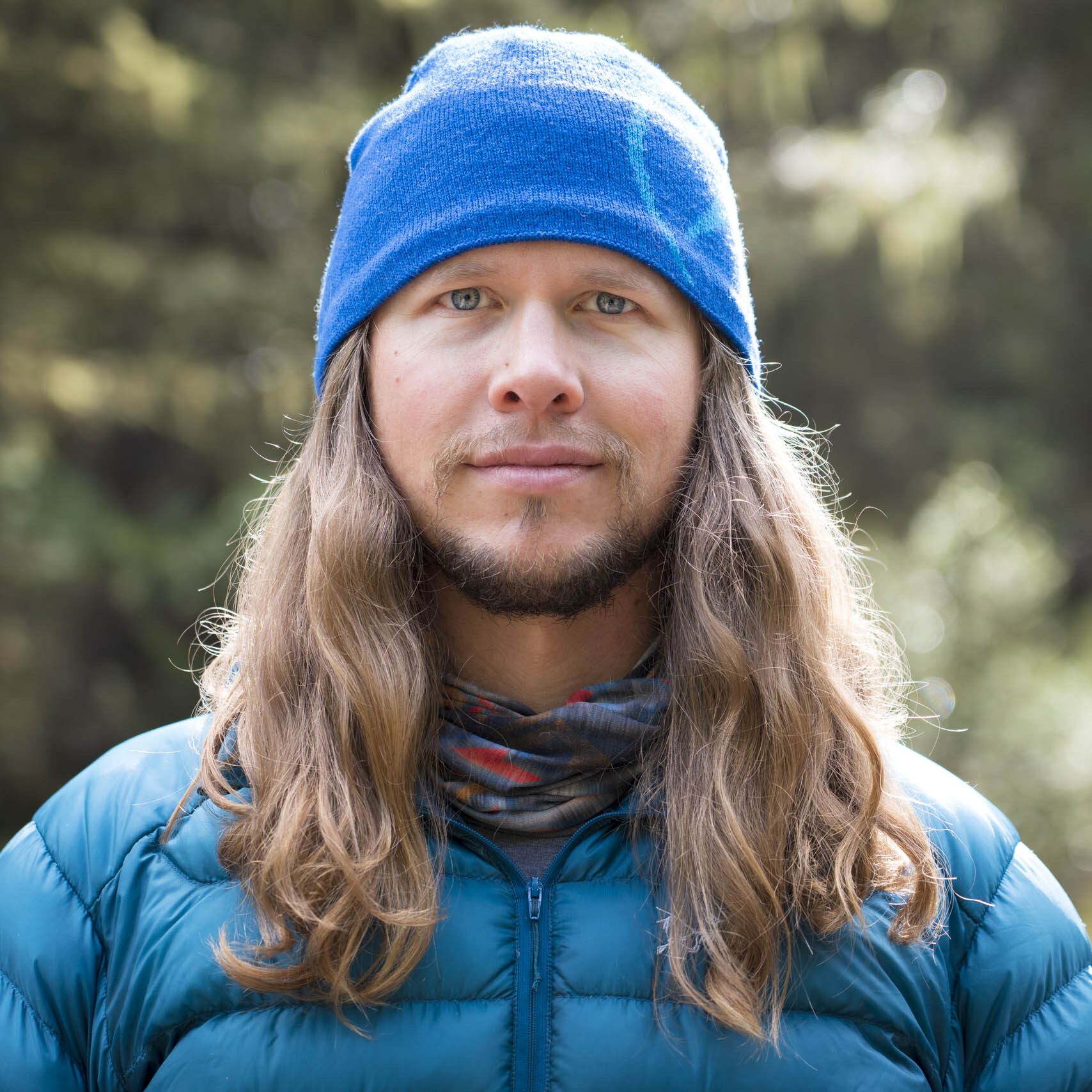
457: Jason Hatfield - Influencers, Ethics, and the Gatekeeping Debate
73m 24s
In this podcast interview, photographer Jason Hatfield discusses his approach to landscape photography, which centers on effort, remoteness, and ethical practices. He explains how his childhood experiences and move to Colorado shaped his preference for earning images through demanding, solitary pursuits like ultra-running and backpacking, which allow for unique, crowd-free creative work. The conversation delves into the challenge of juggling "athlete brain" and "photographer brain" during expeditions, noting the need for intentionality to ensure photography isn't overshadowed by physical exertion. A significant turning point in Hatfield's career was his decision to remove a widely used fall color location guide he created, driven by observing increased overcrowding, environmental damage, and a shift in community culture due to social media. He advocates for responsible public land use and reflects on building a photography career aligned with personal values, emphasizing deep immersion in remote places for genuine creativity and mental rejuvenation.
(upbeat music) - Hey everyone, I'm Matt Payne, and this is episode 457 of Epstop Collaborate and Listen, a podcast about photography, creativity, and the choices we make around how and why we create. My guest today is Jason Hatfield. Jason's work sits at the intersection of landscape photography, endurance, and ethics, with a deep emphasis on effort, remoteness, and earning images the hard way. In this conversation, we talk about blending athlete brain and photographer brain in the backcountry, navigating geotagging and so-called gatekeeping, advocating for public lands without performative noise, and what it really looks like to build a photography career without compromising your values. Okay, here's my conversation with Jason Hatfield. - All right, Jason Hatfield, it's great to finally have you on the podcast. - Yes, you know, I've been trying to get on. - Come on man, like we've been friends and have known each other for like, I don't know, 12, 15 years now or something like that? - Yeah, yeah, yeah. - Unfortunately, I'm not always the best at wanting to say things publicly, so I finally, I guess, worked up the courage to come on. - Yeah, well, we're going to be talking about some controversial stuff, so it should be more fun in that regard. It's funny every time this topic comes up, you're like one of the first people I think of in terms of wanting to banter about it, because I think we have very similar views on it, but before we dive into the main subject, why don't you go ahead and tell us a little about Jason Hatfield and who he is? - So, I'm a, you know, nature wilderness photographer out of Colorado, I've lived in Montrose for about past five years now, I was in the Denver area before that, big focus, like I said, nature, public lands, outdoors, adventure, I don't really do any other types of photography too much, and I think I've been in Colorado since 2008 now, so it's my home, and I love, you know, I live not too far north of you, only a few hours north, so we both live around probably our favorite mountains. - Yeah. - Personal life, I've married, got a dog, other than that, not too much. - Yeah, yeah, yeah, that keeps it simple, huh? - Yeah, yeah, makes it easy to get out and do what I want when I want. - Yeah, right on. Well, let's just dive into this. I'm gonna kind of ease us into the more controversial stuff to start out with, so I know that one of the things that you and I have in common is that we both love to earn our images the hard way, so let's set the stage here. How did effort and remoteness become core values in your photography, and was there a particular trip or outing that crystallized that for you? - I'd say it's hard to say there's one factor that made that such a focus in my photography. A lot of childhood experiences, for sure. You know, nature, wilderness, boy scouts, hiking, trail running, canoeing, camping, did a lot of that growing up, I grew up in Northwest Ohio. So there wasn't, I would say, the kind of nature that we have here, but there definitely was, hopefully, you know, we go into Michigan a lot, and that's where we do a lot of those things. And my family would come out West every few years on kind of a big, you know, camping trip, so that was definitely something that made that appealing right from the get-go. And then I would say, while I've always enjoyed nature, my bug to really push myself in it, coalesced after moving to Colorado in 2008, and that was part of discovering who I was in this landscape, and then I would say the next big kind of change or jump, 2012, I got into ultra running as a way to kind of explore remote location for photography. I just thought, is it worth bringing my gear back somewhere? And if it is, maybe this is an easier way to find out 'cause you know how it is backpacking, sometimes you get away out there and you're like, "Well, this was silly, why'd I come out here?" With the running, you can go out and a few hours check out a location and be like, "All right, I need to go spend a couple days back there." And backpacking, that was something I did through scouts, and that was something that I really enjoyed and did with my family a little bit. But then I kind of got out of it in my early 20s. I was living in Cincinnati. And then again, Colorado changed that. It wasn't until a few years. My first true return to backpacking was like 2011. I went to Lone Eagle Peak back when you could, you know, get permits relatively easily. And that was kind of like the restart of that. And within a few years backpacking had become such a part of me in my photography. And it was kind of like, you know, the ultimate type of photography. And you know, just something about getting to places you can only reach on foot or bike or flow. The time you get to spend there, you know, taking photos that only a few others have taken or ever seen, maybe nobody has taken, you know, would just yourself or maybe you've got your dog with you as some friends, family. And you don't have to feel the pressures of the crowds or infrastructure, you know, you get to reward that view. I guess that's just the best feeling to me. Yeah. And yeah, I mean, just something really cool about remote places like the Wind River Range, Alaska Grand Staircase. And there's obviously also the anti social aspect of it too. (laughs) You know, I do enjoy friends with, you know, going out with friends and taking photos with friends and going with non-photographer friends. But I probably recharge the best away from crowds. And, you know, I don't mind seeing a couple of people out there. It's kind of nice for a little bit of safety security, but my tolerance for crowded overlooks is pretty gone at this point. Yeah, yeah, I feel that. It's funny, I feel like we have so much in common with our photography journey 'cause I got really hardcore started in 2010, 2011 about the same time you did. And we've both seen so many changes, especially here in Colorado, relating to photography and the destinations that we like to photograph over that period of time. And so I think that's gonna help set the stage for some of the future of this particular conversation. But before we get into that stuff, I know that there's been a lot of talk these days about photographing close to home, which I think is really great for some people. And I think it's, you know, done wonders for you and I as well in terms of kind of niching down with the location. But what does being deeply immersed in a remote place do for your mindset and your images that you're not able to get by staying local? I mean, I guess it depends on how you define, you know, close to home being local. For me, like the San Wands, you know, that's 30 minutes away to any of those, you know, good mountains. So I consider that local close to home. But then there's definitely a, I'd say a movement who looks at like their backyard, you know, nature path, you know, whatever is right around their house. That is being in local. And, you know, if that's your thing, cool, go for it. It's just, unfortunately not enough for me. I grew up surrounded by corn and soy. And so I just need a little more than the daily mundane view to like really get my brain, you know, working and going. And that sense of freshness, you get in a landscape you've never been to before. Maybe it's when you've only visited a few times. I mean, I'll still go to my favorite places and photograph 'em till the end of time. But it's just completely different when you're somewhere remote. It kind of puts you in that new, like fresh mindset. It gets you exploring more, thinking more outside the box. And you know, it's also just like, you know, about the quiet, being away from the noise, being away from people, that kind of creativity. There's no reception, no distractions. You know, no infrastructure. And there's also something to be said for that, you know, remoteness, that getting there that kind of creates and simulates like strife and pain, things like that, where some of the best art you could argue, you know, comes from people who've had those moments in their lives that are pretty painful for me. Like, you know, it varies, but like I had lost a couple of dogs within a few years of each other. And that second one hit me, you know, pretty hard. And that, I feel like definitely like some of the stuff that I was writing the work that was coming out in that time period was like really good and kind of fell off a little bit after that. But the remoteness kind of recreates that to a certain point. - Yeah, no, that resonates a lot with me. I did a trip to the Circulation Clemables this summer. And, you know, having never been there before, not really looked at a lot of photographs from that area before it was so much fun just trying to make sense of it with the camera and not having, there was no people there, it was just me and Nick Stover. And there was nobody else. And just having that whole base into ourselves. And for I think it was like five days by ourselves just in there checking it out. And that was just one of the most amazing moments I've had in a long time. So I totally understand what you're saying there. - Yeah. - Well, cool man. So one of the things that I wanted to ask you about is that obviously when we have some of those big days where we're hiking, skiing, bike packing, deep into the backcountry, I'm curious how do you juggle like athlete brain versus photographer brain? Like do you switch modes or do you have a way that you've mixed the two modes together? Like what's that look like for you? - Yeah, it's definitely a, you know, a difficult one I'm sure you struggle with as well. It really kind of depends on the mindset of what I'm going out to do. If I'm trying to get to specific spot or if I'm just kind of open to the adventure and what comes around through that, especially if you think like something like a hot trip, a ski hot trip. And that's kind of where I'm definitely mixing the two, beginning up to the hut. You know, that's very focused on, you know, more the athlete mind just getting there accomplishing it. And then once I'm there, I can go around and play more with the photo mind. It's probably easier when I'm alone versus when I'm with a group. It's pretty easy to get distracted when you're exercising with others and you know, make that a photo focus. And I don't know how does that work for you when you're trying to decide the same. - Yeah, it's pretty similar for me, man. Like I, in fact, oftentimes I'll have to remind myself, like hey, you're carrying a lot of camera gear. Maybe you should use it. You know what I mean? Like, you're having a good time hiking and backpacking right now. But maybe you should just slow down and take a look around and see if there's anything worth photographing. I've definitely forced myself to really be a little bit more intentional about the photography when I'm on those types of trips. For me, it's kind of like blending the two is nice because it gets you to these amazing locations that a lot of people haven't visited before. But at the same time, I feel like you kind of have to schedule in some intentional time just for the photography while you're there. So for example, like I did a backpacking trip last summer in the San Juan's way up into Rock Lake. And have you been there before? - Yeah. - Yeah, so you know, it's not super easy to get to. - No. - And I had to like basically force myself to spend a whole morning and a whole evening just doing photography so that I actually made it worthwhile to carry all the stuff with me. Otherwise you just get, so wrapped up in the hiking that you lose side of the fact of one of the reasons why you're there. Obviously there's multiple reasons why it's good for you. But, you know, you're gonna carry all that stuff you might as well use it. - Oh yeah. I mean, there's definitely times I'll bring gear around, you know, with me and then just not use it. You know, or like only use it a couple of times to look back and like, man, I was in that spot. Why didn't I get out my camera more? But it's also I think easy and with that hindsight to also forget why you didn't take a photo. It might have been like, you know, I was just getting my butt kicked and I'm too tired. Or the weather was just really crappy or there was some other issue you had, you know, you had some sort of struggle gear failure or whatever it was. And, you know, those things easily get forgotten 'cause it wasn't a good thing, but there's definitely, you know, reasons that create that. For me, for a while there when I was really doing altras, I took a little Sony RX100 and I was a little, you know, one inch, which was a cool, I'd like the first series of it. And I'd run with that and I'd take photos with that. And it was definitely difficult to do both. And it wasn't taking like nature photos and more like the adventure photo aspect of it. But it's like, I would have to run ahead, get positioned up and then take photos as my friends are running by, they get passed and I had to turn around and catch back up and then run ahead and it was like, I'm adding all this extra work in. And eventually you just get a little bit burnt out, you know, doing that. And you'll notice it was like, I go through like four passes because an example of one I run a few times. And as the loop goes on, there's like fewer and fewer photos because it's just, I'm getting too tired to do this. But the photos are cool. And I look back the ones that I do have of it. It's cool to have that kind of photography. And that was before I'd say smartphones had kind of gotten to their current capability. I don't really carry something like that around anymore. The smartphone kind of accomplishes it. Oh, I did more recently get a small little OM system camera for kind of that purpose again for like pack rafting and bike packing. Just something where I'm not pulling out my big Sony. That's just, and also the like the weather proof and ruggedness of it, you know, I don't have to worry about with pack rafting, especially you've got an area where you can put your gear up in the front of the pack raft. And, you know, you're still gonna get splashes and other issues. You know, you might potentially drop your camera with the OM, you don't want it to really worry. So it's kind of nice to have that capability. Yeah, definitely. All right, so let's get into the meat of this conversation. So, do you not take offense to what I'm about to say, but I think it has such a stage. So like when you were first coming onto the stage, I always saw you as like kind of like one of those early influencer types. Like you are constantly hustling. You were going to all these locations and then you created this huge location guide of Colorado for fall color way back in like, I want to say 2011, 2012. Summer in that time frame and it became super popular. I think you probably made a decent chunk of money with that. And then something happened and you did a complete 180 and you pulled all that material down. What was the turning point where you realized that wide open geoteching and location sharing was doing more harm than good? I think it was definitely an evolution over time of, not just me but the community in general. Like I could see where I don't take any fancy to like the, I guess influencer-esque type, I was definitely very out there. I think as we all are pretty enthusiastic in the beginning about just getting out to as much as you can. And I never, I'd say really shared actual tracks. I shared look like locations, spots of it. But I wouldn't tell people that kind of iconic view up over I will creak like I never gave any of the like years the way you get right up here, you know. But in a nor did I ever actually share cordoness to that. But that's something where like if you don't have the tracks to get up there, you have to know how to navigate train to get up there. But I kind of started doing that, you know, as you know, Rocky Mountain Nature photographers. Like that was a forum group that we were involved in. And you know, a lot of sense of community and sharing. We all kind of shared locations with each other because there wasn't that concern and worry that like, you know, 500 people are going to show up. So it was, you know, really, really before social media took over, it became such a fabric of society. It was mostly nature nerds back then. It was just people who were really into nature of photography and you know, not trying to, you know, make a brand out of themselves and nature. But yeah, as far as why I pulled the guide, I mean, it was a few different reasons. The community had definitely changed. And why I should guess I guess I should say why I created the guide in the first place. And why I created that was because, you know, I was getting all this information from other people and good locations, working hard to find my own locations. And there was just like, there was other location guides out there at that time from some people that we know, things like Iceland and the T-tons and Yellowstone places like that that had guides that were helpful to me. And I was like, I wish we had a guide like this for Fall and Colorado. Like this would be really helpful. I wish I'd had that when I started. And it just gives me a good place to start with. And so that's kind of why I created was something for other, you know, nature nerds to be able to start with and get that idea where to go. Yeah. And, you know, I put some sensitive spots in there that were appropriate, I think, at the time. But over time, the crowds got bigger. And that's something that wasn't just like me, it was everywhere, like just, you know, social media especially just made everything more and more popular, more known. So if somebody used my guide found a place and then told their friend and then told their friend or shared it on social media and just kept, you know, blowing up bigger and bigger. And then location, you know, sharing went pretty mainstream with a lot of websites. And, you know, land, public land abuse has always been an issue but I think it really started to take off and it really got bad. And I started seeing it a lot more and I didn't want to contribute to that. And there was some places that were under the radar where I started to see it and a good example. And this wasn't something I shared on the guide but if you're familiar with South Mineral Creek Falls. - Yeah. - So when I first discovered that there was probably a couple film photos I'd found of that in like a book in your library. And that was like, and I just found it looking through maps I was like, oh, there's got to be a waterfall there because you know, you go up there to the other more popular place that's near that that's very well known. And there's nothing known about this waterfall, nothing about this spot. And then I get there one time and people had set up hammocks all around over the waterfall and there was just trash all over the ground and it was just like, I mean, I can't believe people are doing this. This place, the first couple of times I was there was so quiet. And now it's like a wedding destination spot. People are trashin' it. And I just, I couldn't, I couldn't be part of that. I didn't see a point of being part of that community change. And so I pulled my guide in 2018 and you know, just didn't sell it anymore. - Yeah, I feel like over the last two years I've seen efforts to, for other popular creators to do something similar. Like I know Casey created like a Colorado campaign guide. And then this woman should release like a giant fall color guide similar to the one that you had created. And I pushed back on both of those individuals about them creating those knowing full well that I've seen what can happen from those types of things being created. And when you have that long view and understanding that especially in the age of social media, like it can be incredibly dangerous in terms of the impact that creating something like that can have. I know it comes from a good place. Like you said, I wish I had this when I was starting. I have the knowledge now, it'd be cool to share it. I wanna help other people out. Oh, and by the way, I might make a little bit of extra money on the side. That's cool too. But from where I sit, I think it can do nothing but bad. - Yeah, and I would agree. And it's like, you know, I know Casey, I think he's a great guy. Yeah, I'd probably disagree with him releasing that. Especially with us, you know, living here, we, you know, it's like, you know how hard it is to find sometimes dispersed camping when you're just trying to get to a spot to go take photos. And it's just one more factor that we have to now compete with. And you know, the public lands for all of us and there's other resources like I overlander out there that, you know, give away that information. But I just, I feel like anything we can do to minimize that kind of information is better. And there's also people, I guess I can't speak to her, but people that do those kind of like hidden gem guides that it's, you know, they want to be kind of like your travel BFF, you know, they want, they want to be the person known as like, oh, I go to them for the locations. They know all the hidden gems, the secret spots. And it's like, well, they're, you know, one, there's very few hidden gems. But two, it's like, well, they're not going to stay that way if you're doing that. And I feel like some people have gotten into that and sort of doing that. 'Cause like, well, I've been there, I've photographed it enough. So what does it matter if I send crowds there? Like I've gotten my phone out of it. And that's, to me, that's a bad attitude to have about it. I mean, I sold 1,500 copies about, that's about how many copies of my e-book. And I was selling it for like 15 bucks a pop. So I mean, I didn't make, you know, you can do the math pretty easily. But I didn't make a ton of money on that. But I had people after I pulled it, start reaching out to me for me to sell it to them like directly. Like, especially the first few years, lots and lots of emails. I'm like, nope, not selling it. I had one guy's like, oh, I found it pirated online, but I just want to buy it from you. I was like, sorry, I'm not selling it. You know, and I have explained my reasons every time. And, you know, he was like, well, you know, I could just take it from that website. And I was like, well, that's, you know, that's your decision to make. If that's what you want to go, you know, ethically, I'm not going to stop you, but I'm still not going to sell it. You know, the information's out there. If, you know, that again, the community's changed. The big access to this information is changed. And so we just kind of have to re-evaluate a time and what that means for our work and how we share it. - Yeah, it's frustrating for me because I could create an amazing guide for Colorado like Sam. I like the ultimate Colorado San Juan photography guide for fall color. And, but I would go against all my values. And I'm just not going to do that. And unfortunately, I've just noticed the social media rewards that type of thing like the Reels. Like there's a guy who created all these Reels like showing these hidden gem locations in Colorado. And like all these people pushed back against him. And he was like, I'm making money. Ha, ha, ha, ha, like this jokes on you. And it's like, like, if money is all you care about as a nature photographer, unfortunately, I think eventually it's going to come back to buy all of us. And I just, it's a very short-sighted way of looking at the world, unfortunately. And the bad news is like, those are the people that are known. Like they are well known, they're famous. I run into people-- - I usually use that to like launch it. - Yeah. - Exactly. I run into people all the time that are new photographers. And I run them into in the field, shooting full color. And we just start having a conversation. And I'm like, oh, it's like who are some of your favorite photographers in Colorado? And like they list off all the people that are doing the location sharing. And like those people have named for themselves and they're leveraging that knowledge. And unfortunately, I think there's not enough people pushing back saying maybe this isn't the best way to grow a following. - I've gotten to know him a little bit in the past year. And he's moved away from that. And I think he's realized his mistakes in that regard. And it doesn't share specific location information anymore. And you always wish with the information out there that people would change quicker or no better. - Sure. - And the people can change. - And so I'll give people like that the benefit of the doubt to a certain extent. But I feel like that's just the way that so many people try to launch their nature photography kind of career now is like, I'm gonna be the location person. I'm gonna be the location person. And that was never what it was for me necessarily. It was more again sharing with like minded people. I wasn't trying to share it to the overall general public. And you know, with social media, especially with reals, it's about pushing it out to as many people as possible. And so if your content gives away some secret then that's gonna do well because everybody's like, oh, now I know this secret. I'm gonna go to this cool spot. And yeah, you talk about a guide. You know, one thing I've kind of thought about is doing a guide again, a general guide for Colorado but not a GPS guide, a regional guide. So something where you literally are just talking about like the Crestibute area, the Talluride area, the Ridgeway area. Somebody just say like, this is what it's good for. You know, here's some cool shots, here's some places, you know, you should go not specific, but like definitely take a picture of sniffles. Things like that, you know, where you're just giving people a little bit of a taste of the idea so then they can find their own spots and do their own thing. They're traveling and coming here anyways. And I think, you know, you know, when you travel especially now you're going more places international, it's kind of helpful to have some information ahead of time about the area. You don't necessarily want to know the exact where you know, where it puts your tripod. But you'd like to know like, well, what's this town about? 'Cause there's people who literally, to them, they know nothing about the sandworns, which is kind of mind-blowing to, you know, 'cause it was very, very, you know, rarely known and now it's so well-known, but to come down here and have just a little bit of information, I think that can still be helpful and still be useful and you can present it in such a way where you can be, you know, ethical about it and, you know, impart upon them some ethics 'cause if you can give them that resource and then include information, okay. So if you're gonna go here, you know, you know, don't jump this fence, you know, don't do this, don't do that, you know, here's the reason why, you know, you're like, you can definitely travel off trail but don't go into this sensitive zone. Don't walk through the wildflowers, don't trample, you know, don't pick things, like all that kind of stuff 'cause, again, the information's out there, people should know better, but many of them don't 'cause they have no interest in trying to get that information. - Yeah, yeah, I mean, as you know, I published a Hiking and Climbing Guide to the Sandwands in 2022 and I got some pushback from the photography community saying that I was being a hypocrite, but the difference in my mind was, hey, this is like climbing guides, so it's not, it's very targeted to a much smaller niche of people who are already interested in probably respecting and protecting nature and then be, I'm not giving people any like GPS like tracks or anything like that and I'm also putting a lot of things in the book about like, here's what's sensitive about this location, here's how you need to protect it, here are the things you need to think about if you're gonna go there and so I felt completely fine with doing that plus buying a $30 book is a lot higher bar of entry than watching an Instagram reel. - Yeah, oh yeah, and it's, you know, you talk about like the online guides, people have been given out. There was, I'm not gonna name specific people, but I saw some of those new fall guides 'cause it was like, was it last year, the year before that a bunch of those new like Colorado fall guides that popped out, the online ones, I found one, a former client that I had done some like guiding workshop with and I mean, stuff was directly ripped off of me 'cause one thing I used to do with these guys was still provide that e-book to the people that I was directly guiding because it was like, well, I've been able to talk to them, you know, share my ethics on, you know, nature photography and so they should be more respectful, more responsible and, you know, I usually say like, and do not share this, do not give it to anybody else. If someone's else is interested, you can have them take a workshop with me. - Right. - But then I found some stuff where I had this, the guy ripped me off in a few different ways, but this one was pretty glaring, especially when like GPS coordinates don't move more than a few feet. And it's not a well-known location, so that, you know, that was pretty frustrating, but that's, you know, a risk that you definitely take with, you know, having that kind of stuff out there. And that's, you know, also regaining anything is like gatekeeping, you know, we're, yeah. - Let's talk about it. Let's talk about gatekeeping 'cause that word gets thrown around a lot, especially when photographers like us choose not to share locations. How do you define the difference between harmful gatekeeping and responsible restraint? - That's definitely a difficult, you know, I would say gatekeeping. I don't really look at it as being something that's actually real, you know, it's like you put the work into finding a location, you know, it's not like it's your location, you own it, but that's like it's your photo, you put that work in, so nobody's do that. Nobody is guaranteed to have that. To me, harmful gatekeeping is about exclusion. It's trying to keep people out of a specific, you know, like a specific group of people out of summer that you don't wanna see there. You know, whether that's, you know, somebody from a certain political group, gender, whatever it is, you're just basically like, I don't want that person to be there and that person's group to be there, so I'm gonna prevent them from going. Where, you know, responsible restraints about protecting vulnerable places. You know, I'm not trying to stop people from going to these places, I'm just saying, I don't wanna be the one to hand it to them on a platter, you know, to give them those specific location information. But yeah, I definitely, I'm sure as you have dealt with that, or when somebody asks you something, you don't tell them and then they're like, how dare you, your privilege, your gatekeeping, you know, you have to tell me that at some public land, you know, you're required because of your privilege of having been there to tell me. - I feel so privileged to have the information like, like they deserve to have knowledge that I have. That's frustrating. - You wouldn't go to somebody who's done a, you know, created a patent on something and been like, you have to give me that patent. I had, you know, I had the idea as well. I didn't do any of the work to figure it out, but you have to give it to me. - Well not only that, but like, you kind of did a really good job of describing what gatekeeping is, like trying to keep a group of people out. And I'll fully admit that yeah, I want to keep certain types of people out of these locations because I know they're not going to treat them with respect. I think that's the wrong reason to go to these places. It's the wrong reason to make photographs. And if that's their reason or desire to go there and then I'm not going to give you the knowledge, but if the cool thing is is like, I have lots of people I share locations with. That's the funny thing, right? Like, I have people that I meet and like, after a few hours of talking to them, I can kind of figure out pretty quickly that they're not the kind of person that's going to do that. And I'm happy to share like locations with those people because we're like-minded. And I know that they're not going to go trash that place. - Yep, well I definitely agree. I would say yeah, you're like, you know, gatekeeping out of specific groups, specifically those who abuse the areas. That's one group I want to keep out as well. And then there's, you know, there's different communities, you know, in that regard. Yeah, it's hard to decide how and when to share that information. And as you know, we've discussed, you know, if you share a photo at all, like, there's a good chance that location's going to be found. Like, I'm one of those people that if I see a photo and I'm interested in that area, and you can have no details about it, there's a good chance I can figure it out using the, you know, the topography and maps and Google or if I can figure out where that was taken. So I almost take it on as a challenge sometimes, just when people are like, no one's ever going to know what this is. And then they post it. So they're like, they're egging you on and you're like, okay, well then I'm definitely gonna go find out where it is. But it doesn't mean I'm gonna go tell everybody else, you know, where it is. But if you're more, I'd say low key, and like when I share locations or I share a photo, you know, I'll just mention like Southwest or Utah or Colorado, you know, or Ridgeway, you know, just kind of like very location generic. And I think you can be selective. And it's also, you know, there's places like, especially national parks, Oxbow Bend, that viewpoint. Like, you can tell people where that is. It's known, it's got infrastructure that I handle people being there. Like that, I don't mind. If someone asked me if I took something from a popular viewpoint, like Maroon Bells, like, yeah, Maroon Bells, go have fun understanding the fence with 100 other people. If that's what you want to do. So I'll share that, you know, it's really considering that. Like, is there the infrastructure to handle it? Is it already popular? Is it something where you know that, you know, less likely to be harmed? Now that being said, places like Maroon Bells, I think you'd saw when that happened. I was like, 2016 when those people drove up onto the lake. Right. And that was kind of like my, lose my mind, you know, kind of event when somebody drove on the trail and, you know, and camped up on that lake edge. Like that just, you know, there's people like that out there. That blows my mind. It blows my mind too. It's really frustrating. And a lot of people push back when I'm like, I'm not going to tell you where this location is. And they're like, well, it requires hiking. And it shouldn't be like, there's going to keep a lot of people out. And I've, I mean, I'll just name it. Like, heist like basin used to be a place where you could find solitude. It wasn't going to be many people there. And now there's, in the summertime, there's six to 800 people a day. Like hike that trail to go to that spot. And the difficulty of getting there is no longer a barrier eventually for people. So like, I don't even use that as a metric anymore. It's mostly like, if it has no infrastructure, I'm just, I'm not going to tell you about it period. That's the end of, and a story, sorry, you know? - Did you hear about happen with the bathrooms there at Isleic this year? - I did not. - Yeah, so you know, I had the port of parties that they've got like a row of them set up there. So the San Juan Mountain Association, which I do some work with on occasion, they put those in there. So this is, you know, through donations, grants, volunteer work, to help kind of keep this place as pristine. Well, because that place you're talking about, yeah, it sees on average like 500 people a day during peak season, which is just insane for that kind of trail. That wasn't even designed as a trail, you know, with proper switchbacks and everything to be accessed. That's an old mining trail. Well, people were abusing the bathrooms, and especially people that would disperse camping and their vans and RVs and other things, and they were dumping their waste into the bathrooms. So they were locking them at night. People broke off the locks, and were dumping their RV waste into these bathrooms. So they had to remove them. They took the bathrooms out because there's enough people when you get that, and that's the thing is, it's the crowds, it's just the quantity. When there's so many people, you're gonna have a much higher amount of bad actors. So if it's only like 1% of people that visit public lands that are bad, but you've got, you know, 500 people now, you know, how many more people is that that can do that? And so yeah, and look what happened in blue lakes. Another place that like the first time I ever backpacked there, there's nobody else camped up there at all, you know, zero. And that was just over a decade ago. And now they've, you know, they had to close down almost the entire summer to do all the work on it. It's going to permit only and from what I last saw, it's gonna be 20 day and 10 overnight people. So total permits, not like 10, you know, you know, groups, it's just gonna be 10 overnighters in that area. Now that could change. I know that they're kind of going through flux. I was messaging with some people, and they were talking about how that might get changed. They might not even open next summer again. So I don't know if you've been up there since the parking area has been finished. So I avoid that location. So I went there was, it would have been October. And it was just after they'd like reopened it, kind of like right after fall colors is when they reopened it. And it was, it was good. Like there was very few people up there we saw, you know, people coming up and down, but it wasn't the crowds. It was kind of a very tolerable level. My uncle from Florida was visiting, my brother was out. So I took them up there as like just a cool little, yes, spot, kind of some of those things where you take a camera with you, but don't take too many photos. But so that's where, you know, you and I have definitely witnessed firsthand the repercussions of all this. And it's hard because these places are special. They mean a lot to us. And they can mean a lot to other people too. Exactly. And it would be deserves to see them. Yeah, totally. It's just, I think the frustrating thing for me is when people purposely try to exploit their knowledge of these locations for money. Or for, or to gain followers or gain fame. And I see so many people doing it. And if you talk to a lot of those big name influencer Instagram accounts about specific destinations that they are personally responsible for blowing up, they don't tend to care. They're like, yeah, that's fine. And I'm going to do it to another location too because they have a million followers on Instagram. Like there's this guy and he blew up by slicks for the first time if I'm not mistaken. Like he was the one that kind of put it on the map back in like 2017 or something like that. And it just exploded. Like you had this video go viral. Like millions and millions of people. And you can like directly trace like visitation was like 100 people a day max. And then the next year was like a thousand, you know what I mean? Yeah. All because it is one person who has a million followers on Instagram who didn't. And I can see like doing that one time and be like, oops. Right. Like to continue to profit off of that mechanism, like to grow your fame is, to me, that's just irresponsible. And those people should be ashamed of themselves. Just going to say, no, it's and they continue to do it. A lot of people that's, I mean, they abused that these public places and these special vulnerable places for their benefit. And it's no different than other business. I mean, you look at the overall business world in general. It's all about exploitation, you know, all the marketing, you know, all the products out there. Everything's just about trying to exploit people. So you can get yours at, you know, no matter what the expenses. And, you know, you can have your best life again, no matter what the expenses. And they just don't, they don't think about it that way. They don't consider the greater community. I think especially in the US community is something that we've lost a lot of and, you know, thinking about how our actions impact others. And it's something we all have to learn. I mean, I was, you know, brought up in the Midwest where there's a little bit more of that combined with, you know, a lot of volunteering, you know, working through Scouts, stuff like that that I think instilled a bit of those ethics and not everybody has that. Not everybody has had a good experience. So we can try and help them try and educate them, but some of them just, they do not care. - Well, and a lot of their followers probably don't see a big problem with it. They're like, yeah, I think for, thanks for sharing that information with me so I can go see that place now too. They don't understand the connection between the destruction that's being caused in the process. And I think for me, it's the one of the most frustrating things about being a nature photographer these days is like, there just doesn't seem to be much justice in terms of like, the good guys who care about this stuff don't seem to be able to gain a following or have a huge traction. And then the people that are willing to not have ethics, those are the people that become well known and famous and are getting all the paid sponsorships and they're getting all of the jobs and things like that. That's the frustrating thing for me. - Oh yeah, I mean, we're definitely fighting a losing battle and those people, a lot of those people get partnerships with different tourism groups as a result of that 'cause they're seen as a location, you know, sharing person. And so they, which just blows my mind that places are still trying to advertise and get people to come. It's like, I feel like everywhere in the West, there's enough people. That, you know, almost everywhere is at max capacity. Like, I don't think anybody needs to advertise at this point. Like, there's so much out there. And a lot of it, you know, as you know, like Utah, I was written into state law, Colorado, similar, it's like your lodging tax has to go into marketing and then it has to end like so, like Moab, they tried to pivot to like recreate responsibly because they have to spend the money. It's like literally required by law. But I feel like I'd find a different way. Like Montrose just last year passed an increase on lodging tax and that also goes towards, you know, tourism. But one of it was towards like affordable housing for locals, things like that. And in my opinion, all those lodging taxes, everything that goes towards marketing this point, it needs to go towards the actual community and helping and supporting the community, supporting locations, infrastructure. And, you know, it's gonna suck 'cause I know people that are in marketing and people are gonna lose jobs that that happens. But we just don't need to do it. It just, it's known. It's like, you know, I still see very, very popular places that are still advertising. Still, you know, it's crazy when someone are like, Aspen advertises it to people like, everybody knows about Aspen. You don't need to advertise Aspen, say anything with Moab. You don't need to advertise Moab. You know, there's places like Hanksville, which you've probably seen how much that's, you know, change the last 10, 15 years. - I was just gonna use that as an example because I recently saw a reel, maybe six months ago, but it was some huge account. Like, and it's one of those typical accounts, I'm not trying to stereotype, but it's like a dude and his wife and their dog and they live in a van and they travel the United States and they do all this influencer marketing and they do all these flashy videos. But it's all about showing you these locations and like these quick snaps of like, you know, Hanksville, it's like, oh, you got a long-dong silver and you go to, you know, capital reef and then you go up to, you know, - Yeah, factory view. - Factory view and they're showing all these drone videos and like, but they're naming all these locations by name and they're even giving like specific instructions on how to get there. And I pushed back and I was like, I don't think that place needs more visitation. Here's the impact it's already seen and the only response we replied that had was like, well, we talked to the locals and they appreciate getting the word out because it increases their business and I'm just like, okay. I guess that's what we care about is the dollar. - Mm-hmm. I mean, that's definitely a big thing. Every like, tourist town is about like, but we just need more business, we need more business, we need more business and like because our whole economy is built on growth, growth, growth, growth. There is no sustainability. There is no like, we get to this point where we'll be good, like some businesses are gonna thrive, some are gonna drop off and do ones that come to their places like no, we just need more and more and more. Your race is a good example of that. I love your race, but it used to be dead in the winter, the ice park completely changed that, combined with more access to backcountry skiing. So now it's a popular enough place year round where businesses can actually be sustained year round. But now it's a point where it's not affordable. People can't live and work there. And so you've got those two dichotomies, it's frustrating to watch that again. In Hanksville, I was just there again recently. It's a spot I go to pretty often, but that place used to be dead. There was almost nothing going on there. And you know, like the burger stop place and you know, the whole mountain gas station and you drive the capital reef along the road. And there was like, you know, that kind of decrepit hotel. There was an abandoned campgrounds. I liked that, I missed that. And now it's like glamping spots everywhere. Vans, filling everything everywhere. And I, you know, it's just those places that you and I and many others used to go to kind of escape the crowds to get away from the national park tourism. It's gotten a lot harder. - Yeah, and it's so funny to me. Like these individuals can't draw the line from A to B in terms of understanding that like, I have this big audience. I like these places the way they are today. I enjoyed this experience and by me doing this here, I'm now going to make that experience change significantly in the future for others. Like how can you not understand that? - Again, I think it's because a lot of people they're just using the places to them. It's like it's not a place they have respect for. It's something that they come through with maybe every few years at most. So it's just something to be used and move on as they go on to the next. You know, if they make enough money and get enough success enough tourism partnerships, brand partnerships, well then they can afford to go to Greenland or somewhere else more remote and get away from people when they do want to get away. And for a lot of people that don't have that option, they're ruining it for those people. And yeah, it's like I said, it's exploitation. It's like so much of our economy. Unfortunately, it's very exploited. - Yeah, well fuck those people. Let's pivot into conservation in public lands. - So when you look at climate change, overuse development pressures, light pollution, what are the issues that keep you up at night as a nature photographer? - I think right now, especially with the current political situation, the same as it was a few years back, which is that attack on public lands. And the reason for that attack, which is development. You know, there's very famous political person in Utah who kind of took over from Orange Hatch as the attack all public lands. - You can say Mike Lee, it's okay. - Yeah, Mike Lee. And it's interesting 'cause I dug into him a little bit and I was trying to figure out does he have an angle on this? Does he own a bunch of land that's like near that can be developed because it's usually that's what it is. I think for him, it really is just, I think maybe it's a religious background. There are certain religious groups that like all, all land is meant for man to be developed and used him productive. And nothing to be untouched. This is put here by God for us to use. They don't have a world view that includes just leaving places to themselves because that's important. And our ecosystem definitely needs it. We can't just develop everything. The whole thing will collapse and we're getting close to that point. And so that attack on public lands and then the over development. And you know, that really struck me hard as post-COVID. Pre-COVID, you could go to a lot of these national parks in the more remote places, especially like in Utah. And all the land surrounding, a good example to be like, great stair case, grand stair case, is eye on places like that. If it was right outside of the national park, it was typically privately owned land just undeveloped. And so it kind of still felt like a part of that. And you didn't have that like overwhelming infrastructure feeling. Well, now those places are full of, you know, glamping places and all these giant private homes. Like where was I? Oh, I was just outside a capital reef last month. And I was down the road a little ways. I'm heading towards on the bird trail road. And there's a spot of cool canyon with like fall colors and all that. And now I was like this huge house on top of a hill there overlooking the whole thing. And it's like everybody wants to have their own like special view. Because they go there, they visit these places. Like, oh, this is incredible. I want this view as well. And so they don't think about how putting their giant custom home there is going to impact everybody else who also enjoyed that view. But they all have to have it. I mean, you see that around Montrose where all this land now has been developed. You know, when I lived here the first couple of years, we were living in RV park and our travel trailer. And a lot of people that were coming through, especially retirees from southern states, you know, there's all these houses for sale, but they all had to build their own custom home. They all had to have their own giant custom home. The problem is these people are already in their mid-late 60s, 70s. And they want to select three to 5,000 square foot home that they're not going to live in for more than a decade anyways. And if you looked at the market, these 750,000 million plus dollar homes, there was a huge glut of them on the market already. Because as these people, you know, unfortunately, aged out of them and had to move somewhere where there was more care or near their family, whatever it was, there wasn't somebody there to step up and buy that because the person who could afford that wanted their own custom version of a home. And so just that kind of development of everywhere, all this land that we kind of took for granted is like, oh, maybe that's public land? Oh, nope, that was actually a little private inholding. That now's got turned into some new giant home that's going to sit empty for nine months out of the year, whatever it is. And I see that around tell you ride too. Because I go there. And the wintertime, I work a little bit on the ski resort a couple days a week. And I drive with the construction crews, as far as my commute there and back. And it's just, I mean, we're talking hundreds of trucks every day, going there and back, and there and back. And what are they doing? They're not building homes for all the workers that are in town. They're not building homes for the actual community. They're building homes for all these millionaires, billionaires that are just going to sit empty for most of the time. And to me, it's like, you know, it's not only is it just wasting land, it's also a waste of resources. Because to build those, they have to cut trees down. You have to mine. You have to do all these other things that are just impactful. It's like the RV industry. You're building all these RVs to sit empty in a storage unit. And then you think about all the homes that could have built for people that need them. But nope, we're just going to waste all these materials for more empty shit. Yeah, it's almost as if we're like parasites. And like-- Can you tell them passionate about waste? Yeah, for sure. But to me, it's a failure of public policy, right? Oh, one hundred percent, yeah. But also a failure in like a collective agreement amongst citizens about what we value. And all of those things that you just described to me are, say, they say this. They say, I value me. I value what I want. I value things that enrich me. But none of that is about enrichment of community, about enrichment of other humans. And it's just going to get worse. I feel I fear, especially in our current political climate that we're just not prioritizing the right things that are going to be sustainable for the future. I mean, you talk about-- I don't know if you know this, Jason, but for four years, I was the chair of the Planning Commission here in Durango. So I was involved in a lot of conversations and decisions around public policy, specifically around like approving or denying certain projects, collecting fees that go towards the building of public private partnerships where you have housing for people that are lower income, or at least like not even low income. Like teachers and fire and police officers, like just normal. People can't even afford to live here. And unfortunately, there's just not enough people to care enough about that stuff to make it like a priority. It's a release time. I mean, we're very much the country of me. And you got to think about where that originates from, because when Europeans were colonizing and expanding, you had to be very much self-centered, family centered to survive, to make something yours. And so we've always been a very end of a logistic country. In that regard, that's definitely part of our identity, because we didn't have a shared cultural identity so much. We weren't Japanese, where you can definitely tell there's a very much culture that's been shared. And so they can have more of that sense of community identity. A great thing about the US is we can mix in all these people and all get along for the most part and do a lot of great things together. But it's also, everybody comes here for individual opportunity, not like, I want to go and make this better for everyone else. That's much more aware of the thing to see here. And like you, as you probably saw on the planning commission, and the kind of projects that get approved versus the ones that don't. And you probably did your best to try and make that good for the community, but you probably were fighting a lot of people and a lot of things that were not. And I don't know how much you had to deal with developers. But we need development to a certain extent 'cause unfortunately our population continues to increase. But the type of development we're focused on is completely the wrong type. 100% 'cause that's what makes money. Yeah. So obviously this is a photography podcast. And I want to bring this back to photography, even though this is all interrelated into our approaches to making images and the way we see ourselves as photographers. But relating to that, I feel like as photographers, we have a lot of power in terms of having a large following. You know, I don't, I think you've probably got a similar following as I do these days. Not massive, but not small. Yeah. And I know that we have a lot of ability to like say, be loud. And I know that over the last few years, for you specifically, you talk about trying to avoid kind of the more performative style of environmental content in your feed while still speaking up, how do you throw that needle in terms of educating and advocating without turning your feed into empty slogans? I'd say, you know, obviously I care deeply about the natural world. I try to use my work to support that in its stewardship. You know, whether it's seen or not, I try to make my contributions, I'd say a little more real than just social media-based. A lot of that is through like, I donate images, time, and you know, labor to conservation groups. I pick up trash when I'm out a lot. You know, I'm public lands, I disperse fire rings, I'll, when there's a fire band going on, I'm stopping and, you know, educating or yelling or threatening whatever it takes to get people to stop that shit. Contact rangers when it's needed. You know, that part's a lot less seen. So I try to just be more active in person. You know, social media is definitely, you know, a part of my work. Like, you know, it wouldn't be seen anywhere near as much without the following that I have. But it's not my whole life. But it is, you know, as you notice, I sometimes don't post something new for quite a while. Or, you know, I don't put content on there for a while because I'm just focused on doing my own thing. And I do support people who put out the message. It seems like there's a big group now of people out there whose whole accounts are based on putting out that message. So they're not necessarily like nature photographers, like they are, they're more conservationists. And so, you know, support them, you know, when and where you can through the last, you know, political, you know, the last, you know, presidency of Trump, the previous one. Like, I was definitely, I'd say a little more active on posting and sharing things because it was a little bit less of that community. But I feel like a lot of people have stepped up since then. So I don't feel that pressure quite as much. And I'll put things like in my captions, just talk about, you know, why places are important. Or what you can do or things you should consider before you visit a place, stuff like that. It's just, I try to be a little bit more minimalist in that approach because I feel like you're just getting bombarded the entire time by all this stuff. Like, everybody wants to be like, look, I support this cause. You know, just everybody wants to show, like, hold up their hands. It's the, what's the term for that, the, the performative? Yeah, no, I can't think of it right now. But like, performative outrage. Yeah, performative outrage. And I focus on things like with, with workshop tours, you know, guiding things like that where I can actually interact with somebody and then share my ethics. Because a lot of these people I'm getting are kind of new to photography when I do that. And, you know, they like nature. And they might respect it to a certain extent, but they don't understand. It's like, we go to photograph wildflowers. I'm like, okay, step on the rocks as you go around. Do not step, you know, don't trample this because we want to impact the environment, but to somebody else, I'm going to come back and photograph these. So you don't, you know, don't ruin it. Now there are exceptions of that. Go to New Zealand where all the looping are invasive. So if you want to blast through there and trample the crap out of those, you know, to get your photo and go right ahead. So you, you know, you have to consider all those factors, you know, and that, I think that's hard for a lot of people. I don't know, I feel like me where I'm a bit of an overthinker and I think about like every little aspect of every little thing at all times. Kind of drive my wife not sometimes with that. I feel like I've gotten, it's going to sound bad, but I've gotten a little bit lazy. But mostly because I just feel defeated. Like, I just feel overwhelmed by all of the negativity in terms of like every time I go out, I see these big accounts, just crushing these landscapes and spreading information about them and then bringing hordes of people there. It's just like, it feels kind of like I'm up against this, it's like David and Goliath kind of, you know? I mean, we're in a losing battle for sure. I mean, we're definitely, I could say, you know, it's kind of weird as I've thought about like forming like an eco-army or something to like, you know, fight back against this. Like, you know, what could you do? Because you can look at things in the history, like 60s and 70s, where there was groups that would go out and like, I'm not talking about, you know, acts of violence, but they would go out and, you know, do different things to prevent this kind of damage that was happening. There's definitely things in, like I said in my life, like if I encounter somebody who's like, was it up near Mollus Pass? I mean, it was from a new Mexico place, was driving just on the Tundra near the Colorado Trailhead, just going around like crazy, driving around. Like, I'm like, what are you doing? Like, and they didn't see any issue, anything wrong with that, you know? And so, you know, I got, police involved with that, you know, and got that taken care of. So just, you know, it's, it's hard because you're still losing, but you got to do what you can. It's, for me, that's part of how I sleep at night, I guess, you could say, is knowing. But it also bites me sometimes too, you know, people will retaliate. That's something you got to keep in mind. So there's definitely like a safety aspect. You have to be careful when you're trying to address those issues, like, especially with what it comes to, like, with people with fires during fire bands, you know, I've been, I've had a gun pulled on me before, from somebody, I, you know, they just came from California. This was like, COVID fires are raging all over California. And they come out because they can't camp. Like, they've shut down camping completely in Southern California. So they're out here. They've driven through five, on Highway 550, where there are multiple, like, the billboard signs that are like, no fires. They go into the mineral creek area. They had put out massive billboards, like, the size, like, this tall is a car about no fires. And here they are with a giant, you know, raging campfire. And I, you know, I lost on them because like, you, you just came from a state where you can't even breathe. So you could come out here and you're doing this why. - Right. - And the dude pulled a gun on me. - What? - And, yeah. So again, so I, you know, backed off left, you know, got sheriff to involve with that. But some people are just so, it just don't care. Like, I don't know if it's because their life sucks, you know, whatever it is, they just don't give a fuck about how they impact others. - Well, it's the me, like, all they care about is me. It's the only thing they think about, right? - Yeah, I mean, that's my two weeks. And that was, that was when we were in the RV, camped at that, in that area around mineral creek. And every night I would go out and have people put out their fires during that fire ban. And I would actually use my drone it sometimes 'cause I had a light on it. And so people thought it was the cops if you flew your drone over them and they'd put out their fires. (laughs) And so that, you know, that, like, in the sheriff, their entire, or not, in Silverton, wasn't the best. One time he come out and just hung out with the people at the campsite at a fire. And so I, anyways, I spent two weeks dealing with that. I leave within a week. That's when the fire started there, up at ice, near ice lakes. - I remember that, yeah. - Yeah, that was so frustrating 'cause it's like, I spent all that time just trying to prevent that exact thing from happening and then boom, it happens. - Right. Well, we've definitely delved into negative territory. Maybe you could share an example of a time on your photography or your writing or your public stance around public lands actually led to some tangible impact even on a small scale. - Yeah, I mean, it's, I don't always see the downstream impact, you know, 'cause I'm not directly involved with, you know, policy. But like a good example is like, you know, recently, I've been doing work with the Colorado West Land Trust. I'm not sure if you're familiar with them, but they're an organization out here in Western Colorado is kind of combined of different land trusts that what they do is conserve land. And they help, it's kind of, it's, I've got mixed feelings on it, mostly positive, but they take private landowners. A lot of them tend to be like ranchers or, you know, just people who've moved here who have large tracks of land that are undeveloped. And they may not have the money to continue to own that property. So they're looking at, you know, maybe parceling it out and selling it or they just want to take advantage of the ability to get some more money. And what happens with those groups is they'll go in there and say, "Well, off of you, this is some of money." And then you put this into a conservation easement and basically that puts it into deed restriction and then that can no longer be developed. Now that being said, I know the Trump administration that's something they were looking at was trying to find a way to break those because some ranchers who signed up for these decades ago are now like, "Well, I didn't think this would be a forever thing." Well, that's kind of the point. But, so that's, that's an area where like my images have been used in grant applications and education. And so like that work means a lot to me. Doing that kind of stuff where it can actually help preserve land, whether I have access to it or not, you know, that area that habitat is important for wildlife, you know, the more untouched land you have, healthier the overall landscape and the public lands will be. - Yeah, totally agree. I was, I did something similar recently. I'm not sure if you're familiar with the problem with the big horn sheep in Colorado and the hersia climbing. And it's mostly caused by sheep grazing, domestic sheep grazing and they-- - The one guy who has most of the permits. - Yeah, there's basically like, I think there's like three of them, but there's a lot of it in the sand wands. And anyways, the federation for wildlife, they're working on, basically working with those permit holders to buy them out of them. - Yep, I thought it was successful with some of those, yeah. - Yeah, and so the guy that's running that campaign reached out to me and he uses my images for presentations and things like that. And I'm like, take as many as you can, man. - That's awesome. - Like I do not want any more sheep grazing in sand wands. Like there should not be domestic sheep grazing and wilderness areas. That's just ridiculous. - The landscape didn't evolve for it. And as you've probably seen, it's like not, actually that profitable. For most of the people, they just do it because like, well, it's my family did it. And-- - Yeah, it's like tradition. It's like, oh, my dad did it. And so I feel like I kind of need to do it. And like you said, it doesn't make a money. I mean, they hire these guys out of like, Argentinian-- - South America, yeah. - To do the cowboying. And it's-- - Yeah, they're not actually out there. - Yeah, so we're set up-- - To eat the wildflowers. They tear up the land. Yeah, then they can transmit the, you know, hoof and mouth disease to the big horn sheep. Yeah, it's a pretty messed up thing. And yeah, I saw that one. So when they got that guy to release, a couple of those really critical permits, that was a pretty big deal. I don't know if you've noticed. If you've been up to those areas since that change and they're like, the wildflowers this year were better. It was like immediate difference. - It's amazing how that works. - Yeah. Yeah, yeah, I know the big one was over by Stony Pass. They finally got that guy to give that a lot men up. And so I'm a very staunch advocate for organizations that are doing work on that. Like there's a Western Watershed project. They do some really cool work similar more around cattle grazing, but trying to get less cattle grazing on public land. So I donate money to them. Whenever I have a little bit sitting around extra. So whatever we can do, right? - Right. - Yeah. So I wanted to end the conversation kind of more around practical things and your photography career. So I know that one of the things you and I talk about a lot is like how hard it is to make a living at this as a full-time creator. Especially if you have ethics, just saying. So on the business side of things like, what are the ways that you've found to make it work? Like you're not selling location guys, you're not doing location sharing reels to make money that way. So what are the ways that you make money? - It's like most people in my position. I'd say a pretty good mix of things. I obviously get brand offers a lot. A lot of those stupid partnership things. And I turn like 99% plus of those down. 'Cause I'm gonna put it bluntly. I'm not a productor. I'm not here to just push it on people. We already buy enough crap as it is. And unless it's very specific to what I do, something I use, something I believe in, or something that pushes my mission, I don't want anything to do with it. A recent example of a brand partnership that I did accept. 'Cause it's maybe one or two a year, it was goodwill. So the Colorado goodwill. And whether you agree with everything about that organization or not, every goodwill, regional goodwill is a little bit different. I overall agree with their mission, which is reuse. And taking something and reusing it as opposed to throwing landfill. So for me, that was a pretty easy. Like, okay, yeah, I'll sign up. I can make some money off this. I can remote my message, which is stop buying so much shit people. Stop clicking on the Instagram ads. You know, like, so that's one way I make money on occasion is through those. But that's definitely not a big chunk of it. Right. I would say commercial work is kind of strangely enough. Post-COVID has become more of my income, doing commercial photography projects. And it's weird. I moved out of Denver before pandemic started. And there, I didn't get barely any commercial work because I think I was just one in a million as far as photographers were there. And then moving here is a little less competition, but I'm getting some national clients that it doesn't matter where I am. I don't know why they're finding me suddenly now. But I had a Netflix job where I was doing drone filming for a nature documentary for a year. So that was a nice chunk of change there. The NFL one year, I went and did all their outdoor imagery for like the Super Bowl in Arizona. That was kind of a random way that I got that. And I'm not a sports person. I'm so mad at you for that one. 'Cause they had reached out to me and I gave them a bid. And they must, I think I made me a low ball that they're like, "Oh, if it's that low, it must be good." I came at them pretty high and I was like, I don't know what to go 'cause I'd never had that kind of like that big of a project before. And yeah, that was definitely a pretty wild experience, for sure. And it was definitely something outside of my comfort zone. But I think it was pretty well considering. So that was nice. I would do more work like that if it comes up than one advantage of doing that kind of work as it allows my personal work to be more focused on the things that I care about. Not so much about making money and I can stick more to my ethics. And again, you can argue, there's different issues with the NFL and football and things like that. But I was able to do my work to the best of my ethics and the way that we approach those environments in nature and the way we photographed them was very minimalist. And who knows if another crew had come in there what kind of damage they might have caused. 'Cause I could be like, "All right, don't be set in stands or the crap on that sensitive soil right there." And where other people would just trample or everything, I mean, that's one of the reasons why it's hard to get permits. 'Cause most kind of like Hollywood crews don't care about that crap. Yeah. I do a lot of other things, you know, guiding. I kind of got out of the big workshops with COVID and I did one big one after that and got more into just the smaller groups, smaller guiding. But I do want to do more bigger workshops again. Just I want the ability to teach more that's a focus on the whole, I don't really like the word holistic, but just the whole landscape, you know, something that's beyond just a pretty picture, something that's, you know, taking everything into account. So you actually respect what you're photographing. I think having knowledge of what you're photographing makes a big difference. And I think you can do that with workshops. A lot of them that were just out there as money grabs, as you know, for sure. So that's, and then, you know, I've licensed images and that's still a part of my work. Occasionally do some, you know, work with things that are a little bit tourism related, like Colorado, like the visit, Colorado guides and things like that. Same thing, we're like the money has to be spent. And I'll reach out to me for images and, you know, put it up like I've had a number of like covers. I work with things like 5280 magazine on occasion, other kind of publications like that. I wouldn't say I'm like super successful when it comes to, you know, photography financially, like I definitely can make a lot more money if I didn't, you know, didn't give a shit about the things that I do. Yeah, me too, sexually. Yeah, it helps definitely have a partner whose, you know, successful as well. Yeah, yeah, and I, it's hard, right? 'Cause like, I feel like you're not backed into that corner of like, okay, if I don't make $500 this month, I can't pay my mortgage. Right. Whereas I feel like some of the people that are making some of those kind of more unethical choices, they probably feel a little bit more pressure than you and I do. Although I think in the coming future, I'm going to be facing a little bit more and more of that as time goes on, but we'll see. So I mean, I think I would say I would agree with that, but you would also say ethically, some of those people put themselves in that position because they have a very expensive lifestyle. So to support that, they have to make those choices. Like I don't have new vehicles. I don't have, you know, a $200,000 spinner van. I don't have a lot of all this extra, you know, gear and shit. I have a small house. I, you know, I'm not flying everywhere all the time. And so it's like, you can choose to live a much more sustainable lifestyle and not have to do that if you don't want to. So it just depends what kind of lifestyle you want to live. - Totally. All right, well, let's make it more practical. So for people listening who want to build a career around nature and adventure and photography without compromising their ethics, what practical advice would you give them on choosing clients, structuring income streams and setting boundaries? - You know, be honest about what you actually care about, you know, what's important to yourself first, so kind of set that, you know, where is your hard line going to be? And then, you know, decide how important it is to make a certain amount of money in that revenue stream. And then how you're going to go about it. And for a lot of people, that's where the commercial work, I think, can make a difference, doing commercial photography. I'm not for a lot of other people. It's like, you know, wedding and portraits and things like that. I have no interest in that. A lot of people do. I did it a long time ago, like 2006, 2007. And I did not care for it. I can't do like the whole fake, be happy for everybody kind of thing. So that's, but if that works for you and you've got that kind of personality, you know, try to try to make money, you know, in ethical ways where you can. And then everything else should kind of fall into place. And then you can still do e-books and things like that, just different, like I'm working on a backpacking for photographers e-book right now. Like things like that, you can do. And be, I'd say, pretty ethical and make a decent income stream. But you also have to make connections. That's definitely a big part of it. If you're going to, if you're going to make a living at it, it's, if you have people who work, you know, where you're going to license the images and you make friendships, like my 52/80 thing that, you know, I've worked with them for, I don't know, 12, almost 15 years. And it was like, they licensed one thing to me. Then I met their assistant photo editor and we became friends. And she, because she came to, I used to be one of the organizers for Denver Trailrunners and she came to runs and stuff. So I'm like, a good, like, long friendship like that can be pretty important to, to income for sure. Because then when they were thinking, who might have those images then they'll think of you, because, you know, you're their friend. Right. 100%. Yeah, I mean, like I know, I got approached by Atlas Obscura a few times for some projects. And I was like, I can't do those. My schedule doesn't allow for it, but I know someone who can. His name's Jason. Now worked out pretty well for a few years. Not anymore. I don't know if she's seen what's happened with them, but yeah. Right. Yeah. So we'll appreciate that. That was pretty beneficial for sure. Oh, yeah. No worries. I mean, it's what it's all about. All right. So last question. Who do you recommend for the podcast? Who are a couple of people that we need to learn more about? So first one I'll go, Cory Aaron. Somebody I met a few years ago in a friend's hot trip, backcountry skiing. She was just starting to get more serious into photography. And since then, she's become quite the bike packer. And that's what she does for her photography or her main thing. She does other types of photography as well, but I think that's her really good speciality. And she lives down in Tucson area now. And she does a lot of things that cover social issues as well. So it's not just a nature focus. She just did a big ride along the border. And like going through a heavy deal with border patrol and the different people that were out there. And like she had, she definitely had some like pretty big things happen throughout that ride. And she's, she's basic. I don't know how many miles, but like the whole Arizona border, she bike, but she's done like the great divide, things like that. So she's, she's a pretty cool person. I had to talk to a different perspective on photography. And then if you had Alex Berkahn, I think a long time ago, I think 2020 actually. Yeah. Okay. Yeah. So he's, he's a guy I take most of my trips with. So he's always, you know, if somebody were talking to, we share a lot of similar views on things for sure. And then Andrew, we were trying to say, I forgot to say his last name earlier, Tonosco. He's a canyon hearing photographer. And that's just such a cool thing to me. I've done a little bit of canyon hearing, but his, like he does, like the full, like in the water, repelling those trips, you know, around, you know, international trips and does all these crazy things. Like, you know, where lizard lake is, where there's some canyons that are near lizard lake. And he's like, you know, repelled through those like places that I see. And I'm like, I'll never be able to see that other than my drone. And he like, he's repelled down into it and taken his camera with him and gotten some really cool photos. So there again, not quite as much of a nature focus, but a more, you know, adventure focus. That's awesome. Well, Jason, this has been awesome and so much fun. And finally able to connect and have a controversial conversation. Yeah. I appreciate it. It was great. Awesome. All right. That's going to wrap up this episode with Jason Hatfield. I hope this conversation resonated with you, especially if you've ever wrestled with effort, ethics, or what it really means to earn your images and protect the places you care about. Before you go, a quick personal update. My new book, The Colorado Way, will be arriving soon and heading out the door to ship. This project has been years in the making and is deeply rooted in the Colorado Mountains, long-term projects, and the life lessons that come from spending time in wild places. If you'd like to learn more or grab a copy, you can find it on my website at MattPainFotography.com. And as always, if you value these conversations, please consider supporting the podcast on Patreon. For support, directly helps keep this show alive, independent, and focused on thoughtful, long-form discussions like this one. Thanks for joining me for another episode, and thanks for stopping in, collaborating with us, and listening. See you next week!
Podcast Summary
Key Points:
Jason Hatfield is a nature photographer who emphasizes effort, remoteness, and ethics, valuing images earned through challenging, crowd-free experiences.
He transitioned from openly sharing locations via a popular guide to pulling it down due to concerns over environmental impact, overcrowding, and public land abuse fueled by social media.
The conversation explores balancing athletic and photographic mindsets during backcountry trips, the personal and creative benefits of remote immersion, and building a career without compromising values.
Summary:
In this podcast interview, photographer Jason Hatfield discusses his approach to landscape photography, which centers on effort, remoteness, and ethical practices. He explains how his childhood experiences and move to Colorado shaped his preference for earning images through demanding, solitary pursuits like ultra-running and backpacking, which allow for unique, crowd-free creative work. The conversation delves into the challenge of juggling "athlete brain" and "photographer brain" during expeditions, noting the need for intentionality to ensure photography isn't overshadowed by physical exertion.
A significant turning point in Hatfield's career was his decision to remove a widely used fall color location guide he created, driven by observing increased overcrowding, environmental damage, and a shift in community culture due to social media. He advocates for responsible public land use and reflects on building a photography career aligned with personal values, emphasizing deep immersion in remote places for genuine creativity and mental rejuvenation.
FAQs
Jason's work centers on landscape photography, endurance, and ethics, emphasizing effort, remoteness, and earning images through challenging means.
His values stem from childhood experiences in nature, activities like scouting and camping, and were solidified after moving to Colorado in 2008, further enhanced by ultra-running and backpacking.
Remote places offer solitude, freedom from crowds and distractions, and a fresh, creative mindset that inspires unique and rewarding images.
He switches modes based on the trip's goal, focusing on athletic effort to reach a location first, then shifting to photography once there, though it requires intentional planning.
He pulled it due to concerns over increased crowds, environmental damage, and the negative impact of widespread location sharing, wanting to avoid contributing to public land abuse.
Social media has amplified the popularity of remote spots, leading to overcrowding and environmental harm, which prompted Jason to reconsider sharing specific locations.
Chat with AI
Loading...
Pro features
Go deeper with this episode
Unlock creator-grade tools that turn any transcript into show notes and subtitle files.
 PodcastTranscript AI