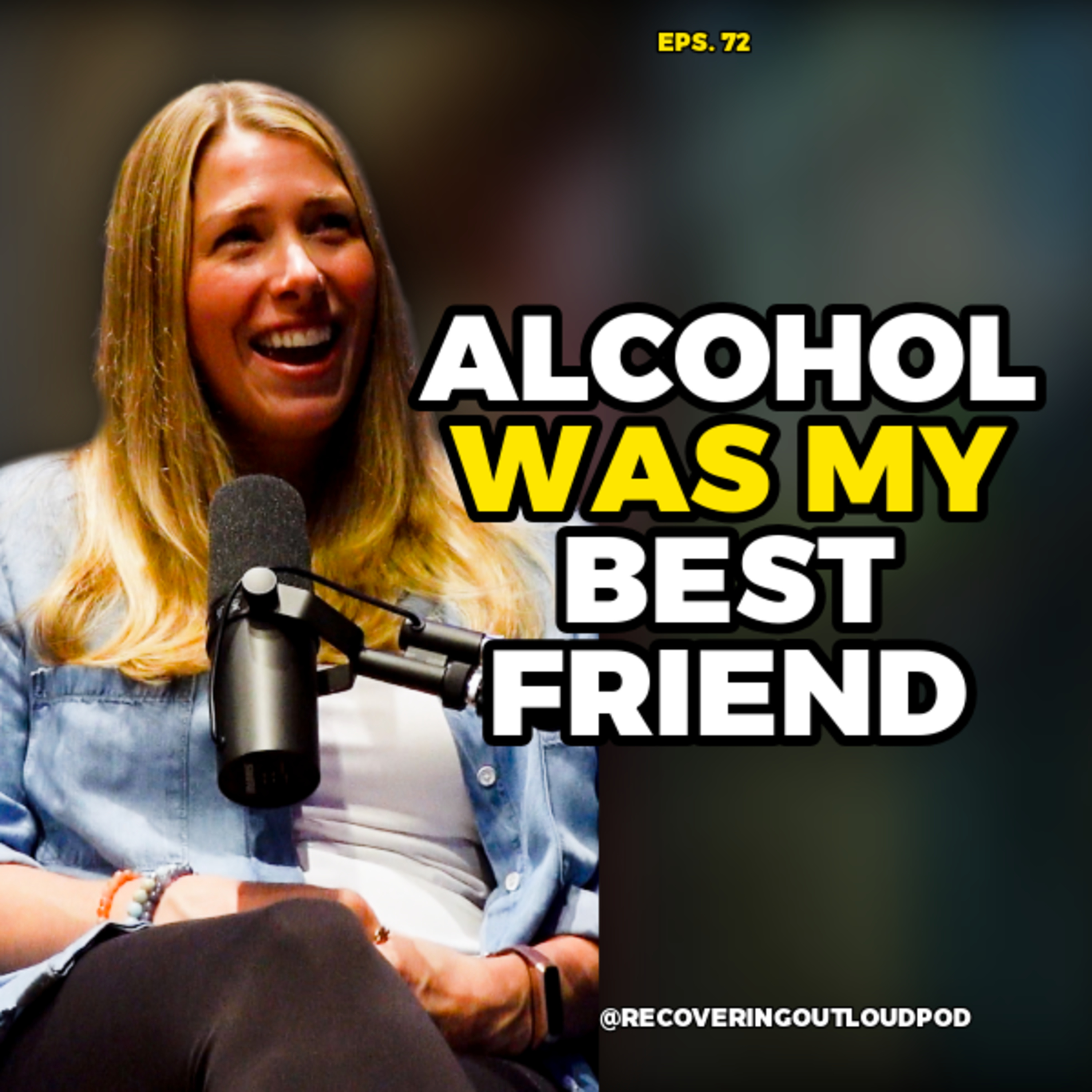
Speaker 1get everybody hooked on errol yeah tell us tell us about your last 30 days drinking and drugging and and then speed us up to your last day before you got into recovery
Speaker 2last 30 days um i was toying with the idea of getting sober i was getting progressively and progressively more blackout drunk and alien alienating more people in my life so i was with somebody at the time that was just like chronically pissed off with me and um it wasn't necessarily like the the dark my addiction had been i actually like years before that hit a really really low bottom um i was doing all sorts of drugs and staying out for days at a time so this was like seemed to be more tame but it was more insidious because i was like living in privilege and part of a wine club and things things seem to be like really um with the wine club right hey i didn't pay for it let me just be clear is it like a book club but with like a
Speaker 1book club
Speaker 2it's like a club you sign up for it you get different wines every month so i'm an alcoholic right i'm like are we gonna slowly drink that bottle of wine you know i'm gonna need it to myself right now um so long story short the last month i was feeling incredibly depressed i was feeling um i was definitely getting more blackout drunk i was puking all over the place i was fighting with my partner at the time all the time i was feeling more and more isolated and i felt like i was gonna die like i was like i'm either going to take myself out or i'm gonna keep doing this thing forever and and slowly die that way um and it was only like literally the day i got sober that i was like or here's a third option i could stop i could try again because i tried before so cut to i'm in the shower i just projectile vomited red wine all over someone's like really fancy carpet old carpet carpet brand new really expensive carpet projectile exorcist style everywhere they're pissed off at me i'm in the shower this is like every alcoholic's story right sobbing sorry for myself i can't do this anymore and um i literally said i need help i just need help and uh it sounds so woo woo but i literally something shifted i was like oh i'm actually ready i'm i can't go on so i don't know if that makes any sense but that's how it felt and then
Speaker 1so i'm just thinking the importance of all that seed planting before i know we talked about this in your episode before but all those and i'm using this in quotations failed attempts yeah that people i think like what's the point of this and people are going through it right now i'm just going through the motions and i'm going to rehab again and i'm going to a meeting again and that i would argue that that came into play this time around because you had those seeds to pick
Speaker 2up and say i know my first step totally i'm so glad i tried before like a few times before to get sober and i went to rehab before and i went to meetings before and it was like i i really wanted to want to get sober i wasn't actually ready but i learned that i couldn't do it alone i learned that if i was going to try again i would need to actually like make recovery the priority not like a part-time thing and i knew what to do i need to ask for help i need to be humble i'm desperate enough i'll do what it takes this time so i'm so glad i had those experiences like you just need to learn you need
Speaker 1to be ready yeah right and all that information is sort of laying dormant but it's all it's there it's and it's it's not complex problem like complex equations to a solution it's you said it perfectly like i need to act against my better judgment or sorry yeah against my better judgment and against my better my best thinking yeah mr recovery person or mrs recovery person you're telling me you did this i'm just gonna whatever i'm gonna just try yeah i can't figure it out on
Speaker 2my own yeah that was my journey
Speaker 1great now that you're qualified to be here no you brought a list of things to talk about today where do we start what's uh what's something that you want to i don't know where do you want to start let's jump us off with
Speaker 2i think something that's coming up a lot with um the clients that i'm working with that are in addiction is this theme around grief like they're thinking about getting something and they're not getting something and they're not getting something and they're not sober or they're in early sobriety and they're like is it okay to say i really miss drinking and i'm like yeah yes we don't talk about that enough yeah you're supposed to be over it now and be like ah it was all bad it was all bad the truth is and this is in my experience too there were some good times there were lots of good times before it got really problematic and it was also i was i was in an abusive relationship with alcohol at the end but there were good moments in that relationship and letting go of of booze or substances for a lot of us feels like a death it's like oh this buddy i had that went to me went with me to weddings and helped me through breakups and helped me do my exams or my taxes like i don't have that anymore and it's gone and i'm glad it's gone because now i'm a better version of myself but i miss it
Speaker 1hmm i love this topic and uh i recently did a podcast on this because i i couldn't agree with you more i time and time again and not everybody most people will go up either to a podium or in a rehab or across the table at coffee and tell you i don't miss it it was horrible it was this it was that it was killing me while all those things might be true two things can be true at once right where it's like yeah i'm i lost my best friend i lost my higher power my my god i lost uh that that person that was there when no one was there
Speaker 3yeah i can turn to and financial problem i don't like this drink do drug gone it solved all my
Speaker 1problems yeah it's like that friend that you could just talk to and didn't have to listen to yeah and they would just take away whatever problem you have yeah it's it's like i remember
Speaker 2i had a therapist at one point that said you just like to always have an escape hatch don't you i was like don't talk to me don't tell me that and it's true like that's what that's what substances alcohol drugs can do for us it's like i don't like yeah i don't like what i'm experiencing i'm out like what a great magic trick to be able to to just flip a switch and then you don't have any responsibilities and you don't have any pain anymore so it's really hard to grow up and grow out of that and be like oh now i just have to be uncomfortable like as addicts we will do anything to avoid discomfort i don't know about you
Speaker 1we just don't you know it's not that obvious right like i'll buy the car and tell you that i need it but i'm filling that hole again this is how i relapsed right i always talk about this is like i will continually look for outside things to fix my insides until i turn back to drugs if i don't stop it in the pro and that's what i did yeah the job the cut the house the better body right the steroids like i i got all those things and let me tell you i've been at the top of my physical game as much as any man could be and i still wasn't happy it still didn't do it right so what's next well adhd medication that's now we're talking and then i had cultivated enough secrets up until that point the important thing i think is the worst thing you can do when it comes to this is not talk about it 100 yeah pretending that it was all bad and i'm i'm a bad recovery person if i tell you that i
Speaker 2miss drinking yeah i'm doing it wrong yeah which is not true yeah and it makes people feel isolated or ashamed or like there's something wrong with them or they're not doing recovery right and the truth is it is complicated i use that term like abusive relationship intentionally because that's what it is and a lot of abusive relationships don't start out abusive why would you be with that person from the get-go it's actually kind of romantic usually maybe they love bomb you a little bit that's like what booze alcohol did for me it was like you need me this is fun you know so there is a there's a grieving process that i think whether we want to admit it or not we go through right okay i'm not going to be i don't have this buddy anymore and maybe i'm not like going to patios anymore and maybe i'm not going to the beach and having beers anymore and i'm not doing all these things that yes led to a lot of problems but there was some joy there i'm going to have to change my life and i two things i'm so stoked for that and i'm terrified and i'm sad and that's part of grief stages of grief yeah
Speaker 1the other thing about that too that comes to mind is it's always temporary too i like i couldn't agree more with you the the avoiding people places and things at least for the for the first year and again this is a subjective number it's there's no measuring stick or anything but for me the first three months i was talking about this the other day the first three months of my recovery this time around i was thinking about doing coke every single day like it was literally every day i was like wouldn't that be nice remember that and what did i do i called my mentor and i told him i feel like doing coke right now and and like even though everything in my brain was telling me don't tell him that you're you're it's embarrassing you know he's gonna think this about you right i just did it and it worked i got through it and it wasn't easy and i was angry a lot of the three months i was angry i remember meeting with my therapist and like i just i wouldn't even look at the camera because i was so pissed off to just be sober again and be i had eight seven and a half years like this should have been easier yeah right this time this time around i should i know what to do this should have been easier and it wasn't it was hard and so i think avoiding the the place people places and things in the beginning for however long that looks like for you i don't know find somebody and and confide in them and for me it was at least the first year maybe six months but is is important and then that's not to say that you're never going to do that again yeah because i do all
Speaker 2those things totally right yeah that's a really important piece like i go to i go out and dance at night can you believe it and i like go to parties when i want to it turns out i don't actually really like parties when i'm not drinking but i i'm doing all the things i want to do that feel good i'm not living in a cave but there was a period of time where i was like oh my god i'm going to go out and dance and i was like oh my god i'm going to dance and i was like oh my god i'm going to dance and i was like oh my god i'm going to dance and i was like oh my god i'm going to dance and be like if i'm honest with myself can i is it smart to put myself in that position in that environment do i need to really test myself no we don't need to be strong like just be smart about where you're putting yourself and then slowly you can build confidence in your in your ability to be around booze and other people that are drinking and using drugs or whatever if that's going to
Speaker 1happen and then you find that you you find the real joy and why you go in the first place for me it's conversation with people right like i'm not going to do that again i'm not going to do that Or music to your point, but if it's like a dinner party or food, another one, you start to, you, you come out of this sort of, you take the blinders off and it's not just about me and the alcohol or me and the cocaine. And it becomes me in the conversation with my old friend that I, me in the really deep conversation where I actually learned something. And I talked about things I enjoy talking about, whether it's sports or cars or just philosophy or thinking, struggles, uh, being a father, you know, whatever that person is, is talking about. And you start to find the joy in those things, but it takes time.
Speaker 2Yeah. I think I realized in all the times I was drinking and using drugs, I like at some point when I was out and about, that's what I was actually seeking is connection with other people. I mean, there was plenty of times where I isolated. And I was using by myself, but when I would go out, it's like, I really just want to have deep conversations, you know, when you're drunk or high, like kitchen talks, we're going to change the world. Yeah. I'm ready to start five companies tomorrow.
Speaker 1It's always a company. Yeah. Yeah. I got this great idea for a nap.
Speaker 2Yeah, exactly. Exactly. Um, but you take all that away and it's like, oh, that's exactly what I was seeking. And I can do that so much better when I'm sober, I can have those connections and create a business and actually make it run and work and.
Speaker 1And then remember them.
Speaker 2And remember them. Remember the ideas. Yeah.
Speaker 1I love that. I love this idea. So it's like grieving the old version of yourself that used alcohol or drugs to cope with everything that, that buddy, it's a good analogy.
Speaker 2Yeah, we can, a lot of the work that I do in my own life and with my clients is like parts works. We're looking at different parts of ourselves, different responses to things that have happened. And it's like, we can look at alcohol or addiction as a part of self that helped us get through a lot. Um, like I look back on my journey and I think, would I have survived the death of my dad at 18 without drugs and alcohol? I know it sounds bizarre, but like, I actually don't think I would have, I think I would have taken myself out. I had no other tools. I do now, but I look back on that time and I think, yeah, there was crazy amount of trauma and loss and pain and it helped me for a little while. So I can actually have gratitude for that part. Of me and not hate it and not shame it and go, yeah, it served a purpose for a while. It no longer does, but I'm thankful for it.
Speaker 4Ultra running shoes are all about space, the space to go further, to feel better, to do something you never thought possible. And this space starts with ultra fit. Unlike traditional running shoes, ultra fit gives toes more room to move naturally. So every step is strong, balanced and comfortable. Whatever you're lacing up for, stay out there with ultra shop now at ultra running.com. That's A-L-T-R-A running.com.
Speaker 1What, I mean, what do you tell, so you're seeing that a lot with the clients that you're working with there who are mostly women right now. Yeah. What, what do you kind of, I don't know, what do you tell them right off the bat? Like what are the sort of skills that are working?
Speaker 2Yeah. When they're, when it comes to like letting it go.
Speaker 1I guess like in the moment when I'm having that crisis.
Speaker 2Yeah. When you're having that crisis, when you want to use. Yeah. Honestly, it is so much more effective to help somebody delay and distract from their use in the beginning than it is to be like, well, I think that you should be sober starting today. It's like. I'm an addict. I know that doesn't work. So it's more about, huh, what role does that play in your life? How is it serving you? How is it holding you back? Next time you get a craving, can we cope ahead? Can you look at what are you going to do? Who are you going to call? What's your plan? And even if you end up using, if you put an extra 10 minutes between that craving and the use, that is a success. Yeah. So a lot of it is that in the beginning. And then it's also like trauma recovery work I'm doing with a lot of people. A lot of women that are struggling with addiction is like, they're using for a reason. So if we can get to that reason, then the temptation to use might start to fade a bit.
Speaker 1Have you heard about this ice cube trick? Yeah. I saw it on social media and I've heard about it in practice before, but essentially it's whenever you, and I don't know how practical this is, but whenever you have a craving, you go to the freezer, grab an ice cube and hold it, I guess, until the craving passes. Is that sort of the idea? And it's a sensory thing that's happening, but it's also a time. A delay, distraction piece.
Speaker 2Totally. Change your state. If you're in a craving, I don't know about you, but I used to feel like I was on fire. Like I have to do something now. I have to put it out now and use now or drink now. So cooling yourself down. Yeah. Cold water, ice cubes, even having a sip of water, going for a walk, having a cold shower, something to change your physiological state is so helpful. Instead of trying to get rid of the craving, it's like, could I just feel, could I just. Could I just create a different experience in my body that might help. Yeah.
Speaker 1And connect, connect that way.
Speaker 2Yeah.
Speaker 1Right. Good. What do you got next?
Speaker 2Check, check, check. What do I got next? Um, I found it really interesting in doing more research around, uh, relationships, the, the, the link between codependency and alcohol. Like I'm learning more about attachment and how that factors in. And I, I put something out there recently around like how insecure. Attachment can predict substance use or substance misuse later in life. So if you grow up and you don't feel particularly connected to your caregivers, for whatever reason, they're not consistent, reliable, attuned to your experience.
Speaker 1Present.
Speaker 2Present. If you're like me, maybe one of your parents is in active addiction, the other one's in their own codependency. Like that can develop an insecure attachment style. You don't know when the person's coming or going. You don't know how to self-regulate because they're not teaching you that because maybe they don't know how to do that. And you might develop an avoidant attachment style, which is like, I don't feel my feelings. I don't connect with other people. I'm terrified of intimacy or anxious attachment. I'm, I need you. I need to like, that's, that's been mine. My go-to is like, I feel so needy. Love me. Tell me I'm safe. Connect with me all the time, you know? Um, and there's other insecure attachment styles, but. That develops from, I don't feel safe in relationship with another person. I don't trust that they're going to be there for me. I don't know how to be with myself. And so you can imagine that lays the groundwork for somebody to seek regulation and a sense of peace externally. I don't know how to be with myself. I don't know how to be with another person in a stable way. Substances are great. I can just shut off those feelings. You know, I have a magic solution to this. You're a imaginary friend. We said it at the top.
Speaker 1Exactly. Yeah. It's that perfect buddy that no one has to know about too. Yeah. Yeah.
Speaker 2So that's a, that's a missing piece. I think a lot.
Speaker 1Is that. Is that people don't necessarily explore that avenue?
Speaker 2Yeah. Like what were your relationships like as a kid? What's your attachment? Like if you're the biggest pieces, if you weren't taught how to self-regulate, we have to be taught how to do that from our parents. And I'm not blaming anyone like other previous generations weren't taught that either, but if we're not taught, oh, you're having this feeling and it's okay that you're having this and you know you do that through co-regulation your parent is helping you to understand that you don't know how to do that for yourself and addiction amongst many things is an inability to self-regulate I can't handle my emotions I can't be with myself I need this other thing
Speaker 1this substance or this person to fix me yeah so would you say that addiction points more towards one of the attachment styles or can all three sort of lead to addiction the research that I
Speaker 2found said that women are more likely to be to use alcohol to soothe insecure attachment so that could be anxious or avoidant men are more likely when they're in an insecure attachment style to
Speaker 1use drugs hmm I don't know why that is and it just said drugs I think I think it said illicit right so there and this goes back to the whole debate of I think people choose certain drugs for their personality matches it you know I always found the creative types the sort of more sensitive artist types to like heroin and opiates whereas the people like myself that I don't I don't want to say like craved control maybe that's true but I think I think a lot of us kind of want maybe not I I wanted control yeah that's why I like stimulants because it let me I could exactly measure out what I was going to get from them it would put me in command of the room I felt I was getting attention from everybody or I didn't even care about attention it was more so I could control it and I could map it out and I felt it gave me the confidence to exist in the
Speaker 2room yeah and talk I'll say like of the people that I work with the folks that are coming in with more anxious attachment tend to be women I don't know why that is I'm sure there's more research around that the men that come in tend to be more avoidantly attached and you can change these patterns by the way but these these are the I mean it makes sense right men are kind of conditioned to avoid feelings and suppress feelings women are conditioned in that realm in the same in a similar way but um that's what I'm seeing and I know in my own experience that anxiety like alcohol specifically was really effective for bringing that down because it's a depressant right so it's insane that at any point in time I used cocaine because it's the opposite of what
Speaker 1an anxious person needs yeah I always found that when I drank I didn't really I was never chasing that calming effect I always every time I drank I would just want drugs immediately the the thing that works that's interesting though is that you know this study and I'll post it in the notes maybe you can send it to me to look at for people that are interested but men lead toward drugs and women I wonder if it's wonder if it's also a like a social thing I don't are men less worried about how they would be like I'm thinking about the stigma behind drugs versus alcohol yeah there's something there
Speaker 2maybe yeah it's so interesting though because I think in lived experience like going to different meetings probably see like a pretty equal number of men and women I don't know is that does that feel kind of
Speaker 1true depending on the area I guess yeah I'll say this I've never noticed there was more of one of anything yeah like one or the other so that that probably tells you everything yeah but I I'm not I'm actually not surprised by that I would think I've seen studies too where it was saying that women drink more than men do now you see the the data that everybody is overall overall drinking less but the people who are drinking are drinking more yeah that's interesting there's a whole other thing with now weed being more of the sort of because like let's be honest they're not just not doing anything right the people who aren't going to use aren't going to use right people who are going to use are going to use something in my opinion anyways yeah that's a whole like
Speaker 2whack-a-mole thing is like I remember when I tried to get sober earlier in my life I was like well I just won't um I just won't drink but I will smoke weed that's incredibly common right like I'm not going to do this thing anymore and I'll do this thing anymore and it's like okay if you can manage that great power to you if you're anything like I was or like a lot of us are that is simply a you're just placing your attention on a different substance you're replacing it right like I literally can't do any substance in a manageable way same zero even coffee you know
Speaker 1nicotine yeah yeah social media yeah I've had to find out the hard way I still have to find out the hard way every time totally it's almost like you forget that everything is a substance right or everything can be misused oh yeah yeah yeah this is a drug this is my addiction again there's nicotine this is a drug oh my God I've lost my right to chemical peace of mind oh that's a good at the back of the literature that we read um I want to interject the topic before we go to your next one I just thought of this now what are your thoughts about I'll say peptides as a whole because this is a common thing that I'm seeing now and I heard the other day actually are you familiar with peptides before I not really okay so ozempic okay okay peptides are in our body but they're also they're for healing they're for skin they're for right anti-aging yeah anti-aging there's a whole movement coming on social media with these people that are by my peptides and a lot of it is I do a whole episode on it but a lot of it is gray market and we don't really know where it's coming from and if it's tested I'm more curious your opinion on the ozempic side of things with body image and women particularly in recovery just and I say women because I read a study the other day that women are actually using them more than men which is surprising because there's a lot of bodybuilder peptides with strength and not eating and stuff like that are you seeing this in your practice becoming a problem with the weight loss and and
Speaker 2what are your thoughts on it maybe yeah I wouldn't say that I'm seeing people women specifically that are saying they're using those drugs um I think it's in the ether like thinspiration is back there's a lot of like incredibly malnourished celebrities out there I'm seeing a lot of women celebrities that are looking yeah really really emaciated and I don't want to shame any person's body type but if you've seen a picture of them before and you're seeing them now and it's it can be really really shocking and I've noticed that women who have a history of body image issues or have a history of eating disorders a lot of them are being triggered right now there might be a relapse like into old behaviors um it's also this like I'm an eating disorder recovery too like long term it's like oh like itchy feeling like oh no are we going back there like you know the the cocaine skinny Kate Moss era I thought we had advanced beyond that it's there's a bit of anxiety about it right now but I'm not seeing a lot of people talk about glps they could be using them and not telling me
Speaker 1people keep things from the therapist so that's what happened to me I mean it started with again it started with that and I'm seeing a lot now and it concerns me so the other day I was on Instagram and somebody with a very big following who's I don't like the word recovery influencer but it's been like sober influence I don't know I don't like the word at all yeah the phrase somebody that posts about recovery yeah owns a treatment center very big following in the U.S um he posted about his peptide experience and then the very next story was DM me for to like to ask about without he wasn't directly saying I'm going to sell you these peptides but he was indirectly saying and it was a picture of him without a shirt on for context and he same thing it was a
Speaker 2transformation photo and I'm just like oh no so now you're a drug dealer I messaged I messaged him
Speaker 1exactly that's you're right you're right essentially I messaged him and I was like dude this is like way out of left field like you have a lot of eyes on you especially in early recovery okay people that are not in early recovery you're you know you're at the point now you can make a decision yeah use them don't use them I'm not anti-peptide or anti any of them just be honest about it don't don't create this sec like don't do what I did and create this stage character where I'm not doing it but behind closed doors I'm doing it because I don't like this fat that I'm dealing with yeah and I'm not telling anyone that's that's I guarantee you you will relapse if you keep going down that road of Secrets and double life and just tell somebody about it but if you're in early recovery you just said it that's the answer right there this is the thing that's
Speaker 2gonna fix my problem I like I'm so aware now of of how much of an addict I am that I've had I think people that get Botox and do that kind of work amazing like power to you there's no judgment I know myself that if I started I would look unrecognizable tomorrow you'd be like who is that I just know I I take personal transformation to ridiculous levels it becomes an obsession whether it's a weight loss pill you know botox friggin diet stuff like i can't i can't do it so it's it's it's predatory behavior in a way to be somebody who's in the recovery field that is preying unconsciously even or subconsciously on somebody else's belief that they're not enough i got a solution for you it's right here this will fix you it's like what do you mean that is literally being a drug dealer that is literally selling another drug to somebody who thinks they need it and i i couldn't believe
Speaker 1he actually he's he actually messaged me back because i must have triggered him but because he's uh i think his very next message was it's not mood or mind altering oh but isn't it though but i was like but take that out of the equation all together right that's not even the point here yeah absolutely i agree if it was mood or mind altering like 100 no yes
Speaker 2you
Speaker 1you just justified it to me in a message i'm like dude you know how this works you've been sober 10 years whatever it was it's nothing about it's the relationship yeah and it's the secrets and it's the answer and it's the this will solve my problem and to your point if this one works well now i gotta try this one and because there's so many of them right yeah i'm gonna do this one and then this one yeah and then for men 100 without fail if you go down this rabbit hole maybe not everybody i should generalize most people testosterone replacement starts looking real uh-huh yeah and i'll tell you right now because i'm very honest and open about it i'm still on trt testosterone replacement therapy the difference today is i don't go past i had a counselor at my utah rehab tell me the minute you go past that 0.2 milliliter whatever it is you're it's a relapse and i never forgot that yeah because it's true the doctor prescribes this prescribed this as soon as i go past that now i'm delving into dangerous territories yeah and so my point with all this is if you're going down this rabbit hole it's only a matter of time before meth starts to look good again and that's where i go yeah zero to a hundred yeah it's really
Speaker 5insidious like ultra running shoes are all about space the space to go further to feel better
Speaker 4to do something you never thought possible and this space starts with ultra fit unlike traditional running shoes ultra fit gives toes more room to move naturally so every step is strong balanced and comfortable whatever you're lacing up for stay out there with ultra shop now at ultrarunning.com that's a-l-t-r-a running.com
Speaker 2there's so much subliminal messaging it's like you're seeing somebody who looks a certain way has a certain lifestyle and you want what they have and i'll do whatever it takes to get it that can work really well in recovery spaces right when somebody's showing you that they've done the work and they're mentoring you but you know and on social media it's also like well i want i want the car and i want the house and i want the beautiful wife or husband or pet or whatever so i'm going to do exactly what they do and completely leave my own body and my own experience and make this person my higher power they have the solution so it's all part of the
Speaker 1same stuff not to mention you don't see all this stuff you don't see all the stuff you don't see
Speaker 2maybe they like literally don't drink water so they look so dehydrated and like jack in that one
Speaker 1photo it's like or maybe they're completely on steroids right that's a whole other problem that we get into and again it's like i'm not anti-steroid or anything but just be honest about it no it's a good point um i think it goes back to the whole typical adage of everything is not
Speaker 2what it seems don't make assumptions what's that phrase when you assume you make an ass out of you
Speaker 1and me i was gonna say be more curious not judgmental oh i love that i think that's walt whitman yeah i love that one too ask more
Speaker 2questions stop assuming yeah ask more questions and check in with yourself like anytime i'm really fixated on fixing something about myself perfect yeah i'm like what's going on or if it's fixing something about my partner what's going on and i called it i called myself out like not long ago when my partner said i'm noticing this is therapy speak right excuse me i'm noticing right now that i really want to micromanage you and tell you to do this this this and this and i think it's because i'm feeling out of control i'm feeling so busy and stressed and i want to just fix you and he's like okay don't um but thanks for sharing you know it's like that it's taking me so long and i don't do it all the time but to go what is happening inside of me that i i'm trying to control my environment i'm trying to change something about myself that is doesn't need to be changed like usually i'm really stressed or i'm sad or i'm lonely and it's like that's the problem i have to sit with it there's no quick
Speaker 1fix for that yeah there never is the why right the why why am i seeking said solution yeah and it's as simple as you can do it right now and test yourself are you going on amazon random like i used to do this all the time i've gotten a lot better and this is this is why i think god has made me i shouldn't say maybe this is why i'm going through this financial difficulty right now is because hey buddy you don't know how to save money you it's been a while since you've been budgeting i'm gonna put you through this thing to learn that you don't need the shoes on amazon you don't need the shoes over here at nike you don't need the blank on amazon you can know you can test yourself today do i mindlessly go on amazon to buy that i don't need right yeah oh i feel the call i'm like
Speaker 2sitting there i'm like is there anything i need right now i'm like i don't need any i don't need
Speaker 1a new sweater it's empty over there that spot is very empty i need some new furniture yeah do i
Speaker 2need a new couch yeah there's that that's where the financial sobriety comes in right emotional it's all emotional sobriety at the end of the day but it's like i didn't get to a healthy financial place until the last two years and that was rebuilding my relationship with money can i do i don't want to do which is like save it and actually just put it all on my debt and like treat myself once in a while but be very conscious about that can i have a conscious relationship with money yeah and then when it comes my way am i watching myself putting it where it needs to go am i being responsible with it if that's happening then i trust myself with money i never thought i would say that like chronically broke government support barely could afford groceries and i'm like i know i'm doing pretty well and that's come after some sobriety some sober time and rebuilding my relationship with myself and my higher power like the other thing of money too is
Speaker 1like to to recognize it for what it truly is and temporary one i would say gift i like to think of everything as a gift right like it's if you're faith-based god universe whatever like here you can have this thing for a bit but you don't own it no you don't own you can save as much money as you want you're not taking it with you when you die yeah you don't own it it's a gift that you're holding on to use it however you're going to use
Speaker 2it but remember that it's temporary yeah it's energy right it's like it can be this beautiful thing that allows us to build a strong foundation and then help more people right there's also the like i want to hoard it all it's like that's that's also having an insecure relationship with something so can we use it can we be grateful for it and be responsible for it and then continue to circle circulate it
Speaker 1share it yeah build experiences with it memories with it right vacations those are the other things um good i want to also say that you don't have anything written down you're just remembering all this off that i'm trying these topics okay so what's next good i appreciate it um
Speaker 2now that you said that i'm like i don't remember i thought you were going to come in here with a big book or something no it was something of course i don't remember i don't remember i don't remember we talked about we talked about body image we talked about body image can i get my phone yeah
Speaker 1please oh i remember what it was all you needed to do was get up and go back down that's right
Speaker 2well you changed your environment i did i changed my state um i thought about this and i'm like i don't want to come off of course i want to control how people perceive me right so i'm like i don't want to come off as some man-hating crazy ultra right feminist let's go fuck man i hate him too the the more i'm like investigating the patriarchy the more rage i feel number one and the more i see how vital it is to to be a sober person but a sober woman because i think about how patriarchal systems are meant to keep us small all of us but it's also marketed to women in this particular way like mommy wine clubs and happy hours and going to the spa and having champagne and you know there's this lifestyle that's marketed to women that's like here's your relief here's your opportunity to be loved and make friends and all this stuff and what's behind that is if you do this from a subconscious point of view you're not going to be able to be a sober woman you're not going to have a conscious or patriarchal lens if you take the substance you're going to be weakened you're going to be less powerful, you're not going to challenge the status quo, you're not going to use your voice as much, and you can't create any change. You're just going to be subdued, which is kind of what you want anyways, right? So if we want to create change and change the way that not only women are treated in the world, but if we want to take up more space, we can't do that while we're numbing ourselves. And I'm just seeing that more and more, like personally.
Speaker 1And so when you say numbing, just to picture it in my head, the product that is doing that is the wine clubs. Like explain that a little more, I'm just a little fuzzy on that.
Speaker 2Yeah, the product is alcohol, is the main, like the alcohol companies that are marketing to women are marketing like, yeah, happy hours, mommy wine clubs, like spa days with your girlfriends. It's like, this is what women do. This is how we blow off steam. And that might be a part of it, but also like, this is how you keep yourself complacent. This is how you keep, like shrink yourself.
Speaker 1That's the subconscious thing though, right? Yeah.
Speaker 2The result is, if we can just say on a... Basic level, you're not empowered.
Speaker 1Quiet down.
Speaker 2Yeah. Yeah. Exactly. Quiet down. Don't complain. Don't make changes. You're feeling overburdened by being a mother who's running a household and also working.
Speaker 1Groceries are expensive.
Speaker 2Groceries are expensive. You're feeling burnt out. Here's some wine instead of like, let me help you. Like receive more support. Let's change the, you know, narrative about how women are supported. In society and how it's actually really hard to try to do it all and impossible. So I'll give you a temporary solution and then you don't have to ask for more. It makes me mad. Yeah.
Speaker 1What kind of ads are, are you thinking of a particular marketing strategy or ad, or is it just like a generalization of...
Speaker 2It's a generalization. I bet I could find some out here, but on the internet, but what... You know, what we do see in general, it's marketed to all genders, all types of people is escape. That's something that's really interesting to, to notice when you're, when you get into recovery, you're considering getting sober. Like just notice how alcohol or substances are marketed to you. You'll see people gathering together and they're smiling and they're at the cottage or they're with a really hot girlfriend or boyfriend. The message is happiness is over here. This is your escape.
Speaker 1Yeah. Right. Experiences. You need this to connect. And one in particular is the Corona one where on the beach, right? We're sitting on two chairs and we're just cheersing each other and that's life. Yeah. Yeah. I need that.
Speaker 2Yes. I'll need 400 of those.
Speaker 1To think that alcohol is necessary. Where does that even come from? Why is, why is alcohol necessary to enjoy that moment?
Speaker 2It's literally not. But why do we think, why do we think it is? I think, I think part of it is like the advertising industry is really powerful. We don't look at that enough. We just, we just take it at face value. Like, yeah, that looks, that looks tasty. That looks good, but we're not looking at the, what are their, they're trying to sell an emotional experience. They're preying on our emotions. So we are developing this belief and we're being conditioned to sink into this belief over and over again, that this is the only way to have fun. This is the only way to be happy. This is the only way to relax. It's really insidious.
Speaker 1Or alternatively the only way, and also the best way it's, it's not perfect without, that's kind of like, this is the, yeah, you can sit on the beach with your partner, but, or, you know, what's missing, or you can sit on the beach with a Corona and your partner. Yeah.
Speaker 2Then it's real. Yeah.
Speaker 1It's interesting because I hadn't thought about, I haven't really put much thought into this, but yeah, it's. It's like that sort of shapes this idea of, I can't have fun without drugs and alcohol. I mean, it's, it's a part of it where this social, I want to answer my own question because I just thought of this now, but I think it's, it's not just alcoholics and addicts that alcohol quiets that sort of the social lubricant, if you will, every, everyone gets that effect. I don't care who you are. Maybe not everyone needs it, but everybody gets that effect of like, you know, when I have a drink and I'm in a cocktail, I'm at a cocktail party or a bar, not even a bar, but like a gathering, I suddenly care less about what Jim thinks of me.
Speaker 3For sure.
Speaker 1You know, and I'm, I'm suddenly like, I can, I'm a little looser, I can dance. And, and so it does that for everybody, but it's not necessary. So it, it, it sort of bridges the gap, skips the part of. Emotional regulation on your own.
Speaker 2Yeah. And looking at why do I need to escape? Why am I so tense to begin with? Even if you're not an addict, alcohol is doing something, drugs are doing something for you. And is it really, we're really conditioned to believe that there's literally no other way to feel that kind of comfort and we're not taught. It's like, we know how to use substances. We're not taught how to self-regulate. We're not taught how to find ease and comfort and safety in our bodies. So we're just constantly seeking it outside of ourselves. So yeah, the question is like, how do we, how do we look at what we're trying to escape and how do we look at building a life that, like you say, that we don't need to escape from?
Speaker 1That's the key.
Speaker 2That's the harder part.
Speaker 1You don't get, you don't get happy by you being sober, getting sober. You get happy or contented. I don't like the word happy, peaceful.
Speaker 2Yeah.
Speaker 1By building a sober life.
Speaker 2Yes.
Speaker 1Right.
Speaker 2Yeah. I don't, I don't miss alcohol in this particular way because as a sober person, I've been able to create a life that I actually enjoy. Like it was not that long ago that I was waking up in the morning going, what's this feeling? I was like, oh, I'm looking forward to my day.
Speaker 3Hmm.
Speaker 2I don't have dread.
Speaker 3Hmm.
Speaker 2What? I, I, it was so foreign to me that I couldn't even name it at first. I was like, what is this feeling? Oh, right. Like I actually like my life. I don't need a holiday. I don't need to wait till the day's over. I don't need to wait till the, the weekend. It doesn't feel like that anymore, which is insane because it always did. Yeah.
Speaker 1Or I don't need something to look forward to, to. Exactly. You just nailed it on the head there. I hadn't, I think about this a lot. I hadn't thought about it in a while. When you get that feeling, I don't even know. I, it's so hard to describe. It's like, um, you're just, it's just an optimistic view of your day, essentially your life, right? It's like this, sorry, I keep doing that. I don't dread today. Yeah. I, you said it really well. I don't dread today. I don't know what this is, but it's like, I'm actually excited to be awake right now.
Speaker 2And an interesting thing. I've been thinking about this a lot too, is like, cause I'll notice in myself that joy and that excitement. And there's still a little voice. It's like, but shouldn't you be worried about something? Wait a minute. Don't get too excited.
Speaker 1There's something to not so fast.
Speaker 2Are you sure there's no fuckery around the corner?
Speaker 1Yeah.
Speaker 2It's that is a, a trauma response. First of all, waiting for the other shoe to drop. Right. And I'm trying to unlearn that. I'm also just acknowledging that it's there. And I'm speaking to that part of me and going, yeah, I hear you. Like we've had to be on guard for a long time. I've been on guard for a really long time. And also no matter what happens now, I have the tools and the support to get through it. So can I just relax enough in this moment? Can I let myself be serene? I'm going to try, you know, but it's also really common for people in recovery, like to not trust it. I can't relax.
Speaker 5Cause what if X, Y, Z.
Speaker 1Too good to be true. Yes.
Speaker 4Ultra running shoes are all about space. The space. The space. To go further, to feel better, to do something you never thought possible. And this space starts with ultra fit. Unlike traditional running shoes, ultra fit gives toes more room to move naturally. So every step is strong, balanced and comfortable. Whatever you're lacing up for. Stay out there with ultra shop now at ultra running.com. That's a L T R a running.com.
Speaker 1I don't deserve nice things.
Speaker 2I don't deserve nice things. So I'm going to subconsciously. Sabotage my life now, or maybe I relapse, or maybe I create my own chaos because that's familiar. And then if I'm doing it to myself, I'm in control.
Speaker 1I can sort of predict what's going to happen. Totally. You can't.
Speaker 2Yeah. It's insane.
Speaker 1The great irony of it is like, yeah, I don't know what's going to happen next. If I always say this, but if we go out here today and have a drink outside, I don't know what's going to happen next. Like I don't know.
Speaker 3I have a question to ask you, and then we'll, we'll end with this. Okay.
Speaker 1If you had to give, give me the elevator pitch to. Okay. emotional regulation if you had to explain it to somebody in an elevator
Speaker 2it is a practice an ongoing practice of learning to be with yourself and it is a practice of turning towards what you are feeling instead of away from it and not trying to fix it not trying to make it go away but being ultimately radically present with yourself and there's tools to help us do that but the the ultimate goal is can i be at home in myself no matter what happens that's the kind of peace that we're all craving right
Speaker 1i always say this that's all i ever wanted i never really wanted to just be i think i want to be happy right i think i think that's what i want but think about this with happiness comes sadness yeah how about we just look for middle peace in the middle yeah that's when i'm at peace yeah you know my head's really loud right now okay huh i'm doing that thing again right yeah and to your point the tool for me that meditation has been so especially lately i haven't been working as much i've had a lot more time off guess what now you have more time to cultivate a morning routine like what a gift and i do i don't like it i don't you know i do enjoy it but i don't look i don't it's hard still but it's i get up i listen to a guy talk for 10 minutes and i watch my thoughts come up like what is i'm still worried about this i'm still and instead of judging it it's like okay trains at a train station just going through because that's all they are it never sticks unless i grab onto it i forget who it was recently i saw
Speaker 2a quote that talked about how meditation just pauses your mind long enough to see that it's always telling you a story so if you're if you if you meditate or practice mindfulness you actually just remember that you are not your thoughts yeah right there's something that's happening to you but you're the observer that's such a superpower to be like oh i don't have to attach to that thought and let it destroy me i never created it it's not mine to create
Speaker 1there's no center there's no center yeah yeah it's pretty cool love it thanks so much errol i had a great time nice to be back
 PodcastTranscript AI