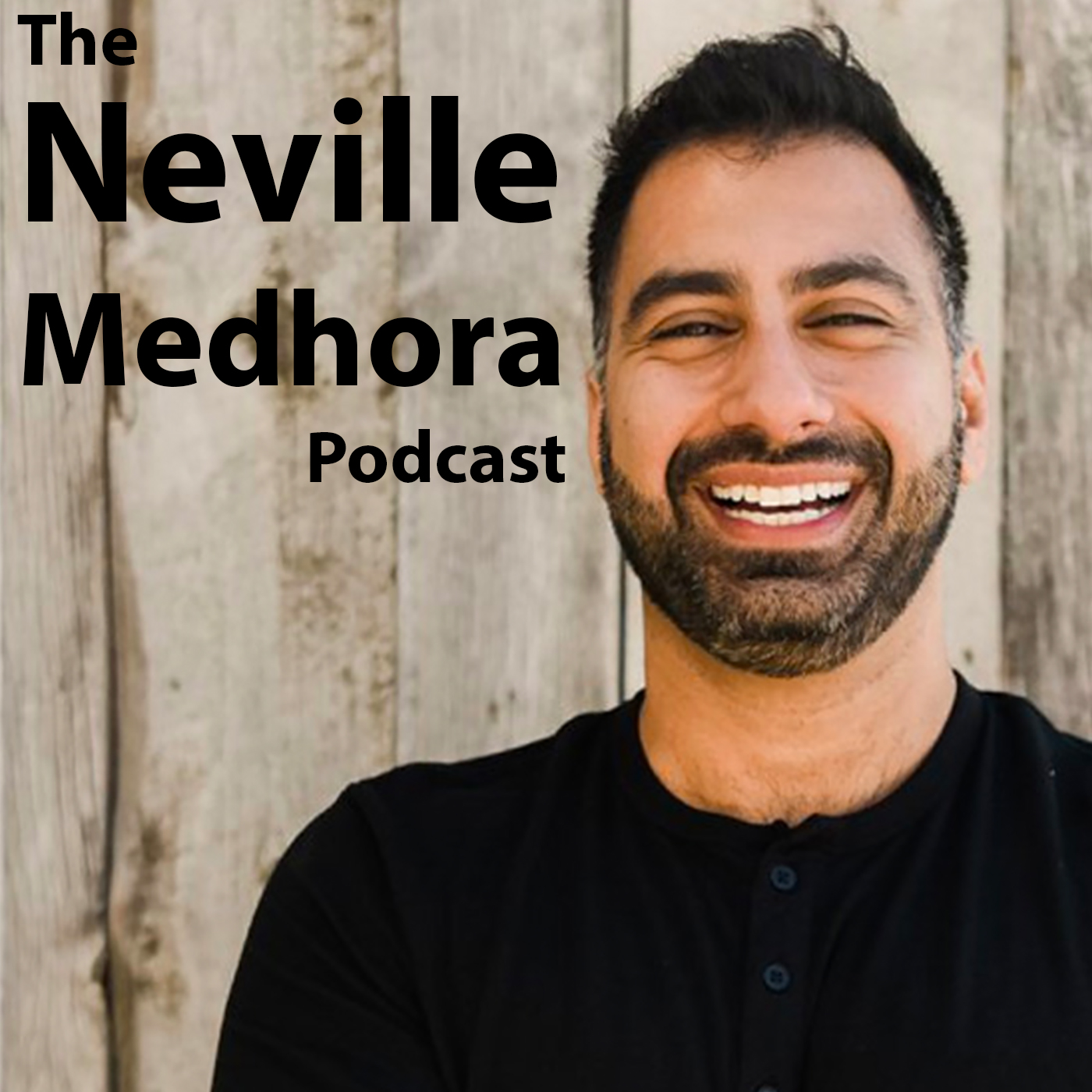
The transcription details the intricate process of closing multi-million dollar B2B enterprise sales, as explained by Kunal Das. Unlike simple online purchases, these deals often take 6 to 18 months, involving dozens of meetings, numerous stakeholders, and complex negotiations. Success is driven by leveraging executive relationships and in-person interactions to build trust, rather than relying on cold emails. Sales involve team efforts, including account managers and technical experts, to navigate client-side hurdles such as legal, IT, and specialized AI buying committees. Tools like Salesforce for tracking and AI assistants like Gong for transcription and analysis enhance efficiency. While deals can be accelerated with CEO-level sponsorship, typical timelines require persistent follow-ups and strategic qualification using methods like BANT (Budget, Authority, Need, Timing). The process emphasizes relationship-building, value-driven outreach, and meticulous coordination to secure high-value contracts.
In most businesses, someone clicks a buy now and that's it. But in Kunal Das' world where he's closing a multi-million dollar BW deals, each deal can take between six and eighteen months, dozens of meetings, endless emails, multiple stakeholders just to get a yes. So he's closed these massive deals at Microsoft, yet, attentive and way more. Today we're breaking down what actually happens behind the scenes of these gigantic deals. How many emails does it take? How to push clients of the drag on their feet, which meeting method is best, slack emails, zoom, or in person, and his surefire way to drum up new clients. So let's dive deep into the details of how a top closer starts and finishes big B2B sales with Kunal Das. All right, today in the studio we got Kunal Das. How's it going, man? Good, man. So Kunal is known for closing large sales. That's like the main thing. You work for Microsoft, DataPop, Yaxx, BlueCore, Attentive, Priests. I mean, basically all like big B2B sales companies, right? Yeah. Fun fact, Kunal was also my random roommate in college, and that's how we met. That's how all our friend groups know each other. It's crazy. Like 18 years old and then randomly matched together as dorm rooms. Yeah, had nothing to do with how we look and call it. But I mean, since college, you went this route. Like I always did small time sales and you always did big time like B2B sales. So like when a big company wants to do a deal, it's not like you just click checkout. There's a whole process. And it took me till way out of college to understand that this even existed in the world. So that's like your job, right? People in startups will hire you to say, "We got these huge deals like millions of dollars. You get it from start to finish. Is that what they bring you in as?" Yeah, pretty much. They're hiring me for my expertise to understand what's the market out there, who has a problem that we're providing a solution to solve, and who's willing to pay top dollar to solve high impact problems. So I mean, are you going out and finding these people? Are they hiring you for your Rolex? Like what is, where are they actually hiring you for? Or just like to shuffle all the paperwork from start to finish? It's a mix of both. I would say for enterprise sales at the highest level, especially in SaaS and tech, they're hiring you for a little bit of your Rolex. Like you know enough executives at big companies. Even if what you sold in the past isn't directly correlated to your contacts, your executive level connections are high enough. Well, they're put you in contact with the right people and the right teams because they trust you. They've done business with you in the past. And there's a good probability if Kanoff's coming to me with a hypothesis that what he's selling could solve a problem, I'm going to take that meeting or introduce him to someone at the company who's in that subject matter expertise and will take the meeting. So a little bit is of the Rolex. Can you give you like an example of like, when you say like solve a problem, can you give you an example from your past experience of like a problem that people had and then like, you know, how you connect them? Yeah, for sure. Let's take like one of the past companies I work with, they specialized in consumer remarketing. Someone comes to their website, they leave, they want to send them an email, they want to send them a text message. Their problem was, and this is, I'm not going to say the name, but a major very large footwear manufacturer around the world. Their perspective of customers visiting their website, they could only understand who they were if they were logged into the website. If they actively went to the top right, said, signed in, put their email in password, then whatever they browse, whatever they purchase, added to their cart, that company was able to track. That was only 8% of their site traffic. Yeah. So 92% of their site traffic, they had no information on, and they definitely could not retarget them to ask them to come back or make recommendations or complete the purchase. That's the problem that we solved. Just using basic cookie technology, a little bit of proprietary tracking, we were able to open up 92% of their universe that you can imagine, let to hundreds of millions of dollars for them. So that sounds great. But then how do you approach a company like this that has presumably tens of thousands of employees around the world? How do you even start that process? Do you think you just look up on LinkedIn, like who the CMO is and just reach out? Or do you see like, do I have connections with this person? And is that your job or is someone else, is that like a specific job that someone has? Yeah. Most companies that I work for had like business development reps, or SDRs, whose job is to go research potential contacts, and then build outbound like marketing campaigns. What's like cold emails? Some of it's cold emails, when it's LinkedIn messaging, some of it's like account-based marketing. Like, hey, there's a group of like 30 prospects in the Chicago area. We have a couple of high-profile clients there. Let's do like a group dinner, where we bring in a big executive, like a C-suite or a high-level VP for an existing client, find a really great restaurant that everyone's been trying to get into, that that can't get into. And say, hey, here's the topic at hand. Come network amongst your peers, meet a super high-level exec at one of our customers and make it like a safer environment, where it's not like a sales pitch. Like, you're not going to a time share presentation. Yeah. You're actually adding value by connecting them to others within their network, and they might get intrigued because they're hearing a customer story from one of your big customers. So those types of events work way better than cold email. Like, the response rate to cold email is less than like half a percent. Yeah. Everyone gets a bit of a mardi with cold email. I get a bit of a mardi with cold email. Especially now. Yeah. Especially when it's like AI generated it, and you can tell. And this follow-up sequence is very consistent. Yeah. It's funny. We have like a community of business owners. And whenever they do, they're like, OK, can you help me draft this cold email? I have a couple. And I'm just like, can you just meet this person? Call them. So I would say that the totem pole is on the very bottom, as you got cold email outreach, which is warm. And then there's warm email, where it's like you get an intro from someone where you already know someone. Then there's like a phone call slash text message. And then in person meeting is, I'm assuming the absolute best, right? Yeah. And nothing beats in person meetings. I would say I've closed hundreds of deals in my life. The largest deals that I've ever closed always had multiple in person meetings. Because people want to know you. They want to trust you. They want you to know that you know them, that you care about them. Like no one's signing a million, $2 million deal with you without meeting in person. It just not happen. What about over Zoom? I've had some Zoom only meetings, but never deals of that caliber. Like average deal size at the tech companies that I've worked with is about $300 to $400,000. Sometimes you do a small deal for like a hundred K, which I'm working on right now. Sometimes you work on a deal that takes 18 months, but it turns out to be a 10 and a half million dollar deal. And like with global scale, multiple business units, multiple geographies, and it's worth it to take 18 months to do a $10 million deal. Yeah. And then how many people are they meeting with? Is it just you or is there like a whole team that you have? Like how many people is it usually? It's never just me. I rely on my team. Like I've been an account director, and typically on my accounts that we manage, we have account managers. We have sales engineers who are the technical experts for the solution that we're selling. Sometimes we'll even bring in product folks or you know data science teams if they get super technical. So it's very much like a team selling environment. Like I can never do it on my own. And it usually what's the average time from you say like, okay, there's the target company to like closing a deal with the average time. I'm sure it varies, but like 12 to 18 months for a large enterprise deal. So here's the question I always have. The fuck's going on for 12 to 18 months? What is happening for 12 to 18 months that it takes that long? Yeah. A lot of it is on the client side or the prospect side, right? A lot of analysis paralysis, a lot of lack of ownership. Like who's going to steer the ship into doing the discovery, understanding the capabilities, the technical requirements, the cost, the contracting process, the legal requirements, information security, implementation resources, getting IT stuff lined up. It's a big initiative. Like you mentioned, it's not like buying a piece of software for $49.99 on a website and installing it like on the backend of your Shopify site. This is not that. Yeah. This is full scale enterprise software that touches multiple divisions. So you have to get buying from a shit ton of more stakeholders nowadays, especially when it involves AI, which all three of my last companies have. Now big brands have specialized like AI buying committees. Well, they're bringing people from IT, cybersecurity, finance, operations, customer experience, and then everyone has to say so. And what the AI does, how it's different, what data it's using, what data it's sharing, what decisions it's going to be made, what the guard rail should be. So then that's another layer of approvals you have to get when you're implementing like a large enterprise software solution that has AI baked into it. I'm imagining if something's going on for 12 to 18 months, a lot of it is like ping ponging back and forth and having meetings, right? So you're just like, okay, this all sounds exciting. We're going to capture 92% of your extra users, but then they have to run it by legal. Then they have to run it by IT. And IT says, well, we have a problem. And then legal says, well, we have a problem. And then I'm assuming you have to like talk to IT, then legal, then some other department that, you know, maybe wants to have some input or feel important once it way in on it. So you got to go through all of those and manage all those. How are you keeping track of it?
all this. It depends. We use Salesforce as our CRM for most things to track the sales opportunity progression. And then I also have like my own spreadsheets and like planning docs for certain initiatives. So it's a mix of both, but the system of record is usually Salesforce because everyone on the company has access to that, even if they don't have access to my Google doc or my spreadsheet where I'm tracking certain initiatives. And then a lot of it's shared documents with our prospects too. Like hey, here's the process that we're going to go through on evaluating this decision who's going to be involved by when. And I've learned that having a shared tracking or planning document with the person who's buying helps to shorten that deal from a 12 to 18 month deal, maybe to a six or 12 month deal because they know exactly what they're supposed to do by when and who's owning it. But if like the CEO of any big company is just like, I want this product tomorrow, just crack the whip, get it done. Does it happen? Like can you like speed it up like that by just like surpassing all these departments? And like I have found personally that if I want someone to buy something instead of going directly to like the person charges that product, if you go to their boss and somehow convince them to say like, yeah, you got a higher level or whatever. Like it happens very quick. Yes. I noticed that. So when you like bypass a lot of layers, does that ever happen where you could just like reach out to the CEO, talk to them somehow and say like, can you just get this done? Is that a thing? It's happened. Yeah. And then those deals get done in like two to three weeks. Yeah. It still has to go to legal. It still has to go through some information security. Still needs sign off. But when the CEO of a major company wants to do something, it gets done and it gets done quickly. So it has happened. Yeah. I mean, I see it with certain companies that move really fast. And like once the CEO like has the big hammer. And like whatever he says goes. So it just gets done miraculously fast. Everyone whips in the chair. That's what makes me think a six to 18 month deal. It could be done in two to three weeks. It is possible. Sure. So there's no way to like speed up that time. Like is AI coming in and kind of like adding some layer to where it's like this could all be speed it up or does it track like where it's being slowed down? Yeah. There's a lot of like sales and AI enable mid tools like we use GONG like most of the companies that have been towards your meetings and tells you like it takes notes that that tool. Yeah. So records a meeting transcribes it gives you a summary. It also gives you like a deal score like what's the likelihood based on the tone and the words that were said in the meeting of this deal closing. And that can be a field that you can put into sales force to help predict your pipeline and like forecast, right? So GONG is very helpful. Like I don't have to take notes when I'm in meetings now. So I could really focus on my customer, on my prospect, ask the right questions, watch the body language and we have way more productive meetings because I'm not frantically trying to take notes and action items, right? And follow ups from big meetings used to take me like half an hour or an hour. Now I copy, paste and edit and send and in less than like two minutes. So massive time savings from like sales AI tools to help transcribe determined action items and like next steps. Is the sales score on those types of things? Is it pretty accurate? It's pretty accurate. Sometimes we overwrite it because we have knowledge of the deal or just based on seller experience. But most of the time, especially for early stage deals, it's a good indicator of like what the likelihood of you closing that deal is going to be. Speaking of GONG, I don't personally use it but my wife uses it and she's a sales person as well. And one cool thing is it tracks everyone that's on the call and how much they're talking. It gives you a percent of how much you're blabbing. I don't know if thinking I was like that would be great because sometimes you get really excited and you just talking a bunch. I'm guilty of that all the time. And I'm like I wish someone would just tell me to like, hey shut up for a second, let the talk. And GONG does that, right? Yeah. I was very lucky. My first job out of college at Microsoft, my manager Martin Gileard, as I was shifting from strategy at Microsoft into sales at Microsoft is like, oh, the most successful sales people, I know, use their two eyes, two ears and one mouth proportionally. So it's like seek to understand before you seek to speak. And I took that with me through every sales position I've had and I'm looking at the data like am I staying too to myself? If I'm ever talking more than 30% on a call, then I need to really check myself. Why am I not asking better questions? Why am I not peeling back the onion to go a little bit deeper? You're pretty attuned guy. You've always been a very socially adept guy. Even in college, like you were always like very popular, whatever you want to call it, you're very good at like people. I assume one of the reasons you're good at this, you can probably shmooze a little bit. I mean, that in a good way. If you have a dinner, you have lots of things to talk about. You're an interesting person. You're just like a fun guy to be around. So that's probably one reason. But also you could probably see when your chips are down and when they're high. So if you know the CEO wants to get this done, you probably know you have a lot of bargaining power. Do you like analyze that kind of subconsciously of like, well, this deal might take 18 months and I could push it, but they don't really need us or they don't care. Or we don't really have that much buy in from them. So we got to just go slow. Do you kind of do that internal? Just like you can kind of tell. Yeah. It's a natural thing we do as salespeople because you want to maximize your chance of getting the deal done, but you also want to maximize the dollar value of that deal, right? And so there's a quick qualification method that we use. It's called BANT budget authority need timing. If those four things are lining up, you probably have the opportunity to sell your product at list price or premium. And if one of those four are not there, you're probably going to have to give up something or reduce your price or adjust the terms of the deal because you don't have a strong budget authority need timing alignment. Do people ever get pissed on calls? Like are there ever any people get mad? Yeah. I've been screamed at. Really? Yeah. Many times. Why, just frustrated or trying to bargain or like what's, or just people selling a bad day. It's usually with existing customers that have been using your technology and something goes wrong in the software, right? Like it's technology. It's going to have glitches, right? And so because I'm usually the commercial point of contact, hey, we're paying you X, even though you're not delivering the service or you're not the front end account manager or customer success manager that I talk to every day. Can all I sign a contract with you? And I give you $2 million. That goes wrong. That really wrong. I'm going to get a phone call from the executive that signed the contract or who's sponsoring. Yeah, they look bad. The event. Yeah. And then I go, thank you for your phone call internally and get that problem solved as quickly as possible, right? That happens for prospects that we're still trying to bring on as new business. Things can get pretty heated when it comes to pricing negotiations and like negotiating terms. So we've been in some shouting matches over that. It doesn't happen very often. People are pretty cordial, pretty professional, but it has happened. Yeah. And then what about this is a thing I've done. We're getting for swipe all that. We get sponsors and stuff. And so I've been dealing with some larger companies. Anyway, they got like the departments. They got asked this department about that. You don't have like transparency in what they're doing. They say they're having a meeting and you're like, I mean, I think they are, but I don't know. How do you get to, how do you get on people's ass to be like, can you speed this up? Is there really any like tricks that you use or just like, hey, what I do is like bump in that old thing where it's like slightly aggressive on purpose, but it's also like, I am just reminding you about this. And then usually people respond pretty quick. Do you have any like ways of like getting people to respond quicker? Shorter punch your emails. Yeah. Like if I send something and I haven't heard from you, I'll usually wait like three to four days. Um, and then I'll follow up never more than one line. Just like you said, you know, question mark, but I mean, it gets shorter and shorter after the second or fourth follow up. Um, but yeah, like the worst thing you can say is, hey, just following up, wanted to see if you saw my email below, no, you got to come in with some sort of like respect, like for your time and this process that you're guiding your client through and you certain language to let them know you're serious and that your time is worthwhile while being kind of understanding without pissing the off. What would be it? It's, it's like a fine balance. What would be an example based on the personality of the person that I'm talking to, you know, what would be like a one liner example? You don't have to give your secret away. What's like the rough idea? The one that gets like the highest response is just a reply, no, hi, no, hello, seems this is not important to you anymore. Dot dot dot. Well, that's aggressive. Yeah. Wow. And that's usually like the third or fourth follow up where I haven't heard back. Oh, that's, that's quite aggressive. And I usually get a response within one to two hours max. No, no, no, no, no, it's just busy. Um, this, that, this came up, I'm going to get back to you by end of day. The other, the other aggressive follow up closer to have like that is a, we're closing your account. Oh, yeah. That one works. So that was busy. But it also, I mean, also some people are just like, all right.
go fuck yourself. Like, they don't, some people don't care. But it's also like, they also kind of ghosted you already. See, it may as well like throw a hail Mary out there. Yeah, totally. Yeah. We're closing your account out. Looks like you haven't responded for a couple days. We're moving on to other stuff. And then they just usually respond back pretty quick or, you know, they're pissed off. And that's it. Yeah. So, so with email, how much email are you doing all day? Are you, you're, you're on email all the time? Is it, I imagine you've got like tens of billions of email threads going back and forth constantly. I'm probably in my inbox two to three hours a day. Most of my time is spent in meetings. Yeah. And is that change with AI or is it about the same? I think I'm saving time in my inbox because of AI. I probably would have spent probably four to five hours out of each day in email, summarizing, writing, sending. But with the help of AI, I'm able to at least condense the part where I'm writing emails like it's helped me exponentially from the example that I shared. And most of my time because it is customer facing, doing deals, more stakeholders involved like I'm on, you know, Zoom meetings at least three to four hours a day with prospects, existing customers trying to buy more or with my internal teams planning and collaborating for the next deal. And then are you just swamped with emails? Is it is a lot? Right now I've been at my current company three months. So it's not that bad. Probably 50 to 100 emails a day. Wow. But every month on there and the more deals that I'm working on, it exponentially gets larger. Like usually when you're a year or two within a company, it's not uncommon to get three to four hundred emails a day. And then also I'm also on top of that is like Slack or Teams. Oh yeah. Absolutely. So you're just constantly communication with like a bunch of different emails, Slack, Teams, text, phone calls, like we're always available. And how many different clients are you able to work with that at time? Is it two? Is it 10? Is it a hundred? Like how many concurrent deals can you have going? Imagine a book of, you know, 20 very large enterprise customers. And that takes up a good amount of time. But we have amazing customer success managers that manage the day to day. They're very capable to handle most of most anything the customer needs. But when it comes to commercial terms or purchasing new products or hairy legal or billing or invoicing issues, that's when I get involved. But I always support expansion efforts. Existing customers wanting to buy new solutions. So that's where I spend a lot of my time with our existing customer base. And as any good sales person, you're going to get the biggest reward for bringing in new business. So I spend more than half of my time talking to prospective customers that we want to bring on. And do people actually reach out to these companies that you work for to sign up? They like they see your stuff on the internet ago. I want to be part of that. And they sign up like from download or sign up forms that a common way that people reach out to. In the three months I've been there. I've gotten two inbound leads. That's not a lot. Not a lot. Okay. So most of it is outbound. So because when you hear about like Facebook has 20,000 employees, for example. And then when you break it down, it's like 8,000 of them are actually just sales positions. As people just managing ads or getting like macy's to buy more ads. That's most of it. And so every single big thing that even Google, I think like, oh, it's all self-serve stuff. No, they have like 10,000 sales people across the world. It's like 10,000. What are they doing? So I'm assuming in B2B most people are outreach rather than inbound. For the last part. Yeah. For sure. Like a lot of our times spent because cold email doesn't work, especially at the executive level. It's trying to find out where do you have a warm introduction into this company. And then getting that person up just speed with a little bit of background. Maybe ghost writing, like the email or text so they can just copy and paste it and make it easy for them. And then following up, but warm introductions have the highest response rate, especially at the executive level versus cold email. It's almost zero. Execs don't respond to cold emails. We have a, what we did a video with a guy who's a CMO of a really, really, really big well-known company. And he was just like, my inbox is so unbelievably full with like because he's the CMO who controls all the marketing budget and every agency on the planet wants that money. He's like, I don't think I've ever looked at it. And he's the one that told me he's just like, well, if you really want to get my attention, get my boss to tell me to call you. That's the only way. Otherwise, it's almost impossible. Are there any clever outreach things you've done? I'll share one. A guy who runs an agency, they do a pretty boring thing. They take, they take, I'm trying to be vague, they take websites and do stuff with them. It's boring back end work that has to kind of still, even with AI, still kind of has to be done by hand and touched by humans still at this point. But before, it was like fully humans. And it's really boring work, but it has to be done. And so he was having a tough time. And there's only about 500 companies that basically the Fortune 500 is, as he was going at. So there's about 500 companies on one hand. Great. There's only 500 companies you go after. That's pretty easy. The problem is they're all giant companies. Who do you go after? So they were sending tons of emails and there was like some level of like it working. And so what they did was you started sending people a box of chocolates. And here's the thing. It didn't really work. They got a lot of thank yous. So there's a lot of thank yous. So he came to me for like private consulting. And I was like, I've actually worked with these direct mail campaigns before. The box of chocolates is great. It's called lumpy mail. It's like if we should get an envelope, just, you know, whatever just blends in. But you get like a package. Everyone opens a package. And if it's like, you make people sign for it too. There's like a signature. It's like this extra level of like, what is this? And so we got this crazy response. Until this day, they were still using this exact method. They send this custom box of chocolate. So if anything, they at least get a box of chocolates. That's cool. And then what we did was we made a slide show inside of it. So 12 loose leaf pieces of paper, not together, not a book. Because the book you just throw away, loose leaf paper, you got to keep it a stack. It goes everywhere. You could give one to someone else. Hey, check this out. So at the end, we have a one-pager about like why they should hire this company. And then the rest is literally like, imagine like a slide deck. Just print it out. And it looks nice. Why hire us? What we do? We're not trying to replace your developers. We're augmenting them like that kind of stuff. And then and then some outreach that worked crazy well. And it's kind of funny because it costs about 50 bucks for the box of chocolates. The goes like custom. And then let's say with all the admin 80 bucks, but they're sending this out to only a few. And each one results in hundreds of thousands of millions of dollars of LTV. What was the response rate? Really high. Really? So like nearly 80% of people would respond with at least a thank you if you will think about it. And then something like 40 to 50% would end up taking meetings and signing out. Yeah. I love that. And it's just like thinking a little bit outside the box. Yeah. We've done special gift to like high value prospects that it's very difficult to get their attention. Usually we try to find out something about them. Like, hey, this person really likes wed wine from Sonoma or this person likes very specialized hard to find bourbons or this person likes, you know, this band and that band's playing in their town. Like those very personalized, thoughtful gifts, almost 100% response rate, but it takes time. And sometimes as a seller, you're doing this on your own, trying to figure it out and doing the admin. Sometimes I've been lucky to have amazing marketing teams that help support account based marketing efforts like this to help drum up business, get leads, get the attention of high profile buyers. But I agree with you. Something differentiated, something special gets the response. Wait, so let's say you're the CEO of a company, you should go, you should create like a public Instagram and be like, man, I love high end tequila, right? Or it's just like, I love going sitting front row at the Lakers games. And someone wants some SDR out there, but hey, we got a thing. I'm sure that happens to some degree. A little cheesy, but yeah, I guess you could do that. Something that we have to be mindful of too is a lot of companies have like gifting policies. Yeah. Like they can't accept gifts over a certain value. Just so it keeps their like unbiased perspective on any buying decisions they have. When we were in college circa 2001, that was the PK day. Remember all the business school students going to work for KPMG Deloitte. They would have these extravagant like parties and golf trips and stuff like that. And I think like those days are maybe a little bit limited now. But I think they had to like pull back on that legally, I guess after 2008. But I remember just like they were just really, really smoothed the hell out of everyone. That was that was the way to do it. Well, that's what happens when you go to a top 10 business school. You get recruited. So let's say so software stuff that I'm sure you said you used gone. You use Salesforce for everything. And you like must have software that you use across a lot of companies. Yeah. You used to use chat GPT. Then we got an enterprise cloud license. And cloud is markedly faster and more accurate and more business oriented than chat GPT is. And so we've been using cloud a lot because it's enterprise license. It has access to all our internal tools, internal documents, email, calendar, style guidelines, Salesforce records. So it can help me very quickly analyze a deal, put together a proposal, put together a full PowerPoint presentation based on like a SWOT now.
and what's happening with the top five objectives of the company and how my product fits that. So, Clawd has been awesome. >>Wow. So, that could actually pull you. So, you're just like, give me a list of the companies I'm working with right now and I'll show you. >>Wow. >>That's pretty cool. That's kind of like what a Clawd bot and stuff like that were OpenClawd kind of do for people except this is Enterprise version. >>Exactly. >>Damn. That's pretty cool. This is only just pretty recently that you all started using this? >>Yeah. We were beta testing with a few users for the last three months. And it worked so well. We ended up buying an Enterprise license last month and now everyone has access to it. >>Wow. That's actually impressive that a company's like moved that fast to adopt that. >>Yeah. I mean, if you don't have AI and it's not help augmenting your workflows and your decisions, then you're going to fall behind very quickly. >>Yeah. What other kind of software do you end up using? I'm sure like Zoom is kind of a standard. >>Yeah. >>We're like a Microsoft shop. So we have Microsoft Teams. That's what our meetings are on. That's what our chat's on. And that's been super helpful too just for collaboration. In the past, I used a lot of like sales outbound tools like outreach.io, basically to automate like email outreach and like sequencing. >>But now? >>The response rates were so low. Like my current company doesn't even do that. We don't do any AI automated outreach. It's all personalized. >>Wow. >>And guess what? The number of responses and leads that we get is roughly the same. So having a few very targeted, very well researched pieces of outreach or introductions or asking for an introduction gets the same total net conversations then blasting out tens of thousands of cold emails. >>Wow. And I prefer this approach because one, you're not annoying the hell out of everyone in their inbox. And two, once you do get that meeting, it's like a much more warm, kind of nurtured experience for the customer because you didn't just spam them to get the meeting. >>Wow. I've noticed I used to email a lot of people and now one, it's just kind of hard to find people's emails address. And so I'll rather reach out on a social network. And because I've put content out of the years, I have a certain number of followers that people say, "Oh, that's a real person." And they could see all my stuff and like judge me based on that. And I get a much better response rate actually over social networks. So when people say DMs used to be kind of like a bad thing, but now you're just like, I get more responses over DMs than emails by far. So that's mostly how I reach out to people just do social networks. >>Do you do that through LinkedIn and stuff as well? >>Yeah, usually if I don't have their email address or a lot of executives will have unique email addresses like mine's KDoS at my company.com. A lot of people, it's first name periods last name at company.com, but execs will typically like spoof their email address to help reduce the spam from people that don't really know them. So it'll be like first name number three, like half of their last name. So it's really difficult to guess nowadays. So I usually typically if I don't have their contact information, request them on LinkedIn with a very short specific like bunchy note and maybe reference them on common connections. >>Has AI made the cold email spam problem just go way up? >>I get so many that are like, they look quasi personalized, right? It's basically stuff that you could find on the type of level that you already could find about me. >>Exactly. >>AI goes and he says, "Hey, I love that you did this post back in whenever I've been reading ever since then." And then you're like, "This is cool." And then you're just like, "Wait a second, start to sniff it out." And you're like, "I think this is AI." Especially if you spot a little mistake or something like that. >>So I'm assuming that's kind of just like, nuke people's inboxes completely, right? >>Yeah, I get a ton of it. And it's annoying because some of it is like completely unrelated to my industry or even like my role. >>Yeah. >>I was like, "Why are you wasting like time and people's inboxes?" My greatest thing is like I named my LLC is not my company name. It's called Copy Group with a K, comma LLC. So if it has that in there, I'm like, "All right, they're just clearly just spamming some database, right?" >>Yep. >>Yeah. So I have no say. So you would rather go to one conference than send like 10,000 cold emails I'm assuming. >>Yeah. Absolutely. I just got back from a conference in Vegas and we met with like two of our existing customers. But we had four prospective customers that we met. Some that were already on our radar that we wanted to speak to. And then some that came up to us after we made a presentation with one of our clients. And having that 15 minute or 30 minute dialogue and conversation, "Hey, you know, what's going on in your business? You know, what problems are you having? Why do you think we're a solution? Okay, who are the best people to like get in a room together to have this conversation?" They're like, "This person, that person, when you want to have it in the next week or two?" In 15 minutes, I've just just asked out, "They've got a high impact problem. They think we can solve it. They've told me the names of the people that need to be involved in making that decision and a timeline for when they want to have the meeting." That is a highly qualified lead. And usually those deals move very quickly. So yeah, in conference, 15 minute conversation, when someone could be worth thousands and thousands of cold outbound emails. And then when you go to a conference, are you planning this out? Do you have like a method that you do? I'm sure you're not just going there and be like, "Oh, so see what happens," which I think a lot of people include myself do sometimes. Then you go to the conference, you have fun, you talk to some people, but you don't get anything business-wise out of it as much. Do you have like a plan whenever you go to a conference? Absolutely. We have a target list of attendees, target list of people that we reached out to. We usually host dinners or events or shows around the conferences and invite a curated group of folks to those events. And then we also know like we look at the speaker list. Do I have any of my customers or prospective customers that are speaking? I'm going to attend their sessions. I want to make sure I'm knowledgeable about what's going on with their business, their perspective on that specific topic. I'll probably try to chat with them after their speech is over. And then most of it happens over breakfast, lunches, dinners, cocktails. Yeah. I always find nowadays when you go to a speech for a conference, you can see the speaker, even if they're famous, not that famous, you could watch them online, give a nice edited podcast rather than a boring 45 minute presentation. So a lot of times, what I find the most value in a conference is just sitting out on the hall during the speaker session and talking to people. I feel like I get a lot more through those. Do you find the same, just like floating around, talking to people that you actually make more? Yeah. I mean, during the lunches, at the conference, you always like I always try to sit with someone I don't know. I was like, okay, I'm here with five co-workers. I'm not sitting with them. I see them all the time. We need to divide and conquer, go make some new contacts. Even if it's not a contact that you're specifically selling to, it's another friend in the industry. Yeah. You probably learned something new that you didn't know. And who knows? Maybe later down the road, that person might know someone and because you built that relationship with them didn't ask for anything, they might be very helpful to get you into an introduction to someone you've been meaning to talk to. One thing I've always been impressed about you and you do this in your personal life too and I don't know if it started with your personal life or your business life. But anytime you come to town, you live in New York, but you used to live in Austin. Every time you come to you're always like organizing a dinner. So instead of saying, hey, Neville, I'm coming to town, you know, you plan something for me. You're always saying, hey, you want to come to a dinner at 8 p.m. and Noah's going to be there and this guy's going to be there. And I'm like, hey, it can also come to town. It's always like a positive association because like, you have something going on and you've always been very good about that. Like having a thing. So I'm and even with like conferences, I'm sure you meet someone and if you realize like, this is a person I want to hang out with more. You say, you know, actually we're throwing a little VIP dinner at 8 p.m. at insert fancy restaurant or whatever. You've always been really good about that. I'm sure that's like kind of like a tactic that's like helped. I think it's just leading with like authenticity. Like I typically don't want anything or to ask anyone for anything. Unless I know I'm going to provide value back to them, right? And so it's funny. This conference that is just recently at we had two free nights where we didn't have any client dinner or to client events. And we were just walking around the conference hall and you know, someone said hi to me and I said hi, we ended up talking for like 20 or 30 minutes and they invited me to their dinner. Even though like, I'm not a prospective client for them. They're like, okay, this could be a good partner for us in the ecosystem. It's a little bit competitive. We have similar solutions, but very different you as well. So we're talking and I was like, you know, sometimes I get like a like an RFI or RFP like a request for proposal. Basically ask you like a hundred questions. Do you do this? How do you do it? How are you different? And sometimes we do most of it, but there's some things we don't do. It's good to know partners in the ecosystem that you're friendly with that you can slot in and do a joint deal with. But I tell that story because just meeting people and leading with curiosity and just getting to know them as people got me invited to some really cool events during that conference. Like I love Indian food, Jim Kanna, London based restaurant, just opened in Vegas a few months ago. I hadn't been there and they had like a 12 person dinner at Jim Kanna and they invited me out with their customers and their prospects. Just so like, can all school, you know, his vibe, we think he'll add to the conversation and we have space. I mean, it's very rare that one technology partner or vendor will invite another technology partner or vendor to their event. And so just building that authentic relationship with people that you might not want anything from but might be able to support and give value to can help you get seated in a room.
that you might not have been invited in before. And these conferences, how do you decide if you sponsor them or not or do you just go and, you know, do your own thing on the side? That's really like our marketing team. They're extremely analytical. They're looking at all the data, what's the cost of sponsorship, how many attendees are going, what's the average lead capture rate from the past, what's the conversion rate of those leads were the quality, and then they make an ROI based decision. Do you find, if you go to one of these things and your sponsor, meaning like you're at a booth and there's a conference center type of setup and people are floating around, do you find those to be productive or would you rather go in and just kind of like a three-year-old dinner and stuff? Both. So we've done booth duty at conferences where we have a full setup and it's great 'cause you have a home base. If you're reaching out to customers or prospective customers, you're like, I'm at booth 1290. I'll be there during this time phrase, top-by. A lot of times they stop by because while they are attending conferences, they might not be sold to. Everyone's always trying to learn and they're always trying to see what's out there. What's the latest thing for my specific industry? Maybe it's marketing, maybe it's like asset protection, whatever it is, people wanna stay up to date on what the latest is. So they'll go around and talk to the major players in the space, like who's innovating, who's coming up with new solutions, who added like a new client to their roster, okay? Maybe that's causing a little bit of fomo and I need to talk to them. So the booth is helpful, but the most business happens at like dinners and events around the conferences. - Huh, that's super interesting. And then finally, like last question is like, "A.I., how is it impacting your industry?" Have you seen, obviously, like, you know, it saves you time with taking notes and stuff like that? Do you think in the future, there'll be like less sales people in your position more? Like, how do you think it'll change? - Probably within the next two years, you're gonna see a significant reduction in sales people. Not at the enterprise or kind of high ticket, high software value of a deal, but for the smaller deals, like, especially for like point solutions, like, "Hey, I want this one piece of technology, "that does this one thing." And it's a low enough price point where I can just buy it without talking to a salesperson. I think a lot of jobs are gonna get reduced on the lower end of the sales funnel. On the higher end, I think nothing can replace like a very seasoned enterprise salesperson. Maybe support roles like SDRs, we'll start to get to them down 'cause A.I. can automate some of this stuff. But for sellers at the enterprise level, selling, you know, contracts that are 300, 400,000, sometimes, million, two million plus, that's not gonna get replaced in the next two years. Also, you're in like a profit generating part of the company, right? We pay Kunal $10 and he makes us $1,000. Let's do that all day. Yes. Yeah, instead of even like a developer or something, is technically a cost center rather than a cost make. Okay, cool. Well, I appreciate that man. That was super informative. How can people find you if they wanna say what's up? Find me on LinkedIn. Kunal does KUNAL DAS, D-A-S. Shoot me a LinkedIn message and happy to help. Anyway, I can, man. Cool. Thanks, man. This is fun.
Podcast Summary
Key Points:
Large B2B enterprise sales, particularly in SaaS and tech, involve complex, lengthy processes (6-18 months) with multiple stakeholders, unlike simple consumer transactions.
Success relies heavily on executive-level relationships ("rolodex"), in-person meetings to build trust, and providing value through networking events rather than cold outreach.
The sales process requires navigating client-side delays, managing numerous departments (legal, IT, finance, AI committees), and using team-based selling with tools like CRM systems and AI sales assistants (e.g., Gong) for efficiency.
Deal acceleration is possible with top-level executive sponsorship, but typical timelines involve extensive coordination, qualification using frameworks like BANT, and strategic follow-ups to manage prolonged negotiations.
Summary:
The transcription details the intricate process of closing multi-million dollar B2B enterprise sales, as explained by Kunal Das. Unlike simple online purchases, these deals often take 6 to 18 months, involving dozens of meetings, numerous stakeholders, and complex negotiations. Success is driven by leveraging executive relationships and in-person interactions to build trust, rather than relying on cold emails.
Sales involve team efforts, including account managers and technical experts, to navigate client-side hurdles such as legal, IT, and specialized AI buying committees. Tools like Salesforce for tracking and AI assistants like Gong for transcription and analysis enhance efficiency. While deals can be accelerated with CEO-level sponsorship, typical timelines require persistent follow-ups and strategic qualification using methods like BANT (Budget, Authority, Need, Timing).
The process emphasizes relationship-building, value-driven outreach, and meticulous coordination to secure high-value contracts.
FAQs
Large enterprise deals can take between 6 to 18 months, depending on the complexity and number of stakeholders involved.
In-person meetings and events, such as networking dinners, are most effective. Cold email outreach has a very low response rate and is less preferred.
For a major footwear manufacturer, he solved the issue of tracking 92% of anonymous website visitors using cookie technology and proprietary tracking, leading to significant revenue growth.
Salesforce is commonly used as a CRM for tracking opportunities, supplemented by personal spreadsheets and shared planning documents with clients to streamline timelines.
Gong transcribes meetings, provides summaries, tracks speaking time, and predicts deal closure likelihood, saving time and improving meeting productivity.
BANT stands for Budget, Authority, Need, and Timing. It's a framework used to qualify prospects and assess the strength of a sales opportunity.
Chat with AI
Loading...
Pro features
Go deeper with this episode
Unlock creator-grade tools that turn any transcript into show notes and subtitle files.
 PodcastTranscript AI