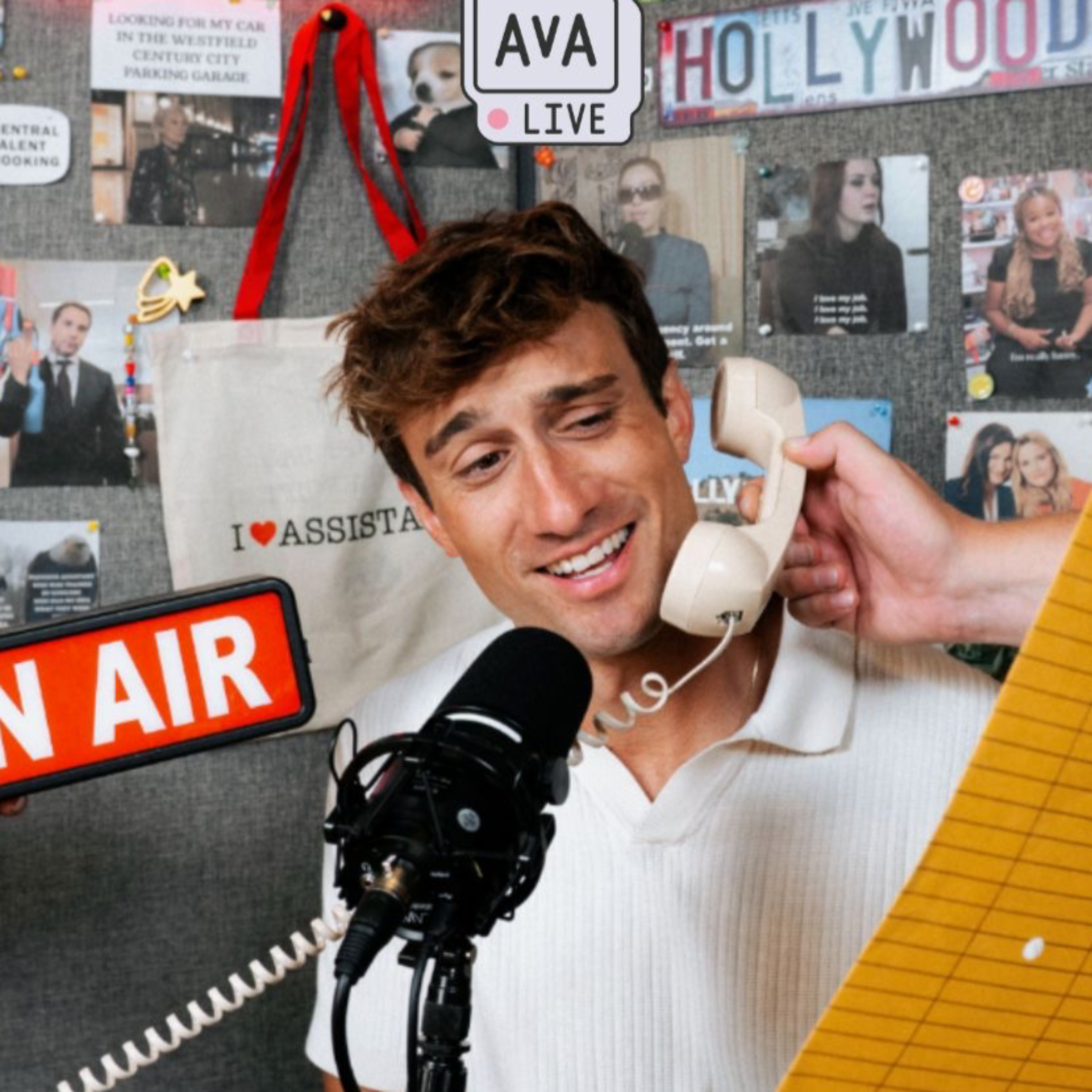
Inside YouTube's Coachella deal, Spotify’s AI Debate & Rolling Loud's Movie
1h 7m 14s
This episode explores the evolution and future of live music events and festivals, featuring industry leaders from YouTube, Spotify, Rolling Loud, and Medium Rare. Ali Rivera details YouTube’s pioneering relationship with Coachella, highlighting how live streaming expanded global access, built community, and evolved through technological innovation like cloud production and AI integration. Spotify’s Fresh Finds Forward initiative is presented as a transformative support system for independent artists, offering resources, community, and mentorship to foster long-term growth. The discussion also addresses the challenges of social media pressure on artists, emphasizing consistency and authenticity. In parallel, Rolling Loud’s new film and Medium Rare’s high-profile events—such as John Summit’s exclusive show and Jalen Brunson’s podcast—demonstrate a shift toward immersive, multi-sensory experiences blending music, film, and culture. These developments reflect a broader industry trend: live events are becoming more inclusive, interactive, and artist-centered, leveraging technology and community to create deeper fan connections. The episode underscores that the future of live events lies not just in spectacle, but in meaningful, accessible, and innovative experiences that empower both artists and audiences.
It is Wednesday, September 30th. Welcome to AVA live in a past life before they decide a career in the music industry So I thought what better way to celebrate that than curate an entire episode around the music industry festivals and live events We have some Titans of the industry joining us today including Ali Rivera who will be first up She's the head of live events or live music at YouTube. We have Joe Hadley who's a global head of music content at Spotify We're gonna put them on the hot seat We got Matt and Jeremy from Rolling Loud putting on the new movie coming out on Friday Adam and Joe co-found as a medium rare if you don't know who they are you're about to find out They throw some of the biggest events with people like Groanck Super ball parties read most recently Jalen Brunson Josh Hart as well as John Summit I think you know him and we also have a country rising star Julia Cole and her manager Martha Earl's who we programmed a panel with Down in Nashville last year, but first up Ali Rivera. She is the head of live music at YouTube the Coachella live stream deal Just got extended to 2030 and we are bringing on the architect of it live to AVA live Ali. How are you? Hi Did how are you? It's great to see you. Of course. Thanks for coming. I think you just got off a flight. Where were you? I was in Nashville. What was going on in Nashville? We were just meeting with managers having some dinners Lee or Cohen. My boss was out there got to see Casey Mousgraves and her disco balls Performance So it was pretty fun. I think I saw you're a little hard, but you made it and I was a little worried I got a text in like cook the airport. I'm like, please please be here because we're so excited to talk about the Coachella live stream So quick intro on yourself. Can you tell people our viewers a bit about yourself in the role you have at YouTube? Yes, I had up our live music at YouTube I also run a team of artist Part of managers, so we work really closely with artists and their teams and their management teams I've been working on live and I've been at Google which is sounds really crazy for 23 years I've been working on live since the beginning of live at YouTube. So it's been a long journey Yeah, and our first our first live show ever I hit you up old DM cold Instagram message said We're putting on a fundraising show called live from LA our production guys back here put it on with us I was like we have zero followers in the account. How can we stream this thing on YouTube? And you were amazing you helped us put that on so that was the first time we met Probably almost two years ago. So that was our first part of our journey But the beginning of your journey and really why we want to talk to you today There's a little rumor and we're gonna do a leap of Jersey the Coachella lineup may be releasing pretty soon Talk to us about the beginning of the relationship between YouTube and golden voice who produces Coachella Yeah, I mean we started let's see we started in 2011 and it was very I think our first actual live stream on YouTube was 2009 with you - But like hard to find on it's it's it's it's a it was it was very just simple and even Coachella - I think like at the time people thought we were crazy There was a lot of worry. I even from golden voice about cannibalization of ticket sales I think they were stressed out that that the tickets might not sell if we were live streaming it proved out to be the To be the opposite over time right because people did it just give access to the world more people wanted to see it So it became even bigger and bigger Ended up, you know going from one week at one stream That was like very time shifted pissed a lot of people off because they were like wait. I know it's like Why is it light? It's dark, you know, so anyway. It's it was a very simple stream And we kind of evolved over time to streaming every stage Going live live. So there's really no break And it just like the top of the notch in terms of viewing experience. So 4k on all the stages Multi-view so you can watch kind of like four different stages at once and go between them and for me I really think like I I spent a lot of time watching live and I think like the interactivity Community that it builds is so amazing and I think it's so fun to watch like people from all over the world talking Yeah, and so the you mentioned a simple stream. We live streaming the show. There's only simple about live streaming What have been some of the biggest hurdles? Throughout that relationship with Coachella that you've experienced um I mean, I think that like the production this past year moved from on the ground trailers to the cloud Which was a huge and helped a ton. The most important thing after Coachella is that everyone wants to watch Something like a performance clip and now social media It's pretty hard to control that so you want to get the best stuff up as soon as possible So moving to the cloud allowed them to pop the performance spot up really quickly And really take advantage of all the like the top like 4k-ish best Quality content and allowing it to be seen first and one of the biggest social moments maybe in Coachella history at least my Time going was the beaver show which Painted you all in an incredible way how much of that did you know it was happening prior and what was the reaction like from your side? We did not we did not know Everyone thinks we did they're like did you pay beaver? No, we did not pay beaver Um, it was such a treat. I mean, I think like I don't know people had a lot of opinions about it I thought it was just so beautiful and touching like I worked with Bieber from the very his very first days here Like I have a photo of him when I was pregnant back in the day like 14 years ago coming into YouTube So I've been watching his journey. So as a long time beaver fan it was it was incredible to watch and I think about like I don't know if you got to see it. I'm sure you did well You're probably there, but anyone that watched the stream got to see that like one moment at the end where he was like Doing this and the fireworks were going off And like fans in the audience can't see that yeah, only the folks on the stream can see it And so like they're getting to watch it on the stream. I think is the best season the house like I personally Always make it home in time to watch the end of Coachella from bed We watch season or we watch season one we watched weekend one from our couch It was that was so I did get to see that entire um end of the show as well as the the many shows that weekend But why YouTube so I think there's a big reason that I read from Paul to let who runs golden voice and coach or runs coachella as well That YouTube opens it up to the masses. There's a global audience It's also free so that takes away a lot of the hurdles But you know rumors are saying or reports are saying you know you have bid or want it from net people like Netflix and Amazon But why is YouTube the right place for Coachella live streamer really in any music live stream? And what do you think the difference was in the eyes of Coachella to pick you all? Well history i mean we have proven history together um we We give them a lot of we were we're like true partners and I think like of For how big they are they are the most innovative partner I've worked with they're so open to trying new things Um our teams love to try new things and so We've been having me this week just about um innovation and xr and vr and all the different things we want to try together um Like There's there's a ton around AI obviously around like music that we're not looking towards But in terms of like making the stream smarter thinking about things we can do with like um asking What set what what's on the set or what what what is artist wearing or you know being able to like incorporate Gemini or AI into some of the Streams and experiences But I think our history working together Artists are on youtube right we were like the home of artists and we Artists how they're fancier and so the fandom is a huge element of it Hey, we stream this thing on youtube and we we've talked about that before When i was at the office last week, but i'm looking forward what what how do you think live streams will change in the world of AI In just into the future in general Um Good question. I mean i don't think they i don't think they will change i think there's features that A partner can take advantage of if they want to and they don't have to um Them in particular they like it. They're like what what can we do next, but you could also not um like i i my favorite part of ever working on live was during coven Even though it was sad for all the reasons getting to like fundraise Um, you know using tools like that and just community tools. I think i'm really helpful to just bring fans together Um, but i think you know just like quality will continue to improve of The you know viewing experience interactivity will continue to improve um And then you know again like a partner can take advantage of what they want to but we want to really keep it in their hands and not ours Yeah, and one of the biggest uh artists with the most rabid fanbases in the world is Lisa Um, i know you guys just announced a partnership. Can you talk about that? Yeah, yeah, so we're uh youtube premium is a very big part of our business and we are starting to look into pilot and potentially invest in long form content So we just announced a deal with Lisa from blackpink We're doing sort of like a surround we're calling surround sound deals. So she has music coming out She's got her biggest residency and then she has her documentary and so we're trying kind of supporter through the whole journey of it all This will be our first ever behind the youtube premium is like what you pay for to knock it out musically, but it's uh it's it's basically behind the paywall So we'll be doing a ton of support for music in front of the paywall a lot of really cool fan experiences and then You will watch we will bring users to watch um her long form Lisa documentary behind the youtube premium paywall It will be on her channel So i think it's great because it already like happened to our fanbase. She's that she's got like eight million subs So it's a great way to just sort of
like bring it all together? I think for an artist, like long for a mentor form. - I love it and real quick, before we end, I have to know, I think I'm gonna ask you this in the past. It's hard to pick a favorite child, but do you have a favorite set in Coachella history? - Hmm, I don't know. I mean, I'm so embarrassed to say that I missed the chapel set 'cause we were doing some sort of happy hour. That one I like crushed that I missed. I mean, I have to sit Beyonce, right? - Yeah, okay, that's fair. - That's fair. - The chapel will be back. Hopefully Beyonce's back as well. - Yeah, yeah, yeah, exactly. - Oh, good ones. But, Ali, thanks so much for joining the show. - Thanks for having me. - We'll see you, Coachella. - All right, thank you, take care. - Bye. - Bye. - We wanted to go from the livestream to the relationship of artist and manager. Last year, as I mentioned, we did a panel down in Nashville and head on Martha Earls, who's the manager of Came Brown, on the panel. And I told her, when we do this show, we're gonna bring her on. And I would love for her to bring an artist with her. So, rising country star, Julia Cole is joining us as well as Martha Earls on AV Live. We're gonna bring them up live. How are you? - What's up, buddy? - It's great to see you. I gotta know where you both are right now. I'm assuming maybe Nashville, but Julia, I know you have a show coming up in Louisville. So, where are you both? - I'm at a rehearsal studio. My whole band's inside running the set right now. So, as soon as this is done, I'm hopping back in. - Thanks for what song were you ending on? What do we pull you out of? - Oh, I can't choose. - Yeah, I was going, that's like, I wanted to get something out of you. But, quick intro for people who may not be as aware of both of you. Can we do a quick intro as each side? Martha, let's start with you. - Sure, my name is Martha Earls. I'm an artist manager in Nashville, Tennessee. I have a company called Neon Coast. I have been in the music business in Nashville, my whole adult life. I work with Julia Cole. I work with Cain Brown, Randall King, Knightley. We have a small, tight, diverse roster and happen to be here. - What about Julia, let's hear. - I am a country artist from Texas. I live in Nashville. My music is Sisterhood Country. So, it's music that always has your back like a sister would. And we are releasing a Deluxe album in a week. - We're excited for that. End tour as well. You know, both of you are very interesting origin stories that maybe aren't the norm Martha with you. And you talked about yours on the panel last year in Nashville. But tell our viewers a little bit about how you got your own foot in the door in the music industry. - For sure. I'll give a super fast version. I grew up in Central Pennsylvania. I got a scholarship to music school and decided to major in the pipe organ, which doesn't really make any sense. And quickly after like four weeks of being a 17 year old pipe organ major, I realized I probably needed to pursue something else. And I moved to Nashville. I went to MTQ where I graduated, started my career in music publishing and then moved into artist management, which I love. And that's what I have been doing for the past hour and many years. - I love it. Julia, you as well. I think you have an interesting pathway into the industry. My really big passions growing up were sports. I played every different sport you can imagine. And I loved writing. So I wrote a novel in high school. And I thought one day I was going to be an author. So I was actually coming to Nashville anyway to go to Vanderbilt for volleyball and to study creative writing. And my senior year I started doing national anthems for my volleyball and basketball games. And then I started getting asked to do the anthem for the NFL. And it'll be NASA, NASCAR, all these crazy events. And I was living, I was about to live on New York Row. And I just started to, the seed got planted of. Once I'd have writing books, maybe I could sing and write songs instead. They're kind of like poems. And I started taking some songwriting classes and everything changed after that. - Did you say NASA as well? - Yes. - Literally, it was part of the world. - Yeah, was it like at a rocket launch or were we talking like a corporate party? - It was an award ceremony for the smartest people on earth. Like it was pretty crazy. - It was like a town, we're all in like fallout gowns and stuff, it was cool. - I love that, NASA, I got to be top of the list. But we want to talk about the relationship between artists and client here. And I'm sure it's evolved into friendship between both of you. But Martha, you have your eye on talent. You'd mentioned some of the artist you work on. What do you see in Julia that made you want to take a risk? You know, or if you saw it as a risk, take the jump. - Well, I would say the thing about Julia that struck me the first, she's the hardest worker, hardest worker on the planet. Like nobody will outwork her. And I think that that mentality and like today's modern music industry is the key to success. And so her hard work makes me want to work harder, makes jazz in the rest of our team want to work harder. And so it's very inspiring. And so when she came in met with us, Julia, like her business was already running and incredible and she had put so late so much groundwork that for us to be involved, we could only be additive, right? And it was in a situation of like, oh my gosh, like how do we help her become an artist? But rather it was like, look at this incredible foundation that she's already laid. Now how do we continue to grow on that and accomplish the things that she wanted to accomplish? So I think in her case, like obviously, she's an incredible songwriter, singer, now, you know, going embarking on a headline tour just for us to be able to help make some of those dreams come true. That was really like the motivator I would say. - I love that. And it's obviously paid off with the tour in the album. I want to know though, Julia from you, like I worked in the music industry at WME and Live Nation, also putting festivals on. It's obviously a challenging environment right now from a lot of different angles. But there are also talent does shine through all the time. And so how do you see those challenges in your own life when you're approaching your career and things that you think about when making some decisions like, when do you tour? How often do you tour? When do you release songs or how often you upload TikToks? What are the challenges or things you're thinking about as you're going through your day-to-day and thinking about your career? - I think it's different for every artist and you have to really focus on what is turning the needle for your business and for your fans who are connecting with you. And for me, my initial connection with the majority of the world was on social media. So I put in place some systems for myself that kind of helped me be consistent. 'Cause I realized you really never know what's gonna be the secret sauce of exactly what works, but you just give yourself so many more chances if you're consistent. And so if you look back on all my pages, like there has been a post that's gone up every single day for probably four years straight. And I don't know that much can beat consistency 'cause not everything's gonna be a home run, but you're just giving yourself 365 chances a year at something working. When it comes to touring, I think that's the, for me, that is the second half of my business, like the streaming and social media side came first, but the touring side is where you really connect with the audience, and I'm very thankful, but we're getting to finally really dive in on the touring side. - Yeah, on the social side, Martha, is that something that when you're talking to artists, there's obviously, I think two classes of artists, there's many, but pre-social media, ones that are now forced into doing it, and people like yourself, Julia, grew up with it, same with me. You became the norm as you're going out, but is that something Martha you struggle with and certain artists struggle with, the pressure of social media right now on artists? - Well, it's a really interesting thing because I think if you're an artist who's open to trying stuff on social media that it can be fun, it can be an exciting way to share your music. I think where the pressure comes in, ironically is once you have success, and I think once you have success on social media, I think there's this sort of internal pressure of like, oh my gosh, my last song or my last video got a million views, and now this one only has 10,000 views. Like, what's going wrong? Is this falling off? What's happening? Why am I not figuring it out? And I think that pressure is harder than like an artist who came in, you know, in the 2000s before social media started. And I would say that the way you have to kind of power through that is simply to know that every post, and like Julia said about consistency, every post you're making is probably reaching different people. So even though you hit a million people with that post that you did that was your big success, the one that you feel like is a failure at 10,000, you might have reached 10,000 new people, and you have to keep it in that perspective. I think if you try to keep topping yourself, it becomes unmanageable. - Yeah, Julie, when you're looking around the industry too, what do you think the most opportunity is for artists? - I think the fact that we have so many avenues to reach our fans without gatekeepers now has just made this the most opportunistic time to be an artist in history. Like, you don't have to wait for someone else to give you permission. You can just make music that you love. You don't even have to know how to record it yet. You can just sit there and perform on your own phone and connect with millions of people. And that opportunity did not exist even like 10 years ago, really. I mean, it's a totally different world now. So I think you, some people choose to look at it like it's the pressure of socialization.
social media. But if you look at it from its the opportunity to reach people for free that you didn't have in the past, it kind of helps change your mindset on like, well to reach this to reach 10,000 people even I used to like someone used to have to rent a billboard or someone would have to get a magazine spot or someone would have to get a TV commercial. Now you can just set up your phone and do a live stream or post a video or whatever it is and I think the access to potential fans and community members and even people to collaborate with is so incredible now that the opportunity is kind of endless there. Yeah, Martha she's shaking her head. I think that's a dream answer from a client to and real quick Martha before we let you both go. I want to know about a lot of young people out there who want to be managers one day. What do you think makes a good manager in the music industry? Oh my gosh, that's such a that's such a thick question. I would say a trait that I do think is really helpful is strategy right not chasing learning maybe learning from what other people are doing but not chasing and creating a strategy for your artists because what work is going to work for Julia Cole is not going to work for this guy over here and so you have to have a focus strategy and you have to think a couple steps ahead. And always begin with the end in mind. What do you want to have happened? What do you want the result to be and work towards that? I love it. Let's talk about result real quick Julia. Who is a dream collaborator in your world? You know, my answer to this prior to this interview has always been dolly pardon. I know, I know. So I'm going to have to get my my new dream collaborator on the list but Gary LaVox from rascal flats actually just posted a video saying that like I did a cover of one of the songs and he said that he wanted to sing it with me so that is probably my new dream cloud. So I'm going to wait to cut back to this clip when it's out. We can't wait for that. We're excited for tour. Kentucky and all the way through but Martha Julia, thank you both for joining Navy live and best of luck on tour in the future. Thanks, Warner. We'll see you. Like every week, we have a segment leading ladies. Kyra Joe is going to walk through this week in leading ladies on AV live. Take it away. I'm an AVA student ambassador and today I'm going to tell you about this week's leading ladies in the business of entertainment. First, SNL season 52, welcome to new cast members. Side of Bello Sagi, who is in the Lion King on Broadway and Grace Ryder, who's best known for her work with American High. They're 30 and 25 years old, respectively, making Grace Ryder the first SNL cast member born in the 2000s. Additionally, Carrie Powers was promoted to head of the talent department and Rebecca Schwartz was promoted to a producer and they've both been with the show for over a decade. Next, looking at the 2026 VMAs, women were crucial to bringing everything together. Melanie Block was co-executive producer with Sarah Raymaker and Jasmine Raton, C.S. Producers and Jen Proctor as executive talent producer. And these roles span the core of the show from production to creative execution to talent booking. And lastly, Chanel Simmons was named the US Managing Director of the Creator Economy Company Motion Society. And this is after executive roles at Spotify, Metta, and Fullscreen. The company works with over 650 creators and distributes over 30,000 monthly videos to streaming and digital platforms. See you next week, AVA. Here, Joe, leading ladies, thanks for joining us virtually. Hopefully we get her in studio. The next guest, Joe Hadley, he's the global head of music content at Spotify. We are going to talk to him about fresh fines. We're going to talk to him about some of the hot takes that the industry has for him and we have Joe joining Navy Live. Hello, can you hear me? I can. I love the view here. We're going to get a big, big zoom in on you, but how are you? I'm doing well. I've actually been following you on the platform for a while. So this is pretty exciting. Hopefully good. Hopefully me and get out of that fresh fines forward list. Let's talk about it quick. Before we do. Talk to us about what the global head of partnerships and your role at Spotify really entails. Yeah, you know, it's a relatively new role right within the last few weeks and we broke both the editorial teams and the partnership teams closer together so that we can have a more live and strategic impact across artists performance both on and on platform in terms of discovery or marketing efforts and just how we're able to empower them with the creator tools that we have. I love it. Before we let's talk about business. I want to get to know you, right? You're in music all day. I have three quick questions. We're going to put you in the hot seat before you before we put you on the hotter seat. Let's let's hit it. What is your walkout song? Walkout song. What am I walking out to? Exactly. You're at the World Series game seven bottom of the night. They pull you in. What song are you walking out to? That's a hell of an answer. What about you get the windows down in the 405? You're probably a lot of traffic. What's your guilty pleasure song? I don't have any guilty pleasure songs. I love what I love, but it's been that way since I was a kid. But I think that I don't know. I don't know that for people that I mean, they'd be anything surprising, but you're just as likely to catch me listening to. It's a great album as you are in synced debut album, the UK version because there were some different tracks on there. As you are, you know, roofs to soul. So it really varies, but I'm not aware of any of it. We love it. None of them are guilty. Minds the touch of many of you are wondering, but you weren't. But let's talk about fresh finds forwards. You guys just made a big announcement that you're going to give approximately 10,000 emerging independent artists each year. The resources community. We're going to support to turn early momentum into long-term growth. A lot of words, but let's break it down. What does it really mean for young artists? Yeah, one second, though, just a little bit of touch with Betty Phil. She's got a sleeper track called I bruise easily that I highly recommend checking out. Don't stick to the unwrittens of the other ones. She's got some real bangers underneath it. Anyway, fresh finds forward. So fresh finds as a playlist ecosystem. It's been around for about a decade, right? So our editors have been intentionally curating completely independent and usually unsigned artists, right? So they're very early on in the career. And for most of them, this is the first recognition they've gotten from a streamer or on their music at all. I think over the last 10 years or so, there's been about 80,000 artists that got their first playlisting and across 127 countries or so. So it's been quite impactful prior to launching fresh finds forward. But what happened was over the last decade or so, we started to hear more and more from independent artists about what they actually need and what they want. Conversations really shaped what the program would become then we launched it. Wow, about two weeks ago, it feels like so much longer because we worked on it for a year or so prior to getting in line just to make sure we got it right. But yeah, that's how we got here. And what some of the feedback you do get from independent unsigned young artists that made you think this is the time to launch a program like this. Yeah, they want and frankly, they need more than playlist placement, right? They want benefits. They want resources. The biggest thing that we got was community. They wanted to feel like they were in community with others. So how could they be around other artists, writers, producers. And so we took those things to heart and set out to build this program. And what we landed with I think it's pretty special. So it's basically like a 12 month program. The moment you are selected or added to a fresh finds forward or fresh finds playlist anywhere in the world. Then you are now a member of the fresh finds for code. We expect to have about 10,000 new members per year and they are being provided free studio time at a number of markets, digital tools like lander and splice to get the six months there be through better help. We're working through like priority access to tour music video partnerships with us exclusively. And then we also have community events that we're working on to get those people together. So we're getting the artists, the songwriters, producers together, but then we're also putting on panels and hosting summits so that they can hear from people like themselves, but also hear from the industry on how they can improve their careers, everything from best practices on Spotify through financial literacy. And then we'll follow those out with a series of webinars throughout the year so that they have direct access to Spotify employees as well. Yeah, I love it. We're excited to track in the evolution of it and the playlist scene that comes out of it. I think the mental health things amazing. We love better help over here. But talking about you had mentioned something about talking to the audience are talking to the industry in preparation for this interview. We went out to our community of over 210,000 people, a lot of them are artists, a lot of them are managers, a lot of them are agents and ask them for a hot take for an opinion, we're feeling towards Spotify. And if you're cool with it, we'd love to read you a couple of those answers and just have you respond to them. I can't wait, but I've got I'm going to take for you first. We need to talk about my billing on the next one of these as a former agent. I might have some some some billing question. I'm pretty sure is alphabetical or I'll talk to our art. I think our assistant or interns fired if the Joe Hadley's not built at the top. I'm just joking. Let's do it. Billing wins that we were going to talk about the coach all line about for this, but I love that we'll bill you at the top next time you're on. If you're cool to come on after I fire these questions off to you, but on a more serious note, you know, one of the big things that we got probably the biggest point of feedback was this for most artists, Spotify offers exposure and not a true living. One of the main facts and you can, you know, just speed or talk more into it is that in 2025 13 million music uploaders only 0.62 made above $10,000 for a whole year, which is about 81,000 can just talk to us about how Spotify is offering more than just exposure. Yeah, look, I think if we were talking about a decade ago, right, let's talk about 2015 kind of the peak of the music industry. There was a lot of concerns on the future. We were ahead it finals recorded industry, the overall industry was down quite significantly right now. - Yeah, man, I think you've been out there.
time, we paid out about a billion dollars to the industry, which sounds like a large number, but not really a ton to go around when you consider the amount of people that are putting out music. I would say now there's no question that the industry is healthier than ever. And I think last year we paid out about 11 billion dollars overall to the industry. And one of my favorite things about that number is not only that it's a large number and it's increasing significantly year over year, but about 50% of that was paid out to independent artists and independent labels, which is quite a bit, as you can imagine. And I didn't quite grasp the numbers that you were seeing at the start, but one of my favorites, that's right. I got a few that they are engrained in my head that I've memorized. So I would say about 14,000, a little under 14,000 artists last year made over $100,000 just from Spotify. And then I think if you were to look at the, let's say the 100,000 highest earner on the platform, right, they would have made about $7,300 in royalties last year just on Spotify, whereas in 2015, that number was about $350 or so. So it's not a zero-sum thing, right? Like, isn't there shit grows, artists revenue grows with it? So that's kind of my take on it. Yeah, I mean, very fair. And I think a lot of that, you know, the number that I did throw was 13 million music uploaders, but a lot of those, again, aren't music professionals. And, you know, I think that Segway is nicely into this next topic, which is AI in music. That was probably equally with the, you know, artists making money, that the biggest thing that people worry about or are concerned about. And the, quote, all poll is labeling AI music isn't enough. Listeners should be able to opt out entirely. So talk to us about your take on AI. And also, there was a recent statement saying, you know, fully AI-generated artists are allowed in the platform, but you're fighting against illegitimate streams. So talk to us about AI and Spotify. Yeah, look, it's an ever-changing landscape, right? And AI isn't a music industry only challenge or opportunity viewing how you look at it, right? This is a worldwide kind of industry-shaped conversation that's taken place in real time, right? So let's acknowledge it. This is a net new problem for the world. And we Spotify love net new challenges and problems, but I want to make sure we start off there. Then the other thing that I want to just say is, late last year, we put a few things in place to kind of gear up to where we are today, right? We announced that licensors and artists would be able to upload or let us know which factors or parts of their music are using AI, the ADDX. We also implemented a spam AI filter that would intentionally downrank tracks and make sure that consumers aren't getting fed what people are calling AI slot, but also the real artistry could shine through. And we also changed the way that we are working with our partners in terms of infringement claims. So if they're fake or fraudulent artists that are infringing on their work, the process to get those taken down becomes much easier, right? And then that led us into this year, about a month or so ago, we announced our AI persona badge, which specifically labels Gen AI personas on platform. Some of them are self disclosing others we identify at label. And what's really important to know is it relates to AI and how it shows up on platform is we do not surface any of that music in our algorithmic sense. And no AI music, Gen AI music has been programmed in any of our editorial sets. So our algorithms are set to highlight authentic human artists. And those are the signals that we provide to them. And we strive not to supply spam in any way. There are artists and songwriters and producers who are incorporating AI in intentional ways as a part of their creative process. So we leave that choice up to them, right? It's not us to us to decide, you know, what is art and what is not, but fully gin AI music or what people are sometimes describing is AI slump is not being surfaced in our algorithms in any way. Do you think it offers an help in the putting the spot here again, but do you need offers AI? Is AI a net positive for or negative for the music industry? That's to be determined. I think there are so many upsides to what can be done on the executive side from a work of performance. I've seen incredibly talented musicians and artists use AI in their music, but you also see an extreme amount of content being generated that people would have legitimate concerns about. So it's really, it's really hard to say, but we're going to do our best to make sure it's net positive and that we continue to surface and spotlight human artistry alongside whatever is happening in AI. That's our primary focus. I love it. Well, thanks for being a good sport with that. I know those aren't easy topics to discuss. You know, we're big fans of Spotify, where we stream this on YouTube, but also post it afterwards on Spotify. We found our audience through there. We've done partnerships with you all before. The first interview I ever did was with Sleen Ong, who's no longer there. In the Spotify office, I was nervous sweating through a shirt out of my mind. So we have good, great, great relationship with Spotify. But I mentioned video, real quick in the last minute. I know there's a big push for Spotify into the world of video. Can you talk to us about that? Yeah, it's been super exciting. I mean, in December, we expanded music videos to premium, just for subscribers and our beta markets, right? And we've had some really great events, things take place on platform as a release of music video. We had sweetest house mafia, BTS, straight kids, Nook Han, or a few that launched decided to premiere their music videos exclusively with us. So we're seeing a lot of a lot of progress. We also have our new podcast studios that opened up in Hollywood late last year. So video on platform is going to continue to be important for us. And one of the key reasons is that we found when we have additional video, when we have additional context for our users, they tend to stay on the platform more. They tend to listen longer. They save more. They follow more. They like and we're filling in some of the content gaps that people would typically stop using our platform for. So obviously, more engagement is helpful and incredible. So the more video we add, we feel the more context we can provide and, you know, make sure that people are listening more. Cool. Joe, thanks for joining us next time. Two promises. One, I'm going to bill you higher, but you got to come closer. I feel like I can't see you back there. No, no, you're good. Oh, yeah, get closer. What we'll do a quick buy. Is there a Zoom feature there? Oh, look at that. We could have popped that in from the beginning. Joe Hadley. Thank you for joining AV Live. Hopefully we'll see you in the office soon. Yeah. Hello. Thanks for having me. We'll see you. We got a special guest in studio. He hasn't been back in a couple months. His name is Brent. He is going to do a quick segment on I think some memes. Yes. Yes. I'm glad to be back. It's been a few months. But yeah, the VMAs were this weekend. And I heard that it was one that you could not miss. I heard because I was not watching. I was in my living room lying down and relaxing. But as a tradition, more people left losers than they did winners. But in my heart, and from what I have seen the last couple days, too, probably won the whole thing in the world of memes. And that's Madonna and Charlie. So we're going to jump right into my favorite memes from them. Let's put my first one up. This is Charlie slapping her knee. She is unenthused, the demon that she is. Oh, to be unbothered in public. This is how it feels when the internet you hate is getting offered a full-time role, or when your work crush announces that they're engaged. Or, you know, watching your exec make four times a salary and do a quarter of the work that you do as an assistant. Oh, he laughed at that one. He liked that one. I got to play more. Let's put our second one up. This is Charlie again. This one, so I know she's an unbellennial. And I know she was born in 1992, not to put that out there. But she has a very Gen Z smirk. There's something about that mischief in her eyes, you know, watching your biggest work up get put on a crazy double desk. But also, this is just very me on Zoom calls. If I'm on a serious Zoom call, I laugh. I'm sorry. But going to my favorite of the night, let's go to Madonna. This meme, I think, took the cake. I love Madonna, bring your love. Everybody should up and dance. But this is very much another weekend under payment, another week without a work life balance. These are my work friends dragging my hungry self to work on Monday morning and college grads getting put on a desk immediately after graduating. With no experience at all. But yeah, here's me showing up to a toxic workplace in another dimension in another universe. Yeah, I was going to say toxic. You said that like it was the furthest thing from toxic. Now we got Madonna covering you. That attitude. That's somebody walking over when rent is due in the next morning. That's true. All right. But those are my three favorites. VMAs bring us here. Bring us next year. We fun fact, the MTV VMAs actually drew their biggest audience in 11 years up 51%. Maybe they'll get Brent to watch it next year. Who knows? Thank you, Brent. This weekend memes from Brent Newsegment. We have a quick video to show rolling loud the movies out on Friday. And we have the founder of Rolling Loud as well as the producer of American high put the movie on. We'll show a clip if you missed it. Let's roll it. God, that's rolling loud. Just enough to line up. Can I go? I don't know what a rolling loud is. It's the biggest hip-hop festival in the world. All the best rappers are going to be there. He's not going to some hip-hop festival in Hard Rock stadium. Where are we? Where are we? Fishing at the lake house. That's right. And now let these little bitches do some fishing. Let's go. You know what I love about you? You're not a helicopter parent. I like you. Jeremy, there he is. How are we?
- What is happening, Warner? - It's good to see you. I think we have Matt joining as well. - Hey guys. - How are you? - We're gonna bring you live on stream. Give us one second here. - Sure. - Amazing. Jeremy, can we do a quick intro? Matt, can you turn the camera a little bit? 'Cause we got an iPhone here. Can you turn the camera so? - I'm gonna sit down. - You unlock it. - Just unlock it and turn it. This is like, this is high quality stuff. - Okay. - We can get you on the stream. - Is this good or should I turn it, I know. If you can turn it, we gotta get you on the stream. Yeah, and unlock the, there you go. I think we got it, we got it. That's what we do. - That's what we do. - If we get some, if we get some a little bit of makeup on you right there. - No, you got it really good. I need a touch-ups. - No, you need them touch-ups. - We don't have a budget for that. But Matt and Jeremy, quick intro is all around. Matt, why don't you start? Matt Zingler, CEO, founder, Roland Loud. - Jeremy. - What's up, Jeremy Garic, CEO, founder of American High, former assistant at CA and writer, director, producer of Roland Loud. - We love it. Yeah, the movie. So that's why you're both on this call Friday. We got a movie. We also have something that was sent to us. I've never seen something this large. It has rolling out on the top. We're gonna open it up. Can you guys, while I'm doing this, wow, this is crazy. I don't know what this is. Talk about how you first two met and how the idea for the movie came about. I'm gonna open this while you do it. - Matt, do you want to talk about how we first met or do you want me to talk about the idea first? - Yeah, yeah, no, I'll talk about how he met. So I got a call actually from UTA. And they were like, "Hey, it's got Jeremy Garic. "Once again, I called you." He's a film producer, makes crazy movies. I was like, "Yeah, I'll take the call." So we get on call. We kick it, he explained to me a story about him, bringing his son to Rolling Loud. And every Rolling Loud, we always get a list of comps from agencies. I guess Jeremy was on that with his son. And I guess something happened at the show. And next thing you know, Jeremy's like, "Did I want to make a movie of this?" It's crazy or reminded me of the hangover losing, Dave on the roof and all this crazy shit. And then I've had a lot of proposals before from individuals, but I love the idea, I love the vision. And then, you know, sure enough, it actually happened, which in today's world is kind of crazy to think that when people say something, they're actually gonna do it. So. - In the follow-through in that, Jeremy, while I'm wearing this, it says big sexy, I don't know if you can see it. So it's part of that package. Thank you guys for this. I know you guys made it, it just for me. Now I got to do a leap of Jersey to big sexy thing. Never wish I never thought I'd be doing this. But I've talked to us about how the idea came. Jeremy, what did you see in "Rolling Loud" where you were like, "I wanna make a movie about that?" - Yeah, I mean, for me, everything I've ever written has come from something that's going on in my real life. And I, I four kids, but my oldest was 13 at the time. And he always struggled with, you know, social issues. And he, we were always trying to connect. And then we were working on homework. And he was just like, "That dude, we're almost gone. "Rose guy, it's coming so fast to you, Michael." I'm like, "That slowed out. I don't know what you're talking about." What do you say, it's "Rolling Loud" to the biggest hip-hop festival in the world. I was like, "Oh, like, who's gonna be there?" Like, you know, Eminem, Jay-Z. No, they're like 60 dead. What are you talking about? Travis and Cardi, oh Cardi B. Oh, you're like, "No, I'm not Cardi B. Playboy Cardi." Anyway, I saw him like so excited for the first time about something and so passionate that I was just like, I just have to make this happen for him. And I reached out to UTA. I reached out to Mike G at UTA and I said, "Do you know anything about this rolling loud thing?" He's like, "Yeah, what do you need?" He's like, "I got you." I said, "Can I bring my son, wants to go?" Like, "Can I go?" So is there like a place where the Jewish executives go to like just be safe at this thing? He's like, "Yeah, I got you. "I got you, don't worry." I'm like, "All right, we end up going." And we go to so fun. My son is so psyched. Like, he's been talking about this for weeks and weeks and weeks. We go, show up and we're not allowed it because he's not 16. And I'm like, "I'm on a list." And you're like, "I gotta call someone." No reception anywhere. And I just see his face drop or walking away. I'm like, "I can't let him down like this." And for really for the first time, I was like, "Listen, I know this is not the right thing to do as a parent, but you're gonna have to say you're 16. We're gonna walk through this. How old are you? What year were you born? Just stay focused. And then let's go, like we're gonna get in. Where does it happen? We went to a different entrance and the guy asked him like, "How old are you?" And he's like 16, what year is it? And we've got let him in. And we kind of walked through. We walked through and we were like, we're not looking at each other. We're just holding this thing. And we did a little bit of like a secret low fist bump like as we got away. And for the first 45 minutes, it was so incredible. Like we had the most incredible time together. And then I said, he was like, "Okay, I want to go to this one. I want to go to this one, but I will have to go to the bathroom first so that as soon as I get out because I don't want to miss this person." So we go, I get online at the food truck. He's gonna meet me back online at the food truck. He goes to the bathroom. Never comes back. And I'm starting. - He's still there. - He's still in the bathroom. - Yeah. - It's by stadium. I go and I start freaking out and I start searching for him and it's starting to get dark. Everyone's walking around with ski masks. Everybody's smoking weed. Everyone's half naked. And I'm like, oh my gosh, what did I do? This was the worst pair of things. There was no ball time. Finally found him, gave him a giant hug. And then immediately I was like, this is a killer. This is a killer idea for a movie. And then I know that Doug Banker, who's a producer, saw I was posting that. I was that rolling line. He reached out to me. I was like, hey, we should make a movie. I'm like, I got an idea. He's like, I know the guys. So he was the one who put me in touch with Matt. And that's where it came from. - Now you get, now you get comps for life. That's why you're doing the movie, right? You get free comps. - I know a lot about rolling loud. And I get free, I get rolling loud. - Sure. - Like some loud merge. And I gotta now free rolling loud. Boxer free I gotta go through. But Matt, I wanna hear from you. Why do you think rolling loud is such a cultural impact, especially with young people right now? - And throughout his history. - Yeah, I think where it started, it was just so organic. It started with passion and booking, you know, young, urban hip hop talent. It's scaled from 5,000 people to 100,000 plus people. It was really timing. And when you put energy into a brand where you slowly build it and you create the reliability, it changes the future and path of a brand. It's not, you can't just snap your finger and do, you know, a festival, a lot of the blue, people need to understand the experience. And over time, we build such an amazing onsite experience where you go to rolling loud. There's roller coasters, there's activations, there's multiple stages, different designs, different aesthetic. There's 120, 140 artists, you know. It's just a different experience and feeling than I feel a lot of other places where you're getting precisely what you want. A lot of other festivals are multi-genre. We don't really sway like that. We just give you exactly what you want. If you go to Nike, you want Nike products, you might not want a hamburger, you know, maybe you do, I don't know, but our brand is very direct and it's, I think that's what made it such a cultural, large following. And then obviously with time of the town and who we built with, you know. - Yeah, let's talk about that in the last couple of minutes. How you actually pulled this off? 'Cause I think the movie, if I, if my research is correct, 2024 at the festival, majority of it was filmed, what were some of the challenges, the struggles, the stories that went into filming the actual movie? - So yeah, I think was it 2024 that we actually filmed it in the December, yeah, I think it might have been December, 2024 in Florida. So the biggest challenge and this is something that I'm sure Matt deals with on an everyday basis, but in the film industry, we don't deal with this that much is when somebody like says they're gonna do something, they usually sign something and you have a schedule when they're gonna show up and with this movie, it wasn't like that. We were dealing with people who were like, yeah, I'm in, but then they never responded and we just didn't know when they were gonna show up or what was gonna happen. So we had to rearrange and adjust everything on the fly. Rolling loud was really loud. So we couldn't communicate with each other. Normally you're talking to each other, you know, over walkies and there's a lot of communication needed for running of a show. Nobody could talk to each other. So everyone had to figure out like signals to each other. People recognized Owen and Matt. So everywhere we went and Christian, who plays I am, everywhere we went. So everyone was sort of filming, that was it, that was a challenge. And really the big moment was when Owen walked out with Travis and no one knew how that was gonna, literally we had no idea how that was gonna work, but we were, I was backstage with Owen and OG, who works with Travis. And he's like, "Don't worry, it's gonna happen." And I think he's saying like, "Feme, 17." There's something like that. And we were just waiting, we had no idea. And Travis came back, he took out, took Owen out, and then the sky opened up and it started pouring. It was like the movie gods were just, were there, it was a great moment. - What was the, in the last minute here, what was the pitch like when you went to Owen? How do you, like,
lock him in the film and what was it like when you said hey we're going to bring on Travis on stage. So originally I just sent him the script and he read it and he wanted to sit down with me and then we kind of went I went to his house and we talked probably for two straight weeks just reading it allowed and talking about parenting and our sons were the same age and you know you know a lot of thoughts on the script he's a brilliant writer and just after sitting in the other for two weeks we were we were he was in yeah I'm pumped to see it on on Friday and Matt real quick for you I want to talk about music festivals we have we've got it we've curated this episode around festivals live events for you what does the future of rolling out look like well we've done events all over the world you're up you know Asia we have one in Mumbai India coming up in December this from your second year there when it comes to experiences we always want to bring the festival to places that have never experienced a festival this magnitude and in urban music and I would say on top of that film and television is a focal point for us right now I think that both these artists are actors in my opinion on a daily basis and they're always performing and I think there's a great avenue for us to tap more into film and television and potentially be the modern day MTV so I think that there's a lot of film television opportunities I love it man MTV's got to come back we appreciate you both joining us can we get a zoom in quick back on this thing so we got some popcorn in here this is insane I've never get open one of these there's a third oh there's a third row on this thing let's see if we can get this out this is the first time an AV issue oh I can't curse but let's go look at that oh my apologies for assuming on that wow holy hell and artists access we got to give us your sunny 16 now right boys thanks for joining AV live what a pleasure we'll see you next time thanks well I was chaotic as hell I think fiend still playing out of it but for up next we want to go back into the world of events away from music but kind of still in the music world Adam and Joe started a company called medium rare they are co-founders of it we met a couple years back and talked about the evolution of where their brain was going the types of events they have and the IP they were building so I wanted to bring Adam and Joe on today to talk about two recent events they've done as well as a couple events throughout the history of the company should we bring them on I think we got a we got Joe here we're gonna bring him on just a second but yeah a bit bit about medium rare as well so recently they put on John summits expert only they put on Jalen Brunson Josh Hart's podcast live from Central Park they've worked with Guy Fieri tailgate and many more around the Super Bowl especially we have Adam and Joe joining us live on AV live. It is great to see both we just had a chaotic interview about Rolling Loud the movie and we're going to switch over now to talk about more IP people that don't know medium rare can you guys give a bit of a background on the company how it started and how it's evolved. Yeah happy to so before starting medium rare I was at Live Nation and Adam and I actually met you know working at SFX Entertainment so more typical promoter working on all sorts of large scale you know music festivals and live events now our model is very different than a typical promoter we create our own IP in partnership with celebrities athletes iconic media brands you know some of our partners include Shaquille O'Neill Travis Kelsey Guy Fieri Dave Fortaway John Summit you know we'll try and we'll talk more about in a moment where we really sit down and work with them to you know figure out what it means to you know bring their DNA to life through a live event and all of our events in the portfolio are very different concerts food festivals live podcasts so unlike a typical live promoter that's you know primarily just you know driven by ticket revenue sponsorships are also a huge part of all of our events. Yeah and you guys just raised some money last year red as of July 60 million so far revenues there's the amount of events also is increasing when you're looking at a celebrity right there's things along the lines of metrics you can look at but there's also cultural impact so why are you picking the certain celebrities or talent or even artists in the world of John Summit what are the things that go into that decision. Yeah for us the biggest brawmer really brand partnerships right if you see a celebrity and athlete you know influencer whatever they're whatever you want to call them and you see them active with a lot of brands that's a good sign to us right and you're seeing you know you turn on TD right now I promise you're gonna see she kill a meal you're gonna see Guy Fieri you're gonna see you know a lot a lot of Travis Kelsey you're gonna see the people we're working with and it's really that simple of a brawmer if they are brand friendly and brands are working with them it brands aren't working and then we're not gonna have some magic pixie dust and all of a sudden start getting you a bunch of brand sponsorships that that person or that IP previously didn't have so that's really our number one brawmer in the case of John Summit though he probably is one of the most sponsored DJs out there the biggest brawmer for us on him was it was very clear he could sell these tickets he last sold down Madison Square Garden before he did experts only fast with us in New York he sold that out I think in like a record breaking 30 seconds it was like cool there's clearly the man from a ticket standpoint and can we build a model a revenue model a business model that makes sense with not being a sponsorship heavy and actually going out and selling all these tickets and building a festival so that one was a little unique compared to the way we look at the rest of our portfolio yeah I've been in a couple of the Super Bowl events what do you think the most creative partnership you guys have ever done is yeah you give us a couple yeah and they're all really unique in their own right right so you have Shaq's fun house we sat down with Shaq and we're like what do you want to do he's like I'm a big kid I want a state fair I want a carnival right let's make Super Bowl fun it's all these stuck-up parties it's all these guys in sports Shaq and it's let's make people have fun it's Super Bowl so that that was very unique in its own way we sat down with Dave Portanoi and originally we were thinking something around you know gambling sports book casino and Dave like now I don't want to do any of that I want to do something with pizza right and also the world's biggest pizza festival so they're they're all unique in their own way I think that's really what we strive on you know do you take our last couple weeks in New York like you mentioned the beginning Warner we had experts only giant EDM music festival 60,000 people and then a week later you have a podcast and normally the same producer same promoter wouldn't have those things in their portfolio right normally it's like oh you're really good at dance music you're really good at rock you're good at hip-hop you focus on one thing we like to focus on anything that's live events it doesn't matter but it's food it's podcasts it's music it's comedy we have a little bit of all of it in our portfolio yeah and if you you know kind of examine the live pod we did last week that's the rumored show with Jalen Brunson and Josh Harp we did it on Randall's Island we shared the same festival site as John Summit and I think with that event what we're proud of is we really looked at it through different lens I think when you think of a live pod most similar pretty boring you're in a chair back your auditorium you're listening to a combo here we turned it into a block party right we had Jimmy Fallon we had Spike Lee Jose Alvarado Landry Shamit right total of four next players in addition you know including Jalen and Josh we had fabulous performing in all these kind of legacy hip-hop artists we had tons of brand activations and amazing food and you know all the stuff going on to make it you know one of the biggest live podcasts ever in America and 15 sponsors integrated into the event right so I think that's an example of you know the the creativity of medium rare where we're looking at this kind of live podcast opportunity through different lines yeah most other pods would have been a theater right pretty simply you go do it at you know the begin or you know some theater like that and then chair back um we're like how do we make a podcast feel more fun and experiential and really turned it into a festival which we don't think there's any other live pod that has that sort of hemisphere vibe and activations it felt like you were going to a music festival just so happened that Jalen Bronson and Josh Harder they're doing interviews with Jimmy Fallon um rather than you know the week before listening uh you know Jon Summit and and Subtronics and and this is a compliment everything you guys do seems to be over the top in a world where there's the norm has been to do a lot of the same um especially coming out of COVID I think a lot of the I think that was the first time we connected I reached out because I love what you guys are doing in the space appreciate it but how do the and and I mentioned some funding at the beginning to 2024 um you guys took funding that were you know valued you at 50 million and from a fortune article that came out July 60 million so the financials of it have continued to increase but there's also the other side of that where there's a lot of risk involved in putting on events in 2026 you see a lot of music festivals being canceled rising costs what are some of the challenges you all have had or biggest risk that you had to have that you've under had to undertake in order to put on events in that scale yeah so we coming from SFX which is where Joe and I first met which was an insane time in our life and we watched this company go from billion dollar IPO to bankruptcy and like less than 18 months it was absolute insanity we like to say we learned everything not to do in live entertainment um and kind of do the exact opposite of medium rare so with our sponsorship first model we're actually really taking a lot of the risk out of being a live promoter um typical live promoter right you book the show you pay out all the expenses or a good amount of them and then you announce it and you hope enough people are gonna buy tickets no one of the clue of you're going to sell enough tickets, right? It's, you know, you think, oh, I booked a big artist. It should be good. It should all
work, sometimes it does, sometimes it doesn't. And we were like, that's not a good scenario to be, you know, we're running fast, we're doing a hundred thousand people and we're losing money. You're like, you have a hundred thousand people in your house, losing a million dollars. So for us, we're able to really take a more educated calculated risk when we're doing these events. And that's my sponsorship, right? So we're looking at a PNL and saying, hey, before we start committing and spending money on this project and this event, let's make sure we're at this point on sponsorship. So we're outpitching concepts in the reality. We're not even pitching the actual event yet. We're going to our network of brands and saying, hey, if we did something with Dave Pornoy, a pizza festival in New York, it's something you'd be into. And if they all of a sudden we start getting further and further down the road where sponsorship dollars are coming in, that's when we start committing capital, we've really been able to take the risk out of it. With that said, there's still a pound of risk in what we do. John Summoned, it almost got rained down last week. We dodged that. And we're putting up millions of dollars on these events. You never know what's going to happen, right? We're taking at least the revenue risk out of the equation, but all the other risks that comes with it, unfortunately, is there's no way to get away from that unless we build the dome or have security and medical following everyone around every second. Yeah, I think we're also seeing consumers gravitating to more intimate or VIP types of experiences overall, right? I think there was a trend maybe five, 10 years ago towards the mega festivals. And with our model, you know, with the exception of John Summoned, most of our events may be anywhere from three to five thousand or 10,000 people, right? Ultimately keeping those production costs down. And maybe actually creating a better experience for fans within the gates, right? Some of the other biggest festivals in the country, they may be risking 40, 50, 60 million dollars to produce to hopefully make back small margin. So with our model, especially popping up at major cultural weekends like World Cup, Super Bowl, Daytona 500, Cultural Bowl Championship, you know, a little bit of these kind of smaller, more intimate VIP events is really successful. Yeah, and I think in the last couple of minutes here, two questions. But the first, every event you have has an amazing amount of sponsors. But there's also, it seems very well curated now to the box. What do you think makes a good partnership when you're looking at a brand to think about as you're approaching them or locking them in besides just will they spend the most money? How do you know and what are the things you look at to know they'll convert with either the talent or the audience that they have? Yeah, I think within our portfolio and the brands that we work with, we think about creative first and amplification second, right? The beauty of our brand partnerships is that they get the benefit of working directly with a shack, a gronk, a Kelsey, whoever it may be to actually stop by their activation. So take a brand like Corona, who we've worked with in the past, you know, if they sponsor a music festival generally, they're pouring beer, they have some bars, right? With Corona, we had gronk, celebrity bartend for them and gronk through a celebrity, you know, volleyball tournament, you know, within the event, creating a marketing moment for them, you know, within the festival footprint, right? So coming up with that idea and having really that custom content to amplify it, it's kind of how we base those partnerships and of course you always want to find an authentic brand that kind of fits in with that celebrity and that partnership by, yeah, really, really thinking beyond a typical experiential type of partnership. And then looking forward, obviously you'd mention the Super Bowl, you mentioned the World Cup, but you got the Olympics coming up, things like the College Football Championship, what are you looking at into the future as 10 pull moments that you're going to build events around? Yeah, so you just hit on two of them off the bat, we're actually working on a couple of events for College Football Championship, which feels like it's really grown into a tremendous weekend, almost a little bit of a Super Bowl, it's in Vegas this year, we're working a few properties to bring out to that weekend. Obviously the Olympics on the horizon, and you know, that'll be one of the most culturally relevant weekends ever in North America, and we're really excited to, you know, put burn a few properties there, and then we really like Coachella, we don't have an idea yet for Coachella, so if anyone listening has an idea, please, you know, Joe and I, but Coachella's one that feels like is just becoming so significant, it's really becoming, it's the Super Bowl of culture and entertainment, it's more of a music festival now, and it feels like that weekend feels like a great place for us to mend a property. Yeah, I mean, most, we've gone out the last, you know, many years here, it feels like people go out just for those key events, so we're looking forward to seeing you there, but Joe and Adam, thanks for joining the show, inspiring to see the way that you guys have grown, the talent you continue to acquire and work with, and the out-of-the-box stuff that you guys do, so congrats for excited to keep track of the growth of the company. Awesome thanks for having us, we appreciate it. We'll see you Coachella hopefully. Hopefully, we'll see you. We'll see you. We're going to run it. We're going to run a quick clip. I just want to give you guys a little insight into the world of medium-rare, put together a quick clip talking about some of the events they've done. Ross, let's roll it. This is our turn. So we spent the entire episode talking about everyone else's events. We've got a couple of announcements here. If you're on ACL, I will be there. The AV-18 will be there. We are throwing a welcome party on Thursday down in Austin, but this Sunday, AV-A's first annual Battle of the Mailrooms, which we're going to put the teams against each other, the mailrooms of the agencies against each other from Buckwald, CAA, Gersh, IAG, Innovative, the team, UTA, Verve, and WME. They're going to play each other in, well, Pickleball. They're also going to be played each other in a mail cart race, bowling calls, and a coffee run. You'll see what they are when you attend. But last but not least, we do have an event October 18th panel. We're going to make an announcement on our page. I believe strongly that this next generation needs events curated for them. We're going to be starting to roll out our panelists for that October 18th event happening at the Wilterns, our biggest event ever. 750 people, hopefully, are going to pack that venue. We're going to be doing this show live on a Sunday. But next week, same place, different time. We're going Tuesday next week. Big announcement there as well that we're going to roll out, excited to share with you. But thanks for joining today. It was a chaotic episode. I think I got my big sexy chain coming here. I'll be wearing this one too. Thanks for joining us on AV Live. We'll see you there.
Podcast Summary
Key Points:
YouTube and Coachella have a long-standing partnership that began in 2011, with live streaming evolving from simple broadcasts to high-quality, interactive 4K multi-view experiences.
The shift to cloud-based production has improved content delivery speed, enabling real-time access to high-quality performance clips and boosting fan engagement.
Despite initial concerns about ticket sales, the live stream has grown into a global, free-access platform that expands reach and deepens community interaction.
YouTube’s history of innovation with Coachella—such as experimenting with VR, AI, and interactive features—shows a shared commitment to cutting-edge, fan-centric live experiences.
Spotify’s Fresh Finds Forward program supports 10,000 emerging independent artists annually with resources, tools, community events, and mentorship to turn early momentum into sustainable careers.
Spotify emphasizes transparency in AI music usage, with policies to label and downrank AI-generated content and prioritize authentic human artists in algorithms.
Artists and managers now face new challenges from social media pressure, with emphasis on consistency and community over chasing virality.
Events like Rolling Loud and Medium Rare are shaping the future of live experiences by combining music, film, and immersive, high-energy environments to connect fans with artists authentically.
Summary:
This episode explores the evolution and future of live music events and festivals, featuring industry leaders from YouTube, Spotify, Rolling Loud, and Medium Rare. Ali Rivera details YouTube’s pioneering relationship with Coachella, highlighting how live streaming expanded global access, built community, and evolved through technological innovation like cloud production and AI integration. Spotify’s Fresh Finds Forward initiative is presented as a transformative support system for independent artists, offering resources, community, and mentorship to foster long-term growth.
The discussion also addresses the challenges of social media pressure on artists, emphasizing consistency and authenticity. In parallel, Rolling Loud’s new film and Medium Rare’s high-profile events—such as John Summit’s exclusive show and Jalen Brunson’s podcast—demonstrate a shift toward immersive, multi-sensory experiences blending music, film, and culture. These developments reflect a broader industry trend: live events are becoming more inclusive, interactive, and artist-centered, leveraging technology and community to create deeper fan connections.
The episode underscores that the future of live events lies not just in spectacle, but in meaningful, accessible, and innovative experiences that empower both artists and audiences.
FAQs
YouTube began live streaming Coachella as early as 2009, initially with a simple setup that was met with skepticism. Over time, the stream evolved to include full-stage, 4K multi-view coverage, with all stages streamed live without breaks. The relationship grew from concerns about ticket sales to becoming a global, accessible, and interactive experience that expanded the event's reach.
YouTube was chosen due to its proven history of partnership, global audience access, free streaming model, and strong community engagement. Unlike paid platforms, YouTube democratizes access and allows artists and fans to connect directly, which aligns with Coachella’s mission of inclusivity and global exposure.
YouTube supports artists by offering behind-the-scenes content, long-form content access via YouTube Premium, and immersive fan experiences. For example, they recently launched a partnership with Lisa from Blackpink, including a documentary and exclusive content behind a paywall to deepen fan engagement.
Live streaming expands global reach, increases accessibility, builds community interaction, and allows fans worldwide to experience performances in real time. It also helps drive engagement through social media sharing and immediate content distribution.
Spotify’s Fresh Finds Forward program offers 10,000 emerging artists per year resources such as free studio time, digital tools, priority access to music video and tour partnerships, and community events. It fosters growth through mentorship, financial literacy, and direct access to Spotify employees.
Spotify is implementing measures like an AI content filter, AI persona badges, and a ban on AI music in editorial sets to ensure human creativity is prioritized. They do not surface AI-generated content in algorithms and emphasize authentic human artists while allowing artists to use AI creatively.
Chat with AI
Loading...
Pro features
Go deeper with this episode
Unlock creator-grade tools that turn any transcript into show notes and subtitle files.
 PodcastTranscript AI