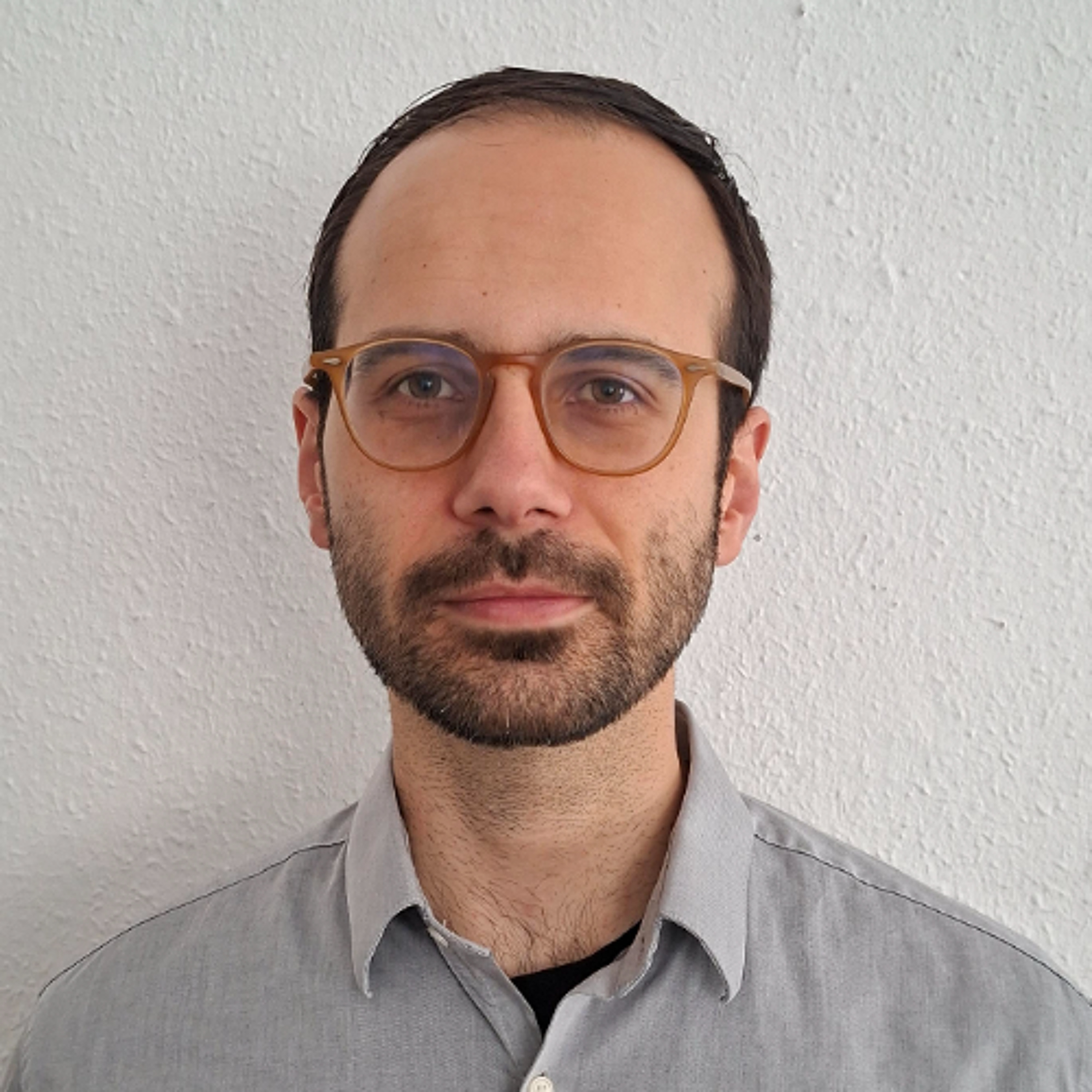
93. Inside Humanitarian Recruitment: How the Danish Refugee Council Hires for Crisis Zones
from Impactpool Career Podcast
34m 52s
In this podcast, Yosif Sofios, Recruitment Specialist at the Danish Refugee Council (DRC), discusses humanitarian recruitment strategies. DRC operates in over 30 conflict zones, requiring quick, flexible, and context-sensitive hiring. Recruitment systems use standard templates and emergency rosters for rapid deployment, while country offices adapt processes to local labor laws and conditions. AI supports efficiency through screening and automation, but human judgment remains critical for evaluating cultural sensitivity and ethical decision-making. Internal mobility is prioritized via candidate pools and transferable skills, encouraging career progression through lateral moves and short-term assignments. DRC’s employer value proposition emphasizes purpose, professionalism, and impact, attracting adaptable, mission-driven individuals comfortable with ambiguity. Candidate experience hinges on realistic timelines, tailored applications with industry keywords, and organized tracking. Overall, DRC balances global standards with local adaptation, ensuring effective support for displaced populations while fostering diverse career pathways.
Hello everyone and welcome to a new Impact Pool podcast. Today I'm meeting with Yosif Sofios Recruitment Specialist at the Danish Refugee Council. In short, the DRC. Welcome Yosif. Thank you for having me. Yeah, thank you for being here. If I'm not mistaken, Yosif shapes the recruitment systems and policies that help DRC deploy everyone from emergency coordinators to development specialists and anything around that. In this podcast we'll explore how humanitarian recruitment actually works, what kind of that needs to understand about building careers in the sector and how organizations like DRC are navigating everything from AI implementation to employer branding in the current situation in the world. With that, Yosif can I invite you maybe just say a bit or explain a little bit about your career. How did you land the Danish Refugee Council? What did you do before that? Yeah, really curious to know about that. Yeah, thank you. After graduating from psychology, I knew I wanted to work in a field where I could contribute to helping others in a practical way. At the time I was based in Greece and I volunteered in HR roles with a few local NGOs. It gave me early exposure both to the humanitarian sector and to human resources. My first formal role was in human resources with DRC in Greece where I worked across different HR areas with a strong focus on recruitment. Over time I became increasingly interested in recruitment and mobility, connecting the right people to the right roles. That path eventually led me to DRC headquarters where I've been working for the past four years, focusing on global recruitment policies, systems and tools, as well as internal mobility and candidate experience. Yeah, great. Thank you for sharing that. Yeah, let's zoom in. I mean, the humanitarian context. You help shape global recruitment systems and policies at the Danish Refugee Council. I think an organisation that operates in conflict zones, often long-term, across 30+ countries. How does the humanitarian emergency nature of your work shape how you approach recruitment differently from, let's say, other global organisations and for people listening and considering working in humanitarian work? What does this mean for the type of candidates that you're really looking for? I mean, that's a very general way of saying it. Yeah. Yeah. That's a great question. And actually, I will try to unpack that step by step. So, first, working in the recruiting in a humanitarian setting has to be quick, flexible and also context sensitive. So when we deal with emergencies, we don't just post a job and wait, but we also maintain emergency rosters and candidate pools. So we can deploy people quickly when crisis hits. For instance, we have a team of senior emergency response specialists covering various fields of work and they can be deployed rapidly to support the RC country offices worldwide and thereby respond to the emergency situations. We also streamline processes. We use pre-approved job profiles and rely on digital tools to speed things up while we still ensure fairness and transparency. Now for the candidate part of your question. Yeah, well, this means that beyond technical skills, we are often looking for people who are adaptable, comfortable working in challenging environments and who are ideally bringing private experience from similar context. So, it's not just about filling advocacy quickly, but it's about ensuring the right skills are in place to effectively support displaced populations. Yeah. As we mentioned, the RC operates in some of the world's most volatile environments, Syria, Ukraine, Afghanistan, Sudan, just to name a few. I mean, how do you create recruitment systems and processes that work both at headquarters in Copenhagen and in active conflict zones where your largest operations are? And with that, what should candidates understand about how hiring processes might differ depending on where and what type of all they're applying for? Yeah, so that's one of the core challenges in international recruitment, but also a challenge for me in my role. Because what works at headquarters in Copenhagen where I'm based, it won't look exactly the same in, let's say, Syria or Sudan. So our systems need to be designed to balance both consistency but also flexibility. Yeah. So at HQ, we provide common tools, templates and guidance. For example, we use a standard structure and layout for job advertisements across the RC. We have a job advertisement standard template. This communicates the purposes to communicate the unified brand and ensure clarity around things like values and expectations. But at the same time, country offices, they can adapt the content of this template to reflect local labor laws or context. For instance, adding language requirements or explaining specific working conditions relevant to that country. So in terms of the candidate perspective that you asked about as well. So this means that recruitment processes can, they can look a bit different for the candidate depending on the role and the context. Sometimes positions might involve several interview stages and written assessments. Well, live other times, especially more operational context where there might be an urgency. The process might be more streamlined to meet the program needs. Yeah. Mobility is often a thing talked about. How do you think about internal mobility and career progression from a recruitment and systems perspective? I think for professionals listening who want to build a career in this sector, what does mobility really mean in practice and how should they prepare for it? What should they think about? Yes. Thank you. Let's start with the recruitment perspective. Mobility. So it's about enabling growth and removing barriers that colleagues they can advance professionally while the organization is meeting evolving operational needs. So it's essentially matching skills to needs in a way that supports career development. Also, DRC is operational continuity and ultimately DRC is humanitarian mission. So we recognize internal mobility that is important for both individual development but also organizational effectiveness. And related to the system aspect that you mentioned, that your question. So my focus says I work a lot with recruitment systems and tools. My focus is on designing tools and guidance that make mobility possible in practice. So for example, increasing the visibility of the opportunities, candidate pools, sort of using candidate pools or pre-assessment mechanisms. So these latter ones, they can include simple screening questions about candidates, career aspirations and preferences. The type of data that we would use to help the candidate fit their skills and goals with the opportunities across different contexts. So and final for the professionals, listening mobility in practice often means that we, that ones should be open to changes in the role but sometimes also the location, being willing to work across diverse contexts. So it's not just about being able to move but it's about finding opportunities where your skills can make the biggest impact helping you grow your career while contributing effective lead to the mission of the organization. So yeah, I think the last part of your question was how the professionals could prepare for this and yeah, I have three suggestions. Good. Yes. I like that. So the first, yeah, it's identifying transferable skills. So let's say we have, there is someone working with monitoring and evaluation. If they have that type of experience, maybe they can move into policy analysis or program evaluation roles. As long as they highlight the relevant data project management, cross-functional collaboration skills in this case, as long as they highlight the relevant information in the replication. Secondly, one should plan for continuous development.
new learning. If some of your skills don't match the role yet, think about how you could grow into it through training, experiences or other learning opportunities. And finally, I think it's important staying flexible and being open to lateral or short-term assignments. For example, someone starting as a program officer, they might later move into grants, grants management or emergency coordination through using this short-term assignments or lateral moves avenues. So yeah. But does that also mean that to the last example that you gave that people get some sort of support in this transitioning because different skills, yes you may have or you might have let me rephrase these transferable skills, but they also may need to get more up to speed with certain subject matter expertise. Yes. So is your question that whether maybe they have gaps that they cannot feel? Yeah, exactly. How do you work with that? Yeah. I know that's a good question because we can transfer some of it, but maybe not also in that case, I would encourage you candidate to link with or network with people already in those positions that they are aspiring to transition to and get some advice because sometimes this peer-to-peer exchange of knowledge and experience can feel these gaps. Yeah. Okay. Yeah. Clear. Thanks for that. AI. Yeah, we can't escape it, but now I'd like to focus with you on AI in humanitarian hiring. You are exploring AI implementation in recruitment. I think in the sector where cultural sensitivity, trauma awareness and rapid deployment are critical. What's AI's role here and what must remain human, I guess? With you. And practically how might AI change what candidates experience when they apply to DRC or potentially similar organizations? Yeah. So what's let's start with AI's role. So I'm glad you asked that. The way I view it is AI's role in recruitment, it should be supportive. It can help us improve efficiency and consistency. Yeah, for example, by supporting initial screening of candidates, drafting our job adverts or interview questions or automating some parts of the communication with candidates. So in that sense, in the sector where we often recruit that scale and under time pressure, AI can help us recruiters focus our time where it matters most and optimize some of these processes. However, as you mentioned, some of the what should remain human. So at the same time, as I've yeah, having said everything before, some aspects of recruitment must remain firmly human lead. So skills like cultural sensitivity, ethical judgment, contextual understanding, they cannot be minimally assessed by AI alone. We shouldn't expect that. In that case, interviews, they remain the most effective way to assess this human competencies. So how someone reflects on their experiences, adapts to complexity, aligns with humanitarian values. So like overall AI should enhance the recruitment experience, but not replace human judgment. So it can help us recruit faster and more consistently, but also we should also keep empathy ethics and accountability at the center. So the last part of your question regarding candidates, so they sometimes worry that AI is judging them. Yeah, they do. Yeah, yeah, or AI automatically assesses their applications. So reality AI supports our processes, but hiring decisions that remain human and values based. So the candidate may use AI themselves in different parts of the process, right? So it's not just accessible from from our side. And if we take an example here, let's say the recruitment tests that candidates participating here, our approach in this is very deliberate. We consider whether AI tools are relevant to the role. If a position requires a use of AI or digital tools, and based on this, the conclusion from this, the candidates may be allowed or even encouraged to use these tools during assessments. If the goal is to assess some of the things we measure before the human lead, like judgment, reflection, contextual decision making, we may limit or regulate AI use and then explore the candidates thinking in the interview. Yeah, I can get to an example if if you want to make this more clear. Hit me. So yeah, let's say we're hiring for a project management role, where maybe a candidate is allowed and they might complete the written test using AI tools. We would then follow up in the interview to understand the reasoning, the decision making, etc. behind the responses. The intention would always not be to cut the candidate, but to assess the skills that are genuinely relevant to the job. So yeah, the general goal is to ensure we have as a goal to ensure AI in assessments reflect the realities of their role, but also to maintain fairness, transparency, and the focus on the skills that matter the most. Yeah, great. Thanks for sharing that insight, and that's very helpful. Can I just rewind going back to the beginning of the process, because the question that I often get in my, let's say, coaching role, especially when people are applying for organizations in general, right, not specifically the DRC. They are asking questions about, okay, do I need to use all the keywords that are in the application, because otherwise the system is going to kick me out. Can you share some insights on that? Yes, thank you for that. So generally, I think, given before we had, I mean, before the use of AI was as widespread as it is now, trying to include industry-related words, and specific keywords that relate to your profession. I think this was a recommendation even before. AI, because recruiters, even without using any automation or applicant tracking system, they would still try even manually to look for specific themes or words in the CV, or to listen to these themes or words in the interview and so on. So I think it's, yeah, it's not really the case that this is something new. No, good point, that's true. reassuring. Hey, you've worked on a recruitment handbook for global organizations, if I'm not mistaken. Yes. So how do you write policies then that your team in Denmark can use, but that also work for your colleagues recruiting national staff and let's say, Sassoudan or Yemen? And maybe as a background idea, what does this tell us about the different pathways into humanitarian work and the reality that there isn't just one typical DRC career journey? Yeah, so yeah, indeed, I have worked with our recruitment handbook in DRC, and the policies at DRC, they aim to provide guidance and general framework that works globally, but it is and it should be adaptable locally. So when we were updating our recruitment handbook a couple years ago, we focused on on principles rather than rigid rules. So for example, we defining the minimum standards for recruitment, what must happen in all cases, while allowing the country offices to implement them in a way that fit their context. So for candidates, this means sometimes that there isn't one typical DRC career journey. Some people they start in national
roles and they later move on internationally or the other way around. Yeah. And both pathways are equally valid. As a men's humanitarian career, they often involve lateral moves, short term assignments and shifts between emergency and development programs. So by designing the policies that we work on to support both consistency and local adaptation, then we can make it possible for people using one of these options to grow, move and progress in ways that fit their skills, goals and organizational needs. Okay. Yeah. Clear. DRC recruits everyone from emergency coordinators to long-term development specialists. How do you create a quality candidate experience when hiring timelines vary so significantly across roles and context? And maybe what does it mean for candidates preparing to strengthen their application? Yes. Yeah, that's a interesting topic. So because of working across different contexts, recruitment processes, as we mentioned, they might have slight differences in terms of the speed and depending on the operational needs. So we focus on setting realistic expectations and regularly reviewing from our side and improving how we manage recruitment across different contexts. From the candidates perspective, understanding their role, the context and the timeline is key. The last part about strengthening the application. So I have three tips for candidates and number one is tailoring the CV to the specific role, highlighting the relevant experience, but also being clear about availability. Secondly, keeping track of the roles that you have applied so that you stay organized and don't lack surprised when recruiting calls you for the job, you may be, you don't remember applying to and so on. Which is very normal, by the way, but it helps with tracking so we can measure our progress and also use this input from all the processes to develop ourselves as well. Finally, also using, and yeah, I refer to this before it's using industry specific keywords in the application, so matching the job description, which makes it easier for recruiters, whether they use any automation or not to see how the skills match their role. Yeah, good. Great. Interesting that you mentioned the duration of the process, you know, in a very competitive humanitarian labor market, although there's lots of things going on right now. How does DRC think about its employer value proposition? So how do you track top talent right now? And again, for people listening in, weighing career options, what makes DRC distinctive and what kind of person thrives in your culture? And the cultural element is very often also, I think, an important component. Yes, and thank you. I will try to unpack this. So DRC's value proposition is rooted in purpose and impact. The DRC was founded in 1956. So we are one of the few organizations with deep expertise in forced deplacement and we are committed to protecting and building sustainable futures for affected communities. So that depth and continuity matter to a lot of candidates. What attracts people to DRC is, from my understanding, is the combination of meaningful work, the professionalism and the strong values. So people recruited by us, they are motivated by impact, responsibility and the opportunity to work in complex contexts. And candidates actually tell us the value DRC's professionalism, the trust placed in the stuff and the chance to take on meaningful roles relatively early in their careers. Wow. Yes, so for listeners, regarding what makes us distinctive, what makes DRC distinctive is I would say the combination of strong values and operational reality. So we offer diverse roles across contexts, opportunities to grow through mobility and learning and the culture that emphasizes collaboration, inclusion and escal conduct. So finally, the people who thrive here, they tend to be mission driven, adaptable and comfortable with ambiguity. So if someone is looking for a place, their skills are not just used but need to make a difference, then yeah, for them maybe DRC is a strong fit. Yeah, can I just zoom in on one element that you said, so sure, being comfortable with ambiguity, can you elaborate on that? What does that mean in reality? What does one need to be comfortable with? What kind of? Yeah, no, that's a good question right there. In comparison to if you take a company, for example, where it's a multinational company and you work in one office in one country and then you change to another office in another country, the work experience more or less might be the same because it's not really contextualized in the same way as in the humanitarian. So making the point here for how it looks in our case. If you have an office in a country, let's say Nigeria, humanitarian guys, there looks very different than the needs that we have, for example, in a country like Myanmar. So ambiguity in that sense could be just the range of different contexts we have and so the different reality someone needs to adapt to. Okay, yeah, thanks for that clarification. Yeah, maybe let's zoom in a little bit on emergency hiring, when an emergency hits, like we've recently seen in Gaza or Sudan, you need people deployed rapidly. How do you maintain recruitment rigor and safeguarding standards when the pressure is on to fill positions fast? I mean, I think you earlier also spoke about the roosters. Can any maybe red flags you look for? Yeah, how do you approach this? Yeah, it is indeed a balancing act. Let's say I mentioned. So I mentioned the roosters before some of the mechanisms to hire more rapidly, but yeah, when an emergency hits speed is critical, but the same time safeguarding and following a thorough recruitment process, they are not negotiable. So even for urgent roles, we still follow the minimum standards, including clear job descriptions, interviews, and mandatory reference checks that cover safeguarding and conduct. As for the code of conduct, this is part of every contract and expectations around professional behavior, they are built into the process from the start. Start? So in practice, we might sort an application deadlines or have a single interview round for urgent roles, but we never compromise on the checks in order to protect the people we serve. As for the red flags, anything that raises concerns about integrity or professional conduct, it's a hard stop regardless of urgency. We would always rather delay deployment than take a risk that could cause harm. Because at the end of the day, it matters to fill in, to fill in role quickly, but making the right decisions, this matters more, especially in humanitarian work. Yeah, thanks. Yeah, let's talk directly to people listening who are interested in this work. I'm really curious what you're going to say. What do you wish candidates understood about what you're really assessing? What matters beyond the degree and the years of experience? What are you looking for that doesn't always show up on a CV? Thank you. So first, so what we're really assessing often goes beyond degrees and years of experience. So at the LC, we look for alignment with the role itself, with the context, but also we look on the values as a humanitarian organization. That means motivation, adaptability, and how candidates demonstrate core competencies, like collaboration, integrity, and communication. So yeah, secondly, we value transferable.
experience. This could be volunteering, working in another sector or taking on roles that require cross-cultural communication, project coordination, or working in complex and challenging environments. So you don't need a perfect humanitarian CV, but you do need to show how your skills and minds have translate to this work. And this advice particularly might be useful for early to meet the career professionals entering the sector. And finally there are things you can't fully capture on SCV really. So we pay attention to human skills like cultural sensitivity, resilience, teamwork, of course, depending on their role. But this often so up in the stories you serve the real life examples or how you've applied your skills and made decisions under pressure. So that's why being intentional in the application matters. So not just reading the job description carefully, but identifying what's required versus desirable, reflecting and then reflecting that in the examples and experiences in the application. So that's what really helps someone stand out beyond the CV. Yeah, great. Thanks for that advice. Yeah, getting to the end, I do want to look ahead. What's the one change you most want to see in how humanitarian organizations approach recruitment? What would make the biggest difference in your ability to get the right people to the right places to serve displaced populations effectively? Yeah, maybe as a final thought as well, what would you say to someone listening right now who's considering leaping into humanitarian work, but isn't sure if they're ready? Yeah, so yeah, so starting with the chains, I would like to see the humanitarian recruitment. So I would say it's greater clarity and consistency in how roles and career pathways are communicated sometimes. And this will become a bit more clear soon. So from the outside, the sector sometimes can feel unclear. For example, at job title, like officer on that level, this can mean very different levels of seniority across organizations, like in the U.N. and other organizations. So the same work might be called, yeah, let's take another example. It might be called meal in one place and impact and learning in another. So that makes it harder for candidates to understand where they fit, but also how to how to progress. So more shared language and clear, more clear signalling of the seniority. This would really help both organizations, but I think also candidates to make better matches. Yeah, good point. Yeah. And from the recruitment perspective, where I come from building on what I mentioned already, clear and more consistent role descriptions, they would also help us reach a more broad and diverse candidate pool. So it makes it easier for people with transferable skills who might have those skills, but they maybe they don't know it, including those coming from so outside the traditional humanitarian sector, to recognize themselves in their roles and understand how they experience could add value. For anyone listening, who's considering a move into the sector, but isn't sure they are ready. So I would say this. What often makes a difference is how well you show your motivation, relevant experience and learning mindset skills gaps. They are normal, especially when transitioning into humanitarian work or changing roles. And many of them can be developed over time. If you meet the essential requirements and can clearly articulate your motivation and learning mindset, you can go a long way many times. You're likely already actually than you think. Great. Well, thanks, Yusuf, for sharing your wisdom with us. Yeah, I really appreciate it. Thank you. This was very fun. Very good. Well, thank you again. Thank you everyone for listening and until the next Impact Pool podcast. Bye-bye.
Podcast Summary
Key Points:
DRC recruitment systems balance global consistency with local flexibility, using standard templates and pre-approved profiles that country offices adapt to local laws and contexts.
AI in recruitment is used supportively for screening, drafting, and communication, but human judgment remains essential for assessing cultural sensitivity, ethics, and contextual understanding.
Internal mobility is enabled through candidate pools, pre-assessment mechanisms, and transferable skills, encouraging career growth via lateral moves, short-term assignments, and continuous learning.
Employer value proposition centers on purpose, impact, and professionalism, attracting mission-driven candidates who thrive in complex, ambiguous environments.
Candidate experience is improved by setting realistic expectations, tailoring CVs with industry keywords, and maintaining organized tracking of applications.
Summary:
In this podcast, Yosif Sofios, Recruitment Specialist at the Danish Refugee Council (DRC), discusses humanitarian recruitment strategies. DRC operates in over 30 conflict zones, requiring quick, flexible, and context-sensitive hiring. Recruitment systems use standard templates and emergency rosters for rapid deployment, while country offices adapt processes to local labor laws and conditions.
AI supports efficiency through screening and automation, but human judgment remains critical for evaluating cultural sensitivity and ethical decision-making. Internal mobility is prioritized via candidate pools and transferable skills, encouraging career progression through lateral moves and short-term assignments. DRC’s employer value proposition emphasizes purpose, professionalism, and impact, attracting adaptable, mission-driven individuals comfortable with ambiguity.
Candidate experience hinges on realistic timelines, tailored applications with industry keywords, and organized tracking. Overall, DRC balances global standards with local adaptation, ensuring effective support for displaced populations while fostering diverse career pathways.
FAQs
DRC is a humanitarian organization founded in 1956, specializing in forced displacement and committed to protecting and building sustainable futures for affected communities across 30+ countries.
In emergencies, DRC uses pre-approved job profiles, emergency rosters, and streamlined processes to deploy staff quickly, while at headquarters, processes may involve more stages like interviews and assessments, adapting to local laws and context.
Beyond technical skills, DRC seeks adaptable individuals comfortable in challenging environments, ideally with prior experience in similar contexts, who are mission-driven and can handle ambiguity.
AI supports screening, drafting ads, and automating communication to improve efficiency, but human judgment is essential for assessing cultural sensitivity, ethics, and contextual understanding during interviews.
Tailor your CV to the role with relevant experience and keywords, track your applications to stay organized, and use industry-specific terms matching the job description to help recruiters see your fit.
DRC uses tools like candidate pools and pre-assessment mechanisms to match skills with opportunities across contexts, encouraging openness to role or location changes and lateral moves for growth.
Chat with AI
Loading...
Pro features
Go deeper with this episode
Unlock creator-grade tools that turn any transcript into show notes and subtitle files.
 PodcastTranscript AI