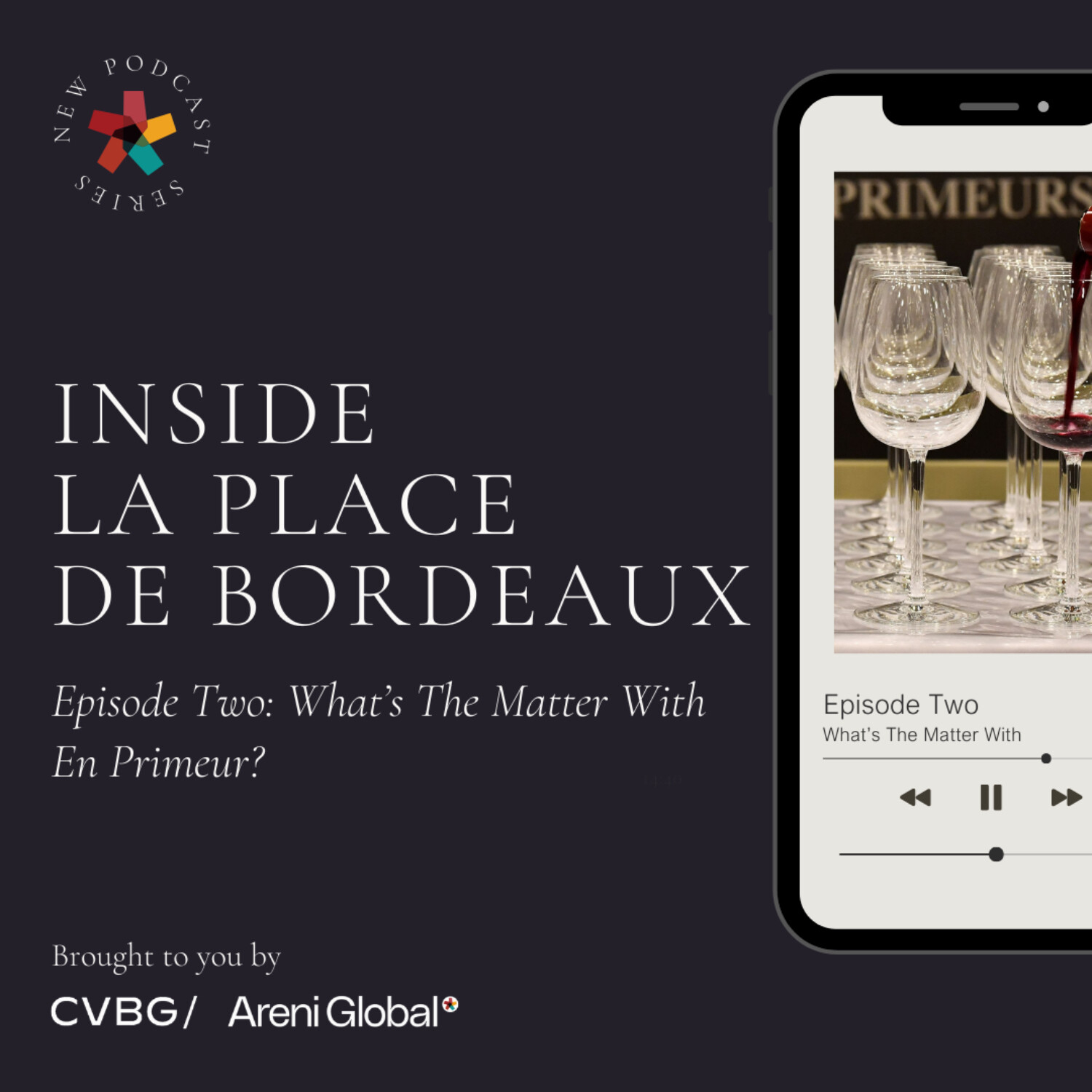
La Place de Bordeaux is an ancient yet mysterious trading system that has evolved from a local club into the global hub for fine wine distribution. The en primeur campaign, a futures market for Bordeaux’s top wines, began in its modern form in the late 1970s and was revolutionized by the 1982 vintage, which sparked consumer demand and transformed it into a global event. The Union des Grands Crus, founded in 1973 during an economic crisis, coordinates the campaign but is not mandatory for participation. Preparation for châteaux is intensive, focusing on wine readiness (final blends), market readiness (data-driven pricing and allocation strategies), and story readiness (unique narratives to attract buyers). Tastings range from simple barrel room sessions to elaborate experiences with digital tools and personalized service. Despite speculation, wines are not altered for en primeur; most châteaux present the final blend, and any dishonesty would damage reputations. The campaign involves up to 800 wines tasted over a week, with critics and buyers navigating Bordeaux’s vast geography and tight 30-minute slots. This system remains crucial for valorizing wines and connecting producers with global markets, yet its inner workings are still largely opaque to outsiders.
In the global world of fine wine, so many threads are connected by one single place, La Plas de Bordeaux. For 800 years La Plas de Bordeaux's unique training system has brought the fine wines of Bordeaux to merchants and collectors around the world. But what was for so long an exclusive local club is now the hub of the international world of fine wine. But despite its huge inference on the world of fine wine today, we don't really know much about La Plas de Bordeaux. I mean we don't really know what the Plas de Bordeaux is and what happens behind what appears to be closed doors. The most important and influential wine marketplace in the world remains shrouded in mystery. How does La Plas work? And maybe more importantly, why? And when does it work? Who's behind it? And who gets to be in the club? And what are the questions that we hear most often from wine makers around the world is, will my wines be successful if they go through the Plas de Bordeaux? I am Boulin Viguerre, who founded and director of a rene global. And after hearing these questions over and over, we decided to explore exactly what La Plas de Bordeaux is. Who are the people behind it are and explore the role that the Plas is likely to play in the future fine wine distribution. And I'm Felicity Carter, the editorial director of a rene global. For me, this is a fascinating journey into a place that's growing in importance, but yet remains poorly understood. So come with us as we enter La Plas. Welcome to this second episode of Inside La Plas de Bordeaux. Today I am recording this from the beautiful chateau Malafti Tlegagadier in Bordeaux. And Felicity, let me start by saying a big thanks to Severing Bonny and all of the Malafti Tlegagadier and also to Cicéz-Ézare and the T-Man Chateau-Kennon. They warm welcome and hospitality during this very special week that has just ended. Oh, I've been so envious of your photos. Oh no, you should have been here. You've been here. I was really looking forward to finally getting to experience on-premise, but just before I was due to travel, I got covered. Not only did it make me pretty sick, but I couldn't possibly have risk giving it to wine critics and other people whose work depends on their ability to smell and taste. Then I'm pretty much certain years and for the state of heart because Edson Marathon, I'm exhausted. Oh, I can't wait to hear all about it. But before we get into it, let me just recap what on-premise is all about. First of all, it is a form of wine futures or the sale of wine before it's been bottled. The wines come from the previous vintage and they're tasted by critics and the trade. At this point, some of the stock is bought by negotiations and it will then stay at the château for another two years before it's delivered to those negotiations warehouses in Bordeaux from where they will send the wines to customers all over the world. And Antrimard only involves the Gancro-Clessie wines or a semile, so around 400 labels or Dom-Primard and just wines from Bordeaux. Okay, so let's go right back to the beginning. How did this tradition begin? So in general terms, buying wines before they were bottled was the traditional way to trade wines. So indeed producers, bottling their own wines is a very recent development. And in Bordeaux, it was always the negotiale who were responsible for bottling and labelling the wines. And other regions have also used a negotiale system and still do use a negotiale system, so you know, both Burgundy and the Rohn have a deep tradition of negotiale, but wines can still be bought in bulk a few months after harvest or even as we say, "souche", that is to say, unveined, so the negotiale was by the grapes before they were even harvested. And so it wasn't until last century that some Bordeaux chateaux began bottling their own wines, a practice that owes a lot to Barra or Wachim, the Wachim. And by the late 1960s, it became mandatory for all classified growth to bottle their own wines at the estate. And so back to your original question, the Bordeaux-Omprimard campaign as we know it, and it's more than form, this fairly recent having been introduced, you know, in the late 70s. And as with so much in Bordeaux, it's really all significant, started in 1982. 1982 is a key date in the history of Bordeaux. As we heard from Wine Critic Jane, Anson, it was the year that the wine critic Robert Parker upended the world of wine by giving Patrouse and Mutual Rothschild 100 points. I think using 1982 as a way to understand how the plas work is key. So up until 1982, the plas was really about, you're getting the wines from the chateaux to the negotiations via the Courtais, so just kind of as today, but then the wines would largely have stayed with the negotiations, they were with the wine merchants and they would have been the people who were aging it and would have sold it on. And when it was being sold on, it was probably going to maybe 20 different big buyers at that point in, maybe in Northern Europe, so place of like Switzerland and Belgium, always big buyers at Bordeaux, they would have been going maybe to the US and to the UK, but really not to many different producers. Along comes 1982 and there's suddenly this rise of interest for consumers, and the general buzz around that vintage met all of a sudden, consumers were asking to buy, and as consumers were asking to buy, say well lots of other wine merchants, suddenly wanting to buy from Bordeaux. So this was the moment that on-premise change from being a Bordeaux trade event to becoming what it is today, involving the Gossians, buyers and critics. Pauline, it's a massive event. Who organises it? So the on-premise is organised mostly by the Union des Grand Cru, an association gathering 132 estates today, both Grand Cruc Lassé and what they call Cru as simile. So the UGC is a very important act, so I've been here in the last week, so let's hear from his president Paul Nair-Bald about its origins and how it came to be. So the Union des Grand Cru was created in 1973, so by the time, if you remember, there was a global economic crisis around the oil prices, which in French we call shock petroleum, and from 1970, already the prices of oil increased, but there has been a huge increase in the end of 1973, so that has created inflation and unemployment, and so there was a global economic crisis, and more locally in Bordeaux, there were high levels of production that were difficult to sell, and also in Bordeaux, the change in the 1855 classification in the previous year, in 1973, that promoted the Chateau-Mouteau-Rochild as a first-gross. And you know, in our small regions that created waves and around that situation, some members of few members decided to gather and to do a business trip in Japan and then follow the creation of the Union des Grand Cru. So people from the left bank, from the right bank, from the from the south, different part of of Bordeaux, but all Grand Cru that decided to gather to do promotion and to make Bordeaux stronger, to sell and to promote the wines. So the Union des Grand Cru organised the entrepreneur week, but they also put together other promotional activities during the year for the members, including some market visits and tasting of roads between October and March. So do the Chateau-Mouteau-Rochild have to be a member of the UGC to present their wines? Note that the UGC put the event together and coordinates a lot of things, but you don't have to be part of the UGC to sell your wines on Premiere, or even to present your wines during the Amprime week, because in fact some of the Grand Cru class is, including first and second, are not even part of the UGC. And as a side note, if you allow me to see the way that UGC wax and select what is an assimilated Grand Cru, this is really interesting and you know, should you want to know more about that, you can find the whole knows full interview transcript on our website, or we need up the book. Okay, so give me some numbers. How many Chateau's take part in an entrepreneur campaign? So usually between around you know, 400 labels are sold during the Amprime R system, only the top wines of the Chateau in roast of the time, but more than that are presented during the Amprime week, because if you think about it when you have the world of buyers and critics coming at your doors, you want them to taste the full range of your wines. So even the ones that will only go through the glass as live 100 and not just the ones that will be used on Premiere. So that's why critics and buyers can taste up to 800 wines during no bit more than a week if you need to say so 100 wine 800 wines. So you know, the major critics will be here for like two or three weeks to have that very good image of the vintage is in the Amprime R and not Amprime R or everything that has been produced. We got this. Apparently it's going to be distributed. And how many wines did you taste, Pauline? I haven't counted yet. I have to go back to my tasting notes, but so just just also maybe as a detail, there's several type of tastings that you can go to during the Amprime R campaign. You can go to the ones that are organized by the Chateau's themselves.
So you go and you've got your 30 minutes slot and you taste either just the wines that's really something where already two or three of all wines. And then you can go to the collective tastings that can be either organized by the union of the Grogfru, knowing the Appellation, and then you will find all the Grogfru and assimilating of that particular region. Or you can also go to collective tastings that are organized by the Nikoestials, where you can actually taste all the wines that they usually distribute on Prima. So I've done a bit of everything. I've gone to a lot of shadows. I've done some of the UGC and I've done some of the Nikoestials tasting. So at say, around the 120 wines I have tasted this week. My goodness. And how did you physically hold up? That's a lot of tenon and acidity. Do you need to go to the dentist now? Yes. My teeth are OK. And mostly because, honestly, 2023 was quite easy to taste because of the season apparently the tenons are really a bit more polished. So it's not-- it wasn't the hardest for me to start with, the parenting compared to recent years. So no dentist, but you will see on Instagram how purple my teeth were the whole week. So it was really sexy and beautiful. Yeah. And some of the world's top one critics looking like Dickensian orphans. Yes. OK. So there's always a lot of speculation about just what it is that's being tasted and whether the wines that are being presented at Onprimer are the same blends as the ones that will finally hit the market. Having been there and done it, now what's your opinion? So there's a lot of speculation of wines being altered and changed and polished so that they will be perceived better. And of course, you can never know 100% because if they do it, they will never-- they won't-- they won't never confirm. But also, you know, I've changed a bit. I don't think that's true at all that the wines are altered in any way because most of the shadows that we visited and I was very surprised by that had this final blend ready. So you were tasting the final blends that has been ready since the end of January, the beginning of February. So what you taste is actually what you will get. And some shadows go all the way to prevent or at least to demonstrate it. So one of my favorite examples during the week was that it was on Cigar when you can walk into the barrel cellar and they allow you to choose the barrels from which you want to taste so that you can see, you know, they work this full five different coupers. And so that you can see the impact of the Cooper on the wines and compare them contrast. And at the end, the poor youth, you know, the blend of all the the the Cooper's blend together so you can have an idea of how that's going to be. And it's fascinating as a technical tasting. But what you will get though is a, you know, sample variation because the wines are still quite volatile at this stage and depending on how long the bottle has been opened and how many times it's been pulled from and oxygening rest and everything, you can end up with wines that have lost a lot of energy. So, and this is partly why all of the tap chateau is hosting the Optumar tasting and their chateau and not in the collective tasting because they want to have perfect control over the samples. But back to your original question, you know, to be fair today, if anybody was found out during wines, the loss of reputation would be tremendous. So I guess this is more to lose than to gain in doing so. All right, so before you tell me about the tasting, tell me what you learned about the preparation for the event. - Well, so if I don't tell you that you, well remember from the first episode, came up with a very good comparison that I'm going to keep. The Optumar week is like, you know, the Olympic games although they're happy every year. And if you are a sport person and you want to perform during the Olympics, you know that you have to prep and you have to be ready. The competition is all, is just a small card and you see it. So same thing for those chateaus, actually, the preparation is key. And for the chateau, it's, you know, three different aspects that they have to be ready for. So the first, of course, they have to be wine ready. The wines have to be ready. The wine makers have to have clear vision of how to express the vintage and how to allow its, you know, its best expression. Then of course, you have to be in market ready. That's a big part. So when your ultimate goal is what we say in front of the valorization of your wines, so the capacity of your wine to increase in value, you need to create and manage scarcity and make sure that your wines sell. And to this, you need a lot of data and you need a lot of information. You need to cool chairs to understand the level of stocks for your wines across the vintagees. And you need to know how much they go so how I'm selling your wines for. Then you also need to know how your wines across the vintagees again, not just for the latest release, are doing in each and every market they are distributed. So you need to talk to a lot of people to the negotiations and ideally you also need to talk to importers, distributors. And you know, similarly, it's in major markets. And if you can, of course, to consumers. That sounds like a lot of work on Excel spreadsheets. Yeah, there's a lot of conversations that need to happen. And you also have to have a way internally a process to compute all of this different information. Because you will have hard data, you will have quantitative data, you will have impression or gut feeling. So how do you process some of this? Then, you know, then and only then, you can develop your strategy for the year, which is what price you're going to release your wine for, what quantity do you keep? Do you put everything on the market? What negotiate you want to go through? What markets you want to be in? Or the other way around depending on how you look at things? Okay, so is that it? Have we covered everything? Of course not. There's also a very big important aspect to be ready is that you have to be story ready. Because, you know, imagine as a buyer, you have 30 minutes allocated in a per shot. Which means that as a producer, you see new faces, clients of prospect, every 30 minutes. So you have to be ready with not only the questions that you have for them so that you can gain feedback. You're also ready to tell your individual story within the collective story of the vintage. So what will make you stand out? How will you make your uniqueness visible and memorable for the buyers? Because we do taste a lot of wines in the week. So how do you make sure that people will remember you in the way that you want to be remembered? That's a big part of how ready they have to be as well. Okay, so all the preparation has been done. The big event has arrived. And now people are zipping across Bordeaux trying to get to their 30 minute tasting slots. So a couple of questions. First of all, did you spot any red trousers? I did. That was one of the things I was looking for, you know? Because I came aware of that T-Shay when I moved to London and apparently the fact that Bordeaux wears in red trousers. So I was really eager to see that. And I made a duty to take pictures of everything. And they are where, let me tell you, they are worn by men and women. And I think it's a cross-jumped trend. As I think at the end of the week, I ended up with some neck-ten photos. So I was a bit disappointed because it was a bit less. Yeah, I was expected. It's something needs to do a fashion history in Flandert where it is started. So if anybody listening to this has any ideas, I think we will rush it up. OK, so the other thing is that you've got these very tight 30 minute tasting slots and you've got a massive geographical area to get across. So how do you manage it? Do people have drivers? Are there vans moving across Bordeaux, moving wide critics? What happens? So some of the big teams that we've seen, the big importers that will send 7, 8, I think very grossy standing, something like 30 buyers with a Bordeaux week. And then move with bands with chauffeur, just like you just call reasons. But our route, there was four of us and we just moved with our individual car. But you are right. Bordeaux is a very, very vast region. And you can lose a lot of time in transport. Sometimes not from one estate to another within a region, but you take the sack, the right bag, the left bank. You've got an hour and a half driving through also Bordeaux traffic, which is always amazing. And never disappoints. But so the entrepreneur week is something that you have to care for you prepare. So for us on our end, we've started preparing it early February, so that we can organize not only so that we can secure our 13 minutes start in the shadows that we wanted to visit, but also make sure that it makes sense in a logistical way. So we wouldn't lose too much time in the car. And that it was quite efficient in moving from one estate to the other. So you can't just turn up. And just do the argument. When you actually get to the estate, what happens? Is there something there with a clipboard ticking your name off? Do they send you to the barrel room? What happens? So it's fascinating. That's what's really one of those things that was mostly looking forward to discover is how the shadow dude shoots to present themselves. And be assured that what you see is what they want you to see. It's extremely prepared and organized. But it comes in such a diversity of format and experience from the shadow that we want to keep it simple so it's one guy.
like in the bowel room with glasses and you have to wait for them to go to the kitchen to polish the glasses and come back. And you only have one wine, and you only have 10 things to say about the wines. To shutters that you feel like a Hollywood movie star with a red carpet and there's someone at the entrance sending message through a bookstore key to the team inside saying, "No, group 4 at 4pm has arrived. They're only 4 people and not 5. And you need to take them to table 5, table 5, and then you are moved across with the note test that carefully make you walk through what they want you to see from the winery and the seller. And then you get your individual table where you start tasting with a full array, very, very different options in tasting notes from the most simple, you know, practical technical sheets to like digital maps and you know, little, little presents for the taste as well. And then at all points you will have the owner or the wine maker that will come and say hello and you know, depending on how well you know, ask questions, talking everything. So it's really different. I had to know if it had been probably two, nine shutters every day, ten shutters every day. So that's 25 to 30 shutters and the experience was extremely different in all of them. Yeah, that's, that's, I mean, that's quite physically demanding, you know, not just tasting the wines, but that sort of having to be slightly stressed, I imagine, getting places and making sure that you're there. It's physically demanding, but it's also, I'd say for me, the hardest was like mind demanding. So to keep your focus from mind to fight when there's no down, there's no moment where you can go down and you know, just have a nice lunch or just relax and ask all the questions that you have. Even if you are with the most fascinating person in the room and you have so many questions for them, you have 20 minutes because then you need to drive to the other place and you need, you know, out of respect, you need to be on time with the wife to screw the schedule of everyone. And then, you know, lunch, you end up having lunch and those beautiful shutters with beautiful food and you've got 15 minutes and you have to, you know, rush to the next one and you have, it's extremely, I mean, the, the cream out tasting is extremely profus, it's very professional in the way it's organized, in the way people taste. People not not here, you know, in other trade tasting, sometimes you see people that are here to just enjoy the wines and you know, stay a bit late and finish all their glasses. That's not the case at the upper half tasting, you can really see the focus. And I think in a year that is said, the difficulty also, there was a lot of mistakes that people were very concentrated. Okay, so let's say, entrepreneur is now over. What happens next? So, on pre-melt week is finished and now the on pre-melt campaign is starting. So, the chapter usually will take a week to digest everything. So, you know, compare the feedback they had, receive their scores and, you know, balance that with the strategy that they had trusted before, I'd say that one of the uniqueness of this campaign is they won't have a week. We know that they are going to release their prize extremely early this year. So, that's quicker than usual. And then, you know, as I was saying, they will release their wines meaning that they will pick a date of their choosing, the shadow decide on that and it's a different date every year. It's not a fixed calendar and at that date, they will practically sit in front of their computer and send dozens of emails to the choose and the go-show, with a release price, sometimes recommended retail prices, well, but not always. And the allocation that they are offering to each negotiation normally in line with what they had decided, you know, in terms of marketing strategy before. So, for example, if you want to be big in the UK, you allocate points to the go-show, the network, the net, the net, etc. So, basically, all of this comes down to price. Prices, yeah, price is a very, very, very important and certainly the most expected, you know, data for everyone, the most expected piece of information. And because in theory, by buying the wine early, the consumers not only secure thought after wines, they also pay lense because the price of the wines is supposed to be higher when it's released and also the life of the wines. So, on primary, it's supposed to be the lowest price ever for any given wine. So, you save money and you can even make money, should you want to resell your wines on the secondary market. All right, so let's talk a little bit more about price. I recently spoke to James Miles, the co-founder of livex, the fine wine exchange based in London. And he had some very interesting things to say. The plasterboard area is all about distributing the wines within Bordeaux. It's not an outward looking system. And I think that's probably the reason why we often look at pricing in Bordeaux and we think it looks, we look, think it looks so arbitrary. There is no price setting mechanism based on demand and supply in Bordeaux. There is, there is an auction of buyers and sellers. There is no book building exercise like there is in financial markets where prices all built around the demand and supply. That's not how it works. The price is set by the owner. And yes, they will take advice from the courtier from the Gosseux and possibly from the international trade. But ultimately, they're going to price it at the best possible price they can think they can set it to the negotiating any particular year. That may not be the same price that's going to work for the international trade or the consumer. And so that's why I think we end up being so frustrated about pricing in the international market. And during that conversation, James actually added that on prerunner to be very frustrating for producers because they want to spend the time talking about the wines and the te-wa and the vintage and everybody else just wants to talk about price. Yes. And that was very much the case this year because 2023 was said to be a difficult vintage. But you know, people were very proud about what they had been doing and about the wines. And there's been a lot of innovation in Bordeaux and like how they analyze the soil and how they fit that in the blend. So they really wanted to talk about this and everyone was like, but you know, are you going to know how much is it? Tell us how much of it. Tell us about how it's going to be like. How cheap is it going to be this year? But just back on the issue of the wineries, you know, setting the price, it's, you know, there's many different factors that interest the price of the final wine. And it's not rocket science. There's a lot of, you know, decisions. All the things that you told me and the amount of sort of, you know, formulas happening in Excel spreadsheets. It's a bit like rocket science to be frank. Yeah. Well, but there's also, you know, a tendency to set prices based on what the other people are doing because you want to be positioned within a certain category. So, you know, there's, and sometimes people are pricing themselves because they want to be as expensive as more than, you know, on what the market is ready to accept for your rent. So listen to what Jane has to say about this. I grew up in Burgundy in rural France in a wine village. And I really remember how people will look at each other and copy each other like you wouldn't take a decision without actually thinking what the impact would be on the, on the village in world who would talk and everything. And I remember when I first visited Bordeaux, it was very much that impression that I had. It's like people observing what other people were doing in order to take their own decisions. And, you know, whether for the date of the release of the price or even the pricing and sometimes even for the blend and even the wine making decisions, is it still the case today? Yes. And thank you so much for that question because I totally forgot on to say that when they're looking at this list of reasons why they set their price, the most stupid one, but that is definitely part of it is how are their neighbours doing exactly right? And thank you for reminding me that that shouldn't be part of the equation, but it absolutely is part of the equation. And that is where I think another reason why often the prices are wrong because they think, well, I want to be positioned at the top of the second growth category. So even if really the market conditions don't allow it, I don't want to drop down below that price because it won't look good to be truly successful on the plethe, you have to be able to put your prices down as well as up. And I think that is so crucial. And that has seen Bordeaux successfully through many centuries of difficult times economically is being able to be responsive to knowing that you can drop your prices if you have to. You might not want to, but you can do it. I think that the younger generation of people in Chateau's today, lots of the people making the decisions because 2008 they were saved by this entrance of China that maybe they didn't learn that lesson as well as well as they could have done and as well as previous generation certainly have. Yeah. And I think that the current generation because of that being saved by China in 2008, maybe it's taken them longer to realize that prices have to come down now for the on-premise system to really to really work. So we've said many times now that the role of the plas is to make sure that the wines increase in value because also it's good for the consumer, but that was the principle that it was good for the niggas and it was good for the cotton and it was good for everyone. So they need to keep the image of the wines high. Many Chateau's feel the need to keep increasing the prices as well, so regardless of the vintage quality or at least not regardless of the vintage quality, but I would say that the quality of the vintage and the comparatively to the other ones.
would be less and less important because one of the key questions that you're asking themselves, for example, as an illustration is, how do I get my wine to be released from 24 euros to, I don't know, 150 euros, which is by the way, the jump that Camel Baleon did in the last 10 years, so 10 years ago, there were release for 24 euros in other 150 euros. So on that, that price question, again, let's hear what Max Nellgren, so Max is the fine wine buyer for Barry Brosson Raj, so arguably it's said to be one of the biggest on-premise and the biggest quarter buyer in the world, has to say about it. I don't want to talk about the property as the villain in story because, you know, if you look again at the, at the financials behind properties, there are a lot of properties that make a lot of money. Yes, at the top end, I make plenty of money, but generally, somebody who's south of 25, 70 euros, 40, 50 euros even, don't make a huge amount of money. So when you're talking about the top end, how many properties are we talking about that you think are safe financially? Maybe 60? Five zero. Even through the Glocker Glasses system, so that's very, very small. Yes, yeah. Okay. No, they don't, you know, even somebody at 50 euros, it's not always easy to make, you make money with a large crop. Yeah. So, so it is more crop, you break even, and the difference in profit between making money and not making money on the kind of 75 euros is how large a crop is. Now, once you've covered your cost, then if you add more crop to sell, then that's where the money comes from. So, if you look at the, the financials of wineries, it goes up and down according to the seasons, to the advantages because some, some bold of integers where they're sold for a lot of money, they make a lot of money, but they're following you, they don't make any money. Yeah. And it's a size cycle. So, it's interesting because there's not a huge amount of property you make of fortune. Most wineries sometimes don't even break even. So, they also need to get out of that 50-year price point because everything up 50 euros is pure margin. One euro's time, 300,000 bottles, it's 300,000 euros profit. Then this proportion between them, we talked about brand building earlier, but you know, there is at the lower level, they want to compete at the sale level, they want the big ones, and they invest in the same, they travel the same way, they go to all these places around the world, but they are selling wine at 20 euros. So, they're all very invested in terms of technology, in terms of the firm itself, and the travels and the representation of the brand, because they want to compete against the bigger ones. So, 100 euros and 50 euros, they spend the same amount of money, traveling the world, doing the same thing. But, I've seen a profit at the end, is 50 euros difference, because the 50 euros difference is the profit. So, you can see the conundrum of wineries, and you can see straight away, like the competing interest of the blasts and the niggals, you know, the niggals and the shadows, because the wineries, they need their price to reflect the quality of the vintage, the interest of the markets, but also all the work that they've been doing to increase the value in terms of reputation, and in terms of status, and in terms of, you know, margins. So, you know, we've been complaining about, you know, the wine world, not having brands for years, and now that some of the shadows are actually behaving like a brand like, you know, we have less and less difference in the quality of the vintage, because we invest too much in how we make the wines, and now, you know, I don't want my wine to go up and down 50%, you know, 30% every year, because LMS doesn't change the price of their scarf every year. We want to keep the brand value at the same level. So, it's an interesting dynamic, it's fascinating. Of course, the thing that we haven't mentioned, which is really important, is interest rates, which after many years of being sort of non-existent and money being cheap, money's become expensive again. So, from the shadows perspective, prices need to go up, but of course, from the buyers perspective, it would be nice if prices went down. Yeah, that's the full story of the past the bulldozer, but given the economic situation, I think it's fair to say that everyone this year is hoping for a significant price drop. Oh, wouldn't it say significant? How significant? Well, anything between 25 and 50%, depending on, you know, the market positioning of the wines, but I have to say at that stage that, you know, 2022 was a very, there was a huge increase from 2021 to 2022, a bit more than what that last in the market was expecting. So, you know, it's not just going back to normal, you know, prices of 2020 or 2019, people are expecting the wines to go, you know, that, because it's a difficult context. But it might not be that easy again, because of course, property dawn, a drop there price for 25%, who would want to do that? You know, I just wanted to illustrate also with what Tom Parker, who's also an MW and the buyer for Fart Mint News, an London-based wine merchant has to say. Because there's, there's, there are two things that can happen, which, which neither of which are ideal for everyone. So obviously, from our perspective, prices have to come down, because if they don't come down, the market has come down so much in the last six months, they go and release at the same prices or more. The prices will look completely insane against 22s, 20s, the 19s, even the 16s, and it's those wines are proving to have such good quality, they're in bottle, people haven't had to paste their right-hand and storage charges, etc, etc. So if they don't bring the prices down, we will tell our customers, we're quite frank with it, to be honest, we just, if something doesn't at the right price, we'll just tell them not to buy it. So that's one side of it. If they do bring the prices down, I completely understand from, in a ghost perspective, and from a shattered perspective, nobody able wants to bring their price down, particularly if they like the quality of the mintage. But if they do, you know, they're emitting to the fact that the prices have been too high for the last three years, they're also potentially causing a significant stock problem for the neugascals, the neugascals have got. I imagine quite quite a good volume of 2020, 2021 and 2022, that will suddenly all be much more expensive than, than 2023. So they would effectively either be stuck with those stocks for a significant period of time, or we'll have to start selling them at this counter, potentially losses. So it's a tough situation. I would always say that, you know, you need to price the ones directly to sell through in the market, and the same way, Chateau might have a ever-luckstance to do that. Yeah, that's interesting. So it's clear there's a lot at stake in this campaign. Yeah, there's there is indeed a lot at stake. All right, so we've covered price, which is obviously an exceptionally important factor that's for the success of an Alchemyr campaign. But then there's another factor, which is the dates at which each property choose to release their wines. So how are the dates decided? So the dates, and again, it's not the same every year, so the Chateau's got full freedom to choose when to go, and then never follow, you know, it's not in alpha, but equal order or anything. And the courtier will tell you that they're playing in Morton Law here, because they are the ones that are supposed to hear in the background from the Chateau's, what the intended release date is, and then they can advise the Chateau on the best ways to cut through the noise, because that's really what's at stake here. So if you can imagine, you have around 200 properties releasing for 100 wines in two months, so normally from early May to the end of June, early July, but that's taking away weekends and bank holidays, and we always have loads of bank holidays in France and May, but this year, for example, if you take the French, the British, and I think the US bank holiday, you have only 11 business days in months. And so of course, as a Chateau, you don't want to release your prices, the same there's 30 other properties and be lost in the noise, and you know nobody caring about you, because the biggest Chateau has released the same day as you. So you end up having two kinds of campaigns, the long ones, where wines are released across all two full months, and where generally speaking, the top wines will go out in the middle or at the end of a campaign, and then you have, you know, short campaigns where all the wines are released in a very, very small window of days, and this in the context like today can be a risk factor on its own for Bordeaux, and in fact, when I ask masks about when I ask masks, that's hard to say for a French person. What was the worst that could happen, you know, what was his biggest worry for this particular entrepreneur's campaign? This is what he had to say. I think the fundamentals this year will work. It will be cheaper, on-premise that will be in five years time. Okay. That's a big shame, because hopefully it will be cheap enough that there won't be any other ventures cheaper than that. Okay. So from the consumer point of view, it will make sense and the wine will be good. What I am afraid of is having the fast campaign where the expensive wines release first, which means they will take the sizable part of the spending power from the world.
from everybody, whether they consume the merchant or the negociate. And it means that a lot of the wine to be really soft about will have no audience, ready? So a wine cheese, 25,000. Why don't they release first? Like if I'm a fourth gross in order with a good reputation, but of course, not a lefty touchy, why don't I release some of the fourth of May? Should you go there and be well be releasing on the fourth of May? Going back to what we're taking earlier, if on the second and third of May, which is the Thursday and the Friday, which is effectively the first day you can release your wine because the week before is where the whole world is involved in taste the wine. Yeah, yeah. When people are away. So the first day you can technically release is the second of May. The second and the third of May. And you know, if you have on the second of May, if you have two first gross and two second gross releasing, and you release and your fifth gross is selling a 20 year as a bottle, there's no chance you're going to sell single bottle of wine. Okay. So then then you move to the third Friday to third and there's two big whites releasing. You still can't release the week after the whole week where you can release. But everybody in a day is there is three four hundred wineries. So all the top 10 release and you're there waiting for the gap and then you move them along day by day by day trying to find your little nest where you can promote your wine. So what's the motivation? What's the motivation? So the years where you know the first and the top second and you know all those top wines, the years where the campaigns are a bit longer and it don't release before the third of the third you know the second or the third week. What's the motivation of the top wines to wait then? Why aren't they always the one to go for? They wait because they have a duty of care almost for the rest of the bottle system. So they do that to be only nice. You remove the fice grows or the top 10 properties, the bottle doesn't work. So they have the kind of duty of care but the duty of care only in a stop at the set the label because the fice grows are going to have the same problem this year. They're going to have to need to sell our wines and you know if they go for a say take their money. So they have a sense of responsibilities almost every year but not the years where it's too difficult. Exactly. So you know just to comment on on on max on just what max was saying it's it's funny because you you can take both side of the story or both side of the points almost every time in Bordeaux. So you can say well the top wines are going to be released first because they want to impact the market. They want to lead the way. They want to show everyone that a big dropping price is needed. So if I'm sure to left feet or shadow marble and I drop my price 30% illwing and courage everyone to do it. So you can see it as a leadership you know roll to be released first and then you can see it well everyone is so stressed about selling their wines that I want to be released first. So I'm sure you know people say have money to find my wine. So there's always this out of the story in Bordeaux that's what makes it so fascinating. Altruistic one pulling. Yes. Yes. I'm sure that's the one that is what was also interesting in that conversation is you know max was saying as a as a wine merchant what happened in very short campaign like the one we're probably going to have is that when a merchant like BBR is doing you know up to two million pounds a day on the first three weeks of the campaign because all of the very high in-demand wines are released first well then after they move on because as you were saying we've got other wines in the world that we can sell so it means that the shadows that will be released at the very end will have a hard time or might struggle more in year like this to actually find someone to buy their wines. Okay so we've got these very you know complicated calculations around price and around release dates and so finally the negotiator at the computer the emails start coming in they're being offered prices and quantities do they have to buy everything they're offered? It's a fascinating question indeed but before we get into it I just want to take a second to ask your favour to everyone listening to the podcast right there. If you like what you've heard so far please do subscribe to the Reenny podcast channel on any of the platforms that you are listening this episode on and give us a cool rating it really helps and by the way when we say a cool rating what we specifically mean is please give us five stars. Five stars please but that's your question and that's that's a very you know it's it's a key one do negotiate or have to buy all the wines that they offered that they are offered and as always the answer in Borsair will be it depends it depends on the wines it depends on the state of the market but more often than not they you know they have to assume Max and Tom who we have heard from earlier are you know importers merchants they have more flexibility in what they can buy in a demand driven market and and you know they can pass on or reduce the allocation that they take you in and you're out. For negotiators a bit more complicated you know Max was talking about knows the idea of a village well the negotiator are the church in the middle of the village so they are a central element of the ecosystem it's a key secure access to independent wines you have to be part of that village you have to network you have to support you have to demonstrate that you're adding value you're in and you're out. So more often than not they have to buy what's up to them. Okay so let's be really blunt here that's another way of saying they have to take what they're given if they want access to the top wines. I think there's a term for this I've heard it called bundling that they get the wines they want and then they get some others as well. Yes we've definitely heard about those practices I don't know how they are still in practices but we've heard that in the past with very clear illustration. I mean it's it's a room and I don't know if that actually happens. But you can you can also again if you take the other side of the coin you know and not the chateau being totally mean people you know asking you to buy the cheap wines in order to shop shop is this thing I think is the way we put it. Yeah yeah yeah yeah yeah yeah yeah yeah yeah yeah yeah yeah yeah the most expensive one you can also see why when you have very high and demand lines it's kind of normal that you know nobody can just turn up on the glass and say hi can I just have you know 36 cases of la fille you don't you don't know me yet so I've never bought your wines before and I just want the kind of like ramps I'm not interested in all the rest you know you can see that through those wines it just wouldn't work let's know how businesses done so yes you know Nicholas Yard have to buy a lot of stocks anyway and they have to buy the stock they carry so and as you were saying earlier Felicity money has been cheap for almost a generation now so having stocks that took a lot of time to sound we're actually waiting for the good moment to release some of the stock wasn't such you know that wasn't such an issue when interest rate where 102% when it's 4 5 or 6% then it's a totally different story and it's much more difficult to there's a lot of expectation as well like how much Nicholas Yard going to be able to buy this year which is really like wines have to be cheap otherwise they're not going to be able to buy that of Vogue-U yeah I can see that all right so let's talk about the overall impact of on-premure just to summarize things so here's what Axel Hines the managing director of Sherdell Oskar in Margo had to say about the impact of an on-premure campaign on the rest of the commercial year so if on-premure doesn't go well if if there's not a great deal of interest is it possible through the rest of the year to catch up or is on-premure you know if things are not looking good at on-premure that suggests the rest of the year is not going to be a very good either? It depends it's always a little bit of a sign that that there is not much interest in the market on the other hand it's also true that there's something specific about on-premure which is that you need to take a position two years before the wines are being shipped to you so it doesn't necessarily mean that everything's lost it may just be that people don't feel the urgency to buy a vintage as early as that but rather would go and buy some wines that are already in bottle. Does it signal a lot of interest for Bordeaux or does it signal a lot not a lot of interest for your for your property? Like how would you measure that? For Bordeaux not necessarily because I think it's more a consignal at disinterest for the mechanism of oprimar for taking a position as early on. Maybe in today's world sometimes consumers or even the trade feel less urgency in saying I need this new vintage because otherwise it will be gone and I need to I need to buy it now and that's what our job is to make it as exciting and as thrilling as possible to engage people to take a position very early on. So it can be rather that oprimar in a specific market situation is not what people are looking and looking for. For the Chateau oprimar not prima is not I mean if you don't raise interest then you sell less than your your country into state so that is a thing that is fairly easy to measure for each thing. Alright so let me ask the same question but in a different way. Paulie what is the definition of success? What's a successful campaign that's such an interesting question. You will remember Van Antaguaillet leading courtier en la glace and so here is how we define success in France.
et puis après l'élection. - Donc en gros, c'est quoi une compagne de plumeur réussie pour toi? De la part d'un courtier, d'un château ou d'un égociours? C'est déjà 3 acteurs qui vont définir le succès de la même façon. - Ça valent un. - Qu'est-ce que ce succès va en remercier un pain? - Tu as de charteuse, de brokers, de la machine, de la machine, de la fin, de la successure, de la même façon? - Oui, c'est assez basique, comme un réconce, c'est de pouvoir vendre via la place. Le volume que je souhaite est vendre au négoci. - Well, c'est très basique. Le succès de la compagne est de pouvoir le faire du volume que je veux du succès de la machine. Et puis, le volume que je veux du succès de la machine, c'est de pouvoir le faire du succès de la machine. Et puis après l'élection du succès de la machine, c'est de pouvoir le faire du succès de la machine. Dans le cas de l'élection, le succès de la machine est une fois un peu plus de deux jours. Et on s'est fait que les wines ont été introduits sur le marché. Et puis les prises à ce qu'ils sont sortis et ne sont pas encore plus en plus de deux conditions. Et donc, une partie d'incredi est une partie de la machine. C'est simple. - C'est simple. - C'est très facile à dire que l'on a fait. Et c'est le plus grand que le succès de la machine qui est en plus de deux fois. Parce qu'il y a des wines qui sont trop de deux, ou ils ont été du plus grand du succès de la machine. Ils ne sont pas du plus de deux, ils ne sont pas du plus de deux, ils ne sont pas du plus de deux, et parfois ils font des casques de la tour. et parfois ils font des casques de la tour, et parfois ils font des casques de la tour,
campaign is. And on Premiere is a technicality of the transaction, but it is not really where the value lies, the value lies in having a campaign when wines are released in sequence and when the trade is focused on offering on these wines as they are sequentially released. Well, of course, just speaking for myself, I desperately need on from her to continue for at least one more year so I can finally go and see it in action without COVID. So, any final thoughts about your time there? Yeah, no, I loved it, honestly. It was a very fun week as well because the border lake and party, I was at the left end, you were done yesterday. It's really funny that you see all those people in a very corporate context where they want to tell you what they want to tell you and on the next day you can see them dancing on the dance floor. That was really fun. So it's not just the excitement of the wines, but also the chance to see inside of some of the most amazing properties that you don't usually have access to and meet so many people with diverse points of view, even if you only get to meet them risky. Well, sadly, I didn't make it to any of these events, but we've still got our computers. So for our next episode, we're going to meet some of the importers, retailers and merchants who take the wines and sell them. How do they interact with La Passe? How do they interact with the system? And what happens to your minds? So that's next on Inside La Plastie Porto. So don't forget to subscribe to our newsletter at Arrini.Global, all the relevant links are in the show notes. You can find everything on the show notes. So to be the very first to know everything about our upcoming discoveries. Thank you for listening to this episode of Inside La Plastie Porto, a podcast series produced by Arrini.Global, a sting tank dedicated to the future of Fine Wine. Arrini.Global helps wineries, distributors and retailers to understand how the world is changing and how that grid risks to be managed and opportunities to be seized. What risks or what opportunities? Well, be sure to visit our website Arrini.Global to subscribe to our newsletter and follow us on social media so you don't miss any of our reports, events and analysis. This podcast episode was presented by me, Felicity Carter, editorial director of Arrini.Global, along with Pauline Vickard, the CEO and co-founder, and it was edited by Pauli Hammond and the five forests team. We want to thank all the fascinating personalities who took the time to answer all of the hard questions we threw at them, only a few of whom were featured in today's episode, but you'll be hearing from many, many more of them in the episodes to come. And finally, Insider Paz de Bordeaux was made possible, thanks to the support of the city of Ije, one of Bordeaux's leading negotiations house. We are very grateful to Matrius Chateau-Nien, all of his team for sharing insights, data, contacts while allowing us to totally tutorial freedom. Until next time, see you, bye!
Podcast Summary
Key Points:
La Place de Bordeaux is an 800-year-old trading system that connects fine Bordeaux wines to global merchants and collectors, but remains poorly understood.
The "en primeur" campaign is a wine futures system where wines are sold before bottling, involving around 400 labels, mostly classified growths.
The Union des Grands Crus (UGC), founded in 1973, organizes the en primeur week, but membership is not mandatory for participation.
Preparation for en primeur involves three key aspects
Tastings vary widely, from simple barrel room sessions to elaborate Hollywood-style events with digital tools and personal interactions.
Critics and buyers taste up to 800 wines during the campaign, with major critics staying for two to three weeks.
Wines are generally not altered for en primeur; most châteaux present the final blend, and any manipulation would risk severe reputation loss.
Summary:
La Place de Bordeaux is an ancient yet mysterious trading system that has evolved from a local club into the global hub for fine wine distribution. The en primeur campaign, a futures market for Bordeaux’s top wines, began in its modern form in the late 1970s and was revolutionized by the 1982 vintage, which sparked consumer demand and transformed it into a global event. The Union des Grands Crus, founded in 1973 during an economic crisis, coordinates the campaign but is not mandatory for participation.
Preparation for châteaux is intensive, focusing on wine readiness (final blends), market readiness (data-driven pricing and allocation strategies), and story readiness (unique narratives to attract buyers). Tastings range from simple barrel room sessions to elaborate experiences with digital tools and personalized service. Despite speculation, wines are not altered for en primeur; most châteaux present the final blend, and any dishonesty would damage reputations.
The campaign involves up to 800 wines tasted over a week, with critics and buyers navigating Bordeaux’s vast geography and tight 30-minute slots. This system remains crucial for valorizing wines and connecting producers with global markets, yet its inner workings are still largely opaque to outsiders.
FAQs
La Place de Bordeaux is a unique training system and marketplace that has connected fine wines of Bordeaux to merchants and collectors worldwide for 800 years, now serving as a hub for the international fine wine world.
En primeur is a form of wine futures where wines are sold before bottling, typically from the previous vintage. Wines are tasted by critics and trade, bought by negociants, and stored at the château for two years before delivery.
The en primeur campaign is mostly organized by the Union des Grand Cru, an association of around 132 estates, which coordinates tastings and promotional activities during the en primeur week.
Around 400 labels are sold during en primeur, but up to 800 wines can be tasted by critics and buyers during the week, including non-en primeur wines from the châteaux.
Yes, most châteaux present the final blend ready since early February, so what you taste is what you will get. Altering wines would risk reputation, so it is generally not done.
Châteaux prepare by being wine-ready (finalizing blends), market-ready (analyzing stock and pricing data), and story-ready (crafting a unique narrative to stand out to buyers during 30-minute tasting slots.
Chat with AI
Loading...
Pro features
Go deeper with this episode
Unlock creator-grade tools that turn any transcript into show notes and subtitle files.
 PodcastTranscript AI