Go back

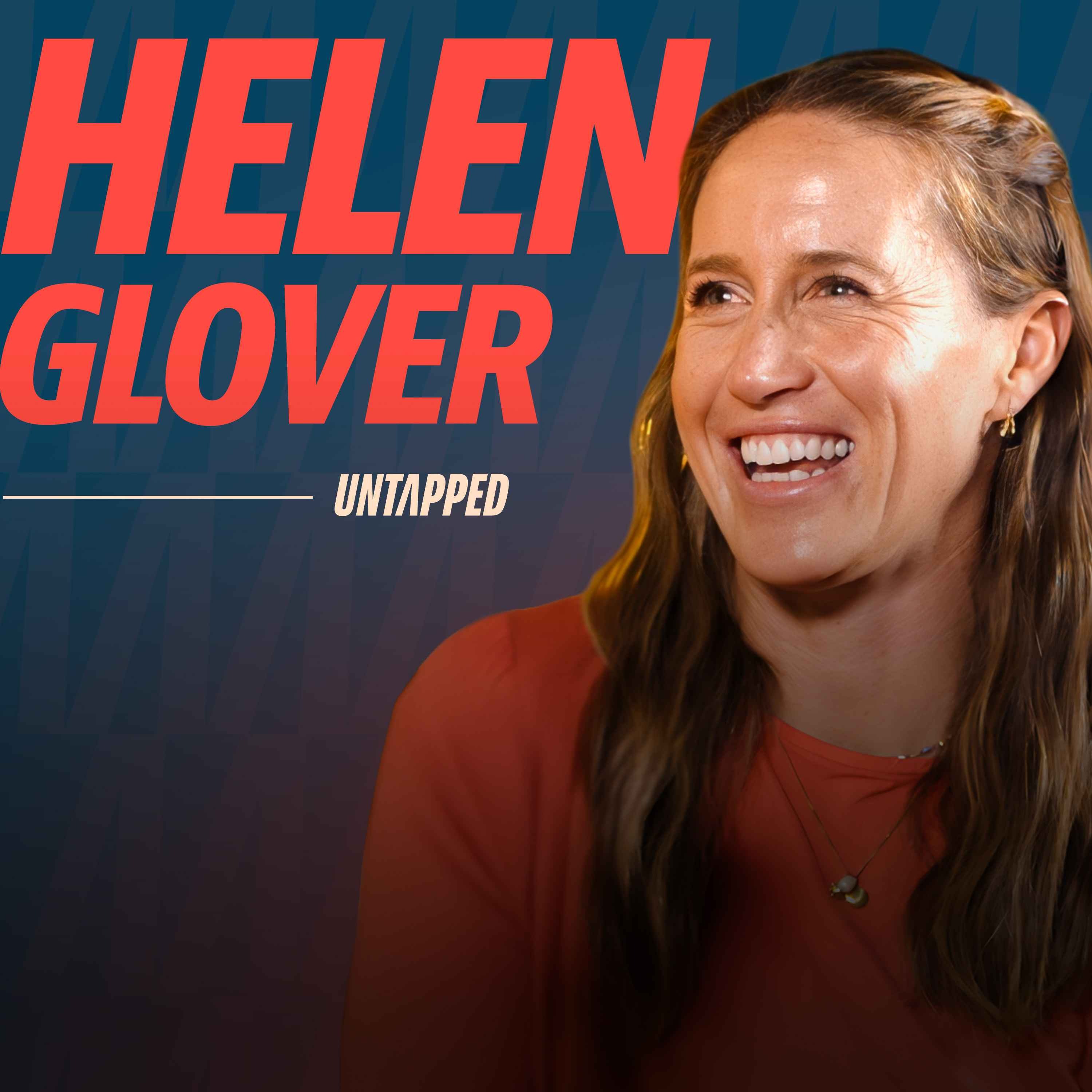
I’d Never Rowed Before… 4 Years Later I Won Olympic Gold | Helen Glover

41m 50s

I’d Never Rowed Before… 4 Years Later I Won Olympic Gold | Helen Glover

Helen Glover, a British rower, discovered the sport at age 21 through the "Sporting Giants" talent search. Despite being shorter than typical rowers and initially struggling, she was selected for her exceptional work ethic and determination. She partnered with Heather Stanning, and together they focused intensely on training, deliberately avoiding media exposure to reduce pressure. This approach paid off when they won gold at the London 2012 Olympics as relative unknowns, a victory Glover describes as surreal and relieving. They successfully defended their title at Rio 2016, though faced greater expectations. Glover later stepped away to have three children but made a remarkable return to compete at the Tokyo Olympics, challenging norms about age and motherhood in elite sports. Her journey underscores perseverance, the power of partnership, and redefining athletic potential.

Transcription

8223 Words, 41030 Characters

English
We've gone in as underdogs really and in the build up to London I remember us sitting down and going let's keep it that way we didn't really do interviews we didn't know our faces weren't out there we're just like we could only win quietly once and if we're gonna do it and if we're gonna take the pressure off it's gonna be now. I'm Spencer Matthews and you're listening to Untapped where elite athletes and inspirational people show us how we can all unlock our true potential. This week we're joined by Helen Glover one of Britain's most decorated rowers and a true symbol of perseverance. Helen made history as a double Olympic gold medalist and world champion dominating a sport she only discovered in her 20s but after stepping away to start a family she made an extraordinary comeback returning to compete at the Tokyo Olympics as a mother of three defying every expectation about age balance and what's possible. Let's get Untapped with Helen Glover. Helen thanks so much for joining me on Untapped thanks having me. It's a great pleasure. Should we start with possibly potentially the most important question that I'm going to ask you whilst you're here? Does Steve really give you a back massage every night? Do you know what a Sony people messaged me when they saw that headline they were like what? No so when I when I was in full training I would actually since having the kids and being in full training I couldn't get to physio so often I'd be like Steve I've got a sore elbow, a sore knee and I'd be like fine stick my elbow in there and it was exaggerated that he gives me a back massage every night but no to be fair he's he's very good and very understanding. Can you take me back to how you got into rowing because it was sort of unprecedented wasn't it you started and then a couple of years later you were in the Olympics? Pretty much like that is a very simplified version of it and it like makes it sound much easier than it was but yeah I didn't rowing wasn't in my life till I was 21 years old and for a sport where you know it takes years and years of training I yeah got into it a lot later in life and it was only because London got the bid for the Olympic Games and they they launched this talent ID called sporting giants they were looking for tall people who could be good at rowing volleyball or handball three sports that height is helpful for and I turned up as tested and I was asked to start rowing and I just started my job as a PE teacher and I was trying to pay off my student debt and it seemed like this ridiculous thing that four years before London I was thinking about trying to try and to get there in a completely new sport for me but it was like my whole life I've been really really sporty I love sport and I'd got to a reasonable level at different sports and I had never I looked at it when I was 21 given this opportunity I thought I've never actually just given my all 20 thing I feel like I've always done something with like something holding me back I've never framed myself into something I thought this is my last chance to just throw everything at something and that was rowing. It must have felt like such an interesting opportunity at the time did you know that of the three sports where they were looking for women such as yourself that rowing would be the one or did you think there could be a chance that you could be a professional handball player. I was convinced I was going to be volleyball handball because I was fairly coordinated and I done a lot of hockey and things and so and I was really small for a rower so I didn't even make the height criteria I thought I did I applied online and then I got there and I was like I'm a foot shorter than everyone here I wasn't the right shape wasn't the right height but we had to use physical tests and years later I asked my coach why did you choose me I didn't even fit what science had said was going to be the criteria for this and he said he saw me on the fitness tests and he was like you are a mongrel you are not the perfect pedigree dog we were looking for but you pushed yourself harder than anyone in the room and that's why I wanted to work with you. If you're enjoying this conversation please do me a favor hit subscribe wherever you're listening or watching it only takes a few seconds but it really helps the show and it means that we can keep bringing you incredible guests now back to the show. That's incredible that you know your ethythetism essentially without fissing the boat brought you to where you are today you've won two Olympic gold medals and a silver took a break to become a mother came back to the sport it's what was it about rowing the you eventually came to love or did you love it straight away? I hated it to begin with. I've always loved every sport and it looks like it was this journey that was from getting into a boat four years later being a Olympic champion but actually it was from when I was tiny it was like that was built in my engine you know I was running I was playing tennis I was swimming like my engine was built there and over four years I honed it into rowing that's what I always think when people say are you only did it in four years ago no no no I trained my whole life and it just so happened to be that rowing was the thing I found the right people was in the right time and place for but yeah it was it was definitely built up over like a long period of time and you say that you were coordinated so you thought you would end up in the handball or the volleyball session not the rowers are not coordinated but what was it about that kind of brutish nature to the sport where you know the more the higher your power outputs almost the more valuable a member of the team you are when did you begin to realize that you had a competitive edge in that space where you know when you were put on an ergo next to somebody else that you had the kind of determination to pull harder than them so that took a really long time actually so for the first couple of years when I was training I almost quit so many times I'd probably cried almost every night and thinking what am I doing it was so hard I was like I was working as a peat teacher to fund my training trying to train when I could in the day to be girls who on a full-time training programme in a sport where everyone was a foot taller than me it just it really seemed impossible two years out from the game defending when it said to me here's a ticket to a seat in any boat you're going to come last but you're going to go to an Olympics I would have snatched out of their hands I just it felt like it was totally out of my reach and I get on the rowing machine and I would be the worst by so much and I think partly it's you know experience and fitness and partly it was that I was a lot smaller so my my power per kilo was quite good but my actual score wasn't great and then I remember just going like enough is enough like pity parties over start questioning this decision if you're never I can't change my height and I can't change too much about my weight like I'm going to be if I'm going to be sure to knew I'm going to be stronger than you and if I'm going to be sure to the new I'm going to row technically better than you so actually took a really lot took took years to get my what some my scores up to everybody else but I just honestly put in hours on technique on lifting and I was then quite quickly became the strongest person there and then therefore more power per stroke and then all the tiny tiny things I was doing on my technique started to show and I started to beat people on the water and I mean having said that when I got on to the rowing team to race my first world championships I was like the bottom last choice last chance you know very much the like extra add-on of the team when we first came on me and Heather two years before before the games and so but yeah it was it was through I think I reached a point where I actually for the first time in my life was like look at I'll prove you wrong then and I just put my head down and worked where do you think the desire to not give up came from so when it was as hard as you say it was when you were crying every night what was it about the sport or that particular situation that made you want to prove people wrong or prove the team wrong I think there are so many things I don't think it was the sport I wasn't like I love rowing this is my thing I found the love of my sporting life rowing for me at that point was a vehicle that could take me to the Olympics and I've been told that that could happen and so I was going to apply myself to rowing took me definitely finding Heather as a teammate and finding the right situation for me to start to love the sport but there were a couple of things that made me think it's worth it one was having a coach that really believed in me and who threw everything is true when I was really rubbish and not doing very well he still said I still think you can do this and so having pool my first coach say those words to me was like okay that's that is the thing you're going to hold on to I think the second thing was that a bit of maturity I think if I've gone through that in my teens which is probably what I had experienced with other sports I always held a little bit back because I just thought if people don't think I can or if you know why should it be me I always felt like Olympians were people who were nothing like me like they're like I just I never met an Olympian never held an Olympic medal didn't happen to people like me I just I just think I've so had that in my in my belief that I just never fully gave it everything and then I think the maturity of going no I don't think I'm going to do this but I really really don't want to look back and think I didn't try so what's the what's the order then of of how you came to be Olympic champion because I mean that is surely the high you know is that the highest of highs hurt it's as possible as an athlete you know winning in London what what were the steps and how did you get to that moment and was that the greatest moment of your sports in career yeah so I met Heather we started training together when we trialed to get onto the team together with like I say we were the bottom barrel like extras added on like the spare boat basically if they needed anybody else to jump in we were the ones that like taking your place if you had a cold but we then got enough funding from national lottery to just quit our jobs and just to just to live off that and then suddenly not having to work and being able to train suddenly up performance was going up and up and up and about three months after we joined the team we raced our first world championships together and we got a silver medal and it was just so unexpected I think for the rest of the world but then I think that was just that just changed something it really changed something in both me and Heather and the expectation is that you look for the top performing boat on the team and you train you train every year to try to get into that top performing boat against your teammates and Heather and I just looked at each other and we were like let's do this together let's stay together and let's try and win an Olympic gold so was that your decision or because I was about to ask if were you ever nearly broken up to be paired with somebody more obvious yeah like every year they would they would retest and check that it's the right combination I think we had a unique thing where the sum was the hole was greater than the sum of its parts so when we were together we would definitely no question the fastest combination there was there yeah we each had our strengths weaknesses and you know individually could have done well with other people but together there was it just left no question winning gold at your first Olympics it must have felt you know I'm just suddenly thinking about certain moments in my life that are kind of almost hard to believe that you're so proud of yourself but it can't be anything like what you've experienced so I'm just wondering if you can surmise how that felt I think total disbelief I feel like it's a bit of a disappointing answer because everyone expects you to go it was amazing and I had this adrenaline rush and I punched the air and I'm like no I crossed the line and I felt relief I felt even though we'd gone in we'd gone in as underdogs really because any even though we were favorites for the event but only if you were a bit of a rowing geek you might know that you know we hadn't won anything significant we hadn't we weren't known names in any way and in the build up to London I remember us sitting down and going let's keep it that way we didn't we do interviews we didn't know our faces weren't out there we're just like we can only win quietly once and if we're going to do it and if we're going to take the pressure off it's going to be now and so who's decision was that sorry to kind of that such an interesting approach to that I feel that you know you knew you had a chance of winning but you didn't want to you didn't want people to know that almost yeah it would add pressure to the situation that's exactly it that's exactly it and I think I think it's very much the nature of both Robin our coach and Heather they're two of the most understated people you've ever met and I think at the time we was so invested in our world existed around this race and to say we didn't care about the press we didn't care about the fanfare we didn't care about any of that is just we didn't we just I think we had this paranoia that if we step into that world it could all start to go wrong who are we who are we to start doing interviews and who are we to start talking about the fact that we might become Olympic champions we're like I still was barely calling myself a rower at this time I was still coming to terms with the fact that I was going to be an Olympian it felt like a way above my station to be talking about talking like that so I thought just stay in your bubble and keep doing what you're doing did you have to win events before the final it was just a straight race yeah so we had we race a heat and our heat went really well we got like an Olympic record in the heat and that was the moment where things started to change because it was the first race of the first day of the whole of the Olympic Games and it was like it was like we just it was like we'd won the Olympics the noise the press the the reporters everything was electric it was just a level that I'd never experienced before and would never experience again you know this interest and excitement from the whole nation and we raced on day five of the Olympic Games and although until that point we had had lots of great medals we hadn't won a gold and remember going to bed night before our Olympics and we I went I went to physio before I went to bed and they put on the one show and they had a psychologist talking about why our team GB athletes with this home advantage why they weren't bringing back the gold and why all our athletes you know struggling to bring the gold and I was like it could be us it could be us tomorrow and when we went down to race you know we we you walk in through through the crowds of people cheering you in and cheering you to your boat and they're all kind of shouting you could win our first gold and you can I don't want to be told that I want this to be a normal day I want this to be just another race but it's not another race because you know my my grand who was in her 90s she could it was a home game so she made it you know she made it there she was sat under the flags as they were raised at the end of the race you know it's like all these things which the uniqueness of it being a home games made the experience just so special it's almost like you can't imagine that's you knew your grand was there you know that there's this pressure from the public but it's almost it's almost like magic magical pressure right because it's not it's not real pressure because that no one's actually expecting it maybe but it's yeah but there is this feeling in the air that you could win at what stage of the race did you know you had won so Heather I've got different versions of this up for me after the first stroke I this is very unlike me I'm like Mrs. Paranoid I always think we're going to lose but we had we just jumped out the start and we had won all our races that year really well and if we have a good start there's not we knew there wasn't much of a chance that anyone could catch us up and we jumped out and I was like this is a dream and Heather after was admitted that she thought she thought the finished line was much actually you got she got a bit confused with where the markers were and she so she thought we had reached halfway we were only like a minute into the race so she admitted after when she was like yeah I was absolutely hanging on for the last bit whereas I was like loving it um but yeah it is it it across the line that I just still I still couldn't comprehend it I didn't I was enjoying the moment with Heather when I was trying to force myself to take it all in I trying to force myself to have a moment like I can remember this day and be present but it was like an out of body experience is the reason that you you can't have that full moment just because you're so spent in the sporting moments and there's next Olympics then in Rio when you uh one goal again was that a completely different experience in terms of the pressure that was felt because obviously now you're returning you know uh to defend your title essentially as opposed to being you know the underdog or you say the favourite but you know you'd need to be a rowing nerd to know that you know you're now probably the favourites even if you're not right like for England who who perhaps are not rowing nerds still they might expect you to win again was that uh lining up on the start line any different or was the fact that you were Olympic champions just cemented in you at this stage and did you did you expect to win Rio as well or how how did that pan out? It's yeah it was so different and I think that so we from from London to Rio we were on beaten so it was like 55 races we had done and I remember so you mustn't you must kind of know that you're going into this but that's the that is the like the line from the press is like it was almost like headlines written before we'd even raced and for me I'm sat there going anything can happen and I've never been more quiet more kind of low actually around a around a racing situation than then we were that year going into Rio we just it's like the only possible outcome is you achieve what's expected anything else other than that as a disaster whereas you know in London we kind of couldn't have done anything and everyone would have been like woo you know they're Olympians um but you can only win quietly once and so we had done that we had done that in London and so going into Rio we both really felt the weight of it didn't enjoy the weight of it um but we just kept coming back to it's just us it's just and like I say Robert and our coach that he his job was being a perfectionist about the rowing stroke and he always said to us I don't I don't care how you do I care how you row and if you row like I think you can row you'll win you know and I just think we held on to that because that's the controllable factor like I can control how I go out on row and we know we've done the training to get the result if we do that but it's easier said than done when you're when you're your expectation suddenly change obviously in Rio circumstances are different your returning champion there's kind of more weight on your shoulders potentially even though there's probably more confidence maybe when did you realise that you'd won that race obviously it was in the first stroke before in London so was it any different in Rio it was so different my paranoia was so through the roof that I I didn't believe we'd won it till I heard there's a beep when you cross the line and I was to that beep thinking we're going to lose were this were the was the people watching wouldn't have felt that same panic I had it was you know it was a couple of seconds in it which in rowing is fairly comfortable but I just had such a sense of doom impending doom if this goes wrong until it went right and until we across the line I wouldn't believe it but then we crossed the line and all those things that I couldn't feel in London I felt you know I did punch the air and I did feel that rush of adrenaline and the excitement and I could straight away say I've just won the Olympics so it was almost like all those feelings that I wanted to feel and didn't come in London were just there and I think it made all that paranoia and stress and worry about not winning it definitely made it probably sweeter where are your two gold medals now I honestly have no idea that I in a drawer I lose them all the time if you ever go to like a school job as far as jaralezzo losing his Oscar no I once they nearly got thrown out I keep them in socks so they don't like jangle together and I left them overnight in the changing rooms and the cleaners and Lee threw them out but yes I've got to keep them all secure I think that's where we're different if I was a double Olympic gold medalist they'd be framed in the bathroom I think so this is where I every other part of my life is chaos and then you get to rowing and I'm like everything has to be perfect did you think that when you settled down it started to become a mother that you would ever come back to the sport no way no way so we had we had raced in London and won we raced in Rio and run a one and I think that I was just done you know that there was nothing else to prove nothing else to do see when I were getting married like three weeks after Rio and Heather was retired like everything was pointing to retirement and largely because I wanted I knew I wanted to start a family and once you do that I think in the sport that I was in no one ever asks you if you're going to row again because the two don't really go hand in hand no and I'd ever gone to the Olympics from GB after becoming a mom and so as soon as I had a first child in 2018 that was just nailing the coffee and done no I didn't row from I think I'll reo final till you know for the another four years I didn't go on the Rome hate the Roam Machine did it on the Roam Machine it didn't really get in a boat I was just done so you didn't row at all in the in the interim no I mean I did like I run a marathon I did a half iron man and I kind of went back to my roots really which was just really loving sport and loving exercise but rowing I just was that was my that was my life in rowing done yeah that's it I find that amazing that's where how did the opportunity come back around to get back in a boat so it was covid and I just had twins in the end of January and then when lockdown came they're about six weeks old and the only thing we had in the house was a row machine and so like we were literally in lockdown when the twins had a nap over get on the row machine and the sound of the fan like send them to sleep and so nap time the best way of getting them to sleep sitting on the row machine a little while and then more lockdown extended the more I was getting some fitness back and training and I and then the Olympics was moved and was postponed for a year and by that time I was like I'm getting I'm getting quite fit in my scores was so close to what they were when I was a full-time athlete and I just remember thinking I don't know what it is in me that's thinking this is even possible but I really want to just go out and and see and to see if I could get on the plane to Tokyo like much show my little girl what's possible or I don't know at that time I definitely didn't think I had unfinished business in rowing but I think I probably had unfinished business in the fact that when I left the sport to start a family there was never a route back in for me and that that didn't feel right didn't feel great what did Steve think? I think he saw it coming when he saw me on the row machine and he was like oh god here we go he is nothing that's important and I think that he just saw it as an opportunity and it was only a bit less than a year you know it was I think we all made crazy decisions in that period and look back and go how did I get down that road when I think I guess people experienced lock down and covid so differently and for me it made me do something that I never could have imagined put myself that out there to do and challenging a system in a way that had never been to I had always been like toe the line listen to the coach do what you're told turn up at that time don't challenge a system even if you see problems in it and here I was sticking my hand up and saying I think I can do it a different way and that was very unlike me in terms of post pregnancy and post childbirth I was pretty fortunate in the way my body recovered and when I look back now I just think I was not educated enough in how to do it there wasn't really the information for me especially being I didn't even go to doctor appointments and things like that post getting on the rowing machine so I was just trying to research as much as I could I was just working out how my body felt and in some ways I think that helps because I've been on for a couple of Olympic cycles I've been on a training program written fairly generically for every single member of the team and suddenly I was able to wake up and go what I feel like doing this morning my natural tendency is probably to do too much so there was a bit of kind of raining myself in but that happened kind of naturally because I had three kids under two years old to look after so I was like what can I do around them do you remember what you pulled the day that you realised that you could probably still compete in the Olympics I remember yeah I do actually I don't but that's the reminder me of it so I said to him right if I'm going to do this if I'm going to make a and the coaches didn't even know I was doing this it was just under the cover of lockdown so if I'm going to make the call to the coaches to say I think I can get in a boat and not embarrass myself I need to do a two kilometre test on the rowing machine that's like the standard test that you do and so I thought right take the kids out for a walk across the fields I'm going to in the living room do a 2k test and I did a test that was just a couple of seconds off my PB and I just to say I was on the floor you know you keep it on the road like doing all of that I mean I was I absolutely gave everything but Steve said he remembered me walking down the road towards him he's got the prime he's got the twins in the prime I told him and he sees me walking towards him he's like the way you were even though you were staggering because you just done a two kilometre test the way you were walking and knew it went well and I did just I felt really empowered actually and I thought you know what on my own I've managed to get myself to a place that is really close to what I was before when I was on a full-time training program and I don't think that's super human I don't think it's super special I think it's just that I had so much built up over all those years probably a bit of mum strength thrown in and then definitely a bit of sticking my middle finger up to the people who thought I couldn't do it you know there's as soon as I made that phone call to say that I'm going to try to come back because the answer was no thank you it's okay really and at that time they you know the team didn't have piles and piles of people cubing up who had Olympic medals you know to go to Tokyo and I just I've got different people than the team which the team changed a lot and the management had changed a lot and I um phoned up when I made the phone call it was very much like testing the testing the ground seeing what the opportunities would be just a kind of a friendly call to say look I'm thinking about doing this and I hung up the call and I was like I'm doing it because if you tell me I can't so hang on just so so you pull this no doubt extraordinary 2k which by the way can you remember what your PV is it wasn't extraordinary it was like a 642 I think I did when I was in lockdown okay which considering my training I was like great that's that's fine and your PV was 640 yeah around about 640 yeah and you decide to make the call to the new team were you familiar with who they were roughly I didn't know them I hadn't worked them um so yeah I didn't expect the red carpet to be rolled out by expected a bit of like respects yeah I'll just like interest that we could make this work and that's interesting I wonder how we can kind of combine you with team I think that the extra issue is there is a team that's trying to work around covid as well so it's not only in me saying oh I've got three kids and I'm thinking about coming on to the team which is new is also a team who are so tightly bubbled the someone with three kids putting their hand into the mix when the Olympics has been moved free there's so much so many moving parts so imagine getting a call from me and going I think I can get in about I think I'd find that really exciting if I was I would have thought that maybe there would be a little bit of that but yeah it was the initial the initial conversation led me to believe that there wasn't going to be open doors for me but I was going to just have to push them open by going in being good enough and beating people and so that's what I managed to do and got myself into a boat with Polly Swan who is she's she's an amazing woman she actually through covid she's a doctor she went back into the ward and was working as a doctor through covid so we'd both had these really unique experiences during covid she was kind of one of the ones that was ready to go out to Tokyo in 2020 and she had had to wait for a year in 2021 so we went out together and getting on that plane and getting on the plane with Polly to go and race leaving the kids behind to go and do that was one of the proudest moments because every other time and every other Olympics it hadn't definitely hadn't been handed to me but the pathway had been laid for me I was told you could be you could be a good roar I was told here's your coach I was told here's your boat here's your training program and this time I did it from a living room with people telling me I couldn't and it just felt very different it's a pretty remarkable story to be honest the the the comeback is amazing we're Steve really proud yeah when you got into the Tokyo team and was there a moment with with the team where it was kind of like okay yeah like you're coming to Tokyo yeah there was there was um I remember the day I came home and I said it's official it's official that we're going and remember that being probably a moment where we kind of stopped in time and took it all in but other than that he was really proud but both of us were just trying to keep ahead above also to be honest like he works you know freelance and travels all over the world for his work so his whole year two years have been thrown up in the air he was suddenly trying to do so much childcare and juggling everything with twin babies and a tiny toddler as I'm trying to juggle that with training it was just so far from where we expected life to be that I think celebrating it in the moment was really hard because I think we probably didn't realize how much we were as a family in survival mode to make it happen for me actually and I think that I guess some of that's a single mindedness of being an athlete um and I think to prevent that ever going too far I made three rules as soon as I started I made three rules I said the family has to keep coming first um I have to be good enough and not just kidding myself and yeah the children never have to suffer for me doing it or feel anything but a benefit for me doing it and I would say when I'm training for something I'm a better mom I can't if I train I come back energized I feel purpose I feel focused I would say in so many areas I'm the best version of myself and this doesn't have to be training for Olympics I think that's so interesting by the way that that's something that I can really relate to myself just that that those feelings of even if it's small steps feelings of pride feelings of getting something done nice and early in your day it's kind of it's it's completely changed my life even just like lifting weights in the morning at seven in the morning your days your days just better for it and you're a better father and you show up better and the you know that there's pride yeah even for just little things like it doesn't have to be anything bigger exciting then of course you know things can compounds and goals can get bigger and you know the achievements can feel like more but it all starts with just those decisions to look after yourself and that's that's a really good word is pride because if you can be just proud of something that you've done I think there's just that internal ability to actually probably be kind to people just smile at people to be to I just feel like the positivity that you get from doing something you're proud of and for me anyway just I feel like I'm a nicer person to be around I feel like probably a nice person to be around all the time don't ask Steve that but it's kind of it is interesting that I think you know when people are kind enough to ask me questions sometimes just even on Instagram or online order but just kind of how do I get out of this funk that I'm in just you know any kind of exercise is just so important like I think if in theory you were to lock me away for three four days and take away remove my ability to kind of get out there and move or get out there and lift weights or roll digits who go running or whatever like it would be like a really serious problem I think and the crazy thing is I think even though we know all this and we know the theory of it and we know how much it affects our lives and how better we feel it's so easy not too a lot of the time I think that as soon as the the training program and the centre of excellence and the team around me was taken away I was really looking forward to that I was looking forward to freedom and to kind of not having to be there at 630 in the morning not having to do anything and then so as I didn't have that I found it hard to self motivate and when people say you know I want to start running or I want to start training I think you're actually probably in the hardest bit because getting started it's not it's not easy and keeping up motivation and keeping up that kind of that daily grind is not easy. Did you ever have any feelings around why there may have been some resistance to you coming back? I feel like number one I think the sport moves on and I think when you've competed in Olympics and left the sport you know there's a whole host of really talented amazing athletes ready to go for the next games and so there is this sense of actually it's a very different landscape that's moved on from when you were there but I think probably more importantly it was the fact that I now had kids and this is a program not designed for for children to be to be a part of the equation for any flexibility actually in the training I think that's probably the most fundamental part of the rowing program I experienced previously was the rigidity of it you turn up at a certain time you leave at a certain time everyone's on the same program and there's this amazing camaraderie and that you're all going through the same thing together and as soon as someone puts their hands up and says they're going to do it slightly differently so whether it's to kind of do some work around it or to have a family around it that's just not really the way it's done and I think there's probably in a term of worry ever soon as one person does something slightly differently other people wants to jump on the bandwagon so there's probably a load of different things but the unknown is probably the main thing which is we know we have a formula that works really well in rowing and it's to do this training program to veer off that and to be flexible enough for someone to have a family alongside it but it was for me I was thinking well the guys have done it there've been lots of men who have had families and carried on for years and years I know it's not the same as going through pregnancy and childbirth and breastfeeding but when I first started I didn't think I'd get to Tokyo but I wanted to try and I wanted to find out the issues and lay down the paving stone for the next woman who wanted to come have children and get back on the team so it was as much fact-finding pushing the boundaries and asking the questions as it was trying to get to the games. I have one more question about just what a kind of general training week would look like so at the high school I know you achieved a very similar thing when you were training from home but just for arguments say when you had no other job and when you were being supported and you had a team around you and people training you what did a typical week of training look like and and let's chuck in food as well what would you be consuming on a daily basis to fuel this expenditure of energy. It would be like six days a week sometimes seven days a week we'd get a Sunday off every few weeks so it'd be six days a week usually starting with a two hour row just steady state on the water what two hours yeah every day well I don't know half some days like 90 minutes to two hours and it's not a row though. That's like your bread and butter session it's first and I think that you have two options there you can just get it done or you can what Heather and I did which which is you know make it try and make it technically brilliant as possible so you just try and keep going for as long as you can about 20 24 kilometres first session second session would be that's insane by the way like like I genuinely I was expecting you to say like 2k on the year ago breakfast wait session like quick blast in the boat and that's it this is winter building block big fitness the longest mileage will do by the way it's no wonder your aerobic capacity is wild yeah that's just hours and hours and hours of kind of just aerobic training it's just steady state yes steady state training for that first session like a zone two kind of just for two three hours time thing yeah yeah and then second session would be 12 to 16 kilometres and that would probably be where we add in some work so it would be some steady state warming up and then something like three times two kilometres or longer pieces of work and then so that's maybe hour to around half that session and then third session if we have weights that day would be would be lifting at about four or five o'clock that's an unbelievable training load that makes me feel really unprepared for I like it too I think swimming cycling and rowing all have the same thing of it being low impact and big endurance base I think swimming cycling and rowing all have that thing of just hours hours in so yeah that'd be a typical day and in terms of if I was on training camp I'd aim for about 6,000 calories a day for me it was always kind of trying to keep my weight up because when you're rowing actually you're not you're carrying your body weight but actually you're hanging it off the handle of the all so actually you can if you're rowing well you can hang your body weight and it helps produce more watts yeah I was literally about to say the the wattage would be higher if you're heavier yeah so there's a bit of you've got to carry it in the boat so you don't want to be really heavy because it slows the boat down but there's this middle ground where look if I ever got too light you would kind of feel that power just isn't on the end of the end of the blade so it's kind of getting it in a good balance so moral of the story is if you absolutely love food just just be a row and I love chocolate and I love cake a cake oh my god so as soon as you started rowing and they were like my fins for breakfast you know we went to training camp and I thought I found my sport this is perfect how would you best advise our listeners can untape more of their potential I think as we were saying it's that belief never thinking it shouldn't be you there's no reason it shouldn't Helen thanks so much for joining us thank you please do follow or subscribe to the show wherever you're listening it only takes a moment but it makes a huge difference to us we have truly incredible guests every single week and you wouldn't want to miss an episode

Podcast Summary

Key Points:

  1. Helen Glover began rowing at age 21 through a talent ID program and, despite being undersized and inexperienced, achieved Olympic gold in London 2012 just four years later.
  2. Her success was driven by exceptional determination, hard work on technique and strength, and a strong partnership with teammate Heather Stanning, rather than immediate natural talent.
  3. She and Stanning intentionally avoided media attention before London to manage pressure, viewing themselves as underdogs, which contrasted with the heightened expectations when defending their title at Rio 201
  4. Glover took a break to start a family and made a historic comeback to compete at the Tokyo Olympics as a mother of three, defying conventional expectations in sport.

Summary:

Helen Glover, a British rower, discovered the sport at age 21 through the "Sporting Giants" talent search. Despite being shorter than typical rowers and initially struggling, she was selected for her exceptional work ethic and determination. She partnered with Heather Stanning, and together they focused intensely on training, deliberately avoiding media exposure to reduce pressure.

This approach paid off when they won gold at the London 2012 Olympics as relative unknowns, a victory Glover describes as surreal and relieving. They successfully defended their title at Rio 2016, though faced greater expectations. Glover later stepped away to have three children but made a remarkable return to compete at the Tokyo Olympics, challenging norms about age and motherhood in elite sports.

Her journey underscores perseverance, the power of partnership, and redefining athletic potential.

FAQs

She started rowing at age 21 through a talent ID program called 'Sporting Giants' after London won the Olympic bid, aiming to find tall athletes for rowing, volleyball, or handball.

She was shorter than typical rowers, struggled initially on the rowing machine, and almost quit multiple times due to the difficulty and feeling out of place.

Her coach's belief in her potential and her own maturity drove her to prove others wrong and avoid future regrets by giving her full effort.

They intentionally avoided media attention to reduce pressure, viewing themselves as underdogs and focusing solely on their performance.

She felt disbelief and relief rather than immediate euphoria, describing it as an out-of-body experience due to the overwhelming circumstances.

In Rio, as defending champions, they felt significant public expectation and pressure to win, unlike in London where they were less known.

Chat with AI

Loading...

Pro features

Go deeper with this episode

Unlock creator-grade tools that turn any transcript into show notes and subtitle files.