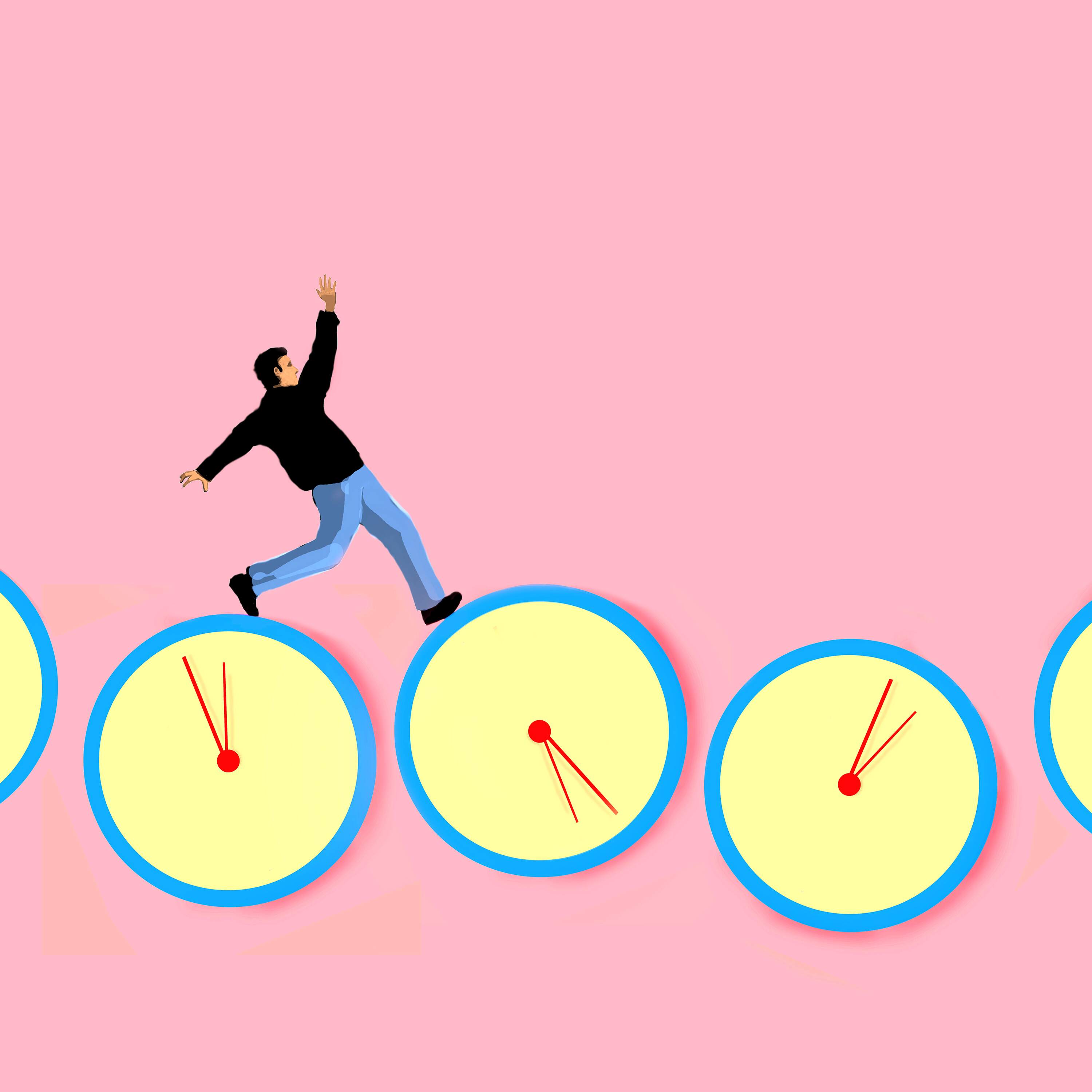
The transcription discusses the emotional toll of unemployment, highlighting its impact on mental health, identity, and relationships. It describes common responses to unemployment like freeze, fight, flight, and fawn reactions. Suggestions for coping with unemployment include maintaining routines, engaging in self-care, and rebuilding self-esteem. Effective communication and support within relationships are emphasized for both the unemployed individual and their partners/family members. Additionally, seeking outside mental health support is recommended, especially during long-term unemployment. The episode stresses the temporary nature of unemployment and encourages finding joy and remembering one's capabilities during this challenging period.
Transcription
3257 Words, 18326 Characters
You're listening to Life Kit from NPR. Hey, it's Mariel. You know how the Germans have a word for everything? I've been wondering if there's one for that particular ache you get when you want something to happen. I mean, really want it, maybe even need it. And you've spent countless hours working toward it, getting pregnant, finding love, landing a new job. But it is just not happening. It's painful. It's maddening. It makes you doubt yourself. It makes you want to shake your fist at the sky. One acute version of this is unemployment, especially if it stretches out over a long period. Des Valdes is a licensed clinical social worker in a financial therapist. She says unemployment becomes not just a financial crisis. It affects our mental health, our identity, our nervous system, and our relationships. And so many people can experience a mix of grief, fear, self-blame, shame, and a lot of uncertainty. And our culture really ties so much of our worth to productivity and employment. When our job disappears, we may feel like our value disappears too, and our identity. In this moment, when you're feeling the ache that cannot be named, it's more important than ever to take care of your mental health. And that's our topic for this episode of LifeKit. I'll talk to Des about some common emotional responses to unemployment, how we can take care of ourselves, continue to communicate with our loved ones, and address those sticky feelings like shame and grief. By the way, I did look it up to see if there is a German word for this ache I've been talking about. The closest I found is Zähnsucht, which is basically a painful longing for something you don't have, but it's usually something idealized, like you're seeking some state of transcendent happiness that probably doesn't exist. As my high school English teacher once said, "That's close, but no segarra." This message comes from Wayfair. Wayfair makes it easy to tackle your home goals and gift list with endless inspiration for every space and budget, with fast and easy delivery, even on the big stuff. So you get what you want when you need it. Get last minute hosting essentials, gifts for all your loved ones, and decor to celebrate the holidays for way less. Head to wayfair.com right now to shop all things home. That's w-a-y-f-a-i-r.com. Wayfair, every style, every home. I feel like being out of work can really hurt your self-esteem and your sense of identity, especially if you're someone who saw yourself as your job. I am a firefighter. I am a journalist. If it feels like it's interwoven with who you are, maybe it's something you wanted to do for a very long time, then you say, "Well, okay, now who am I?" Exactly. Our professional identity is really wrapped up in who we are. And if we don't have that or that gets taken away from us, then it can cause a lot of confusion, who am I? What's my value? How else do I show up in the world? What do I have to offer? It brings up a lot of questions. And having an experience of long-term unemployment can really activate a trauma and scarcity response. So again, when our income vanishes, our nervous system can go into what we know as freeze, fight, flight, or fawn. Let's go through each of those. Tell me about how the freeze response might look if you're between jobs. So freeze can look like, you know, or it can feel like you can't do anything. So you might feel mentally blank when trying to make decisions, like which jobs to apply to or how to prioritize tasks. So nothing ends up getting done. You might also avoid money tasks, like opening your bills or looking at your bank accounts or tracking your expenses. Fight can look like obsessively checking job sites or over-preparing or over-functioning, like constantly rewriting your resume or perfecting your cover letters or even forcing productivity and refusing to rest or maybe you're working too late into the night on job applications, or you're just kind of relentlessly pushing yourself to prove that you're working hard enough or trying hard enough. And then flight can look like escaping into distractions or withdrawing from your relationships. So maybe you're doom-scrolling job sites without taking action. Maybe you're avoiding social interactions with friends or family because you don't wanna talk about being unemployed. And then the final one here is fun, which can look like people pleasing out of fear of guilt. And maybe you say yes to unpaid or underpaid labor because you feel bad or like you owe it since you're unemployed and you have the time. Or maybe you take an unaligned job position or minimize your own needs to keep the peace, like pretending like you're fine or maybe you're hiding how stressed you actually are. And so I just wanted to say that none of these are character flaws. They're very real and human trauma and stress responses to very difficult situations, like long-term unemployment or another financial transition. - Take away one. Losing a job and being unemployed over the long term is a kind of traumatic event. And often when people respond by freezing, fighting, fleeing, falling, or some combination of those. And I'm talking about this because it can help just knowing that. Being able to identify, okay, today I'm in a freeze moment. It won't always be like this. - What are some ways that we can take care of ourselves, mentally and emotionally when we're in between jobs? - Yeah, so one of the first things that comes to mind is around maintaining your routines. As humans, we really thrive in routines and so we want to maintain a sense of stability and a sense of normalcy while you're going through a really difficult situation like being unemployed for a really long time. What that might look like is maintaining your typical morning structure that you do, waking up at the same time, eating the same things or doing various health practices, like exercising in the same ways that maybe you've integrated into your life. And then also routines around maintaining your social connections or family obligations is really important. - Take away too. If you're unemployed, try to maintain as much routine as possible. Whether you liked your job or not, it probably gave you some normalcy. You knew, okay, I'm gonna be at this place every weekday from say nine to five and see these people. And now you don't have that. So how can you fill your time with activities you enjoy and do repeatedly and with responsibilities that remind you of how capable you are? It can also help to create a routine around job searching. - Yeah, it might look like committing to yourself maybe two or three days out of the week. I am going to devote one, two or three hours max each day to job searching or maybe learning a new skill. Something related that can support your job applications or maybe your interviews. It also might look like carving out time before and after for self-care. So making sure you eat and you hydrate it before or making sure you're getting enough sleep or doing movement before you kind of go into that more difficult task or hyper-focused task of job searching or applying. And then also making sure that you are carving out time for a connection and joy to kind of take care of yourself. So it can look like multiple steps outside or just the practical, like I am sitting down at my computer typing out cover letters and applications. There's more to it than that. - I wonder also going back to this idea that our jobs can really give us a sense of value and identity. How can we maintain our self-esteem when we're faced with rejection emails or complete silence from potential employers? - Yeah, so that rejection or feeling ghosted or not hearing back can really lead to having a sense of that personal failure, believing that there's something wrong with us or I'm bad or I'm not good enough. And what I want to say to that is that it's also important to kind of look at all of the factors that are at play that are contributing to your circumstances right now like unemployment. Some of those factors are external, such as economic conditions, various inequities or just the systems that we live within and those aren't personal shortcomings. And so by identifying those external factors that can help you release that shame. And shame can really interfere with like confidence, motivation and energy to continue pursuing job opportunities. - I feel like it might also be helpful to do things that boost your self-esteem. You know, are there any exercises or ways that people can take stock of what they are good at? - Yeah, absolutely. This makes me think about how important it is to rebuild your sense of agency when you feel like you have none. For example, if all of your sense of progress and job searching is tied to getting hired, then you can feel really powerless. And we want other ways to feel that you did something that mattered or that is meaningful or that is useful. And something that can contribute to your growth and helps you remember that you're capable. And so some action steps might be choosing one, even if small, but meaningful project that you can control. So it could look like taking a free online course or volunteering for a few hours or mentoring someone or organizing a community event or even doing like a creative project. And so it's really important to kind of do things where you can reconnect with your sense of agency. You can track your progress with that and then connect that project back to your identity of like who you are, what your skills are, your strengths and what your values are. So it might be like, I'm someone who can learn and who can still contribute even during this hard season of my life. - Take away three. As you look for new jobs, remember that rejection is not a reflection of your value as a person. There are often external factors like how your industry is doing. Maybe there've been a lot of layoffs. And ultimately that may lead you down another career path. But while you're in this moment, it helps to remember that there's a lot going on here. Also do things that remind you of what you're good at. And remember, you're allowed to experience joy and have fun regardless of whether you have a job. You're still a person. We'll have more life kit after the break. - Okay, so we've been talking about what goes on for the person who is unemployed. But often there are also dynamics that develop between them and other people like their partners for instance. What are some of those dynamics that can develop between the unemployed person and their partner or their family member somebody they live with? - Yeah, so what can happen when one partner is experiencing long-term unemployment is disconnection. And that disconnection can lead to avoiding money conversations. It can lead to not knowing what your partner is going through emotionally. It can lead to conflict as well. So it's really, really important to try to nurture your relationships while going through something like this. And that goes both ways. Some action steps for the person who is unemployed is to set up some regular time to check in with your partner or family. And this essentially helps that person kind of not sit in the silence or secrecy that can result in shame. And so opening yourself up to your family member can really reduce that shame. And try to be open. Use clear language to initiate the conversation. You can say something like I'm really stressed or I'm ashamed about being out of work. I don't always know how to talk about it. Can we have 30 minutes once a week to really focus on that conversation? And also so we're not talking about it all the time. In that conversation, you can share things like, here's this, you know, this is what I did this week or this is what I plan to do. Here's how I'm feeling. Maybe I'm feeling discouraged or losing hope or maybe I'm exhausted. Reducing shame really happens in community or in connection to other people. And so it's really important for that person to invite those people that they love into that with them so they can receive that support. - Take away four. If you're in between jobs, you will be feeling a lot of things. But don't forget to check in on your partner, your family, or anyone you share a life with. They're having their own experience with this. If it feels safe, share your feelings with them and ask them about theirs. And consider scheduling a weekly update so you don't have to talk about your progress on your unemployment all the time. - And then on the opposite end of things, if you're a partner, a spouse, a family member, or someone in the household with someone who's going through this, you can also ask them how you can best show up for them. And one gentle phrase can just be, do you want advice right now or do you just want me to listen? And then you can also avoid different language around like why haven't you or you should or what, you know, giving that like really direct advice. And instead try to validate their experience. I see how hard you're trying. This is really a tough situation. And then I do think it's really important for that person to also share their own fears with the person going through it. And so they can also join them and, hey, like, I'm in this with you and I'm also scared about money too. - I mean, in some cases, the spouse might say like, I actually don't think my partner's doing everything they can or, you know, I feel like they're, they've like shrunken into themselves or they've disappeared into a shell. And they're also not helping at home with anything else, you know, and I don't know what to do because I don't want to make them feel bad, but I also need more from them. - You're describing that freeze response that can happen. And so it might be like in your example, the partner is witnessing their partner feel totally shut down or go mentally blank, right? And maybe they're kind of avoiding job searching. Maybe they just, they can't find the energy or the motivation towards it. What this question leads me to is how to know when maybe outside support is needed and whether that looks like getting that outside support for the individual going through it or getting that outside support for the, you know, like relationship or couples therapy, et cetera. And so I think it's really important to pay attention and identify not just the person witnessing, but also the person themselves like, hey, like what's going on with me? Am I at the point where I'm feeling really numb, shut down, hopeless, maybe even worthless most days? Am I sleeping enough? Am I losing my appetite? Am I withdrawing from everyone or everything? Or feeling like I'm a burden? Those are kind of indicators that maybe outside help might be really supportive, mental health support, finding a support group or just, you know, maybe bringing in more people outside of the family unit, like friends who can be trusted people to support the person going through it as well. Take away five. If you love someone who's unemployed, be honest with them about your feelings. But also consider how you say things. Try to avoid language like, why haven't you done this or why haven't you done that? Show them that you're interested in their experience with questions like, do you want advice right now or do you just want me to listen? Also, you'll need to take care of your mental health during this time. For both of you, if you're looking for a mental health professional, see if you can find one who operates on a sliding scale. The person experiencing the unemployment isn't the only one who's experiencing it. It does affect the whole system. It's really hard. It's one of probably the hardest things in life. When you feel financial insecurity, I think one thing to remember, and this can be really hard to remember when you're actively in kind of a crisis situation or a really distressing situation, is that it's temporary. And what I mean by that is that, regardless of the length of time that you are unemployed, there will likely be a time where you're not. And it's really, really hard to remember that. It's really hard to remember what your strengths, your skills, your abilities are, and that you are capable. And so anything that you can do to kind of remember those parts of you is critical during this time while you're navigating it, but it is temporary. And so I just encourage you to do these things to take care of yourself and to find those instances of joy during a situation that isn't enjoyable. - Dez, thank you so much for this. - You're welcome. Thank you so much for having me. - Okay, time for a recap. Takeaway one is that unemployment is a kind of traumatic event and often people respond by freezing, fighting, fleeing, faunting, or some combination of those. It can help just knowing that. Takeaway two, if you're unemployed, try to maintain a routine, fill your time with activities you like and with responsibilities that remind you how capable you are, along with some structured time for job searching. Takeaway three, remember that rejection is not a reflection of your value as a person. Takeaway four, don't forget to check in on your partner, your family, or anyone you share a life with. They're having their own experience right now. And if it feels safe, share your feelings with them and ask them about theirs. Also consider scheduling a weekly update about your progress so you don't have to talk about your unemployment all the time. If you love someone who's unemployed, be honest with them about your feelings, but also consider how you say things and how you approach them. And make sure you're taking care of your mental health during this time too. All right, that's our show. Before we go, do you have a friend that you call for advice? Do you think they would like life kit? We're not sharing episode with them. Spread the word. Okay, this episode of Life Kit was produced by Sylvie Douglas. Our visuals editor is Beck Harlan and our digital editor is Monica Greene. Megan Cain is our senior super rising editor and Beth Donovan is our executive producer. Our production team also includes Anti-Tagel, Claire Morationiter, Lennon Sherburn and Margaret Serino. Engineering support comes from Quacy Lee. I'm Mariel Segarra. Thanks for listening.
Podcast Summary
Key Points:
Unemployment can lead to emotional distress affecting mental health, identity, and relationships.
Responses to unemployment can include freeze, fight, flight, and fawn reactions.
Maintaining routines, self-care, and rebuilding self-esteem are crucial during unemployment.
Communication and support are essential for both the unemployed individual and their partners/family.
Seeking outside mental health support may be necessary during long-term unemployment.
Summary:
The transcription discusses the emotional toll of unemployment, highlighting its impact on mental health, identity, and relationships. It describes common responses to unemployment like freeze, fight, flight, and fawn reactions. Suggestions for coping with unemployment include maintaining routines, engaging in self-care, and rebuilding self-esteem.
Effective communication and support within relationships are emphasized for both the unemployed individual and their partners/family members. Additionally, seeking outside mental health support is recommended, especially during long-term unemployment. The episode stresses the temporary nature of unemployment and encourages finding joy and remembering one's capabilities during this challenging period.
FAQs
Some common emotional responses to unemployment include grief, fear, self-blame, shame, and uncertainty.
Maintain routines, engage in self-care, continue social connections, and create a routine around job searching.
Identify external factors contributing to unemployment, engage in activities that boost self-esteem, and remember that rejection is not a personal shortcoming.
Disconnection, avoidance of money conversations, and conflict can develop. Regular check-ins and open communication are important to nurture relationships.
Consider seeking outside support if feeling numb, shut down, hopeless, or experiencing significant changes in sleep, appetite, or social interactions.
Be honest about feelings, avoid blame language, ask if they need advice or just someone to listen, and consider seeking mental health support for both parties.
Chat with AI
Loading...
Pro features
Go deeper with this episode
Unlock creator-grade tools that turn any transcript into show notes and subtitle files.
 PodcastTranscript AI