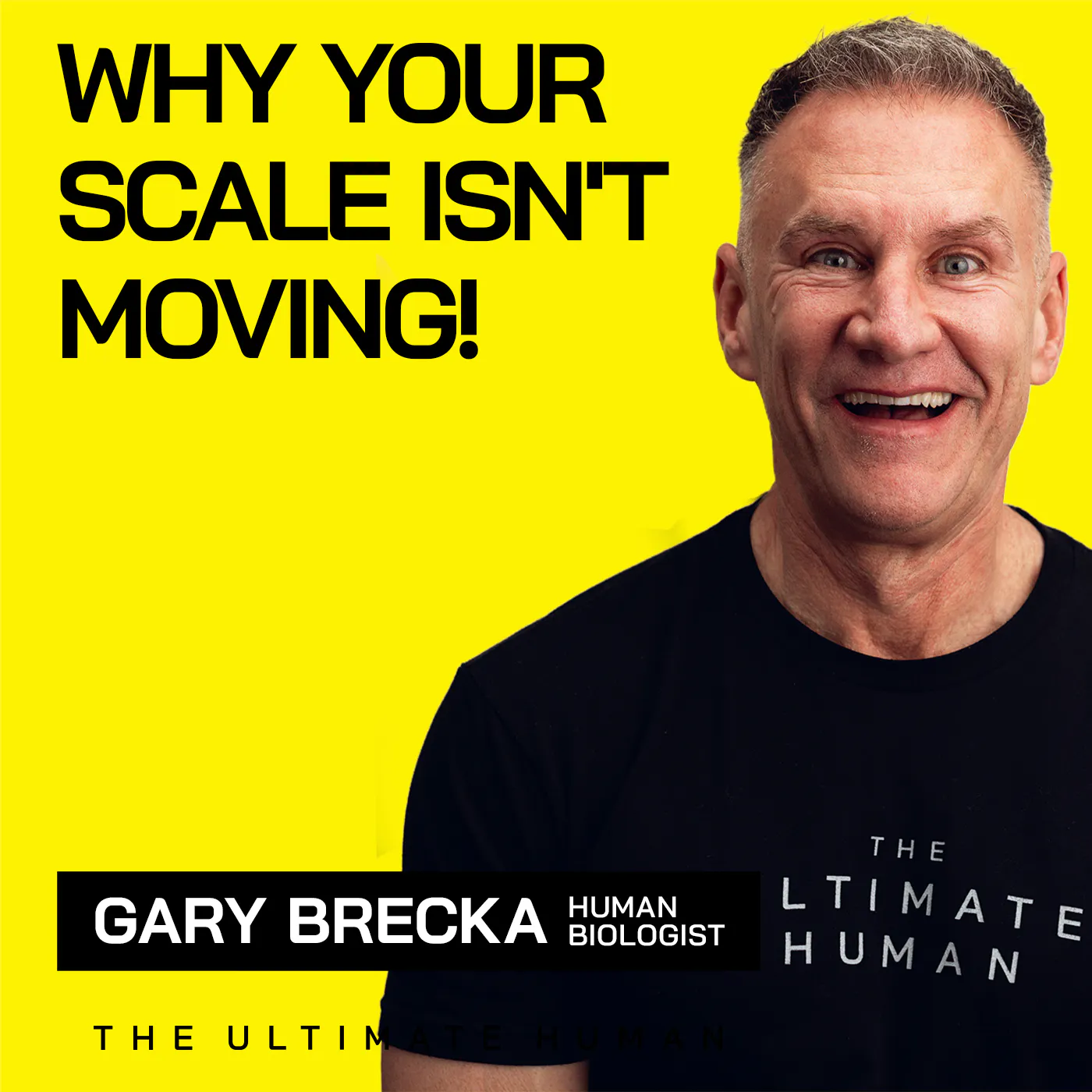
The transcript explains that achieving a "summer body" is not about drastic dieting or excessive cardio, but about improving body composition—increasing lean muscle while reducing body fat. This process, called recomposition, relies on two physiological mechanisms: muscle protein synthesis (driven by resistance training and sufficient amino acids, especially leucine) and fat oxidation (stimulated by a moderate caloric deficit and hormonal regulation). Protein intake should range from 1.2 to 2.2 grams per kilogram of body weight, with higher amounts for active individuals. Fat loss should be gradual, at most 1% of body weight per week, to prevent metabolic adaptation and muscle loss. Training should follow periodization—such as daily undulating periodization—which varies rep ranges, loads, and rest periods across the week (e.g., strength, hypertrophy, endurance days) to promote continuous adaptation without overtraining. Key supporting factors include insulin sensitivity, adequate sleep, stress management, and proper recovery. The speaker emphasizes that sustainable transformation comes from structured habits, not quick fixes. The podcast also promotes a VIP community offering recipes, movement guidance, and an AI tool for personalized advice. Ultimately, the goal is to build lasting health rather than a temporary summer physique.
When people say I want a summer body, what they really mean is less body fat and more muscle mass. And surprisingly, that has little to do with the number when you step on the scale. Instead, it has everything to do with body composition. A physical transformation is not done by starving yourself or doing excessive amounts of cardio. It's built by preparation and consistency. You don't need to starve yourself, you don't need endless cardio, you just need structure. For all of this to work, you need to have a well-thought-out training plan that's going to help propel you closer to your summer body. You can't train at maximal intensity all year round and expect your body to continually improve. In fact, you might end up only hurting yourself. There is a way to change the composition of your body by building muscle and losing fat all at the same time. This process is called "A Little Longer Than Usual" With summer being right around the corner, you may begin to catch yourself in front of the mirror a little longer than usual. You tilt your head, you turn it side to side, you tighten your midsection, and you begin asking yourself, "How fast can I fix this?" A physical transformation is not done by starving yourself or doing excessive amounts of cardio. Hi, I'm Gary Breka. You're listening to the Ultimate Human Podcast where we dig into the real science of human performance, longevity, and disease prevention. Today, we're going to discuss how to build the Ultimate Summer Body and one that doesn't disappear the moment summer ends. When people say, "I want a summer body," what they really mean is less body fat and more muscle mass. Instead, it has everything to do with body composition, which is the portion of your total body weight that comes from lean muscle versus body fat. Have you ever noticed how two people of similar stature can weigh the exact same yet their bodies appear entirely different? That difference comes down to body composition. Muscle is dense and compact, while fat occupies more physical space. At the same height and the same weight, one person might carry more structured lean tissue, while another carries more body fat, resulting in two totally different looking physiques. This process is called "recomposition." However, it's important to understand that this process doesn't occur at the same rate for everyone. It's actually most effective for beginners, people with higher body fat percentages, and those returning to training after some time away. The more advanced you are, the slower body recomposition becomes. Now, you may be wondering how this is even possible. It comes down to two physiological processes. Muscle protein synthesis and fat burning. Muscle protein synthesis is the process responsible for building new muscle proteins, and it's the driving force behind the adaptive response to resistance training. The primary signals that trigger this effect include mechanical tension of the muscle fibers and the availability of amino acids. You get amino acids from protein, but you can also take amino acid supplements. To build muscle, you have to have enough of all nine essential amino acids. If you're deficient in the even one of these essential amino acids, your body's ability to build muscle becomes severely limited. A great way to enable muscle protein synthesis is through resistance training that's structured around progressive overload, particularly compound movements that load large muscle groups through a full range of motion. Exercises like squats, presses, deadlifts, and rows are the best for this. However, resistance training alone is not enough. To meaningfully stimulate muscle protein synthesis, sufficient amino acids must be present, specifically, loose. Loosing is a branch chain amino acid that acts as a key regulator of the M-tore pathway, which is responsible for initiating muscle protein synthesis. Research suggests that approximately three to four grams of loose per meal, typically achieved with 20 to 40 grams of high-quality protein, is required to maximally stimulate this pathway in most adults. This is where total daily protein intake becomes critical. Some researchers wanted to find out how much protein you should eat to support muscle mass in healthy adults across different age groups. The findings indicated that for adults age 65 years and older, a daily protein intake ranging from 1.2 to 1.6 grams per kilogram of body weight was associated with significant increases in lean body mass. In younger adults, protein intake should be higher, about 1.6 to 2.2 grams per kilogram of body weight for similar effects. For those engaged in regular exercise training or seeking maximal hypertrophic adaptations, I would recommend aiming towards the higher end of the ranges. But building muscle is only half of the equation. You also have to burn fat. Fat oxidation is how fatty acids are broken down in the mitochondria to ultimately produce energy for your cells as ATP. This is how stored fat is converted to usable energy. For this to occur at a productive rate, two things have to happen. First, stored fatty acids must be mobilized. This is regulated through hormone levels, particularly lower insulin levels and higher catacolamines. In second, the body must require energy. A sustained caloric deficit creates the energetic demand necessary to increase reliance on stored fat. However, the size of the deficit does matter. A lot of people try to aggressively limit their calorie intake and then they don't see weight loss. When calories are reduced aggressively, the body does not continue losing weight. In undergoes a process called metabolic adaptation. As energy intake drops, the body works to conserve its fuel. It does so by burning fewer calories than expected while resisting further weight loss. Oftentimes, this is because your body is in survival mode, trying to protect itself from starvation. This can cause a wide range of side effects, including increased hunger, reduced energy levels, slower recovery, and imbalances within hormones. As a result, fat loss slows, plateaus become more common, and adherence becomes increasingly more difficult. In order to prevent this from happening, your goal should be to lose a maximum of 1% of total body weight per week. This is a healthier linear decline, which also minimizes muscle loss. The food you eat is broken down into macronutrients, so proteins convert into amino acids, carbohydrates into glucose, and fats into fatty acids. Hormones and cellular signals dictate where those nutrients go, and the biggest driver in improving how your body handles where nutrients are directed is resistance training. Lifting weights can increase glute-4 translocation in muscle cells, which enhances glucose uptake independent of insulin. This means that carbohydrates consumed after training are more likely to replenish muscle glycogen rather than be stored as fat. While total daily intake matters most, nutrient timing can provide a small, but meaningful edge. Protein intake also plays a crucial role. As I mentioned before, consuming anywhere from 1.2 to 2.2 grams per kilogram of body weight maximizes muscle protein synthesis. Let's not forget about how important insulin sensitivity is. When your insulin sensitive, meaning you are more responsive to insulin, nutrients are preferentially shuffled into the muscle tissue. This improves when you maintain a healthy body fat level. Sleep 8 hours per night, manage stress, and stay physically active. Now, for all of this to work, you need to have a well-thought-out training plan that's going to help propel you closer to your summer body. So this is where periodization becomes so important. Periodization is the strategic changing of your training over time. It's the deliberate adjustment of load, volume, intensity, and recovery, so your body continues to adapt without breaking down. Linear periodization gradually increases intensity while lowering volume over time. You might start with higher reps in lighter weight and then progressively move toward lower reps and heavier loads. This is often best for beginners due to its clear progressive structure. Block periodization focuses on specific adaptations in phases, so one block might emphasize hypertrophy while the others are centered around strength and power. This is highly strategic and often used in athletic performance settings. And lastly, the plan I would recommend is daily undulating periodization. This is a training model where intensity and rep ranges change throughout the week rather than staying fixed. This exposes your muscles to different mechanical tensions, metabolic stress levels, and neural demands. Let me walk you through what a three-day workout split implementing daily undulating periodization would look like. Monday would be strength focused. This involves working in lower rep ranges. I prefer 5 to 8 repetitions per set using heavier weight, most often 85 to 95% of your one rep max. Rest periods are longer, varying between two and three minutes. Yes, two and three total minutes between sets, so you can fully recover between each of those sets. On Wednesday, you would prioritize hypertrophy. You begin to work in moderate rep ranges, typically 10 to 12 repetitions per set using moderate weight, 65 to 80% of your one rep max. And this should all be done with controlled tempo and shorter rest intervals of about one minute. Friday would be the final day of the split, and it's centered around endurance and volume. This session is designed to increase total workload and metabolic stress. Repetitions are higher, ranging from 12 to 15 plus repetitions per set, with lighter loads and approximately 40 to 60% of your one rep max. So don't forget to rest as well. Over training can be dangerous in my cause injury. The most effective way to exercise is to build in dedicated rest days to
fully recover. If you're interested in learning even more about how to support your body, please check out my VIP community. It's filled with recipes that only use whole foods, movement recommendations, and a 10-month becoming the ultimate human course that spends an entire month focused on movement and fitness alone. You'll also get access to my Ask Gary Anything feature. It's an AI that I feed all of my podcast stage talks, lectures, interviews, white papers, books. I do not let it crawl the web. You can ask it all sorts of recommendations on movement, food, supplements, and it will respond like you're having a direct conversation with me. It's an incredible community that we've built with thousands of like-minded people working together to become the healthiest versions of themselves. I highly recommend you check it out at the link in the show notes. So when you look in the mirror, the question shouldn't be, "How fast can I fix this?" The better question is, "How do I build something that lasts?" Don't over-complicate it. You don't need to starve yourself. You don't need endless cardio. You just need structure. When you approach it that way, your progress stops feeling temporary. It becomes a byproduct of habits that really make sense. To do that, you won't need to get ready for the summer. You'll already be ready. And that's just science.
Podcast Summary
Key Points:
Body composition (ratio of muscle to fat) matters more than scale weight; "summer body" means less fat and more muscle.
Body recomposition (building muscle while losing fat) is possible through muscle protein synthesis and fat oxidation, but effectiveness varies by experience level.
Adequate protein intake (1.2–2.2 g/kg body weight) and resistance training with progressive overload are essential for muscle growth.
Fat loss requires a moderate caloric deficit (max 1% body weight loss per week) to avoid metabolic adaptation and preserve muscle.
Training periodization—especially daily undulating periodization—optimizes adaptation by varying intensity, volume, and rep ranges across sessions.
Nutrient timing, insulin sensitivity, sleep, stress management, and recovery are critical for sustained results.
Summary:
The transcript explains that achieving a "summer body" is not about drastic dieting or excessive cardio, but about improving body composition—increasing lean muscle while reducing body fat. This process, called recomposition, relies on two physiological mechanisms: muscle protein synthesis (driven by resistance training and sufficient amino acids, especially leucine) and fat oxidation (stimulated by a moderate caloric deficit and hormonal regulation). 2 grams per kilogram of body weight, with higher amounts for active individuals.
Fat loss should be gradual, at most 1% of body weight per week, to prevent metabolic adaptation and muscle loss. , strength, hypertrophy, endurance days) to promote continuous adaptation without overtraining. Key supporting factors include insulin sensitivity, adequate sleep, stress management, and proper recovery.
The speaker emphasizes that sustainable transformation comes from structured habits, not quick fixes. The podcast also promotes a VIP community offering recipes, movement guidance, and an AI tool for personalized advice. Ultimately, the goal is to build lasting health rather than a temporary summer physique.
FAQs
It means less body fat and more muscle mass, which is about body composition, not just scale weight.
This process, called recomposition, relies on muscle protein synthesis from resistance training and adequate protein, plus fat burning through a caloric deficit.
Older adults need 1.2–1.6 grams per kg of body weight daily, while younger adults need 1.6–2.2 grams per kg, especially with regular exercise.
Resistance training with progressive overload and sufficient amino acids, particularly leucine (about 3–4 grams per meal), are essential.
Aim to lose no more than 1% of total body weight per week to prevent metabolic slowdown and minimize muscle loss.
It's strategically changing training load, volume, and intensity over time, with daily undulating periodization varying rep ranges and loads throughout the week.
Chat with AI
Loading...
Pro features
Go deeper with this episode
Unlock creator-grade tools that turn any transcript into show notes and subtitle files.
 PodcastTranscript AI