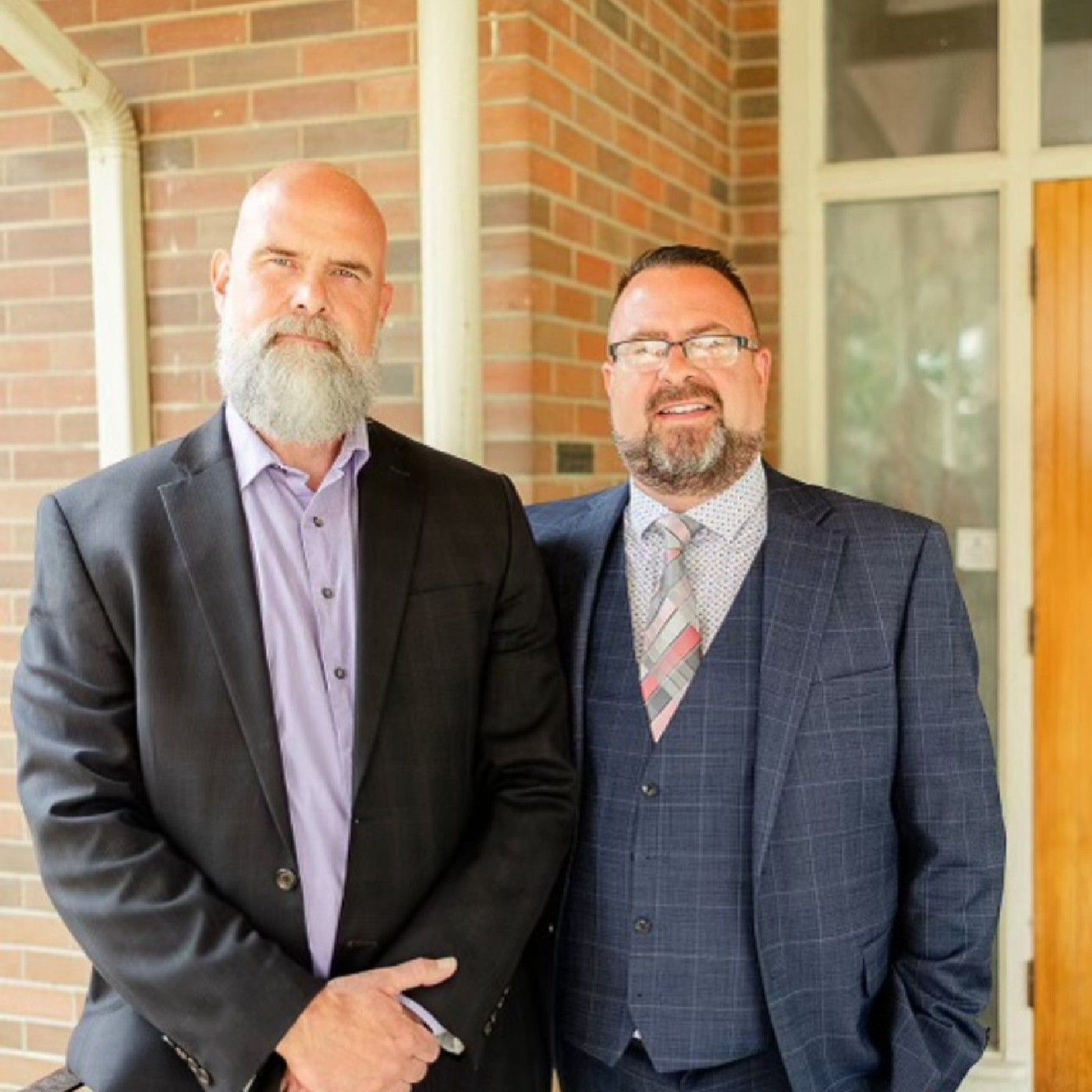
Guy Felicella Humanizing People - Season 3 Episode 8
63m 37s
The transcription covers two main parts. Firstly, it advertises Dublin's favorite ice skating experiences for Christmas at iscating.ie. Secondly, it features an interview with Guy Felicella on the podcast "Just Us on Justice and Other Things," where he shares his turbulent life story involving trauma, addiction, gang affiliation, and homelessness. Felicella emphasizes the critical role of harm reduction services in his recovery journey and stresses the importance of addressing societal issues and providing opportunities for individuals in recovery. The conversation also touches on the misconceptions about addiction, the need for reintegration support, and the prevalence of drug use across various social strata. Felicella's story serves as a testament to resilience and the transformative power of support and opportunities in overcoming adversity.
Transcription
12865 Words, 69590 Characters
Fyw ymw i'n fwy yw'n gysyllt cymyd lydl eich.
A'i'n sy'n ddóllio llwm. A'i'n fwy yw i'r ychyddi anof.
Ok, bany mewn tri las.
Iscating.ie has Christmas in mind.
Dublin's most loved ice skating. The finest you'll find.
Blanchards town and Dunleary is where we will meet.
With family and friends for the best Christmas treat.
For last minute shoppers we'll save you a chore.
Get an ice skating gift card for those you adore.
Dublin's favourite ice skating experiences are waiting for you
with extended opening hours over Christmas in Blanchards town and Dunleary.
By tickets and gift cards now at iscating.ie.
Welcome to another episode of Just Us on Justice and Other Things.
I am Scott Jones here with my big brother, Dan Jones.
And we finally get to have a guest,
because we were just saying before we hit a start
that we're fucking getting kind of tired of talking to each other.
There's two of us, so it's lovely to have a guest with us today.
And we have Guy Felicella, I think I said that right,
which is a lot of practice off of record here.
And as we said before, we have nothing planned,
but maybe you could take us back, because the tiny little bit I do know
is you have a very interesting backstory kind of way back when,
whatever way back when works for you.
And if you can kind of start us off in your history
and then we'll work our way to now on what you're doing now.
Yeah, I just want to make sure it is recording,
because it didn't pop up on my phone.
Oh, I hope we're on the phone.
Yeah, it's not recording on the Zoom, we don't do a video,
because neither of us is pretty enough so we're at it on the phone.
We're good.
Guy, yeah, well, thanks for having me, guys.
And my story started off as a young kid dealt with some trauma
and verbal abuse, physical abuse, a lot of alcoholism.
And I had tough upbringing in the sense of my parents,
where they're physically but emotionally void.
Describe my childhood as cloudy with a chance of thunder
and lightning very unpredictable.
And I struggled with their dysfunctionalism,
which gave me anxiety, depression,
and led to self-hatred towards myself.
And in school, I was often called hyper-difficult
and hard to manage.
I had undiagnosed learning disabilities.
It wasn't found out until later on in life.
Back then, in the '80s, you were either smarter,
you were dumb, and I was just dumb.
But it really developed my negative image towards myself
as a human being.
And so how not only I viewed myself from hearing the things
that I heard, but also how I viewed the world, too,
was negative.
You know, there was a big difference between us
being happy and distracting ourselves from sadness.
And I felt that as a child, I was just constantly
distracting myself from sadness.
Looking for ways and means to really develop
some coping mechanism of how I felt.
Now, way before, drugs ever came into the picture.
I play sports, and I wasn't the best player or anything
like that, but I was one of those players where coaches
could describe as a player who played with a lot of heart
determination and a lot of grit, which
was kind of the positive influence in my life
from coaches that were giving me these positive affirmations
that made me feel good.
It's finally somebody who's putting some healthy deposits
in guys' life instead of just saying,
what's wrong with you or why'd you do that?
But only being in those game environments, your practices
are very short lived, an hour here, an hour there,
and you're back in your circumstances.
And really, I started to just realize that I had no control
over changing the dynamics of my household.
And so as a young kid, I started thinking about ending my life.
And I took matters into my own hands
and really started to run away from home.
And then I thought, at that time, I found the greatest thing
I ever found in the world, which was street drugs.
It's just the ability to take away the way you feel
and give you the ability to function through life.
And what no 12-year-old would understand
is that the drugs that saved my life as 12 years old
were going to progress into drugs that were going to eventually
try to end my life.
And so this struggle continued.
I got involved with gangs and was made
the award of the court, so I was ran through the foster care
system as well.
In and out of juvenile detention centers,
gangs were grooming me as a young kid.
And they were much older than me.
And you can call that whatever you want.
And yes, they didn't really care.
They had a purpose for me.
But a kid that's looking for love and acceptance
in the places that he's supposed to get it,
if he can't find it there, unfortunately.
He's going to gravitate to places where he can't find it.
And they took care of me.
And it was really one of those relationships
that I could not understand the trajectory that was unleashed
in my life when I became involved with them.
24-hour gang squad task for surveillance,
rival gangs, just the threat of life constantly all around you.
And as a young kid, you feel that you're bulletproof
and you're not going to happen to you.
And you don't really care either.
And I just spiraled out of control, which developed
into my substance use disorder.
And then I started to gravitate
into the downtown east side of Vancouver.
So was there anybody in that time,
other than-- well, you kind of allude to coaches,
who were kind of a positive influence
that were maybe trying to pull you in the quote-unquote,
other direction away from that substance abuse
and gang lifestyle?
Was there anybody who made an impact?
Or was it kind of just more fleeting?
You know, I've always had people
who seemed strategically placed in guys' lives
through the right moment, right time, and right opportunity.
Whether it was to change something then,
it didn't help me in the sense,
understand more of what I was involved in.
But I think, you know, the course that I was on
wasn't going to be derailed regardless.
I mean, maybe, maybe if I went back.
And, you know, I call this all the time, you know,
the gateway to addiction is broken childhoods.
You know, that's really the factor.
And all it's not drugs.
It's not-- you know, it's specifically that suffering.
And the first person I ever met that treated me like a mother figure
was her name was Sandy Gooby at a juvenile detention center.
And, you know, she just had the ability to connect with me
and treated me like, you know, a person.
And that really meant the law.
But I was already in it thick.
And there was nobody stopping me before that.
Or helping me or trying to give me another pathway.
Really didn't have much in the services for people back then either.
Right.
You were just kind of left to your own devices.
How old are you if you don't mind me asking?
Now?
Yeah.
55.
Turning 55 in August.
OK, so we're-- I'm just about 50.
He's 53 in August and August.
So I kind of seem to age your business.
As you're talking, it made me think about a whole bunch of things.
And when he made me think of-- and I wouldn't say his name--
but a friend of mine who went down a similar path to you,
he was younger than me, we boxed together.
And unfortunately, a few years back, he actually died of drug poisoning.
And I watched him go through this journey of--
this kid was-- you know who I'm talking about.
This kid was a phenomenal boxer.
Like, he was just a great kid.
And so he just got sucked in.
And his childhood was real tough, too.
And you know what? I unfortunately watched too many people lose their lives,
friends of mine and people that I was connected to, to drug poisoning.
And I'm just-- I'm always inspired when I see your stuff.
Because you talk about how a harm reduction basically saved your life.
And now you have beautiful children.
And you have a wonderful marriage.
And you are an activist.
And you're just an inspiration.
No, that's-- I appreciate it.
And you're right, like that harm reduction thing is-- listen,
when you're rivaled into addiction, it's not an easy task to break free from.
You know, not only that, you have unaddressed societal issues that haven't been addressed forever.
I mean, we're talking about homelessness.
We're talking about, you know, access to services.
We're talking about access to medications to help you not go back to that drug supply.
I mean, all of these things rolling down the hill like a big boulder that's just going
faster and faster.
You know, addiction is a chronic relapsing condition that I've gone into treatment over
a dozen times.
And, you know, I could stay sober while I was in treatment.
But when I left, I went back to using, and there was no harm reduction services underneath
that.
I mean, I'd be dead.
And the sad thing, too, is now the drug supply, when I was using it in 2012 and 2013, when
I overdosed those six times.
It's now like 600% worse in a 10-year time frame.
So it is catastrophic compared to where it is, and it's just so unpredictable that if
we don't actually invest in harm reduction services, people aren't going to recover.
Well, I don't know if you, if you listen to jelly rolls, speech to send it, I don't know
if you had an opportunity to listen to that speech to send it, when you use the comparative
of a 737 complaint crashing once a week, and I don't think that people understand that.
He made a great comment.
He goes because these people are just drug users and no one cares, right?
And that's, unfortunately, how the systems are feeling for people, I think, that no one
does care.
And there's become this divisive message.
It's either harm reduction or recovery, not at all blending the fact that you need harm
reduction to get to recovery, especially now with the poison drug crisis that we have.
Before I'm going to park that for a second, just because I want to hear a little bit more
of your story from, so you kind of left you around the lower east side of Vancouver, so
we have a lot of people from outside Canada, listen to this, so that's the kind of lower
mainland of Vancouver, and it's a very, very, the roughest stretch of road I would suggest
in all of Canada and would rival some American cities for a roughness of all.
Can you take us back to that park where you find yourself there and what happens next?
Yeah, you know, from like 83 to 93, as a juvenile, I was in and out of the downtown east
side of Vancouver, you know, obviously trying to get sober and, you know, change my life.
You know, I could get off drugs and things would get better.
I was getting sober, never getting staying sober and, you know, trying to do things that
were productive in society, you know, get a girlfriend, you know, like get a job, try
to do these things, and sadly for me, you know, I had a few things in place, but what didn't
get better was how I felt about myself as a person, so it always led me back to using drugs.
The trauma was really the primary problem, not the drugs, but once I, from 93 to 2013,
I basically never left a two-block radius in the downtown east side, unless I was going,
you know, treatment or jail, but I was just, you know, consumed in that area and got
back involved with organized crime, selling drugs, using drugs, you know, really trying to,
you know, really numb myself.
I've been thinking, we need to talk to him about it.
You might not listen to me, but yeah, it's good a time as any.
Okay, I'll give it a go.
If he ever takes those ear forms out.
Vaping is harmful to your child's health.
Nicotine addiction can affect their concentration, sleep, and moods.
They're much more likely to smoke when they're older, too.
So take a deep breath and talk to them today.
Get the facts about vaping and nicotine.
Visit hse.ie/vaping from the HSC.
If you love amazing Christmas value, you love Aldi's Fest of Frozen Party food, including
Southern Fried Chicken Bites, 12 Duck Spring Rolls, and a vegan party selection, all at
just $199.
That'll get you in the party mood.
And cheers to one beatable value on Guinness, $12500 Mill Can Pack, was $24 now only $1988.
If you love Christmas, you love Aldi.
DRS Supplies Get The Facts Be Drink Aware Visit DrinkAware.ie/vaping from society.
I didn't want to die but I also didn't care either.
And you know, what I had to go through in those 20 years was like I survived the HIV/H crisis
in the 90s where one and four people had contracted HIV/HIDS in the downtown east side.
I survived that overdose crisis in 98.
I survived decades of being homeless, sleeping in doorways or stairwells or couches or hotels
or wherever.
You survived that.
I survived being in and out of prison for years, which is a really mentally and physically
punishing condition as well, survived the revolving door, parole, you know, bail, parole
violations, just the back and forth, survived five osteomyelitis, bone infections, four
in my left leg, one in my back, where I had to re-learn how to walk again and then survived
six overdoses in 2012 and 2013.
So literally, policy really threw everything at me to crush me and it almost didn't, you
know, my last overdose is February 18, 2013 at the supervised consumption site.
And then the nurse, Sarah, who actually now works in Alberta, you know, eyelid motion lives
on the floor and when I wake up, I never remember overdosing.
It's that fast.
It's just so fast.
You don't even see it coming and it's not like something comes on where you're like,
oh no, it's just done.
And I just remember opening my eyes and she was visibly emotional and she described that
moment as like we had done everything we could and the overdose wasn't responding the
way it usually would.
Guy wasn't coming back and they were more worried that I wasn't going to come back.
But when I did it, she was visibly emotional, I said, why are you crying?
And she said, because I care.
And I just, you know, moment of humanity and vulnerability, I just burst into tears on
the floor and I just told her right there on the floor, I said, you know, I don't want
to do this anymore.
And I don't know how to stop, but I know if I keep doing this that I'm going to die here.
And she helped me get to the detox upstairs in the service and, you know, really, the
rest is really history after that.
You know, one thing led to another, but, you know, without many moments, but that moment
in particular was the moment that I knew that I had to change.
So I got a couple thing, one question, one kind of observation.
I think one of the important points of what you said there, too, is you had repeatedly
before you got that moment, try to kind of get sober or get off the drugs.
I think some of the common misconceptions, a concept, I can't even speak in more conception,
is that folks in those circumstances want to be there and they're too, well, they would
fucking quit if they could just quit and why would they not, right?
There's that kind of like arms like, well, they know what they're doing.
That's what they want to do.
So that, I think, is exactly, people don't want to live like that.
People don't want to have to do meth so they don't get raped in the middle of the night.
People don't want to be sleeping in Evanton when it's mind's 30 and sleeping outside.
So I think that's an important point.
And the question to you is, what was it internally that made you survive all that stuff?
What do you, what do you think about your internal dialogue or some kind of power or strength
or purpose that led you to come out of all of those storms?
Yeah, it's a great question.
I mean, I get asked that quite a bit and honestly, what I think about my childhood, it really
prepared me for the worst was yet to come and I think when you look back at the journey
of everybody's life, that perseverance and what they've had to battle throughout their
time as the testimony to the success that they have later on, right?
And my childhood prepared me for that, being involved with gangs prepared me for that.
Like I was a gritty grinding survivor type guy, the guy that nobody wants to play against.
You know, that type of person and I kind of had those assets, which are really actually
good assets, just used negatively.
And finally, I had the right guidance, don't listen, you can go on a treatment recovery
all you want, stay there for three months, I couldn't care, like the problem is what happens
after treatment.
Listen, you can't recover unless you have a desire.
If there's no desire inside a human being, it doesn't mean that that desire is non-existent
for their whole lives, but if you don't have the desire at the moment to go do something
different, then guess what, it's not going to change.
But if you do have that desire, desire comes with has to come with other things and that's
opportunity.
And if desire is matched with opportunity, then it can be successful.
And when I say opportunity, I'm talking about housing and I'm talking about employment
and I'm talking about people showing you how to go get your ID, get a driver's license.
I'm talking about, you know, helping you get a job.
All these other factors, if that opportunity isn't there, I'm telling you, even with the
best intentions of desire that a person has, it gets defeating and you go back to what's
familiar.
Well, that's that reintegration piece is so important, whether you're reintegrating
from a recovery system or you're reintegrating from prison, right?
The lack of opportunity that a lot of these folks have when they walk out of those jailed
doors, I worked in policing for 25 years, I worked in corrections three and a half, two
different parts of my life, and I watched that, I watched guys get released, I watched
guys get released on by pro-border Canada to being released to shelter.
How are we expecting this individual who has been battling his meth addiction that individual?
And you're just going to put them right back in the middle of it and then expect success.
And I think the system, and I think the divisiveness of the system forgets one thing, it forgets
that we're talking about human beings at the other end of these things.
And the work that you do, and I really loved, you were comparing bars and supervised consumption
sites, which I had done in the past, and I was like, that's like, what didn't close during
the pandemic, liquor stores and grocery stores, because there's a lot of functional alcoholics
out there that are doing their best.
And there's the other thing I think, and I don't know if you, I would like to comment
on this, is the belief that the billion dollar a year drug industry is built off of
the backs of the unhoused and sex workers when drug use is rampant in all kinds of different
communities.
And I think that's something that people need to realize as well.
Oh, all walks of life.
I mean, man, I'm telling you, I mean, take it from a guy that sold drugs to everybody
and everyone.
I wasn't, my clients weren't just the homeless population, and they weren't spending
the money there.
I'm telling you, so we have this assumption that it's just homeless people or, sure, almost
people use drugs, but I've never been in a community worldwide, and I've spoken in many
communities globally.
And I mean, there are bank tellers, lawyers, doctors, sheriffs, court registry people.
I mean, you know, everybody for some reason or another uses something, where I should say,
in most circumstances, people are using something.
And sadly, you know, when you compare what you were comparing with COVID in the bars,
is you're right, is they couldn't shut down liquor stores because there would have been,
you know, people would have been smashing liquor store windows.
You would have forced people to have to, or you would have forced people to actually make
your own booze, which would even be more disastrous.
And you know, so there's so many factors that go into it.
But yet for the unregulated drug market, we rely more on organized crime than, you know,
than the solutions that are in front of, that need to be in front of us.
And that, to me, I, that's the part that angers me, because I don't support organized
crime killing 22 Canadians every day, like, that's what they do, right?
And we don't offer the, people a better alternative, we, they only have one option, you
know.
And when you talk about what you hear about the word to say for supply diversion and everything
else that goes on, well, if you look at diversion, it's existed, you know, for decades.
And you know, pushing it or scapegoating it on just, you know, some drug users is just classic.
It's just classical.
When organized crime can drag shipments that dilated from wherever they want it, and plug it
all over the world, or plug any narcotic wherever they want, they're global.
I think we get lost in that, and I think, unfortunately, it's become more of a political
issue.
And the political opportunism is involved, and sadly, it's off the backs of people struggling,
and, you know, so people are going to continue to die.
Well, and globally, like, everyone thinks it's just, it's just fentanyl, that's, that's
the problem when it comes to drugable fentanyl, is obviously one of the most lethal, and
then it keeps getting seems to get more lethal, but 55% increase in manufacturing of cocaine
since 2020, worldwide, and cocaine seeping into places in countries that hadn't, hadn't
been in before.
And so you, you see all of these things, and then, and, you know, it was interesting.
I had a, I watched that, what was that show called with Michael Keaton?
Dope.
Dope sick?
Yeah.
I watched that show, dope sick, and realized that as a beat cop on 118 Avenue, which is
an area in Edmonton from 97th Street to 76th Street, that has significantly at the
time when I was walking, was heavily gang involved in trans folks, and over 146 workers,
I started watching people switch from crack cocaine to this non-addictive drug called
oxycontin, oxycontin, and I started, I was there at ground zero, and started seeing
people dying, started to die then, and that was with a regulated drug.
So the fact is that we can do way more with, with that kind of harm reduction and access
to give people access to safe supply, and I, I'm a huge advocate for safe supply, but
I'm also a huge advocate for, like, like your story is, it's not just one thing, it's so
many things, and that's what, it can't be just one thing, and I think that's what you
do, such a good job of kind of spreading that word to, to policymakers, whether they
listen to you or not.
Can we just back it up, because I want to make sure that everybody understands what
harm reduction means, so if you could kind of go with your subject matter expertise
of what harm reduction actually means, because...
I'm not going to do that, I'm just going to do it. I'm not going to do that, I'm just going to do it.
Okay, I'm going to treat you.
If you love amazing Christmas value, you love Aldi's festive frozen party food, including
southern fried chicken bites, 12 duck spring rolls, and a vegan party selection, all at
just $199. That'll get you in the party mood.
And cheers to one beatable value on Guinness, $12500 Mill Can Pack, was $24, now only $1988.
If you love Christmas, you love Aldi.
I think there's going to be a whole bunch of different opinions, and the opinions may
not necessarily base in fact.
Right, you know, harm reduction is simply just a practice and a concept and a principle
that reduces the harms caused by the unregulated toxic drug market.
It doesn't eliminate harm, but it definitely reduces the harms.
You know, I could say this, if somebody came to the supervised consumption saying, use
10 times in that facility, the chances of them dying is, you know, not going to happen.
However, the one time they use outside of it, they're at a heavy risk, anybody's at risk
if they use a low.
That's harm reduction.
And then if you look at it, harm reduction doesn't, it's not the problem for homelessness,
it doesn't solve homelessness.
It doesn't solve public safety.
It doesn't create, you know, homelessness.
It's basically just specifically to reduce the harms of drugs.
And if you think about, you know, bike helmets or seatbelts, right?
When you ride a bike and then you fall off your bike and you smack your head on the helmet,
you've reduced that's harm reduction, you've reduced the harms, but does it stop crashes
from happening?
No.
And so crashes are still going to happen, so it's a really, you know, reducing the harms
aspect of things, but people associate it with, you know, well, why would somebody stop
if we're in it's enabling and it's not?
It's really, it is enabling.
It's enabling people to live and to have them to fight for another day to possibly figure
something out that's better eventually.
And, you know, unfortunately, people have created this division in our society of
either harm reduction or recovery, and it's, and seriously, it's done by a lot of the far
right recovery advocate, only abstinent space programs only that have been pushing this
narrative.
And it's really unfortunate because, you know, you don't have to go and say that this
is the cause of it, because listen, then I could flip that story back and say to people
it's like, well, then why aren't we blaming recovery because it's a chronic relapse in
condition for keeping people sober?
We wouldn't do that.
So why is that when we blame harm reduction, unaddressed societal issues has been the biggest
challenge and unaddressed toxic drug market has been the challenge, but that's what harm
reduction does, it just reduces those harms.
Yeah, I think to boil it down to, I'll say this in a rough way, if it was one of my kids
who was addicted and they needed to be naloxone or Narcan 500 times, give them a life,
fucking have at it, 501, 500, 700, I don't care how many times, if you have someone, your
child, mom or dad or whatever, you want them kept alive and hopefully like you have that
in February of that year in 2013, did you have that epiphany like, okay, I'm done.
Now I'm going to start on that path because then no one's choosing because they want to
do this.
Those who think folks, it's just easy, you don't have to, well, they're maybe don't use
your phone then.
Let me tell you, show me how you can not be addicted to something as something as simple
because these phones are fucking meant to keep us addicted as well and people over and
right, you're like, okay, don't, when you get up in the morning, don't touch your phone,
it's almost impossible.
And I grabbed my phone the first thing and I know I shouldn't be, but when you don't
do it, it feels weird and off, offward and your day is kind of mucked up.
So it's just when I was, instead of sitting on high and casting judging throwing stones,
let's take a minute, as harm reduction by itself and nothing else because I think that's
part of the problem is some of the narrative is safe supply and supervised consumption and
that's it, that's their choice and we just need to support that.
That's not the answer either because that's going to just keep people, that is the enable
and keeping people in that cycle.
And it's not fair to those people to not go, hey, okay, you're sober here.
I had to open the lock zone, you a whole bunch, do you want to talk to this person?
And I get you some idea and start that path is a continuum of care all the way through
to recovery, 50 times if it takes 50 times, whatever, that's I think the more compassionate
way of looking at things.
Yeah.
And to harm reduction as well is often overlooked by its ability to connect with people who
are struggling.
You're not making connections with people using in the back alley, nobody's talking to me.
Yeah.
But if you have a facility that you can go to, you start to build relationships with
people and then those people listen, I'll tell you something, I've never recovered people
were coming to the downtown East Side to tell me about recovery, it was harm reduction
people telling me like, hey guy, you know what, like, hey, this is possible.
Let us help you again, okay, I'll give it one more, I'll give it another try, I'll give
it another try.
I'm always the guy trying and I don't think in our society we celebrate that people are
trying.
They're just not getting the results that they're looking for, but instead of us celebrating
that we're trying, we'll just shame people instead.
Well, that shame, yeah, that's the killer.
That shame piece, like I have a friend and she's struggling again right now.
She was sober seven years and then covert came along and had an impact on her and isolated
her and then she started using again and unfortunately she's still using and unfortunately
drug dealers aren't good people sometimes and they put fentanyl inside the cocaine as
well and now she's got addiction to fentanyl.
But I felt so bad when she, I don't know how many days, seven years is, it's a lot of days
and she would talk about, and then she's, but she loses that and then she's just one
day sober again and she feels shame because she let people down from the seven years and
that those shame-based programs are not super effective when someone falls and slips
and rather than, you know, rather than picking up, we make you feel bad and we give your
coin back or whatever, right, like those kinds of, and you look at the treatment, you
look at the percentage of those treatments, the success of the treatment that you're,
you know, you're right, you're right-wing politics is a 6% success rate in narcotics
anonymous, 8% in alcoholics anonymous and 2% in the facilities that they want to build
is the success rate.
You're building a bunch of things for 2% success rate and you look at, I'm not sure if
you're familiar with Harold Johnson at all, he passed away two years ago now.
He was a lawyer and he, he came up with a thing called cap hope and Montreal League, Northern
Saskatchewan because he said we don't have a crime problem, we have an alcohol problem and
it was a land-based healing and it was 78% successful for individuals who took that program and
I think we need to do more of that, we need to give more options because what works for
you doesn't necessarily work for me and we have some people that are built in building
policies and different provinces that are live life experience people but just because
you have had that experience doesn't mean that your trajectory and what you did is going
to be right for everybody and it's like I use the argument, just because I, someone has
cancer doesn't mean they're an oncologist, right?
That live experience is super important, we also have to realize that we have to have
a myriad of, on that continuum of care for helping people.
100%, yeah, the recovery industry too is well and the same with people with lived experience
what worked for them whether it was law enforcement, that are restaurants, room and prison and they
got their life together, they think that should be applying to everybody.
That is so incorrect, it's not something that I know that there's a thousand different
ways to do it and you know what, I tell you the truth too is I know a lot of people right
now who are using fentanyl who would go to recovery treatment if they could smoke cannabis
while they were in recovery treatment and I'm like to me I said well that's, hey we
should have a facility like that because if that stops you from doing this isn't that
a good thing and I think you know unfortunately this the abstinence only narrative is not
a real world solution because it's not as high as people would think and you don't walk
into the front door of a treatment facility and walk out the back and your life just changes
and everything gets gravy. I mean I kept going back to the do and it wasn't until I understood
the pieces of the puzzle of what I struggled with childhood trauma, undiagnosed learning
disabilities and once I was kind of armed with that knowledge it started to make sense
of why I just thought you know what listen maybe I'm just destined to do this until I do
die you know and then once I started to understand the stuff that I wasn't willing to look
at which is trauma because it was so painful you know once I'd been able to start chipping
away at it it became a lot easier to treat the addiction and the one thing when you're
talking about the shame piece about shaming people who are using drugs essentially what
you're also doing is shaming them for the reason why they're using the drugs which is the
trauma behind it and I didn't need you to shame me anymore than me make a mistake I mean
I make a mistake I want to jump off a bridge right I don't need you to pile on now you know
I need you to support me right now and tell me it's going to be okay and tell me that
came man you did really good and one of the things that I always tell people when they
relapse from recovery if they stayed two weeks three weeks three months I could care less
they tell me you know hey man I went back and I'm like you know I'm like well hey how
long did you stay sober for two weeks what was the last time you were sober for two weeks
never well that's amazing like you know you have to flip the script on people because you
know how it feels already and when I do that they'd be like yeah maybe I go two weeks
that's fantastic next time who knows maybe it's three weeks maybe it's a month maybe it's
even longer but that's really good man that's success how did you feel when you were there
with those two weeks you know it wasn't bad I mean you know I ate some good food and you know
there's some good people to talk to you you have to keep the flow going for people to
remember oh yeah you know what yeah it was okay man yeah I'll give it another shot you know
and that's where you have the conversations that lead people back to treatment we don't have
those conversations when you shame that they read people always remember how you made them feel man
they never come back to you if you shame yeah and we're biologically hardwired to find the negative
that's what through evolution got us to not eat that fucking berry or not go walk past that
tiger den and get killed it's a focus on the negative and then that translates to now where and
again folks who are in the vulnerable states are living in that sympathetic fight flight system
all the time because they're constantly like you said you're constantly waiting to get stabbed or
beat up or overdose or whatever like you're never able to actually rest so of course we stay
in that I've been thinking we need to talk to him about he might not listen to me but yeah
it's good a time as any okay I'll give it a go if he ever takes those ear forms out
vaping is harmful to your child's health nicotine addiction can affect their concentration
sleep and moods they're much more likely to smoke when they're older too so take a deep breath
and talk to them today get the facts about vaping and nicotine visit hse.i forward slash vaping
from the hse. There's even more reason to celebrate this season with up to 20% off Aldi's
specially selected wines until December 21st try the delicious Italian Valpolicella Repasseau
with a hint of dark chocolate and black cherries now only eight seventy nine and get the party
started with a sparkling cremont and a war crisp and dry with lemon zest and pear now only twelve
seventy nine if you love Christmas you love Aldi's specially selected get the facts be drink
wherever is a drink where dot i e whilst ox last sympathetic nervous system activated state
of course we focus on the negative but to consciously reframe that like you said and go dude you've
never fucking done two weeks over that's amazing and then that's your little tiny baby foundation
and then maybe next time it's three or four weeks and then maybe the next time it's whatever and
it that's how that stuff builds and I'm lucky enough that I get to teach yoga in a red
dental treatment facility for men and it's a little bit like teaching yoga on a pirate ship like
theirs because it's me it's all dudes they're all rough they are and so we guide really my nervous
system likes being that space and they like grunt and groan and fart and burn and it's awesome
but there's such a great into there's such a rawness to them and there's such awesome individuals
who will tell you exactly what they think right they're not there's no sugar coating and bullshit
if they like you they do they fucking don't they fucking don't and out of the whatever sixty
guys are there there's usually whatever ten issue do yoga and the other ones don't it's all good
if you want to be in the room but they're still billing it's a one-year program and of course there's
people who are there more than once because addiction by its very nature is going to be that
especially with the way rougher substance that are out there right now yeah 100% you know it's
interesting when you're saying that it reminded me of therapists who's telling me like guy well what
did you do before what did you enjoy and I was like I mean I kind of lost some things I was like oh
well I mean I used to collect sports cards I used to like doing that as a kid I like playing sports
and she's like well why you you know why don't you collect sports cards again I was like oh man
maybe it's something I'll take a look at you know and I started to and it became became a hobby even
I remember one time being in treatment one of the guys like hey it's Friday night guess what we're
doing tonight I was like what he's like we're on bowling and I was like bowling who the F goes
bowling and he's like we're gonna do bowling now we're gonna do 10 pin bowling and I was just like
oh it's just mandatory everybody's coming and I went and I had a freaking blast I mean it was
actually a lot of fun and it started my I was like going 10 pin bowling now and now I take my
kids bowling so it's like you know when you actually you think about so when you're talking about the
negative aspect of things so we're so exactly hardwired just to say that's not gonna work that stupid
why would I do that trying something new is something that you really have to embrace and recover
even if you haven't done it before or even if you didn't didn't like it it's always good to keep
trying these things to try to find something that makes you laugh and that was one of the things that
did and after that day it's a valuable lesson too to learn like that because I was like okay you
know what I'm not gonna shoot my mouth up but something where I haven't done it in a long time
or haven't done it at all I'm gonna try it and if they don't like it I don't have to go back and do
it again and trying something new doesn't have to be just when you're recovering it could be the
as a kind of a way of looking at things like my kids got into climbing like into indoor boulders
and this body is not what goes to climbing but I go anyway I'm terrible at it my wife
looks says I look like a fucking king Kong I'm as will be swatting airplanes from the top of the
thing and it's all these skinny little 21 year olds like spider monkeys but it's so fun
and you can't leave you don't leave in a bad mood right like you just say you have to
we took our we took our kids to the birthday party and we did the climbing that climbing on the wall
with you know the the scraps and the cables and oh man it was that's hard work it is hard work yeah
I was sore the next day yeah I can't work sore I was sore yeah but it was yeah it's like doing a
hundred pull ups and I don't do a hundred pull ups no so I'm gonna take it so you've obviously
graduated quote unquote from where you work at the dark space where you were so what do you
I know you've done these and you've alluded to speaking engagements what does that exactly mean
yeah so I basically you know I have my I work for the health provider here in BC so
which is by work on co-creating harm reduction services and new recovery services we've recreated
I help co-create the recovery community center in Vancouver which is you know a place where
people can go and get you know groups and art therapy and learn about recovery and different
recovery aspects and models and journeys and so we have this which has really been a huge success
for people who are trying to discover recovery and also for people who have finished treatment
and have a landing spot after of an outpatient program and then you know obviously for me I
you know share my story openly and honestly I've spoken in over you know 100 schools
educating kids on prevention and you know trying to share my story in the hopes that they don't
fall down the same path that I did and if they do you know hey listen like it's it's okay
we can always help and support you get through this you know and gala's recovery services medical
you know I really speak in a lot of events public safety events as well just really sharing my
story of overcoming addiction mental health challenges homelessness gangs prison and you know
surviving and how I and what I do today and really that's the biggest thing for me in my life is really
education I think people need to understand the complex challenges that we're involved in in our
society and you know hearing it from a person that survived it has been really well and you know
one of the greatest gifts that I have after every school talk that I do is that I have a line up of
kids that you know want to share their story that that's truly humbling for me to have kids open
up about their own struggles and whether it's them struggling a friend struggling or their
parents struggling there's somebody struggling you know and it's it's been a very rewarding journey
and I you know just been able to find that that purpose that was often alluded throughout my life
it's it's it's the first or second day of July today in which last month was men's mental health
month and your openness and we on this podcast we talk about mental health a lot because
both of us have had therapy and we've had our own journeys and struggles and whatever
but it's amazing what a story like yours can do to open up and humanize that side of things right
like all of a sudden if you think about it if you to die on one of those overdoses those kids
that you have wouldn't be here like they would not exist and you know you're here for a reason
and your story is very very compelling it's also good when you're talking to kids and you're so
honest because a lot of times young boys suffer in silence with their own trauma because we're
afraid to speak about it because it's weak and we we we feel weak and we're told you know you have
to be a certain way and then when you're a certain way then you're told that toxic masculinity is
you know you're now you're bad because of what we've taught you to be the whole time
and Sky's talked about this before too we we do the worst things in the world we take little boys
and we that are want to run and leap and jump and we stick behind a desk in a school and then when
they don't pay attention they get called disruptive and they get called you know all the things yeah
and that and I when you said that about your life that that's me I was I was this
ruptured kid I was the kid that they pulled out a class and put into the resource room because
they told my parents that I had a low IQ no untested it they just came up with that idea that
and I was you know made to feel stupid by the system and so I really I identify with that when
you said that yeah that's honestly for me when I was diagnosed with ADHD I remember the tears
just streaming down my face because I felt stupid my whole life but you never going to share that
with anybody and when I said that I remember the therapist just like almost snapping it right as
quick as it came out of my mouth so it was like no you are not stupid you're actually one of the
smartest people I've ever met in my life because of how you've had to survive for so long without knowing
it really brought me to a place of like being a kid and hearing all the negative things at school that
diagnosis proved everybody wrong because I believe those lies for so long man and that's just
tremendous amount of shame for a kid to carry and so one of the things with kids too is that you know
kids main question one of the biggest questions not about drugs either it's about guy
well my anxiety ever go away and you know what I say to them to me it hasn't so my anxiety hasn't
gone away but that doesn't mean there's something wrong with you but I will tell you this I've
gotten better at managing my anxiety you're already aware that you have anxiety I didn't even know
what the word was back then so your leaps and bounds ahead of where I am and I said look you're a
young kid trying to figure it out there's a tremendous amount of shame that we've projected onto our younger
people by how we talk about these issues how politicians talk about it the rhetoric you know that
is crippling people from reaching out and driving them into isolation and if they do struggle they
are going to use drugs a lot I share that drug users aren't bad people they just have challenging
circumstances I had a kid come up to me in a school 16 years old with his counselor and he never said
he's said this before he said it to me so I just want you to know saying that drug users aren't bad
people really meant a lot my dad was a drug user and he died in 2020 of an overdose and I was just
looking at him going like oh my god I'm so sorry he goes I don't tell people that I tell them
that he he died of a brain Anderson and I was like oh god big hog man and just said dude man
thank you for sharing that and listen your dad did love you and he said I know he did he just
didn't get to recover from it and you know this kid's not even using drugs and he's carrying
stigma and shame was him and he's so young and I just I mean I still think about him to this day
I hope he's okay all these things these stories that I've heard from people is not something that I
just get over you know the amount of death that I've witnessed in my life from people people
I broke bread with good people that just had challenging circumstances and struggles they're gone
and you know you for me it's mean for you this can't be loudlash
okay but I'm a treeless
"Di'n ddwch m'ach tŷnker egg andlw'n nicetín er yn ord, a gola ag ys er yn newmer a hachol.
I'n smu'r llanc gyda'r siad y ba'ch ag ys iad ni'n sy'n y ffresion.
Marn sy'n taring yn ool rhain. Ag ys lawer low inniof.
Fy'n y fyrich i ffewa poleg'n nicetín, tu'r cwrtor HSE, pŵkai i, talslash vaping, on HSE."
"Inflation pushes up building costs, so it's important to review your home insurance cover
to make sure you have the right cover for your needs.
Under insurance happens where there's a difference between the value of your cover
and the cost of repairing damage or replacing contents.
It's a risk you can avoid.
Review your home insurance policy regularly.
For more, visit understandinginsurance.ie/underinsurance
brought to you by Insurance Ireland.
"It's really hard to put into words just how sad that is
and you know, they're not coming back. And you miss them.
And it's not something that I'll ever be able to shake.
Even though my life is great and I have a good life and all that,
but those are one of the dark things that I often reflect about as well,
is that I miss a lot of people that are no longer around."
When you're anxiety would be related to the life you had and all you survived.
Your nervous system did it was supposed to do and protect you
and part of that protection is wrapping you in that blanket of like holy fuck.
Keep your eyes open, don't know what's around that corner.
And now it's all, you can't think your way out of that.
That's just not how it works. Your body's telling you the story,
or your body's telling the truth, your mind will tell you the story.
Where you have to eventually just be able to talk to it.
And this is not advice, but this is for me,
how I've worked on my own stuff is, okay, I really appreciate you.
You're looking after me, but we're good. I promise you we're going to good.
And I can't walk or I can't talk about it.
I need to probably go move, walk in the trees, go get sunlight in my eyes,
go into cold water, all those kind of things.
And for me, that's what's kind of metabolize it and move it through a little bit.
Yeah, 100% I tell you, you know, you don't survive on the street.
Like I did not be known as a tough guy.
I was a tough guy. There's no question.
I knew how to survive the street.
You know, people on the street used to just say with me,
it was just fuck around and find out.
That's what people used to say. That's people saying that about me.
I mean, I was a tough guy, a tough exterior.
But, you know, and you know, wasn't a guy, I'll apologize later.
I won't give you the chance.
And unfortunately, you know, what it was was I put up this wall around me as a protection.
Like you're saying, this anxiety, my body, my nervous system,
did what it did to protect itself.
And you know, I have a lot of regret from the way I tell people if they come up to me and say,
"Hey, man, I knew you in the 90s. I immediately apologize."
I was like, "No, actually, you're pretty nice to me."
And I was like, "Wow, okay, that's cool."
But, you know, for the majority of my life when you're surviving,
you know, that's what you have to do.
And, you know, on the street too, it's, you know, like I tell people,
it's like there's two types of people.
You're either going to be taken advantage of,
or people are just going to leave you alone.
And I wanted people to leave me alone.
I don't want people to even think about remotely coming after me,
because it wasn't going to work.
And I fight, you know, you do that a few times in front of people and people see that.
And they're like, "Okay, don't mess around. This guy will go."
He's not going to be pushing around.
You know, that life, you get so wrapped up in, you know.
And when you try it, when you leave that life, to create a new life,
that life comes with you.
I mean, my wife used to say, like, he was like a gorilla.
Like, you know, like a China bull and a Chinese dog.
He's just like the raw.
And, you know, my wife,
tried it to her. It was the one that really taught me how to live.
You know, we get pulled over for speeding.
And I do, you know, fighting with the officer
as he's trying to give a ticket.
And my wife is like, and I'm, you know,
we're going back and forth and almost threatening each other
to have a fist fight.
And my wife's like, "You can't do that."
And I'm like, "Well, I'll work my way."
Yeah, but it's not working now.
It's a new life.
And he had to teach me these things to kind of...
That's the thing.
You were the reaction.
Yeah.
There's always the reaction instead of like, "Okay, hold on, let's think about this."
Kind of like, you know what I learned?
Don't send an email when you're angry.
Well, you made a good point.
You said drug users aren't bad people.
But I think you can stretch that farther.
There's a lot of guys involved in crime
and women that are involved in crime that aren't bad people either.
And I've watched, sadly, so many people
from that life either kill themselves
or die of a poisoning.
And I use the one guy as an example.
At the time, I don't obviously don't say his name.
He passed away from an overdose.
But his first federal bit was a shaken baby syndrome.
He killed his baby.
And that dude was 19 years old
with a huge trauma background.
And I would sit and talk with him and be like,
and he was very open with me.
He couldn't get him.
He would never forgive himself.
And I think, you know,
I've seen it where families
have forgiven the guys who have committed homicides.
But the guys themselves won't forgive themselves.
And then society won't forgive them either
because society season them is just a murderer or just a gang member.
And I think to humanize a lot of these folks
is, and I'm not saying go and commit crime.
And it's okay to commit crime.
That's all I'm saying.
That behind every one of these individuals
that commits a crime
and is a human being
that likely had a trauma background.
And what we fail to do
is provide any services to address that trauma
unless you have money or benefits.
Yeah, yeah.
I mean, I say it all the time, that's correct.
There's a lot of people that could use trauma therapy.
Probably every one of us.
But the ones that need it a lot,
especially the people who are struggling can't access it.
Whether you're on low income or struggling in poverty,
good luck trying to access the trauma therapy service.
And you better have a better luck spending a dollar
on a powerball ticket.
And then also too,
when you don't have those necessities of life,
like basic needs, like housing,
and a place to go to sleep and rest.
Mentally rest.
Physically rest.
Without these things on the street, you don't get that.
You're just constantly going back and forth.
And so you get caught up in the familiarity.
Almost, it's like a sickness.
We're stuck.
And even though we know it's not the best thing
that we should do, we do it.
It's because it's so familiar,
and we know how to get through it.
Instead of being able to say,
"Hey, listen, let me take you out of this
and help you get here."
How do we do it?
Running, flight, or flight.
That was me.
How do you get a guy to stop running?
Well, you can't get him to walk.
Maybe you have to look at the next step.
I'm like, "Well, how do I get you to stop running?
How do I get you to jog?"
And can you jog for a bit?
Like, just try to slow the pace down a little bit.
Then you can get them to eventually,
you know, maybe get to walk.
And then sometimes, you know what?
Like I say, addiction will just throw it right in your face
and throw all the stuff that you've done
and all the services that you've gotten.
Say, "Hey, eff you, man."
Like, "I'm going to do it."
And for no rhyme, no reason.
You go on autopilot and you go back.
And that's it.
It's the insanity of it.
And you know what the other thing, too, is, yeah.
But you see the success
when people are given those opportunities.
And who left jail was in for about 16 years.
But got a job while he was on the April.
Got an apartment.
We, you know, several people got down together,
get them furniture and stuff.
And he's doing really well.
And it was interesting to watch, though,
because we ended up bringing him a lovesay.
Was that four months after?
Have we first moved him in?
Or even six months?
Yes, oh my god.
He was like, I just sat in that easy chair for the first time last week,
because he'd been so used to the size of a jail cell
that he, this one bedroom apartment in Edmonton,
was too big for him.
But she was insane.
But watching him succeed has been really, really great.
Success is great when you see people have a little bit of success, right?
And a little bit of self-esteem and a little bit of positivity in our lives.
And I think those are all attributed to the people
that are around you supporting you, right?
Like, you know, one guy just messaged me the other day,
says, listen, what are the top three things to stop using?
And I'll say, well, let me just give you two.
Stop hanging around people who are using
and stop hanging around places where you can use.
I said, start there, but you have to have
and tell somebody as well that you're trying to do something different
and you need some support and help.
I said, try those three things first and see what happens.
But those are the things that we have to just continue to work with people.
You know, I develop great relationships with people
because I don't judge them.
And I think when people hear my story and they're like,
well, I can tell this guy, I ain't going to judge me because he is Mr. Screw Up.
And so that makes it open indoor, even school counselors.
I had a really good testimony and I posted it on my Instagram
in the testimonial sections where I did a talk at U-Boy at high school.
And you know, kids were, I mean, visibly emotional after the talk,
but the next day the counselors reached out to me and said,
just want to let you know, our counseling room was packed
with kids reaching out for help and support.
And they all said that you make reaching out sound cool.
And those are just things that, you know, who knew?
Like, I mean, people often say that to me,
"Would you learn how to speak publicly like that?"
It's like, I honestly, I didn't even know.
Maybe it was because I was good with communicating with people on the street.
Because I sure wasn't good in school.
I sure wasn't good with a whole bunch of other people.
But to sit down and have a conversation with people on the street,
even when I struggle to the people that I like, you know,
we could have some laughs.
And sometimes you need those laughs in dark moments, right?
And even if it's dark humor, sometimes made us laugh.
So, you know, one of that's the most rewarding thing I have
is looking at the kids in the future.
And that's why I do what I do, man.
And I just, I don't know, man, I can't, you know,
I really don't want that anybody to go down my path
because I'll tell you, it's the most physically and mentally punishing condition
that you'll ever endure.
And I don't want you to go that route.
And if I can do anything to help you or even if, you know...
What if this was someone in your family
that had a chronic illness that they could not get away from?
Millions of Americans live with a disease that has no cure.
And I was diagnosed with a rare form of sarcoma.
The most immediate findings indicated that I should lose my leg.
It ended up taking four clinical trials in 25 years
to get me to this point.
Cures are within reach.
If we invest in funding for life-saving medical research
that's needed to find them.
Even if they're unsuccessful in my treatment
that they will have learned from my treatment
that we'll be able to allow others to stand on my shoulders
to be able to be helped.
Join the fight for Cures.
Tell your elected representatives to support American medical research.
Visit UnitedForCures.org/Action
to send a letter today, paid for by UnitedForCuresAction.
Meet me after the bar game.
Take me out on the town.
Stay for fun, son.
It's all a home run, busy marathon.
Visit MySpringTraining.com.
I got just there, man.
I just care about people.
I don't want them to die anymore.
I've just seen too much of it for too long.
You know, you get all these new government policy officials
that come in from nowhere and have jobs working
in some construction industry or wherever.
They become politicians.
They don't even have a clue of what to look at.
And, you know, here you go.
They say things that are incorrect and, unfortunately, right?
It's not helping things.
I think you're probably, well, not probably.
I think you would be a great public speaker
because public speaking is all about authenticity.
I've watched lots of people speak
and the ones that are full of shit and are too raw raw.
You're like, "I can see through that cat in a second."
That's not you because you're just like, "Hey, this is me.
Here's my story.
You probably have a bit of a take it or leave it.
I'm trying to convince you a shit.
Take it, but this is what worked.
If you don't, cool beans are not trying to convince anybody.
And I think that's what would draw people in, right?
Because that's, unfortunately, in these times,
very refreshing is seeing someone who authentically tells their stuff.
Yeah, it's very humbling to hear the kind words from a lot of people.
But people, you know, what?
I was authentic on the street in my past life.
And I'm authentic in my new life as well.
And I think, you know, sharing stories with people,
people relate to stories.
You know, I don't glamourize drug use, man.
I humanize people.
And in doing so, it connects with a lot of people.
And that's the stuff that is probably the most rewarding stuff in my life.
But, you know, obviously, first, you know, the biggest thing in my life
is being a dad to three young, amazing kids.
And having the ability to raise them.
And, you know, to watch them grow.
And also, too, I'm really living the childhood that I missed out on.
You know, through there.
And me, that is, that's the gift right there, you know.
Juan, you broke the generational curse or whatever wording we want to use
to kind of stop this cycle.
Yeah, you broke that cycle and no doubt are giving your kids a different home than you grew up in.
Yeah, yeah.
It's rewarding.
And my one of my, you know, wow.
And we think both of my, two, my oldest two kids have ADHD.
We think, we know one does, the second one we also think, too.
But, you know what, they're in a loving environment at home.
And that's the difference, right?
Yeah, you can be, you can grow up in an environment where you struggle.
And then on top of it, people don't know how to support that.
Then it becomes a volatile situation.
And when you know how to support it, you know, everything in life happens for a reason.
I've seen so many full circle moments in my life.
It's unbelievable.
Even the nurse that brought me back to life at the supervised consumption site,
we became colleagues.
You know, she's met my kids, best friends with my wife.
I mean, like when I look at her, I'm just, you know, I want to give her a big hug.
And as funny, I was at the Surrey Pride.
And then also a grocery store afterwards.
And so it was funny, back-to-back moments.
Two firefighters, one at Pride.
And then one in this grocery store came out to me and they were like,
"Hey, you're, you're guy."
And I was like, "Yeah," and he goes, "I remember reviving you."
Go wild.
On the street.
And I looked at, I just said, "Oh my God, really?"
And they were like, "Yeah."
And it was, you know, over a decade ago.
Now I just, I said, "Can I give you a hug?"
And he was like, "Yeah, I'm so happy for you."
And you know what?
That's the appreciation that you have that, you know, people were there.
I mean, you have to remember, too, is I overdose twice outside of a supervised consumption site.
And four times in a supervised consumption site.
And back then, in 2012 and 2013, the law firm wasn't on the street.
And so I was very lucky that, you know, the people that were around me
did CPR until the ambulance showed up.
Otherwise, man, I look back on my life and I'm just like, "Man, you know, it was just meant to be
that I was meant to survive it and be able to do what I do today."
Yeah.
And that's pretty remarkable that those guys remembered you, too, because I, unfortunately,
I know a lot of firefighters in and around the Evanton area.
And that's kind of all they do all day.
And for right now, it was in the locks on people.
And no one really recognized how difficult that is on the first responder population,
either one.
That's all you're doing all day.
And you revive somebody and they walk away going, "No, I'm good.
Go fuck yourself."
And they go about their day.
And just because they're in that cycle of turmoil and vulnerability.
But that's very cool.
Oh, well, they remember.
You know what?
People, a lot of people say I was pretty memorable.
I mean, the police thing.
I mean, I know all the cops and gang squads reached out over the years.
So many, so many people, correction officers.
I mean, anywhere I went, people knew.
They knew where I was.
People had to know where I was.
I mean, I wasn't a guy that really screwed around.
And so they knew, like, you know, so it's kind of interesting.
And, you know, an upcoming project that we have coming out.
In November, we're doing a short documentary of my life and rise out of the downtown east side.
But it's actually collaborated through a timeline of people such as, you know,
former gang squad members, nurses, people who were involved in the street life.
People who were covering my wife, the nurse that brought me back to life.
Correction officer is all collaborating the timeline of my story.
Through their words and their eyes is witnessing me in this struggle.
And so that will be coming out in October and November.
And when it does, I'll happily send you guys the video.
It'll be great.
I'll be using that in my classes, because actually one of the classes I teach is mental health and addiction.
And justice response to mental health and addiction, which is a great class.
And it's 45 hours long.
And I wish that we taught that in, I wish every single first responder took that class.
Because it just gives you a different understanding when you start to understand the beast, right?
Like, it's, it isn't a choice.
It's not, you know, it is a diagnosable medical disorder.
In DSM, right?
Like, it's, we are still punishing people for mental health issues.
And we look at that.
And, you know, it used to be illegal to kill yourself in this country.
And a suicide attempt would get you arrested.
We've come a long way, but not far enough.
Yeah, I, I represent my friend.
And I, I mean, we've come a long way since way back then.
And now we still have a long way to go.
And hopefully, you know, we keep doing what we're doing to make those significant changes for this, you know.
At the end of the day, man, like that toxic drug supply.
We don't have any control over it.
And you can, you can never really eliminate drugs in our society.
It's not going to happen.
Like, it's just, you can't even get drugs out of prison.
I mean, come on.
What makes you think you're going to keep in mind of a community?
Not going to happen.
And if people want drugs, they're going to get them.
We just have to do a better job at really, you know, helping them not get that.
And that's the million dollar question that's very hard to solve.
Yeah.
It's a better job of treating the root cause, which is the trauma of childhood or whatever wherever the trauma came from.
That leads to the addictions, not, it's not the other way around.
We're putting a bandaid on a bullet hole.
100%.
Awesome.
I think that's a good place to end.
We really, very much appreciate this conversation.
It was awesome.
I knew little bits about you, but you are a remarkable human being, so I really, really appreciate you spending time with us.
It was awesome.
I appreciate you guys any time, man.
Oh, it's awesome.
And I always just kind of close it with an acknowledgement of where we're recording this.
We're recording this on Treaty 6 territory, the home of the Meti, Cree, Denne, Soto, Lakota, Sue, Blackfoot people that have walked these places for time on Moriel.
And, you know, just want to say that we know that that addiction hits that community really hard.
And we also know that there's a lot of stigma that goes with that in our indigenous communities across the country.
And that we need to realize that those addictions aren't choices.
They come from, you know, a vicarious trauma, lived trauma, and have been unfortunately passed down.
And we need to work more with our indigenous brothers and sisters to create a healthy spaces because they deserve it.
And just want to close with our usual.
These are just the opinions of Scott, Dan, and Guy, not affiliated to anybody anywhere we work in the past, future, present.
This is just our opinions, so thanks very much for your time.
Love you.
Love you.
What if this was someone in your family that had a chronic illness that they could not get away from?
Millions of Americans live with a disease that has no cure.
I was diagnosed with a rare form of sarcoma.
The most immediate findings indicated that I should lose my leg.
It ended up taking four clinical trials in 25 years to get me to this point.
Cures are within reach if we invest in funding for life-saving medical research that's needed to find them.
Even if they're unsuccessful in my treatment that they will have learned from my treatment that will be able to allow others to stand on my shoulders to be able to be helped.
Join the fight for cures.
Tell your elected representatives to support American medical research.
Visit UnitedForCures.org/Action to send a letter today.
Paid for by UnitedForCuresAction.
If you're a maintenance supervisor for a commercial property, you've had to deal with everything from leaky faucets to flickering light bulbs.
But nothing's worse than an ancient boiler that's lived in the building since the day it was built.
50 years ago, it's enough to make anyone lose their cool.
That's where Granger comes in.
With industrial grade products and dependable fast delivery, Granger can help with any challenge.
From worn out components to everyday necessities, call clickranger.com or just stop by.
Granger for the ones who get it done.
Podcast Summary
Key Points:
Dublin's top ice skating experiences are promoted at iscating.ie for the Christmas season.
A guest, Guy Felicella, shares his challenging life story on the podcast "Just Us on Justice and Other Things."
Guy Felicella overcame childhood trauma, addiction, gang involvement, and homelessness to become an activist.
Harm reduction services were pivotal in Guy Felicella's recovery journey.
The importance of addressing societal issues and providing opportunities for individuals in recovery is highlighted.
Summary:
The transcription covers two main parts. ie. Secondly, it features an interview with Guy Felicella on the podcast "Just Us on Justice and Other Things," where he shares his turbulent life story involving trauma, addiction, gang affiliation, and homelessness.
Felicella emphasizes the critical role of harm reduction services in his recovery journey and stresses the importance of addressing societal issues and providing opportunities for individuals in recovery. The conversation also touches on the misconceptions about addiction, the need for reintegration support, and the prevalence of drug use across various social strata. Felicella's story serves as a testament to resilience and the transformative power of support and opportunities in overcoming adversity.
FAQs
Dublin offers Christmas ice skating experiences in Blanchards town and Dunleary with extended opening hours. You can purchase tickets and gift cards on iscating.ie.
Guy Felicella faced trauma, abuse, and alcoholism in his childhood, leading to anxiety, depression, and self-hatred. He later got involved with gangs and substance abuse.
Harm reduction services played a crucial role in saving Guy Felicella's life and helping him recover from substance use disorder.
Guy Felicella's perseverance, guidance, desire for change, and access to opportunities were key factors in his survival through difficult circumstances.
Guy Felicella highlights that drug use is not limited to specific communities and is prevalent across various social groups, including professionals like bank tellers, lawyers, and doctors.
Chat with AI
Loading...
Pro features
Go deeper with this episode
Unlock creator-grade tools that turn any transcript into show notes and subtitle files.
 PodcastTranscript AI