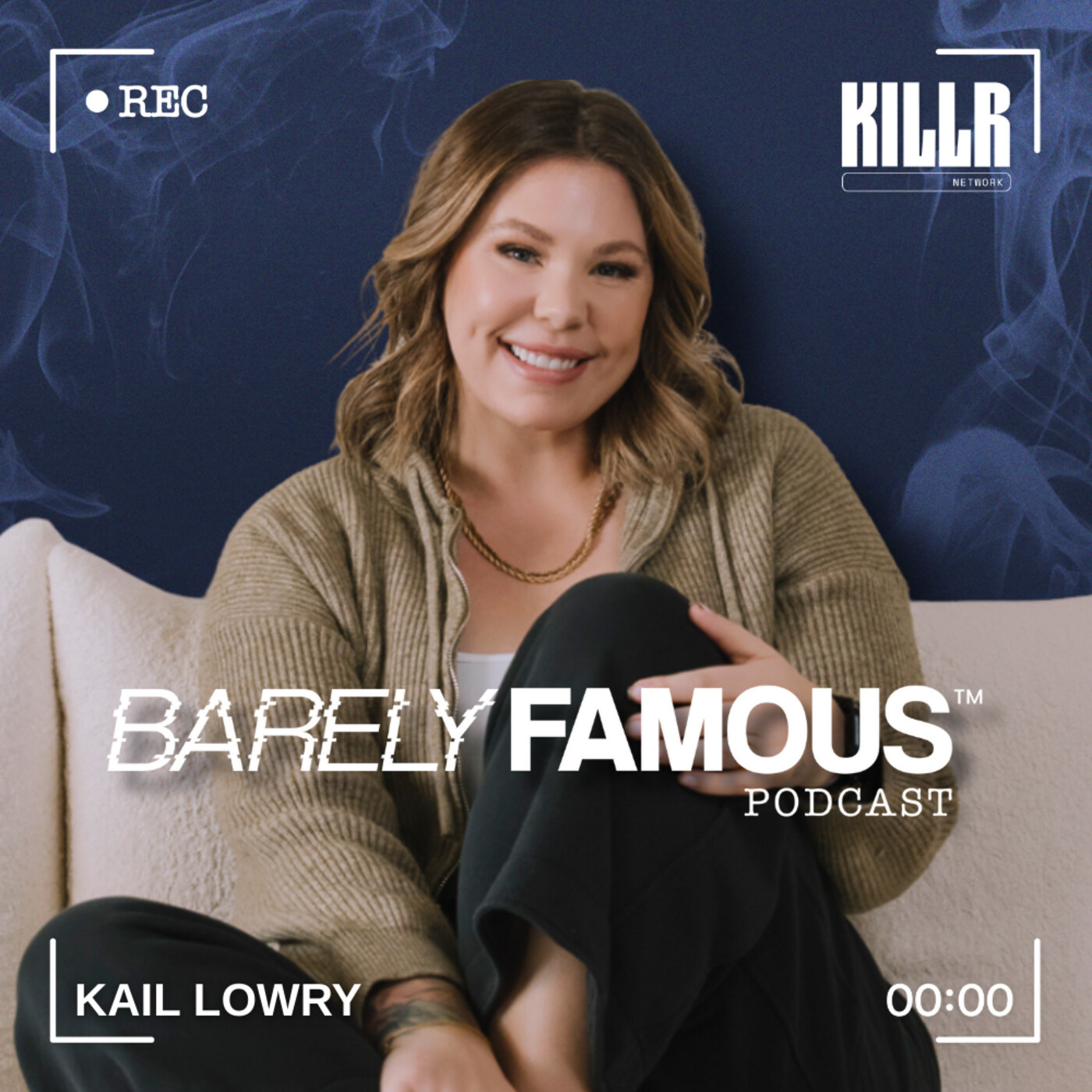
From Foster Care To Founder: Bobby Jones' Second Chance Story
79m 26s
Puhuja, joka perusti pyöräilyvarusteita valmistavan yrityksen vuonna 2013, kertoo Shopfyn olevan liiketoiminnan selkäranka. Hän vertaa sitä polkupyörään, joka hoitaa kaiken teknisen hallinnan vaivatta. Tärkein osa keskustelua on kuitenkin puhujan vaikea lapsuus. Vanhempien päihdeongelmien vuoksi hänet ja hänen sisaruksensa sijoitettiin useisiin sijaiskoteihin, mikä johti koulujen vaihtamiseen ja perheen hajoamiseen. Puhuja joutui nuorena rikoksiin: 13-vuotiaana murtovarkaudesta, 14-vuotiaana nuorisovankilaan, ja 17-vuotiaana aikuisten syytteisiin ryöstöstä. Hän kertoo, kuinka lapsuuden kokemukset loivat uhriajattelun ja tuhoisan käytöksen, mutta hän on sittemmin löytänyt rauhan hyväksymällä asiat, joita ei voi muuttaa, ja keskittymällä nykyhetkeen. Puhuja tapasi vaimonsa Heatherin 16-vuotiaana, ja heidän suhteensa on ollut vaikea, mutta he ovat selvinneet yhdessä. Hän korostaa, että vaikka lapsuus oli rankka, hän on oppinut arvostamaan elämän oppitunteja ja pyrkii nyt parempaan tulevaisuuteen.
Perustin pyöräilyvää teitä valmistavan ornotin vuonna 2013. Mielestäni parasta Shopify saan se, että voimme harjoittaa liiketoimintaa ilman teknistä osaamista. Voimme hallinoida yrityksen taustajarjestelmien ja frontendia sekä myydä verkossa, vaivatta. Jos Shopify olisi pyöräilyvaruste, se olisi mielestäni itse polkupyörä. Sillä asiat hoidetaan ja meidän liiketoiminta me hoituu Shopify'ssa. Aloita ilmainen kokeilu, Shopify piste komsi vustolla. Välkeen kokemasta. Tämä on jälkeen. Tämä on jälkeen. Tämä on jälkeen. Ja teemme lopulta, perustin pyöräilyvaruste. Välkeen, perustin pyöräilyvaruste. Tämä on jälkeen. Tämä on jälkeen. Tämä on jälkeen. Tämä on jälkeen. Tämä on jälkeen.
beliefs today is like, how can I keep things in my control? Right? The things that that that that determine my happiness and my peace, I want as much control over them as possible. So if I dive into why wouldn't you do that? Why wouldn't that's out of my control. What I can do is make peace with my reality and do something about the present and the future of it. There's the serenity prayer, which, you know, regardless of anybody's religious beliefs, the serenity prayer is great for this. It's God grant me the serenity to accept that things I cannot change, the courage to change the things I can and the wisdom to know the difference. That, I don't care what you believe in, is so much, there's so much peace that comes from that kind of core principle belief, I think. It's hard because I think so many people fall back on religion because they're like, I don't know where to go from here, but to your point, like that can apply to even if you don't believe in God or if you can still apply it to your life. Yeah. And I think what you said about the relatability today is like, you went through all of that and so many people can relate to your story now. So it sort of makes it all worth it. But sometimes it's hard for giving the people along the way. Yes. So your sister and your brother, your with your sister for a little while, your brother goes with your grandparents at what point do you separate from your sister and for how long? Yeah. So they kept moving us in different homes because I guess if you're like, if your parents find out where you are when you're at a foster home, they have to relocate you. I didn't know that, but that's what they were telling us. And I don't know if that's true, but that's what we were being fed. Okay. I didn't know that. Yeah. I don't know that it's true. And maybe only if they're like posing a threat, like saying, we're going to come get our kids or whatever, you know, will that be true? But that's what we were being told. So we kept moving from home to home. And I mean, it was tough because, you know, you're going to different schools. Like I remember my sixth grade school year, Kale. Like I was in like six different school districts that year, school districts in one year. They don't try to keep you within the same school district. I'm sure they make an effort. But again, you've got to align with who can take two kids, right? That's part of the problem. Right. Who can take two kids who has the space for a male versus a female who has space for male and female, right? Because, you know, you can't have you can't have kids at a certain age in a room with the opposite sex at a certain age. So, um, so I mean, again, you got to find the right home. And I, so I, you, you hear me, I try to give people the benefit of the doubt. And yeah, I'm sure that they made efforts. But the reality is is like those homes were in different school districts. And again, part of my childhood was roll with the punches. Now, the cool thing was, is some of those school districts, I'd show up and it would be the topic or the subject that we just finished in the other school. I'm like, I'm an expert at this one, you know, but when we get to the other ones, I'm going to have some troubles. But, but, um, yeah. So at some point, you know, when they were moving us around, they weren't able to find a home for both me and my sister. And she went into a different home. And, you know, it's, it's a struggle. Um, we'll probably get into this in a little bit. My sister took a totally different path than I did. What was about to say, like through all of this, you could have gone down an entirely different path. So how did you avoid sort of following in your parents footsteps? Um, well, I didn't for a long time. I went that direction for quite a while. Yeah. Did you like experiment with drugs and stuff or? I did, but not through use. Um, so, um, at 13 years old, or no, excuse me, at 12 years old, um, they sent us home out of nowhere. So you're back to your parents place. Yeah. It was the summer after my sixth grade school year, they sent us home. Now, when I got home, there was no power in the trailer. Neither one of my parents had a vehicle, a license or a job. The only food that we were getting at the time was from churches locally. And we had an extension cord ran from the neighbor's house, powering our refrigerator and the TV. That's it. Flashlights in the bedrooms. And that's what they sent us home to. I mean, they knew all of those things. They knew how, I mean, they had to have, right? Because they, they do the chat. Yeah. And so like one of the biggest things was one of my parents in order for us to go home, one of my parents had to be clean through the drug tests for a period of time. Okay. So my mom, I believe, yeah, believe it was my mom that cleaned up enough for them to say, okay, we're going to send the kids home. But that's the environment we went back to. And again, like we were in a bad neighborhood, not too far from like Woodside in the Magnolia area, right? And so like, you know, I'm 12 years old, lots of lots of negative around me. And you know, I was still, even though my parents had their struggles and their demons, I was still taught right from wrong. Right. But the problem was, is like, I was seeing far more wrong than I was seeing right. So wrong became the norm for me, right? Like even though I knew like it was illegal or wrong, like it was still comfortable because that's what everybody else was doing. So yeah, so, so I got to kind of like lead by example, not by what I say. And so it's like, yeah, you can know right from wrong. But that's only being said to me, what you're doing and what's around me is wrong. Well, true. And you know, it's also interesting because the way that I actually perceived it, I think, was like, this is the stuff that's like right to do was the stuff that the people that were cut from a different cloth were doing. And then the people that were cut from the cloth that on cut from does this. So we're wrong. They're right. Do you see what I'm saying? Because the environment was suggesting that even though you're telling me that that's right and this is wrong, we're all participating in this. And it's working until it doesn't. I mean, I don't know if it's working, but it ain't killing us at the moment. You know, so it's like, it's like, so, so again, I, you know, I knew right from wrong. I knew better. I knew not to do this stuff, but I was comfortable in it. And I saw it so much that in it would be against the grain to go the other direction. Right. Right. You know, that makes sense. Friends, everybody around me, you know, and even if it wasn't all my friends, it was the friends that I was hanging out with anyway. Right. Right. So at 13, I got arrested for the first time and it was a burglary. I broke into a trailer and stole a bike from somebody's house. You need the bike for something or you were going to sell it or was like, my boy's like, you know, like told me there was a bike in there and I was like, well, I'll do it, you know. And so like, kind of just, you know, prove them myself to the older kids or whatever. And so I got arrested for the first time at 13. Now something really interesting happened in this moment because again, foundationally, you're taught all these things that like if you get in trouble, you're going to mess up your life. If you get arrested, you're going to mess up your life. If you, you know, go to jail, you're going to ruin your life. And so these things started happening for me because I got to arrested at 13 for the first time. And then I got arrested at 14 and did two years and detention centers when you got arrested the first time at 13. What happened? Was it just charges? Yeah, it's just like a charges of fine and maybe a little bit of probation. I don't really remember. Okay, but you didn't like go sit in a facility or anything. I don't think so. If I did, it was like an overnight. But the second time at 14 when I went in, I went to Stevenson House, I went to fair school for boys. I went to a program up in Pennsylvania. And it was at that time where it was like, Oh, okay, if you go to jail, you're ruined your life. Check, right? Like that was the awakening for you? No, no, no. That's the moment for me that was like, Oh, okay, if this is true, then I just ruined my life. Okay. So the light bulb went off. You're like, I just ruined my life. I just ruined my life. So so, okay, well, I don't have a chance anymore. So it was like, and I didn't really realize that at the time as much as like my behavior demonstrated that throughout the next few years. So you were kind of just like, if my life is over, I might as well just keep doing what I'm doing because it doesn't matter anymore. It was very much destructive behaviors. Yeah. Well, because you thought that it was over anyways, I definitely didn't think I had a chance at anything I'm doing today. That's for damn sure. You know, so from so your 14 you go to you said it was a detention facility. Yep. Stevenson House and Milford. How long were you there? I was there about four months. Okay. Four or five months. And then I went from there to fair school. Actually, excuse me, I went from there to a program in PA. I was only supposed to do 30 to 60 days. I go to this program. So I got caught with drugs in school. I took the route that I was using in court, right? So that they would like treat me as an addict rather than somebody who's selling drugs. So I went to I went to a rehab program in PA that was like minimal security. Sure. And but here's the thing, right? I'm like this 14 year old punk ass white boy from Magnolia, Delaware. Now I'm right outside Philly in a rehab for teenagers, right? We're talking 13 year old full on heroin addicts and 14 year old like from the inner city Philadelphia who's like looking at this punk ass white boy from Magnolia, Delaware and ready to like bully the hell out of me, right? So the first two weeks I'm in this program, I mean, I'm being I'm being and they know the game that I played and they know that I'm not there for the shit that they're there for. You know what I mean? Oh my gosh. So I'm being tested at every turn and it wasn't two weeks into the program. I get into a fight with another kid and I ended up getting a lucky punch. I don't want to come off like sound like I'm trying to be a badass or anything like that. I got a lucky punch broke the kids nose. They kicked me out of the program. I had to go back to Stevenson House, go back in front of a judge and that's what delayed my stay so long. But because I did what I did, they then sent me to Ferris School for Boys, which is a six month program. But now I've been down for like five or six months at this point before I went to Ferris School for Boys in Wilmington. Who was your support system during this time? Like were you keeping up with your siblings, your parents, your grandparents? Like did anyone reach out to you? They were doing the best they could. My mom, I will give my mom credit man. Like my mom is a trooper in the way that like, you know, when she would show up at school when I would get in trouble, she'd be like, who's fault is it? You know, I mean,
And so like, you know what I'm saying? So like she showed her love through the way of like, but the problem was, is it really nurtured this victim mentality for me, right? So like everything that happened was somebody else's fault. Even if it was mine, it was the system that made me do it or whatever, you know what I mean? This is the, these are the thoughts that were going through my mind at the time. So my mom, she would show up, she showed up to the rehab up there in PA. We only got visits on the weekends, I think at that time. And then she would come very often to see me in detention center in Stevenson and in Paris. And I'm smiling because I remember one time in particular at Stevenson House, 'cause I was in the old building. - Okay. - And the cells in Stevenson House actually didn't have like on the outside of the cells, there wasn't a fence around the building. - Okay. - So like I could look out my window and actually see the highway. - Oh. - And it was the, there was like a shopping center to the left there, right? So my mom actually brought all my friends down one night and they snuck up to my window and we're all like talking through the window and she, so she's like, she's a G like in that way. Like she definitely would do like whatever she could for me. She really could. - Would you say she was more of like a functioning addict? - Oh yes, yeah. - Or she like kind of f- - At times it developed into something that was definitely non-functional, but at times she was functional. - Because when I talk about my mom, there are definitely like, she used to be a good person. You know, so like she had it in her. But then she didn't have like the means, I guess, like if that makes sense. - Yeah, yeah, definitely does. 'Cause again, like I said, if there's times where her intention was to keep herself out of withdrawal, right? But that doesn't always translate to just that. So there were days where I would find my mom completely, you know, almost in a coma, the way that she was completely out of it. Like I would wake up for school before the detention center and stuff and I'd go out to the kitchen and there she is on the floor. I remember having to call ambulances and stuff because like my mom's on the floor. - I never wanted occasion. - Mm-hmm. - Yeah. - And how did that shape you do feel like that, like desensitized you to a lot of things when she became an adult? - I don't know because like again, that victim mindset made me always want to blame something else. So I never like, I never, I never blamed my mom. And yeah, I mean, obviously I think you'd like, I don't want that, that's for damn sure. But I don't know that I ever got to this point where it was like that was like this ultimate motivation of do better. The core belief in our home was everything that we were experiencing that was bad was somebody else's fault. - Right. - My mom was very similar to that. I always think about like my childhood, I was pretty much self-sufficient. Like I had to get myself up, I had to get myself to school, I have to, but school was my safe space. Did you ever feel like you had a safe space that you wanted to go to outside of home? - Maybe earlier on with school, but again, there came a time where like, you know, I remember like, I would like draw, like I would try to draw like Nike logos and like brand name logos onto my shoes to like fit in, you know? - Yeah. - So yeah, so it was, and again, like I also was an asshole in school because like I wanted attention, but I wasn't gonna get it through popularity. So like I acted out, you know? So when I look back and I'm like, people treated me like shit, well, yeah, so did I. Like I treated them like shit too. You know, like I was an asshole. You know, I wonder many people didn't like me at that time of my life, you know? - That's so crazy. I feel like that's relatable though, like so many people, it's projection. And I think so many people are confused about what projection is until they're on the other side. The happier you are, you are more self-aware, I feel. And like I look back and was not very nice to like childhood friends and I'm like, oh, because people were mean to me. And it's not okay, but like what can you do at that point, you know? So 14, you're in the detention center and you get to go back home after that? - Yeah, I came home when I was 16. - Okay. - The highlight of that time for me was I actually met my wife Heather at that time. I met her in Blades, Delaware. My parents had split up. We went to live in Bridgeville for a little while. My dad was in Seiford and so like, I was kind of back and forth seeing them. And yeah, I met-- - So you like your wife when you were 16? - Yes. - And you were together right away, like ever since you were 16 or was it kind of like-- - Oh, it has not, it has been a rocky road. - Oh, okay. - But yes, we've been rocking together since I was 16 and she was 15. - But when you look at your childhood and sort of how tumultuous it was, how do you, like what does that do when you think about your relationship? Like how have you been able to sustain a relationship like that in your life with the childhood that you've had? - I pure miracle, Kale. Because-- - I have a really hard time with relationships because of my childhood and for a long time, I never wanted to acknowledge that. So that's so shocking to me that she was just rocking with you. Like obviously there's rough times over the years. - Yeah. - But did she sort of know your childhood and everything that you would experience? - Oh yeah, yeah. - She was-- - We talked about it. She saw it. Like when I met her, I was at that time, I was living in a camper behind my uncle's house with my dad. It was just him and I in a camper. And she's like, I didn't know that at the very beginning. (laughing) But I found out quickly. But the connection, I don't know, we had a pretty cool connection and I can't explain it. I want to sit here and tell you like, oh, we were meant to be together and all the cliché stuff. But the reality is is like, we were what I needed, she was. And what I was is what she needed at that time. And I think-- - Getting into all that trouble, she needed that? - Well, she needed somebody that was willing to fight any enemy for her and I was that guy. Like I was that dude, you know? So now the only person I couldn't protect her from was me and I was not a good person. I wasn't a good boyfriend. I wasn't at times in our marriage. I wasn't a good husband. And so, you know, but I'm happy to say that. We made it through stuff that nobody makes it through. Like it's crazy. Like I hope one day her and I can sit on a stage and talk about the ways that we've overcome things. She's not as extroverted as I am. So I'm gonna have to get her out of her shelf or some of that stuff. - Those are the best relationships when one is the Golden Retriever and it's more-- - Exactly. - I don't know, introverted. - Yeah. - Okay, so-- - And I'm a risk taker and she's not. So we balance each other in a lot of ways. - Opposites attract, that's what they say. - Yeah. - Okay, so you meet her at 16 and then what happened after that? - So I wish her presence in my life was enough for me to be like, you know, straighten out and stuff like that, but it wasn't. I got arrested at 17, charges and adult for robbery. - Who did you rob? The person in my business. - Me, it was a person. Me, my cousin and actually, well, two of my cousins were in Dover. I'll just say it like it is. We're pretty much looking for trouble. - Do your cousins also get arrested? - They did, but they were 16 and 15. - So they get tried as kids? - And they were first offenders. So I had already done almost two years for-- - Were you the ringleader? - I would, I mean, that's what they said, yeah. - Good boy. - Yeah. - Yeah. Anyway, it's funny because they offered me a plea when I went to court to go back to Ferris. And I was like, that I'm not going back to Ferris. I just left Ferris. I just got out of Ferris. And so I go back to court. They're like, yeah, it's okay. 'Cause we're gonna charge you as an adult anyway. You're gonna go to Real Jail. I was like, wait, I'll go back to Ferris. And it was too late. - Too late. - So you were 17 and you went to-- - Yes. - But in Delaware, there's only prison. So how does that work if you're tried as an adult? - So I was still-- While I was going to court, I was in Stevenson House and the new facility. - Okay. - I was in there for three months. When my wife, my girlfriend at the time, she actually got together some money and got me bailed out. - This is the same one you met when you were 16? - Yeah, it was crazy. 'Cause I did not expect to be bailed out. My bill was kind of high. They found a bill bondsman that would work with them and they billed me out. While I was out on bail, I got her pregnant. Then I had to go back to court. For sentencing and for the charge. And she rolls in there like five months pregnant. For sympathy, we're trying to get the judge to go easy on me. But he did sent me to eight months total. So I had three months in Stevenson House. I had to go to Smirna to serve the other five. And I just turned 18 on March 5th and I go in there April 12th or something like that. So it was like a month after turning 18. - For the new year in there when she gave birth. - I was, yeah. - What was that like? - It was brutal, that was brutal. Man, so I met my daughter for the first time at a prison visit and-- - How old was she? - Couple weeks, couple weeks. - How did you guys even, how could you support her being obviously you were young, getting yourself into trouble? And now you have this woman pregnant. How do you support her from prison? - Shit, support her. She's putting money on my commission books. You know, she's putting money on my books. So no, I couldn't. The best I could do was draw pictures and send them home to her. That's it, that's all I could do. - And so you meet your daughter in prison? - For the first time, yeah. - Did you help pick out baby names? Like how did that work? - Oh yeah, we had picked out the names. - Like over the phone or something? - And before, yeah, before I went in, yeah. But it was heartbreaking because, you know, if you ever been to a visit at Smirna prison, like you get a minute, or, well, like 30 seconds at the beginning of a visit to embrace the other, the visitors. So I got to hold my daughter for like 30 seconds, but you also can pay to have pictures taken. So I did that. It was like a couple bucks to have, like a Polaroid picture snapped. So I got to hold her for that first 30 seconds and then enough to take a picture. And then I've got to give her back to her mom. That's me meeting my daughter. And again, you know, there's these, all these moments, K-Od, where it's like, bro,
- Oh, come on man, this isn't enough for you to straighten the fuck out and get it together. And it wasn't. I was in and out of jail three more times after that. - What was your, I know you were just dating at that time, but your wife now, what was she saying to you? Was she pissed off with you every single time you got in trouble or what? - Of course. I mean pissed off, she was disappointed. She also again, man, that girl saw potential in me way before I ever saw it in myself. And it's still true to this day that girl sees far more worth than me than I do in myself most of the time. I'm like having conversations about stuff and she's like, you need to charge more for that. I'm like, all right. All right. - Thanks for the day. Like a woman behind the man will be the brain. So you meet your daughter in prison. Do you really stay behind like in yourself for 23 hours a day? Is that actual? - So what's interesting is like, there's a journey, right? When you first arrive to prison, the bed that you're technically supposed to end up at isn't always available, right? Kind of like the journey and foster care is like, you know, finding the, so what ends up happening which is crazy because especially I'm an 18 year old probably way to buck 50 so can wet, you know. They take me into the prison. I go into cell block C, which is actually where Lieutenant Floyd was when he was killed. Then they move you in like a journey of what beds are available where. And they, one of the places they put me in was e-building, which at the time, I don't know if it's still true, but that was the sex offender building. So there they put this 150 pound punk ass white boy again in this situation and like, I think goodness, like the guards like they were like a little bit more, like they were paying attention to me. And I was only there for a couple of nights. But like, you know, like there's some pretty big people in prison and they group up and they could have done probably anything to me if I had stayed in there long enough. But luckily, and I thank God for this because, you know, I was fine the whole way through and we'll get into some of the, you know, physical stuff. But, you know, I went from e-building which was the sex offender building to maximum security. I spent a month back there, which is called the Mew and my cellmate there was a six foot two guiding digs from Wilmington, Delaware who was serving two life sentences for a double slang in Wilmington. And-- - Are you terrified? - I mean-- - 'Cause that's not the type of crimes you crime see where it comes in. - It is, it's like, I'm trying to get this guy to benefit of the doubt. I don't wanna go in there all judgmental either, you know what I'm saying? And we're locked out when it was 23 and one. That was a 23 and one building. - So you were behind-- - We were in this cell together for 23 hours a day for a month. - We were gonna fight with him. - I didn't get into a fight with him, but I got into fights, yeah. - So you get out, but that's not your last time in prison. - No. - And again, just in the name of like protecting time, I'd be happy to go through each stay, but I would tell you, I was in and out of prison. The next one, I went to boot camp for possession with intent to deliver cocaine. - So by 21, we'll say you had multiple felonies. - Multiple felonies. - You've been in and out of prison. - Yes. - And then what happens? - So again, just to kind of go over the charges, 'cause this is significant and the story is, my first adult charge was a robbery. My second was possession with intent to deliver cocaine. My third was a burglary. No, my third was an assault. And so then I actually was being arrested for a burglary when I was 21. I already had the robbery, the possession with intent to deliver cocaine felony and the assault felony. Okay. But the thing about those felonies is they don't really go together, right? So if I had had nothing but drug charges, they would look at me a certain way. But when you have this vast amount of different charges, they definitely look at you as a menace to society. - Because it's an escalation of behavior. The same for domestic violence. They're gonna look at what it is. And if there's an escalation. - Yeah, and even if it had gotten worse, let's say I had a drug charge and then I had a possession with intent and then I had a trafficking, that would be looked at as like, okay, he has a problem, but it's niche down to this specific thing, whereas Masha was all over the place. And now I was being arrested for a burglary, which is a fourth felony and it's different than any of my previous ones. So they're looking at me like, this dude is just an absolute problem, right? And so what other, what a lot of people don't know too, when you have this kind of criminal history, what happens is is most people take pleas. They don't go to trial and get found guilty, right? So I took pleas in each one of these cases that had a sentence that was suspended for the sentence that I ended up serving, okay? And people, a lot of that mean, so like they'll say, and I don't know the exact legality specifics of it, but they'll say like, for example, one of my sentences was 10 years level five, which is prison time, suspended for five years level five. And then it says deferred for the six months boot camp that I did, okay? So that's three different levels to my sentence. This is the one I end up doing. This is the six months boot camp, but if I, this one up, I do this one. And if I, this one up, I do that one. Now here's the thing, that includes the probation that follows with each one, okay? So because I kept violating my probations with these new charges, the backup time from these previous sentences were following me, and I didn't know that. So when I end up going to court for this final fourth burglary charge, I'm in the courtroom or in the holding cell, underneath the courtroom, the same way that I had done for all the previous charges, I know the routine. I'm kind of like, let's get on with it, you know what I mean? Now this one, I got caught red handed. Now I didn't even get caught red handed. I got caught walking out of the building with equipment in my hand, and my truck was loaded with equipment. So I got caught worse than red handed. I got caught in the middle of the act, guilty as can be. Like there's no arguing this, right? I get to trial, I know, or I get to court, and I'm like, I know I'm gonna take a plea at some points prior to not gonna be today, but I know what's gonna happen. So I'm like, waiting, I'm like, come on, let's get on with it, let's get on with the show. So my public defender, 'cause I still didn't have any money despite all of the stuff that I had done, I didn't have any money. So my public defender comes to me, and he's like, Mr. Jones, you do have a plea offer on the table today. If you're willing to plead guilty to count one, they're gonna dismiss the remaining charges, and they're gonna make a recommendation to the court for 33 years, level five. - 33 years of prison? - Yeah, and he said it casually just like I did. I'm like-- - And he thought you were gonna take that? - Well, then, well, then I'm like waiting. I'm like suspended for what, right? Like, you know what I'm saying? Like I just explained none of that. And I'm like, what are you talking about, bro? 33 years for a burglary? He's like, I'm like, first of all, I'm 21. Like, you think I'm wrapping my head around 33 years as an agreement right now? That's crazy. He's like, ah, so nobody's really explained this to you yet. So he goes on to explain to me, he's like, you're being classified as a Mitchell offender. In addition to the significant sentence that goes along with a habitual offender classification, you have over 15 years of level five time following you in your violation approbation that you're also up for with this new charge. - But you did not know. - Which I didn't understand fully. - Looking back, if you knew what you knew what you know now or what you found out that day, would that have been in the back of your mind before you committed that burglary? That last and final offense? - I don't know because the realization of how real this was versus a threat, if you get in trouble again, you know what I'm saying? This was real, this was happening and my whole life changed in that moment. I'm like, bro, 'cause now, first of all, I'm guilty. I can't even argue this case. - Like you can't say circumstantial evidence. - Every other case I had. - Every other case I had, there was like, I've got this thing and this loophole and this thing. - I'm like, this, I don't have nothing. The guy that caught me, right? The guy that caught me was showing up to every single court date. Shit, he didn't have to be there for it. He was first in line out front. Like it was a new iPhone release. Like it's a very interesting story. This guy, like, he caught me red handed. He's the reason I got arrested. He shows up to every court date. I have this sentence pending, like this plea off or pending it. And by the way, usually the closer you get to trial, they'll change the plea. 'Cause now they're like, all right, he's, you know, kind of bluffing his hand a little bit. Maybe we'll offer him something a little bit better. - I didn't know they did that. - They do, yeah, the closer you get to trial, they'll lower the plea off. - That's fun, huh? - Well, once you know the game, you've got to play it. So, you know, but they get the time out of you because it's time, you know, there's a month and a half between court dates, two months between court dates. So this plea offer changes everything for me in my mind. I'm like, yo, this is it. - Yeah. - Like I'm going back to my prison cell at night. I'm like, this is it. This is it, right? I remember it, like I remember one night in particular. I'm in my prison cell at some other prison in the pretrial section. And the cells are not like what most people envision. There's no bars on the actual prison cells. - Okay. - It's a room with a steel door and there's these long narrow windows in your cell, right? So you can look out the window, but it's nothing that, even if it was broken, you would never be able to get through this narrow opening, right? So I'm looking out this window and it's starting to set, right, and I see the building next to me, and then there's barbed wire, razor wire, running over across the top of it, and then the fence is off to the left. And I'm watching the sun setting and I'm having this moment of reflection and I'm just sitting there thinking like, this is it. This is your life. - This is it, man. Like, even if by some miracle, right, I get out of here, it's evident that I'm gonna be in and out of prison for the rest of my life at the very least. So I just need to get good at this. I just need to get good at prison because this is what I'll be doing for the rest of my life.
life. And you sort of accepted that. Yeah. So where was the switch? And if you thought you were going in for what 33 years, what ended up happening? So for the next seven months, I went back and forth to court and what changed for me and I, you know, we can get spiritual religious if we want, but and at the time I didn't even know like who or what I was praying to, but I just spent every single night prayer and I prayed for 15 years, 10 years, five years, something that I could recover from. Right. Now, even though I had accepted my faith, like I still had hope for another chance, but I'm like, meanwhile, I'm getting good at prison. Like I'm, I'm adjusting to prison life, I'm getting ready to go to the, the, the compound is what they call it. Once you're starting to do your time, you leap pre trial and you go to the prison to do your time. So I'm like, all right, you know, I'm getting ready for that, right? I'm three months in when my cousin, the same cousin from the robbery charge earlier in the story, ends up killing somebody and dover. Drug deal went bad. Guy tries to rob him, reaches in the car, punches him in the face and says, give me what you have with a gun in his hand. But what he didn't know is my cousin had a little 22 sitting in his lap, just like this, what happened. So as soon as he punched him, my cousin fired one time, eh, went through the car window into the kids chest and he died. My cousin was on the run for about a month and a half and he got caught over in town point apartments. And this is why I like, I believe wholeheartedly that stuff happens for a reason because out of all the tears in the prison that he could have ended up in, he ended up three doors down from myself while my tear, which is important because the guy that he killed has family all over the prison. So for the next four months, me and him back to back to go and eat at the chow hall, fighting left and right, dealing with I mean, family. Yeah. And it was, I mean, it's to this day, it's the scariest time of my life because like you go from first of all, I'd been in there three months. So some of the people I'm fighting, I was just cooking bonas and shit with nights before that. Like, what? Oh, bona. It's, it's like, we get together and we make meals out of like, whatever you have, okay, okay. Yeah, it's called bona. But anyway, and so, so like three, you know, two nights ago, I'm cooking and eating meals with these people and two nights later, I'm fighting them. Because that's your cousin and you wanted to like help him or you know, yeah, I mean, it's almost like a moral obligation, even if he was, I mean, it was because he was my cousin, but yeah, I mean, I like they were going to kill him. I never thought that maybe it was a conflict of interest to have him in that prison. Because that he would have had to bring it to the attention of the guards and stuff like that and basically a sign of self-help for protective custody, which is a total bitch move in the prisons and, you know, should he have done that probably? Probably. Because it put you in a bad spot. Yeah, but I don't know. You know, to me, it's like at the time, you know, what we did was more normal than it happened to be done that. Okay. Yeah. So, and I remember one day in particular because he would kind of stay in his cell, right? And unless he had to leave his cell. Right. Well, I was out at wreck and like I'll back up just a little bit. Some of the relationships that I had formed in those three months, I was able to leverage. And I'm like, look guys, I know what happened sucks. Like, but it ain't going to bring your cousin back and ain't going to bring your whatever back. And the only thing this is going to do is get us all fighting, which I have to fight for my cousin. I respect what you guys have to do. But I was able to like kind of like be a voice of reason with a few people, not everybody, but for a few people. So I was able to lessen the blow. And I remember I was out playing basketball during yard. And I'm running up and down the court full court. And I stopped for a few more seconds down at this end of the court because of, you know, rebound when our way or whatever. And I'm listening to a group of guys on the side of the court say they're going to run in on the white boy on eight year after red or him. Well, there was only three of us. It was either me, him or this old white dude at the end. So by process of elimination, I assumed it was my cousin, right? So, um, so now I'm like, oh, I got to get because he's sitting in there. He's probably in his slides, right? He's probably, he's not prepared to fight right now. I know that. So I got to be the first one in there. Tell him to lace up. And then by the time I get to him, I'm sure they're going to be here, right? So as soon as they open the doors from yard to get back to our tears and people are like, nobody's seen, you don't see his mass people moving in directions. Guards don't see shit, right? So I get on to my, oh, I get on to my tear run down there. I'm like, Theo, they're coming right now. Get your sneakers on. And he didn't hesitate. Grab his sneakers. I turn around and they all got, they got me surrounded at the door. Yo, got jumped. Hold on. Now now some of them, yes, yes, is the answer, but some of them were people that were trying to catch him without me. So a couple of them backed out when they saw that I was there because they didn't want to, like we had a decent relationship, you know, so they didn't want to go through me to get him. They just wanted to get him. So a couple of them backed out. The other people I didn't know when we started banging right then. We started brawling right then. So did your sentence get prolonged because of all this? I didn't get caught. So again, because people people, people always ask this question like during that moment in the prison system, it's very, very hectic. There's a lot of people moving from one place to another. It's almost impossible for guards to see down the tear. What's happening? And so long story short, not getting trouble for that. And now another time, this one real quick, I was in the cell with him. We were playing cards during what we could call a tear wreck, where all the cell doors are open, but, you know, you're not allowed to leave the tear. So I'm in there. We're playing cards on his bunk. Just, you know, playing cards back and forth when one of the guys I had been talking down for the last few months comes in. Now this dude's like six foot two big boy, right? He comes in and he's like, I haven't been able to catch him by himself. So I'm just going to have to get both of y'all, right? So I walk up to him, trying to be the boy's a reason, right? And he's standing in the doorway of the cell. So what I do is I could tell he was convinced that he was going to do what he was going to do. So I look behind him and I go like this, right? Like acting like I'm talking to somebody behind him. There wasn't a right there. He turns to look and see who I'm talking to and I gave him everything I had in that moment. And so because like, people were like, oh, you suck her punch him. I'm like, you damn right. For your life at that point, like you're damn right. So what was interesting about this one was, I mean, here you have this six foot two big dude, very big dude. And we did end up getting the best of him because of what happened. And one of the guys that saw what was happening shut the door. So we're in there with this just in there with him. Yeah. And so what ends up happening like we did get the upper hand again, I'll say lucky punches. I'm not no like I don't like to sound like tough or like I'm some MMA fighter or something like that. Got some lucky punches in. I got we got the best in. And now they're asking for the door to open when he comes out, he pissed himself. And so he leaves goes down there, but he's he's bus it up good. So this did draw the attention of the lieutenants and the staff who come down and when this happens, what they do is they crack all the doors on the deer and they go down and they check everybody's knuckles. Right. Because this is how they find out. That's corrupt. It's like broken because they closed him into your room and he shouldn't have been in the room anyways. Yeah, but that was other inmates. That wasn't the guards. Right. So how would that affect you? You're fighting for your life. Yes, could I argue it? Sure, but it would be in the hole. Like I'd be arguing it from the whole because they don't ask those questions until after. You know what I'm saying? So so like so what was interesting is they crack my they crack everybody's doors and then they crack my door. And here I am again, box 60 punk as wide boy. And they're looking at my knuckles and they're just busted up beat red and they're looking at me and they're looking at my knuckles and they're looking at me and they're like, nah. And they just keep it moving. Are you serious? Yeah. Yeah. I thought you were going to say they extended your time or something. Nope. They did not. They did not. So how long after that did you get released? So four months in before I went to trial. And by the way, Caleb, remember I'm preparing to go to the compound. I don't think there's like no way, right? Because of my case, I'm prepared to go to the compound. But that's still meant that I'm trying to make sure my cousin's going to be all right. So I had had conversations with some of the the guys on my tier. And I'm like, look, I don't expect you to fight for my cousin the way I fought for my cousin. All I'm asking is don't let them get killed. Right? Yeah. And they, you know, loosely agreed to that most of them. So I was like, I felt pretty good about leaving and he was going to be all right at that point. Would you have tried to stay if you didn't think he was all right? There's nothing I could do to stay because I'm going to be regardless. Even so, my sentence is going to I can't be sentenced and be in there. So if I'm sentenced for anything, I can't be with the people that haven't been sentenced yet. Okay. It's it is a conflict. And if somebody who is nonsense hurts somebody that is sentenced or vice versa, because you're innocent until proven guilty. So if somebody who's pretrial gets hurt by a prisoner and inmate who's actually been sentenced, the system could be responsible for those got it. Okay. That makes sense. So so anyway, I go to court and they put me in a holding cell and the same public defender comes to me and he's like, Hey, Bobby or he calls me, you know, Robert or whatever, you know, and he's like, Robert, the plea hasn't changed at all. I'm like, shit, he's like, but I have an idea. I'm like, bro, sign me up. You know, I feel like I have heard it yet, but I need to know. No, right. So then he tells me the story and then I'm the idea and then I'm a little less enthused. And his idea was we're going to take a few people from the holding cell. We're going to put you in the jury box and we're going to see if this witness can still identify you today, right? And you weren't thrilled about that? I wasn't thrilled because ain't a whole lot of point white boys in the prison's in the holding cell, right? So it wasn't about the idea.
the idea was great. It's like if I had a bunch of doppelgangers in there with me, this is a brilliant idea. -Yeah, for sure. -But the best we could do was a older white dude would tattoo his on his face and those big gauges in his ears. Obviously, he didn't have the gauges, so he just has these huge holes in his ears, a light-skinned Spanish guy, and an older white dude who literally has like facial hair and a white beard, like not full, but a white beard, right? -I'm like, bro, this is the best we got. You can just throw it like-- -That's a good idea, though. -It's a great idea, right? So anyway, he puts this in the jury box, right? And the door's open, and prosecutor and the public defender escort this witness into the courtroom. And, you know, just like most courtrooms, you come into the courtroom, and then you come a little closer. There's this gate. You come past that gate. Now you're within the courtroom area, right? And the prosecutors on his right and the public defenders on his left. And the guy from the moment the first door opened was like this on me. So he knew. I was like shit. Locked in on me, walks all the way to that point, staring at me the whole time. And in front of the courtroom, the prosecutor and the public defender, and everybody else in attendance, that man said, "The man that did this is not here in the courtroom today." -Why? -Don't know. -You still don't know. You never talk to him after that. You never saw him again. -No, no. Last thing I wanted to do, Kale, is remind him that I was that guy. -So you don't know if he was like doing you a favor or if he was like in like. -There's multiple things that go through my mind. One, I got caught in the act, which means I didn't successfully commit the crime. They recovered all the equipment, right? So maybe he's like the punishment fits the crime. This dude's been down seven months, right? Maybe. Maybe he's tired of going to court. I didn't seem like he was tired of court because he was first in line every day. But the either way, like, you know, to me, like it was so crazy to me because like I'm like, first of all, I'm like, what did he just say? And I'm looking at the face on the prosecutor because he's just got this look of absolute disappointment and shock. -Well, because I think it is a check on him, like a strike against him as a prosecutor is like, I thought this and I thought this was a guaranteed win. -100%. They've moved that way throughout this entire process. But what's crazy about this new set of circumstances is even the time that my violation of probation carried with me, that was dependent on this conviction. So with this, with him saying this, -it kind of erased everything or what? Everything. -That's why the prosecution was probably like, what the fuck? Because they just sunk all their resources into this and then you got off. So you're out. -So that, I mean, and that's the moment, Kale, that's the moment that everything changed for me because like, you know, it's interesting when I look at it, like, you know, when I look back on it, like, yeah, I was being released from prison, right? But in that moment, the real prison that I was being released from was not made of concrete and steel. It was made up of every limiting belief, every set of victim mentality that I had in my mind. Like, everything was freaking gone. I was like, you know what? Like, there's no way that this isn't something that was, you know, whatever your belief is. Like, it was just divine intervention to me. That's the way I was interpreting it. Whether it was or not, that's up for anybody to debate, right? But to me, that's how I was going to perceive it. -And at this point was, how old were you? -21. -So you left there and you changed your life? -Yeah. -Like, 1,000% changed it. Or did you, was that sort of, like, a- -I mean, did I ever speed again or did I, you know, like, I, yeah, yeah, but yeah, I mean, I definitely moved way different. Like, I mean, I would say it was a 90% transformation in that moment alone. -Did your wife notice the change in you as soon as you got out? -Uh, yeah, 100%. -Like, everyone sort of noticed, okay, this is- we're turning a new leaf this time. -Oh, yeah. Okay. I was far from perfect, especially as a husband and a father, but, but, um, yeah, it was definitely a new me. -So did you guys get married before you had went in there? -Yeah, we got married in '05. So it was previous to a couple of those things. -So you all were already married when you went in for a prayer? -Yeah. -Okay. -But when I came home, I, like, I had burned every bridge with her family. I couldn't go live with her. We didn't have a place of our own. So my uncle, he let me sleep on the couch there at his house and, um, and then I was just like, I was determined to get back on my feet and do things the right way. -So what did you do? Where did you start? -It was crazy. -Rienturing society, I can imagine. -Yeah, yeah. -But I had three felony convictions. And again, I had been told, like, you can't do. You can't do, but the thing was is, like, I was like, they're gonna have to prove it this time because I've been telling myself, I can't all this time. And nobody else had told me I can't. So, like, like, I, like, I was telling myself, no before other people were telling me, so, my-me, no. So I was like, I'm done doing that. They're gonna have to tell me I can't get a good job. They're gonna have to tell me I can't do this. So what I did was, um, I-I-I started, like, doing some personal development stuff, like, with a YouTube and stuff like that. And, um, I decided I was gonna, you know, start talking different. I was going to start, you know, doing things differently than I could control. And I didn't have a whole lot of that time. I had no money, no clothes, no car. But my uncle let me sleep on his couch and I asked my cousin, one day I said, "Hey, man, can I- can I borrow your suit?" And he started laughing his ass off at me because he is six foot two, like, three- there's a lot of people in my story that six foot two apparently. I don't know if they're actually six foot two, but that's the dimension that- - But that's the dimension that- - Yeah, that's the measurement I'm giving them. But anyway, he actually is six foot two and, um, a pretty stocky guy. So when I asked to borrow his suit, he laughed and I was like, "Look dude, I- - I need this." - Yeah, like, I wish you were my size, but you're not. That's the suit that's available. This is the one I need. So I put this suit on and I said, "You know what? I'm gonna start- I'm gonna start showing up to places that I think would give me an opportunity if they would just talk to me, right?" And I'm gonna go there without- because I could fill out the application at the kiosk, but every single time I get to this box that says, "Fellin or not, I have to check it, and if I do check it, I never get the next step," right? So I said, "All right, I'm- I'm gonna go in." So what I did, my very first stop kill, I showed up at the Camden Walmart, okay, in this big ass suit, and I'll march myself all the way back to the layaway, because that's where you would go if you had an interview at the time. And I told the lady back there at the layaway section, I said, "My name is Robert Jones. I'm here from my 11 o'clock interview." She said, "Sir, we don't have any interview scheduled for today." I'm like, "Dang, bro, like in my mind, I'm like, now one interview is freaking warmer, bro." I'm like, "Dang." But I was like, "Oh, I'm sorry, I did. I have my interview scheduled for 11 o'clock, but no worries. I'll just have a seat here on this bench and I'll wait." Now what she didn't know is like, "I scheduled my interview for 11 o'clock." Like you actually had one? No. You made it up. I scheduled it. I didn't confirm it with anybody there, but I scheduled it for 11 o'clock. So she couldn't tell me that I didn't have one, because I was convinced that I did. So she goes to the back. Look, I think I sat there for like 40 minutes. It was probably more like 14 minutes, but this manager comes and he like peeks around the corner. I called him, though, I see him. We made eye contact. And as soon as he's seen me, he walked back around and he was like, "Mr. Jones, come with me." So we go into the back. We do an interview. What I never thought about was when I got released, it was October 16th of 2007. And Walmart was hiring for seasonal help for Christmas at the time, right? So he's like, "Well, we do need help seasonally, but the problem is it's temporary and it's only going to be part-time hours." And I was like, "Yeah, that's fine with me." You know? And he was like, "All right, well, we're going to go ahead and bring you one and we're going to put you in the electronics department." So I'm like, "Wait a minute, I just got this job. Everybody told me I couldn't get it." Now, Grinit, it's Walmart. I get it. It's not like the most glor, but to me, you couldn't tell me shit. Right. Everyone told you you couldn't, you weren't going to be able to do this. Exactly. And you've already started. Exactly. Right. So now they put me in the electronics department and they're telling me in the same breath that I'm hired, that I'm eventually going to be fired. But I'm like, I went the extra mile for this interview, shown up in a suit that was way uncomfortable. Where else can I get uncomfortable and how else could I maybe prove myself to them? So I started learning my responsibility was to sell TVs at the Camden Walmart. And so I started learning everything I could about these TVs. We only had one computer. My cousin did online schooling. So I had to wait for him to finish his online schooling and then I would go on the computer and learn everything I could about TVs. To sell them? To just know about them and not to sell. But you don't think that you need to know anything about TVs. Just like sell things. But if somebody asked me a question, I wanted to be able to answer it. And when somebody asked me a question and I couldn't answer it, I was like, that will never happen again around that topic. Right. Okay. So I would always pursue an answer and understanding of whatever it was that they were asking me because if it was important to a consumer, then it has to be an important thing for me to know. Right. So so I would just learn everything I could about the TVs. Now here's the thing that changed probably the most is the TVs were all screwed up. The more I learned about the TVs, I learned that they shouldn't have this fuzzy picture that we were seeing. And they were all out of order, size-wise and stuff like that. Just looked at hot mess, right. So I was like, what can I do to fix this? So I started looking into the wiring and everything they had set up back there. And I got pretty confident that I could fix the problem. But I brought it up to my department manager who's like, yeah, we're probably going to go through something at some point to fix that. I was like, not angle, work for me. I'm trying to sell these TVs. You know, so so I stayed overnight and I rewired the entire TV wall off the clock without without any permission from anyone. You just did it. I just did it. Cleaned them all off, put them all on the right order, made sure they were all running the same loop. Right. I came in the next day. Everything was freaking beautiful. It looked perfect. All the TVs were stocked properly. And I started what I here's the the the the first moment in my life where the mindset of abundance over scarcity really played out for me is I started teaching all the other associates. Everything I knew about the TVs as well. You self taught. Yes. Because I could have kept it all to myself. And they'd be like, well, Bobby's the smartest person about TVs. Or we could sell the hell out of these TVs. If we all know a lot about these TVs. But why? There's no incentive. Is there? There's no like in one of the things and the one of the things that I was I was learning in the personal development space. I started listening to a guy named Brian Tracy. Okay. And Brian Tracy had this And basically this is the end.
this extra mile mindset, which he described as your success in life will be in direct proportion to what you do after you do what you are expected to do. And I was like, bro, so it was like to me, it was like he would describe it as like every hour after 40 that you put into your career is an investment into the progression of your career, right? Now, I'm sure he was meaning that and more of a corporate world than Walmart as a sales partner. But I am interpreted it the way I interpreted it. So what was crazy is I look back at that moment of that TV wall. It was it was probably one of the most pivotal moments in my life of change because what happened next was we sold every we sold out of every TV within the next two weeks. And we broke every record in sales at Walmart and the electronics department ever had. Did they credit that to you? So the store manager comes over because first of all, we would have lines kale at 8 p.m. And they were unloading trucks. We'd have lines of people around the electronics departments just in hope that the TV that they wanted was on the trucks being unloaded because we didn't have any TVs, right? That's how much we were sold out of TVs. Okay. The store manager, Chau at the time, a lot of people wrote no, Chau hung Chau was his name and he came over to the department and he said, what is going on? And everybody, including the department manager was like this freaking guy and pointed at me. He took me aside and he said, we're going to do something special with you and they made me a manager. So listen, check this out. Two months after being released from prison suddenly, I'm now a customer service manager at the front end of Walmart, which again is not a glorified management position. Let me tell you something. Just like I said before, you couldn't tell me shit. Did they know you were a felon? No. No. No, listen, what's crazy is it's a small community. They were fine. Obviously, you know what I'm saying? Because people will come in there and be like, what the hell? I'm saying like, so I mean, I know they found out at some point, but you know, when I always tell people, if you're able to produce results, people will look past your past. So you took the management position and it wasn't seasonal at that point? Oh, I was made a full time manager at the front end of Walmart for how long? I was in that position for probably about probably about a year. Okay. They promoted me. I got a position called an inventory supervisor. So what was cool was I was leading, I was learning a lot of different areas of Walmart. And so they put me in the back room and I was learning everything about how to manage inventory. And I had a team that I was managing back there. And then the last promotion they gave me. So I was at Walmart for about four years and they made me a zone merchandise supervisor, which is the last hourly position of four salary, which would require another criminal background check. Okay. So what's interesting about this time is I was overseeing electronics. I was overseeing hardware and I was overseeing sporting goods, which sold guns. And you're not supposed to be around guns. I've not even allowed that own a gun. I'm like, I'm overseeing the department that sells guns, right? So I kept avoiding the managers above me kept telling me like, you guys get your, your, your license to sell guns. I kept avoiding it because I like the same going go well, right? Oh no. And then I was delegating that out to other people. I'm like, I just made sure like anybody in that department, like as soon as they got hired, they got that certification or that so that I didn't have to have that conversation. But it's interesting because I actually got fired from Walmart. It was policy stuff. It was kind of dumb. You know, it's one of those things that like I was wrong. They were wrong. Like it was kind of, it's kind of messed up both ways. I could have done better for them, but I needed to get fired from Walmart and I wasn't making a whole lot of money. So in the interim between being fired at Walmart and my next job, I sold everything I had. But in that time, my wife and I got a, got a trailer of our own in the trailer park. And I remember when we got our first trailer, Kale, again, like I said, you couldn't tell me shit when I was on the, man, I have my own home. Yeah. What do you mean? I have my own home. So it was me, my wife and my, my youngest or my daughter at the time. And it was a two bedroom trailer in Canterbury homes. And I remember we were sitting on the front stoop and I said to my wife, I said, baby, I could live here for the rest of my life with you. And she was like, this will do for now. I was like, hey, yeah, I was like, I think she thinks I could do better than this. I was like, all right, all right. Challenge accepted. You know, so, and we, you know, we kind of moved up. We were like, we had the biggest trailer in the trailer park, you know, I'm saying about the end of that journey, but I got fired and then I found this job on Craigslist to kind of date it. Okay. Passing out flyers for this roofing company out of Smyrna. And I told my wife, I was like, baby, this will do for now. So I could find a better job. This was right at Christmas time. I was like, I got to get something to pay the bills and she was working to. And so that was 16 years ago now. And I never left a roofing industry. So we went from that passing out flyers to starting your own company. So I did really well. They call it canvassing in the industry and what you do is you go around. You set up estimates for salespeople to run behind you. I did really good at that. Then I got into sales and sales was sales changed my life too because it was the first time I was like, you know, you're going to be paid 100% commission, which means if you don't sell nothing, you don't make nothing. But I'm like, but if I sell a lot, I'm going to make a lot like you're going to make a lot. And I did, man, I made more money than I ever seen in my life in sales. And yeah, but the problem was is the roofing industry standards were so low that I'm in houses promising people that things are going to be great. And then they would show up just like, you know, with no pride to what we were doing. And it just like it ate at me because like it wasn't aligning with the promises that I was making inside home. So I was like, I can't keep doing this. You're talking about the roofers that would actually physically come do the work. Correct. They were not holding up to the standards that you were sort of presenting. Exactly. So you wanted to start your own company. And that's what you did. What did you do to start right side? So right side was started. It was very interesting because I didn't even have like, I didn't have a truck. First of all, I've never done a roof in my life. Okay. I only sold them to this business. But my cousin and my uncle had always been in the trade. So I went to them and I was like, guys, I think we could do this. It doesn't look, I mean, we could definitely do better than what these other companies are doing. Right. And so like at first, it was just, we'll all be able to pay our bills, right? And better than we probably are right now. We got into it and it started going really, really well. But did they trust you right off the bat? It was a risk. It was a risk. But they had been in the trades. And if you know anything about people in the trades, it's just up and down forever. And like until you get out of that cycle, you know, so I think they were optimistic about it, which kind of comes into the name right side. You know, because roofing is not something that people get excited about. So our slogan in the beginning was, no one likes replacing their roof. So look on the bright side. That's cute. Yeah, it works. It works. But the better we got, the more we realized how much better we could get. And at North Star just kept like kept aligning. And, you know, I'm, I'm, I can stand on concrete ground like bedrock and tell you, we are the best roofers in Delaware, period. And when you have that level of conviction, it is different. Businesses different because you operate from a place of moral obligation and responsibility to others instead of just, I want your money. Right. And I'm the best option. And I owe it to you to have the conversation better. I owe it to you to make sure that you understand that while other people might be able to do it for cheaper, they can't do it as good. And I will explain that difference and let you make the decision, but understand that you will be sacrificing if you go with a cheaper option. And you'll probably end up spending more long term, right? But all of these conversations, my branding responsibility, getting that, getting that logo in front of more people becomes becomes a responsibility because I know that the alternative is they're going to be in the jaws of my competitors. And I respect and appreciate anybody that's out there working their butt off to build a business. But I'll make this like kind of a thing for any roofer that's listening, do better. Like you can, there's opportunities, there's ways, there's tons of different things that's a resource for you to do better and be better. And that bar that the industry operates at is way too low. But what have been some of the obstacles will say in starting your business? Because I think that some often people, whether they're former felons or ex-convicts or whatever, I think that people never know how to start a business or where to begin and what the obstacles they're going to face are. And obviously it's different along the way. But. Yeah, I want to say this. Sales, sales is super important and people don't understand how valuable sales is. If you're going to be a business owner, I would encourage you to learn a sales process so that you can teach it and know it because nothing happens in a business until a sale is made. How do you, how do you learn about the sales process? Yeah, I mean, this would also be good for me. Whatever it is, just, just learn the process and be specific about asking for the business. There's a lot of people that get into sales and they're great at like presenting the offer, right? But they don't actually ask for people to make a decision. And if you can, if you can have the courage to do that, then the ask alone will produce more results and the more that you do it, the better you'll get at doing it at scale to a point where you can, I always say like your sweet spot should be out of 10 sales conversations, you should be closing at least three of them. Okay. Okay. Now, if you're close, most of the time, and the business is the, it can change with different industries, but for the most part, if you're closing at 50% of the sales, you're going to
percent or more, you're probably underpriced. You want some resistance in your sales process because if you're not getting any sales resistance, then you're cheap. And the market determines that. People are like, "Well, I don't have to be more." Well, the market determines that because if your value is being perceived well enough, then you should be charging a little bit more. And everybody's time is valuable. And you get to assign the prices to the services that you offer. And so 30% is really a great target because if you're selling 20%, well then maybe you might be too high or you really need to define your sales process as a little bit better because the more dialed in that process gets, the more accurate your pricing can become because if you leave your pricing vulnerable to your sales skills, then the data is skewed. And the more that you charge, the better you got to be at sales. Now what's interesting is an Alex Ramozi has a quote that goes around as like, "Selling something that's $50,000 is easier than selling something at $500. And to a certain degree, that's true. But that's because at $50,000, when you're talking about something that you're selling at $50,000, you're going to prepare the conversation better. You're going to have the conversation better, which is why it can produce better results. And you're also usually talking to an informed buyer if they're able to spend $50,000 on something, they know what the value is in the thing. And I've probably invested in themselves quite a few times so that they can, they're accustomed to dropping some pennies on themselves as well." Do you think that your experience in crime? So your experience at prison sort of shaped your work ethic today? Do you feel like that had anything to do with the mentality that you have now? Yeah, I mean, I think you definitely learn how to be resourceful through that experience. And in business, that's very important. One of the things, we've done some really creative things, but one of the things that stands out in this moment is, like, when you see bright side job sites, you're going to see a big black dumpster with bright side logos all of them, right? Those are on our dumpsters. They're not. They're not. I went to different dumpster companies and I was like, here, I will give you every dumpster for every single job, but here's what I ask of you. I want black dumpsters that you'll use for our job sites. I'll pay to have our lettering put on them. I'll even buy the dumpsters if you want me to. And one of the dumpster companies I spoke to took me up on the offer and they said, you don't have to buy the dumpsters we will. I said, all right, and we've been doing it ever since. Now, that's my definition of being resourceful because now to the public, it looks like I have tons of dumpsters out there. It just proves, it just goes to the credibility of the company when they see that, but I did it without spending the same amount of money that another company who's like, I need to get a truck and dumpsters is going to spend. So I was able to keep that money in house and be able to invest it on another thing. So I think being resourceful is being creative and leveraging relationships in the different way that you might think. So now you do public speaking too, or you've done for some time. Yeah. I should talk about your story and then also starting right side, or is it kind of like the sales course? Like some of that? I do a lot more sales training than I do anything else. I'm very passionate about the sales process in general because I do think that, first of all, I think that it can change a lot of people's lives. So I feel like if I'm really looking to help people get out of their own way and the people that were stuck in the beliefs that they were stuck in, this is a vehicle that can be used for that. That's why I've leaned into it. Also, I think it's complementary to me teaching new sales people that we hire and bring into our company. If I'm better at sales and better at training sales, the better that they're going to be able to produce results. By the way, going back to the lessons of growing a business, that was the moment, that was the biggest jump for us in our business was your taught when you get into personal development and business, they're like, well, delegate the things that you don't like doing and aren't good at. But people never say, delegate the things that you love to do and are great at, which will eventually have to happen. Like what do you mean? Can you give me an example? For example, when I started Brightside, I hired an admin person because I didn't want to deal with the phone calls and talking on the phone and the inbound stuff and people trying to sell me, I want her to gatekeep that and keep that away from me. Project management, having somebody on the project running materials and just overseeing the project, right? Like it was cool, but I didn't really like doing it and I knew that I could do better things with my time in both of those situations. But when it came to how to scale, I love selling. I'm great at selling. So I thought that I should keep doing that. And yet once I stepped back and taught other people how to do it for me and for the company, that's when we made our biggest jump and growth. And in 2019, we were Delaware business times recognized Brightside as one of the fastest growing businesses in Delaware because of that move at that time because we were at like, I want to say like 1.7 million and just that decision alone jumped us to 3 million. So what are you suggesting I should take a step back from podcasting and teach other people how to do it? No, no, no, that's not what I'm saying. But what I am saying is, yeah, what I am saying is right, like, you know, in order to, in order to scale and grow in a traditional business, right, there are things that when you do get to this point, what I realized was is I'm better like that was something that I was better at training because I was enthusiastic about it. So when I got into these situations where I was like, I need to train a new salesperson, there was not as much resistance as there was when I'm like trying to train somebody on how to handle the admin stuff. I don't like that. I'm not good at it. Why should I be training them on how to do it? Right. Right. Right. Right. So like the, the, the compatibility of being able to bring people on around the things that you love and are good at is just it works out better because those are the things that you're going to be more passionate about teaching them too. No, that makes sense. Yeah. That makes a lot of sense. The North Star for me, if there ever becomes an exit for me with bright side, bright side will continue on. It will never change into something else, a different name or anything like that. And I will always make sure it's best for my team members before I do anything. I don't care what the number is. Yeah. Because one of the things I, I carry the most pride about with my story is I never left over that name. That brand carries a lot of pride for me, but also a lot of people know bright side because they know me and vice versa. Right. Right. So even if it went to a different ownership, if it changed standards, that's going to be a reflection of me because not everybody's going to know it changed hands. And so it's going to be a reflection what I was getting out with that the pride around me never leaving Dover is like my robbery charge was on 13 in Dover. My business is on Rude 8 and Dover. And I want that to be a message of inspiration for anybody listening is like you don't always have to leave town to restart. You don't always have to like, you know, run away from something. Like if you give enough time and consistency, you can redeem yourself. And what's great now is like we donate four roofs per year to Central Delaware Habitat for humanity. That's all downtown Dover, New Street, Queen Street, right. Division like our charitable efforts are impacting. I was born in Ken General Hospital a few blocks over. So that means something to me because I took from this community for a long time. And now I get to give now I get to give back to it. I love that. I think we should end it on that note because I feel like that is the message that people need to take away. I also would love for you to share where people can find you, where people can find your business. Obviously, go for Delaware. But like socials, websites, anything like that. If you're in Delaware, know the name Brightside. No, for me, actually the social media is typically Mr. Brightside. I didn't pick it. It picked me. But yeah, so Mr. Brightside in a few different variations on TikTok, Instagram, on Facebook, on Bobby Jones. And that's probably where I do the most business and communicate with people the most. So I'll be happy to connect. Thank you. Thank you for coming over. Of course, it was my pleasure. Thank you so much for having me. [Music] [Music] I'm Justin Sylvester and I'm Blakely Thornton. Join us for Yestergaze, the podcast where we break down the most pivotal pop culture moments in history and give them the queer love that they deserve. The things that got us wild up during dial-up, those make-outs that should have been breakouts, the drops that were cemented in pop. I'm talking Binafer, Tyre versus Naomi. Tom Cruise jumping on that couch and so much more. So please rate us, subscribe to us on Apple Podcasts, Spotify or any where you get audio related content. We also take them and cash out. ACH? Or credit card number as well. We're malleable, you know. We're gay today.
Podcast Summary
Key Points:
Puhuja perusti pyöräilyvarusteita valmistavan yrityksen vuonna 2013 ja käyttää Shopifya liiketoiminnan hallintaan ilman teknistä osaamista.
Puhuja vertaa Shopfyaa polkupyörään, koska se hoitaa liiketoiminnan sujuvasti.
Puhuja jakaa vaikean lapsuutensa
Puhuja joutui rikoksiin
Puhuja tapasi vaimonsa Heatherin 16-vuotiaana, ja heidän suhteensa on ollut vaikea, mutta he ovat selvinneet yhdessä.
Puhuja korostaa, että lapsuuden kokemukset johtivat uhriajatteluun ja tuhoisaan käytökseen, mutta hän on sittemmin oppinut hyväksymään asiat, joita ei voi muuttaa.
Summary:
Puhuja, joka perusti pyöräilyvarusteita valmistavan yrityksen vuonna 2013, kertoo Shopfyn olevan liiketoiminnan selkäranka. Hän vertaa sitä polkupyörään, joka hoitaa kaiken teknisen hallinnan vaivatta. Tärkein osa keskustelua on kuitenkin puhujan vaikea lapsuus.
Vanhempien päihdeongelmien vuoksi hänet ja hänen sisaruksensa sijoitettiin useisiin sijaiskoteihin, mikä johti koulujen vaihtamiseen ja perheen hajoamiseen. Puhuja joutui nuorena rikoksiin: 13-vuotiaana murtovarkaudesta, 14-vuotiaana nuorisovankilaan, ja 17-vuotiaana aikuisten syytteisiin ryöstöstä. Hän kertoo, kuinka lapsuuden kokemukset loivat uhriajattelun ja tuhoisan käytöksen, mutta hän on sittemmin löytänyt rauhan hyväksymällä asiat, joita ei voi muuttaa, ja keskittymällä nykyhetkeen.
Puhuja tapasi vaimonsa Heatherin 16-vuotiaana, ja heidän suhteensa on ollut vaikea, mutta he ovat selvinneet yhdessä. Hän korostaa, että vaikka lapsuus oli rankka, hän on oppinut arvostamaan elämän oppitunteja ja pyrkii nyt parempaan tulevaisuuteen.
FAQs
Shopifyn suurin etu on, että voimme harjoittaa liiketoimintaa ilman teknistä osaamista. Se mahdollistaa taustajärjestelmien ja frontendin hallinnan sekä verkkomyynnin vaivatta.
Perustin yrityksen vuonna 2013.
Shopify on kuin polkupyörä pyöräilyvarusteiden joukossa – se hoitaa kaikki asiat ja liiketoiminta sujuu sen avulla.
Aloita ilmainen kokeilu osoitteessa shopify.fi.
Sereniteettirukous auttaa hyväksymään asiat, joita ei voi muuttaa, ja muuttamaan niitä, joita voi, mikä tuo mielenrauhaa.
Lapsuudessa näin enemmän väärää kuin oikeaa, joten väärästä tuli normi. Vaikka tiesin oikean ja väärän eron, ympäristö teki väärästä mukavaa.
Chat with AI
Loading...
Pro features
Go deeper with this episode
Unlock creator-grade tools that turn any transcript into show notes and subtitle files.
 PodcastTranscript AI