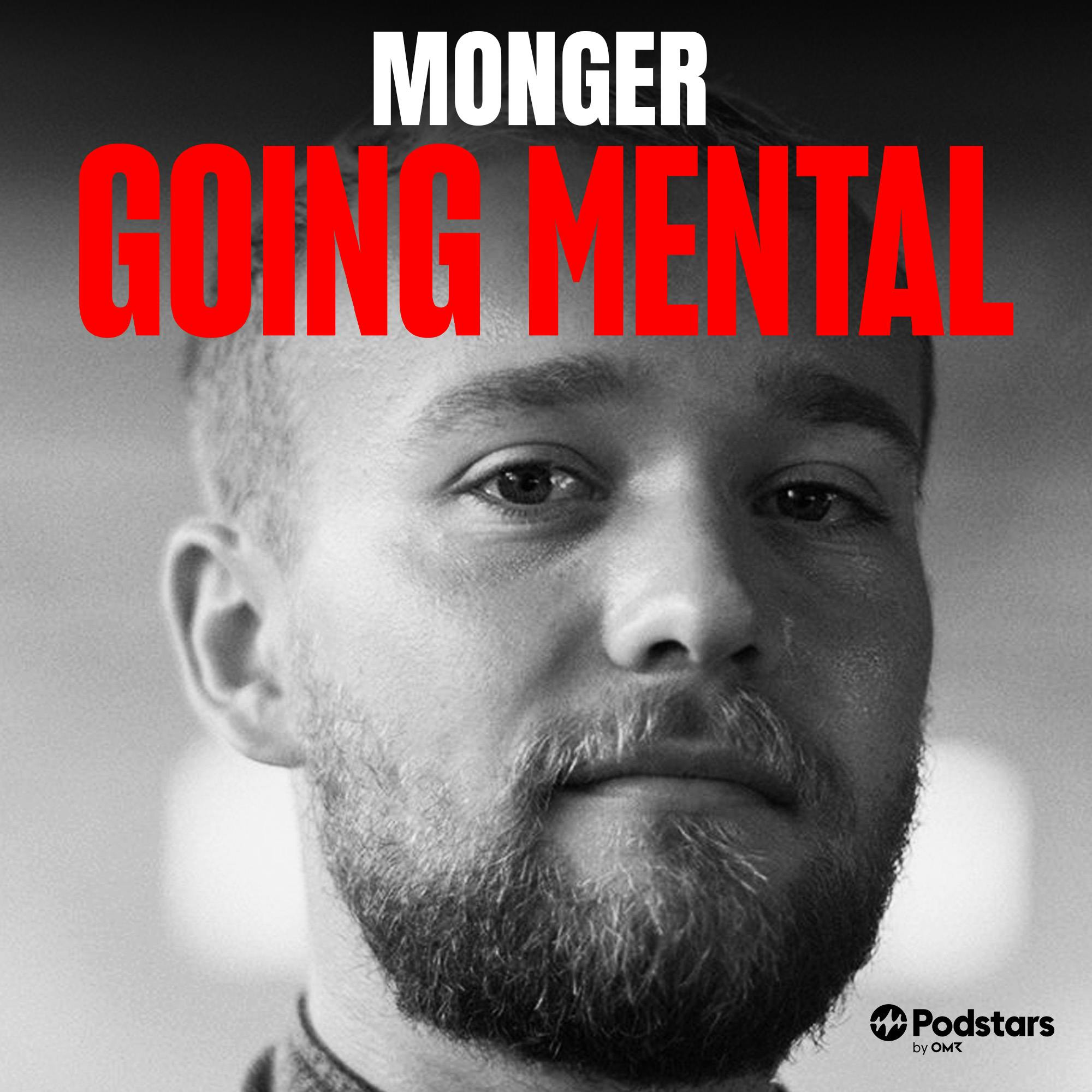
From F1 Dream to IRONMAN world-record holder – Billy Monger
from Frodeno Going Mental
59m 28s
Billy Monga, a former racing driver who lost both legs in a crash at 17, shares his journey of pivoting to become an Ironman world champion. He discusses how people reframed him after his accident, which he found tough to handle, but he learned to embrace his own path. Monga values the honesty of triathlon, where hard work when no one is watching directly leads to performance, unlike motorsport’s many variables. He constantly surprises himself by learning new things and stepping outside his comfort zone. Monga emphasizes that ambition requires a different mindset and that fun is essential for long-term success—he would drop any pursuit that stops being enjoyable. His transition to triathlon was both a necessity, driven by a desire to give back to the community that supported him, and a rebirth as he fell in love with the sport. He advises his younger self not to be shy about being unique and to accept that fitting in isn’t necessary. Monga maintains a small circle of friends who showed up during his toughest times and prioritizes being fully present with them, despite his busy schedule.
If I'm completely honest because after my accident how people reframed me in the person I was, I found quite tough to deal with. Naturally, I'm surprising myself day in day out. Just because I'm trying to learn something completely new. I feel like whenever you're out of your comfort zone and you're trying to learn something new, you're always going to surprise yourself and it can be in a good way or a bad way. I think for me what I've loved about Trafflon is just how honest it keeps you because in motorsport there's lots of other factors that are outside of your controllers and athletes and that can be tough at times. In Trafflon if you put in the hours when no one's watching, for me I would rather be ambitious and go for gold and then I'm quite happy to file. I think we're all deep down a little bit mental. Hello and welcome to a Ferdino going mental where we tell stories of people who have hit rock bottom and made their way back up. Today our guest, my dear friend Billy Monga is somebody who personifies exactly that. Having grown up around go-karts driving the circuits of the world, aspiring to be a Formula One driver, had a horrific crash at the age of 17, lost both his legs and has managed to pivot and redefine himself as an Iron Man world champion the fastest man ever in Conor, the Iron Man world champion at 14 hours and 23 for a double amputee. I mean an Iron Man's hard enough to do on both legs. I can guarantee you but this guy has done it by himself and this is where we met as well. First time we locked eyes and had a brief chat where he was around with his family and I've had the pleasure of reading several times over the years. We recently connected in London, at his house and had a chat about who he is and you know it really is fascinating where his mindset comes from, where he derives his strength and we're going to dive right into it over the next hour. So tune in and join me for this conversation with Billy Monga. Ferdino going mental, this case is Monga going mental. Billy how are you and where do we find you? You find me in the washroom at my house because this is a part-time office. So not the most glamorous of locations but this is where I do bits like this. Fantastic. Fantastic. Is that a fire extinguisher in the background? I'm blind as a bat but it looks like it's kind of like a signaling color. No, it's not a fire extinguisher. We haven't got a worry. Billy Monga always close to danger. So let's get straight into it. I mean from racing driver to presenter, to Paralympian, I mean you're a human pivot. I mean it is genuinely amazing. When you hear going mental, what does that mean to you? Like what comes to your mind? I think especially if you've got ambitions, if you want to do some crazy stuff like naturally you have to be wired a little bit differently to have those lofty ambitions and I think having met you I'd say that you've got those lofty ambitions in back though. It is well. There's definitely something about ambitions and something about drive and being able to dream up things that are probably a little bit out of the ordinary. When was the last time you really surprised yourself? The last time I really surprised myself. I think you mentioned about pivoting and going into the world of Paralympics. I feel like naturally I'm surprising myself day in day out just because I'm trying to learn something completely new. I feel like whenever you're out of your comfort zone and you're trying to learn something new, you're always going to surprise yourself and it can be in a good way or a bad way but you're always going to come across those moments where you do something you didn't think you could do or you realise there's a stumbling block that you have to get around. Yeah, that is quite something and it really resonates a lot, like moving just outside of your circle of comfort zone and really moving into resilience. You'll get into later on but I really would like to first get an understanding. I mean, you've had a life long in sports. Your first car when you were two, you were only allowed to drive it when you were six. There's no way that thinks of the garage for four years, not touching you. Anyway, my dad did not leave the thing alone for four years, tweaking it and doing all his bits to it, making up graphics to make it, you know, put my name on it and stuff like that but I wasn't allowed to drive it so I just had to kind of look at it and wonder what it would be like for four years. It's fantastic. What were you chasing before you knew what success was? Because as a six-year-old, I'm assuming success was, of course, you want to win but it's not really tangible, right? You're figuring stuff out. Yeah, exactly. What were you chasing before? I think for me, it was just the whole reason I started racing and go-carting was one because that's what my dad knew. That was his world and that's something he did for fun with his friends. He wasn't competitive to a level where he was competing at the highest level. So racing in a weird way was never actually something where it was like all about ambition and success. It was about having fun and that's exactly how it then transpired and started for me. It was like, this is a way for me and my dad to go out, do something a bit different that he has got a lot of passion for and just have some sun and father time. So it was just fun, time to spend together where it felt like we were connecting over something and it ended up becoming something where the ambition and success side of it came in at a later point. Yeah, I feel like ambition, success, the metrics that go into it, the planning, all that kind of stuff. Do you still find time for fun? Do you think fun is actually part of the recipe even though it's so difficult to plan and it's so difficult? It's kind of the one thing that, well, it's either there or it's not. But I find it's difficult to plan. Is that part of your recipe of success? Still. I think the stuff that I've sort of pivoted into doing now, like Trafflon and learning something, like and learning a whole new sport for me, I wouldn't do it if I didn't think it was fun. Like don't get me wrong, there are moments where it's really, really tough and it sucks and you don't want to get up and train and your body's broken down. There's plenty of that. But I think if I was just doing it just to be successful when I wasn't being able to find any joy whilst doing it, I wouldn't have lasted in this sport and I wouldn't want to move on to the next thing within this sport. I think I would have lost my focus on it and I've gone somewhere else and I guess I'm now a person, like you say, who has pivoted a couple of times with sort of what I'm known for and what I'm doing. So I'm not afraid to drop something if it doesn't become enjoyable and doesn't give me a certain level of fulfillment, which luckily right now what I'm doing is giving me just that. Yeah, it's too fun, right? I mean, I have a good friend who he's a multiple-lumpic champion in Biathlon and he always used to say if you're having fun, it's hard to avoid success, which has become like this kind of mantra frame, right? Because especially triathlon, which you've now become a part of, is well, not dissimilar to race driving. It's all about metrics and data and collecting wearables and all these kinds of things. Did the triathlon, so did the switch to triathlon for you? Did it feel more like a rebirth or was it something that was more a necessity? Given your circumstances, people have heard your story. So just a very brief overview for those that haven't heard your story. You've grown up as a racing driver. You had a horrendous crash, lost both your legs that were amputated and later found purpose in charitable events, pivoted to triathlon, extreme events. But that pivot into triathlon, was that for you a rebirth or a necessity given the circumstances? I think it was a bit of both to be honest, because there was sort of start of my pivots towards triathlon came from those charitable sort of challenges that you've mentioned. And that for me probably felt like quite an essential thing to do because of how I was looked after after my accident, I had a huge sort of the real sense of community with people coming around me supporting me, the most poor community and wider than that after my accident. Just for giving pages set up for me to help basically fund being able to buy prosthetics and support my recovery when me and my family didn't really know what that would look like. So I'd always felt supported in that really, really tough moment, that life-changing moment. So the charity side of things and giving back and sort of like passing that bat on on where it was like almost a weight off my shoulders by being able to know how much the support meant to me, but then to give that type of people that for me was something that I always since
and I wanted to do something to feel like I sort of took that good will and I did something positive with it, I didn't just take it all for me. So that side was definitely something that I thought was always going to be essential and it's something that I always wanted to do. I guess then to find out that I really enjoy Trafflon and the different challenge that it posed and then to sort of fall in love with the sport and decide that this is a route I want to go down on a more permanent basis and really push my comfort zone and push myself as an athlete in that aspect. That wasn't planned, that wasn't essential, it's just something where I just gravitated towards it and I liked the fresh new challenge it presented. Yeah, it does seem to me honestly that giving back to others has become as important as perhaps proving something to yourself. Do you ever see that as a privilege as well to be able to give so much? I know you're giving a lot right, a lot of your energy but the output, I mean you've raised millions for comic relief and I think you inspire a generation of young athletes and athletes all around the world to a degree that is just far bigger than most people ever have the opportunity. Is that ever a conscious privilege to you where you kind of take it in and realise that's kind of pretty cool? Yeah and it didn't start that way if I'm completely honest because after my accident how people reframed me in the person I was, I found quite tough to deal with. I had my accident when I was 17, I said 18 whilst I was still in hospital and I basically went from being a racing driver who'd raced for 12 years, who'd won British championships and was sort of on that journey to F1 and that was the goal and the dream. So all of a sudden I was reframed as an inspiration which in my head I'm like well I'm just the same kid who wants to be a Formula One driver and I actually haven't changed as a person but just all of a sudden people were putting that tag on you which is quite a lot of pressure to sort of have that on your shoulders at such a young age. Like why am I thinking why am I an inspiration? I've just had a crash whilst doing this thing that I've always done and all of a sudden I'm like yeah people were calling me that and I really struggled with that in those probably the first initial six months I'm like do I have to act in this different way like how how do you be an inspiration to people and in my own head I think I was overthinking that quite a lot in the early months because I like say I hadn't changed but people's perception of me had but it took me yeah a few months to sort of come back to the fact that okay people can think what they think and if they think I'm an inspiration that's up to them but I need to live my life how I want to live it and if that creates this positive effect where people aren't getting inspiration from me then that's a bonus but if I'm you know pretending to be something I'm not or trying to do stuff that I think people want to see from me that's not the right way to go about it. Yeah 100% I think once you try it once you fake it you know there's there's there's there's no way right do you know who Christina Vogel is? I've heard of the name so she's a track cyclist Olympic champion extremely successful athlete and one day in training had a horrendous accident where that left her paraplegic as well not not as well so that left her paraplegic and she said I am still the same only the way that I moved has changed how do you feel about that? Yeah I can relate to it I mean I went back to driving race cars with no legs and had to basically redesign how I drive a racing car but when I was in the racing car from the outside looking in you couldn't see that you just saw another racing driver out there and that was you know for me such a special feeling to basically if you're just turned up to a racetrack to watch and racing I was there competing against able-bodied athletes the same people that I'd competed against for years and I was a competitor doing the sport that I loved like and so I really really relate to to that statement to be honest and it's the same in Traflan okay I move I've got prosthetics I move differently to how I move before but I'm out there competing I'm putting in the same time in effort as others and and that for me is just what it's all about it's just getting out there and doing it rather than sort of talking about I just want to do the thing that I'm doing now yeah I mean arguably you're putting in more effort because you have to figure out so many more variables at the rest of the world kind of doesn't you know yeah I mean we've talked about prosthetics and stuff but what I really want to know is we're talking a lot about your outside presence how you are on the racetrack how you received the inspiration and you know you go out and have these massive achievements but we all know especially in endurance events there's a lot of time between drinks there's a lot of time between events what is it that fuels you but nobody's watching like what voice in your head is louder than all the applause I think for me what I've loved about Traflan is just how honest it keeps you because in motorsport there's a lot of you know there's lots of other factors that are outside of your contours and athlete and that can be tough at times if I don't raise sponsorship I don't compete etc in Traflan if you put in the hours when no one's watching then when people are watching you are able to capitalise on that you're able to show what you've the hard work you've done behind the scenes and it's the whole process of just bettering myself every day I feel like every day I get up by train I do tickle the boxes that I want to tick and that day I feel like if eight year old me was watching what I'm doing now he would be very proud that I've become the person I am that puts in hard work when no one's watching and that loves what he's doing and the process of it all and I think that's really important is always look back to like the younger version of me who would have maybe thought this sort of thing is impossible and it's just nice to be like no you're doing what you want to do you're happy you're enjoying the process and the result is the result you can't control the result you can't control what other people do but you can control what you do in the meantime yeah I mean that's such a winner as you drive that's that's so special I mean thinking about your eight year old self if you could put a post at note on your mirror in the morning you know where you brush your teeth would you write one would you would you would you tell them to do anything different or would you give some advice it's a good question that I feel like when I was just starting out and racing when I was like eight years old I'd say the hardest thing that I actually found when I was at school those sort of years was like the feeling of me wanting to fit in and that's something when I was younger that I felt like because racing is so different and none of my friends did it I would sort of go away for the weekends go on these crazy adventures you know crossed the country of my dad and winning events and then like I talked to my friends about it for a few minutes and then it would be about the birthday party that I missed at the weekend that they were all talking about and I saw I found myself when I went back to school kind of just kind of not keeping my achievement and what I was doing quiet but I wouldn't make a big thing of it because no one was at school that could relate to it in a way so I just had to find other things to relate to my peers and probably what I would say is you know they I don't think that's necessarily a bad thing because you want to you want to get on with your friends you want to speak to people and have fun come and ground with people but probably I would say like don't be don't be shy about that kind of stuff don't always feel like you have to fit with other people are actually being unique and doing something different is something that you know you should be proud of and just accept yeah totally I mean it really is one of those things especially when you choose a different path right that's not kind of the trodden path where you're at do you like like now do you do you have time for for a social kind of you know you talk about your friends and whether I guess the question I'm trying to ask is do you have time for social interactions for people because now your life is more extraordinary than ever right like I mean we've talked about your positions you're actively involved in Formula One in touch with these kind of guys you're traveling the world as an athlete you're trying to fit in all this training where do you fit space for your private life or do you do you even seek it out yeah I definitely I definitely try and find space and keep touch with people I definitely would say that since my accident my circle has grown smaller so the people that I used to you know make a lot of effort to to see now you know naturally as you get older you realize that some people that you have been sort of making an effort with to stay in your life when you go through something like my accident for example the people that were really close to me and really there for me they showed up and the people that didn't they drifted away and I've just learned that there's nothing wrong with having a small circle but the people that are in your circle the people that you
do let it and people that do make an effort. I want to be this sort of person that makes effort with the people around me that have sort of shown me love and support when I needed it most. So it is important for me to find as much time as possible. It's not easy. Sometimes weeks busy traveling away. So, you know, we all talk about balance in life. There's some weeks where that balance it, it doesn't suit a social calendar, but then the weeks where it does, I try to make the most of that and make the most of the days that I can spend with people and really be, when I am with those people, be as present as possible rather than, you know, being there and thinking about the next training session or the next week where I'm traveling to a different country. It's like just about trying to compartmentalize that as much as possible. But when I'm with people, it's they get my full focus, they get my full attention and that's all you can do really. Yeah, that's, I mean, I couldn't agree more. It's one of those things, right? I guess you're circle of friends that know you. They also accept, they they they they expected, you know, they don't need an answer and immediately they realize, okay, you'll get back to us when you can and when he's around, well, you know, you're not the guy for a Wednesday night dinner club. No, exactly. But when you're out of it, I mean, people thrive on routine, which is something I feel like we don't have in life. But is there a is there like a non-negotiable for you, something that you feel like you want to do every day or you need to do on a more or less daily basis just to keep your mind in check? I think now movement has become that and it's down to, you know, the way I've pivoted into Traflon, like, that you're training on such a regular basis. Now that if I go a day where I'm traveling out to a different country or something like that, I struggle with I haven't done some form of movement and it's something that I'm working on as well because I think sometimes if you haven't, you know, if you've been traveling out to Singapore, for example, where I went recently, it's, you know, 13, 14 hours flight. Sometimes like that doesn't that doesn't work well with wanting to move your body each day and get that own time for yourself. It's about for me not getting myself down if I've had to, you know, have a day without it as much as every day I want to tick that box and want to feel productive and good within myself that I've moved and I've, I've got through what I needed to get through if things have to move, for example, like I say, if I'm traveling away, like it's just something I'm working on is trying to be okay with that and not to get worked up about having to shift things around, being like, okay, we're having to be adaptable basically. Yeah, tell me, please, please, when you figure it out, please tell me because I am terrible there. Like, I honestly, I can't get it. It's, it's, it's, it's weird. It's become like an addiction to me, like where I really realize, like if I don't get that little bit of oxygen at the beginning of the day, it's just, I lose my space for reactions. I just become terrible. I become unproductive, like interviews. I just start blabbering on. So if you, when you figure it out, please make sure we'll be watching on, on your YouTube channel or, or, or any other channel where you can please give us a master class. By the way, give Billy a follow at Billy Monger. Is that Billy Monger or Billy Monger racing your YouTube channel? Billy Monger on YouTube. Yeah. It's really fascinating. You get some insights into your world. I want to change gears a little bit here and talk about pressure, flow and dealing with the kind of control because you know, you to me epitomize that. And you've gone from single-seater racing to grinding out marathon on prosthetics. I mean, they're two completely different kinds of suffering, I guess, or, or demands. In racing, I mean, you had milliseconds to react. Like it was the finest mind of the era. In Iron Man, you have 14 plus hours to think and control your thoughts. Which for you, for you, would you say is harder mentally? For sure, when I moved from racing to triathlon, I struggled to deal with basically. I remember one of my first ever sessions when I basically decided I was going to train for Kona and I was going to start that journey. And it was just to get on the bike for 45 minutes and just spin for 45 minutes. And I remember thinking, wait, if I go faster, it doesn't change anything. If I pedal harder, it doesn't change anything. I've just got to sit here for 45 minutes regardless of effort levels, et cetera. And coming from racing, that's just not how I was wired. I was wired to basically want to do everything as fast as possible. And I realized, wow, I don't think I'm a very patient person. I think I'm lacking in a bit of patience and going into triathlon and that kind of style of training, you need to just be comfortable to just sit there. And the time's not going to speed up, no matter how hard or you think in your mind that you want it to speed up 45 minutes to 45 minutes. And that was definitely the biggest shift from me coming from the multiple background was just really focusing in on patience and not looking at the clock every single minute and thinking, why is it not gone faster? Those minutes are still the same. Have you developed any tricks? Have you developed anything like mentally to get you into that flow state? Because I mean, you know, now you're not riding 45 minutes. Now you're riding hours and hours on end. And I mean, have you developed any tricks that you're willing to share? I don't know if I've necessarily developed tricks, for example. I feel like you just, you've practiced like with anything, you just kind of realize, like I've learned that lesson of I'm not going to speed up the clock by looking at it so much. So so now rather than thinking about how much longer have I got left, it's just about focusing on just again, just trying to stay present in a session. If it's if you're in an interval focusing on your effort level, if you're easy spinning, if you're on like a steady interval, it's like again, sometimes my mind, my mind wanders a little bit, but in general, it's like when I'm training, I'm trying to just stay focused in what I'm actually trying to do right now. And where is this going to serve me well? How is this going to improve me as an athlete? And it's just sort of trying to link it back to that and realize that every session does count towards something. So like don't try and rush for it. Just like sitting in it, enjoy it for what it is and know that you'll be better from it. Yeah, I mean, I always used to break things down into like mathematical equations, right? Like if I've done, I don't know, if I've done two minutes out of a 20 minute interval, I've done 10% or break it down and you know, you then you've done three quarters and seven eighth and that kind of thing all the time. It's honestly a lot. I'm working out percentages of how long I've done in the session all the time. I've got an hour on the bike, hour on the bike, for example, 54 minutes. I'm like, well, I've done 90% and you've got 10% left to go. And it does help. It helps just break stuff down, I think. Yeah, it's just a mental way of like focusing yourself to the next corner, to the next tree, to this, to that, right? Yeah. Later on in life, I actually tried the commentary thing so that I used like a TV commentator. I don't if you remember, feel legit, but like coming out and I commentating on, you know, the attack and just creating this movie in my head, I found that to be to be quite helpful to know. So every session almost became a race and you were sort of mentally talking yourself through. Yeah, in the hard parts, not not every session, but like in the intervals, you know, you're riding intervals, maybe two, maybe three times a week. And it's just you're all I find it helpful to always scoop from different buckets of motivation. And the same way, I guess I read somewhere that you struggled with the idea of running without headphones in Kona, running for the marathon. Because for one, I think you'd never run one, let alone without headphones. And now you kind of left out there with your own thoughts. Yeah, take us into that. Sometimes it being alone with your own thoughts can be a scary place. And coming from the sort of training I did when I was racing, it was mainly gym based work and, you know, you'd normally be in a gym and you'd have the music sort of pumping, especially the sort of places that I would train with somebody other drivers. And it would be like that sort of like group environment where it's like, yeah, we're just like really getting into it. And then when I realized, obviously, it went a lot to use headphones for I am an events, etc. It's something that I tried to implement straight away. I was like, well, what's the point in me listening to music when I'm out running when I'm cycling, like having all these distractions all the time. On the race day, I'm not going to have that. So I stripped music and that sort of side of things out as soon as possible. Just to practice what I was going to do on race day because one thing I had on didn't have going into Kona was years and years of experience. I had, you know, I had a year to train for Kona. I'd done three half-I amans sort of along my way. Is that event that helped qualify and get to Kona. But it was like, yeah, it was just for me just making every training session almost count towards my overall experience levels of what that felt like rather than sort of not doing that. And then arriving on race day and it's this even bigger like shift from what I'm used to doing in training. You go to Kona. You've never been there. You've never done an I-man.
You've done two halves, right? Yeah, they're three halves, but two, 70.3 LMS. Okay, yeah. Well, some racing over half the distance. Yeah. And then you're like, cool, I'm going to come here and I'm going to smash the world record. Now your next project, LA28, Paralympics, you have said you're going out to get a metal, not just any metal, the gold metal. I mean, first of all, I took my hat like I love that, right? I absolutely love it because you go out with intent. But even you've said you have no clue if this is possible. And you come out and make this statement and this commitment publicly. Take us into that thought like, what, why? I think for me, I would rather be ambitious and go for gold. And then I'm quite happy to fail. I'm quite happy to put myself out there at the highest level possible. And then if I've given my all when it doesn't happen on the day, I take my hat off to the competitors that were able to beat me on the day. So I can say, some things in sport or out of your control and I can only do the best that I can. But I'm confident that my best is going to be right up there. That's anything if I wasn't confident in that that I don't really know what I'm doing it for. Am I just doing it just to go on the journey? And that would be something. And that's like, K, if that was what I'm doing it to do. But I'm just not wired like that. I want to be the best version on myself. And I'm hopeful that that will mean that I'm the best in the world. I mean, I appreciate that and that intensity with which you approach things. And yet I must think, like, I think of your mother at times, of course, I'm a dad of two, but I think of your mom. And like, honestly, like mentally, your mom must be tough. Like growing, seeing your kid grow up around the race track, driving, you know, at 100 miles an hour. And now throwing themselves at the most grueling endurance event arguably on the planet. Are you ever afraid of your own intensity? Did you ever think I need to dial this back a step? I think, like I said, when I was younger, I was quite a shy kid. When I first started racing and motorsport and competition and finding something that I was really good at and sort of excelled at, really built my character and turned me into the person that I am today. Because I never really, before I got into racing and started winning British championships, I never really, when I was playing football at a young age or other sports, I never really had that thing that I felt like I could really excel at. And that just allowed me to grow my confidence. That's what motorsport became for me. It really helped me come out of my comfort zone and grow as a person. And I just think that that's, it's nothing to, to show away from my life. Life is a challenge. I think sometimes we look at life as like this thing that we just sort of cruise through. I think life for everyone is a challenge. Okay, everyone's life looks different and there's different challenges. But that's the way I approach everything I do is that day to day, there's challenges that we don't really talk about because we all have to go through them. And it's kind of this sort of unspoken thing. But for me, obviously, being a double-empty, my challenge is more obvious. I've had to learn to be adaptable and to sort of overcome those challenges and figure out solutions and, yeah, become a solution sort of driven person. There's always, in my head, a solution for something, or at least this worth giving you all to explore that. And I think just having that mindset now, when I do say I want to do something, it's like, okay, well, how do we, how do I be the best version of myself at that? I've been very lucky to, to see my mum and dad work very, very hard to give me the opportunities that I've had. And I don't want to let them down. I don't want to let eight-year-old me down by going in 20 years' time. Or maybe I could have done those extra hours of training. And maybe that would have meant that I achieved this thing. I'd rather be like, you did everything you could. And people thought you were a bit mad while you were doing it. But then look at the end result. Look at this amazing thing that you're able to go and achieve. And how awesome it felt to do that. Yeah, I mean, you are the living example of there are no problems, only opportunities. I mean, you really take that. But I do wonder when you approach such massive goals, right? They are at the same time very finite achievements. You can make it, you don't. And you've gone about making them. And I always found early on that just having this kind of goal really left me quite depleted afterwards. Where I had something, I reached that dream. At the same time, sort of crushed that dream. And that's why I kind of wonder if breaking the world record for you was a peak or just a false summit. Have you found any peace with satisfaction? Or is that something you even seem like a dangerous concept? Yeah, I think I can relate to you slightly with how you sort of commented on your achievements. And once you achieve those things, you realise that they are moments in time, their achievements, they're nice to look back on. But I'm the sort of person that likes to have something on the horizon to aim for. I remember crossing the finish line at Kona, sort of being out there for a few days afterwards coming home and then thinking, "Wow, I did this thing that felt impossible that people thought I wouldn't be able to do. I've done it." But now what's next? And it can be quite tough to be wired like that in a lot of ways. Because like you say, you feel like you achieve this thing that you really want to achieve. But then you have that moment of, "Oh wow, that feels great for a moment." But it's not enough to sustain the rest of your life. And so something that I took a bit of a break from Trafflund post Kona for a few months. And it was about sort of really reflecting and figuring out, "Okay, you know, I don't want to just sign up for this next goal and next achievement. And then have the same feeling a few years later. So what do I need to work on in the other areas of my life that can really truly leave me satisfied? And make sure that I am complete as a person, whether I achieve that goal, when I achieve that goal hopefully, that I've still got more to life and stuff to look forward to. And that's where learning on my family, my friends, and really making sure that outside of the sport, I'm the best friend I can possibly be. I'm the best brother, I'm the best son. And just being that to the people around me is just as important as being the best athlete. And it's hard and it's not easy to get right and not easy to balance, and I'm still learning. But that for me now is the goal. It's not just L.A. and nothing else matters. It's, I want to be like I say, best friend, best brother, best son. I want to support the people around me just as much as they support me. And then this goal is there and it's nice. And it feels like everything in those training sessions and on a day to the basis, but it isn't everything and just coming to terms with that. Yeah, putting things into perspective, right? Because I mean, it really is that way, right? I mean, you come third in your first race back after you accident, right? Then you win the kind of world record you have amazing success along the way. Royal congratulations, but like, what about those in between days? I mean, can I ask you if you're willing to share? What was the loneliest moment in your comeback journey? In my comeback journey, loneliest moment. Good question. I think for me, like racing is probably a motorsport is probably slightly different to triathlon in a way that after my accident, I had to sort of go through the rehab process. And that was again, quite an independent process, quite similar to triathlon, like the more work I put in with my rehab, the better I got, the more progress I make. But actually me going back to racing meant that I had to build a real team around me to make things happen. So that was the mechanics, the engineers speaking to them about hand controls, then letting them do their bit and design those initial concepts and then me going back to test them and to see what worked and what didn't. And I think having a team around you and feeling part of something that is actually a little bit bigger than just something for you is really was a really nice introduction back into to sort of normality for me in a way. Because I'd come from racing, I had this goal, then I had this accident and everything was thrown up into the air. But actually that sort of recovery process and the journey of designing new controls and realizing at times that, okay, you know, this is, you know, as much as this for me selfishly in this moment, this could actually help other people in the future. But that and seeing my team sort of thrive and do things they maybe didn't think they would ever do in designing a car for a guy with no legs, those were small moments that
They weren't just for me, they were for other people and that was like some their memories that will stay with me forever. Yeah, it is remarkable and please don't get this wrong that I want to compare any kind of injuries that I've had, but when you have setbacks and spend time in a hospital bed or in rehab or all these kinds of things, again, I'm talking about minor niggles here by comparison, but I do always find that it offers a sense of focus, because it's kind of this target, this is a problem. You're trying to solve and you're trying to get as many resources, you're basically throwing everything but the kitchen sink and the kitchen sink in the end at it just to try and solve this thing. So on the contrary, do you remember a moment of pure joy of like where you've actually thought, "Gee, I've done it, is there something that stands out?" I think being competitive, there's probably not too many moments where I'm completely satisfied, because there's always that one little thing that could be better, but I do think for me a big moment was that first race back after my accident where I got a podium and it was more not necessarily a feeling of feeling like I've achieved something that kind of is now I'm set for life and I'm like content, but it was more, I don't think people took me very seriously as a competitor after my accident because it was more like I had a lot of good will and support around me and then 11 months after my accident, I turned up to British Air Free Race for the first race of the season and people were kind of like "Oh, but even like my competitors, they're sort of like, "Oh, it's amazing to see you back, they're starting the other." But I was looking in their eyes thinking, "Yeah, you think I'm just here to make up the numbers?" And it's like this. I'm coming for you. Yeah, I have a lot of media attention and support and it was like everyone was kind of like looking at me like, "Oh, let's support Bill and it's great to see him back and I'm thinking, you know, thank you very much for that support, but when it comes to on track stuff, I'm the same competitor, if not, I'm more fueled for the fire than I was before because I know that it can be snatched away from you in seconds and now every single time I go on that track, I'm going to be ruthless because I know you're not guaranteed anything in life and my success, my achievements after my accident, that was something that I definitely had was I had definitely more focus and being present and knowing that this could be, you know, every time this could be that last opportunity that I get. So I'm seasoned and if you're in my way, if you're my competitor, you better watch out." Oh man, I absolutely love that. I do find that perspective is oftentimes lacking, right, where athletes, they just sort of go about it and it's like, "Well, if it's not today, then it'll be fine next time." And that kind of thing where I don't know if you can relate, but success, the outside success that people look upon and applaud for, oftentimes isn't really everything you'd hope for. It really is that thing and it's a moment and it's great and everybody celebrates and it's kind of like, "Okay, did this impossible thing, now what?" And I find that it really was perspective that also in my late years in my career really helped me, helped fuel me. So it's so refreshing to hear that. But then speaking of this public success, where you stand out here on a podium and the things that you really value highly in life, how do you balance that gap between public celebration and your private life, like Billy at home on the farm? Yeah, I think public success is what it is. People, when you do well, they want to celebrate you. When you don't do well, you don't hear anything from those said people because there's something else filling up their attention and it is a brief snapshot moment in time. I think I've just learned to, I accept that and I understand it. I understand that people have got their own lives to worry about and that if you do something amazing, it will get people's attention. But only for actual period of time before, their own issues outweigh that or something that they've got going on and then you slip back in everyone's mind. I don't want to be at the forefront of everyone's mind. It's nice when you do something to have that outside recognition. But I want the recognition of the people that are closest to me. I want them to see the hard work that I put in. I want them to appreciate the sacrifices that I make and that I'm there for them as much as there there for me. And I want to build my circle and bring them up with me. I want my, my mom, my dad to share that success. One of the things that I'm most excited about with the Paralympics is wearing those GB colors and having my surname, having Munga on the front of my, my, my tricyute. That for me is going to be such a privilege because my mom and dad have worked so hard to give me every opportunity I've got. And for me to be able to just share a bit of this is out, not my name is our name on the front of my jersey. Like that for me is going to be special. Yeah, I can, I can, I can really imagine. Has that, would you say that that perspective and that view on things has helped you outgrow any fears that you may have had previously? Is there something that you would say through that journey that you've, that, that's, yeah, that you've just outgrown a fear and what was it? Yeah, I think again, like I said, I mentioned when I was younger about trying to fit in and stuff like that. So I feel like now having had success and having moments where you feel like you fit in because everyone sort of, you know, celebrating that success with you. But then realizing that they're not really there for it all. They're there for the highlights. It just makes you realize that, you know, that's, it's not really that important. Like I want people that are around me for life and I want to be around people that I want to be around for life. And I want to do the things that I really want to do. And I want to see them succeed and me succeed. And that's it. Yeah, the independence that comes from it, right? I can so relate because at school, yeah, that was always my topic and that was always my fuel. So I can relate 100%. But it still makes me wonder like, I mean, you used to race behind a helmet. Right? And you sort of had that to shield you off. And now you are literally, I would say the face of resilience in endurance sports. I mean, it's like anybody complains about anything. Even in our, even in my circle, I'm like, yeah, shut up. Look at this guy. You know, he's going out. He's breaking world records and he's going for the Olympics. Do you ever feel trapped being the face, like, like being that person? You know, like that image, you're the guy who does hard shit. And again, I think it's really nice to hear that's how you think of me, but that's how you think of me. And that doesn't mean that I have to think of looking at mirror and think, yeah, you're the face of resilience. Like, because I don't, it would be slightly awkward. I don't, I don't do that. Like, I just think of myself as a kid with lofty ambitions, with dreams. I want to make the people around me proud. And if that means that I have to be resilient in the process, that's what I'll do. And again, it's just about disconnecting from, you know, adding pressure onto my shoulders of other people's expectations of me. I want to take that pressure's gone now, that pressure's off. The only pressure that's on my shoulders is the pressure that I put on myself because I really want to do these things and I want to achieve this stuff. But I don't need, I don't need the, to add the extra pressure on my shoulders are going, okay, yeah, Yann's out there telling people I'm the face of resilience in the sport. Like, that's great, but that's not for me to be a part of. Yeah, and again, it speaks to kind of a really stoic approach, right? I mean, if there is a message then that you could send to younger athletes who are out there. What would you want or what would you like to see people take from your story? I would like to see people not be afraid to reinvent themselves and to get out of their comfort zones because I think, you know, I'd always up until my accident and the years after my accident, I was really mongering the racing driver. And I almost was guilty in those moments of thinking that that's who I was, that's what I did. And if I didn't do that, who was I without that? Well, actually, you realize when you get out of that and you try something completely different that you can excel at multiple things, think we all get sometimes caught up in like, oh, this is who we are. Once we've told a few people and we've shown it for a little period of time, it's like, oh, you can't go back on that now because you said you were, you know, a racing driver and now I, what are you by changing up what you do are you admitting that you haven't made it as a racing driver. And for me, it's like, that's not what this sort of pivot is about. It's about me stumbling across something new, realizing
that I really enjoy here and realizing that I can be really successful and have big ambitions in it and that sort of knowledge of I don't want to live with any regret and not know if I could have made it. I don't want to be here in 20 years time going. Well, I sort of tried that triathlon thing but I wasn't wasn't too sure about it. People saw me as a racing driver so I didn't give it a go. I want people to be like, no, okay, I was a racing driver. I did that stuff. I gave it my L. I really enjoyed it but then I stumbled across this and it was that water that I didn't just leave it as a way if I explored it. Yeah, I mean it's a wonderful thing how you think about 20 years down the line and you're and you're eight years old self and it's it's so clear and you've said it several times that you don't dwell on the past and that's I think one of your superpowers possibly but how do you balance or separate remembering from dwelling? Oh, you're asking all the good questions here. I think it's important for me to remember the joy that I got from from racing and that feeling of winning my first go kart racing, my dad's reaction spending those years together and creating those memories that I don't want to forget about that just because I do something different now. Like that though those memories I want to stay with me and that excitement and all I'm doing now is just re-packaging that and trying to find it in us through doing something slightly different but I just want to create more memories with the people closest to me and just to give my all to this new thing that I'm trying. I think it's really important to remember but memories are something that you know we look back on maybe in tough moments or in moments where we need it but it shouldn't be a place that I stay permanently like I'm growing I'm learning it like the way I look at my incident my accident and talk about it now is not the way I was able to handle it a few years back but that's just because I've grown so I'm I'm planning on keeping growing, trying new things and saying where I end up. Yeah it's fascinating how athletes we often think of ourselves as good as the last session and yet there's so much more. Let's finish this up by going to the present. LA on the horizon you've got your new goal. You said that the T100 London was your wake-up call that you needed. What did you learn about yourself? What did where did it get you? I think like I said after Kona I took that break where it was sort of figuring out how I get the other pieces in my life, those other elements up to the same level that I was able to get that sort of I am an achievement like the I am an achievement sort of was up here and then there was there was a gap to the rest of the bits that go into my life where I had that sort of fall off moment afterwards of like like what's next and I didn't want to get caught up in a what's next situation without sorting those bits out first so I took that time to really figure out what I wanted the other areas of my life outside of sport to look like but with that with taking that time out you kind of you know you've achieved something amazing in a sport and you think okay well I'm just gonna just move on to the next goal and I think T100 was really good for me because I didn't put pressure on myself because but I didn't put pressure on myself not because I changed the mindset or anything like that but because I knew I wasn't where I wanted to be at that given moment in time and and then going through T100 and seeing the results and knowing where my shortfalls were I wasn't down about it but it was a wake up goal to be like you know there's you need the same level of intensity in the sport side of things and whilst bringing the other areas of my life up to the place that I want it to be I can't just drop how intense I am and how dedicated I am with sport to allow these other areas to grow I need to do both at the same time I need to lift the other parts of my life up to where I am at with sport where I bring that intensity and that desire rather than sort of dropping that down to meet the rest and and that T100 was the highlight of that for me where it's like okay you're leaving you know you're leaving stuff on the table when it comes to sport compared to where you've been and you're going to regret that so no regrets intensity back all in I feel like we could have a whole conversation just on balance but I honestly appreciate you so much because to me without trying to put you into any box or anything you're just someone who personifies that you know you never let circumstances write your story you can always take the pen back and going mental for me is it's not about breaking down it's it's about breaking through and with that I would like to close us off by a traditional question in any shape or form when was the last time that you went mental and how? When was the last time that I went mental I think every every six weeks at a minute I'm doing testing for LA and okay and like I try and accept PBs every six weeks and I remember every time before I do a 5k run test or anything like that I go mental in my own head about how important it is to PB and how important it is to smash what my expectations and my trainers expectations for where I'm at and yeah every six weeks I have that moment before I do an assessment where it's like this is the most important assessment of my life and going mental I'm putting all this pressure on myself and then I do do the thing and when I'm doing it I'm I'm not going mental I'm not thinking about it I don't know actually just try and enjoy it but there's definitely a probably about a 20 minute window before each one of those assessments where like in my own head I'm going mental about everything that could go wrong could go right what I need to think about technique all of this kind of stuff so it's a bit of a stressful 20 minutes yeah it's a hundred and I can relate and I think it's one of those things that'll probably never go away before something that matters. When you want something you'll you have to go mental at times to get it and that's just my little 20 minute window before those tests where I really want this I really want to improve and do better and I'm allowed to have that 20 minutes but then other than that we we just crack on. Yeah I love that I always used to tell myself that's the my body telling my brain that it's ready and it has to be slightly uncomfortable whichever way it is Billy you're a champion thank you so much for taking the time I really really appreciated wish you all the best of luck I'll be following for sure and yeah until then stay stay healthy train well and thanks again for everything. Stay mental. Yeah stay mental that's right. Awesome Billy thanks a lot have a wonderful day and appreciate you.
Podcast Summary
Key Points:
Billy Monga lost both legs in a racing accident at 17 but redefined himself as an Ironman world champion and a double amputee record holder.
He emphasizes that stepping out of your comfort zone and learning new things leads to self-surprise, both positive and negative.
Triathlon keeps him honest because effort directly translates to results, unlike motorsport where external factors matter more.
He struggled with being labeled an “inspiration” after his accident but learned to live authentically rather than meeting others’ expectations.
His circle of friends has grown smaller since the accident, but he values quality over quantity and prioritizes being present with those who supported him.
Summary:
Billy Monga, a former racing driver who lost both legs in a crash at 17, shares his journey of pivoting to become an Ironman world champion. He discusses how people reframed him after his accident, which he found tough to handle, but he learned to embrace his own path. Monga values the honesty of triathlon, where hard work when no one is watching directly leads to performance, unlike motorsport’s many variables.
He constantly surprises himself by learning new things and stepping outside his comfort zone. Monga emphasizes that ambition requires a different mindset and that fun is essential for long-term success—he would drop any pursuit that stops being enjoyable. His transition to triathlon was both a necessity, driven by a desire to give back to the community that supported him, and a rebirth as he fell in love with the sport.
He advises his younger self not to be shy about being unique and to accept that fitting in isn’t necessary. Monga maintains a small circle of friends who showed up during his toughest times and prioritizes being fully present with them, despite his busy schedule.
FAQs
Initially, it wasn't about ambition or success; it was about having fun and spending time with his dad, who had a passion for racing. They connected over it, and the competitive side came later.
He found it tough because he hadn't changed as a person, but others reframed him. He felt pressure to act differently but eventually decided to live his life authentically, letting others think what they want.
It started with charitable challenges as a way to give back for the support he received. He then discovered he loved triathlon's challenge and gravitated toward it, pushing his comfort zone as an athlete.
He loves that triathlon keeps him honest; putting in hours when no one watches allows him to capitalize when people are watching. He focuses on bettering himself daily and making his younger self proud.
He would tell his younger self not to be shy about being unique and doing something different, and to be proud of it rather than always trying to fit in with peers.
His circle has grown smaller; the people who showed up and supported him during his accident stayed, while others drifted away. He values making effort with those who supported him.
Chat with AI
Loading...
Pro features
Go deeper with this episode
Unlock creator-grade tools that turn any transcript into show notes and subtitle files.
 PodcastTranscript AI