Molly McGlin’s new film *Fitting In*, released on February 2nd in North America, is a deeply personal and emotionally resonant story rooted in her own experience with MRKH Syndrome—a rare congenital condition affecting the reproductive system. The film follows Lindy, played by Maddie Ziegler, as she navigates the shock and isolation of a teenage diagnosis, mirroring Molly’s own journey of self-discovery and emotional turmoil. Central to the narrative is the complex mother-daughter relationship, inspired by Molly’s own experiences with her mother’s breast cancer diagnosis and her own body’s limitations. The film is described as an “emotional horror story without the blood,” capturing the anxiety, shame, and disorientation of adolescence when faced with a body that doesn’t conform to societal expectations. Molly emphasizes that the film is not about fixing bodies or prescribing medical solutions, but about validating lived experiences, challenging stigma, and promoting bodily autonomy, consent, and emotional healing. Featuring a diverse and authentic cast—including an intersex actor in a key role—Molly deliberately creates space for nuanced conversations about gender, sexuality, and identity. She acknowledges that MRKH is not a monolithic experience and stresses the importance of including varied perspectives, especially from underrepresented communities. The film serves as both a personal catharsis and a public resource, offering comfort and recognition to those newly diagnosed or living with similar conditions. Molly also critiques harmful medical practices, such as invasive pelvic exams and the dismissal of patient boundaries, advocating for respectful, informed, and empathetic care. Ultimately, *Fitting In* presents a compassionate, humorous, and empowering exploration of identity and belonging, challenging viewers to see bodies not as problems to be fixed, but as complex, valid, and full of potential.
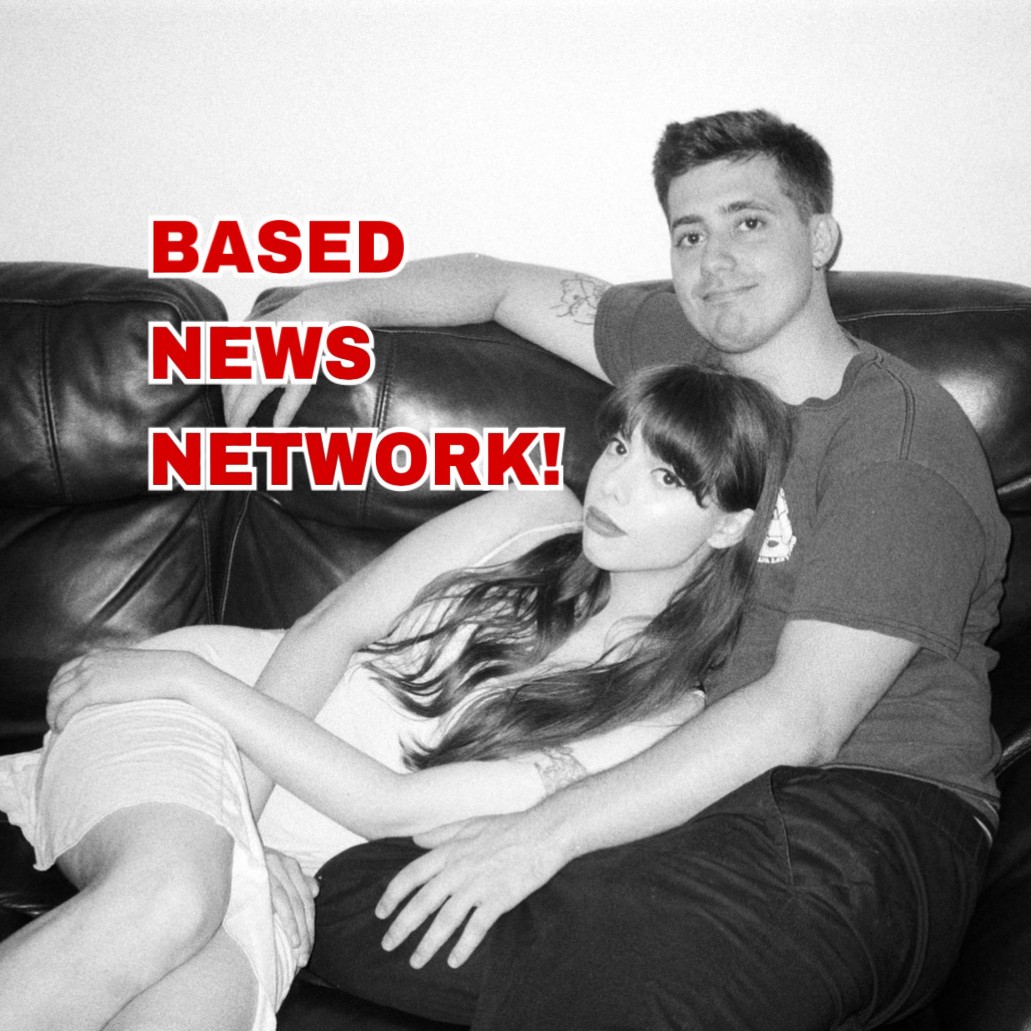
(upbeat music) - Hello and welcome to another episode of Basin's Network. My name is Sophie, aka Johnavarca on Instagram. This is Kayao, also known as punk revolution now. And I have an incredible, incredible guest today. Molly McGlin, she is the writer, director, executive producer of her new film, "Fitting In," starring Maddie Ziegler. It's out February 2nd. Yeah, thank you so much for coming on. - Thank you, I'm finally chatting with you. We've been talking about doing this for a while. - Yes, yes. Viewers will soon learn why. But yeah, this is a huge honor for me. Kayao and I both saw the film and loved it. It's really great. So before we dive into some questions about the film and your process, could you tell us a little bit about yourself, your career and what the film is about, just briefly? - Sure, so, hmm. I hate was born to a big Irish Catholic family in Montreal, I'm the youngest of five girls. So a lot of feminine energy in my house. Then we lived to Jersey. When I was little, I grew up in New Jersey and then I went back to Canada, went to university, studied film in art history there and started my career in Toronto. I made my first short in 2012, 2013. So, even though I majored in film, it took me a while to get the confidence to actually become a filmmaker. I was more comfortable writing papers on representations of femininity in Bollywood 1970 cinema, you know? - Oh, I love Bollywood 1970 cinema. (laughs) - I do actually, that could be another episode. But yeah, it took me a while to get the confidence to start making my own films, but made a bunch of shorts and then I made a feature called Mary Goes Round that premiered at the Toronto Film Festival in 2017 and started directing television and moved to LA five years ago and have continued to direct a bunch of television. And yeah, fitting in is my second feature film. You used to be called Bloody Hell. - I remember that. - Yes. - Yeah, that real one's known. - Real one's now the origin story. But it's a very personal story. It's loosely based on my own experience with MRKH Syndrome, which is a congenital condition, meaning it's from birth that affects the reproductive system. So in my case, I found out when I was about 16 that I'll never get my period because I don't have a uterus, the cervix, and my vaginal canal was underdeveloped. So this diagnosis really through a nuclear bomb on what is already a really difficult time in someone's life and the film focuses on the protagonist Lindy played by Maddie Ziegler and her experience with this, but also has a lot to do with her relationship with her mother played by Emily Hampshire from Schitt's Creek. And that's loosely based on my relationship with my mom as well. My mom passed away from breast cancer when I was 21, but she was first diagnosed when I was a teenager. So it was a few years before this diagnosis. So from a very formative age when I was becoming a woman, I saw my mom go through this and it was like a female body was a bomb waiting to go off. And then my own diagnosis happened. So the film focuses a lot on the mother daughter dynamic when the mother is also dealing with her own bodily limitations and threat that her body poses and how those bounce off each other. So I'm calling it, it's a tromity. It's obviously there's dramatic themes, but I wanted to use humor and levity to make sure that people felt pulled into this story, especially if they wouldn't necessarily seek that out. I didn't want people to feel like it was a trauma porn or they were gonna be hit over the head with sort of identity politics. I wanted to root it in authenticity and to show joy as well. Because at the end of the day, the bodies are bodies and some do this, some do that. And now I can say much older and with some perspective, my body has had a lot of limitations, but at the same time I'm very grateful to have a healthy one. And that's a privilege that I have and I'm really aware of. - All right, yes, that's a wonderful day to hear you talk about this because I'm normally talked about this publicly, but I also have a Marcage syndrome. I have type two, I believe which is the one where you have other bodily absence issues. I don't know, I'm missing one of my kidneys so. - Yeah. - Yeah, I didn't get it great, but it's okay, it's okay. Yeah, so I have a Marcage syndrome. It's something I haven't really talked about that much because it's obviously an intimate thing. And I know it's scary to talk about sometimes, but I'm hoping everyone watching and listening will learn a lot about it and I'm hoping like someone listening also has it and they can relate to this because obviously, when I was younger, when I was diagnosed with this, there is really nothing beyond like a Facebook group which I loved, it was great, but I, as far as I know, I've never met anyone with it. There aren't a lot of like, if you look up and there's a scene in the film I love right here, you look up with celebrities with Marcage and of course, of course it's the survivor girl, we all know her. And then Jacqueline, yeah. So it's like, oh, that's so true, so real for me as well. But yeah, so I was diagnosed with this. - First of all, I just wanted to say, Sophie, it's such like an honor and privilege. - Thank you. - I can share that with me and I really understand how deeply scary it can be to share this publicly. - Yeah. - And, you know, if you would ask me 10 years ago, if I could imagine talking about my body publicly over and over again, it would be my worst nightmare. And now I'm sort of in this living nightmare that I have created, but at the same time, it's no longer a nightmare because the second you share something, you're free from it in a lot of ways. And I know for me, and I'm not sure if you have felt this, but there's a lot of shame with this. But the thing is, is that shame doesn't really work in the light of day, so. - Right, I'm really proud of you for sharing that because it's a really big change. - Thank you. It's an honor to be speaking with someone with a Marcage, I've never met anyone with a Marcage. And there's like literally no one. I could really talk to about it too. So this is really surreal for me. - Yeah, I remember when Sophie found out that this movie was coming out, it was like mind blowing. It was like Sophie was so excited. And the fact that it was gonna star like Maddie Ziggler, I think we were. - Oh yeah. - I think Sophie and I were in the midst of like a little bit of a dance mom's face. - A dance mom's face. - It was just like the stars aligning. - Yeah, I know, I could not believe it. I'm so glad. - Yeah, I think I, you know, I actually never watched dance moms, but I've seen clips of it and whatnot. But, you know, to have someone like Maddie with such an enormous public platform is so huge for this. And, you know, so many younger people see her publicly and follow her on social media. And, you know, I will say that for Maddie to take on this role which is not an easy role to do in general, second to that, it's the first time MRK has been depicted in film or TV in a significant way as far as I know. So that's a lot for her to carry. - Yeah. I'm so proud of her and she's, she's a badass. Like, you know, you have a perception of someone online, but she's brave and I'm just really proud of her. - Yeah, I mean, obviously don't know her personally, but I'm a big fan and she, at least on the show, it seems like she is such a hard worker and is really an incredible actress as well. And I think that came across in the film for sure. I mean, I'm sure you've talked to people, other people.
Maybe who also have reproductive issues and they say like, okay, I was literally like looking at a mirror I'm like or like looking if someone like had filmed my teenage years and I'm just watching it over her Yeah, yeah, and she did a great job like I you know, I've brown hair, so that was enough for me. She was like Yeah, she had her she's in her brown brown hair. Yeah, that's right. I was diagnosed in a very similar way to her Obviously, I dealt with a am I a woman or not crazy thing? I also felt like I needed to fix this as soon as possible and I you know, I don't want to spoil the film, but like obviously you get into that kind of Delima or mine said that you know, we both probably deal with dealt with with being diagnosed with this Also, it was crazy too because around the same time I was diagnosed my mom also had breast cancer and Yes, and she's also going through it right now. She just had a missectomy So Very so your story A little spooky similarities. Yeah, but both you know, oh, sorry I'm just I was just saying I'm sorry her your mom's going through that. It's okay. Thank you. I really appreciate it But I mean it just it goes to show like They're very different things, but they both deal with you know femininity and like symbols of I Think women like a lot of women not just women, but a lot of women think about you know their breasts and you know they're Like reproductive system as like key elements of their femininity and losing that or Having that changed in any way is really traumatic. So I thought I like to the parallels there and I again I kind of went through that male late at that time. So that's really really crazy to see that So yeah, but I have a good way of putting it like the the symbols of femininity because You know just Like across gender like there are ideals for what female bodies look like and do those ideals for what Male bodies look like and do and then there's the whole spectrum in between that. So it's like I think even though this is a very specific Narrative it's universal in the sense that like I think no matter who you are at some point You feel like your body isn't good enough or it's failing you or it's not like What you've been told it should be like from the media or your peer group or whatever. So if you have had a body and you have felt like It or you wasn't good enough at some point. I feel like you will have an entry point to watching this Yeah, definitely So you described this film as your own emotional horror story without the blood which is like the perfect way of explaining it I wish I had thought of that myself, but could you expand on what you mean by that to the people listening? Yeah, the emotional horror story it's Yeah, it's it's precisely that and again because this diagnosis typically happens Around the age that You know you would get your period You're I mean look if you were 15 16 and we're confident and fully securing yourself Kudos to you. I was not that so Prior to that like it's already so awkward and Having this diagnosis is your worst nightmare because Specifically all you want to do as a teenager is fit in and blend into the wallpaper and hope that no one spots your difference in any way and this is like Well, no, you are extremely different your journey to You know sexuality in a lot of ways is not gonna be like the teen losing their virginity story In a lot more painful movie. Yeah, oh Yes, and You will never carry a child. It's like first of all how does a teenager even wrap their head around that like I you don't even know if you want to be a mother, but at the same time The loss is the loss of a choice because even if You have M. R. K. H. and Adam and Lee never wanted to carry a child or be a mother you're Bodily autonomy has been taken away before You could decide anything and that's a real loss Absolutely. Yeah, one of one of the most impactful scenes for me as someone who doesn't have M. R. K. H. It was just the diagnosis scene where Lindy like finds out all of this um And what I loved about that well was it felt just so terrifying for me as if like looking from the outside in Because I you know Sophie is told me about how scary Her experience with the diagnosis is with like the MRI scans and all this kind of mystery You know with this condition that's pretty rare not that common and like No one knows about what it is the doctors don't even thought you know some some of the doctors might have never had a patient with it or don't even understand and You know the this you could just and you know Maddie. I think did a great job with the acting you could just feel the anxiety and that was it's already was a You know a kind of a sad and intense Story for me just knowing this was something that Sophie had went through but I feel like this scene Did a great job of like really because you know for me as a as a an adult man going to the doctors and you know That's already scary, you know, and then there was 16 year old to go through it. That's that that's just you know really It was really you know intense Yeah, I was 15 when I was diagnosed didn't get my period classic story with this um and Something that I was really struck by um the horror of like Being in a room full of male gynecologist at like a tender age and being touched intimately For the first time like that it was horrifying and then being prescribed with what are essentially like Medical dildos is also really just what like I was like on the swim team and like Watching anime like I don't know I I feel like I quickly be I simultaneously became like a sexual person but also like I noticed I was like hyper worth the absence of the sexuality that like You're quote supposed to have um so but yeah, just being touched in that way by anyone But by men was really scary. I also had like students observing me like Oh great. Yeah, like as a freak or something. I mean, maybe it's good that the people are learning about it That's good. I guess but um Yeah, like she's kind of dissociates in that scene and I totally really took that it was um I feel yeah, we had a lot of like elements of that horror and body horror to motifs of the classic references to horror throughout actually yeah visually. I um Yeah, it was very intentional to have a few uh nods to the horror genre there um But yeah, I will say for people who don't know like The there's a period of testing To figure out what this is and I'm hoping It's becoming more known so that It isn't so traumatic but like you know picture Like up until this point I was going to a pediatrician in a New Jersey basement with like clown pictures You know, right. Yes, all of a sudden You're what a gynecologist. You're getting an MRI. You're getting An ultrasound where the technician is going over where your uterus should be over and over with a concern Look on her face and they're like where I don't see it. Yeah, and then you have a pelvic exam that can be quite painful Um, you know, you have potentially people Observing you like a specimen um, which makes you feel like a freak um yeah, but so like Again, there's varying Degrees of MRKH, but if your vaginal canal is affected there can be Kind of no depth. There can be some depth. You know, there's there's a whole spectrum of what it can be but um In my experience it was like oh here's a box of medical dildos You send every day for half an hour and then My doctor Literally said unless you get a boyfriend that then you don't have to use them as much Because the experience of you Is so awful. There is nothing like arousing or sexual about it in my experience and then it's like Oh How can I actually use people with penises as A mode of dilating like it's yeah, it's scary. It's really disturbing Yeah
like your first experiences with sexuality are mechanical and not based out of a desire to be with someone in that way and I think that can be really devastating and you know has taken me years to sort of reverse engineer away from that. Yeah, mentally and physically extremely painful and yeah like there are times where I was going like so hard at it because like I'd be normal, that'd be normal and then there are times where like I can't make myself do it, it hurts too bad. So my process was all jumbled all the time but yeah I had a similar thing said to me about a boyfriend as well so yeah I do like the other movie does though you know have and kind of what you said like a good amount of humor and you know that's like where it's a comedy and all this. How much humans have you or explain how this is funny? Well yeah I mean you know I think it's also important for people why they're watching this interview or maybe they're watching the movie and they're gonna get it from watching the movie as well is that this is a condition that is something that you can overcome and be really just like have a great awesome amazing life and it's nothing it's not anything that's gonna stop you from feeling you know having a fulfilling fulfilling life and that you get that from the movie I know you know Sophie feels like I you know I know it's still a really challenging condition to have but you know my my perspective is you know Sophie's you know is doing great in her life our relationships grid everything's good you know so it is it is something that it's not a death sentence at all it's no that's exactly I guess like it but at first and you can be loved like entirely and it's like you know I just I just met you both but there's so much love between you two I'm lucky to have someone who knows about all of this and loves and accepts all of it so you know it it is of course possible it's just that again at that age of the diagnosis everything is so exaggerated and heightened so it feels like the end of the world but like I thought no one would have left me yeah for sure or like if they liked it and they found out or they found out that like I can't have children and like I mean I can but I can't carry a child so yeah yeah but um yeah I was the hard time I also like um how you explored like the idea of a period as being like a important social bonding practice among women that we're kind of like robbed of and I know that sounds whenever I tell people about this they're like oh you're gonna have to have your period that's great that's lovely and I'm like yeah you're right you know probably with I'm sure it's awful and I know it's awful because I the I have a many women in my life who go through this obviously but um it alienates you if you don't experience it's kind of like a collective commiserating social practice that we kind of don't experience in the same way and I definitely like still carry tampons around just to give them out pretend like you know I used to pretend I had my period too and I'd be like I forgot my tampon yes and like your ice so you're isolated from your own body because you're walking around living in it and then one day a doctor tells you the body you know is not what you thought so you're trying to grapple with that so you feel like an alien in your own body then exactly what you just said there's this social bonding experience that you feel like an interlocker or a fraud so you don't quite fully belong with people talking about their periods and their cramps and all of that it can be hard to fake too when you don't go through it so you're like I think I think I still don't know sometimes I ask my like other friends who get periods like does this what does this mean like I don't I still don't know like if I have like PMS or like like the hormone I like I have ovaries and like I ovulate so like I think I go through some sort of hormonal cycle but I don't know because I don't have the blood as a marker of that so I feel like my emotions are just crazy and I don't know what what the cause is if it's my mental illness or my own welcome to my life yes like I I definitely think I go through PMS symptoms but as you said like you can't like I'm like damn like I just want to be like I'm heat messy and this is why I'm being yeah but it's like oh yeah or is this just my anxiety or right Russian or whatever um I sorry that that just reminds me of another thing in this movie so there was so many moments in this movie where Sophie was like that's literally me that's literally me and another moment relating to this that was like OMG was um the part where when Lindy was like someone someone like used the term like oh you're so OCD or something like that and then he was like that's not what OCD is oh yeah because I have OCD yeah so I was like oh my god this is literally me yeah that's so funny yeah so funny is that in an earlier draft of the script uh there was a line like saying you know that's so OCD or whatnot and the person who gave me notes said to me that's not what OCD is and I was like that's the great note and and like they're absolutely right but then it's funny in the past two years I have developed some OCD symptoms that they're saying oh it's not what I thought at all so it's a learning lesson for me so I'm you know I don't always get things right um but I try to you know be teachable and I love that story yeah that's all I can ask from people who watch this too it's just like keep an open mind and I don't know just at the end of the day people can do whatever they want as long as it's not hurting anybody else and like I just want people to know also and is the main message of the film is that your body isn't a problem to be fixed and if you are listening to this and you're newly diagnosed and the doctor is suggesting dilators or surgery or x, y, and z there is an option to do it sure but you don't have to do anything you can say hmm this is a lot of information right now and I need to like take it before I do any of this you don't ever have to do any of this and like yeah further to that is I think something that doctors are perhaps missing out on or they did with me is that like there are mechanics of your body and then there is sexual pleasure and having mRKH does not mean you are not keep wall of sexual pleasure right um I think some of the psychological turmoil can maybe affect some of your experiences with pleasure but like I just really want people to know that like you are still more than capable of having a healthy sexual life yeah that I wish I understood that when I was younger but now I do and that and that's like even without mRKH like so much especially in the US of sexual education is just like don't get STIs don't get pregnant don't do this and it's all puritanical versus like talk to people about pleasure and consent like consent is a huge one and something I learned doing a Q&A with this amazing doctor and gynecologist who said consent is an ongoing thing you can give consent in a sexual or medical context and at any point revoke it and I was on stage during the Toronto Film Festival and I was like wow that is such a great thing to know and I wish that was something that every single teenager knew I don't care what your gender orientation is you can agree to do something and then halfway through you're not into it you should be able to say I've changed my mind and the other person is like no problem definitely yeah that is really important um wish I knew that when I was younger yeah and at the doctor like if you're in the middle of a pelvic exam one day again regardless of what the pelvic exam is for if for whatever reason it is just not working for you you can say you know what I'm gonna reschedule this appointment end of story and a doctor should just respect that so doctors aren't gods they are people and they need to respect your boundaries I totally agree I've definitely dealt with like a lot of I hate to say like disrespect like being in situations where I'm at a doctor or with nurses and I really respect doctors and nurses and everything like I respect it but it's always like you know when you're at the
the nurses kind of like checking you in and they're like, okay, when is your last period? It's like, I don't get my period. I don't have a uterus. Well, here's why. It's in my chart. It's in my chart. Yeah. I don't have a kid. I'm a single kid needs in my chart and they're like, really? What? Oh my god. Like what? Like they treat you like a freak. They treat you like a freak sometimes and they're like, oh my god. Like they ask questions that like they kind of like break the professionalism and then start like asking kind of like inappropriate questions. It's fine. It's just like, I hate having to explain myself every time I go to the doctor. You know what? I started like, so I had acupuncture with a new person a few months ago and he's a great acupuncturist but like kind of like alpha male vibes like whatever. But you know, with the intake, I was like, here we go with explaining this, you know, medical history. And I said, I have something called a Marcage syndrome. I was born without a uterus. And without missing a beat, this guy just goes, well, I was born without a kidney. So and then move to the next question. And I was like, what a goddamn delight for this guy to just write it down and then just move on. And I'm like, sure, maybe he Googled it, you know, when I left or whatever. But like, that's fine. Like for him to not be like, oh, that's interesting. Like tell me more about that. It's like, I've had a nurse at an intake thing. I told her the situation and she goes, I said, I don't have a uterus. And she says, well, how do you get your period? And I was like, well, I don't. A period happens when a uterine mining sheds on a cyclical basis. You know, and I'm like, you guys went to school for this, right? I don't know. I understand some relatively rare thing, but it's really frustrating. I think I had a doctor who told me like, I should get a uterine transplant because they're really cheap. And I'm like, no, they're not. What do you mean? Like, they're like, I'm like, real? Like, yeah, 3D printed kidney, 3D printed, 3D printed uterus. I'm like, what? I don't think we're at that point yet, guys. Like, I may be maybe some experimental. I know like you're in transplants of heaven, but that's not like a routine procedure. I don't know. No, it's an enormous surgery that is you have to consider your well-being and your tolerance for risk. And like, again, incredible that this is happening more frequently. And again, I believe in bodily autonomy. If that's important to you to get a uterine transplant, more power to you for me. Personally, it's not, but you can't just say someone should get an organ transplants. Like, I'm supposed to say that too, that's wild. No, it's okay. It's just kind of funny. Yeah, anytime I tell people like I'm missing two of my organs, I'm like, they're like, what? How are you all laughing? It's so funny. But yeah, okay, you had some questions, I think about the cast and the crew. Yeah. That's something super cool too. Yeah, just, you know, looking at the cast and crew is like a really awesome, awesome team. Like, you know, obviously Maddie Ziggler. We saw like Janelle Monay's, an executive producer, Emily Hampshire. So I'm just kind of curious, like, what was it like working with the team? And maybe what was like some of your your favorite parts of putting the movie together? Yeah, the cast is incredible. So Maddie is the lead. Julie Adamara is an incredible actress. I met on an Apple show called The Big Door Prize. She plays her best friend and that character on the page had to have it sort of it girl cool swagger idealized best friend. And I'm like, Maddie had been cast. So it's like, who can I buy to sort of intimidate someone like Maddie as a teenager? And when I was working with Julie at, I'm like, oh, it's her deferra wonetai an incredible indigenous actor who is in an incredible affect show called Reservation Dogs. He plays the love interest. Kai Griffin is, I just adore them. They're based out of the UK. They're an intersex actor and plays a friend to Maddie's character. And then there's some blurred lines that come up that people can see in the film. But it was so important to me that that character had to be intersex. Otherwise, I wouldn't shoot the film. It was tough to find that role because not because intersex actors don't exist. But again, it becomes an issue with disclosure and casting. There's not a lot of publicly out intersex actors that could play this teenage role. And had to have like immediate swagger sex appeal. And like the character of Jack's whose Lindy's friend and sort of mentor into the world of joy and body acceptance and all that had to just be like hot and cool, like from the get go. And Kai put themselves on tape and I found love with them. And yeah, we brought them over from the UK. So I was really excited to find Kai, who, you know, came from Instagram. Like I had resorted to posting like, are you an intersex actor who can play this age range? Please reach out. Great stuff comes from Instagram, speaking from my own experience. So much bad stuff, but so much bad stuff too. Yeah. I like it. So I like that you discussed the intersex connection because obviously in the community, it's a debate as to what our condition should be classified as. I didn't think of it as being intersex initially, but I was never told that in a doctor's office or anything like that. But to describe it to my friends and people like if I ever had to talk about it, I obviously as I got older, I talked about it more with like people I know in real life. And I would usually say it's kind of like an intersex condition, but not exactly. I don't know. I think like using that term helps people understand a little bit better, but I don't know because I've heard that intersex should involve the like male and female sex characteristic, like stuff like that. So we have an absence, not like an additional thing, I guess. So, but it's a debate. And I thought it was really cool to show the connection and like the solidarity there. Yeah, and I will say when sort of initial publicity stuff came out and seeing that I was casting an intersex actor, I had a lot of very, very angry messages from people with MRKH, sort of saying to me that I should go kill myself for insinuating that MRKH is an intersex condition and I was like, hello. Wow. First of all, there's a protagonist and then there is their friend, the supporting character who is intersex. These are two different people. Yes, there is an interplay with where MRKH is on the spectrum that I never include in our limbo. We're kind of in our own worlds. But yeah, I like that you ask those questions and you don't come to any conclusions. You just sort of, I mean, because that's very real, like we as people who have this like do question and think about it. So, but we don't know. Like, are we don't have not all of us have come to that conclusion? So I thought that was really insightful. Yeah, I will say, you know, as you said, I don't answer anything conclusively. I ask the questions. It's not up to me to tell people if MRKH is intersex or not. But I'm raising the questions for people to think about. As I understand intersex, it's any non normative reproductive part. In that very basic definition, MRKH falls under that. Look, if you have MRKH and you do not see yourself as intersex, absolutely fine. My issue is when people want to exclude people who are MRKH who are intersex as well or non-binary. Like, this is a stigmatizing condition. And I don't understand why you would further stigmatize people who you share a lot of commonality with. And I think just like in terms of people, this is my personal opinion, as long as someone is not hurting you, let them be. And further to that, if you have MRKH and are staunchly, I'm not intersex, it's not intersex. Someone saying they are intersex does not make you intersex. And I understand that there is a feeling of loss and that elements of your femininity or womanhood have been stripped from you. However, how someone else identifies does not further strip things from you. Yeah. So that's all I'll say on that. Like, Just pump the brakes if you are intersects.
Great. If you don't identify that, great. I love you too. But like we can all exist people. It's like just culturally, people are cling so deeply to aspects of identity, religiously, politically, physically, ideologically. And it's like, yes, these are important. But like, again, something that's explored in the film is that all of our identities are more on a gray scale. You know, it's very difficult to be any sort of person in the world and be staunchly this and staunchly not that. Like, it's all messier. Absolutely. Yeah, I really like the inclusion of Jax in the movie, for sure. Both because I think it definitely makes you kind of think about these topics in a more nuanced way relating to gender and sex. But also, when we were watching, Sophie said, like, I really wish, you know, when I was diagnosed with this condition, I had someone like Jax in the movie. Me too, it was an aspirational. Wow, I wish I had this person. So I'm glad you saw that too. Yeah, no, like it was so terrifying. But there's also like no, no one really who you can talk just because it's really, it's, it's rare. But it's also like, there's probably a lot of people who don't, for obvious reasons, talk about it publicly. So it's just, you're just completely alone in this like weird situation that like not many people can relate to. It's really weird. But I'm, I think like you're doing a real service to people by making this movie. I hope it was like therapeutic for you to make. I know it could be like traumatizing, I don't know. But it's painful. It's incredible. You know, it's all big mess. But no, it has been very healing. And most importantly, like the most healing part has been talking and meeting other people with it. Like, you know, Sophie, we just met. But like from the get go, it's like, I know we, we have a deep unspoken understanding of what it's like to be in our bodies. And like, that's like a special bond that now I've had so many more of those connections. And that is the antidote to the isolation and shame. It's meeting someone else with this and feeling so seen and understood without having to explain anything. Yeah, yeah, exactly. That's so, yeah, I have a feeling they'll be showing this this movie or recommending this movie after diagnosis. Like I'm sure, I hope that doctors and nurses will recommend. I mean, I hope they have the, I mean, I don't know because like there's nothing to really like, there's no advice to give except, okay, do your dilators. Like, you know, you mean like, if I, I wish someone was like, Oh, there's actually a movie about this. It's hard to understand, but this will help you kind of process it maybe. And also it's a good movie to show like people who don't know what it is to like, or like, if I, yeah, if I say like, Oh, I have this condition. Yeah, I know it's confusing, but you can watch this movie. Yeah, understand it better. You know, that's always great to me. She said, I'm just so grateful that instead of exhausting myself, explaining it to everyone, I can just say, okay, just go watch this movie. I will say though, I'm highly aware that this is just my experience. And like, I've been very adamant that like, this is not representative of all of it. You may have a very different experience. I am a white woman who had access to certain things in my life. I do not know what it's like to be a person of color going through this experience. That is an entirely nuanced difference narrative that deserves to be told. I'm not the person to tell this story. I can tell this story. And I really hope that we see a lot more perspectives, not just about this, but, you know, any sort of underrepresented experience in the world, because it isn't not monolithic. And I just can't be responsible for yeah, I don't want to put that pressure on you or anything like that. No, no, not pressure. Like, it's a good starting point, but like, I'm excited to see other takes on this. Yeah, I feel like you've inspired me to like do something with it. I don't know what, but I feel like it's something I should I wrote my college essay about it. Yeah, I need to do something more of it because I don't, yeah. I hope it inspires a renaissance of MRK, truly a heart of content and stories and stuff like that. That would be really cool. Yeah. Thank you so much for coming on. This has been really like amazing. And once the lifetime opportunity for me, so yeah, it's a really, really great movie. And that's honestly Sophie and I were like so happy when we saw it because we were like really looking forward to it. We knew it was like, oh, it's about Sophie, you know, this condition Sophie has. And then when it came out we watched it was good. We're like, yes, it's really great. It's a really great movie too. So it's like just a big. Yeah, yeah. I was a little I was nervous not because my nerves came from the fact like, okay, wow, this this is about something I have that's so super not talked about like not only am I I'm a little nervous and scared to like see that like visualize, you know, but also like for non-marchage havers to like see it and like a little bit scary like like, okay, what will they think of us and will we be like the subject of like really disgusting like misogynistic, you know, hate, which I mean that's that's going to happen regardless. I see plenty of that and I used to bother me, but now I just laugh. I haters are going to hate. I don't know, I'm not making this movie for the haters. But yeah, like I totally understand your nerves about this and that's completely valid and I will say, you know, like if you're maybe newer in the diagnosis process, like do take care with watching it and maybe you aren't ready to watch it and that's okay too. Great advice. All right, well thank you so much for coming on our show. It's been a huge honor. Everyone, if you're listening or watching check out fitting in on February 2nd, it's being released and I I'm under the assumption that it's in North America right now. Okay. Yeah, it's in Canada and the US. I get a lot of messages about how to see it that I can't respond to. If you are in the US, follow Blue Fox Entertainment on Instagram. They will post all the theaters and we link that in the episode description and put it on my story too. It's amazing. So yeah, Blue Fox and the US elevation in Canada, they will have all the screening info. I'm an unreliable person to send that info to. It's gonna be, it's just a busy few weeks, but yeah, you can follow me on Instagram, Molly, Mary McLean and yeah, I'm truly again so honored that you shared your, um, a market through this conversation and yeah, wait, I have a new friend. I'm like, why's it helping? Yes, absolutely. All right. This has been VCs Network. Thank you, everyone for listening. Thank you so much. Bye. Thank you so much. Bye. Bye.
Podcast Summary
Key Points:
Molly McGlin’s film *Fitting In* is a personal and emotionally grounded story loosely based on her experience with MRKH Syndrome, a congenital condition affecting the reproductive system, and her complex relationship with her mother.
The film explores themes of body autonomy, identity, and mother-daughter dynamics, using humor and levity to avoid trauma-based narratives and emphasize human resilience and joy.
Molly highlights the importance of bodily autonomy, consent, and community, challenging stigmatizing medical practices and advocating for greater representation of diverse experiences—including intersex identities—without imposing definitions on viewers.
Summary:
Molly McGlin’s new film *Fitting In*, released on February 2nd in North America, is a deeply personal and emotionally resonant story rooted in her own experience with MRKH Syndrome—a rare congenital condition affecting the reproductive system. The film follows Lindy, played by Maddie Ziegler, as she navigates the shock and isolation of a teenage diagnosis, mirroring Molly’s own journey of self-discovery and emotional turmoil. Central to the narrative is the complex mother-daughter relationship, inspired by Molly’s own experiences with her mother’s breast cancer diagnosis and her own body’s limitations.
The film is described as an “emotional horror story without the blood,” capturing the anxiety, shame, and disorientation of adolescence when faced with a body that doesn’t conform to societal expectations. Molly emphasizes that the film is not about fixing bodies or prescribing medical solutions, but about validating lived experiences, challenging stigma, and promoting bodily autonomy, consent, and emotional healing. Featuring a diverse and authentic cast—including an intersex actor in a key role—Molly deliberately creates space for nuanced conversations about gender, sexuality, and identity.
She acknowledges that MRKH is not a monolithic experience and stresses the importance of including varied perspectives, especially from underrepresented communities. The film serves as both a personal catharsis and a public resource, offering comfort and recognition to those newly diagnosed or living with similar conditions. Molly also critiques harmful medical practices, such as invasive pelvic exams and the dismissal of patient boundaries, advocating for respectful, informed, and empathetic care.
Ultimately, *Fitting In* presents a compassionate, humorous, and empowering exploration of identity and belonging, challenging viewers to see bodies not as problems to be fixed, but as complex, valid, and full of potential.
FAQs
The film explores the emotional and social challenges of being diagnosed with MRKH syndrome during adolescence, focusing on body image, identity, mother-daughter relationships, and the loss of a feminine experience like menstruation.
The film presents MRKH as a deeply personal and traumatic experience, especially during teenage years, highlighting the confusion, shame, and isolation that come with a body that doesn't conform to societal expectations of femininity.
The film acknowledges that MRKH falls under the broader definition of intersex conditions, but it does not claim all individuals with MRKH are intersex. The filmmaker emphasizes that identity is personal and respects diverse perspectives.
Maddie Ziegler was chosen for her public platform and ability to authentically portray a young woman navigating identity and body image. This was the first major film depiction of MRKH syndrome, making her casting both significant and symbolic.
The film stresses that individuals do not have to undergo medical procedures like dilators or uterine transplants, emphasizing that bodily autonomy is a fundamental right and that people can live fulfilling lives without conforming to medical norms.
It highlights that experiencing sexual pleasure is possible despite the absence of a uterus, challenging the misconception that MRKH equates to a loss of sexuality and emphasizing consent and bodily boundaries as key elements.
Chat with AI
Loading...
Pro features
Go deeper with this episode
Unlock creator-grade tools that turn any transcript into show notes and subtitle files.
 PodcastTranscript AI