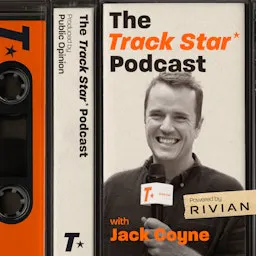
Shenwani Kolabokiti, frontman of Egypt 80, reflects on the roots of Afrobeat as a revolutionary, spiritually grounded sound that challenges oppression and celebrates African identity. Drawing from personal experiences, he recounts his early life in the shrine in Ligot—a vibrant, classless community where music, unity, and shared experience foster deep connection. His upbringing surrounded by instruments and his father’s powerful, ritualistic performances shaped his musical and political consciousness. He emphasizes that music is not separate from politics; every artistic expression carries political weight, especially in the struggle for liberation. Afrobeat, rooted in rhythm and collective imagination, serves as a vehicle for resistance against elitist systems that distort truth and exclude the marginalized. He critiques modern tactics of suppression, noting that today’s power structures exclude truth through gatekeeping rather than violence. The artist highlights the importance of imagination as a revolutionary tool, teaching that true freedom comes from seeing beyond the visible and embracing inner visions. His personal journey—from the trauma of his family’s displacement to the empowerment of performance—mirrors the broader African struggle for justice. Through music, he connects with a global network of revolutionaries, including Tom Morello, and insists that the next generation must rise against systems of exclusion. Ultimately, music is not just art—it is a weapon, a spiritual practice, and a call to awaken collective consciousness in the face of systemic oppression.
If I wrote a song like that, I would stop writing music. Just so I don't think my artistry would be like, "Yeah, I did that." Yeah, yeah, yeah. - Take a step back, that's the highest. - Like, be that motherfucker. I know this guy. Just introduce yourself. Hello, everybody. My name is Shenwani Kolabokiti. Frontman for the Egypt 80. What are we hearing? That's fella, black man's cry. And he's saying when we will be free, when are we going to exit this plantation? Yes. And actually, funnily enough, you know, I just, this is the first time I'm actually translating those words. And interesting. Yeah, that's what it means plantation. And that was same planting. Wow. Yeah, he's saying, when are we going to exit this plantation? That's what he's actually saying right there. Yeah, that's what he's saying. I've always just vibed with that very little thought of because I understand the language, but, you know, he says, "Okoero, which is the farm of slaves." Yeah. "If you literally translate it, it's the farm of slaves." But there's no such thing, so he's a plantation. Interesting. This is an early, pretty early term. Yeah, yeah, it is pretty early. Not early fella, but this is pretty early Afrobeat. Like, when he was becoming more conscious and no longer making songs about what he ate last night or who he slept with and things like that, yeah. This was the beginning of him, like, speeding fire. What's the difference between Afrobeat and Afrobeat? Is that a dumb question? No, not really, because I think it's like Reggae and Raga. I tell people like, you know, when dance halls started, they used to say Raga a lot, not dance hall. Yeah. You know, it's just Nigerian pop music. Afrobeat is something that was there before that everybody knew. So how do we sell this thing to a world that doesn't know Nigerian pop, but in a word that is already out there. So Afrobeat with the S, you know, was what was decided upon by, I don't know, whoever. Yeah, but it's just Nigerian pop music. While Afrobeat music is African revolutionary sound. It's different, you know, in that aspect. You know, big band and pop music. Yeah. It's just that's just the difference. But I don't think personally that music is also different. That's something that thing, you know, yeah. Ginger Baker is featured on this. Yes, yes, yes. How did they get together? Well, for some reason, Ginger Baker was in Nigeria wild now. Yeah. Getting locked up, you know, mayhem, you know. And at that time, fell out too, was wilding out in Lagos. And I think these two kindreds pretty just wanted to make an album where they like yelled at the world. Yeah. Yeah, and I think that's what it did, you know. So Ginger was in Africa, you know, like really wild now. Yeah. And that's how he made my dad, you know, the rest as they say his history. I got to meet Ginger Baker one time though, like what's really towards the end. Did you play with him? No, but I went to watch him play. I went to watch him play in Paris at a tribute concert he was playing for this album. Yeah. They were doing like, I couldn't get there on time to be a part of it. But I wanted to see him. So I went like towards the end of the show and stuff like that. So he was good to just meet the man. How was he? Wild. Draw me and he's still the same motherfucker, but like a suppressing man was still wild. I mean, it was almost 90. If it wasn't 90 then, and it was still like, ah. Can you tell me, can you tell me about Nigeria? Tell me three things that I should know about Nigeria that makes it well. We are multi-ethnic, over 200 ethnic groups. Yeah. So that's what he must know. Nigeria is very diverse. You know, when we say I went to Nigeria, I always say where? Yeah. Because everywhere you've been to is different, like everybody has a different experience. That's the next thing. Kind of like kind of like the United States, like different parts of United States. Yeah. People always ask this question about you. So let's answer it. Yeah. Because everywhere is like everywhere actually. Yeah, yeah. How dangerous is Ligot sometimes they ask is that Ligot's dangerous, I'm like, how do you say that? So I say yes. Yeah. But it's just like anywhere else because there are places you don't go to at certain times or the same things will happen to you and it's the same thing as. But some countries like Sweden is like Sweden is Sweden basically. You say that, but the half-friends from Sweden, I will tell you Sweden is Sweden. They will tell you Sweden ain't Sweden, man. Yeah, you know, everything has its, you know. Yeah. Because it's dark on the belly. Trust me. Yeah. Okay. So, it's very multicultural. Yeah. What else do we need? Yeah. Ligot itself, the city where I live is 17 million people and you should come to the shrine when you're there. That's the last thing. Okay. The third thing, come to the shrine. So what's the shrine? The shrine is our club. We'll play music. Yeah. Live music. And it's our cultural center as well. Yeah. Come to the shrine. What's the spirit of the shrine? And that makes it a special place and how does that relate to what we hear in the music? I think it is the only place in Ligot's where there are no class barriers, you know, where we remove any sign of status symbols and people cannot come and dwell based on their elitist values or everybody comes to the shrine to be one person, to be one people, you know, let me put it that way. And I think that was really special about the shrine. Not the music, not the spirituality, not the ambiance, just the place where everybody can be, everybody, you know, that for me is what's special. People who go there say that it sort of takes a hold of them almost spiritually, right? Yeah. Like, there's something about that collective energy. Yeah, because you can also like just drop all this, your carry on, you know, your carry on luggage, you know, you can just leave it, you know, all this, your ego, tripane and things. And just, you can really be a part of something and just be with your people, you know, you know. So I think that was what makes it special for me, you know, you got great taste, man. Thank you. All right, what are you here? Gentleman, Velakuti. You know, and my dad, you know, people, Velak walks in the radio for a while. And I think for that reason, his intros, you know, when he started songs, he started it like the news. He had an intro for every song like, you know, the news of his house a little thing, before the news comes out, and Velakuti always had some kind of intro for every kind of song he had. He lived with his keys or his horn. You have to do a little thing. But I love that. I love that. Like Gentleman was one of the best ones like this one. So you think that part of that comes from the broadcasting? He never said it, but I just believe it was his time in broadcasting. You know, I made him do music like that, you know, like, and now it's like, hey, I'm about to tell you something. It almost feels to me like, it's like casting a spell, like put, like slowly sort of working you in. What do you think they're doing on the news? Pulling, yeah. True. But I can imagine it's connected to the shrine, like, getting, like, people, like, it's just meditated. Yeah. And even in Africa, you know, like, when we're going to share information like that, like in this song, like, it was really like an African way of broadcasting. Yeah. Like, it's really, like, even the notes, the way he played it, like, it spoke our language in certain ways too. And that's why his band leader was responding, eh, karaoke, because it's like his same incantations in our language with his horn, you know, so that really ties into that, you know, oh, I'm about to say something. Everybody got around and listening, and then the music starts, which is what he wants to say. But that intro, I feel, was a way of calling attention. Because in Africa, when you want to give information, when you want to pass anything, you know, you have to call everybody's attention, eh, from this home, come out and listen, everybody, you know, that was how we broadcast in Africa, you know. So I think that's really like being a broadcaster as well, you know, because he walked in the news, you know, in the news station, and he wanted to do that kind of thing in Africa. And we are putting his music. That is my belief. He never said it. And I don't think anybody ever asked him. Like, when you ring the bell, and people come, like, it's time for dinner. Yeah. Something like that. He did it always, you know, in many of his songs, he was an intro. That was not the intro of the music, just the intro of the intro. What's your earliest memory of the shrine? Just first, just being there, but then playing there. No, I lived in this, you know, my dad was in jail from when I was born, a year after I was born. You know, I was less than a year, but, you know, he went to jail in 1984. 1984. I was born in '83, and it wasn't back '86. So we lived in the shrine because there was nowhere else for my sister and I and our moms, basically had nowhere to stay, because they had burned the house and, you know, but that time, that was hoping from a friend's place, to a friend's place apparently. And when he was in jail, there was nowhere for us to stay. My earliest memory of the shrine was the instrument store, which was where I used to sleep. So I used to remember waking up and having all these instruments around me.
around me and just playing with them. 'Cause that was, you know, like where I lived, you know? For like the first three years of my life. - Was there one that stood out to you? - A little recorder. And I say I have a picture of you. So I asked my mom first, she passed like, what the fuck is this shit? You know, who got me this recorder? 'Cause there was a picture, you know, like, 'cause I saw that picture and I just like, the moment it was full, I remember I was really attached to this. And I won't say, yeah, you found it in your, in the instrument room and you just kept it. It was like a little thing I played around with. So that was my favorite, this little pink and white recorder. You know, and it was bedazzled. It's crazy. (laughing) Yeah. - So you were surrounded, literally surrounded by instruments. - Yeah. - And you're immediately start playing the recorder. - But nobody was playing them. - Yeah. - And the band was playing at that point. - So it was kind of shut down. - Yeah. - It wasn't happening. - Same I shut down. - Yeah. - But the space was there. But there were not shows happening, you know, at that time, because there was kind of conflict and into going to that ball. The band had some internal conflict. So they weren't playing, 'cause it was supposed to still be playing. Even though if I was in jail, you know, but they weren't playing at that point until it came back out. Well, yeah, those were my earliest memories of the shrine. - What about playing? Playing on stage. - Oh, that one is easy. Do you want my earliest memory or my-- - Early. - Most interesting memory. - Okay, excellent. My first time of playing is my earliest memory of playing at the shrine. - Yeah. - Because when I told my dad, after watching him play here, and it's just like, oh man, this man's job is the easiest job in the world, I was seven. I didn't know what the fuck I was saying, you know. Music is the hardest job ever. He's harder than rocket science. Nobody can tell me anything. Listen. - But why did you think it was easy? - Because it was fun. - It looked fun. - Yeah, so I was watching my dad. These guys on stage, everybody loves him. Everybody's screaming. He's having a good time. You know, he goes backstage. And my dad is to take only cash. You can't give him a check. There's money piled everywhere. Women everywhere. Everything was, I'm like, this is what I want. This is the job, bro. What is this guy doing? Absolutely nothing. He's on stage, he's roaming around, comes off, look at all this, look at all this. This is what is easy. Why doesn't everybody do this? - And, you know, NEPO baby style. - Yeah. - I go straight to my dad. I want to sing. - Yeah, yeah, yeah. - Like, you want to sing. Can you sing? I'm like, yeah, bro. What do you mean, can I sing? Sing a song. So, I sang one of his songs, called "Sourity as I'm Blood." I was like, okay, not bad. I was like, so when do I start? Can I play the next show on the toilet, like, no, no, no, no. When we get back home, you have to rehearse with the band and know the song, we go to Legos. I couldn't even wait, let's go, you know. I started singing the song, he wasn't right. So, he's like, you have to watch the band. I let them show you your cues, learn the song. So, I watched the band in the rehearsals and then they showed me the cues and I learned the song. But during the show, that Friday night, I did the same thing I did during rehearsals. And I just watched the band throughout and sang the song. So, I went backstage, you know, I was really happy with myself. But my dad just comes in backstage like, no, man. You gotta face those motherfuckers. You gotta face the crowd, man. You know, because I had my back torn throughout, you know, just watching the band forget. No, man. So, I remember that shit. And then, the most memorable one, though, was a show in Connecticut. I don't remember, was it Cincinnati? Was one of these sea places in America? - Yeah. - Long sea, Connecticut or Cincinnati? - Yeah, definitely. - Same way. - My dad had this show in this arena day and now, 'cause by this time, I was like, my dad's opener, you know? I climbed up the ranks in a year, very fast. By nine, by eight nine, I was the main opening act for my dad, you know? - Yeah. - Yeah, nobody else could take the job. But this venue had an arcade center. And my dad was just giving like a hundred bucks. Like, okay, you wanna play a good play some game. So, you know, you change the squatters, you know, how do all these squatters now? You know, at this nine-year-old boy just in this, and I lost all track of time, playing all this, spending these hundred dollars, just playing different arcade games. And it was show time. Everybody was looking for me. But my dad remembers like, oh, he's playing arcade. Go get him in the place. So they rushed to the other side of the venue in this arcade center, get me out like, you in show time. People are waiting for you. We run backstage, so now I have to change into my, but that is like, don't change, just go. My mom is like, no, no, no, he can't perform in this. He's been waiting all day. So they changed me. So I asked my sister. This is why, this story I'm telling you is why. Nothing fizzes me on stage. Nothing goes wrong in the show that I can't just ride. You know, I just ride it like, nah, it's nothing. It's not what, I just tell myself, it's not as bad as that day. Yeah. So I asked my sister like, so I was wearing this traditional pants. I wanted to perform in this traditional pants that day. And you know, yeah, now Europeans copy that style, but you know, African pants always has, there are no buttons. You just rope, like, rope and then you pull it and you tie it, secure it so it doesn't drop from your waist. So while I was wearing my shirt and my other hand, I'm like, tell my sister like, yo, tie this shit for me. And let me wear my shirt and button up, you know, to save time 'cause my dad is like, me mugging me at this point, like. My sister, God bless her. Lucky, I still haven't forgiven you, Mutu. And that's why I say no sometimes when you ask me for shit. Let me just put it out there right now. She pulls my thing tight, but she doesn't like make the knot. She just pulls it, rolls it and throws it back in my pants. I think she has tight my pants. I jump on stage and perform in my dad's song, Lizzie. (singing in foreign language) Two minutes into my performance, I just feel something on my ankle. You know, I didn't even see drop. I was nine. This is like 5,000 sold out fucking show. I just felt something on my ankle, like. Tell me I fell in water. I looked out at my pants around my fucking ankle, bro. I was nine. I looked at this, this is what makes it really bad. There's this lady, I don't know who the fuck you are, I would fuck you too. She was sitting right in front of Santa. Try not to laugh. You see, this is what I didn't like. Laugh, like, not try not to laugh shit. Just do it. Man, I just felt a tear. I've never been so embarrassed in my life. You know, then I have to pull my pants off and do the show. You don't know embarrassment, till you have to do a show, which won't hand on your mic, I won't hand holding your pants off. Listen, you've never been embarrassed until I happen to you, you know. So that's why now these days, you know. One time I was doing the show and I slipped and I fell down and everybody thought, ugh, I was like, psh. It ain't worth that, havin'. So nothing happens on stage anymore that faces me. So yeah, hip hip hip, hip hip hip, so this is it. This was your audition. This was my audition. Why this song? It was just my favorite song of my dad at that time growing up. I liked it. It was just like this song, like every time I did something to me as a kid, it was just the way that it sounds. Yeah, and they're getting not even the message. The message was kind of, you know, interest everybody, run, run, run. Yeah, everybody's katas, katas, you know, like, and it was a big tune back then, you know, it was just like my favorite phallacin. Soratias and blood was it for me. But as I grew into my dad's repertoire, repertoire of music, as well, you know, I definitely had other favorites. My favorite has changed now, but yeah, growing up, this was. What's your favorite now? Oh, now he's look at love. (upbeat music) I think he was just showing off with that one. Yeah, he was just showing off. Composition, lyrics, arrangement. He was trying to say, yes, be that motherfuckers. You know, can you touch me? Yeah, so I think that was a masterpiece right there. Just so I don't taint my artistry. Be like, yeah, that's it, yeah, yeah, yeah. Take a step back, that's the highest it should be. I was just Laurie Hill, all of you like miss education, everybody. He stepped back. Do you always combine the political message and the musical message together? Are they two separate things that work well together? Every message is political. Yeah. There's no message, there's no political. So tell me about that. You know, people try to make the distinction that, Oh, there's, when you speak about issues.
"Due to what happened in your music is non-fiction." "Due to what your music is non-fiction and is about reality, about liberation." "Oh, you're political." "For some reason fiction is not political." "But that's not true." "Everything plays a role in society politically." "I say to my friends that are artists." "Oh, I'm not political." "I say that is a political statement." "To say I am not political." "But is a political statement." "So there's nothing, you know, not art is devoid of politics." "It does depend on what politics you want to play." "You know, I choose the politics of liberation." "So I put choose the politics of consumerism, the politics of violence, the politics of love." "Yes." "Yeah." "So people portray different aspects of politics in their music." "You know, I just choose liberation politics." "And that's why people not tell me political." "Because you're trying to change society with what you're doing." "Yeah." "But those that politicize with the status quo do not have to be political." "Don't say I'm political, but you are political because everything is." "Even when you say you are not, it is." "Why do you think music is such a good vehicle for this type of message?" "As opposed to like, obviously other art forms are too." "Could just be poetry or painting or writing." "But what is it, do you think about the music that affects people?" "I think music is not different from any other art form." "In terms of its value and its ability to pass a message across." "We just live in a world that there's more investments in music." "And once there's more investments in anything in this world," "that thing tends to be seen as better or more valuable or can do it better or can carry it." "Music is not more important than poetry in terms of making people think." "It's not more important than sculpting than painting." "But what makes music a great vehicle is because human beings are rhythmical." "Yeah." "We live by the rhythm of our heart beats." "And in that way, we resonate with rhythm." "And in that way, music has a spiritual capacity to influence humanity." "Because we all live by the rhythm." "Your heart beats." "Music has got you." "You know, so that's what it is." "The other interpretations of art come from other aspects of our being." "Yeah." "That is not as base, crude to our existence as they had, that's the rhythm." "You know, come from our observation, hearing, but that's rhythm." "You know, it's what makes music unique." "It's like you know when you have to give a baby medicine and you put it inside ice cream or something?" "Yeah." "You kind of like. " "Yeah, it makes it easier to digest, right?" "And they're almost distracted." "Yeah, and it tastes good." "Yeah, exactly." "It's just, I don't know, it's the way that you described it perfectly, I guess, because we all have a heartbeat." "It's like, we're natural for us." "I mean, even the universe has a rhythm, rhythm is everything." "And that's why, you know, music stems from rhythm." "That's why we have music, because humanity has to find something to do with the rhythm." "Is this also why the songs are as long as they are?" "I think the songs are as long as they are because they are as long as they are." "I don't think there's any reason." "People have really tried to make a reason for why Afrobeat Music and Fella found this formula, we all enjoy." "And they say, "Oh, because after a while, your brain gets to this state." "There was a whole episode on Newton, there's a podcast, I just did on my dad called Fear No Man." "Yeah, so good." "You know, and they really went like a whole episode into why the music is long." "I don't think it needs to be explained, I just think it needs to be experienced." "You know, and if somebody doesn't get it, it doesn't remove its validation, it doesn't mean it is not valid." "You know, maybe everybody doesn't need to get it, maybe people that want to change the world should get it." "Well, it's also like why I ask, why are the songs on, instead of asking, why is there really songs short?" "Exactly, you know what I mean?" "Mom, man." "But it's short, just because it's short." "Exactly, so there's no, it doesn't have to follow the same pattern." "And that's like the commercial aspect of music," he said, "Ah, make it short or put it in the same way movies are 90 minutes." "Because people just say, that's how it's long it's supposed to be." "This world cannot understand what it cannot control or fit into a mold." "Yeah." "It's crazy, right?" "It's connected to the rhythm, right, of a band playing together and feeding off each other." "Yeah." "It only works if it can be extended like that, it's the same thing with a jazz band." "Yeah." "Right, they have to, it has to build and then a layer and then each person has a turn." "Because there's room for everybody." "Adding to it, adding to it." "In two and a half minutes, three minutes, it has to be much more sort of formulaic, it can't build like that, maybe." "Yeah, you're right, I don't think three minutes is enough to express true music soundship." "Yeah." "You know?" "Yeah." "Let's hear another song." "Ah, my second favorite." "Maybe those sounds sound so Newsy, because they sound track for your music." "Now I can't stop hearing you." "Right?" "D-d-d-d-d-d-d-d-d-d-d-d-d-d-d-d-d-d-d-d-d." "Recording live, really." "This song is wild. This is my second favorite for a lot of time." "Woo!" "Tell me about what we're hearing." "This is original so far ahead. I think it's 79." "Is it, if it's not 79, then it's 81." "I have 81, right?" "Yes." "I was close with 79." "Okay, 81." "Is Egypt 80?" "Is Egypt 80 already?" "Yes, you're right, 81." "And this song is basically about how we as African people never get to enjoy anything in our country." "That's not thing that our country provides." "Do we as the people have access to that the reach of our country have could don't. " "Taking everything and just sound it for their own comfort." "And they made it extremely expensive." "Yeah." "And difficult for the citizens of our country to access the benefits." "So the original so far ahead means that nobody is suffering more than us." "For food, for light, water, and that we are in the midst of so much of it." "Like so much like a neighborhood." "Yeah, why is there?" "Why can't we access it?" "Yeah, so basically, and in the end of the song," "This is the only way we can stop to be so far ahead is to fight these people for the rights to be humans." "And for me, that's so profound." "That there's no negotiating with this enemy because they are not doing it because they have to." "They are not doing it because they want to. "They are doing it so that you don't experience it. They take everything just so that you don't have it." "Not because they want it, not because they need it, not because they have it." "But for the most sinister reason, they take everything just so you don't have it." "Because they already have everything they need." "They are not taking it because they need to send one more child to a good school." "They are taking it because they need to build their 300 house or buy their 5,000 car." "Or save their $13 billion in the bank." "But at this point, they are doing this just so you don't have it." "This is an incredibly relatable message for people around the world, huh?" "Listen, once the world gets its head out of its ass, we all realize we are going through the same shit." "Well, more and more people seem to be realizing that." "Yeah, and we face the common enemy." "No, it's a distraction." "Yeah, for sure." "And then you're both fighting over the same glass of water instead of the guy who's keeping. " "You don't even leave in one glass." "That was building the fence around the river." "What's the movement of the people?" "That's my political party. It was started by my father, and we revived it. And we're trying to, you know, like I said, every generation should take the struggle step further. My father couldn't get the party registered. And we believe that in this hard time is our duty to bring the movement of the people officially into the political space, to do the liberation work that is necessary, to bring liberation for our people, you know. So yeah, I'm the chairman and convener. I'm very proud of that. I was supposed to be in court today in Nigeria with the independent, or should I say not so independent, national electoral commission, you know, but the court didn't sit. The judge was on break today. So yeah, we're in the struggle to become a registered political party. How does the music play a part in that movement? Are they very much intertwined for you? Yes, I think my music feeds my soul in a way that it gives me the inspiration I need to do my political work. Yeah, I think it's kind of like a year in a year. Yeah, because also like to free the people, the people must learn that it is their duty to free themselves. There's no, you know, there's no doing it for. Revolution is with the people, you know. And my music is also a way for me to reach the people, to let them see what is going on in my head and my heart. no my music. 'Ti' 'kis' 'for doctors who want to care about the Sikhs' 'not about making money from the Sikhs' 'and I want to write my music so that when that doctor hears it' 'it's training him to continue to do that work' 'it inspires him to do that work' 'in a way that I feel unseen and going against the grain' 'teach us that care about the knowledge of their students' 'and their minds' 'in a world that just cares about profiting of education' 'and journalists that care about truth' 'and lawyers that care about justice' 'my music is there to inspire them' 'so if they hear it and they are drawn into our consciousness' 'MOP is the vehicle that we can use to bring our ideas to power' 'I think what is missing in the world today' 'is that the people are not in power anywhere in the world' 'we just have fascists' 'I want to say fascists that don't mean it' 'in the way that people say, oh, some rich men' 'I mean fascism in the real sense of it' 'that everywhere in the world' 'the rich people of all the countries in this world' 'divide themselves into worrying factions' 'and then the people are forced to continue to pick from them to rule' 'the people are never giving the chance to look within themselves' 'for solutions to look at themselves for power' 'we have to constantly look at our elites' 'and look at the rich everywhere in the world' 'and they continue to cycle themselves in power' 'democratic or republicans here be it' 'APC and PDP and LP in my country be it the Tories' 'and the label in the UK' 'Eletism has captured the narrative of human progress' 'while lying to the people that 'oh, it is doing it on our behalf' 'they're just strengthening their own position continuously' 'and we need a message that reverses that' 'we need the consciousness that reverses that' 'I play my part through my music' 'but MOP is through vehicle' 'that will bring this consciousness to where it's supposed to be' 'my music is just a way for people to find me' 'for people that think like me to find me' 'You have a song recently you did with Tom Morella' 'Yes' 'Tom Morella is a real one' 'and I'm not trying to be selfish' 'but I tell how really you are, but how really you are to walk with me' 'if I come across a real one' 'yeah man, let's do something like that's a real one' 'that's just my criteria, you can have yours' 'and that's my criteria' 'and he was really helpful with these projects he really wanted to do' 'we didn't have to pay him nothing' 'yeah but it seems to me like a lot of it is because you guys share the same idea' 'exactly, I think globally right now we are all finding ourselves' 'we are not living where we are discovering ourselves' 'out of the lies that have been told' 'the division that has been spread' 'the people are discovering themselves and I think that's a powerful thing' 'as happening this moment in time' 'Tell me about your grandmother' 'hmm well' 'you think that a lot of this story starts even before your dad' 'yeah no no for sure, nothing comes from nothing' 'you know my dad, you know people call me a nipple baby' 'you know my dad himself was a nipple baby' 'you're a nipple grand baby' 'yeah exactly, you know' 'Fumilayo, I never met her' 'and for me that was one of the saddest things' 'you know, you just are sad for me' 'right now I'm not able to have an adult conversation with my dad' 'I never had an adult conversation with my dad' 'he died when I was 14' 'that shit kills me' 'you know, it's the same thing like never meeting my grandma kills me in that aspect' 'I wish, even if it was just one conversation' 'you know, like what was it like to meet Chairman Mao?' 'how was that nigga?' 'you know, as you can tell me and at least you know' 'so I bought she. ' 'so to say, to purchase my point of how the elites are trying to capture the world' 'in my country you learn about my grandmother in school' 'but what you learn about her' 'is not her struggle for women's liberation' 'to free women from unlawful taxation' 'it's not her war with their lackey to dethrone the king' 'that imposed this taxation on our women' 'it's not her alliance with Chairman Mao' 'and being the first black woman in China' 'it's not her confident of uncrumor' 'and one of his best friends through his throughout his life' 'they are political alliance, the CPC and the NCNC in Nigeria' 'no, no, we are taught in our school that she is the first woman to drive a car' 'listen, they teach all of us like Formula 1 to drive a car' 'that is how elitism sees everything that she has done' 'how do you sell, when you can't erase, how do you sell' 'distraction?' 'it's just like, how about Einstein to the West?' 'I tell people like, why is it that it's only easy' 'it's because of the M.C. Square, everybody' 'this man is the most intelligent man that has ever lived in the West' 'it's the smartest white man ever' 'and all you know about, no quotes' 'it's because of the M.C. Square' 'it's because of the M.C. Square' 'like, did the man say words' 'people don't even know what that means' 'exactly, you know, because when the ideals of people that cannot be erased' 'it does not match the mainstream ideology' 'if you either demonize or you diminish' 'you know, so same thing happened to my grandma' 'you know, in terms of the Nigerian elitist portrayal of our' 'since you could not be disappeared or demonized' 'they just diminish, you know, to drive a car' 'what do you think people get wrong about your father?' 'uh, honestly I don't care' 'I don't care enough to think about it' 'no, think what you want man' 'everything you think about my father is right, take, here's your true fee' 'keep the cop' 'yeah, yeah, yeah' So, do you think that the challenges of today are different, the same as the challenges that your father was dealing with as a political musician in Nigeria, in the world do you think the challenges that you're facing, do you think it's ultimately the same? 'it is the same and it is different' 'it is the same that you would be ostracized and demonized and diminished and disappeared' 'but it's different that the tactics is different' 'you know, the 70s and 70s were a way of time politically in the world' 'the elites had not captured as much as they had captured in the world' 'they didn't own as much media for sure' 'they didn't own as much of the record company, they didn't own as much real estate' 'in the 60s and 70s people and eliteist power was still a bit' 'yeah, they were like a crack in the armor' 'yeah, both now they own everything' 'so they don't need to be brutal, they don't need to beat you up the way they beat my dad' 'they don't need to beat my dad up and lock you up because there's fighting of equals' 'not they surpassed us so much and they own so much' 'and as Trump just showed you, they won't invite you to the party no more' 'you know, Trump just said, 'I don't like how CNN covers me, so no more invitation for CNN' 'so this is what happens if you are revolutionary in any banking sector, they will not beat you up or lock you up' 'in fact if they do that, if you see that they are chasing somebody, harassing the person, this is their guy' 'they are trying to make him a hero in the eyes of the people, they are giving you visibility' 'in the world today, the true revolutionaries are excluded, that is your punishment' 'you don't get the invitation' 'and imagine you drive a car' 'you imagine as a journalist, you want to be the best journalist, you need to be able to cover the president' 'you need to be able to cover the big political so if they don't invite you to the press briefing' 'how do you become a good journalist or the best, how do you get the same opportunities' 'if you are a professor that is teaching students the truth and truly impacting knowledge' 'they will not give you grants to do your research, to do your peer-reviewed shade that will elevate your status in the educational world' 'people will see your work, no, you are not going to happen' 'so that is the power today, that is what they do today' 'the tactics is different, the same shit was just a different tactics' 'and today they rather use the power of exclusion' 'which is even worse than locking you up' 'or beating you or making the matter of you' 'like no, they know that that means that we are going to make you a hero' 'no, no, no, no, just make sure the people don't' 'and the people cannot access, it's more expensive to access the truth today' 'because the truth is non-mainstream' 'you know so they finally know they can exclude you' 'because they capture the attention of the people too' 'the people go to them for information, use their platforms, watch their news, watch their TV, go to their events' 'because that is what is affordable' 'what the truth is is not even affordable to the people no more' so this one.
What's going on? - So what keeps you going? What keeps you motivated and what's a message to? - Oh, that next generation of revolutionaries. - That there's something beyond them that connects us. - Yeah. - You know, you watch TV and Spielberg's new movie, Disclosure Day. - Ah yeah. - Okay, so if you've seen it like, so this woman has this, anyway, but you find yourself, you find your, if you're true about your purpose in this world, you know, you find yourselves. And they know that as well, you know. They know that as well, you know. They can't do anything to stop that. You know, but if you want to know what to do, it's exclusion, exactly, exactly. So people with that true purpose find each other. Like I found Tom Morello, bro. - Okay, we'll do one more. ♪ So far, so far, so far, so far, ♪ ♪ So far, so far, so far, so far, for world ♪ ♪ Now you're far to be that ♪ ♪ For me I say, now you're far to be that ♪ - David. - Yeah. This was the last first hit after the house was burnt. - Yeah. - You know, this was this comeback album. There's a documentary called "Music is the Weapon" of my dad. You know, where it talks about this song. 'Cause he just released it then and he was so proud. You know, like, "Oh, my new song just came out." Yeah, man, just so 20,000 and 50,000. I'm back, man. You know, so yeah, yeah, yeah. This was the comeback record. - Do you hear like an emotional shifts in his performances from one song to another that, beyond like what he's saying? Like what he's saying? - Oh, yeah, yeah, for sure. I felt like I was a very emotional guy, you know, like, he was one of them vulnerable people, you know. At least to me, you know. But my siblings, now let me clarify. Because my siblings and I, I think, we had very different parents. - Yeah. - My dad had a family, my eldest brother, like, family, for example, my dad had him in '61. I was born in '83. Like, so. - Different generations. - No, different guys. - Yeah. - You know, yeah, it's what I mean. Like, the dad that had also was like, the fella that gave birth to family and raised him was not the fella that gave birth to me and raised me. You know, he was two different guys. - Was it a steady change? Or was there one thing that happened that showed. - I don't know, but when I was born, like, the way fella was was not the way it was in the '70s. - Well, his house was burned down. - Yeah, his house was already burned down, but we had a new house by this time, I was like, okay. - But just to be attacked. - Yeah, but what's still being attacked. Like, fella, people talk about the house being burned down, but Calacota was attacked till the day fella died. - Yeah, and so being attacked for 20 years is gonna change you. - Exactly, but fella was not. It wasn't as how they put it active when he had me as, he wasn't the '70s. You know, fella was now a spiritual guru. The fella that raised me was more of a spiritual guru than a political revolutionary activist. You know, but that was always home, never went out. You know, and he was my dad. So, but when family is talking about him, I'm like, what the fuck are you talking about, man? Like, I didn't, I don't know this guy. It's like, man, you are lucky. You are, like, even by the time I was born, my dad didn't use to spank us. And my brother was like, he used to give him a spanking all the time. I'm like, what did you do? Because one of my things was that, you know, my mom used to whip my ass, oh my god, my mom, oh shit. That one might almost kill me. But my dad never, never, there's nothing you could do. Now, I'll make my dad who people, he'll give you a talking to, you know, my dad will give you a three-hour talking to. I'm not joking, you know, but he wouldn't like beat you or give you any punishment for my mom. But my brother will be like, what? Man, he whip my ass. He did it, I'm like, well, you know, because I was, I'm also the baby of the family. So, I think I was kind of spalled. Let me be honest, you know, so. So, you told me that he told you to pay attention to the band, but then when you're actually performing, don't look at them, look at the crowd. Is there anything else musically that you think about on stage? Like tonight, is there anything you'll think about? Well, nothing specific, but you know, my dad was also kind of like my earliest music teacher, gave me my musical etiquettes, practicing and all of that. And the importance of imagination in music, to always imagine that your imagination is the strongest weapon, you know, in making music. You know, people think imagination is quite visual. You know, it's visual to imagine shape in your mind. But my dad believed that the bigger you could do this, which your mind and project situations and just leaving your own world and those get lost in these imaginary things you do. And the more imaginary the better, if you get that imaginary that he even becomes real, my dad believes that like, the shape, you know. That was even part of his own spiritual thing. You know, seeing the unseen and having people that were possessed by that thing that were unseen, like my dad was really into that in his final years. You know, so the mind and the imagination was one thing that he was really like he talked to me a lot about allowing me to try but not like think, oh, I'm crazy for thinking this. Oh, we think I'm crazy 'cause I'm acting the way these things I'm thinking in my headset as you act. You know, basically embrace the voices in your head. Hey, that was my dad. That was his thing for me. - I think that this is connected to what you were saying about the fascists. - Yeah. - Trying to control. They try and control and distract you from leaning into your imagination. - Yeah. - If they have too much of your attention, what happens to your imagination, the most powerful tool. - Exactly. - It goes away. So that's the key. - Your imagination becomes the newest car. And you want to imagine, oh, I can't believe Bentley just made this. - Instead of what's going on here? - Exactly. - Instead of the dreams and making the dreams real. - Exactly. - Well, thank you for coming. - Thanks for having me, bro. - That was a great conversation. - Yeah, man, for sure. - I really love talking to you. - And looking forward to me, you as well, man. So this was really nice. Thanks. - Thank you. - And thanks everybody behind the cameras. - Trackstar Podcast is a presentation of public opinion created by me, Jack Coyne, Kieran Coyne and Henry Coynaros, produced by Haley Sobel, edited by Ryan Durgan's, theme and original composition by Kieran Coyne. Mixing by Devin Klein. Our agent is Joanne Orland at UTA. Thanks for listening. See you next Wednesday.
Podcast Summary
Key Points:
The artist, Shenwani Kolabokiti, reflects on the deep political and spiritual roots of Afrobeat, seeing music as a revolutionary force that challenges oppression and promotes liberation.
He highlights the significance of the shrine in Ligot as a space of unity, equality, and cultural expression, free from class barriers, where people connect through music and shared experience.
Afrobeat is described as an African revolutionary sound rooted in collective consciousness, distinct from mainstream Nigerian pop, and deeply tied to the rhythms of life and resistance.
The artist recounts personal memories of growing up in the shrine, where early exposure to music and instruments sparked his passion, especially through his father’s performances and ritualistic song intros.
Music serves as both a personal and political vehicle for change, inspiring activists, journalists, and educators to challenge elite narratives and prioritize truth, justice, and human dignity.
The evolution of political resistance has shifted from direct confrontation to systemic exclusion—elites now suppress truth through gatekeeping rather than violence.
Imagination and mental freedom are emphasized as essential tools in music and resistance, with the artist’s father teaching that imagining beyond reality is a powerful form of rebellion.
The song "So Far, So Far" marks a personal and historical comeback, symbolizing resilience after trauma and a renewed commitment to revolutionary art and activism.
Summary:
Shenwani Kolabokiti, frontman of Egypt 80, reflects on the roots of Afrobeat as a revolutionary, spiritually grounded sound that challenges oppression and celebrates African identity. Drawing from personal experiences, he recounts his early life in the shrine in Ligot—a vibrant, classless community where music, unity, and shared experience foster deep connection. His upbringing surrounded by instruments and his father’s powerful, ritualistic performances shaped his musical and political consciousness.
He emphasizes that music is not separate from politics; every artistic expression carries political weight, especially in the struggle for liberation. Afrobeat, rooted in rhythm and collective imagination, serves as a vehicle for resistance against elitist systems that distort truth and exclude the marginalized. He critiques modern tactics of suppression, noting that today’s power structures exclude truth through gatekeeping rather than violence.
The artist highlights the importance of imagination as a revolutionary tool, teaching that true freedom comes from seeing beyond the visible and embracing inner visions. His personal journey—from the trauma of his family’s displacement to the empowerment of performance—mirrors the broader African struggle for justice. Through music, he connects with a global network of revolutionaries, including Tom Morello, and insists that the next generation must rise against systems of exclusion.
Ultimately, music is not just art—it is a weapon, a spiritual practice, and a call to awaken collective consciousness in the face of systemic oppression.
FAQs
Nigerian pop music is a general term for popular music in Nigeria, while Afrobeat is described as an African revolutionary sound that combines big band and pop elements to address political and social issues.
The shrine is a cultural and spiritual center where class barriers are removed, and people come together as equals. This sense of community and unity reflects the political and social messages in the music.
It was the first song the artist performed at the shrine when he was nine, marking his first memory of playing music and symbolizing his deep connection to his father's music and legacy.
The length of Afrobeat songs is not due to a formulaic structure but because music resonates with human rhythm and heartbeat. The songs build gradually, allowing the band to feed off each other and create a shared musical experience.
Music is used to inspire political awareness and liberation, especially in challenging systems of oppression. It reaches people emotionally and spiritually, encouraging them to confront injustice and demand change.
The artist believes imagination is the strongest weapon in music, emphasizing that allowing the mind to wander and create imaginary worlds leads to deeper creativity and artistic expression.
Chat with AI
Loading...
Pro features
Go deeper with this episode
Unlock creator-grade tools that turn any transcript into show notes and subtitle files.
 PodcastTranscript AI