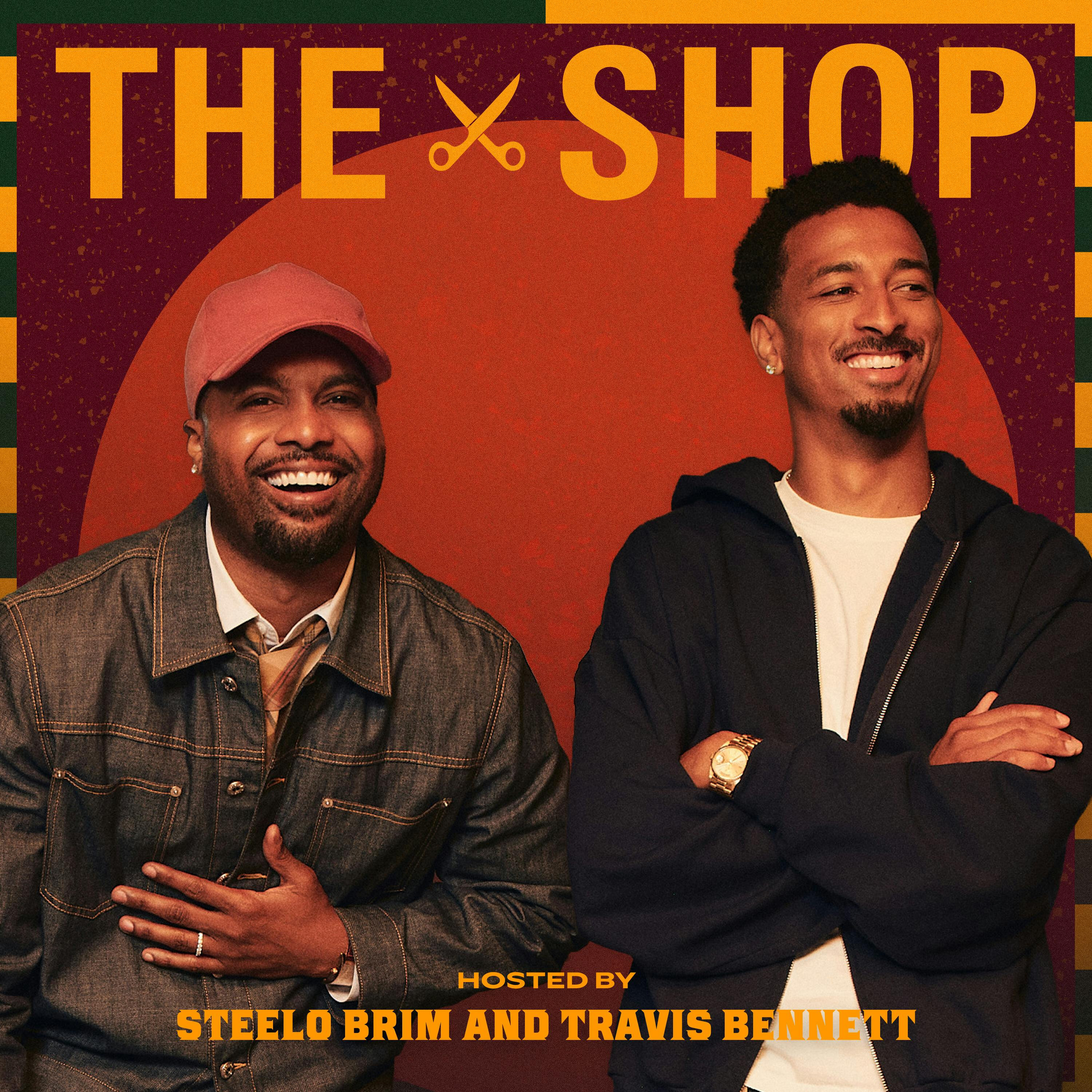
Fabolous & Greg Yuna: Missing the Mixtape Era, The Top 5 New York Rappers, and The Meaning of Cool
45m 2s
Roland Martin delivers a powerful critique of systemic racism in American institutions, asserting that federal agencies are engaging in a targeted, sustained attack against Black communities. He argues this is not a new phenomenon but part of a longer pattern where white-dominated systems have consistently avoided accountability, instead using superficial initiatives like DEI to mask deeper racial injustices. He specifically points to Black farmers as victims of this pattern, noting that policies targeting them are often disguised as inclusive reforms. Martin emphasizes the harm of such tactics, calling them deceptive and exploitative, and warns that institutions are being used to manipulate public perception. He frames the issue as urgent and real, urging audiences to stay informed through his unfiltered podcast on the Black Information Network. Available on platforms like iHartRadio and Apple Podcasts, the content serves as both a call to awareness and a demand for accountability in the face of systemic oppression.
>> Didn't catch the latest Roland Martin unfiltered podcast? >> Here's what you missed. >> People wake up and go, oh, damn, wait and hold up. They changed all of that? Yes. >> It's real. >> This is a wholesale attack. It is targeting black people in every federal agency. >> It's wrong. >> White folks have never allowed that reckoning to last more than a decade. >> Catch Roland Martin's daily commentary on the black information network. >> And download Roland Martin unfiltered on the IHOT radio app, Apple Podcast. >> Or wherever you get your podcasts. >> I was like, I never get the next year. >> I'm going to bed dancing. [MUSIC] >> Welcome to the shop. I'm one of your host, Sterling Stilo Brum. >> Travis, everybody calls me Taco, as usual. >> We are here with some great friends today. The incredible rapper, Fabulous. And one of my really, really good friends, one of the best jewels in the world. Great, you know. >> Thank you. >> Definitely, yeah, we're obliging to shake hands. >> Yeah, you got to, you got to be on camera and shit. >> And we're in the AMA store, technically, thank you, Teddy. >> Yes. >> Yeah, you just, we were just talking briefly, but you're saying, I don't know, shit about New York. And you are 100% correct. I am a LA through and through native. I came to New York and I was 17 for the first time. 17, I came by myself. And yeah, I was like, where I was wet behind the ears. I skated around, I didn't know shit. I knew how to get in the cab. I didn't know the lights on the cab mattered. I would just like wave everyone to everybody's races. I know shit about this city. >> It's hot as fuck out here right now, I just let y'all know. >> It's hot in this room right here. >> That is will, that's hot wet. >> Whoa, yo. >> You being a jeweler and you obviously wearing a lot of jewelry. Does there any piece that you guys don't leave without? Like I don't usually leave home without earrings or a watch on. I wear the same necklace every day. I don't know why I just, I like having something under, but is there something you guys are like, I cannot leave the house without A, B and C. Watchin' a change for me usually. >> I like a watchin' a change. >> Watchin' a change. >> Is there any piece of jewelry you've wished that you actually made or did? And there's any piece of jewelry that you wish, like you saw somebody else wearing, I was like, shit. I should have actually made that change, that piece of jewelry. >> I mean, I pretty much make whatever I want, but also I'm always like, fuck, I should have made that. >> That's what I'm saying, that piece of jewelry, yeah. >> I've seen stuff cool, I've never wanted it as, but I've seen other people with cool jewelry, of course. I think when I get something, I kind of just get it to match me. You know what I'm saying? So somebody else's jewelry that you could look at and then you could put it on, it's the same way with clothes or anything. You could put something on that looks good on somebody else and it just doesn't work for you. >> It's also the simple shit that's just like, it's so easy. It was right in front of my face and I can't leave anything at it. >> How much money did you spend in jewelry since I've known you? >> That's a good question. >> That's actually a great question. >> Damn, fuck, no idea. >> I've seen it. >> What's your worst purchase in jewelry? >> All of it, all of it is crazy. >> But what I'm saying is the SF Yellow one we used to do all the time. Like these are monumental pieces in the game that is from that was beautiful marketing. You saw that piece, oh shit, it's guys. >> But some things, you can like jewelry or don't like jewelry. Is some people who don't care for jewelry or don't? Or even this certain people who like, I always look that like how he says, he makes more subtle, clean pieces versus guys who like a guy who's like, you said coming to you for Cuba. They might not come to great for Cuba because it's just not, you know what I mean? That kind of jeweler, even that person that wants that kind of thing, just going to go to the boy body, you know what I mean? So, you know, I think it's to each his own, I think, you know, the way you wear your jewelry also represents you. I've seen people wear very little light, dainty, jewelry and it looks clean. >> It kind of looks, yes. >> Gave for them. And then I've seen rappers wear 10, 20 chains. >> Yeah, I think that's crazy. Like having on like nine chains at once. Because I'm thinking about getting ready for bed and having to take off all that shit. >> Also, it's hard work. Jewelry's wearing jewelry is hard work. >> Yeah, especially wearing chunky pieces. >> In 2015, 16, like when the kilos were happening and all that, like it was, it was a lot of work, right? >> Those chains are also like that kilo error, like your neck at the end of the day, really was like, I was like, I was like, I think from the oxygen. You're not like, this part of your neck is shut down. >> You made a joint out, then you make a joint with your neck. >> I was like, what the fuck? That was like crazy. >> Four kilos. >> I was really about to feel like this. >> And you're like, four kilos. >> So I was saying, six kilos for daddy Yankee. >> It was six kilos, it was long. >> That's crazy. >> You're gonna see hip hop so young, we're gonna see like if that's fucked up, people's neck's going to be like, 60, 70, like. >> Yeah. >> And like, you know, the doctor's going to be like, it's from excessive chain. Where have you been wearing chains? We've been wearing six chains for 30 years, and now you have. >> Yeah, yeah, yeah, yeah, hip hop right next to hip hop. >> As you, Paul's. >> But, I'm also streamer, I play them the same as streamers, streamer neck paws again. But I feel like streamers are like, all on each day, I have hip-hop heads. >> Yeah, like hip-hop heads is crazy, I've seen that. >> It was the regular phone that I was messing with. >> How about my phone like this? >> Yeah, my phone can give you, you never had like a dent in your finger from like pulling your phone or like. >> That's crazy, that's crazy. >> That's like, you know, we get an old bit up. >> Yeah, you're gonna want that. >> This is a random question, Jim, over to music, you real quick. I'm a big five, and I've already said there's a whole million times. >> Same, but yeah, same thing, sure. >> I do, it's interesting, I was like, think about it today, I was like, man, you from Brooklyn. Whose idea was it to sample ambitions of a rider for your first single? >> The beat came from Rick Rock, who's from the Bay, and so it was already West Coast theme. And I remember it being a thing where the time I was coming out, it was like the East Coast and the West Coast was kind of getting over the East Coast, West Coast separation of the Big E, two Pock, because at that time, I think I was about 99, 2000, but if you think Big E and Pock had just died in 96, 97. So it was a little break of, probably people still have relationships, but I can't think of a lot of music where they were collabing and stuff like that. So when we got with Rick Rock, I think it came off of the spirit of rock-a-fellow working with Rick Rock. And Clue was with the rock too. So we ended up getting some beats from Rick Rock and then that led to the song. And it was like a West Coast feel and he had that kind of West Coast bounce to the song. And then I knew I was adding East Coast Fab to it. And then we balanced it all out, we're getting Nate Dole, who ended up doing the flip of the crowd. And it was going to sound like one on six, but I was just watching that she was like, bro, you had my Harlem shaking at home. Yeah, and it could work. My man has been consistent for the last, sorry, last 40 years, sorry, 40, okay? Okay, just be careful. I look at both of y'all as underrated in my opinion. Like I look at y'all as soon as I see it. He's one of the nicest in the world. In the world. I'm overprotected with my shit. No, you was just talking about like your New York top five, rap list. No, in no order, but five. Big, J, Fab, Jada, Nose. That's a great five in my opinion. But I don't get to vote. I don't get to vote because I'm not from New York, but that's to me is my five. I can't think of somebody to take off that list with somebody and put somebody else. I just might say LL. That's just out of respect for what LL means to rap. But other than that, that's the five. I didn't grow up listening to LL. So I can't say LL's on my list, but I do love LL glue so much. But I'm a big fan of LL. I grew up, like I didn't get to rap until I was like nine. I was like grew up on reggae music and like Neo, so my parents were listening to rap. So I found it on MTV one day and was like, it was the lay low videos, the first thing I ever seen. And I was like, what in the fuck is going on? Yo, that's how much hip hop has grown is that now like hip hop is like universal, right? But there was a time where your parents or like, it was kind of like taboo. Like you know what I'm saying? Like it was like, you can't listen to that. Like we don't listen to that. We don't promote that. We don't like, I remember that time it wasn't in my household. I could pretty much listen to whatever. But I remember the time of like hip hop where certain parents didn't want you to listen to that certain places didn't, you know what I mean? We don't play that in here and shit like that. I think that was coming off of the 90s.
rap b-shit, though, 'cause of what gangster rap, like rap in the '90s. - I think it was in the '90s, it was in the '90s. - It was in the '90s. It was even, you know, early '90s and late '80s, like some of the hip hop, in the late '80s wasn't as, but in the '90s, it started getting a little bit more, like, different ranching out. '80s, it was still was like planting the seeds, and then in the '90s, where like, all right, we got people from here, we got people from here. All right, we're talking about different things, we're talking about what's going on in our neighborhoods, we're talking, and then, so when you start talking about what's going on in it, we come from, not just humble beginnings, but really those hoods. So when people are talking about, we're in WAs, talking about it, when Wu Tang is talking about it, when Big E is talking about it, all of these, that's where people started being like, "No, this is too much, I don't even want my kid," or it's too graphic, or it's too, even though, and what's crazy is, movies have the same thing from those times too, but I don't know why music was translated as, this is more hurtful than certain movies were, you know what I mean? I didn't leave it 'cause it's a personal experience versus like, you know what I mean by acting. Even though people don't realize all of it's entertainment, not saying that every single person is lying about in their music, but I think that's probably the perspective of life. But certain people see characters, and now they want to be that character, they want to live like that, they come out of the movie, gangster like you're out of it, yeah, yeah. All of the time. - It is, it's my face. - It's my face, it's my face. - It's wilder. - Yeah. - In New York, there's been shootings at movie theaters, but I think that comes from the energy of that movie, you know what I'm saying? It makes the wrong person can look at that and be like, yeah, I want to move like, like Bishop and Juice, like I'm, you know what I mean? - Every movie in the '90s and music in the '90s did that to me at least. - Yeah, I mean, I listen, for me at least, I'm from the hood too, I listened to your music, like it was the same, I was into, it was money, it was cars, it was girls, it was like, it was like all these things, I was just like, all right, this is, and then it was still some sprinkle of light in the gun from the hood. - Right, right. - It should happen, but it wasn't like to be driven with that. So to me it was like, that's more of my life. I'm like around all that shit, but I'm not gonna glorify it the same way, 'cause I'm gonna different way. - That's it, it's just, it was a different lane, but really like even where the respect behind my shit come from, 'cause people know where I came from, people know the people around me, people know the history behind me. So like, it wasn't like I had to, every artist doesn't have to sell the same story, basically. So when you saying that lane, yeah, there is a lane, there is guys in the hood who want different, like different things, like you know what I'm saying? Like everybody is not on the same. - Not as right about guns and drugs. Like even if they live in it, even if you're in the mix of it, that might not be what you wanna talk about. You're having a player shit to me. And I think that's like the best way to be, is to wrap about like, everybody loves women. - You know what I mean? - That's like, can I tell you how I ruined my life? (laughing) The whole player shit, 'cause we idolize that, it's kids, right? The best shit to do is be a player as a kid, having two, three girlfriends. You have two, three girlfriends at the age of 13, and you're living like that, so you're about 30. Now you desensitize from a lot of shit. Now I can't get into anything. - You know what I think was also with that, is there's no balance to it. There was nobody showing you. - Right, good relationships or good marriage look like in a home. So all you seeing, so when you play the same thing is when you go outside and see the drug dealers living at a certain tier. You were an aspiring to this, 'cause you don't have any other thing to, you know what I mean? So that's even the importance of fathers in households is to be able to show your son and tell your son stuff that he can aspire to rather than him just seeing this outside and saying, oh, I wanna aspire today. - I always have a problem with that, not from just the rap perspective of like the idea of like, it's who invests money into these things too, right? Like, when I think about the idea of like, oh, it was just Dune and Willie Walker Jr., who came on ridiculousness one time, and he was a country singer, and he was really talking some rap shit with him. He wasn't rapping, but he was talking about, I'm like, there's a whole new to his music, singing a country, and they banned him from radio. They wouldn't allow him to ever be on radio. He had to release his album through Poro, if he said it. And after that was like, interesting that like, this white dude is talking about the same exact content as the same thing you're monetizing so greatly in the black space, right? And he's banned, one person, but then you're putting billions of dollars into those things, the minds of, you know, the black home in this way. - Right. - And it makes it where it's like kind of, you know, interesting to me where I'm like, you know, it's fucked up. It's fucked up because those are the things that, it's, I don't know if it's, that this art is all we have versus we don't want to sign on fire Kendrick's, 'cause it's boring. It was boring, like we need to have more in-depth conversations with the non-music and it shouldn't just be, you know. - But it's also audience, too. It is. - It's like audience likes negative shit. - They've been trained, but you can train to like bullshit. - You know what I'm saying? It's just, you look at the gram or anything. Like, you know what I'm saying? - Bullshit, bullshit, bullshit, bullshit, bullshit. - That's the shit that be feeding. That's what entertains people. Negative shit and bullshit and you'd be like, yeah, that bullshit was funny. - Is there art stuff right now that you feel, 'cause I was talking about this earlier, like, I don't know if there's, number one, you use a lot of, I feel like hip-hop R&B used to be hand in hand. They used to work together a lot in music in these ways. I'm not that it doesn't exist at all, but I don't know if there are artists today who like try to live in that pocket or like, you know, you have lifestyle wrap, but it's not really about girls or this, that versus. - It's usually about money and success, versus. - Yeah. - Yeah. Ferg had a song with Brent Fires that was phenomenal, called "Dreams, Fairy Tales and Phanases," and that was the first time I had that feeling of a song that was similar to your song with Tamiya, or it just felt like, oh, I'm like, okay, I could listen to my girl on a nice drive with the sunset and that's the rap I wanted to do now at 32 years old. I'm not trying to listen to the nigga talk about taking the break of the city. - Yeah, for me, I'm like, I'm good, man. You don't drink water, nigga. - Yeah, yeah. - Okay, listen, you better listen. That's not a healthy L.A. life. (all laughing) - Where's the nature, nigga? - Where's the nature? - Double wrap my smoothie, fuck nigga. - Get, hit, hit, hit running one time, you know? Coming up on "MIX TAPES," now artists don't really release those. Now it's like a single-based musician's mainly. Do you feel like any artist now could go off on "MIX TAPE" again? Or is it just like that space is kind of died out with DJ's or with radio being what it is? - I feel like it's evolved as a whole. I feel like "MIX TAPES" is not the same thing as what "MIX TAPE" was. - I love "MIX TAPE" now. - "MIX TAPE" era and that was more discoverable, discovery and more like, it's just changed and I just think it's evolved into what the music game has done to it, you know what I mean? "MIX TAPE" has even turned into a thing to feel like it's a mix tape. You know what I mean? People will call something a "MIX TAPE" y'all are driving a mix tape. - So they don't call it album, bro, it's the same. - Shit now, they fused "MIX TAPES" with, like, Drake's first project was-- - So far gone, yeah it was a mix tape, but it literally was an album. - Yeah, I think that's what it was in the same format as what "MIX TAPES" were when that time. - 'Cause we used to have CDs like, bro. - No, but you got the Bulldogs with CDs where they're gonna give you a stick. - Hair by this, you don't even know what to do. - But I'm also talking about the actual music that's on, 'cause it like, "MIX TAPES" from clue or G-Unit or FAB or. That was one style of "MIX TAPE". Once it changed to where people started making original songs, like in those times, in the clue 15, it was like, you jumping on somebody's beat, it was freestyle, it may be a hear in the original beat, but it was very, like, just street-based. It wasn't really, like, making an album. Then it became, like, make it an album, but now the new "MIX TAPES" is the Drake joint or the Kendrick joint, or, you know, like, it just started being more like a project instead of, like, having that same "MIX TAPE" feel of, like, you know, I'm just do some freestyle over some guy's shit, or, you know, my man who makes beats is gonna throw me a couple beat. Like, it just changed the whole, the production of it changed, and I think that's what made "MIX TAPES", you know, the whole thing of it changed. It just evolved into what it is now. - Do you know how many "MIX TAPES" you've put out? - Myself personally, probably. I would say a little bit under 10 somewhere, but there's people taking it. - You got collaborative mixes, right? - Yeah, I've done stuff with Clue, I've done stuff with drama. - Jada, right. - Yeah, the, me and Kiss did it. And even that, that's, like, a "MIX TAPE" that was, like, a project with "MIX TAPES" - Yeah. - Like, you know what I mean? - It was a "MIX TAPES" shit. - It was a "MIX TAPE" - Yeah. - It was, like, an album project "MIX TAPES". It was, like, all fused in one. Whereas, the ones that we were doing with "Drama" and "Clue" were, like. - My man's been consistent for 40 years. (laughing) - You know, you make 40 sound like I'm seven. - No, no, I think it's starting, I think it's starting. - I don't think it's starting, I don't think it's starting. - What it takes and the kind of wordplay you have, I think, I agree with him. - My first album was "Turnin' 25" on September. - How long have you been rapping? - How long have I been rapping? I've been rapping since I was a kid, but. I didn't really, I didn't see, at that time too it wasn't as open as things are today. So like I was rapping almost like as a hobby. I wasn't like pursuing it and chasing it because I didn't, at that time you had to either know somebody or somebody had to like, it's just like it was a miracle at that time. And then it progressed to where we are. And that's why like the beauty of how we saying the evolution of like tape to mix tapes and the evolution of the game and the internet and all of those things helped like make hip hop bigger too. So even how we listen to artists from all over the country when we were growing up, hip hop sometimes too was very regional. Like I didn't listen to a lot of South music growing up or like, you know what I mean? Like I didn't see movies that might have connected. Like I watched like Minnesota society and boys in a hood, but I wasn't, we didn't hear easy. You didn't hear. Yeah, you guys' radio definitely wasn't playing L.A. stuff, but L.A. first was playing everything. No, L.A. radio played, they played Fab, they played Jay, they played everybody because we were, you guys are rhythm, I worked in radio, I used to work a clip channel. So you guys were, you're labored as rhythmic versus New York and Chicago is still urban right now. And they played different things. You guys are leaning more toward top. But all times the gap is 32. Yeah, that's another thing because it's five years, it's been a whole different, it's a generation. It started to blend a little bit more. I'm definitely, yeah, younger, but I grew up all my older cousins were who I heard music from. And they didn't let you listen to hip hop in your house, dude. Yeah, so I had to like, I was being like sneaky, bro, I view my cousin's house, he had posters on the wall, he had a little kid poster on the wall where she had no, we know you, we know which way you sound, bro, you horned all, I remember my mom got me this, it's a cow album from Kmart and like 93, 94, it's a cow come out method man shit. Early 90s. Yeah, we didn't, what I'm saying, my mom never gave me a problem with listening to that. My mom didn't buy me anything, but she didn't have a product, I used to just get it somehow or, you know, somehow, that was like stealing, that means stealing it. Or like a friend we're having and let you use this, like, you know what I mean, or sometimes I bought some and, you know, my mom would hear me playing it and then, but she didn't really have, like my mom also was very music, like she liked R&B, so she listened to Whitney Houston and Anita Baker and the Vangerous, so like, when, you know, cleaning the house, that kind of like music. We didn't have any rap because I felt like growing up, like I listened to R&B because Chicago I would have a lot of representation and rap at the time, I think Twister was there. He was local. The rap was one of us she could do, but like, we didn't have a big artisan to Kanye, you could really argue. Other than that, Arkelly, in an honest speaker's name, but Arkelly ran Chicago, like that's, so even the rap music was still, R&B sound was still undue to what R&B was doing. 100%. So, I remember two, like some of my friends from the Midwest, they said they used to, like, digest music from all over the country, too, because they didn't have, like, just a strong, you know what I mean? And then artists started to, not like a vibe, but they were like, "No, no, no, no, I'd be buried." They ain't got a vibe. They own God. Like New York always had those guys, L.A.'s, had those guys, and even the South had those, like, in the Midwest area, they didn't really have like that big representation of the Midwest. I think there was too much space in the Midwest, so everything was so regional. Yeah, like St. Louis here, you had Chicago here, you had Milwaukee, all these places. No doldies. No doldies. I feel like to the Chicago, the big city came up, like Cleveland, yeah, Bone Thugs. Yeah, Bone Thugs is pretty big, actually. It was like late '90s, that, and that's, and that's late for, if you look at the hip-hop time, like hip-hop's been going since the '80s or '70s, whatever. But the Midwest representation didn't really start really blooming until like the late '90s. And that's what, like Bone Thugs was brand new in the late '90s, you know what I'm saying? Like, and I'm sure there was other artists in the sense, like, I don't want anybody coming at me on Twitter attention, like, but it's like, there was no really big artists, like, they had, like, we had Biggie or we had Rock Kins, and you know what I mean? Those other cities there in Midwestern cities didn't have that. So, like, they would tell me that they would listen to East Coast hip-hop. They would listen to West Coast. They would listen to the South. We've got more diversity in their music, whereas New York, we listened to Nas and Mob Deep and Jay-Z. And like, it was very regional at that time, you know what I mean? Yeah. I feel like, I mean, you grew up, I mean, you came up in the non-social media era. Like, how do you feel like social media, you've used social media, amazing ways too, which is why I said I have earlier, I'm going to jump into that. But, how do you feel like social media would have changed your career, if any? In the time of when I was kind of, I don't know, because I think it's hard to say because you don't know what way it could have worked or not worked for you. But I think it would have, of course, been beneficial because it's been beneficial to the young artists of today. So it would have been a way to tap into fans, not just regionally, but across the world. Yeah. It's across the world that probably, in my era, the young fan couldn't get a fan in Russia, couldn't tap into me all the way yet, unless they see me on MTV or something like that. But with social media, they could tap into you through your whole journey, basically, you know what I mean? So I think it would work that way. But I also, in that time too, there was a lot going on. So social media, in that time, might have showed some things that wasn't supposed to see. Imagine social media in the 90s, and imagine two-pock with lives, like, you know what I mean? So some things that would have been too much, you know what I'm saying? Like, shug nights, lying to your girl's DMs. Yeah. Shug nights hanging somebody over the balcony. On live. Yeah. On TikTok. Doing numbers. I mean, same for you. I mean, like, I guess you grew up for me, which made change my life. Over night. Yeah. That was the first shoot that you did, because I mean, you did a six-a-half shoot. Did you do one before, Will? I tried to get him for years. For 40 years, you tried to get him for 40 years. 40 years. Yeah. That's the name of this episode. Yeah. But what was the first big six-a-- like, wouldn't you realize you had something with the six-a-half shoots, too? That was crazy. That was a crazy idea. It was a good run of-- it's like, how do you compete on a block of a million jewelers? It's like how? You got to find the way to stand up. I created this logo, everybody. I put it on the back of pieces. I put it on hats. I put it on everything. And then the whole street is putting their logos on it. It's like, OK, you can't do anything. But can you do this? Yeah. Are you going to do this right now? I don't know. I mean, it rugs everything. You did it. It's also where your charisma comes from, because every jewel or every person doesn't have that same thing to even be able to sell it on camera. Some people have personality and some people have that charisma. So by you, you could have did it and it didn't read. There's certain people we watch on, social media and shit and be like, nah, that wasn't good. I feel like you're a marketing genius. I always tell people that. I think-- I look at business in general and say that you buy marketing, you return for product. How much do you think that marketing plays a part-- are you more concerned with the product? Are you more concerned with how you tell a story? I don't think-- That goes for both of you, too, but I don't think I'm concerned about the product at all. I think I like storytelling, you know. I feel like I like to give people a feel. So your-- The product is always going to be good on our side, so-- It's a product that we still have. No, but it's good. I don't worry about that, because that's already locked in. So for me, the marketing is where the fun is at. Yeah. You know what he's underrated at, too, is just his-- A bit humble? Nah, but he has, like, a connectivity. He can talk. I saw some documentary and somebody said, like, talking to celebrities is, like, talking to aliens. And he can talk to the aliens. He knows how to-- But I'm also very, like-- I'm also very, like, down to earth. You are, man. But you still-- even as being down to earth, you still know how to-- What is it, charisma, or whatever it is, you can have that conversation with me. And I think that also helps in business. When people have charisma and have-- it don't feel like you just-- even though you are selling a shit, it don't feel like you're just selling a shit, you know what I'm saying? I told him earlier, joking with him, I said, walking with Greg over down the street always, it felt like the people outside saw him be the nigga up like 10 years ago, because everybody comes to him and just leveled a little respect. They be like, hey, Greg, how's it going? He's like, fuck, you slapping around here. You think it's-- it's all just respect that you like this. I love it, though. I love it. A fear of respect is more like just a-- I guess a genuine thing. A genuine respect. Everybody watch you come up, because you came up with your uncle, right, Mr. Faldis? It was some relatives. Relatives? And then you started your own business and had to regrow your business, which I think is insane to have to revertical and like-- I mean, imagine if you had to change your name and like do a whole new thing and niggas could be like, this is-- it's like-- you started a whole new business, is that the biggest challenge so far, or the biggest challenge is getting on it in general? At that time, the biggest challenge for me was to actually-- to just--
let people know where my new page was at. As far as re-eventing myself, I try to reinvent myself all the time. But that was challenging for me. To start at a like, you know, you lose the account. So it's like, it's kind of your identity. But as you move on in life, you're like, oh my god, thank god, I didn't stick with that. - Yeah, I mean, I'm always trying to reinvent myself. I feel like you are now in the digital space and doing podcasts as I'm like, how has that been for you to reinvent yourself in that world? - Amazing competitive, 'cause I feel like a lot of the own New York legendary rappers, Noree and all these dudes, J.D. and Fat Joe. I'll have podcasts and stuff like that, Joe. But like, is it still competitive? Do you look at it like that? You're like, I just mind my fucking business. Or do you look at it like, I'm competitive and everything I do. - Yeah, I don't compete. I feel like I do what I do. And that makes me just fab. That's when people say and see stuff and say that's some fab shit. That's because it's what I do. And I don't even like, I used to feel like that too about like reinventing was a thing that keeps you new and fresh for people. But I also think like being you and just adapting to what's going on is more what I do than reinvent myself in a sense. Like, you know what I mean? I don't, I even look at, this is gonna be funny. But I even look at, you know like rappers change they like look or they hear style or something like that. But when it changes, I don't, I don't, I don't mean it. - That's the same thing. - Like when T.I. just went back to the low cut with the Atlanta hat cop, like that's, that's it. Or even with hold just cut this head off and like that's whole. - And everybody has their stages and they go, you know what I'm saying? But when I see those images, those are the, - Those are the ones cemented into your brain. - And that's, you know what I mean? So the reinvention I think is cool for people and I don't wanna say it like you're not supposed to evolve or try different things in a sense. But I think like you are who you are and people have to own that and just adapt that to what's going on instead of like seeing something and people doing this and saying, oh, I gotta do that or I gotta change myself to that or I gotta reinvent myself to that. I'm just not with that. I think I've been fab and like you, like Greg says for 40 years. (laughs) - I just wanted to understand how important you are in this place and how long you've been here. - Thank you. - I agree. - He's a true wordsmith. - Oh, I agree. - Okay. - I did, I don't do a lot of music. - And around, I be dabbling stuff. This month, very good. I hit him and was like, yo, I'm trying to do a song. My very first song I dealt with this dude and I played the verse that you sent me for my cousin. My cousin said, damn, nigga. Fab gave you a pay verse. (laughs) - I started dialing. I said, yeah, he didn't know this shit in it at all. I just think it's so good. He's just so good away, do that. - I just wrapped up the same, like you know what? Like it's certain that you're here, they'd be like, you've like, yeah, he took that, he took it off. He took it off. He took it off. - Yeah, he made it in every part. - I just every time I wrap, I'm trying to wrap and say, even if it's one line to make you out of the whole thing I have to, that's just the challenge for me too, to make it feel. So, and us doing that record too, I'm really like relationships are the connection too. So even how me and Greg, we've known each other for a long time in our relationship as grown and even down to not just even in a workspace. Just whenever we want to chop it up and talking and the same thing when we got to do that record, you know, it's other things I've went to your restaurant in LA, like you know, I'm like that. So it's not really just money for verse kind of thing. It's a lot of people coming with money for verse. If I don't like the song, I don't really, the money is not even gonna make me like the song, you know what I mean? So I think that's also been my staple too, so that I can stay consistent for 40 years. (laughing) Also, I just, I'm with you on that, very underrated. I feel like a lot of people don't understand as wordplay either. Mm-hmm. I mean, it's, yeah. That could be a thing too. At wordplay is not, to be honest, wordplay is not for everybody. Some people don't want it. Sometimes I don't want it. Have to just site for a while. No, we, we, we, we, we, we, we, we, we, we, we, we. I'm gonna do you real. It's universal though. Sometimes you just want the, you just want the music to have an energy. Like to me, when I was in the future, when I was younger, future made me feel like I had more money than I had. So that was why I loved it. When I first bought my first nice car, the first song I put on was "Blow a Bag" and I sat in that car, bro, you'd have thought I had of a $1,000,000. But that was the feeling I had. When I was younger, listening to him made me feel like I was like a little gangster, little hood nigga, like hat to the side, a Milwaukee hat, looking crazy. And a throwback jersey that was to my knees because I thought that was fire. That's what these niggas did. You know what's funny, too, though, kids today, like that fab image that you talking about from here, that doesn't exist anymore. It's like to be the cool. I don't think the cool rap being cool. Like it's now about being more like vocal and viral and like the cool guy is not at the top of, you know what I mean? Like in our era, cool was, you know, JZ had a cool, Nas had a cool fab as a cool. But cool in this era is, that's not cool anymore. It's like now you're a cool, not sure. Is there a fab cool today, you think? Is there anybody with a fab? No, I don't see it. No, I don't see it. No, I agree. I don't see like just the cool rapping. You have to be turned up now. Like it's not cool to have this about bread and success. Like cool shifted, when we were younger, it was just, you were cool, you weren't cool. It wasn't about how much money you had. Think about what I'm sure we all didn't have a bunch of money growing up. So when we got dressed, like, I always think when I was younger, I didn't have a bunch of money to get dressed. So when I got dressed, I thought I was cool when I had on, 'cause this is what I figured out. Oh, yeah. And then you get more money and you think, well, let me go buy more fancy shit in this. It's like, that's not really it. That's not gonna answer the question. That doesn't feel the void of being cool. Cool is cool. It's just like, it's not really much of an explanation to it. I feel like-- We can't name a cool guy right now. No, I didn't. I think it was a time when, like, the cool thing is it fell off. 'Cause it'd be cool means that the dudes, either like look up at you and they like, I wanna dress like that person, be like that person, and the girls, I also feel like, I wanna fuck that name. And I feel like there is none of that today. It's like, either-- Everybody hates that. The dudes just all are together, or the girls not-- I don't know a rapper girl looking at it, but I'm also not around the youngins anymore either. Yeah, I mean, I know. There's a rapper who girls, like, want to fuck this. That's what I'm saying. That's crazy. You get with the bag who's like gonna provide a birkin and fly you private. There's not, like, a quote unquote-- Yeah, cool. It's all money generated. Yeah, that's what I'm saying. Money is cool, money is cool now. Money is cool now. And that's sad. Yeah. How money is cool, Jay? It is cool. Yeah, look at this, like, I swear. When I was younger, and I think when you were younger also, and probably honestly, when you were younger, we all dressed like fat. I did for sure. Yeah. What do you think-- What is your style always said about you? 'Cause I feel like, I don't know-- I think it just represents me. Like, how you say, like, you can look at that and say, you know, how you say, like, I want to look like that or I want to be cool like that. That's what I think it represents for me. I always have my own sense of what I want to look like, I think. But I also think at that time too, like, say, like a Jersey trend. That was a heavy, like, but also, I've wore so much stuff. It's almost like just a cool style, like, fab style. It's not really like a certain-- I agree with that. He has his own trick. And, like, even down to, like, I was talking with Jim. And, you know, how Jim is, like, known for bringing that rock and roll style to hip hop. So in that time too, like, I was wearing chrome heart t-shirts and stuff, like, but I wasn't wearing it every day to make it like my aesthetic. Like, you know, some people wear-- Like, this is what I'm even wearing today. Some people wear this style every day. Yeah, I don't wear this every day. Today, I felt like wearing this today. And I'll offer the setting that I'm at. Or wherever I go, I might wear something that I see fit for that. And that's the difference with my shirt too. So sometimes people are like, yo, fab and some of them, people are like, I hate that look. Or sometimes they love it. But it's depending on whatever I wear in that. So that's just my style overall to kind of, like, answer your question. It's nothing that I, like, said, like, is my own thing. But it's just, like, I like to get fly and wear cool shit and feel comfortable. And I think everybody should do that and what's comfortable to them, you know what I'm saying? And take it from there. Diamonds have always been like a woman's best friend, but I feel like right now men are wearing more diamonds than women are. Do you think that what jewelry do you think represents men versus women? Like, I think watches to me represent men while a ring represents women. But earrings now, like, when I was younger about earrings, I was like, kind of like a shaky situation. And then it got to a certain point, where rappers are wearing earrings and big earrings. I was like, oh, big earrings, like hoop earrings. I mean, Michael Jordan did that. - Yeah, yeah. - hoop earrings wasn't the thing. Michael Jordan was the first thing that I saw with hoop earrings. And only on one side too. - What's interesting is that you, I do think men wear diamonds more than women now. I heard you say that and I, that's something I don't-- - I think the women are catching up with the watches and everything now. What do you think that means? Or do you think, man, I mean, I think, You know, we grew up in an era where we do everything for women.
I think men wear the diamonds, obviously, for women, or they wear them for themselves, in a way. - No, I wear for men. - 'Cause I wear for other men. - A lot of niggas get dressed and we're jewelry for men to impress other men. I think that's just a realistic thing. - I think they wear for women too, but women don't know the-- - The scale of jewelry. - The same way men do so. - It is definitely like when you, when guys are wearing a watch of a certain, like you go to a certain, you go to Michael Rubin party and you're gonna have that watch on so that the people in the room, they're like, "Oh, okay, you got those." So men definitely are wearing it in that sense, but I also think they wear it for the flash to women. - Yeah. 'Cause if-- - For me, it's for business. - Yeah. - 'Cause that's what's great about you. - It just says something, it says work. It says like you've worked hard to me. When you were a certain watcher, you were a certain piece of jewelry. It's just like, "Okay, you understand something that most people don't understand." I think that's like so important. For taste and jewelry, does that matter as much? Or is it just, to me, it's like the same thing in clothes. Somebody could put something on this expensive and think they have style, or buy a chain that they think is so chunking, so big and think that it's fire, or a watch that's so expensive, but it's like-- - Absolutely. - I mean, for me, I mean, everybody's different, right? For me, there's stuff that I refuse to make. - I was just gonna ask you. - Where is it, anything? - Like, I don't come to me for a Cuban. I don't wanna do, like, just, you can go get that anywhere. - Yeah, yeah, yeah. - I don't wanna do the basic stuff. I wanna make art, you know? - Yeah, somebody had like, from a brand standpoint, I look at it like a brand, like, if someone wants to approach you and be like, make this piece, like, do you think about that more, like, this is going to be a collab and make my brand? Like, grow, or you're just like, ah, you got money in hand, we can make that. - For instance, the piece we made was a collab and it made the brand grow. But there's also stuff that I'm just like, all right, the bag is right. - Which one? - I don't wanna do it. (laughing) - Pretty much all of it. - Rich niggas, man. - Rich niggas, I don't know. - There's times where I'm just like, I would never post this, but the bag was good, whatever, but, like, I don't wanna. - So what does that? - Yeah. - Where you just like, the bag, okay. - I mean, you always talk about the idea of lab versus like natural diamonds. - It's a jewel, like, how do you feel about the whole lab epidemic in the space? Like, is it like, for you, like, where it's messed up the market, or it messed up the optics, or are you like, I don't have a problem with lab? - For me, it was a get down or lay down situation. - Okay. - But, I was against it in the beginning, but when I finally saw what it was, and understood what it was, I'm all for it. I don't think, I think people don't understand it. It's like having a baby in vitro, or having a baby in it. - Having a baby in it. - Natural. - You know, everybody in the first game, I ain't getting on that. - Oh you, yeah, I heard you. - Take time for me in the game. - I was like, I never get on that shit. - And then when I bitch down. (laughing) - It's the same thing. - It's not shit, me. - Literally, having a baby in vitro, or having a baby in natural. The baby's still a baby. - They're both babies. - And the actual, the material when a lab diamond is made is actual diamond at the end. So it's like, what are you gonna say? I don't have money to buy. - It actually feels like it's like technology get into diamonds. Like it's feeling like it's amazing, and instead of it just being the same way as it's always been. - Well, I like it because for me, that tries to be socially gunned just sometimes. For me, the idea of conflict diamonds versus lab diamonds, I'm like, well, you can lean into the idea that we ain't got to kill motherfuckers for these diamonds versus these diamonds that have presented problems in certain countries in different places. - That's true. - So from my perspective on it, I like the idea of people leaning more into what's eco-friendly and what's more into it. - They're both worthless. - They're both market. - They heard it here, but they're both worthless, so. - I'll ask you both this. Greg, I'll go with you first. How do you measure success? Not by money. I feel like I'm already successful. I feel like I've been successful for years. I'm happy you doing what I do. I love doing what I do. I enjoy waking up in the morning and going from one living room into my office, which is another living room. And I think that's just what it is. - So you're just doing what you want to do? - Just doing what I want to do. - I mean, that's a great answer, you know? - I would have to agree. I measure success by your happiness, your ability to do what you want to do in life. And do it with, still do it with passion, because it's anything that you're doing that you're passionate about. Like, you're always gonna put your best for it with that. So I would definitely say success is something that you're happy and your happiness is connected to. - What's it said? - Love me wanting to ask that money, yes, what's that? - I don't broke twice a week. (all laughing) - I'm happy though. - I love it. I think you guys both have had such long careers and have found success in multiple businesses and have failed at things and have tried things and continue to succeed. So I just wanna say thank you guys so much and I respect the fuck out of both of you guys. Obviously we have a personal relationship. We just met, but I've been a fan of you since I was a kid. So thank you for everything you've given us. - 40 years, yeah. - 40 years, yeah, yeah. - You're not even 40, yeah. - Yeah. (all laughing) 40 years. (all laughing) - Well thank you guys for this episode of this shop. Fab, Greg, love. What can I say? - Appreciate y'all. - Thank you. - It's our next time. - Obligated. (all laughing) - The obligated death. The obligated death was crazy. - No, no, no. - Obligated. (all laughing) (upbeat music) - Didn't catch the latest Roland Martin unfiltered podcast. - Here's what you missed. - There should not be a single law enforcement agency. Just not have body cameras. - It's real. - Black farmers have been under attack. This is just the latest example of them just slapping DEI on anything. - It's raw. - And I'm sitting here going. They are playing y'all for fools. - Catch Roland Martin's daily commentary on the Black Information Network. - And download Roland Martin unfiltered on the iHartRadio app, Apple Podcast. - Or wherever you get your podcasts.
Podcast Summary
Key Points:
Roland Martin criticizes a widespread, systemic attack on Black people across federal agencies, calling it a "wholesale attack" and emphasizing that white-dominated institutions have historically avoided long-term accountability.
He highlights the hypocrisy of institutions using diversity, equity, and inclusion (DEI) as a tool to mask deeper structural racism, particularly targeting Black farmers and communities.
Martin urges listeners to engage with his unfiltered daily commentary on the Black Information Network to stay informed about racial injustices and systemic inequities in U.S. institutions.
Summary:
Roland Martin delivers a powerful critique of systemic racism in American institutions, asserting that federal agencies are engaging in a targeted, sustained attack against Black communities. He argues this is not a new phenomenon but part of a longer pattern where white-dominated systems have consistently avoided accountability, instead using superficial initiatives like DEI to mask deeper racial injustices. He specifically points to Black farmers as victims of this pattern, noting that policies targeting them are often disguised as inclusive reforms.
Martin emphasizes the harm of such tactics, calling them deceptive and exploitative, and warns that institutions are being used to manipulate public perception. He frames the issue as urgent and real, urging audiences to stay informed through his unfiltered podcast on the Black Information Network. Available on platforms like iHartRadio and Apple Podcasts, the content serves as both a call to awareness and a demand for accountability in the face of systemic oppression.
FAQs
The main concern is a widespread attack on Black people within every federal agency, described as a systemic reckoning that has been consistently targeted and not allowed to last more than a decade.
Listeners can find Roland Martin's unfiltered podcast on the iHartRadio app, Apple Podcast, or wherever they get their podcasts.
The podcast states there should not be a single law enforcement agency with body cameras, suggesting this is part of a broader issue of institutional bias and surveillance.
The podcast highlights that Black farmers have been under attack, with critics pointing out that DEI (Diversity, Equity, and Inclusion) initiatives are being used as a cover for systemic discrimination.
The host notes that in the 1990s, hip-hop music, especially gangster rap, was seen as too graphic or controversial by some parents and communities, leading to it being taboo in homes and schools.
Growing up, the rapper discovered hip-hop through MTV and was initially shocked by its content, which reflected real-life struggles and urban experiences, shaping their understanding of music and culture.
Chat with AI
Loading...
Pro features
Go deeper with this episode
Unlock creator-grade tools that turn any transcript into show notes and subtitle files.
 PodcastTranscript AI