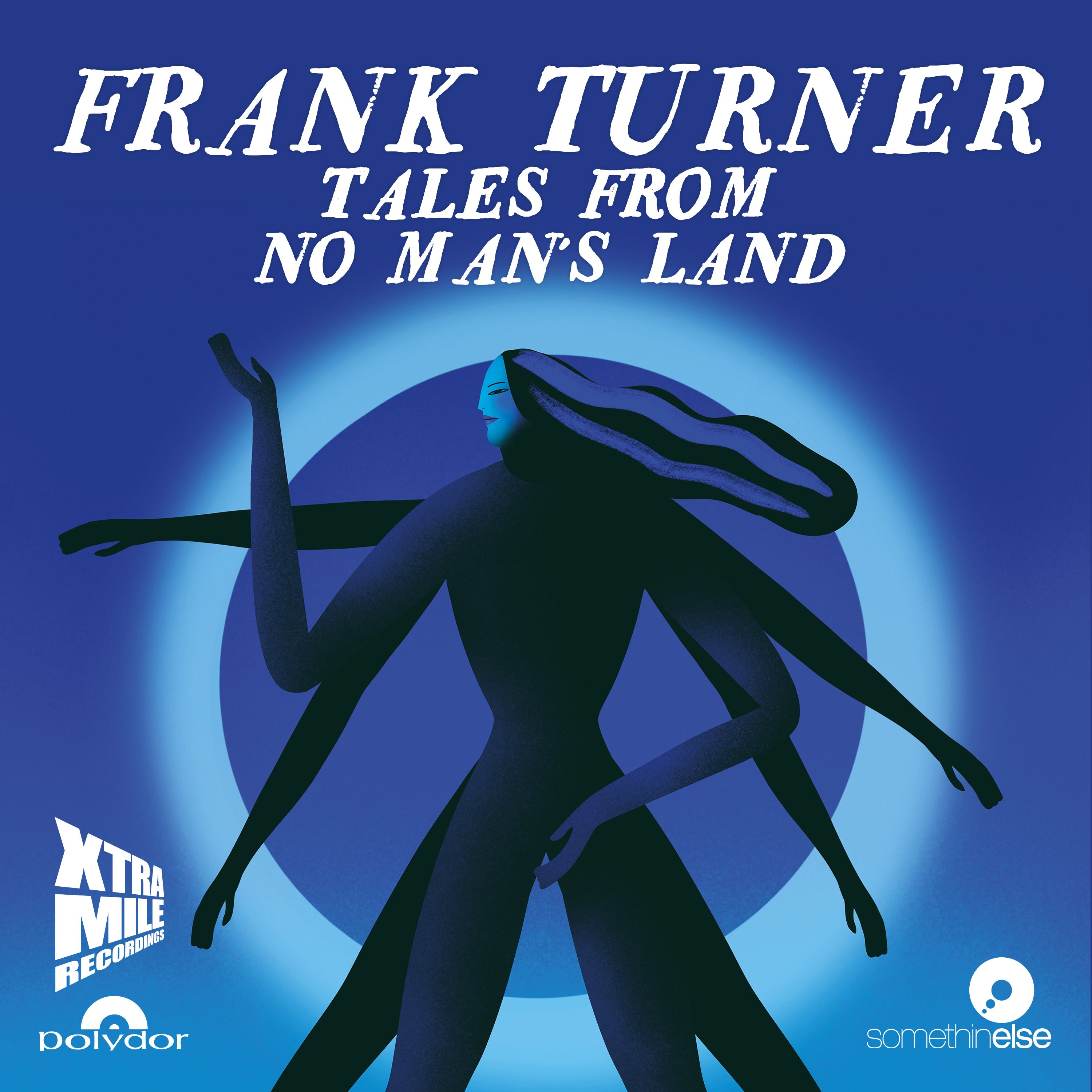
This podcast episode details the life and legacy of Mata Hari, born Margareta Zelle. A Dutch schoolteacher who fled an abusive marriage in the Dutch East Indies, she reinvented herself in Paris as the exotic dancer "Mata Hari," capitalizing on early 20th-century fascination with the "Orient." Her career made her a high-society sensation. During World War I, her associations with French and German military figures led to her arrest. She was tried and executed for espionage in 1917, a conviction historians often view as a hasty scapegoating during a period of French military crisis, with scant concrete evidence. The discussion highlights how her true self remained elusive, as she strategically adopted multiple identities for survival and career. Her story was rapidly mythologized, particularly in film, blending with the "vamp" trope to cement her as the ultimate femme fatale—a dangerous, seductive, and unknowable woman. This cultural afterlife has largely overshadowed the historical figure, transforming her into a symbol of reinvention, performance, and tragic victimization.
[Music] Hello, I'm Frank Turner. Welcome to Tales from No Man's Land, a podcast that accompanies my album No Man's Land. It's about 13 women from history who you probably haven't heard of but definitely should have. Their stories are fascinating, moving, funny and most importantly, worth celebrating and sharing. This episode of my podcast is about a woman who had many different names. [Music] She was best known as Mattahari, which in the Malaysian language means the song, or literally, the eye of the day. But her real name was Margareta Zalla. [Music] [Music] She was a Dutch school teacher who got married and moved to the East Indies and then fled her abusive marriage to become an exotic dancer in the top salons in Paris in the early 20th century. [Music] At the end of her life, she was accused of being a spy for the Germans in the First World War by the French and was actually executed by a French firing squad for espionage. And in some ways, Mattahari is the best known of the 13 women that I've written songs about. Movies have been made about her and she's said to have inspired many classic femme-fatal characters. But one of the things that I find interesting about her is that nobody really knew the real her, not even in her own lifetime. To find out more about Mattahari and her legacy, I talked to the film historian Pamela Hutchinson. [Music] Hi Pamela. Hello. Thank you so much for being here. It's a pleasure. How are you today? I am very well. Excellent news. Ready for a nitty gritty discussion of Mattahari. I mean, I've never been more ready. Okay, excellent. Well, let's begin if you could tell our listeners who you are and what you do and what you're bringing to the table today. I'm a film critic but more specifically, I'm a film historian. So that means that I look at the history of film and I also look at the kind of industrial and cultural that films come from. And I specialise a lot in silent film and of course the history of women in film, which I think is one of the reasons why I'm here to talk about. Yes, excellent. The way that Mattahari has been portrayed. Yes, I'm hoping to learn many things. One of the things of the selection of people that I've written songs about on this record. Mattahari is probably the best known name. My diving off point was idly one day. Was wondering what her real name was. And it turns out her name was Margaret Zalla. Oh yeah. And she was Dutch. And that was surprising to me because she's generally, I think French people would say. It's some kind of exotic. She's sort of claimed or was given many, many cultural agentatives. Yeah, yeah. Right. And my association with her was Paris, I think, in the first of all. So I think in going through her story, the thing that sort of grabbed me and fascinated me and led to writing a song, you know, I went down at what we call Wikipedia whole. Oh yeah. I mean, lost. For a million hours and hours and hours. But she had many, many different names throughout her life. And obviously Margaret Zalla's her birth name. She was a schoolteacher, sort of middle class family, I think, or low middle class family, who was sort of bored and sort of unfulfilled perhaps. And she answered a newspaper advert. For a husband. For a husband. I mean, it's which was a thing, apparently. And yeah, ended up ended up in Indonesia. Yeah, which was a big mistake. Yes, right, because his name was MacLeod. I think he had sort of pretensions to an aristocratic title because she became known as Lady MacLeod. And he was an alcoholic who beat her and then she was extremely unhappy. And they had a terrible tragedy with their children, obviously. Oh right. Because they had two children and the children got terribly sick when they were young and the little boy died. Right. And they were so happy to survive, but it's quite a mystery to exactly what was wrong. They claimed that maybe the nanny had poisoned the children. Right. But it's possibly that it was because the parents both are syphilis. Really? I didn't know that. Wow. Wow. Okay. So yeah, but sort of this early tragedy in her married life. But so for a time she's Lady MacLeod in living in Indonesia. Basically, she got interested in Malaysian dance. I think I get the impression because she needed an escape. Yeah, she was. Yeah. So to continue the story. So she learns Malaysian dance and she assumes the name Mata Hari, which means "I of the day", which is a ritualistic way of referring to the sun. And then somehow her other ends up back in Paris, where she causes a sensation. She arrives and starts and begins to dance. And I've read people saying that she was quite good. Definitely provocative. Yeah. I mean, it's quite sexualized. Incredibly. Although some people say that she was stripping down, but stripping down to a body-stocking. Oh, okay. I'm not going to get it my-her-full. Talk about tricking the audience. Yeah, sure. Absolutely. But she, yeah, she's there's nudity involved and there's sexes having the air. But I did read there was some reviewers, I think, sort of were under the impression that she was a bit of a kind of cultural tourist, should we say, and was sort of, she was getting away with it because nobody was familiar with what might constitute actual Malaysian dance. You know, she was sort of like succeeding because of the ignorance of her audience. But I don't know how true that is. And of course, there's, I mean, the large theme in all this is sexism, I suppose. Yeah. And obviously, she is exploiting the fact that people want to look at semi-negative women, and perhaps that they feel they can do that. If it's someone from different culture, people don't have the same boundaries and propriities that they would have. Yes. If they thought she was a middle-class Dutch woman, they might feel less, you know, less welcome to that too. Yeah, sure. Sexualizer in that way. Yeah. I mean, did she claim to be Malaysian at this point in time, do you think? I think she claimed a lot of things, but you know, really, when you're on stage, people are only really interested in your stage persona. Yeah. That's what she's selling. And, you know, what's a suggestion in one forum might be more explicit in another. Absolutely. And, you know, everybody likes to flirt with something a little bit dangerous. And, you know, you wonder when you read the reviews of Mata Hari Dancing, how much the reviewer is embellishing it or hiding. Sure. You know, we can never quite be certain what went on. Right, because I mean, to refer to your main discipline, I mean, she exists just before. They might have made film of her, let's suppose. I mean, it could have been possible that someone would make a film of her. There may have been film taken that's been lost, you know, they say 80% of all silent film was lost. Oh, that's tragedy. One of these days, one of these days, can you imagine if we uncovered some footage from a Paris nightclub? That would be amazing. Well, it wouldn't be for a nightclub, it would have been taken to a studio. But then, so, but then that also, that raises the interesting thing, because she becomes very kind of like high society quite quickly, I think I'm right in saying. Yeah. You know, she's a smash. Yeah, it was a time, the bell of pop, when people felt that they were very modern and they were accepting and open-minded. Yeah. And so why not have this exotic dancer as part of your elite club in your silence, you know. Silence, yes. So, something quite a lot of them are private performances as it were. Yeah. I mean, there's a cache a to having a person like that at your event or your gathering. And wouldn't you want her at your party? I mean, I absolutely would want her at my party. Absolutely. And people talk about their sort of dream-driven party, you know. But, you know, I think, you know, there was a certain sort of fluidity about that kind of society at that time. Well, this is another thing. There's debate, I think, about, I think she was often accused of being effectively a courtesan, and of actually sleeping with some of her more famous fans and patrons. I'm not entirely sure whether, how much evidence that she actually did there is. Yeah, I mean, you never know exactly what happens. I think some of her letters, she refers to things like, you know, I did some things that I'm not proud of. You know, I think we can think, we can look at the glamorous photographs and, like, to be fair, there are so many glamorous photographs, and "Matter-Hurry", and we can hear the word courtesan, and you get a certain connotation. But I think at some time she sometimes did some things, she needed to get by, you know, we call it kind of, for survival. And, you know, she worked, you know, she worked as an artist model before she went on the stage, and then she's on the stage. And these are the kind of jobs that people had these connotations with. You know, that they would assume that if a woman is there to be looked at, then she's there to be taken in another way. And certainly when the dancing career slightly goes on the slide. Yeah, sort of before the war broke out she had found herself liaising in one form or another with both French military people and German military people, which unfortunately, after 1914, turns out to have been a bad idea. Yeah, yeah, that's the only thing. And you know, we know what she was accused of. She was accused of spying. Yes. I mean, there's definitely sort of evidence I think that she was approached by the Germans in particular. Oh, right. Yeah, but we don't know whether she actually followed through. Sure. She was certainly she was accused of being this is the last name that she sort of assumed well, well, was given, should we say, was H 21. She was agent H 21. So romantic. I know, I know it's such a come down from Mathohari, but I think I get the feeling that she, I mean, she's one, she's definitely a scapegoat. Absolutely. Yeah. Because the crucial event is the battle of Verdun, at which the French army is like completely decimated and ground, the meat grinder they call it. And so many people have died and the French army. Actually, I think I'm right. I'm saying did actually mutiny in 1916. And and they sort of hushed it up. And they were desperate for other things. First of all, other reasons why the war was going badly. Other than the fact that, you know, people were muting on the front and secondly, something else put in the papers. And from what I was reading that there were moments where people were trying to warn her that bad things were coming. Yeah, I mean, even you do sympathize with her so much, you can imagine this sort of glorious existence in Europe before the war where their international boundaries didn't seem so serious. Sure. And suddenly the fact that she has this, what we would consider glamorous, you know, well-traveled lifestyle and lovers in different countries, suddenly becomes something that's incredibly, you know, going to condemn her. Yeah, I was, well, I was reading that, you know, people kind of said, you know, sort of said, came to her and said, you know, you're in trouble. trouble and I think she didn't take it.
quite as seriously as perhaps she should have done. And I think there were opportunities for her to have gone to Newtua to Switzerland, let's say, or wherever, which she didn't take. And she ends up getting arrested. And I think it was pretty summary military trial, I think I might have seen. Yeah, so she thinks she was arrested in February, and she was on trial and then she was executed in the summer. So all takes place over quite a short period. And yet the evidence against her, the physical evidence against her, did seem to be lacking. There's a lot of interrogation, there are times when she may have admitted to something, but whether that was because of the interrogation we don't know what we have is this sort of a song to pin the blame on. It's always very eye catching. Well, and indeed quite famous. Yeah, very, you know, I mean, I was sort of trying to think of an equivalent, but it's not a million miles away from us, a deciding that Taylor Swift was a spy during a war, do you know what I mean? And like, and accusing her of being a foreign agent. And if you think about it, I mean, you know, I wouldn't want to compare something to a real war, but you know, when someone like Taylor Swift, you know, people sort of suggest that their politics might not be in the right place, or they could have done something or they should have stood up for a cause or not. The backlash that we get now, we see that we really would quite enjoy blaming a public figure, rather than just talking about the general mass of people who do or do not vote in a certain way. Of course. And similarly with Mattahari, I mean, in a way, it's a tragedy that she's remembered for mostly, I think, for the way that she died. Yeah. And indeed talking of tragedy, the thing that I read which I put into the song because it broke my heart is that having been this hugely celebrated figure, nobody collected her body. No, she was shot in a field and her body was put in the cells for someone to come and claim. And no one did. Yeah, I mean, her family were abroad, obviously. Yeah. But yeah, I mean, that's sort of the way that there is no one to stand up for you. And the idea that you die in front of a foreign squad, but you die completely alone. She hadn't made a will. I mean, which possibly suggests you didn't think she was going to die. She let her daughter sort of in a very bad situation. Right. Yeah. I did read she refused to blindfold. Yeah, this is on the most famous and absolutely fascinating things about Mattahari. I mean, the idea that she was so brave that she would face her death in, you know, but also there's something, you know, I was talking earlier about the idea of a woman being there to be looked at. The fact that at the end of her life, she looked back. Yeah. She looked back at the men who were accusing her or not technically accusing her, obviously. Sure, but they're not. They're not. They're not. But I mean, they're not going to pull the triggers. I mean, you know, it's it's an incredibly, sorry, eye-catching moment in history. We have it from an eye witness whether we believe him or not. I'm sorry. This is part of the Mattahari legend. Sure. And it's you see it in a lot of the films and it's completely devastating. Well, so that brings us then to the afterlife of Margaret Zeller of Mattahari, because as you mentioned, there have been many films. Well, the first let's begin with, there have been many films about her specifically. Yeah. And it's starting quite early on, I think, after the war, I'm not right in saying. Yeah. The first proper Mattahari film was in 1927. It's a German film. But already before then, there have been so many Mattahari stories in the press. So, and there were Mattahari type spy stories. It was a British one called a woman redeemed, which is a nice British title for it. And there was one by the Irish director Rex Ingram, a really beautiful film called Mara Nostrum, which is based on a novel that was written just in 1920, just very soon after she died. Sure. One of the things I was thinking about when she died is 1917. And what we think about in culture at that time, in the cinema is the vamp, Therabara. Sure. You know, if you look at the film that the famous lost film with Therabara that came out just a few months after Mattahari died, she's wearing that kind of breastplate that Mattahari died in when she plays Cleopatra. She looks like Mattahari. And I think it becomes a kind of cross-agentification of the Mattahari type and the vamp. Sure. So, very quickly. Very quickly. We're moving into the realm of myth and legend and far away from the facts of Mara Nostrum's actual life. Yeah. I feel that image of Greta Garbo as Mattahari is the archetypal one. You know, it's man to say. But if I think of Mattahari, I'm probably thinking of a picture of Greta Garbo before I actually think of a picture of Mattahari on some levels. That's how culture works. And you know, it's interesting that you know, they could have made her look like anything. You couldn't change any digital and biopic. And we know that many of the Mattahari films do. But that particular look, the Indonesian look, the head dress and the breastplate is, it definitely resonates through all the key versions. Absolutely. If I may use the expression, she's the femme fatale. Absolutely. Yeah. Which then becomes moving yet further away from any kind of historic reality. Becomes a Hollywood trope, should we say? Absolutely. I think, and you know, the femme fatale has its origins in the vamp. And it's exactly the time when Mattahari was notorious and she died. And the femme fatale is so appropriately for what we're talking about is not just the dangerous, seductuous kind of the betraying sexual woman, but also she is the unknowable woman, the idea is that you get to know the femme fatale, you get drawn into your own doom. Which is obviously what happens when you fall in love with a spy. Yeah. Well, if she is a spy. If she was a spy. Yeah. But there's a funny sort of serendipity or appropriateness almost I want to say to the way that this kind of myth has grown out. Because I feel like one of the things I find interesting going back to the actual historical individual that we're talking about is that until the world came up, she played a very deaf game of shifting identities. I think, you know, and as we were talking about earlier about survival, that kind of thing, you know, she presented to the world different identities to forward her in case and to survive and to make living and to make art. Let's call it, I mean, let's remember that she's a dancer. It's just art. She's making art. I feel like part of the reason we don't know very much about her is because she was trying to hide, not hide, but like, you know, it wasn't in her interest to be known. I mean, yeah, there are two really interesting aspects of that for me. One is that, you know, if she can reinvent herself, then she can obviously be the mistress of disguise. It's so easy to believe that she could. But the other thing is, I think, when we talk about reinvention, it's obviously something that we celebrate and it's quite exciting to us, you know. But when you think about it as a woman and when you think about, you know, think about someone like Mattahari, as feminist historians, you know, reinvention and renaming is sort of the lot of women, you know, no one expected her to keep her birth name. No one expected her to die as Margaret Zazzella. You were expected to die under a different name, to take her husband's name, to take another husband's name. You know, so it's one of those things. If your name is not your own. Yeah. Then, you know, what Mattahari did, she asserted the right to choose her own name. Right. That's the thing that I think is for feminist historians, for women looking at the story, you know, particularly empowering and exciting, the idea of making yourself. Yeah, right. Well, that was the point that it's the sort of kiss-off line of the song, as it were, is that she got to kind of have all of the different shifting identities and names. And as we've discussed, ones that were given to her and ones that she adopted herself, the one that she, I have no evidence to back this assertion up whatsoever, but it's a song, it's art. It's a sort of artistic license. You know, I like to think that at that moment in time, the, the, the identity that she created for herself in a time of crisis that then enabled her to live a completely different life would probably be the one that she would have been most attached to. If you can hide behind a stage name and a sort of slightly baffling backstory, I mean, who would want everyone to know or a business? You know, I think about her daughter sort of working way quietly, being a kindergarten teacher when her mother's been executed by a firing squad with being a spy. And you think, you know, doesn't everyone have a right to a private life into a real history? I'd imagine her daughter would have been quite happy at that moment in time that she wasn't being famously having the same name or whatever, do you know what I mean? Absolutely, yeah, it's- It's just yourself. It's just having great, I mean, there's something very kind of liberating about having a kind of fake stage identity. I don't know, you can just tell me you're really called Norbert, doesn't it, right? My real name is actually Francis. I think- I think Francis to Frank, that's, you know- I think we'll let you off, yeah. Yeah, I was- and indeed to go down this road, it was an name given to me. I was at school one day and one of the bigger boys just announced that it was called me Frank from now on. I didn't really have any say in the matter, but it's, it's quick to say. Yeah, it's just- to write. I think, you know, I think you understand what Marka Hari was trying to do it, some deeper level. Yes, I really identify with her pain because of that, no, I mean that that that that raises an interesting point actually. So within the broader context of the album that I made, there are some of the songs that are kind of third person rapporteur, should we say, and there were one or two that are second person as it were sort of an address. And this has been writing in the first person from the point of view of a woman and I'm aware that this is playing with fire, should we say possibly? I mean, you know, it's sort of it seemed to me that if I was going to inhabit the character and really say what I wanted to say that saying it in the third person is really function as a piece of writing, but I hope it hasn't come off badly. Well, I mean, you know, one of the things is, you know, if you're inhabiting the role of Marka Hari, the whole point is that so many of the people have done. I mean, you know, and even she would say, you know, once you, I think once you put your name on your stage act, you're sort of saying this is a separate entity to yourself. I mean, so we could even say there are two completely different histories here. There's Mattahari, there's Margaret DeZella, they're completely different people. I think you'll be allowed. I don't want to be quite so pretentious as to say that the purpose of this record is didactic, is to teach people about these people you should know about, but it is to kind of shed light and to spread information, this kind of thing. And in a funny way, like, I guess people will know more about Mattahari after listening to this podcast and listening to this song, but like not everything. No, there's so much to find out. Yeah, but in a funny way, like, they shouldn't. Do you know what I mean? Like, I don't think she would want everybody to know everything. I mean, there's something, I mean, it's interesting as he say, the more you read, the more you find out, you know, how tall she was and how many children she had and what age she was when she died. And you know, for example, nobody thinks that the woman, the Mattahari, who was executed by a firing squad at that time, no one thinks that that woman is a 41 year old mother of two from Holland. Right. It's not what people, yeah. And you know, in one way, it's kind of deflating of this marvelous idea of the Mattahari myth, but I think we can just treat them as two different people in a way.
but I think you also have to understand that her myth has its own life. So I think it's fantastic to delve into it, but we'll always, even if we debunk everything we think we know about Matahari, we'll still have Matahari. She'll still be with us, you know. Yeah, well, the Matahari time is safe. The photo. And indeed that will develop over time because I think you mentioned earlier that there was possibly new information coming out. Yeah, a few years ago, people found some letters and there is hopefully her files will be declassified at some point. I mean, you would have thought so. 100 years after the event. Exactly. So, you know, it is possible that one day we'll find out whether someone did frame her. My understanding of the case would be that I don't think you'll find out definitive evidence whether or not she's spied, but we might know whether there was any kind of conspiracy to frame her. So we've mentioned, I think the word feminism has come up in our conversation so far. And I feel that Matahari has a figure that within that context and within that discussion could be interpreted in several different ways. I was wondering what your second hours. I think it's interesting that I've never heard Matahari discussed really as a feminist icon, but like any notable woman, you know, we have a feminist reading offer. And I think one of the things that I was interested in when I was looking at reading this week in the 1960s, which we think was sort of a good time for feminism, you know. The sort of birth of the Women's Live movement. That's when people started talking more about Matahari type. And that's when the applicant came to think there was a 1960s at a horror film with Jean Maraud, right French film. I should be very glamorous. Looks just like Greta Garber. Sure. But since then, what the other thing that happened in the 1960s, the sort of female spy trope that we have, I hesitate to mention, is the Bond girl, which is sort of everything that Matahari is watered down to the end of the degree, sort of homeopathic Matahari. Now we're going to have to be careful at this point in the discussion because Matt Mazee who plays keyboards in the Sleeping Souls My Regular Touring Band, is the world's single greatest James Bond fan ever. And any bad words about anything to James Bond will result in me receiving a beating the next time I get on the tour bus. So with that disclaimer in the bag, I do not know what it means, I mean the spy who loved me. Yeah, I mean, I think you can look at each individual Bond girl and detail, I'm sure you're fully well. Has done already. There's a lot of variation and the type has changed. We still have this idea of the Bond girl as someone who's quite disposable. And I found that an interesting kind of watering down of the Matahari myth. You know, rather than her being the centre of her own story, that she is someone who's sort of dependent on a man's story, who sort of comes in and out of life. Maybe more or less important, but we have the glamour, we have the sex appeal, but we don't have the sort of centrality of Matahari. Maybe there is space within our, the world of film and culture more broadly for a more empowered version of this story to be told of somebody female espionage where they're not and adjunct in a sidekick and somebody who then ends up getting sprayed gold and whatever else it might be. Someone is deeper than a myth, as you said. You know someone who's both Matahari and Margarita, that's the ideal, a real heroine, a real protagonist. Totally. Well, I mean, to bring this around now to the song, the tone for the song I was trying to strike is a very softly played song. It was probably the most softly sung and played song that I've released in my career. And I wanted to kind of get a tone of kind of slightly bitter defiance in there. I feel like life through some pretty unpleasant cards of Margarita's Ella. And at that moment, as we've discussed of her taking off the blind or refusing the blindfold and the hair execution, I've just kind of been like, "Screw you." Do you know what I mean? It's just like, "You think I'm a spy, you think I did this, it's like, "Screw all of you." But I wanted to present that artist in a way that wasn't kind of like loud and heavy because she was obviously incontestively defeated at that moment. And I think that's important. I think it's interesting. You know, all the things that we do and don't know about her, if we can remember her in the spirit of defiance and independence, I think that's really valuable. I don't, she doesn't come across to me as somebody who is interested in self-pity. And I like that idea of her staring down the soldiers. The day I died, the soldiers called me age 21. And sucks is in palaces and hundred names I've born from the bell at the Epo to the eye of the soul. If anybody asks, I name myself after the sun. I was a teacher when I was young, but I ran away from home to the east in these and warm, warm sun to what a man I did not know. He called me Lady Merck Lough, but the times did not allow. My complaints are drinking, dragged him down. So and dancing, the peeps I found. They called me a tourist when I began to dance. And I'm a turntin' courtesan when I came to France. But stages and solace, I held my tongue, was never owned by any man or known by any one. I never cared much for the war. I had seen men fight before, seen the sickness in their spree, their court. I would dance for them no more. They came to take me away from the hotel, shown so easily, told the soldiers I had nothing to say. They wouldn't have listened anyway. Too many men had died and somebody had to pay. They said a day for my dying day. But as I stood in that killing field, the fuse in the blindfold, staring down the soldiers and the hatred of the world, I felt the warmth of the malice sun, and I smiled for them all. They all thought they had the best of me, not one of them could say what I was called. Just before the darkness came, I whispered my real name. I am my Terhari, I are the day. And the cells my body lay on claim.
, if anybody asks, I name myself after the sun. [Music] All right. [Music] So there it is. That's my song "I Have The Day". Thank you very much for listening. Pamela. Thank you. Thank you for inviting me. It's been such a pleasure having you on. I've learned so much about everything today. One of my hopes and fears for this whole project that we're engaging right now is that to write songs about history and then get somebody in who tells you that you've made an error, which is terrifying to me. There wasn't an error. I neither didn't know I had forgotten about her children, I have to say. I'm glad that I didn't put anything in the song that contradicted that. No, I think it's quite a haunting story. But I think I've been just thinking about, as you were saying, you know, "Mata Hari" and "Culture", the more I think about it, the more I think of her as a really central figure in popular imagination around that time. So thank you for giving me the opportunity to think about that. Well, and indeed, and thank you for fleshing it out and making it a broader story. And hopefully our listeners have also learned more about "Mata Hari", although as we were saying earlier, not too much. Not too much. Not too much. But thank you very much for being in. Thank you.
So, there you have it and it was a real joy and a pleasure and an honor to speak to Pamela about Matahari and her story. And one of the things I enjoyed most about the conversation is despite all the different bits of history that we got into, I still feel like there's a kernel at the heart of Matahari story. We still don't fully know and understand her and I think that's how she would have wanted it to be. If you're enjoying the podcast, you can subscribe and review wherever it is. You get your podcasts. It really helps to get the word out if you do that. So please do click subscribe and leave a glowing review. Should you wish to do that. You can find my song about Matahari, I of the day, wherever you get your music from, and my album, No Man's Land, is available for pre-order. There are another three episodes out already about Sister Riser to Thorpe, Dora Hand and the graveyard of the Al-Costead. Please do go back and have a listen if you haven't already. And come back for the next episode, which is about the legend of a so-called witch who lived in one of my favourite bits of London, Candentown, in the 17th century. And she was called Ginny Bingham. This episode of Tales from No Man's Land was produced by Haley Clark. The executive producer was Peggy Sutton. Additional production was done by Paul Smith, Steve Ackerman, Josh Gibbs and Charlie Caplow. Tales from No Man's Land is produced by me, Frank Turner, extramar recordings and something else. If anybody asks, I name myself after this song.
Podcast Summary
Key Points:
Mata Hari, born Margareta Zelle, was a Dutch woman who reinvented herself from a schoolteacher and abused wife to a celebrated exotic dancer in early 20th-century Paris.
She was executed by a French firing squad in 1917 for alleged espionage during WWI, with her trial and conviction widely considered a scapegoating to divert from French military failures.
Her legacy is more myth than history; she became a cultural archetype for the femme fatale, inspiring numerous films and stories that obscure the real person behind her many assumed identities and stage personas.
Summary:
This podcast episode details the life and legacy of Mata Hari, born Margareta Zelle. " Her career made her a high-society sensation. During World War I, her associations with French and German military figures led to her arrest.
She was tried and executed for espionage in 1917, a conviction historians often view as a hasty scapegoating during a period of French military crisis, with scant concrete evidence. The discussion highlights how her true self remained elusive, as she strategically adopted multiple identities for survival and career. Her story was rapidly mythologized, particularly in film, blending with the "vamp" trope to cement her as the ultimate femme fatale—a dangerous, seductive, and unknowable woman.
This cultural afterlife has largely overshadowed the historical figure, transforming her into a symbol of reinvention, performance, and tragic victimization.
FAQs
Mata Hari, born Margareta Zalla, was a Dutch exotic dancer in early 20th-century Paris, later accused of being a German spy during World War I and executed by a French firing squad.
In the Malaysian language, 'Mata Hari' means 'the eye of the day,' which is a poetic reference to the sun.
She was a Dutch schoolteacher who married and moved to the East Indies, then fled an abusive marriage before reinventing herself as a dancer in Paris.
She was accused of espionage for Germany during World War I by the French, though evidence was lacking, and many believe she was made a scapegoat.
She has inspired numerous films and is often depicted as a classic femme fatale, blending myth with her real-life story of reinvention and intrigue.
Her shifting identities, from Margareta Zalla to Mata Hari, reflect her reinvention for survival and art, highlighting themes of empowerment and self-creation.
Chat with AI
Loading...
Pro features
Go deeper with this episode
Unlock creator-grade tools that turn any transcript into show notes and subtitle files.
 PodcastTranscript AI