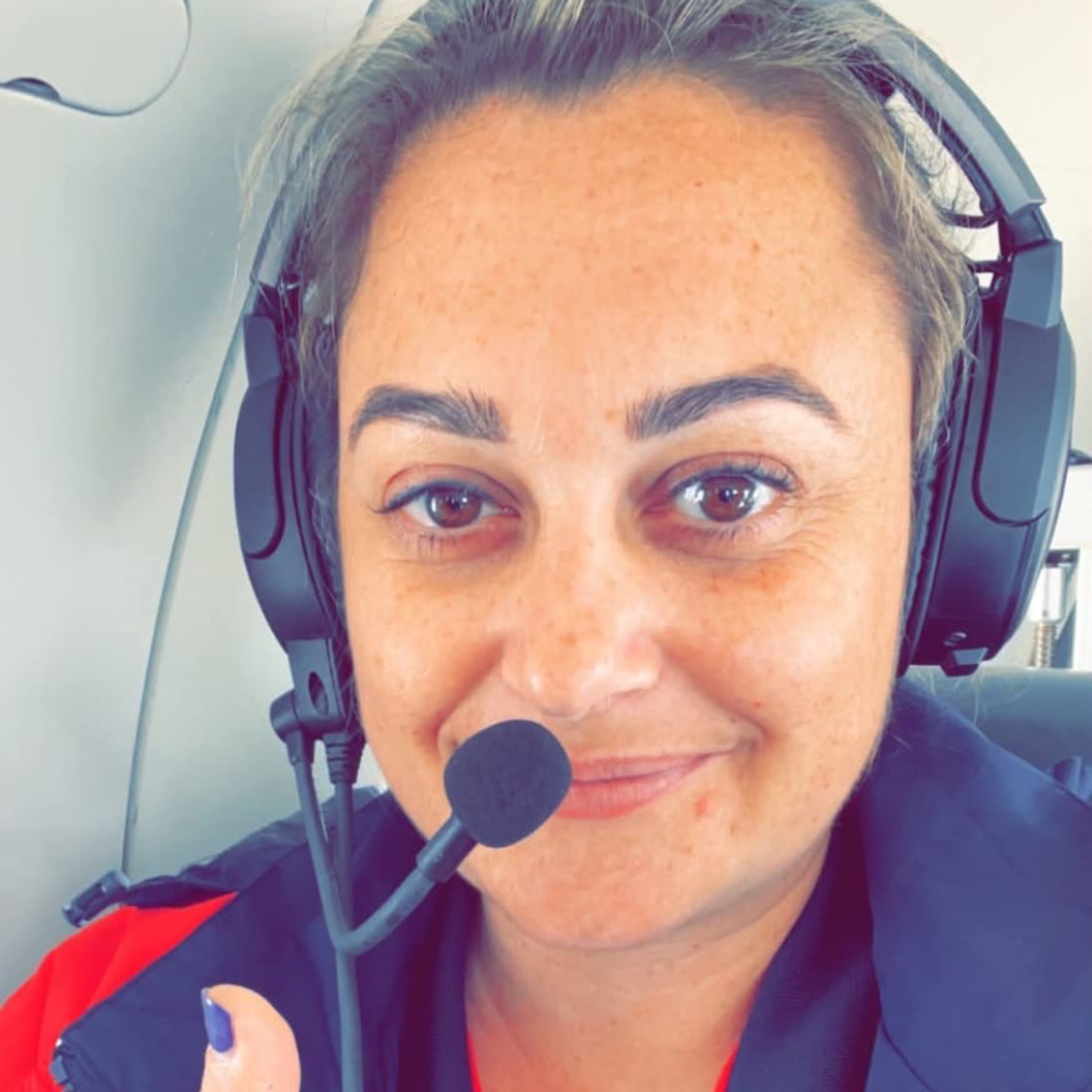
Carrie McGraw shares her life journey from growing up on a rural farm in Casterton to becoming a dedicated nurse and healthcare leader in remote Australian communities. Her early years were defined by hands-on farm work, where responsibility, resilience, and teamwork were instilled through daily challenges like driving vehicles, managing livestock, and handling dead sheep. Family values, including a strong work ethic and community focus, were reinforced through non-monetary rewards like school trips and holidays. Her education transitioned from a small, close-knit school to larger institutions, where social dynamics and peer interactions shifted significantly. Music became a lifelong passion, nurtured through family piano lessons and self-directed guitar playing, offering emotional relief and personal expression. She initially pursued psychology but chose nursing due to family influence, travel interests, and practical considerations. Her nursing career took her across remote regions of Western Australia, where she witnessed stark health and social disparities in Aboriginal communities, particularly in access to care, substance abuse, and cultural priorities. She highlighted the deep cultural differences in healthcare needs, such as the significance of community and country over individual medical treatment, and the challenges of navigating these differences while maintaining clinical standards. Her experiences during the COVID-19 pandemic were especially demanding, requiring rapid policy development and managing urgent patient care under extreme uncertainty. Later, she worked with the Royal Flying Doctors Service, where she managed complex, high-stakes flights, often under strict PPE requirements, including long hours in protective gear with no access to food, water, or toilets. This experience deepened her understanding of pre-hospital emergency care and the need for clinical adaptability. Her leadership roles in regional healthcare further emphasized the political and administrative complexities of managing health services in remote areas, especially during election periods. Overall, Carrie’s story reflects the interplay between rural upbringing, cultural sensitivity, personal resilience, and a lifelong commitment to serving diverse communities.
Hello and welcome to Casterton Connections. An initiative of Hands-Up Casterton where a group
of enthusiastic locals have come together to capture, preserve and share stories of people
who have a connection to Casterton.
Please be aware that this episode may contain content that refers to,
or discusses topics related to Aboriginal and Torres Strait Islander cultures,
histories or individuals, including references to deceased persons. This may be distressing
or harmful to some listeners. We encourage caution and offer our respect to those affected by this content.
Carrie McGraw, our guest on Casterton Connections today, has fitted a lot into her 38 years.
The second eldest of four girls, Carrie grew up on the family farm at Strait Downing,
with her parents Ed and Sharon McGraw. Welcome, Carrie.
Thanks, Lois. I'm presuming, according to your own admission, you have been the best farm worker
your parents have ever had. Oh, no doubt about it. What are your best memories of growing up
on the farm at Strait? That's a hard one, because I guess we have lots of good memories.
I mean, definitely lots of hard work. I know lots of people often have made comments
about the fact that we're all girls, but I can assure you Dad did not care that we were girls.
He didn't notice a difference. He didn't notice a difference, and we were all expected to,
I guess, participate and pitch in. I think we're all very aware from a young age that the farm
was the family's livelihood, and that helping on the farm was helping mum and dad was helping
the family. So as much as it was expected, I think we all enjoyed helping, and that sense,
it wasn't a sense of obligation, I guess. It was something that we wanted to be involved in,
and we wanted to help with. Yeah. Lots of obviously lehrmarking, shearing,
occasionally I think some jobs that Dad didn't want to do that got passed on to us.
I know, like what? What were those terrible jobs? Yeah, I did find it interesting. I know
when I was a teenager, maybe like 14 or 15, obviously scarlet, Sullivan, and I, you suspend a lot
of time together at each other's family farms, and we were always pretty keen to do jobs for Dad,
and so whenever she was visiting our farm, we'd be like, you know, what do you want us to do for you,
and Dad would be, you know, go and check this windmill, or, you know, can you go and do whatever,
but for some reason, every time that we said, is there anything we can do, there was always a
dead sheep to be dragged away, and always one that had been dead for a little while, that I think
perhaps he'd been saving up for us. Oh god. Okay, so obviously, like most farm kids,
we're driving vehicles and so forth pretty early on. Oh yeah, definitely. I do remember,
you know, some interesting challenges with the driving. We got a paddock bomb when we were
teenagers. Dad bought it in town. I think it was registered initially, and he drove it out to the farm.
We had this old station wagon commandoor that we all used to kick around in, and obviously Dad's
pretty protective of the paddocks, and not making a mess, and I do remember one time, you know,
we thought we'd try and, you know, do some donuts. I just knew that was what you were going to say.
Yeah, you know, like, you know, just stuffing around, and I think it was mum that saw us,
and she was like, your father's going to kill you, you know, like, you're ripping up the paddocks,
you're being silly, you're going to get in trouble. But thankfully, when Dad found out, he offered
to teach us to do it properly, so that was quite good. But, you know, yeah, definitely driving was
always fun, and then, you know, we would be then trying to teach the younger sisters to drive,
you know, and just that little bit of independence, you know, rounded up sheep in the commandoor
around the paddock and things. So it made you feel sort of older and a bit special too, probably?
Yeah, definitely, definitely. And I guess things that we just assume is normal in terms of,
you know, you learn to drive the tractor early, and you learn to do all those things early,
because you've got to help out. Yeah. So that probably gave you a sense of responsibility,
and that's probably something that's coming through in what you have done with your short
life so far, the only things you have achieved so far. So that's probably giving you that sense
to be responsible for things, et cetera. Yeah, absolutely. I think, you know, farm life,
I think definitely does give you a sense of responsibility. But I think it's also giving me a
very strong work ethic, you know, because you do have to, and resilience, you know, because,
you know, when it's raining, you still need to go down the paddock, you know, when it's hot,
you still need to do things, you know, you can't just go, oh well, I'm going to tap out today,
because at six o'clock, and the job's done, you know, sometimes it was weather dependent,
that at six o'clock, you're going back down the yards, because the weather's cooled, or you need
to get the sheep in for shearing, or, you know, and that sometimes it's a few weeks of 15-hour days
when there's things going on, but that's just what you have to do. So I do find, yeah, that resilience
and the fact that you just have to do it, and you know, no one else is going to come and do it for you,
you can't tap out, and sort of just to get on with it, that I think has been very helpful,
and it has definitely translated to my work life and life in general. Yeah, yeah.
So your dad being a, so we say, equal opportunity employer.
What's the re-numinate, re-numinate? Well, can't even say the word. How were you paid?
Longnext. Yeah, well, back when Dad was drinking, that was part of it,
nobody hasn't done that for many years. As kids, I guess it was the re-numination. It was never
money, but it was-- So you can't say that word in my life, it's hard one. It was never money in
that sense, but it was things like, you know, lamb marking was obviously always in school holidays,
you know, in July. So, you know, everybody pitched in for lamb marking, but at the end of lamb marking,
you know, mum would take us to town and, you know, she'd buy us a new clothes, or we'd get to go to
the movies, or, you know, that sort of thing. Or you understood that, you know, December,
Wang lambs and shearing, you know, you can't just pack up and go to the beach, like other families
with nine to five jobs. But at the same time, you know, we always did have family holidays, and we
always did things. And I guess mum and dad always made it quite clear that pitching it and helping
on the farm enabled them to be able to do those things for us. So we just do us saw it as being paid
in that way, if that makes sense. Yeah. Yeah. Also, in experiences, rather than actual
cash, I don't think we've ever got paid, but not expected to either. And there was also lots of
times, like, like I lived at home when I went to uni, you know, obviously I didn't have to pay
board, but it was then expected that you pitch in for the fact that you're living here. Yeah.
Yeah. Yeah. So you went to school at Strath to start with your early primary years until grade four.
Yep. And the school closed. Is there, are you the reason for the closure of that school?
I guess I would depend who you are. Yeah. Unfortunately, it did close, which was a shame, because I did
love my time at Strath, and I have lots of fun memories. Allegedly, the reason it closed is because
we dropped below 11 students. Yeah. And I think the rule was that you had to have over 11 students
to keep the school open, which is why it closed. And then we transferred into town.
So had what memories have you got of that time at Strath? Like, who were your teachers and who are
the kids that went to school with you? Yeah. So I remember one teacher, because I'm pretty sure
that's all we had. There might have been two at one point, but it was obviously my older sister,
Riannan, Leah did start at Strath. So that's you. My youngest sister, Leah. The crakes,
so like Brad Crake and Zena Crake, the Harvey kids, like Stuart and Andrew Harvey,
the Killsby's, Campbell Killsby, Pater Killsby, Emily McKekran. Yeah. So that was the most of the kids,
you know, and for me, I was the only person in my years. I was going to ask that next. So yeah,
yeah. So I was the only kid my age at Strath. So all I remember is, you know, everybody worked
together in the classroom, like I just the one class, just the one class, you know, we all played
together. Yeah, I remember it being very, very simple. Yeah. Yeah. And then you're coming into
sacred heart. Yeah. Yeah. I found that a bit of a challenge. Yeah. You know,
You know, from going from the only person in your year level in a very small school with
11 people, and then I remember going to Sacred Heart and there was 11 people in my grade.
Yeah.
So that was quite a change, like just the amount of kids and having to take the bus and
all those sorts of things that were very different for you.
Big change.
And also big change in terms of, you know, how kids interacted with each other at recess.
You know, I'm used to the whole school playing together to, you know, and unfortunately
my year level when I joined Sacred Heart was 11 girls and there were no boys in our
year.
Yeah.
Which, you know, obviously comes with a little drama, especially those, yeah, at the late
age.
Yeah, yeah.
So, and thankfully I did know, like obviously, from church, I still had people like
Claire Hullahan and Scarlett Sullivan and people that we would sort, like Mum and Dad's friends
that we would socialize with that I knew from not school situation.
So I still had people that I knew which made it easier and had friends, but yeah, I do
remember sometimes struggling with all those dynamics that I didn't enjoy getting involved
in and most of the time then I'd be like, okay, well, I'm just going to go play footy
with the boys and you girls can do whatever you like.
So you mentioned church, did you have a very religious upbringing?
I wouldn't say very religious, obviously Mum's side is not religious and we used to take
the Mickey out of her a fair bit about that.
The Mickey, that's a bit of a, being Catholic.
So, Dad was raised Catholic, so Dad's father, he actually trained to be a priest and Dad's
uncle was going to take over the farm and he was a prisoner of war in Thailand and he
died during World War II and so my grandpa left, I don't know what you call it, the seminary.
I think, yeah.
So he left that and came home to take over the farm, got married, had kids.
So obviously he had quite a religious calling, calling, you know, faith.
So Dad was definitely brought up probably more religious than we were, Dad definitely,
we went to church every week and Dad would take us all four of us on his own, probably
gave Mum a little bit of peace and quiet, a bit of respite from us, but you know, so
we all did our reconciliation, did confirmation, did all those, that side of things.
I guess, Dad's never forced it, he's always sort of more had the attitude that I guess
he's provided the opportunity for us to follow the faith if that's what we would like
to do.
And Dad and I have had many a deep conversation about religion and questioning things
and, you know, what this says and what that says, but he's always I guess, yeah, it's
never been forced, it's just been, you know, it's okay to question your faith, it's there
if you want it, but he is, he's one aspect of it.
But yeah, so, and I don't have any bad memories of going to church, you know, it was always
an enjoyable time, like, like, you know, the songs and I think the, the purpose of it,
I do, like, in retrospect, think that it gave, it instilled a lot of good values, you
know, because as much as I'm not a practicing Catholic at the moment, you know, the basis
of religion is a good thing, like, the 10 commandments are good things to live by.
And I do think those values were always the more important side of the religion to
Dad about being a good person, being a good part of the community and giving back, and
even though mum obviously not practicing, I think she agreed with those types of values
that was more the purpose of church.
Yeah.
Yeah.
So after Sacred Heart, you hit it off to high school, the cast and secondary college.
Yeah.
Again, that would be another step up because it's a big, it was a bigger school.
How did you settle in there?
Yeah, I don't remember there being any issues.
I mean, yeah, I think it was probably a couple of hundred kids when I started at the high
school.
I know it's a lot less than that now, I think.
Thankfully, most of my friends all came to the high school.
You know, there was a few that then transferred to Monovay and Hamilton College, but they didn't
do that until we were maybe, you know, you're nine or ten.
So I didn't find the transition that bad because everybody came with us.
Yes.
So you didn't have to find new groups of friends.
My older sister was already there, you know, and we were close and that made it easy.
And yeah, I didn't, didn't have any problems.
And the school side, I mean, I'm not going to lie, I was a little bit mischievous.
I'm saying, you're watching, yeah.
Little bit mischievous, but the school side in itself was, like academically, I didn't
struggle.
Yeah, I was going to say, yeah.
So you're quite an academic, really, you know, a sport or leisure, what did you do first,
you know, stuff as a teenager, you played with a sport?
Yeah, we always played sport growing up.
I mean, early days, we were all part of the fire running at Strathdowney.
Yeah, the Dunroman used to beat all the time.
Yeah.
I don't think so.
Strathdowney was the one to beat.
You're looking at the Victorian under 14 champions.
Oh, okay.
Thank you very much.
Okay.
But yeah, so we spent a long time in summer fire running, which was always good fun.
And perhaps just for the listeners, can you explain what that actually is?
Yeah.
So we, Kevin Harvey, used to run it in Strathdowney, and so we would have weekly trainings.
We would go over to the Strathdowney Hall, Kevin would get a fire truck out, and we would
run drills practicing how to use the fire truck.
So we, there were different competitions where one of them was always like a four-person
team, and there were targets that you had to hit.
And so it may be that all of you start 50 metres behind the truck, you will sprint down
to the truck and you have different roles.
Someone would have to turn the truck on.
Someone would have to connect the hoses.
Someone would have to run up the ladder.
And the whole purpose was getting the target sprayed with water in the fastest time.
Okay.
Which, where were you?
The truck starter, or were you the hose runner?
I was either the truck starter, or like connecting hoses and dragging hoses.
Yeah.
And they'd have other ones where you had to manually prime the truck and pump water that way.
So it was competitive, but I guess for the communities, it was an easy way to give kids
an understanding of how to use the fire truck, you know, and for when they're older and
these communities that rely on volunteers and perhaps in real life, you're going to have
to do this.
Yeah.
But it was always good fun.
And we travelled around to competitions, around Victoria, and competed, and yeah.
Yeah.
It was good.
What about music?
Yeah.
Yeah.
I am.
What about your music journey?
I am a bit musical.
That's, again, I don't know.
I don't remember, yeah, I don't remember whether I actually asked for lessons, or whether
it was offered.
I don't know how that came about, but all four of us took music lessons at some point.
The only ones that stuck with it were my younger sister Leia and myself.
So we took piano with Robin Rhodes here in Castedon, and had piano lessons with her for probably
10 years, and then one of my after-school jobs was, I then taught some other kids at
Robbins, piano, for a few years.
And there was a young girl in Strathiani that lived not far from Mum and Dad's, that she
would come around and I would teach her piano at Mum and Dad's house.
Yeah.
So music was always pretty important.
Dad plays piano, and at one point, I think when he was about 40, he stopped playing
footy and came to Robbins and he had piano lessons with us as well for a few years.
So yeah, music was always definitely been a big part of your life.
Definitely.
And then when I went travelling and couldn't drag a piano around with me, I bought a guitar
and taught myself guitar, bought a ukulele.
When I was younger, obviously I used to do a bit of singing at the local Australia days
or the footy club, National Anthem, and that sort of thing, a couple of times.
I think at the footy club, myself and a couple of others with a band, one night or something
like that.
But yeah, music's always been a part of my life, definitely.
So do you find it like, what do you say, a lead out from the pressures of work and stuff
like that?
Do you still pick up the guitar and, is that how you chill out?
Yeah, definitely.
Yeah.
It's just very, yeah, it is quite cathartic, and it's very easy to sort of, I guess,
get lost in a different world, that you don't have to think about things, you can focus
on something different, and what your feeling might be, what you play that day, in terms
of a happy song, a sad song, classical music, whatever the music is.
Have you ever composed anything yourself, Cary?
No.
Well, just not really.
Not really.
Even I was a little bit younger, I've messed around with that sort of thing, and do a bit
of songwriting and stuff, but I'm more enjoyed, piano-wise, I'm more enjoyed playing classical
type music, whereas now guitar, I guess it's easier to just sort of play, you know, what
you hear on the radio or different songs.
But yeah, I've always definitely enjoyed it, and again, it was that thing that you had
to work at, you know, like I think some people obviously have a bit more natural penchant
for music, but yeah, I had to practice, and I'm sure, you know, as the family would
tell you, there's a lot of time with four girls in the house that we ran on a matty, didn't
know what, didn't know I was going to listen to you playing piano for five hours a day, but
yeah, you know, is what it is.
Yeah.
So, well, you play a little bit of basketball, netball, the usual country day.
All the usual things, tennis, netball, basketball, they're probably the main ones growing up.
Yeah.
I can't.
So, we probably need to, you've completed your 12th at the high school, and then decided
to go to uni to do nursing.
What was your inspiration for that, or what, or who, perhaps?
Yeah.
This one's always interesting, because, you know, and then when I went to uni and that's
one of the first questions I ask you is, you know, why did you want to be a nurse, and
why are you here?
And I did feel a bit bad, because I wasn't the first one to answer, and you're going
around the room, and everyone's, you know, "Oh, I want to help people."
Yeah, you're all touristy.
Yeah.
And, you know, I just want to care for people, and, you know, Florence, night and gal, and
I was sitting there going like, "Oh, it's good money, no."
Yeah.
I was sitting there going, "Oh, no.
What am I going to say?"
Yeah.
I actually wasn't my first choice.
Oh, okay.
I actually wanted to be a forensic criminologist, or forensic psychologist.
Okay.
Because that was the time of all those forensic TV shows, wasn't it?
Yeah.
Yeah.
And I was very interested in that, and so I applied to psychology in Jolong, which I did
get into, but school had said, you know, you need to have something else as a backup
in case you don't get in.
And so I was like, "Wow, I don't know."
And so, obviously, my dad, one of my aunties is a nurse, and had a couple of aunties that
were nurses.
Obviously, mom and dad were friends with nurses, and I thought, "Oh, well, that might
be okay."
Like, you know, he seems to be an alright job, and you can travel around, and you would
never be short of a job, so I put that down as well.
I got into both courses, and then I worked out that to do the criminology would probably
take me about 10 years of school, and I really wanted to go travelling, so I didn't want
to have to, you know, put that off for 10 years to do post-grads and all the things.
So I postponed it for a year, deferred it, and thought I'll just try nursing for 12 months
and see if I like it.
And after the first 12 months, I loved it.
So I cancelled the psychology, and never looked back.
Yep.
You've mentioned travelling a couple of times, and I know it is a passion of yours.
Where do you think that comes from?
I don't know.
To be honest.
Yeah.
I don't know.
I've just always had an interest in other places, and. Well, did you think it might be your interest in people, too?
Probably.
Like, other cultures, just, you know, seeing what else is going on in the world.
Yeah.
I have always been someone who is interested in current affairs, or things that are happening
overseas, or, you know, things that, I guess, are outside your immediate bubble.
Yeah.
So I've just wanted to experience new things, and, you know, I like to learn, so I guess
it's part of learning new things as well, travelling around, just seeing what's out there.
So you started off, you do just three years at Union, in Montgomery, yeah.
Yep.
And then from there, where did you go?
I then went to Calgouli in Western Australia to do my grad year, which was quite an interesting
experience, a bit of an eye-opener.
So I drove across the Nullaball at 21, with powerful of all my stuff, no piano, though.
No piano.
And yeah, then it was into the real world, which, it was an eye-opener.
So it was probably pretty confronting, because it would have been your first time away from
home, because you lived at home when you were doing uni in Montgomery, yeah.
Yep.
So how did you cope with that initially?
Was it, was it a shock, or was it, okay, we'll get my big girls pants on and deal with
this?
Yeah.
I think, yeah, I was okay with it, to be honest.
I mean, I think I've always been a pretty independent sort of person.
So obviously, you know, homesick and missed friends and missed family, but. This landmark here, exactly.
But I guess I was too busy with all of the new things that I didn't really get wrapped
up too much in what I was missing out on, because it was exciting, you know.
Work was exciting, because you're learning new things and consolidating your skills.
You know, there was lots of other young nurses my age, you know, so it was very easy to
make friends, you know.
So, were you sure?
How's cheering?
They gave you like, we lived in a compound, and I say compound, because we did have like
eight-foot gates around the compound because of the violence and some of the local issues.
So we lived in this compound where there was about 40 units, and so we each had our own
little unit in this compound.
So it sort of was like living at uni, I guess, with a group of friends, like we all worked
together.
Yeah.
We all came home to this compound, you know.
Did it have common areas that you gathered in?
It had some common areas, yeah, or we'd just spend time in each other's units, or, you
know, it was only three streets away from the main street, so we, you know, we're not
going to lie.
We spent a lot of time at the pub.
You know, Calgouli is a mining town, so I think it has 42 pubs in the town for like
a population of about 20,000 people, because of all the miners, so you know.
So it was mainly a fly-and-fly out population?
A lot of residential and a lot of FIFO, but it's only six hours from Perth, so there
was a lot of people that lived there, but yeah, big mining town, and we said they've got
a big open pit gold mine there, so it was very a party town, I'm not going to, it was
a party town.
Yeah, yeah.
So you just brushed on the violence before, what was that sort of, yeah, so there's a big
Aboriginal population in Calgouli, and the surrounding areas, and coming down from
the desert, Aboriginal people, there's lots of communities between Calgouli and Uluru,
and they sort of go between WA and the Northern Territory.
And so there's a big, unfortunately, a lot of third world issues, to be honest, in terms
of living conditions, you know, big homeless camps, you know, Boulder camp, basically was
their address on their hospital stickers, and that just meant that they were homeless,
and they just lived that way.
Alcohol was a big problem, domestic violence was a big problem, and lots of, you know, chronic
health issues, lots of neglect for the children, lots of issues that obviously as a 21-year-old
was quite confronting, probably, initially, very confronting initially, but also just
a different world, you know, I could remember going into work, and where we would drive
to the staff car park, you'd go around the back of the hospital, and there's this tree
across the road from the staff car park, and every day when you'd come in, there'd be
at least 10 or 15 patients under the tree who've in their hospital pajamas, and they'd
have lit in a fire, and they're cooking up some kangaroo and kangaroo tails, you know,
and, you know, it didn't take very long to sort of adapt to the way of life over there
that I can remember driving into afternoon shifts, and you'd hang out the window and be like,
"Bob, you're supposed to be in, like, you're any bodice of you in 20 minutes?"
And he's eating half a kangaroo tail, and he's like, "Yeah, sister, yeah, yeah, I'll
be in tune."
And you're like, "Bob, get in."
You know, that sort of way of life that is just pretty different, but then it became
normal very quickly.
Yeah.
Yeah.
So you went on to work in other remote and rural communities in Western Australia.
Yeah.
Yeah.
So, did you see a difference in any of the areas, like. Oh, there are different in lots of ways.
Obviously, the dry communities are a lot better, communities, unfortunately, where there's
access to alcohol or access to drugs, you see a bigger difference in terms of domestic
violence, neglect, sexual abuse, all sorts of things.
But in general, the themes are all the same, you know, chronic health conditions, preventable
health conditions, you know, standard of living, like, it is third-world conditions, and
often worse than third-world conditions, you know, there's no running water, sometimes
there's no houses, there's no shelter, they are literally just little humpies.
And I guess the biggest culture shock for most people is accepting that for a lot of
Aboriginal people, they're culturally, their priorities are different, you know, and what
way would prior.
in terms of healthcare or you know, what needs to happen and that you know, you need to go to Perth because you need a
specialist input or you're very sick that to them
it's a bigger detriment to their own mental health and personal health to leave country. Yeah, and so that is often a big part of
being able to accept that
They don't often prioritize things the way that we do and and I find that
often the hardest thing for people to comprehend that they can't understand
why haven't you finished that course of antibiotics and to the Aboriginal person you know, they were busy they couldn't go and get the script filled because
You know, they needed to go back out to the community for women's business and women's business last for two months
So they couldn't take their tablets for two months because women's business is more important than tablets for diabetes
So it's more it's more about the community and the country and country than it is about the individual. Yes
community and country is a much much bigger thing
and that part is often
Yeah, the barrier between you know white culture and Aboriginal culture because we just see things so differently
And yeah, those priorities are different
and it is still very
I mean look I'm not gonna lie some of the things that happen out there are quite
Barbaric I know we talk a lot over this side of the country about you hear stories in Sydney and Melbourne about
You know female circumcisions from African countries and what what we should allow and what we shouldn't allow
And what most people don't know is that these things are happening in remote Australia
Yeah, you know
male circumcision and the way that they do it, which is extremely brutal and they
Literally have boys age between 10 and 16 out in the bush for a couple of weeks sometimes longer
And they circumcise them with a rock against a sharp rock
And then they leave them out there in the bush to continue their men's business for weeks
Yeah, and then often they come into the hospital with raging infections and issues and all sorts of things
But of course you can't talk about it because it's men's business
And it's culturally inappropriate for women to ask questions or for a non aboriginal person to ask questions about that
So yeah, find it fascinating sometimes the I guess the double standards of what we allow in terms of cultural things
In other countries and this side of the country and what people are not aware is happening in remote parts of Australia
I find that fascinating I find that really fascinating, you know, it's certainly a very different insight
To what we see in here
Well, yeah, and that's what I mean
I've that's more the part I guess is yeah that I find people over this side of Australia who haven't had any involvement
just aren't aware of
You know what goes on
I know last year when I was in W.A. like at the hospital
I got a phone call from an elder in a community because they had
Ten boys who'd all been circumcised and they were concerned they were all infected and they wanted
Antibiotics and so they wanted me to send them out boxes of antibiotics out to the bush
And so they could start some antibiotics now the problem with this from my perspective is I don't know who these boys are
I don't know what they're allergic to I don't know their medical history
You know we use different antibiotics for different things. I can't just give you any type of antibiotics
You know, so I'm like I can't really do that
But you know, I'm prepared to send a doctor out to because obviously it's men's business
I do have a male doctor. I can send a doctor out with
Supplies to assess the kids and start some treatment because I appreciate you can't leave men's business to come to town
And they were like well
We can't really well we can do that
But the doctor would have to stay out here for a couple of days because
He'll have to go through a smoking ceremony
And he'll have to go through this and he'll have to go through that you know could because it's men's business and
Unfortunately the doctor wasn't prepared to do that which is also fair on his
You know to go out 100 kilometers into the bush
To go through all of that and you know, so he couldn't facilitate that which was fine and so in the end
You know had to say well unfortunately like you know the doctor isn't prepared to go through all of that initiation
He can't spend two days in the bush. I actually need him for the hospital here as well
So you know if somebody sick you need to bring them to the hospital so that we can assess them
And hopefully everyone's okay
And that becomes very hard because sometimes you do a couple little bit of backlash from the community when you make those decisions because
That gets interpreted as
You're not helping, you know, you should be sending someone out here
You should be you know someone should come out to the bush someone should bring things
You know, you're denying us access to health care
So that also becomes quite a politically difficult thing to navigate when
You know, I'm all for being culturally appropriate and supporting what they need but at the same time
You know, we still have to abide by certain processes and
You know standards from our side as well
Yeah, it's a bit of a fine line to walk. Yeah, yeah, it'd be very difficult
Um
Also, probably I was just in the USA, you know, how hard it must be for some of these Aboriginal people to come from community
and integrate within
You know, European culture, you know, like it must be very difficult then
Yes, you know, but there is there's lots of people that do it. Yes, you know, so yeah, it is it is definitely difficult
Um, and often you see the Aboriginal people sometimes are harder on each other than anybody else because
You know, um, for some of them that do sort of want to transition from a more remote community life to
You know, perhaps an education or a town or you know a more white man's
Society as they interpret it um, they often and I've seen them be often quite terrible to each other in terms of
You know, you're trying to be a white man. You know, yeah, you're not you're not abiding. You're leaving your culture
You're leaving your culture behind. I suppose in a way. It's like a um, you know, it's a religion. Yeah, a strict religion
You know when someone leaves uh, you know, a
Religious sect if you like that's um yeah, and you know and for some of them though
And that's I guess the hard part is each community is so different and some communities really
Value their kids getting an education and getting health care
Yeah, and they really promote that and there are others that don't it often is um
Very dependent on where you are and who the head of the family is gonna say who the elders are
We'll probably make a huge difference here because it's the elders that make the rules
And sometimes the elders are fantastic and are really engaging and want to improve things and sometimes
They're not
And they can make life a bit difficult
Um, I guess for their own
So when you say communities how many you know how many people live in these communities?
Oh, it depends some of the communities um, but only have 50 people some communities might have 200 people
Um, it just depends, but they're usually not that big
You know, they generally might only have between 50 and 150 people
Um, and that's often hard to gauge as well because they are so transient between the communities. Okay. Yeah
Um, so most of these the people that you dealt with were they homeless or actually had housing and
stuff like that
I guess it depends um in the towns each town
Um, there would be a lot of like state housing sort of like little um
Group like clusters of you know units and sort of state provided housing
There were always big groups of homeless people that was always an ongoing issue
Out in the communities
they definitely had
Houses in
But the state of the houses was often different um
So some of them were well kept some of them were not um
Yeah, varied, but you know for people that had you know
Obviously there's lots of Aboriginal people who are living in towns, you know with jobs and
You know, they're not as um, I guess involved in the community as some of the people that have come from out in the desert
And so they're living in normal homes and um, you know all that sort of thing
But I guess the people that are from the desert community wise they tended to be more
Homeless big also because they were so transient, you know, they
And it's hard because I guess they don't see things like we talk about
Them being homeless but to them or a lot of them. Yeah, they don't see it that way because you go between families
And you know, they might have a three-bedroom home and 20 people live in it, but that's normal for them
Yes, of course, you know, so they don't see it as being homeless. That's just where they're living that week. Yeah
yeah
um, so
You oh, we've jumped around the place a bit here. So you went from Calgary and then went
Did you was that what you went agency nursing um went to Darwin for 12 months first um, yeah, so we're not to Darwin
Which was pretty similar to Calguli um, healthcare wise like obviously with
Big Aboriginal population
We would get a few as well from uh, let pop a New Guinea and Torres Strait like coming over for things
Um, but again
Darwin was a party town, you know, very transient population, young town
and it was a great time.
Lots of camping, fishing, outdoors, hot.
- So you managed to do it between work still?
- Have a lot of leisure.
- Definitely.
That is, that is. - Camping, fishing.
- Yeah.
- And all that other stuff.
- It is the good thing about nursing is, you know,
it shifts work, but you can get big stretches of days off.
- Yeah.
- And because nursing is, you know, such a shortage
and there's no issue that even if you didn't have
enough leave, so knowing Darwin, me and three friends
then wanted to take a couple of months off to drive
a board of 80 series land cruiser.
And we spent a few months swagging it from Darwin
down the Gibriva, down the coast of W A to Perth
and then back up and work didn't. Well, I didn't have enough holidays accrued
for two months and work didn't want to approve
two months holidays, so we just quit.
And then, you know, six weeks late
and I said, "Well, I'll be back on the, I'll just quit."
And then I'll be back on this date.
Can I just have a new contract that starts on this date
when I'm back and work will like, yeah, okay.
Like, we'll definitely be sure when you're back,
so no problem.
And you know, great.
- So it is actually a career where you can get work
like anywhere and anywhere throughout the world,
basically, so isn't it?
- Yeah, absolutely.
There's never a shortage of work.
- So with your travelling, like, you, so you've seen
quite a bit of W A, yeah.
What's some of the best spots you've been, do you think?
- Hmm, that's a tough one
'cause there is lots of beautiful spots in W A.
I think one of the best spots I have been
is middle lagoon and it is just above broom,
up Cape Leveque and some friends
and I used to go camping every year there
and take boats and we'd go fishing for sailfish.
And so I do have some great pictures
or we did catch some sailfish, which was amazing.
But it was such a magical spot
in terms of wire watching.
So we would go in August and so when it's humpback season
and at one point we did think, oh, like,
we are really spoiled here because like day one,
you go out on the boat and it's like a bath,
like it's just a glass off every day.
And anywhere you look around on the horizon,
you just see humpbacks, breaching, jumping,
you know, water spouts, like, you know,
and day one, you know, it's, oh my God,
wow, wow, wow, wow.
And then by that day three, you're just like,
oh, there's a whale, like, you're so,
you've seen so many whales. - Yeah.
- But at night time and you sort of camped
on top of this cliff and at night time in the swag,
you can hear the whales singing in the ocean
while you're laying in the swag.
So it's pretty special.
- Oh, they're amazing.
- Yeah, and something that I guess we then,
like on retrospect, you sort of take for granted
that you just out in the middle of nowhere,
sort of camped on top of this cliff
at a very remote beach, just in your swag,
listening to whales singing to each other in the ocean.
It was pretty special.
- Oh, that is very special, I just think that's amazing.
- Yeah.
So you have, the majority of you know,
you're nursing in Western Australia.
- Yeah. - Yeah.
- You had a bit of a stint.
Oh, you did come back here to Castanon for a little while.
- Yeah.
- You came here for a couple of years
and then you headed off again to Portland,
next mouth around that area where you came.
I think you were going for four months
and ended up staying eight years or something.
- Yeah, basically.
- Which you ended up being the ED manager.
- I did, yes. - Yeah.
- So was that difficult, stressful, what?
- Yeah, unfortunately. - That was enjoyable.
- Or challenging. - It was challenging.
Unfortunately, I became the ED manager
a couple of months before COVID started.
So that was a very challenging time.
It was hectic.
And because I know, I was talking to some other nurses
about this recently, you know,
nowadays COVID is nothing.
You know, we get, oh, COVID, you know,
we talk about it like it's the flu.
But when we look back at 2020, it was frightening.
- Yeah. - It was terrifying, you know.
We didn't know what was going to happen.
All you heard was, as you remember,
was the reports from overseas about people dying
and obviously for us in Western Australia,
we were very aware of our Aboriginal population
and how vulnerable they would be to COVID.
And that was going to pose a lot of issues
if we got an outbreak because it would, you know,
decimate their health.
And so because we had no policies, you know,
we had nothing just like the whole world didn't.
But so from the ED perspective,
we were going to be the front line
in all of these people presenting.
And so having to navigate COVID.
- I would have been terrified.
- Absolutely. - Yeah.
- And it was, so one side of it was trying to instigate,
you know, flow policies within the department,
you know, where would we care for people?
You know, did we have the right PPE?
You know, and the actual hospital policy
and infection control side of things
and trying to, you know, do all of that.
And at the same time, managing people.
So obviously, you know, from a staff perspective,
you know, I had pregnant nurses or, you know, junior nurses
or nurses who were fearful of what was going to happen
who obviously, you know, we're very stressed themselves
about being potentially exposed to what would happen.
I had some doctors really lose the plot
in terms of, you know, just stressed about what would happen.
And so every day, it was literally people
just bombarding you with, you know,
what are you doing about this?
And, you know, this person can't do that.
And, you know, you need to do this.
And so you sort of were really the meat in the sandwich
because you had the staff on the ground, you know,
trying to get you to do things that I had no control over.
I did not have the resources to do.
And then obviously, upper management above me.
Also, you know, you need to do XYZ.
What are you doing about this then?
You were just the meat in the sandwich.
It was very stressful.
And it was quite difficult to navigate.
And that was, you know, the first time of me being a manager
in that way.
So it was a lot, I'm not going to lie.
It was very hard.
Yeah.
I mean, and, you know, also pre-vaccination as well, you know?
So like you said, it was an unknown thing.
It was a lot within-- I can read it all up.
I was in South America when it actually broke in Australia,
when the first cases were in Australia.
Yeah.
And South America were actually about two weeks
behind before they had their first case.
Yeah, OK.
You know, so it was traveling around the world
at a very rapid pace, you know?
Like you sort of thought, oh my God, well, you know,
what do we do?
Yeah.
And just being a nurse and front line,
those front line workers, I just--
I still think never got enough credit
for what they had to put up with during that period of time.
And not only because no one knew what was going on,
it's also the fear of the people,
and therefore that makes people angry.
Yeah.
And that non-compliant, all that sort of stuff.
Yeah, and that's true.
Like the staff side was one thing, but the community
expectation as well.
And for Port Headland, obviously, the port is there.
So that's where all the iron ore is exported to China.
And obviously, that was a big consideration in terms of--
and I didn't realize this until I'd moved there,
but like the port in Port Headland,
the money that goes through there every day
is responsible for about 30% of Australia's
attire in economy, like it's huge.
And the business that goes in and out of there,
but of course, they're all international.
And it's technically, you know, prior to COVID,
the seafarers would come on and off the porch
and be allowed-- you'd see them at Woolie's
and whatever, buying things.
And so obviously, they had to crack down
on the border control.
But all of those seafarers still needed to access the hospital.
And they would come in frequently.
They might get a burn, or they need stitches,
or they're sick, and they would have to come in.
And so then we had to navigate policies
as well of how to manage international seafarers
coming off the port and off the ships
into the hospital at a time when Australia had closed its federal
border.
So the nightmare that then went with that,
and I look back at one of the craziest things
that I had to do in COVID times was, as the manager,
we'd had someone come off the ships,
or they'd passed away on the ship.
But we were the closest morgue.
So the body had been transported to us
to a wait to go to Perth, or Coroners,
wherever it had to happen, because they'd passed away
in international waters or something.
But then obviously, WA Health, and everyone
was freaking out about COVID, and what if they were COVID,
and I was like, well, they're dead.
So, like, I'm pretty sure they're in the morgue in a bag.
Like I'm pretty sure they're not going to spread
their COVID 21 if they have it.
But WA was--
But then again, I'm suppose they didn't at that stage.
They didn't know it.
No, we didn't.
And I think this was part of the problem
is that we didn't know at that stage
that could it be transmitted, what would happen,
and what if they were positive.
So in the end, I got the job of going down to the morgue,
and he'd been passed away three or four days by this point,
and I had to go down to the morgue,
put on some PPE, unzip the bag, and swab him for COVID.
Oh, OK.
I've got to be in delight.
It was really delightful.
So things like this that was completely unnecessary
in retrospect, but at the time, you didn't know.
But I guess just one more thing that you'd
be sitting there being like, what am I doing?
What is my job like this is I'm the manager of the a day and I'm down in the
more swapping people for COVID, it's odd.
So how long did you stay there, Carrie, as Ed Manager?
All through COVID.
No, I did.
Yeah, maybe-- because I started--
I'd been in the ED, like, as a nurse on the floor,
and then stepped up to being the manager.
So I'd been there for a few years at that point.
And then I ended up-- so there's a couple of years there,
I think, as the manager.
And then I stayed in Port Headland,
but I took a job with the Royal Flying Doctors.
So I left the hospital and joined RFDS.
Out of Port Headland?
Yeah, they've got a base in Port Headland.
Yeah.
Oh, tell us a bit about that.
Like, what did that entail, but washing for the RFDS?
Yeah, so basically you would--
so it was shift work, but it was a bit different in terms
because you didn't know when you were going to get a flight.
So you were on call for a certain amount of hours
a day, and then what you were sort of depended
on where you had to fly to and what would happen,
because you were at the mercy of the pilot's hours.
That determined everything.
And the pilots have very strict rules
from CASA, the aviation, people, how long?
About how many hours a day they can fly,
and how many hours a week and a month,
and it's all very regulated for good reason.
So what we did depended a lot on them.
So basically, you would go into the base
or you would be on call at home, and you'd just wait for a call.
And someone would call you and say, OK, can you fly to Tom Price,
pick up two people, drop them in Perth, and then come home.
And you'd go, OK.
But to do that, we didn't have a jet at our base.
We just had PC12, so like a prop plane.
Oh, yeah.
So a bit smaller, which meant it took three and a half hours
non-stop if we didn't stop for fuel to go direct
from Port Headland to Perth, but the minute
then you had to stop to pick up a patient
or stop to get fuel, or if you had to fly sea level altitude,
depending on what was wrong with the patient,
then your times blew out.
So usually, if they called and said you're going to Perth,
it was a 12-hour day minimum, or you would get stuck in Perth
and have to overnight, because the pilot would turn
into a pumpkin and run out of hours.
OK.
OK.
So how many people fit on the plane?
So it would be you, the pilot, and the patient,
or a couple of patients at all.
So we had room on the PC12.
There's two stretches.
And there is three seats in the back.
And obviously, there's two seats in the cockpit.
So 80% of the flights would just be me and the pilot.
We wouldn't take a doctor.
So I could transport two patients on the stretcher,
and I could have a cedar patient,
or I could have two cedar patients and two people on stretches.
If I had a doctor on board, obviously,
we could only fit two structured patients and one cedar patient,
because then me and the doctor would be in the other seats.
I think the most I managed to jam on the plane one day,
I transported someone down and had to take the police with me,
so that I had to bring the police home.
But I had to pick up a whole bunch of people on the way back.
So I put the police officer up in the cockpit with the pilot,
so that I could fit another patient in the back.
So I had maybe five patients in the back
that I'd managed to jam in, and a police officer
in the cockpit and me in the pilot.
Did you-- so what was perhaps some of your scarier moments
with the RFD with them?
Yeah, it was always very controlled.
Like in terms of, you know, you always planned out what you would--
as with as much information as you could,
what you were going to, what our plan would be--
So it wasn't mainly minus, sorry.
Oh, yes, so it depends.
I'm obviously spent a lot of time at the mines in the Pylbra,
doing a lot of transfers from there,
but also a lot of the Aboriginal communities,
and you also did a lot of transfers with sick people
from hospitals down to Perth, you know, from smaller hospitals.
People needed ICU or care that the hospitals couldn't provide.
So it was a mixed bag, but you always did a lot of planning.
Yeah, planned for worst case, and hopefully that wouldn't happen.
But it was, obviously, you don't have many resources.
I think one of the worst nights, one of the worst shifts
I had was-- and ended up being a couple of long ones--
was an intubated patient who was very unwell,
so had a doctor.
But anyway, he kept dislodging his tube.
And which is fine when you're in hospital,
because you have resources and hands to help you.
But we got out to base, and such as me and the doctor
and the pilot.
And we lost the tube, and so he needs to be re-intubated.
And he was a big man.
He was not an easy airway, so there's lots of risks
than about whether we would be able to re-intubate.
And so then it gets a bit hairy, because in a hospital,
you'd have 10 people helping manage that.
An esoteric and specialist at the base.
It's me and the doctor and the pilot.
And thankfully, we called St John's Back
for an extra set of hands.
And so then the pilot, poor pilots, they just
become your luckies, and can you run and get me this.
And they're like, I don't know what that is.
And you're like, it sort of looks like this.
Like, you know, all like you get them to scribe for you.
And so it's a different, just a different situation, I guess,
which is why they're more thinking on your feet.
More thinking on your feet.
And being, what's the word, innovative, I suppose?
Definitely needs to be innovative.
And I mean, they do usually have quite--
they usually pre-stripped on who they recruit in terms
of skill level, because the thing is also--
a lot of the flights you don't have a doctor.
And so if somebody becomes unwell, midair,
you can't just get someone else to help.
You can't just land the plane.
So you do potentially have to manage someone very unwell
for a long time until you can get help.
So you clinically have to be quite comfortable in the skills
to be able to manage that until you can get some help,
which may be hours away.
So it's a different world than a hospital setting.
And the pre-hospital side is a different way
of looking at things.
And I guess you have different priorities sometimes.
But it's always interesting.
But yeah, that particular man--
we lost his tube about three times that night.
He didn't pass away.
But I was convinced that he was going to on the plane.
And obviously, the plane is not very big.
I could stand in the plane and put my hands out either side
and touch both sides of the plane.
So the thought of doing CPR or having
to re-insubate while we were flying
is a pretty scary thought.
But yeah, we ended up re-insubating
about three times on that shift.
I think we got to about 14 hours by the time we'd
gotten him into ICU the other end.
And we were just exhausted.
And it was a night shift, of course.
So that was a pretty long one.
One of the other longest ones was COVID.
COVID was still happening when I was at RFDS.
And they had very strict rules about the plane and our PPE.
And so we had to wear big sperm suits.
And we had paper hoods.
-Sperm suits. -Yeah, looks like a lie.
It looks like a big sort of painter's suit, you know what I mean?
Like all zipped up.
-Like a big condom or something.
-Like a big set of overalls, I guess.
You know, all covered in the hip-hop.
And we had these things called paper hoods.
So you had this big hood that you put on and it sealed
and you had a little filter that you wore.
But the thing is, once you put that suit on,
there's nowhere to doff to take the suit off
while you're in the plane.
Which means that once you put the suit on,
the suit stays on until you hand over care of the patient
and can take it off.
And so I do remember--
-What if you want to get into the toilet or something?
-You can't.
And you also can't have a drink of water.
You can't eat anything because you're in the hood.
So I do remember it was a Christmas Eve
and it was about 45 degrees in the Pilbara.
And we had an introverted COVID patient.
So by the time we flew to the hospital,
put on our suits and donned,
and then had to obviously transfer the patient
from all the hospital ventilator and equipment
onto our equipment and then put them in an ambulance
and then drive to the airport, load them in the plane.
We had to stop for fuel on the way.
So that adds an extra bit of time, take off landings,
fueling up, and then get to Perth the other end
and because they're COVID, no one wants you
to hand over care.
So then you've got to take them into the hospital
and drop them off at ICU before you can doff.
And so I think on that day, we'd spent over--
I think it was about 12 hours in PPE, no toilet,
no drink of water, no food on a 45-degree day.
And you just go suck that up.
-It's better than Jenny Craigway.
Lost it.
-Yes, she can.
-Oh.
So yeah, definitely different world.
There were lots of great things with RFDS as well.
-Yeah.
So then you went to Carathor and you became a director of nursing
for about five years, so--
-No, a couple years.
-Two years, two years, two years.
-Yeah.
-So that would have been another fairly stressful position.
But I can remember you're telling me about the political side
of that because there was a state election coming up.
wasn't it? Yeah, yeah, the last few months. Yeah, it was definitely
a stressful job. And that was, I mean, part of the reason I'd taken it was that it was going to be
a challenge, you know, it's something I hadn't done before. And so, you know, managing different
people and managing, I guess, the next level up of not just my department, but then having to manage
all the departments and all the hospital. And yeah, politically, you know, healthcare is unfortunately
very political. And the last few months I was in this job, I then was backstilling the operations
manager, which meant that I had oversight of five hospitals in the region. And, you know,
everyone under me, so like doctors, you know, business managers, the budget, the nurses.
So you basically the CEO? Yeah, basically. And then, yes, it was coming up to a state election
and the previous election, they had promised a dialysis unit to be opened at the hospital I was at.
Because obviously, Randall disease and the Aboriginal population, it was a big issue.
And at that time, there was no dialysis in town. And so people were stuck living in Perth for years
away in a chair to open up somewhere close to home. So it was hard on people away from families
and away from country. And they'd promised this dialysis unit and never delivered. So coming up
to the election, they decided that they were going to promise the unit again, but that it had to
obviously show that it needed to happen. And so I think the election was scheduled in March,
which meant that they go into administration, you know, end of January, early February. So then
they're not allowed to spend any money, make any decisions, until the election happens. So we got
notified, I think the end of November, that we must open a dialysis unit by February, because,
I mean, they didn't say this, but it was implied that they needed to cut a ribbon before the election.
Which meant we had about six weeks to open one, where we currently had nothing.
And you had to pull that together?
Yeah, so there was a team of us. And thankfully they did. We had a great sort of project person that
did a lot of the background work, but the actual, you know, we had lots of people working on it
in a little working party, but because it was at my site, the actual buck really stopped
with me to make sure that things progressed. And it was, you know, the whole thing of like we didn't
have machines, like we didn't have the infrastructure set up, like dialysis units have incredible
restrictions in terms of water quality and testing and reverse osmosis units to ensure the water
quality, you know, their state contracts in terms of the tender, which machines you're allowed
to buy and the consumables. And then we didn't have any dialysis trained staff, you know, because we
didn't have any dialysis. So you've got six weeks to recruit staff and have them trained and have
them know how to use the machines and actually be able to work. We had a list of 20 people that we
had to work out who we would prioritise, the chairs, you know, that we had expectations from the
community in terms of how they would get to dialysis because it's different in WA over here. Over
here, you know, if you need dialysis, it's your responsibility to get yourself to dialysis, right?
Or not in WA, you know, the expectation was I would have a bus, I would have a driver,
I would go and pick them up, I would go and drop them off, where would they live? I would need to
find them somewhere to live in town. I mean, like the layers of it is out of control. But we did
it. It was a lot of work, but it opened like I'm happy. And the other thing, the big part was also
the space. We actually didn't have any space to put it. And so I had to take over the chemotherapy
unit and move them to a separate part of the hospital so that I could make room for the dialysis,
which obviously caused a lot of headaches. And for the chemotherapy staff and those patients
and where they would get moved to. And to also then take over another space to move them into,
you know, I mean, like it just went on and on and on, that nothing was fit for purpose.
And if you'd had, like originally we'd been told we had about 12 to 18 months to set it up,
which was a far more reasonable time frame, and we could have done things a lot better. But then
yeah, the government went, oh, no, the election. Yeah, let's do it quicker. So, you know,
you've got six weeks. You've got six weeks. But we did it. And then, of course, you were pre-burnt
out. I'd imagine after doing that job. Yes, I was. Yeah, so yeah, I came home and took some
time off and did a bit of travelling, went to see. So where did you go? So let's a little touch
on your travelling a little bit. You know what's been your highlights of your travelling? You've been,
you've been a lot of places. Yeah. Yeah. Yeah. I think New Zealand's always one of my favourites.
I've got a good friend over there who's a nurse who I met with both agency nursing in Queensland
and became friends. And then she moved time to New Zealand and we've always just stayed friends
and visited. So New Zealand's always pretty great. But I've been pretty lucky, I guess, even the last
few years, you know, things pop up in terms of, I've got a couple of friends at the moment who
sold their house in Australia and bought a catamaran and they're currently sailing around the world,
living on their catamaran. Yeah. And so last year, I flew to Croatia and they picked me up in
the boat and we spent some time sailing around Croatia with them on their catamaran, which was
pretty cool. And you know, it's something that not many people get to do. Yeah. So that's been pretty
good. It's always been, you know, random things that pop up a few years before that I went to South
Korea for a wedding. Yeah. Never somewhere that I had planned to go to, to go to, to be honest.
But yeah, I was so invited to this wedding and thought, oh well, I guess I'll go have a look,
which was amazing. And it was so good, you know, like they're wedding and like they're both South
Korean, you know, and their family and they're wedding and all of those sorts of traditional things.
So you see, you know, accept getting involved with the community where you are too, isn't it,
again? Yeah. It's like, you know, you're immersed in it then. And I think that's, you're a
traveller, not a tourist. Yeah, yeah. And I think there is a difference when you travel.
Oh, definitely. So yeah, that was definitely an amazing experience. Yeah, and something that
had just popped up, I guess, you know, just an opportunity, which it's sort of like, well,
the opportunity is presented itself. So like, why not? Like, why not just go and have a look.
You've recently done something pretty fresh. Yeah. You did the Kokoda. Yes. Yeah. Tell us
a little bit about that. It is so hard to describe to people. And I only came back a couple of weeks
ago from Kokoda. It is so hard to describe how amazing that experience was. You know, before
you go, you read a lot about it and people talk about it being, you know, a life-changing experience
or different, but it really is. Like, it was the best thing I've ever done, I think. Yeah.
It was, I mean, and I expected it to be good. I mean, don't worry, it was hard. Some of those hills
are just, I mean, it's been a lot of time walking around the blue lake and going up and down those
steps that's in tenery tower. That's got nothing on Kokoda. Yeah. So like, the walking part,
obviously, is physically challenging. But before you go, everyone says it's, you know, 30% physical
and 70% mental. And after doing it, I can really appreciate why people say that, because it's just
relentless. And every day is relentless. And though, you could see people struggling with that.
And it was quite interesting. I went with a couple of friends from WA, a couple of girls.
It was her 50th. And this is what she wanted to do. I did say to her, well, you didn't want to go
to Hawaii 50th. And we could just sit on a beach. Like, come on, man, you want to track Kokoda? Okay.
But during our week, it was 20 of us. We went with a tour company and there was six women and
the rest were men. And I'd say the average age for the men was sort of mid to like 40s, you know,
married kids, whatever. And it was interesting. It was the men that really struggled mentally,
like throughout the week. And so we did talk a lot about, like with each other, about that resilience,
I guess, and why we're so challenging for them, because, you know, physically they were fine,
but you could see, and they spoke about like the fact that mentally, they found it really difficult.
But I think it was from a lot of factors. So I guess, you know, one thing, you know, you've got
eight days trekking. And there were big days, like, you know, 10 or 12 days trekking, you know,
it's 100% humidity. It's 30 degrees. 10 or 12 hours. Yeah. Yeah.
You're literally trekking up and down. We weren't doing big distances, like we're probably only
doing 13 or 14 kilometers per day, but it takes you 10 to 12 hours because of the terrain.
Yeah, 100% humidity. You're away from home, you're camping in tents, you know, there's no
phone service, you know, you're very isolated. And even though it was a fantastic group and we all
got along and we all really quite trauma bonded, I guess, pretty quickly. But I suppose it's also
a long time in your own head you know like there's a lot of time during the
tracks where yeah you can't talk to someone because you're too out of breath or
you know there's all the other things that you're not talking that there's a
lot of time in your own head and the emotional side the tour company did a
fantastic job of the history of Kikota yeah I think that really resonated with a
lot of people it hit in a far different way than I expected it to like we
made it more profound because you were putting yourself in the shoes I think so
yeah so like everywhere we went you know they would stop and talk about you
know certain battles that happened and the way that we walked it we started up
the track at Kikota where the Australians first met the Japanese and then
retreated down the track and we sort of followed their path as they retreated
until they had this final big battle and managed to push the Japanese back
and so you know the start of it was a lot about the Australians getting
flogged yeah and the stories that came out of that and they had you know
excerpts from individual stories like individual stories and like podcasts of
like some recordings of talking to some of the soldiers on their return you
know and I guess yeah it resonated a lot more when you're standing somewhere
under a tree and they're telling you what's happened here yeah that you can
picture it and also appreciating like once you've been there and seen like we
think we're doing it tough but we've got all these creature conflicts of nice
shoes and malaria tablets and you know people are cooking our food for us
every night and you know and you can think about these poor soldiers that had
nothing and were not prepared and that and we're all probably 18 or 19
years old that we sent up the track that it was it was really emotional and we
did lots of there's lots of memorials up there and flag poles and things and
like we took to a company had taken flags and things and it's like we did
lots of ceremonies like last post ceremonies and they'd play the bugle and we'd
stand there as a group and hold up the flag and pay our respects and at each one
of those like all 20 of us were crying like it was really overwhelming but it
was also really like and I'm never early on in the piece they still told this
story about this captain who got shot in the ankle somewhere up the track and
obviously needed to be carried out but the effort to carry someone out would
need six or eight soldiers to carry the stretcher you know and the terrain is
vertical and there's rocks and tree roots and it's half a metre wide and you're
walking on ridges and up cliff faces like it's just the effort and burden on your
mates to carry you out was enormous yeah and so they spoke about and it was a
diary of a soldier and he was talking about this captain who refused to get on
the stretcher with his shot broken ankle because he didn't want to be a
burden to his mates and so he bandaged up his hands and he bandaged up his
knees and he spent three weeks crawling on his hands and knees with a broken
shot ankle out of the track so that his mates didn't have to carry him and he's
like 20 yeah you know and so any day I was like oh my god like this hillstead
you know I'm having a rough day I'll be like are you on your hands and knees yeah
crawling out the track like you know it gave a lot more respect yeah for what
they'd gone through a lot more respect I can remember when which I thought was
amazing I can't quite now see it was Kurt Furnley you know the Paralympian yeah
did it he did yeah yeah yeah I'll sing it my god you know that's just amazing
absolutely like I could not even and we got very lucky with the weather we didn't
get any rain while we're on the track thank god because it was it was treacherous
when it was dry like yeah when we all fell over at multiple points because it's
just so steep and slippery and all those things like I could not imagine doing it
if it was wet like it would have been sold as drawing I think like it would
have been so much harder because it was hard when it was dry and wet would have
been a different story but so when you finished it you know was it like a
relief was it or was it well I've done that you know you'd have to be pretty
proud of yourself of course but definitely when you said was life-changing what do
you mean by life-changing yeah I don't know it's hard to explain it is just like
we were sad that it was over to be honest like don't get me wrong I was really
happy to have a shower after eight days you know we none of us smelled very good
yeah and we you know after no showering for eight days and no washing my hair
yeah I know so there was some parts we're like oh thank god like you know I'm
glad it's done because I've achieved air and it's so good now like feels
amazing you know I've been training for this for months and this is consumed so
much of my life for the last six months in terms of planning things buying
things training like all that side of stuff but at the same time it was
really sad that it was over because you're like I just want to keep walking up
the track it was a really simple lifestyle in terms of I really enjoyed having
no phone and being kind of off from the world that was quite good and that
you literally got up in the morning you know packed up your tent had breakfast
and someone said here go for a walk and you went okay and so you walked you
stopped when you were told to stop you know they said have a drink have
something to eat you did that so you didn't have to make any decisions yeah you
didn't have to make any decisions you know at night time someone would feed
you would sit around and play you know or chat you'd go to bed early you know
but every day I guess you felt like you were achieving something you know you
were doing something was a very simple lifestyle but it also you know the
porters that we had and obviously all the local Papua New Guinea people that
we came in contact with who are all lovely but also extremely poor and the
conditions that they live in you know and what they go through as horrendous so
it was also I guess you know and not that I haven't seen that sort of thing
before but a sort of a different way you know just how they were living and
what they do every day and how hard life is for them you know in that way sort
of made and I guess combining that with the stories of the Anzacs and what
they went through and how tough things were for them I guess it was life
changing in the way of perspective you know come back and be like well we just
don't know how good we've got it yeah yeah yeah very true very true and
because those porters you know most of them were walking it in bare feet or in
heavies like in thongs yeah and for a start we're like oh my god like they're
mad but then that we said to them you know why why are you walking this in
thongs and they were like because I don't own any shoes and you'd say to the
one why are you walking this in bare feet and they'd say because I don't own any
thongs yeah you're like oh god okay yeah it's all perspective isn't it
okay so we're lucky enough to have you back here in the area yeah currently
working in man cambia yep in the eeg again and but you've also taken on a
little job have a new with the department of health doing what was it you were
doing oh still just with the assessment with the south of stone and health you
know you know the aren't you oh no I'm still with yes so in the eeg but I've
just been backfilling some other roles oh yeah the limestone coast yeah yeah
yeah yeah so Mac Gambia's part oh sorry yeah at all I know it's just the health
system and the naming conventions but yeah so still part of essay health so my
permanent job is in the eeg and I've just been backfilling some other roles in
the region for leave and when they're a bit short staff so the last few weeks
I've been doing a clinical risk consultant role and in a couple of weeks I
will go to Millicent and relieve the director of nursing there for a few
weeks while she's on leave yeah so still sort of dipping my toe in the
management side of the world and using my skills there but and then just back
in a day not just but back in a day still doing still keeping up with
nursing school yeah still doing my clinical skills which I enjoy yeah you know
like you know the patient side I like both basically yeah so best of both
well plus you pleasure living in a beautiful part of the country currently
too yes definitely definitely which brings me probably our final question
Carrie what does cast it in and Strathdani me to you it's home like I guess it's
always been home like even when I lived in WA for you know 10 years if people
said you know where do you live or where you from like I still never felt like
WA was home home was always here it's yeah it's always just been home is the
heart I know that sounds it's hard to explain but it's just it's it's always
there and it's always nice to come back you know don't get me wrong there's
lots of people here now that I'm like who's that you know but even when you
come back you always see someone that you know or someone you know even you go to
a supermarket and you see seven people I haven't seen you for well what are you
up to and you know like it's always friendly and it's always inclusive
and yeah, it's always been obviously a big part of my life that yeah, it feels yeah, it's home.
Well thanks, Karen, and it's great to have you home. Thanks, Lois. Thank you.
We hope you've enjoyed today's episode of one of our homegrown heroes. Jump over to one of our
other episodes to continue the casted and connections journey with us. Please don't forget to follow
our podcast and share it with your family and friends. Thank you for listening.
Podcast Summary
Key Points:
Carrie McGraw grew up on a farm at Strait Downing, where she and her siblings were expected to participate in hard work, developing strong work ethics, resilience, and a sense of responsibility.
Farm life shaped her independence, with early driving experiences and shared responsibilities like dragging dead sheep, reinforcing hands-on learning and community values.
She received non-monetary "re-numination" such as clothes, movies, and holidays, reflecting a family-driven model of compensation that emphasized shared effort and family well-being.
Her early education at Strathdowney was in a small, close-knit setting, with limited peer interaction, which contrasted sharply with her transition to larger, more diverse schools like Sacred Heart and Casterton Secondary College.
Religion played a background role in her upbringing, with her father’s Catholic faith emphasizing values like community service and moral integrity, rather than strict doctrine.
Music was a lifelong passion, from early piano lessons with her family to self-taught guitar, serving as a source of emotional release and personal fulfillment.
Her career in nursing began with a shift from a desire to be a forensic psychologist to a practical choice influenced by family connections, travel aspirations, and the reality of work-life balance.
Working in remote and rural Western Australia exposed her to significant cultural, social, and health disparities, particularly in Aboriginal communities, where cultural priorities and access to care differ markedly from mainstream expectations.
Summary:
Carrie McGraw shares her life journey from growing up on a rural farm in Casterton to becoming a dedicated nurse and healthcare leader in remote Australian communities. Her early years were defined by hands-on farm work, where responsibility, resilience, and teamwork were instilled through daily challenges like driving vehicles, managing livestock, and handling dead sheep. Family values, including a strong work ethic and community focus, were reinforced through non-monetary rewards like school trips and holidays.
Her education transitioned from a small, close-knit school to larger institutions, where social dynamics and peer interactions shifted significantly. Music became a lifelong passion, nurtured through family piano lessons and self-directed guitar playing, offering emotional relief and personal expression. She initially pursued psychology but chose nursing due to family influence, travel interests, and practical considerations.
Her nursing career took her across remote regions of Western Australia, where she witnessed stark health and social disparities in Aboriginal communities, particularly in access to care, substance abuse, and cultural priorities. She highlighted the deep cultural differences in healthcare needs, such as the significance of community and country over individual medical treatment, and the challenges of navigating these differences while maintaining clinical standards. Her experiences during the COVID-19 pandemic were especially demanding, requiring rapid policy development and managing urgent patient care under extreme uncertainty.
Later, she worked with the Royal Flying Doctors Service, where she managed complex, high-stakes flights, often under strict PPE requirements, including long hours in protective gear with no access to food, water, or toilets. This experience deepened her understanding of pre-hospital emergency care and the need for clinical adaptability. Her leadership roles in regional healthcare further emphasized the political and administrative complexities of managing health services in remote areas, especially during election periods.
Overall, Carrie’s story reflects the interplay between rural upbringing, cultural sensitivity, personal resilience, and a lifelong commitment to serving diverse communities.
FAQs
Carrie managed emergency department operations during a critical period, including navigating the early stages of the COVID-19 pandemic. She had to implement infection control policies, manage staff stress, and handle urgent patient care. One of her most challenging tasks was conducting COVID testing on a deceased body in the morgue due to uncertainty about transmission risks.
Growing up on the farm instilled a strong work ethic, resilience, and sense of responsibility. She learned to work through weather-dependent challenges, often working long hours without breaks, and developed the ability to adapt and persevere under pressure—skills that directly translated into her nursing and leadership roles.
Music has been a lifelong passion, beginning with piano lessons as a child. She played piano and guitar throughout her life, and now finds it cathartic and therapeutic, helping her relax and focus on emotions, providing a mental escape from work pressures.
She witnessed significant issues like homelessness, alcoholism, domestic violence, and chronic health conditions. She also learned about cultural differences in healthcare priorities, such as community and family obligations taking precedence over individual medical needs, and the impact of traditional practices like male circumcision in remote areas.
Carrie observed that Aboriginal communities often prioritize community and country over individual health needs. For example, women’s business or family obligations might take precedence over taking medicine, and leaving the community for medical care is seen as a significant disruption to cultural and social life.
She recounted a night shift where a patient required multiple re-intubations due to a dislodged tube. With only her, the doctor, and the pilot, they managed the complex airway procedure in the plane, which was extremely stressful and physically exhausting, and highlighted the need for clinical innovation and on-the-spot problem-solving.
Chat with AI
Loading...
Pro features
Go deeper with this episode
Unlock creator-grade tools that turn any transcript into show notes and subtitle files.
 PodcastTranscript AI