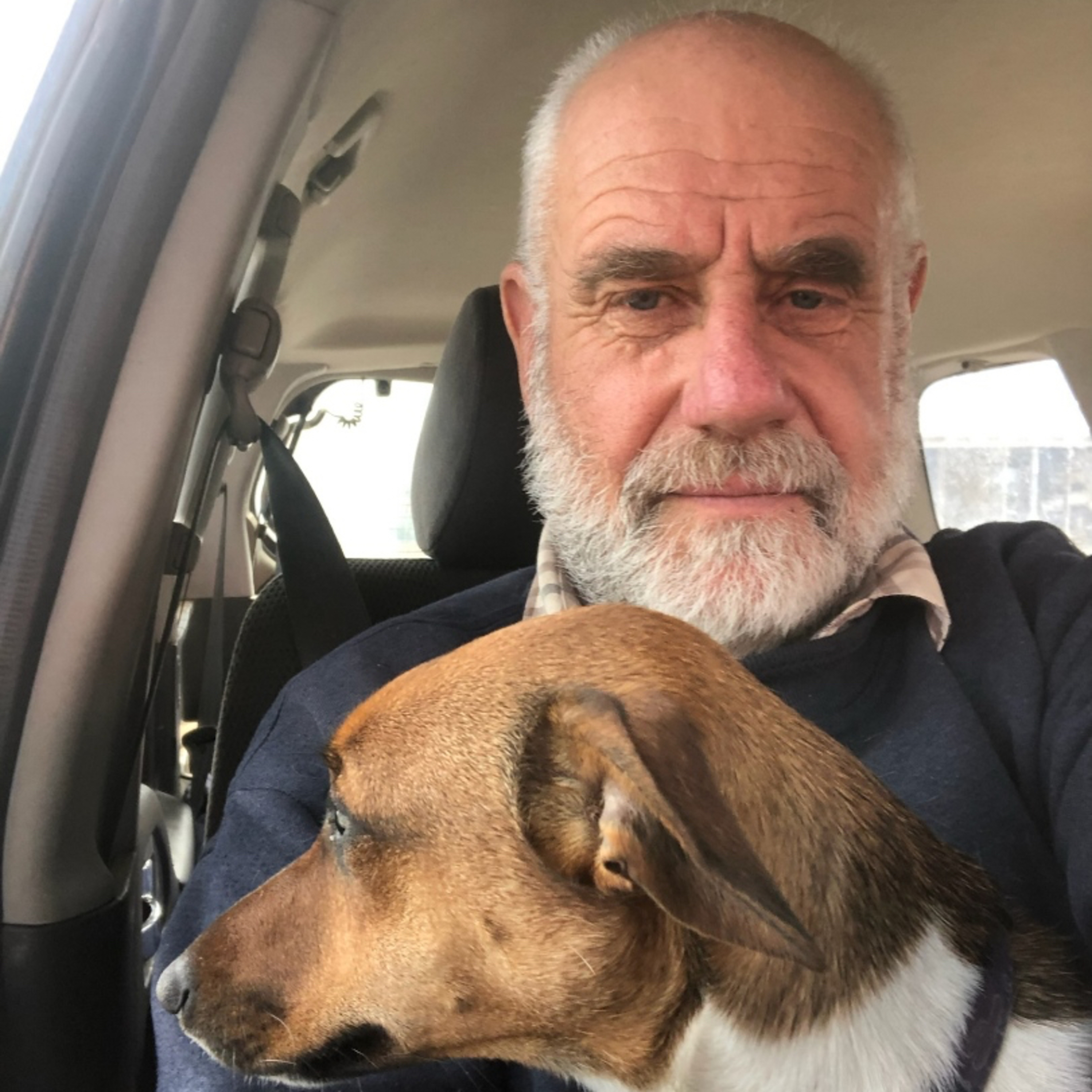
In this interview, Rick Lane, a deeply involved community member of Marino, recounts his life story. Born in 1959, his early memories include a formative paddleboat trip and growing up in a distinctive pink house. His mother's death when he was five was a devastating event, met with strong support from the local community and family. Rick struggled in primary school due to undiagnosed vision problems but discovered a passion for reading that stayed with him. He paints a vivid picture of Marino in the 1960s as a bustling, self-sufficient town with a wide array of shops and services. Rick also humorously recalls minor teenage transgressions. His career path was shaped by an early fascination with electronics, leading him to undertake an electrical apprenticeship in Melbourne at 17. This move presented challenges, including initial loneliness and navigating boarding house life, but he successfully applied himself to the trade, marking the start of his working life.
[Music] Hello and welcome to Casted & Connections. An initiative of Hands Up Casted & where a group of enthusiastic locals have come together to capture, preserve and share stories of people who have a connection to Casted & Connections. [Music] On Casted & Connections today we are having a chat with the unofficial Mayor of Marino. Rick Lane has always been heavily involved in the Marino community and is currently involved with the Marino Lions Club, the Marino Progress Association, the Marino CFA, the Marino Cemetery Trust and to add to that he is on the Eaglet committee. Welcome Rick. Yeah just correction that should be Hentie CFA. Oh do apologise Hentie CFA. Okay now Rick is the middle child of Gus and Joyce Slane and was born in the Marino Hospital in 1959 with two older brothers and twins Lianna Greg, it was a busy household. What are your memories of those early years? Myelus memory was a trip we made to Miljura. I think it was before the twins were born. So it would have been 18 months old or Ricken. We went on a paddle boat. I remember walking down the big bank under this paddle boat and getting some apricot sandwiches off the captain or the steward. Apricot sandwich. Apricot jam. Oh jam sandwich. Oh jam, I mean apricots in the sandwich. And I remember we were travelling along and going through the locks. So we were on that boat all afternoon I suppose. Yeah. It always stood out to me. Just a bit of a fascination with what was happening. Yeah yeah it was probably yeah first first thing I remember. It was probably out of the normal. Yeah so you grew up on a farm outside of Marino initially? No I really. Oh you didn't. your parents had a farm? That had land out in the bush but we grew up on the outskirts of Marino. That build a house up on the Hamilton Road they're just heading out of town to Wittemonton. That's where I was brought up on side of the hill. Side of the hill? Pinkhouse they called it. It was still there. It's always been the pink house because it was pink. I don't know how the thing going on was pink I guess. Yeah so was it still pink? Yeah still pink maybe mum had some influence on it on the car. Yeah. So those early days you do remember going out to the bush with your dad and stuff like that? Yeah yeah we used to go out there most weekends. I was probably as long as I remember but mainly after when mum died she died when I was five so there was a before and after effect of that. I don't have a lot of memories I remember starting school in 1964 and one long after I started school at my daughter. I remember she dropped me off that first day of school when we were getting dropped off at school. Yeah. And you know even I'm ballin and you know it was a lot of people don't remember their first day of school what I did. Yeah so you were balling and she was probably balling too. Probably yeah we had an old I can't remember maybe an old hold and some description old Fc hold and some I can't remember but I remember. I dropped off and you know leave me there you know and I thought did this the end of the world but wound up loving school. Yeah yeah so you lost your mum in 1964 that must have been had a huge impact on the whole family. Yeah yeah no that was pretty devastating for everyone. Through everything up in the air and our extended family come together and help that out a lot and the local towns folk help that out a lot you know baby sitters and all that stuff over there. So your dad was sort of like a single parent really wasn't he you know but and he had to keep work and so yeah he was a shift in houses at the time. Yeah so it's like the village raising a child scenario. Yeah yeah it was amazing in a sense. Yeah everyone pulled together helped help that out and our family. His sister and Ethel came over and helped she lived took over as a surrogate mother I guess and looked after us for the next seven or eight years. Yeah and dad's mum and my grandmother helped out a bit and then with that baby sitters come up from town when other things were needed and so yeah it was an interesting time. Yeah and no doubt probably had a lasting effect on all of you. Oh no doubt. No doubt about that. Yeah so your school days you said you loved school but I remember you said that you had a bit of an issue you used to sit up the back. Was that because you were naughty or? No I was um I don't know why I sat up the back but I was I didn't know I short-sighted and I couldn't read the blackboard and the teachers I seemed to stick me out the back for some reason and so I really struggled to read the blackboard throughout my primary school. I don't know how I passed but I actually passed pretty you know easy yeah past the test and that yeah because I used to end up just having to shift up closer to the front where the teacher liked it or not and eventually I'm I think in grade five or six that this vision people come around and realize I short-sighted and I got glasses right at the end of my primary school. Yeah it's too late then but I think I I just loved reading I started reading books as soon as I could read from five onwards I reckon I started reading. Where do you reckon you got that from? Would you was your dad or a mum or reader or? I think mum might have been. Yeah see another people reading around you and just well we had a good we had good teachers we had teachers out there used to read to us yeah and that was the favorite class Mrs Riley from Dig Beers to read in and blighten books you know the far one tree and famous five and I mean that was just going into a whole new world and I loved it and I just thought I just found the same fascination when I started reading getting into stories and imagination that come with it. Just take your way somewhere. I was just a book where I've come known as a book where I read every book in the little library that had every book when I got the tech school just about read every book in that library too. Yeah so how many kids were at the school in Marino when you were there you reckon around about there would be pretty big classes back then. Yeah we had 32 kids in our class. Yeah so they ended up splitting the classes up you know to make them a bit smaller. Yeah. So either would have been 130 or 140 kids maybe. Yeah. At the time because it would have been a lot of small farms and stuff for our own then so the families and bigger families too. Yeah the families pluses. Yeah little dairy farms all around the place in the district. This is when the Butter factory is run and see. Oh so the Butter factory was still going. Yeah it went up until late 60s and Murray Gold bought it out shut it down which was a big change for the town. Yeah so what do you remember the shops and stuff in Marino at the time you know you're growing up town. Yeah well this had the going down the street on the left hand side or the western side of the main street. So it was a pub in where the lines park is now. Oh okay yeah. And then there was a state bank the camera shop. Yeah worked there I did. Was there a butcher's? Yeah there was then there was a McKenzie's butcher's then there was what's his name Roger's Jackie Rogers's boot shop shoe shop. Wow. The boot repairs. Then there was Poevis. Poevis milk bar and then there was a little radio shop. Radio shop. Yeah well you can buy TV and stuff there. Wow. Radio's. He actually had a crack at repair and I think he meant, he meant, "Oh Murray or Charlie baby." Then there was another grocery shop just down from that average grocery shop and there was a fish and chip shop next to that for a while. And then the RSL rooms which used to be a bakery but that was before my time. So this is in the 60s 70s, Randy? Yeah in the 60s mainly. Some not far into the 70s. Yeah. National bank. Salia is further down then Delgetti's agencies. So what was the population? Because that's
You know, that is a lot of shops and stuff around about like a lot of it. Wow, see, that was service in the boy area. You would have been probably 1500 people living in the radius of five caves. Yeah. You know, many people didn't travel as much then. No, no. You know, trip to Castan, how long was it probably a big deal? Yeah, a day trip, nearly. Day trip. The roads went as good, the cars went as good. You went, you went in the times of the horse and cart, though, yeah? Not that long. No. Anyway, that's. Yeah, no, it was interesting. That was just one side of the street. Then you had. There was another soup, soup, mugged up the other end. We shot or something, I think. It was a service station, Lingard service station. Well, he looks sort of like a hills mechanic. Yeah, and he looks like a hills, milder, standing there. There's no other. Elders agency on that side of the street. Toy shop, the other pub. Blacksmith shop next to the pub, in the paper shop, where you get bike crackers. Crackers? Yeah, you buy crackers obviously. It's the Mitchell's. That's where you got your crackers. There's a mechanic who's garage, he built that there. Then there was another milk bar. Then the bakery shop, Colson's supermarket, or, yeah, grocery shop. Ten hall, post office. So, what else? Quarterhouse. Did you ever actually have to sit in there at all? No, I never. You were. I ended up in the casting one. A couple of times. Oh, can we mark it on that little bit later on? No, no, you can tell us about it now, Ricken. Well, I'll let you know when we're in the casting call. The cast of one was the first one was. The first one was either. Van Lism, New Year's Eve, Whitewashing, the cops decided to crack down on it. Because Marino, I just used to go over the top. Yeah, it just rots stuff on the roads. Yeah, and then the authority started to get a bit antsy about it. So, they got my intonial ones. We were the skate goats. We were the two that. We were the witness. Someone saw us. I thought we end up going to court. Oh, God. So, what did you have to do? I just got a fine. Fine. Yeah, I mean, end up paying a fine. Okay. The second time was drink driving. Okay. You got busted for drink driving just after a 10-18. Three months. Oh. Yeah. Good. That was incasted. Not good. Oh, well, back to your teenage years in Marino. So, you played a little bit of footy and. What other. Yeah, table tennis. Yeah, played table tennis, badminton. Yeah. Footy, well, I didn't play a lot of footy eyes, I bound a young boy most of the time. Yeah. You would have copped a bit of abuse, wouldn't you? Oh, not particularly. I couldn't throw it into the far, far into the ground, so you'd have to go way back onto the ground and throw it out of your shell. He didn't climb up out of the hill, on the side and throw it from the hill. No, that was still how he did the boundary for the juniors, not the seven days, not the seniors. Yeah. So, that was back in the Marino, Degby days. Yeah, Marino Degby. And it was a pretty strong club. Yeah, yeah, yeah. They had some good. A couple of good premierships in the day. They had a lot of emitants and homes and. Yeah, rocks. Yeah, all those. Macarrollies, millers. It was some good footy players, didn't it? Yeah, it was, yeah. Manager Rogers, Kevin and Jeff were used to play a bit too. None of us were in that footballers. We went, yeah. You just went along for the social thing. Yeah, which was probably mainly the social life in the town as a teen. Yeah, yeah. Teenager, that's what you did. Yeah, yeah. Yeah. So, you went to Hamilton Tech for your secondary education. So, you said you really did like school. Yeah, well, yeah, I did. It was a long trip on the bus every day, but tech school was good. Yeah. I knew I was going to probably do a trade because, you know, Dave was in the trades and. Jeffery done a trade. Jeffery went to tech, Kevin went to tech, then I went to tech, then Greg went to tech. We all went to tech. Yeah. Greg did plum and I did electrical. Jeffery was a motor mechanic for a while. Why did you want to become an electrician? What was the thing that triggered you in that direction? Oh, I was fascinated by electricity. We built a little hut behind the shed, but Greg and Leslie, our step brother and myself. And we were all going to camp in and that and use it as a thing, but they didn't. They just forgot about it. So, I built a little vibratory in there. Yeah. I just ran a power lead out of the back of a power plant through the wall and I had 240. I was only a kid. Yeah. You've got a few zaps and built crystal sets and radios and stuff. Oh, yeah. I was a real geek in those days sitting in there geeking out on this stuff trying to get this crystal set to work. I got given a crystal set as a crystal set and after that I was just had it. So just explain to like perhaps some of the listeners that don't really know what a crystal set is. A crystal set was just a pretty much, it was just a resonating resonance circuit set up with didn't need batteries. It was just a semiconductor with a coil and a condenser. All looked up and said, "Why are there little set of e-fines on it?" And you just talked to a twin antenna and you could pick up a radio and you could tune it. I had a tuning, it could pass through on it. Yeah. Very basic, but tricky to get everything worked together. So quite a fascinating, you know, sort of thing. That sort of thing. So at T. What were the subjects you were doing? Just the usual place where you had to do English and maths. Yeah, we did the normal maths and English and geometry and those sort of things. Science. And then you'd have your trades. We all had a crack at woodworking, machine shop, motor mechanics, sheet metal. And it was set up pretty well over there for everybody. And they used to try to practice this too, they didn't know what school was. So yeah, it was a good school. I think a lot of people from the actual area probably did their apprenticeship through. Well, back in those days I did. It was good, it was great school. You know, they had some pretty tough teachers there. Yeah. No, I'm in shame. Oh, it was one called Wally Grub. Yeah. They used to go around and do locker searches and if they found smokes, I never smoked. But if they found smokes. You never smoked. Not then. Oh, okay. You'd have a couple of smokes when I grew up and did blood. I was drinking. Not then. But if they found smokes, oh, Wally had taken and then you'd be punished. And the next thing you'd see, you're about to be smoking their smokes. Yeah, you guys come and either people went to tag about, "I'll Wally Grub." Diamond gym. Diamond gym, Wally Grub. Oh, I've got the cuts a few times over there. So the cuts, like with the strap? Yeah, six of the best. On the hand. Yeah, on the hands. Oh, okay. Okay. Yeah, your hand's been numb for the rest of the day. Could have been worse. Oh, yeah, like looking back on it, you'd be more of it. Oh, you're reckon. Anyway, so you decided then that you wanted to be an electrician? Basically, did you? Yeah, I knew I wanted to be an electrical game. Yeah. How did that come about then? Well, back in those days was the Railways, PMG, SEC. They trained thousands of apprentices every year. And they had electrical, you know, the Railways had electrical section, PMG did, SEC did. So I applied for all those jobs. And I passed. But you had all clients, you did. Yeah, but then you had to have to. It was just some reason they just didn't work out. I had to go somewhere or just wasn't what I thought the job was. It was a bit hard to. It was not a career advice in those days. You just pop back, you know, you ended up. Like, I got a job with SEC. I could have started then in your lawn. It was an electric lover, I had to. I thought, "What do they do?" I asked him, he said, "Are you standing in a big switchboard just looking at the oils?" You know, you're not doing it on really. You just check and make sure the power's running right. I thought, "No, I don't want to do that." So I ended up getting the age one, say, then. I found a job. I applied for a job with Johnson Wiggled's lift company in Melbourne. I got an interview and dad took me down. And I got the job as an apprentice. And dad took me back down next year and took me in. And he gave the boss a letter. Then left me there. I think I'll remember telling you about all those things.
the boarding house for the house to go. Set me out in this boarding house and then I was off and then I started work. How old were you then, Rita? Oh, it was 17. 16, just turned in 17. Yeah. 17 in February. So you're down in the boarding house in Clayton? Yeah. Anyway, this boss, he gives me this letter back. I've never said, I didn't mention this before. He wrote, he opened it up and said, "This is from Dad." So he actually reads it and he gives it back to me. I said, "Oh, that's strange." So when I left, walked out of there, I opened it and read it. And Dad had written, "This is my son. This is, you know, good if he can give him three months. Try him out for three months. If he's no good, let me know and I'll pay you back the three months wages." Wow. And then I understood why he gave me the letter. Yeah. So after that, I really got applied myself to the job. It was a great job. So I got into it. It was a lift company, you see? Yeah, but I was a liquid fetus, so I worked in a factory making the lifts. Oh, yeah. Okay. Yeah, yeah. And doing the electric, the side of it. So I got apprentices a year, in my section, three years and a round, I got apprentices a year for the whole factory in the fourth year. So I did a ride. So you were here? Dad and Kathy used to come there every year and they'd have a big dinner and present all these prizes and stuff. Yeah. Make Dad proud, I guess so. Yeah. Oh, it's a good achievement. Yeah. Now just going back to the boarding house in Clayton, was it? No. Yeah, it was Clayton. Yeah, Clayton. So what was that set up? So you were 16, had you been to Melbourne much before? Not really. We went down for the Grand Final in '66. Yeah. And that was it? That was it. Yeah, so you, you know, you're. I lost it at the show, I was following the wrong seat of the legs. I just now looked out and I thought, I don't even know who they are. I looked packed. And now we've got panic and now I can see Dad and just, she's on panic. Yeah. Just follow that way of the career. So you see, you know, like really, you're 16 going on 17, country career. Yeah. You logged in Melbourne and, you know, started your apprenticeship. But then you're staying in a boarding house in Clayton. So it must have been pretty lonely too. Well, yeah. You know, yeah. Skier or. I was at the time of the seat. Yeah. But yeah, the thing is that boarding house was stayed there for the week and then Friday night come, you know, I just spent back there after work and I get up said in the morning and I'll, they'll deer on to join come here and see what the hell you're doing. And I say, well, I don't know. I haven't got anywhere else to go. And you say, oh, you can't stay here on weekends. I thought, oh shit, I don't know what to do. I said, oh, I'll have to go and stay with me. Brothers, too. Jeffery was still over living in acid in there. So I jumped on the train. I went over to spend the weekend with Jeffery, which was a good weekend. But she didn't want you there for, they didn't have you there for the weekend. For the weekend. No, and then. I'll end up going. See, Jeffery was leaving Melbourne and he'd done his thing. So I'd come down to go from Jeffery really, but the Melbourne. So I couldn't really go and keep staying with him because he wasn't going to be there. So anyway, I told the boss at work, I said, look, the old bitch won't let me stay there. I probably didn't say that, but. She was. She was. And he said, oh, I see what I can do. So he ended up getting one of his mates who offered me a room, a room, but I said, oh, I'll take that. So I'll pick it up for what he's not. I said, oh, I said that at the front of the place, but probably an hour and a half, wait and a half, wait until he's gone and picked me up. These acid work. This is acid in the board, now. Oh, the board, now, see? I mean, the old shield come out and say, well, what are you doing? I said, oh, I found somewhere else to live. I said, oh, you can't stay in weekends. I said, oh, I found somewhere else. Oh, no, no, no, you can stay here. I'm sorry. No, you can stay here. You'll be right. You'll be right. I'll let you stay in weekends. I said, oh, it's sort of too late. Anyway, this guy didn't ever pick me up. So I knew where he lived. So I walked. It was probably two or three miles up the hill. I walked with his huge shield, got all my gear. Loved up there. He was in there. He said, oh, he forgot all about you. He was a big drinker, say. Yeah. And, anyway, I stayed with him for probably 12 months. So I would, yeah, 12 months or so again. So far, you've stayed with a woman. And I'll put in there. Yeah. And then he go with his guy who's a big drinker. So there's no parents. Well, they were okay. It was all right. Like, I looked after myself. Yeah. You pre-interpreting the piano. You know, I just looked after myself cooking. Yeah. Oh, I adapted pretty well. Yeah. I had friends, I made friends standing at work. I had some really good mates here at work. I didn't have any problem there. It was just, and then all of a sudden, I was just seven, I mean, and the cousin turned out, oh, God. Clyde Lawrence. Clyde Lawrence turned up. Rocked up one night. He was, you know, coming share a flat. So I'm not bad. He said, come on. Jump in. I said, oh, yeah, all right. Yeah, we ended up over in a flat, rippin'ly with Clyde. That was a whole new world, I've nothing in. Yeah, a great time. Yeah. There's a whole story in the Melbourne Times. Yeah. Keep going. Well, then now I met a lot of Clyde's mates. Who I spoke, did you have any, so you didn't know a lot of the casten bikes? Not particularly. I was a thief who had been casted. Not really. I suppose you went to school in Marino. Went to school and went to school in Tech. Yeah. Didn't get a high school. Yeah. So yeah, Clyde and, well, the Baton's Guild was living here as well at the time. He and her were an item. And, yeah, we just started going to parties. It could be Foster, Mickey Gill, Steve Marrow, Dave Mullins. Pretty well bunch, really. Yeah, it's like that. I think it's a slippery pretler, but some stretch issues, and riches. Oh, is it? So this is where you started to meet some castors. Yeah. That'd be a great time. And parties, a lot of different places and all that. Just through each other's houses. Yeah, and you'd get involved with someone. They'd have someone's having a party. It was just a party tone. Yeah. So this is the 70s. This is the 70s. So it could be? 77, 60, 76. I was in Melbourne, 76 to 80. Yeah, good music. Do you have a summary? No. I was too young for summary. Okay. I mean, there was 16 or so. No, 70s. 70s. Early 70s. Early 70s. 74 or 75. I reckon. Anyway. Yeah. So good music parties. And you got the apprentice of the year. So you're balancing life pretty well as a teenager, I suppose. Okay. So when you finished your apprenticeship, did you get off at a job with the company? I was. I didn't like me to leave. One of my mates at work came and said, "Oh, I'm going to Darwin." Because he'd separated from his misses. He was trying to dodge. He wanted to dodge his child payments. He said, "I'm going to Darwin. I'm doing a bunk." And I said, "Oh, I'm going to come with you." "Let's get a car on this head." So we went out and bought an old panel van and rigged her up. Yeah, the boss was a bit disappointed. He trained me up all those years. And I just turned into something worth having there and making them. Because it was a good job. I loved the job. But I didn't want to do something else too. I didn't want to save my factory all my life. No, okay. But occasionally, every now and then they take us out for a. And you do a stint working on the lifts. You go out with a mechanic and you get people out of the lifts. There's always people getting stuck in lifts. Occasionally, we get stuck in a lift. Oh, did you? Climb up through the top. Or get on top of the lift or one day. Oh, it would be so scary. One day we got stuck in the guy just didn't want to ring his mates. Because it's a big thing. You have to ring your mates to get down the lift. We did everything in here, pay out, get out of there. We ended up having to ring his mates. Fick laugh. So you've got to ramble. You know a lot of dudes. Prison up and down on lifts. Scary places when you look over and look down a lift shaft. Looking at from the top down a lift shaft is just something. Something else. Yeah. I'm going to make a lot of noise in there. Oh. It's a long way down. You see little dot, these high towers. Yeah. Because what would they have been? How many stories the buildings would have been? Pretty high stories. You know, it was 50, 60 story buildings in Melbourne then. Yeah. That they probably half the size was down in now. Yeah. Still pretty tall. So you're finished. So you head off to Darwin. Yeah. Off to Darwin drive up through the centre. Made a few mates on the way that, they were on motorbikes. So we sort of travelled different times. You know, meeting up different places.
I was Springs and. - So I thought you had a panel van, you know? - Yeah, we had a panel van. - Yeah. - But then our mates, one of them was Brian Hill from Rainow at school mate. - Yep. - Even these mates were riding up there on motorbikes. So we tagged each other up there sort of thing. - Oh yeah. - Not traveling together, but pumping each other at different places. 'Cause there's no phones and has to. You know, I don't have. - No. - Same thing. - We all seemed still managed to meet up and stuff. - Yeah. - Yeah. - Called in Madarank, that was a good spot. - I don't know if it. - Went for a dip in the Springs? - Yeah, went for a dip in the Springs. Floated around in there, warm Springs. - Yeah, yep. So when you got to Darwin, what did you do in Darwin? - Oh, we just ended up in the Caribbean park for a start. And then, we were driving past a building site. And I just walked in and said, look, I'm looking for a job. I see, if I can get down, I'll sort of a liquid filter come electrician. I'd done a bit extra schooling together. My theory in electrician. Right, I'm starting to mow. - No. - 'Cause this was after cycling. I still rebuild and say, 'cause it was sick. - Everywhere, that was desperate for trades. I'm not there, then. - Yeah. - This was in 1980. So the cyclone was only 74. So it was only six years up before. You can still see the effects of it. - Mm-hmm. - They were just building like crazy. So yeah, you've got a job there. And the bloke I worked for, Santa Sout to Javaroo, they built a village for the Ranger Iranian mine. They built a workers camp out there called Javaroo. So that was great. That was great out there, and Adam Lenton, or Kakadon National Park, it was. - Yeah. - Long way out. - So you just lived on site? - Yeah, just lived in Dongersville, that Dongeridge. - Yeah. - They had a great time out there. - Partying again? - Partying again. (laughing) I mean, they drank on a different level up there in the North Ontario. - Well, it's so humid, they too, isn't it? - Yeah, it's just there on the surface. - It's just there on the surface, you're all the time. - Yeah. - And they had wet messes there. - Yeah. - Got all the tuck up for free. - Yeah. - And I only lasted as a morning camp. I think it's a tourist. I've never been back, but I think it's just a tourist down there. - Yeah. - And people still use it. I think they shut that mind down. - Yep. - Sorry. - So you were in Darwin for what, 12 months or so? - There for a bit, 12. I mean, I have 12 months and then headed back. I'd gotten tangled up with a woman down here. - Tangled up with a woman. - Well, I like it. - Girl. - I'm already younger than me, I'm sorry. So I come back down, the kid involved in that. - Yep, you're in love. - Let's say it, come over. - Yeah, we got, yeah, sort of, yeah. - Yeah, sort of. - First love. - Yeah. - So you come back. - Come down and-- - What, to Marina or to? - I went back to Marina for a little bit and then ended up going to Ballarat. - Yep. - 'Cause she got a job in Ballarat. So we got a share to flatten Ballarat for a while. - Oh yeah. - We brought a house together in Smysdaw. - Oh yeah. - Yeah. - Better, I would just, I wouldn't really feel that big commitment. - Just to be young, you think? - Cool. - I've been young and stupid. - Yep. - Took me, I was one of them, young, like took a long time to mature. It's only just starting to mature. And yeah, I think. - Just now. - Yeah, so it's been a long journey. What I call an unreconstructed, an unreconstructed male. - Something like that. - Yeah. - Anyway, that went 84. - So. - I split again and hit Dallas. - Yeah. - He checked like Dallas. - Oh, okay, so yeah. So the relationship fell over. - Yeah. - If they split up, I think Dallas. - So just by yourself? - Yeah, just each up Dallas through. - Yep. - You ate a good time in Dallas, got another Caravan Park at a tent. - A tent in a Caravan Park in Dallas, brings. Would not be very cool. - Oh, well, it was all right in winter. Summer, that's when I had to get out. Summer was no good. - What were you doing there, Rick? - I ended up getting a job on, I was building the Sheraton Hotel. - Oh, yeah. - Got a job there. - Yep. - Good job. - There was another story about something else that you took with you. Wasn't it all bought on the way for $200? - Yeah, yeah. (laughing) - You want to disclose that or not? - Yeah, wow, I guess so. It's a long time ago. - That's right. - So, yeah, on the way through, I met a mate, that lady, I invested $200 in three ounces of dope. It was a pretty good dope too. Actually, I spent $600 over three ounce, $200 an ounce. And I get to our springs and I couldn't find it. I was ringing him up and I said, "Do I leave that there?" And he says, "No, you're good." And I was in this camp for probably two or three months. Then one day, I enrolled a set of Perry Jeans and I was like, "Oh, something out of it all came." So, I was like, "Wow." So I started sharing it around. Well, boy, I was the most popular person in the Caribbean because every night, I just sat around the fire and there's a whole big, gronvelation that come down every night because it was all free-doping. - So you just gave it away? - Yeah, I just shared it. - Yeah, sharing it with you. - Yeah, just even though we just got stoned. That was all good fun. And you were cooking hamburgers on somebody at the time? - Yeah, well, I left the job at the share. We had sort of a bit of trouble with a bit of union trouble and just got a little bit too tangled up. So I left the job there and got a job in a hamburger cart. - Yep. So you work at night? - Worked at night. Five to five. Five or six at night till five in the morning. - And then go home, smoke. - No, well, that was, so that all got runny out there. That was just for a while and then, yeah. - Yeah. So then you'd sleep. - Yeah, well then I'd come out and sleep at the end of the day. - In a tent. - Yeah, yeah, just didn't work out. I was too hot. So I ended up just getting exhausted, couldn't sleep. You just ain't up all night. I ended up hitching back home. Went and picked grapes in my gyro. - Yep. - For a while. - Yep. - Yeah, it was fun. Oh, I've had some good jobs. It was good, met some good people. We had a Dutch guy there and he had a bike and he just read and ran a stray. Planned it to see him in mine. - Yeah. - So in 1986 I set up a bike and headed off. I thought I'm gonna have a crack at this. - Yeah. - So I went to, - Were you wearing shoes then? - I sort of. - Just off and on. - I used to wear thongs in that when I rode 'cause it pedals the dirt. - Yeah. - But no, I didn't wear shoes much. - Yeah. - Where do you still go? - Do you? - I can get away with it. People sort of frown on you walking, supermoking you, and bare feet and sort of. - Oh, okay. - Even I frown, people wear bare feet sometimes. So I'm getting old and conservative. - But yeah, okay. So this Dutch guy's put this little seat in your head and you thought, no, I'm gonna have a crack at this. - Yeah, yeah, yeah. - Yeah, so you've got a bike and off you went. - Got a bike set it up. It was not really adequate for the job, but it did the job. - So what did you have like, couple of like, saddle bag, you think? - Yeah, saddle, no, I just got an old racing bike and then put a backpack on the back of it onto the saddle, just tidy it onto the carry-all. - Oh, okay, yeah. - Not far away. - Yeah, no training, nothing. - No training, just trained on the way. And I remember the Dutch guy said, he said, if you can do your two weeks, he said, "I'll kill you, I'll really hurt you, be sorelier and you'll want to quit after two weeks." And it was all right. I got to bat first in two weeks. - Wow, that's wonderful. - And I had enough. - Yeah. - And I went and talked to the train guys and just kind of get on with the good train and that. And then, these words come back to me and I said, "Oh, I'm going to crack it." I went into a hairdresser's. I think I just needed a bit of contact with someone 'cause they don't want me home for the whole time. So I went in there and got a nice haircut and cut and polish, you know. Just shampooed hair and all that. It's just felt like a new man. Right, I'll keep going. So I continued on to cross to Sydney, cross to Blue Mountains. - Wow. That would have been tough. - It was tough. It's worth it for the ride down from Contumbre. - Yeah. - 30k down here or something. - Yeah. - That was wonderful. - You were really challenging yourself based physically and mentally though. - Oh yeah, it was tough. - You know, like me Lisa, well why did you do it? Like did you have a reason for doing it or? - Oh yeah. I wasn't in, I was going in the wrong direction. I was drinking a lot. I was smoking and fighting with people. So I would lose sand, still getting over me relationship too. - Yeah, yeah. - Still getting over that. That took a bit of getting over that actually. - Yeah. - So I thought I'd need to do something. - So you sort of really self-medicated in a way? - Wow, I just thought. - You know,
- No, but just. - It was like the time I lost or something, you know. - Yeah. - Took the plunge. - Yeah, it's amazing that you had the, I don't know, four-site to actually do that though. You know, it was pretty amazing. So, off you went anyway, you got a far as Sydney. - Got a Sydney castate at my uncle Doug's and Marcie's place for a while and then. - Oh, not for long, maybe, for your days in. I think I rode in the tan and it'll keep going. So, it stuck me by going to train at Central Station. I didn't get a ticket and I just walked in there and, oh, no, it stuck me by going to Australia. It's going to Newcastle. So, I jumped on there and I think, no, no, I conducted another, I jumped off the Newcastle somewhere and it started peddling. - So, what'd you do for money? - I had a little bit saved up, but not much. - And what about, where did your camp and start? - I just camped under bridges and. - Did you have a teen or anything? - I had a bit of plastic, it's allowed myself. - Yeah. - But if I was kind of Ryan, if I could say I was kind of Ryan, I'd find a bridge or a shed, haystacks, you know, it was just camped in all sorts of old joints. - Yeah. - That was camping, when I was in the dark, when I found it, my thought was no, I was just, I camped in there, and then I think this woman came out and said, "When the day opens, I should have. " I forgot to add, I forgot to add. I didn't even realize it was a backyard, someone's backyard. Oh! Another time I've seen this shed, it must have hurt me next to come in at this 22. Oh, shit! I said, "I'm sorry, I didn't realize anyone lived here." He's just an old shed, his house was somewhere I couldn't see it. I just bailed it out, so I had to try and make sure no one was around. Yeah, so you just tried to freezes. Yeah, it's a colloid of play. Did you meet any other travelers and stuff? I met one guy on a bike. Yeah, I met a few people. There's actually quite a few people I met on push bikes. I got a road bike after that for years, back and forth to Adelaide, back and forth to Sydney, back and forth to Melbourne. That's how I got around for years. Just like driving a car, it was easy. I could do it, I could ride anywhere. That's not a problem. So I met quite a few people, I don't want to pack things. Yeah, still is. Still few people don't. Oh, yeah, you do. So you kept going, "How far did you get?" I got the Brisbane, and I'd run out of money then. I can't enter the technical gardens. I walked across to Bertie's Pancake Kitchen. I said, "I'm looking for a job." So I said, "We don't need anyone, but next door might want a dishwasher." So I went next door and I said, "When can you start?" I was starting, yeah. So I started washing dishes there. Then I went back across the road to the technical gardens, and I'm about three and the more next things I've taught shown you in my first couple of copies. Oh. Busted me. Yeah. Then I had that one, I said, "I can't stay in, but you can stay in too. Don't be hit a mariner." So I went to the guys where I was washing dishes, so he can come and stay my job. Then I ended up getting an aborder now. Fortitude Valley. Better boarding house than the last one. Yeah, no, this was a good one. She was a good old stick. It was great boarding house, actually. Fortitude Valley, well that's the nightclub area in Brisbane. So I stayed in this restaurant for ages. Yeah. It was great. Wash dishes. Wash dishes. So then I went, I got six months after that, I left and went up to jump on the train with my bike again and went to Keynes. Slow train to Keynes. I reckon you stopped off him a kite, didn't you? So I went straight to Keynes and then I rode from Keynes up to Daintree. Left me by, I had to carry him, parked, walked from there, up through Cooktown, up to Musgrave Station, about half way up to Cape York. Yeah. Because I met a guy at Daintree and he said, "I'm walking all the way to the top." He said, "You know, I'm walking all the way to the top." So I'll take him. Yeah. It was the same thing. I'd walk, I'd bump into him in some way. Yeah. We weren't walking together. Yep. I lived in a cave in Cooktown for a few, for a couple of weeks. In a cave. And then that started getting wet. Wasn't an ideal cave. So then I slept under a car for a few nights and found an old house. I slept in there. I thought, "I better keep walking." So I had a different rest with Cooktown and kept walking. So how did the like, like the isolation and the like of human contact affect you, do you think? Was what you needed? Do you think that's what you needed at the time, perhaps? I learned to deal with it and I didn't seem to be a thing. I've always been an introvert. Yeah. So you're happy in your own company? Yeah. I'm not being on my own. You never really bothered me. You know, I used to sit on my own and read books all the time. And I'd go to the library at lunchtime when I was at school and I'd go out and play. I'd go and read books in the library. So I was happy. I used to have a good imagination, you know, from reading books. Yeah. And I always had books with me. Yeah. I was just going to say. So what would be the things doing that that you would not go without? Like, you like to have a book? Good book, yeah. Yeah, that's all I took. Stephen King book. Yeah. I read The Stand. I don't know if you've ever read The Stand. No, I haven't read The Stand, but I've read quite a few things. That's about someone on a push bike. Oh, okay. Yeah. It was amazing. Yeah. I read that on the second. Yeah, that was a few other things. I could talk about it all day, all these dreams. Me too. Me too. Me too. You can. You got lost in the bush once too, didn't you? At some start, something. Yeah, that was later then. The track went on as a forest, a blockade in these keeps lane near all the bust. Oh, yeah. Yep. You went for a walk with this guy across the road and then he said, "Sure, you can get back." "Cut through the book." Yeah, yeah. And I had this little compass on a ball, you know. Of course, I got lost. Yeah. And I've cut my eye open too. That's what Blondon ran into the dark. Anyhow, if I slipped under a tree, it froze me. It froze me. It just slipped near me closed. I finally found the camp next day. I found a road and I followed the road and ended up in the camp. I thought, "Oh, I'm going to ride the Sydney. I'm going to go up and see the Ankerland. Only a Sydney. So it jumped on me bike." He said, "Oh, why are you going? Can you get me some chocolate coated coffee beans in camera?" I said, "Oh, yeah, all right. So if I had to up through the back way to camera, through the mountains up and down up and down." But I get up to this little, another little red neck down and me and me all swelled up. I got infected and I was in a bad way. I went very friendly. I knew, obviously, looked at me and saw, "Yeah, he's one of them. He's from down the road." They weren't that keen on it, but they did. They'd be pay for it. Very unfriendly. So it tells a bit about the blockade. So this was when they were logging the natural forest and in Gibbsland, yeah? Yeah. I'd been at a confest. Okay, what's a confest? Confest was a festival. I think they still go. I was just an alternative festival. Healing festivals, I called them. You go and. So it's sort of. The Murray. New age stuff sort of. New age. Yeah, the 90s was all about the New Age. Yeah. You know, all these workshops, relationship staff, crystal workshops, how to be a witch, how to read tarot, you know, they were there. And you walk around the neck. I walked around the table, I'd take me close off of things. I got them all around the neck for three or four weeks and then put me close off and see, this is weird. Yeah. But you'd have to be, a lot of people would jump and then forget about the company cars and if they go, get to the server and fill up and. So, you'd be calling the cops now. Well, I never had a car. I always was on the push-pike. Well, you'd be pretty. You'd have to ride a push-pike in a row. You've got to be careful what you do with them. So, yeah, I just ride from there. I hit, yeah, that's where you hear about these. Yeah, I can. Because you're all tandy things. Oh, you're all head over the block out. So I ride across the mountain through, I mean, I think it was a wall-wall. I went to a field, I went to a heap of. There was a cobroom, a cross from a cobroom or a cross from a chugah. Wall-wall-wall-wall-wall. It was a wall-wall. But anyway, I just rode across the mountains. To the end of the. So, it was. Down in back in, new back in. Oh, yeah. So, I knew where to go and I went there and we just set up a camp. Camped out in the bush and set up these big tripods. The tripods were over the trees or around the trees? Right, the road, see. And then you'd hang someone up there and set up there in a crow's nest. You know, and you worked on the fact that they wouldn't knock it down because they'd probably kill it because they were really high. Yeah. And I then, you know, the loggers come in and harass us. You know, we yell at them and they yell at us. It was full on. And I mean, it was terrible what they did. When you saw what they were doing in the beautiful bush, I would just clear-felling it and just ruin it.
it. So this was not this was natural forest. This was not. Beautiful whole tree like huge trees. I'd never seen trees as big as these trees. I was just amazingly hot big trees, big girth. You couldn't see the top of them. They just come in and hold like that and clear the whole light. I wasn't just going in and getting one or two. It was calm in and getting a lot and just destroying it. They call them coops. They do 50 acres a year then they do another one there. And then they'd see them and all you'd grow back would be a heap of mountain ash. Nothing else. They'd put seed there, burn nothing out, throw seed down. They'd just grow mountain ash and nothing else. So environment let's not worry. It would be even for the biodiversity of nature. It wouldn't be much good. Be a dresser. I probably should go back one day and just see how they have come back after. I don't think they do log in here anymore now. It took a big fight to stop it. So what you know what like a lot of us from the area know that you actually stood for the Green Party at one stage is now a few times I stood for the Greens. Yeah. So what created your interest do you think in the environment and in nature and stuff like that? Do you think it's innate in you or do you think maybe the bike ride I suppose? The bike ride. It would help. Originally I think it all comes from just being a reader. Just reading. I've read everything. And then you get ideas and you get other people's ideas of their viewpoints and the importance of things and you read stuff that actually sounds right. It makes sense. I read a lot of books on back then. There was a lot of like a poccaliptic books at the end of the world. We destroyed the world. There's nothing left in all those sort of poccaliptic books. And also just living in riding the bike and walking and just being in a nature. And being as observant of what's happening around you? One night I'm just under a tree camp. They're beside me. And it was a glider possum just flew down and stood there looking at me. Just curious. They just ran back up the tree. I just like you'd ever see that. How many people are seeing a glider possum? Yeah. Amazing looking thing. I just flew down. You see these things out and look at the kite. They're beside me. It checks me out. Runs back up the tree. It's amazing. Do you reckon you get enough nature now? Do you get out in the bush and stuff for these days or not? I'm too busy bloody working but I still enjoy it. Normally I live out on the edge of the bush at Humphrey's Road there. I'm not far from it. But I used to go camping out to bush all the time. I've always been. I think work and going out to bush with Dad was a big part of it. It was beautiful. We used to love going out to bush. And he kept it in Jeffrey Kevin myself. Greg, we'd all go out there weekends. Had some great times out there. You asked Greg and Kevin. Letting off crackers. We didn't do that. We just liked the old man. It was always a gory of pigs. So you're talking about the bush with your dad. Was probably really influential on you then. Informing some of you views I suppose. Yeah, that never really. I'm not sure where he stood on it all, but we all love going out there. And I think anyone who immerses himself in nature cannot be unaffected by it. It's just the way it is. You talked to anyone who's in the greens or who's couldn't environment or environmental bent. Because they're either even just fishermen or a lot of farmers because they got bush, they understand. It's not a radical position to believe that an environment is important. It's a radical position to believe that the environment is not important. It's just as far as I'm concerned. It's just ridiculous to think that we can live here and do what we like the environment. Without any repercussions, that's a ridiculous assumption to make. But so many people seem to make it all. Think that that's okay to do that. So I'm not stupid. I don't like to think I'm a stupid person. I've done some stupid things. But you've matured. Well, I'm reconstructing myself. You're not almost reconstructed. Almost reconstructed. Almost fully reconstructed. Just not quite there. After balls to not be falling. I'm fully complete. Finishment touches. Yeah. So yeah, like, and as you just said about, you know, like there is a lot of farmers, well, there is. A farmer's care for the land. Like if they don't care for the land, it's not productive. Is it? Oh no, it's no brain. And you know, I don't know. Well, we all, well, most people love nature. You think it? You know, is it the misinformation that it's around these days? What, you know, how do you combat that stuff? Well, it's a lot of vested interests. Not so much the farmers and that. It's smaller the big mobs, you know, the big corporations who have got so much invested in their particular business model. Either, you know, oil, energy gas, mining, what do you name it? Yeah. They've just invested so much in that and they can't see away a future where they don't keep doing that. It's not their business model. Their business model is to, you know, rape and pillage is a strong word, but basically if you're looking at it from the outside, it's their business model is to extract resources in which every way they can. The small man and the person on the street just sees that they're very, they almost seem unassailable. You know, you can go to court and there's lots of people taking them to court, but they've got so much power and so much money, you know, and they've got the governments on side. Yeah, they aren't the governments. Don't matter which side of power you might sit on. They've just got the politicians in their pockets. The only politician I believe that, well, not the only one, but the one, who was the most principled politician of ever, it was a broad brand. He just believed him what he did. It was an inspiration to anyone. He gave all his money away. He set up bush heritage with all his money. That's a huge organisation. I give a lot of money to bush heritage and do a lot of work for him. Have you ever been down the Franklin? No, but I've walked across Cradle Meown to him from one side to the other. Because he basically saved that area to me. Well, he might have been a figure here, but it was just, and Horky got on board in the end and, you know, decided. And I think whoever was one of Horky's advisors was a big part of that to stop that. So, you know, that does, we can have an effect on politicians. That's why he used to run. It was fun, you know, you just run for Parliament. The most part, the good part was sitting out in front of him, had a heart about cards, talking to you, different sides of the game. It was fun. It was fun. Well, most people were pretty friendly. And you're not home. You're in Northkits and how are tempered on that? Well, you get on great mates with them. It's not as if it's your enemy number one. We live in the same place. We're all in the great people, but they're just on the different side of who they vote for. Northkits and how they're telling them from actually really good. They grow a lot of trees on their properties. So, I've not criticised them anyway. But, you know, they vote for the side of politics. It works with extraction industries, mainly. Do you think a person that goes into politics with ideals? Do you think that they can actually retain those ideals if they belong to a political party? Very good question. I think some can. Some people do. It seems the independence have more chance of maintaining their ideals. I'd say Guy from Tazzy, who's the Eddie gambling guy, he's always seems to be pretty and have a lot of integrity. These teals, and that, they seem to try and stick to their guns because they're not having the stick to a party. What about direct and I sometimes think of politicians, you know, they go into politics with ideals, but it just gets bashed out a bit more. Well, it's compromised. I think it'll be a pretty hard job. And I honestly don't think, and this is probably controversial, but I don't think they get paid enough. I really don't think the top politicians in the country get paid enough. When you're looking at the CEOs, the CEO of the Bill Show, it probably makes nearly as much money as Albany's either. Yeah, you know, pay them more, but cut away all the benefits after they've completed their turns. You know, don't give them these lifelong pensions and everything else. Pay them more while they're in - Yeah, I'll give him just a normal pension. - Yeah, well I think that will do.
go down too well, but anyway. Anyway, enough on the politics. Enough on the politics. You can talk about politics all the day. Yeah, and so. I just went, I did it because of an environmentalist. Yeah. I wasn't in it for a. I thought of stuff green. The green talked about with stuff. I wasn't that interested in it. You know, some of their other issues. You know, generally, they're pretty principled party generally. If you look at their core values, it's fairly principled. And close to what you believe. Yeah. Yeah. I was involved with the Greens all the way back to when they started. You know, okay. In Adelaide, you know, there was two Greens parties in Adelaide. This is before the national body got set up. Each time they had their own little Greens party. So. And I was involved with the Chippa Cretz. The Chippa Cretz. What are they? The Democrats. Oh, the Chippa Cretz. The Chippa Cretz. The Chippa Cretz. Okay. Now with you. Yeah. He's a pretty cool dude. Yeah. Who's the coolest politician you've come across to your reckon? The coolest one. You haven't come across a lot of police. Oh, okay. Well, who do you think you've got, Brian? He's. Well, he's pretty good. Well, he's a real. He's a true believer in it. I don't. I've hardly met any. I met. I remember when I got involved back in 2000 with the Refugee stuff. Because I couldn't believe the way what Howard was doing. That's one man that I just got to say I can't stand. He was. Anyway. I thought I'd get up his nose. So I got involved with the Refugee's and I used to visit these people in Backstab. I'd be put together pretty regularly. I ended up getting a petition together. And I got enough signatures to get a presented in power. So I took it out of the whole Horker. He was a man then. And a presenter to him. And I thought, "Oh, can you put this in power?" And then the next thing I get a call from him is he says, "Can you get up the camera?" "What are you there when I present this petition?" I say, "Yeah, all right, so I went up the camera." I think I wrote me back up there. I'm already going to pass up. I can't remember. Oh, you know, I stayed with a couple of people who were Refugee advocates, a couple of others in that. When he and I were Horker showed me a ramp out of me. He was a real gentleman. I liked David Horker. He was on the wrong side, but he was a good guy. And he presented a petition for me. And then they ended up getting shot down not long after. And these people got out that I was advocating for. So where were these refugees from? Oh, there was a couple from Iraq. Iran, though, were usually minorities. They were the minority religious group. You know, around two of them were. Three of them were. Another one was Azari from Afghanistan. They were being persecuted by the Taliban basically. And they were just looking for a better life. I mean, when the stories I tell you, they were like, back where they lived. And it's probably still the same, really. It was just cruel. And then they had the war over there and then they refused. It was just shocking. Still going on, but now it's all sort of brushed down the car. We don't have to deal with because they're not getting on to the shores. Yeah. They've been side by and straight away. So I got quite involved in that too. So you'd class yourself as a moral medallist, a humanitarian? Yeah. And an electrician. An electrician. Solar electrician did renewable energy stuff. Yeah. Yeah. So tell us a bit more about that. Oh, well, I got, I was hitchhiking Monday. The Adelaide and the guy picked me up was, he worked for the Clint. No, he was, he worked for the Clint Energy Council. It was just being set up. This was in 2009, 2008. I said, "How I get into the game?" He says, "You've got to join the Clint Energy Council." So he ended up joining the Clint Energy Council. So I had to go and do all these courses and the organists I went and did all these courses and got me ticket. Start doing solar. And solar? That would have been pretty early in. I did me first one in 2009. Yeah, okay. In Sanford. I ended up doing hundreds. I did, I ended up working with a couple prints. Oh, yep. And we did, just, I got sick from being doing solar. Say, "Oh, I brainstormed out into doing stand-alones with batteries." And that's a bit more enjoyable. Yeah. I still do that. I'm nearly 67 now, so. Starting to slow down. Well, you haven't matured yet, I don't think. Ah, yeah. Trying to work in the heart on it. So now you're back in Marina, and you're, you know, you're setting up your, you're running your business. What do you see in the future for yourself? I'm working on buying a place where I live in here. I don't know where I live in the moment. I'll caretaker that if I'd. Robbie Murray, who owns it, but she's in care. I was in care for a favour. She's gone into care, so I'm still her power of attorney and stuff. I'm going off track a bit with Robbie Murray. Now, I have heard, correct me if I'm wrong. Was she. Did she work in the stables for Queen Elizabeth? Or something, and has written a book? She's written plenty of books, but no, not shhh. She has met with Princess Anne. Okay. And she's written books on horses, books on weaving, and spinning. I can't. I can't. Okay. Oh, what the big shot. She was born in England. Yep. But they come out here after. Not long after the. When she was 18, I think. She was born in '30. Anyway, sorry, I've got off track, so you're. Yeah, that's all right. So you're looking at buying the house and set up. Well, I mean, negotiations with her two sons or three sons now to. Work at a price. So you think you'll continue with. You know, doing your business or just retiring. I just can't see you retiring or just not doing. Probably not retiring at. Specifically, that might back a bit more. A bit a few more, other things I want to do, and a bit more travelling, at least a love travelling. I haven't done any of that for ages. Okay. So. Get on that bike. Get on the bike. Hmm. Headbush. I'll tell you what, if I go for a ride on my bike now, sometimes I'll bring it up the cast and I'll go for a spin-up. From Marina, you'd ride it up to. No, I'll just bring it in the cast and. No. Just. Or ride it from the. Down the bottom of Amphor's Road. I'll bring it up here and I'll ride out to. Don Robin and across the section bridge and then back around. Awesome. Yep, awesome, that. It all just comes back to me, the feelings that I used to have when I rode. Tell us, do you have a happy place? Yeah, just a piece. And noticing things. Yeah, time to see what's going on. Yeah, yeah, yeah. It's slowness. It's really easy to pull up if you just keep tying. At least it's pull up and boilability. Yeah. It takes a little while to get into a pay, change your pace. I remember I spent four weeks on an island over in. as a caretaker in South Australia. And it took me two weeks. I was on my own. Two weeks to. To. To just. My own job. To get to island life. Yeah. And then after the next two weeks, you know, I just put it around and I wasn't. Looking for things to do, I just put it around and. There's no instant. We can't just change our rhythms. Time's trying to. But it can be done. You know, you know, you people don't retreats. Get away from life, you know, ass rams and I go. This sometimes I'll go to a. There's a meditation place in Hillsville. I'll go over there and spend. Time to do. And. Unwind, just meditate and. Potter around down there, helping them out. Yep. We retreat. Yeah, you know. I think we need to do that and nurture ourselves as we can get lost in our work. And we can lost in doing stuff. Loss of. I can, anyway. Yeah. Life gets busy and you forget about looking out here, so. It gets busy, yeah. Yeah. That should be solved. So what. Yeah, okay. So what's your advice to people? Better, you know, think, oh. You know, I've got so much on. I'm doing this. I'm doing that. Yeah, my advice. Yeah, just, um. I'd advise anyone to have some sort of meditation practice. I have a. I meditate regularly. It's not hard. Don't have to meditate for too long. Just, um. Make it a regular thing. Read books. Get. Get educated. You know. Don't stop. Try and get back into the analogue world. That's a bit easier for us, boomers, because we live most of our lives in the analogue world. But. I feel for the modern people. Yeah. They've got no idea about. what it's like just to be. just to exist. To be out of touch. Yeah. Like all the least time I'm riding around all of them, you'd be thinking about being in touch. I used to ride a letter home occasionally, never zed. Yeah. You'd bring a line line. Maybe get someone or you didn't. Yeah. They'd never brought in an answer in me. So you'd say you get a living message. Yeah. Yeah. It's hard to imagine, didn't they? Well, now we've got to carry our phones on.
on a small time. No, no, and I'm the same. Yeah. I sort of like to finish off with Rick what, you know, what does cast it in and Marino in the district mean to you? Yeah, good question. Since I've been back here working in the district as electrician, I've met a lot of people, not just Rankasson, but in the area, Hamilton Portland, up to Nareen, Wundervale, out to stretch down your name and off work different places. Well, I know the area very well and plus I'm in the CFA, so I've been to a lot of places and go into fires and meet, you know, hanging out into fire, other fire teams, other fire crews. There's a whole culture there, you know, you know, you know, I get a year, you know, you haven't seen them for the whole 12 months, only year to fight together again, it all comes back. So I've just got into become part of the community, I think. And I feel welcome, you know, I can say, get eight or a lot of people in town. I feel, I don't feel a stranger around here. I feel that I belong and like I said, I've, I've originally met all these cast and people when I first went to Melbourne, mainly through Claude. And still saying, you know, Dick Sand has still come home, I still see Dick, he'll come in over beer at a Claude's occasion, so you know, that's a good friendly place. Conservative is anything. So you don't, I don't talk politics with anyone. Yeah. Well, they know where I stand anyway. Yeah. Pointless, really. So, for the part from that, I mean, the good thing about out here is, we're not living in silo, we're all still associated, oh, you might vote, you vote, you vote for the bloody parloral, pulling hands and but we still all get on. Yeah. You know, we can still, we're civil, we're not, we're not hating each other's guts like, we still just think you're a bit odd, but yeah, I'm like, excuse you. They say the same about me. So now I feel quite at home up here now. Yeah. They're re-encasting in Marino, still, they still involve Marino. Well, you're very heavily involved in Marino. Yeah. Meeting zero, you gotta meet zero at the time. So I'm on the eagerly bored tour, I mean, so I'm come up here and meet and go and play balls tonight. Yeah. So you become an integral part of the community, really. The young spoken mayor of Marino. I mean, downside is you sort of, I'm trapped in a role in a sense, but we all are, right? We all know each other, we sort of, yeah, there's lowest, suddenly the lowest characters, that's what I was saying. That's what you expect from the lowest, but sometimes you surprise people. People change when they get drunk, they don't do that. Oh yeah. Oh. No, yeah, that's my days of those over, but it's funny watching people sometimes changing. And I don't think we'd better have a drink together. All right. Well, thanks, Seapes Rick. Thanks for your time today. It's been fascinating. You've led a very, well, I think it and a very interesting life and face your demons and come out the other side, and you're almost there. You're almost that mature man. Thanks, heaps. That's right. I think he's for taking any trust. We hope you've enjoyed today's episode of one of our homegrown heroes. Jump over to one of our other episodes to continue the cast of the connections journey with us. Please don't forget to follow our podcast and share it with your family and friends. Thank you for listening.
Podcast Summary
Key Points:
Rick Lane, a lifelong resident of Marino, shares his early memories, including a childhood paddleboat trip and growing up in the "pink house" on the outskirts of town.
His mother died when he was five, significantly impacting the family, but the community and extended family rallied to support them.
He struggled in primary school due to undiagnosed short-sightedness but developed a lifelong love for reading.
Rick describes the vibrant commercial life of Marino in the 1960s, listing numerous shops and services that have since disappeared.
He recounts minor teenage troubles, including a fine and a drink-driving conviction.
His fascination with electricity led him to become an electrician, completing an apprenticeship in Melbourne at age 17, which involved initial loneliness and adapting to city life.
Summary:
In this interview, Rick Lane, a deeply involved community member of Marino, recounts his life story. Born in 1959, his early memories include a formative paddleboat trip and growing up in a distinctive pink house. His mother's death when he was five was a devastating event, met with strong support from the local community and family.
Rick struggled in primary school due to undiagnosed vision problems but discovered a passion for reading that stayed with him. He paints a vivid picture of Marino in the 1960s as a bustling, self-sufficient town with a wide array of shops and services. Rick also humorously recalls minor teenage transgressions.
His career path was shaped by an early fascination with electronics, leading him to undertake an electrical apprenticeship in Melbourne at 17. This move presented challenges, including initial loneliness and navigating boarding house life, but he successfully applied himself to the trade, marking the start of his working life.
FAQs
Casted & Connections is an initiative of Hands Up Casted & where enthusiastic locals capture, preserve, and share stories of people connected to the community.
Rick Lane is known as the unofficial Mayor of Marino and is actively involved in several local groups, including the Marino Lions Club, Marino Progress Association, Hentie CFA, Marino Cemetery Trust, and the Eaglet committee.
His earliest memory is a trip to Miljura at around 18 months old, where he rode on a paddle boat, ate apricot sandwiches, and went through locks, which fascinated him.
After his mother's death when he was five, extended family and the local community helped out significantly, with his aunt Ethel acting as a surrogate mother and others providing babysitting and support.
He was short-sighted and struggled to read the blackboard because teachers placed him at the back; he only received glasses in grade five or six, but still developed a love for reading.
The town had various shops including a pub, state bank, butcher, boot repair shop, milk bar, radio shop, grocery store, fish and chip shop, RSL rooms, service station, blacksmith, and bakery.
Chat with AI
Loading...
Pro features
Go deeper with this episode
Unlock creator-grade tools that turn any transcript into show notes and subtitle files.
 PodcastTranscript AI