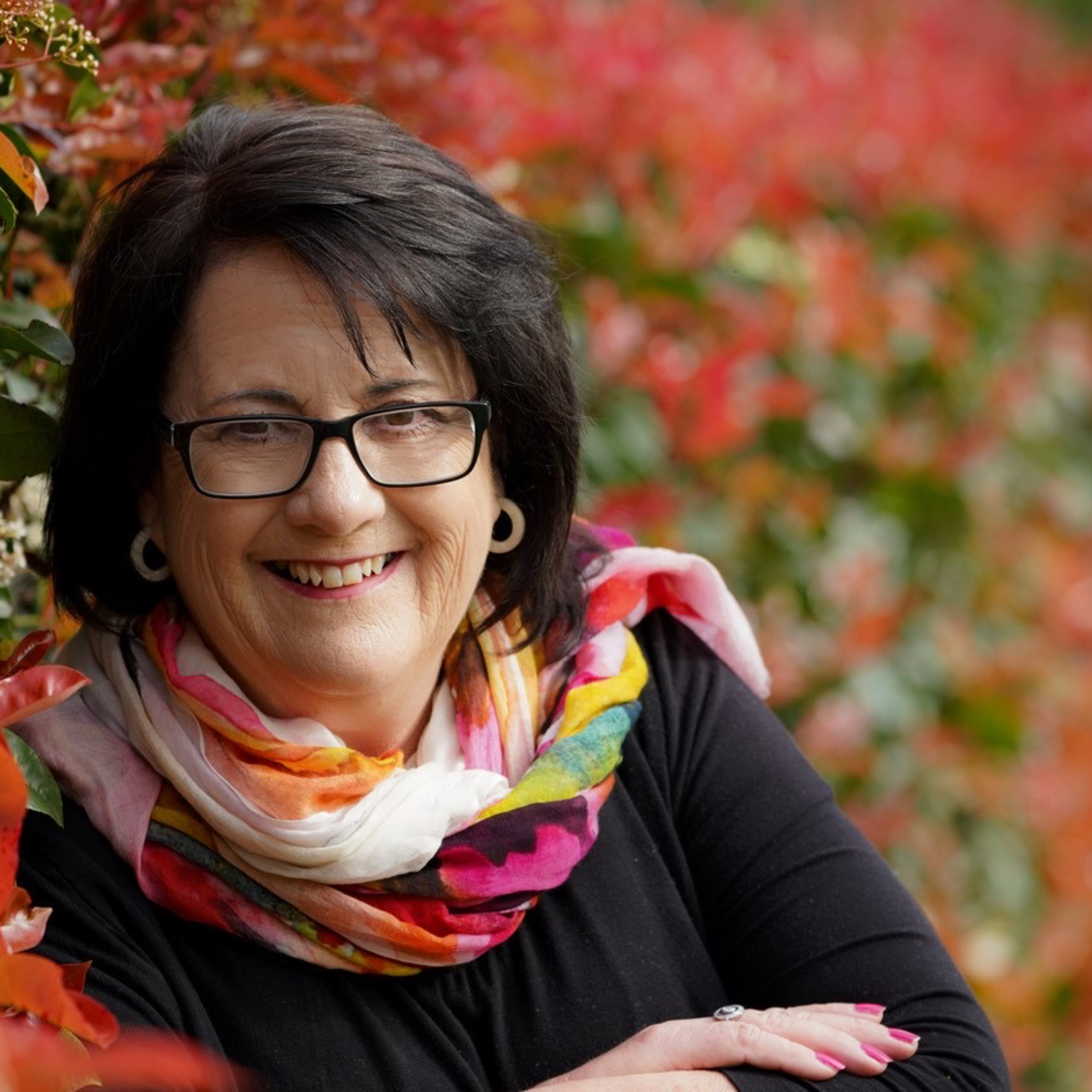
Karen Stevens, the current Mayor of Characla and Elgan, shares her life story in this interview. She grew up in a large family of eight children in Adelaide, describing a childhood filled with freedom and outdoor play, which contributed to her resilient and organized nature. After school, she worked as a stenographer at Gribbles Pathology before marrying and having two children. Following a divorce, she became a single mother, studied real estate, and built a successful career as a real estate agent in South Australia, supported by family and friends. She later remarried and moved to Castellan, where she adjusted to the rural landscape and timber homes, becoming involved in community initiatives like Project Castellan 2000 to boost the local population and the Culpea Association dog auctions. Her volunteer work and community engagement led to her election as a councillor in 2002 after Jean McCallum retired. Throughout, she emphasizes family, adaptability, and a strong commitment to community service.
[Music] Hello and welcome to Casted & Connections. An initiative of Hands Up Casted & where a group of enthusiastic locals have come together to capture, preserve and share stories of people who have a connection to Casted & Connections. [Music] Resilient compassionate, strong, bossy and a negotiator and an organiser. And just a few words that come to mind when describing today's guest on Casted & Connections. Welcome, Karen Stevens, the current Mayor of the Characla and Elgan Community Volunteer. Family is an integral part of your life. Tell us where it all began. My family, I'm one of eight children. I have five brothers and two sisters. I'm third oldest. And the oldest girl? Yeah, and the oldest girl, yes. Maybe that's where the bossy comes in. I was about to say that. Maybe, you know, having a large family is just the most incredible thing. I mean, I don't know any different obviously, but you know, we have 31 grandchildren. And then there's 37 grandchildren. Where's your mum has? Mum has, yes. Yes, sorry. Mum and dad have. And so it's a big, robust family. And you often have very many get-togethers and so forth? Well, they all live in Adelaide. I grew up in Adelaide. So they're all still in Adelaide. And they have regular family get-togethers. You know, those birthdays coming out of A.E. So as you can imagine, we're about to celebrate Mum's 90th birthday this week on the 8th of October. So, yes, so she will be turning 90 and we've got a big celebration planned for that. Which will be fantastic, no doubt. It will be. So you're one of eight. So tell me a little bit about your childhood, like preschool. What do you remember? Do you remember much about those early days, lily and Adelaide? Yeah, we lived at Highbury, which at the time when I was little, I mean, it's grown now, but when I was little, there were paddocks around our house. So we had a lot of freedom. And it was, you know, that old story of come home when the street lights go on. So, you know, we, having brothers, I played football and cricket, all the kids in the street were boys. So there wasn't a lot of option of, you know, playing anything else. But we had loads of fun and I had a very diverse education. I went to St. Pysthetanth Primary School at Windsor Gardens. And then I went to an all-girls college for secondary school at Kilday College. Okay. What was the reasoning behind that, do you think it was? Obviously, your parents wanted a Catholic education for you. Also, perhaps, seeing a girl in a neighborhood with a lot of boys. I think they might try and make a lady out of you or something. Something along those lines, I think that was the intent that, you know, the boys went to an all-boys school. They went to St. Pysthetanth and us girls all went to Kilday College. So, look, and, you know, I love my time at Kilday. Obviously, in primary school, it was a co-educational school, being primary, Catholic primary. And I just relished the fact that I didn't have to, you know, contend with any boys at school. It was fantastic. Yeah. Any smelly boys. No, smelly boys. I grew up with smelly boys. You know, I love them to death. But, you know, when you have a lot of brothers, you just relish time with women by yourself. You know, it's great. It's great having brothers, but I can just remember, just relishing the time, just spending at an all-girls school. What did you feel like protected with having so many brothers, do you think? Oh, absolutely. Yeah. Absolutely. And the shenanigans we got up to, I mean, it was just unreal. I mean, I can remember one day we had go-carts and all sorts of things. One of my brothers, I won't name him, came across the main road in these go-carts from the pub up the road. And we'd have done the side of a hill sort of thing. The street was really steep. We all went running and then we saw this policeman and he's motorbike. And he pulled up at our house. And Mum was bowed up outside. So we all went hiding. Yeah, we sort of got into a bit of trouble as well. It was all good, clean fun though. Yeah, it was all fun. All fun. All fun. So were you a good student, Tom? Oh, I think. Academically, you know? No, I wasn't. I didn't excel. I mean, you've got to remember that in the 70s, basically women, not a lot of women went to university. No. You know, you became a nurse or you became a teacher or you became a secretary. So you sort of basically which one did you want to do? So I went down the secretaryals stream and I loved helping dad in his building office and helping him out, answering his phones and taking messages and things like that when I was very young. But, yeah, so I suppose I went down the secretaryals stream and you know, these days nobody does shorthand or typing, you know, your petman shorthand and typing exams. And you'd probably remember those, you know, 120 words a minute. How fast can you go? I mean, I still write a bit of shorthand these days, but not to the extent that I was taught back in the 70s. So when you left school, your first job was as a stenographer with a pathology company. Yeah, I worked for Gribbles Pathology for a number of years and you know, those were the days when you sat in the lab or whatever and you took notes in shorthand or whatever the pathologist was dissecting or then you'd just sit there as a stenographer and type up heaps of results to send out to the doctors. These days, I think it's all done electronically. I don't think that there's much, I think the, it seems to be the results come off the machine and they go straight to the clinics and everything's done electronically. In back in the 70s and 80s, it was very much a paper trail. Did you enjoy that? Did you enjoy that sort of work? Yeah, it was great. It was a great team environment and there was lots happening. It was really fascinating work and you'd go from department to department and it was fascinating. Yeah, I loved it. It was really good. So during this time, you start of work, what about for leisure? What did you do? And also through school, you used to play a bit of sport as well. Yeah, so played netball at school and continued that through my youth and younger life, but loved my netball but also played basketball. So basically, I played basketball netball. Once I was driving, by the time I was 16, of course it was in South Australia. Once I was driving and more independent, I could pursue those sports every day, basically. So I trained or played most nights. Yeah, it was great. It came quite a high level in netball, didn't it? In junior, junior netball, I played in the state team. So that was a highlight for me. That was really challenging though. Really, really challenging. We played, I used to play netball down on Anzac Highway there at. I can't remember the name of the park, I think it was Edwards Park or something. But, yeah, I mean, that was a huge challenge. It was a highly competitive at that rate. The parents were highly competitive. That's per usual. No, that's right. But I can remember my father always saying, "Why don't you tell me that netball was a non-contact sport?" I'm sure I just saw you heaping shoulder that poor girl. So I was very competitive when it came to the court. So then you got married in. When was that? In 1980, I married and subsequently had Nathan. He was born in 1982 and then subsequently, Peru was born in 1984. And you lived down the barossa? We lived in the barossa. We were in Adelaide and then we moved to the barossa and lived in Tannanda, which was once again a fabulous experience and was a totally different world. I mean, I missed Adelaide, but I mean, it was only. Those days it was like an hour or just less than an hour. It's a bit easier now because the roads are different. But I really enjoyed my time in the barossa, but our marriage fell apart and I moved back to Adelaide with two very small children. And. Peru was only six weeks old, wasn't it? She was. Oh my God.
Yeah, so that was really challenging at that time and yeah, I became a single mum and then was a single mum for the next number of years and in that time I studied real estate. I went back to Gribble's part time and to earn some money and then studied real estate and I became a salesperson to start with and got my first real estate job and then I continued to study as an agent so there were the two degrees you could get so continue to study a property and law and became a real estate agent in South Australia. So it's a lot different than in Victoria because in South Australia the agents actually write the contracts and do all of that and then hand it over to the conveyances which you don't do that and it was very foreign when I was in Victoria because you don't do that in Victoria. Yeah, so I was an agent. So you're a single mum with two little kids, you study, you become a real estate agent. How amazing is that? You must have a little bit of support of course. Absolutely. So my parents and the children's grand parents, children's grand parents were just wonderful and my family and his family they were very supportive and I had a really good network of friends as well. So they went through those normal kind of kindergarten school. They were really challenging times because they are challenging times if you're trying to work full time and you've got kids. So I met a lot of people through my real estate career in South Australia. I had a brilliant career in South Australia and then of course I met Owen and so how did that happen? A Victorian meeting a girl in Adelaide. Yeah. Well Owen had two sisters that lived in Adelaide and one of his sisters has four boys, Noine and Bill have four boys and the boys went to St. Rafe's Parkside and that's where a pro and nifty went to school. They went to St. Rafe's. So this fellow needs to turn up all the time and he needs to bother Maddie, the other sister. I must often interrupt our Friday night drinks so we need to organise him to go out with other women. Then he said to Maddie. So it wasn't love at first sight or anything? Oh well I'd know him for ages. I don't know. He was more a friend. Yeah he was a friend and then one day he said to Maddie I'd like she like to take her out to dinner. And what made me say she said what? Yes a lot. And I said I don't do dinner. I only do lunch. Oh yeah so yeah so we sort of and then it sort of was a bit tricky because you know I was friends with both his sisters so I said so we had a very quiet relationship there for as long as his sisters don't know that we're seeing each other then that's fine. I don't imagine anything much quiet with you. Well it was interesting because he did need to come to Adelaide and visit me and he needs to park his car in the neighbours garage and all sorts of things that his sisters wouldn't come fast because you know dropping a child off he or all there or whatever and it was a bit crazy time because obviously I was still doing open inspections on Saturday Sunday and still had you know children you know who were eight and ten at the time and still had sport and everything else and no but it was fun it was lots of fun and I suppose when we sort of announced that we were getting engaged it sort of came as a bit of a shock for the family. Oh no not really because some knew some didn't but yeah so I suppose they didn't realise just how long we'd actually been saying each other so yeah yeah so that was interesting so we got engaged in the march and they're married in September 1992 and then I'm in Adelaide? Yeah in Adelaide. Yeah and then I moved to cast it and with the children after we got married. So was Owen working here in Castellan at the time? Yeah he was in a contract as CEO up here at the hospital. Yeah so that was different. So then you know you had the big even though you'd lived in Tnunda which is a sort of smaller country town but I will compare to Adelaide the adjustment then from Adelaide back to down to Castellan must have been quite big for you. Yeah it was I mean obviously we'd been over a number of times so it wasn't and you know if I put my real estate hat on the biggest the biggest thing that I still remember to this day last and your laugh at me is I remember driving I flew into Mac Gambia Airport and I remember driving into Castellan and all the homes were timber. Oh okay yeah and of course in South Australia in Adelaide we don't have to be homes we have brick and stone and everything else and I thought that's fascinating. Yeah you know just the change and you know the red gums and you know just the landscape was amazing how different it was you know if you drive through the from Pannola to Mac Gambia I mean you know it's very very different landscape there's no landscape that I've seen like Castellan and the Western Districts here that you'll see in South Australia. No no so you know the Tim you know the the landscape and the Timahouses were the things that sort of you know and I mean and just the style of the Timahouses you know some of the grand homes you know in the main street and the Federation ones yeah the Federation ones and the beautiful churches and things you know you had brick churches yeah but you had Timahomes yeah you know so it was yeah it was fascinating it fascinated me. Oh there you go. I hadn't even thought of that so so you had your real estate hat on and when you first got here you worked in real estate with John Pinketton and Julian Vise. Yeah yeah after I got here for a while um we um had um they started up project Castellan 2000 and we you know we had the downturn of the sale of the abattoirs just at that time and the SES moved out etc so I can remember Erlwell and say to me we need a real estate ad in Karen you know because we had lots and lots of houses vacant you probably remember lots of vacant homes etc and he said we really need to promote the town and get some new people you know increase the population. Sorry in Wellen for those I didn't know was the local farmers at the time and and he chaired the project castellan 2000 yeah so there was a group that came together and yeah and he said come on can't you just work part time we can't you do something and get get back into it and so I did and I worked for um what was landmark then with um John Pinketton or JP as we all called him and Julian Vise so um yeah it was fun times but um of course that was really challenging to because I'd never sold real property before yeah and never sold a house for $10,000 so yeah that was you know really interesting and um I mean people would be amazed you know here we were in 1995 with many homes that were actually quite reasonable homes selling for $10,000 and $15,000 I mean look at the prices now yeah yeah so the increased in value hasn't it? Yeah so Project Castan 2000 was motivated to get 2,000 people living back in Castan by the year 2000 yeah and you would call that big photo in the main street yeah that was on the I think the front page of the age which was another sort of um you know promotion that we did with um with that was definitely remember the baby in it I think correct me if I'm wrong was um Georgia ceiling Georgia ceiling and Panny Anna was the oldest yeah she was the oldest and Georgia was the youngest and um Georgia it was taken I think on the 20th of October that year and then Rachel my Rachel was born in the November so all of those girls oh yeah the same age yeah okay yeah okay so okay so you've settled you've come to Castan with two young kids um how did you settle into the community life like you've been a volunteer forever for as long as I've known you um I can remember vaguely about your social life probably revolve maybe around the apex club is that correct? yeah so Owen was in apex before we married so obviously he continued in apex and um we had a fabulous social life we still have I mean um you know social being social is just part of my DNA but yeah we had a fabulous social life and it was a really good fit for Nathan and Peru because there were so many kids in apex at the time around his around their ages so you know just
It was always, you know, Friday sat day night, woodcuts and motorbikes on Sunday. You know, it was just full on and then you'd look forward to getting back to work on Monday to progress. So, you know, I mean, the kids remember those and if you asked Peru today, you know, she remembers that time so fondly. You know, it was just a great family environment and, you know, the kids got up to all sorts of shenanigans I'm sure they've got their own stories to tell their lowest. Yeah. But that our spirit, you don't we don't know about. And don't probably don't want to know about. But, you know, some of those, you know, those kids are still lifelong friends. And, you know, they still catch up with each other and still, I mean, some of them all sort of live locally. A lot don't. But they certainly do. And, you know, I'll tell a story that, you know, Dean Luehlen and Peru, Peru's, um, Peru's away in Queensland at the moment and she bumped into Dean Luehlen when, you know, when they were out and about. So, they ended up going to a toad race together and spent some, yeah. So Dean's wife and, and, uh, came along and they all went out and, you know, here they are from Castan to Castan and Queensland and they bumped into each other, you know. And crazy, crazy, crazy. But how did they recognise each other after all these years? They just did. There, you know, and they just knew. And, uh, I mean, Dean hasn't changed that much. But, um, Peru probably hasn't either. But, um, you know, they spent a fabulous night together and it was just very random. But, um, I'm sure they had a fabulous time. See, that cast of connections everywhere, isn't it? It's everywhere, yeah. Um, okay. So, you, you know, you got your kids, you got a good social life, you fit it into the community really well. Mm-hmm. Okay. And then, uh, in 2002, I think it was 2002, um, long-dserving Councillor Jean McCallum retired. Mm-hmm. What happened then? There, right? Yeah, Jean did retire. And, um, I spiced with my voluntary work. I'd been involved in lots of the different groups. And, you know, whether it be the Castan Business and Development Association or, you know, the Culpea Association, obviously, are the apex clubbed around that for a number of years. Oh, sorry, yeah. Just, just, just going back a bit. Yeah, we'll go back to the, the, the, the Culpea Association. Yeah, Culpea Association, I've forgotten about it. The first Culpea auction, you were actually a volunteer. That's in the catering. Yeah, I'm not quite sure. I'm not quite sure how much catering I did. By the time, um, the. Or the drinks, maybe? - No, I'm not. (laughing) - Maybe. - By the time, 1990 seats came around, and that was part of that project, cast in 2000, to find something that we could hang our hat on. And cast it in, you know, we discovered that Caston was the birthplace of the copy, and well, the first copy in Australia was born out at Warwick Homestead, and we all know the history of that. So, you know, we started this campaign, so how are we going to pick that up and market that? So, we certainly did, and it was Ian O'Connell that said that, you know, the saddest thing for him when a clearing sale at an old property was the last thing to be sold was the dog, you know, the working dog. And often though, we're very good working dogs. And he said, I think that we could have, you know, a dog auction. We have lots of breeders around here, and that would be, so the rest is history. So, in 2026, so next June for the Australian copy muster, we'll be celebrating 30 years. - Wow. - Yeah, 30 years. And $4.5 million later of dogs that have gone through our auctions. So, a huge, huge, but my beginnings in the whole dog auction world, was, I suppose, you know, by 1996, we had a further three children, so Patrick was born in '93, Rachel in '95. So, maybe he wasn't, no, we didn't have further three, that's wrong. And then William was born in '97. So Rachel must have been our baby there, and I can still remember being out there child in the pram, toddler, mud everywhere, June, mud. And the apex ladies were catering in the canteen. - This is ever the sale yards. - Yeah, at the sale yards. So, the first couple of years it was out at the sale yards on the back of the yut. I can still hear Ken Bibby, you know, auctioneering, and yeah, so just lots of mud and, yeah, dogs, and you know, it was happening, yeah. - So, it's just progressed so much to what it is today. It's just amazing, and it's a credit to everyone that has worked towards it. - Yeah, it certainly is. - And again, volunteers, lifeline of our community. - Yep, we have, so, you know, we have about 200 volunteers every year that come in and contribute to the weekend, whether that's setting up beforehand or across the weekend. You know, the curp your association has set up a really good platform for volunteers in the fact that, you know, it might be the local RSL grouping casted and, and, you know, Peter Green is a fantastic volunteer of ours, and he rallies around and gets some volunteers, but he might be there on Friday helping Sharon McGrath set up the dog by by going and picking up pie warmers and all sorts of equipment. And then on Saturday he'll help us march all the street parade and make sure that they're all in, or not in order, because the CFA do that behind In Jackson Street, but just make sure that, you know, they're coming down the main street and make sure that they're not banking up on top of each other. - Is he a bit bossy like you? - Yeah, I think so. That's why I get him. And he, first of all, is there in the street, you know, somebody like Peter is there in the street on Saturday morning when it's still dark, sorting out storeholders. You know, these things go on behind the scenes, whether it's the golf club, you know, emptying the rubbish bins, but what we do at our annual general meeting is we give a financial donation back to them and say, "Thank you very much. "We appreciate everything you do. "You know, you put this towards your, "whatever you want with your group." - Yeah, it's fantastic. - It's fantastic. - Absolutely fantastic. - Yeah. - The white all works. - Yeah. Each, you know, each group, the volunteers get something out of it. - Yeah. - Manitarily, anyway. - Yeah, we started the contributions back in 2014. And since that time, we've contributed over 170,000 back in to the casting community. - Yeah. - Yeah, yeah. - Yeah. The economic effect is quite, and you know, that's really important because we just, lowest, we couldn't run the Australian copymaster weekend without our volunteers. - No, we couldn't. - Exactly. Exactly. Now, back on you. - I mean, yes. - Yeah, back on you. - Okay. So, yeah, Jean McCallum retired. Was this pre-emalgamation? - No. - The show? - No, a Macamation happened in 1995. - Okay. - And this was 2002. - Yeah. - So, yeah, we were busily running around trying to find somebody that would represent because at the time, there were nine councillors in wards across the show. So the show was divided into wards. And casten sat in the Gilmore Riding. So it was the new council, the Lennelg Shire council. - Named after the very famous Dame Mary Gilmore? - That's exactly right. It came to mind. - Yeah. - That's why we were the Gilmore Riding up here because it was unique to casten. So, yeah, so Jean, you know, I mean, Jean was, I think, 70 when she retired from council. So I've got a few years ago. - Yeah, yeah. - Yeah, I have. So, yeah, she was 70, but she'd been on council for some time. I mean, she was on the old Shire of Gilmore Riding. You know, as were the likes of, you know, Dawn Mill, John Northkirt, Bruce Cross, and a number of those people, you know, the Mark Kurs, the Brendan Malaine's, you know, Steve Clampert, you know, you go up there into the old chamber and have a look at the list up there. - Yeah. - It was quite amazing who was on the old council. But Jean was there for a number of years and. - So Jean probably was a bit of a trailblazer too. And you followed on, you know, as a female in council, I'd imagine it would be a little difficult at times. - Yeah, but you've got to remember I've got five brothers. - Yeah, yeah. - Yeah. - It's always been, it's always, always in my back pocket. - Yeah. - So, you know, dealing with. And I'd had a lot of dealings. I sat on the council council's business advisory committee for a few years prior to being elected. I suppose with the Kelpies, I'd also had dealings with council through their tourism and economic development unit, getting permits for the must-awake end. And so I'd had quite a bit. I was involved in the. Do you remember we did the street revitalisation? - Oh, yes, yeah. - When they go all in and they. - Yeah.
I did the trees and painted up the facades and all those sorts of things. So over those years I had a lot to do with Jane and a lot to do with different council offices. So by the time I got onto council and I mean I hadn't, I really didn't have any - Presbyter. - Asperations of going onto council. I mean last, you know, Willie was three. Rachel was five and Patrick was seven. So you have five kids at school? - Yep. - Yep. - No, but 2002's I think, I think Nifty had gone off to uni at that stage but they were all still in different forms of education and you know, it was a really busy time in our household. So I think the last thing that, you know, probably I was thinking and of course I was running my own business then. So I've been running my own business since 1995, a real estate business obviously. So I even started with landmark then I went out on my own just after Rachel was born in 1995. So I ran my business full time and the children. So the last thing I was probably thinking was to go on council as well. But I did. Yeah, they said I had to do it. So yeah, so I did. So I put my hand up and I got elected. Amazing. So any funny incidents that you can share with us about council? - I think one of my first meetings was I won't name the councilor. They said, you know, "Are your chairs over there?" So I immediately went and sat between the two of them. They just happened to be men. I mean, look, I had, I've great, so many great moments and you know, I still bump into some of my old counsellors, you know, what I call from the older days back in the early 2000s when I was first on council. I mean, I came in, I was really naive. I mean, it's a really sharp learning curve and you know, you have to learn lots and lots of things about policy and procedures and budgets and, you know, anybody that's gone on tour board, you know, these days the compliance and, you know, those processes and procedures are all encompassing. But it's almost nearly new language, isn't it? - Yeah, yeah. It's like if you work in the medical field or the education field, local government has its own set of languages. But look, I think that, you know, all these years later, I'm still on council and, you know, I'm very proud to represent casted in, but of course I represent the whole of the shy. So, but obviously I'm still based in casted and I know the Portland casted in road pretty well. - Yeah, pretty well. Done a few trips up and down and, you know, as Mayor, I do it two and three and sometimes four times a week, but some. - Maybe hit many kangaroos. - Ah, this year I have, don't mention that. Look, it's really interesting, you know, 22 years old. I think I hit one kangaroo in three months in 2025. I think I hit seven. So, you know, the drought certainly changed the landscape as we know. And as the farmers know, there are kangaroos everywhere and, yeah, I'll have a bigger vehicle now and it does have a ball bar. So that's saved the vehicle. - I just can't believe that I'd be brave enough to jump out in front of you. - I just can't. - I'm going to be pretty scared to scare. - Oh, no, they're in moms at the moment. Since we've had a little bit of rain that's eased off, but, you know, we've had lots of kangaroos. So, this is the fifth time you have been mayor. - I think so. - Yeah. - So, what's your greatest achievement do you think is? - Oh, look, I just, you don't have to be mayor to achieve things, but, you know, I mean, I think that my focus has always been, you know, getting good outcomes for the community. And that's, you know, that's not just for the casting community, that's the whole community. I mean, you know, if I look more broadly across what we've achieved, I mean, I think that, you know, we've positioned, certainly this shy for the future. And everything that we do, whether it's upgrading, you know, sporting facilities or making sure that, you know, the community services meet the needs of the community, whether that's library services or children, children services with childcare. I mean, yeah, it took me a long time to get the Kelpies Centre. That was only a 17-year project. And the childcare centre was a 12-year project, you know. I went on to council when him was a three-year-old. I think when we opened the childcare centre, he was probably in the year 10 or 11. So, I didn't need a childcare centre, but, um, so persistence, is that your, no, persistence is a key, you just wear people down, is it? Where the politician is down? No, I think it is. I think that, you know, if you look at, you know, the Portland Force, sure, for instance, you know, that's probably been 15 years in the making, you know, from one end, the bookends, from the nuns beach to the troller wharf. We've just completed another, you know, 1.5 million in the walking paths and the lighting and the ceremonial dance space. So, you know, it's basically all finished now. Um, you know, there's probably more that we could do. But if you think about a project, we've chipped away at that. There was a plan for the Portland Force, sure. And we just chipped away at that over the years. And now you have this magnificent foreshore that's got connectivity, it's got really great pathways, IT, skate parks, playgrounds, you know, you name it. And, um, it's just a really great place. No different than, you know, the curvy centre and the pathways around the curvy centre, etc. So, I still have a number of goals, like, you know, it's the rail trail, the custom brake zone rail trail or whatever. But, um, you know, seeing some of those facilities like our libraries at our childcare centres and just saying, you know, whether it's things like, you know, the curvy walking trail along the Galenog River and the statues and the art and just being involved in all of those is just fantastic. We've just released the Master Plan, a new Master Plan for Island Park. So, there's some key determinables in there that we will roll out in the next few years. Yeah. Now, it's, I know it's really difficult because you can't place everyone. How do you cope with criticism? Um, yeah, it is, it is difficult. It depends on what the criticism is. If it involves aggression, well, you know, none of us like that aggression and, you know, people can become very aggressive. And I probably never expected that as a counsellor and as a Mayor. But, um, you know, I think that the climate has changed. I've seen a lot of changes in the behaviour within our community. Um, social media has had a big impact on that lowest, to be honest with you. We have a lot of keyboard warriors out there. Yeah. You know, we have fantastic communities across the Galenogshire. We have fabulous community groups, volunteers doing so much work across our shore that we can celebrate every day. And you've just got to take the good with the bad. Yeah. And, um, you learn techniques of how to do it with it. But, um, it is, it is no different than having an aggressive brother. Yeah. You know, or, you know, an angry brother or whatever. And you learn to deal with them. And, um, or it's like a, a two year old throwing a tantrum. Yeah. You learn to deal with those. So, it is, it doesn't mean it doesn't, um, you know, hurt or resonate with you. But, uh, you know, people can be very critical. But, um, you know, I look forward to some of those people putting their hand up at the next election and see how they go. Speaking of which, do you think, um, your Galen? Ah, it's probably a bit early. But just, we're just celebrating 12 months into our four, four year term and, um, look, it's an exciting time. I never say never. Um, I don't think I'll ever retire from community, et cetera. I, there is a day where I will have to retire from council. I'll know when that time is. I mean, obviously, Owen's retired. He's been retired for a couple of years now. But, um, look, I think that I'm always looking for somebody here in casted in to say, so who's going to be the next champion for casted in, you know, and who's going to give that time an effort? And, you know, I'd really like that to be perhaps that younger person that I was 22 years ago, um, that will give a little bit of longevity because, you know, whether it's the Kelpies Centre or whatever, you know, the good projects take a long time to develop and a long time to achieve, you know, you've got to get funding, you know, you've got to get into budget cycles and funding rounds and, um, feasibility studies and all sorts of things to get those projects moving and they take time. Yep. Yep. Okay. So, during your time as council, you know, you've had a lot of trials and tribulations along the way. You know, we had, um, you lost Nathan in 2009.
2009, which was a horrific thing to go through with in passing waste cancer at a very young age. How did you cope with that, with the whole scenario? Yeah, they're life-to-fying moments, and in your life, the tragedy is just consuming for all of us. All consuming. And you know, I'll never forget the day. It was the 30th of June, 2009, when he rang his head. He'd had a bumper football, he'd been playing football. And I thought he had concussion, but then did a cat scan, and they found all these trimmings. And then he'd extended to his lung and his liver, and he's blood and he's bone, and he was in stage five. So, Nathan was living in Adelaide at the time? Yeah, whilst he was with Sarah, and they had baby Liam. And he was given three weeks to three months to live. And to look at him, you'd think, what is wrong? You know, but it did become apparent fairly quickly that time he was unwell, and really unwell. You know, there was that whole denial, which is, you just don't want to hear about it. You just don't want to know about it. I basically shut up my business and just moved to Adelaide to support Sarah and Nathan. And I just did what I had to do, took him to treatment, or whatever, all looked after Liam. And yeah, Owen would certainly bring the other children over because they had to go on that journey too. So, anyway, he passed away. Adelaide was birthday, and Liam turned one. Because incredibly sad, and we, I was just, but we're here. And of course, we sort of knew that Liam's birthday was coming, and it was all going to fall in together. And at the end of the day, we now celebrate Liam's birthday and Nathan's life on the same day. So, it's actually worked out beautifully. That it's not the day before or the day after. And leading into his anniversary is all so difficult. And by the time we get to the 11th of October, we just go, yep, it's Liam's birthday. It's time to celebrate his birthday. Yeah. And he's 17 this year. You would just six foot six, just this, you know, strapping lad, splitting him into his father. Yes. Also, as cheeky as cheeky as his father was. I don't know that he could be. Well, he's trying very hard to be as cheeky, and he does so many, so many things that just continue to remind you of Nathan. And it's just those intricacies that, you know, he'll just come up behind me and hug me exactly the same way as Nathan used to. And, you know, tower over the top of me. And it's beautiful to have that. Yeah, it is. It is. And Sarah's done an absolutely amazing job bringing her up as a single mum. And he's very well-rounded and just loving life. Yeah. It's fantastic. A gorgeous, gorgeous young man. Yeah. And I mean, it must mean so, so difficult for all the other kids as well. Well, we know what was so difficult. You know, the impact that it has, you know, the ripple effect. And, you know, as a parent, juggling that is also really difficult because, you know, it's proved by a brother. You know, it's my only brother. And they were very, very close. Yeah. And she is, it's him dearly. Yeah. Yeah. But, you know, it impacted all of the children still death to every day. And impacts, you know, my parents and my brothers and sisters. And, you know, Sarah's family and all of her friends. And, you know, they all remember him funnily. But how could you not remember him funnily? He was a smacker of the kid and on us. Yeah. Yeah. Yeah. But he's like a sea. He lives on in Liam. He certainly does live on in Liam. And, you know, and, you know, it just must have been so hard to pick up the pieces afterwards, you know, like, like your life's changed forever. That's about a doubt. But then to pick up the pieces and just go on and try and live some sort of normal life must be so difficult. So, have you got any, like, tips for others that are sort of going through similar things or have gone through something similar or is each journey, each one's person's journey? I know it's very personal. I think, I think that, you know, if I reflect on my children's journey, you know, each of my children have had a different journey in how they've dealt with Nathan's death. And I wonder how he's dealt with that. And, you know, with my family members. And, you know, I've got lots and nieces and nephews, lots. You know, they all, it's a defining moment for the entire family. Yeah. You know, and you can't change that. And I know one thing is I've watched individuals within the family deal with it in very different ways, you know? Yeah. And it's right for them. That is right for them. As a mother, I can say to you, if I saw and living in a small country town, it's probably not the place to go. But, you know, if I saw somebody that was a useless person in a community, because, you know, there are a couple, you could just follow the money path. Yes. But, you know, you just, you have to stop yourself, you know, I think. So, you know, going to the supermarket and things like that, we're incredibly difficult. You know, so just the kind of fronting other people within the community, yeah, initially would have been really hard. Because I mean, because I'm no doubt the community wanted to wrap their arms around you, but, and the family. But that's hard to deal with too. It's hard to deal with. It's, yeah, it's all consuming. And, and, you know, your life is never back to what it was before. And I always think that, you know, we were so fortunate that we had time with Nifty, before he passed away. You know, there are families in our own community, accident that lost children through car accidents or an accident, you know. And that is instant. The impact is instant. Yeah. You know, you know, we have people we know, lowest that have lost children through suicide. You know, really tragic, you know, that those parents never had that time. So, you know, we were fortunate as a family to get time with him. It doesn't change the grief. Grief is ongoing. Yeah. Do you think your religion helped you at all? No, not. I think it's a ways it is, but then you go to reach it. Just so you reach it. Why? Perhaps the ritual. Maybe, I mean, going to funerals is very difficult. It's extremely difficult to go to a funeral. Even if it's an elderly person, you know, that whole ritual of funeral is very, very difficult. You know, Nifty would have had 800 oddities funeral. It was just massive, just massive. And that's about being young, you know. And having lots of people around him, you know, he was involved in so many different things, whether it was, you know, sport with his football and stuff or the yachting or whatever it was, but obviously his work as well. So, yeah, I just had lots of mates. Lots of really good mates. Well, you've got some other beautiful children, right? Yes. Until keeping you busy. And lots of grandchildren. And I was going to say, how many grandkids have you got now? Oh, we have eight grandchildren and we have another one on the way. So that's exciting. How exciting. It is very exciting. Oh, we have a new grandchild in love. Sometime in March, March April in 2026. Oh, you heard it at first here on Tested in the next year's first. You never know. So you get a lot of pleasure over the, you know, with the grandkids obviously. Yeah, we've got five girls and three boys now. So Liam's the oldest obviously and then we've got Prus, Marley and George. And, you know, that's really exciting and their, their, their, their treasures. You know, young Patens too. And she just adores her par and, yeah, and of course,
So, you know, William has a bridey and she adores her par two. It's a thing isn't it? - Yes. - They all adore their par. - They do, they're a par. - So, you know, she's four now and, yeah, so, and then of course, Samantha and Melbourne, my daughter has her two children and, you know, they're growing it a million miles an hour. They're seven and ten now, so yeah. - Wow, time moves on. Time moves on, doesn't it? - Yeah. - Time moves on. So, how old were you when you had Sam? - Oh, I was pretty young. 17 I was when I had Samantha and then she was adopted out and she has beautiful parents in Bruce and Jolding and she grew up in Melbourne and we are re-acquainted when Sam was about 25, which was pretty exciting. I can remember Nathan improving very excited that they had a bigger sister and, yeah, so we have, yeah, we have six children in our family and that's been really exciting and the children have really embraced that and, yeah, she's married now and Terry and with the two children, which is fantastic. - So, that was another difficult thing that you went through early in life. So, you're a resilient. You're a resilient from the start, really, won't you? To get through the actual birth of Sam and the giving her up for adoption? - Yeah, I, you know, it was a very conscious choice at the time. Loss because, I mean, I was 17. I was just 17 and, you know, I just felt that there was no way that I could give her the life that she deserved and warranted. I mean, Jorodine and Bruce gave her a fabulous life and education and, you know, and I really respect that and, you know, she's gone on and studied at university, completed her PhD and, you know, is just amazing. And, you know, with her work and everything else. So, you know, she's just such a wonderful addition to our family, but, you know, she's gone on and she's been resilient as well. So, yeah. - See, it's, you know, the nature of her is nurture you, you're saying before that Liam having the traits of his. - Yes. - And I'm sure she, Sam, has probably got the natural traits of yourself as well. - Oh, I suppose she does have, yes. - Which is a bit scary, really. - That's what scary, yes. It's probably a bit scary for Sam. (laughing) But, you know, I mean, her Rachel's in Melbourne and they don't live very far from each other. And they spend a lot of time together. So, I suppose that's probably something you'd have to ask Rachel how many attributes she sees in Sam that are like her mother. - Yeah. - I suppose it's somebody, it's normally somebody else that's able to tell you the similarities between you. But, yeah, I'm sure she does, you know, she obviously gets her intelligence from her mother. - Oh, yeah. - Without a doubt. - Without a doubt, you know. But, you know, it was such a to-be subject back in, you know, the 1970s, lowest and, you know, in this day and age, you know, as you know, you know, a lot of young women had children. You know, I went from Adelaide. I went to Melbourne and lived in Melbourne throughout my pregnancy and had her in Melbourne and then returned to Adelaide, docked back to normal. - Yeah. - And, you know, you and I know of many women that did the same thing. Nowadays, it's not a thing, but it was very much a stigma. - Yeah. - And, you know, to the point. - So, you were more or less hidden away in Melbourne like you were sent to, I'm presuming a mother and baby's home in Melbourne. - No, I live with another family in Melbourne. - Oh, okay. - Yes, no, I didn't go to a home. I didn't have a choice of living in a home in Adelaide. But, I went to Melbourne, so, you know, but, you know, it's, you know, that it's taboo. And, we will tell you a story about, you know, moving to Castan and I can still remember, we married in the September of '92. And Patrick was born in the August of '93. So, I can still remember in the supermarket when people found out that I was pregnant, they were literally counting the months on their fingers. Over the frozen peas, you know. And, I'm exciting. And, when did you get married? And, when's the peanut? And, I was counting the months. So, you know, we talk about taboo and things like that. I mean, but there are all. That sort of is that rich tapestry of our lives, isn't it? You know? And, but I still think, in some ways, you know, we're still trying to break down barriers for suicide and all sorts of things around mental health and things. So, I don't think teenage pregnancy has the taboo that it probably did when I was. It was in the '70s and '80s. But, certainly, we still hold on to certain taboos that, you know, we just can't sit or talk about. So, you know, if there's one thing I can be in a vehicle for in my role as mayor and as a councillor, is trying to break down some of those barriers within our generations, not change history, but just break down some of those barriers and open the world to, you know, opportunities for support. So, do you think it comes through education? Like, you know, bring your damn barriers. Yeah, I think it does. And, I think it's. I think the more educated and the more knowledge people of times. Yes. Things get less scary for them, and. That's right. There's less taboo about things. That's right. I mean, you know, people might be surprised that I had a teenage pregnancy, you know. But, I did. It's a fact of life, and that's what I did. There were many, many women through that that met their. the husband, you know, the father of their first child at the Convent Gate, you know. Our education at that time, you know, was very limited. Yeah. What we were able to allow to talk about, and, you know, it was just a mystery world. These days, the kids know everything, you know. Well, you know, the sex education, for example, in schools, is kind of. Oh, absolutely. There's. Come along in leaps and bounds, but I think it's a good thing. Oh, absolutely. It's a good thing. Yeah, sure. It absolutely, and absolutely. And as you say, the education, you know, in our day, "Oh, God, the dear old nuns." Yeah. I mean, God, you wouldn't know. No, I don't think I'll tell you about my story. My mind's doing cartwheels thinking, "I can't tell you that story." No, I can't tell you that well. Actually, I can tell you one. I can remember the only so-called sex education lesson I ever got. I think I was at the Convent here. Yeah. And I think it was in Form 2, which is what year? The eight, nine. Nine or something. Nine, yeah. Yeah. And we were put into, like, the church hall, you know, the hall up there at St. Perth Park. We were all putting in chairs and stuff, and they had a big screen up. But none of the boys were there. There was only the girls. Of course there was only girls. So there was this big screen up the front, and I can remember they just put on this film sort of thing that just had diagrams of, you know, your internal organs. [LAUGHS] The ogre is excreting. Yeah, yeah. That's a weak and no idea what's going on. No idea. But I could hear the vents at the bottom of the hall. It was these just great vents. And I looked down and he's peed an oldie. Oh, she's going to name and shame. I'm name and shame. And the mic Rogers are down there trying to-- You could hear him giggling, and they're trying to look in and listen to the actual-- so-called sex education, you know, that we could eat. But none of us had any idea what that was about. Yeah, we saw whispers. Wasn't it? And you know, diagrams. And you had no idea what these diagrams were. And the level of the education was interesting. Well, I suppose, you know, it's not knocking nuns. But, you know, it's coming from single women that probably haven't had much experience. You would hope. Well, maybe not, I don't know. You know, I think-- No, we're not going down that. Well, I think that what we could resolve is that these days, children have a greater level of understanding than we ever would ever would. And, you know, and that's to their benefit. Yeah. OK, moving along. So Owen has retired as our wonderful CEO at the Casteren Hospital after being there for many years. You know, how's he coping with retirement? How are you coping with having him retired in the house? So different. It's a different dynamic again. It is a different dynamic. And I have to say Owen does a really great job. And he's enjoying his retirement. I mean, people are just ashamed that when Owen retired, that I would retire too. And look, I can't see myself retiring. I mean, I may retire from Council, and that I will. I mean, I will have to. You can't go on forever. But, you know, and there will be somebody else better to come along than myself. So.
and I will actively encourage that. But as far as my community work goes, I can still say that I can't say so. - I can't say so. - What would I do? What would I do? Come on. There's lots of things I do outside of my community work, but we might travel a bit more or something like that. But it'll go and enjoy his retirement. He has a list on the wall. He have a calendar on the wall. Which tells him where I am at any given time. If I haven't come home when it's dark, when the street lights go on, he can just go to the board and he'll know that I'm in Portland, normally, or where I might be. And he can certainly plan his week around what I'm doing. And yeah, so we're a good team. We've always been a good team for over 30 years now. So he's healthy, he's challenging, but we work through that as well. So he's just. - What's Aaron's health? What's going on there? - Yeah, well, it's over 20 years now since he was diagnosed with MS. So he's been really, really lucky. They said he'd been a wheelchair within 10 years. He's now 20 odd years in. So, and certainly, his leg annoys the hell out of him and his trigenon around you is really consuming, but there's not a lot they can do with that. The medication is about as much as they can do. Hey, he's an amazing resilient person. He works with that. And he has his own activities to keep him busy, but playing golf or walking or things like that. Obviously, he's restricted in what he can do. But, you know, as it to say, he gets up every morning and goes and does what he needs to do. So, yeah, so. - How does he cope with it like mental activity now because it is work? - Yeah. - It's obviously mentally consuming. - Yes. - So, you know, what's he do to keep. Keep the old brain cells ticking over? - Yeah. - He has to go into. - Yeah. - He goes or something? - No, no. He hates all those sorts of things. He spends a lot of time outside. He's taken a keen interest. I love gardening. And I love plants. I have inside plants and outside plants. I love my making here ferns and things like that. So, he's taken over some of those activities as far as the watering regime goes and things like that. So, doesn't actually not let touch any of the pots or anything like that, but just. You're not allowed to do that. - No, no, no, no, no. But, you know, he's got the poll to do. He's got lots of activity he does. And he's got his workshop and he pottles around. And he's now got vegetable herd gardens and, you know, things that he's done that he's experimenting with his well. So, he loves that. He loves to enjoy the children, keeping up with what they're all doing, and the grandchildren keeping up with what they're doing, and entertaining them and pass their favourite. He enjoys the time we spend together, you know, I think. But, and looks forward to me coming home and working out where I'm going next and when I might be returning. But, you know, he has the dogs and, you know, we've always got extra dogs at home with children looking after children's dogs and things. And, you know, there's always something happening in the weeks, you know, one minute, it's Monday morning and the next minute is Friday afternoon. And it probably took him a good 12, 18 months to get out of the routine of not going to work and getting out of that executive mind says of, you know, not actually actively doing anything. But, yeah, that took a long time for him to relax out of that mood. So, something I like to ask most of our lovely guests is what does castanan mean to you? Oh, that's an interesting question, Lois. Oh, castanan means, you know, I've spent more than half my life in castanan now. And, you know, that journey has been a fabulous journey. I mean, castanan's taught me so much too. About, you know, my resilience and, you know, I mean, I volunteered before I came to castanan, but the type of volunteering I did was very much at school board level or whatever, you know, around the schools. I've broadened myself. I mean, I truly believe I'm the person I am today because of castanan. So, castanan means a lot to me. People say to us, you know, would we ever leave castanan? And I sincerely can't see yourself a living castanan, you know, never leaving. Why would we? You know, castanan has everything that we want in our lives and more. So, castanan means the world to me. OK. Well, whatever the future may bring for you, I wish you all the best. And thanks so much for participating today. Pleasure, and sharing your story. And I hope that, you know, I just want to say that, you know, these podcasts are just an absolute inspiration. And it's just been so good to have reflections of people's lives, people's lives in castanan. And look, it gives everybody something to cherish. And, you know, I'm sure there's these people going, I didn't know that. I didn't know that. I mean, everyone of the podcasts I've listened to have gone, wow, I didn't know that. So, it's really sort of been a great asset, I believe, for our community. And, you know, just brought this amazing dimension into our, into our living rooms that we didn't have before. So, thank you. You have to get the last word, don't you? [LAUGHS] [MUSIC PLAYING] We hope you've enjoyed today's episode of one of our homegrown heroes. Jump over to one of our other episodes to continue the castanan connections journey with us. Please don't forget to follow our podcast and share it with your family and friends. Thank you for listening.
Podcast Summary
Key Points:
Karen Stevens, Mayor of Characla and Elgan, grew up in a large family of eight children in Adelaide, which shaped her resilient and organized personality.
She worked as a stenographer at Gribbles Pathology before becoming a single mother, studying real estate, and building a successful career as a real estate agent in South Australia.
After remarrying and moving to Castellan, she engaged in community volunteering, real estate, and local initiatives like Project Castellan 2000 and the Culpea Association dog auctions.
Her involvement in local groups led to her election as a councillor in 2002, following the retirement of Jean McCallum, highlighting her deep community ties and leadership.
Summary:
Karen Stevens, the current Mayor of Characla and Elgan, shares her life story in this interview. She grew up in a large family of eight children in Adelaide, describing a childhood filled with freedom and outdoor play, which contributed to her resilient and organized nature. After school, she worked as a stenographer at Gribbles Pathology before marrying and having two children.
Following a divorce, she became a single mother, studied real estate, and built a successful career as a real estate agent in South Australia, supported by family and friends. She later remarried and moved to Castellan, where she adjusted to the rural landscape and timber homes, becoming involved in community initiatives like Project Castellan 2000 to boost the local population and the Culpea Association dog auctions. Her volunteer work and community engagement led to her election as a councillor in 2002 after Jean McCallum retired.
Throughout, she emphasizes family, adaptability, and a strong commitment to community service.
FAQs
Casted & Connections is an initiative by Hands Up Casted & where enthusiastic locals capture, preserve, and share stories of people connected to the community.
Karen Stevens is the current Mayor of the Characla and Elgan Community Volunteer. She grew up in Adelaide as one of eight children and later became a real estate agent after studying while being a single mother.
After working as a stenographer at Gribbles Pathology, she studied real estate part-time while raising two children as a single mother, eventually becoming a licensed real estate agent in South Australia.
Project Castan 2000 was a community initiative aimed at increasing the population of Castan to 2,000 people by the year 2000, promoting the town and attracting new residents.
Karen met Owen through his sisters in Adelaide; they were friends first, and their relationship developed quietly before they got engaged in March and married in September 1992.
Moving to Castan was a significant adjustment; she noticed the timber homes and different landscape, which fascinated her, especially compared to the brick and stone houses in Adelaide.
Chat with AI
Loading...
Pro features
Go deeper with this episode
Unlock creator-grade tools that turn any transcript into show notes and subtitle files.
 PodcastTranscript AI