Go back

Episode 32 - Warrock Homestead Mini Series Pt.1

28m 29s

Episode 32 - Warrock Homestead Mini Series Pt.1

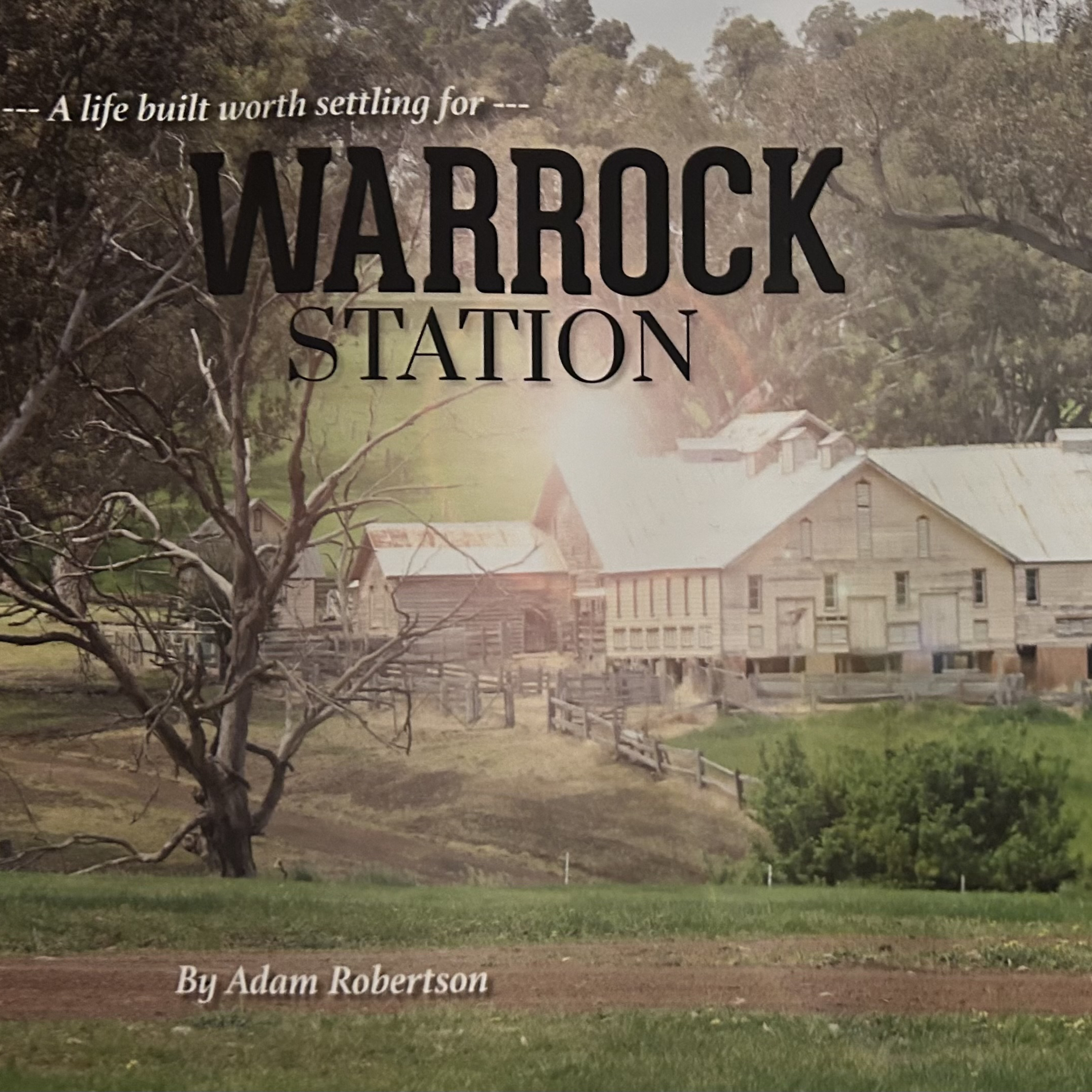
This episode of Castodon Connections launches a mini-series focused on Warwick Homestead, a historic property near Castodon. The host interviews Adam Robinson, a member of the working group and author of a book on Warwick. The homestead, established in 1843 by Scottish settler George Robertson, is notable for its over 170-year history and as the birthplace of the first Kelpie dog, a crossbreed between a Border Collie and a Dingo originating in the 1870s. Robertson, a cabinet maker turned farmer, developed the 11,000-acre property from a small shack into a self-sufficient farm, constructing numerous buildings with materials like imported Tasmanian timber and picture-frame glass. Stories shared include encounters with bushrangers, ghost legends tied to a buried infant, and the property's own electricity supply. The homestead, now preserved with about 30 protected buildings, remains a significant local heritage site. Robinson discusses his research process, including visits with descendants, and encourages listeners to explore Warwick to appreciate its rich history firsthand.

Transcription

5176 Words, 26259 Characters

English
[Music] Hello and welcome to Castodon Connections. An initiative of Hands Up Castodon where a group of enthusiastic locals have come together to capture, preserve and share stories of people who have a connection to Castodon. Welcome back to another installment of Castodon Connections. Thanks for joining us again and if it is your first time tuning in to one of our episodes, be sure to jump back to one of the earlier recordings and have a listen and let us know what you think. We really hope that you're enjoying what we're releasing so far and yeah lots of things on the horizon so watch this space but today we're part of something pretty special. We're going to release a mini series around Warwick Homestead. Warwick is obviously a really historic place in our local community and thought that to do it justice we really needed to show due diligence and go right through the process and I'm extremely privileged and excited to share with you that I'm sitting with Adam Robinson. Adam, how are you? I'm very good, thank you. Thanks mate. Now those that don't know, Adam's actually a part of our Castodon Connections working group and has been involved right from the start so really happy to have him on the other side of the mic I guess and having him interviewed for once. He's the first time. Yeah which is going to be great but the reason that we've decided that Adam would be the perfect person for this is that he's actually written a book about Warwick and he will be able to tell you some details around that but through his research he's found out a lot of different bits and pieces so Adam I want to head over to you mate. For those that might be tuning in that have no idea about Warwick can you just explain a little bit about what Warwick Homestead is? Well Warwick's a very historic Homestead just out of Castodon was it's got a history stretching back 170 something years now. It's very significant in that way because it's the birthplace of the first ever Kelpie. Yep and do you know the story or the origins around that mate? Well the name Kelpie all. How was obviously the birthplace but like how did they come to breed the Kelpie I suppose and work out that they were going to be good working dogs? Well the Kelpie is a it's believed the Kelpie is a crossbreed between the border collie and the Dingo because we had we had Dingo around here back in the day. Not even more though the last one was called Warwick in 1881. We'll go back a few years there. Yes the the Kennaweather first couple he was born is known as Bitches Hell and it was this if you ever see any picture it looks like it's a very tiny jail like a jail for the midgets or something like that. Yeah right and that's like kind of at Warwick there somewhere at all. Yes it's got these bars on the top to start that was to stop the Dingo from climbing over when the dogs are in heat. Right and obviously it's somehow slipped through the cracks and yeah the Kelpie was born. Don't know how that happened. Yeah yeah so obviously that is a very historic milestone for the casting community and we all know sort of what the Kelpie means to the town now in terms of the tourism and everything else that it brings but so back in what what do you say mate the 1870 so that was when the Warwick was settled wasn't well no Warwick was first settled in 1843 and the was settled by George Roberts in this no relation by the way. I forgot to mention them I will catch what I should have never did I will. How many people will just think that you are related and you get that extra little bit of prize. People actually have been coming to me saying oh you're related to George Robertson? No no relation just part of the name. Yeah what's a bit of George's story mate you're a recall. Well he was a settler coming out from Glasgow in Scotland he was a cabinet maker by trade and he came out in 1839 to work in Van Demen's land with his modern day Tasmania with his brother John George Roberts and he went on to go and want to Vellheim's dead and after they'd done the thing in Tasmania I'm not sure if it has to be on it now they came to Victoria to set up and George bought George was working for his brother at the one of her homestead and then once there was a bit of an economic depression in the 1840s he went and bought this homestead for not mind you back in the day and mind you back then it was just land there was no houses there was no fences there was no nothing so yeah and the first the first house he ever lived in was this tiny little shack it was tiny and it was only like one little room and it's it's actually show it's actually so little I don't have to duck to go inside oh right there you go he's only five foot one yeah so he built it to his his high specs that's why the door he's a worker so low oh there you go right so he's bought this blank canvas I guess and then it's slowly built an empire yes you had you had 11,000 acres and he had 2000 sheep that's you know a lot of yeah a lot to roam around but back in those days they had shepherds before the fences went up so they'd go around to every you know all these little bits around the fresh grass and that in fact George Robson developed this system where you'd have these little hearts and when the shepherd need to be when need to be moved they pretty much juck up the height and put it on skids and moved around with horses and you know didn't even have to take any the furniture or anything and once the fence went up they may have redone it only one and they kept one house they took quite all them except one and that's the the grounds keepers cottage that's in that's at work now yeah that's just time they I don't know if you've ever seen it now I haven't actually been to Warwick and that's one of those things that's somewhat to do list but it just hasn't happened yet but yeah on the to do list so you mentioned that George was a cabinet maker by trade when he left so when he bought the property at Warwick he just then plied his trade as a farmer is that correct yes as a farmer and he did carpentry you know he'd like make all the doors and some of the furniture and he did a lot of carpentry in those days I mean he did pretty much every day and until he passed yeah so I guess logistically that's not that easy when you think about we're going back to the late 1800s like even getting the materials and building things obviously from scratch with your bare hands yes when it came to building the building to be in Portola all of these timber from Tasmania because he found the local timber was too hard and heavy to work with right very interesting you ever had to handle a a blue gum you know a piece of wood you'd know that yeah yeah so so it would come from Tasmania on the boat to Portland by presume yeah and speaking of importing there's a bit of a quepet that all the glass of work apparently everything had to had to import had to fit in a certain size box and actually have a big but regular glass panes couldn't fit in these boxes it had to import picture frame glass which is what all the windows that Warwick are made of wow there picture frame glass there you go yeah well I guess I've got a little on the boat don't they so it makes sense around having the restrictions but that's yeah that's a very interesting stat so you mentioned that it started as sort of the small cottage where did he go for it too from there obviously it grew and grew and grew but do you know what he's next sort of steps were in terms of the carpentry or or or personnel that were going to then become regular as at Warwick well he just went when he's I think the first thing he the second thing and built was a store this little store and he had because when he had some workers he would like every six months he'd go to end up all in with a wagon to pick up supplies and there was one a particular incident where he you know we did the ship never came and he worked he was down there for two weeks and never came to go back and ration things he had to salt the meat and that sort of things just just to survive pretty much yeah that's early days they're a bit grusly considering he was alone had you do everything himself and he was he was treating sheep for I think it was a scab or something in fact he doing that he's hand for so so swollen sorry couldn't run home to his family well you could even hold a pen yeah yeah I guess yeah there'd be some some obvious challenges but there's probably something that aren't so obvious that he would have faced during his time um so moving on to some of the other buildings that are out there mate what are some of the other things um I think if you look up online I think there's about 30 buildings listed at Warwick what are some of the other ones that you can that you found out about when you're researching well one of them that that's probably was about the wheelchair that took which took seven years to build right yeah that actually they put it up for they they're building it for a season of course they they're still building when the season started the fact they were doing work in there when they didn't even have blasts in the windows they were still putting in the glass in yeah yeah it's yeah amazing to think of how it how they could still run the farm and do all the jobs that were acquired as a farmer but they're also building yeah building all these buildings on the side as well yeah there's a anyway that when he built the he well after the first little heart he built this other building that was originally a workshop yeah and it he converted that into this sort of building and it was in there he actually got robbed by bush rangers bush rangers sorry yeah you got robbed of bush rangers and they took all these money and they left him tied to a chair thankfully he wasn't there long someone one of these farm hands came back from town with supplies and they and cut him loose well and after that he built the in n48 he built the current building just half of it and then in n42 he built the second half and they were just a people in his time they were just a few feet apart from each other and there's a story that goes when he was about when well when he his wife Mary had a baby when she was 40 that died and we only know this because he made a cut for it which is still still around somewhere and it was apparently it was buried where the where they sort of gap was and then of course when he died he's he's nephew took over and of course they didn't hear no idea about this because they didn't talk about it in those days sorry he built he joined the two bits of the half together with some rooms and the babies under one of those little rooms and apparently there's a story that you know at night you hear a baby crying in there right i've never seen you know i've never seen i heard anything but i've heard stories yeah so do you believe any of the ghost stories at him or i take him with a great soul honestly yeah because i've never seen i heard anything at work yeah i'm on after go over sleep over and see see what we can find out oh thanks if someone offered me a million dollars spending not alone at work i wouldn't take it okay maybe you do believe in the ghost then i've heard some stories so as um all just a digress a little bit you mentioned that um he's worked a few years after he was robbed do you know how many people that George had employed on at warwick yeah and they all lived out there and pretty much they had all these like houses from delivery like you know sheers quarters and uh always other quarters for you know farm hands and that and that was yeah yeah that's that's amazing um what about so um you mentioned that it passed down um down the family so who was the next owner and what sort of eventuated from i think he said 1950ish wasn't no well the he passed away 1890 oh yeah and he was handed down to his nephew because he he didn't have any kids he was married but didn't have any children and and sort of went down that line of his nephew and so on when the first he's not the nephew's name was George Robertson Patterson and that's where the Patterson's coming to it yeah and it I think for generations the person family owned it right and just continued to operate as farmers and yeah up until the 90s when the larkins bought it yeah anyway back to the the kelpie you know you want to tell it about but it was it was traded for a stolen horse and it was jack leeson the bloc who who traded the dog for the horse named it kelpie which is where the name comes from right and he took it up to a place called other than which they called the home of the kelpie when we had a bit of a back and forth between them over the years claiming you know who who claims that the kelpie is like there's anyway we won that battle pretty much yes well we called us off the home of the kelpie and they kicked up a stink about it and we're like all right we're the birthplace yeah okay that was that was it all right so we some more of the research around your book mate what are some of the things that you found particularly interesting or something that you might not have known when you were learning about Warwick before you wrote your book well there were a few things there was one one thing do you know where the there's a bell free out there this rather famous building and there was a story goes these to be an Aboriginal used to work for Mr. Patterson and he said he didn't want to be he didn't want to sleep with the what he called the smelly white fellers and wanted him move so he put this little room in the bell free for him to sleep in and the bed still there and everything and the walls are lined with old newspapers right quite quite interesting yeah and that and that building still there today yeah so we'll still there's yeah they're all still there they're all protected yeah thankfully and yeah well I guess to preserve that history yeah that's that's that's amazing what are some of the other things that you've come across that you thought well that's cool long ago I asked someone that or I'm glad I was able to read about that or there's been there's been a few trying to think of something there's you know I talked about the whole the curvy thing in there what about the electricity I think you mentioned something just before we someone it did have a yes it had a work used to have in the days of more the Patterson's it had it's own electricity supply they had a the thing going in the in the shed up until the farmers kicked the SEC in the 70s which was and yeah that which is not uncommon for but big cancer they'd have their own generator for everything yeah yeah most things yeah so I presume they were pretty well self-sustained out there mate yeah I mean it's stay yes they made you know whatever they couldn't get they'd make themselves like you know they cure their bacon and they'd you know they found and killed their own sheep and they did all this and they had they had a bunches out there yeah they're someone whose job was to was to was to kill the you know kill the sheep and not kill the sheep job but you know to butcher the animals and yeah it was pretty much a town in miniature as they say yeah yeah and amazing just to think how like if you actually truly think about how they would have done that like without obviously you know power readily available them without I guess modern technology of today to think about how they've done it and yeah I guess so and there was nothing that fascinated me was this thing that Scott Farrowson showed me and it resembled to me like a giant bird cage and he said what is it was this old weather station that George Robertson had set up and it was on he wrote to this meteorite meteorological meteorological facility to us to put up a weather station keep records he kept rather meticulous weather records everything it had you know had the barometer and had a rain gauge and had everything it was originally up on the on the hill next to the wall shed until the 60s when it was brought when when it was sort of rotting away and they bobpast and took it down and put it on an inner shed which is still there to this day huh and what was that made from is it out of steel or it was this sort of wooden clove you know this sort of wooden structure with these doors on the front had all the bits and which has gone now but yeah it's got this big fun on the top for rain yeah that's cool yeah yeah amazing piece of history so when you think about Warwick today mate like obviously a lot has changed but what's your thought around around the place and people like me for example that haven't been out there like what would you say to people like us that Martin actually know the ins and the outs about it well I have to think about this let's say go and have a look because you know you'll be surprised what's what you learn and you know what you know the history that you know that you know Scott will talk about yeah and then Scott's obviously going and putting an old fair bit of work into trying to preserve that sort of stuff he is good luck to him yeah lots of work to do oh yeah we you know it's a monumental task of you know it's it's a big you know it's a big thing because there's you know he's been doing like building after building after building so take a while if he gets to the wall shed you hasn't done that yet yeah yeah and with your book mate when you're writing your book did you find it did you know you go out there and write it together or did you just gather your information and well a few source well I wouldn't go out there I'd go there take photos and a couple of things I used to walk around I think one particular time I walked around with Jess Lannard and she told us like histories were walking around which was very nice of her and yeah and what connection did Jess have to worry well her husband Bob was the was the grandson of the George of George's nephew sort of the great great great great great nephew of George Robinson okay so she would have some history passed down to her yes yeah well very kind of her to walk around with you that would have been pretty special it was it was always like you know I was like being you know talking with sitting with her and talking about Warwick and it was quite a quite a good experience although it's a shame she's gone now yeah honestly she was yeah she was quite she was quite the treasure of knowledge yeah and is there something that she told you that sticks in your mind that you can share with us today that we can you know get on the record and keep forever and there was something I didn't know prior to it was that the the original the original the shack that I took that before wasn't originally where it is now it was originally by a creek near where do you know the carrots sorry off time but do you know the curries from at Warwick well it was on the creek which is on their property now where the breadings used to be it was on this creek it's sorry it was on the creek that was sort of west of north west of Warwick yeah and after a year it was put on skids and moved towards current right I wonder why that is that without do it maybe worried of a flood or something or not sure not too sure I mean I'd ask to offer up to myself but he's and for what you got yeah you're not going to be able to get that one unless you go out and visit the ghost I suppose maybe you'd be able to get an answer that way speaking speaking ghost there's a particularly incident where it was a name gale someone someone had a wedding out of Warwick and they took the wedding photo in front of this big window at the workshop and when the photos developed you could see in the window of face and at a hand and of course the photographer took this to Gavin Larkins and asked him who is this person and gaffed and oh it's George Robinson it's like oh is he a guest at the wedding and he said no he's been dead for 100 years it's a photographer pretty freaked out from that yeah absolutely let's try and do you know try and put that into better words than yeah no that's yeah crazy to think so just I guess a little bit on that that side of it mate so that it had a toned symmetry there as well is there or not sure well no it never really you didn't have a soundtrack well had one for pets but not huge they never buried like farm hands there yeah if you know if someone had died on the property they would leave their they would have their body wrapped up in things of fabric and left wrapped up and left it a at some a quarter lich gate where they would leave the the dead for the the undertaker to to take to you know to take away yeah but they'd always have someone's you know they're on guard right yeah um they just thinking back to their you know self-sustaining stuff I have to imagine that have a pretty impressive veggie patch and um plants and things like that back in the day yeah they would have they'd have the wrong way vegetable garden and then have like that they'd had a a duck sort of a duck yeah no they they had this sort of I thought it was a poultry yep house and you know they they had a chooks and they'd have geese and yeah it was quite quite the it was quite the setup I must admit it was rather impressive yeah so um like I guess like you said before it's almost the yeah a mini tan isn't it like the way it was set up everything to be able to yeah um to survive without having to you know go to Portland or or wherever need be sort of in in those days going to Casano be a day trip yes yeah yeah pretty much yeah for sure so um with your research mate what other sort of buildings did you come across that you or what are some of the if you know again people like me um don't know what's out there what are some of the buildings that other buildings that are there there's obviously the quarters and sharing shared and that sort of stuff but what else um was there there's there's the worksh. sorry don't mean to interrupt well there's the workshop yeah and that's the well that was pretty much where George spent his time that's probably horns it and you know he had he's had he's laid out there and he had a steam steam engine he had a steam engine that would power the big wheels up and well at first it was a steam engine that became a a caracene engine now that there's a bronze engine that's been out there since 1923 right there he still works right after all these years yeah over a hundred years old oh that's good so yeah I guess he's building all of what he needs to build the other buildings out of that place yes pretty much yeah yeah what about um yeah there'd be horses tables up a gym they put they probably had a blacksmith as well yes they had the blacksmith had this big it was quite interesting kind of this big these giant bellows that he put on and you know they'd be as big as this tape nearly like half a size of this table that we're sitting in so this huge like biggest bellows I've ever seen honestly I mean he wouldn't he wouldn't use it to soak up your fire like bring it like bring your tank to a knife fire yeah that's right that's right um and then thinking again back in the olden days like a presumed religion would have been pretty high was well yes they they the sorry they used to have traveling pre-seached come along and give services like like Warwick or government for Andrew and that or usually they or in the old days they'd always go down for church at Wundervale they'd have like a priest in there used to travel around the countryside and yep yeah right nice to I was one thing I'd to do for the for the book was to read through this diary of a fellow other name of James Cawney he used to be a farm-handed Warwick and he's talking about the priest used to give services at Wundervale Church back in the day right what else did he have in the door that sounds fascinating in itself you see that you know what they what he did in the day and who you know went to cast it in for the doctor and who went so wherever yep any fascinating stories that come to morn from from those think it will be a bit hazy on someone because it's been a whilst actually looked at the diary but I don't know I can't really recall anything I've been going to cast it or going to spinning the day he'll go going to someone else's farm and that was pretty much a day trip for them because they did go from Warwick to the Hummicks which was not that far now but you know wouldn't take you that one but horse and car that takes a while horse and car would take you a couple hours yeah yeah for sure for sure um make that I'm sure yeah there'd be amazing sort of thing so um if we go right forward to your book so when did your release your book what's it called how can people get their hands on it? yes the oh sorry oh yes the a wife it's called life that was selling for Warwick history of Warwick station and it was released back in 2019 yeah and so it's a to that it's sorry it's available at the at the Kelby Center at the information center yeah all right so if anyone wants to have a read of what Adams written and what he's come across that's another way that you can do that and yeah as I say we're lucky to be able to pick Adams brain today and yeah in part one of the Warwick series and yeah part two we'll talk to Gavin Larkins and his lived experience at work yeah he they brought out there in 1992 Adams tells me yeah so he's got some stories to tell and then yeah we'll move to modern day and um scotten how he's trying to work with the historical um association in Victoria and get things up to up to standard and um yeah it's obviously a fantastic tourist attraction for our area and we're very lucky to be able to be a part of the history of of the area and the history of Warwick so um Adam if you haven't got any other stories that spring to mind I'd like to thank you for um joining me and yeah hope you enjoyed sharing a little bit of history oh you're very much welcome Kane thanks Matt we hope you've enjoyed today's episode of one of our homegrown heroes jump over to one of our other episodes to continue the casted and connections journey with us please don't forget to follow our podcast and share it with your family and friends thank you for listening [Music]

Podcast Summary

Key Points:

  1. The podcast introduces a mini-series on Warwick Homestead, a historic site near Castodon with over 170 years of history.
  2. Warwick is significant as the birthplace of the first Kelpie dog, believed to be a crossbreed between a Border Collie and a Dingo in the 1870s.
  3. The homestead was founded by settler George Robertson in 1843, who developed the property from a small shack into a large, self-sustaining farm with numerous buildings.
  4. Key historical details include unique construction using imported materials, stories of bushrangers, ghost legends, and the property's preservation efforts today.
  5. The episode features an interview with Adam Robinson, a local historian and author who researched Warwick, sharing insights from his book and personal visits.

Summary:

This episode of Castodon Connections launches a mini-series focused on Warwick Homestead, a historic property near Castodon. The host interviews Adam Robinson, a member of the working group and author of a book on Warwick. The homestead, established in 1843 by Scottish settler George Robertson, is notable for its over 170-year history and as the birthplace of the first Kelpie dog, a crossbreed between a Border Collie and a Dingo originating in the 1870s.

Robertson, a cabinet maker turned farmer, developed the 11,000-acre property from a small shack into a self-sufficient farm, constructing numerous buildings with materials like imported Tasmanian timber and picture-frame glass. Stories shared include encounters with bushrangers, ghost legends tied to a buried infant, and the property's own electricity supply. The homestead, now preserved with about 30 protected buildings, remains a significant local heritage site.

Robinson discusses his research process, including visits with descendants, and encourages listeners to explore Warwick to appreciate its rich history firsthand.

FAQs

Castodon Connections is an initiative by Hands Up Castodon where locals capture, preserve, and share stories of people connected to Castodon.

Warwick Homestead is a historic site near Castodon, dating back over 170 years, and is known as the birthplace of the first Kelpie dog.

The Kelpie is believed to be a crossbreed between a Border Collie and a Dingo, originating at Warwick Homestead in the 1870s through accidental breeding.

George Robertson was a settler from Scotland who bought Warwick Homestead in 1843. He developed the property from scratch, farming sheep and using his carpentry skills to build structures.

Warwick's windows were made from imported picture frame glass due to shipping constraints, and many buildings were constructed using timber sourced from Tasmania.

Yes, there are tales of a baby's ghost and a reported sighting of George Robertson's apparition in a wedding photo, adding to the homestead's folklore.

Chat with AI

Loading...

Pro features

Go deeper with this episode

Unlock creator-grade tools that turn any transcript into show notes and subtitle files.