Go back

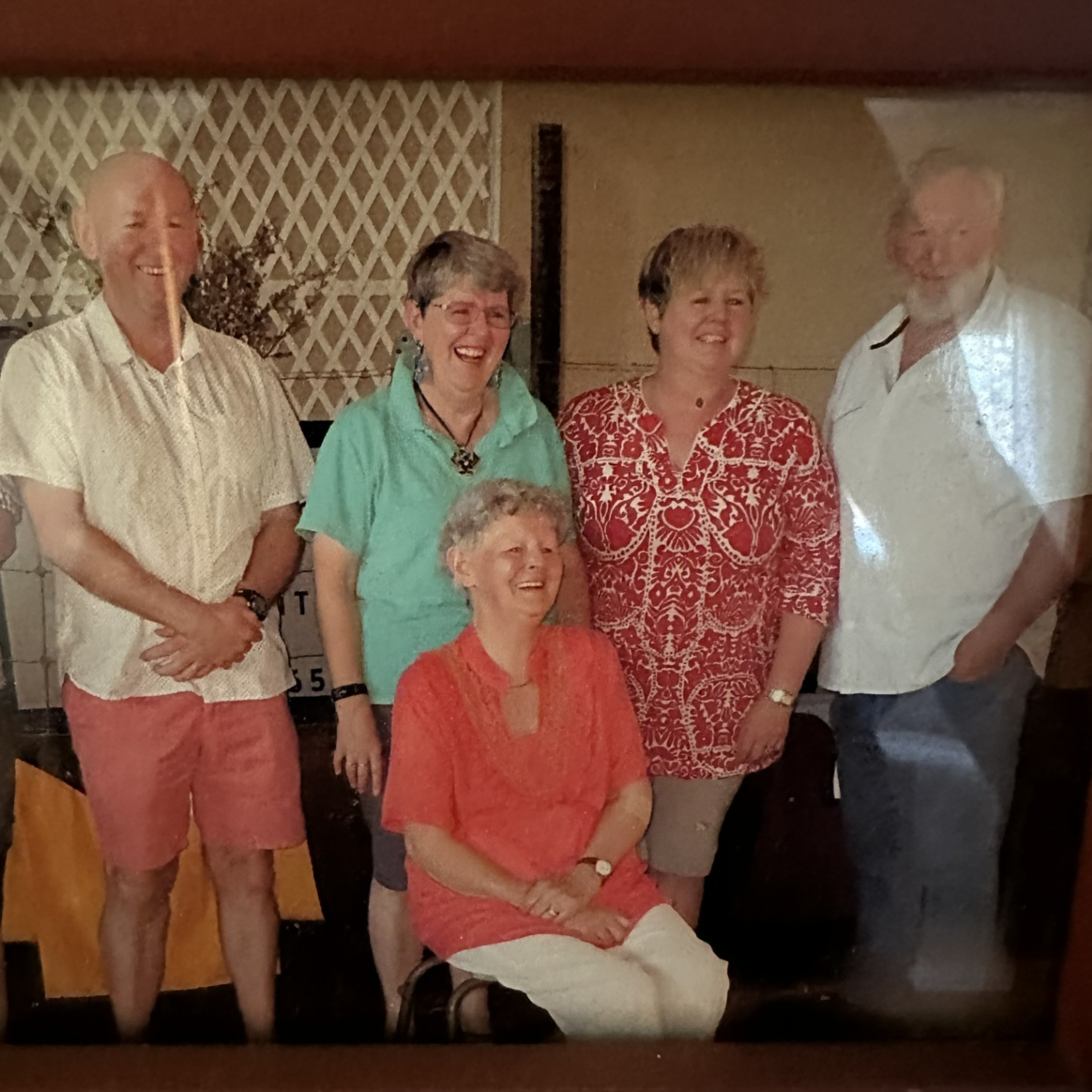
Episode 28 - Denise Houlihan

103m 12s

Episode 28 - Denise Houlihan

This episode of "Casted and Connections" interviews Denise, a 94-year-old with deep ties to the Casted district. Denise recounts her multifaceted life, beginning as a farmer and mother after moving to the area as a soldier settler 65 years ago. She previously worked as a teacher from the age of 16. Later in life, she volunteered her teaching skills in remote parts of Queensland and the Northern Territory. In the conversation, she reflects on the significant transformations in technology and farming practices she has witnessed, from milking cows by hand and using kerosene lamps to adopting computers. Denise emphasizes the community support in Casted that enables her to live independently on her farm. She also shares childhood memories of her family's struggles during the Great Depression, highlighting her lifelong resilience and positive outlook. The discussion underscores her adaptability, active engagement with life, and the historical evolution of rural living.

Transcription

17940 Words, 89272 Characters

English
[Music] Hello and welcome to Casted and Connections. An initiative of Hands Up Casted and where a group of enthusiastic locals have come together to capture, preserve and share stories of people who have a connection to Casted and we acknowledge the traditional owners of the land on which this podcast is produced and broadcast and we pay our respects to elders past, present and emerging. We honour the deep cultural, spiritual and historical connections that Aboriginal and Torres Strait Islander people have to this land. Please be aware that this episode may contain content that refers to or discusses topics related to Aboriginal and Torres Strait Islander cultures, histories or individuals including references to deceased persons. This may be distressing or harmful to some listeners. We encourage caution and offer our respect to those affected by this content. Known in many areas in our district from Bailmoral through to Cobden, Denise has lived many different stages in her life. Her incredible story begins as a farmer, milking cows and fixing fences to the classroom as a teacher at the ripe age of 16 years old and then marriage and motherhood to follow. It's hard to think that 80 years of age Denise had much more to achieve in life but an opportunity arose and another chapter was created. She decided to share her knowledge and teaching skills traveling through Outback Queensland and the Northern Territory, volunteering her time educating isolated students. Sit back and enjoy a GM-packed episode as Denise takes us on a journey with us. Hello, Kane back with another episode of Casting Connections. This afternoon I've got the pleasure of sitting down with Denise Hoolhand. Denise, thanks very much for your time. Well thank you very much. I'm really looking forward to seeing how this turns out because I've had some wonderful adventures over the last 94 years and I'd really loved it if there's some recordings of them. Yeah, absolutely and I'm really excited to help tell your story and hopefully we can really engage with the listeners and share some of the experience that you have had but I guess firstly to get to 94 years and still be so active and mobile on the farm by yourself is quite a testament really. Absolutely, I'm so lucky to be able to do this and I'm getting very unsteady on my feet but mentally thank God my my brain is still pretty good so I'm very lucky. Do you think I would live here by myself on the farm? Yeah, absolutely. Do you think maybe that your ability mentally to still be so with it comes back to your teaching background? Yeah, partly that and partly being still active I think activity apparently stimulates your brain but I'm always been able to teach. I love teaching and I did a lot of it. Up until I was about nearly 80 years old I suppose I did that back teaching after I retired and my husband died and I was looking for something to do but I think any activity and especially activity helps your brain to keep going I think. Yeah, absolutely and we'll touch on some of those things you mentioned on as we move sort of through the interview but I'd just like to I guess my first question Denise would be how would you describe your connection to Kastadin? Well that was just when I was going to say that was one of my first and when it's what we came here about 65 years ago as a soldier settlers out farmers and that was my big job at that time in 1959 we came here and I was a farmer and a mother for quite a while but that was my first connection to Kastadin but then I've discovered even then all the wonderful services that I mean the the grosa used to come out one day take our order and deliver it the next day and things like that all the different places in Kastadin as they still do there's so many wonderful services in Kastadin that keep me going being able to live here alone. Well that's fantastic to hear and I guess over your life Denise you will have seen a great transformation in technology and even how things happen. How do you I guess keep up with the time changes before the challenging or still thankful that people are just able to help? Well there's so many people able to help but I'm lucky that somehow I got a computer probably 40 years ago and my husband used to say it was such an expensive useless toy because he was he was about 25 years older than I was so he wasn't able to be up with that but even now I still have my computer and I have a little machines that help me do things but I'll just talk and get technology today when I'm with the group in town how far ahead of me it has all got but I think I've got enough enough technology to keep me occupied. Sounds like you've adapted extremely well as things are going past. I mean the computer has been wonderful because apart from being able to type on it and I've read books and but you can also dictate into it so it's much easier just to have that and then have it printed out without having to do the typing because I can't see the type now but the computers I was my children tell me that my grandchildren my great-grandchildren tell me you know granny you can you do this you can you do that I said no I can't do that but I can do what I want to do because what they do is just so far ahead of me. Yeah I think even my three-year-old teachers may have few things on the phone as well it's hard to keep up no that's right. So Denise when you first come out as the soldier settler what was the attraction to the area? Well that was just we were given this was the last a lot of soldier settlements available because Frank's elderly parents lived beside us in Harrow and we didn't want to he didn't apply for any earlier ones because they were still living but when we found this was the last set of blocks available we just applied for them in the hope that we might get one which we did. Oh fantastic. So then we came here and then every weekend we'd go back to Harrow to check on his parents but they they didn't live very much after that I think one died it was like he spouted the died a couple of years later and his mother went to live with her daughter in Melbourne then so yeah so we were quite free then to carry on here. Yep and so with Frank's parents were they farmers in Harrow as well or? No they his husband was a carrier and I think probably I know another another picture inside that he did a lot of carrying but when Harrow and Belmoral picking up this the train used to come to Belmoral and he just take the team of horses over there and unload and take it to Harrow and distribute it to the shops and things there but that was his main his mother of course she didn't work because they had a little bit 300 acres I think they had out in the bush which they cleared and so down and and sort of farmed out there and then when they're all the sun started school they moved the house into the town in Harrow right near the school. Yep just for a convenience more than anything. That's convenience and then the father used to drive his his his gig in that horrible horse and I was almost terrified. Oh okay what made it so terrified. Oh well I hated horses and once when I was in the gig with him the horse fell and I fell out on top of it. Oh right. But now I was never never found the horses but of course he always had a horse team and then Frank had a horse team and Frank wrote a horse everywhere. So you had to face your fears. Horses everywhere. And how are you with horses today? Well my two of my sons just love riding and John played Paul across which is I thought we saw people trying to kill each other until I said we finally sort of became very very wrapped in the polar cross we used to travel all over the state to the matches etc but but that's how I got used to believing that horses didn't always kill you but now I'd like beyond the other side of a good fence when there's a horse around. I must admit that I um aren't to find a horse's myself. I don't trust them I guess is probably my thought and we'll try and avoid them at all costs but yeah great great to see that you sort of developed a tolerance as it moved on so. When you got out here on the farm Denise how did you juggle sort of the farm family life and what did the farm actually um entail were you running shame or cattle or crops? No well when we first came here um I had my first child was five years old and just had a month of school in Harrow before we moved so my day consisted of taking her up to the we for the first year or so we four of these eight of us soldiers had children at one of our school. So we used to take turns around taking a car full of children down to the school so they might have only had a week a month but after that we'd go over we we as settlers in those days we had to milk cows and to Frank would never milk the cow in his life and I had often milk cows by hand but we had about I think about 16 cows whereas the fellow over the back had two or three hundred probably got a thousand but when we first started we had didn't even have a bale we had this little didn't have a yard we had a bale down in the middle of the paddock and we put some chaff in the and the cow and come in but well that cow went out and we tried to get another one in the first one. Corn or deer just to get a milk. And then we had little one a little one stand milking plant which had a motor on the ground and we had the four cups so that was great because Frank couldn't milk my hand. So we did that for a while and as a soldier settlement that's all the settlement commission built us a dairy and a milking shed so we had a big separator there we had a petrol machines I think to work the machine and a separate petrol separator and then eventually we that all changed to electric power so that was a big thing but in the first piece the wind and wind and wind that great big separator till I was exhausted before the the cream started to separate from the milk but that was the whole hard part in the start but then once we got the two double lot of milk of electric sets so we looked two cows at a time and fed the calves remember once one cold wet day of speeding a calf and which didn't want to be fed he was big one I was trying to teach it to drink it out of a bucket and one of the 90s from up the road he was the primary school teacher as I was she went past and I thought to myself I could earn more money in one day teaching in a warm schoolroom that I could make in a month out here trying to get you a monk was to drink out of a that was my opinion of dairy yeah but I have no doubt you kept plug in a way and got that calf to drink in the end I got the drink and then it grew up to a nice big because we crossed them with a little bit of a hero but so we had some nice calves to sell when they got a winus so that was all a bit extra money but I mean looking back at the amount of money we used to make for all that work we used to do there it's just nothing I guess it was probably a lifestyle wasn't it absolutely how you survived yeah because we had to do it because that was the settlement rules that you everyone had to build cows until you got then we got the fencing did the fencing and that was the thing apart about day we'd milk the cows and had the big copper there to full of water to wash up the everything and then come home because it had a three-year-old Terry was about three years old at that stage so he occupied himself without touching the copper and getting burned and then we come and have some smoke go and then load up with all the fencing materials and go out fencing for the rest of the day yeah that'd be long days I'd imagine yeah that's right I remember you know not only pulling the wire too but too tying the wires on and then we'd have to be home by probably up past three to pick up she'll be from school or to be here when she got home and then respect to milking again and I often wonder how I cooked you know a hot dinner for all of us because it went out we might have cooked a drop out in the paddock or just had a bread and jam or something yeah where did you actually have time to cook food no that's right I'm often wonder how I did because I mean three go to Terry I was still only three and she was only five and then I had to finish the milking and and get a hot dinner on the table very very impressive yeah count imagine so I can't think how I get organized these days little one with all that on your plate I think that's very very impressive but like at least we were lucky because when we got this block there was an old house on the on the block with a big orchard all around it whereas the other soldier settlers had to live in their garages okay so I was lucky that we had to house him yeah very lucky especially being the last one that you mentioned that's right and then there was another family up the road another family they had four children at the time but in their in their garages just you know concrete floor and corrugated iron and I think they did have a stove at one end but every Saturday night like in the old days Saturday night with bath night yeah so we had to light the copper in the old dairy old laundry down there and then Frank and Jim Jim Quinn would take it between them filled the copper and keep it keep up a supply of hot water to the bath so that we could bath out two children the other four children and their parents and us yeah well so that was Saturday night on a regular basis amazing and I guess that just comes back to the evolution of technology like we think of technology as far as the computers and stuff but even the evolution of farming and dairy and hot water like things that we probably take for granted absolutely yes that was the first thing when these houses were built I don't think we moved it we came here in March and I don't think we got into the houses until October November and that very first day we were allowed to get wasn't until about four o'clock in the afternoon the first thing I did was because the wood stove came and let the wood stove and had the water supply with actually that's another story because to get the hot water through the stove we had to pay for it ourselves okay so when we first came here in March they needed a relief relief teacher at Wonder Vale so I had a fortnight teaching at Wonder Vale and that gave me enough money to have paid to have the water supply through the stove so we could have a hot water oh perfect you can see your heart working on yeah so the first thing we did was like the stove and had hot showers and gave the kid the hot bath I would have been like Christmas all over here and then they were all that to get a share yeah we wouldn't cut these days and I think no that's a thing but no that was that was the greatest asset was the hot water yeah yeah wow that's yeah amazing yeah it's hard to how hard to think of and fathom really yeah that's right how long that went on before we before we got the then we got an electric then we got the electric power not in 64 so that was about six years before we got power yeah we always just had kerosene lamps until that time yeah another thing you can't imagine these days having candles and kerosene lamps yeah well I guess you'd be one of the people around the district that when the power goes out you'd be fine because you've done it all before that's right but I think there is still a kerosene lamp but you probably wouldn't have any kerosene now yeah well I think you can buy it but I don't know I don't know where it is we still got candles they just light a candle at least it's amazing what you can do with the candle yeah absolutely I mean I remember when I was a child there was nothing but candles you could read by candles and do everything by candle light yeah yeah that might take us back to me so we might go right back to your childhood what are some of your early childhood memories well I was born right in the midst of the great depression which I didn't remember her just just the way of life as far as I was concerned but at that time my parents lost everything they had a farm a beautiful they had a farm and heard of dairy cows and they link link and sheep which had one prizes in London and Sydney and the Melbourne shows okay and they lost all of that they car a lot of their furniture and everything and for the next five or six years four or five years I suppose I remember my brothers have just written it all up for me they moved to about eight different sort of derelict houses because in the depression lots of people went broken left their houses when dad was doing all sorts of jobs like milking cows or cleaning out dams or picking fruit or working in channels fixing the edges of the roads if the only gravel roads and repairing roads and things like that until in about about 1936 I think we moved back to Cobden where my mother was born in Cobden or Suicide in Cobden her parents have built a big new grand central hotel in Cobden and opened that in 1904 after having the old hotel in Cobden for a few years and then in 1905 my grandfather died and left my grandmother there just to to run the hotel so mum was sent to boarding school when she was only eight and she was in Jolong and she was there till she was about 16 I think so she didn't know a thing about she'd never been in the kitchen of the hotel never done any work never done anything yeah and then of course when she were married they she they were quite well off they had this farm and house and a car she had a couple of girls working for but then when the depression came she had nothing and she had six children and moved to one to one of the derelict houses with nothing so it must be in a terrible shock to her yeah what a transformation sort of once out of the other isn't it that's all I've been even I've never been I've never been I've never hungry and I've never unhappy and I know how they did it but I remember one letter from dad I found in his covered months and he's saying he'd made eight shillings that day he said how am I going to feed a family of six children on that but manage somehow so that is the thing how they made this up to being so well off all their lives because he was you know he read on the on a lovely house a pump an eight between camp and down in colac and he was a well class and he just sort of traveled around quite a bit doing that and then then he took over when his parents much father must have died and his parents his mother resistors moved so he ran the he and he wondered if his younger brother ran the because he was one of twelve children oh that's a few but he is younger brother then ran to the side and when it had to be sold they moved up to the Galvan valley that's where I was born up there but then when that will went bad mum's brother had a his parents had the hotels have mobbed to an uncley out to go over the hotel which left the vacant house so he invited mum and dad and the rest of us to come and live in that house in Cobden and he'd give that a job so that's where I spent my childhood yeah and what do you remember from your school days to know that you were good students seeing you become a teacher but I just love I mean I started school they started in great one-off special I don't think they had prepping those days of the grade one to eight within that state school there and I just love every minute of us you know I was quite starting school was never any trouble and I in the playground we played now we had the morning play time and lunch and afternoon play from yeah and I've called for an hour so but we played games and rounders and all sorts of things and I was always a big part of that probably a leader or a captain of a team or something yeah and so that was my school days and it was just always and I thought they'd been up at any homework I don't think and at home then we just we had a big paddock outside this old house and we played around there outside and in summertime there was a big pool swimming pool right next to the school so we'd run down there after school and into the pool and dad would say no point working walking home we've got to walk about a mile home say that'll dark and then come home yeah yeah which we didn't simply nobody they're supervising but we all managed to I mean I all my brothers my oldest brother was about eight years older than I was yeah I was the fifth of the eight children but it's that was that was school and then when I went to scholarship in grade eight so I sent the boarding school in Melbourne where my mother had been at school some years ago so of course there was still some old none to view my mother and you know your mother would never have done that new mother didn't held it over your head but then after that because that was in Richmond right against him he surrounded my factories and dad was in the army at the time in the supply depots of the army in Spencer Street and he couldn't bear to see his little door shut up amongst all the factories in Richmond so he somehow found this school out at Box Hill with big paddocks and trees all around so next the next two years I was out there so I reckon that first year was the most miserable year of my life because at Cobden I'd been a leader of the school and happy and active all the time and I got to Melbourne and these horrible little city girls I was on the 13 and they'd lined me up against the wall what are you you've never been there how come you've never done that you've never seen that you've never been to that concert where have you been all in life and that's sort of thing but on and on and on until I got so sad and so disappointed yeah wondered where I'd gone wrong yeah and I got out the Box Hill and it was just beautiful a little bit more like the country life and lovely people and lovely girls and a very small school yeah I'm glad it was much much better much happier for me yeah so I did two years there and then I came home because in those days that was on Eden 1945 43 45 when I left right in the middle of the war near the end of the war in fact I must have been still at school at Box Hill when the end of the war came because I remember we weren't allowed to go into the city or do we know if we could see here all the cheering and see the lights and things from out at Box Hill that was the end of the war yeah that's about so then I wanted to do that right there was sort of no you know in asking what you're going to do yeah any instruction or information and I thought well the only thing to do apart from being a shopgirl or my older sister was a telephonist and said to be a teacher all in those yeah yes of course I got home at 16 years old and I was kind of thinking Christmas came because we had a week family Christmas and then my mother said well you can't hang around here for two years doing nothing because you couldn't start in the 18 in those days yeah they said they needed you to your teacher down at the school you better go down and see about that so that was a school I don't lift three years before well and I thought well me being standing in front of a class being a teacher that couldn't I think of anything worse anyway down I went and they obviously needed me because I was accepted and then I was sent to Wondermont to be interviewed by the inspector and I remember I was so sick I had to go by myself myself from Coffin to Wondermont which is about 30 miles and then the district inspector interviewed me and asked me this and asked me what I was reading and I forget my mind I spent completely blank anyway he must have thought I was alright because I got the job well now so you're 16 year old not long out of school and you've gone and become a teacher of probably some kids that you were playing in the playroom with a little you know a couple years ago you have a great age would have been a great five when I was been I was in great age they'd been great five so how then once you got into the classroom for the first time how was the reception was it well welcomed and accepted we they pushed boundaries there was one there was no prep it was only one and two great but they were huge numbers but and they had two teachers but one of them the older one was the infant mistress and she sort of taught me to be helpful but the other one seemed to be having hated having to have a junior person hanging around while the service wanted to teach because I was supposed to be observing and taking notes and all this sort of stuff but then about that went on for the two years and and then in the second year I was asked to go because my plans were to teach in rural school that was but I had thought up by then and so that was part of you doing your teacher of education was to go and teach it go and observe and practice in a do you know country school so I had organized two go to this place was about about ten miles out of Cognitive I suppose they seemed a long way in those times and there's a school bus used to pick me up to take me so anyway there was a big school reunion at my school in Melbourne and the other two teachers were going to Melbourne at the same time so they I went down with them and attended this reunion but then on Sunday I got back to the station to see the train just disappear in a session and me supposed to start at this new school on Monday what happened there? Well I rang my mother and she asked her to ring the teacher and tell him I wouldn't be there to on Monday I went back to the family that I was way out again I was somewhere and I'd been staying so I made sure I got the train on Monday morning and got home and I got on the on the school bus next morning I was feeling ill with with nerves again and I'm wondering how this spell is going to receive me when I didn't turn up the day before anyway he'd never mentioned it and it was wonderful and I learned that's what I decided I just loved working in a rural school with no kids from grade one to eight and a very good teacher and was able to help me and let me join in and taught me how to do things so that was the beginning of my my real love of teaching and was it then just like a natural progression so you're going and observing and helping my carrots senior teacher then you just go and get a job and you become the senior is that sort of how it works? No the next year I went to Melbourne Teachers College for a year so that was another big event to be free on my own as I was 18 by that time of course and out from under my parents wing and my mother's ear your eye so I went to Melbourne and I was really great social I lived in the Teachers College in Carlton one of the big beautiful big buildings there and so you know that for a while we do lectures and then after a while we do the lectures so many weeks and then we'd go out into a school for three weeks or something yeah like a placement sort of placement in the school to learn sometimes you'd go to Winter and Turungia sometimes you'd go three or four or grade five or six or whatever but we after a while we realized that the kids because they were regular regular teaching schools so the only kids realized that these were on your junior teachers and could get a while a little bit more yes it didn't take them long to wake up here and didn't like us long what we've been told about that would be seen that was part of learning to teach to learn to discipline and to treat all sorts of children yeah could could could behave you were bad behavior yeah but no so that was a very enjoyable and then I felt very confident when I came out especially when we had the teachers because that used to come out and then all these vacant places and you felt so important filling in these to be a head teacher of a school and after about a very rare we were down at Queen's Cliff I think at the end of the year we had a week of physical education how to teach visiting schools down on the beach at the Queen's Cliff and in the post-op of there I can still see that my name you have been appointed to color color school and there I went and that must have been that the camp and then we went to the post-op and he said where's color no one even the post-op no one in the school in the cottage knew where color was no one in the post-op was knew where color was oh wow and that was your first job out as a head teacher so eventually I found it was only about nine miles out of Harrow yeah and so I went there I got on the train of the bus from Cobb them my mother insisted my one of my brothers come with me and he was studying to be a priest so all I felt like a society in your own be supervised by this 20-year-old anyway mom said I'll let him say no ways I'm going to go to this place because I didn't even met the people I was going to live with I said he's not coming to stay fair enough or I can do it it happens my first rebellion anyways I he went on in using people out the other side of Harrow so when Denise you going out to color and you're saying you're going to live with someone how do you come about finding that accommodation how do you find a family that's going to take me well I think I don't really don't really ring the post office and at the local I mean the local post office only a farm kitchen yeah so that must have been how I how I first worked it out or ring the Harrow post office is something because so hey I'm your new teacher I need a house to stay that's right I mean perhaps perhaps the perhaps a district inspector because if they've they've got a new teacher they've got to accommodate the teacher so then they'd have had all this conferencing or conferring with each other who's going to take the teacher yeah we've got a teacher now someone yeah if you can't board it well she can't come yeah yeah so you you had the upper hand there but you had no no voting to where you went so the bus pulled up and then remember I'd come from camp from Compton to camp at the end of the enter Hamilton by bus and then up to this eight-year the narrow-court bus of this going through Harrow but then along the side of the road the driver said this is colour miss look down here's a little thing about it's biggest oh not a lot of notice but about half from the window to there yeah it was a little a pig and whistle all across the front and that was where the bus has dropped the mail yeah and there was a man standing there and he said he knew the new teacher and I said yes I said who are you I'm standing earlier but you're gonna be boarding with me and his wife or died so it was only him and he's 16 year old daughter and a six year old daughter oh well anyway it couldn't have been better it was the most wonderful place to know to board and over the poor girl she gave up her life to be to be my my housekeeper and I just had a room in the house and and then the school was a probably a mile or two away yeah but I then I had my bike that's right the first night he said well I have to go home and get you to take your bike off the bus anyway so I'd ride my bike up right to this place and and it was just a little one room and about 40 in children in grade probably one to eight yeah and the first first morning I remember they I could hear all these voices outside and all this whispering and giggling and I've been I was ready I was going to be able to sort of sort things out a bit and open the door and say boom but no they were all such lovely kids and they've never had a bit of trouble with any of them so I was sorry Katie often was there a challenge at all trying to teach such a wide range of age groups in different years I think that's a big job because most of the stuff there wasn't a book in the school yeah and most of his stuff he had to be there you know the morning before hand or night before to put everything on the blackboard yeah this blackboard right across the front of the room and there wasn't the book they just wrote everything in there and I don't know how you just had to write so this is then often the the older children the great system of what they call them just assistance they didn't call them assistance but so I said the grade ones to work and the grade three or fours would come and sort of help them yeah and when I've teaching the the grades fours or grade five well the grade eight would come and help the grade three and fours and that which is just a system of they run helping each other they just help that they did a lot of the teaching and correcting and things like that and helping the young ones but I said I don't know how we got on with that we had a radio which had a great big you can't see that of course about three feet square what is it I can't forget that we were an amplifier I suppose it was up on the wall and they'd have a big a big radio they're sort of about one of those big ones is down to about three feet high and they'd have music music lessons on that that's very occasionally something else but music was the main thing because I couldn't sing a note I was just hopeless at anything like that but that was the music so they re-enjoyed that and another thing now teachers are not allowed to leave children unsupervised for a minute but morning tea lunchtime an afternoon smoker was my time and no child was permitted to put a foot inside the door can we have someone in the time he sells and to one day one child who was always a rather he's you know doing all sort of making all sorts of acts about all sorts of nothings and she came in and he missed all and there and I was mistaken there was a snake in the girls' toilet and I looked at her angel what an big head hell and a said that make up such stories but but there is and I looked at her face and I was like oh my god because it's but it's all towards one boy's there in the girls there with a big high corrugated iron guard around them and he's all the children up on the top of the guard that was a take give away the motorbane a snake and it just been I saw it and went through the you know the hole in the toilet seat and it's down under there somewhere so I thought well there's a snake there we can't leave it there and it all around the base of the concrete stable these big holes so I said right that snake must have been under there somewhere coming in and out of there so we've got this shovel and dug out as far as we could into these holes and perhaps I had a medic as well anyway no sign of a snake in the kids were all watching all around he didn't come out this way so I said oh he's there somewhere he said we want you want me to go and yet Mr Scope will heal you do better now much to Mr Scope you'll do that I can't you'll never see a snake in my life yeah so so we went round to the front in front of the toilet door there was another concrete slope but it was all cracked so right he must be under here so I got the shovel and lifted and lifted all those and when I got some space I dug the shape down and came up with half a snake so I just screamed and dropped and wrecked better than the whole snake so the kids seemed finished up the whole snake I was absolutely here I couldn't get up and even anyone I met of all the all the community I can't believe you do that and they could have known how stupid it was but anyway that was my first big adventure there but yeah definitely but then during the holidays I got a call from one of the committee saying that that school had been condemned because it was full of white hands okay but they would they would pay me or to pay for a teacher but they wouldn't pay for a school the department wouldn't supply a school right so that was the next thing so I said no then they said this is in the middle of summer holidays and I would you be willing to teach in a wool shed while we raised a money to build a school of course I'd never been in a wool shed in my life I said well I love color and I love the people and I love the kids so why not well you can imagine if you've ever been in a wool shed in February yeah it would be pretty warm I don't know. Oh this absolutely terrible because I think it was up at a hundred and ninety some dollars and anyway so we were very smart then we went and said under a big sugar a big red gum tree and no one told me that red gum dropped their branches in hot red. So anyway we survived all that and then when it came freezing cold and of course all the holes and gratings and that in the wool shed so then we'd go back and run around the paddock and play chase you for ten minutes of how do we wound up and come back and do some more work and go out and run around again. Since what you had to be very in a TV but I thought it was all great fun and the kids were wonderful and the parents were wonderful so in all of that time the rabbits were like flies or even more plentiful and fly so a rabbit drive was a big weekend event so they said what have a rabbit drive and we get enough money to build a school so there was one place up there Frank used to spend his year most of all the winter rabbitting out there setting traps and fumigating but there was still a lot of rabbits so they put a big trap in one corner and everyone in the district was there in lines across and making all the noise and we all look bells and whistles and buckets and everything you can make a noise and these rabbits just moved ahead of you as though the ground was moving there were just so many of them. Wow. I've drove them into this corner and pulled up the barn getting behind them there were so many that some were just climbing up on top of the others and jumping out over the fence but when they got them all closed down it's someone had a little big fire and had a belly boil so the rest of us all thus ladies went and had cups of tea and entertained each other while the men skinned now they didn't skinned them they gutted killed and gutted 3200 rabbits. They're gonna take a fair-old effort on the version. Yeah so then we sold them up and get what we got further but they got enough I think it was only about $150 a pound or something but we've had enough to build a school and enough just to one room school. So did the school that was at Kull I get fixed or it was not down and it's a brand new school? It's just a brand new school and about a mile closer to my home that that was one of itself I could walk or ride the big hill down up but that was a lovely new school and had windows across the back and windows but you wouldn't believe of course you wouldn't believe in that time. The the Oliver windows were all left on a ripple glass so you couldn't waste your time staring at the window. And of course that time every time they went past when the first little school anyhow had a very small window on the roadside and every time this door here a car come that kids had raised to see you get best a guest view to get the best view of who's going past. Yeah yeah. Oh that's Mr. Mr. Sohn saying no no no he went at the sale last week this one must be going to some and when they decided he went was and what they were doing they've been back to work and I gave up trying to change that. Yeah yeah absolutely. But there they were just just you know country kids and the parents were all great so that was that first year but then the second year we know what we did we had the bird days we'd go wandering around the way down the creek looking for birds which in a bit never saw anyway because it doesn't run a kid soon trying to get every bird. But we had a picnic and we just enjoy that and go home and the parents are coming pick them up and take them off. I'd prepare the next day's work on the black board and go home. Yeah but what I did in the night to even sure. Probably pulling absolutely wrecked so you got some sleep. Yeah well that's right and of course we had I think they did have a raid out at that time because they've been listening to all the Martin Scorner and Dad and Dave and all those old cereals at 730. Yeah. Which you've never heard of us boys. Now they're new to me but I'm sure there's plenty of listeners that would know them. Oh yeah that's right they were very popular Martin Scorner. I think Martin Scorner might have been on at lunchtime. Now Blue Hill is on. No not Blue Hill is Blue Hills. Yeah. With on at lunchtime remember my mother just listened to Blue Hills. Yeah. But I never listened to that but so that was my day and then the weekends must have been the first. Some early in the anyway. They missed a rally at the fellow I boarded with. He took me down to Pinch and Ponds which was about I suppose was only 10 miles away but to join the tennis club. Yeah. So that was the all the summer I played tennis with Pinch and Ponds. And when you played there Denise was at the cricket I would like it still is now. Yeah. So I believe they still play with cricket there on the weekend just gone and they still get fantastic crowds and the afternoon T is still as soon as anywhere in the district. Yes they're all great cooks there. I'm not a great fan of cricket but I know they even then they had a great and 40 grand we used to play football too and go to play with Harrow and Major Lake and Pinch and Ponds and my Rocklands was just being built at that time. So there was a Rocklands team there and after every putty match there was a team put on by the locals and then a dance afterwards. So that was all a great life. Great way to pass at all. That's right. But then I don't what we did after tennis because I don't think we had I don't think we had any dancing after tennis. I don't know where we went. But you know that was a great life and then. So how long we at colour for today? Three years. Three years. That was my whole teaching career because well the first year I had a boyfriend a local a couple of different ones and Red Go. They had to do any dances and tennis or football or whatever. But then on this colour line there was another family that lived further out and they were Catholics so they used to come and pick me up for Mass on Sunday mornings but they had a big old army truck and they had a one year old and a three week old maybe and me the couple and me and these two children in the front of this health truck anyway we got to Mass and the first person they introduced me to and that that first Sunday was Frank Hoolain. Oh there you go. And he was another and with another fellow there that I was so good to know but the first one he's far too old to be interested in because I mean I was I was only 20 and 19 at the time. And he was probably well when we were married I was 22 when he was 45. Oh right there you go. But then you know that didn't make any difference. We had 45 years that was pretty good. Absolutely very good. Very good. But yeah that was just the social in our Sundays but there was always something doing it I don't know I know when I was after school when I started playing tennis there I'd have one of these big tennis practice sets a tennis ball on a long elastic with attached to a stake in the ground and I used to whack that ball around for an hour half an hour so every night after school just to exercise and fill in the time. Yeah practice yeah. Practice it and yes that was that was about all there was not much much else. Yep so then with your next teaching was at that one of our when you were doing the relief teaching? No I did three years there then of course that was 50-51-52 and in 53 in February I was married so of course married we weren't allowed to teach it that's a huge okay so but anyway because when we know when Harrow they used to call them sewing mistresses because when there was only one teacher and that's you be and there were quite a few soldiers that were about Harrow because that meant there were a lot more children. Yep. So they needed an extra sewing mistress so I used to go down there for a couple of hours morning or after noon I forget now I must be morning because when I'd come home Mrs. Hallearn would have lunch there ready for me but as soon as I found I was pregnant very stupidly I gave up. Okay. So I had to all those nine months there trying to fill in time just in my little we we had little three Ruby had a kitchen allowance in the bedroom in the Miranda along the front that was our home at first. Yep. Which was wonderful to write next to his mother's place so after that I don't know then much were married I did a bit of a relief teaching in Harrow but then when we came down here and of course I couldn't do much but while we were still milking cows and looking after the little eases but then I had well I had three more children one was still born and I had six all together so much been four more but so I didn't have much time for teaching at that stage but I think I did go to Wundervalk a bit of a lunch once the children were left school or John was still going to Wundervalk but he was old enough to be left home he was frank yeah even when he was about two he was still a great farm boy he loved being out with Frank all the time so then I was able to go there with the I think there were 17 rural schools around the district right out from Langcoup and Palladjilo and Durgham and Dun Robyn and all around the country they were there were little schools that needed a teacher with a relief teacher when they were some of the teacher was sick or some of them were six weeks when they're on log service leave and sometimes if the whole tomb if they you know if somebody had retired or something but so that's when I got back into teaching again and found how much I loved it once again yeah definitely so it was more as once once the kids got a little bit older and where I would have been from so she sort of got back back enough to doing more of the farm and yeah so that's more because once once we got going on the farm and you know the sheep you know she were reading well and we and we turned the we joined the dairy cows to Heriford's so then we had quite a quite a good herd of Heriford cross cattle when we when the commission allowed us to give up milking yeah so that was a big relief oh so much less of responsibility I have to say I could make much more teaching much more money teaching but the children were Sheila went to school in Melbourne from the year about year probably on year 10 and 11 perhaps year nine I forget now because then the second the secondary conference closed down in here so they then Terry Terry went to Monovay and then Pete went to Monovay and they just loved they couldn't yeah they hated having to leave there because they both did very well and they were they were huge amounts of support there that's large yeah so they were loved and then in more he went to St. Martin's in in Belorat and she loved that and then John went to Monovay and miserable the whole whole time he just hated every minute over okay because he was he'd been he's sort of on the farm just with Frank and we and going to Wunderwell and just sort of I don't know he just he was happy with what he was doing but he just hated he had been shut up in the school just locked the out he just loved the spaces yeah so that when he left school I said he only went to year 12 I said he not gonna waste your time they would give him he never did year 12 so he said I said I just want to go to the outback I said when we said well you're not going anywhere until you have some sort of a qualification yeah so we went to the Gordon Tech in Jolong and that that's the world class he took two and a half years yeah but they do some six months in there and six months out on stations so he got that and he was off oh good you all around he went right up up to Randow and on stations out of Dau and down Western Australia on different stations all the time and probably at the time thought you were being quite mean in saying you could have a qualification but it would be very thankful now I'd imagine that's right but the thing is he couldn't have done a worst thing then world class because that made you shut up and bullshit yeah and with it's often these the cheering teams got drunk and disorderly at night or at weekends and he was on his 16 18 I don't know he's aged he was 20 but then but you know it wasn't the sort of life he wanted yeah so once he gets away from that and get out on the station he was as happy as a Larry good good and I'm sure all the kids have got amazing stories in their own right but I'm interested about Maureen you told me before about the oh I am that she received it yeah well she she went to St Martin's and then she she got a birth three two she did her turn at the Alfred hospital did her basic nursing there and then she I think she went to did the might have been I think it was a repair or she went to the repair to do her her secondary nursing but the I don't think much she went probably she went to college or something up again then she went to some other somewhere that they did not do what was their call it plastic surgery and one of the top plastic surgeons and so she trained with and then I think she went she went to Sydney then to do that she did her mid at that Queenwick and then she went to Sydney to do some special special extra when while she was there somehow she was that's right she was working for this plastic surgery one of the top plastic surgeons in Sydney and whether she started or whether he wanted to send this team out to the Philippines to do because they had get the photos of all these children are the most horrendous facial this figure this figure months so she took a team of all right down to the the their own supplies right down to their paper towels their toilet paper everything they needed because they were going to these places where they had nothing so they did that a bit forget how long they went for the time but I think they did at that every year the might have under been for a week but she had to go out and sort of they had to get to some hospital it was a great agreeable to have all this stuff going on in their in their hospital where they didn't have the didn't have their own surgeon at that time so all the time they were going out they were training plastic surgeons plastic surgery nurses and assistants and all of that so every year for about 20 years she did that and just loved every minute of it and planned it all she was the most wonderful organizer as I found out as soon as she'd get to that door when she came home and mum that covered was broken when the last time why haven't you got a fix can't you get a fix now now everything as soon as she came home which was organising something about it you know it was wonderful in her work but I didn't depreciate it most. A bit bossy when she was a real hard but I can only imagine the satisfaction that she would have been able to help so many people one sees and then how proud that would make you as a mother as well. Well again I see the look on her face in that picture there that eventually was all in her in her surgical gear in the Philippines that somebody took that fate well obviously but but yeah she just loved us for 20 years and so many surgeons went out there did their job and then they were able to be so delighted with to see these children 12 months later or if it's short time late with all their faces remodeled it's just incredible the work they could do but in the she just as she not only was she a wonderful organiser but she was a wonderful theater nurse she knew exactly what had to be done and how it had to be done and made sure it was all done perfectly and had to have been working under who you couldn't get away with anything that wasn't perfect. Well I guess she was in the right profession because you don't want to back it up as well. No that's right I mean you couldn't have you have somebody doing something good remember even my older daughter was infectious infection control at some big hospital and some of these surgeons think that they're they're gone to bother the rest of the world and this fellow marched in one day and she said she said to him and you know you have to disinfect before you go through that door and he stood up do you realize to whom you are speaking and she's being she's of course I realize exactly to whom I'm speaking but you are not going through that door until you disinfect well he deflated me went through so many people like that otherwise the infection would be carried right through the hospital. Yeah absolutely. But anyway so that was a bit more into after that I think she was one of the hospital the Royal Prince Alfred in Sydney she was in charge of the organizing all the all the theatre and making sure that they were as they should be and keeping them all disinfected and all working well. Yeah just amazing to think how many love she will have. That's the thing I mean I was never a nurse and I never wanted to be a nurse but you were both the girls out in the hair they both decided to be nurses but they were both more in particular but she was very good too apparently because she got right through and she still affected she retired never she still does a lot of it a lot of it. I don't think she does so much now but up until the year until she used to do a lot of temporary nursing jobs but she still didn't have to tell you how it's done or how to do it. Yeah what should be done. Definitely. Lots of people very thankful across the world I would imagine. No she just she only worked in Sydney mostly I don't think she went overseas but no she's always they both have always done wonderful work but they say more in that one she was awarded the Order of Australia Medal and that's a great surprise and then she'll happen to be gone overseas just before that happened but that was a wonderful thing for me I went to Melbourne and my son from Melbourne and we went up there to be present once she was presented with the Order of Australia Medal by the Governor of New South Wales. That was a wonderful wonderful evening. Yeah amazing achievement. Yeah definitely was amazing achievement for her and unfortunately her father didn't live to see it but yeah but they were they were at long a head most of their lives anyway. She didn't do either of the many harm she turned out very well and very well I would have argued with anybody about the past from that then she died from suddenly and that was such a waste of all that training and life at 55 she could have had another 20 years of contributing to the medical profession but anyway that was the way it happened. Not to be unfortunately very young. Yeah so which is very sad but anyway that's about the end of that story. So Denise I'm interested now to move I guess to a staging in life where the kids are a bit older and you go into the Outback Teaching. How does that come about and I'm sure there's plenty of stories you could tell but it's a whole book full of them. Yeah so I'm interested to hear a bit more about how the Outback stuff teaching come about. Well I think it happened with just a couple of years after Frank had died he died in 98 and in about 2000 I was just lying in bed one morning thinking what's the point of getting up? Said nobody needs me and I've got nothing that's really necessary to do. I was volunteering with about five different places in town like St Vinny's and various other things there but I just said I can't be bothered and then I saw this article in the Hamilton Speck about this person who had been with the VIs which is volunteers for isolated students education where they're asked you to go for six weeks to work with a family on an Outback Station mostly and just work with the child or the children for six weeks and just to perhaps help the mother because most of these Outback mothers teaching their children who were getting all their lessons from school or the air but many of them are not capable of or not interested in being teachers. So anyway I thought oh well I can stand anything for six weeks so I applied for this place applied for the out of the bar's office and I was sent to this place about four or five hours going to town's well into charter's towers in the south of that's probably five hours from charter's towers so I got to charter's towers into towns will and wait it and wait it and wait it and everyone else was gone and here I was standing with my case beside the luggage I put this luggage back and I'll go back home again because nobody wants me and eventually this young woman came rushing in part out of breath in a terrible state I was so nervous not wanting to meet you that I've been in the department since I was in the arrivals so that was a bit of a boat so I said no it was just each other by that stuff one way to break the ice I was just about made it in time I was just about heading home anyway so we got on very well and went to a metter husband and went to this place and there was this I think an eight year old girl and a little five year old boy and and both the parents are both the mothers both husband and wife living on the station all working together so that turned to be a great place the little girl was she wasn't the mother had the MS I think and she was often very sick so she couldn't do much in the school room so the little girl and I got on quite well and the little boy wanted to come in so the often they were the parents were out and they're mastering what the mean cattle work or whatever if she was well enough so he'd come in and I'd give him some preschool work to do so that was my first experience and of course once the rest of the outback knows this abys the well the phone keeps ringing so they've been to being the kitchen in the phone rang and this other I could hear this was another woman I said you want me to go out and no no listen to this this woman half an hour of her you've got a voice there is she any good and what did she do with that so so next thing she's ringing for me and so next thing I'm out of this other place with three beautiful little girls about two or three hours out of charles towers I suppose and another big station with her her grandparents and her parents and her very pregnant mother so that was a beautiful place to be and they all you know take you around and show you all the places and in fact from there I think we went to the human den races and the prairie show and the something of in school week or something like that is something were happening all the time and they'd take you all around the property and show you what was doing and and to try to entertain you and so that was a wonderful six weeks yeah so it was always six weeks somewhere then you were home for a while no I didn't I never came home because while you were there someone else in rings are the next place I went it was a few hours south of prairie I think which is out of charles towers and down towards Clermont yeah and these were a family of very strict them um nomdenation nomdenation nomdenation nomdenation national Christians they call themselves yeah but the family life and their religious life was all very strict and beautiful and so they had three three children little girl about eight and a gorgeous little boy about four or five in the three year old so so I went with them and had a house for myself and these beautiful little kids I was only teaching the the the the girl he was in great too I think and had they both of them had speech pediments impediments so every Friday they used to go down to Clermont which is about eight year ninety miles I think to a speech therapist so I only sort of taught four days a week but oh this little boy just Jeremy his name was and he was such a delightful little boy he came into school because he was old enough to be doing some preschool and the other one the third one is about three but he was a real baby and of course they've been used to having the three the more being in school because their mother was teaching so the three year old had to be there too but after a day of listening to him winging and crying I'm banishing so he ran down to Norwich his mother while she painted that but no that was delightful and you know they'd go to go to Clermont every Friday and I sat in with the lady that was doing the speech therapy with the little girl went to libraries and talked to the people at the school so that was another wonderful six weeks and then I was quite happy to come home then after that the saddest of the two middle terms because you got too hot you know the northern countries for the summer so of course I wasn't home five minutes in the phone swinging again and this was someone in Queens and I in this time now that was that was Queensland Towns well that's why this was someone in the Northern Territory yeah way I'd had an Arnhem land and the neighboring community in Arnhem land yeah so I went up there of course that was another beautiful six weeks and then another big cattle station a big American cattle station with big staff that we weighed down hundreds everything's hundreds and hundreds of kilometers in those days so I had one child to teach there and then while I was there there was someone else who had to go from there oh there's another another place very different just hundreds of husbands and wife from Brisbane trying to start off a very just actually part of an Aboriginal community they'd been a lot of better than how much perhaps a thousand acres or something yeah and they'd been a lot of this so that was just nothing they were trying to know they they'd milled their old house onto it and they had these three boys notes were about five and seven and nine I suppose and they were trying to teach them as well as defense and you know set up the place so I walked into that so I was left with these three kids and while the parents went out to work all day but they were very nice very nice but because normally the mother would teach the kids till about 12 o'clock and then that all go out fencing and the boys ran wild they all became great little naturalists it is amazing but in school the older one wasn't so bad but the middle one he just fought every inch of the way every night and I could just better murder him but then after school he'd take me out and show me if ever seen this and now he had a fishbowl in head after getting all sorts of little creatures and don't just see how they've eating these one eats that and this one eats that and how they interact with each other or another day he'd be out there so what he doing he was feeding the hens this making a salad for the hens but the how do you know how do you know what to put in it don't you realise you've only got to watch they ate a lot of this weed and they ate a little of that one they had a lot of that one and that's how I make mixing this up for them oh wow so but that's a sort of thing that went on all the time with that child while when I was leaving after six weeks and he said oh are you leaving I'm so sad I'll be so sorry when you leave and then the five year old said well I won't be sorry because my mum's a much better a teacher and you really brought me down to her anyway but I knew that what a what a predicament they were all because the the boy elder one was you know in grade six a patient going to boarding school in in Ella Springs in the next year or the year after so I I organised to go back there for this two middle terms the next year when I got Alex through his grade six and and survived Jonathan and and and taught the five year old who's having this really starting to have to do work at that stage he was very good at maths but you know reading with the problem because they had no books in these places so but then one day this five year old decided he'd write a story and then he showed it to me this great story he'd written it I thought like I can't start a classing out all of every second word that spelled wrongly and then I said well with you know tree he had T.R.Y and he said tree but he said baby the boy says E so I wouldn't tree be T.R.Y what could you say yeah that makes it a bit challenging out of action yeah but anyway so we had to learn that no letters didn't do we always sound like they should but anyway I got through that year and then Alex went opposite and Phillips in Alice Springs and so I just had the two of them then and I think Jonathan well he was he was still pretty difficult in love that's right we got a computer that made all the difference because if he had to write a story or an essay of a story as they called them it might be two two lines of eligible writing because I found several of the children in the outback just could not write no matter how much they tried they'd write their stories but then either neither they nor anybody else could understand could read a word of it so anyway computers came along well Jonathan became a different child he could sit there computer and write because he had all these wonderful ideas and then press send and then the teacher from Alice Springs would be on the on the on the screen one side was a teacher and the other side was the other kids work or some of the other children as well so he and then he'd get back this about five minutes later to come back that's a great story Jonathan but what we're now conflict several words there needs correction but instead of having to write the whole thing out again he could just erase it off the screen you write a proper word in send it off again and get great praise and get you know praise and recommendation to commendation to all the time every day so they really loved working yeah change things could not believe it but the so we got that to us about three years there and where did I go from there so was that the Tom Denise where you're actually one of the first people on some sacred land as well is that right the aboriginal land yeah well that was Aaron Pelley yeah without an armland yeah just run us through how that unfolded well I don't know how I came to be there because I think I had a letter somebody must have known that I was a boy's duty looking for a place and they had they ran a store in armland I think that no they didn't have the store that time that for someone else but she had these four four boys I think and I think she had been had been a teacher but I think they were about to move from Aaron Pelley to to Hobart and she was trying to pack up and get rid of her sort of prepared her leave there and she also had to deal with his four little boys the youngest was only 16 months old and there was an eight year old and a five year old in the school room and another three year old that was usually there with his mother but when I was there and I was trying to teach these other two some you know so he I know he went with his mother most of the time I think but so I just had those two and that was a wonderful different place because I had never been in an Aboriginal community before but I think I think the I think the parents were accepted well enough there because you know they I think the that's right I think the father ran the the community supply store so he was pretty well-known and pretty popular there and I was I went to go to the school and go to the library and and they'd be accepted all the time there and work with the children and sort of go to the school and see what they were doing there and then she sort of make sure that these boys were keeping up with what they should be doing with that stage but then they went then they left and went down to Darwin down to Hobart so I never heard from them I did I had one letter I think saying the boys had all settled I wondered how this the five year old was he was an absolute little outlaw and he was at a delightful child but in school he just he wasn't meant to be in school but the parents his mother assured me that he'd settled into a proper school so that was all good that they were all there and I never heard from them again yeah so not only I guess did the the teaching abroad one show you across the amazing country we've got but it also introduced you to some really different people and helped shape the lives of some people as well absolutely I mean I'd never lived in an Aboriginal community before and I didn't have much to do with them but I used to go walking but then somebody said I shouldn't be walking because most of them are great but they're often a wild one there that doesn't look like white people on the community so that made a bit of a difference but no I found it was I don't know how we've filled in our time because I don't think we left the community at all but I think there was a swimming pool there that's the big thing and the Sharon the mother of the boys I think her parents were living there I think they had a big job there somewhere too so they would take me down to the pool every night at about six o'clock so that was a life saver because it was too hot to exercise outside even the boys weren't allowed out to about five o'clock then they had sort of a shaded place there was a little pool in the sand fitting things out there but they weren't allowed to go out running around in the out in the sun but then outside they had a high fence around all around their property but outside the Aboriginal community the burning they I think sometimes they burned to make the because the little animals and things would run out ahead of the fire and they could catch them so that's a century or work very well for them but some of them sort of relied on the you know what did they call it? Some sort of a place where they a club I think they had a club there so that was probably not the best place for them and some of them I think spent a lot of their money there and I were often used to see them when I was at the pool walking home with bags full of groceries from the from the clubs and whether they were given them or sold them cheaply or not I don't know but some of them didn't work their well but now that was a different experience all together knowing I mean some of the some of the Aboriginal people I met and they were now just lovely people but others I remember myself was walking in this group of young young women were there and what's your name? What you do? You were your husband and then I think got all the information and off they went but most of them were very friendly but as I say I didn't have much to do with with them apart from school and the library and the school as I say used to go to the go to the school there and they had lots of little Aboriginal the thing is in the grade 2's the principal's little son was there he was a little white boy in grade 2 amongst all these Aboriginal children and thinking of what our grade 2's do and that they were like like this is a catch or something like that just those basic words and I don't know whether they were interested in in actually learning sometimes you just you were driving along or going walking and you see them on a school day with a couple of women and three or four children some of them were carrying snakes around their neck or some of them were carrying fish or they'd just be light and fire on the side of the road and cook whatever they'd caught and eat it there but to their others never they had they had beautifully built houses but some of them sort of used most of the timber of the house to plant fires out on the lawn because that's the way they lived they cooked they disfused and cooked it and lived around it yeah yeah so I mean you can't change them overnight that's just just the way they were yeah the culture yeah but I mean you've got I think I mean I became very very interested in no dealing with both sides all that time and I had the greatest admiration for those that did cope and sadness for those who didn't because now the alcohol really really was a re-enation of them there's nothing nothing to stop them drinking too much yeah but that's certainly I mean everywhere I went there was so many different types of people and different towns and different ways of living and they were all very keen to show me the best of their their lives and I'm not sure how different they were yeah yeah so as the voice then as how long did you work in that role or what about 10 years wow six months every 10 years six six months every year for 10 years between the ages of 70 and 80 that is amazing well I was amazing that I was so well and able to do it because I I exercised and walked every day and I swam when there was a pool there and I was very well treated very well said a beautiful comfortable rooms and beds and company and yeah and the books if I needed them we could go to libraries or I think by that time they had tv as well so so and with your six months off did you just do nothing and try and catch up no I just came home here I don't know what I did with whatever I have to recharge the batteries yeah I remember one time where was I I think I'd I got a phone call one I was in the Singapore airport and waiting for a midnight flight to England yeah and after I was filling in time and I there was always places with computers there so I just clicked on that and I must have gone to my email and there was somebody begging me to come up into some of the outback corner of Queen to the southwest corner of Queen so coming begging me to come and teach her children by the 20th of April okay so I said well I won't be home till the 7th of April and I just email myself well if you're willing to be you know fill it with whatever I can manage so I sent that off to her and so I went to Wengen and had the month over there with my my sister and husband and my daughter and husband we toured the UK and got back to home here on the 7th of April I think and she wanted me to start teaching up there on the 20th and then that was about the Tuesday and the Thursday was the Holy Thursday Easter where my son and his family plus another family of seven were coming for Easter okay so we got through Easter and they were left by the Tuesday and Wednesday I started packing Thursday I stopped back to Queen's so that was another beautiful I went right out I must have landed in Brisbane I think and got a plane to Thar Gomminda which was the beginning of my education about patients and so somebody met me there I saw a man there a woman with a child and I said are you are you forget what their names were no I know I'm the I'm the store owner here but I've been instructed to tell you that there'll be a plane coming to pick you up to take you to the station so eventually this man came and he said I'm so and so I've just dropped my daughter to go off and I'm going back to to the station wherever you're going so I got out and here's his tiny little no the pilot and me yeah anyway it was great because you could fly so low I could see all the country and see the cattle and this is the whole new different life for me again that's so many experiences I just am laptum all up yeah I'm so loved from everything I could from all of them but anyway we landed at this station and out came how many if we get what this family was but that's a family with and he had one child that was still at home he was in about grade six and he highly resented me coming to take over his mother's place and everything I tried to do mom doesn't do it that way I'll have to go and ask you had it that would be a challenge that was very hard for a while but eventually mom convinced him that I was the teacher and so that he acquiesced but he didn't he didn't enjoy it so that was a bit of a hard time but but you know for years then there was another station there a few of an hour or so away they were friends and they wanted me as well but neither of them wanted me full time so between those two obviously they were quite willing to take me from onto the other or join in whatever they were doing so that was a beautiful but just three months they're supposed to head there and seeing all sorts of different aspects of our back life in Queensland yeah it's amazing and just seeing you mentioned earlier off record that you kept quite extensive dories each night after you had dories so like would you say six months of the year for 10 years that's a lot of dories yes but I went to get them I thought about having them printed and I think there was 600 I for pages had written anyway the vision Australia up in just out of out of Sydney somewhere Sheila had my daughter had taken them there and they they published the book no no they they recorded them all that's right yeah so of course I'm still on me up to the back the last second last placement I haven't read them all yet but the what does what feelings do you get when you listen back to them oh I think how wonderful it was how lucky I was and how beautiful the families were because they were so grateful to have a teacher and let the mother out of the schoolroom and to find their children being taught by a professional teacher and then they couldn't do enough for you showed you all the best of their lives and make sure you're joined in everything and it was just such a whole new life for me yeah so many new experiences it's just you know I've just just overwhelmed to think how lucky I was and how lucky they were as well yeah well let's try to imagine it's a pretty equal equation I think because I was getting as much as as they were perhaps but not quite as much but especially especially these ones at Mad McMidnese three boys that were such a wild little creatures I mean the parents were both very well educated and very you know cultured people but because they had to go out and fence the property because it was only an un settled place and the children the boys just had all that time to run wild yeah yeah yeah yeah but then I guess it fulfilled something for you like you mentioned before you went and got the position with the voice position that you were concerned you know why don't you wash it again I bet wash it as they said actually gave you a bit of a purpose again absolutely helped get you back on track yeah well that's a thing that that holds the whole 10 years and as I said law all that traveling and seeing so much of Australia I went to you know Queensland and the Northern Turkey in various places in Western Australia we haven't even got to Western Australia yet haven't we still have that share no we have us we have and now we'll have another another another another five years I suppose in Western Australia one with a couple of twins that was another Aboriginal Aboriginal community yeah and these 10 year old twins that I spent I think only I think I must have gone there for I know I went there for probably six or eight weeks and then they were moving to Hobart so then another family of course as soon as as soon as people heard there's a vibe there the phone is ringing yeah word of house is powerful thing so luckily the first person that rang was they had a big place they were a tourist tourist stop over but they also had a school room it had they have three boys I suppose so so I was able to take over the the school room the boys and give them a proper education in fact I stayed there the whole the fact I went there for the rest of that tomb and then I went back for the next two years for six months each year and that was another people from all over the world were calling in there to camping or they were living in the house they said they had B&B rooms as well yeah so that was you know meet people from all over the world I remember one young German German boy who was a teacher too he said he none of them were allowed into the school room while the children were there which is fair enough but afterwards that are very interested to come and see how how it worked with a barge teacher and school of the air etc so I learned a lot from a lot of people there and they they enjoyed learning about another side of education so that was another great experience and you really have seen all of Australia really have absolutely I mean that was well that was about 300 Ks south and then east from Xmouth and the Coral Bay was a beautiful beach area there that was only about 100 Ks away and we'd often go there for the weekend and beautiful cabins there and the lawns and the beach just just from here to the garage yeah so that was a beautiful place to spend time yeah lazy they had a pool at that place too so that was all very nice yeah just as I say this is so many different kinds of life in Australia yes yeah definitely so Denise we mentioned just briefly about the diaries but you've also written a book oh yes haven't you ever seen the book I haven't no it is something I'm going to have to get my hands on and have a bookcase in the passage there but yes I think Hamilton spec printed that yeah and then they had to send it to Belarus to have it bound and they made the cover up for it and then all the coloured photos inside and essentially is it your life traveling around Australia and teaching just just a sort of a summary of each placement I went to just one by one so there was about 12 or 14 different places I went to in Queensland and the Territory and Western Australia and then back to Queensland so that was just and so much of the vast different areas of Queensland or whatever yeah so I thought I was I can't I can't let that old guy with that anybody knowing about it no it's amazing I thought I just love to share it and so many people people who did read it said that they enjoyed it yeah and what was it called for the listeners out there readers rugs and red dust great and I believe that they were a couple of copies of the Glenelve Choir library so hopefully they're still there and anyone can dig them up for a read yes well they should be still there unless someone's borrowed them are not returned them but they were there as to be to be borrowed so hopefully someone he will listen and enjoy them because it gives you a whole or that was 20 years ago I suppose the Territory's changed a lot since then but at that time I had made such a difference to my life and then coming home here just after when I turned 80 I decided that was enough but then I've been here another 18 well that's another 24 years is it 14 years yeah I thought it wasn't that long 14 years I've been here yeah but so you wrote your book while you were still working no one should finish yeah it must have been I don't know when it was I suppose what's this 24 I don't know probably 2012 I think it might have been when the spec published it printed it yeah so that was all good yeah how do you find things now that you are retired I've been retired as you said for 14 years how do you find you know being able to pass the time and those sorts of things you're still very active and in town very all the time so well I'm not I haven't really casted them for four years yeah I mean I go to an activity session at the hospital every week but I just get the community car comes and picks me up and brings me home so I don't ever stop in the street yeah it's only perhaps you know the family's home at Christmas time I remember but even then I can't walk very fast I get my walker out of the car it's much easier to stay in the car and it's someone else the other shopping yeah but I mean there's so many wonderful services here that I mean I'd that allow me to stay I mean like you today doing this for me and every day I get a telecare call between nine and ten somebody goes to the centre and some volunteer rings to make sure that I'm now all right for the day and then on Monday I have a support what's it social support person comes yeah and just to be talk good the whatever I want to do the Tuesday the car takes me into the season the session at the hospital just an activity is and social sort of a day and then means you're able to keep your independence yeah that's right and then Friday a home health comes and one week does it with the cleaning and another week it does a meal preparation yeah well baking or preparing meals or whatever yeah so this then the district nurse she used to come out every week but now I meet her at the hospital every Tuesday and have a session with her to check over everything is all right yeah so it's a really lucky way we live aren't we absolutely so many men are far as groceries are shopping my daughter rings me from Sydney at five o'clock every Thursday and I dictate to her what I need from the groceries yeah she she emails my order into this food market food works in cast it in Friday morning they ring me so that I can pay for it with my card later on Friday morning my home health picks it up brings it home and help me put it all away so I don't have to ever go to a shop amazing just just incredible I mean the the doctors the district nurse and there's always social support and and crazy to think when we were talking earlier about milking cows by hand and now we've got all this stuff you don't have to go to shop to do anything I can just and even I mean I've got my little book reader that I only have to press a button and it reads aloud any book that I'm I put on there I can plug the plug that into my computer yeah and download books from the visit Australia library yeah you know audio books yeah and then I can just sit here and that's my place half my time because I said to have a cup of coffee and then it's an hour's gone boom I've got a good book on my read of it what's the matter I don't have anything else to do yeah that's amazing yeah and then my computer well I don't do much I used to do a lot of writing and I've written you know compiled probably seven or eight books yeah family histories and various and and the history when we first came to to the farm here and how that changed their lives and yeah and I forget what several others that have yeah and some of them a couple of them my all the members of my family had all we were all contributed yeah and I got them printed and here so there's a whole lot of records of and then I have grandchildren now I said granny we need to know how you did this and so I've got another book about an inch thick called granny we need to know oh that's great I think any grant every granny needs one of those yeah that's right but even though just the other day because over the last few nights I had three of my grandchildren eight left in the late 30s or early 40s ring up to talk for about an hour and no granny between how did the granny we need to do granny we need to start another book I think yeah I'd have to dictate it onto my computer if I did that because I can't see the type anymore but but that's such a movie they say even with my lack of sight that I can't read and things there's so many things as I say I showed you this little what's it called an all cam reader uh yeah all cam reader yep which I can just turn it on and I charge it at the wall but turn that on point it out of a book and he'll take a photo of that page and read it aloud for me it's amazing it's just amazing that's another thing that I couldn't do with that oh there you go so there's just so much as you think you couldn't you couldn't live but then you've got all these wonderful helps yeah that you help you do it do it all it is amazing yeah it is amazing so the next sort of thoroughly enjoyed my time with you today I've got one question to finish what does cast it mean to you well it means somewhere that that supply that has so many wonderful people that keep me able to live here in my house supplying so many wonderful services and being so beautiful to drive through I mean early in my life here I had children which spend the time at all the all the sports teams putty and tennis and cricket swimming any athletics anything but in Kestiton and Frank was always happy to be in town as a Saturday mornings was a soldier settle with people together at the top pub and spend their morning there swapping yarns and all their activities and I think they were happening and I used to be on the schools at Wunderbarle and Kestiton sacred heart I'd bought a sacred heart for quite a lot and did a lot of emergency teaching all around so Kestiton has been a wonderful part of my life and now that I'm here on my own Kestiton is supplying so many wonderful services that make my life so happy and so worthwhile and so easy to put up with that's fantastic and to have someone like Kane here today it's a recording all this because I think there's so much in the I hope other people would listen to and perhaps be inspired to go out to the outback and see what life is really out there because it's a matter as I say this was 20 years ago but there was so much I'm sure that it's changed and it's still well worth and it's people have so more mobile these days that you don't have to go on a plane and a bus and a train to get to these places so I hope that this inspires someone to go and enjoy life in the outback at least some of their retirement time or earlier whenever show your children it's well worth it that's awesome thanks very much and I'll thank Kane that's been great cheers we hope you've enjoyed today's episode of one of our homegrown heroes jump over to one of our other episodes to continue the Kestiton connections journey with us please don't forget to follow our podcast and share it with your family and friends thank you for listening

Podcast Summary

Key Points:

  1. The podcast "Casted and Connections" features an interview with 94-year-old Denise, who shares her life story connected to the Casted area.
  2. Denise's life includes farming as a soldier settler, teaching from age 16, motherhood, and later volunteering to educate isolated students in Outback Queensland and the Northern Territory.
  3. She discusses adapting to technological changes, the hardships of early farming life without modern amenities, and her resilient, active lifestyle sustained by community services and personal adaptability.

Summary:

This episode of "Casted and Connections" interviews Denise, a 94-year-old with deep ties to the Casted district. Denise recounts her multifaceted life, beginning as a farmer and mother after moving to the area as a soldier settler 65 years ago. She previously worked as a teacher from the age of 16.

Later in life, she volunteered her teaching skills in remote parts of Queensland and the Northern Territory. In the conversation, she reflects on the significant transformations in technology and farming practices she has witnessed, from milking cows by hand and using kerosene lamps to adopting computers. Denise emphasizes the community support in Casted that enables her to live independently on her farm.

She also shares childhood memories of her family's struggles during the Great Depression, highlighting her lifelong resilience and positive outlook. The discussion underscores her adaptability, active engagement with life, and the historical evolution of rural living.

FAQs

It is an initiative to capture, preserve, and share stories of people connected to Casted, while acknowledging and respecting the traditional owners of the land.

Denise Hoolhand is a 94-year-old former farmer and teacher who started teaching at age 16, later volunteered in Outback Queensland and the Northern Territory, and has lived in the Casted area for about 65 years.

She embraced technology early, using a computer for about 40 years, and relies on it for tasks like dictation and reading, though she acknowledges newer generations are far ahead.

She juggled dairy farming, fencing, and family responsibilities, often working long days with basic equipment like hand-milking and kerosene lamps before modern conveniences arrived.

After retiring and her husband's passing, she resumed teaching until nearly 80, volunteering in remote areas to educate isolated students, which kept her mentally active.

Born during the Depression, her family lost their farm and moved frequently, but she recalls never being hungry or unhappy due to her parents' resilience and hard work.

Chat with AI

Loading...

Pro features

Go deeper with this episode

Unlock creator-grade tools that turn any transcript into show notes and subtitle files.