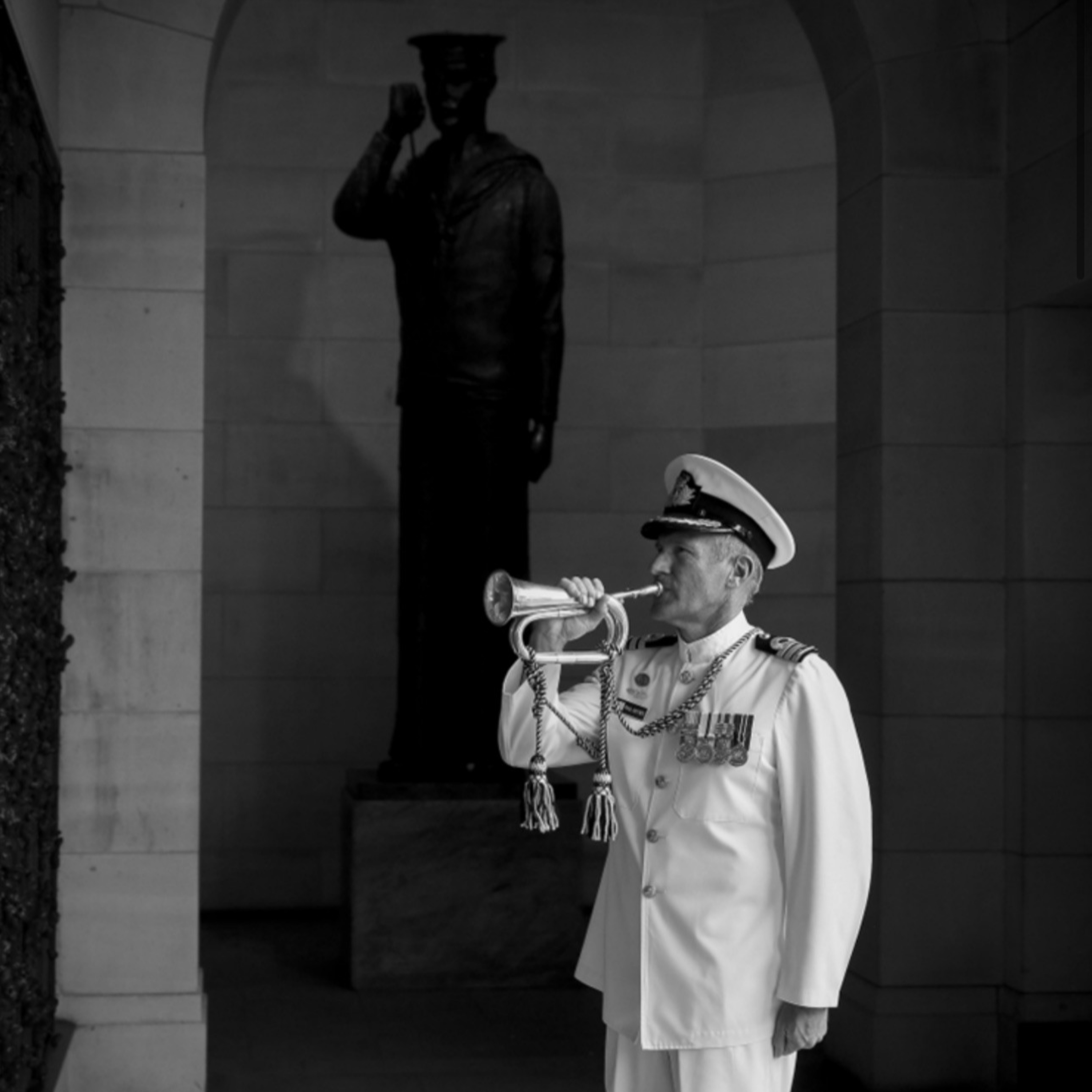
Commander Paul Codia shares his family's journey and deep roots in Castlemaine on the "Casted & Connections" podcast. His family lineage traces back from the Isle of Man to the USA and eventually to Australia, settling in the Western District before his grandfather, Nick, arrived in Castlemaine. Paul recounts a childhood of freedom in the 1960s, growing up on Tucket Street, where community ties were strong, and the town was a bustling hub with multiple shops and businesses. He describes early work experiences, notably assisting his father with early morning milk deliveries, which instilled a strong work ethic.
A central theme is the family's profound musical heritage. Paul's grandfather was a drummer, and his father was a self-taught multi-instrumentalist who played in brass bands and dance orchestras, heavily influencing Paul and his siblings. Paul began playing cornet at age five and joined the community brass band by seven. He highlights the historical significance of the Castlemaine Brass Band, founded in 1869 and granted rare vice-regal status in 1918, emphasizing its role as a enduring community pillar that involved multiple local families across generations.
[Music] Hello and welcome to Casted & Connections. An initiative of Hands Up Casted & where a group of enthusiastic locals have come together to capture, preserve and share stories of people who have a connection to Casted & Connections. [Music] From humble beginnings in Tucket Street, Casted & to travelling the world, Commander Paul Codia is sharing his journey with us today on Casted & Connections. Welcome Paul. Thank you, Lois. Great to be here. You started off in Tucket Street as a young lad, which is now known as Hough Rafe's Court, with Paul's three siblings, two brothers and a sister. How did the Codia family arrive in Casted &? Yes, so the Codias, we can be traced back to the Isle of Man, actually, around about 1650. They owned a farm they're called Knockbury Farm. Around about 1845, John Codia and his seven kids migrated to Cleveland in the USA. That was around about the time of the Irish potato famine, hence they got there. So Dad's great grandfather, James Silcodia. He was born in Cleveland, Ohio, and migrated to Australia. Now we know he lived in Hayward because that's where Dad's father was born. But eventually he made it to Hamilton. He passed away. He made it to 80 years old. He died in Hamilton. So Dad's grandfather, Elwitt Silcodia, he was born in Hayward in 1883. And he ended up dying in Miltown in 1946, '83. Now he was in the First World War. So he enlisted in Hayward and was a return soldier. And as a part of that, he got a soldier settlement block in Miltown. So hence they ended up in Miltown. So Elwitt in the Army, well before he went, he was actually a trained driver. Oh wow. Yeah, so he worked on the railways. And in the Army, his category was a specialist, which he was in communications or a sapper was what they used to call them. So that's sort of, I guess, how we got to the Western districts. Now on Dad's grandmother's side, her name was Elizabeth Susan Saunders. And she had cousins that lived in Castan. That family was called the Tivolies. Now the Tivolies, they lived in Henty Street. They lived in the house, which is now the CWA hall. Now Tom Tivoli, he was a builder in Castan and he built a lot of the larger houses in Castan. If people know where Mick and K Murrow lived in Henty Street, they build that house. Where Mrs Westman, she used to have opposite the Anglican Church. The old dentists, that one there. I think it's Kiwi Johnson's house up near the Worm Memorial. They built that and they built quite a few of the houses in Addison Street. So they're quite a prolific family at that time. So it's a family company? Yeah, yeah. And up in the old cemetery here in Castan, there's actually a Tivoli family plot. And actually this Anzac Day in Castan, I notice that there is a Tivoli that's on the honour roll from the First World War. So a Tivoli was killed. And I believe that was in the Dardanelles in Turkey, he was killed. So when Dad's father, he was three, there was a family illness in the Saunders side. So they ship Nick off here to Castan to live for a period of time. And then Paa would continue to come up during the school holidays. And that's where he got his building skills from. And he ended up when he left school. He moved to Castan and he worked for Bill Pieden senior as a builder. So that's sort of how the building was in his blood. The building. So I guess that's how the Codias we got to Castan was through Dad's father, Nick. So your dad became a builder and met your mum. So Nick was living here in Castan and he met a lady called Elmer Saunders. Yeah. So she was from Melbourne, she lived in St Kilda and she was in Castan, I don't know why, but she was working as a cook in the Castan hotel. And Paa, well Nick, they met. They moved back to Melbourne in 1930 and Dad was born in 1932 at the Royal Women's Hospital in Melbourne in Calton. It was around about 1932, 1933 that period. They actually moved back to Castan. So Dad was basically a baby. They moved back to Castan. And then Dad sort of, he went through school here, went to the primary school, started high school and in those days you could leave school at the age of 14. So Dad, he left school and his first job here was he worked at the Guive Factory here in Castan. Then he worked as a grocer at the Coursen and Smith. It closed down, so then moved to R.S. Donald, which was the General Store in Castan as a grocer. Then, with English remember, the mid 50s Dad actually moved to Melbourne and he had a couple of jobs there. He worked for Williams Adams Company and Johnson's Wax. And it was during that time a friend of his was dating a young lady, Jessie, or she ended up being Jessie Lynch and Dad went on a blind date and met my mother who was Shirley Georgina Cade. So Mum lived in Northgate, Garibon Northgate. They got married in, I was remember 1958, I think they got married. They went on a honeymoon to Adelaide and from Adelaide they both moved to Castan, lived in Murray Street and then they built our family home in Tucket Street about 1960. And that's where we were all brought up. Do you remember those early days in Tucket Street as a kid growing up what you used to get up to? So I just remember a lot of freedom. I think another thing is that it was my late primary school early high school days that we actually got our first family car. So if we went anywhere it was basically walking or on a push bike. I remember walking clearly, you know, it seemed like a long way down the hill to the primary school. And like in the middle of summer walking home, you know, as a little tucker. And I obviously went to the kindergarten down there as well. But it was certainly, you know, remember, you know during school holidays, Darrell Gunther and myself Darrell lived across the Gunthers. You know, we would go on their bikes and set the lines down the river and things like that. We used to ride at push bikes out to a family the fosters out at Corndale just to go out there and go ferritting and all the stuff you do on on farms and those sorts of things. But you know, we were just allowed to ride our bikes everywhere. You know, remember walking to school on Monday, Wednesday, Friday? There was great excitement because the goods train would have come in, you know, so you'd see the train come in on all that sort of stuff. Yeah, but really great days. Our little street, it was a gravel road at that time. There was really three families in it that was the Gunthers across the road. And I'll see Margon Pat had a big influence on us. Pat used to take us fishing and that all the time. And with Margaret Gunther you couldn't get a nicer lady than Margie. So I went to school with Darrell. So good friendship there which we still have today and then with Diane and Andrew, you know, we've kept in contact. And of course the Richardson's, Bobby and Jays. Again, big part of my life growing up they had the dry cleaners. And remember after school, from high school, Skip and I would go down to the dry cleaners and bugger eyes around at the back and stuff like that. So yeah, there's a lot of, I mean, casting back then too was, it was a hive activity. Like it was the town, I remember always a sign, two and a half thousand people. But it was a thriving town, especially Saturday mornings and Friday afternoon and the three supermarkets, the two shoe shops that had, I mean about five or so milk bars at down the street. The three pubs, three car yard. It was a really busy sort of little place. So a lot of fond memories of early childhood here for sure. Yeah. And those times you were saying about talking about with Kiwie Johnson and your dad used to work there and you used to drive do the truck run with the boys as well. Yeah, it was funny. As a kid growing up, as I said, dad worked for R.S. Donald and they were brought out by Murray Colburn. And as a part of that, they brought in a dairy and did home delivery. So dad from, at that stage, I think it was in the hardware. I remember on Saturday mornings we used to go down to the hardware section and at the back, like they just have these big drums at nails and things like that. So when builders or anyone wanted anything, they'd come in, I have 300 answers or whatever it was. And they'd just weigh all nails and all sorts of stuff. I remember as well as kids, Steven and I would have our cast and fully jumpers on on a Saturday. And one of us had Defi Miller's number on the back and I was trying to think, the other oh, Dini Harvey, they were like idols. So that was a big thing. But dad ended up being the milkman. And believe it or not, there was three dairies in casting at that time that all did home delivery. So there was Murray Colburns, there was Baxter's and there was Jack Dowlings. So I reckon for probably around about 13 during school holidays, three o'clock in the morning, dad would wait, come on, off the go to live with the milk. So I'd go and help him deliver the milk. And back then it was sort of bottles. So you had your little money pouch and you'd have your little crate with milk or some cream or whatever it was and you'd go to people's front doors and they'd leave their bottles out with a note of what they wanted and with the money. So you're there dropping their milk off, putting a change there. Remember one time it was in Peachy Street, Joe Gordon's house and they had a sister or something staying there. So I'm there with my torch, you know, not everything's there. I'm just doing it. And she obviously heard something and looked out and saw this kid knocking the money off on what she felt. So next week, what are you doing, little boy? Jump 10 feet in the air, you know, I'm delivering milk, you know, like, yeah, there's some funny stories as well down in Russell Street. It was, there was a border collie and so dad, he'd have to have, he pre-heavy crate ready to go and we used to have this iron bar that he had used to pull the crates and a hook thing in the thing. So he'd have that one on one hand and the trick was to get to the front gate where they'd have their cart until he had to deliver the milk and get into the back into the truck before the dog got him. It was funny because off them we'd see Andy Whitty, he'd be on top of his, he was delivering bread at the time. He's on top of the van because the dog had tasted so that was quite funny. So it was all that things happened but that were good times. So we used to do the milk run there and then eventually Murray Goldman sold their milk run to backsters. So then dad moved to backsters and delivered the milk for backster and then eventually backster sold to Jack Dowling. So dad worked for Jack Dowling for a while again doing the deliveries. But eventually I guess as times and there was only the one dairy left they stopped the home delivery and so dad lost his job. He then went to Jeffrey's brothers, cordial factory and it was funny a couple of weeks ago you had Russell Johnson, one he said about this run he used to do with his dad up around Eden Hope and Lancome and we ended up at Durgham. It was a whole day run. One thing Russell didn't mention was the state of the truck. I remember this old truck with crates are softering like the weight and double clutching and crunching the gears and then pumping the brakes trying to get the bloody thing to stop there. But again it was really good. Eventually after that the cordial factory closed and dad ended up at Darmall Mill. It worked there for about 16-1/2 years. Then my later high school days they used to hire a few students, I suppose young people during the Christmas school holidays. So I did a couple of years work at the mill. Our job there Tony Sharon there's a few guys from Castan there. They must have had a contract with Telecom at the time and we painted these white posts. Are these posts yellow and we'd put their logo on it. I think it was markers for weather head cables. But again it got me out doing some work and things like that. Probably taught me some good values I guess. Yeah. How do responsibility etc. So music has been a huge part of your family's life. Starts with Harry do you think with your dad? Well dad's father. He was a drummer. Yep. There's some wonderful photos of Pa here in Castan playing with the Red Chimes Orchestra. So Pa was a drummer. In one of these photos there's actually dads playing you know as well. There's other people that were in the brass band as well. Terry Sharp he played saxophone in the orchestra but played bass trombone in the band. John Shady was another person. He played saxophone in the orchestra. He played trombone in the band. Brian with us was one of the finest trumpet players really in the district it was unbelievable and a great mentor to me as well. Yeah. So basically back in those days nearly every weekend on a Friday Saturday night there'd be a dance somewhere. So they would just so as I said we didn't have a car for a lot of the time so Brian would always come around pick dad up and off they go and play the dance you know most weekends. So there was two like there was an orchestra and a band. Yeah so with the brass band yeah it was the community brass band but the orchestras were like dance bands. Yeah playing a little. Yeah so and that sort of so Pa as I said played drums. So then when dad first started he played side drum in the cast and band. Then when he went to Melbourne for those few years he actually played in a pipe band. He played with Williams down city brass band as well. Then when he moved back to Castigan they needed a tuber player so dad thought there's more to music than hitting a drum so he taught himself the tuber and played tuber in the band. Then a trombone position became available so I thought like that looks like a bit more fun so he taught himself to trombone play trombone and then at that time Euphanium which I think was dad's finest instrument. There was a guy called John Whittycomb. Now the Whittycomb's from Samford. Actually Mrs Whittycomb was a fine pianist and played a lot of dancers as well. One of the other brothers Ted he played tuber in the band and he worked at the show office for a lot of years. So John actually joined the Navy actually and as a musician and so dad left a vacancy on Euphanium so dad I'll play the Euphanium and yeah he as a professional musician myself I've never heard anyone with a better tone on Euphanium than my father. So dad as I said he was self-taught but on top of that because of all the dance bands and stuff like that and I guess again Nick playing in dance bands dad taught himself all the read instruments as well so he played all the saxophone to clarinet just self taught himself. Yes so dad played really everything so us kids basically Stephen and I age a five given an instrument so at five I was given a corner which is like a trumpet. Yeah got lessons dad taught us lester black it was a big influence he'd come over from England played with all the top brass bands over in the UK and lester he was the town hallkeeper at that time yeah so he was a big influence brine with his sensational player again a big influence on my playing and so by the time we were seven I was in the band. Wow so the band at that time big numbers a lot of senior players and then there was kids yeah and when you look at it um which is still a little bit like that today yeah yeah you know it's got a bit of a mix of younger kids and yeah but there was some real characters as I said there was brine um Jimmy River with a great player from Henty um Noel Bolsch was in the band at that time then you had Martin Milo and Chuba Ted Woodycomb Barry Davis Clem Hill played Chuba Ivan Tonkins then you had Terry Sharp who was a fantastic based trombone player John Shady um so there were people who were quite prominent in the town but then over the years I guess my age there was three coddiers we ended up all joining the band three withers kids Tammy Anthony Jamie who were all good players for all descendants of yeah the people in the band there's four charams yeah you know all the charams kids played Dowlings the Robin Dowling and I'm not sure what the older brother yeah um a Mark Baker was in the band there so it was a real family family affair yeah and then you got the Mac in the Mac tomorrow as well which Mick is being in the band yeah and and conducts the band today so so there was all this use that come through as well um so there was actually one year at the high school um they got a grand and started the band up at the school and it was I guess us kids from the local band but I think the issue with music in schools the school just thought I will give him a hebert instruments out they got practice yeah give him one hour a week or whatever and they'll be out playing tunes and that well that doesn't happen it takes years to develop so um yeah so day was obviously an influence as I said I remember you know it's a little kid like seven you know Anzac Day was huge you know we used to walk again didn't have a car so I would walk up to the memorial up here in front of the hospital we'd have the service then you'd march from there down to the town hall and like the ranks for four like it was you know there was actually units you know yeah separate units marching like it was huge yeah and like again marching down in the band oh god it was as a big event yeah um and then you'd you'd be in the hall and the service would be and that have the guest speaker and all that sort of stuff so yeah they were really really good days days and it's funny when dad say when he was a kid in the band the band I think practiced in the sonic hall or something all down mechanics hall down near the main street oh yeah yeah they used to march up playing up the hill yeah to the to the memorial then do the service and march everybody back down I'm just going why would you do that like it but that's what they did yeah like it's amazing yeah so here I don't know you know the cast iron is called cast and band called the cast and vice re-who band how do I get that um Monica yeah so um if we go back the cast and band it was formed in 1869 and I think you'll remember at that time the brass bands started in UK and they started in a lot of the mines and collaries all those sort of places where mines would start bands to give the miners something to do when they were on shift thank you so the band new movement in UK and obviously it spread out into Australia so as I said the band was in 1869 but believe not in 1881 the Sanford brass band started as well color rain had a brass band wow you know so it's amazing all these little towns and I think now cast iron with a population of like 1500 or something yeah band now ours is still surviving yeah because there's not many around today yeah so anyway um on the 28th of December 1918 so after the First World War the governor Victoria who was Sir Arthur Stanley he went to marina to unveil a soldier's memorial yeah and he was sewing press with the standard of the band he gave them vice-regal status wow would you be really ready to do that? I suggest there was only a couple in Australia yeah and I'd say cast iron's probably the only one left wow yeah so so that people don't realise how good the band was back in those days yeah so music's gone through the whole family but it also led to a career path for you in a way or can we perhaps backtrack a little bit and talk a bit about your grandfather's service in in the army yeah you've brought along today a magnificent little piece of memorabilia which is a well we call it a soldier's dixie yeah and I guess for people that don't know what that is it's a rectangular it's like a saucepan yes it's a rectangular it's got a handle on the side you might say them in the oil war movies where the soldiers would cook all their water although yeah cook something yeah heat up something in it so um par was in the army second world war and he was an infantry soldier however because he played a musical instrument he ended up in the battalion band yeah so um and what happened in those days was the musicians became stretcher bearers yeah so he was a stretcher bearer in the army during the second world war so um he enlisted in Hayward from Hayward I guess that's where it was brought up um signed up in South Melbourne and basically he served right throughout the Middle East um right through Europe he actually finished the war in Papua New Guinea um but when he was um the unique thing was that on his dixie everywhere he served I don't know how he did it but he's engraved he's the name of the place yeah um so it starts off in Melbourne go through to Perth um then Kalambo Aiden the silas can now all right through Jerusalem Tel Aviv Gaza Cairo um Alexander this Tobalc all whatever and the last um entry on there is Athens so what happened was um ran about 15 years ago dad was at home and got a phone call from a couple in Melbourne and um they were creations they had two small children and they took the kids back over to Crete to meet the relatives for the first time yeah and they were at a cousin's place and this dixie came out and it had the official number with the initials NJC and as I said the unique thing is the official uh uh official number number and I guess the unique thing is the engravements on it because at the at the far end as well there's um these engraves and mountains and there's a sailboat and so forth so when they came back to the Australia I thought well it's got to be an Australian or New Zealander so they did some research found out that dixie belonged to a Nicholas James Coddier enlisted from Hayward they rang the Hayward RSL they said no one here of that name however in the phone book dad was in the phone book so they rang up so they invited mum and dad down to their place in blackburn in Melbourne so um I took them around there and they presented well dad got his grandfather's dixie that was found on the battlefields of Crete so what happened there was um it was the first time Hitler would ever use these paratroopers and it was he supposedly he's elite um and he unleashed the paratroopers on Crete and so basically all the Australian New Zealanders they basically had to drop everything they had yeah fully got into the hills and eventually got rescued by ships um which the fear got sunk and submarines and things like that so after the battle um obviously these family members went through and picked up the family yeah um what was left what was left and this ended up in this family home now in 2007 and in my last job in the Navy which we'll get to a bit later I actually went across to Crete and I met the family um I was over there for ceremonial reasons marking the 75th anniversary of the battle and I got to actually meet the family and I took the dixie back again and yeah it was just fantastic just full circle so 60 years after par was over there fighting in the war yeah and you're back there um we got his dixie back amazing yeah amazing story amazing story so perhaps we'll move on a little bit to your time your work life you like um why did you join well the the reason I end up joining was because my older brother Stephen two years earlier um so again Stephen and I yeah we were solid musicians I guess you know for cast and we were probably good musicians at the time um growing up Stephen wanted to be a chef a cook and I remember growing up as well um Stephen at Easter and that would go down to Fels bakery and put the crosses on the hot cross buns and stuff yeah um he was friends with Paul Curry and um because his dad worked there and yeah the bakery at Fels bakery and and stuff like so Stephen wanted to be a cook so they were trying to find an apprenticeship for him couldn't find one and then out of the blue Stephen just said I I'm gonna join one of the services as a musician and he just chose the navy so yeah he just decided I'll join the navy so um quite clearly remember Stephen coming home on weekends um used to bring a lot of his mates and staff when he graduated from the navy school music um we became groupies mum and dad went you know we used to do a lot of tours in the country regions and we would drive and listen to the band playing all that sort of stuff so I got to know a lot of the guys as well and then there was guys coming up and staying at mum and dad so I got to know a few people and and again I was at a stage of where I was year 11 at school at high school up here I didn't know what I really wanted to do so I went in auditioned as well and um I joined the navy on the 30th of June 1981 wow yeah so that's how I got up was really through Stephen um yeah okay so can you describe like you're actually a musician within the Navy so what role is that and you call locally bandies is that yeah bandies yeah musers yeah whatever yeah so so what is the role of musicians within the armed forces so so really um ceremonial yeah the primary role is ceremonial yeah military parade had a government head of state parades yeah um those sorts of things um that's a primary role and then it's public relations yeah so when I joined um obviously I had a good idea of what it was going to be like and the recruit training 12 weeks for a crew training at HMA service I had a good idea of that as well because obviously talking to Stephen and all that sort of stuff so well prepared I mean I was playing 40 at that time casted and at that stage I was capped into the under 18s when I joined so I was physically fit um so recruit training to me wasn't all that hard and then basically after that the Navy and the Army had their own school of musics so we the Navy was at HMA service so that was basically an 18 month course we just go through your grades and once you pass the last assessment you then go to at that stage we had three bands one at Cerberus which is the main training base for the Navy a band in Sydney and then we had a band on the flagship at Cerberus yeah so then you're just basically a lot posted to those bands and just try to move all over the place yeah yeah so in this time I'm presuming you met your leveling wife yeah at some stage well that's another interesting story yeah um so Meridzo is Canadian and how she got to casted and was her father was a school teacher in Canada and he did a teacher exchange yeah so it was an exchange where a primary school teacher from Castan went over to Canada lived in their house and basically did his job and Clemen Phillips deafler came to Castan and lived here for a year now the year that they were here I was actually already in the Navy I was already in the Navy I didn't know Meridzo at all yeah however she became good friends of my now sister in law Debbie Munro from Colourane so when Peter and Debbie got married they invited Meridzo to come over as a bride's maid yep and I met Meridzo at the wedding and we got married 12 months later where you go so that's how that happened yep and she's put up with you all alone she is amazing and she says it's it's minus 40 all plus 40 so she doesn't like the cold so I guess she's got to put up with me okay so back on your um three because I was just thinking about you know life in your Navy career sorry I'm just thinking about life in any of the defence forces there's so much traveling you know it must be really hard for the spouse and children and so forth yeah so yeah definitely and and really especially during the 80s and 90s really we traveled everywhere remembering commercial flights weren't big at that stage so we'd either fly Air Force C-130s or we just did 10-day country tours so we played we were at high demand like we could work like 10 weekend straight and you know we get a few days after in the week to compensate us but yeah the work demand was was pretty high but the one of the you know I feel that I was just so lucky that I got into a job which for most people was a hobby yeah and every audience is different every venue is different you know like it's so it's different all the time you might play the same music but at every every concert it is different um so I basically graduated uh um out of the school music and I went to the what was called the Victorian Naval Band at Cerberus and um we used to have to be at work at 8 o'clock but we were given an hour to do some sport whatever we wanted to do so I used to go for a run and just before I went from a run the two I see it said me oh we've had a request from HMAS Adelaide which was a brand new guided missile frigate um they've asked for a bugle and we don't know anything about the job but you've been nominated you'll you'll do it when we get information will let you know so I come back from the job and uh sorry for my run in the morning um got to remember at 10 o'clock and remember this is a day at the times with no mobile phones no computers so um I just got told right um there'll be a car here to pick up at midday take it to the airport you've got to fly to Sydney um oh because I just thought the ship must be coming to port Melbourne it was just a local thing publicity thing or something so but they knew nothing about it so I said well what do I need to take and I just said take some of your winter some your summer uniforms take your trumpet take a bugle and here's a bugle walk so anyway car picked me up flew up to Sydney which again was not the norm because we didn't fly commercial air in those days flying yeah it wasn't that common um car waiting for me up in Sydney got to the ship at Garden Island ship was already on leave most of the guys off to the day sort of said I we can find you a bunk for the night didn't know what was happening and I said I'm my brothers over in the naval support command bound just on the north side of Sydney I can go and stay at his place the night so um I went and I stayed the night with Karen and Stephen come back to the ship the next day they just told me to go and sit in the mess deck watch TV until we got out to see anyway then I did my posting which is where you give you next to kin details and medical files and all that sort of stuff and the the chief regulator at the end of that said right if you got any questions I said yeah we were going he goes we're off to Hawaii soon and I got back to him about four and a half months later oh wow so we did six Pacific islands we went to a while when we did the Rimpaka which is a big naval exercise in an outer Pearl Harbor we worked with Kyle Vincent and the Nimitz aircraft groups it's just it's just a war game on steroids yeah using real ships and real planes and all that sort of stuff yeah um so basically they had a spare bunk on the ship a guy got removed the day before for some reason um and the captain at the time was Captain Jerry Cowardine the ministerial defense was going to be in come on to the ship in Hawaii and he thought I'll be nice we'll get a bugle for ceremony and we'll occasions so um six Pacific islands five and a half weeks in and out of Pearl Harbor got back to Australia meant how good is this yeah so I think that sold the navy to me yeah it was just it was just fantastic yeah so what were some of your highlights and some of your low lights within that it was in the so I guess that Rimpaka was a highlight um just solely because it really showed me what the navy was yeah um it was fantastic um in 1984 we had the Victoria 150th and we came to Portland the ball places as soon as the bus we needed Portland like people are walking around in period costumes and on the the dock they had a big ball a big dance on and we supplied the music and then we did this marching display on it was that weekend was absolutely amazing um that was um in 1986 was the navy 75th anniversary at that time um I was at sea I was on HMASTOL which was a flagship and basically we just did every capital city in Australia with the fleet massive navy parades five works was huge by Centennial in 1988 again big year lots of travel parades dignitaries amazing probably the biggest gig I ever did was 1986 believe or not it was for Pope John Paul II yeah he came to Australia um we did his head of state arrival that was in Canberra with a royal guard and the band but then he came to Sydney and um he did a mass at Randwick race course 200,000 people and the navy band I don't know why but we played the mass yeah so there's all these bishops there's the Pope um huge choir but we supplied the music for the service and I'll never ever forget it the end we're doing Hallelujah chorus the bands playing the choir singing all the bishops are coming off the their stage just clapping it so it was just huge and believe it or not while we're waiting Jack McCallum's bus from Castan pulled up you know so that's how huge I was like Jack McCallum's bus so there was a bus life from Castan went up to Sydney for that event so that was huge um 1999 in nine generation in Chasin Mount Gambia again we um we actually back James Morrison yeah and I organised that just simply I was home on leave at Christmas saw a fly for it um it was found out Karen Roberts who they used to have the um coxins here hi and they had the car yard she was one of the organis rang her up she said oh James Morrison he runs it we'll have to ask him Morrison he was in Canada at the time yet loved to have him would they back me at my Friday night concert yeah so we backed him all weekend it was one of the highlights um I went to Gallipoli conducted the Navy band in Gallipoli in 2010 again we finished the dawn service just getting out on my uniform GFM Brenda Elms Bruce and Janet Cross all these people from Castan come up to the bus you know so you've got to be careful um 2007 and 75th anniversary of the battle of Crete again which we I got to meet the family the Dixie um 19 sorry 2017 again I went to Israel went for the hundredth anniversary of the Battle of Bair Sheba Japan 1988 Band Navy Band we came here in 1989 2009 that was for the Castan Viceroyal bands 140th we do a concert in the town all of us are in charge yeah um that was great 2013 centenary at the rather first Royal Australian Navy Fleet I was director of music I ended up being on the organising committee absolutely amazing um one of the weirdest gig so as I said we travel a lot in the country to festivals um it would have been in the 80s we went to Tongaala in Victoria they had the slam ride up towards the Murray oh okay they just went on to Surich so they had a burn the Dunney festival they had all these outhouses piled up and they lit the match and yeah but and there's in a lot of the Australian photo books there's a picture of one of our musicians who had the souser phone which was like a massive tuberting that reps around and sitting in an old outhouse and that's featured a lot you see that in those old um so that that was sort of something different but um it's a my career in the Navy I guess it was it was two halves um the first half as a non-commissioned person um I was a musician I was a player and you go up the promotion ranks obviously the more the higher you go you get more administration more leadership responsibilities so um I made it up to a chief petty officer which is the second highest non-commissioned rank and really I did that in what we call minimum time so it's probably within 16 years I was a chief petty officer so I only had one rank to go which was why an officer and at that time time to become a commission officer you had to be a chief petty officer or qualified to be a chief and I got offered if I'd go and take a commission and become a band officer so um I guess the issue with that was um minimum education back then for that was I had to have year 12 which I didn't have yep um so I had to go back to school do year 12 um but it was an 18 month full on residential course majoring in conducting oral arranging composition and obviously a lot of leadership top staff and I thought I I'm not up to that and then it was actually Mary Jo's dad Clem he said to me he said Paul you got to go as far as accounting life you got to do it you've been given an opportunity so um I started the band officer's course in 1996 um I graduated May 1997 promoted to lieutenant and basically started all my career started again um you have one commission officer in the band and you're it yeah the conductor so um yeah I went first down to service officer in charge music director of the band there I was there for a bit over four years and then ran the band up in Sydney cut the postings at the school of music as a senior instructor and I guess eventually if you hang around long enough I eventually became director of music navy um and as I said um I sort of arrived in my um my office was a garden island looking out over the harbor bridge it's just stunning and I don't really really in my first week of get a phone call saying could I attend this meeting so I went there and basically was in 18 months time was this sent of this sentenary celebrations and basically you're on the organising committee but again that was an absolutely amazing experience you know there was a um as a part of it on the Saturday night it was broadcast live on television was a 30 minute celebration of navy using fireworks and obviously ships and all that sort of stuff I was on the tender process of that and then that went into um the soundtrack for it the company that won the contract asked whether I'd assist them with the soundtrack so I was doing so it gave me opportunities that I would never have had and I remember at the end of the broadcast you know the ABC press and is you know one of them said oh what about the soundtrack how good was the music oh yes that was produced by the director of music of the raw show navy you know I'm going like gone that's me that's me like and and here I am from a small little country town um yeah it's funny in the navy because we travel so much you know where's home and and like I was 26 when I got married but you know and even when we were married you know what married Joan are we had a couple of stints in Sydney and you know Cerberus and you know we're now in South Morang um where we bought a house because I got posted the school music you know where's home and you know people say oh where you're from I always say oh I'm from a small country town yeah in Western Victoria called Castan amazing how many people know about Castan yes but even now that I'm married and we've had as I said living South Morang we've been there for 23 years people say oh where do you come from go well I live in South Morang but I'm originally from yeah yeah yeah it's sort of always you know my dad still alive mum passed away 10 years ago she was a trooper knew everyone in the town you know all that sort of stuff so you know I've got fond memory playing sport here you know I played basketball with village which you know top age we went to flag John Kerl was our coach then played Saints with your husband Gavin yeah before I joined the Navy but Junior 40 um you know played with Tigers but again top age under 13th top age under 16th we won the flag I was captain again so I got these leadership opportunity yeah cricket um we packed down through across the road we had no choice it was your plan for Wanda Vale yeah um juniors we always had a great side but we never won the flag but then what most people did it sort of I played juniors in the morning then I'd start a playing seniors yeah so um in the seniors I was a wiki keeper we won back the back flags I left to join the Navy and I felt that's it that Wanda Vale's finished now that I'm not there I would have liked to have thought that well they ended up winning the flag I think they won three in a road after you left yeah yeah yeah but but they were great days you know and it did give you those leadership skills I suppose too unbelievable responsibility and learning yeah yeah learning how to cope in society yeah that small town stuff I think and the high school you know it was great times you know um when I left I would just start in to get like automotive and some of those walk-alike things but yeah I love the sport side of things here in casten so would you recommend it you know would you recommend a career path that you've taken to the young kids today it's amazing how many actual people have joined the military from castenant yeah um uh we were I was at service in I think it would have been 80s early 90s and they took a photo of just castenant we they did an article in the service newspaper that there was probably about eight of us from casted and that were at service really yeah so you know there was obviously that's three caught years but um the Nelson's um Laurie Nelson was the last station master of the train they had four kids three in the Navy um speed Mark on Chris speed um Megan Naila she was a student in the Navy withers andtony withers he's just retired as a captain for being captain very successful career and that's little own you know people were in arm and so forth so um everything I was going to ask you did you ever see any active service at all yeah so I and it was probably the highlight of my whole career so in 2005 2006 over the Christmas New Year period I went into Iraq so they called them to the force and if you remember back in the Vietnam war they um used to send entertainers out there entertainer little patty and those um yeah yeah all that yeah so um and then he's taught he's team all um it I guess the other thing about my career the first half of it were a very um peacetime defence force yeah so sport um recreational staff bar because you know it was pretty social yeah very social you know I played cricket and I played Aussie rules for the Navy sides we used to play midweek comps in Melbourne and things like that very sociable but as soon as like team all came and specially the first go for we became a very different defence force this is business boys you know so um it was sort of two phases of that as well so um with team all John Farn and a few artists went across there and now I guess that started up they called the force advisory council of entertainment was formed and so um they started sending entertainers into the Middle East so what would happen there would be one of the services would supply the musicians and then they get civilian artists as well and so we would back the civilian artists and basically you're going travel around all the bases and put on these amazing concerts some of the best concerts have been done um met some great people great entertainers so um meeting name drop oh well so um in 2005 2006 so we flew to Q8 Qatar in Iraq we went into the green zone we went to sec that was his so what's the green zone the green zone is where all their palaces were and that was um when we the the coalition forces went in took Q8 back sorry a a a rock back this palace area which they called the the green zone became the headquarters of a lot of the military countries so the the main palace the Americans had that and that had like gold toilet seats and it's just amazing to go in the second biggest palace was the Australian headquarters and the reason that was was it was the Australian SAES that actually took that area yeah but basically Sotomassane and the Bath Party they basically created this haven this haven man made like these massive palaces and they lived the life of luxury in there um so that was what they call um the green zone the security detachment was the Bath Party headquarters which was their political and that was down down Baghdad that's where Sotomassane was tried yep um we had soldiers in there um and then we went to a base called camp smiti which was British run that was um and then that first trip we met the Australian frigate HMAS parameter and Dubai so basically as musicians we did all the pre-training that any soldier would do yep um all the weapon training first aid um all that sort of stuff and we flew over a week prior to the civilians because we got issued our weapons we got body armour we had to then go and zero weapons in we had to rifle ranges do reenactments of stuff um do advanced first aid combat first aid and it goes through all the rules of engagement because it's not about just the Wild West you just go and shoot up every day yeah yeah there's rules of engagement so so that was a four four day course in there and then basically both times I went they then flew us down to guitar where we had a large Air Force contingent and we'd put on a concert there and then we'd fly back into q8 and then the next week the civilian artists would come in so um and then basically off we go on our tour so the first time Bessie Bado was the master of ceremonies now Bessie Bado at that time is a swimwear model okay right um lovely lady who has them also came he was actually um in the British army but if you may remember the Gladiators TV show yeah yeah he was commando he was one of the Gladiators so they were the MCs had a girl called Hayley Jensen who would just um came like food or something in Australia and I'd all young up and coming um Lima was a comedian I know we're there you hear a Lima so Lima is a big awful man so okay he and I just clicked clicked um and misery yeah we're just so good um nice trippy guy and even when I come back he was doing um channel 10 40 and stuff and yeah so so yeah I get tickets to go in and all that stuff so yeah so he's good um Becky Cole oh yes yeah yeah would have to be one of the best musicians yeah she is amazing and an amazing person yeah just absolutely fantastic um angry Anderson so um and that first trip um little patty because she was the patron of it all she actually came over on the trip as well and her husband with her husband she met in Vietnam he was the drummer for support band and they got married yet um so that was that first time um in 2008 so that first time I was a commissioned officer but I went as a player yeah and in 2008 um we went to a rock and Afghanistan so I was the first person to lead a Navy band into Afghanistan if that my sense um but again a different thing obviously the organizer of it yeah so a different role um I played as well but um Tanya Zayeta was the MC Amy Williamson which is the daughter of John Williamson she's a singer very good real Davis she was a pop singer a Australian bet she had at that time she had a number one hit in Canada at the time comedian was Fred Lang from Queensland very funny guy very good a band called the Wolverines which are a country rock the funny thing about them was um because I was in Sydney directed music um because we had to rehearse and find out what they want to play and all that sort of stuff so I went and met one of the band members he had a big yacht at the Royal Yacht Club in Sydney so he invited me for lunch which was magnificent and he goes now just tell us about the arrangements of sleeping and traveling and stuff like that so I'm sorry explain stuff he goes so we're ever going to be just the three of us together like from the Wolverines band I said oh no there always be other people around he goes oh that's good because we don't get on and and they said like even all the tours they do in Australia they all drive separate cars and during their breaks they go out and mingle amongst the people because they can't be in a room together yeah that was funny and anger and sin again it was supposed to be John Stevens but he pulled out and anger and sin I don't know how many tours he's done but great guy yeah just so emotionally just the pride connected all that so so so that's what we did guitar, key weight was it the one that doc I was my it was a document yes oh sorry yeah that one that we took an ABC film crew from a Australian story yeah so it was the first time ever a Australian story did a two week episode yeah they filmed they come back and they went we got that much material and they did it two week yeah yeah the funny thing is I got back and mum watched it next minute she went home I didn't think it was going to be so dangerous oh my god I said mum I'm going into a war zone but you think it was because at the end of the day they wouldn't put the civilians in high risk that they thought no but there still is risk yeah of course and you know we were in Candahar can her had missiles going one night wife or fire all that sort of stuff um you know there is a risk when we got to people it was too dangerous they assessed to go into the city of Kabul so the defense had control of the airport so we did the concert at the airport yeah because it was too high risk but you know we did guitar again, key weight Candahar Kabul and Tarangkow in Afghanistan Tarangkow where all the action happened the base was dutch run but there's beauty about it as well like the mountains and the bases in the valley German like it is yeah yeah we went to a place called Talil in Iraq and then within the base area we went on a cold tour and there's these the ancient ruins are the a ziggaret of a which is massive temple and then there's the ruins of a village and Abraham was born and lived in this village you know the history is amazing yeah um we went into again into downtown Baghdad that's where the security detachment was um so to get there we went along like call of Brut Irish the most dangerous road in the world um bright calm boy um so we had our personal carriers and we had some uni mogt which had just trucks with all that gear in it and the the guy running the convoy so as they'd have a couple of your guys in each of the trucks if you want yeah so I went in one so you could actually see where we're going because the um the personal carriers are all closed yeah yeah amazing just to see the defence force in action the communications guns targets yeah it's just it's amazing to see that work um yeah um and the driver who was a female corporal she just said to me so if I get here you've just got to keep this truck moving just push me out of the side and just you've got to keep this truck moving but you know amazing the whole trip was adrenaline so even when you're in bases you carried your rifle with you um you had five magazines 150 rounds um it always had to have one magazine on the base but you know on the bases you didn't wear your body armor but you know you went to the toilet you had your rifle you went and had a shower you had your rifle your rifle was in your bed basically you know um went went to eat you had your rifle um yeah we went to load a few times you know so basically it's action and fire after that you know some things um yeah so and then the green zone them we did two by again that trip um yeah as I said it was just adrenaline the whole trip is um yeah it's all some great things um the bases especially the American bases the American war machine um just huge the amount of equipment that sort of stuff the food halls were amazing um and you could eat as much as you want but they had like an Italian section you know roast any nation type of food you could just have um so you mixed it like the bases you weren't mixed in together with the other countries troops at all where you just have your own base don't you well you'd have your own section within the base yeah yeah base yeah but the meal hall is it's all nation oh yeah but then in the American bases there's that being over and they've set up the McDonald's like Kentucky fried um green bean coffee was the was there whatever so you know so as you're as you're there drinking your cappuccino yeah war is hell but you had to pay for that but yeah but you know what I mean like yeah the American war machine is they bring in their own px's which is their shops and but they bring in their own macas you know when um canterhar a lot of canadian troops there so there was a tim hortons which is he's a uh ice hockey player and has a coffee shops and donuts in canada so there was a tim hortons and yeah so but it was huge yeah yeah the um Australian Defence Force are held in high regard throughout the world aren't they by other unbelievable yeah yeah we're pretty damn good well well I think the reason we're good is we're so adaptable yeah um a lot of the American forces and so forth you've got one job and that's it in Australia we do multiple jobs I'm very flexible um so you people don't even know today we we have a frigate or a ship on piracy duty yeah okay yeah yeah yeah now today yeah do you know what I mean like that there's pirates out there people there and um yeah you just people don't realize but yeah especially off the coast of Africa and so forth I mean they hijack commercial shipping yeah yeah so what what have been the low points what you know throughout your defensive well think with everything um yeah there's obviously periods where you think I've ever had enough I think um but I know I always think the highs definitely outweigh the lows um in 1985 my first year at sea um we went into dry dock for six months and at the end of that um we went on a south east Asia deployment and so we were left Sydney we were going to um Indonesia Singapore Hong Kong and back home and we got up the coast I guess um I'd be up the top end of Australia we actually had a gassing on the ship so we had um it was a mixture of we we had this cleaning they called it gambling it was in these drums and it was the best cleaning agent you've ever seen in your life it would just you'd get paint or anything on you just what the bit of gambling and it just come off it was whatever anyway it got into the bilges in and mixed with the salt water and it caused this poisonous gas and it got in the air conditioning and um it was just one evening we finished our evening meal and just got a coffee on the breezeway just outside chilling out because that's what you do see not much do and um another ship came flying over the horizon it was one of the destroyers and next minute it's boat dropped and their medical team came over we actually had a doctor on board and we had a helicopter but earlier that day a sailor had an apprentice side us so they flew him off to Darwin and our doctor went and we're just thinking oh someone's fallen down a hatchwire or something like that anyway um that evening we're in watch starting to watch the evening movie that came up on the TV and yeah door open you you you you and I was one of the come with me and we went down onto one of the flat areas down in the machine halt and there was just um people convulsing it was just um and they were we shared the mess with the medics and it was one of the guys from our mess so my job was just uh stopping from bashing his head and arms on the metal sort of thing and then I got relieved and we just went back and shared and went to bed next morning we'd meet at eight o'clock up on the boat deck the band to work out what we're going to do rehearse and just went up um basically there was people everywhere just being crook and stuff like that so we headed straight down three people died um so that was a lot of life for sure um every 30 years I um the anniversary was um I'll be around about 32 years ago something didn't happen but you know so yeah that was pretty rancid oh we're sick yeah um did you um you another highlight all of the thought you actually were it deliberately yeah performed ceremony or stuff there that must have been pretty amazing too yeah yeah so uh highlight amazing to think you're there um and another thing I should mention as well so although my background was music so um when I was appointed director music navy it was a five year appointment and I was just starting my fourth year as director and um we're going into the centenary of anzac and um they had a position they'd created um for that to manage the centenary of anzac ceremonial wise and the person that was doing it for family reasons had to sort of resign so obviously marvellous and basically just got a phone call um because the new vice chief of the defence force was the previous chief of navy um who through that centenary activity I got to know really well and basically it was um vice chief of the defence force which was um vice admiral ray gregs basically um he's staff I get you asked and the can be you're now s o 1 ceremonial and you're managing the centenary of anzac so um which came to a promotion to commander so you know that was great but that that three years um are basically coordinated all of the overseas and Australian centenary of anzac activities um I was also responsible for the ceremonial for the governor general the prime minister all the service chiefs in canbra the Australian more memorial um I ran a Australian federation guard which is about 160 odd people it's a full-time royal guard artillery guns all that sort of stuff but it was an unbelievable finish to my career yeah um you know a lot of yeah you're just a government house as a the governor general's residence and just doing a recon for a head of state arrival and you know the governor general comes out and just oh what are you guys up to oh you got a parade here next week oh you're cool his wife come up just chat into her um talking about oh I make sure that every Thursday night Peter and I we sit down and we watch tv together and these are the shows we're watching and and you're there with the governor governor general's wife yeah so you get to personally sort of meet a lot yeah we did um um Benjan and Nuttanyahu came to did a head of state arrival for him at uh Abel to house in Sydney and he came by boat and on there with the prime minister Malcolm Turnbull just talking and Lucy comes over oh Lucy I like to introduce you to Paul and you know and you're just talking to the prime minister and just like if it's Tony Abbott I escort him yeah you know when he was prime minister um yeah so got to do some marvellous things and I'm a little kid from Castan and here I am you know like it I just I feel so um I'm I'm so lucky that I found something that I loved I loved going to work I just loved going to work I loved the band the opportunities I got but a lot of that started here my music started here and I think my opportunities for you know leadership and things like that um you know playing sport here um and probably the role models I had in cast and as well we might leave it there I think Paul thanks for the commander sorry no it's right I don't have to stand and you know like that's another thing you know since I got out in the full-time Navy in 2018 um I actually then I just retired completely not expecting to do anything next minute the Royal um Ember military tattoo he came to Sydney in 2019 so then it's like oh Paul what are you doing could you give you 50 reserved days could you come and help us do that and then that led um for four and a half years I ran a sports program in the Pacific Islands as a reserve says about that yeah so um we're not finishing now yeah so this is um so this is just working from home yeah so basically the government gave defense um it was out of the 2018 white paper basically a million dollars a year um to run sporting programs or do something within the Pacific to build our relationship so um I got asked to if I'd be interested in doing it so um I said yeah I'll give it a go so I didn't know what what to do you know what do you want well it was an open canvas can do whatever you want so then I started investigating you know what are the sporting codes doing and organisations found out that DFAT have um Pacific off-sport and their team up program ones elite ones grass roots they run a program and they pay you know AFL rug and IRL they give them money to do things so I started communicating with them what are you doing and it was like oh we haven't done anything yet and then I I guess investor gated that the shortfall in the Pacific was in the officials so they have a lot of people at play sport but there's no one with the skills the skills to referee um coach um nothing nothing sports trainers not even thought of you know strapping an ankle first day so um we started our first program we teamed up with the NRRL and we went in and um first one we went into Fiji and we basically ran a program um which involved military but it also community and basically they would do it this program and with and when they finished they would get a um a recognised qualification from that code um we teamed up with sports medicine Australia so that when they did the sports trainer and the first day CPR and all that they actually got a qualification that they could use if they came to Australia yeah yeah so we started off with rugby league then we wanted to increase female participation so teamed up with netball Australia included then the AFL would have to be one of the fastest growing sports in the Pacific islands so and they have a Pacific program so we teamed up they came with us as well um rugby union touch 40 so the Pacific Islands you're saying from what islands so Fiji um yeah so we did um Fiji Papua New Guinea Sullivan Islands Vanuatu Tonga oh yeah um we hadn't gone to the cooks but it was in our program to do yeah New Zealand is uh but it began yes so basically it started off with me um when I left there was a team of four of us um it was getting bigger and bigger well no I did it for basically four and a half years and that's a bit of a legacy really isn't it yeah yeah so we have something that will keep growing too oh very much so oh very much so um yeah so you know I feel proud that what we achieved yeah um I think when I left we'd given out like somewhat 2600 level one qualifications to Pacific islands um and and the feedback we got and through government you know like yeah that would just de-fat especially um we were doing their job for them do you know me and yeah and and because a lot of the other codes um they hadn't worked out what they're going to and of course we had tovied in there so when tovied started um we hadn't actually gone into a country so we would we we did it by um so we did the NRL because I actually had some paid people in the islands because you needed someone there for the language barrier and make sure you know so the instruction was given in Australia but you know um so that worked out really well and then once the um restructures of travel lifted we started going in to the Pacific islands um so Marlowe was another one we did yeah so so again I got to go on and all those things and um so now you're sort of semi-retired shall we say um what do you plans for the future what do you plan you know what do you plans for the next well one of the reasons when I first got out of the Navy in 2018 one of the we're going to do the caravan trip down the west coast of Australia and they kept getting pushback well today is day two of our trip I've driven from Melbourne to here and we'll head off this afternoon and and for the next six months that's the plan yeah you've done a favor to travel overseas a lot yeah as in um tourist travel not just with um you know with Mary Joan yeah and cut Lola cast and people get down and see yeah in southern so you obviously enjoy traveling still as it puts you off and I suppose you'd say a different sort of things to when you worked and traveled yeah because usually when we went with a ban I mean you're going there for a reason but you generally would still have opportunities to look at things but again you're over there with work and obviously then your partner's not with you anyway so yeah you know I'm going to all these places yeah and then you're granted too yeah grandfather so um so that's changing things as well but um yeah no we love traveling around so um and while we're fit and healthy he will do as much as we can well let's hope you can travel for a long time yeah yeah okay um one other thing I was just thinking about too what's your favourite genre in music um or I love the big band big band yeah okay let's swing tight yes swing yeah well and these days and there's different genres within that and yeah you don't dabble in fusion oh you like fun yeah fun yeah but but I'll um it's it's funny growing up um because dad his record collection is huge so we sort of grew up with classical records on jazz records then of course we were involved with the brass band here um and even dad played in a lot of groups here um he would have been in his 50s and he played in a rock band saxophone and a rock yeah yeah like so we were brought up on a lot of different genres of music so um but but yeah I'm a I love the big band and I love playing the big band yeah it's fun yeah a lot of fun well let's hope you keep playing for a long time yet be like your dad still still be managing to play enjoy your travels and it's been great chatting to you no it's been pleasure thanks Lois thanks cut we hope you've enjoyed today's episode of one of our homegrown heroes jump over to one of our other episodes to continue the casted and connections journey with us please don't forget to follow our podcast and share it with your family and friends thank you for listening
Podcast Summary
Key Points:
Commander Paul Codia traces his family's migration from the Isle of Man to Australia, with roots in Cleveland (USA) and settlements in Hayward, Hamilton, and Miltown, before arriving in Castlemaine through his grandfather Nick.
His childhood in Castlemaine was marked by community, freedom, and local activities like fishing and biking, set against the backdrop of a thriving small town with multiple businesses.
The Codia family has a deep, multi-generational connection to music, particularly through brass bands and dance orchestras, with Paul's father being a versatile, self-taught musician who greatly influenced Paul's own musical path.
Paul's early work experiences included helping his father with milk deliveries and other jobs, teaching him responsibility and values during Castlemaine's active commercial period.
The Castlemaine Brass Band, founded in 1869 and granted rare vice-regal status in 1918, is a significant community institution that has involved many local families over generations.
Summary:
Commander Paul Codia shares his family's journey and deep roots in Castlemaine on the "Casted & Connections" podcast. His family lineage traces back from the Isle of Man to the USA and eventually to Australia, settling in the Western District before his grandfather, Nick, arrived in Castlemaine. Paul recounts a childhood of freedom in the 1960s, growing up on Tucket Street, where community ties were strong, and the town was a bustling hub with multiple shops and businesses. He describes early work experiences, notably assisting his father with early morning milk deliveries, which instilled a strong work ethic.
A central theme is the family's profound musical heritage. Paul's grandfather was a drummer, and his father was a self-taught multi-instrumentalist who played in brass bands and dance orchestras, heavily influencing Paul and his siblings. Paul began playing cornet at age five and joined the community brass band by seven. He highlights the historical significance of the Castlemaine Brass Band, founded in 1869 and granted rare vice-regal status in 1918, emphasizing its role as a enduring community pillar that involved multiple local families across generations.
FAQs
The Codia family can be traced back to the Isle of Man around 1650. They migrated from the USA to Australia, eventually settling in the Western Districts, with Nick Codia moving to Castan through family connections.
Castan was a thriving small town with about 2,500 people. It had multiple supermarkets, shoe shops, milk bars, pubs, and car yards, making it a busy and active community, especially on weekends.
He worked various jobs, including as a grocer and a milkman for dairies like Murray Colburn's, Baxter's, and Jack Dowling's. Later, he worked at a cordial factory and a mill after home milk delivery ended.
Music was a big part, starting with Paul's grandfather as a drummer. His father was a self-taught multi-instrumentalist who played in bands, and Paul joined the local brass band at age seven, influenced by family and mentors.
The Castan Brass Band was formed in 1869 and gained vice-regal status in 1918, a rare honor. It has survived for over a century, involving many local families and remaining active in the community.
He recalls a lot of freedom, walking or biking everywhere, fishing with friends, and the excitement of seeing the goods train. The street was gravel, with close-knit families like the Gunthers and Richardsons.
Chat with AI
Loading...
Pro features
Go deeper with this episode
Unlock creator-grade tools that turn any transcript into show notes and subtitle files.
 PodcastTranscript AI