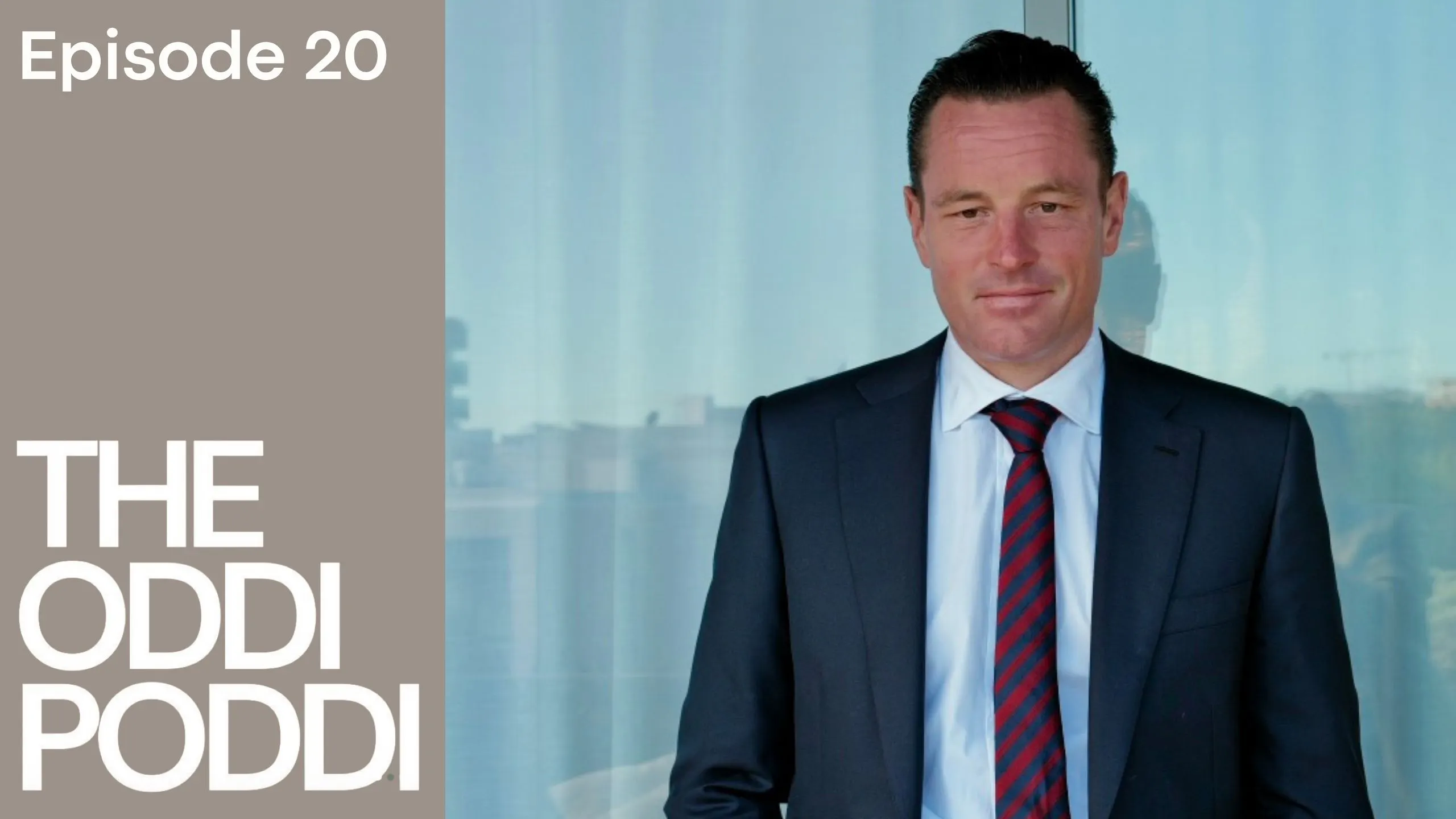
In this conversation, Alexander Phillips, Australia's top real estate agent for a decade, reveals the hidden preparation, process, and drive behind his success. He discusses the current property market as one of the toughest in 20 years, managing 40-plus listings and selling around 200 properties annually without losing his mind. Alex emphasizes the importance of direct conversations with vendors about realistic expectations, especially in challenging times, and relies on a high-performing team to distribute pressure. Beyond real estate, he reflects on the personal costs of his obsession, including delaying family life, and prioritizes future retirement by age 56. He uses "circuit breakers" like baths to switch off, though his competitive nature and love for the thrill keep him going. Alex also gives back through a podcast with Josh Fiegan, sharing market insights and processes that competitors mimic, which in turn drives him to stay ahead. He acknowledges that success has brought criticism, but he remains approachable and focused on continuous improvement, viewing his work as akin to an Olympian's dedication. Ultimately, Alex balances his relentless drive with a desire for peace, finding meaning in family and long-term goals beyond real estate.
The following is a conversation with Alexander Phillips. Alex is the number one real estate agent in Australia and has been for a decade. He joins me on the podcast to talk about what it actually takes to operate at that level. The preparation, the process and the relentless drive that most people never see behind the results. We get into what's happening in the property market right now, why he thinks it's one of the hardest markets in 20 years and how he manages the pressure of carrying 40 plus listings and selling around 200 properties a year without losing his mind. But we also go deeper than real estate. Alex talks about what success has cost him personally and why circuit breakers aren't optional at his level. He's someone who has redefined what's possible in this industry and he's honest about the gap between how it looks from the outside and what it actually takes to sustain it. If you're enjoying the podcast and you're not yet subscribed, I'd love to ask a small favor. If you hit subscribe, it helps me secure new guests and keeps the conversations coming. Thank you. Are we good? Can we start? Okay. All right. So before we get into it, what's the funniest or weirdest thing you've ever experienced at an open house? Weirdest thing I've experienced at an open house. I've done back a lot of 20 years ago, really hung over, went to a pie shop, a white bakery on McPherson Street. I sat down out the back eating a pie and I was in the open home and I heard someone walk in and I just flung the pie and it landed and splatted all over the neighbor's balcony at the rear. The neighbors came out and had to pie all over their house. So that's probably the funniest I can remember. So that's what you did. What about what somebody else has done? Probably hanging shit in the open house and smell out the whole open house. Pretty bad. No. It's pretty shit. Or all the public. Yeah. Pretty bad. They don't really care. They just come in touch anything, grab anything. Love, we don't get anything stalled, but they just think they own it. That is true. People open, like I always question why do people open cupboards and drink in wardrobes? That's so irrelevant. I know. And there's the bathroom. Yeah. Pretty bad. On that topic, what makes you laugh? What makes me just stuff like that? What makes me laugh? Mucking, probably for me at work and even at my personal life. I don't take things that are too seriously. I try not to. Although we are pretty hacked into what we do. But hanging around good mates, family, friends, having a muck around, talking to you today. And I'm sure we'll come up with some good stuff that makes us both laugh. But laughter is definitely something that keeps me going. And it sort of makes it not so serious, I think. So you come across this serious, but my personal experience with you and we'll get into this. Is that I don't think you are that serious? I'm serious in most aspects of what I do, but you can't be serious in everything. I think serious makes me a lot of fully regimented. I think that's a problem if you actually leave your life in a fullest, doing stuff outside just work, which I do a lot of with holidays and going out for dinners or sport or whatever my baby. But you can't be all serious 100% of the time. Definitely not. So on that, when you take out real estate, all the deals are success. Who are you? Good question. I think my life has been really consumed by real estate, probably more than what it should have been or has been, but I do love it. Like so, I don't. I say it's because I love it so much. I don't see it as work and probably therefore I don't get so emotional about it. Like when you lose a listing, lose a sale, it doesn't consume me that much. And therefore I enjoy it a lot more than I think most. I think that's why I haven't been burnt out. I think probably most agents with the amount of work hours I do and how hard I work by now would have been burnt out. But who am I? I come from a great family. I've got a great family with my wife and starting a family and whatnot. But I'm someone that enjoys the fruits of my labour by lots of travel. But in a way of seeing the world, doing different things, not working one way. And hanging out with people, you know, with my friends and family. Yeah. What brings you peace? Well, I don't have peace yet because I feel like I haven't accomplished everything that I want to accomplish in life. And I think that's sort of what pushes me. And I'd like to think probably in 10 years' time that I've finished working. And then, you know, that's then when the second part of my life starts. So I'd like to have a goal. I haven't had to actually set it in stone, but I've made 50s, I don't have to work anymore. So you're how old are you now? 46. Okay. So in 10 years from now, you feel like that'll be the next phase of your life. Yeah, correct. So you've still got 10 years ahead of you. Yeah. Doing what you're doing right now. Yeah, definitely. Gee. But I think what I've done, I suppose, like for me, I'm lucky in the way that since I first started my career in real estate, like the second year I bought my first property and I every year pretty much I've almost bought a house or property throughout my career. I've owned a lot of real estate, which I think obviously has compounded a lot. And I think within 10 years' time, there's more of that. And then you pay off that debt and then you live off that and maybe do have other investments or take your foot off the pedal and enjoy your family, your friends more. And that's I think real estate has probably stopped me from doing full enjoyment. I see you more overseas than I see you here, but that shouldn't really happen. You know what I mean? Because it's so like 24/7 what I do and it's sort of embedded in me. So it does definitely affect what I'm surrounded by. Well, I'm working day in and day out. So is that, is it almost like that attitude? Like I'll be more peaceful when I get here. And I do feel like that's what you need to achieve before you will give yourself permission to switch off. Yeah, correct. Yeah. And maybe I don't know. Maybe I'll never will. But I don't, I see a lot of people like that. I see like a lot like I look at some family, like even good friends of mine like that where their parents are still working at 70/80 and like, but that's because they love it. They don't see it. It depends on how you see your work. Like do you love your work? I love it. A lot of people don't. Like a lot of people go in because I have to and they're trying to make ends meet. They're trying to like just make sure they live day to day. I think I've been lucky enough what I've done. I don't need to do that. But I'm so competitive and driven that I still want to be the best. And I still want to like I think something that I've done in real estate. I probably, I think evolved real estate a little bit in our process is what we do. And I think a lot of people look at us as like the pinnacle of real estate and they're trying to like mimic us or chase us. But that also makes us go to another level and get better and better. And it's sort of, I think in turn helps make the real estate industry better and more professional and create a better perception in the marketplace about what real estate agents are because of how we actually do things, how we treat, you know, both vendors buys, how we treat the entire marketplace. I think I looked like John McGraw did that when I first started 20 years ago and I feel like we've been able to help build that momentum as well. I want to, I'm going to ask you about your driving, your competition. But before I do that, I just want to touch on that sort of personal aspect one more time. So what's something in your life right now that matters to you more than real estate? Matters to me more than real estate having a family. Yeah. Yeah, definitely. That's something, you know, I put on hold for probably longer than what I would have liked to because I've just got caught up in real estate and haven't, you know, like I'm starting, you know, having a family late, but you can't live in the past. It is what it is. But I'm still 46. I still think I'm young, fit, healthy. And the great thing is that, you know, if I want to retire in 10 years time and I don't need to work, I don't need to work and raise a family. So that's to me, you know, something that I'm really looking forward to. Okay. When I went out to Instagram and I asked people for questions and the overwhelming question that people were asking was everybody wants to know like, what is driving you? Because it can't possibly be money anymore. It's not. But what is driving you? It's not. I just feel, yeah, it's not. That sort of is, you know, it's everything. It's making sure that, you know, in 10 years time, you can, I can retire whenever I want. I can go overseas whenever I want. I could, you know, if I decide not to work for six months, but get back into it, I could have if I wanted to. But I think it's just like, it's the competition that I love that drives me. And I think it's because we've built so much momentum in what we do and, you know, how many sales we do each year is very hard not to get. You get caught up in that.
And it's probably, it's the thrill of it. I love probably going to ADHD or some sort of disease that sort of makes me just want to do more and not concentrate like on things, you know, every minute of every day. And I think that's what real estate is good for me. And I think that, you know, even though we're successful, there's still things that we haven't done in my head that would like to do as a team, as a business, that we can do better and better. And I think the thing is what we do is every day we try and get better and we try and do more and more and it's sort of trying to keep going to new levels. And you know, that's, it's just that, you know, that in a drive, I think that I love and it's, it hasn't burned away in any way. Almost like an obsession, right? Yeah, it is. It helps the obsession. Yeah, it is. It's, you know, like it's, you do what we do, you have to, yeah, it's a whole, I reckon it is, yeah, definitely. It's, you know what's interesting because I've looked at your career and like, we both started about the same time, didn't we? Yeah. Yeah. In fact, I'll never forget that Josh Fiegan did a presentation at Eric, probably around 2010. And on that presentation, I think I'm correct in this, but he put a picture of you and me on the board. Oh, yeah. I remember that, actually. And I think my figure's in 2010 were actually slightly better than yours. Yeah. Like I've openly said, one of the biggest mistakes I ever made in real estate was very early on hitting all my goals because once I hit all my goals, like I wanted to become number one in my market and I did all that at 28. And then as a result of doing that, like I took my foot off the pedal, whereas what I thought, like you were in a much bigger, like pool and you were probably chasing down all these other agents. So I look at them as a fork in the road and you just went like that. And then I sort of like went sideways. Yeah. I think probably what I learned early on is I suppose by us being the, you know, that R E B number on agent 10 years and row, sort of got a target on your head like I use that as a way of making sure that we remain committed and we don't get complacent. The problem is when you hit your goals early and you don't stretch those goals, you become very complacent. And that's probably what happened with you. You just go, I've done it. So where I go, okay, I did this last year, I've got to do this. Like we always, every year, every month, make sure we're getting better and better and I push my team to do that as well. So it's sort of like I am very goal-oriented and like in my head always trying to get better, do better and create more sales that way. So I think it's probably, you know, that's probably comes to that drive and, you know, you know, what? You know, also on that point, this is something that I'm not sure if you know Dave Gray. Dave said something really interesting because I look at what you do and sometimes I thought Dave Gray, the airport the other day. I did you? He's a lovely guy. And I've looked at your career and I thought, God, that must be exhausting. But he said something really interesting. He said, if, when you look at an Olympian, when they're sort of obsessed, if they were training like every day, all day, six, seven days a week, you'd look at that Olympian and you would admire them and say, look at the work they're doing. And I never sort of like, I never referenced that back to real estate. Like that's essentially what you're doing. Essentially an athlete or an Olympian just happened to be in the property market and there's a session. Yeah. So in a sport context, we would celebrate you in a work context, probably people are critical or can be critical. Yeah. I'm sure you've probably had some of that criticism. Yeah, we get a lot of criticism. But I think the good thing is I suppose my, what people see about us in the market, but we don't get. Many agents actually look up to us more than try and bring us down because they see what we're doing. I also like, I've got a good name. And but when anyone calls me, I have conversations with them. If someone asked me for advice from a competitor or from around Australia, I've always got time, like a bit of time for them. Not that much time, but enough time. So I think because we're also, I'd say what people would say about us, we're hard working. We probably presume we're arrogant and up ourselves, but I feel like we're quite the opposite. Like we're approachable. We talk to people. We're not, we're, you know, we're, you know, we're inviting, you know, we have good conversations. We're not, we're not dickheads in any way. And I think that automatically breaks down that and creates a better, you know, perception about us and, you know, in the marketplace, you know, definitely. I think within the industry, you also give back. Like I find that fascinating that you do a podcast of Josh Vigan. We've done almost 600 of them. Like so every, every second or third Sunday, I'm down in double bay doing it like for, you know, it's only five to 10 minutes. I get like 10,000 downloads, five to 10,000 downloads a week, which is good, but we've been doing it now for like 10 years. It's a long time, but you know, like I, I like it because I also learn from Josh. I asked him questions. What's happening in the market? What's happening in Belman? What's happening? What are you hearing out there? Like, what, you know, what, what can we be doing better? So it's sort of like a learning thing as well. So that's, that's my sort of little bit of training I do to make sure that we're also, you know, staying relevant on top. And I get ideas around tech from him and, you know, what we should be saying in the market and whatnot. But you're also openly saying what you do and your competitors are listening. Yeah. We're definitely, I think what we've probably been, but I don't, like, for what do you do, a whole, a whole back and not, like we've, we've, there's a lot of our competitors in our marketplace basically are doing what we do every day. And they've definitely caught up to us. We're still a fair way ahead. But that's also, I suppose, what makes us competitive as well is that we're like going, shit, these guys are on our tail. What do we need to do to stay relevant, stay fit or stay healthy or stay level, you know, level headed and, you know, keep ahead. So, yeah, we have, but I feel like that's a good way of giving back, you know, like it's, you know, and I feel our processes are probably the best in the, in the real estate business in Australia on how we talk to people, the dialogue, how we progress sales, you know, pre-oction, ad auction, post auction and, and we're happy to let everyone know about that. I, I listen to that regularly and I think it's really interesting because what you experience, you're typically like two, three weeks out of the rest of the market. So what you say then, I'm pretty sure I would assume the rest of the industry feels maybe a couple of weeks later because you just, I think that's a big, big, big deal. You've been in a fit of high volume. You're having more conversations with more buyers, more conversations with more sellers. You're reading the patterns. You know what open houses like what's happening. Exactly. And you share that. I think that's awesome. Do you still feel pressure? Yes. When, yeah, but not? Um, probably, um, do I feel pressure? Yeah, like when, like, say, like when we don't hit our goals, I feel a bit of like, I push, push, push and then that's, but it's probably the pressure can sometimes come from when you got like multiple clients that are in a position where they're forced to sell and need to sell and they're putting the pressure on you. But doesn't, don't I go to bed at night and sleep easily? Yes. Does it keep me up? No. Um, probably it doesn't, yeah, it doesn't really affect me that much because, you know, we've got other things to keep us out of mind. So how do you do that? Because I remember having that conversation with you. So you, like, right now, I think you got 44 properties online. Correct. Okay. So we weren't even talking about how you manage that right. But I know that there are clients at the moment that are projecting their stress onto us. I sold a property yesterday where, like, these poor clients were hoping for 2627 and in the end, they sold a house for 2.25. They purchased for 2.3 only two years ago. Yeah. They committed, you know, mid sixes, they'd spent that sort of money and like, that would have been so stressful for them. And, you know, they're asking you all the time, like, what's going on? What's going on? So it's about being like in front of that. So you're calling them before they're calling you. So like every morning, I'm going, okay, this is our list. I need to call. I don't need to say to say this is what we've done for your property. Yes. So this is what we're going to do today. Like, they're always looking for like cracks, I think as well. Like, they're looking to put the pressure back on you. Why hasn't it sold? What are you doing? You're proving that you're working hard and going to extra mile. Then they can't really come back on you that way. But, you know, it's having these like conversations now when the market is probably the, it's probably the one of the hardest markets I've ever seen. To tell them before they go on the market, this is what you need to be doing, this is what you need to guide, this is probably what you need to expect. If you don't have a motivation of more than five out of ten, I wouldn't be selling it. But it's having really direct hard conversations early, not after it goes on. That's where the mistake is, I think. And then how do you sort of put that? How do you, what is your process at night so that you don't take that home with you or you don't take it to bed? Like do you have some sort of ritual or is it just knowing that you've done everything you can? Have a bath or not think about it. Like, and like, it's, yeah, along with everything's been ticked off that I can do. Sometimes you might miss a few things you do at first thing in the morning, but I think, you know, because of the team environment that we've got and how good my team is, like, which, like, they're the best of the best, you know, my team, I feel a better the most agents in the marketplace that they take a lot of that load off. So it's not like the 44 properties aren't, I'm feeling every 44 vendors, they're feeling it as well and they're crossing off and doing all the right things too. So it does get spread out too. So you share the loads, you share the loads. Yeah, the right team that can push back on vendor all
do deals, get vendors at the right price, you know, vendors that will listen to them too. Like I've seen teens where someone's talking to vendor, the vendor has no respect for them because I feel like they're the underling, which is not not a good thing, but our guys are so, well my guys are so good that they're, you know, as seen as, you know, market leaders essentially. - Yeah, an extension of you. - Yeah, exactly. - When you say this is one of the hardest markets you've ever seen, can you just elaborate on that? - So like if you look at, if you go one back to last 20 years at you and I've been selling for even longer, like GSC was easy. I found because at the body in the first home buyer's grand and I was, every property I was selling was five or six, 700,000, which is now worth one, one five and they're all rolling out the door. So you're still selling a lot of real estate and like the debt levels back then were probably a third of what they are now. And then you've got other between the next 15 years you've had credit crunches, you've had, you've got a war now, you've got a lot, your higher interest rates have had covered. Like I feel like we're out at the moment is that there's such a big disconnect from vendors and buyers and there's so, probably more so there's so many vendors that if you bought between 21 and 25, you're selling for less generally. - So that, that's probably the biggest hurdle to get over at the moment. That like you just, what you just said, I wish I won a month ago in Tamar, they paid six to 50, went for five, five. Like we're selling units that they paid one, four going for one, two. So there's people out there as well that probably borrowed 80 to 100%. They actually walked, they should have been renting for three years. So that conversation, because people's perception in real estate and Sydney is it always goes up, you always make money, but hang on, that this is not the case at the moment. I'd say 70% of properties that were bought 21 to 25 are going for less. - Yeah, that's at any price point. - That's what I'll sort of allude in. - So you're trying to tell someone to like, they're tearing up equity, but that's the markets. Markets have ebbs and flows go up and down, doesn't go, always go up. So you gotta be, you know, you gotta, you can't get emotional about that. And that's what I think we're good at just plowing through that and just giving them the reality of where it is. But you gotta understand why they should be taking less. I think it's just as a general observation, like we have five properties at the moment in our office that were purchased in 23, and they all have offers 10% below what they were purchased for. So it's not like trying to recover stamp duty in the same price. It's a genuine 10% deal. And I find that if someone rings me in their boarding 21, like my instant thinking is, this might be just an exercise to recoup the same purchase price. - So there's a lot of stress out there because of that. And you can feel it in agents. You can feel it in the general community. You feel it sort of everywhere. So you can't, I think you can't let that get into your head 'cause then it snowballs you into the negative mind frame. And that's why, like, if you've got a clear head and you've got a good process and you know in your deep down, you're doing everything possible and you've got other opportunities out there as well that you don't let that stress get to you and you're gonna still be able to play out through a tough market, which is probably gonna stick around for another six months at least. - Yeah, hi here. I wanna come back to also, let me just focus on you and then I'm gonna ask you a couple of other questions. What do you think separates you mentally from your competitors? - What separates me from our competitors is how well prepared and like every appointment I go into this appointment, vendor meetings, appraisals, auctions, the pre-preparation that we do 'cause everyone just thinks I just rock up there and like talk. Like everything is so well planned out, brain-stormed, ask the right questions so that when I'm in front of someone that like everything's been like spoken about correctly but I'd say one thing that I see versus me versus say when I sit in a appraisal with other colleagues or other agencies that always fully attentive all the way through it. Like I've never seen anyone in the last 10 years like go on their phone or speak to their kids or something like that that they switch off. So I'd say the pre-preparation, sorry, yeah, we're smart in the real estate world on how to speak to people. - So as you're talking, I'm thinking you, okay, so outside of who you are and your desire to achieve your goals and to be better, you have a really good team, you have a plan, you prepare, obviously you have a skill set in 20 years of experience. Like you can see all these layers starting to stand up. - Like even in little things, so like last night I had all my breakfast laid out for this morning. I had all my clothes laid out, my gym clothes, my work clothes. I'd looked at my calendar like, you know, then in a week's time and I wear them, like it's all quite structured, which means you're not frazzled. Like I've already had a meeting today and I've got like 10 meetings in front of me but I'm not sitting here like I'm fuck, you know, I've diverted my phone while I'm in here. Like it's all, when you pre-plan and you have structure and you have people to help you around that, you're also, because if you think about how busy we are, I think most people would lose a lot of business because they've got their head would be just spinning. Like if you had 44 listings, you'd just like, you know, and you're sitting in front of someone, you're not gonna get their attention thing and you're gonna feel that. So then I think also a lot of our clientele are thinking that they're so busy, what's, you know, how is he gonna act? Like and that's obviously all the agents who's out against us, but we're so light on and so attentive and so prepared that, you know, they're pretty amazed by that, I would say. - Yeah, look, my experience with you is like, you know, I think when we spoke about the sale of our last property, you were there, you were present, you were like, it's not what I was expecting. - Yeah. - I think you've messaged me three times about this appointment, you confirmed, you're very intentional, right? - Yeah. - But you have to be. So I wanna ask you just about, can you give the general public just, 'cause you're relaxed, like I feel your energy now, you feel quite relaxed, right? But can you give the general public an idea of just what you do in a day, 'cause I don't think people have any idea, and I don't think real estate agents have any idea how much you do. So just, can we just start it, like, what time do you wake up? - 4, 4, 15, today I woke up a bit late at 4.30. What time do you go to bed? - Last night, 8.30, but normally like 9.9.30. - Yeah. - So you're up really early, what are you doing, you wake up? - I wake up, I run a bath, but I have a look at my emails, anything overnight, clear that, confirm any, actually I don't confirm appointments that early. I'll go train, normally at home, or with my personal trainer, I only do like half an hour, have my breakfast, watch the today, the news in the morning, always watch the news in the morning, but like between 5 and 5.30 and just see sort of what's happening, understand what's happening in the markets globally, and what not. I leave home, then I go to La Doree for a coffee in the morning, I then confirm all my appointments of the day, so I'd do it no one else, so like I'm always, everything's fully planned, you don't miss anything. Then I go into the office like this morning, I went in early, and I write notes for each one of my appraisals, 'cause I was thinking about who the person is, what do I need to talk about, the questions I've asked before going into see them, so I'm like really well prepared, we've got like four appraisals today, so I've written notes for all those four appraisals to put on the boys' desk, so all my kits are prepared correctly with the right brochures and the right bi-list and what not, so then I'll go back and have those kits ready to go. So that's happened from, that generally happens between 6.45, 7.15, now something like in calls from 7.30, then generally I'm out of the office and like nine for the rest of the day or coming and going, doing vendor meetings of appraisals, normally we do like between 16, 80 appraisals a month, so you gotta break that down to each day, how many are you doing, then you gotta be doing sales, vendor meetings, so normally each day there's like two to four appraisals, one to three vendor meetings, but also then you gotta try and call all the vendors each day. - And then what about bi-repoitments or open houses? - And then all open houses, and today we've got three, tomorrow we've got like 30 and then Saturdays, so. - So in the next, in the next two days, that's 30, 35, you've got like 40 appointments. - Yeah, yeah. - So you're doing 40 appointments in the next 48 hours? - Yeah. - How many phone calls do you think you'll make as well? In the next 48 hours? - So I sold a house on, what are we today? Wednesday on Monday in Bronte, like a 12 and a half million dollars house, a great sales and I've called everyone in that street and the surrounding streets yesterday that are my database, that there would have been like 50 calls or I can plus in all the vendors and every hour, can I do like on an average a hundred calls, 220 calls a day? - Okay, so 40 appointments, 200 phone calls. What, hang on, what else? - Yeah, and then my appointments are quite short, like appraisals are four to 45 minutes, vendor meetings in 10 to 15 minutes. - How many, in this hour that we're recording right now, how many times will your phone ring? - That's why I diverted it. Eight to nine, because I've already made a few calls this morning, people calling me back, probably have like eight to 10 missed calls. - Okay, and then what I noticed with you is, if I call you either answer or you call me back within 15 minutes. - Yeah, so the first thing I do is also call, I call everyone back, just straight away. Yeah. - I find that like. - And yeah, 'cause you divert your phone. Don't you have to remember this for me? - I used to, but I don't now, because they're not doing enough volume to warrant that. So I want to take the phone calls. - Yeah.
But it is, I was doing that. Did that affect your business? Yeah. But I was something at the change because my health and my mental well-being and where I was with the separation, I had to change. Yeah. I didn't have a choice and I wanted to change. No. If you go on back to your normal day today, real estate that you were like before you had your cancer and had your divorce and everything. Yeah. So I've gone back to six days a week. Do you like that or not? Yeah. But elements of real estate that I love, right? And I actually enjoy tougher markets because I feel like the market actually values my skill set. So I've had four sales, four team sales in the last 48 hours. That's right. So like every time things get tough, like I actually get better. And I find it, I don't know, like I have find in a good market. You find two as you get bored? Not that. I just think everyone goes in and everyone sounds the same and then, you know, like in this market when you're sitting in front of someone, you better have a plan. But the thing that we're always accountable is to our track record. So people can go in and say what they want, but at the end of the day, you have to justify their last month, the least I can do it. So yeah, this is my plan and then my results. So that's what I like. So even me sitting here today, I learned from something like that and I go, we don't talk about how to experience that much. Don't know me. Like we just go in and talk about, like we don't talk about, you know, being through four days of marketplaces, like that's pretty powerful when you're sitting in front of a vendor that's bored that needs a cell, you know, knowing how to like, you know, stay calm. Because it's all, you know, a lot of agents don't know how to stay calm in this environment they're panicked. Well, I think that's one of the biggest things. So like, how do you like how do you manage yourself? But also think like right now what I said to my clients is the most important, like attribute is composure. Like stay composed, have a plan. Like no, that's sometimes like because we want things to, I checked as well. Like you're, you've had 200 sales and your average selling time is 18 days. Yeah. Not 200 sales, but like let's say 100 team sales, but I think my average sales on market is very similar to yours. Yeah. So we used to things happening quickly. Yeah. But because I've done the GFC and COVID and all the bits and pieces, I'm like, yeah, sometimes right now. Right now, that's like we're seeing a three speed, like some go quick, some take 30 days, but that's where the experience in the composure comes into play because you're not panicking. I haven't sold it in 18 days, but I reckon a lot of agents out there that sort of trying to do what we do or trying to go, I've got to hit these days on market panic or they don't actually understand and the better vendors and lose faith in them. Yeah. I think you're exactly right. Yeah. And I think at the moment, good agents, the best agents are the ones who can build trust with their clients. Yeah. And the only way to build trust is to earn trust. You can't create it or make it up. No. You have to show them that you're trustworthy and that's where a good, exactly. Yeah. Exactly. Yeah. Yeah. Yeah. Because there's some good competition and you've probably inspired a lot of these people. But instead of like, I think it's easier to be number two than it is to be number one, chasing, but you're number one. Yeah. But you seem to love, do you actually like the fact that all these younger agents are coming through and they are trying to chase you down? Like that's probably their goal to make sure. Yeah, it is. And it's sort of, I think if they did, I don't know if they, I think either way if they did or didn't, we'd still be trying to get better and build better processes and be smarter. And like, so the good thing is with that, it does change the industry, but it makes us like every day, like every team meeting we have, we're trying to work out what we can do to be one percent better every time. So it's sort of like, I think that's one thing is why I say, you know, 10 years ago we steamrolled a lot of agents that like we just came through and steamrolled them now half them retired or like just doing 10 deals, 20 deals a year because we just, like, and they just sort of went for how do we handle this and they couldn't. And they maybe just got older and taken their foot off the pedal. So we've then gone and then there's these, they're new, the new breed of coming through and trying to do that. But we're like, no, hang on. We're not going to let that happen. We're just going to keep getting better and keep evolving, keep asking people what we can do better. Like now the industry even sitting here today, I learned something speaking to Josh, looking at different technology. Like, so we're always like, it would be smart and not allowing that to happen. Just stay a step ahead all the time. What about on the flip side of that? When things aren't going your way? How do you deal with that? That happens a lot. Like it's sort of, I suppose what I look back, when like a lot, that does happen a lot. You might lose like eight listings in a row. Like an icon happen. When I just think about, fuck where I'm at, I don't know, whatever, there's eight, there's another eight balls in front of us. What can I do to just make sure we get those eight? Because there's so many opportunities and balls in the air that you go, don't let that, don't call the vendor and go, why didn't you give it to me? Fuck, I don't care. Like whatever I lost the listing, let's move on, find the next eight opportunities. So because there's the abundance mentality, like there's so much that we like just go, whatever, my sound bit bad that, but it is because you, you know, we've got so much, you know, opportunity, we just put a line in the sand and might be pretty blunt about then go, go, go forward and not look back. On, on your success, right? And so like you've just rewritten what's possible and what you can achieve in real estate. So you, like, you seem to, you seem to do that every year as well. Yeah. Remember the first year that let's say, I don't know, you wrote a certain amount in GCI, which for the audience who's not real estate is gross commission income. It's some one of the ways that we measure ourselves. Do you remember like doing something really high where you were like Jesus? Like, wow, that's a lot. Did you? What year was that? 2007 I think it was when we saw like two houses back to back in Brontanewaively, one from Millenibub Resort one for 500. And that's what really didn't like catapult or it was into that market, those marketplaces, like we did smart things like both of them were on the front page of the domain magazine, or the domain, you know, lift out then. So we actually got domain to give us a thousand and we handrolled them and delivered it to all the suburb with a hand written known. So there's, yeah, it was more what we used off the back of those sales and coal calling the streets and then building a database and maintaining the database. What about you? What about like I'm asking when you checked your bank account and you're like, oh, wow, I think I've only never had that when I reckon I 15 years ago when I sold my properties and I was just renting because I've always like never really had that much money in my bank account because I keep buying real estate and having debt and like pushing myself, pushing myself to do that. So it's not like that's probably also what drives me. I just never any money in my bank account because it either it's invested somewhere or I don't log on and go, oh, she doesn't million dollars, but that's never is because it's sort of all I always doing something. So I like how many properties do you have? I think 12 and we're all around or EC. Yeah. And then we're pretty like, yeah, it's all good real estate, I think. Yeah. You had 11 I think it is. What do you think you're worth? I don't know. I'm not going to say. But but I think probably yeah, not I think like I've got a financial guy that takes all my money out pays taxes like like I'm very rarely behind on tax like which I think most agents probably are like anyone sitting I can probably 50% of the city today probably have a big tax bill. And I'm probably I'm the worst of that. But so I've got I've got some of the does that. So I think also that not sitting around like looking at a great bank account probably pushes me a lot to you said that you said because I asked you what it's like to be you or what keeps you. So I'm not off camera a week ago and you said yeah, I have responsibilities. Yeah, the big reason I like I'd say probably that like I own like a lot of high in real estate but I reckon like still 30 to 40% of its debt. Yeah fair enough. So so it's still like it's a lot and you know it's yeah. What like what role does money playing your life now money just allows me to do what I want to do whenever I want. Do you have a favorite position? That's a good question. Probably like a jacket or something like not not like a watcher or a car be something that I'd have to come back to you on that but it's probably a memory of something that I've bought somewhere that had like a great experience with it like yeah. I'd yeah now I think where you're different to most other agents. It's probably my polo sport jacket that I bought like 25 years ago. That reminds me of being you know kid running around I still wear today. I don't know something like that. No I love that I love that. I think when like agents obviously we're not really sort of like by the general public and probably rightfully so but I think maybe you're a little bit different in the sense that non can like what you do and how hard you work because also do you do seven days. Yes yeah mate yeah not but only like a couple hours on a Sunday yeah. Yeah okay and I just want to come back to like just ignore. But like going into that though like it looks but we still do 10 weeks holiday year or eight to 10 weeks holiday years. So like it's you know and then they're probably holidays because I'm not not my phone's on the verge so if you divide it up it's probably still working a lot less than what other agents do. Okay no probably not that's not the thing. What's the hardest client you've ever had? Oh there's so many. Have you had famous clients? Heaps heaps yeah. Can you say? Tony Collette we've had heaps of famous clients. I'd have to think about that. What do they like to deal with this a lips? I don't know if they like it but I think they like it a lot. I think they like it a lot. if we're dealing with them directly if they're making the decision. And if you do it with billionaires? Heaps. Yeah. Same thing. There's lots around here where we are today. I think you, when you earn the respect from them and they actually, like I've had billionaires ask for us for advice on how to buy, what's happening with the market, I get them calling me asking for advice. So I think when you have good conversations with them and you understand the market, you're not like sucking up to them and you're having like, like we just treat them like a normal person and also try and learn from them. A lot of the billionaires are like that we've dealt with is probably, we've got respect because we've done a lot of buy work with them because they've gone like, okay, we're looking at these houses and I'm buying for a couple of kids, what do you have shown me? And you show them five or six houses or you deal with them by multiple properties from you. So they call you for advice or they call you for, they're doing big DAs on houses. They ask for advice from you. So it's probably treating them like the normal clientele that you deal with and just cutting and just speaking to them on a normal level. I think a lot of people would treat them differently and to them differently. They can sense that. Interesting. Come into your personal life. So what has success cost you personally? Probably having a family and not enough time with my family and wife, I would say, in friends. Do you have any time for yourself? Yes. So what does that look like between four and six in the morning? Okay, so that's your time. Yeah. Because I think solitude is important. Yeah, it is. I don't like, I love it. Like I get up early, I can have a bath, I watch TV, my phones aren't ringing. You love baths? Yeah, I love baths. Yeah. Why? It's like your sauna on the balcony. Is that right? I just don't have a space for a sauna. I haven't got one. Yeah, okay. It just chills me out. So yeah, I do. Yeah, there's time every day that I have that. Yeah, so there's two hours a day is a good chunk. And how does that feel for Bridget? She likes sleeping in. So I bring her coffee and make a breakfast and whatnot. But then we go to dinners. We have dinner at home every night. We go away on long holidays. We still do spend a lot of time with each other, but there could be more of that. I think that's, there's always a bit of a sacrifice. Yeah, okay. Has there ever been a moment where you question whether this was all worth it? Sometimes. Yeah. So like, do you remember that moment? Or yeah, like I think, oh, no, sometimes I go, one and I just pack up and like forget about it and I don't know, you just get sometimes probably into a negative state because of the it might have been a pressure on or you go, fuck it. I really need to be doing this. But then that goes away pretty quickly. I find when was the last time you felt like that probably a couple of weeks ago. And then what like what triggered that probably a shit market? Is that when we were supposed to record this and you wrong me and you said, look, I'm just going to go to yeah, yeah, so yeah, exactly. Like, yeah, exactly that. I need to get away. Yeah. And that's how you dealt with it. Yeah. So you just booked a week away. Yeah. And did you feel better? Yeah. He's better. Do you work when you're in holidays? No. Did you work that week? No. I made blood probably five phone calls. Yeah. I've really switched off though. Like I you've seen me, you know, like it's just like it's like it's said, it's different. You know, like I'm good at just, yeah. And I'm good at like, if you lose 10, listen to lose 10, listen, but fuck you need to have, you need to get your head right. It's interesting because like when we, where were we overseas? Maybe it's interesting. Yeah. Like just hanging out with your own Bridgett. Like even I think we'll play in that Riketta's game. Yeah. I even felt like, wow, there's a human side. Yeah. Because like we just, like you've, I don't know, just see you as a machine. I don't think people truly, truly understand what you do. Yeah. They don't. Yeah. And I think you can only work like a machine like I do if you have massive like circuit breakers. I think a lot of agents don't. I reckon why they've burnt out too. Like even some competitors recently that have burnt out because they just work too hard and then other people have steamed roll them. Like you have to, and that's why you, like it just mentally, you can't get up at 4 a.m. every morning. You can't do that. You've got to have like big chunks in between. I think that's, I've always done that. It's always well known that I do that. But that's why I think we stay at where we are today. Like I think if I didn't go away for that waking up sitting here today, I'd be, I'd be a very different energy than what I am today. Well, I've, okay. So your energy on holidays, this is my observation. I'm just telling you, you were just like, you were actually really good fun. And I really like, we were on the beach, we had lunch together. All that was awesome. I did notice when we came back, because I saw your icebergs like, I don't know, it was when we were back in Sydney, you were still pretty good. And then two weeks later, your energy was really frazzled. Yeah. And I was like, oh, like I observed that. The change. Yeah. I'm like, oh, well, when you go into that light, because you got 44 vendors and all that, that's going to frazzle you eventually. Like it has to. You can't deal. And it's the thing is with what we do versus say a lot of other people listening from other industries here. There's, there's so much on the line because there are the like it's their biggest asset. They've got like shit loads of debt. They're bought. They need to sell their stress out, like particularly at the moment, more and more, that's how you sort of like, you're dealing with 44 vendors like that, plus probably a few extras, because there's divorces and there's a state. So you probably got like 44 means probably 60%. Plus then on the other side, you got, you got 44 maybe buyers and then a few others in the outskirts. So there's a lot of that that you need to juggle that can like frazzle you and you get you can you can lose that. I reckon if you don't, if you don't have circuit breakers, whatever that is for you, if it's a holiday or whatever switching off. So tell me again, how you manage that on a daily basis. Is that still what you're referring to? Like you go to bed, you wake up, you have, is it like sounds like a morning routine is what you've got? Yeah, I reckon it. I think without, when I don't do it, like I think sort of in April, I started to not not do that. And I felt, I felt like I was behind. And like I didn't feel like a sense of calmness. And then you know, it's this week I've really started to get back into that. And I feel like, oh, and I feel prepared. I feel like I'm, because I've already had I've just had two hours of to myself. I'm in the office early. I was just so well prepared that whatever happens happens. But like I think what you're saying before it's like keeping yourself not frazzled or not jumpy and all over the shop. It's managing your energy. Yeah. And I think also just on that point of like some of your competitors that are burnt out, like that's been either to reinvent myself as a real estate agent because like I think a lot of people at the 20-year mark do exit in the shop. Yeah, I don't know. I think it's so hard to do that. Like even like what Will did like to reinvent himself in another marketplace. I think that's a nuts. Like particularly when you've been in real estate so long, like I reckon I don't know how I could do that. Well, he, he, he, he, he, he, he, that's amazing. To be able to go like shut up shop, go around Australia, start again in another market, then become the market leader. That's pretty amazing. That like and to do that's in itself is like like it's like it's having a ball to do it first thing. But that's that's that's like starting from the bottom and going through all the way against like you and me starting when we're 19. Like it'd be hard to do that again now. No, I hear. So I was going to ask you about Will, but I'll ask you now because you bought him up. So Will Phillips, your brother. Yeah. He's in bar and bay. Number one agent in bar and bay. Yeah. Sotheby's and so he was Bresy Quintney. He's left Sydney, travel to Australia, started again. And now he has the number one business in bar and bay. And he's the number one agent. I know how he feels about you. I probably don't have to tell you, but he obviously admires you. He respects you. He talks about you and you're an amazing big brother. We also know some stories of what you guys did when you were kids and it's actually hilarious. Yeah. But that said, can I ask you what if you learned from your younger brother? The thing, the good thing is I will obviously did. You know, I gave Will a lot of advice early on and he did like great things by working with Shannon, being in property management for a long time. Then working with a great agent like I started with Pauline, like say anything you started with like with the best people in the industry that helped you get to where you are. That's really why I think we're all at where the levels are out because we had the best mentors, Ivan Shannon and who I had. And I think, then I think the good things with us, we always then like I would ask him for advice, hit us me for advice all the way through our careers. We've sort of been out of bounce off each other a lot and we still do today. And I think that will always happen because we're brothers, but we're still very different. I think you'd probably say that too. We're both just different types of people, but we're both came from a very competitive background with having lots of brothers and a sister that sort of made you like really like want to be better than your brothers. And I think that's why we're here today. And I think I look at, there's no way I could do what he did. Like if someone said like, you've got to leave Sydney, you got to go up to Byron Bay, you can't sell anymore. I couldn't do that. Mentally that to me is like a, so what would you do? Let's say that didn't happen. We come real estate coach and I don't know, I don't know. I don't know what I'd do. Go live in the South of France. I don't know. But I think that to me is amazing what he's done and to take his family out and reinvent himself and also find something that he really likes doing. Like he probably got burnt out in Sydney. He just went fuck this, go somewhere else. So that's pretty amazing. And I think hats off to him for doing that because it's like definitely change him who he is and become a better person for it. Unbelievable coach. Yeah, it is. I admire him. Yeah. Respect him so much for that. If we were going to have dinner tonight and I said we can't talk about real estate, what do you think we'd talk about? Probably the holidays we've been on, holidays would go on.
I don't think cars or watches anything like that. I hate talking about that stuff. I'd say that what you like doing outside real estate, talk about similar people that we know, Ivan, he's training and his Instagram stuff overseas. I'd know stuff like that. - Do you have a few lonely at the top? - No, no. 'Cause I've got a great team and great family and wife around me. - And do you have friends? - Yeah, lots. - Lots of friends around you. - Yeah, do you have mentors? - Yeah, I'll say Ivan and Josh, particularly Josh. Yeah. - And I just wanna ask you, so we'll wrap up in a minute. So you've been doing it for a long time, but now you're going out on your own. Just wanna give your platform, so you can, do you wanna share why you're doing that after all these years? - Yeah, I've served my own, it's been to PPD, I'm leaving, starting up another business. I just wanna go to, again, like I'm really trying to push myself, elevate, go to another level and not reinvent, but really use what I've learned over the last 12 years to implement into my teams. I can see them grow more and just grow something that's different and better than what come out of which has been a great business and will still always do well. - Okay, viewer questions. No matter how big things get professionally, what role does family play in keeping you grounded? - Well, like over the last few years, there's been lots of things happening in my life. In like they, just a great support network. I'm a sister, my brothers, parents. They're definitely someone that can bring you back and keep your level ahead and get you back on track. So it's a great support network. - Who do you think I'll say a question? - I don't know, who? - Your sister. - Oh, good. - Like I said, Susanna. - Yeah, good. - And she's been-- - She's been-- - She's been-- - No, good, thank you. - And I wanted to ask you. She's gonna be help. - There you go. Alright, another viewer question. Do you ever feel completely relaxed? And if so, how do you achieve that? - I feel, yes, I do. It probably after my 10th day on a holiday for the next 30 days. Because it takes you, that's the thing is with like, when you work at these places, I think it takes you like a week to fully disconnect. And it's also removing yourself from what you do day to day. And like, it's getting out of the routine. I reckon it takes you a week. And then you've relaxed. And then that's when your body goes from 20% and every day gets like more energy, more energy, and more energy. - Yeah. - Yeah, that's interesting. Can I ask you a couple of quick, short, sharp questions? So first one is, what would a work colleagues say about you? - Hardworking, very quick responses, hard to get. But we'll always call you back and have a little bit of time for you, but not much. - What would a competitor say about you? - I think they say good things, but what would they say about me? They'd have the shits that I'm still like really motivated but we'll push them, I don't know. - What would a client say about you? - They always just say hardworking and the best in the business is what I hear. - What would Bridget say about you? - She loves me. Please call me more during the day. It's been more time with me and have a family. - What would your parents say about you? - They'll be just, they're just proud. - I'll add this one and what would your sister say about you? - Proud, but stop being a dickhead and get better. - What do you mean by that? - She knows. - She knows, okay, cool. When I did the intro to this video, I just wanna add a couple quick things in. So I said like, what are the biggest lessons that you've, like just again, keep it short, biggest lessons that you've learned that people could take away from listening to you? - It's a long game, but I always say to people, it's a long game of compound. You just gotta keep doing the little things right, day in and day out, like I'd say people rushing it. You can't rush this. Experience takes time and take away all the layers and just do the little things right. - What are the biggest mistakes that people make or mistakes that you've made? - Not listening to good advice and taking time, I think. - If you had to sum it up, what's it like to be you? - Great, feels good, but you know, it's still wanting to get better. - Okay, and last question. If you could go back 15 years, 20 years. Knowing everything would take to become number one, would you still choose this path? - Yes. - 100%. - Awesome. So your average sale price, your meeting is four, just over four and a half million for its sales. - Yeah. - And for 18 days, your average sale of property, you've got 44 properties online right now. Like what you've done is just, it's hard to process. The average agent would probably sell 10 or 12 properties a year. - Yeah, we've been doing 200 every year for last 10 plus two years there. - Wow, and you get back to the industry. I just want to say thanks. - Thank you. - I've been doing it out for inch years. - Yeah, it's been good. - Well, the holiday for inching like this. But also, I think on behalf of the industry, what I'll say is like you do give back a lot. - Yeah, thanks. - I like doing that. I'm doing Eric this year. I've made a lot of people in the offices. In my office to give them time and happy to. - It's good. - You've set the bar and you've shown people what's possible. - Thank you. - Thanks mate.
Podcast Summary
Key Points:
Alex Phillips is Australia's number one real estate agent, selling around 200 properties annually with over 40 listings, driven by competition and a relentless drive for improvement.
He describes the current property market as one of the hardest in 20 years, requiring direct conversations with vendors about realistic expectations to manage pressure.
Success has come at a personal cost, delaying family life, and he uses "circuit breakers" like baths to avoid burnout, relying on a strong team to share the load.
Alex finds peace in future retirement goals (by age 56) and values family over real estate, though his obsession with the job keeps him motivated.
He shares insights through a podcast with Josh Fiegan, giving back to the industry while staying ahead of competitors who mimic his processes.
Summary:
In this conversation, Alexander Phillips, Australia's top real estate agent for a decade, reveals the hidden preparation, process, and drive behind his success. He discusses the current property market as one of the toughest in 20 years, managing 40-plus listings and selling around 200 properties annually without losing his mind. Alex emphasizes the importance of direct conversations with vendors about realistic expectations, especially in challenging times, and relies on a high-performing team to distribute pressure.
Beyond real estate, he reflects on the personal costs of his obsession, including delaying family life, and prioritizes future retirement by age 56. He uses "circuit breakers" like baths to switch off, though his competitive nature and love for the thrill keep him going. Alex also gives back through a podcast with Josh Fiegan, sharing market insights and processes that competitors mimic, which in turn drives him to stay ahead.
He acknowledges that success has brought criticism, but he remains approachable and focused on continuous improvement, viewing his work as akin to an Olympian's dedication. Ultimately, Alex balances his relentless drive with a desire for peace, finding meaning in family and long-term goals beyond real estate.
FAQs
Alex Phillips emphasizes that staying competitive and avoiding complacency is crucial. He sets stretch goals each year and uses the target on his back as motivation to keep improving.
He relies on a strong team to share the load and proactively communicates with vendors before they call him. This reduces stress and helps him sleep easily at night.
He recommends having direct, honest conversations with sellers before listing, setting realistic expectations about price and motivation. If a seller's motivation is less than 5 out of 10, he advises against selling.
His drive comes from the thrill of competition, the desire to evolve the real estate industry, and the goal of retiring by age 56 to enjoy time with family and travel.
He loves real estate and doesn't see it as work, which prevents emotional exhaustion. He also balances work with laughter, friends, and family to keep life from being too serious.
He co-hosts a podcast with Josh Fiegan, sharing insights and processes openly. He believes this gives back to the industry while helping him stay ahead by learning from others.
Chat with AI
Loading...
Pro features
Go deeper with this episode
Unlock creator-grade tools that turn any transcript into show notes and subtitle files.
 PodcastTranscript AI