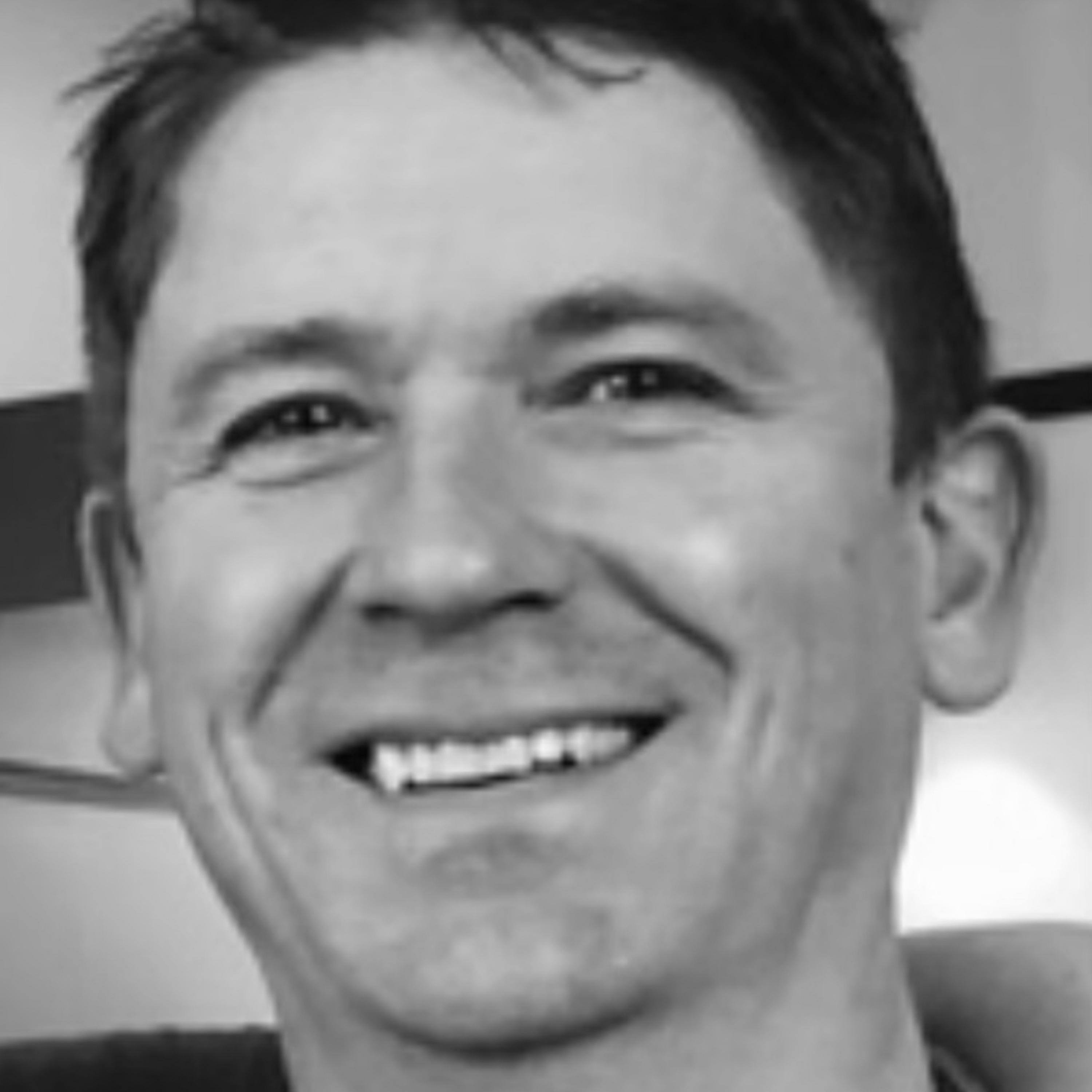
Mark Penny shares his journey from leaving school at 15 to becoming a businessman and later a farmer in Castedand. His passion for fishing led him to a job at a tackle shop, where owner Jim became a mentor, teaching him about business and life. This foundation allowed Mark to co-run a fishing travel business, organizing global tours to destinations like Argentina and Canada, which broadened his horizons. In his mid-40s, he moved to Castedand, purchasing a farm despite no prior experience. He learned through neighbors, online resources, and local farmers, embracing the challenges of rural life. Mark emphasizes the role of luck, mentorship, and community support in his success, advocating for giving young people opportunities. His story underscores adaptability, lifelong learning, and the rewards of pursuing one’s passions.
[Music] Hello and welcome to Casted and Connections. An initiative of Hands Up Casted and where a group of enthusiastic locals have come together to capture, preserve and share stories of people who have a connection to Casted and from a young age, Mark Penny was never scared to take an opportunity when it presented in front of him. A keen young fisherman, Mark decided to chase his passion and make a career out of it. The relatively new Casted and Community member takes us through leaving school at 15 years of age to becoming a successful businessman and now farmer within our community. Part of the credit goes to Jim, the fishing store owner, who gives Mark his first real opportunity and with Jim's mentorship, values and guidance, he helps create Mark into the genuine person he is today. Hello and welcome back to Casted and Connections. Today we sit down with a relatively new local Mark Penny. Mark, thanks very much for joining us, mate. Thanks for having me, Cain. No worries, it's all really looking forward to getting a bit of your story and what sport you're to casted. So we might start on that note and just tell us how long you've been in the area and what was the decision to come down this way from where you've been? Yeah, sure. I've been here a bit over six years now and it was purely by chance. I was just at the stage of my life where I wanted to buy farm and I looked all over Victoria. I was born and bred in Melbourne. I wanted to stay in Victoria, my dad's family's from Horsham. But there was no real reason I came to Casted and just happened to be a farm that I found that kind of suited us to be honest. And we came and had a look and hit the hills of Colour Rain fell in love with the place and haven't looked back since. I imagine that would be a pretty big decision. Obviously you've been in the big smoke wanting to go to the farm and obviously got that connection back to the country with Horsham and everything. Did you realise how small of a place you were coming to when you first made the decision to come across? I did because I've been a mad fisherman and hunter of my life and my dad always took me fishing as a child. So I didn't like the city. I always wanted to be brought up in the country. And I lived in the area of Alibaba before I came here. I had a stint in the Highlands of Tasmania and you talk about small towns. The town of Mayena on the Great Lake had a population of 58 people. And that is a small town. So I learned all about small town politics and all the rest of it while I was there. But I've been very pleasantly surprised that Castan in the sense of you can go two ways with small towns. They can be clicky and insular and be wary of the big city person coming in. Or they can go the other way like Castan has been and be very open and welcoming. I'm glad that you've found that you've been able to transition into a castan community really easily. And obviously fantastic to have you around. When you said that you bought a farm that really suited your needs or really appealed to you, what was it that stood out amongst the other places that you might have looked at? A climate was one. So the rainfall, the size of the property. Obviously there's a budget that you have to fall into. And then I have a wife. So the aesthetics of the house and is that going to be somewhere where we want to live? So there's kind of a number of things there that we had to tick boxes of. And this property happened to tick most of them. And yeah, we've absolutely thrilled that we made the move. Fantastic. And were there any others that come close when you made that decision? Like we were weighing up between a couple or this one and you thought, "Yep, this is close enough and we'll make that work or give it a go nonetheless." We nearly purchased a place up near Mary Burrow, but we found out there was a piggery about to open next door. And hence what was going for a fairly good price. Pays to do due diligence. So we pulled out of that one. And probably took a couple of years. We were just travelling around Victoria, having a look at different places, getting fields for the area. I knew a lot of Victoria through my fishing days. Or sort of fish all over the state. I didn't know much about the southwest at all. So this area was pretty new to me. And we just came on a whim in a sense of where we found the place. We turned up on a. it was January. 42 degrees. It was a horrible, northerly blowing. It was probably the worst possible day to visit the place. But we still enjoyed it. So we thought, "No, this will do us." No, that's awesome, mate. So had you done much in terms of obviously living in the city, you're probably not doing much farming while you're there, but was there much experience before coming here and becoming a farmer per se? No, it was all new. I love to learn. I love to learn new things in my life. I've done a number of different things throughout my life. And so I love being challenged and love learning. I've got some very good friends who are farmers, Western District Victoria, made in Tasmania. Another one up in the northeast of Victoria, who's a dairy farmer. So it's quite a. my best mate's got a farmer around our exandress. So I've always, you know, sort of had that interest. And Horsen, we used to go back there every year to visit the family farm. Yep. And stay on the farm at Queen's Birthday Weekend. Things like that. So I've always sort of had a connection, but didn't know anything really about what I was doing. But just knew that I liked it. Yeah, okay. How did you go then? Dive and in. Like you've made this big decision, probably out low to heap of money. Where do you start? What do you do? How do you start to learn the ropes? Yeah, so a lot of reading, a lot of asking questions. I said I love to learn. My neighbour's there. As soon as I could, I went and met them and ran into Mick Kerns, who was managing the property next door and met him. And he's been a great sort of guide and mentor. And asked him a lot of questions. He'd helped me with calf marking the early days and teaching me what to do. And when to lock your hay paddyx up, when to vaccinate all these sorts of things. And then obviously just reading the beauty of today. You can get on the internet and learn nearly anything. Yeah. Lots of YouTube. Learning about how to fence and fix fences and all sorts of things. And a lot of the locals, I've become friends with a lot of their farmers, of course. And they've been very, very helpful in guiding me and giving me advice. Absolutely. And at what age were you when you make this decision? Like obviously it's a massive life change from what you had been doing, which we'll get into a little bit later on. But like, yeah, I can't imagine the challenge. And for some people that'd be very, very, very daunting. Yeah, it was something I wanted to do. So what I'm 53 now is about 47. When we made the move, probably about mid-40s when I made the decision. I'm lucky enough to have a pretty good business in Melbourne. And they want me to do it. And got a great business partner there and a great team of staff. So that sort of business can run without me being there. So it was sort of the lifestyle decision that, you know, I'd less go at 15. I've worked bloody hard for 30 years. And I thought, no, I want to do something for me now and go sort of my way. And I still love my business. I'm still very involved. But, you know, it's a bigger picture. Yeah, absolutely. So we just quickly, we might finish with one on the farming front. You have any real stuff up so that you think might be a good story that you could just enlighten a couple of people? Oh, geez. I've had a few hairy moments on track. It's pretty hilly air blocks. So early days, I put a new sort of watering system in. We're lucky to have the conong man go through the place. So we're troughed in, so yeah, cutting 1,000 kilo trosteon hills and in October wasn't a great idea. And yeah, had a few slips on the tractor. No sort of major disasters. But just the all of rookie areas, you know, letting cattle out of the yards when you're trying to track them in the crush and they take off and you're going to go random up. So that, yeah, redesign the yards where they can't sort of get out if they slip through and, yeah, just things like that. But nothing sort of too serious. And I think that's a lot of the things that I've done in life. And certainly some of the early fencing repairs I did. I look back now and think, you know, how the hell did you do that? Or how bad is that? So yeah, lots of those sorts of things. I'm sure I'm using to some of these new friends that you've found that have done it for generations. No, they're plodden up, not decided my face, but I'm sure they've had many a laugh over beer behind my back, which is fair enough. Fair enough too, mate. You childhood, so grew up in Horsham. Tell us a little bit about your family and what that was like growing up. Yeah, so actually grew up in Melbourne, dad grew up in Horsham. Oh, yeah. And moved to Melbourne to become a pharmacist. And unfortunately stayed there and met my mother who's English. But they immigrated to Adelaide in the 50s. And then, yeah, obviously, Mum and dad got married and lived in Melbourne. Dad had a pharmacy in Outland, Ormond, which is a suburb in Melbourne. And yeah, we're a very, very good childhood on the youngest of three boys. Yep. We were pretty rough and ready and liked to fight and do all the things that boys do. I don't know how my mother put up with this, but yeah, had a very good upbringing. Didn't really want for anything. Went to, you know, a decent local school. But yeah, I just found school wasn't for me in the end. And I wanted to leave and end up leaving fairly young, doing my own thing, which in hindsight was the best thing that I ever did for me. But it wasn't through any other reason. And it's just something I wanted to do. Yep. So you touched on it before, mate. So as a 15-year-old, again, another really massive life.
was it just a chance that you're able to leave and be successful on a bare good career path for you or did you have something lined up? How did it sort of unfold? Yeah, so it was back to my passion of fly fishing. So dad knows the fly fishing really very weekend. He taught me how to fly fish for triath. We'd take off except the winter months. But sometimes we'd fish in the lakes in the winter, but mainly it's sort of spring and summer autumn pursuit. And yeah, I was absolutely mad keen on fishing and we used to go to the local fishing club and it was there that we had a guest speaker one night and he happened to own all the fishing tackle shops around Melbourne. So I was a bit cheeky and after the talk went up and asked him if I could have a job. Part time and he said, "Yeah, come in tomorrow and you've got a job." So I worked there Friday nights and Saturday mornings. And then you got to school a lot of days and he said, "Well, you can work full time over the holidays if you want." And my mother disputes this, but she said to me in January, "Well, he going back to school." So I thought, "There's an opportunity. I've now got a choice." That's the way I took it. She said, "Nice," she said that. So I went, "No, I'm going to stay there." And I actually ended up working there full time. In a, yeah, in a basically a fishing tackle store, which I absolutely loved. But it was the best decision I've ever made, Cain. And this is where, sometimes in life, you just need a little bit of luck and the fellow that owned it, Jim Allen's his name. Very well known in the fishing circles. Pretty successful in the sense of the own, a number of fish tackle shops he sold her all now. He sort of ate it, but he became a real mentor for me. And a bit of a, more or more second father. And taught me all about life. I was a pretty sheltered kid, but you know, you don't know what you don't know. And he started, he's from a very different background, very well connected. He taught me about business, taught me about the stock market, which I was interested in, will became interested in, taught me about all sorts of things. So we used to import fishing tackle. I learned about, you know, currencies and how to do exchanges, how to, how to wholesale fly fishing products to the rest of the industry, how to retail. All about people, which is absolutely key. And we're still very good friends today. We become a really sort of lifelong friend. And as I said, a real mentor in business and life. Yep, that's awesome, mate. And there'd be so many kids out here listening, you know, 15-year-old. I'm not really like in school, I'm want to leave. But I think as you touched on it, it's a little bit of luck and a little bit of timing. I mean, it wasn't that you were disgruntled or you might have been disgruntled at school. But just it was opportunity, this fella went out on a limb and give you a bit of a job. And obviously he got there and worked hard, but we're able to make a career out of it. And just before we talk about his mentorship, with your fly fishing and your love, have you had a crack at Canal? Oh, yeah, yeah, absolutely. How are any luck? Many tries? Well, now's the time of year, I like to fish it in September of October and most times I go there, I catch a fish, which is good. So yeah, it's a great fishery, I have so close to us. Yeah, absolutely. And you sort of dabble in any other sort of fishing, or you just mainly stick with fly fishing around the area or.? Well, I've done all types of fishing, so part of working that fishing tackle shop then led to this fella Jim, giving me an opportunity to partner him in a wholesale, importing fishing business. And then a fishing travel business, which basically is a 21-year-old, between the ages of 20 on and 25, I've traveled around the world and put together fishing adventures. Well, in the Australian market. And we were sponsored by Ian New Zealand, Erylindis Argentinus, some of the tourism and travel boards. And this is right on the verge of the internet, so we're talking about early 90s. So sort of pre-internet when it started. So yeah, it was literally travelling to New Zealand, travelling to Argentina, travelling to Mexico, wherever I went, and putting together, meeting the local lodgers and the fishing guides and putting it all together. And then coming back and then through the fishing tackle shops, we could then market it. So people would say, "Look, I want to go and fish here, but I've got no idea." There was no internet, don't forget. So how do I know what to stay? How do I know what guide to tape me? And that's what we did. So we packaged up fishing tours, and that was a fantastic experience. That's amazing. Yeah, life and it just seemed something incredible that sort of, you know, we're going down to this again, taught me a lot about. So 20-hundred-old flying up to Sydney and dealing with the New Zealand tourism board and having meetings with them, and I'll assist a kid. But yeah, you'd follow your passion and who knows where it takes you. So mate, that would obviously have been all around the world, being able to do that. But how do you get to that point, you know, from a business position from Jim and obviously yourself would have had some input into that as a youngster? But how do you get from this, I guess, far-fetched idea maybe, and to then getting it, pulling it off and being able to deliver it around the globe? Well, it was his idea, and he essentially just gave me the opportunity to run it. He was in a position where he really wanted to run the business. And he was a big, big believer, and he taught me one thing, he was a huge believer in young people. And in those days, that was unusual. It was like, you know, unless you were 30 plus year, you didn't know anything and you had no experience and all the rest of it. And I wasn't a young one. There was other young fellows in the organisation that had to prove yourself. But if you showed any sort of promise, he'd give you the opportunity. And that was where I got lucky. It was that, you know, life's all about getting the opportunity. Then it's up to you to take it. But if you don't get the opportunity in the first place, it can be hard. But he was a huge believer in young people. And these days, I like to think, you know, through our business, we're the same. And because that was a lesson that I learnt, and you've got to believe in your future. They are your future, the young people. And you've got to, you know, find ways to work with them and progress them and give them opportunities. It's a powerful message, I think, both for people who are in positions where they can help influence and teach kids. But also for those kids as well, that if you're given the chance, take it with both hands and really run with it. Because no doubt it's a 15 year old on a full time wage, you could have gone in any direction. But I guess you probably felt loyal to Jim and wanted to pay back some of the trust that he put in new as well. Oh, I look absolutely. And I wasn't even thinking about how much money I was earning those days. It was the award wage. It was a very low retail wage, but that wasn't really the point. I was absolutely having a ball, I made a lot of friends, said I got to do what I love, which was fishing. And who knows where it took you and it sort of took me on from there to other places. But it was just a great start and learn a hell of a lot about life in those days and really open my eyes to think bigger. Not just living a, I guess you don't know what you don't know. So sometimes growing up in suburban Melbourne, small country town, you think that's your world. But it can be a lot more than that if you open your eyes and get the chance to see it. And did you ever look back and think I'm missing out with my peers? Like I'm at work there obviously all at school? Did you ever feel like socially you weren't quite connected or you were able to stay connected in other ways? No, I didn't really maintain a lot of friendships from school. I sort of moved on and made new friendships. I still got a couple of mates from school but I don't know why that just didn't seem to work out that way. So I didn't really feel that. And as a kid working full-time, did you have any hobbies outside of work? Obviously you loved your fishing and stuff but play any sport or doing anything else. Not really, that was pretty much it. So it was all consuming and that's what I love to do. Awesome. So you mentioned 21 to 24. I've obviously travelled all around the world running these fishing trips. Where's the favourite place you've been to or most memorable fishing trip that you might have had during that time? I had a lot, luckily. And I'll say out the America I went there I think four times in that era and that was a very different place mainly in Argentina. That was fantastic. Staying up in the Andes and the mountains there and doing drift boat trips down rivers and remote places. Got to fly up into British Columbia and Canada. Same thing, very remote. Fishing with bears, you had to keep an eye out for bears all around you. And things like that was no roads in there. You had to fly a lot of aircraft in, had some pretty hairy trips in all of that. And it's been tough over the years. Been out to Arnhemland and we need permits to get out there and fish there with the black fellas. And fantastic and took your camping and took out into the Arnhemland. And we fished and also learned a lot about the culture up there. That was a memorable experience. Had done that a couple of times as well. Mexico, again very different place. But yes, all these amazing experiences. So how do you actually get involved with these cultures and become accepted by them when you're over in, you know, where these foreign people going across, like you said early, No, on these things are a little bit different. You've got to go into sort of their territory and learn the rights from them. How does that actually come about? Well, it's probably the other way, they've got a business to sell as well. So they've got a fishing operation that they want customers for. So it was, you know, they were very accepting as in, you know, I would approach them in the sense of saying that we can send you, you know, people from Australia who want to come and fish at your state or fishing large or fishing your area. So they were, they were very open to that because that's, that was their business. economy as much as it was theirs. That's right. Yeah, exactly. Yeah. And some of
these areas obviously are, you know, a place that makes you feel pretty poor and, you know, it's giving local people work and opportunities. I went to a place called Christmas Island, not the one off Australia, but one south of Hawaii. It's just on the equator. It's a largest coral atoll in the world, the highest point on the island's five feet, which is about 170 centimeters. You're staying huts there, but you know, fantastic place and fishing for what they call bonefish. But the local economy, you know, that was the local economy was fishermen coming in from all over the world to fish there and it bought a lot of money into that community. Well, that's amazing. It's amazing. No doubt you would have met some amazing people over the journey as well. And that's probably knowing you mark the connection to people. Like you would have loved that as much as what you did the fishing I'd imagine. Oh, absolutely. Yeah, absolutely. That's what life's about. Kane isn't it? It's forming relationships and people and that's, you know, that is life for me. Yeah. So yeah, that's an incredible people. Yeah, awesome. So moving on mate for so chill, you're about 25, you're doing these trips. What sort of happen next in for you in your career or in your life? Yes. So from there through through the same mentor, he had a fishing lodge on the Great Lake of Tasmania. So I got married in my late 20s and went to Adelaide with my wife at the time. I had a restaurant using that sort of game. And I was still running my fishing tours from there. And in the end, the restaurant didn't go so well. And I was sending a lot of people down to Tasmania to the fishing lodge there. And Jim said to me, well, the leases come up. So I said, well, I'll lease it. So we decided to move down to the Great Lake, my inner and at least the the lodge and ran that for three three seasons. So the lodge only operates between October and April because of the weather. It's too cold for the rest of the year. So we did that. It wasn't a great, a great move for me in many, many ways. Finance, it wasn't very successful at all. And it put a lot of pressure on, you know, the relationship being in a very remote place. You got to get up at six and cook breakfast. You know, it doesn't get dark there. And it'll 10 o'clock. So you're serving dinners at nine o'clock at night. It was put a lot of strain on really hard work. I'd never do it again. So I found hospitality extremely, extremely difficult. And even the restaurant game to an Adelaide was hard. So I admired people in that, in that business, but not for me. And then, yeah, came back to Victoria. And then I was jobless. I had nothing to do. And I was, I was helping a mate on a construction site throwing bricks, plumbing made a mind putting in a evaporative callers on the weekend. I worked in a pub on a sat day night. You did anything you had to do. Two young daughters. So you had to survive. And that was in the early around 30 years of age by this stage. I was studying part time at night time. And then I just started. I thought I have to get a job doing something. It wasn't as easy back then to get work as it is today. And yeah, I eventually just applied for all these roles. And somehow got accepted to be a sales rep at a farm hospital. My father was a pharmacist. So I had an interest in that. And I don't know why, but this was a very innovative generic medical company at the time. And they were looking for sort of more entrepreneurial type people. And I happened to tick that box. So they interviewed me and hired me. And that was sort of the next step in my career. I guess just going, you've grown up, you've had some real luck as a youngster and had a mentor in gym and done a lot of great stuff by 25. You get to 30 and it's almost flipped on your head. That I guess mentally would be extremely challenging, I imagine. And then coming back to Victoria, doing it really tough. And then, you know, studying of a night time, working full time. Like, did you think what sort of happened to you? Like how is it my fortune shifted so much? Or it was just sort of press on? And I'll just deal with what's in front of me? Yeah, not really. You know, I'm pretty resilient in that sense. And none of the fishing sort of things, finance, who was was ever that successful. Like, it was an incredible experience. So I became really wealthy from knowledge and experiences and friends and things like that. But not financially. And that's okay. But I was pretty driven in that sense so that that was something I had to deal with internally. And that was probably the hardest thing for me was then you have to find a way. You know, you've got young children, you've got to find a way to provide. And so it was really just a means to an end until I could find a new career path that I could, you know, that I could take up and run with. Yep. And your experiences as while growing up with the fishing, with the people, with all the knowledge and everything, the wealth that you've created from that, that obviously held you in good stead. And when you're setting an interview room, you stood up, you know, above many others that would have applaud. I imagine. So, yeah, I guess it helped create the person that you were and, and, you know, it was exactly what they needed moving forward. Well, absolutely. And life's about a collection of experiences. And, and, and that's probably one of the messages today is to really, you know, take opportunities as they present. Go out and do lots of different things, you know, doesn't define you, you know, if you fail at something, don't worry about that. Going from the experience and then keep learning, you know, the more and more you learn, that's what builds experience. And, and then eventually you'll find something that fits or you'll get that little break that you need. And, and that's what you've got to keep going until you find that. Yep, absolutely. So, what, what does it look like when you started work with Pfizer? What's your first week? Look like, what's your role? What are you doing? Yeah. So, well, the company I originally got the job for was called Arrow Pharmaceuticals. So, they were a generic company and they ended up merging with Sigma. Yep. It's one of the large pharmaceutical wholesalers, as you know, cane. So, Arrow was very innovative company. They did a lot in the private medicine side of things and generics. And, and then yeah, merger with Sigma, I think 2007 might have been. So, when that happened, that gain gave me more opportunity. I was already, I'd sort of gone from rep to a business development manager at Arrow. Yep. And then, when Sigma came, we took on the OTC portfolio and the generic portfolio. So, I became a state manager. I was seeing both of those portfolios. And then, went on to become National Sales Manager at Sigma. Yep. I left there after seven years and through one of the founders of Arrow, he then started another consultancy business and was undergoing this project with Pfizer. And, he wanted me to come and run that project from a sales point of view. So, they basically, it was a very unusual situation. Pfizer, being one of the largest medical companies in the world. They wanted to, they knew all about working with doctors. They didn't know much about working with pharmacies. So, they wanted to bypass the wholesalers and sell their medications directly to pharmacy, which is a massive shakeup in the industry. I don't know if you were around then. And it was, it turned the industry on its head. And they did it all because of their, their signature product in LiPITOR coming off patent. So, they'll try to protect their business. LiPITOR, I think, was around a $12 billion product globally. And in Australia, the products were trying to protect at a turnover in excess of one and a half billion dollars. Yep. And this is back in, you know, the 2007-2008. So, a lot of money. And they were trying to slow the decline in that revenue with the generics taking place. So, their idea through the consultant was to basically go direct to pharmacy, build a relationship by direct of Pfizer and slow down that transition to other generics. Pfizer had their own generics. So, my role in that, we started, I was flying to Sydney every week, going up to Pfizer. We, my, I was tasked with putting together a sales team from scratch. So, working on what are the territories all around Australia, how many pharmacies are in its territory, where's the boundaries, how many reps do we need, what car do they drive, what computer do they need, like everything you can think of. We developed that from scratch. And then we had to develop a sales program to the pharmacies on how we would pitch to them. And then my role was to hire the teams I was involved flying around the country with their recruiter and actually hiring all the staff, ended up with 32 staff that I was looking after so we'd fought state managers and they all had their own team. And they would report to me. And, and then yeah, we rolled out this program which sort of turned the industry on its head and we had to manage that. And some, I would go and see all the sort of major pharmaceutical chains and talk to them about what we're doing and try and deal with it from there. So, it was a big, big project and the funny thing was where it was very unusual, that never actually hired by FI's, I was always consulting to them. Oh right, there you go. That's, I remember very vividly when it changed. It definitely threw a spanner in the works, but it wasn't that manageable from a practical point of view from us. That's good to hear. Yeah, as you'd say, the, the patients wouldn't know any different really, but that progression, I mean, from starting, not knowing we were to then being, you know, the head of this, this project within a six, seven, eight year space, that's massive turnaround from where you were to where you got to. And yeah, just unbelievable that you're able to have such success in getting to those people, but again, might be back to the relationships you formed with
with people when you're at Arrow that were able to take you to the next step? Yeah, that again, that's where the opportunity came from. And I think it was also working really hard at Arrow and performing there. I got the opportunity. You know, they didn't approach everyone else from Arrow. So it was, they selected certain people that they wanted. And I was lucky enough to be one of those. But again, sometimes you make your own like a little bit as well in being able to perform when you get the opportunity. And then, you know, potentially getting another opportunity from there. And once you're in an organization like Pfizer, it's really, there's only so much you can do. Personally, you're part of a huge team. But it was really, you know, that was the strategy they wanted. And they needed people to implement the strategy. Yeah. And I don't know whether you were still involved later on in the company when it's now flipped and it's gone back to the wholesale. Were you still there then or had you moved on from there? No, I did 18 months with that Pfizer project. Got it off the ground and running. And then handed it back to them. Yeah. And then, yeah, I was on a plane literally every week. So I was traveling to Sydney, head office. I'd be then off to Brisbane, being at a late of Perth. So it was a big, big toll getting on a plane every week. And it was rewarding financially. But it was, you know, it was hard, hard yacca. And once that project sort of up and stabilised, I didn't feel there was much else to do. So I went back with the consultancy firm and did some other projects with other pharmaceutical clients, just different bits and pieces they're working on. Yeah. And then after a while, I got a phone call from a next colleague at Arrow, who presented me with a next opportunity and that's the business I'm in now, which is in the CPAP field. Yep, okay. So that's a massive change in progression and continuing to grow. So for those that don't know, maybe can you just explain a little bit about what sleep happened to MITB? Yeah, sure. So it was a very common condition. It's about as common as diabetes. It's a condition that affects mainly men from the age of 40 plus and women in their post-menal pausal stage of life. And it's basically where you stop breathing during sleep. So to the point where it's a pretty debilitating condition. So the symptoms of it are loud snoring, which obviously helps it, you partner. And the symptom on the patient themselves, it's incredibly tired. They feel like they've been in bed for eight hours, but they wake up and all they want to do is go back to sleep. And depending on the severity of it, some, they can't function. As in, they can't get through a day. They've got a nap. Driving's incredibly dangerous and things like that. So it's the treatment that we offer. It's very, very-- because it's such a symptomatic condition, they feel a lot better very, very quickly, which is fantastic. Some of these conditions you get like high blood pressure, you take a pill, you don't really notice any difference. Whereas this you do. But yeah, it's a very common condition. I always say to people, do you know anyone with sleep happening? And I'll say, no, I said, well, you do. You just don't know it. But yeah, you will know someone with sleep happening. That's how common it is. Well. So what was it from your colleagues' proposal that was so appealing? Like, what made you make the decision to jump in and then say, yep, I want in on this. And then what was your role in undertaking that? Yeah, sure. So yeah, my business partner, Gav, he, he, Ramyann, said, mate, you're sick of the corporate world. And I said, yes. And he said, well, I've got a proposal for you. So there was two other fellows in Perth who had the business up and running. They were also colleagues at Sigma. So I knew who I was dealing with very well. That was the first thing. Secondly, it was a new challenge. Thirdly, it was a way to get into my own business, though, for me, a share in the business, which I had to purchase. And there was actually two businesses. One was working through pharmacy. So running a sleep app and you're modeled through pharmacy, called Australian Pharmacy Sleep Services. We went on to sell that business to Phillips, who was one of our suppliers. And then concentrate on the on the CPAP Victoria business that we have today, which is clinics set up all around Victoria, where we work with sleep specialists. So respiratory and sleep physicians who diagnose. And then they send us the patients. And we treat them with CPAP therapy. OK. Right. And then sell the equipment. That's ultimately how we how we function as a business is they end up loving the CPAP machine because it's changed their life. And they buy the machine and the mask from us. Yep. And how long have you, what stage in life did you start this business? And obviously you mentioned earlier, it's still running today. Yes, 2012. Yeah. And we started with the pharmacy side of the business, which I was running. So using my pharmacy connections, I'd go around pharmacies all across Victoria and say, do you want to implement this sleep app and you're programming to your pharmacy business? Yep. And obviously we would sell them the equipment to do that. And then train them. And then the other side of it is the clinic business. So we started with one clinic, which my business partner already set up. And then I came in and we opened another one. So it bought Melbourne and one Turner. And once we sold the pharmacy business, we could focus on the clinic business. So we just basically grew it from there through relationships with physicians. Yep. You know, I remember going to see one physician in Frankston, saying, hey, if we opened up down here with that, if interest to you, because they're never guaranteed, they're going to send you patients. And there's never any payments or anything like that. It's all, you've just got to build the reputation with them. And basically your service and that wins out in the end, as you know, came in the medical field. It's all about patient outcome. And that's what drives their business. So if you do it well, the physician will send the next patient to you. Yep. So do you ever hear stories, like good new stories, about people on how it has changed them? Do you get much feedback from a patient point of view? All the time. Yeah, we're not sitting down, consulting. Nearly days, it was all sitting at the desk doing all the consults while we were building the business. And that many times, the patient would come in and they would just beside themselves as in, you've changed them a life. You know, now I actually sleep. Wives, happy your mother, husbands, happy, because I'm not snoring. I'm waking up feeling refreshed. They've just got a whole new lease on life. You know, it's like yourself, and you have a terrible night sleep, just how bad you feel. Imagine feeling like that every day. Yeah, you heard it. And you can't escape it. It's incredibly debilitating. So once you treat that, and then you've had that good sleep again, we all know how amazing you feel. And that's what treating sleep apnea does. Yeah, well. That'd be very personally rewarding. I mean, obviously there's the great financial puts a lot of things, but just the ability to be able to help people and, you know, like you say, the joy on their faces, they walk through the room for the first time. And that'd be so personally rewarding, I imagine as well. Absolutely. And we say that to all their staff. The day you lose the buzz, go and do something else. Because that's what it's about. If you don't get a kick out of that, you're done. Yeah, I do something else. But it's, and to be honest, you know, I don't know people say this, but, you know, we've really built the business around that culture of patient first outcome. You know, we're strong believers in the medical industry. I'm working with physicians, either experts. We don't try and be doctors. We just do what the doctors tell us to do. Yeah, we try and do it as best as we possibly can. And that's how we build a culture of the business. We never, in a sense, have our staff are selling things. We never talk about money or selling different brands. It's all about you. Just do what's best for the patient. Now, we could definitely have made more money over the years. But we wouldn't have the culture that we have now. We wouldn't have the business that we have now. So, you know, one thing is to set your vision and do it unwaveringly and you will get there. And strong to your values. Absolutely. You've got to be driven by your values. So, you've firstly got to define what your values are. And then you've got to be driven by them. And then it makes it really easy to manage your business. Because we have three managers in our, what we call territory managers. We've got 15 clinics. So, they look after five clinics each. And they know exactly what's right or wrong in the business. It makes it really easy. And we have HR people as well, the same thing. So, that drives the culture of the business. And there's some non-negotiables in that with our team. And then it's all about how do we move the business forward? How do people know how to operate in that business? It's very, very simple. And I guess in terms of if someone starts to waver, it's easier to keep them accountable as well. Like, it's clear-cut. There's a line. You know, this is what we're about. We're not going on any other way. Sort of thing. Absolutely. Yeah, fortunately, we don't get a lot of that. But of course, with 80 odd staff, you're going to get the old one now and then. But again, it's very, very simple. This is unacceptable. And it's all back to our patient or our physician or your team mate. You know, we will not stand for disrespecting teammates or anything like that in the business. And these sort of non-negotiables. And it makes a great workplace. Because everyone wants to be there. They can work with their colleagues. And they love treating the patients. It's very rewarding. And they're like being part of that industry where they're helping people and working with physicians. So they're constantly emailing the sleep specialists and getting advice and giving them updates on their patients and what they need to do. So, you know, is it quite a bit in the role? Yep. But for our staff, they love it. As I did when I did it. So in terms of you now, mate, how has that progressed? What's your role within the company now? How do you stay-- feel like you stay connected when maybe you're so far away from everything that's happening? Yeah. Well, I still travel to Melbourne pretty much every month, except when we're carving.
It's down the dollar, don't go. And I'm going next week, for example, and we'll have a Wednesday meeting with our three territory managers. We have a marketing manager with a HR. We've got two HR staff as well. And then we basically set the tone of what we're doing. So what we've been doing an IT system, for example, operating that in the last sort of six months. And so we'll not sort of drive the big decisions and then our team will sort of implement the strategy from there, but also get a lot of feedback from where do we need to improve? We're working on a training program at the moment for our new consultants. How do we get that right? How do we improve that? How do we support our managers? Do we need more resources? So all those sorts of things come into it. So we make decisions on that. Do we need to resource more, put a new person, put a new manager in? We just moved from, we have two full-time trainers who train all of our staff to learn new ones on how to conduct CPAP consults. We just made the decision to go to a third one, based on our territory managers saying, how we now got extra cover clinics, extra staff, they're a bit stretched. So we're fortunate enough now to be able to say, right, I will let's front foot that. Let's get someone else in, take the pressure off and keep everything functioning well. - Yeah, and it's an amazing show of how good governance should run. I would imagine like, I'm sure you'd love to be in there and be hands-on, but obviously in your stage of life, it's not where you're at, but to be able to be supportive and like you say, help drive the direction. Yeah, really show governance. A lot of places, whether it be organisations or sporting groups or what have you, it'd be really insightful to know a little bit more around that and how that should be run, I think. - Yeah, absolutely. And like before I came here, I was on a Zoom conference this morning with a supplier. I do all the pay-all-the-accounts. I'm sort of more members brain for me and my business partner, Gabby, is more the marketing side of things. So he sort of leaves that side to me. I leave that side to him. So we complement each other very well. We worked together in Farmer for about six or seven years. I ended up becoming his manager. He was a state manager and all his national manager. But he's a more senior partner in this business. He started it. And there's no ego. We've never had an argument, honestly, in nearly 20 years we've worked together. - Well, that's amazing. - And because we respect each other and we respect each other's strengths and one thing I've learned, you know, if Gab's really strong on something, I'll say, "Rod, I'm gonna go with you on this. "You're really strong on it. "I'm gonna back you in." And if he's wrong, he'll be the first one to say it. So he made all stuff that up. I said, "It doesn't matter. "You had a go, you believed, and it didn't work fine. "Let's just move on." And we do the next thing. And that's one of the keys, rather than saying, "Oh, what'd you do that?" Or, you know, trying to hang him on us. - Yeah. - And you can argue it out in the first place, but you've got to argue the issue. Don't argue the person, and that's another thing I've learned over the years. You can argue and issue out with someone, but you should always be able to maintain the relationship because it's not personal. - Yeah, absolutely. I've always, yeah. There's no reason why you can't thrash out with someone. And a couple of minutes later, you can go back to, you know, having a cup of coffee or having a beer with someone, you know, having a chat. Like, obviously, people are gonna have differing opinions, but, yeah, as long as you're respectful and getting yours across and you're respectful and hearing someone else's, I think, that's healthy to have that sort of relationship where you can, you know, challenge each other's thoughts. - Absolutely, you have to have that. So like that penny in your hand, can we put that on the table? And that's what we're talking about. That's the issue. - Yeah. - It's not with Cain and Mark. We're arguing about the pain. And what we want to go, so you, as long as you can keep it segmented to that, then, yeah, you can have a pretty robust discussion and then move on because of personal relationships intact. - Yeah, fantastic. Do you have any sort of future thoughts around where the business is going? Are you really looking to expand? Is it a bit consolidating? Are you looking at maybe moving into something else? And, you know, you mentioned your like challenges. Maybe it's, you know, somewhere else. I don't know. - I think I've got enough on the plate, personally. But, yeah, it's still a, we are right and the throw is actually of potentially purchasing a business at the moment. Can't say any more than that, but that'll take us in a slightly different area, which is exciting. And it's something we've never done before. We've always just opened our own clinics, but this opportunity came up. And we looked at it right in the process of due diligence at the moment, so we'll see where that goes. So, yeah, we're open to new things. But we also like to stay in our lane. And, you know, again, one thing Jim told me from day one was, you know, find something common and do it uncommonly well. And I've always lived by that. So, you don't have to reinvent the wheel. Just, you know, if you're going to do something, just do it better than everyone else. And it doesn't matter what it is. So, if you have that mantra, you can be successful. Yeah, amazing. And to think how many different people could apply that in different circumstances, sport, school, work, whatever it might be, like that, that's something that you could really, I guess, if you don't know what your values are, that's a good way that maybe you could start it, you know, and something like that as simple as that. Yeah. But the implement. And that's where you got to find your thing. Not everyone can be as good as batsmen as you're Riccali. They just don't have the ability. It never will be no matter how much they practice. But they could be a great filter, although, you know, they could be a great business person and something else. So, you just got to find your niche and then do it really well. And that's, and it doesn't matter what it is. And you've got to have a passion. So, every morning you wake up, and it doesn't have to be money-making thing. It could be what you're doing here at Youth HQ. I'm assuming that gives you a lot of pleasure and satisfaction. And that's one of your passions. And that's what you got to find in life. And it doesn't matter what area it could be a sport, it could be a charity, it could be anything. Business doesn't matter. But be passionate about something, find it. And then that way it'll drive you. So, you'll get up every morning going, you're looking forward to the day. Wow, I can't wait to get stuck into this. Hopefully there's a few kids listening to that. And you can find a bit of passion and really chase one of your dreams. I think it's really insightful. And have a go at lots of things, Kane, because you've got to find it. So, don't be scared to try something. And I was a huge, a huge fear of failure when I was younger. And that took me a long time to get over that. So, it's easy for me to hear, sit here and say that to the younger people. But honestly, the sooner you learn that, the better. Don't be afraid of it. Don't care what other people say. Find your mates, they'll support you. Have a go at something, it doesn't work. You've learnt from it. And that's the key and move on. Find something else. Absolutely. Love that. That's amazing. Really good segue, amazing to the, you know, the crickets. You've been an active member of the Crete Club since you've come. Have you always enjoyed playing cricket? Is it something you've taken off a little bit later? You've been fantastic acquisition at the club. So, just tell us around, do you decision to, to be involved since you moved here? Yeah, sure. So, I played cricket in, in my junior years in Melbourne. Then, through all my fishing and that sort of life, I never played cricket again until, unfortunately, I got divorced from my first married. So, I ended up going back to Melbourne and decided to join the cricket club. It gave me something I wanted to do. So, I was in my early 30s at that stage. And, great way to meet people. This is still in Melbourne. So, I started playing cricket there for a number of years. And then, stopped a game and I moved out to the Ere Valley and with the business sort of getting a bit busy. I was working a lot of Saturdays as well. And then, when I came to Castigan, I thought, what a great way to meet a lot of the locals and being involved and plus I love playing cricket. So, one of the first things, so, well, not the first thing I did out of Carpool Tunnel Operation, the first year, so I couldn't play cricket. But I remember meeting Gary Carlin at one of the land care functions there and each of you come to the end of Wanda Val and have a look. And, a guy and everyone was so welcoming. It's been fantastic. So, I've absolutely loved being part of the cricket club. I love playing cricket, but just to reflect organisation, great puncture, great bunch of blokes and girls. Obviously, can't forget the women's team. Hopefully we can get them back this year playing. Absolutely. To any man, woman, child that would like to play cricket for the Castigan Crick Club, we're open arms. Come down to Tronon Tuesday, Thursday nights. And, yeah, we'll be able to give you a little bit more information about what that looks like. Mate, it's been so good to catch up. I just want to finish with one more. What does Castigan mean to you? Yeah, a lot these days. As I said earlier on, coming into a foreign place, a foreign for us, it can go in different ways. But what I find is whether it's a sporting club, whether it's a town, whether it's a company, it's just people. And that can change. So, someone can say, I don't like Castigan, I don't like Hamilton. Well, what is it? Is it the people or what is it about it? Or I don't like that cricket club. But generally, all these things you learn are just made up of people. That can change over time. That's the first thing. And I've found that the people here are absolutely fantastic. So, for me, Castigan, it's just people. That's what it is. Yes, it's 30-clean, it's lovely. It's in a great setting. It's got fantastic facilities. Now, it's our sporting facilities are great. We don't really want for much in the town. So, yes, all that side of it's great. But at the end of the day, it's about people. That's where you're going to build relationships. That's going to decide whether you're happy or not. And overwhelmingly, the people have been very welcoming and interested in who I am and what we do. And I can't think of enough. It's been great. That's awesome, mate. Thanks again for your time. And I hope everyone that has listened can enjoy the episode. Thanks very much for joining us. We hope you've enjoyed today's episode of one of our homegrown heroes. Jump over to one of our other episodes to continue the casted and connections journey with us. Please don't forget to follow our podcast and share it with your family and friends. Thank you for listening.
Podcast Summary
Key Points:
Mark Penny left school at 15 to pursue his passion for fishing, leading to a successful career in fishing retail, wholesale, and travel.
He moved to Castedand in his mid-40s, buying a farm without prior experience, and learned through mentorship, community support, and self-education.
His early mentor, Jim, provided crucial opportunities and guidance, emphasizing belief in young people and shaping Mark’s business and personal values.
Mark’s fishing career involved global travel, organizing fishing tours in remote locations like Argentina, Canada, and Arnhem Land, enriching his perspective.
He highlights the importance of seizing opportunities, adaptability, and the welcoming nature of small communities like Castedand.
Summary:
Mark Penny shares his journey from leaving school at 15 to becoming a businessman and later a farmer in Castedand. His passion for fishing led him to a job at a tackle shop, where owner Jim became a mentor, teaching him about business and life. This foundation allowed Mark to co-run a fishing travel business, organizing global tours to destinations like Argentina and Canada, which broadened his horizons.
In his mid-40s, he moved to Castedand, purchasing a farm despite no prior experience. He learned through neighbors, online resources, and local farmers, embracing the challenges of rural life. Mark emphasizes the role of luck, mentorship, and community support in his success, advocating for giving young people opportunities.
His story underscores adaptability, lifelong learning, and the rewards of pursuing one’s passions.
FAQs
Mark moved to Casted over six years ago after deciding to buy a farm, choosing the area by chance when he found a property that suited his needs in terms of climate, size, and aesthetics.
Mark left school to pursue his passion for fly fishing after being offered a part-time job by Jim Allen, a fishing tackle shop owner, which turned into a full-time opportunity and mentorship.
Jim became a mentor and second father to Mark, teaching him about business, the stock market, importing, retail, and people skills, which shaped Mark's successful career and lifelong values.
As a novice farmer, Mark learned through reading, asking neighbors for advice, and using online resources, while dealing with rookie mistakes like tractor slips and cattle escaping from yards.
Mark traveled worldwide, including to Argentina, Canada, Mexico, and Arnhemland, organizing fishing tours and experiencing remote cultures, often in pre-internet times.
Mark believes in giving young people opportunities, as Jim did for him, emphasizing that providing chances and mentorship is crucial for their growth and the future.
Chat with AI
Loading...
Pro features
Go deeper with this episode
Unlock creator-grade tools that turn any transcript into show notes and subtitle files.
 PodcastTranscript AI