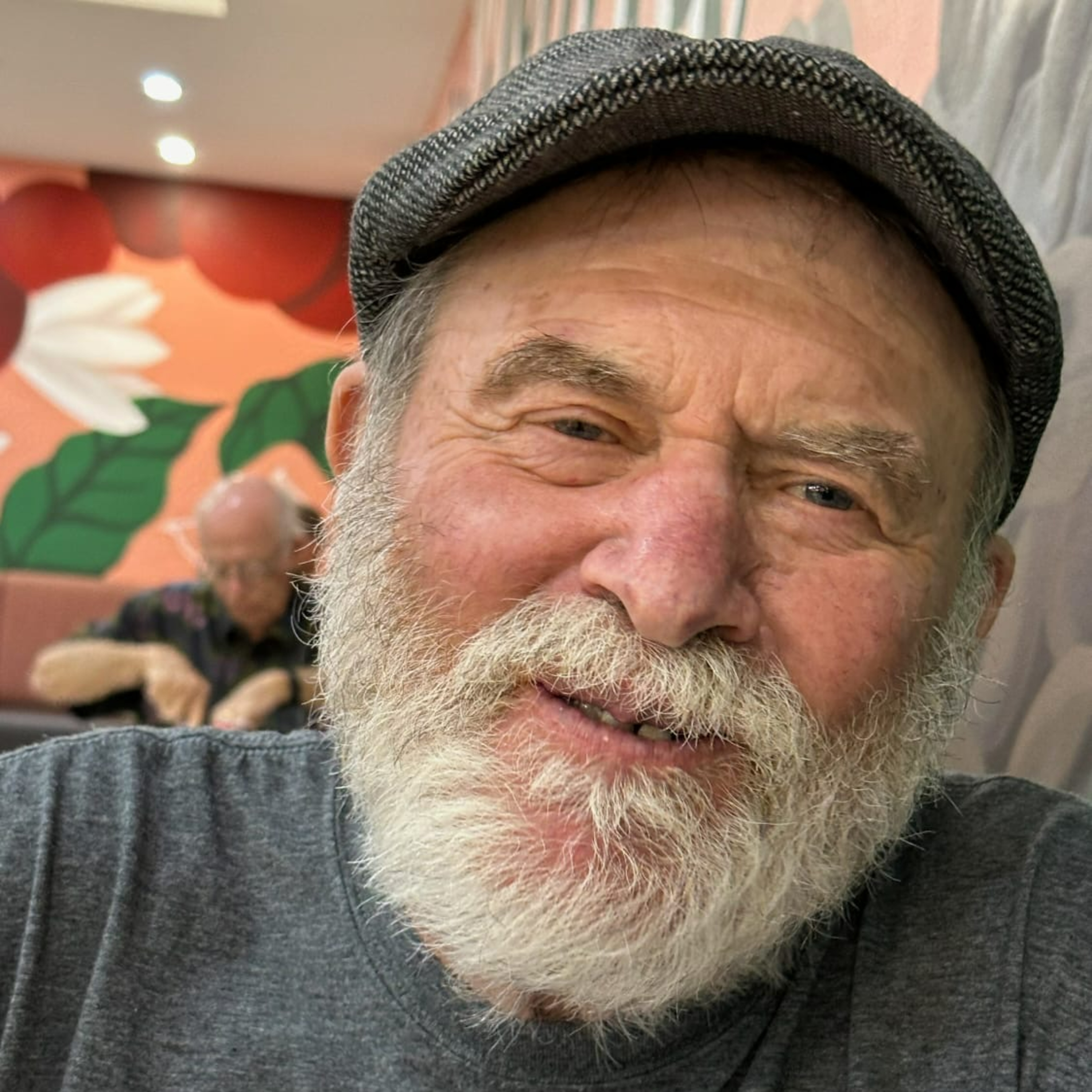
Peter Spard, known as Tady Pete, is a dedicated member of the Castlemaine Polo Cross Club, with a deep connection to the sport and his local community. His earliest memory involves falling off a pony as a child, but he went on to play Polo Cross for 44 uninterrupted years, representing Victoria in three national competitions and later coaching winning teams. He highlights the sport's family-oriented nature, with four generations of his family having played for Castlemaine and Victoria, including playing alongside his own children. Peter also reflects on his rural upbringing, recalling dairy farming with his parents, riding horses to school, and the hardships of farming through droughts and economic downturns. The interview traces the club's 70-year history, from its founding by Don Hurn to changes in equipment and the evolution of the sport into a more skillful game. Peter shares anecdotes about club pioneers, the importance of horses in Polo Cross, and personal experiences, including officiating in international matches and witnessing both the camaraderie and risks inherent in the sport.
[Music] Hello and welcome to Casted & Connections. An initiative of Hands Up Casted & where a group of enthusiastic locals have come together to capture, preserve and share stories of people who have a connection to Casted & Connections. [Music] He was one year old when the Casted & Poll of Cross Club was born. Peter Spard Tady Pete, Peter Tate, has been a passionate member ever since. But there is more to Peter than his great horsemanship. A true man of the land with a wealth of knowledge. Welcome to Casted & Connections Peter. Thank you. Okay, I'm just wondering about your earliest memory of being on a horse. My earliest memory of being on a horse was when we lived up what was Strabane. My father worked. I sat on a pony and a chook and I fell off. My earliest memories of the horse sitting on a horse. It's a lot of it. It's not a great start really. No. You say your dad worked at Strabane and you lived over at Wando. Oh Wando Bell? At Strabane. I had a lot of knowledge that was there which has since been burnt down. Can you remember much of those early years? Not a lot. I can remember the combed children who they own Strabane and they lived just across the paddock. We'd go over and see them. But my probably very earlier memories when it was after dad finished there and we moved down just across the paddock from where we lived now. And to where my grandparents milked chaos and dad went in partnership with them. I would have been about three or a week then. So you remember those early days of the dairy farm? Yeah I remember that. And then when I was five we sold that place and bought up where we dared for the rest of the time. Which was just up the road and we were 256 acres. At retreat? Well I suppose it was a nice road retreat and we see a dress. Yeah it wasn't part of retreat. Yeah. So you were going to school? I went to school at Wandavale because my sister went there. She used to ride from Strabane which is up on the hill. And so I just rode. I used to ride the horse to school through the paddocks and down. So you had one sister, Jean? Yes. And living at home with your mum and dad? Jack and Mary and your grandparents. Yes. All in the one house. And do you remember much of those early school days at Wandavale? Oh yeah I can remember all the children and one of them, like he's a lifelong friend, John Caland. Because he was a year old, ahead of me at school. But then we both went to Wandavale when I went to do accounting. He was there and there for only last six months and then came home. I've just kept in contact with him. We don't see everyone every day. But we just kept in contact. Yeah. So from Wandavale, so you would have been riding horses. And at this stage your dad was playing park ross. Yep. So you would head off on weekends. Do you remember much about that car? Yeah well a lot of the times we wouldn't go because we were milking cows and cows. Because we were milking cows and mums used to say milk the cows. And it was only like the earliest taunts I can remember going to was at Ararat. We'd get Ararat and stole the week later. We'd stay over the week. And that was one of the, we didn't travel as far then like Ballarat was probably the furthest we'd travel into Victoria. And in the south of Australia, go to Narrow Court. So this is when you started playing? No, this is when dad was playing. This is when dad was playing. So what did you do when your dad was playing? Just mucked around. Just mucked around. There wasn't a lot of like, like, near days of pole across this junior company. But when I was, I started. I was about the only one. That age that played. I started when I was 13. Yep. My first year at a high school was. And because you were supposed to be, them days, because there was no junior comp, you were supposed to be 15 before you played. And because I was, I put me age up two years and I played. Then when I was 13 and my sister was playing. And feel the others like Joey Smith was playing then. And yeah, and then the ones that were the first ones about my age were the two Carmichael's, Rod and John Carmichael. But they and I used to play during the school holidays because they went to boarding school. So it was only when they came home that they played full time, kind of thing. Yeah. But I, yeah, we, it was from when I was 13 right through to, I think I was about nearly 60 when I stopped playing because I had a knee replacement. But I played, I didn't miss a year for 44 years. I played every year for 44 years. Wow. That, that is an amazing record. And in those 44 years too, there was lots of representation for Victoria. Yeah, I played at three Nationals for Victoria. And we got in the last year I played at the Nationals. We made the final one when we got done. It was a pretty good effort because our state is a lot smaller than like New South Wales. They've always been the power state because there's just so many people that play. But Victoria is still going all right. Like we won this year at the Nationals. We won the under 21 comp, which is, it's 20 years since they've done that. But I coached as well when I stopped playing Nationals. I coached and we'd I won two years, two Nationals. We won the under 21s. And then in the last time I really coached was in 96 and we won the mix comp, which is a three men, three women comp. And we won that at wherever, yeah, that was a senior comp. And I'm tired. Do you want to do that? Yes. I was all I was I'm tired. And also I was lucky enough to get a trip to Humphoye test matches in New Zealand. For Australia and against New Zealand. And then two years later I got a we had a trip to Ireland. I am part test matches between Australia and Ireland. So you're a bit from the Irish to an Humphoye, a little bit different than most blitzers? I know. There's not a lot of views like because you're unpouring people you're playing against. I mean, you often say something, but it's not abuse like you hear on the football grid up because you're playing against them any year. And it's a bit different setup I find. But like the Irish, they're not that bad. I was actually I got a bit of a record in Ireland. I was the first umphoye to ever put a player off the field. Like if they do something wrong, you can put them off at certain time. And I put this player off because he clopped the bloke on the in the game. And his brother came up to me and said, I'd put him off for five minutes, I think. And his brother come up and he said, I want to put him up off for the rest of the weekend. He said, I thought I was going to be in trouble. But yeah, but it's it's um Polar Cross is a very family friendly sport. Like our family nails four generations of our family have played Polar Cross for Caston. And they're all with each generation has played for Victoria. So yeah, and when you go to Polar Cross, if your kids are just wandering around, if they get into trouble, someone else will straighten them out for you. Yeah, it's a very family sprint. Thank you. And there's not many sports that you can play with your children. Like I was lucky enough to play with Jordy and Abby. You were two children, yeah. I two children, which was really good. That's probably the highlight because I got to play with my sister and father. So that's what I really, probably the most enjoyment I've had of Polar Cross, like even though it was good. But the fact that you can play with your parents and your father and your sister and that, it was very good. That's fantastic. So this year at the Nationals in Queensland, I think it was again, your family was well represented. Yeah, chin chiller, it was that. It was a pretty big trip like Darren Carlin and all these kids. Who is your nephew? My nephew. The whole, but one of the, he's got six children.
and he played in the Masters and the rest the other four have all played in each division and Brody who's the youngest daughter she played in the Juniors and she won the best number one in her competition which was a bit of a. Fair and a crack cap, yeah so it's very good and because there's no money in it like it must have. I've got no idea what it cost but they for them to go up and play it's a bit of money involved but you know that's with. because of the sport that's what it is and a great family thing to do as a family yeah what the whole family travelled up and as it was with you and your dad yes that's right same sort of thing so the the actual cast in Polar Cross Club has been going 70 years yeah how did it come about how did it start? Well how it started was Don Hurn who was involved in equestrian and everything he played Polar Cross up in Upper M the Golden River Northern Victoria he came down here to work at Wanda and the first that party McNichol who's family owned Wanda they gave a demonstration at the Wanda Vale Carnival and dad thought what a stupid guy he said and then for the rest we they got involved in the first practice they used to have it was up at Belon the land Beside Strabain where the cliff Teschlor owned and but the amount there was a lot of people played I know Pat McGinnis used to ride from over at Nan Geeler up to there to practice there would have been a few jokes there yeah then there was the Murphy's all the Murphy's bull is played and they the way they got to Polar Cross them days was Nailins had who was involved Tom and Tony Nailin they used to have a truck an all Austin and the Murphy's had a truck and that's how the horses they took everyone and the other people that had a float was Pay McNichol she had her own float and dad used the dream of having a float so he didn't have to because you'd get home of a Sunday night and you'd have to hunt everyone's gear would be in the box over the cabin and you had to unpack everything in the dark it was not hardly had torches them days and so we had a and it's amazing how things had changed we went we got a finally got a float well the first float dad got him and his brother-in-law Ted McFarland they bought that this second-hand float from somewhere and they were going to go take it for a test drive because he had an old Austin a little small old yut and they put the horse on and they took off and they were driving along the road and they um dad said oh Jesus vehicles pulling the float really well we better have a look see the horses traveling they got out and looked in the back of the float and the horse wasn't there when they'd left they went back to the house and the horse is on the lawn and then we'd outback through the tailgate like it was a pretty old and decrepit and the horse didn't even make it down the road so that was our first experience with the horse float but then we it's amazing how things changed like we had a float and then like when our kids started playing we used to take the truck away and now more people take a truck than they do floats like it just depends who how many areas it's just but uh you just have the one horse Peter you have to have one only need one horse to play but wheels had probably a spare but you can only play one horse for the weekend like you it's well the name of Paul across they called it the king of the one horse sports where it's polo where we get confused they have multiple horses they're probably four horses to play in a game so the difference between polo and polo the main difference is we picked the ball up and carried and they headed along the ground with a mallet yeah yeah so that's like our racket is similar about the size of a squash racket yeah and when they're with a long hand on it and a deep net and even that's changed over the years I can remember the first rackets you were busy like an egg and spoon you could busy at a ball would bounce out whereas now the the ball sits below the frame like it's the rackets are so much deeper the nets so that's why they can hang on to it better yeah yeah who are some of the best players you've seen play probably Tony Nailin was one of the best in area area area and like he capped in Victoria and things like that then there was like Joey Smith was a very good player but he stopped playing for probably 20 years and then made a comeback in later years in the later days like you've got Hamish, Darren's, I was born he's played for Victoria I think for about three nationals that's Hamish, and the others are pretty good players too and yeah but we've had players come from away because over the years you know other clubs have folded and they've come to our club look we've got two or three players from South Australia Timmy Davis he come from Penol and played with us probably for 20 odd years he was a very good player yeah no but with over the years it's pretty hard to say the best yeah the best player off scene play was a a bloke called Graham Spackman from New South Wales he was just incredible and he was good at all sports he was a New South Wales country table tennis champion all this kind of thing and he was just a great player yeah so what about other sports Pete I am probably why I played so much pile across I was pretty hopeless at all sports I played a bit of junior football and my coach at the time Gary Gurney who coached Caston to a apprenticeship he also played pile across and he said to me one day one night at train he said there's nothing wrong with your endeavour he said it's just your talent that you're lacking he was pretty right so yeah so that's my other sport I played a bit of basketball in the late years but yeah pile across I can hold my own against most people with pile across mainly because I always had a pretty good horse and horses very auric and 80% of pile across is the horse especially for me yeah yeah I'm back on pile across again what about the rough and tumble does it hurt a bit well my mate Lee McKenzie who played with us he he's brother and all come along to pile across and he described as rugby on horseback so but it's that's not as rugged now over the years it's been when I first started playing it was fairly rugged but nowadays it's a lot more cleaner and open and it's more the skill of the game than what it was then it's very incredibly skillful now that they have yeah so what about injuries why so you seem very many bad pile across injuries yeah I've seen a couple of bad falls and Payne McNichol who was one of the ones that started our club she was actually in an accident pile across and she was killed the horse clipped another horse is heels and come down and come down on top of her that's yeah I mean but over the years for the number of people that play it was just an unreally unfortunate accident I mean you get to get the same kind of fall gallop and round the paddock so yeah yeah that's in our club like in as I said I've never really got badly injured all the time I played as I said 44 years and I was never badly injured but yeah there's you get the odd fall that people are a lot more the horse horses are so much more skilled now than what they used to be like they pay a lot more money for them what not the first source I played top grade pile across and we paid 60 paeum for and I played on him for 12 years and but now that same horse you'd probably be looking at 15 to 20 thousand probably well well um so you play you know you're pretty passionate about your pole across but you're also very passionate about your farming and in the local district you're probably one of the best farmers that we know oh I don't know about that but I had a pretty good teacher and my father he was very good stockman he he always used to say he never had enough education but to be a good stockman you don't have to go to school to do that and he worked very hard to build up with what we got and we used to when I came home from school he he worked off farm and my mother used to milk the chaos and then in in light of ease.
I used to work out, I'd done wool-classing and stock work and that's probably how we kept going like when things were tough we worked off-arm but the daring was very good to us. Well I milked for 35 years I think it was and when we stopped milking it was because we had enough land and we couldn't milk the cows and look after the rest of the land so then we went into beef cattle and we run a few oh about 600 cross-bred use as well yeah. So you went from daring into beef was that after deregulation? Oh yeah we do regulation like you hear a lot of these dairy farmers say that it was a run out but for AOE area here because we had no milk contracts and we were only on manufacturing milk which is you know you butter on that we didn't get the liquid milk market and so once they do regulated everyone got a share of that market and it was a lot better for us here in this area than yeah in the real daring areas say it contracts but we didn't have a contract. Yeah. So when you finished up what made you go out of daring? Well dad was 80 and we couldn't do and we had about two and a half thousand acres and we couldn't milk the cows and do the rest of the farm and we'd never our dairy would we would have to spend about half a million dollars to upgrade the dairy to get a share farmer so we just bit the bullet and decide we'd stop milking. So well then you had two and a half thousand acres. Yes. Now your dad started with 80. 80 acres and has built up over over the decades to this stage. Well dad when he worked on the Strabain he was allowed to milk 20 cows and so he used to milk them before work of a morning and after he finished work on the station and he got enough for a damn payment on the 80 acres and that was from milking these cows so Darian was very good to us over the years and yeah. So you would have seen some really tough times over those years in farming. Oh yeah like probably the toughest was in 67 when we had the drought and what helped us dad don't work for the work for elders and things and he done about four train trips to New South Wales with cattle and then he'd spent a month up there, muster and all the cattle were on adjustment and they had a cast and actually had a sail in I think Westwile on the somewhere like that of all the cattle that were up there on adjustment and he was probably away for a month they were on that. So you don't so you drove cattle from here up to Westwile or? No no they were on the track they were on the train. Oh sorry. So he then days the train that was oh they used to put probably there was you know 500 head on a train and they had to travel with them to keep make sure they didn't go down. Him and Johnny Garland who's a pretty well known local they done three or four trips up there and then they went up and worked and must the cattle mark the calves because they were away for a bit. The cattle on adjustment probably for six months because it was like this year has been dry but now it's rain whereas in 67 it didn't rain probably for 12 months. Yeah. All months and the stuff all and yeah. Yeah and then there's I can remember when the price of stock and that crashed and they were pitting the cattle instead of selling that you know I think you got ten dollars ahead for cattle and a dollar for sheep and they just put them in a pit. Well that was pretty tough like yeah. So you were still when it's school then? No I was finished school. I was 67 I was still at school. Yeah yeah yeah. Still worked off but no when they were pitting the cattle I was finished school. Okay yeah. So we're jumping around a little bit but that's okay your school days at the high school you're ran with a pretty wild bunch. Oh I didn't think we were we're still the good thing about that is we're still really good friends like the last ten years since I suppose all our children are growing up and that we've kind of got connected again and like I keep it I've got a friend in Queensland another one in Western Australia and another one in Adelaide like and we keep we usually all get together at the cast and the cup they all come back. I'm not I like watching them but I'm not into hunting or anything but it's the only reason I go is to catch up with all my old friends and it's been very good. Yeah. Because there's only one Brian Burns is and Peter Chandler the only two that are still in the area that we got a round together on that yeah. So you're not going to give us any dirt on them or? No no I've forgotten all that. Oh all of a sudden you haven't got a good memory. No. Okay so after school you went to Warnable to do a counting. Yeah well the reason I did that I liked the counting but my father always reckoned that you don't want to be a farmer you're a price taker. So he said yeah you got to do you better do something else so I went to Warnable I did two years down there as to being a accountant but I was never very good much at studying and I like the figures and that but I did the business law and stuff like that so I did two years and then I came home and one of another reason I didn't want to be a dairy farmer and yet when we finished milk and I was the only one that didn't want to stop milk and so it's amazing how things change and I did the same with Jordy my son. I told him he wants to do because he from when he was about three year old he wanted to be a farmer and I said I know you what would do something else well he went away he was going to be a primary school teacher and then he worked for a wholesale florist in Adelaide he was a wave 10 years and then he come back on the farm which is the best thing it ever happened because you know how he's the fourth generation of our family now to farm the land we've got and in the partnership. So the call of the land is really strong within the tape? Yeah well it's obviously. It is yeah well we've well we're well we're like grandfather was the first World War settler at Nangeela his father I think was a share so I don't know a lot about his father but they all come out from Scotland in 1852 the tape so yeah. So during these farming times and you're away playing Polar Cross and you all this sort of stuff what about your personal life? Yeah well I met my wife of 42 years at Polar Cross her brother played we used to go up to war cool and went worth we still bet in our offseason in the winter and I met Joe up there she her brother he was a share up in New South and he used to play Polar Cross and that's where I met Joe so we knew one another for about two perhaps three years before we went out and we got you a bit of a slow work I was a bit slow yeah well you didn't get the hint or no that's right and so yeah and I'm very lucky that I did meet Joe through Polar Cross so I'll probably be a bachelor now no one else would have put up with me but yeah and Joe even though she didn't come from a farming background her family where she was from Cavendish and things but she fitted in which is pretty lucky because there's a lot of people who's wives don't come from a farming background they really struggle whereas Joe fitted in very well until we had children she helped milk the cows and everything like that she's still involved as far as everything else and she does the books so it works pretty good at partnership and and even Jordy his wife she comes from a farming background too and that makes life so much easier yeah so you've got two children Jordy your son and Abby your daughter Abby who just got married this weekend yeah she's in Melbourne and her husband he's well he's a city boy but yeah so they'll probably always stay in Melbourne but yeah they still keep a connection with the farm yeah that's fabulous so Joe came on the scene and you're still in the partnership with your dad and mum yep and then your mum tragically passed away oh when was that it's 35 years ago yeah yeah so that was that was pretty tough time yeah it was very tough yeah especially for dad yeah but yeah the family all got around like my sister June and her children they all involved yeah he used to go into Cindy my second niece she he saw he was went in there every Wednesday night and that and he was yeah and he pretty strong willed man so he um
He struggled probably the first 12 months, but he really, you know, you've got to admire some of the good-sale teeth and have kept having to go and he was involved right up until he got sick with the farm like he never really retired. Yeah, and then, yeah, well, and then Jack got sick. Yeah, he got pancreatic cancer, which, yeah, that knocked him around and yeah, he, but that, but he was 80, a bit over 80, I think, when it happened. So, yeah, but it's like pancreatic cancer is a bit of a soil and killer. I've just the last, I'll well in March, this year I was diagnosed with pancreatic cancer, but luckily they got it early enough for me and they were able to operate. I've had my pancreas removed and splined and I'm now fully fledged diabetic, but the prognosis is very good, so it's just a matter of I was lucky enough. I actually had a horse full with me and I was crook and that's how they've done something about it. All thanks to my daughter and all who's a nurse, she organised for me to have scans and within two hours I'd found out that I had it and within three weeks I'd had the operation in Adelaide, so it's anyone with pancreatic cancer, it's when you, if they can get onto it, there's a, it's not a life sentence. Yeah, and you were very lucky and as I say, you weren't ill at all until you had this the fall of the horse and then it was only a matter of a couple of days. Yeah, it was a week. Yeah, and the diagnosis. Yes, so it's probably a theme for anyone that feels something different. Definitely pays to go and have scans and not struggle through it whereas it could be too late. Yeah, yeah. So you're on that journey at the moment Peter and you're going through chemo and all those sort of things, but there's light at the end of the tunnel of course. Yeah, no, well, other than I even with the chemo, I'm not that crook, but it's, yeah, I'm going well, like this, I've got a couple of friends that have had the side and diagnosis and they were lucky enough because they, it was too late when they were found, but it's just a warning to anyone if you've got anything feel anything different. I think it pays you to go and get all the checkups and I was just lucky enough that I had a very good surgeon in that lady who was excellent. So, yeah, life is a lot better than what it could have been. Yeah, yeah. And you've also got two delightful grandchildren that probably keep you entertained pretty well. They do. They come down and look after me. They, um, especially, um, Aelish when I first got sick, she was really worried, like she's six. And it really affected her. She was very worried and things like that, which, which is a bit sad that she had to go through that, but, yeah, no, they're great kids and we see them pretty regular because they only live up the road and, yeah, no, we're very lucky to have them there. Have you got any regrets? No, I've never, someone sent me once I'd ever regret not finishing being in a count. And I said, I don't because I reckon I would have been within the, if I'd done two years working as a count, I would have been 20 stone and probably had a heart attack by the time I was 35. Because if I'm not doing physical stuff, I can put on weight pretty easy. So now I've had no regrets in life. I reckon I've been a leader pretty lucky life, really. Yeah. I, um, I remember yesterday, we were telling me once that when we were talking about retirement and you said, but I don't really work. I love what I do. So yeah, the farm to me, especially now that Jordy's home, is like, is a hobby really more than, because I've got no other hobbies other than the farm. Yeah, it's, it's not a, it's not a job to me. I don't struggle to get up of a morning and think, oh, I'm glad you don't want to do this. Yeah, I enjoy, I just enjoy farming. So can you see yourself continue to? Well, at the moment, I hope to, I, I'll probably be another four or five months before I can do anything really physical. But yeah, now I still intend to help wherever I can with Jordy, even, all this year when we've taken the bulls out, I help master them in the youth. I can still drive around, do things like that. So as long as I can help him and don't get in the way, I'll keep, help, I'm staying on the farm. How do you go with the, you know, handing the reins over? That's sort of, well, it's been forced this year. I was probably, we always discuss, it was the same with dad, we always discuss what we were going to do. But for a while, I, I probably used to make a decision, yeah, Jordy, if you didn't agree, he'd say, but he probably relied on me, you know, what we were going to do. But since my illness, he has really stepped up and he can handle it more than, yeah, I'm very proud of what he's done because he's, and his wife has been a great help too. But also the people in the district, they had just been so fantastic, so many people who I don't even know that well, or I've known, I haven't had much to do. They all rang up and wanted to help, offer to help, do things, and it's just, that's what makes you so proud to live in this town because when you're in trouble, the town really steps up. Well, that was probably my next question to end with was, you know, what does cast it and mean to you? And I think it sort of summed it up pretty well there. Yeah, it's, well, it's always been my home and I've travelled a little bit and it's still always home when I get home, like, yeah, and, you know, you might think, oh, there's petty little things happen, the town, but when things are wrong, the town steps up for anyone that's in a bear, you know, in trouble or that, it's a, it's pretty flatly good little place, cast it. Thanks, heaps for your time, Pete. No worries. Spud, tidy. We hope you've enjoyed today's episode of one of our homegrown heroes. Jump over to one of our other episodes to continue the casted and connections journey with us. Please don't forget to follow our podcast and share it with your family and friends. Thank you for listening.
Podcast Summary
Key Points:
Peter Spard (Tady Pete) is a lifelong member of the Castlemaine Polo Cross Club, having played for 44 consecutive years and represented Victoria in three national championships.
Polo Cross is described as a family-friendly sport where multiple generations can play together; Peter's family has four generations who have played for Castlemaine and Victoria.
Peter shares early memories of rural life, including dairy farming with his family, riding horses to school, and the challenges of farming through droughts and economic hardships.
The Castlemaine Polo Cross Club began 70 years ago, initiated by Don Hurn, with early practices held locally and evolving equipment and participation over the decades.
Peter emphasizes the importance of horses in Polo Cross, noting changes in the sport's style from rugged to skill-focused, and recounts both personal milestones and tragic accidents in the club's history.
Summary:
Peter Spard, known as Tady Pete, is a dedicated member of the Castlemaine Polo Cross Club, with a deep connection to the sport and his local community. His earliest memory involves falling off a pony as a child, but he went on to play Polo Cross for 44 uninterrupted years, representing Victoria in three national competitions and later coaching winning teams. He highlights the sport's family-oriented nature, with four generations of his family having played for Castlemaine and Victoria, including playing alongside his own children.
Peter also reflects on his rural upbringing, recalling dairy farming with his parents, riding horses to school, and the hardships of farming through droughts and economic downturns. The interview traces the club's 70-year history, from its founding by Don Hurn to changes in equipment and the evolution of the sport into a more skillful game. Peter shares anecdotes about club pioneers, the importance of horses in Polo Cross, and personal experiences, including officiating in international matches and witnessing both the camaraderie and risks inherent in the sport.
FAQs
Casted & Connections is an initiative by Hands Up Casted &, where locals gather to capture, preserve, and share stories of people connected to the community.
Peter started playing polo cross at age 13, initially by falsifying his age to meet the minimum requirement, and played continuously for 44 years until a knee replacement.
Polo cross is family-friendly as multiple generations can play together, it has a supportive community where others help look after children, and it emphasizes camaraderie over aggression.
The club started 70 years ago after Don Hurn introduced the sport; early practices were held on land near Strabane, with members using shared trucks and floats to transport horses.
In polo cross, players pick up and carry the ball with a racket, while in polo, the ball is hit along the ground with a mallet; polo cross is known as the 'king of the one-horse sports.'
Peter transitioned from dairy farming to beef cattle after deregulation, expanding from 80 acres to 2,500 acres, and ceased milking due to the impracticality of upgrading facilities.
Chat with AI
Loading...
Pro features
Go deeper with this episode
Unlock creator-grade tools that turn any transcript into show notes and subtitle files.
 PodcastTranscript AI