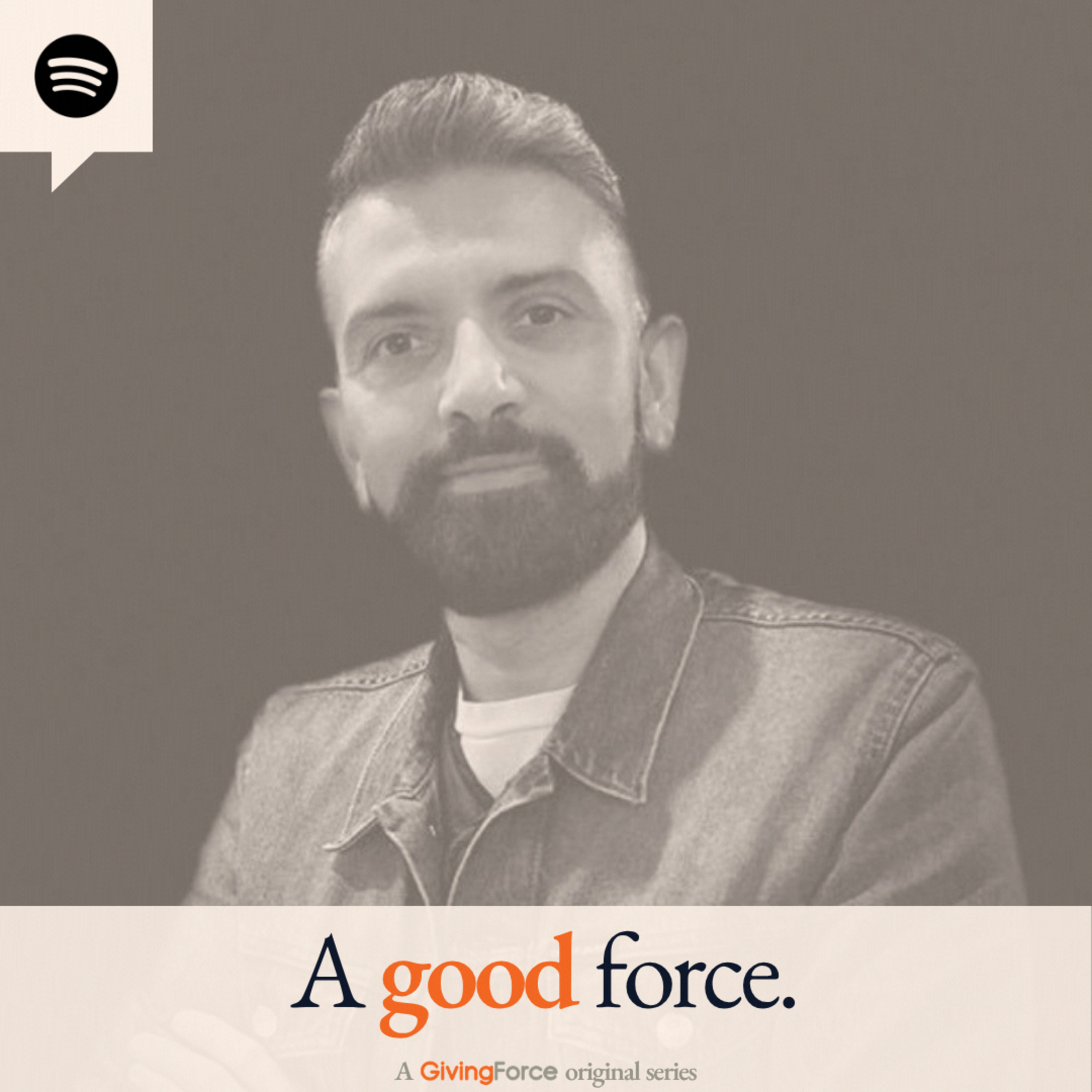
In this interview, Robert Burman, Global Head of Inclusion, Diversity, Impact, and Sustainability at PVH Corp, discusses his personal and professional journey at the intersection of business and purpose. Raised in India, his early experiences with environmental and social challenges, along with the diversity of cultures, fueled his passion for impact work. He debunks the myth that a specific background is necessary for this field, arguing that passion, attitude, and resilience matter most. Burman credits his grandmother for instilling in him a sense of curiosity, optimism, and resilience. A key lesson he shares is the importance of building trust through active listening before driving change, as this enables honest conversations and collaboration across teams. He is particularly proud of a long-term partnership in South Africa with UNICEF and the government that significantly reduced mother-to-child HIV transmission. Burman describes his work as a river rather than a ladder, requiring patience and acceptance of setbacks. He emphasizes the need to manage personal energy to sustain effectiveness in purpose-driven roles, noting that attitude and effort are the only things one can control. He leaves the audience with advice to say "yes" more often, as this opens doors to unforeseen possibilities and growth.
Hi everyone, welcome to a good force, the show where we spotlight the moments that shape the leaders behind enterprise impact, ESR and ESG, the people turning purpose into measurable change, which as received under and CEO at giving force. Today we're joined by Robert Burman, Union Vice President and Global Head of Inclusion and Diversity and Impact at PVH Colp, will group behind Calvin Klein and Tom Helfiger and also sustainability for Calvin Klein. Robert has spent over two decades at the intersection of business and purpose from philanthropic services at JP Morgan, direct rep, Metfly Foundation, STA, Lorda leading Global Firthant, philanthropy and is now stewarding inclusion, social impact and sustainability strategy across one of the world's most recognized fashion groups. He's someone who's operated inside major global brands long enough to know, in different between a purpose statement and a purpose practice. Robert, welcome to the show. Thank you, Ejaz. Such an honor and pleasure to be here and in conversation with you, really grateful for the invite and looking forward to our dialogue. Absolutely, that is a massive intro, by the way. Is there anything that I missed, anything that you would want to add to that? No, I think you do. It'll all unfold in our conversation. It's great. Thank you. So, let's kick things off. You know, I like to ask guests if there's something that guns get under this skin, a brand or maybe a myth or a misconception out there that, that, that, a wrong they'd like to write. Is there anything that you have that you'd like to share with us? Yeah, I mean, you know, Ejaz, I stepped back and was thinking about it coming into this conversation just about the journey of getting here to be here on this day and in space and conversation with you and what brought me here? Right. So, I think what I'd like to just actually going back taking you up on anything to add to the conversation, very kind introduction you did is to simply say, if I looked at the journey for me, my own person journey here has always been driven by a very strong sort of belief in having impact on people and planet. Look, I was born in India, grew up there and my early, my early years are there and I was born in Calcutta and I share that because I came to college in the US and it was only in college that I really started seeing a lot of the connections of things that had experienced in my early form of the viewers growing up in India, whether that's looking at the environmental and social dimensions of life, the various challenges that you know come with perhaps and environmental degradation, pollution, variety of different, maybe barriers that could be socio-economic and it really got me thinking more about that space. The other side of it was also, it made me also really appreciate the incredible tapestry of diversity not in a country where there are so many different regional languages, food, practices, even down to clothing, right? Every, every state of region also expresses itself differently, through its clones and its identity down to the iconic, sorry, and how it's styled it and you can, how it's styled in the West is different than how it's styled in the North to know how it's born in the South. There's something to celebrate about that and those are the type of things that have sort of really made me think about the work, about the people, about how we think of our larger home or planet and that's been my journey that has brought me to today. So I share that to say it's that passion and it's that connecting back to my childhood and a lot of different memories from that and you walked through my CV already a little bit and I wouldn't believe her that. But where I'm going with this is to say the myth right so the myth is you know to do this work you have to have a particular training or particular type of experience or you need an X set of skill sets and I guess I want to sort of for lack of better way of putting in past that myth to say, I've had the incredible privilege of working with people who've come into this space with so much rich background that one does not look like the other if I could put it that way. So it's more from the lens of sort of everyone from having done work in social work to patient advocacy and healthcare to textile and design to one of my early jobs, a colleague had gone to Divinity School. So it's really for me, I think this is a space that encompasses so much when you think of people in planet and the intersection there and for me it's really about the passion, the attitude and the resilience. Those are the three things that I think makes someone really try perhaps and go on this journey and so that is what I would like to say is sort of the big big tree things for me. It's always about your passion that's always about sort of how you approach this work and the attitude you bring to it and the resilience, this is a journey that's long and it requires patient and resilience. So for me, the myth is not the skill sets, but it's really more challenging than saying it's about how you show up is what's more important. I said I love that. I love that. It's great. You know, it resonates with the tapestry of people that I've met over the years, you know, in this space spot on. I would say thank you for that. So look, I'm going to dive into some of some of the things that have helped shape you as well as your background and you know, you journey to the US. Is there is there anything that you know that particularly shaped you, you know, even in a moment or a lesson that you're not going to forget that you're lighting down that I'm going to make sure I do that. Yeah, you know, it's for me, and he just we talked a little bit about this earlier in in connects we've had what shaped me maybe more than an experience is an experience of shape that they've added to it and certainly a firm that I think is an individual. And that individual in my life is my grandmother and I share that because she is someone who has you know, she's celebrating 94 years this year. Right. So you think about that's a century of life and it's a person who has from very early days. I remember always talked me about the joy of adventure. She worked in the trial industry at a time where in India, not a lot of women were in that space. She was leading tours to different parts of the world. She brought back that sense of learning and adventure and made me see places through her eyes and experiences that I didn't have the chance to see. And so for me, it's a sense of curiosity and learning and adventure that she sparked in me and also someone who is demonstrated incredible resilience through her life's journey that has always started also centered this optimism and joy. So for me, those are the unlocks that have sort of stayed close to me and have been what has driven this work and I find as I brought to various call colleagues across various places in my journey. I think it's this sort of approach of you know coming in with that optimism, inviting them into the journey, learning together that has been sort of the unlock for me in doing this work. Yeah, yeah, fantastic. So we're there, were there any moments along the way? I mean, you know, your grandmother's inspired you, you know, you've come into this field and you know, as you said, one of the myths is, you know, possibly, you know, some people may have a misconception of you come through a particular channel, you need to be a particular kind of person to be doing this job. Yeah, you know, in a, in a previous role, I will say, you know, when I was developing the strategy for our effort and the, in the longer term vision, with the team, I had a, my own team, I had a point of view and vision and strategy that is working on. And as you, as I went into other conversations with because this is work that requires everyone, right? I mean, I have the privilege of having worn the hat and different enterprises and roles, but you need everyone from someone in the marketing team to legal to finance to go on the journey with you right and to own it is shouldn't set in just one person's role. So, you know, the piece for me has been kind of understanding and really listening and putting myself in the other stakeholder shoes. So my number one priority may not be their number one priority today, but how do I work with them to get them to think about that in their journey, whether, whether that is six months from now, nine months from now, and how do we sort of address that and take the incremental steps. And so, you know, that has been the big kind of lesson because if you go into doing this work with your blinders, right, then you're not inviting others into the journey. And I've had some stumbles on that in the journey, sort of so in it's been sort of this honest conversation of how do we get it there and they're like, well, you know, let's just talk about it. That's your priority, but here are constraints. In that moment is not a permanent no and so it's shifting the mindset to think about how do you move that no to a yes and how do you move it from transaction to transformation and you go on that journey together. Absolutely. I mean, I wish I wish I had cracked that problem, but inevitably when when we're not making progress with something, it's reminding myself that hold on, I'm missing something here, because it's, you know, I'm dealing with bright people, they know what they're doing. one of us is missing something and so you know it's it's that having
the ability to step back into your shoes and kind of go, "Okay, do I really understand everything here?" Great, great reminder. And Red Collarist trust, right? So if I could just add to it, right, to be able to even go there to sort of have what would be conversations that invite that, you need to invest in trust up front. So very early on, every role I have gone in, I've learned this already on in my journey and it's subsequent roles as I've gone in, sort of prioritise taking the time to first really listen, just listen and then get to know people and build a trust. That is so important because that just makes the work move in a very different way in the long run because you've invested in that and that trust requires watering regularly, right? So there's ways that you need to take the time to do that and nurture that, right? And so that helps on this other side also in having the honest conversations on what the unmox are, what the challenge is because if you don't have that, there's a barrier to have that honest conversation. And so for me, it's basically really building that. Yeah, absolutely, 100%. And having been on the other side of that conversation with you many years ago, let's not say many a few years ago, I can attest to that. Fantastic work and with you that. The level of honesty and trust, as you say, you certainly feel it. And I could see that in others that were involved in that particular project. Things. What's a programme or an initiative that you worked on that you're particularly proud of? Workwise. Personal. Is there anything that you were particularly proud of that you're looking back over the various things that you've been involved in? I mean, I would say is there was a moment I joined, when I joined the Steadler companies and mathematics and working on Max Impact work, which was focusing on we had a partnership with the government in South Africa and UNICEF. And it was on reducing and mother to child transmission of HIV. And where I'm going with this is to say, you know, I'm very proud of that partnership because it's a partnership that we worked on for and stayed the course for a number of years with a lot of intention. What's with that stakeholders? We picked working in South Africa because of the burden of HIV in the country and the ability to have impact on motor needle, public private partnership. And over five to seven years we drastically reduced the, the, the, the, the, the, the multi-child transmission of HIV through the partnership that works spread across multiple provinces. So for me, I think, I think that is, you know, one that I'm really proud of because one, it showed, you know, kind of a thinking about, again, going back to relationship, the trust, the countries, staying the course. And then really stepping back and thinking, where can we have impact? Where is their need? Where is the highest burden? And how can we move the needle with whatever amount of, and that was a philanthropic partnership that sort of from the lens of the dollars and other pieces that were able to bring to the work, shape that impact ahead. So it's something I'm really proud of the impact that that that program had. And the credit goes also to a lot of other partners and they're including the work we did with UNICEF and the South African government. Fantastic. I mean, yeah, I mean, that's fantastic. You know, so, so often we don't get to see the fall end to end. We see part of the picture and to kind of see it closing the loop. That's very rewarding. Fantastic. So, getting onto the sort of more tricky side of that, what's the gnarliest, you know, the most tricky problem you've had to work on? Would it be the same project that you succeeded at or has it been part of that relationship building that you, you know, the trust building that you mentioned? I wouldn't say it's, I can't pick out a single project, each as when I think of it, because I think the reality of this work that's both the people in Planet dimensions that I have the the privilege of working on requires constantly looking at the journey more as a river than a ladder, if I could put it that way. And so that is it flows in different ways. And there are moments where there will be rocks that pace changes, the current changes. And so it's sort of constantly reminding myself and my team and our colleagues. So you know, it's not really a gnarly or a challenge, but it's more that spirit. Like, it's okay. It's okay if we didn't make movement today. It's okay to be a little bit more still in this moment. It's okay if we went back a little bit to go three steps ahead, but that is the nature of this work. And so for me, it's tackling that mindset and working from that. That is what it requires. But still, a lot of other things, if you have that mindset, you can sort of unlock them solid, but it's a mindset shift. That is the biggest thing that I find is requires constant work and constant reminder, even to myself that it's okay. If I fall, how do I get up and get back up again? Yeah, right. Right. Not the answer I was expecting, but a really good answer. Thank you. So, you know, is there anything that you're working on at the moment or coming up in the future that you want to share? Is there anything that you know, or anyone that you want to thank that that's helped you on the way? I'm actually going to again take a complete pivot. You too. And not follow you. You're a question. You're getting a sense of my personality here. I just, but I think what I'm working on, what I'm constantly working on is, and it's very deeply personal is how is paying attention to my own energy and how do I find ways to fill the cup on ongoing basis, whether it's on a daily, whether it's looking at over a monthly, but really managing that energy because I do believe, and I talk to my team about it. I talk to friends and colleagues about it. The only two things can make me feel like a cliche that we get to control is our attitude and our effort. So in grief, like how we show up. And so what is it that nurtures your attitude, your effort and your passion, like making sure that I am prioritizing and intentionally taking the time to fill my cup because those things do get depleted also because of the intensities, the way we work, the many demands that we have working across geographies, across partners. This is not just me, anyone doing this work, right? I think global organizations. It's a little bit of like, I think for me, it's prioritizing that energy management. I haven't cracked it. I keep working on it. And trying to say is that it's something that I really pretend to join. That's what I want to speak about in sort of doing this purpose work. If we deplete our energy, how are we going to show up, right? And so I think it's paying attention to that. And that's really is my biggest piece that I keep working on and challenging myself to manage in the best ways. Very good. Mine, which my wife will tell me is not going to bed on time. And there's always one more thing to do. Don't keep scrolling through social channels, right? Or other things. Now you sound like my wife. I mean, one day I'll crack that myself. Okay, so look, it's been fantastic. You have any other show? Is there anything you'd want to leave people with? You know, I would just leave a final cut with saying, say more, yes than no. It's something I was reflecting a lot on. And I know no also gives clarity, but in doing this journey and approaching my own career, I have said yes to every time a door or something that seemed interesting, open and it's brought me here, right? So I think allowing ourselves to say more, yes, is an expansive way of looking at the world journey. It allows you to invite possibilities that you may not have conceived off. And so I think the piece that I would leave with is to say is just think about saying more yes than no. It's very easy to sometimes say no, but allowing yourself to go with the yes and nurturing that a little bit more. Fantastic. Fantastic. Thank you so much for being on the show, right? Look forward to it. To catching up one day in person.
Podcast Summary
Key Points:
Robert Burman, Global Head of Inclusion, Diversity, Impact, and Sustainability at PVH Corp (Calvin Klein, Tommy Hilfiger), shares his journey from India to leading purpose-driven work.
He challenges the myth that specific training or skills are needed for impact work, emphasizing passion, attitude, and resilience as key.
His grandmother inspired his curiosity, optimism, and resilience, shaping his approach to leadership.
Building trust through listening and understanding stakeholders is crucial for advancing inclusion and sustainability goals.
A proud achievement is a multi-year partnership in South Africa reducing mother-to-child HIV transmission via a public-private collaboration.
He views the work as a river, not a ladder, requiring patience and acceptance of setbacks.
He prioritizes managing personal energy to sustain effort and attitude in demanding roles.
He encourages saying "yes" more often to invite unexpected opportunities and growth.
Summary:
In this interview, Robert Burman, Global Head of Inclusion, Diversity, Impact, and Sustainability at PVH Corp, discusses his personal and professional journey at the intersection of business and purpose. Raised in India, his early experiences with environmental and social challenges, along with the diversity of cultures, fueled his passion for impact work. He debunks the myth that a specific background is necessary for this field, arguing that passion, attitude, and resilience matter most.
Burman credits his grandmother for instilling in him a sense of curiosity, optimism, and resilience. A key lesson he shares is the importance of building trust through active listening before driving change, as this enables honest conversations and collaboration across teams. He is particularly proud of a long-term partnership in South Africa with UNICEF and the government that significantly reduced mother-to-child HIV transmission.
Burman describes his work as a river rather than a ladder, requiring patience and acceptance of setbacks. He emphasizes the need to manage personal energy to sustain effectiveness in purpose-driven roles, noting that attitude and effort are the only things one can control. He leaves the audience with advice to say "yes" more often, as this opens doors to unforeseen possibilities and growth.
FAQs
The myth is that you need a specific training or skill set to do this work. Instead, it's about passion, attitude, and resilience, as people from diverse backgrounds like social work, healthcare, or design can excel.
His grandmother, who worked in the travel industry in India, instilled in him a sense of curiosity, adventure, and resilience. She taught him to approach life with optimism and joy, which he applies to his professional journey.
He prioritizes listening and getting to know people early on, investing in trust upfront. He emphasizes that trust requires regular nurturing, which enables honest conversations about challenges and opportunities.
He is proud of a partnership in South Africa with the government and UNICEF to reduce mother-to-child transmission of HIV. Over five to seven years, the program drastically reduced transmission rates through sustained collaboration.
He focuses on managing his own energy by prioritizing activities that fill his cup, recognizing that attitude and effort are the only things he can control. This helps him sustain resilience for the long journey.
He advises saying 'yes' more often than 'no' to opportunities, as it opens up possibilities and leads to unexpected paths. He credits his own career journey to embracing this expansive mindset.
Chat with AI
Loading...
Pro features
Go deeper with this episode
Unlock creator-grade tools that turn any transcript into show notes and subtitle files.
 PodcastTranscript AI