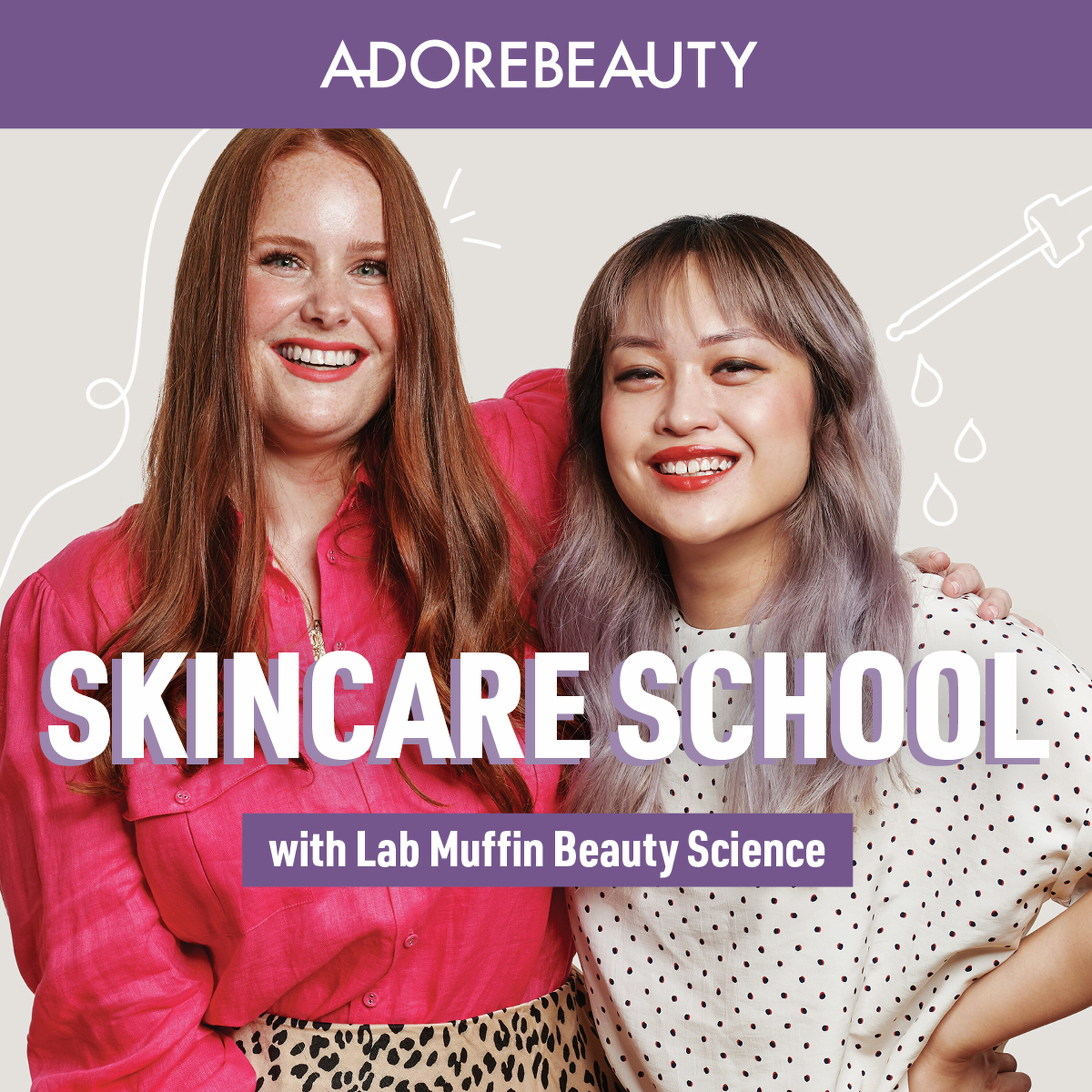
The discussion in Skin Care School covers the differentiation between pimples, acne, and blackheads, emphasizing the complex nature of acne influenced by genetics, hormones, lifestyle, skincare, diet, and stress. Proper acne management involves understanding the causes and types of skin concerns like post-inflammatory hyperpigmentation and permanent scars. Additionally, insights are shared on safe pimple popping techniques, the role of moisturizing for acne-prone skin, and the use of skincare ingredients like salicylic acid and benzoyl peroxide. Recommendations include seeking professional advice, maintaining proper extraction of blackheads, and cautious use of oils based on individual skin reactions. Overall, the session provides comprehensive guidance on managing acne-related issues and selecting suitable skincare products for effective treatment.
Transcription
5083 Words, 28123 Characters
Hey there, welcome to Skin Care School, your ultimate skincare study guide.
My name is Amy Clark and I'm a door beauty senior editor.
And I'm Michelle Wong of LabMuffin Beauty Science.
This week on Skin Care School.
If you are considering switching up your diet, it makes a difference for some people but not
other people and it's just not consistent enough to make any sort of like blanket recommendations.
It's best to do it under the supervision of a doctor who can make sure you don't accidentally
mess up other parts of your health.
Totally.
So basically what you're saying is don't be afraid of the chocolate.
Is there a right way to pop a pimple?
This has been approved by a dermatologist unofficially because officially they have to
say don't pop your pimples.
We all get pimples.
We all get blackheads.
We have pores.
We are so used to seeing this airbrushed, poreless skin on Instagram but it's actually bullsh*t.
Alrighty, so today we are talking about really fun topic, pimples, acne, blackheads.
We kind of tend to lump pimples and acne and blackheads all under the same category
but we're going to go through now and explain exactly how each of those, even though they
come under the same umbrella skin concern, how they're different and the best ways to
go about looking to manage them.
So Michelle, let's just jump right in.
Can you tell me what causes pimples?
I mean this is like the million dollar question, it's like tell me, what causes pimples?
It's really complex and that's why so many of us still have acne and pimples, like there
are dermatologists who obviously specialize in this sort of thing and they still have
acne.
So yeah, it is definitely a million dollar question.
Someone who is going to find out how it all works is going to make a lot of money and
be famous forever but yeah, it's so complex.
Basically with pimples, your skin has lots and lots of oil glands.
These produce oil and that oil is there to lubricate your skin and lubricate your hair
so it keeps it soft and nice and not break but the problem is they can get blocked.
So cells inside the gland, if they don't shed correctly or they start becoming sticky they
can clump together and form a clog and if your oil also becomes sticky, then that can
also clog up the pore.
There's a few other things that also contribute to acne and pimples and this sort of thing
and that's inflammation as well as I think everyone's heard about this acne bacteria.
So fun fact or not so fun fact actually, acne bacteria are actually meant to be on your
skin.
Without acne, you still have acne bacteria.
Interesting.
This is all that microbiome stuff that's super trendy.
Are we talking about live bacteria or zombie bacteria?
Actual bacteria this time, live bacteria that you naturally have on your skin.
So acne bacteria when it's not in your pimples, it's actually pretty good.
So it actually fights off some of the other types of bacteria that can cause infections
in your skin.
Like if you think about infections, I guess acne is on like the nicer end of skin infections.
They can get really gnarly.
So yeah, most of the time they sit on your skin.
They keep your skin in a condition where they can fight off the worst bacteria.
But when they get into your pimples and they start causing breakouts and stuff like that,
that's when it's an imbalance, it's not so good.
We can all get pimples.
I know that sometimes we think of pimples and acne being a teenage thing, you know,
something that happens to you when your hormones are in overdrive and you probably have really
bad B.O. at the same time, greasy hair and all that kind of stuff.
But anyone really can get pimples or acne and it can happen at all different times throughout
your life.
So if you're listening to this and you struggle with pimples or acne and you're over the
age of 15, like that's not abnormal.
We all draw different cards in life, right?
For some of us, that is adult acne, adult pimples.
But I wanted to ask Michelle, in terms of, is there a specific skin type that's more
prone to these kind of concerns?
Yeah.
So like you said, anyone can get it.
But in general, if you have oily skin, you're more likely to get pimples and acne just because
you've got more oil and so you've got more stuff there that can clog up your oil glands.
There's also like a big genetic component as well, as well as like lifestyle and stuff
like that.
All of this stuff, genetics, hormones, lifestyle, all of these kind of interact.
And yeah, if you draw the wrong cards in the three categories, then you end up with pimples
and acne.
And the other thing too is you can get pimples not just on your face.
I get them on the backs of my thighs sometimes.
You can call it butt knee or back knee, you know, some people experience it on their back.
So it's definitely not just a face thing, but then let's talk about the difference between
the occasional pimples and acne are different.
So acne is a medical condition.
And pimples are one of the symptoms of acne.
So pimples are generally just red spots with pus.
If you have acne, then it's sort of like a consistent pattern of getting these sorts
of breakouts.
Whereas if you just get like two or three pimples and you never get them again, then it wouldn't
be acne.
So it's not just pimples with acne.
There's other symptoms as well.
There's different types of spots that you can get.
So some of these are blackheads and whiteheads.
So these are spots that don't get inflamed.
So they don't have that redness around them.
So blackheads are little black spots, whiteheads are either flesh colored or white.
There's also papules, which is sort of like a pimple, like the red bump without the pus
part of the pimple.
And then pastules are what we think of as classic pimples, like a red bump with a white
chunk of pus on top.
Yeah, with a white pussy hat on basically.
And then if we go really like even more severe, we're talking about things like nodules and
cysts.
These are those like giant under the skin bumps that are hard and they're like, sometimes
they can be quite painful as well.
And when we're talking about those pimples that are deeper under the skin, they're the
ones that, you know, you feel like you can't really pop them because they're just too deep
down.
And also what comes with the actual bumps and the pimples is inflammation and so on
as invisible redness sometimes around those areas.
And so when we're talking about acne being a medical condition, you know, neither of
us are skin therapists or dermatologists.
So we've, you know, we always come back to the line that go and see a medical professional
as your first port of call for acne.
So I think another question that a lot of people wonder is what actually causes acne.
And yeah, like we said before, there are so many different factors that go into acne,
which is why it's such a complex condition and why we haven't got like an acne cure that
works for everyone yet.
So yeah, there's lots of things that cause it, things like genetics, like changes in
hormones, like around your period or as you turn into a teenager, even skincare products,
medication, diet and stress can all contribute to acne.
So with diet and acne, this is a really tricky topic because it is so complicated.
The studies have found that there are weak links between some aspects of diet and acne,
but the results are really inconsistent.
And so it seems to be that it makes a difference for some people, but not other people.
And it's just not consistent enough to make any sort of like blanket recommendations, which
is why dermatologists are usually really careful with dietary recommendations because if you
recommend the wrong thing, then it can lead to disordered eating without getting much
of a benefit.
So the strongest links we have for diet are high GI foods and dairy, but it's still really
inconsistent.
So if you are considering switching up your diet to deal with acne, then it's best to
do it under the supervision of a doctor who can make sure you don't accidentally mess
up other parts of your health while trying to deal with acne.
Totally.
So basically what you're saying is don't be afraid of the chocolate.
That's really the one that comes to mind is like chocolate and mackers.
But also on that note, in terms of the myths, we'll get to more myths later, but I have
to ask you now around with bacteria.
And the common thing that we hear about with acne is that it can be caused by dirt or being
dirty.
Can you kind of weigh in on that one?
Yeah.
Not really.
But there are those four big factors that contribute to acne.
Inflammation, oil production, clogged pores, the bacteria that's naturally on skin.
And so if you're cleansing like regularly, then you can sort of help with some of these.
So it might help a bit with the oil production and the clogged pores.
But again, it's bacteria that's naturally on your skin.
And so if you actually cleanse too much, you can make the inflammation worse.
And that will actually lead to more acne.
So just a normal amount of cleansing is fine.
If that's not helping with the acne, then cleaning more isn't going to help more.
Then of course, one part of acne is treating and managing the visible, the pimples.
But then the other part can be scarring that's left behind.
And this is something that I know can be a really tricky topic and something that can
make you feel really self-conscious when you think, "Oh, yes, the pimples are gone, but
now I'm left with this acne scarring."
So let's go through the different types of acne scarring.
So with acne scarring, the main two types, the more common one, especially if you have
darker skin, is post-inflammatory hyperpigmentation.
This is also like commonly called PIH, which is the abbreviation.
And it's just little brown spots of pigment that your skin produces when it's been inflamed
such as with a pimple.
It also happens with other things like injuries and scars and stuff.
Usually with the acne ones, they will eventually fade after a few months, but I mean, a few
months feels like a million years.
Because it tends to be quite shallow, then you can deal with it with skincare products.
So some of them will help that pigment fade away faster.
You can get more powerful treatments in clinics and with dermatologists as well.
If you have deeper pimples, then if it's deep enough, because in a pimple, you've just got
like all this pressure and all this stuff going on that messes up your skin structure.
If it's deep enough, then it can become a permanent scar.
And so the most common one is probably ice pick scars, which are these deep sort of holes
in your skin.
I have a few of these.
You usually can't do much about these with skincare products.
There are things that dermatologists and clinicians can do that can get rid of them or at least
reduce their appearance.
But the biggest thing is probably just preventing them from happening in the first place.
So this is why people tell you not to pick your spots.
Because sometimes if you pick your spots, it goes deeper.
It doesn't come out the top.
It goes out the bottom, which is easier said than done though, right?
Definitely.
Yeah.
And of course, treating the actual acne itself will prevent you from getting the pimples,
which would lead to the scars.
Finally, the last thing that comes under this acne pimples topic is blackheads.
How fun are blackheads?
Not very.
I have oily skin.
So I have tons of blackheads.
And it's just like a constant battle.
You're just like, just shut up.
I hate them.
Do you even get blackheads, Amy?
Okay.
So I actually get sebaceous filaments.
And so basically with blackheads, I'm just going to take over now the education side.
Blackheads are kind of like, we're talking about the dead skin cells and the oil that gets
clogged in the pores.
And when it hits the air, so when it comes into contact with the oxygen, it oxidizes
and turns it black.
Hence blackheads.
How did I do?
Excellent.
Yeah.
And so it's not actually dirt in your pores that you can kind of scrub away or dig out.
It's oil that's been oxidized.
And then the difference between a blackhead and a sebaceous filament is that a sebaceous
filament, it's the same, but it just hasn't turned black essentially.
And so you might see it kind of like on my nose, I notice sebaceous filaments, they're
just, it's the enlarged pores that kind of look like there's some gunky stuff in there,
but you can't really squeeze it out.
It's, but it's not black is the, is the main thing.
But with blackheads and sebaceous filaments, the best thing to do is have them properly
extracted.
I think like I love having my pimples and blackheads extracted.
It's so satisfying.
Yeah.
One of the things with sebaceous filaments is after you extract it, it's just going to
come back.
Yeah.
That's it.
It's naturally there.
Exactly.
It's like your pores, if you think of it like, I'm thinking of like a water feature or something
where there's a little tunnel essentially and that, that, that tunnel is where the oil
kind of travels through.
So you get it out, the tunnel's still going to be there.
So it's more about ongoing maintenance rather than can you actually ever get rid of blackheads
or sebaceous filaments?
No.
Unfortunately.
Yeah.
So blackheads, the other thing with blackheads is usually that because they're blacker, they're
also more solid.
And so they can clog up the pore and you should definitely get it out.
Um, yeah, just to prevent it from turning into a full blown pimple, but yeah, sebaceous
filaments, they're just chilling there.
You might not want them there.
You might want to evict them every once in a while, but they'll come back and that's
fine.
Pop quiz time.
It's that time of the week again, and you actually answered my first pop quiz question
in the lesson pan, which is about how many types of pimples there are.
There are six types of pimples if you're playing along at home.
So let's keep this one short and snappy.
First question, is there a right way to pop a pimple?
Um, yes, it's kind of one of these things where what's the lesser of two evils if you're
going to do it, at least do it in the least harmful way possible.
Yeah.
Exactly.
It's hard minimization.
So yeah, it is always best not to pop a pimple because if you do, it can go wrong.
So it might push the pus deeper and might cause worse scarring, but obviously not all
of us have these like amazing levels of self control.
I certainly don't.
So here's how you can do it with the least amount of damage.
And this has been approved by a dermatologist unofficially because officially they have
to say, don't pop your pimples.
It's kind of like with a bit of a wink, like, don't wink.
Don't do this.
Yes.
So you want to wait till your pimple comes to a head so you can see a nice spot of pus
that's ready to come out because if you squeeze it and there's no pus, nothing's going to
happen.
You're just going to cause damage.
The main thing is hygiene.
Make sure it's extremely clean.
So clean it with alcohol or at least do it on clean skin after you've just cleansed it.
Clean your hands as well.
Maybe use gloves or tissues or cotton buds to squeeze it rather than your dirty fingernails.
The best thing to do is also to lance it.
So basically get a really, really sharp needle, sterilize the needle, either wipe it down
with alcohol or put it through a flame and then poke the pus at an angle so you don't
want to go too deep.
So you don't want to, like, stab the pus deeper into your skin.
Yeah, so squeeze it gently.
Don't use too much pressure because the more pressure you have, the more damage you're
doing, more scarring later.
And stop pushing when you see blood or clear fluid come out.
So you just want the pus out.
You don't want to just squeeze your whole entire body out through the pimple hole.
And what about, and then what do I put on it afterwards?
You can either leave it to dry or if you have hydrochlorobandates on hand, then put one of
those on it and that can soak up the extra gunk.
Brilliant answer.
On to the next one.
This is actually a true or false.
If you have acne-prone skin, you shouldn't moisturize.
So this is generally false.
Again, some people have skin that just doesn't need moisturizer.
It's got all the natural moisturizing goodness already.
But most of the time, people do need it.
And yeah, if you have dry and dehydrated skin, you can still get acne.
So do it.
And if you don't moisturize, but your skin needs moisturizer, then that can cause inflammation,
which again, is one of those factors that can contribute to more acne.
Last quick true or false, oils will make oily skin break out more.
Not necessarily.
This is actually a really popular old school idea where if you have more oil than it clogs
pores more, but not all oils will clog your pores more and some of them can actually help.
So some of the oils that don't contribute to acne and seem to help are mineral oil and
hemp seed oil.
If you're worried about it though, because there are so many oils out there, it's impossible
to cover everything and different people react to different things.
Just go really cautiously.
Add one product at a time and keep a skin diary so you can see which product it was that broke
you out and never use that again.
I also just a little hot tip, love jojoba oil.
Like when I'm feeling a bit acne prone because it kind of has the, it's antibacterial, it's
anti-inflammatory, and so that's another good one.
But yeah, a lot of times people will think, "Oh, if I put a thick moisturizer on or if
I put an oil on, then I'm just going to break out."
Not necessarily true, but again, see what feels right for your skin.
So before we go into the best in class products for acne prone skin, let's talk a bit about
the ingredients in general that we can use for this.
So firstly, I think one of the general recommendations is just alpha hydroxyl acid and beta hydroxyl
acid, which is salicylic acid.
These are really good because they can help prevent clogging and they keep your skin turnover
going so that the cells don't stick as much and so they come out more evenly.
Salicylic acid is particularly good because it's oil soluble, so it tends to work really
well on oily things such as your oil glands, and it can also help with inflammation.
And so you'll find these ingredients in lots of different products, but usually it'll be
in spot treatments, cleansers, serums, and toners or liquid exfoliants.
With acne, you might want to also go see, like we said, a doctor or a dermatologist,
and they can look at giving you the treatments that your acne needs, so they can analyze
what's going on and then work out what options are the best for you, whether that's over
the counter treatments, prescription creams, or even medications, or they might just tell
you to use skincare products that you can normally buy.
So some of the skincare products that you can normally buy that they might recommend,
apart from alpha hydroxyl acid and salicylic acid, you might see benzoyl peroxide, which
is a really popular acne treatment, also retinoids, azelaic acid, and tea tree oil.
There's also been sulfur that's been coming up more lately, but be warned that it does
smell a bit like farts.
Oh, love that for us.
The other ingredient that you might see come up when we're talking about how to manage
and minimize the appearance of those post-inflammatory hyperpigmentation, those spots is vitamin
C, because, again, it's a form of hyperpigmentation.
The other thing you might like to do is say if you go and see a dermatologist or a skin
specialist is they might recommend a skin treatment.
So LED light is really popular, and blue light in particular for treating acne, and also
some laser treatments for treating the appearance of those kind of divot acne scars.
But the other thing we've got to talk about when it comes to acne treatment is there's
a common misconception that in order to treat acne and to get rid of pimples, you basically
have to just detonate like a really kind of harsh, it's almost like dropping a bomb on
your skin that's going to like kill all bacteria.
And we go for the harshest products, they can sting when we put them on, they bleach
the towels.
I know everyone knows the ones that we're talking about because my mum used to get so
annoyed at me for my acne products bleaching the towels.
So it doesn't have to be that way, especially say if you usually experience blackheads or
acne or pimples in a certain area.
It doesn't mean you have to use kind of more hardcore products all over your face.
You can spot treat or, you know, apply products just down the T zone or along the jawline.
We're all about protecting that skin barrier.
We love the skin barrier and we want to keep it really intact and happy.
So let's go through some products that kind of more of targeted but gentler approach.
The first ones are actually from La Roche-Posay.
So the Effecla Micropeeling Cleanser and the Anti-Blackheads Kit.
The cleanser is really popular cleanser for those with acne prone skin.
It has a gel kind of lightly foaming consistency.
It's also nice and affordable, so under 30 bucks.
And you can buy it in the Anti-Blackheads Kit that we have on a door and it also comes with
a zinc kind of toning mist, which just kind of feels nice on the skin, especially if you're
experiencing that inflammation and then also the Effecla Moisturizer.
So in these products, we've got salicylic acid and zinc.
Salicylic acid is great in lots of different ways that we talked about before.
The zinc can help with oil production and with inflammation.
And there's also a special ingredient, which is LHA.
This is a derivative of salicylic acid.
It's oilier.
That's meant to help get it to oil even better.
And this is there at 0.05%.
The next product on the list is the Ordinary Salicylic Acid 2% Mask.
I guess, I mean, do I need to like, handball over to you for the ingredients for sure?
Because the name kind of gives it away.
It's a salicylic mask that you can pop on say once a week and you can even multi-mask
with this one.
So if you only get breakouts along the chin, you can just put this mask there or you can
use it all over your face if you're more acne prone or oily skin type.
Yeah, I do really like that the ordinary products just have all the info on the label already.
You know exactly what the active ingredient is.
In general, they usually have things like charcoal and clay and these can soak up oil.
So yeah, if you have acne prone skin and it's oily, then that can help you sort of maintain
your oil levels.
It won't really do much in terms of reducing oil, but it's sort of just like a nice maintenance
sponge.
I guess, sponge off the oil a bit.
Another salicylic acid product I want to talk about is the Alpha H Clear Skin Kit.
And so this one is that it's kind of like a little routine in a pack.
So a lot of the time you might think, "Oh, but like how do I mix and match all these
products?"
And you definitely don't need to use all skincare products from the same brand, but if you're
starting out and you're just like, "Oh, this is just way too overwhelming," this one is
a really great option for acne prone and oily skin.
It comes with, so for 55 bucks, you get this five piece little clear skin routine that comes
with deluxe sample sizes of the Clear Skin Tonic, the Clear Skin Daily Face and Body
Wash, the Clear Skin, you're getting a sense of, there's a theme here, the Clear Skin Blemish
Control Mask, the Clear Skin Daily Hydrated Gel, and the Clear Skin Blemish Control Gel,
which I love using as a spot treatment.
But no surprises, all of these products contain the ingredient of the day, salicylic acid.
Yeah, and some of them also have Niacinamide, which is nice as well.
So, if you remember back when we talked about vitamin B3, it's really good to help repair
the barrier.
And so, yeah, if you're using something like salicylic acid, it's not too irritating, but
it is a little bit irritating because it's an exfoliant, then you can help repair the
barrier as you're undoing some of the damage, I guess, and trying to make everything, keep
everything a bit happier.
Another really good one is the Murad Blemish Control Rapid Relief Spot Treatment.
I mean, the name kind of says it all.
It's a great spot treatment that you can dab on any breakouts as they appear.
I also like, if I have very hygienically popped my pimple following your instructions earlier,
then I'll dab a bit of this on there because it just kind of, it helps to avoid any other
bacteria getting in there and causing any infection, which might lead to, yeah, something
that's worse than what you started with.
So this one is, again, as you probably guessed, 2% salicylic acid.
It's also got some antioxidants in there to soak up some free radicals, too.
It's got soothing oat and horse chestnut.
The final best-in-class product is actually a skin tool.
So the Light Stim for Acne LED Light Therapy Device.
So this is a handheld device, and there are actually two Light Stim products.
One for wrinkles and one for acne.
So you can just, it's like, okay, which bothers me more?
My wrinkles or my acne?
But the acne one is using blue LED light.
Yeah, so blue light kills the bacteria, and so that help, well, it specifically kills
the acne bacteria, and so that can help a bit with pimples if that's what's one of
the big contributing factors to yours.
It has to be said that definitely don't go buying a skin tool, any skin tool, but also
this LED tool, and expect to get the same results as hundreds of dollars in clinic treatment
by just, you know, holding this to your face for 30 minutes once a day.
It's just not going to work, and it's because these products, they wouldn't be safe if you
could access the kind of technology and equipment that you can in clinic administered by a technician.
But this tool is really great if you want to kind of maintain results between professional
treatments, or if you're not keen on going in clinic for LED, then this is something that
you can incorporate into your weekly routine, and you may see results, but only with consistent
regular use.
I personally like to just pop this on my chin while watching the TV.
I think it's just the perfect way to incorporate it into your routine.
And that brings us to the end of this, like, bumper episode about-
Bump.
Yeah, exactly.
I didn't even mean to do that pun.
Coincidentally, acne and pimples and blackheads, it can be a bumpy ride, but also know that
it's normal.
We are so used to seeing this airbrushed, poreless, pimple-less, blackhead-less skin
on Instagram, but it's actually bullsh*t.
We all get pimples.
We all get blackheads.
We have pores, and I would hate for anyone to be thinking that they have "bad skin" because
they deal with blemishes.
It's just one of those things, you know?
And we just manage it, we do our skincare, we get on with it, and we live our life.
So I hope this episode has been helpful.
Next week, we are talking all about sensitivity, so sensitized skin and how to manage that
as well.
But we'll see you next week.
Thanks for listening to Skincare School.
If you're a bit of a teacher's pet, you'll find links to all the extra readings and products
mentioned in this episode in the show notes.
If you enjoyed this episode, subscribe in your podcast app, and you'll get a notification
the second our next episode drops.
And while you're there, you might as well tell us what you think about our podcast.
Leave us a review and a five-star rating.
And don't forget to tell everyone in your life about Skincare School because at the
end of the day, we are here to serve.
See you next week.
Podcast Summary
Key Points:
Diet may impact acne differently for individuals; best to consult a doctor before making dietary changes.
Pimples, acne, and blackheads are different skin concerns with varying causes and characteristics.
Acne is a complex condition influenced by genetics, hormones, lifestyle, skincare products, medication, diet, and stress.
Acne scarring can be post-inflammatory hyperpigmentation or permanent scars like ice pick scars.
Blackheads are caused by dead skin cells and oil clogging pores and oxidizing when exposed to air.
Properly extracting blackheads and sebaceous filaments is recommended for maintenance.
Tips for safely popping a pimple include waiting for it to come to a head, maintaining hygiene, and using a sharp needle at an angle.
Moisturizing is not harmful for acne-prone skin, and not all oils exacerbate oily skin.
Skincare ingredients like salicylic acid, benzoyl peroxide, retinoids, azelaic acid, and tea tree oil are beneficial for acne management.
Summary:
The discussion in Skin Care School covers the differentiation between pimples, acne, and blackheads, emphasizing the complex nature of acne influenced by genetics, hormones, lifestyle, skincare, diet, and stress. Proper acne management involves understanding the causes and types of skin concerns like post-inflammatory hyperpigmentation and permanent scars. Additionally, insights are shared on safe pimple popping techniques, the role of moisturizing for acne-prone skin, and the use of skincare ingredients like salicylic acid and benzoyl peroxide.
Recommendations include seeking professional advice, maintaining proper extraction of blackheads, and cautious use of oils based on individual skin reactions. Overall, the session provides comprehensive guidance on managing acne-related issues and selecting suitable skincare products for effective treatment.
FAQs
It's best not to pop a pimple, but if you must, ensure hygiene, wait for it to come to a head, use a sterilized needle, squeeze gently, and stop if you see blood or clear fluid.
Moisturizing is generally necessary, as dry skin can also get acne. Lack of moisturizer can lead to inflammation, contributing to more acne.
Not necessarily. Some oils like mineral oil and hemp seed oil may not clog pores and can even help. Proceed cautiously and observe your skin's reaction.
Acne and pimples result from factors like genetics, hormonal changes, skincare products, medication, diet, and stress. The exact cause varies for each individual.
Types include blackheads, whiteheads, papules, pustules, nodules, and cysts. Each type presents differently and may require specific treatment.
Chat with AI
Loading...
Pro features
Go deeper with this episode
Unlock creator-grade tools that turn any transcript into show notes and subtitle files.
 PodcastTranscript AI