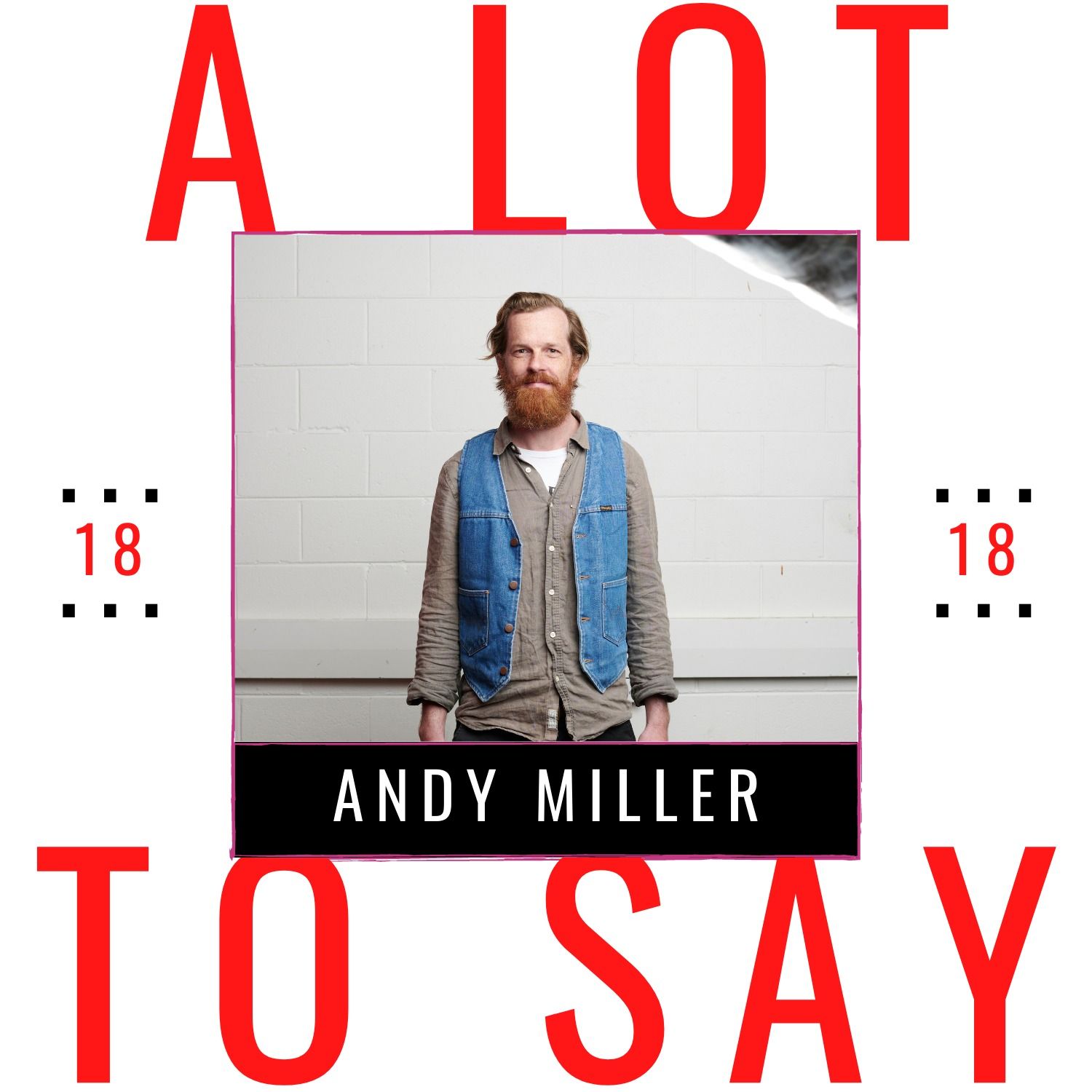
The LottoSafe podcast, hosted by Gary Williams, focuses on unconventional careers and projects blending creativity, technology, and culture. In this episode, Williams interviews Andy Miller, co-founder and CEO of Heaps Normal, a non-alcoholic independent beer company. Miller discusses the company's rapid growth and participation in the Startmate accelerator program, which pushed them to expand their ambitions beyond the conservative norms of the beer industry. Heaps Normal aims to reshape drinking culture by providing a quality non-alcoholic option that integrates into lifestyles without alienating those who still enjoy alcohol. The founders were motivated by personal experiences and observations in fields like music and hospitality, where alcohol exposure is high. The company has successfully attracted investment from notable figures in consumer brands and events, supporting its mission to make a cultural impact while growing the business. The conversation highlights the unexpected entry of a beverage company into a tech-focused accelerator and the broader vision of influencing social habits.
Hi there, this is the LottoSafe podcast, a conversation based project focused on unconventional career paths and the projects that consume us. I'm your host Gary Williams or Gads as many call me and a lot to say is part of the old project's family of content obsessing about the overlap between creativity, technology and culture. I'm fortunate to spend my days working alongside technologists, artists, researchers and people who just generally give a damn about the world we live in. And I'm very lucky to be able to hear some incredible career journeys over that time from some really inspiring people. So I am particularly energized by the projects that I hear people are experimenting and tinkering on along the way. And I thought, you know what, it's time to put these stories out there with the LottoSafe podcast project. I can't wait for you to hopefully discover some new and lesser known stories about the things people get wrapped up in and what led them to this point. This is a LottoSafe. [Music] I'm joined by my mate Andy Miller. He's the co-founder and CEO of a non-alcoholic independent beer company, Hipst Normal. We've been doing some really incredible things this year and really growing very, very rapidly. We talk quite a bit about, I guess, playing in this market, which is relatively unknown for quite a lot of people, but also, you know, certainly with a lot of opportunities and I, and Hipst Normal just growing in a phenomenal rate. So I can't wait to see, you know, what's just around the corner for them. We've known each other for quite some time. So I was really tough to have the conversation today, but also specifically to really dive into a lot of his backstory. I'm becoming more and more confident of the fact that, you know, throughout the podcast, I might be interviewing people that I have known for quite some time, but I really don't truly know a lot of their backstory. And so I'm utterly fascinated to find out a lot about what makes Peepie Tick and lots of serendipitous occasions or instances over the time that leads them to where they are today. So it was a fantastic chat and we discuss a whole range of things from living overseas through traveling the world in your pajamas. I know that sounds random, but Andy will explain more. And we just generally get into it, but specifically we do dive into a lot of the growth phase of Heaps Normal throughout the year and where he sees that progressing to next. So without further ado, my mate Andy Miller, cheers. And, Andy Miller, thanks so much for joining me for the, let's say, podcast. I've long had you on the list, man. So I'm really appreciative of you taking the time. How you doing? I'm good, guys. I'm stoked to be joining the ranks of the people that have come before me. There's some of my favourite people on the list already. Yeah, I've never got a few mutual mates on there. And one of our guests actually had suggested you as a guest one time, which I laughed at one of the clickers I already had you on the list. But there's many things I'd love to cover off in this chat and I'm really keen for a number of factors based on what you're involved with at the moment and some something beyond what that product or mission is. But what do you tell us a bit about Heaps Normal and where you're at at the moment with this new venture? Yeah, it's really exciting. It's been a project that's consumed us for about the last 12 to 18 months. But only in the last three months really been something that has been put out there into the world. So we launched at the end of January on the very last day of dry July. No irony intended with a non-alcoholic beer and something that has just been a bit of a journey for me having been working in the beer industry before. And we just saw an opportunity to have a really big impact on drinking culture without necessarily holding up so variety as the goal. It's really cool. I think we'll obviously touch upon some formative factors in your growth in very recent times of which for context this chat today is off the back of your recent participation in the Start Made Accelerated Program and your pitch of their recent demo day. But let's take it back. Well, how, I mean, it's not a massive amount of time since you did launch. Have you sort of pinch yourself and reflected much on the, I guess, where you're at at the end of July as opposed to now? Because it's been a whirlwind past few months. It has. And there's been more than a few people actually, one of them, I think one of the first was Michael Batco, but there's been several people since him who have just said to me things like, remember when you said three months ago and brought up an embarrassingly unambitious target by today's standards? And I think that's a credit to the experience that we had going through Start Made. And like everyone before us, for me, it just really stretched our ambitions and our expectations of ourselves and what we can achieve as a company in a really short time. I'll ask you a few things I reckon coming up. Definitely focused around the targets that you mentioned. I'll start with that one. But then also we'll get into personal factors such as your background, the team. And then also, I guess, Start Made's rolling this, which is, you know, as an accelerator that is traditionally focused on a large amount of emerging or high-tech endeavors or startups, I should say. This is a really interesting, I guess, increased breadth to the portfolio that's participated in the accelerator. But I basically, if you have included, I've just given you some room to think about what's coming up soon. But let's go into the targets because you were talking about modest targets that you were, you envision for yourself in the future. So what were those modest targets and what was in reality achieved over that time? Yeah, I mean, I think Start Made, a lot of Start Made, I think, in hindsight, is about preparing you to fundraise because it's all about high growth, high impact businesses that are going to change a category or better still create a completely new category. So there was definitely that element, I think, we had very, very modest ambitions in terms of how much fundraising we thought we would do. And less about the amount of money, but I think that reflects on our ambitions for how fast we thought we could grow as well. So there are two really big ones, but I think we were also we were also quite modest in our expectations around growth for beer and what was possible from a consumer brand and a beer company. And I think that's a little bit reflective of the way the category and the industry thinks as well. I think on reflection, you know, Benny Holdstock, our headbrougher, and I have both reflected on the fact that brewers and beer companies are inherently quite conservative when it comes to growth. And you just can't come into somewhere like Start Made, and come out the other side still believing that. Yeah, actually, that's a good point. So you mentioned Benny, who else is involved within the Heaps Normal business currently? Yeah, there's four co-founders. Benny Holdstock is our headbrougher. Pete Brennan is our head of brand and co-founder. In Jody Smith, who's a professional surfer, usually based in L.A., he's our fourth co-founder and really helped us kind of get going. It was an early believer and grew up with Pete actually surfing in Durban in South Africa, which is how he got involved and how he fits into the mix. Yeah, right. Okay, okay, it's starting to make, oh, it makes sense to me as well, because I always like, obviously investigating and finding out the backstory. I mean, we, I still remember us catching up or July, I think it was, wasn't it? In the midst of, it's first lockdown and you were sort of, you were here, obviously, getting the business growing via entry into a number of stockess and, you know, establishing those crucial next steps, but it's amazing to reflect on it now at this stage, looking back on some of the vision that you voiced me then, and it's amazing. Yeah, it's been really exciting and I think for us, you know, we want to be much more than a beer company as well, so we don't, we're not setting out to just talk about beer. We really want to genuinely, and it's not just found a link, I can assure you. Yeah. We don't, we don't just want to talk about beer. We want to be genuinely contributing
and redefining drinking culture in Australia and internationally, without alienating people like us who still enjoy Abia. - On that cultural aspect, how have you found, just personally, I guess, voicing to the people that you're interacting with, or even if we're talking about from the pitching for investment type space, how have you found that reaction voiced back to you about, you know, that this is non-alcoholic beer, how has that conversation go down, especially for yourself who has a background in beer in the brewing industry? - Yeah, it's been interesting. I think well, a lot of people from start mate, which is like you hinted at very much traditionally focused on software and other quite deep tech businesses. So I think a lot of people, including ourselves, questioned what we were doing there at the beginning, which was quite interesting, but I think more on the reaction to the beer, I think what we've noticed is what we thought would happen, but it's still, I think we surprised ourselves at just how true our hypothesis on it all was, you know, what we're noticing is beer drinkers who have never ever considered the fact that they could enjoy a non-alcoholic beer, doing just that and being stoked on the fact that, and thinking about the ways that they can incorporate this into their own normal, you know, whether that is still kind of going out and getting on it or taking a night off a month off or a year or for life, you know, whatever it is, there's a growing number of beer drinkers who I think are just incorporating a non-alcoholic beer into their lifestyle. - Yeah. I'll actually circle back on the culture factor because I do want to reference, you know, probably a, an industry that you would love to or will be aligned with, which is a live music scene and obviously whilst, certainly not without its struggles in 2020 for obvious reasons. That's a really interesting, you know, entry for yourselves, not that you need to change everyone's minds within there, but it's certainly, you know, a, you know, your influencing culture in that regard, which is going to play out in some, you know, really cool ways of coming in. I can't wait to see how it eventuates, but I want to sort of spatter that out eventually, you know, but what I want to get to before that, just so I don't leave it behind, what does support look like for you now based on what you've been through in this accelerator program? So putting words in your mouth a little bit, so you've essentially gathered intentions from people to invest in heaps normal and you're progressing from here into increasing your capacity to reach consumers. Is that right? Yeah, absolutely. And the thing that's exciting for us is coming back to, you know, the cultural change element, you know, in raising some funding to grow the business, to grow heaps normal, we have been really, we weren't really interested in just taking money. We, and we've managed to assemble it, we just again, just completely exceeded all of our expectations, but somehow we've managed to convince, I think, some of our idols and people who have created the most incredible businesses, you know, direct to consumer businesses, music companies, festivals, consumer brands who are some of our favorite brands, favorite events, and, you know, people that we look up to, and now they're sort of in our camp, helping us grow our business, and that is just the most mind-blowing position for us to be in right now. Yeah, that's incredible. I'm gonna lean in, can you talk about who any of them are at the moment? We can't, yeah, I think out of respect for the process, and, you know, not having their permission, you know, to be public yet, but, but, of course, man. Well, in due course, it'll come out. I think, what's this plan? I think, yeah, well, you know, look with, you know, with the podcast project as well, you know, a large amount of this being that it's an overlap between, you know, technology and creative industries and culture, et cetera, is that it, it provides good opportunities to explain, I guess, the inner workings behind different industries or how things work, and the projects that people get wrapped up in, and, you know, technology accelerators, or, you know, now inviting in, you know, non-alcoholic craft data participating in the program, won't be something that's sort of understood by everyone, so it's good to relay just some of those concepts around investment and venture capital, and how that would help you grow, you know, this business into all that can become, so, it's really exciting times. Yeah, yeah, I, sorry, you're probably wanting to change tracks, but I was just gonna say, Oh, no, not at all. Keep going. I think, I think, startmate, it's a credit to startmate, really, that they saw something in what we were doing, probably, you know, that we didn't see early on, and, and I think it's a credit to them that they're really broadening their horizons in terms of the kinds of companies that they're willing to back, and, you know, broadening that to, really, I think, any company that is creating a new category, or changing an industry, and so, you know, that's really exciting. I think I would recommend anyone who has a business that is, that fulfills that criteria to get in touch with them. It's certainly a life-changing three-month experience. Well, that's the, yeah, that sort of network effect, in effect, isn't it? Because now, I guess, I've done what they intended to do. Now, you're an active converter, and you're, you would spread the word out amongst your, your, your extended network. So, that's really cool. And, might, might provide a nice segue then into, you know, we talked about shaping culture, et cetera, and I referenced, you know, the music environment or the creative industries within Australia. So, obviously not thinking just purely about Australia, but where do you sort of see heaps normal playing in the short term? And I drew that parallel between the music industries, because obviously there's capacity for a larger amount of, let's say, technology-focused music projects to enter into accelerator programs and grow. But for yourselves, especially, where do you see your sweet spot in the market, upcoming, irrespective of the capacity, the grow, and attract users' customers of all types, is the live music scene when it returns, probably your sweet spot that you envision upcoming? - I think it's one of them. We don't want to be, you know, the music, we don't want to try and be the music beer. But for the brand was definitely inspired by our collective time spent in the music industry and the hospitality industry. Because the reason for that is because we've experienced firsthand that, you know, whether you're a musician on the road, gigging in day in day out, night in night out, or you're a bartender, you know, behind the bar every night, it becomes really difficult for you to make your own decisions around and stick to create, you know, your own relationship with alcohol, have a night off, have, you know, have drink a little bit less one night even. Because you're just surrounded by it. And we heard from heaps of our mates, you know, your musicians and bartenders and chefs as well, who really struggled with that. And so, but I think the other flip side of that was that there was no brand out there that really kind of was appealing in that space and didn't, wasn't holding up sobriety as the end goal and that didn't alienate people who still enjoy to drink. So that's sort of where we've come from, you know, what inspired that and that's our kind of connection into music. And I think more recently, how that's played out is working with people, or, you know, events and people like Emily Olman and Isolade Festival. I think, you know, what she's done, what she's built over the last six months is just incredible. And we got talking about exactly what I was just mentioning around, you know, the connection between alcohol and music. And she feel like.
we share a lot of the same values in that sense. And so, you know, that kind of led to us partnering with Isolade and trying to help them push it. We're a very small company. So we're not really adding a lot to the spreading, spreading the message and raising awareness beyond their existing audience. But, you know, we've tried to contribute in other meaningful ways as well. Yeah, from little things, big things, but I guess in terms of your alignment, I've actually funnily enough had her on the list because, you know, we talk about, you know, unconventional projects on this podcast. I'm actually just more conscious of that. She's bloody busy. So I might wait till she, you know, calms down a little bit and then ask her about her experience. But no, it's, you know, been a huge fan of what Isolade have been involved in and have put out there for people's consumption. It's awesome. Amit, if you don't mind, amit also asks sort of a personal question about the origins of heaps normal. You've just mentioned before about, I guess, a wider sweeping acknowledgement of the influence on, you know, whether it's musicians or publicans or other people that work in sort of areas that have, you know, I guess a higher exposure to alcohol than that sort of informed or influenced, you know, some of the creation of heaps normal. But how about yourself? Can you reflect on, I guess, some real formative catalyst for starting this? Is there some defining moments or some light bulb moments that you can remember that set this in motion? Yeah, I, for some people, I think there are those epiphany moments and I think for others, you know, these things just creep up when you and, you know, one day you sort of reflect over a pattern of behaviour or, you know, just a vague feeling and, you know, and some serendipity, you know, happens, you know, some things come together and inspire, inspire me. It's often how it works for me is inspire me to kind of do something or create something new. And that's kind of how it works with heaps normal. I don't want to pretend like I work up one day and, you know, lightning struck and, you know, there was this kind of huge kind of turning point in my life that inspired the beginning of it. You know, the thing is, I mean, it's probably a different story for a different day, but all of us, all of the founders of heaps normal have very different connections to the origin of the brand. So, you know, Pete and Benny, being a Pete sort of grew up in the shadow of alcohol abuse in his family. Jordy's and Lily Athlete and Benny, you know, looks at this from a really interesting technical brewing challenge, but for me, it was really just something that I'd noticed had crept into my lifestyle just a little bit more than I wanted it to and it occurred to me that, you know, even though I really loved going out and, you know, even having the occasional big night, I noticed, you know, it occurred to me that, you know, whenever you do that, whenever you go out and have a massive night, you're trading off, you're trading something else, right? You're trading whether it's, you know, time with your kids or getting up early and going for a surf or going to the gym, going for a run, you know, whatever it is and you're probably eating bad food as well. So, all of those things I still do, but I guess it was more a sense of trying to get a balance in my life that I was happy with. Yeah. No, that's really interesting. I hope you don't mind me sort of asking, but I'm always, you know, definitely always fascinated by, I guess the catalyst for what set these ideas are still projects in motion and sometimes they're hugely simple and it's all completely obvious and then other times are, you know, I guess, yeah, that sort of sustained build up of the motivations to begin something, but I really like your perspective on what all four of you, of the core founders bring to it and that perspective because that's hugely relevant. I remember discussing it and, yeah, it really made me sort of think, I mean, let alone the fact that, you know, you're a mate and you've put this amazing thing out there. It really made me, you know, sort of thinking the value weights, you know, more relationship with alcohol specifically and, you know, if anything, it also starts. Yeah, you're questioning these things in your mind a little bit and that could be around simply completely taking this up or just questioning the amount of intake. One thing a little off topic and I'll get onto a little analogy or test how you take certain scenarios but one thing I do love with it and this sounds like a fork spruke, which I guess it is a little bit but I don't really give a fuck. But the design, I really, really loved it. I think I told you that it reminded me of this real retro feel to it and for me personally, it reminded me of my grandfather had an actual poor room where he would display exotic beer cans and it probably reminded me of a few that he had displayed in there. What have other people voiced you around both the look, also the creation of Norm, the mascot and I guess the tagline as well, how is that resonated with people? Because it's strong. Yeah. Yeah, look, it was a real journey to get to that and it was a really fun process and something that we, that involved quite a few of us, Pete Brennan, obviously creative director by trade and who pulled the brand together, I was certainly know a lot of that kind of came from my imagination but also a lot of a lot of that including Norm, the mascot came from Pat Rogache, one of our favorite illustrators in Victoria. And you know, just as soon as we saw that, we just knew that we, we know that that that mask that character had to be part of heaps normal. That's cool. Yeah, it's very, I don't know, feels like something you could easily stencil around everywhere and just could sort of sit on the tone. Maybe one day we'll have your grandad Paul and we made it when we were in a real poor room. Look, he's dead. So, you know, did it want to? The poor room choice. The poor room. The poor room lives on. It does. It still lives on. I, so I said I wanted to test you with something but it was more a funny experience that I had, which is, you know, it's, it's funny upon reflection, but it's, it's interesting, expressing it in the moment. So I was telling some friends about that, about start mate demo day. So, you know, this is just ended up being a big plug for start mate, which is good for them. But I was telling, I was telling some, some people that are working on some emerging businesses and definitely, if only at a very early stage, still it's worth their while to, you know, enter into an accelerated program, something that came to start mate, test their idea with some industry mentors, see whether it's got legs, progress from there. And then I told a couple of friends and I mentioned like about yourself and you were soon to be pitching. And then I've said, oh, you know, it's, it's easy to normal. It's a non-alcoholic beer and no offense at all. But like their first reaction was. What's the point? And who would buy that and, and, and, and, and, you know, it takes shit like, so how often has these types of sentiments either directly or indirectly been expressed to you when talking about the vision for, for heaps normal? And, and how do you sort of overcome those on a regular basis, which I would, I would guess is sort of dwindling a bit more? Yeah, it's really, it's really changing quickly and, you know, that, that I think, you know, that question wasn't really a surprise when, you know, the one that you said you're hearing from, from mates because we, we have heard the same thing, but my response is really, you know, well, do you like the taste of beer or why, like, why do you drink beer? Is it because you like the taste or is it to get fucked up? And if you, if you want to get fucked up, there's probably cheaper ways to do it than drinking craft beer. So if you like the taste of beer, then, you know, I think, you know, that's who our products for it's for people who, who like drinking beer, whether, you know, we're not beer snobs. It's not, it's not all about craft beer, but if you like the taste and, you know, don't necessarily want
the trade off in the moment, then give it a shot. You might surprise yourself. - Yeah, yeah, no, absolutely. And I hope you didn't take any offense on more for the, for the, we could wacly recall about it in person that the purposes of the podcast sort of had to get to it quickly. - Definitely. - I really appreciate you outlining a lot of it. It's really fortunate for me because I get to understand a lot more of it as well because whilst I've been aware, obviously, that a friend's building up this amazing brand and sort of like really almost, well, basically proud to like see it really take legs and start to gather national press and all manner of interest from different parties. It strikes me, obviously, that I find out that, or I reflect that I know you, but I don't know actually a lot of your background. - Sorry. What, why don't you tell us, I mean, so we're here at this moment, you're living in Canberra, is that right? - Yeah, that's right. - So you're living in Canberra with your family and running a non-alcoholic craft brewery that's just taking off. I'd love to like take a back on, what did you sort of study at school? Not that it necessarily aligns now, but I'd love to sort of see how disparate that was from back then. - Yeah, I was waiting for this and it was something, something I kind of was reflecting on coming in because the background for the podcast is really interesting to me because I really feel like I've had quite an unconventional career path. - We can do it sequentially. It gets up to you, but I would love to hear it because I'm finding out on the fly. - Yeah, for sure. Yeah, how to best do that. I think, oh, look, I've always had an interest, actually, no. It feels like I've always had an interest in creative areas, creative pursuits and creative production, producing things that I can put out into the world and get feedback on. That's without going through it in chronological order. And I think the other common element in my career, I think has been not really waiting for other people to give me the opportunity to do something. I, you could look at it as being really impatient, which is I think one of definitely something that I struggle with, but even way back in 2004 when I was looking to break into the creative field in any capacity, it sounds very general, but I was really wanting to get more into those cultural industries of music and art and media in some ways, having been surrounded by that university in the creative industries at QUT. - And what were you studying when you were at QUT? - I studied media and communication and was part of the creative industries faculty. So I was studying with a whole bunch of actors and artists and writers, fashion designers. So they were the people I was hanging out with and it really influenced a real change in direction in my life when I was ever since I was in the height of a grasshopper, I wanted to be a doctor and I didn't really study hard enough at school to be able to fulfill that dream. So I ended up studying health, hating it and changing tracks almost at the end of my degree. And that was one sort of, I think the catalyst for that was then, having some of the mates at the time say to me that they could see me writing a book or something and so that inspired me to then come up with this idea to travel around the world, wearing only my pajamas for two months as a bit of a social experiment and to write about that experience, which was it really changed me dramatically as a person because in a number of ways, but I think in one profound way, where it made me realize that no matter what I did, there's gonna be roughly 50% of people who think it's a stupid idea who think I'm super weird and a bit of an idiot, but there's also the potential for the other 50% of people who think it's funny or inspiring or just, or who creates an opportunity for the opportunities that it creates me to meet other interesting people. So that was something that really changed my outlook. - So you've traveled around the world in your pajamas and how long for? - For about two months. - Crazy. - So where the legs take you? Sorry, what were the legs of the trip I should say? - LA, New York, Edinburgh, London, Dublin, Sweden, Berlin, Austria, Paris and Singapore. - Crazy. - So what was the grounds for all around that? Did you and you were writing about it, obviously, did it attract a bit of height and recognition during the journey, were you reporting back on that live or did you assimilate all these thoughts afterwards and then report back? Where did you report back to, et cetera? - Yeah, it was interesting. I got sponsored by Peter Alexander back in the day when Peter Alexander was known for, he's really out there, pajama prince. And so that was, that's lent some legitimacy to my ridiculous idea. But then actually it was a little bit after the fact, but it actually was what connected me to the next really kind of big milestone in my career, which was working with Triple J. And it connected because I ended up being one of those people who called up on the radio to try and win a competition. (laughing) I won the claim to fame or whatever, Jay and the doctor were running this thing of like different stories of things that people had done. And so I won that and I won another trip back to Europe to see the fruit fighters and raise a lot and oasis play and medal of those guys backstage in my pajamas. So it was kind of like a reprise on the whole, it was like an encore tour of the pajama trip. And then ended up being a live music photographer for Triple J for a while before joining them as a marketing national marketing coordinator for a little while. Very cool. I knew a little bit of that, like I knew that you've been involved in Triple J, but I actually didn't know the intricacies and that's wild. (laughing) With that journey, take you like in terms of, when you, I guess when it was a little less about the gimmick in terms of the pajama story or your integration in and then when you were actually embedded in that sort of marketing coordination capacity, how long was that tenure within Triple J? What sort of happened in that time? - Yeah, it was really, it was such an amazing time and it was such an amazing introduction to Sydney for me. It formed, it was the foundations of a lot of my friendships in Sydney, I lived in Sydney prior to taking that job. So it was amazing, it was just a 20 something year olds dream job, right? Just to be working on a youth broadcaster, going to gigs every night. And one of my fondest memories was following the big day up tour around the country and one of my best mates that I've known since I was about five, we were at the bar after the Perth big day out. And we just turned around after getting a beer from the bar and Tom Morello was from Rage Against the Machine, was just standing there with a beer in his hand. And I'll never forget, I almost kind of dropped my beer because my mate just said straight off the bat without skipping a beat, he just said, Hey Tom, I've got a bone to pick with you. And Tom Morello just a little bit taken aback. And he goes, I've played guitar hero and your level is impossible. I would be, I challenge you to complete your own level guitar here. You actually have a
and it just broke the ice completely and you know he was laughing and we had a really good chat with him after that so. You appreciate it? Yeah. Was he candor or something like that? Who asked? Who asked was involved in that on Big Day Idol? Into Feat. On Rage. Yeah, it was a while ago. We were doing the. It was part of the big promotion with Triple J to win the opportunity to dance on stage with Pinyal. So I was kind of backstage trying to try to slide these sweaty fruit costumes onto people that had won competitions on the radio pushing them on stage to dance around in these novelty fruit costumes. On the main stage you mean? Like not the side stage or anything? No, it was one of the main stages of the coming of the name of it now. Fair enough, fair enough. That's wild. So apart from a big day out or getting immersed in that sort of scene or culture, what other experiences did you start together as part of that role? Was it sort of a. You know, all in on the summer and just sort of go all around that sort of festival circuit? Because I know we were pretty festival-heavy. Maybe not as much in that time but like definitely in the years afterwards, festivals grew and grew and grew and became more and more frequent. Apart from this year in 2020 obviously it feels like quite a few have sort of disappeared off the radar across all musical genres. But what I asked would sort of eventuate in your time there at Triple J? That's a bit of a blur but I definitely took that interest in music with me. I eventually, a couple years after that moved to China for three years and while I was there, while I was there I decided, I noticed that there was a really interesting music scene developing over there. On the surface seemed a lot like Chinese people playing western music styles. When you scratched the surface a little bit further, it was much more than that. It was a really interesting time to be in China. So I ended up teaming up with a couple of mates and started a documentary video project called Darb Alger, which loosely translates to take away song. Inspired a lot from the French Le Blogue Attack or Takeaway shows. And we ended up partnering with those guys and we filmed a whole bunch of really different genres and musical styles and artists all around China. Not just in Shanghai and Beijing but in some of the smaller cities as well, everything from hip hop to tween folk music and punk. And indie rock, all different kinds. And it was such an interesting project for me because it also, it just, for me, it was an opportunity to learn a lot more about Chinese culture through the lens of youth music movement. That's really cool. That's, yeah, it's not often, it's really difficult isn't it when you're traveling because it's hard to apart from what you would find out through researching or investigating. But if you're just landing in new cities, it's really hard to get a glimpse into, you know, the subculture of what drives it or is influencing young people for instance. I mean, there's a little aside, like obviously we've chatted about, you know, I played in bands. You know, back when and one really interesting moment is that we bought out this band from Japan to do a like a national tour, which is called as hell. But they existed in their own sort of like punk, punk hardcore microcosm within Tokyo. It's just like full, very, very inviting but, but ultimately like very underground subgenre of Japan in itself. It's fascinating to sort of get to explore those ecosystems. It's real, this is so cool. I'm finding this out on the fly. So no idea about that you'd even gone to China to live there long term. So this is, this is sick. What was it a define? Well, it's three years now that you look back on it, but what led you there specifically and what led you to well get out of there, I guess. Yeah, I fell in love before I went. So that was it was my girlfriend at the time, who was already planning on going there. So I just followed her over there basically left everything behind here in Australia and started from scratch over there working for music promoter initially. And ended up, you know, when I left, I was working as the head of digital for Greenpeace and that was a whole different challenge and learning phase for me around, you know, the culture in China working for an environmental NGO in a country that is, you know, kind of globally notorious for its environmental record. But it really in a lot of ways it changed my opinion of China and how they, you know, who is really responsible for a lot of that impact. Yeah. So you left eventually what, what, what did you land or what did you land into when you got back? Did you head straight to straight back to Sydney? Yeah, it was probably a story for another podcast, but I came back in very dramatic fashion, booked a book to play in ticket while I was sitting at dinner with some friends on a whim and just crash landed back in Sydney, not literally, but with no way to stay and on a friend's couch for a few months. And landed at pollen is an amazing creative agency and spend a few years just crafting my skills in strategy, which was never something I'd had the luxury of, you know, of doing before focusing on before without having to manage any, let do any people management or anything like that. And it was just a pure strategy role, which for me was so fulfilling because with each new client or new business, it was an opportunity just to spend this time in deep thought and learning about a completely new business or a new category that I'd previously, you know, never never had any experience in. And campaigns where you focus on, they might be quite varied, but were they within a particular realm or industry? Did you find out really varied across health, hospitality and food, like big tech marketplaces, like gumtree and eBay. And yeah, but yeah, I think, you know, the digital, I've worked in digital for a lot of my career and that got really tiring, just pushing pixels around and also just I craved something tangible, tangible product and the ability to, you know, not have not be pitching ideas to people that could then. That would, they wouldn't get it and that would just kill the idea and go and do something else that they wanted to do all along. So really, really craved getting into something that was a tangible product that had a really kind of tangible connection with culture, you know, that, you know, given how much I'd enjoyed, you know, that time at Triple J and starting the magazine back in Brisbane and. And the projects in China and so you know that led me over to young Henry's as their first head of marketing. And that's really cool. So how did that sort of, I guess, influence and inform. Oh, how you began in that if you were indeed the first, I guess, obviously, that wasn't a claim to fame or anything. No, no, no, I mean, more, it is interesting. I've entered into now a couple of, I guess what people will call Greenfield's roles, which has been really interesting because so it's. What's the main by that? Greenfield? Well, Greenfield's Greenfield's meaning, you know, there's the horizon just sort of see how it goes. We don't essentially the company that I've been employed by a few times now have essentially said sometimes openly and sometimes not a bit of it. They don't really know yet what needs to happen, but just we know we have a need soon enough. So just get started and more sort of define it as we go. Yeah, right. Sounds like the quote from Craig Davis that I had recently, which I really like to define to define the difference between a startup.
and a small business, which I'm still wrapping my head around, but it sounds like there's a connection there with him. He described the difference as unlimited upsides. It sounds like that's kind of like what Greenfield is. Yeah, yeah, yeah. There would definitely be parallels or some, yeah, some alignment there. A funny side note, this is probably just for yours and my benefit being that we're talking about. Craig Davis at the moment. He, for everyone listening, like was involved with Sendle, like, was all still is, I still is, I think, still involved, but yeah, doing other things as well. Yeah, yeah, yeah. Really interesting. Well, he spoke on one of the fuck up nights that we ran in Sydney at overseas passenger terminal for the good design festival in 2018 or so. You and I have been working together a little bit because, you know, yourself and young himries were sort of always helping us out and keeping the events going, which is really cool, but he was one of the speakers and he told the wildest story about his involvement with TV shows and that and I don't want to spoil it, but he had passed on mad men at one stage when thinking about acquiring TV pilots. So that's a story for another time. Ask him about it when you, when you just be to him. Anyway, I got completely off track there. That's all right. But any opportunity to throw Craig Davis into the mix? Yeah, that's it. That's it. Look, we're getting towards the end of the time. So let's just go back to that. How did you find launching into a Greenfield's type of role, which is essentially to figure it out? So manner of speaking, but you would definitely, I guess, in a, you know, a purpose driven pursuit surrounded by, you know, your people, I guess. How did you find that entry into young cameras in your time there? Yeah, it was incredible. I think to be in the room, you know, with the founders and with, you know, as part of the leadership team and making decisions around a really fast moving, exciting business in a really fast moving, growing category was another dream job for me. So like I learned so much in that time. And you know, I think it was about three years that I was there. So it was, it was a really, really enjoyable time. And the way I look at it is, you know, is something that I've reflected on a lot. And I think it's just one of these things that fits into the, into the bucket of all good things coming to an end. And I kind of, I think it's probably on reflection important for good things to have an end point. For sure. I'll probably reference one last thing, but then I'd love to know where you sort of take it. Throughout my time getting to know you over the last few years, you've also been involved by the speaking at events related to it or involved in some other pursuits. But less about, purely about the food and beverage industry or the brewing industry, but more about around purposeful business or purpose driven pursuits. You know, one of our mutual friends, Sally Hill, was also on the podcast and, and told her wonderful story about her life. And what sort of, you know, influence her over time and what she finds value in. And how have you sort of found that, having that sort of additional element, because I'm, you know, obviously, I'm making presumptions, but not too far off the mark that it's certainly influenced what you're doing with heaps normal. But have you had time to reflect on that a lot or, or is it just sort of something that you carry with you now in terms of the work that you do? Yeah, it's really important to me. And it's been the reason why I've killed off a lot of my business ideas and, you know, projects over the years, because I've never wanted to just create another thing for the, for the world, you know, without there being a reason for it to exist. And it's very much the same with heaps normal. For example, I was determined to launch a pajama label off the back of the pajama trip, but I never, never ended up doing that because, because yeah, like everyone listening probably knows it's just one of those industries that is, is fairly, you know, has a, has a pretty terrible impact. And if I couldn't do it in a way that was completely, you know, changing the game and making, making, you know, creating a reason or a different way of doing things like a lot of people, you know, I should call that like a lot of people since that time have managed to do in the fashion industry like Souljuck and, well, lots of others. But yeah, same, it's the same with heaps normal. And I think that's why this, this thing has really, has been one that we've, we've, that we've really got behind as a team and that has, that inspires us every day to get out of bed because, you know, we're, while we're not trying to be, trying to claim to be perfect, we are determined that we don't just want to be another beer company, that we do want to be ruthlessly transparent and, you know, even, even call out challenges for us as a business like the fact that we have four white male co-founders, you know, we, we don't stand, we're not shying away from that. And it's, and in fact, you know, we want to call it out as something that we're addressing head on. And, yeah, that, I mean, I think it's just a cost of doing business these days though, you, like, it's not something, you know, having an impact or a purpose is, and I think Tim Duggan rightly calls this out in his amazing book from a formerly of junkie. Yeah, formerly of junkie, but now sort of looking to, you know, do do his next kind of big thing. But, you know, has spent the last few years writing his book called Cult Status, which is incredible and mentions a lot of the brands that I think you've probably talked about in the podcast before. Of Koleman. Yeah, it's, it's such a great read. And he talks about the fact that, that, any of these brands that want to, that want to reach that kind of, have that kind of impact on culture, they all start from the point of not necessarily having selling a lot of shit or like making a lot of money as their goal. They're starting from the point of knowing what their impact is going to be and what, what it is from day one. Yeah, that's really cool. Maybe I'll, I'll see your Tim Duggan and, and, and, uh, Raiju. I've also got a, a book in hand called, um, for those unfamiliar you with it. It's called 'This Is Not a T-shirt' by Bobby Hundreds if for anyone familiar with the brand 'The Hundreds' it's really cool. Amazing. Very much an emphasis on shaping youth culture. I put it into LA but furthermore it's a really cool read so I'll check out called 'Status for Shore' and I'm interested to hear about it. It's been bloody blowing up my LinkedIn so I better I better I better bite the ball it into. I'm starving into it soon enough. Yep. Look we're gonna we're gonna end it there or now about. Did you have any final words to add and if if you feel you've got it there I'd love to love you to say where for people to direct their attention towards for heat normal as well and what you got on you know coming up in their very short turn. Yeah sure I just want to share something that really blew my mind recently. It's a quote I'm not big on quotes but this one stuck with me from it was from James James Tynon actually but via Nick Crocker so it's just this and it references just all these things that are worlds colliding and kind of interests of mine colliding I think all relate to what I've taken out of this quote and it was you know that the body is a ruthless debt collector and for me it was a reminder of you know when you're starting a business and you're working you know like crazy hours and or you're you know you're out you know pushing your limits drinking or kind of or you know smashing coffees to kind of push through through the day or or you know you're eating terribly or you're just not looking after yourself or whatever it's just it just kind of speaks to me in so many different ways and it's something it's one of those things that I feel like I should have written up on the wall in front of me every day just to remind me because I'm yet so it kind of sticks with me and it's something I think I could learn from
from every day of my life. But yeah, we'd love people to check out what we're doing with Heaps Normal. We'd love to hear people's own stories around what their normal is and how they're incorporating our product into their lives really. So yeah, hit us up where all the usual channels and you can get it directed HeapsNormal.com. - Awesome, actually maybe a pertinent thing since it's a physical product. Where are you currently stopped? That's probably a good question. - Yeah, we have about 160 venues around the country at the moment that are stocking it. A lot of those are, or it's really hard to play favorites. (laughing) - It's okay. - Yeah, look, yeah, like I mean, for your own Victoria, so there's a lot of Victorians down there, some of the favorite bars, every in your hood actually. - Sounds great. - Yeah, Mr. West has it. - Yeah, just around the corner. - Around the corner. - All in the year. - There's a reason to call one out 'cause it's in your hood. And the guys at Otters Promise have been incredibly supportive and Black Hearts and Sparrows. - Yeah, I think the esop of the liquor industry. (laughing) - Well, that brings a full circle 'cause I remember that last time we caught up, I think you've just been to see them that day or had just closed it or something. So that's, yeah, that's cool to see that loop close. That's awesome. - Yeah, yeah. Well, thanks so much for having me. It's been so good to have a chat to you. Yeah, and the next time we chat, I think we should flip the tables and I can learn something new about you. (laughing) - Yeah, why not? But just try and stop me talking, you know? (laughing) Andy, thanks a bunch. I really appreciate it. I really appreciate you taking the time out. I know it's some busy times few, but yeah, it's probably been a long, long in the work, some chat and I really appreciate it. I'm stoked to see you. You have to normal to them really well. And yeah, really, really excited to see what this next phase is 'cause I'm excited. I'm really excited, man. I'm excited to that you invited me to chat and super grateful for all your support. Thanks, guys. - Oh man, my pleasure. We'll catch up really soon. Take care. - Cheers, mate. - So that was my chat with Andy Miller, such a pleasure. And like I mentioned at the start of the podcast, the opportunity to hear more about people's back stories, especially people that I've known for quite some time, always gives me a bit of a kick and it's really cool because it's just a shame that we haven't sort of dived into a lot of that in person, yet it takes a podcast as sort of underethylod these factors, but nevertheless, a very, very cool aspect of doing this fun little project. So you can find heaps normal on Instagram, Twitter and the like at heaps normal. Nothing too complicated there. And do check them out that a few stockers were listed, but you can find the list of their stockers on their website, by carts and sparrows, just one mentioned, if you were, or if you had one located nearby. So I wanna thank you. My name's Gary Williams, all guys as people call me. And music on the podcast is by my old band, Bapeman, which is pretty cool. We sound nothing like the chiptune track, the plays, but nevertheless, my band mate Dick created. You can find more of all the projects on all the projects across social media channels. I work many more episodes coming very shortly. Until then, cheers. (upbeat music)
Podcast Summary
Key Points:
The LottoSafe podcast explores unconventional career paths and projects at the intersection of creativity, technology, and culture.
Host Gary Williams interviews Andy Miller, co-founder and CEO of Heaps Normal, a non-alcoholic independent beer company.
Heaps Normal participated in the Startmate accelerator program, which significantly expanded their growth ambitions and fundraising expectations.
The company aims to redefine drinking culture by offering a non-alcoholic beer that appeals to beer drinkers without promoting sobriety as the only goal.
The founders were inspired by personal experiences and observations in industries like music and hospitality, where alcohol is prevalent.
Heaps Normal has attracted investment from influential figures in consumer brands and culture, aiding its rapid growth.
Summary:
The LottoSafe podcast, hosted by Gary Williams, focuses on unconventional careers and projects blending creativity, technology, and culture. In this episode, Williams interviews Andy Miller, co-founder and CEO of Heaps Normal, a non-alcoholic independent beer company. Miller discusses the company's rapid growth and participation in the Startmate accelerator program, which pushed them to expand their ambitions beyond the conservative norms of the beer industry.
Heaps Normal aims to reshape drinking culture by providing a quality non-alcoholic option that integrates into lifestyles without alienating those who still enjoy alcohol. The founders were motivated by personal experiences and observations in fields like music and hospitality, where alcohol exposure is high. The company has successfully attracted investment from notable figures in consumer brands and events, supporting its mission to make a cultural impact while growing the business.
The conversation highlights the unexpected entry of a beverage company into a tech-focused accelerator and the broader vision of influencing social habits.
FAQs
The LottoSafe podcast focuses on unconventional career paths and the projects people are passionate about, exploring the overlap between creativity, technology, and culture.
Heaps Normal is a non-alcoholic independent beer company founded by Andy Miller and others, aiming to redefine drinking culture without promoting sobriety as the only goal.
The Startmate program helped Heaps Normal expand its ambitions, prepare for fundraising, and achieve growth beyond initial modest targets, transforming their business approach.
The co-founders are Andy Miller (CEO), Benny Holdstock (head brewer), Pete Brennan (head of brand), and Jordy Smith (a professional surfer based in L.A.).
Heaps Normal was inspired by the founders' experiences in industries like music and hospitality, where alcohol is pervasive, and a desire to offer a balanced option for people who still enjoy drinking but want more control.
Heaps Normal aims to contribute to cultural change by partnering with events and brands in music and hospitality, promoting a healthier relationship with alcohol without alienating those who drink.
Chat with AI
Loading...
Pro features
Go deeper with this episode
Unlock creator-grade tools that turn any transcript into show notes and subtitle files.
 PodcastTranscript AI