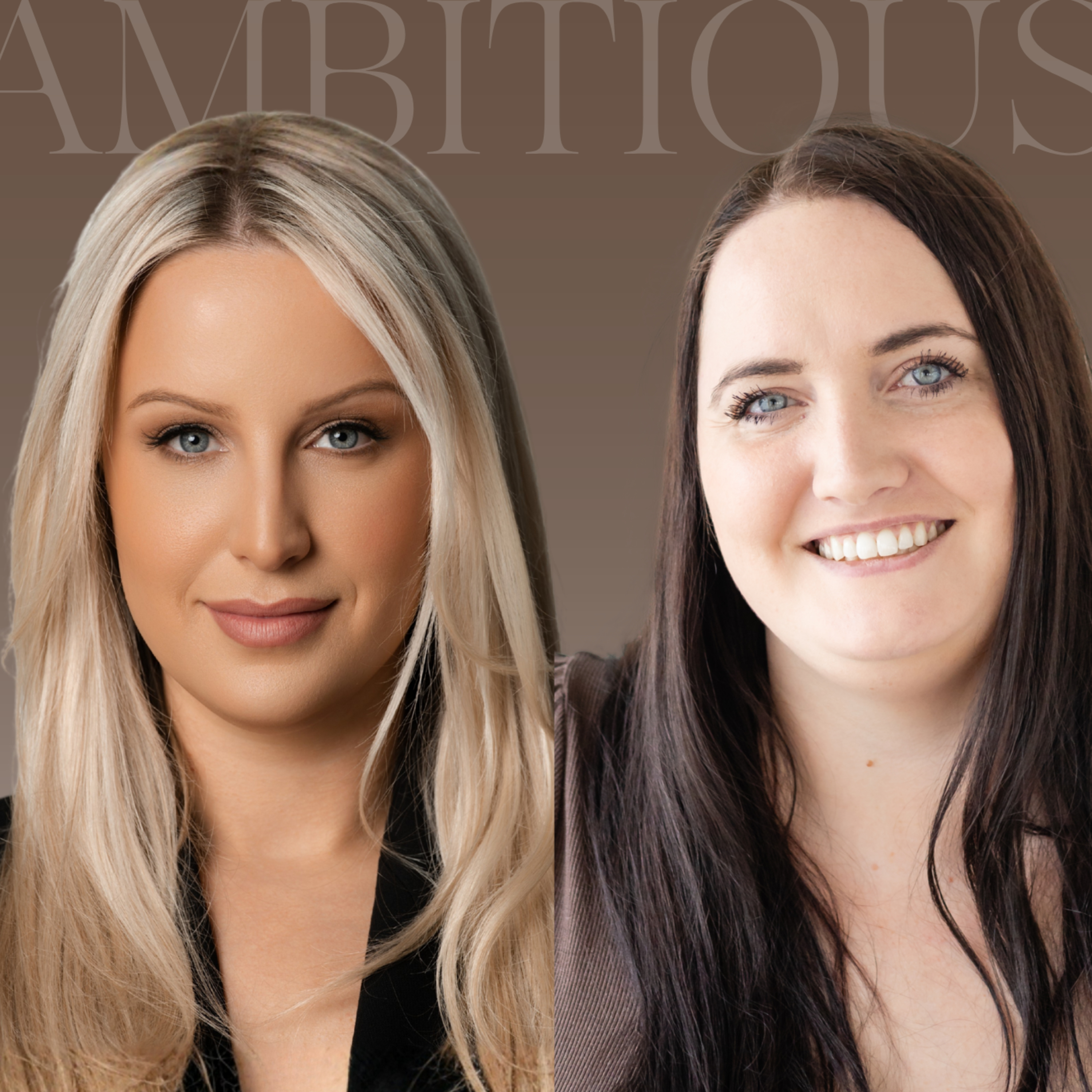
EP.111: Is SEO Dead? How Google, AI & Search Are Changing Business Visibility w/ Kara Duncan | The Ambitious Podcast
71m 23s
The discussion emphasizes that SEO is far from dead; instead, it is adapting to changes brought by AI and evolving search behaviors. While AI tools like ChatGPT provide quick information, they often lead users to seek deeper, experiential content from trusted sources. The core of modern SEO lies in the EAT framework—emphasizing experience, expertise, authoritativeness, and trustworthiness—to build a holistic online presence. Key strategies include optimizing websites, creating consistent blog content (which significantly boosts conversion rates), and using platforms like Pinterest for top-of-funnel discovery. The era of purely informational content is fading, replaced by a focus on firsthand insights and thought leadership, as algorithms now prioritize fresh, relevant, and authentic material. Ultimately, SEO remains crucial for visibility, requiring a shift from keyword-centric tactics to building authority and engagement across multiple channels.
I think there's one or two camps, which is either you're somebody who knows a lot about SEO or you feel like I have zero insight and information on this. Some people are in this like stark belief that SEO is dead or SEO is dying, which I don't agree with. In 2022, Google had 5.5 billion searches a day. In 2025, it was like almost 17 billion. AI is only going to get you so far and then people are going to look for the next step. And teaching someone in any category is really not the valuable thing anymore. It's about the experience around the information. I feel like a lot of people are like quick win junkies, like they're like, I want to make 20k off this thing I do, I want to make 50k off this thing I do. Businesses with blogs on their website convert at a 13 times rate compared to businesses that don't have blogs. By no means is SEO dead, first of all. I don't think SEO is dead, I think it's different. Hello, you guys and welcome back to ambitious, you were probably thinking Kate, where are you? I am probably at torches right now, where I'm filming this intro to this incredible episode. In this episode, I am joined by Cara, who is an absolute genius when it comes to all things SEO. And one thing that I know is the number one question so many people have right now is what's going to happen in this day and age of AI constantly being on the rise and feeling like it's moving faster than we are. So what does that mean for SEO? And so in this episode Cara and I dive into all of that and more, we dive into how SEO is not actually dead. It's just changing and how understanding SEO or AEO is also going to help you to understand how to get discovered. We also talk about EAT as a framework and how experience, expertise, authoritativeness and trustworthiness are actually crucial to being discovered on Google these days. With that, she also talks about three essential starting points that everyone has to have in order to be discovered right now online. How to optimize your website, how to build strategic backlinks and creating blog content and what that actually looks like in today's current ecosystem. She's also going to discuss the surprising stat that businesses with blogs on their website actually convert, which blew my mind, at 13 times higher than people who have websites without them. She talks about how Pinterest actually acts as a true top of funnel for many businesses and how it helps them to get discovered. Why the information as value type of era is actually dead and what's going to be taking its place. And she also talks about what it realistically looks like when you are planting seeds online and you want to get discovered by searches like Google or AI. So if you are somebody who's been in this moment where you're not sure what's happening with SEO, what does this mean for my ability to get discovered? How do I make sure that I get discovered using AI? There are so many nuggets in today's episode that you're going to want to take notes on. So without further ado, let's get into today's episode. Hello, you guys and welcome back to ambitious today. I am so excited because we get to have an incredible conversation about I was just saying before we press record something that you're either one of two camps. You know a lot about it or you're like, I have zero insight and information on this. And that's why I'm excited for today. So Cara, welcome to ambitious. Oh, thank you for having me. I'm so excited to be here. Yeah. I'm honestly okay. So we were just saying before we press record that with SEO, there's really one of two camps. And I feel like now more people are getting curious about it because obviously of this huge AI conversation, which we'll get into. But I think there's one of two camps, which is either you or somebody who knows a lot about SEO or you feel like you're like, I have lived in the social media bucket and I've not been in that world as much. I probably would say that I'm the second. So as a starting point, obviously you live in the SEO world. How long have you been kind of like in this, in this area and using this as like a core piece of marketing? Oh, I would say I started doing it for my wedding business where I was like super doubling like seven years ago and I've been doing it for other business owners for five. Wow. Wow. Okay. So with that, obviously you see that in contrast to social. So maybe like bring us back to like the basis of the actual SEO, how it works because I know a lot of people assume, okay, you plant keywords and Google discovers you, but obviously I know it's more complex than that behind the curtain. So for anyone who's not familiar with SEO or really like how it works to get you discovered, what does that process look like? Yeah, for sure. So I do feel like SEO is like the clankiest word in the history because it's like stands for search engine optimization. So basically what it means is that you are optimizing what you have on your website. I mean, now they're talking about social media as like its own search engine, like basically just making sure that the content and that your business gets found online is really at the core of what SEO is. And yeah, like you said, there are tactics to help do that. Like you certain keywords and, you know, I'm sure we're going to get into that. But at the core, SEO is literally just about like putting your business in the best position to be found online. Right. Okay, obviously most people I think probably associate or at least like even for a lot of people that I coach, they associate SEO with, oh, when I get into SEO, I'm going to have a blog and they associate with Pinterest. But if somebody wanted to until now leverage SEO, what's kind of like the typical way for the last say to your point earlier, five years that people have been using SEO in their business? Yeah, definitely. So SEO could literally be anything. I mean, a lot of times people equate SEO with blogging and what I always say, it really depends on your business, your industry. I would look up like the main keyword you want to be found for. So like marketing coach, website designer, if the people that are coming up all have blogs, there's a good chance that you need a blog or some sort of regular content, if it be your podcast or YouTube, if it's being linked back to your site to help support you be competitive in those results. Right. The basis of it really being that if someone wants to succeed in SEO, it really is, are the words that your ideal client or that they're searching, are you coming up with that search? And so based off what I'm hearing, it's like, if you're writing it in a blog with those words, if you're speaking it in a YouTube video or a title of a YouTube video with those words, it's really ensuring that the words they're searching are the words that you're using within basically your marketing ecosystem. Yeah, that's exactly right. Yeah. Okay. Okay. Because I think a lot of people, especially for all of our like hardcore social media people who are like, that's the stake in the ground. This is what I do to scale. I think that there's this conversation of to do SEO means you have to be a blogger or you have to decide that you want to get into Pinterest. And obviously like you're saying with YouTube, there's a lot of ways to leverage SEO. So like, maybe in this current moment, what are some of the things that you're seeing are really like, leverageable tools for people to get discovered? Yeah. And I think that that's really interesting. And like you said, I think in 2026, I'm seeing a lot of people say like, this is the year I'm finally looking at my SEO, right? We know other algorithms tend to be a little more unstable. And I think it's interesting. The difference between like Google and AI, although it is changing rapidly, but Google was previously really looking at your website authority, right? What information do you have on your website that supports you being the best search result for whatever someone's looking for? AI is really looking more at like your whole footprint. So that doesn't mean that you can just be on Instagram, but it does mean like if you have your kind of like profile and business in multiple buckets, it will see you more as an authority. And I mean, Google is changing this to Google just added YouTube and stuff to their Google search console. But basically what these algorithms are doing is they're creating more of a holistic profile, but your website often sits at the base of it. Okay. Because really what you're saying that is the more places that you're discussing the thing that your ideal client is searching, the more likely you are to actually be discovered when they search. Yeah, exactly. Got it. Okay. So with comparison of like Google versus AI, because okay, there's obviously, which I know we've talked about when we haven't been recording and just like separate conversations. There's this conversation, which there's no lot of articles and a lot of I guess like noise around SEO. Which is that people are like, no, SEO is not dying. SEO is shifting. And I think that that can be said for really any kind of marketing, right? Like if you think about email marketing, email marketing has shifted from the way that it once used to activate people. So usually people could spam you with emails. And now people are sick and tired of that. And they really want intentional death or with social, everyone remembers. At least I remember those like pointing videos, we always do a couple years ago. And it's like that wouldn't work today. So it's not to say that reels are dead. It's just like what people are activated by in a real has changed. So with this SEO conversation of like, you know, is SEO dead? Is it not dead? As I said, I don't personally feel that it's dead. What are you, I guess, seeing shift from what you've been doing maybe for the last couple of years versus what you're kind of seeing is needed now to win with SEO or to see it be impact for someone's business? Yeah, for sure. And you're right. I think the funny thing about like doing this for five years is like people have literally been saying that SEO is dead like my entire career. So honestly, I think that's why I didn't take it seriously when I was first dabbling it like seven or eight years ago. Like it's just like, because who knows what this is actually going to do. And it certainly has shifted in the age of AI. Like I was looking up stats the other day actually. And it was like in 2022, Google had 5.5 billion searches a day. So it's like, yes, more people are just like stopping at the AI overview. I mean, the numbers are changing all the time because it's so new, but they say around 60%. But when you look at how many more searches there are, people are like, we have information at our fingertips and we are using that, right? So yes, are a lot of people, you know, dropping off at AI, yes, would I start an informational blog in 2026, probably not. But if you're using it as a way to support your business and you know the conversation can't stop at AI, like maybe you're a website designer, maybe your business coach, AI is only going to get you so far. And then people are going to look for the next step. So it's like as long as people are looking for the next step, there will be platforms trying to connect us regardless of where the search is happening. Got it. Okay. That makes sense because I'm thinking with that, if someone maybe has been and we're even seen with social media too, that information used to be your leverage point, it used to be your value piece, which is like if you were, we had tons of education based videos and tips and tricks used to be the thing that whoever provided basically the most education or value was connected to the business that would win. And so I think what you're noting with SEO is true with a lot of marketing right now, which is the fact that with Chatchy PT and other AI platforms, AI search models, there's so much information available to us. So the simple fact that, oh, like you're going to be the piece of information for someone is not necessarily the leverage piece anymore. And so to your point with death, if somebody wanted to not be that like you're saying, not create the information page, what do you recommend to someone to be like that next level of death? I guess like for your clients, for example, what would that look like to make sure that they're not just sitting on the surface of, oh, you came up for a quick piece of information, but maybe sure people come to you for death. Yeah, for sure. And I do feel like that is like the million dollar question because one of the buzzwords that I'm hearing is like thought leadership content, right? And it's like people want a quick win to be a thought leader, and it doesn't work like that. Like you actually, one of the things that I'm saying is like getting back into having conversations with your audience because there is so much Chatchy PT stuff out there to your point. More is more is more is not always the case, but that doesn't mean that you can have a little 600 word paragraph either. But really what I think is going to help people's net dot out online is making sure that their content is like fresh and relevant. And then also they have firsthand experience with it. And that they're actually talking to their audience still because something that Google and AI have both kind of like said that they are prioritizing is that the author actually has firsthand experience with what they're talking about. And that is like a direct reflection of so many people using AI to talk about what they have no idea about or that they don't have firsthand experience in. Yeah, so it's almost the aspect of it's not about information anymore as much as it's like the insight around the information. Yeah, exactly. Got it. Got it. Okay, because I think that the same thing is happening a lot of marketing right now, which is like if somebody was, oh, I'm going to teach you. I'm going to teach you. You teaching someone in any category is really not the valuable thing anymore. It's about the experience around the information, which is like, can you take the equivalent of like a textbook about marketing or a textbook about SEO or for me for business and give me real life examples, scenarios, things I'm going to experience, what I can kind of prepare myself. I'm going to see down the line. I think to your point of thought leadership, there's a lot that is underneath the surface of the quick search that AI is going to provide or that AI summary. And I think to the conversation of like SEO being dead, what I feel like no one's addressing is the fact of like, where do you think AI is getting information? It's getting its information from the internet, which to your point earlier, if you're not seeing as the top of your industry or the top person who has the tier point, a lot of wit on the topic, then you're going to not come up and search. Like I had somebody who was in my network, and they just signed a client from chat, which was kind of crazy. They beat the person literally said, I'm looking for a business consultant in this area with this expertise. And because this person who came up had YouTube, podcast, blog, website, like all again of that wit, they were like, hey, this is the person you should be hiring and here's why. And so they literally booked a console and that person became like a $50,000 client. And so they were like, you know, while they were thinking, okay, I'm doing social, I'm doing all of this. The actual thing that allowed them to come up was all the seeds basically that they had been planting the last five years that allowed them to come up for search in the first place. Yeah. Yeah. Exactly what you said. Like the people are like, how do I kind of like game getting on chat GBT or AI, like I'm kind of using those terms interchangeably, but it's like you have to have the content for it to pull from. That's not going to randomly find your Instagram profile and go based on that. Like there's just compared to what other people have been doing online. It's just not competitive. Yeah. And actually, sorry, I would also add based on what you were saying about your business friend. There have been some reports again, this is like a newer thing, right? But chat GBT traffic is almost acting like referral traffic where they're spending longer on your website almost as though they had been like recommended. So it's less cold than maybe we would find a Google search because we feel whether this is right or wrong, we feel like chat GBT really knows what we're looking for. So if chat GBT is recommending someone to us, we do have that sense of like, they're probably it. Yeah. Yeah. Which is crazy for a robot. But we just do it instinctively. There's people using chat GBT, which you know, teach their own people using chat GBT for their therapist. So it was interesting because with AI search, it's interesting because they were talking about which most people don't know. AI is actually designed to feed you what you want more of based off your past searches. So like if I'm constantly searching, for example, purposes like blue, it's going to give me all answers in the tone of the lens blue, whereas if it's like you're searching everything with the lens of red, it's going to give you all of your responses from that point on word with the lens of red. So there is definitely this validation it gives us or it tries to basically give us what we want more of because it knows that if I feed you more of what you like and enjoy, you're more likely to come back. It's like the basis of all all platforms. But the question with I guess SEO, which a lot of people have with social media is this aspect of volume, right? Like it's like, if I on social media, it went from a post today, was the marker. Then for people on TikTok, it's like we're doing three to five videos a day, which is crazy. So there's all of this volume aspect. But with SEO, I'm curious how much of it is volume and how much of it is just sheer consistency. So I actually don't think consistency matters that much. I think we do need to, like I said, it will prioritize fresh, relevant content for sure. But I think having high quality content, and I mean, we all like to say quality over quantity, you do need a significant amount of quantity. I don't want to like negate that and you have like two really great blogs and that's it. Right. So like being realistic about that, but I do think like do you have to blog once a week for the rest of your life? No. Like you can absolutely build like a capsule log with your core points. You can, you know, tweak them as you go. If you have multiple ideal clients, I think that's a way to do it where you're like, I have one blog that's geared toward business coaches and one that's geared toward website designers. And like is the core content super different? No, but they have minor tweaks to them so that I can get in front of because another thing that I'm seeing, well, everyone is seeing is how much more specific searches are getting, right? Like we aren't just typing three words into Google. We are like giving it our life story or chat GPT and like this is exactly what I'm looking for. This is exactly what I want. And I mean, in that way, I think it's really exciting for small business owners because there's never been like more opportunity for someone to be looking for exactly what you have and you're not competing for like marketing consultant. Right. Right. So does that mean that the person who's producing the material or producing the marketing also has to be super, super specific in the language that they're using? I think that algorithms are really sophisticated. Like we are seeing, I feel like some sensationalized like similar to like SEO is dead, like keywords are dead. Right. Algorithms, it doesn't have to be like the exact keyword for algorithms to understand what you're talking about now. But I do think like I still think keyword research is hugely important because we do need to make sure that people are looking, I mean, you see it all the time in marketing when people are like, I'm a unicorn marketing specialist or like whatever, right? We need to like be mindful that we need to get in front of what people are searching for. But in terms of like then using that exact word eight times in your blog post, I don't think it matters anymore. And one thing that I think is really interesting is with Google, like I said, they have always kind of looked at your website and judge that as like one piece in terms of your authority. But what's interesting is with AI, it's something like 90% of AI recommendations are coming from position 21 or later. So like page three, like these websites or blog posts would never see the light of day in a traditional Google algorithm, right? But because of how specific people are asking questions to chat GBT or AI models, we have the opportunity to get really specific. Like you're always talking about on this podcast and going deep and like really getting in front of people. Right. Right. I think the thing that I remember you saying, like it was like months ago and you were like, I have this post from like, or this blog from like years ago that's still to this day. Generates traffic. And I think that that really is the basis of good marketing is trying to find ways that whatever you produce can live longer. Because obviously you and I have even talked with the fact and I know you have a lot of really good content around this or the fact that like everyone including myself is really exhausted of the fact that you're creating so much content and the life cycle of that is so short. Like if we think about for people who leverage Instagram and listen granted, you, you pick your poison, right? Like I've picked my, my, my playground to be in. So like I'm not going to, you know, humanizing, it is, it is obviously something that's, that's helped my business. But it is very in some respects short lived, which is actually part of why, you know, I started the podcast is because the story you put up last 24 hours and the feed post you put up kind of has a life cycle maybe a week or potentially a month, depending on its reach. But it is very short lived and I think one of the things that is exciting about SEO and also with whether it's your website blogs or even something which we can get into with podcasts as well and people leveraging, you know, blogs for their podcast. The life cycle is so long. So like that in your piece if you could share with people like what is that real life cycle of what SEO can do for you in the sense of like for your clients, even maybe how much traffic it's sending a year or two years down the longer down the line in the sense of what it can generate. Oh, yeah. I mean, that is my favorite thing about SEO. I always say like if you're starting from scratch, you're going to want to blend some trendier pieces of content that won't last forever. Maybe, you know, we're still doing like 2026 trends posts or things like that. That will get you similar to Instagram, I mean, not quite as like spiked or anything, but like that will get you traffic this year versus like some of like foundational pieces of what you do in your business that could easily last you. I mean, I would say three years and then you can go in and do an update, right? So it's like it can last you so much longer like I've had blog posts in my wedding business, which I, you know, like we're still getting leads every single month. A majority of leads come from Google and I have blogged like 12 times in five years for that business, right? Because we had a bank of content. And I mean, yeah, we've updated things like posts that are like top resorts to get married at sometimes we'll like throw in anyone like, but it's not the same as like recreating content all of the time. Yeah. Well, I think 1000s a month, right? Like thousands of people visiting your site. Yeah. It's exciting because I think that we've been so programmed in this like to your point, this short dopamine spike, right? Like it's like I put out a piece of content and I get X amount of inquiries, right? Put out a piece of content and I get X amount of applications. But I think the part that a lot of people don't really think about because they are just in this dopamine cycle of like I put it out, I get an application is really asking yourself, do you want to play that game for the next 10 years? And I think that as the SEO conversation, which is why I was excited to talk about it, is like it's, it's not even a matter of it to do one or the other because obviously both of us are technically on social, but I think it's also looking at are you planting seeds that will allow this to bloom for you to your point in three years? Like the fact that you're still getting leads from something that you put out three years ago for any business owner, I feel like is a dream to think about getting, if you could get leads for your business today from something you put out three years ago, it would be a dream right, buddy? Yeah, I totally agree. And what I would say to your point about kind of needing to be everywhere, I think a lot of people are starting to see Instagram more as a nurture tool than a growth tool, not to say you can't grow on Instagram. Obviously, there's a million examples of ways that you can, but I have seen with my own business and with clients businesses, it's like, yes, people find you on Google or chat GPT, but then they are vetting you, right? Nobody's just hiring somebody off a website, yeah, with the tune of $10,000, $20,000, whatever dollars, right? Usually they will look for you in a couple places, whether that's like your podcast or your Instagram or, I mean, depends on your industry and what you sell, but definitely there is more advantages than there ever have been to have a holistic presence. I think, and I'm curious is to what your thoughts are, one of the things I think stops people from having a bigger presence is this aspect of capacity, right? Where it's like, okay, like I'm struggling to stay consistent with a social media platform, but now I'm going to add on a blog and then I'm going to add on Pinterest and then I'm going to add on these pieces, but I think the interesting thing, which I know you shared before in just like personal conversations, is also that people don't realize that the SEO component doesn't have to be its own thread of content or its own thread of marketing, that it also can complement the other things that you've already produced, meaning you're not starting from scratch necessarily of like, hmm, what do I want to talk about this week within, for example, your blog or if you want to post a Pinterest, like you're not starting from scratch? So if someone maybe is like, okay, I do need to start planting seeds because the social media game is tearing you out. What does that look like to kind of, I guess, leverage repurposing? Like what are maybe different ways that you're seeing people leverage SEO without necessarily wanting to go spend, okay, my number one marketing channel is, for example, SEO or blogs. Yeah, for sure. I mean, we can repurpose so much. I would say like for my own business, I'm not creating a new blog post every single week that is strictly blog, right? But I do have a weekly podcast episode that I then turn into a full blog post, like not like two paragraphs of show notes with the embed code, like it is a, you know, 3,000 word kind of blog post that I'm basing off my transcript. And then I have one YouTube video that goes out a week. I turn that into a blog post. So my site is getting two new blog posts and compared to how much work I put in to my podcast and to the YouTube video, making it a blog is like a tiny bit more work. And I would say, I mean, I know everyone's experience varies. But like YouTube, I think is discoverable on its own podcast being discoverable is I feel like in this conception. Like I think people think if they have like the topics or sometimes a guest can be super discoverable. But for the most part, people are finding your podcast because you're telling them about it. Whereas like with my podcast, I see spikes in downloads for episodes that do well on Google. And then it's like if I can get them to listen to my podcast on Google and then that podcast episode is good, I can keep them in my orbit, right? Which is what we all kind of want to do more of. It's actually so true because I had a friend who's starting a podcast and they're like, yeah, like I'll just start it and then like grow my listener base and I was like, how are you planning on doing that? And I think a lot of people think like, oh, I'm going to search, you know, business and research SEO on Spotify. And it's like, do you know me podcasts are going to come up that have either in the title SEO. It's either the title of the actual show, the title of the episode. And it's actually really difficult for a podcast to get discovered typically. So there needs to be this like promotion aspect, as you said. And even with social, the interesting thing with social clips of a podcast, I think that social clips alone are the thing that will promote it and they do help. But think about how many of us watch a clip of a podcast and we never go to the actual episode itself, unless it's like a teaser. Sometimes the thought is complete and we never need to go to the fall episode. So I do agree. I actually find for our podcast, the biggest thing that out of everything that we do that has been helping is the title of the YouTube videos that we put out because are they actually searchable? So that if someone's searching launching that it actually comes up and then that typically to your point is what starts the rabbit hole. The YouTube short title will come up, which leads them to the YouTube video, which then leads them to Spotify, which then leads them to, it's like kind of, you know, obviously this downward funnel. But I agree, I think that a lot of people are not thinking as well about like how we consume, right? Like if you're searching for something, if I'm searching for something, whether on Google or AI, thinking about how is your ideal client looking for information? And then are you positioning yourself in such a way that you would get discovered because of how you're titling things, because of how you're putting content out? Because I'm sure even for your clients, there's also the aspect of creating content for us and then creating content for what is someone looking for, which I think is also a big disconnect because a lot of people create marketing, whether it's YouTube, it could be blogs of like, ooh, this is something that I created because I found it interesting versus what is the person that I want to work with actually searching for on the internet today? Yeah, for sure. I totally agree. And to your point about titling, I think that is sometimes where people get stuck because they choose something I want to say clickbaiting, but not in a bad way for their podcast. And when you turn that into blog post, you don't need to use the same title. It can be much more straightforward. Right. Right. And I think that's the first opportunity because nobody is looking for like the number one business mistake I could ever make. It's so true. It's so, so true. When it comes to the ecosystem of SEO, one of the things that you often hear people talk about is Pinterest. And so I, when I have conversations with people and I'm like, yeah, you know, like there's, for example, a photographer, business coach that I coach. And she talks all the time about the fact she was like, I don't feel that any business should have anything other than social SEO and referrals. Like these are the three pipelines of marketing. If you only have social, you're shooting yourself in the foot because it basically means that you're missing on this whole other channel. And one of the pieces with, with the SEO component that she talks about is Pinterest. She was like, it's a matter of looking at kind of as you were saying with Instagram, there's nurturing tools, there's visibility tools. How does Pinterest come into the mix in the sense of connection to SEO? Because some people think they can't do SEO without Pinterest, but obviously you see a lot of people who are very successful at SEO using Pinterest. So how does it kind of come into the ecosystem if someone's thinking about leveraging SEO in 2026? Yeah, for sure. I would say you don't need Pinterest as like part of your SEO strategy. However, there are like huge advantages to including it. So one, we see pins all the time show up in the AI overview. And it is more compelling to click on that pin than it is to click on like one of the sources on the side most of the time, right? Because we're visual. So if we're looking at an AI overview and we want more, and there's like a pin there, we're just naturally going to click it versus like trying to find the sources. It also shows up in the Google image search tab. And then it also, I think people grow, say underestimate how many people are actually using the platform. So Pinterest is continuing to grow. I think sometimes it's like millennials. We see that our use of Pinterest starts to go down, you know, as we have certain things that want to say like together, right? We use a planning platform a bit less. But the reality is like Pinterest is growing month over month. They're just at 600 million monthly users. So they're not a small platform. And so the fact that you have these SEO benefits, oh, the other thing I was going to mention, sorry, is backlinks to your website. So backlinks are a huge factor on how much your website is deemed as an authority. So on Pinterest, you have your Pinterest boards that are then like supporting all of the links that are going your website. And you have the individual pins that again are all pointing back to your website. And I mean, people are on there. There's kind of 12 key categories on Pinterest. And business is one of them. So one of the examples I always like to give is searches for like investment apps are up 620 percent this year. And so when you look at a search like that, that doesn't end with, okay, I got the recommendation and now I have the information, right? It's like, no, people are searching for that because they want to download it. They might want to buy your digital product if you're like, oh, hey, I have exactly what you need to know about using your first investment app, right? There's like, like you said, we all go down these little rabbit holes, but I think it's, there's a misconception that Pinterest just ends with pretty photos on a pin. Well, it's, I actually went to, and you're spot on, I went to a marketing conference last year. And it was basically like all the major companies. So things like, you know, Pepsi, Nike, all these huge companies. And one of the big companies and one of the big presentations that we attended was the CEO of Pinterest. And I have, I was completely blindsided by the stats that she showed, like literally like you're talking about because I'm going to be honest. Full transparency. I thought, before I saw that presentation, I was like, okay, yeah, Pinterest is like where we do like inspo for wedding planning or like inspo of outfits and things like that. Like I thought our people consistently using it. But she was talking about how much the platform has grown. Obviously, since she became the CEO. And also with that, talking about the user base of how many of the different categories both like Gen Z millennials or the two, I believe two major groups who are using it. But then also with that, even older generations are not coming back to it because of the way that they've curated what it gives you. And they were talking how most people really don't understand that Pinterest in itself truly is its own social media platform. There's people who are using it all the time, especially in the business category because it was a business conference. They were talking about how this is a main place of search. People are using it for searching ideas for content. They're using it for, to your point, searching ideas for certain information or questions they're trying to answer. And her whole point was, are you coming up when people are searching for it? And so I think that with all the, the options that people have, they wonder, okay, where does Pinterest fit into the ecosystem? And so based off what you're saying, it's kind of, almost what I take from it is that Pinterest is the organic way of almost like an ad to allow you through search to get discovered for the information that they can then go deeper on elsewhere. Yeah, exactly. So Pinterest is, I mean, I define it as like a true top of funnel platform, right? Nobody is converting off of a single pin. You're not nurturing someone from a single pin. It's like, your only goal is to get them somewhere where you can take them to those other steps. And I also just want to add like to your point about people underestimating kind of Pinterest is like, especially, and it could just be my algorithm algorithming. But I feel like people underestimate that Pinterest is one of the only platforms that is committed to being like a positive place to be on the internet. And I think people are like, flooding back to that. And I think especially like when you say about business, I always say like Pinterest is kind of the platform you go when you want something in your life to change, right? If you're planning a wedding, if you want to get healthy with meals, sure, but also like starting a business, changing up your Instagram, rebranding your business, like getting grandfather was like, you're flooding to there. Well, it's really, if you think about it, a place of inspiration, like most people in some respect, like your point of like your rebranding, like even for us, we're doing branding for another business right now. And the first thing I did is I went to Pinterest and I was like, let's pull together a vibe of what I'm thinking. I'm renovating a house right now. First thing I did is I made a Pinterest board of like, what are the, you know, kitchen that I want mine to look like. So it's very true. It's the first place that you go to generate an idea of something that you're wanting to kind of eventually go into. Now, one of the things that I know with anybody in marketing, so I know for, I would take a high probability that this happens to you within your agency. Everyone's okay with where's the ROI? Like, if I'm going to put in, you know, money into any marketing, whether it's social, it could be podcasts, it could be SEO, where's the ROI? And one of the things that you just know to which I think is really important is that just like getting discovered is the first step, but what happens after that is also crucial to whether when they discover you what happens, which is either they discover you through whether it's AI, Google or Pinterest, your information is what's fed to them and they're presented with you. And then what happens next? So I'm curious for you if you've ever seen that maybe, you know, because I feel like people can get discovered, but maybe the conversion doesn't happen or like people fall off. They don't opt into the email list. They don't consume the website. They don't go listen to the podcast. Have you ever seen someone who maybe has ranked well and they have become discovered, but it's like then people drop. And that's because of the part two, which is like what happens after they get discovered. Oh, for sure. Yeah, I mean, we see that with any platform, but I will say, because one thing that you said that I wanted to touch on was like people go to Pinterest for inspiration, but they also do go on the platform often to take action. So it usually is like sometimes it's mindless scrolling like when you're collecting kitchen ideas, for example, however, like there is so much research to be like Pinterest users are spending more money than other platforms. Many, I think it's like 85% of regular pinners have absolutely made a purchase on there. So if they're not taking action, which I, I agree, I think a lot of us, we build our website, we build our blog and we don't consider that a cold audience is going there. We think like I need a website to send my Instagram people to and the experience that your Instagram people need to have is way different than what your Pinterest people need. Because for example, since we're talking about blogging, if I am clicking on a pin that then goes to a blog, is it even obvious that you are not a blog site? Right? Like if you are a business, is that obvious to me or would I just think like you're your industry's version of Wikipedia? Right. Right. Well, you actually are spot on. So even back to the example of the house, originally when we were kind of like in the infancy of the renovation, I just had this random inspo board that I sent to a designer. And literally just this week, I was like, hey, it's small thing, but I'm like decision for baseboards. What baseboards are we using? And I'm like, okay, let me go to my Pinterest. So I literally went to Pinterest. First question was, can you send me the link to the site of that photo, which is basically it was some, you know, renovation company? And they sold these baseboards. So we literally were like find the link to this website of the person who was the source of this photo because it was their work. And let's find where we can source this material. So literally to your point, we saw this photo, we pinned it. And within 20 minutes, we were looking to figure out how we buy it from this person because it was exactly what we wanted. So your spot on that people can go through that process. But I also agree. I think people don't consider the full ecosystem with their website. They think about, okay, well, to your point, I have people from Instagram going to it. So I'm just going to assume that they already know who I am, what it is that I do. They know the name of my services, things like that. But would you then recommend if someone is going to leverage SEO really in any component that they should be setting up their ecosystem or their business to be just as welcoming of cold traffic as they are of warm? Yeah, for sure. And not even just your website, like individual blog posts. I would, I always start my blog post with like introducing the topic and then introducing who I am. Like, you're going to know the next step is like to work with me or to read this other blog or to sign up for my podcast like in the second paragraph because people are just skimming and you're going to, you need to make it obvious like, this is the email where to get on the email list. This is the free me that you get with it, right? Like, I think Pinterest is never going to be a middle of funnel and a funnel platform, right? In some ways, at least they can save you for later and then come back to you maybe depending on what you do. But for the most part, if people aren't converting from Pinterest, it's because you are missing those middle of funnel pieces. And I think people underestimate like we are seeing like longer buying cycles in most industries, right? And oftentimes someone can stumble across you on Pinterest and then they come find you on Instagram and maybe that's where they made the purchase and maybe they even feel like they found you on Instagram. But that isn't always the case, not even just for Pinterest, but anywhere. We forget the first time that we see someone if we're used to following them on Instagram every day. True. And I think that there's a lot of people, you know, who will have say like an intake or an application like, oh, where did she find me? And it's like, well, they're applying through Instagram. So as a result, they choose Instagram. But to your point, where was the first touch point that they had with you? What was the first experience that they had with you? And so if someone's wanting to, okay, they're listening and they're thinking, 2026, I do not want to rely on social media alone. And they're curious about SEO. Where does someone start with this ecosystem? Because to your point, you can have search through you too. You could also have, for example, your podcast, repurposed to what you noted into a blog. You could do blogging separately. You also can think about Pinterest added to it. So for most people when they listen, they're like, this is overwhelming. There's so many options that I could do. If you're kind of looking at, you know, the success plan, if you will, for 2026, what do you think if you were going to like design for somebody? This is in an ideal scenario, what I would recommend. What are some of those pieces that people should be considering in your opinion? Yeah. So I think the first part is honestly looking at your website because a lot of times people like want to skip to blogging or want to skip to Pinterest, but your website is where you're sending people. So at the very least, you have to make sure that it is set up to capture those people. And that some of those main keywords are on your website because that's going to support your other efforts. It has the biggest impact in the smallest amount of time. I wouldn't also say figure out your backlinks. So like, if on your Instagram, you still have a link tree or if your LinkedIn doesn't have your website, like find all of these places. I'm thinking of the wedding industry because it's top of mind, but they have like the not and wedding wire and all of these wedding directories. Like, how can you get on these for free and get them pointing back to your website just as you have like a solid foundation? Actually, I forgot to ask you earlier if anyone who's listening who doesn't know what backlinks are. Can you kind of break down what is what are backlinks? Yeah, for sure. So they're just links that are on external websites, so not your actual domain. And they point back to your website. Got it. Okay. So website number one two is looking at backlinks. And then from there, where where do they kind of go? What would be next, I guess, in your opinion? And then I would start a blog. But if you already have content that you're creating, like a podcast, like YouTube, start by just turning that content into a blog. It really like when we think about how much effort it is, it is so minor to turn it into a blog. You can often get like someone on your team to help you with it too, right? Because you're not like, they're just repurposing that content. So it can be really low lift for you. And then once you have, I would say like if you're doing that weekly for like three months and you have a little bit of content, then you can look at like adding on those layers. Like maybe you add extra blog posts that are specific to what you do because our podcasts are not always specific what we do, right? Or Pinterest or other places like YouTube, whatever to get down online. And just like start small, I guess, and then just keep adding those pieces. But I would start with the website first and then start with any sort of consistency with blogging. Which I think is really interesting too, because you see so many people who will talk about like you don't need a website. And I think that it's also like to your point and it makes total sense. If you think about not having a website and you're just sending traffic to something, you're kind of like leaving them in this void. Like they don't really have a curated experience of you that you've created. Instead, it's kind of like I'm plopping you here and I'm going to let you just like fish around and find whatever you find. So I think you starting with the aspect of website makes a lot of sense because really what that means is that if you're going to get discovered, are you curating the experience of how someone discovers you or are you allowing them to kind of curate their own and find whatever they find. And I think that when that happens, some people don't get the conversions or the outcomes that they want because what they find is not necessarily something that helps them move down the process. One thing that I know is kind of this debate within business in this current moment in time. And this is the same thing for social media is people being like, oh, I'll just use AI to write my blog or they'll say I'll use AI to write my social captions. And my personal take on this is, I think AI is great. I think AI can help with a lot of concepts. I think you can help with a lot of like idea generation. But if it might be really honest, I can see a AI caption a mile away, meaning like you read it and you're like this so clearly what's not made. Now granted, AI probably is in its you know, infancy and maybe a couple of years from now will be a very different story. But I think right now, people are desiring to read things that actually activate them, whether in an emotional way, in like an insight way, like you mentioned earlier, of thought leadership. And so for my personal opinion is, I think right now, well, AI can do a lot for us. There's just this human factor that I think not only can it not quite replicate, but I think that people are desiring it, meaning it's not that you couldn't write a blog and say like, hey, AI, this is my podcast. Write me a blog and you don't touch it. I know it can assist, but I don't necessarily notice the whole process. And I think people who use the whole process are actually, it's going to be detrimental to their brand and it's going to be detrimental, probably to the results that they generate. So what's kind of your take on how people can think about AI in context to things like blog and SEO? Like would I guess maybe you fully trust it, you just hand it off and do it for you because obviously you have an agency where you support people with this. So I would imagine there's an aspect of like the human touch is really valuable in those instances. Yeah, I absolutely think AI can do a lot. I obviously don't think that you could just like hand it off and copy and paste. But I mean, there have been so many like SEO people testing this where it's like, okay, if I start a brand new website and I just like flood it with AI content, like buy a post a day or something like that, what we've seen happen is that it will rise in search results pretty quickly. And then it will fall dramatically because at the end of the day, these platforms are paying attention to like what the user experience is and how humans are interacting with the content, right? And humans are not interacting with AI content as much, right? So yes, I think you can use AI. I mean, Google has said that they're not penalizing AI content. However, I mean, the way that Google ranks things is through this EAT, which is experience, expertise, authoritativeness and trustworthiness. And experience is actually a new one. They used to only consider like if you seem to have expertise and you were an authority and they deemed your website trustworthy. But the reason they've added this experience and AI has said that they prioritize this too is they want to know that the person writing has more than just like book experience on it, right? They don't want that level of curation of information anymore. They want like real humans. I mean, look at the investments. Big, big companies are making, right? Like with Google acquiring, not acquiring, but they're using Reddit information to try and like learn more about who humans talk, right? Adobe, just I think they acquired some rush for like $1.9 billion. So you're like, SEO is not going anywhere like big places are like, how do we make it better? How do we make it more human? And to your point, I think there's, I mean, one thing about AI is it can give you a first draft, right? But I think and like who knows two years from now, but right now it's so important to have a human not only like rewrite it so that it sounds like a human, but also like make sure that it's correct. I actually, I one recent client came to me and they're like, listen, I have been using AI to turn my podcast into blog posts. And somebody actually like came up to her and was like, hey, you have this on a recent blog, but like I don't think that this is correct. And then she's like, oh my goodness, it's not correct. So not only is that blog post not really serving you because AI generated, but also it could be really diminishing any sort of trust because if you have something and someone who is not an expert is like, I don't think that that's correct. Yeah. And on your website, like I can't think of a way I would lose trust faster. Right. Right. Well, that's so interesting that you say, okay, so obviously there's the education side of it. When you say experience, what do you think that that looks like? Like if someone was to say, okay, like there's a, there's a good experience to it. Do you think it's the sense of like the experience someone has consuming information? The sense of you were saying earlier, like the time they spend on the site, how maybe potentially they come back to it. What kind of helps somebody to go from being the educator to being the person who also, by Google terms, is seen to have a good experience? Okay. So actually, I didn't explain that well. I'm glad you said that because they do consider the user experience as a ranking. But when I'm talking about like how Google is using experience, I mean like the experience the author has in the subject matter that they're talking about. So they want to know that they're, yeah, sending someone who is like in the weeds doing the thing is talking to people about it. Okay. And so would that be, do you think for most people quantified by like authority or do you think it's quantified by or like I guess how Google would diagnose that or see that? If someone's like, okay, like I want to make sure that I am seen in Google's eyes as the one who has experience, is that by, you know, I would say flashier things like accolades of achievement in the sense of like the superficial things that we think about of, you know, people had this whole era of like I want to have Forbes under my name and I want to have, you know, this magazine or whatever I be, or is this like, okay, wow, this person's got a lot of topics for a lot of subject matter around this on the internet. Therefore, this probably is someone who's trustworthy. I think it's a mix of things, but one of the easiest ways I think to infuse it into what you're creating is honestly just good storytelling, not like chat to BT storytelling, but like I was sitting down with a coaching client because I coached for XYZ and we were talking about this that I know so many people are looking for like starting a blog post like and really phrasing it like so you were there doing the thing. You live and breathe it. You live and breathe it versus just your an expert at it. Right, right. And then you said trustworthy. What it like when you work with clients and you want to make sure that like again, by SEO standards, they are seen or kind of categorized as trustworthy. What do you see like in this moment in time actually is the thing that helps people to be seen as trustworthy? Yeah, I feel like it is how consistent their brand or business is. So I mean like for software companies, they have things like trust pilot and you know, places like that where you can leave reviews. Google's absolutely looking at how many reviews your Google business page has. So if that's somewhere that you have never prioritized getting testimonials, I think that that is important. And when I say consistent, I don't mean like she blogs twice a week. I mean like what she's saying on Google matches what she's saying over here matches what she's saying on her main website matches what like there's consistency there and it just makes the brand and business seem stronger. And honestly, one thing is age of the domain and website, right? So it's not something that you can necessarily be like, okay, I want I want this. But if you don't have a website now, like it now is the time to get it up for sure. Right. Well, I think that's a really important piece because people often, especially I see as in the social media world, they're just kind of like they want like these quick hits of topics. So I'm just going to talk about this on a Monday and this on a Wednesday. And you kind of see that they adjust what they say depending on whatever they feel like is going to activate the person that day. So like they're kind of, you know, to the left on one day on the to the right on the next day. And what I take from that is that not only obviously like brand presence is going to be important. So to your point, like if you have width, it will help you. If you have personal experience and storytelling, it will help you. But what I also take from that is that you need to actually know what are your consistent beliefs as a brand. Like what are those consistent, like threads that you can ensure are everywhere that you are because if you are creating content just with the aspect of speed or you're just using chat, TVT, just like you said, get something out because you're like, okay, great, I'm checking the box of putting out a blog post, but the blog posts are all over the place in the sense of what they talk about, what your beliefs are, perspectives. There's no kind of through line that that even know your consistent in production can actually potentially be something that's detrimental to your success. Yeah, for sure, for sure. And like I think there is a danger in that AI sounds so good, right? Like we, I was actually, you're going to laugh as a business coach. I was like scrolling on threads and it was like, put this chat, TVT prompt in chat, TVT and it was like some sort of like coaching prompt. And then the person said, like, take this to your actual coach to strategize after. And I was like, oh, yeah, what the heck? Like I'm curious about this because I've never used AI for like that sort of high level planning. I believe in like human coaches. But like I was like curious about it. And like the way that AI wrote me a plan that and like it sounded so convincing, like it was a good plan. But then like, but again, my human experience was like, that isn't going to work. And like it would just like talk in circles. So in some way, I feel like people starting businesses now are so lucky to have it. And on one hand, I think like this could so easily be your detriment because chat, TVT, honestly, like Instagram will convince you that you're being productive. And this is a good use of your time and give you that dopamine and more of what you want. But sometimes, yeah, the slow winds are what's going to help you build more. Well, and I think that that highlights to me, which I so agree with, because people are saying, you know, they've asked me, are you worried about like business coaching, for example, getting wiped out? Because like you were talking about the SEO, are you worried that, you know, chat, TVT could do it? Are you worried that someone could chat, TVT these questions? And I was like, yes, but even with everything you shared today, there's just aspect of discernment, which is like, if I say to chat, TVT, okay, use all of Kara's content and her advice and write me a blog post about this topic, right? Sure. But then the question becomes, okay, I have the response and there's what it provides to me and then there's what you and your agency would provide to me. And truthfully, for anybody who hasn't seen the other side of what you guys produce, there's not really any way for me to truly know with discernment that this is like, okay, this is the right answer. There's no way to know that whatever you're putting out is, in fact, the thing that you should be publishing on your blog or even, for example, to your point of SEO for YouTube. Like you could chat, GPC, you know, give me a very SEO rich title for this type of topic, but that doesn't necessarily mean that you have confirmation of why is that SEO rich or like, why does that work? How do we know that works? And something I wanted to ask as well is like, the wins because I, you were talking earlier about the trends versus the pieces that are long form. And I think in this time, I feel like a lot of people are like, quick win junkies. Like they're like, I want to have like a, I want to make 20K off this thing I do, I want to make 50K off this thing I do. And I think with SEO, one of the things that I will admit is I think that people are probably similar to TikTok kicking themselves that they didn't start sooner because obviously like you just noted earlier, you've been planting seeds for years. And so there's this aspect of you can't expedite that process. Like you can't, if you haven't been planting these seeds, you can't just rush to plant them. When you said earlier, you know, if you don't have your domain set up, you can set it up today. But at the end of the day, if someone else's domain has been around for 15 years longer than yours, like that is going to matter. So I think for a lot of people listening, I would know there is an urgency here to kind of get these pieces in order because it's kind of, I think a little bit with SEO, almost like, you know, putting money into investments. Like you kind of have to pay into investments each month. And then with that, how much you have in your investments, it's really a matter of how they compound over time. And I think with this current age of marketing, there's a lot of like quick wins, but it leads people to have to stay in that bucket. So if someone listening today is like, okay, I'm wanting to do this and I'm going to lean into SEO and I realize that this is important for not only traditional SEO, but also for, you know, AI, for chat, for Google, all of it. I need to focus on this. What would you, if you wanted to be really honest with them, tell them to set as an expectation for themselves of what they need to go in with as a perspective? Because I know from the people that I know who do SEO, they're like, it's a long-term game. Kind of similar to podcasting. It's not something that you put a podcast up and you're like, hey, I signed 18 clients. Like, it's just not that bucket, but it also is insanely beneficial long-term to the business. So curious if someone wants to get into this. What's the brutal advice you'd want them to know? I know. So I usually tell people six to 12 months. I think it depends on the industry. If you are a local business, so like local wedding photographer or something, six months feels more reasonable. If you are a website designer that can work with anyone in the world, like 12 months, to two years depending on how not that you don't see wins before that, but to get like an ROI and what you're putting in, it's going to take, yeah, like a year and a bit maybe. And the wins that kind of come sooner, just so people know that there are wins is like, before you can actually see like an ROI in your bank account, you have to get the blog post as an example on Google, right? But it starts on page 20. There's no ROI on page 20. Then you get to page 15 and you're like, okay, it's working. There's still no ROI on page 15, right? So you do see these like, and then you kind of get like, it's not the same way as on Instagram, but then you have like one post that does well, right? And then you have another post that does well. And those kind of like wins all need to happen before it's like, okay, I'm getting consistent traffic. And now you have enough traffic that you can actually work on some of those more conversion pieces, right? Because before we're just, I don't want to say guessing, because you know, we're putting a little more effort than just like throwing something up. But until you have traffic, you don't know how people are going to take the next step. And so then you have those wins. So I feel like yeah, realistically, maybe like one to two years. And then like, let's say you're blogging once a week. I mean, at the end of two years, you have like over a hundred blog posts. And I think in the early stages, you need to take the wins where it's like, okay, I made this blog post. And then I sent it to my email and I made some content from it. And like those have to be the wins that you're like hanging on to until you get like those. I found you on Google. Well, I think it's also like, it's an important piece because I think that people underestimate like long-term play until they see other people who are then benefiting off the long-term play. So like think of many of us, you know, for example, listen to a podcast that's been around for five years. It's famous now and everyone listens to it now. Like think of like Diary of a CEO. He blew up in like year three, even though he was recording his bedroom for a couple of years before that. So it's like, he planted a lot of seeds. But in the time, there was no return necessarily instantly of his dopamine hit of his efforts. And yet over time, it compounded like you're talking about and here he is. Or for example, people who are YouTubers who have like a million subscribers, like that didn't happen in two months or six months. It was like weekly videos that got to like 100 or 200 people that over time compounded. So I kind of see SEO the same way in the sense of that you really have to go in with the mindset of I'm doing this because in the next two years, like you're saying in my business, I want to be able to leverage this down the line. And I think it's also why, you know, when you see people, for example, like obviously it's a bigger brand, like a Jenna Kutcher who's still leveraging SEO and blogs and Pinterest and all of that with her business, like she's been doing it for a very long time. And as obviously now as a result, reaping the rewards of it. But I think it's important that people set the expectation around it because it's not something like a a quick hit of TikTok or a quick hit of Instagram that's going to give you this instant ROI. But I think the other piece that I would just add to that to your point earlier of making it into content is I think the other win as well is like this is also assuming you're going for like cold traffic. You're going for like, "Hey, I want people to discover me." But what about the people who could already know that you exist, like whether it is through social media or other channels like you're talking about, who could benefit from this being on your website? So for example, if someone has no blogs on their site right now, how could somebody who is looking to invest with you maybe from TikTok or Instagram leverage the fact that you have blogs up to help them to convert and you're also simultaneously planting seeds for the future? Yeah, for sure. Like I was even just thinking there's a stat out there that I was reading that was like businesses with blogs on their website convert at a 13 times rate compared to businesses that don't have blogs. So right, and it's even, I hate to say this as someone who is a writer, but it doesn't even really matter if people are reading it. The fact that it's there and people skim it, people like double check, I mean very few people will read every single blog even before they hire you. Like they're more likely to just like if they find you on a blog, they're maybe going to skim that one, they're going to skim one or two, they're going to head to your services page or your Instagram or somewhere to warm up further, right? Most of us aren't sitting down and like reading word by word, but blogs one that just having it there like increases trust and makes people more likely to convert. I feel like as well with blogs, what I know has also worked very well with some of my clients is they have blogs, then they embed a resource or a freebie in like kind of linked within it. And that in itself is just generated even the aspect of generating an email list for them of people who've gone to the site. They're not at a place of investing because they're still maybe just again like searching kind of in that nurturing phase, but they opt into something. Now you've got their email. You've a whole other funnel from which to nurture them. And the other thing which I've had recently is that I've had people discover me off other people's blogs. So like I had someone who searched a topic and they were like, yeah, I went to so and so's blog, which is where I found your podcast, which is then where I read the transcript or like the summary of it. And then I found you because you were hyperlinked underneath it and it's like this whole journey. And so I was like, you're finding me through other people's blogs, not even my own blog, but like my other people's blogs because again, they literally search the topic and our blog, not even our podcast, your point earlier, but our blog of the podcast is what came up in the search and then that led the rabbit hole to kind of happen. So I think, you know, the thing that I take from it is by no means is SEO dead. First of all, right? When I was like, I'm not sure if SEO is dead. It's not dead. I would say my quote if I could like succinctly summarize is I don't think SEO is dead. I think it's different. And I think that it's basic essence. Everything you've said today, like I know you have a lot of stats of success stories that you've helped. I know you have a lot of clients that are still very much winning even to your point of your own business from three years ago, bringing in leads like, do we need to hear anything else? It obviously means that SEO is not dead. It just has changed. And so if somebody is like listening today, they're like, okay, fine. You've sold me on it. I'm curious about SEO. Like, where do they reach out to you? Where do they kind of find more info to look into what this could look like for them for their branded business? Yeah, for sure. So I mean, the easiest way to find me is the care report dot com or I have a weekly podcast, also called the care report, because naming is not my thing. And yeah, I mean, I have a private podcast on my website that will take you to my private podcast called build at once, get bound for months. And I walk you through my whole process there. That's a great name. I'm just saying. Yeah. Okay. Amazing. Well, Cara, one thing I wanted to ask as a final piece is obviously you've been in business for several years. And in this process, you have seen SEO, you've seen social media. If there's one thing that you could give as someone for advice and just like the marketing space in general, that you're like, if I wanted to win in marketing in 2026, this is what I would recommend. What do you think people should be having as maybe a perspective, a thought, something to do? Like obviously we outlined what to do when it comes to SEO specifically. But when it comes to marketing, just from all the things that you're seeing behind the curtain, what would be like a recommendation of what you think it might take to win in marketing lens in 2026. Yeah, for sure. So I would say this is like a reoccurring thing that we've said today, but it's not too late to prioritize SEO in your business. And I mean, in the age of AI, it doesn't matter if you're not a good writer, it's almost the least important part of what I do know because writing has almost become a commodity. Everyone can do it. Learn some of the basic formatting things with AI. So AI wants the author to be a parent, right? They want to know that you have experience. Add a frequently asked questions. Like those are the kind of things like different formatting things that AI can really help with or can help AI find you. And focus on that versus like obsessing over the writing, not that you want it to be ASLOP, I don't mean that, but focusing on that and not getting so bogged down in like, oh, I have to write because it's never been easier to write. And that isn't the part that is going to make you stand out. Yeah, amazing. So good. So good. We'll care. This was so good. I feel like it was a master class SEO. We come back with with a notepad. As a side note, I also want to add, I have just heard and seen all the incredible things that Karen, her team do for people when it comes to SEO. And obviously, you guys know I'm a big, big advocate of making sure that you go to people who have the experience and the background to be able to help you to shortcut to get results. I will tell you if you are someone who's listening today and you're thinking about doing SEO, Karen, her team are absolutely incredible with this. So if you are at a place where you want to integrate this in your business, I highly recommend reaching out. I don't often recommend people on this podcast, but I will tell you, I've seen behind the curtain of what they do. It's absolutely incredible. So if you're listening and you're thinking, okay, I really want to do this, but I also have no time or capacity. I really recommend reaching out to her either on Instagram through her website. You you will not be sorry with the results you'll see. So with that being said, Karen, thank you so much for coming on. This was so good. Well, thank you so much, Kate. I'm so I love chatting with you and I'm just so honored to be here. Yeah, of course. Of course. Alrighty, guys. Well, as always, thank you so much for listening and we will see you in next week's episode and as always, stay ambitious.
Podcast Summary
Key Points:
SEO is not dead but evolving, with Google searches increasing from 5.5 billion to nearly 17 billion daily between 2022 and 202
AI and search algorithms now prioritize holistic online presence, including experience, expertise, authoritativeness, and trustworthiness (EAT framework), over just keyword optimization.
Content value has shifted from purely informational to experiential, emphasizing firsthand insights and thought leadership to stand out in an AI-driven landscape.
Effective SEO strategies include optimizing websites, building strategic backlinks, creating consistent blog content, and leveraging platforms like Pinterest for discovery.
Businesses with blogs convert at 13 times the rate of those without, highlighting the ongoing importance of quality content for visibility and engagement.
Summary:
The discussion emphasizes that SEO is far from dead; instead, it is adapting to changes brought by AI and evolving search behaviors. While AI tools like ChatGPT provide quick information, they often lead users to seek deeper, experiential content from trusted sources. The core of modern SEO lies in the EAT framework—emphasizing experience, expertise, authoritativeness, and trustworthiness—to build a holistic online presence.
Key strategies include optimizing websites, creating consistent blog content (which significantly boosts conversion rates), and using platforms like Pinterest for top-of-funnel discovery. The era of purely informational content is fading, replaced by a focus on firsthand insights and thought leadership, as algorithms now prioritize fresh, relevant, and authentic material. Ultimately, SEO remains crucial for visibility, requiring a shift from keyword-centric tactics to building authority and engagement across multiple channels.
FAQs
No, SEO is not dead; it is evolving. While AI is changing how people search, the need for businesses to be discovered online remains strong, and SEO strategies are adapting to these changes.
SEO now focuses more on holistic online presence and authority beyond just websites, including social media and video content. AI prioritizes fresh, relevant content from sources with firsthand experience, shifting away from purely informational content.
Businesses with blogs convert at a rate 13 times higher than those without. Blogs help establish authority, improve search visibility, and provide valuable content that supports SEO efforts.
Focus on optimizing your website, building strategic backlinks, and creating high-quality blog content. Ensure your content is fresh, relevant, and reflects firsthand experience to meet algorithm preferences.
EAT (Experience, Expertise, Authoritativeness, Trustworthiness) is a crucial framework for being discovered on Google. It emphasizes the importance of credible, experience-based content that algorithms prioritize.
AI search looks at your entire online footprint across platforms, not just website authority. It aims to provide personalized, holistic recommendations, often acting like referral traffic that builds trust with users.
Chat with AI
Loading...
Pro features
Go deeper with this episode
Unlock creator-grade tools that turn any transcript into show notes and subtitle files.
 PodcastTranscript AI