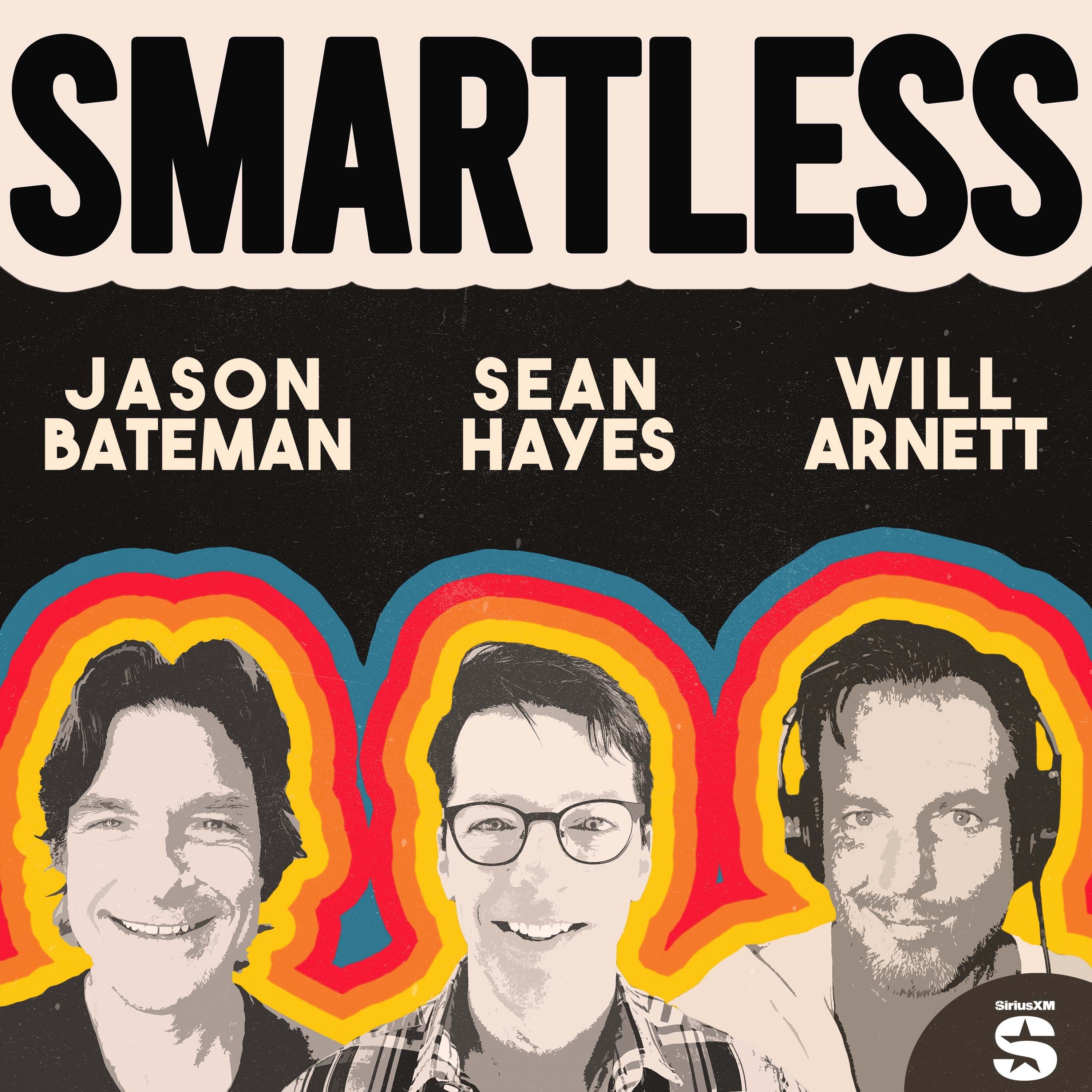
Emma Thompson, a celebrated British actress and writer, shares a lively and reflective conversation about her life, career, and cultural experiences. Growing up in a theatrical household, she credits her parents’ influence and the absence of television in her childhood for shaping her artistic sensibilities. She recounts key career highlights, such as her role in *Sweeney Todd* with the New York Philharmonic, and emphasizes the importance of cross-art form collaboration, like blending music and performance. Thompson contrasts the simplicity and depth of her youth with today’s hyper-stimulated, screen-dominated world, arguing that boredom and stillness are vital for creativity. She proudly shares that she is one of few performers to win Academy Awards in both acting and screenwriting, citing *Sense and Sensibility* and *Alone in Berlin* as profound works that reflect personal and historical trauma. Her humor and warmth shine through in anecdotes about fan interactions, such as being mistaken for a shoe buyer in Venice or being asked to close her mouth during a scene. She also reflects on the cultural richness of England, particularly its countryside and traditional foods like black pudding, and proposes a future travel show where she explores villages and local customs with a live audience. The conversation ends with a playful nod to the show’s name, "Smartless," highlighting the value of not being overly analytical in a world full of noise.
(upbeat music) - So hello, everyone, darling listeners. It is Emma Thompson here, calling you from Blighty. The shores of Great Britain. My microphone is propped up on, well actually one of the boxes has got my quite posh cards in that I recently invested in, which had my name in tiny little really sort of delicate letters and I felt it was sort of quite, I just thought it was classy. Anyway, I may be wrong, of course, I often am. So the books are Truth and Repair by a woman called Julius L. Herman, author of Trauma and Recovery. You may be getting a sense here. Then there's Getting Over Your Parents, which is a very important book for anyone who is human. And then there's On Being Night, which of course is a very important thing, but don't take it too far. That's what I always say. Oh, there was one other thing. Welcome to Smartless. (laughing) (upbeat music) I'm an actor and I have to be on camera today. Here, have you been working on your faces in the mirror all morning? Yes. Let's see, surprise, surprise, let's see, surprise. Wow, that's so good. Now one with the mouth closed, one with the mouth closed, still rolling. (laughing) So Sean, you shoot today, huh? Does that give you direct action? Yeah, you do, right after this. Maybe, is that how you direct actors? Still rolling, still rolling, and one with the mouth closed? Okay, good, good, good, don't look right at the camera, don't look right at the camera, still rolling. (laughing) By the way, I just got that note, I'm not even kidding. Sean, can you close your mouth in the scene? No. Where did I go? No, was it a dialogue scene? Did they just want you to stop? Yeah, no, I was just like, no, it's just like, my character's like, I can't believe what you're saying. Like, I was just like, are you serious? Like, kind of, I'm serious, so I was like, and she's like, can you do it with your mouth closed? Do you, could you, could you do it with your mouth closed? I tried, I tried, real hard. But you're like, I have dialogues, they're like, yeah, we know, just mouth closed. Yeah, I'm just cropping my mouth. Just touching my mouth to talk. And you're gonna go on, on background. Yeah, it's gonna be your cue. And just try thinking your lines on this take. Can we go everybody? Wait, do you know what I was doing this scene once years ago, and Eli was there, we were in France. And I had to, this long shot, I'm walking down the thing and I get to the end and Eli goes, bro, your legs are really wide apart. Okay, your, your gait's really wide. I go, oh, okay, and then I had to do like five more times the whole time, I'm just thinking about how I was walking your legs, which is the worst. That's the way you walk. I could do your walk in two seconds. I know, I know I walk. Oh, yeah, your little bow like it, yeah, like you just got off a hard one. But hang on, this is not an excuse to just pile up, yeah. I'm very vulnerable this morning. I think I'm actually bow-legged. I don't think, well, your bow-legged, you just happen to swing your legs around one another when you walk, four. It's good to have legs. I have long legs. You do have long legs. I was thinking about you watching all the hockey this weekend with you filling up that goal crease. Yeah. You need a tall guy in there, right? Get that shoulder up into the, into the high corners. Well, back in the day when I played, it was much more about getting on the ground stack in the pads. Oh, sure. Back in the pads. Instead of a butterfly. So with you being a Toronto fan, are you keeping it with Canada and rooting for Montreal? I sure am. Yeah. I'm all the way. Yeah. And Sean, who's your pick to win this game? Between the two, between Canada and over there at the, well, it looks like it's going to be Vegas. Or you could roll, roll, air, solar afterwards. But it's pretty exciting. Well, you used to, a couple of years ago, three years ago, Will had me record my picks. Do you remember that? Oh, yeah, for the Stanley Cup. Yeah. And so every week I would record the picks and why I, they would, Sean, I'm going to give you three guesses. What the name of the team in Las Vegas is called. The hockey team. Is it okay? Let me ask you this. Does it have something to do with the city itself? It does not. Yeah, it really doesn't. Yeah. It's not called the chips or the, or the double downs. Yeah. No. What about? It's Elizabethan. I'll give you a hand. It's Elizabethan. Or it's like, well, I mean, good things. The kings, the kings, the kings. Here it's close. That's close. I mean, it could be any of those. The Golden Knights. The Golden Knights. The Golden Knights. The Golden Knights. All right. I tell you who's golden. Oh, here it comes. Will's got a lunch. You guys, you guys like a, you like a segue? Yeah. Yeah. Well, I mean, she's golden in that area. She's obviously one, two golden global words and been nominated for like, like 11 or something. Wow. Yeah, yeah. And, and, and one, two Academy Awards of the five that she's been nominated for. Oh, no. Wait a second. Five nominations. That's a. And, in fact, she's the sole artist right far to be, to be, to have received an Academy award for both acting and screenwriting. Acting for Howard's in, screenwriting for sense and sensibility. Emma Thompson. Yeah. Yeah. Guys, it's just Emma Thompson. I can't even get into credits at Emma Thompson. Emma Thompson. Dave. Emma Thompson. Hello. Incredible. Hello. Hello. Hello. Nice to see you. I literally didn't understand a word. Yeah. I love the. Oh, my God. Three guys talking about hockey. It's fascinating. I love your refugees on the floor in the background. Yeah. Oh, can you see them? Yeah, sure. That's my daughter and her boyfriend. They can't hear you, which is just tragic, because all they can hear is me and they're used to me. So why, why don't you give them a chair to sit on? They're going to sit outside. Why don't you can? They're going. Now, where are you? Are you, are you at their house or your house? No, I'm in my office, actually. Yeah. I was looking behind Sean. He's got a very posh kind of awareness. All right. There's like loads of statues and portraits and photos and books and and and and and Jason's got like some sky, which is good and will be in deep darkness, which given the fact that he's giving us kind of empire voice is also works, you know, it's all it's all making more and more sense. Yeah. Now, we were making fun of Sean the other day because he had one of his awards behind him. I do. For some weird reason on their zoom frame usually includes any awards at one may have one. You don't have any awards behind you and you've won tons. Where are they all? Yeah. Where are they? The Oscars are in the lavatory because it just keeps them in their place. The globes and the banners and all that are on a very high shelf somewhere where I can't see them. But I don't know why I think that's very British. We have a friend that has an award and she keeps it in the bathroom as well and puts the toilet roll on one of the extensions. It's a holder. Yeah. Yeah. Yeah. Yeah. That's taking it even further than me. You know what? I think that maybe you ought to go the other way, which is have a have a table right in your front, right in your foyer as you walk into your place with a spotlight. Yeah. Yeah. And just lean into it. You know what I mean? So they know what they're dealing with. That's it. Or you just put them in the doorway like just so that when people come in, they just trip up over there. Yeah. You guys are so sorry. This is my Oscars. Sorry. I'll just move them. Yeah. Right this way. Yeah. Just on the floor. Do come through. Do come through. Would you like to freshen up? Yeah. Yeah. And then have copies of them in the toilet so they can't get away ever. And then another, you know, just have them everywhere. Yeah. People just go. I need to leave. Why not lean into it? I think that that's a good idea. Where is your office? Are you in England or New York or Los Angeles? I'm so in England, but it doesn't feel like it today, but it was actually, everyone is experiencing a trauma, a London trauma. So I'm in London, North London, where I've lived all my life. I've lived on the streets since I was six years old. So that's six years old. That's cool. Yeah. Weird. Quite weird. Anyway, suddenly we got a heat wave, which obviously has nothing to do with climate change. But no. Why would we even suggest that it's 35 degrees in London? Which is, you know, things are just dying in front of you. Yeah. Pets, households, appliances, flower, everything is just wilting. It's like, you know, Dracula's walked into the town. All right. There's not a lot of air conditioning either, right? We don't know. We don't have air conditioning here. Yeah. Or ice. We have three hot days a year. Or ice. But they're 36 degrees. Or ice. Yeah. Although that's coming. Emma, why is that? No. That's coming. Why is it that? To the works. Why is it that Europe on the whole somehow sort of all made a consensus to stick on Europe on this? That carbonated drinks don't taste better with ice cubes. Yeah. I mean, it seems pretty clear that they do. That's just objectively true, right? But yet they still, you have to ask for ice with a, with a, so I sound like an ugly American here. No. You're just obsessed with ice. Americans have always been obsessed with ice. When I used to, when I used to. You were obsessed with it. I'm sorry, but you are. It's true. When I first arrived in America and ice was just, it was just brought. You were practically put in a fucking ice bath when you were so excited about it. Get in the ice. Get in the ice. You're going to love it. Everything came with ice. You know, chicken parmesan came with ice.
I'm going on here. This is mad. That's really funny. Sessed with it. And we don't have that obsession because we don't have, probably, as much money or our refrigerators are not as big. And they don't produce ice. We all get refrigerators that say they produce ice. And then within a week, they've broken down. So what do you do to beat the heat? You just lie face down on the pavement, panting, hoping that some dog will come and whittle on you and cool you down. I mean, we don't have. But here's the thing, you just take it. You don't need to always be in our perfect comfort zones at all times. No. That's the whole point of life. There are things that happen. There are days where you're hot. And you deal in there days that are cold. But it is true that in this country-- I'm Canadian, by the way, MSO. I know you're Canadian. Well, darling. But I think you guys are used to extreme temperatures. And we live in a temperate zone. And we're really not used to it. And now, because of climate change, look at my face. I mean, I'm the same color as one of the stripes in my shirt. It's tragic. But you know, it's like we're just not used to it. And it's quite-- it's really weird, actually. It's so cold. How was it last summer? Last summer, it was super hot there, too, right? Europe had a huge heat. Yeah, super hot. Super hot. And I was traveling on the tube. Were you there? I was there last summer. He was doing his play. Oh, man. It was so hot. And everybody's point. There's no air conditioning. We were staying in a place that air conditioning. But as there was-- and we were rehearsing in a place that was like a greenhouse with no air conditioning. And what about the theater, Sean? Would the theater have air conditioning in the theater? No. That's what air conditioning in our theaters. Come on. Because we've never needed it before. And we haven't adapted yet to climate change. I want to-- Emma, you're talking about taking the tube. What's your experience like when you take the tube? Are you in London? Are you approached constantly and mobbed by people asking you questions? No, no. No, not at all. Nobody takes any notes. It's on the tube. They're all looking at their phones. But my guess is that when they do recognize you, it's something very charming and respectful. And they say which movie that they love. It's like, she's a respected actor as opposed to like a celebrity. Like, you see a celebrity out. It's like a giraffe has escaped the zoo. And you've got to get a picture of it on your phone. Yes, it's a different thing. Yeah, yeah. You're right. I'm very lucky, I think, because it's the same in Europe. People have a relationship with-- I don't know what it's like for you guys, but you must have this, Jason, that people have a relationship with a particular role that you might have played, or maybe a couple. And we've done lots and lots of different things. So I think, for instance, you're sort of an action hero. I can imagine that for somebody like-- I don't know, Schwarz and Egor Osterlone, or Bruce Willis, then there's a very specific response every single time. But for me, I can pass, not necessarily unnoticed, but certainly, it's never been an issue, actually. What's your least favorite kind of interaction with a fan? When you're with your family, because I always get embarrassed if it ever causes a scene. In other words, grabs the attention of others that might not otherwise know who I am, or notice it. It's great when it's just sort of mellow and quiet and passive, right? Yes, I mean, it's lovely. And people will just pass you and still keep walking. You do love your work, bye. Lovely. But when you're sort of buying sausages with your daughter, they don't really want them to come up and go, can I have a selfie? Selfies are interesting, aren't they? How do you guys feel about those? Right. What do you feel about the do you feel that they're intrusive at all? What do you think? Well, no, but I would have noticed is that in the old days, it used to be autographs. And if you didn't have a piece of paper or a pen, then it was just, hey, nice to meet you and like your work. And it was a night. But now everybody's got a phone. So even if you don't want an autograph, right? Slash picture, you still sort of feel obligated while I better take this, you know? And so people kind of line up a little bit. And anyway, don't mean to sound like I'm complaining. Do you ever say no? No, never. Never. And I've been with people, I don't. I mean, never is probably, I'm sure I have, but I don't. I do want them with the kids sometimes. When I'm with, if I'm with the kids or with the little kids, and if it's an adult asking, I'll say no thing. I've never said no to a kid. I have said that. I have said that. But I say sometimes that. I'm the same, Will, I wouldn't ever say no to a child. But sometimes if I'm with the family, I'll say, would you mind awfully? I just, I'm with my family. And what's so interesting to me is that every time I have said no, and it's quite rare, people have taken it so well because they seem completely to understand. So in a way, I feel like they know what they're asking for, that what they're asking for is a little bit kind of, it's a lot to take a photograph of somebody. I have some famous friends that they say no all the time. They never say yes. And it makes me so uncomfortable that they're like, I just feel like they're saying that. Because it's such an easy give in a way, because it's an easy give. Have you ever gotten, hey, can I get a picture really quick? And then they hand you the camera? Because that's happening to me. They want you to take a picture of them and their family. Many times, I've also, I've also many times got, oh my god, you're, and then they say the name of a completely different actress. So I have the choice, I either say yes, I am so and so. I would love to give you a photograph. Or I say I'm 20 years younger. Or I say all 20 years older. Or I say no, she's dead actually. But then I just kind of move gently on through. Uh-huh. You know what's funny? I had the other day I had, I was sitting in a restaurant and I had two interactions in a row back to back. First of all, I had a woman come over and say, and I was sitting with my sister and my brother-in-law and our buddy Eli, Canadian Eli. And he said, this woman said, so sorry to bother you. And I know that you're eating. And then proceeded to sit down on the bench next to me. And begin the conversation. At which point I was like, well, you're not that bothered. No. Grab a fry. Then she left. She left. And then this other woman came over and she said, my friend is a fan, but I'm sorry. What's your name? And Eli goes, Jason Bateman. She said, thank you so much. She walked away. JB ever got to tell you that. It was so good. You're so good. I had a really wonderful one. I was in Harry's Bar in Venice, which is, you know, the original Harry's Bar and it was very nice. It was years and years ago. And a woman came up to, she was in the other room and she kept on peeling off these massive smiles and grins at me and waving. And I thought, OK, so she must know my wife. That seems very enough. I mean, Venice is the first of all blah. Anyway, she came over as she was leaving and said, I'm so happy to see you in here. I was like, oh, thank you. Thinking, why? And then she said, you know, I still wear those shoes. I wear them all the time. I love them. You were so right. I was wrong. And you were right. I'm thinking, shoes. And then she said, you remember, I'm staring at her. Thinking, I can't work this one out. I haven't made a film about shoes. Have I-- I know. She said, you remember the fifth floor in Barney's? So she thought that I'd sold her a pair of shoes. It's a shoe department at Barney's. And she was thrilled to see me in Harry's Bar because clearly that meant I was doing quite well for myself. Do you know what I mean? That I was like in the same-- I was in the same arena as a woman who buys shoes on the fifth floor at Barney's. And that gave her pleasure. She needed to convey that to me, which was very kind, I thought, actually. And I said, I'm so glad they still fit. There we go. Now, Emma, do you miss Barney's? Like I miss Barney's? I do. I do. I miss Barney's. I really do. I know that I miss Barney's. I miss it so much. We're admitting to terrible shallowness, but I do. I really do. But I miss-- By the way, both New York N.L.A. I'm sad. I miss both places. Yeah. I love those places. I love them. What happened to it? What happened? Would it go belly up? It's because people shop online now, right? Is that right? I, yeah, yeah. Everything. I have to go to the shoe, right, direct. The shoe department. All right. No, just walking that man's shoe, walking the back way there on like, what is that, like, 59th Street? You can walk in that back door. I was talking about Los Angeles. There was one downtown, too. Well, they're original at 17th Street. Yeah. Oh, guys, keep saying numbers. Same number as Barney. And we will be right back. And now, back to the show. Wait, Emma, so listen, let's go back. Let's go back. Let's go back. I love-- Let's start the interview. And now the question is, what's your question for our guest? Emma's here. Emma, we're the worst interviews of all time. I'm so sorry. And you're realizing that in real time. And your regret is evident. We-- So I didn't know that you started-- well, I'm started, but you were in the acclaimed footlight sketch group at Cambridge, which has seen a lot of great performance.
but you have a history of sketch comedy, which is so amazing. - I didn't know that, that's cool. - Oh yeah, I did that for years. - Would that be like the British lampoon type of thing? - Sort of, yeah, it's an equivalent to the sort of the lampoon in a way. - But it's more of a story. - But you know, it's like SNL. SNL's basically what I would think of as review. So back in the day, in the early part of the 20th century, review was huge in our country, and it was basically a collection of sketches, songs, you know, just the kind of review. - Like a variety show. - And I, a variety show, yes. And that's what we did. It's completely dead now. We don't, we don't have review anymore. But SNL is a form of review. It really is. It's sketches and songs and music and, you know, it's little bites and I started doing that. - Absolutely, with Hugh Laurie and Steve and Fry. - Yeah, I want. - Did it for years. In fact, I was gonna be a comedian. That was what I wanted to be because I admired Lily Tomlin. - I never knew that. - So greatly. - She's great, my gosh. - And Jane Wagner, you know, the signs of intelligent - Yes, I, all of her beautiful characters. - Yeah, incredible. - I love that. That's what I wanted to do for a living. - But you are still doing it because anytime there's a character that lends itself even slightly to comedy, you take that and you expand that and you're always freaking hilarious. - Yeah, you choose to be excellent timing. - That beautiful British kindness. - Yeah. - Well, I mean, I was gonna ask you, and these guys are gonna make fun of me, but I'm a massive Harry Potter fan. - Oh, no kidding. - And you. - Show us the wand. - I don't, I really do have one. But Professor, but you as Professor Sybil, right? Professor Sybil. - Sybil Shulone, yeah. - Yeah, that was-- - She said fatigued. - Speaking about like characters and like, Lily Tomlin and Jamie, and those, all those things that Lily Tomlin, when I saw that it was such a, and this is a compliment, such a big character in a world that has big characters with the, you guys, if you haven't seen it, she has like Coke bottle glasses, like literally this thick that make her eyeballs this big. - Yeah. - And she's neurotic and she gets possessed. And it's such an incredible character. How did you trust that that was, that your choice to come in on the first day we talk about this a lot on the show? - With a huge swing. - With a huge swing was gonna be, how did you trust that, you know what I mean? - You don't really do-- - And how did you come up with a character? - Well, it was written in the books. - That she has those glasses. - These are really books, yeah. - Come on. - That she, I think she's definitely nearly blind. Can't say anything. And obviously deeply neurotic because she can see sometimes where the people are, you know, have the grip or not. So, I mean, honestly, in my quite long career, given the fact that I'm good 10 years older than all of you guys, I have done many, many parts and I've spent about 30 days on Harry Potter in my whole life, you know, so it's kind of a strange thing to do because it's become such, this is huge phenomenon. - Right. - And that's a lot of the time that's when people are very sort of drawn to that. - People start, yeah. I mean, I'm also, I've also seen saving Mr. Banks like 20 times and I've seen-- - Oh God, just, just, just, just, - Sensibility and-- - Thank, okay, that's so good. - Remains of the day. - I wasn't getting at you. - Yeah, yeah. - It's just that-- - Just make sure. - You know what it's like, guys, when you decide to play someone, you just have to fling yourself into it, don't you? - Yeah. - You're the first. - And hope that your instincts are right. - Yeah. - Well, there's always that thing, because we talk about that idea, you know, I would say it's like, when you are first arrived and you're doing something, you've made a sort of a choice and you wanna make sure that you're not at a different volume than everybody else, especially if you've been in the middle. - That's right. - You know what I mean? And you're like-- - Yeah, yeah, yeah, that's true. - Is this, you know? - Am I in a different movie? - Yeah, am I in a different movie? I came in, I did something this winter and I sort of came in, they'd been working for a while and I'm thought like, oh boy, and I had a real look going and I thought, and I realized-- - What was the look? What was the look? - He was sort of he's sort of like a retired rocker and he's sort of down on his luck. And Pedro Pascal comes in and he's my brother and I just like, and I sort of worked on it with the director with Tony Gilroy and I thought, okay, this is it, but at the same time, I thought like, you know, that first moment, like here we go, guys, and we're rolling in my boy, this better work, you know what I mean? - Yeah, it's so scary. - But at least Tony had seen it. - Yeah, she had, we had talked about it. - We had talked about it, but still you hadn't, we hadn't done it. You don't drive me in like-- - So you don't get to rehearse, like us, it's quite rare, isn't it, in film, that you get to rehearse? - Yeah, yeah. - Or as in theatre. - Are you doing it? - It's all about rehearsal. - Yeah. - All about rehearsal. - I love it. - So sometimes I think it's a shame we don't get enough rehearsal in film, but you know, again, it's a very mysterious business filming. - It is. - You never know what's gonna come out when the camera's so odd, don't you think? Bit of a sort of witchy presence I find. - Well, you also have that thing when you say, you know, when you finish something and you go, and people say, how was it, you're like, I don't know. Yeah, you know that that's sort of, in that period of sort of waiting. And JB, obviously, when you're in post and you're putting a film together, you're living with it, it's breathing with you all the time. And so like, you have a sense of it, but everybody else kind of goes away. - Yeah, there really is always, Emma, you've done some directing, you'd, yes, no? - No. - No? - No? - Never done directors. - No. - Have you not? - No. - Why do I feel like you had a couple of times, but there is just, - Why? - Why haven't you, let's, let's press her. - Can you, Emma, can you check that you haven't? - Yeah, sure. - Well, wait, well, wait. - I've interfered massive. (laughing) That's not directing, though. And that's just taking part in a slightly upsetting way. I, especially with, I suppose with the films with children in, I've spent a lot of time with the children, because that's important. And the films I've made for young people, I always consider children to be the sacred audience. They're the people we need to make the best of our work for. - Because they don't like it. - It's the first time that they see something that it needs to be so, so good. - You've done so many things over so many genres when you're speaking of the children's films and stuff. And so many things, and I was just, I was just, I went within the last year, a film that you did a few years ago, God, probably 10 years ago. But it's based on one of my favorite books of all time, which is Alone in Berlin. - Oh my God, you saw that. You were like one of the people. - Of course, I love, that book was incredible to me. And then I went to-- - Oh, I love that book. It's just such an amazing book. That's one of the best second halves of a book I've ever read. It's just mesmerizing. And so then, and then I realized I made a film, and so I just, I didn't know that you would made that film. And I watched it, it was beautiful, it was lovely. It's such a great story. Is it a World War II story? It is, it's almost a piece of like resistance art in no way the book is in the film. And how do you, because you do these things across so many different genres, like how do you decide to do, like a film like Alone in Berlin, let's say, but just for instance, is it always just material based or how you're feeling like at a certain time in your life and you're like, I want to do something that's kind of moody or how do you go about that process? - I think you're right. I think it's a little bit like meeting the right person at the right time or reading the right book at the right time. Things come to you at moments when perhaps you need them. I think as artists, sometimes we need to play certain things. It's just coming at us. I mean, I think it's all sort of out there moving around us all the time. And then things pass us by and we think, oh, I wish I could have, oh, well, actually, no, that was wrong. And then someone comes, something comes in and hits us right in the center of us and you go, I really want to tell that story now. And sometimes you don't know why, but I always know if there's something I want to do, I always know and it's not even, it's not something I could quantify, quantify in any useful way. - Yeah. - It's literally something will come across my bowels and I go, oh, that's a wonderful story. I mean, alone in Berlin, I mean, I'm kind of slightly obsessed with both wars, actually, because I think they left traumas in our country in the UK that have never really been healed or addressed. And so alone in Berlin, for me, is just this beautiful, I mean, the book is incredible. If you haven't read it, do, it's Haffner, isn't it? It's his, it's his pseudonym, isn't it? Well, Sebastian Haffner. - Hans Fladder? - Hans, Hans Fladder. Yeah, and his actual name is perhaps the other one. I get that that when I speak. - Sean, you go get a snack. - Three stuages, right? Sean, when that came. - Yeah. Alma, have you ever taken apart a character, said yes to it because that character has sort of a personality trait that you are thinking seriously about expanding in your own life and this might be a fun way to kind of play a little bit with that and try it on and maybe incorporate some of it at the end if it goes well kind of because I've done that a couple of times. - That's really interesting. - Really, like, you're like, I want to. want to be like, I'm going to play this Marty Pants because I'd like to be a little bit more like like like like how I'm kind of reading this character in this in this script and this would be a kind of an easy little cheat to try it out. Did you have, is that did you have? But but like, yeah, sometimes it's for the for the director or the story or the other cast or other, but then sometimes it's it's it's oh, I kind of always wanted to be kind of like that. And maybe I'll try a little bit here. Have you ever done that? I think I did that with Dan Cemetery Road, I did a telly recently, it's a series called Dan Cemetery Road, which is a quote from a Philip Larkin poem. And it's the Mick Heron book, it's The Slow Horses, Roop and um, I think I, I mean not only do I love the author, but the character, she's sort of my age, probably grew up in London during the slightly seamy 60s, I mean as a child in the 60s, you know, I think about my childhood in London, how really close to the end of the war that was. I mean I was born in 1959, so it's 14 years after the end of the second world war. It's nothing really. It's like a blink of an eye. And therefore you're still rebuilding. Yeah. You're gorgeous, absolutely, and still to a certain extent, a little bit of, you know, not having quite enough to eat and it was, it was, I think quite dark probably, which is, you know, one of the reasons why I learned Berlin was interesting for me as well. But I think that this character, Zoe, is not a good girl. I was brought up to be very good, very obedient, very, not in a bad way, but in a way that I think that many, many girls in, in my culture, are brought up to be always lovely and kind and loving and, and emollient and accepting and tolerant. And I think that while there is a place for that in both sexes, it is not appropriate for it to be just women who do that. And or is it sometimes appropriate for them to do it at all? Right. So, you know, actually this woman doesn't do it in any way. She just, she's a very releasing sort of character because she's unapologetic and certainly not polite. Right. And whilst she has kindness, certainly an empathy inside her, she uses it very judiciously and not, as it were, just as a kind of scattergun technique to avoid conflict or being judged for not being, you know, a nice woman. Sure. Does she weaponize it? Um, what do you mean? Like it's calculated the way it's used or not. No, it's quite natural. It's quite natural. It's not really a, it's just an, an instinct, she's, she's just. Like I always feel when Sean's being kind of me's just manipulating me, you know what I mean? Well, that's true, I think. Yeah. I mean, I think you're right about that clearly. Wait, I mean, you grew up, I was just thinking, so both your, as you talk about this and both your parents, if I'm correct me if I'm wrong, were, were actors, is that right? Mm-hmm. Yeah. So, you grew up like this is a sort of a, you're, you grew up in the family biz in a way, is that right? Yes, I did, but it was the family business of theatre. Yeah. So, my parents grew up at a time when there really was no television. Mm-hmm. So, they expected, naturally, as actors. My father was working class from, um, a southern town in our, uh, Guildford, um, had not very much education, was very self-taught, decided to become an actor and leave that patch. I mean, he was a proper lever of everything that he came from, you know, his mother and my grandmother was a servant. She went into service when she was 16 years old and, and indeed, one of her children was born out of wedlock because she was raped by one of her employers. Mm-hmm. So, her journey as a mother with these four children was really, um, quite dramatic. And dad got out and went into the theatre and met my mother who's from Scotland, very different culture and background, um, presbyterians, Scottish presbyterians, so very, um, well, pure Botanical, actually, um, one can't really avoid that even though she's never been, uh, able to resist good wine, um, which is excellent, uh, but you know, there was, well, I did grow up in the, this very interesting sort of combination, but they did theatre and they expected to do Shakespeare in the provinces and just, and then radio and then television arrived. We didn't have a television until I was, I don't know, eight and it was black and white. Mm-hmm. You know, we didn't do that, we didn't have that. And now, it's so different. Yeah. It's, it's, it's kind of indescribably strange, actually. Yeah. You mean the amount of, of content that's out there to distract you by? Yeah. The breadth of it all, sort of, in a way. Yeah. Yeah. Yeah. And the amount that must be produced. Right. Um, were you, were you someone that was, um, screens are okay, televisions okay, iPads are okay, um, uh, or, or were you like, no, you, it's, it's reading, um, or it's piano lessons or it's, because I grew up in one of those households, very, very disciplined. Although there was plenty of TV too, it was kind of a combo. We, it was a good combo, I think. We told my daughter the television was broken, which she believed for at least eight years. Um, and it's still broken, and then she danced in at the age of about nine. I said, I've mended it. Um, she just found the sodding remote. Anyway, um, and we didn't allow her to have a phone until she was at secondary school at the age of 13. Yeah. Um, so iPads, oh god, sometimes when we were driving, we live in Scotland as well. We were driving to Scotland, and iPads was a wonderful thing. Yeah, yeah. Yeah. It's important. And then they can watch a film, which actually I don't feel guilty about. If it's a good film, it's a lovely way to spend two hours at, because I used to be stuck in the car for eight hours as we were driving to Scotland with nothing to do, but stare at the lamp post going by and do terrible sort of, but it's good for the imagination, though. It's really good. Think about all those hours. It's true. And boredom's good for the imagination as well. I know. I am friends with Sean. Managing boredom is a talent. Everybody. Okay. Here's my question to all of you. When was the last time you were actually bored this weekend? Really? Why? Yeah. Well, just because I was inside the whole time, it was raining and ran at a good TV. I had done all my homework and I, but then guess what happens? You get truly relaxed. I really feel like true relaxation lives somewhere next door to boredom. And that's when naps happen and clarity of mind and all your priorities get in the right order and you can think about what's, like, it's a great, managing boredom and bracing boredom seeing the virtues of boredom is something that I just don't think that my kids, their generation, is, is, is, understands, or is, is friends with, they can't even write an elevator without looking at their phone. Yeah. You said it a red light. Constant stimulation. Yeah. I've actually, I've actually said to my, both my sons at various points, you cannot walk down the stairs looking at your phone. That has to be something that you, that is independent of your phone, this is, this is absurd. But I will say, I'm, you know what, I was talking about this with a friend recently. I'm never bored. Like, even if I'm just sitting there, I, I don't know why, I never feel bored. Right. I don't mean it as a pejorative. I, I just feel like it, it's like there's, you're not, we're, we're all so, I think most people in the world today are, are, are highly functioning, like, we're just like trained to manage 50 different things at the same time, just, just sort of global productivity. But there is a great, they're, God, you're always talking about productivity. It's unbelievable. So you never, you never shy, you never shy away from productivity. Sean, I was just thinking, Sean, I wonder, when you hear Emma talk about growing up, if you get her a nerve parents, hi, Sean, by the way, welcome to the podcast. Thank you so much for having me. This is, I'm such a big fan. Do you wish in a way, when you hear about people who grew up in, like, in the theater and stuff, do you feel knowing your, you know, how much you enjoy that, do you ever feel like, oh, I wish I'd grown up in that kind of environment? Yeah, all the time. Like, well, even Jason, like, just growing up, growing up around Hollywood and in it or Emma growing up in it, you know, like, what, when did it start for you, Sean? It was high school, right? Yeah. High school, junior high. I was, I worked backstage, I worked the light, not the lights, it was just one light and it was one switch. Yeah, it was one switch. Seriously, it was on and off and it was, you got our guy, we got our guy. I was like, I think I can do that. And it was Calamity Jane, the musical Calamity Jane and, yeah, that was junior high and then high school. And then I was nervous about telling my family I was in theater because it wasn't associated with sports and I thought.
What were they gonna think? And so my oldest brother was like, "Hey dude, it's okay, bro." Like I play football. I have makeup on underneath my eyes, the black marks underneath my eyes, just like you wear makeup. And I was like, "Oh, that's really sweet." And then other things happen. But. (laughing) - Well, let's not get into that. - And then, but yeah, I don't know that I love to do it anymore. I mean, the grind of theater is something, right Emma, that you just have to, the repetition on your body and your brain is something you kind of have no choice but to outgrow because of the endurance. We'll be right back. And back to the show. - What was the last theater production you were part of Emma, 'cause you've done so many. - Well, I haven't actually, I've mostly done film, but the last thing I did was something I, again, when you were talking earlier about things that you just can't say no to, they asked me to do "Sweeney Todd." Steve's sometimes "Sweeney Todd" with "Brin Turfel" and I did it, we did it with the New York Philharmonic at the Lincoln Center. - Wow. - We did five performances there and then we did two weeks at the Dominion here. - When was this? - How cool. - It was 10 years ago, maybe? - Oh wow. - Yeah. - Yeah, and-- - Do you be great? And I'm sure you were phenomenal. - Oh my God, it was just-- - It was a perfect part for you. - Absolutely. You mean the psychotic, like woman who kills people and puts her in the dark. - You can't walk it back. - No, but quick, quick. - The traffic. - Oh my God. - You've got a chance to finish Emma. - No, the comedy of it, I'm so you nailed it. - No, I'm sure I was, did way too, went way too far. But anyway, the point was we were onstage with the New York Philharmonic and one of the things that really, I loved about it was the sort of cross-pollination of different art forms that you had a whole orchestra onstage that you could act with. So you know, you were acting while the timponist was behind you making these amazing noises and they loved it as well. The orchestra adored it because you were in amongst them. And I think that we silo music, classical music in particular and acting in the theatre, you know, which sometimes can just make people feel a little bit superior, which is not the case. It's just acting a little bit. - Just looking right at you, Sean. And then there's the television acting, which is television acting. You've got to be really clever with the camera. If you're a good actor, you're a good actor, or whatever you're doing. - I love that. - You know, I can't bear all that, all that snobbery, which was very much alive when my parents were coming up. So yeah, that's the last thing I did. And I, oh, I mean, it was an amazing feeling, like, I don't know whether you guys have ever had this, but when you do something that uses every single cell of you, nothing is left behind. You know how you can come on, particularly to do a job that's a short job, and you're doing a small part, or a cameo role, and you're using a tiny little bit of your palette, and you have to be careful not to overdo it. That's very much to your point, Sean, about Professor Trilloni. It had to be a very specific, small thing. It had to be right, but it had to be big as well. But this had to be right, it had to be enormous, and it used absolutely everything I had. And I had such a wonderful time doing it, but my god, it was, it was nine months to learn it. And then I did it for like 30 performances. Yeah, your song claim is almost as difficult as Shakespeare, right? Sometimes you've got the music part of it as well. Yeah, finding those notes and those chords is really hard. I would say harder, yeah, harder than Shakespeare. Shakespeare makes it easy for us. He's like a wonderful old sailing boat you can get into and just sail into the sunset, 'cause he's so reliable. Well, speaking of writing, I mentioned that you, that you're the only one. I know, I didn't know your role. Your performer to have one for acting and writing, and you wrote sense and sensibility, and how did that go? I didn't know that, because I didn't know that either. And so it's delightful. Why that is it? Jane Austen wrote it. Yeah, yeah, yeah. I've memorized your eyes too. No, no, I'm mercilessly. Yeah. Oh, it's not really. No, no. How? But how did that happen with the great Ang Lee, right? Directed. With the great Ang Lee. Actually, it happened kind of interestingly, because like I used to do comedy, that was my thing. That's what I wanted to do. And I was very lucky, because I worked with a wonderful comedy producer. He produced the first or black comedy series in the UK, Desmond. And then he worked with an awful lot of black and Asian and female comedians. He was, I suppose, quite revolutionary in that sense. And I made a comedy series with him. And one of the sketches I wrote was about a young woman coming back from her honeymoon to see her mother with something on her mind. And she starts to talk to her mother about a small little woodland hairy creature that lives in her husband's lap, that he's drawn attention to on several occasions, that it appears to be attached and also changes shape sometimes, so that she just doesn't want to touch or have anything to do with. And so the sketch is about sexual ignorance. So it's a feminist sketch about the fact that women weren't allowed to know about sex. But then they were just sent off into the wild. They were married off without any kind of help whatsoever. And can you imagine coming across a penis for the first time and then seeing it become erect in front of your very eyes and not know what it was? That's what we put people through. Anyway, so the sketch was about that. And I think it was quite funny. And our producer, Lindsay Durand, the extraordinary Hollywood producer who actually started her work with spinal tap, excuse me, literally one of my favorite films ever. Sure. So she wrote to me and said, I've seen your sketch about the Victorian penis. I wonder if you would fancy adapting a Jane Austen novel. I thought, I'm just staying. Interesting segue. Wow. I said, well, I'll give it a go. I gave it a go. Amazing. You gave it a go. Amazing. Now, what about what about other screenplays afterwards? Forgive my ignorance. Is that something that-- No, not at all. You've been forgiving your ignorance for a bit. No, that haven't been made, actually. But I wrote-- I've written a couple of kids' films, one called The Nanny Met Fee, who's a strange-- Yeah, sure. That was you. Sort of Warty, Witchy, Woman. And actually, we've spent 10 years writing the musical of that, which is coming into the West End next year. Oh, no, wait. Nice to know. Who wrote the musical of that? Gary Clark, who wrote the music for Sing Street, which was a lovely, sort of beautiful Irish film. So he's one of those people who just can write songs. He spent years and years in Nashville. And you just think about the music industry. It's just amazingly full of these people who-- He was in a band, and it was kind of going, but he didn't like the fame. He didn't like the glare. So he retreated and started to write songs. And he's written songs with so many of the greats. He's just a wonderful songwriter. And we have written about a billion songs, cut a billion songs. We've been writing it for so long. I gave him a couple of touchstones. I said, think Tom Waits, Swordfish, Trombone. And also, do you know a gang called The Tiger Lillies? They're quite-- Ah, yeah. Yeah. Yeah. That was the kind of thing. I was like a Victorian steampunk slightly dark, you know, a little bit on the circus side, but not, you know, like dark. That sounds great. So that's what we've been doing. Well, I can't really go over that. Yeah, I can't wait for that. I would be remiss if we didn't mention your new project, The Sheep Detective. The Sheep Detective. What is that about? No, that's that Craig Mason wrote that. Craig Mason. The Great Craig Mason. Oh, yeah. Yeah. Love Craig. You're old, buddy. The Roach and Noble. Yeah. He's such a wonderful, wonderful man. And then he wrote, he adapted a book where, yeah, it's about a shepherd who gets murdered and his sheep solve the crime. I mean, that's it. So that's the log line. You just go, yes, I'll be in it. I'll play a sheep. I'll play anything. I'll play a broom. I'll play anything. Yeah. It's such a good premise. Yeah. And this is starring Hugh Jack. Yeah. So they get great urine. Guys, sorry, sorry. Sorry, sorry. Sorry, sorry. I noticed that. No. No. No. I hear this. I hear this is a really, really good film that parents would like as well, because it is made for the kids, right? It's you and the delightful Hugh Jackman. Is that right? Am I right about that? Yeah. Did you have to work with, you have to work with some photo-realistic animals or some, or is it. photo-realistic actins. No. No, actually, I was only on it for about three weeks. I'd just done a thriller in Finland, and then I was going on to the telly. So I sort of kind of dropped in for three weeks with these lovely bunch of folk and that. It was gorgeous. Yeah, it sounds like a gorgeous type of location, right? Where'd you shoot that? Oh, God. Now you're asking me. I mean, it was in England. It was not that. The second I only went for you in the same village, because it's this kind of picture-perfect village.
And I can't remember what it's called. Well, most importantly, what's called Hamilton actually? I think I've actually remembered that, which is a fucking miracle. Was it? Given that I'm literally 175 degrees here. Yeah, now my brain's boiling. Was it close enough to your house where you could sleep in your own bed? Or did you have to stay? No, so not. So so not. No, that never happens. Never. You know what I love about England saying it in English hotel, especially a small English hotel, is an English breakfast. A door in English breakfast. Which is what? Well, there's different kinds. So, Will, what do you get? You like the little stuff. I'm not getting, I don't, yeah, I, I, I, I, I show away from the black puddings, but I like, I like, I've never had black pudding. Yeah, what's in the black pudding? Have a new shorn. molasses. It's pig's blood. No, no way. No, it's not. It's congeal. It is. It's pig's blood mixed up with various sort of spices and grain. Oh my god. It's like, haggard. Look at this. Because I'm half Scottish and I guess it's a sheep's stomach and the sheep's stomach is filled with, with all the sort of, um, awful, which is all chopped up with various bits. So, did somebody just make a sheep noise? Oh my god. Um, and, well, why do we have these kinds of foods over there? Is it pig's blood? Is it pig's blood? Is it pig's blood? Well, the country's so old that, that you had to figure out had, had, had, had, a make stuff you could eat out of what was available, right? This is before. But also you know, you didn't waste anything, right? So, if you killed a cow, you ate its fucking stomach as well. Yeah, and it's the only thing you didn't eat was its hair, you know, and its horns. You had to work out how, if you had an animal and you killed it, because you don't forget, it's really quite recent that the country's, I suppose, Scotland in particular was poor, very poor. Yeah. Until recently, it's under many areas, it's a still poor. Yeah. Now, do you, the longest time, the longs I've ever spent in England is just recently last year for like three or four months, do you, do you, do you, do you get, um, do you get, um, are you as entranced still by the charm of the country and everything that around it in the history? Are you just kind of like, it is what it is, and yeah, there's big band, there's the thing. I'm, I'm so used to it that it's hard to appreciate it anymore, or do you still feel like, wow. I'm much more entranced than I was when I was young. Yeah. I mean, I just adore it. I'm a Londoner, but I'm also a Scott, so I'm a Scottish. So for me, the most beautiful countryside is, is in Scotland, and Scotland is wild, and it's very, um, you know, it's unheld, it's unbound, and it's full of the most extraordinary energies, and London is also, you know, a very precious place, because everyone, this is great teeming bowl of people living in this massive city, generally speaking quite peacefully. Yeah, I love it. Um, I'm very, I love love, I say, I'm not as familiar with England, actually, the countryside, but the countryside in England can be quite breathtaking, you know, to Yorkshire in the north, or Northumberland, or, you know, we were shooting all over those, we shot in Cornwall last year, and I'd never really spent any time in Cornwall, and I just wanted to go and live there. It was so exquisite, and full of, I've still full of character and community, actually, really. You know, what might I suggest in non-scripted show, Emma, where you go around and discover, rediscover England? There you go. Yeah. And we're going to pitch it to you. We're going to get in touch with your people, we're going to have to come with me. Yes. I'm a devoted angle file, these guys knows. And the sheep go with you and come up with the sheep, come with, yeah. And then at the end of the show, we eat them. Yeah, sure. Every piece. Every piece of Jason takes the stomach, Jason takes the stomach. You all have to take one particular really unpleasant part, like the pancreas, and then you invent a really good little recipe just for the cold. Yeah. But by the way, by the way, I'm going to put this out there, I'm going to put this out there, there are, there are somebody listening right now, maybe over in the UK who's going to say, like, this is a great idea, and you're going to, you are going to get an incoming call about doing it, right? I would watch that. I would watch that too. Yeah, I would watch that too. Emma going through England and discovering villages in different ways. Oh, look at this. Oh, look at this. Yeah. Oh, look at this. I'm an EP. I'll just go around saying endlessly. You want some gain? Yeah. That was my favorite phrase. You want some gain? You want more of it? That was Jason. As he said, you want some gain? It just sounded so. Ooh, it's like, I think I do want some gain. Yeah. That's hot, hot, hot, hot. Yeah. Are you going to suggest? Yeah. Emma, we have taken up too much of your time. It's been, it's been, it's been probably been an hour. It's what an absolute delight to have you here. That was real fast. Yeah, that was fast. I hope you get the cool off and jump on a floor. You could have gone on forever, and I'm literally going to go. Right. And I put the blooming scooshy thing on in the garden. I'm going to go and stand in it now. Yeah. I don't think we got any questions, even. On the next, next time you come on the show, we're actually going to ask you some questions. On the next, Merlis. Yeah. Yeah. That was so lovely, guys. Thank you so much. Thank you for being here. Thank you for doing so much for your time and for everything that you do, and we're just such fans as to stand. Yeah, we are. Well, right back at you, every single one of you, I love you deeply. Likewise. Thank you, my dear. Make sure you pick your kids up off the floor and pick the person. Yeah, absolutely. No, they've gone. They've long gone. They're flying face down on the wet lawn. All righty. Ferry well. Thanks, Alma. Bye. Bye. Guys. Yeah. Emma Thompson. Have you seen Remains of the Day? Yes. Yes. I mean, I've seen that so many times. How many films do you think she's done? I bet she's done. I don't know. She's got five movies. Well, what's better than that? How many great films has she done? I know. Like so many. 64. So many incredible performances. Yeah. Yeah. Just so, just all and so different in every genre. Just effortless. Yeah. And I meant it. She is. There's always there's some sort of cheeky little wink always to each one of her characters. Oh, you find it to be a little cheeky, dude. Is it a bit cheeky? She's also. She's a bit cheeky. Yeah. No, she also, she also, like, she's also emanates kind of like, she's going to take care of me, like, you know, she's my mom. Yes. You know, and I like that. I wanted to take care of me. I'm going to send her my number. I mean, think about it. Love actually. Oh, yeah. Forgot about that. Massive hit that everybody's still. I just, I think you squandered an opportunity there, Will. You really could have gone down an incredible memory lane of parts and movies and stuff. And said, you're fucking talking about Haggis and my team. But there was no time. Because we're just having a conversation, man. We're just visiting. We're just visiting. Yeah, we're just having a quick look. We're not journalists. No. Yeah. We'll have to have her back. Yeah. You know, we're just, uh, love actually. We're just simple guys. You know, we're not very smart. In fact, we're smart less. Oh, wow. So, so, so, so, so, so, see so right there that I was just introducing a new sign off, instead of buy. Okay. We work on some sort of way to just say, yeah, I guess we're just kind of smart less. Yeah. And then it's over. But that's the only one you can use, then. You can only say we're a little. But you got to somehow work that into the sentence, but that's just could just be like that. That that came out of this process of us doing that. Yeah. Like that's a natural progression. And in a way, it's almost, you could call it like a, bye. Bye. Bye, guys. Bye. Smartless is 100% organic and artisanally handcrafted by Michael Grant Terry, Rob Armjav and Bennett Barbeco.
Podcast Summary
Key Points:
Emma Thompson reflects on her upbringing in a theatrical family and the influence of classic British traditions on her artistic development.
She shares personal experiences from film and stage, including her role in *Sweeney Todd* with the New York Philharmonic and her love for cross-disciplinary performances.
Thompson highlights the contrast between past and present cultural experiences, especially the lack of television in her childhood and the current saturation of digital content.
She emphasizes the value of boredom and stillness as essential for creativity, noting that modern life is dominated by constant stimulation.
Her career includes both acting and writing, making her one of the few performers to win Academy Awards in both acting and screenwriting.
She discusses her admiration for specific works like *Sense and Sensibility* and *Alone in Berlin*, which she sees as deeply connected to personal and historical trauma.
Thompson reveals a playful, self-deprecating humor in her interactions with fans and co-stars, especially regarding unscripted moments and fan requests.
She advocates for rediscovering rural England and traditional culture, proposing a travel-based show to explore villages and local customs, including eating unusual foods like black pudding.
Summary:
Emma Thompson, a celebrated British actress and writer, shares a lively and reflective conversation about her life, career, and cultural experiences. Growing up in a theatrical household, she credits her parents’ influence and the absence of television in her childhood for shaping her artistic sensibilities. She recounts key career highlights, such as her role in *Sweeney Todd* with the New York Philharmonic, and emphasizes the importance of cross-art form collaboration, like blending music and performance.
Thompson contrasts the simplicity and depth of her youth with today’s hyper-stimulated, screen-dominated world, arguing that boredom and stillness are vital for creativity. She proudly shares that she is one of few performers to win Academy Awards in both acting and screenwriting, citing *Sense and Sensibility* and *Alone in Berlin* as profound works that reflect personal and historical trauma. Her humor and warmth shine through in anecdotes about fan interactions, such as being mistaken for a shoe buyer in Venice or being asked to close her mouth during a scene.
She also reflects on the cultural richness of England, particularly its countryside and traditional foods like black pudding, and proposes a future travel show where she explores villages and local customs with a live audience. The conversation ends with a playful nod to the show’s name, "Smartless," highlighting the value of not being overly analytical in a world full of noise.
FAQs
She mentions 'Truth and Repair' by Julius L. Herman, 'Getting Over Your Parents', and 'On Being Night'.
She notes that variety shows and live theater have declined, and that modern film and TV production often lacks the depth and integration seen in older forms like live musicals with orchestras.
She finds fan interactions generally respectful and passive, especially with children, and values the quiet, unobtrusive nature of these moments over formal autographs or selfies.
She believes true relaxation and clarity of mind often come from periods of boredom, and that today's constant stimulation undermines this essential state of being.
She grew up in a theater family with parents who were actors, and she recalls a time before television when family life was deeply rooted in live performance and storytelling.
It is about a shepherd who is murdered and whose sheep solve the crime, with Emma Thompson playing a sheep in the film.
Chat with AI
Loading...
Pro features
Go deeper with this episode
Unlock creator-grade tools that turn any transcript into show notes and subtitle files.
 PodcastTranscript AI