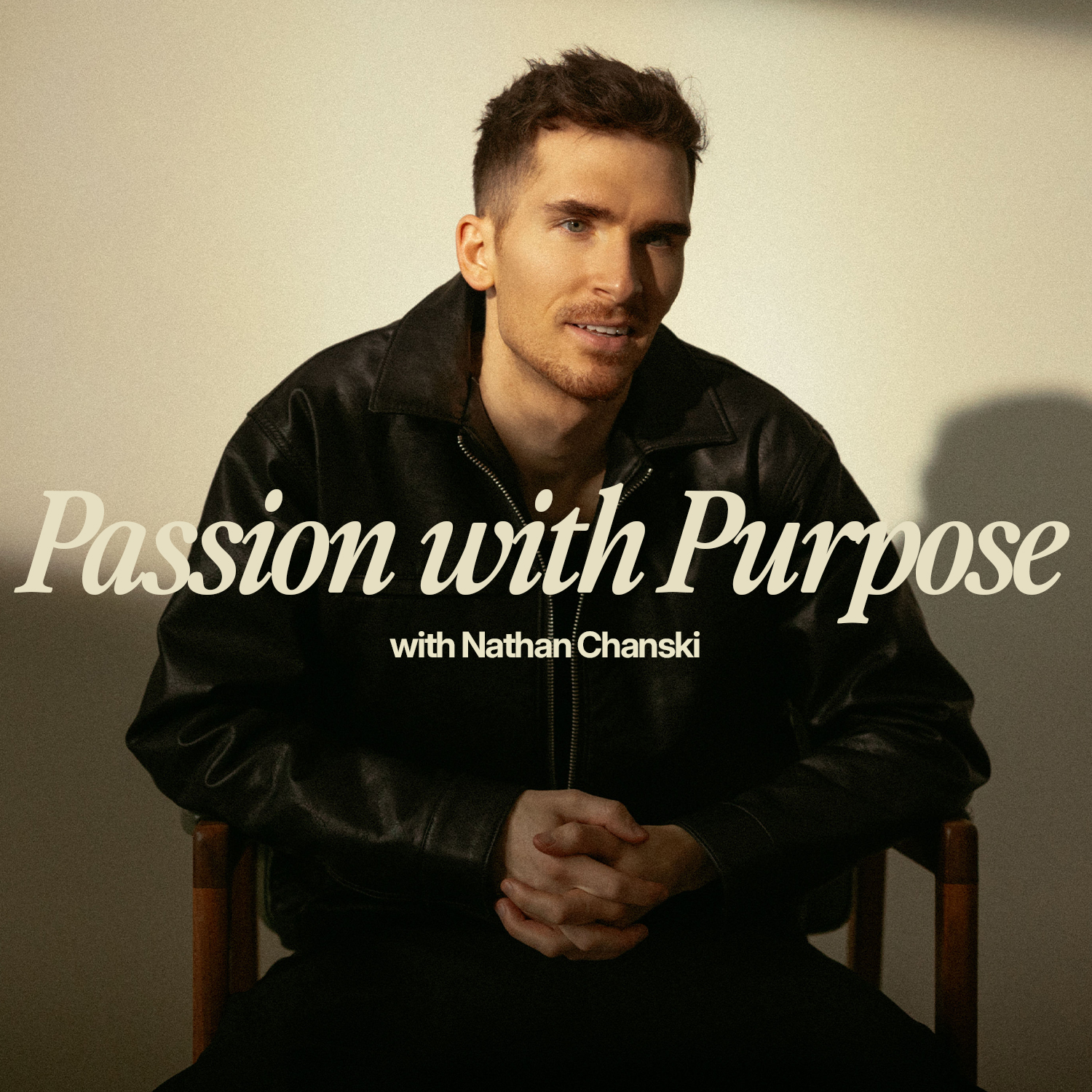
Emails & Texts that get you booked as a Photographer
11m 35s
This podcast episode by Nathan Chansky provides a tactical guide for photographers to convert client inquiries into bookings. Chansky emphasizes that when a client inquires, they are already 75-95% sold, so photographers must respond promptly (within 2-10 hours) to strike while the iron is hot. The response should be personalized, matching the client's energy and including a catchy subject line, tailored content, and a friendly PS line (e.g., "Call me Nate") to build rapport. Avoid typos and lengthy emails; instead, focus on clarity by giving the client one clear action—scheduling a consultation call using a tool like Calendly. Convenience is key: keep calls short (15-30 minutes) and emails easy to digest. Create urgency with phrases like "as of now" or "first come, first served" to encourage quick decisions. Finally, don't give up after one response; follow up at 24 hours, 3 days, and 1 week, with a final message about archiving the project. Chansky provides free templates for emails and texts, urging photographers to customize them and implement consistently. The goal is to reduce overwhelm for busy clients and increase booking rates through a repeatable, professional process.
Welcome back to the podcast you guys. I'm your host Nathan Chansky. This is how you are going to write your emails and texts to inquiring photography clients to get them booked. I want this episode to be so punchy, so tactical, practical, that it might be the most important next 15 minutes you spend your time on all week or all month. And I'm even going to give you all the templates that I use for this entire process for free. So stay with me, okay? So imagine with me upfront, you get an inquiry. It pops up in your CRM or in your email, you got this rush of adrenaline, right? But you also have this rush of fear as well. This I hope I don't mess this up. And the point of this episode today is to pull you out of that and to give you a solution that is a repeatable bulletproof process. So today we're talking about how to respond what to say to that inquiry when to say it, how to say it and the psychology behind all of it. Because this matters. You spent however much time, energy, investment, goodwill to get this inquiring client be in your inbox. And finally, you have them over the edge to inquire with you. So don't feel stressed, but you should take this seriously. This is a golden opportunity. All right, up first, I want you to think about this idea of striking when the iron is hot. So you have to understand at this point when a client inquires with you, the client is most excited about you right when they inquire. Think about this, they went through your socials, they went through maybe some referral channels of people saying good things about you, they went all the way through your website through the different pages of it. And finally, they filled out your form, your inquiry form, like who the hack wants to fill out forms, right? But they did it for you, they chose you. And so I'm telling you right now, you have to come with this mindset at the beginning that this client is not just 20% sold on you. I would say they're not even 50% sold on you only. They are more like 75 to 95% sold on you at this point when they have inquired with you. They are that far. But you have to understand that in the same token, the iron is hot now. And so when we talk about this, I want you to understand how important it is that you respond back to them quickly. And I'm talking within the first two to 10 hours, ideally, this doesn't need to be within the first five minutes, that might be too quick, too desperate, but you need to respond promptly back to them. I would say within 24 hours at the latest. And if you're not doing that and let's say you're traveling or you're working or you're shooting a wedding or something like that, or you're taking the intentional time off, you better have an auto responder set up that sets expectations of the bare minimum for when they should hear from you. Okay. Second thing I want you to remember in this process, you're not done marketing when they when you get the inquiry and you're about to write them an email back or a text back, that subject line right off the bat in that email should be attention grabbing that email that you write should have your personality baked into it. It shouldn't just read like a can template that you never bothered to make your own for that client. No, it should be customized in your voice to that client per their inquiry. So you respond to their inquiry with something that stood out to you. You want to match their energy. If they send you like a book of text, don't send them an email that's one tenth of that size. If they send you a brief inquiry, don't send them a book. And then on top of this, look for opportunities from what they gave you in their inquiry to serve them. So let's say they say, Hey, we're really struggling to find a venue, but this is our style right here. Hey, opportunity, research and find some options for them in venues. Look for opportunities to showcase your ability to serve that client even before booking with them just from when they inquire with you. Here's another tip to personalize and market yourself in that email. Use a PS line with something maybe witty or familiar or friendly. Personally, I say something like this. PS call me Nate, all my friends do. It's simple, but it's effective. It makes them feel like I'm inviting them into my close circle of friends. And then all this goes without saying, but I see it more than I'd like to admit in these initial inquiry email responses, your email should be clear of typos and very easy to read. It shouldn't be too long. So don't send them a book of words, touch on the important stuff and get out. Again, if their message was longer to you, you can make it a little longer with your response. But most of all, touch on the important stuff, get in, get out, keep them wanting more from you. And then everything you send them should be professional and putting your best foot forward. So we're talking guides, any emails, any text, any scheduling links, even the photo on your email account, the photo in your eye message that you're texting with on your phone, add a photo to your email signature, personalize, add those human touch points of you that nobody else can replicate. Okay. Third thing I want to talk about clarity, if the emails and texts you are replying with are not clear for the client as to what you want them to do, how you want them to do it, you're going to lose them. Okay, not enough information is rarely the issue of a client walking away. I know you think that's probably going to be the issue. I doubt it. Normally, it's a client feeling overwhelmed. They inquired and then the photographer or the vendor told them, they said, I need to just read this long email and I need to click here to learn my this photographer's life story. And I got to click here to read the guide. And I need to click here to respond to my email. And I need to also tell them what works for a meeting, etc. So on and so forth. No, no, no, no, don't make them do all that. You give them one thing to do. And my advice, it should be getting them to a console call with you. That's it. Sure. Send them your info and price and guide or landing page that they can look at in the meantime. If they'd like to, love it. But first and foremost, the only thing you are requiring of them is that you give them one link, one focus, one assignment. And that should be to schedule a call with you. Okay. And you should be using mind you a scheduler tool like Callin Lee. Don't send them, hey, do I have like five different times? Does this time work? And then they respond to you and they say, well, that the Friday at four could work. But maybe no, no, no, no, no, no, no, no, no, no, none of that. Use a scheduler tool like Callin Lee. If you don't know what it is, look it up so that they can book in a time with you that's already available and laid out. So all in all, your whole email should read as a simple fifth grade level. Okay. They should immediately walk away knowing the single thing you want them to do. Just one thing. Okay. If you want them to also maybe look at your guide in the meantime, make it optional. All right. All right. Fourth thing I want you to keep in mind. Convenience. This is why we talk about an easy to read reasonably length email because it must be convenient for the client to digest. Remember, these people are busy. They don't have time to go read a book. They don't have time to go through five assignments that you give them. Just give them one. And that call may get 15 to 30 minutes. Okay. If your Calney link says 60 minute call with Nate or 90 minute call with Nate, forget it. Forget it. They don't have time for that. And this is also why we use a scheduler because it's convenient rather than emailing back and forth to find a time that works for both of you. No, no, just use a scheduling link. Okay. So convenience. Fifth thing that I want you to remember. Urgency and scarcity. So when a client inquires with you for photography, you need to give them stakes. What happens if they don't get a move on? That's what you need to touch on. Otherwise, they won't move quickly because we all know a slow lead usually ends up as a lost lead. So you want to be using verbiage in that initial email like, hey, this date is available now on my calendar or say things like as of now. Okay. That's subliminal messaging that says now, but not necessarily for much longer. Or you use verbiage in your email like, I book clients on a first come first serve basis and I don't disclose competing increase for the same dates. And you use clauses like sooner is better or to avoid missing your date. Okay. If you want a client to move, you have to give them an honest reason to do so. You can only give each date you have in your calendar to one client. And then it's gone. That's the truth. So make sure they feel that. Lastly, I want you to get good at following up. So when a client inquires with you for your photography, you have to understand. When you respond back to them, you may have caught them. For all we know, I'm the busiest week of their life. They may be, I don't know, planning a wedding for the first time in their life. They may be trying to communicate with a planner, a venue, a florist, their best friends, two different family group chats. We're blowing them up. And you all the while trying to keep their day job. Like do you realize how busy they are? And you're over here pissed that they haven't gotten back with you in 24 hours. You're thinking they ghosted you. You're ready to move on and post an angry message on your threads account about how it's so rude when an inquiry and clients don't respond. Here's my wild idea for you instead of all that. Follow up with them and then follow up again and get creative with how you do it. And then maybe even follow up one last time. I like to use the rule 24 hour follow up in case my email went to their spam or went to the wrong place. Three days later,
later, another follow up, then one week later, one final follow up that tells them I'm about to archive their project. You would be shocked at how many dead inquiries this has resurrected for both me and my students, just simply following up, because barely anybody does it. Or if they do, their follow ups feel desperate or poorly worded. But just following up, I'm telling you, in and of itself, is already 10 steps ahead. Do not give up so easily on your clients. They need reminders, so you need to give them that. So that's it. I want to keep this short, heavily practical for you and not overwhelm you. I am actually going to make this even easier for you. I'm just going to give you my email and text message templates for responding to inquiries and following up, complete with when to send them and what to say in them. I even include the autoresponder email that I send out if I'm out of office. So click the link in the description below to get them. But you have to use them. You have to implement them. Throw them in your email or your CRM system so that they are easily accessible templates to send when you need them. Customize them to your voice. Customize them per client. And then my only ask is email me at info and Nathan Chansky or DM me and at Nathan Chansky on Instagram to tell me all about the clients you booked with them. Because I actually want to know, I'm invested now. So that's it. You guys got this? Like, share, subscribe if you found this video helpful and I will see you next time.
Podcast Summary
Key Points:
Respond to client inquiries quickly (within 2-10 hours, max 24 hours) to capitalize on their peak excitement (75-95% sold).
Personalize your response
Keep your email clear and simple
Prioritize convenience
Create urgency and scarcity
Follow up persistently
Summary:
This podcast episode by Nathan Chansky provides a tactical guide for photographers to convert client inquiries into bookings. Chansky emphasizes that when a client inquires, they are already 75-95% sold, so photographers must respond promptly (within 2-10 hours) to strike while the iron is hot. , "Call me Nate") to build rapport.
Avoid typos and lengthy emails; instead, focus on clarity by giving the client one clear action—scheduling a consultation call using a tool like Calendly. Convenience is key: keep calls short (15-30 minutes) and emails easy to digest. Create urgency with phrases like "as of now" or "first come, first served" to encourage quick decisions.
Finally, don't give up after one response; follow up at 24 hours, 3 days, and 1 week, with a final message about archiving the project. Chansky provides free templates for emails and texts, urging photographers to customize them and implement consistently. The goal is to reduce overwhelm for busy clients and increase booking rates through a repeatable, professional process.
FAQs
Respond within the first 2 to 10 hours ideally, and no later than 24 hours. If you're unavailable, set up an auto-responder to manage expectations.
Use an attention-grabbing subject line, match the client's energy and message length, personalize with their details, and include a friendly PS line. Keep it clear, concise, and error-free.
Customize your email with your voice, reference something from their inquiry, and look for opportunities to serve them, like suggesting venues. Use a PS line, such as 'Call me Nate, all my friends do,' to create a personal connection.
Ask them to do just one thing: schedule a consultation call with you. Use a scheduler tool like Calendly to make it easy, and avoid overwhelming them with multiple steps.
Use phrases like 'this date is available now' or 'I book on a first-come, first-serve basis' to imply scarcity. Remind them that each date can only go to one client, encouraging prompt action.
Follow up after 24 hours, then 3 days later, and finally 1 week later with a message about archiving their project. Creative and persistent follow-ups often revive dead inquiries.
Chat with AI
Loading...
Pro features
Go deeper with this episode
Unlock creator-grade tools that turn any transcript into show notes and subtitle files.
 PodcastTranscript AI