Eating Disorders Aren’t What You Think: Science, Misconceptions and What Actually Helps
from Nourished with Natalie
75m 24s
The discussion highlights the severity of eating disorders as life-threatening mental health conditions, emphasizing that they are not simply choices or results of cultural pressures but stem from a combination of genetic vulnerabilities and environmental factors. Dr. Pamela Keel shares her personal experience with diabetes to illustrate themes of control, rebellion, and the challenges of adhering to strict medical protocols, drawing parallels to the struggles faced by those with eating disorders. She critiques the oversimplification of causes and treatments, noting that advice like "just eat" overlooks the psychological complexity involved. The conversation underscores the need for compassionate, nuanced approaches in both healthcare and public understanding, moving beyond stigma to recognize eating disorders as serious, multifaceted conditions requiring specialized care and empathy.
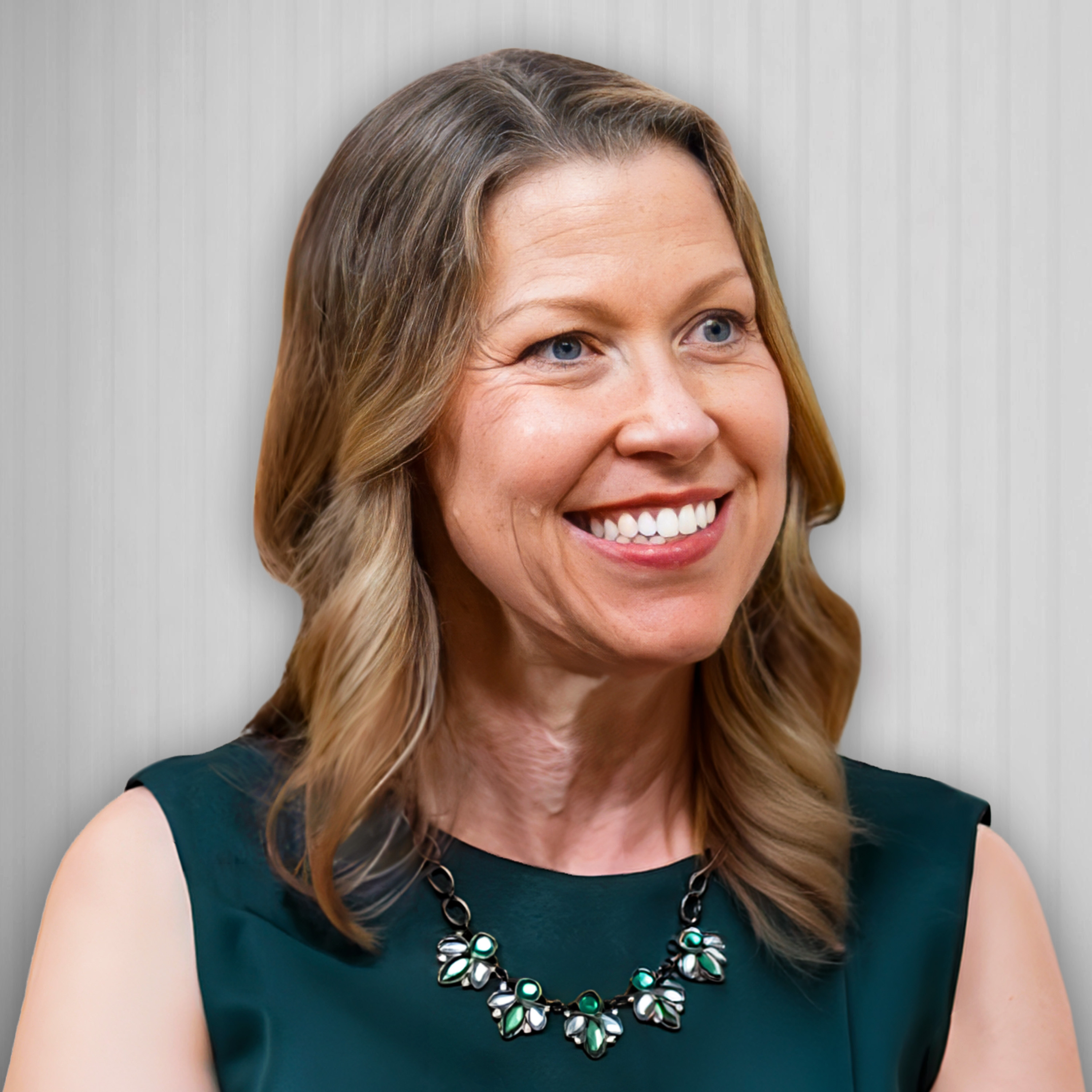
Hi guys, I am putting a trigger warning on this episode. We are talking very in depth about a serious mental health condition. If you or anyone you know is struggling with thoughts of suicide, please call the suicide hotline 988. I will also link it below as a resource, but please make sure to direct to that number and talk to someone. Is it true that eating disorders are one of the deadliest mental health conditions? Yeah, they are. Both the consequences of the eating disorder, whether we're talking about starvation, dehydration, and then a leading cause of death that would be suicide. Hi, I'm Natalie. I'm your host of Nourish and today's guest is Dr. Pamela Keel, a distinguished clinical psychologist, researcher and professor whose work has profoundly shaped the scientific understanding of eating disorders as a serious mental health condition. Dr. Keel has authored four books and more than 100 scientific publications and two of her books have become foundational texts in the fields of eating disorder research. As someone who has spent many years in treatment myself, I found myself wishing I had access to that kind of literature at the time. It may have helped me better understand what was happening and recognize that this wasn't simply a matter of choice or willpower, but it's a real mental health disorder. Her work brings both scientific rigor and compassion to a topic that is still wildly misunderstood. What do you think is the biggest misconception about these disorders is the idea that it's caused by a culture that tells women they have to be then. If that's what caused eating disorders, why wouldn't we all have them? What impact do you think GLP1s are having on eating disorders? Dr. Keel, welcome to nourish. Thank you so much for having me. I am so happy that you're here. Thank you for taking the time to fly in and just the whole thing. I know you're very, very busy. When I came across your work and in the the small conversations that we've had prior to you coming here today, I really was so taken back by the amount of research you had done, the research that was available, but yet not available to me at such a time of need. That's why I really wanted to sit down with you today and also hopefully bring knowledge to our listeners because I do really believe that eating disorders are wildly misunderstood. I don't think that our healthcare system, especially our mental healthcare system, everyone has all the tools. I think maybe a select few, probably specialists have it, but the wide array of people typically don't, at least from what I found. And I wish there was a way to get it out, you know, to everyone. With that being said, welcome to nourished. There's one way that I love to start this show and it's really an opportunity for the listener to understand more about you and how you got to this field that you're in. So what is the last time that you hit the hard reset button? Oh gosh. So I can definitely think about a couple of times in my life where you can feel like this pivot, you know, like this strange like, oh, this is different, this is different for me. And I almost feel like who I am or how I'm approaching the world while being kind of the same is just a different direction. Really the first time I ever experienced that, which was when I was around 14 years old, I was diagnosed with insulin dependent diabetes towards the end of of when I was 13. Wow. And it was one of these things where I was really thirsty all the time and I felt like something was really wrong. I had to kind of talk my mom and to take me to the doctor, which is a weird situation. And the appointment had taken really long and sort of the diagnosis was I just didn't see it coming. And it was like you go into the doctor's office in the morning instead of going to school. And next thing you know, you're being checked into a hospital. Wow. It was that low. Well, the diabetes they had to start me on insulin. Wow. This is also 1984. So I mean, I don't know. I mean, all I know is this is what happened to me. So I can't tell you what happens in 2026. But yeah, you're in the hospital. And you know, the nurses and the doctors are kind of like, Oh, you're a good student. You know, you're almost 14. You'll probably be able to learn to do this all yourself. And you know, sort of like you get this crash course on your body. And you get a like a dietician who comes in who's like, Okay, here's a meal plan. You're going to follow and you're going to eat this many bread units and this many meat units and this many vegetable units. You got that. And it's like, Oh, and here's your insulin and you're going to take this kind of insulin, that kind of insulin, you need to eat. Yeah. You know, because of the way the insulin works, you're going to need to eat breakfast and mid-warning snack lunch and mid-afternoon snack dinner, maybe a bed, bedtime snack. You need to test your blood sugars. We're going to have you do that. As you know, it changed. Yeah. And you would think that would be the hard reset. But no, no, no, no, because my approach to it was like, Oh, I can do this. Right. I can do this. If other people do this, I can do it. So I start and I think is anybody who's interested in this podcast because they have experience with eating disorders. The first thing that they'll notice is the idea of telling a 13 almost 14 year old that because she's a good student, following this meal plan that's going to be like that. Right. And so I didn't. I struggled with that. It's like I started off so good. But then I really struggled with having these rules about what to eat and when to eat and what not to eat that I just I didn't accept very well. Right. And then on top of it, and I think this was even worse for me, is that even when I followed like all the rules, I did everything exactly the way I was being told I was supposed to do, like sometimes the blood sugars went low and sometimes they went too high. And just this sense of like this is not fair. And so I think the hard reset for me was like a form of rebellion where it's kind of like, yeah, I'm I'm a good student. I'm well behaved. I don't I don't break rules. I don't tell people know like, you know, I'm good. I'm good girl. I follow the rules. I do exactly right by the book. Yes, exactly. And it's sort of like I came to this point where it's like, yeah, that's not working for me. And so here's what's going to happen. I'm going to stop testing my blood sugars. Wow. And that was not something my doctor was ready to hear. Were your parents helping you follow this protocol or so it was just my mom and me. Okay. So that's the first thing. And I'm telling you in the hospital, they were like, we think you've got it. And I can't quite explain what I must have been like as an almost 14 year old that I somehow convinced them they were right. But it was one of these things where I think, yeah, no, it was really my job to take care of my diabetes. And when I said, I'm not doing this part of it. And I'll do the rest of it to the best of my ability. And I think that started something that was very scary for everybody in my life at that time. Because boy, do you hear about all the things that are going to go wrong? Your kidneys are going to shut down. You're going to go blind. You're going to this. You're going to that. You're going to everything, right? But at least for me, it was a hard reset and sort of understanding what a long road I was going to be on. And how the idea of somebody else trying to tell me how I could successfully manage a disease that I never asked for, that they could know that better than I could know that was just not sustainable. I completely understand. I mean, there's a lot of similarities to what you're describing at least from my own experience to eating disorders. Well, first of all, thank you so much for sharing that. I can only imagine what a long road it has been. And I also have a lot of empathy for how challenging it must have been to hear at such a young age that you were going to be responsible or something this big. A lot of pressure, right? That you're essentially
being told, you have to manage this. If you don't manage this, it could lead to ex-risk, you know what I mean? All of these different things. So do you feel like this instance happening is what inspired your research and eating disorders? No, because when I applied to college, my college essay, if somebody was able to drag it out right now, said that I was going to cure diabetes. So the first thing I'll say is I'm pretty ambitious. And then the second thing I'll say is that I realized that I wasn't as interested in people's physical bodies as I was in sort of their minds, their personhood, who they were. And the really pivotal experience for me in terms of how did I even end up in eating disorders was an elective I took, the spring of my sophomore year in college. Oh, yeah, my undergraduate degrees, anthropology, loved it, but loved it so much that I had kind of taken all the courses that I could take. And by spring of my sophomore year, there was like the things that were left were a junior seminar and I was still a sophomore and a senior seminar and I was still a sophomore. And so it was like, oh, I guess I'm supposed to take an elective. Well, and so I'm looking through the course catalog. I find this course in the department of psychology, it's titled eating disorders. And I think to myself, oh, wow, that feels like something would be just really like interesting and the kind of thing that you take just as an elective on. I'll tell you what I just was so captured by everything I was learning. I mean, I was in the dining hall. I was like telling people about the articles I was reading. I read like all the required reading, the recommended reading. I was going out and finding things to read myself. I love the ambition. I love it. At this time, so you're taking the selective, what was your relationship to your diabetes at this time? How you're now in college? Yeah. So what had happened? What had changed since this 14 year old diagnosis? Yeah, I still was not testing my blood sugars. Wow. I know, right? You know, that approach, I went away to a residential high school public, but residential in when I was 16 and I did end up in the hospital under 17 because of going into diabetic ketoacidosis. And so that was one of those like, okay, well, you have to do, you have to do a better job than that. Like, you got to be better than that. And so I would say, by that time in college, I probably was with time and experience learning better guardrails. Like, what does it feel like if your blood sugars are running too high for too long? What does this feel like in trying to kind of hold it in? And I would say that at every stage of my life, what I will say is I've always been doing the best that I could do with the diabetes. And that's still true today. Like, I'm not on an insulin pump. I'm on a continuous glucose monitor. But yeah, I'm always on the doing the best I can with that. I mean, it's so interesting because for me, at least from my experience, and I always want to talk from my point of view, because obviously everyone goes through something very different. But it was a lack of control, right? And then having this diagnosis, someone saying you have been so methodically controlling your eating, controlling your exercise, etc. That now your body is actually acting against you. And it's weird because eating disorders are, I mean, at least from my diagnosis, we're so much about control. But then it's about control. It's about restriction. But then when you go to treatment, when you are going through the refueeding process, in a lot of ways, especially in the treatment center that I was in, it became more restrictive in the sense, no phones, no speaking of triggering things. You're eating six times a day to this very restricted meal plan, specific macros, etc. And the way that you're describing the diabetes in a sense was almost you had this diagnosis that was placed on you. Your body was out of your control. And so you were like, wait, no one in this room is going to tell me what to do. I am the authority of myself. How did that feel? I mean, yeah, I think you've really nailed something with that, which is that on the one hand, you're being told by medical professionals who are absolutely invested in your wellbeing. I mean, there is no question that they only want what's the best for me. Telling me that I have to control something that I don't find very controllable. Because if it had really worked out just like being a good student, that if I did, if I did everything I was supposed to do. And then my blood sugars would be good. I might not have rebelled quite as hard, but the truth is, is that I think anybody, anybody, I don't think you have to have an eating disorder to discover that following a meal plan is nigh on and possible. Like I think everybody knows that this is so hard to do. And in a strange way, I understand that even in the onset of your eating disorder, you felt very in control, right? But think about it. When you started, did you ever plan for the restriction to become as severe a taskmaster as it did? I think- Absolutely. You know what I mean? Like I think there is an strange way, a very hard road to stick to anything just based on what it started at as on paper. And I think your point about willpower, that it's just about willpower. I have plenty of willpower. Agreed. No gap on that one. But it just wasn't. And so having other people tell you to control something that in a way you find isn't actually as easily controlled as everybody seems to think it is. I think the only way to, for me at least, again, I like that you talk about- speaking from your personal experience, at least for me was to sort of say, okay, what can I do? I will do that. And I will honestly tell you to your face that this is what I can do. And I will honestly tell you to your face that this is where I'm not going to do something. But I will be doing my best on it. And that I'm not like closing off a future in which I'll do it. Like I did actually once I started- this is quite the the the whole though. I did once I was in graduate school start testing my blood sugars. What inspired that change? I made a deal with myself. I had spots on my teeth and I wanted to get them fixed. But when you're in graduate school, you make no money. And so it was really extravagant. It was a really really extravagant thing for me to spend money on. And so I made a deal with myself that if I could make myself test my blood sugars twice a day for like, I can't remember how long I had to do it for. But it was like if you can do it for this long, then you can you can go ahead and do this thing that is, you know, vein that you just want. You want to get rid of these spots on your teeth. It's amazing that it work. And also you've perfect teeth. Like they are beautiful. So congratulations. Thank you. So for the people listening, because not everyone who listens to this podcast has a meeting disorder, has suffered from meeting disorder. Obviously it's something that I went through. But what do you think is the biggest misconception about these disorders? Based on the research that you've done, what you know as a clinical psychologist, biggest misconception. And you can shoot it very straight. Whatever you think it is. Yeah. I think that people are too quick to try to find one reason that people have eating disorders. And I think people are too quick to identify the thing that they can see right in front of them. And so the way that that plays out typically in my conversations with people is the idea that eating disorders are caused by a culture that tells women they have to be thin or that men have to be lean in muscular. That it's all about these cultural messages. But if that's what caused eating disorders, then first of all, why wouldn't we all have them? Right. That's the first thing. And the second thing is why is there evidence of anorexia nervosa from centuries ago, cross-culturally encased studies of anorexia nervosa in individuals who have had no contact with sort of modern Western ideals of beauty. And it's sort of like that explanation isn't, is one of these things where it's definitely relevant. But eating disorders aren't caused by one thing for everyone. And they're not caused by one thing in anyone. So I think the first part of the misconception is that somehow it's an easy answer what causes eating disorders. That's kind of globally what it is.
I completely agree with you. I mean, I know from personal experience, a lot of what was told to me was that it wasn't my control, right, that I should just eat. And talk to me about that. Why is that very poor advice to someone who is struggling with something like this? - So I wasn't there. - Yeah. (laughing) - And I made it to the-- - I don't know literally what you were told or who said it to you. - I shouldn't say poor advice, but you know, obviously it didn't land well. - Yeah, yeah, yeah. - It was, yeah, it's right up there with telling me to follow my meal plan. - Yeah. - Just like watching those lights. - Yeah, so we're that easy. So I guess I'll start with why would they, why would anybody say that? And I think the first part of it is this concept, the food is medicine, when you're starving yourself. And so I think that maybe what was the intention, right? And then when you get where people kind of, where it gets tricky is that you're navigating a communication from one person to another. - Right. - And so as somebody is trying to say, your brain, your body, your feelings, your emotions will get better if you nourish yourself with some food. Like that may be what they're trying to send. - Completely. - And what you're hearing is stop being difficult. - Yeah. - And just pick up the fork and eat some food already. Like as if, you know, it was a choice right now. That would be my hypothesis about sort of where this goes awry. - To your point that it's not caused by just one thing, it's not just this physical action. Can you explain a little bit more about that in the sense of is it genetic? Is this, you know, something that you're born with? How does it just kind of develop? What's your opinion on that? - Well, the science we have is pretty clear that genes matter, that your genetic makeup absolutely impacts your vulnerability to developing and eating disorder. And what that means is that it's kind of like, if you were in a culture that was less, like eat this really delicious food, but don't get fat, you know, like, or build up your muscles, but don't do this, you know, that kind of thing. If you were in a culture that was perhaps a little less focused on food and body weight and shape, you might be fine. - You know what I mean? - But if your genetic makeup gets planted and this particular historical period and culture and time, then you may be more likely to develop a eating disorder. So that's probably how the genes come into play is that they explain a little bit about how two people growing up in the same neighborhood, going to the same school, playing on the same sports team, same friendship group, et cetera. One has a eating disorder and one does not, even though their exposure to these same sort of cultural, social influences don't really differ from each other. So that's that difference in genetic makeup. But genes alone aren't enough because even if you're looking at, you know, identical twins who are raised together in the same household, same parents, same birthday and everything. It's not like what we refer to as concordance is 100%. It's not the case that if one twin develops anorexia and the other twin, 100% will, which is very different from something like eye collar. If one person has blue eyes and their identical twins, the other person is definitely gonna have blue eyes, right? So you still have discordant pairs. So that begins to tell us that what is happening, you know, after you're born in your environment, as you're living your life, the experiences you have, particularly those that might have impacted one twin, but not the other, are also playing a really important role. And then beyond that, if it weren't enough, a very close friend of mine, we met in graduate school and we've been colleagues and have collaborated together for now decades. She has studied the extent to which the hormonal environment, particularly like ovarian hormones, like estrogens and progesterone, how they might sort of modulate the genes that put you at risk for eating disorders. And that gets into sort of the timing of you have this sort of vulnerability, is there something about entering puberty that then kind of like starts activating genes that then increase that susceptibility to what's going on in your environment, et cetera. So there's a lot to unpack there. It's really interesting, too. We have been getting some questions sent in, actually, as I've started to be more vocal about eating disorders on nourished and one person sent in yesterday, what advice do you have for someone who is in recovery from an eating disorder, was pregnant, just had her child, and is now struggling with some of those emotions again, but is also very fearful that she could have potentially passed it down, or that the environment that she's creating because she's dealing with these emotions around a newborn will have an impact. The first thing I would say is talk to somebody about it. I mean, it's already a great step to have framed the question and to request some input. But I would say, find out what resources are available, whether it's in your community or virtual counseling, and start talking to somebody about your concerns because it maximizes your ability to do the best you can do with what you've got. And the other thing I'll say about just seeking treatment in general is that it's a good idea. I know that your experience with treatment, not awesome. Yes. And I will say that whenever we're trying to test whether a treatment works or not at this stage in the field, we have to compare it to an alternative treatment because the simple act of sort of seeking treatment, seeking care is an act of self-care. And even as people are seeking care, their likelihood of getting better increases compared to if they had not. I'd not seek that. Regardless of what the person trying to help them does. Completely agree. But if you're able to access good care, your timeline to a better outcome is faster. You can kind of live more of your life free of the eating just sort of thoughts and behaviors and sort of consequences. So the first thing is go ahead and reach out and try to talk to somebody about it. In terms of the fear of passing it on, I think that genetic makeup is a funny thing. Like if you look at a brother and a sister or two sisters or two brothers born in the same family, and you can sometimes see that they're very similar to each other and sometimes two siblings aren't very much like each other at all. You can really appreciate how when you have a child, they have half of your genetic makeup. They have half of your partner's genetic makeup. And the half of yours that they get is like taking your deck of cards, throwing it up in the air, and then randomly picking half of that. - Where are we gonna land? - Yeah. So you don't, I feel like talk about things that are beyond your control that you just can't be worrying yourself over. - Completely agree. So it's interesting because I think I don't want to necessarily say, and I'm not the expert on this, but that women are more affected than men. But I do think our culture puts a lot of pressure on women, right? To be a mother or a wife, to be thin, but not too thin, to be an entrepreneur, but to be a stay at home on whatever it is. There's a lot of these different pressures that are put on women and men have their own. Is there a difference in terms of when the eating disorder starts to really kick up in terms of timeline? Do you see that more like in puberty? Do you see that more early college, freshman and college timeline? When do you see it the most and has that shifted based off of today's cultural influences? And now how everything is much more, I mean, instant gratification, everything, you have access to everything at all times. Have you seen that shift? - So I'll take you thing kind of, I'll try to break down. - There was a lot of things. - No, no, it's okay. I'm gonna start with sort of like,
the timing and the onset of eating disorders, which is that, yeah, we do typically see that they begin to onset and kind of like pre-pubertyl, peripubertyl stage. So, you know, 10 going into 11, 11 going into 12 kind of thing. Oh, and the other thing people should know, just biologically, puberty starts a lot sooner than people realize. By the time a girl is menstruating, she is really white towards the end of that pubertyl development stage. That's interesting. That's like one of the last things to hit in the sequence of all the changes that are occurring in the body. The first thing I wish I could really put out there in terms of a better world for all of us is more research and better education about women's sort of biology and reproductive health, like talk about a truly understudied area in medicine. It's gotten a lot better recently as more women have gone into medicine, but I'm telling you, this could be an entirely different podcast, so I apologize for that. No, it's hard to find. I'm saying that puberty is like not puberty, but like menstruation is like really towards the tail end of puberty. I'm sort of like, I bet a lot of people listening to this don't know that and it's such a basic thing. I did not know that. I would know these things. I would think that's the initial marker. Oh, okay, it's happening. Yes, exactly, exactly, but no, it starts way before that. Like, yes, so eating disorders do tend to start around puberty, but puberty starts younger than a lot of people think it does. And then the other thing is that we are seeing sort of puberty development starting at younger and younger ages. And so I want to kind of weave in the idea that it's not just one thing, right? Like, we see social media, we understand that kids are accessing the world through phones at young ages and seeing content that I hope it's not intended for kids. I always like to anticipate the best in other people. Like, I hope that's not like the people creating it. I hope they're not like, I really hope this gets into the hands of a nine or 10 year old. Yeah, like, we know that this is going on social life, right? Like, we know this is part of our social environment combined with that. We know that puberty is beginning at younger and younger ages. And that puberty begins a lot younger than people think it does. And so it's also one of these things where if we are seeing eating disorders begin to occur at younger ages, like pushing down, it could be the confluence of biology, biological changes that are triggered through our environment with regard to food access, access to artificial, like all the different hypotheses that are out there for why is this happening. In addition to a culture that's exposing kids to things that are kind of scary. Completely. So based off of that, everything is kind of getting a little bit younger, right? The research that you've done recently, have you seen any significant breakthroughs, I should say, or anything incredibly different than prior decades, based off of where we're at from a social perspective and how the social impact is affecting these changes? It depends on how far back in my career we want to go. I will say that I think in you reading the second edition of my book, one of the biggest changes was the chapter on prevention. Because for the first edition of the book at that time, the findings on prevention efforts were pretty bleak. And so the chapter was a little bit more about, okay, this is what we've seen, this is what we know. And here are the challenges that any efforts at prevention sort of face, right? And by the second edition of the book, we had gotten to a place where there were multiple evidence-based prevention programs that were not just reducing sort of like, you know, body image concerns or dieting or anything else, but that were actually being shown to prevent the onset of a needing disorder. And I would say even more recently, like moving beyond sort of the the date of the second edition of the book, has been an expanding awareness of how many people from different parts of society can develop a needing disorder. There's a real stereotype that eating disorders affect affluent white girls, but they do affect boys and men. And they can affect somebody from any kind of economic background, any racial ethnic background. I mean, they're not that picky in terms of who they affect. They do not cater to one demographic. No, they don't. And so this expansion of interventions that were originally just kind of developed in the folks who had access to treatment, who were predominantly affluent white girls. Not because boys and men don't have access to treatment, they are just less likely to seek treatment. And so there's a combination of do you have access to treatment? When you have access, do you utilize it? And that's where the demographic stuff really comes into play. But those treatments that did really started with sort of a very narrow demographic group have really been sort of adapted and expanded to offer care with really good outcomes to a much larger proportion of the population at risk for eating disorders. That's amazing. I mean, I love that you use the word preventative, because in my opinion, when we look at the healthcare system as a whole, and it's been my experience as well, that we don't really like to treat things until they've already kind of happened. We're not necessarily proactive. So thinking about eating disorders from a preventative measure is amazing. I wish I would have known what the signs were maybe earlier to where I could have prevented, you know, what had happened. So what do you think are some of those like preventative measures that you can take? Yeah. So the intervention programs, the first thing is that a lot of them have been inspired through what's referred to as a participatory research approach. Where the people who are most affected are brought into the research team to help develop the interventions. And so a lot of these interventions have been developed in part by the individuals they're intended for. So whether we're talking about, you know, young women, young men, not necessarily trained researchers who come into the research team and they sort of talk through what are the issues. And a lot of it has to do with sort of peer interactions, how peers can really support each other and like guard against interactions that promote unhealthy behaviors. And this isn't just, I mean, this is this goes beyond just eating disorders, obviously. But, you know, the body project is an intervention that's been expanded to be inclusive of men. It originally just started out with honestly, women in college sororities is where the intervention started. And then I got expanded to girls in high school and then I got expanded to include men and boys. And, you know, so this sort of like expansion of this. And there's a lot in that intervention that's really good. Now, in terms of like recognizing the warning signs and doing something before it gets too far, I think some of the changes in diagnostic criteria help with that. Like, you know, like this idea of you don't get treatment until your disorder is bad enough, right? And by that time, it's become so entrenched that the amount of treatment required to help a person is just far more intensive, far more expensive to the healthcare system. And enough damage has been done to the person that it's kind of like how are you recovering the the losses the person has already incurred on the way to getting this diagnosis and intervention diagnostic criteria have slowly but surely been adjusted to recognize clinically significant disorders of eating at at less sort of restrictive thresholds. Like I would say in the olden days, this is even before my time in the field. But in the olden days, they're like in 1980, the diagnostic and statistical manual for mental disorders, the re had two eating disorders. And
you know, to have anorexia nervosa, I think you had to have something like a 25% loss of body weight, which is really bad. How many do we have now? Okay, so now it's not like in belief universe, so there were two. Now we have anorexia nervosa, we have belief universe, we have binge eating disorder that got added in 2013. We also people debate about whether avoidant restrictive food and take disorder is a feeding disorder or an eating disorder. I think most people in the field of eating disorders have adopted it from the feeding disorder field to think of it as being an eating disorder. And then we have what are referred to the other specified feeding and eating disorders. And that's where you see especially in social media, a lot about a typical anorexia nervosa, sorry, quickly go into abbreviation. So, a typical anorexia nervosa, that's where you see a lot of posts about how anorexia nervosa can happen at any way, you know, that's where that comes into play. You have sort of variants of belief universe and binge eating disorder, where the symptom frequencies or durations are not at the at that threshold for those diagnoses, but still frequent enough that it's causing problems for the person. We have purging disorder, which is where people purge through things like self-induced vomiting, laxatives or diuretic misuse after eating normal or small amounts of food and they're not underweight. So it's kind of like if you think about binge eating disorder as being binge eating without any compensation, purging disorder is the purging without any binge eating. And then I think night eating syndrome is that's that's the last one in that group. I mean there's a lot of developments. Yeah, but all of that represents to be very clear, all of those are eating disorders in the current edition of the diagnostic and statistical manual. Wow. Going back to kind of this new preventative care method, right? And I think I think we're seeing it a lot around medicine 3.0. We're in this longevity movement. We're, you know, we have a hundred different biohackers. I think New York Times said longevity, like the L word of the year. Yeah. So it's interesting, right? Because we're moving into this more preventative healthcare approach, where people want to be proactive in their health care. They want to, you know, radically optimize their doctor's appointments and take measures into their own hands. It's a little scary to me because a lot of people are getting their protocols from social media or from medical spas. We have a huge influx of GLP ones. We have all of these different peptides. I think some of them are regulated, some are not regulated. What impact do you think this movement is having with eating disorders? Social media as a distributor of medical advice. On the one hand, if you're trying to get information to a large portion of the population, like let's say you're trying to get public health information out, expecting them to come to you versus you going to them, right? I mean, it's actually why, why wouldn't you try to use social media to get important information out to as wide an audience as possible, right? But then the next question becomes, and then what about folks who aren't actually trained or licensed, they haven't taken a Hippocratic oath, they aren't governed by ethical guidelines or other things that other people have to kind of like completely literally swear to in order to maintain their license. They're practically bound. Exactly. They make a public promise and can lose their living and be subject to lawsuits and everything else if they step out of line. Folks who don't have that kind of guardrails on what they're doing, I think the question becomes just maybe as you're looking at it, try to understand what is your motivation? What are you seeking as the consumer? What's in your best interest? And then as you're looking at the source of information you're taking in, just ask yourself what is in their best interest? What is their goal? Are they really invested in my health and longevity? Is there another angle? And it's okay if people want to make you live forever and they want to get wealthy. There's nothing wrong with that. It's just one of these like just understand what your goals are and when they may or may not align with the people who are giving you medical advice. So I started you know earlier saying that I never doubted that the people who were asking me to follow the meal plan, test my blood sugars, do this, do that, do the other thing. I never for a second questioned that they had my health at their top top priority. The only thing was whether I thought what they were asking me to do is realistic or whether after giving it my all, I was like this is so not like if it could I would, if I could I would, if I could I would I can't so I just need to be honest with you on that. If you are getting information and it feels like it may be true or it may not be true, there are ways to kind of vet it, you know, to check it out independently. I think what's tricky though is understanding where that information is and how to interpret it because like right now all federally funded research is publicly accessible on the internet. It's not written in a way that I think is easily understood by people who are outside the medical profession unfortunate. I don't think it's digestible. Honestly, it's very challenging and it's not even remotely attractive. Yeah. There's no pretty colors, there's no whatever the angles are shots or whatever, whatever the balance of music and word and light and everything. Social media is very pretty. Yeah. It's very pretty. It's very easy to absorb. You have reels, you have TikToks, it's 15 seconds, you it's being fed to you. You don't have to actively seek it out. Yeah. If you want to go on pub med central, you have to search it. It's all just text. I mean, it's it's it's densely written and it uses a lot of words that, you know, we only use when we're talking to each other. And so I would say this at the beginning of the articles, there is a move that right below the abstract, there's a short statement that's supposed to be written for a lay audience that within two or three sentences says what's the take-home point on this? And so whenever I see something on social media that promises me thicker hair or a lot of claims, whatever it is, whatever it is that it's like if you do this, you will get this whatever benefit. The first thing I do is I actually will look up if there are any randomized control trials testing what that product is because if there were, then it would tell me whether if you got randomly assigned to use the product as directed for a period of time compared to somebody else who is randomly assigned not to. At the end of that period of time, do you look any different for whatever the claimed outcome is? And if there is no difference, then that doesn't seem like a very good investment of money. So that's just what I'll put out there is something you can do. And if there are no randomized control trials at all, then the people who are selling this product can't possibly know whether or not it works. Now I will say randomized clinical trial or RCT is what you want to look for because all of them will claim that they did a clinical trial. A clinical trial is just you gave the people the product and you asked them whether they thought their life was better afterwards than whatever it was that it was supposed to help them with. Do you see visibly smoother skin? Do you have visibly shiny your hair? Do you have visibly white or teeth? Do you have this that or the other thing? And if you just ask somebody whether they feel better or not, after giving them a free product and telling them that it's going to make them feel better, probably going to say yes. You're probably going to say yes. Yeah. So RCT, I think this is an incredible piece of advice, especially based on how much information we have at our fingertips now, randomize
clinical trial. Please, if you were listening, go look for that before you buy your next Instagram product. Yeah. So the second piece of this is what impact do you think GLP ones are having on eating disorders? Well, I do know that people who don't have type 2 diabetes and don't have a body weight in which there's FDA approval to use the GLP one receptor agonist are nonetheless accessing them and taking them. A number of those folks, this is anecdotal stuff, but a number of those folks end up discontinuing them because of the side effects. They find that the gastric bloating, the delay, like that just this sense of kind of feeling ill after you eat is too unpleasant to continue using it. So that's one thing. And does that have are those side effects for people who also have diabetes? Yeah, they can. I was wondering if it was an impact just because people are taking it and they are not actually struggling with. No. GLP ones stands for glucagon like peptide one. It is released from cells in your intestinal tract. It's also released from cells in your brain and one of the things it does when you're eating food, it triggers a strong GLP one response to kind of tell your brain that you're full and you don't need to eat anymore. But the other thing it does is it slows down how quickly food can move from your stomach into your intestinal tract, a bit of a negative feedback loop. And that also tells the brain your full to that feeling of fullness in your stomach. So that as a side effect is just something that comes with taking a dose that exceeds how much your body would produce on its own. So the way the medication ends up working is that it sends a much stronger signal to the GI track to slow down gastric emptying and a much stronger signal to the brain that you're full. And part of that is because once they discovered that in patients with type two non-insulin dependent diabetes, once they discovered that they were having a lot of weight loss, the pharmaceutical companies were like, wait a minute, this could be a weight loss medication. And so they started clinical trials to identify exactly what you do in a randomized clinical trial, which is you are trying to find the most effective dose for your desired outcome that is tolerable to the patient population. I think I just want to emphasize desired outcome. Yes, obviously a pharmaceutical company had a desired outcome. Yes, was their purpose in those clinical trials. That's exactly right. And so the amount of like the in the sort of potency of the GLP1 receptor agonist that are used as weight loss medications now is greater than sort of the first generation of GLP1 receptor agonist. They were initially being used in the treatment of type type one diabetes. And I will say that the most recent iteration in terms of type two diabetes, but also weight loss is a combined GLP1 GIP receptor agonist. And with that, I mean, I'm not trying to promote anything in here. And I'm not a I'm not a physician either. So that's also really clear. But they are producing weight loss with with less side effects. But you had asked about it in relation to eating disorders. And so I do know because we're doing a long-term follow-up study of cohorts and participants who were recruited in 1982, 1992, 2002 and 2012. So we've got 10, 20, 30 and 40 year follow-up of these established cohorts. And I know in the interviews we're doing that some of our participants, that this is what I mean about the anecdotal evidence. We know that they're out there. We know that people are accessing them. What we're hearing is that a lot of people are discontinuing using them because of the side effects, particularly among folks whose body weight is still within what the CDC would consider a healthy range, that it's kind of like it's it's not really worth it. Like feeling that bloated and that sick is not it's not worth it or whatever weight that they would lose. And then the other thing is that and this is true in the weight loss trials too is that when you stop using it, body weight does increase. It's very interesting. I mean, thank you so much for kind of giving the context one around what they even are because even from social media, from what I've seen, et cetera, like I've never had that much of an in-depth answer as to how they even work. And I think, you know, what we were saying in terms of desired outcome is a key point. People should be aware of prior to taking something like this prior to getting it from a med spa prior to, you know, really having a physician who is diagnosing it and prescribing it with their best outcome at heart versus a profit. Yeah. And the other thing I will say is that the whole point of something having approval from the FDA, the Food and Drug Administration is that those are based on who was included in those clinical trials. And so if your situation is that like, for example, you do not meet the BMI criteria, you do not have type two diabetes, you do not like you actually don't have the medical indications for this treatment, then you are asking the doctor or provider who's giving it to you to operate with as little knowledge of what the effectiveness will be for you or what the risks will be for you because it means that people who resemble you were not included in the research studies on its efficacy or safety. It's the equivalent of almost taking something that doesn't have the randomized clinical trial. Yeah, because you were not a part of that subset of people, right? That it was approved for. The group you're in wasn't in that study. Yeah, it's crazy. I mean, a lot of these things are more readily available. You know, there's a lot of misinformation and that's across so many different components of the world that we live in today. But what do you think is still lacking in terms of, you know, we want to be preventive, but what tools are still lacking for our healthcare experts to actually treat and educate people? So I think the biggest challenge the entire field of eating disorders faces is that we're still viewed as being this kind of specialty and as being rare is quite the barrier to break through in that a lot of primary care physicians, but even mental health professionals don't feel like they are prepared to help a patient who might have it eating disorder or might be developing and eating disorder. And I think it's easier not to see something if you don't know what you would do if you did see it. So I think a push towards universal screening would be helpful because that would break down this myth that eating disorders are so rare, right? And as soon as you can break down the myth that eating disorders are so rare, you can also perhaps break down this idea that it's acceptable not to have a lot of information about them. And what I mean by not to have a lot of information about them, I mean in medical school, in residency. So seeing somebody within eating disorder on the one hand, I'm kind of like if you see enough patients, you will meet somebody with the eating disorder. They are prevalent enough. You may not know that they had a need to disorder. Is it one out of every five people, one out of every 10 people? Is there a number like that? Oh gosh. So what I will say is that in the the general population of women lifetime prevalence is up to 15%. So like 10 to 15% for men, it's about, you know, probably closer to two to five percent lifetime prevalence. But lifetime means at any point over your lifetime in terms of like the right now. It's not going to be that high. But let's say let's say it's five to eight percent. If it's five percent, that's one in 20. And I mean, I'm sorry. Psychiatric residents are going to see 20 women. It's a three-year residency. You're going to see way more than 20 women. And then once you're also seeing people in a treatment setting, the idea, I mean, the risk of having a needing disorder.
disorder is then also goes along with other conditions. So maybe somebody came in for treatment of OCD or depression or social anxiety disorder or post-traumatic stress disorder. That person's odds of also having an eating disorder much higher than they were in that general population. But I do think though is that required education on it. Like what one how to recognize it and two what to do. What is it and then what? Which I think is also another distinction I would love for you to make to the people listening is that eating disorders are a mental health condition. Yeah. Which I also think there's a huge misconception at least for my experience. Can you elaborate on that a little bit? Probably the reason people get real confused is because there isn't a great understanding of what a mental disorder is. Like we use it, we use the term all the time. But then I don't know that anybody stops and is like, what do I, what do I think? It means when somebody has a mental disorder. So the first thing I'll say is that having a mental disorder simply means that your symptoms, what you are experiencing is manifested. It is expressed in terms of the thoughts you are having, the feelings you have and your behaviors that at least one of those three domains, emotions, thoughts, behaviors is where your symptoms are expressing themselves. It does not mean that it is all in your mind. Obviously we just talked about how genetic makeup is important. There are other biological factors that are contributing to the expression of a number of different mental disorders, not just eating disorders, like all of them pretty much have biological bases to them. So sometimes people think, oh, it's just in your mind, that's what makes it a mental disorder, like no, no, no, no, no. A mental disorder is because it's affecting your thoughts, your feelings, your behaviors. And then if you stop there, you're kind of like, oh, okay, I get it. The depression is a mental disorder because it is a disorder of mood, you know, and motivation. And there's interference with sleep and eating and stuff. It's like, oh, and then so within eating disorder, it's a mental disorder because there are alterations in people's eating behaviors. And then there are thoughts a lot of times around eating or their bodies or their weights. It's like, yeah, that's what makes it a mental disorder. No, and I think that that's an incredible distinction for people because I do believe that there's a misconception that it's, you know, really just around this like physical act. But there is a huge component that affects your mental health, that affects the thoughts that you're having. And when I was at my lowest point, I was going through the refeeding process. And so yes, it does have a component to where you are malnourished, right? Because there is a physical component. And so my mineral levels, you know, all of these different aspects of my blood work were incredibly messed up. So there was a point where that behavior was actually impacting my body's regulatory system. Yes. And the way that my brain actually functioned from a cognitive perspective. Yeah. Not only is it true that biology influences development of an eating disorder, an eating disorder by altering the food you take into your body, absolutely alters your biology. And in the case of anorexia, the lack of food coming in that we need to rebuild our bodies, every single minute of the day kind of a thing, like the skin cells we shed, we need to replace those. They hear we lose, we need to replace that. And like everything we're constantly regenerating our bodies. When you put your body in a situation where you're not getting enough energy in to keep the heart beating, to keep everything up, the body has to do things to survive. And yes, loss of body fat is one of the things, but there's loss of brain mass, bone mass, all parts, all cells start getting sort of digested by the body to keep the person alive. And you can only lose so much of that before the person starts disappearing too. Is it true that eating disorders are one of the deadliest? Yeah. Mental health conditions. Yeah. So, we're talking about the consequences of the eating disorder, whether we're talking about starvation, dehydration, and then a leading cause of death in eating disorders. And what I mean by that is that if you were going to take all the causes of death and say, okay, so more people from this than from that, that, that, that, that, that, that would be suicide. Wow. I mean, thank you so much for your honesty and saying that. And I could talk to you forever because there's just so many questions, there's so many things that come up. And I really wanted to also have you share that because I don't take this lightly, right? Nourished as a place for my curiosity and by no means do I want anybody listening to be taking medical advice from me or anything or, you know, what I said about treatment, it's that our, I did not have the best experience in treatment. And it also saved my life because it gave me a shocking amount of awareness as to the reality of my situation, what I was doing. It was, you know, kind of the tools throughout that process that I felt like could have improved. And that's what I'm hoping we can continue to do in our healthcare system today and how we can hopefully evolve them so that we can give your research, you know, the, the knowledge that you have and create more access to it for patients who are struggling. But for somebody who's listening and is struggling with needing disorder, maybe it's early diagnosis, what piece of advice would you give them? I'm going to return to what I said for the person who wrote in with the question who had, what was or had been in remission, had a baby, was worried about the thoughts and the behaviors coming back and sort of like what to do. And the idea is that I would say find out resources in your area for care, understand that in the wake of, of COVID-19 access to therapy virtually, you know, it's a positive outcome because you will have better access to people who have expertise in the treatment of eating disorders than you did before therapy was being offered virtually. Don't use chat GPT as a therapist, but understand that there are resources available and for folks who are worried about cost, time, etc. Understand that licensed therapists, according to our ethical principles, we're supposed to be doing pro bono work. And there should be options with low or sliding fee skills where patients pay with their able to pay kind of a thing. Like, I understand that treatment can be very expensive. But for example, in my area, so I'm in Tallahassee, Florida State University, we have a psychology training clinic and that's where our PhD students learn how to become therapists and they are supervised by our faculty. Amazing resource. Yeah, we offer a sliding fee scale and our graduate students are offering evidence-based treatment. Those are the treatments. What the evidence means that have been proven to alternative treatments in those randomized control trials and they're doing it with supervision from expert faculty. And that's a sliding fee scale where what people pay per session is no more than what you would get on a copay if you add like top insurance and in some cases can be nothing if what people can afford is nothing. So also check out, you know, like if you're in an area with training clinics or anything, there's research out there to say that young therapists can be just as effective as people who have been doing therapy for decades and decades in decades of their life. So, like, don't be afraid. Don't be afraid to work with somebody just because they're new. Yeah, and I mean, I've tried multiple therapists over my time. You know, I was at multiple different treatment centers. I still, you know, different states, right? You have therapists with state licenses, etc. It's okay to try one person and then to say, hey, this doesn't fit. That does not mean give up on therapy. That means let's try someone different. It's kind of like dating. Yes. I have the same approach with my diabetes and working with somebody, it's kind of like, I need somebody who I'm going to be honest with. I need somebody who's going to listen to me and not just talk at me. I need, like, I know what I need in my treatment of my disease. And where are you at right now with your diabetes? Okay. Okay.
So, you know, honestly, I am the apple of my physician's eye as far as that's concerned. It's been a long road, but I have a continuous glucose monitor. And within sort of like the treatment guideline ranges, am I perfect? No, I'm not. And I think not trying to be perfect, like letting that go is part of the sustainability of taking care of myself. That's amazing. And then the other thing I'll say is that so far, you know, knock on wood, I'm complication-free. And that's been my long-term strategy, is it's kind of like focus on what I can do, be open to the capacity to do more as time goes on, and as I can do more, do more, take on more. Don't try to push yourself to somebody else's ideal of what something should look like, if that's more than you've got to offer. No, I agree, and I think that I would love to say diagnoses are not one-size-fits-all. Treatment is not one-size-fits-all, and eating disorders are not one-size-fits-all. So thank you so much for sharing your story, and I think it was, you know, very incredible. There's so much relevance, you know, in terms of how that happened to you, how you've devoted your entire life to eating disorder research. The way that eating disorders can be, you know, a little bit misunderstood, and often treatment is a little bit harder to take on them. What are you doing to nourish yourself right now? So I am looking forward to a short getaway I'm going to be taking with my husband and my son. We're going to go to Amelia Island. Amazing. It's Spring Break at Florida State University right now. That doesn't mean that the professors are really off. Like it's not really Spring Break for us, but it does mean that we don't have to do any teaching and we don't have any committee members. So it's one of those times where you can kind of sneak away for a little bit, you know, and I'm certain. I think doing something fun is really important to me, and then being with people I love is really, really important to me. Those are the things that make me feel like I've taken care of myself. I love that. It's an incredible answer, and something that I hope I can even implement more in my day to day. What's fun for you? Like what's something that's like just just fun? I think right now I'm loving. It's been raining a lot in Miami. So when it is a sunny day, even if it is literally just going into my backyard and hanging out by the pool, that is so fun because it's not, it's effortless. It's not this whole plan right now. I have a lot going on. You know, there's always some type of plan. There's always some type of meeting. And so right now effortless is really fun to me. I also think that when you're a boss, it means you're taking care of a lot of other people too. Like to be in charge is to be responsible. And so the idea of finding fun in something that doesn't require all that thinking. No planning. Exactly. It's just something that feels good in the moment that you can just. You can shut off. You can access. You can access Rattale. Completely. So that's my wish for you is that you enjoy a little fun too. You do so much. No, but seriously, thank you for making the time to come out here. And if people want to hear more from you, is there anywhere they can find you? I mean, you've. I obviously, please go read her books, especially if you are suffering from needing disorder. If you want more research, if you want to just understand a little bit more about this, please go read Dr. Kiel's books. They are incredible and so informative. But where else may we find you? Honestly, I'm just, just recently met with one of the undergraduates in my lab and talked with one of the graduate students in my lab about trying to do a better job by sort of engaging with social media. And so we will soon. I don't even know what it's going to be called. It might be Kiel Lab. That doesn't sound very good. Yeah, I'm working on it. Something isn't the works, but in the meantime, you can go read any of the four books that she's offered. I mean, you've published multiple different papers. So there are a lot of tools for anyone who's listening who would like to learn more about eating disorders. But in the meantime, we will wait for your social channel and I can't wait. I will definitely be following it. And thank you so much for the work that you're doing. Your research truly is impacting people and I just. I hope that you know that. I really enjoyed it, Natalie. Thank you. Thank you guys so much for listening to this episode. Please follow us on Instagram, subscribe to the podcast wherever you listen to your podcast. You can message me. Please leave comments, ask questions, and let me know what you want to hear more of. So thank you so much.
Podcast Summary
Key Points:
Eating disorders are among the deadliest mental health conditions due to both physical consequences like starvation and high suicide rates.
A major misconception is that eating disorders are solely caused by cultural pressures for thinness; they result from a complex interplay of genetic, psychological, and environmental factors.
Personal autonomy and control are central themes in both managing chronic illnesses like diabetes and in the experience and treatment of eating disorders.
Effective communication and understanding are crucial in treatment, as simplistic advice like "just eat" can be harmful and dismissive of the disorder's complexity.
Summary:
The discussion highlights the severity of eating disorders as life-threatening mental health conditions, emphasizing that they are not simply choices or results of cultural pressures but stem from a combination of genetic vulnerabilities and environmental factors. Dr. Pamela Keel shares her personal experience with diabetes to illustrate themes of control, rebellion, and the challenges of adhering to strict medical protocols, drawing parallels to the struggles faced by those with eating disorders.
She critiques the oversimplification of causes and treatments, noting that advice like "just eat" overlooks the psychological complexity involved. The conversation underscores the need for compassionate, nuanced approaches in both healthcare and public understanding, moving beyond stigma to recognize eating disorders as serious, multifaceted conditions requiring specialized care and empathy.
FAQs
Yes, eating disorders are among the deadliest mental health conditions due to consequences like starvation and dehydration, and suicide is a leading cause of death.
A common misconception is that eating disorders are solely caused by cultural pressures to be thin or muscular. In reality, they result from a combination of genetic, psychological, and environmental factors.
No, eating disorders are not simply a matter of willpower or choice; they are serious mental health conditions that require comprehensive treatment and support.
Genetics play a significant role in vulnerability to eating disorders, explaining why some individuals develop them while others in similar environments do not, but genes alone are not the sole cause.
This advice oversimplifies the disorder, as it ignores the complex psychological and emotional factors involved, and can feel dismissive rather than supportive.
Eating disorders often involve a sense of control, but this can become a rigid and harmful pattern, making recovery challenging without professional help.
Chat with AI
Loading...
Pro features
Go deeper with this episode
Unlock creator-grade tools that turn any transcript into show notes and subtitle files.
 PodcastTranscript AI