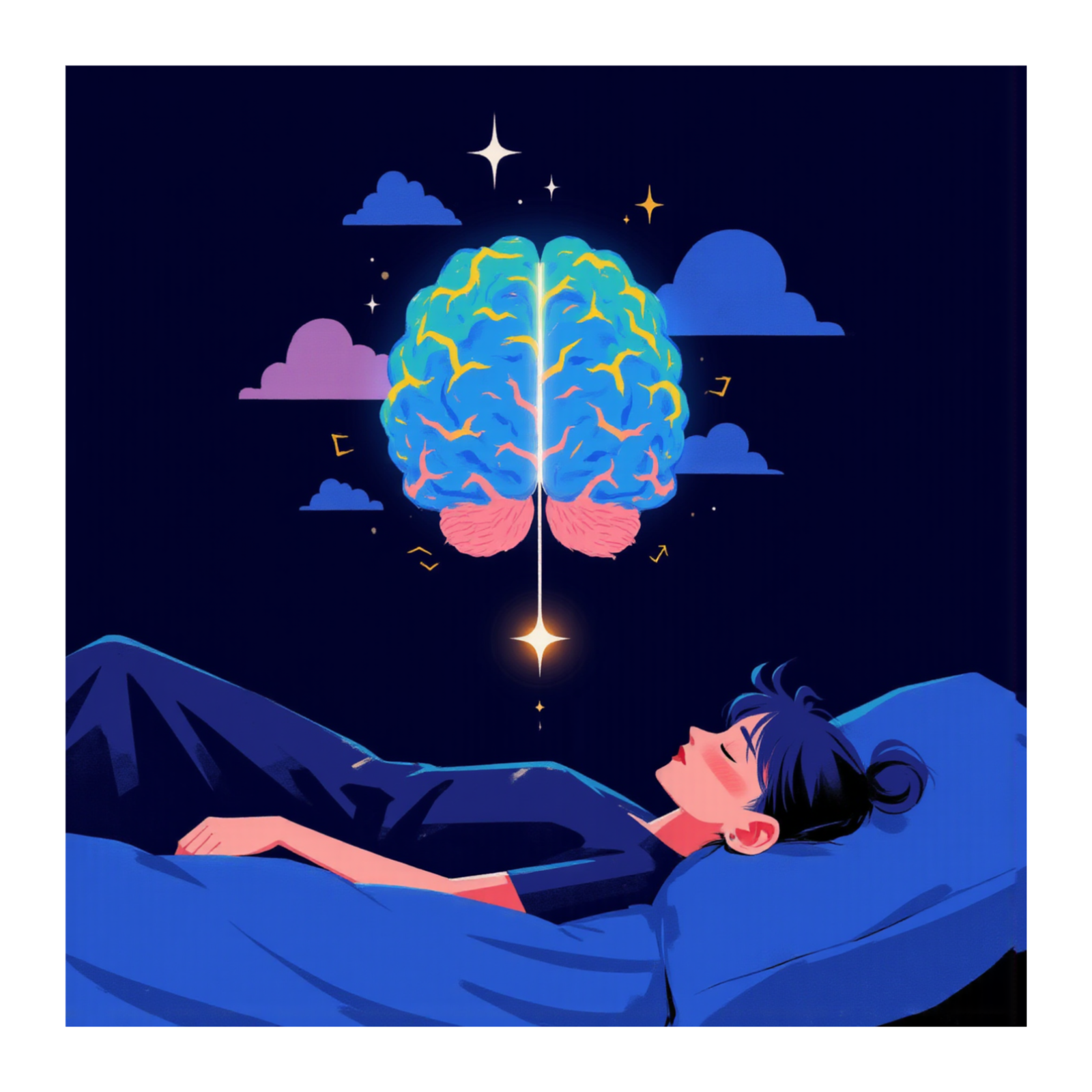
Este episodio explora cómo los sueños revelan, moldean y desafían nuestra identidad. Lejos de ser un reflejo fiel de nuestra vida despierta, los sueños presentan un yo fluido y sin ataduras, permitiéndonos experimentar con versiones pasadas, presentes y futuras de nosotros mismos. Actúan como un espejo de las capas internas de la identidad, sacando a la superficie deseos ocultos, vulnerabilidades y aspectos reprimidos (la "sombra" junguiana). Durante transiciones vitales, los sueños se vuelven particularmente vívidos y simbólicos, ayudando a negociar el cambio entre el yo antiguo y el nuevo. Además, el contenido onírico está profundamente influenciado por el contexto cultural y social del soñador. En esencia, los sueños ofrecen un espacio honesto donde la identidad, en toda su complejidad y contradicción, puede respirar libremente, mostrándonos quiénes somos más allá de las etiquetas y expectativas externas.
Transcription
962 Words, 5872 Characters
Welcome back to the Science Behind Dreams. In the last episode, we explored stress dreams. Those restless nights when anxiety refuses to release us and the mind keeps turning problems over like stones. Today, we're shifting from what pressures us to what defines us. This episode asks a deceptively simple question. What are our dreams reveal about who we are? Dreams are often reflections of identity. Not just the life we live outwardly, but the private story we carry within us. When the waking world falls away, the self becomes fluid, shifting between forms and roles. We are ourselves yet not. We are familiar, yet transformed. Let's explore how dreams shape, reflect, and sometimes challenge our sense of self. The dream self, familiar but untethered. In most dreams, we remain ourselves. We walk, speak, feel, decide, but the self in dreams is not bound by waking limitations. You might be younger or older than you are. You might behave boldly when you're timid in real life. You might take risks you would never dare to take awake. You might find yourself in places you've never walked, yet feel completely at home. Dream stretch identity like elastic. They let us explore versions of ourselves we have not yet become or have left behind. Identity is not one thing. It's many. We often think of identity as stable, singular, fixed, but psychology tells us identity is layered, shifting across roles we play, cultures we belong to, family expectations, personal desires, hidden fears, unspoken dreams. Dreams bring these layers to the surface. A parent who spends days caring for others made dream of freedom and escape, not because they lack love, but because part of them craves autonomy. A confident leader made dream of being lost or uncertain, showing the vulnerability beneath the armor. Someone shy and waking life made dream of singing on a stage, revealing a self-barried under habit or fear. Dream show who we are beneath the performance. The past self returns. One of the clearest ways dreams reflect identity is through time. We don't always dream as the person we are today. Sometimes we dream as the child we once were, the teenager we barely recognize, the young adult full of possibility, the version of ourselves we miss or wish we could forget. We revisit old homes, classrooms, friendships and moments long gone. These aren't accidents. They remind us that identity is not linear. Every past version still lives inside us, shaped by memory and emotion. When life shifts direction, when transitions happen, marriage, parenthood, retirement, loss, dreams often guide us back to earlier selves, checking in, gathering fragments, integrating change. Who we might become? Dreams done in oppos. Tea just reflect the past. They project the future. People often dream of success before achieving it. Failure before risking it. Love before finding it. Courage before acting on it. These dreams can serve as inner rehearsals. The brain experimenting with identity safely before reality demands action. Sometimes a dream offers a glimpse of itself. We didn't know we wanted to become until we see it clearly. Identity in transition. Major life shifts often trigger intense symbolic dreams, moving to a new country, leaving a relationship, starting a career, changing gender presentation, losing a loved one, questioning beliefs. During these moments of transition, dreams often become vivid, emotional and symbolic. They negotiate the old self and the new one. Sometimes resisting change. Sometimes urging it forward. Dreams ask, who am I now? Who was I before? Who am I becoming? Shadow cells. Parts we hide. Carl Jung wrote of the shadow. The parts of ourselves we reject or suppress. Anger, ambition, envy, sexuality, vulnerability, whatever we push down during the day may return at night. Dreams can be uncomfortable because they reveal truths we don't want to admit. The kind word we didn't say. The desire we deny. The fear we pretend not to feel. The strength we refuse to use. But the shadow isn't the enemy. Is the unlived story. Dreams invite us to recognize it. Not be ruled by it. The influence of culture and identity. Identity is shaped not only by inner life, but by culture, gender, language, belief and community. Someone raised in a collectivist culture may dream of responsibility, family or obligation. Someone raised in an individualist world may dream of autonomy or self-expression. Someone straddling two cultures may dream of crossing borders, losing passports or speaking languages they've forgotten. Dreams are where cultural identity breathes freely with all of its contradictions. When dreams challenge identity. Sometimes dreams present us with roles that don't match our waking life. Parenthood before we choose it, leadership before we accept it, danger before we're ready, love we don't yet recognize. Dreams can confront identity we cling to too tightly. Offer identity we're afraid to claim. Reveal identity we haven't yet named. They push boundaries. They test stories. And sometimes they whisper truths long before we speak them allowed. Dreams show us who we are when no one is watching. They reflect the private landscape of identity, past, present and future. They reveal hidden strengths, buried fears and forgotten desires. They hold up a mirror not to the face we show the world, but to the self that exists beneath every label, every role, every expectation. The dreaming mind is honest in a way waking life rarely allows. It shows that identity is not fixed, is alive, evolving, layered and deeply personal. In our next episode we move into a fascinating territory. Dreams as communication. Why so many people feel like dreams offer messages from intuition, memory, spirit or something larger than ourselves. Until then, may your dreams continue to reveal who you've been, who you are and who you're becoming.
Podcast Summary
Key Points:
Los sueños reflejan y exploran la identidad, mostrando versiones fluidas y no limitadas del yo.
La identidad en los sueños es multifacética, revelando capas ocultas, roles pasados y posibles futuros.
Los sueños pueden desafiar la identidad consciente, integrando la "sombra" (aspectos reprimidos) y negociando transiciones vitales.
El contenido onírico está influenciado por factores culturales, sociales y personales, actuando como un ensayo interno seguro.
Summary:
Este episodio explora cómo los sueños revelan, moldean y desafían nuestra identidad. Lejos de ser un reflejo fiel de nuestra vida despierta, los sueños presentan un yo fluido y sin ataduras, permitiéndonos experimentar con versiones pasadas, presentes y futuras de nosotros mismos. Actúan como un espejo de las capas internas de la identidad, sacando a la superficie deseos ocultos, vulnerabilidades y aspectos reprimidos (la "sombra" junguiana).
Durante transiciones vitales, los sueños se vuelven particularmente vívidos y simbólicos, ayudando a negociar el cambio entre el yo antiguo y el nuevo. Además, el contenido onírico está profundamente influenciado por el contexto cultural y social del soñador. En esencia, los sueños ofrecen un espacio honesto donde la identidad, en toda su complejidad y contradicción, puede respirar libremente, mostrándonos quiénes somos más allá de las etiquetas y expectativas externas.
FAQs
Träume sind oft Reflexionen der Identität. Sie zeigen nicht nur das äußere Leben, sondern auch die private Geschichte in uns.
Das Traumselbst ist vertraut, aber nicht an wache Grenzen gebunden. Man kann jünger oder älter sein, mutiger handeln oder Risiken eingehen, die man wach nie wagen würde.
Träume können uns als frühere Versionen von uns selbst zeigen, wie das Kind, das wir einmal waren. Sie erinnern daran, dass Identität nicht linear ist und jede Vergangenheit in uns weiterlebt.
Ja, Träume können als innere Proben dienen und Erfolg, Scheitern oder Mut vor deren tatsächlichem Eintreten darstellen. Sie bieten manchmal einen Blick auf ein Selbst, das wir noch nicht kannten.
Der Schatten sind die Teile von uns, die wir verdrängen, wie Ärger oder Verletzlichkeit. Träume können diese verborgenen Aspekte aufdecken und uns einladen, sie anzuerkennen, ohne von ihnen beherrscht zu werden.
Kulturelle Identität prägt Träume. In kollektivistischen Kulturen können Träume von Verantwortung handeln, in individualistischen von Autonomie. Wer zwischen Kulturen steht, träumt oft von Grenzüberschreitungen.
Chat with AI
Loading...
Pro features
Go deeper with this episode
Unlock creator-grade tools that turn any transcript into show notes and subtitle files.
 PodcastTranscript AI