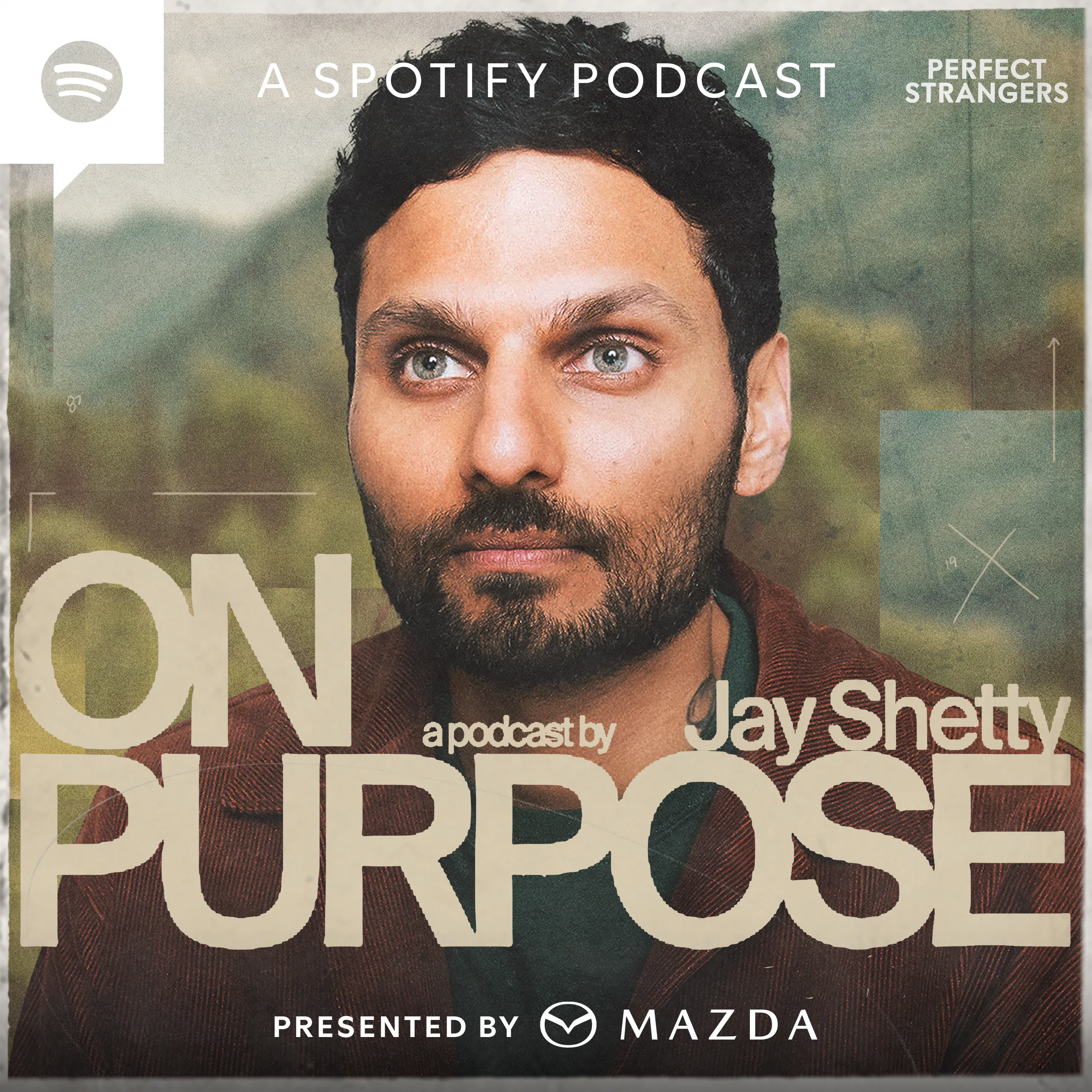
Dr. Jill Biden: The Hardest Moments No One Saw (The Untold Story of the White House Years)
63m 32s
Dr. Jill Biden shares a deeply personal and resilient journey through life’s most profound challenges, including the loss of her son Bow to cancer, the emotional toll of public scrutiny, and the struggles of addiction in a family member. Her marriage to Joe Biden is framed as a model of enduring partnership built on love, financial independence, and intentional daily routines—like shared dinners and family traditions—that created a strong, stable foundation. Central to her story is the belief that after enduring the unbearable grief of losing a child, no external harm can truly affect her family, fostering unshakable resilience. She reflects on the disease-like nature of addiction, expressing regret for not addressing it more openly during her time as First Lady, and stresses the importance of community, education, and empathy. Her advocacy for women’s health—especially in medical research—is driven by the realization that women have historically been neglected in science. She also highlights how social media has reshaped politics, making truth verification critical. A recurring theme is the power of presence and kindness: she encourages families to stay present, record voices, and find hope in everyday joy. Ultimately, her story is a testament to love, perseverance, and the quiet strength found in vulnerability, offering powerful lessons on resilience, family, and the human capacity to heal.
I said to Joe, "You know, we've given him everything, Joe, everything. Why would he turn to drugs?" His daughters kept, "Where's Daddy? Where's Daddy? Have you heard from Daddy?" We didn't know where he was or how to find him. On one side, you have the grief of Bo and then dealing with the public scrutiny, especially around Hunter. I didn't believe Bo was going to die. I think once we went through that, no matter how mean it got her cruel, it was like, "Buddy, you can't touch us." Hey, everyone. Welcome back to On Purpose. My guest today is Dr. Jill Biden, an educator, author, former first lady of the United States, and someone who has dedicated her life to teaching. Today, we talk about family, resilience, and the lesson she's learned through some of the life's biggest transitions. Jill Biden, welcome to On Purpose. Thank you. It's such a joy to see you again. We saw each other about a month ago, right? About a month ago at History Talks. In Philly. Absolutely. And I had the honor of interviewing you and President Biden. And I've been fortunate enough to have so many interactions with your family who've been so extremely generous and kind to me in so many ways, and some really, really appreciate it. They feel the same way about you. It's rare that you get to interview someone and then get to interview their wife, and then get to ask them questions about each other. And then all the grandkids and everybody else. Yeah, but I keep bumping into everyone in the world. All the Biden. It's pretty special. And I have to wish you a happy, belated birthday. Thank you. And you obviously celebrate with your book launch. Well, actually the second day of my book launch, yep. So you didn't get to really see me? Oh, no, I had five cakes. I mean, now I'm on my salary diet. Five cakes. Yeah, five cakes. The reason for five. Everybody gave me a birthday cake. Oh, that's really nice. And so if somebody makes you a birthday cake special, you have to eat it. You just can't say, oh no, I'm watching my calories. You have to eat the cake. So five cakes. Five cakes. That's impressive. I was thinking about this. You've lived an extraordinary life. When we read this book, you can't help but think. How does one person experience all of this? And how does one person even have the capacity to navigate all of this? And I was thinking that if you had to look at your life looking forward from age 20, and you would have reflect on what's happened, what would that version of you think? What would that version of you anticipate or be able to see? I never could have foreseen any of it. Not any of it. Because if you think of where I was at age 20, I was at the University of Delaware. I was studying English. I was actually married. I got married. I went to college. I met someone freshman year, fell in love and got married. It was this great romantic vision. You know, oh, we'll go to college together. We'll take classes together. Which we did start out doing. And the marriage went on for about five years. And we really grew apart. And it was the best thing because it sent me on this new trajectory. And I met Joe when I was a senior at the University of Delaware. He called me. It's kind of a funny story. I was at home in my apartment. And it was Saturday. And I get this phone call. And he said, Jill, this is Joe Biden. Well, I didn't, I knew who he was. But, you know, we hadn't really spent any time together. I think I shook his hand at one event one time. And he said, are you free tonight? And I said, well, no, I have a date. And he said, do you think you could break the date? And I said, I don't know. I'll call me back in an hour. So I broke the date. And we went out. And so like I said, I was a senior at the University of Delaware. All the guys I dated had long hair, you know, bell bottoms, clogs, tie-dye shirts. So he comes to the door. And I opened the door. And I took one look at his perfect suit and his leather loafers. And I thought, thank God, this is only one date. Because he was just so different from anyone I had gone out with. He was 10 years older. I knew he had two children that, because he lost his first wife and daughter in a car accident. So we went out on the date to Philadelphia. We went out to the movies and for dinner afterwards. I really had no intention of going out with him again. I was just curious. But we came home. And I remember I lived in this townhouse. And we went to the door and, you know, it was this time where it was like this revolution where men were kind of more forward. They felt like you owed them something at the end of the date. And he stuck out his hand and he said, I'd like to see you again. No kiss, no groping, nothing. And I remember it was one o'clock in the morning. I went upstairs in my townhouse. I called my mother at one o'clock in the morning. And I said, Mom, I finally met a gentleman. Wow. Yeah. So I dated him the next night, actually. He called, you know, can we go out again? And he's trying to maintain this cool. I remember he came over and he had a book in his pocket, his calendar. And he said, you know, I'd really like to go out with you again. And I said, fine. And so he's looking through the pages and he's like, well, no, not next Thursday. Well, no, I'm busy. Well, not Wednesday. No. And he goes, well, how about tomorrow night? And I thought, buddy, you just blew your cool. And so we went out. I swear almost every night for probably two years. And the beautiful thing was about our relationship, I think, is that because he had these bow and hunt, our two boys, you know, the first, maybe night or two, we went out to dinner together. But then it was always me and Joe and Bo and Hunter. I mean, that's what it was. It was like so natural. I'd go to his house and have dinner there. We'd go out to the movies. We went to the beach. I mean, we'd go everywhere together. And it was just so natural. I think people probably find that hard to believe. But it was just easy. After dating two years, the boys were in Joe was shaving on his way to work to the Senate. And apparently, this is a story that Joe tells. The boys came in and they said, "Daddy, we have something we want to ask you." And Joe said, "What?" And Bo said, "You tell them, Hunter and Hunter." I said, "No, you tell them, Bo." Anyway, they finally came down to it and they said, "We think we should marry Jill." And so that's when Joe started, you know, asking me to marry him. But it did take five times because. Well, you rejected him five times. I did. I rejected him five times. Talk to us about how those five rejections went. Did he get down on his knee every time? No, no, he didn't. He just kept saying, "I want to marry you. I want to marry you." And I kept saying, "No, not yet. Not yet. I'm not ready." What was that hesitation? I'm telling you, Jay, I mean, I love the boys so much. And I knew that they had lost their mother, of course. And I had to be 100% sure that this marriage was going to work because they had already lost one mother through a car accident, through death. And they couldn't lose another one through divorce. So I thought this marriage has to last till death do us part. And here we are, like, 49 years later. So I think that it has. What was it that finally convinced you on that fifth time? Well, he gave me an ultimatum. So he went to Africa and he came back on a trip for the Senate. And he came back and I was in my apartment. And he knocked on the door and I said, "Joe, come on in. No, I'm not coming in. I want to know right now, what is your answer?" And I thought, "Okay." And I said, "Okay, I'll marry you." Did you have fears at that time after your divorce? Oh my God, yes. What was that like at that time getting married so early, being at college? My parents had such a beautiful marriage, a wonderful marriage. And I was talking to my sisters about it yesterday. I said, "You know, we live such an idyllic life going up." It really was this Aussie and Harriet or leave it to be for kind of existence. So when I went to college and I met this guy and I totally trusted him and I thought, "Oh, now I'm going to have a marriage like my parents have." And so that's why I got married so young. My parents had gotten married young. They had alopeed to get married. Like, one of their parents never knew that they had alopeed. So that's what I based it, you know, the reason that I would get married so young. But I was still a college student. I didn't have any money. I was on my own. I wasn't financially independent. And I think that was the thing that made me want to be independent my whole life. And what I say to my daughter and my granddaughters, you have to have financial independence. So going through a divorce at that young age left such a big impact on me. And it took me a long time to get over. And my mother was really the one I turned.
to, I swear. I think I called her like every night for a year. I just could not get myself together. I took a semester off at college and it was like this sudden realization like, "Hey girl, you got to make it on your own." So I graduated, I got a job, I bought a car. Of course, my father had to co-sign in those days. It was like 1974 and got on my way. When you read the book and even as I'm hearing you now, it feels like you were such an intentional young person. Even the thoughtfulness you had around the responsibility would take to take care of these two young boys, the gravitas of that and what that would look like moving forward and understanding the weight on both of them of losing their mother through a car accident. It feels like there was so much intentionality. What was the intentionality that you and Joe put in early into your marriage to last 49 years? If there were three principles, three lessons that you said, "We learnt this early, we put this in early and that's what helped us last the test of time. What would they be?" We built the family on love and I quit my teaching job for two years because I wanted to be, to establish myself as their mother, that they were my sole purpose in life. I would go and I would work in the library at their school and Jay, they were so cute. They were so proud of me. They would say, "My mom's here today and she's working in the library." They'd bring all their little friends in to see me and to say, "Hello, my kids were really involved in all kinds of sports. I mean, sock or baseball, everything." I went to all their games. I loved to cook. I believe food is love and I made sure that I made great dinners every single night and I baked like crazy so they always brought their friends home and there were always chocolate chip cookies or cake. I wanted it to be like I grew up. We would have dinner every night together. Now, Joe's train got home about 730. I would have dinner with the boys and then we would wait for dessert and when Joe came in, then I'd have his plate and give him his, I mean, I'm telling it was Aussie and Harriet. So I learned so many good lessons from my own parents about love and laughter and my parents made our lives so much fun. I can remember one dinner. I don't know. My mother was teasing my father and we had just gotten back from my grandparents in South Jersey and there was a big bushel of tomatoes and my mother got up and she took one of the, it was right in the middle of dinner and she took one of those tomatoes and she threw it right at my father, not in anger, but in like a tomato fight. Well, we all got up the five of us and we're throwing tomatoes and we're, you know, I mean, I know it sounds a little bit of crazy, but that's how fun my parents were. I mean, they did crazy stuff like Halloween night. My mom would have our homemade costumes and everything and they'd go out in the neighborhood with their martini glasses and they'd go trick or treating. I mean, I have just wonderful memories and I wanted my children to think back on their childhood and be able to say I really had a really great childhood. So we were very intentional. This is a cute story. So I thought I was pregnant. So I didn't tell you. The boys came home from school and I said, I think I'm going to have a baby, but there's a way that you find out. And I said, you go to the drugstore and you get this test. And I said, let's go find out and then we'll tell daddy if I am they were all in. So I put the sunglasses on because remember I was a Senate spouse and people in Delaware would recognize me. So we go to the drugstore and we get the test and then you have to do it in the morning. We waited and then we found out that I was pregnant and they were the ones to tell Joe that we were having a baby. And I wanted them not to feel threatened by that. So I said to them, you can name the baby anything you want. So they picked a boy's name and they picked a girl's name and they they named the baby. Oh, wow. Yeah. And they came with us to the hospital when I was in labor. We drove to the hospital. And of course, I was like trying like I didn't want them to have this memory of, you know, what labor pains are like. So I'm trying to be really so like during it all. And then I had a C section. So a friend of ours came and took them to McDonald's while they performed C section. Yeah. My parents had a neat trick for that. I remember that you're you're reminding me of now is when I'm the oldest I have a younger sister when she was coming. My parents used to tell me to pray for a little friend. And that's all I would do. I would like pray for this little friend to be and then when my sister was born, I was like, oh my god, it worked. Like my parents worked and I was so excited. I was like four and a half. And it was so exciting to have that experience. And it's so amazing how parents find really smart ways of preparing their kids for a sibling coming into the world. And what that looks like. When I hear these stories, they're just so full of like richness and joy and abundance and love as you're saying. And of course, life's challenging. It's hard. It's difficult. You know, it's so hard. And so you're trying to bring in all these beautiful moments, make all these beautiful memories. What was it like when Joe Fer set to you that he wanted to run for president? The first time he ran it was 1987. So we were out on the campaign trail. I remember in Iowa, I was there all the time and it was exhausting because I was traveling a lot. And then I would come home and I would have actually was six. I think the boys were a little older and they all wanted my attention. You know, so I come home just so tired. But that campaign didn't work out. Joe was, they said that he plagiarized a passage from his funny coming back. Kinnick was the guy's name. And so Joe dropped out of the race. But that saved his life because in February of 1988, I remember I was teaching and I got a knock on my door. It was a principal. And he said, Jill, you got in a call from home. You have to go home right away. So I rushed home. I saw Joe on the bed. I mean, his face was gray. So we rushed him to the hospital and they said, we think he has, he has an aneurysm. I can remember I ran home because I had actually getting off the bus. Nobody was there. I ran home, got her a settle called the babysitter, you know, tried to get hold of the boys. I went back to the hospital. I'm walking down the hallway. And there's a nurse sitting there with a table in front of her looking at the charts. And I said, what are you doing? And she said, don't go in there. I said, why not? She said the priest is in there and he's giving last rights. I opened that door. I ran in and I said to the priest, get out. Get out. My husband is not dying. Get out. And the priest just looked at me, gathered his stuff and walked out. There was no way God was going to take Joe away from those children when they had lost their mother. What gave you that conviction and faith in that moment to be able to do that? I mean, I don't know. I could worry to hear that. I could not bear that Joe would die. I couldn't bear it and leave the children after they had lost their mother. I mean, that would be so horrible. Anyway, we went to Walter Reed. He was there for like, I think seven months. I was teaching. I was commuting after school, like almost two hours. Sometimes friends would drive me down. I had, you know, babysitters come in with the kids. Bo is at University of Pennsylvania. It was one of the toughest times of our lives, but he lived. You know, I went to that hospital. I went to Walter Reed. I can remember the surgeon, Dr. George coming in and I had the boys with me. Dr. George said he may not make it. So Joe said to the boys, if I don't make it through this, I want you to take care of your mother. He lived through it. It was a long hard recovery. He went on to run for president again. There were a couple more times he wanted to run. I can remember. I think it was 72. One of a bunch of political supporters came in and said, I could hear them. I was down at the pool. I was young. I had on a bikini because I was young. And I could hear them upstairs. You know, you have to run. You have to run. And I thought, no way, not now. I don't know what made me do this, but I took a black magic marker and I wrote, no, on my stomach and I walked in through the library and they got the message. And. Gosh, your conviction in these really important moments surprises me on both ends. It does. Yeah. I mean, it's brilliant. It's brilliant. It's like it's so, it's so bold and it's so like you're so sure. I guess that's true. I don't know. You have to be. You can't be wishy-washy.
Where does that come from for you? Where does that strength, that conviction, that clarity come from for you? My mother was really strong. She's definitely my role model. I turned to her in so many times in life, and the sound of my mother's voice could calm me down in an instant. And one of my biggest regrets in life is that I don't have a recording of her voice. And so I tell people who are with parents or losing parents, record their voices because someday you're going to need to hear it. Luckily for me, I have a recording of both voice because he gave so many speeches. He was attorney general. And so sometimes when the challenges are really tough, I go to the computer when I listen to his voice. And it just sort of calms me down. If you had a recording of your mom's voice, what would you hope that she would say? Just her, hello, Jill. That instantly, I can't even tell you, it's like such a trigger. That's a really beautiful piece of advice. And you're so right in this world now where we're inundated and overexposed to facetimes and zooms and called with our family. We don't necessarily have recordings as much anymore. Maybe we have videos. But to have an audio recording of a conversation, that's a really beautiful takeaway that I'm going to do that. I'm going to talk to my mom and make sure that I record a piece. Because you always want to hear that, right? Yeah, absolutely. You put on the bikini, you write down black "no" on your stomach, walk through, everyone listens. Oh, they saw that. Yeah. I didn't have to say a word. As a matter of fact, I didn't say a word. Just walk through and walk down. When Joe finally runs and wins like that time, what was different? What allowed you to say, yeah, this time go for it. This time it's okay. I guess because Joe had been vice president and I saw what the life was like. I knew it would be challenging. I don't believe in war. I felt that Joe would end the forever wars and he and brought it with Iraq. I don't know. There were so many people telling him, you have to run. You have to run. Of course, his age was a question, should he, shouldn't he? But then he had to make that decision himself. I didn't push him one way or the other. I write in my book how we were at George, the older George Bush's funeral. We went to lunch afterwards at Black Salt Restaurant in Washington. I just said, are you going to run for president? What's your decision? I need to know. Then he said, yes, I decided to run. That's how I found out. At that time, you didn't have a clear yes or no in you. It was. It had to be him. One of the beauties I think of our marriage and maybe you saw this in Philadelphia. I mean, I support Joe and what he wants to do and all my life he has supported me. He supported my career, my teaching, my volunteer work, anything that I wanted to do. He was supportive of whether he liked me doing it or not and I felt the same way about his career. That's really what a true partnership is in a marriage. We respected one another's choices. What do you think people underestimate about being first lady? I feel like everyone has a sense of the pressure that it takes to be president. All first ladies have chosen to do the job a different way, I think. Like Laura Bush didn't do it the same way her mother-in-law did. Michelle Obama didn't do it the same way that maybe Hillary Clinton did. We've all done it in different ways and I respect that. Even if they've decided not to do anything or whether they've decided to. Like Rosalind Carter, you know, she would sit in on cabinet meetings. She was very involved in Jimmy's career or president Carter and I respect that. I respect other women's choices. It's a hard job but it's. It is an honor of a lifetime, I think, for most of us. What was your most difficult day in the White House? I mean, trying to live through COVID. Afghanistan with draw definitely one of the hardest days. There were a lot of times, you know, if you remember, like how about the U-Valdy shootings? I mean, that was terrible. All those children and going to visit the school and being a teacher myself. You know, when we went out to Hawaii to the fires and saw that, you know, there were so many joyous days too. How do you begin to process all of that? Like to have the capacity to hold all of that because there's personal loss, there's both, there's personal loss in wider family, family parents. And then you have this global loss and global pain that you're also connected to and managing and visiting. And as you said, as a teacher going to schools and what did you do? What do you tend to in those moments? I can compartmentalize. So if I'm in the classroom, I am totally 100% in the classroom at that point. Or if I'm doing something at the White House, whatever that is, I'm totally there. I'm with my kids, they get my total attention. So I think that's really helpful that if I can keep doing that, it's not always easy every day. Sometimes it bleeds into the, you know, whatever you're doing because you have something in the back of your mind that you're trying to deal with. I think that skill has helped me most of all. Presence, being there. Yeah, being present. I think most people feel this way. If you looked at your schedule for the next week or month or year, you'd be so overwhelmed by it. Yeah. And so I was saying to someone, I can only live in 24 hours cycles. Because then I can deal with what's today. I can deal with what's happening right now. I can make decisions for the future that are better, that feel right today. And then I can deal with tomorrow. But if you ask me what's happening in three months. No, I agree with that. Right, it gets really overwhelming to start living in these long-term cycles of like, "Oh, what have you got going in six months?" It's like, "I don't know. I don't want to know." We just live right now. Just let me get through today. Yeah. And that presence to hear that that's what you needed and to compartmentalize and to just be present as a teacher, to just be present as a mother, to just be present as a, as a first lady. What did it feel like when President Biden finally won? Like, what did that, what did that moment feel like? Oh, my God, it was so exciting. And if you remember, there was like a week before we were declared the winner. Every day the TVs were on. Steve Kornacki was up there with all his statistics and I thought, "You know, does that man never sleep?" I mean, it was getting on my nerves so badly. And so one morning, Joe and I just like were like, "Oh, my God, we're going to get out of the house." So we live on a man made lake and it has a dock. So we went down to the dock. And we had just really sat down for a couple of minutes. And then like all of a sudden, our grandkids came running out of the house screaming, "We won, we won!" And then we quick came back into the house. And I mean, it was just amazing. It was just so amazing and exciting and it was surreal. Did it feel like a long time coming? Having had all those runs before and how many people said that. Yeah, it did. And I didn't expect Joe to become, you know, after VP, I thought we were finished. So we had those years in between, I think, four years. I was commuting to Nova, my college, where I worked from Delaware, because I loved Nova so much. And, you know, becoming involved in other things. So to think about getting back into this lifestyle and what it would mean. And it was challenging it, but it was good. I have really good memories of that. What's the greatest thing you've learned by being a teacher? I think the greatest gift that I can give my students is confidence. They don't need to know how to write the paragraph or the topic sentence or whatever it is. If I can give them the confidence to think that they can write it. That makes all the difference. The first day of school, I say to my students, or I would, this was the first day of summit. I said, we're going to write a poem today. And they're like, oh, my God, what do you mean? We're not writing a poem. And I said, Yeshua, we're writing a poem today and you're going to like it. So it's called, where I'm from. We would read George L Alliance poem. And then, and they liked that. And then I would start using my own examples where I'm from. So my grandparents on my father's side were Italian. And I would talk about the, you know, the sauce bubbling on the stove and the noodles drying in the kitchen. And food is such a good place to start. So they would start to think about it. And I'd read poems from other classes that students wrote. And then they would kind of get excited. And so the next class, they would come in and they would write their own poems. And then they were a little bit shy, but then I'd say, okay, who wants to read a poem?
Well, maybe I'd have to call on the first person, but then once you break the ice, they were great. So then they'd start to read and they'd say, "I'm from Peru too, listen to my poem." My grandma made that too. The class would instantly bond. They would form community. And they were community college students. So that meant they were any age from like 18 to 83 was my oldest student I ever had. But they said, "Dr. B, can we put our poems on the wall?" And I said, "Yeah, that's a great idea. I loved that they were so proud of themselves that they could write a poem." And even the kids who had never written a poem before, they felt such pride. So if you can give them confidence, I think that's the most important thing a teacher can do. - I kind of agree with you more. You're making me think of so many of my teachers who are my favorite teacher. - Yeah, definitely. Who doesn't? Like you remember, I have two, one from primary school, elementary school and one from high school. And so my one from primary school is called Mr. Foxwell who just had that energy. He made every class fun. He gave you so much confidence. You walked in feeling like a million bucks. And then I had a high school teacher named Mr. Buckridge who made me question, I was older then. So he had the ability to challenge me a bit more. But he was always, he was my art teacher. And I loved him art. It was one of my favorite subjects. All the kids of art, English not so much. - English was one of my favorite subjects too. - Oh, that's great. - But art was right up there. And I remember I'd make this thing look beautiful. I can paint or draw, but I did a lot of collage. I did a lot of graphic art. And I'd make everything look perfect. And then he'd look at it and he'd say to me, why did you do that? And I would have an answer of just because it looked good. And I didn't want to say that to him because I knew he wanted a deeper answer, but I didn't have a deeper answer. So I'd say I did it because it looked good. And he said, well, figure out why you did it. Better than aesthetics. And it was such a great-- - Made you think, right? - Yeah. He would always ask me, why? Why is that color next to that color? - Yeah. - Why is that image next to that image? Why did you put that word there? And it was such a beautiful practice and intentionality going back to that point. - And look where it led you, right? I mean, it's right what you're doing now, questioning. You know, why you put one color next to the other. - Yeah, for sure. It was just a simple question that just planted that seed of nothing should be just random and just for aesthetic reasons or just because it looks or sounds good. Things have to have depth and they have to have a quality. - Yeah. - And I owe those teachers so much. I wouldn't be nearly where I am in life or mentally at those times if I didn't have them. And sounds like your students, do you still keep in touch with any students? - Oh my gosh. Yeah, do you still hear from the students? - What are the kinds of things that you hear from them and what are the exchanges? - You know, they're doing well. It's amazing how many students I run into and even less night in Philadelphia at my book talk, you know, students came and in my Washington one, a lot of my Nova students came and yeah, they text with me and they tell me what's going on and I mentor a lot of young women and I love being able to be a part of their lives, give them advice, hear their stories and give them confidence. What do you think young women right now in America need to hear most? - We lost some steps in the last two or three years and I think we need to get back on track for the things that women have always fought for and that's equality, Roe v. Wade, equal wages. You know, I'm so interested in women's health and I joined the Milk and Women's Health Network because I found out that before 1993, all the research was done on males. Even the mice were males, which is unbelievable. So consequently, everything that all the diagnosis we got, all the prescriptions are based on males bodies. So, you know, I think that women really need to fight for themselves and fight for answers on osteoporosis, endometriosis, menopause, wherever we're going. I mean, heart disease are so many things, autoimmune diseases. You know, some disease hits women more than men and why? What are the differences? So I think that young women are trying to find their way where they fit in, but I think they can't be complacent. They have to keep fighting for themselves. - I'm trying to remember the exact statistic and I'll get it wrong right now, but I remember that there was research done on how only 1% of investment went into women's medical research and health research. - Yes, exactly right. - So I actually understand what was happening in women's health and that bog was my mind. - I know and when I heard that, I mean, I told Joe about it and he said, we're gonna change it and that's why we had the White House Initiative on Women's Health and put $1 billion in in one year. And I'm so proud of that because I felt that was the catalyst. People had been working on women's health for years, but I think that spurred this movement forward to investors to get venture capitalists to invest and people scientists to do research. And it just, it feels good. It feels good for women's health right now. - Yeah, heading in the right direction. Lots, lots more to do, but at least on the right path, I think we have clarity and there's our eyes pointing in the right direction. Now we have to get up. - Oh, I'm glad you recognized that. Thank you. - Yeah, I think we've been talking a lot about our audiences primarily women and we've been talking about everything that you just mentioned, women's health topics consistently on the show because we think people aren't getting access to this information. - Yeah, we need so much more preventative care. - Yes. - I was reading recently how young women now are getting back into tanning beds and I'm like, what are they thinking? I mean, they're so bad for you. And I know myself since I, I mean, I sat out in the sun, we all did back then. They need to learn about prevention and how to take care of themselves and use sunscreen and not to smoke. And we have to eat healthy, not processed foods. I mean, there's so many parts of prevention and I've had skin cancer myself. I had it in the White House, actually, removed from my eyelid and my chest. And I know how traumatic it was for me. So for the young women to have the chance to really take control of their own health and move forward in a really positive healthy way is so important. And so that's kind of what I'm out there pushing. - I feel like this book is so raw and vulnerable. It's so real when you're reading it. Like it's, it's like a look into your heart. It really invites you in. It really lets you into these really difficult moments. And the one that stood out to me was reading about your experience in the 2024 debate and you talk about this raw fear that you experienced. What was going through your mind as you're watching the debate in 2024? - I was in the green room and just watching the TV like everybody else. And when I saw that moment when Joe kind of froze, I thought, oh my God. And I write this in my book. It was like, is he having a stroke? And I was scared to death. I was sitting. I got up, I started pacing. Like what's happening? What's happening? So then after the debate, I went out on the stage right away because I wanted to see him face to face. And he said, as we're walking off, and I won't repeat the exact words, but he said, I really effed up, didn't I? And I said, yeah, Joe, you did. And then we went, got off the stage. I went to the green room to get my stuff. We had a group of doctors always traveled with Joe. And he went with his staff and the doctors and the doctors said to me, he's okay, he's okay. 'Cause we had three more events to do that night. So we went to the hotel ballroom with supporters. We went to a waffle house, do you know what that is? - Yeah, yeah, yeah. - Yeah, I know. I'm from the north, like waffle house. What are you talking about? - So anyway, we go to the waffle house at whatever time it was 11. And then we went to North Carolina. Three o'clock in the morning, we get off the plane. There's a band, there's big lights. There's hundreds of supporters. You know, they're chanting. And I thought, well, okay, you know, we're gonna keep going. And we did until we didn't. - What was it then? What did you, had you seen him that way before? Had you had that? - Never, never. - When President Biden finally stepped down and you said, you wrote in your book, he said, Julie, I had no choice. - Yeah. - What was your reaction then from that debate to that moment? - I was really heartbroken for Joe because he had been a public servant for over 50 years and for his career to end on such a negative note. I was heartbroken for him. When he got out, I mean, people were saying he was a hero for stepping down, for giving up everything and sort of passing the torch. But I felt, I felt really sad for him. You know, when you love somebody and they go through something like that, it's, you feel their pain. I mean, you just, you know, you can't help but be heartbroken. - Did he wish he'd done it earlier or did he feel that was the right time? - I don't know that he wished he had done it earlier. It was just sort of unfolded, you know?
He lost the support of the Democratic Party and he knew he couldn't go on. So he did the right thing. He stepped down. I can't imagine how hard it is to dedicate your life to your country and your people. And then, yeah, that'd be the way to go out. You know, we see it in places where there are no stakes. Like when a coach of a sports team leaves and they were losing and they didn't win the championship and it's like, okay, whatever. Because people make that out to be really, really sad and difficult. Yeah. And so to compare it to these stakes and this scale and this responsibility and dedication feels like such a hard thing to do. And I can imagine he really needed you then because like you said, you were sad for him. But I can't imagine how sad he was for himself and what he'd done. And so he probably relied on you a lot. You know, after 49 years of marriage, yeah, he does, we rely on each other. And I believe in the book you were talking about how you were slightly upset about Kamala Harris looking for an endorsement and support almost immediately. Well, I was just upset. I was just plain upset. It just became sort of overwhelming, you know, but I got right out there for Kamala and I was on the campaign trail a lot. And I saw the excitement and the excitement at the convention and on the trail when I was out there working for her campaigning for her. And I honestly believe she was going to win. And I was actually shocked. I write in my book, it was like the next morning I was, you know, went into the kitchen at the White House. I was making coffee, feeding Willow and my phone rang. And I just had thought she had won. And someone called me and said, did you see the news? And at that, they didn't even have to tell me the news. I knew. And I ran into the bedroom and I said, Joe, wake up, you know, I was like, five in the morning. Wake up. Why didn't you tell me? He said, yeah. She lost. Did you feel she was going to win? I'll give you my honest answer. I'd spend a lot of time on TikTok. And for anyone who spends a lot of time on TikTok, it was pretty clear she wouldn't win. Oh, really? That was my tip. Yeah. So that's where I should go the next time. Yeah. Yeah. That's what candidate and what the hell they're doing. Literally. I was going on TikTok. I was living the campaign through TikTok and it's more of a sense you got from seeing the level of support that the opposition had. But her crowds were so big and the energy. I mean, you saw it. I'm lying. I guess the people who, the people are going to go and vote. It's almost like the people online who vote and the scale at which the support was there for, for President Trump was pretty crazy. It was like, it was insane to look at, actually, in the buildup even. Yeah. And I was like, wow, this is, this is big like you just see posts that just had an insane amount of likes and comments and engagement that was all pro. Yeah. Pro Trump. Yeah. So I wasn't, you know, monitoring that. Yeah. I was monitoring the crowds and their response and, um, and I guess that was my barometer. Yeah. Of course. Of course. No. And that's what's so interesting is that I think politics has been completely transformed by social media. Absolutely. The impact of all of these apps and how followings are galvanized, how, how messaging is coming across them in, with most of, you know, millennia and Gen Z generations getting their news through social media. Yeah. Yeah. It's, you know, it's starting to become such a pivotal place and such a scary place for all of this as well. I was going to say, like, how are these young people supposed to tell what's true and not true? Like, that's what worries me. You can't, especially now. I mean, you add AI into the mix in social media. You have no idea what's real. And it's really hard because there's no controls on what's real and what's not real. It's not marked. You don't know. So do you think there should be government regulation? I think there needs to be for news for sure. Uh-huh. But I don't know how you control that because everyone's a news court at this point. And so how do you actually even control something like that when anyone anywhere in the world can upload something and it looks real and it looks like it makes sense. I can't imagine it to be easy and you don't want a sense of free speech. It's a very, very fine balance. I don't know how you do it. Yeah. I looked up something on the January 6th insurrection. It was all positive. And I was like, what? You know, and I said, can you give me the truth about this? Because they painted such a rosy picture of what happened. And we saw what happened. I mean, we watched it on the TV. We saw them smashing the windows of the Capitol, but they put such a positive spin on it. Really? Where were they getting drawing the information or who was controlling it? Was that an AI search or a Google search? They was on, it was on a chat GPT. Oh, wow. So look it up and see what happens. I would take a look. Yeah, I'm going to do that. As it is, we finish it. I was going to say, obviously, I got the, I had the fortune of interviewing yourself from President Biden just, just a month ago at History Talk. And the president was in such good spirits. I mean, he was, we spent time backstage. Yeah. He was wonderful. As always. We had a great conversation together. We went on stage. He felt so well. How is he? How is he doing? He's doing OK. He does have stage four cancer. It has metastasized to his bones. He will forever have cancer. He will forever be on medicine. And he's 83. So you put that mix in. So yes, he's still working, he's writing his book. He's traveling, he's speaking, but he's a little more tired. I've seen him slow down. I mean, cancer really takes a toll. And I think every family in America has someone in their family with cancer, whatever form it takes. And I think it's really been like kind of a cruel blow. It's the worst. It's the worst if anyone's lost anyone that they love through cancer, which I have. It's the worst. It is. It's terrible to watch. And as you said, it's long term. It's not going anywhere. Uh-huh. Yeah, I was shocked at how amazingly present he was, knowing those truths. Yeah. He was strong. He was, yeah. He's strong. He's resilient. And it's just so unfortunate. I'm so sorry you and your family are going through that. It's, uh, yeah, I kind of can't imagine on top of everything else how, how painful that is. Everybody's trying to do their part in helping and, you know, like my Naomi is our oldest grandchild said, "Nan, I want to come and, you know, bring my son, Willie, and stay with you for a month and, uh, you know, help you out." And I mean, just, it's just been a really nice thing. I wanted to go back to the opening line of the book where you say, "Once you lose a child, nothing can hurt you." And I thought, wow, that's, that's a really emphatic way to begin a book. Why was, why was it important to start there? After we lost Bow, I felt there could be nothing worse in life than to lose his child. I didn't believe Bow was going to die. I just kept praying and praying and praying and I just felt like God would never take him with Gleoblastoma, which is what Bow had. He tried everything. I mean, every, every trial, every medicine operations and the doctors kept saying, "This could turn around, any moment, this could turn around, this could turn around." And I remember how sick he was getting and all the things he was going through and it was so horrible to watch and I can remember the day he died that morning the doctors called us into the room in Walter Reed and they said, "Things are getting pretty bad." But, this could turn around, I breathed this sigh of relief like, "Okay, he could live, he really could live." And we walked out, there were about eight docks and we took a couple steps outside the room and one of the doctors turned around and said, "Stop." And looked at the doctors and said, "Tell the Biden's the truth, go back in that room and tell the Biden's the truth." And we went back in and they said, "We think Bow's going to die today." Honestly, I don't think there's anything worse. After going through that, my family's like really spiraled, I mean, it was just so hard on everybody. And so I think once we went through that, like anything anybody said against Joe or did or no matter how mean it got or cruel, it was like, "Buddy, you can't touch us." I mean, we're just, we're resilient. There can't be anything worse than losing Bow. And I still feel that way. I've had the president say that. You never met Bow, right? I never did. No, no, no. I thought you may have. No, I wish I did. The way you both speak, the way you both speak, I mean, I've had President Biden say that, you know, he should have been president. Yes. I mean, that's kind of what we thought, you know, that it wasn't going to be Joe, it was going to be Bow. always just I mean. And he's all the best parts of Joe. How do you even begin to live with that level of grief? One day at a time. I know it sounds so cliche, but there were days when, you know, I just couldn't kind of, I felt like I couldn't get through the day, but I'm telling you the amount of kindness that people showed toward us, like people didn't give up. It wasn't like they said, "I'm sorry you lost your son." It was like every day sending me a text, dropping something by the front door every day, every week, and not just like for that moment that week at the funeral, my true friends kept it up for months and months and months, because you never get over it, ever. I mean, to this day, when I wake up, I mean the first thing I do is say a prayer for a bow, and I always say you never know what's behind someone's smile. Even during bows, illness, I was teaching full-time at NOVA, and I think maybe one teacher knew what I was going through, one of my friends, but no one else. Because I would sometimes go to the hospital early in the morning and then teach and then go to the hospital. Joe was working every day as vice president, very few people knew, and you know, people said, "Oh, you kept it secret. You kept it secret." Well, they forget, I mean, he and Hally had two children. We couldn't let this out and have my grandchildren hear this. I mean, they were already dealing with his illness. They saw him in the hospital every day. They saw him when he was home. We just couldn't have them hurt in that way. It was too much for them, it's little children. I mean, on one side, you have the grief of bow, and then you have, you know, dealing with the public scrutiny, especially around Hunter, and I wonder, how do you navigate supporting a family member who's struggling with addiction? It was tough, Jay, because half the time we didn't know where he was. He would be going from rehab to rehab, then we wouldn't hear from him for like a couple weeks and the kids, his daughters kept, "Where's Daddy? Where's Daddy? Have you heard from Daddy?" You know, we didn't know where he was or how to find him, or he wasn't communicating with us. So I flew someone in to do an intervention with him, and it took a long time for me to even get him to come to the house. And as soon as he walked in, he saw what was going on. He ran out of the house and Joe ran after him and just held him and we just had to, I don't know, love him through it. It's a disease, and I think I had to learn that myself because I said to Joe, you know, we've given him everything, Joe, everything, why would he turn to drugs? But it is a disease. Now he's sober. Thank you, God. He's been sober for I think seven or eight years now. He's remarried. He has a beautiful little boy, though, and he's doing his art. He's helping people with recovery for those who are listening, who are going through addiction. You know, I don't have the answer, but you just have to keep at it. And it is one of the hardest things I think I've ever had to do. And Joe, to see your child deal with addiction. I heard you say recently that you wish you had spoken more openly about addiction during your time in the White House. Why was it hard then and why is it important now? Well, I think so many families are dealing with it. Absolutely. I mean, people have to know that they're not alone. And there are answers and there is help and there is community support. I mean, I saw it all the time in my classroom as well. The kids who would come in that were high all the time, every single day. And I'd say, I want you to go talk to a counselor, no, Dr. B, I got this under control. And I said, no, you don't, you know, but just to try to get to them, because they think they're invincible. They think they don't have a problem. They don't see what the world sees. And it was hard. It was really hard. I really appreciate you having those reflections and it's so interesting how, at something at the time, it can feel really difficult to talk about. And then when you look at it from a different angle and perspective, you realize actually, yeah, there are so many families going through the same thing. People need to hear about other people's stories. They do. They need to hear about how you can change your mind about something and what it really requires. And yeah, I thought it was really brave that you were able to, you know, reconnect and reflect and say, I regret that we didn't talk about it more. And I think there's a need. I think there's a need with all of this. As you said, it's a disease. And there are so many other addictions, mental health conditions that I think were just starting to understand. And I love that Hunter now is helping other people in recovery. Jill, it's been really a gift to read your book, to sit with you today. Oh, thank you. And take this honor for granted at all, like it, it's so meaningful to sit with someone who's lived such a real yet incredible and phenomenal and phenomenally difficult life in so many ways. And joyous, of course, we end every episode of on purpose with a final five. These questions have to be answered in one word to one word. No, no, no. I'll give you one sentence. One sentence. One sentence. These questions have to be answered in one sentence. Okay. I will usually ignore my own rule and ask you for more Dr. Jill Biden, this is your final five. Okay. Here are my final five. Okay. Question number one, what is the best advice you've ever had to receive? My best advice was probably from my mother, no, myself. Question number two, what is the worst advice you've ever had to receive? The worst advice. God, I don't know. Can I pass on that one? The worst advice? I don't know. But something that gives you hope for the future. You know, I love in the women's health space, all these young researchers that I'm meeting and seeing what they're doing because I'm the other half of the brain, you know, language arts and literature, but they're science and to sort of step into their world and see what they're able to do and discover and how they can help other people and how they're trying to cure these rare diseases, that really gives me hope because I feel like we're moving in the right direction in women's health. And I love the direction of women's sports. I mean, we've waited, you know, I'm a girl from the sixties. So we've waited so long with, you know, title nine and to see women's sports getting their due, that gives me hope. And the midterms, I feel like, you know, I feel like the Democrats are going to maybe turn the corner and do well in them. There's so much that gives me hope. And it's so great that I don't know, my grandchildren are all in their twenties and early thirties and to see their interests and what they're interested. I mean, I just see what young people are interested in these days and they seem to be moving forward in a really positive way and not focusing on the negativity or the vitriol, like they're rejecting that. And they're saying, we're going to take this in a different direction and look at our passions and find joy. And that's what gives me hope. Question number four, what's something you used to value when you were younger, but you don't value anymore? I don't know. I look for the positive anymore. I look for the joy. You know, I'm like you said, I just had a birthday. I'm 75. As I like to tell my daughter that she hates to hear. I'm like, girl, I'm in my final quarter. And I'm going, you know, I want it to be joyous. I don't want to focus on the negative. Fifth and final question. We ask this to every guest who's ever been on the show, if you could create one law that everyone in the world had to follow, what would it be? Be kind because you don't know anyone's going through. Yeah. As you said earlier, no, you don't know what's behind someone's smile. You never know. Talk to Joe Biden. Thank you so much for your time. Thank you. It's your energy. If there's anything I didn't ask you that you'd want to share that you're more than happy to hear. But thank you for your time. Your presence, your energy. Oh, thank you. Thank you for sharing your heart to open in this book. And I look forward to many, many of our audience and community reading. Yeah. As we go on. Thank you. Thank you. Thank you. If you enjoyed this podcast, you're going to love my conversation with Michelle Obama where she opens up on how to stay with your partner when they're changing. If you're going through something right now with your partner, this is the episode for you. Won't always like you, but you can't count on the world to like you.
Podcast Summary
Key Points:
Dr. Jill Biden credits her enduring marriage to Joe Biden to deep intentionality, including a commitment to love, financial independence, and daily rituals that fostered family connection.
She and Joe navigated immense personal and public challenges—such as Joe’s near-fatal aneurysm, their son Bow’s battle with cancer, and Joe’s struggle with addiction—with resilience rooted in love, faith, and emotional support.
A central lesson from her life is that loss—especially the death of a child—deepens one’s capacity for resilience, making it impossible for anyone to harm her family, as they had already endured the most profound grief.
She emphasizes that addiction is a disease, not a moral failing, and shares personal regret for not speaking more openly about it during her time in the White House, highlighting the need for greater awareness and support.
Her work in women’s health and education underscores a belief that confidence, community, and compassion—especially in young people—are essential tools for healing and progress.
She champions presence, emotional honesty, and recording moments with loved ones as vital practices for maintaining connection and preserving memory.
She observes that social media has transformed politics, creating both powerful mobilization and misinformation, calling for responsible regulation to protect truth and public trust.
A core hope in her life comes from seeing young people in recovery, women in science, and communities embracing joy and health, reminding her that progress is possible through courage and shared humanity.
Summary:
Dr. Jill Biden shares a deeply personal and resilient journey through life’s most profound challenges, including the loss of her son Bow to cancer, the emotional toll of public scrutiny, and the struggles of addiction in a family member. Her marriage to Joe Biden is framed as a model of enduring partnership built on love, financial independence, and intentional daily routines—like shared dinners and family traditions—that created a strong, stable foundation.
Central to her story is the belief that after enduring the unbearable grief of losing a child, no external harm can truly affect her family, fostering unshakable resilience. She reflects on the disease-like nature of addiction, expressing regret for not addressing it more openly during her time as First Lady, and stresses the importance of community, education, and empathy. Her advocacy for women’s health—especially in medical research—is driven by the realization that women have historically been neglected in science.
She also highlights how social media has reshaped politics, making truth verification critical. A recurring theme is the power of presence and kindness: she encourages families to stay present, record voices, and find hope in everyday joy. Ultimately, her story is a testament to love, perseverance, and the quiet strength found in vulnerability, offering powerful lessons on resilience, family, and the human capacity to heal.
FAQs
Joe gave her an ultimatum by returning from Africa and directly asking her to marry him, emphasizing that he couldn't lose another mother to divorce after losing his first wife and daughter.
She found strength in resilience, believing that losing a child was the most painful experience and that nothing could hurt her more, which made her family emotionally unshakeable and strong.
They built their marriage on love, financial independence, and daily presence—such as cooking together, attending their children's events, and maintaining a joyful, laughter-filled home life.
She faced the challenges with compassion, knowing addiction is a disease, and eventually helped through intervention, leading to sobriety and now supporting recovery efforts.
That they must fight for equality in areas like healthcare, wages, and access to research, especially since women’s health has historically been neglected in medical studies.
Prioritize financial independence, be present in daily moments, and create joyful traditions so children grow up feeling secure and loved.
Chat with AI
Loading...
Pro features
Go deeper with this episode
Unlock creator-grade tools that turn any transcript into show notes and subtitle files.
 PodcastTranscript AI