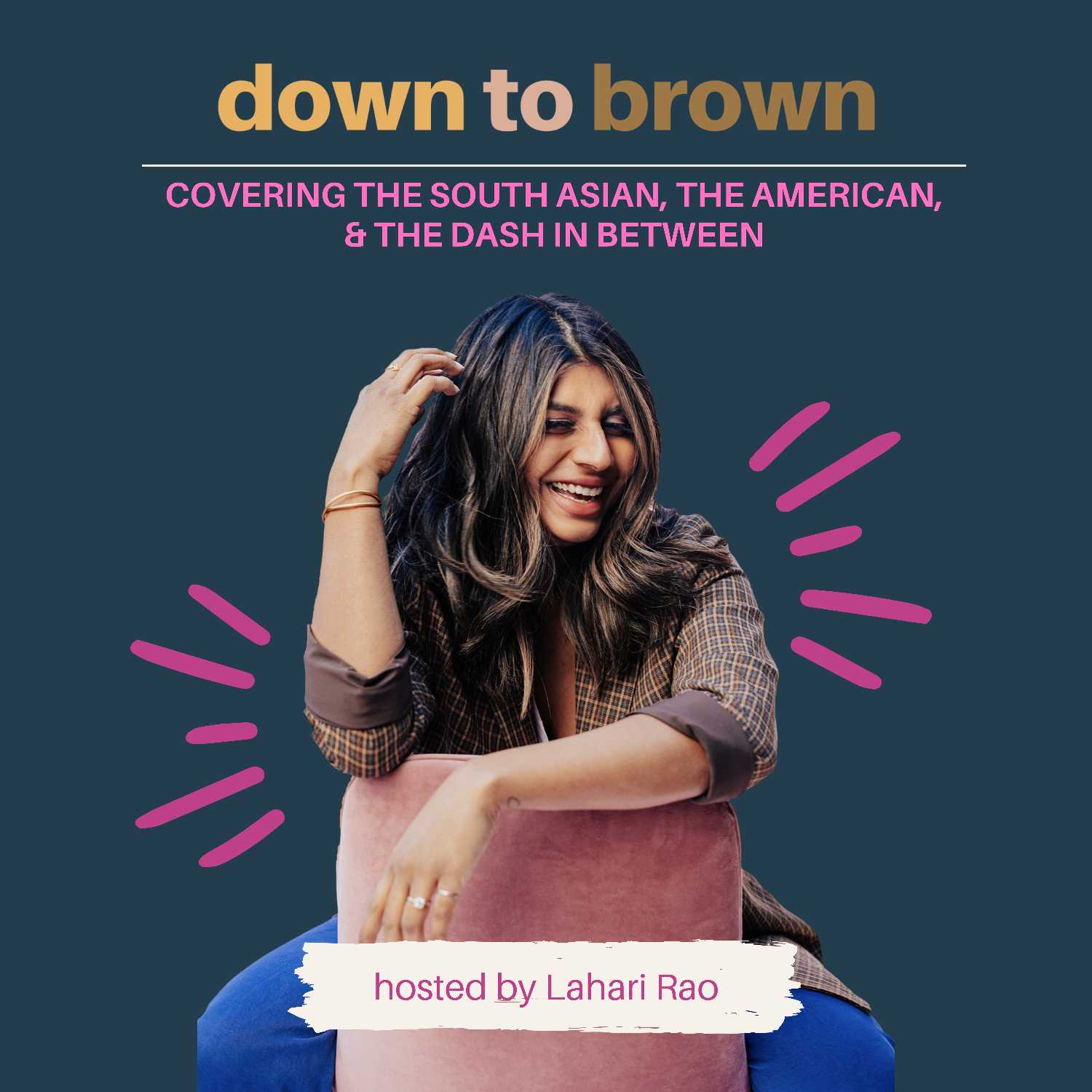
Do I really need to "belong" somewhere? (saahil m)
68m 45s
The speaker reflects on their struggle to relax and the pressure to always be productive. The guest Sahil shares insights on belonging, freedom, and the impact of societal and cultural norms on individual identities. Discussions revolve around self-centering, childhood experiences shaping identity, and the tension between American assimilation and South Asian norms. Sahil shares personal stories that highlight the complexities of identity formation, including experiences related to race, color, and queer identity. The conversation touches on the importance of accessing inner child wisdom and navigating societal expectations to shape a more authentic sense of self. Both speakers explore the challenges of self-care, self-acceptance, and the journey towards personal growth and understanding in the face of societal pressures and cultural influences.
Transcription
12219 Words, 64725 Characters
My fam, it's so good to be back to Down to Brown.
It's not like I've been gone for this whole sabbatical, it's been two weeks.
But I'm a girl who really struggles to relax.
And two weeks feels like a very long time.
I don't know about you guys, but if you're one of those people who knows how to relax
and enjoys a day of leisure, please give me notes on how to do that.
Because I am definitely one of those people who struggles.
I'm certainly a children of immigrants, in the sense, slowing down, not achieving, not
being a productive is very difficult for me.
And I am sure there are a gazillion tweed slash posts out there on Brown Girl Therapy
that address this, which I need to reread, because I really suffer from, I need to constantly
be doing something or else what's my life amounting to syndrome.
And the last two weeks, I literally could not, because I came home from my trip from New
York.
I'm in a very lucky situation right now, very grateful, the privilege of being front-employed
between jobs.
And so I went to that trip, came back, got really sick with not COVID, which also felt
kind of strangely nice to be like, I'm just regular sick and I'm not afraid for infecting
society.
And took some rest, grew really bored, very frustrated, really was a bother to my fiance, I was like,
this is your job to entertain me, so it was a delight to live with.
Anyway, fast forward, here we are, and we're releasing our episode.
But I did have to say, it was great to acknowledge the fact that I have this need to constantly
work, work, work, work, but I also realized that I don't want that forced work ethic to show
up in my Donda Brown work.
And so that's why I gave it a break, too, because I don't think you guys should hear from
me if my heart's not fully in it, too.
And so I thank you again for always your time and your support in your community, and
I take it very seriously.
That being said, I'm so excited to come back with this episode with Sahil.
You might recognize them from Brown Girl Mag, they're an editor for Brown Boy, the section
for Brown Boy, and also is starting an MFA for creative writing in the summer.
Also is a full bright scholar, also came back from Karachi Pakistan to become better learned
in their identity of Pogmari, they'll talk about it much more in the podcast episode.
I spent so much of my life searching for belonging, and I would argue I was doing this
as well, much into my adulthood, probably up until a week or two ago.
And I honestly came to the realization that belonging may actually be a negative thing.
It may actually be the absence of freedom.
Like I'm really thinking, if you belong to something or something belongs to you, you're tethered
to it, and I don't know if I want to be tethered to things.
I kind of just want to be like a seed floating in the wind or whatever it might be, you know?
But what I adore most about Sahil is that they use their knowledge to spread awareness,
to better educate, to help their communities.
And I really, really appreciate the conversation we had today, because in some way it both
echoes and amplifies what we talk about in Down to Brown, or freeing ourselves from the
pressures of American and South Asian identities, stigmas, and all the norms, and etc.
But it also kind of contradicts it too.
And so this is what I mean by that.
In this conversation, we really challenge the concept of belonging.
And we have often thought that belonging is actually a good thing, right?
And to worry, I'm not about to say like, er, actually it's wrong.
I was going to say that it can be both good and bad.
And this duality, what I mean by this, is that belonging can be really wonderful when
we feel that connection to something beyond us, and also about us, where we feel like we're
being understood, we're with our people, with our environment.
But then it can also be a double of sword when we want to belong so badly that maybe we
might make decisions or live our lives in a way that goes against the current of where
we're trying to take ourselves intuitively.
So all that to say is that Sahil and I challenge the notion of belonging, and whether that
can, by belonging, can you truly be free?
And so this is just a good little mind riddle for us to play, but would be curious about
your thoughts around whether there is a polarity to yes or no belonging.
So today, Sahil talks to me about a lot, and enlighten me with that, what does Sahil talk
to me about?
A shinta, I learn so much from them.
So we talk about this concept, we start with this journey of who am I, who am I becoming,
the transformation and the pain and beauty to it.
But then we really get into the power of language, and how important it can be in shaping
someone.
You know, today we can all think of someone who has set in our lives.
And I mean, at least one, everyone is so piecey now, I don't know what to say.
Everyone just thinks so sensitive right now.
We've been there, right?
We have definitely heard this, but the more and more you think about it, and especially
what Sahil echoes is that it does really stay with people, and it really affects the way
that they are then thinking about themselves and maybe talking about themselves to themselves.
The other thing we get into is the concept of rejecting yourself, to find yourself, which
I adore because it really gets on some of the things that we talk about in Donda Brown,
which is that we might go through phases where we completely dive into our South Asian
identity or an aspect of it.
Maybe it's our religion or our culture or our language or our state or country.
Then there are also aspects of American culture that we totally embraced, and then sometimes
we reject one or the other, and all of it brings you to who you are.
I think a lot of us can relate to this, and if you'd like to learn more about it, there's
this fantastic book called "The Namesake" by Jim Bellahiri.
I know, Bellahiri sounds like my first name, Lahari, so basically I'm a Pulitzer Breitzer.
Anyway, the last thing I loved is Sahil's ability to talk about what learning means, and
sometimes that learning means to unlearn, which, again, can take credit for that, but really
explain some of why people are still being challenged with the conversations we're having
that really picked up momentum in 2020 in the summer.
And the concept of grace, the concept of grace will come up repeatedly, and it's something
that we're slowly getting obsessed with.
I have only heard this in a Christian context growing up, and I've been hearing this more
and more when it comes to self-care, and honestly think that a lot of our struggle with our
South Asian American identity, if we showed ourselves grace for it, what would our lives
look like?
If we could also free ourselves, not only from those pressures and whatnot, but also the
guilt and the shame that we have sometimes given ourselves for having rejected or accepted
something or tried to do something in the need to belong.
So all that being said, I'm so excited for you to meet Sahil.
They are so stimulating in the language and intellect that they bring to this conversation,
so without further ado, something.
I'm here with Sahil.
Welcome Sahil.
Hi.
How's it going?
Oh, wow.
How are you?
Happy pride.
Thank you.
Thank you.
I took a bath this morning.
I got chai.
I'm really excited to talk to you.
Oh, my gosh.
I did the same minus the bath, so a good thing you're not around me to smell me.
Yeah.
I had some lavender salt, so I was like, let me relax before we start diving into some deep
shit, you know?
I like how you do.
Lavender vassal.
It's a fishy morning.
Well, deserved.
Thank you.
Thank you.
I really appreciate it.
The ways that we've connected on the path of our friend introducing us and our, you know,
we so fondly think of her, Anila, she's so fabulous.
And since then, like, I've just really enjoyed talking to you, and I'm so appreciative that
you were open to coming to Down to Brown.
I even, like, for context for people, like, before a guest comes on, I send them a document
and ask them just for, like, okay, like, how do you think about this focus of the conversation?
We talk about some questions, but most of it is, like, obviously, like, in the moment.
But like, your comments, I hill, like, I was like, dying.
They're so overwhelmingly positive.
Like, I wish I worked with you all the time because, like, all your comments on the Google
doc were like, love it, love it, love it.
So, honestly, I was really flattered.
I thought it was very clear and really detailed.
And I think positivity is just something we need to actively, like, do, so I think I just
practiced that.
And I was, like, I was a little bit nervous because I know we had our initial conversation.
And I just feel like one thing I'm also leaning into is just leaning into being a dynamic person.
I think I grew up really thinking I needed to always be consistent and always be very one
way and always be that way.
And I think I'm kind of learning the beauty and change and the beauty in being dynamic.
And so I guess my point being is that I was kind of nervous that maybe the initial document
would be obsolete or not be relevant anymore.
But once I looked at it, I was like, honestly, it, like, while it was a snapshot, it was also
very timeless.
Oh, my gosh.
Thank you.
And I love how you set the stage honestly.
That's kind of what I wanted to talk to you about is the dynamic nature of our lives, especially
because when we come from multiple identities, including South Asian, there is a little
bit of like you grow up with the image and these not even images, multiple messages coming
at you from everywhere, being like, this is how you should be.
This is how you should be.
And then we start to get older and obviously there's this dissonance that happens.
You couple in the like fuckery of different cultures that you're in and then all of a sudden
you're like, wait, who am I and who am I becoming?
So that's exactly what I wanted to talk to you about.
But I do want to set the stage because speaking of transformation, this past year has
been psycho.
As we all know, we're in a very confusing, frustrating, painful, optimistic time.
I want to say in the US, but obviously the world, even our counterparts in South Asia are
suffering right now from some of the COVID things that have evolved.
So I would love to just start with asking you what has the last year been like for you?
I think I only really put words to it yesterday during one of my brown boy meetings with
Brown Girl magazine.
We have weekly meetings and we talked about kind of in unfurling of butterfly wings as a group.
And I think that's kind of what my year has been, which sounds a little bit selfish perhaps
or kind of self, maybe just kind of egotistical, but one thing I'm learning is self-centering
behavior is actually kind of necessary in our lives to some degree.
And though we've maybe had been de-centered over time and so it feels a little bit, we don't
have language for it, but this year has obviously been challenging.
And I just feel like even on a cellular physical body level, I feel like I'm doing this thing
where I'm stretching a butterfly with my wings outside of a cocoon for the first time.
And there's obvious kind of, while the visual maybe seems to appear really beautiful, I
think there's luck of language and also narrative around what that must actually feel like.
If you're kind of stretching your limbs for the first time in a way that is such a beautiful
display, but you're using muscles that maybe have not been worked before or something like
that.
I don't know if that makes sense.
Of course.
No, I actually like that because I think there's a lot of, it's new, it's painful, it's scary
too, right?
The end result might be beautiful that we see in the end of the day, but there is a process
that goes into it.
So I love that there's a type of cycle that you've mentioned in that concept.
And I think the piece, that was really that resonated with me at the de-centering/self-centering
because it's sort of like the airplane analogy where we, I think more and more people sometimes
tout it.
But if you don't put your oxygen mask yourself, how can you help others?
And I think the whole self-centering is important for that reason.
It's not saying like become selfish, self-centering, right?
It's more about take care of yourself so you can first of all function, and then actually
turn around and be productive for other people too.
Absolutely.
And like you said, within the context of a South Asian identity or upbringing, like we
were not, and I don't want to say we, because I don't know everyone's experience.
I'll personalize.
Yeah.
I was not educated on anything, on the act of doing anything selfish in a positive way.
Like that was not part of my upbringing, I guess you could say.
So anytime that I voiced my own needs, or I saw people around me voicing their own needs,
it was labeled as something very, very negative, very western, very individualistic, very selfish,
how dare you, how could you, that type of thing.
And so I think as an adult, I'm kind of...
I'm not departing from that, because I belong to that, and I own it.
But I think it's a matter of figuring out what works when.
And I think with that said, obviously COVID, as you mentioned, was a societal outbreak, it
affected everyone in every corner.
And so I think with that social effect, there needs to be some type of individual response.
And I think, yeah, individual resiliency and societal resiliency work hand in hand, but
there's also their different pockets, you know?
And I think as I move to New York, just let's say like five months before the pandemic
hit, maybe six months, something like that.
And so, and this is a place where I've really like grown and I've been provided a lot of
opportunity and I've been challenging myself by switching into different professions and
things like that.
So, and I've been meeting so many people who validated and affirm my identity and so it's
been a really beautiful journey, but I think in beauty, there's always pain and sorrow.
And I think those emotions, kind of just really like are you in any angle to each other.
And that's something that I'm, that I'm just feeling constantly.
Absolutely.
No, I completely agree.
And actually on that note, you started to touch on the piece of, you know, growing up
with our unique upbringings, of course, not everyone's the same.
And we do struggle with this underlying tension though of this American assimilation and
South Asian norms, digmas, expectations, which is what down to round is about and is unpacking
that and how we free ourselves.
But, you know, there comes a moment where we all start to feel that tension and maybe start
to, you know, sometimes we don't know its tension because we're too young or we don't
have the words.
But when did you start to feel, first feel that tension in your memories, in your own
life with your own family?
I've been doing a lot of reading recently on hyphenated identities, whatever you want
to call them, especially queer hyphenated identities.
And one pattern I keep seeing is that a lot of people are writing like, I always knew, I
always knew.
And for me, there's so much to be said about the wisdom and intuition of a child that
goes untapped and kind of neglected.
And so, I always knew, can I ask like what that means?
Yeah, I feel like when you, so when you ask me the question, I feel like I'm then asked
to go into childhood saw hill and kind of really figure out what wisdom was happening there.
And I have so many stories.
So in terms of race and ethnicity and color, I was called the N word in sixth grade on
the, I guess like after school and like the play structure, whatever.
And the only teacher whose door was open was a white teacher who I didn't particularly
vibe with, but he was always around.
So I was like, let me just go and I just knew I needed to tell someone because it was a
very perplexing.
I don't know, kind of like a ordeal.
Yeah, of course.
And I had so many thoughts, I knew it wasn't right, but I also knew there was like a there
was it was it had racial kind of like, how do I phrase it kind of, it was a kind of association.
You know, they're calling you that like negatively.
Yeah.
And it was a problem on multiple levels because I was also then trying to figure out what
that word means in relation to me.
And I was just in sixth grade.
You know what I mean?
And so I don't know how that ended up getting kind of resolved, but basically it stuck
with me.
I guess is my point.
That's when I realized color is something that like is shaped in our world and that it's
and I'm part of the world.
I think that's when I realized that tension because honestly, most of my childhood, I'm going
to keep it rolling with you.
Most of my childhood, I was pretty weird.
I was just like doing my own thing.
A lot of people thought it was like, I don't know, they had all these words for me, just
like weird, loner, I don't know, like annoying, like all these strange words.
But at the end of the day, I think it was just like, I had gifts that maybe did not make
sense within the context I was growing up in.
So I spent a lot of my childhood just thinking about where, why does the world exist?
Where do people come from?
And what, like, are we supposed to do in our life kind of?
Yeah.
And so they were big philosophical questions that I would always just be like thinking
about.
And I think that's, in some ways, I don't know that other people around me were thinking
those same things.
So it definitely like set me apart in some ways.
When it comes to my queer identity, I have a, and my pronouns are they them now, back
then they were he, him, his.
And so I had a experience with an aunt who came from, actually an aunt and her daughter
who came from India and they were visiting us.
And for some reason, I was just being foolish and I put, like, you know, those McDonald's
play balls from those pits.
Yes.
We had some at home.
Don't ask me why.
But I put some of them into my shirt and I started like running around the house.
And I just remember the look.
So I put two of them just, I guess, emulating breasts, but at the time, I don't know.
I wouldn't have vocalized it that way.
I don't really know what I was doing.
But I think there was music playing and I was just doing what I thought was fun.
And I just remember and it wasn't the older auntie, interestingly.
She just looked at me and was like, oh, Sahel is just chilling, whatever, no big deal.
But it was her daughter who at the time was probably only in her 20s.
I will never forget the look that she on her face where she just looked at me and it was
just like mortified and she like, I clearly knew that whatever I was doing was like causing
her some type of anguish, you know?
And so I stopped, but it was never vocalized.
It was never like not like that feeling was never given words.
I was only able to see the feeling on her face.
And I will never unlearn the look on her face, you know?
Absolutely.
I feel like that's so poignant because the piece of especially how you talked about like accessing
that child wisdom, I think that's why later now, you know, I meet some people who really
appeal to that inner child speaking, which is like a way that you can basically self-talk
right?
Like you you access your inner child and talk to that to shape how you now talk to yourself
as an adult.
And to your point about, you know, going back to access that I think that piece is like
children are actually quite perceptive in a way that we, obviously like later in life,
we're still talking about things that we experience as like five year olds sometimes or six
year olds and they clearly make an impression.
So to me, what you described, like I'm sorry, you know, that you experienced that because
it's totally like unfair to have a child to have that feeling of like discomfort in that
woman's eyes.
And it's interesting that you said, like it's not even the auntie, it's the daughter.
And I wonder how much internalization she's done of those messages in our community that
like what's right quote or what's wrong quote.
Totally.
Yeah.
And even the piece of the end word, I feel like to your point about multiple levels of like
fucked up, um, the one people call, you know, especially South Asians, like if they get called
the end word at the point isn't to be like also like, wait, but I'm South Asian.
Absolutely.
Yeah.
Absolutely.
That's not, that's not the issue at hand.
Yeah.
Exactly.
But you're realizing like, oh shit, this is how people experience the world.
I am considered an other.
And I think that's why it's really traumatizing.
And so that, that's a lot to experience where you start to realize like, wait, who, who,
how are people saying me because to your point when you grow up out of context also of the,
like maybe like what matches and aligns with what our society wants to see, it can be
really stressful.
And I don't know about you, but it feels like you got at least I related to that in the
sense, like the words when you said the words used to describe me, right?
For me, it was like, you're too much, you know, you like, you're very difficult.
You're bossy and like, Lahari is just always going to like make something super challenging.
She always used so restless.
So these terms that I was like, wait, what is wrong with me?
You know, and that's how I talk to myself.
How did you talk to yourself because of those words being used because you know, at that
young age, it's sometimes hard to discern like, you know, now we can be like, fuck yeah,
my own person.
And I'm proud.
But like back then, we might be like, what, what's why am I different from what they want
me to be? And I do depend on them for like, care and love.
No, totally.
I always wanted to fit in.
I didn't really understand the cool, uncool dichotomy that every school setting seemed
to have, but I just wanted to fit in.
And so I sought friendship, but I also knew that I was different.
Like I knew that I was not heterosexual, heteronormative.
I didn't necessarily practice it in such an expressive way that I do now because I didn't
feel the comfort of the people around me.
What age do you think you knew that consciously?
Birth.
Yeah.
Yeah, beautiful.
Honestly, like, yeah, my earliest earliest earliest memories, like in eighth grade, every
day, the, uh, my history teacher would call me a lady's man every day.
Oh, Saul hangs out with all the girls on campus.
He's such a lady man.
And so like he lacked language and also he violently oppressed me with his language publicly
in reality.
That's what he was doing because he lacked language, but also awareness that there can be more
possible identities than just lady man because that functions in a very heteronormative.
Um, and also like he had no like business, like labeling me as such because it also limited
any other possibilities for me.
And so, so those were just your, and he did this every day mind you.
So it was like very perplexing for me.
And so it was in sixth and seventh grade, no, sorry, seventh and eighth grade where I really
started moving away from South Asian, anything.
And I started moving towards white, black, Latinx.
And those were my friends at my school.
And I, um, yeah, that was just, that was how I did it.
So I really moved away from South Asian, whatever to just figure out who the fuck I am, you
know, and that traveled with me through college.
So I became pretty fluent in Spanish.
So I did really well in Spanish language classes in my middle school and high school.
And then in college, I ended up studying abroad in Quito and Ecuador for a year.
And I became really fluent also in Ecuador.
They have a pretty what people consider.
And there's no such thing as a neutral accent, but they have what people could consider a neutral
accent when it comes to Spanish speaking world, just because it's not any extreme of anything.
So I was able to really maneuver myself in that world very comfortably blending in because
of my ambiguous brownness and also having relationships in the Spanish language where when I knew
nothing would linguistically reach my parents or my family or my extended family or anything
like that.
So for me, kind of, I approximated myself to the, and back then we weren't using the term
Latinx, but basically I approximated myself to that culture because linguistically I had
a bridge and an entry point into it.
So I felt like I could put words to who I was and that those words would never be used
against me.
I didn't have that with the South Asian community first of all, because everything seemed
so un-inviting to me to begin with.
Any parties I would go to, all the boys would go to one room and play video games.
All the girls would go to one room and do whatever the girls would do whether it was inside
or outside or whatever.
But boys were always playing video games.
I hate video games.
I've never liked them.
I never wanted to really, I found them to be a waste of time.
They didn't do anything for me.
And so I would just follow my older sister wherever she went and I just really was just vibing
with the girls.
Mind you, there was nothing in between that category.
I was the in between in those categories.
So like, I felt very there wasn't space for me in South Asianness, not to say there were
space for me in the Latinx community, but I was more comfortably able to forge that.
And without fear of anything traveling back to my family, and it's really funny because
I actually met with the South Asian gay person in New York this weekend.
We just got coffee together.
And he had a very similar story.
And he doesn't speak Telugu or Hindi or any South Asian language in the same way that I'm
not fluent in any of the South Asian languages.
So I felt like there's also some type of, I don't want to go as far as to say language trauma,
but I would say there's language guilt in that who are we at the end of the day.
And so to answer your question in a really long-winded way, as I spent so much of my life searching
for belonging, and I would argue I was doing this as well much into my adulthood, probably
up until a week or two ago.
And I honestly came to the realization that belonging may actually be a negative thing.
It may actually be the absence of freedom.
Like I'm really thinking, like if you belong to something or something belongs to you, you're
tethered to it.
And I don't know if I want to be tethered to things.
I kind of just want to be like a seed floating in the wind or whatever it might be, or something
floating in the ocean that kind of just gets to travel around and like live its life.
And so that's kind of how I'm seeing things now.
Yeah.
Wow.
That is no.
And while you think it's long-winded, like I really loved everything, like I was just like
closing my eyes and soaking it in because that is such an interesting perspective.
Before people, you know, how I want to say this is like there's a predictable way to sometimes
say these things.
Like, we have been taught and because like we're so kind of early, you know, honestly the
progress we're making with some of these conversations are on diversity inclusion are
so early on, there's a long way to go.
But for example, when I worked in HR, I did a lot of diversity and inclusion work.
And the definition for us with inclusion is the sense of belonging, basically.
That's what Deloitte, like when they did a study, like kind of came up with.
And the interesting thing about that is like I like your point about that belongingness
is like does it also tether you and to your piece about like bringing it back to that self
centering, to me, like I want to just belong to myself and then feel comfortable in spaces
that I'm in, right?
Like whatever they are, maybe there are some communities that you feel more understood
and connected with like soul feels happy.
But I'm really challenged by your notion of like what is belonging in the end of the day.
So thank you for that.
Because I think that's such a great question.
And I am like going to like contemplate this like over my meditation and like second cup
of chai.
Absolutely.
Yes.
No.
And it's something I just came to think about recently because I was like, why do I care
about this notion of balance mind you so many South Asians have been writing about it.
And not only and a lot of it is also belonging to land and place.
And I also read a lot and write a lot in the world of partition healing.
And so I think belong for for so many people belonging can be to land.
But look at our society like literally we live a lie.
We steal land from people.
We create societies on top of that.
And then we we lie to ourselves through like look at the United States.
Look at our pledge of allegiance are all the songs that we are taught to think and sing.
Like this landage your land this land is my like it's all a lie.
And like so much and I'm a bit of a pessimist in this is I like I I'm sure diversity equity
inclusion efforts is it's it's the best we can do for now perhaps.
But like I really don't know.
If anything can be a good thing if it comes from ugly origins I really don't think anything
can ever get there.
So I really kind of I turn inward as a result.
And I think it links back to what you were saying is just belonging to yourself.
But then you need to do something with that equation.
I feel like for me the step is one pluralizing myself to become myself like who what where
when what like time periods regions whatever.
And then also seeing just ancestral work you know like and and the ancestors are not
perfect but they are there and and I take pride nonetheless you know so it's a matter of
really figuring out what do I do now that I am in this space.
And obviously we're not getting younger we're getting older so a lot of my work has also
been figuring out my belonging to my own physical body that has been changing over time especially
during a pandemic so it's like the idea of belonging to kind of your own the skin you're
born into that changes over time you know what does that even mean.
And so yeah I guess I'm going on a ramp but basically I care a lot about kind of person
and place porosity and what that means I guess to take it a step further I belong to a really
small ethnolinguistic community called Bagnari.
We grew up calling ourselves Cindy Punjabi just because there was no new abagnari meant
and so and I write a lot about this too is that we are neither Cindy nor Punjabi nor
the hyphen in between because the the I guess the line or the border between those states
is not where we the land where we are derived from we are derived from a place called Balochistan
on the western side of Pakistan and also in Iran even Afghanistan.
So basically like and we've documented our journey over time there are about 2000 people
in my community the language is very similar to Sarayki and the recipes are very similar
to Cindy food but we also wear karas and so and care about Guru Nanak and all the gurus
so it's kind of like we're very we're like I say we're ethnically queer and so it's really
yeah especially in dominant South Asian tropes you know right so I feel like I've always
been queer in some in many ways not just gender gender expression sexuality but nationality
time period skin color you know like there's so much porosity and and dynamism in the way
that we move between Bagnari categories in society and I think that's a really really
beautiful thing. And so one absolutely and I cite a low fade men in in this they had a they
were featured in a podcast with lover and cox recently I don't know the exact name of
the podcast but a look talks about how trans and queer people because we depart from one
side of the Bagnari and migrate to another side and also fluidly right not necessarily
a singular migration but maybe even a circular migration or a zigzag migration but basically
a loces argument was that we pose possibilities to society and that was a really beautiful
thing for me to hear I needed to hear it at that moment in time but I also think possibility
I and I wouldn't say critica loces idea but I would I press on the fact that possibility
does not happen in a vacuum possibility is a limiting and unlimited notion depending
on social responses to it if that makes sense yes and so like I'm I'm totally cool with waking
up every morning and being a possibility for the world and symbolizing possibility for
the world but at the point where I get called Faggot in the street or where I get whatever
might happen you know like whatever could take place and does take place like it's also
a reminder that possibility has is surrounded by negative space of impossibility or seeming
impossibility so I think we need to kind of push between both if that makes sense absolutely
there's so much gold in what you said and I want to like address softly each and be brief
about it because I have so many other follow-up questions now but one is I completely agree
with this notion of when your foundation is built on ugliness violence and dominance then
it's hard to then really truly keep like reiterating something that was already wrong right
so even like if you remember Rick Santeram's comments recently about Native Americans and
how like there was really no culture like Americans really brought it to the states or
whatever and like you're just like massively offensive right and that's just one example
of multiple things like when we talk about change in this country like I feel like and
I don't mean this in like a fuck everything up but I really do think you have to reexamine
everything and change it before we can really truly align with like where we are now today
as a society the other piece as you mentioned like the second piece was how you moved away
from South Asian I am kind of your South Asian identity for a while and I thought I really
wanted to address that because often in our lives when we do something like that where
we leave an identity that perhaps we were born into we tend to get a lot of crap for
that too I think people will say like you know you're betraying it or it's not good enough
for you like you know I there certainly I'm sure a lot of us can relate like when you
don't do something that fits that way there's always that uncle around you with that comment
or even your parents or yourself for that like guilt you feel and I think it is important
to kind of embrace sometimes different places that you might see a version of yourself
because I feel like what you're getting at and correct me if I'm wrong is that there
is no one way to be so when we ask that question of who am I I think we tend to be we're used
to the notion of like we need to have like a elevator pitch of who I am and it gives me
comfort it's like a pacifier like okay these things check check check check but what if we
entertain the notion of like we are not like you know one person ever we might be you know
today I might be one version of be and another you know part of me will come out the next day
but it's all still me right and so I love your piece about possibility because to me it
actually gives more comfort in the fact that you don't have to keep being I think that's
why we get like there's a dissonance because you're like oh shit like I'm you know I don't
feel like myself today I don't feel like myself today are like you know next week you're
like and you're like maybe that is okay because it's still like fundamentally me but I'm
allowed to go through different evolutions iterations maybe one day different from the next so the
reason I bring that up is because you know like I feel like what you're perhaps getting at again
correctly if I'm wrong is it's almost like we meet different points of ourselves in different
versions of ourselves at different points in time and yeah is that something that you especially
like if that you know you're like yes um what was that journey like especially like you know you've
talked about it for yourself but how about your family because you know we are really like you know
that is our foundation and how did your family experience your self-examining and Evan flow with
your identity totally um okay so you mentioned guilt I believe and so and I see a lot of I feel like
South Asian culture if we were to characterize it in a negative way in three words it would be guilt
shame and fear and those are just all emotions that feed into each other and something I've been
working to do is just anytime I'm feeling any of those emotions or even a mixture of those emotions
I immediately stop myself and I just practice grace and that might be practicing grace with myself
with someone around me with society at large with whatever's happening at that moment in time
and I don't know that I was I don't know that this concept exists at least in the context that I grew
up in and I kind of talked about then the beginning of our chat but basically yeah I think grace is
something I'm learning over time of what that even means I don't know if there's a word in this
if for grace and Hindi I don't know if the notion of grace exists in Hinduism or other South Asian
religions I personally grew up in a Hindu context like vaguely Hindu context but I just didn't have
access to this concept I like there's a girl named Grace in our middle school and we always I we only
knew how to define grace as like being fit like bodily graceful as a dancer with your physical body
but I'm trying as an adult I'm trying to really learn the the notion of being graceful with
emotion and graceful with with everything inside of you that is not the body you know and so when
it comes to my family I really do appreciate them for their patience but I also know that
learning is I feel I feel like in society everyone's trying to learn right now post-post-post-share
Audrey Lorde Blackwise Matter like learn learn learn I feel like we would benefit and this might
just be me but I really feel like we would benefit in just pausing and focusing on unlearning
before we focus on learning or even some outward expression of learning that that we seem to be seeing
completely agree yeah like when it comes to my parents in particular like because unlearning is
harder than learning and I don't think they're ready to unlearn yet they've told me that in action
in in commentary and I just give them grace like I'm not willing to go down that journey with them
until they're ready and that's just that you know so like yeah so I'll just so my partner love him
his name is Matthew he's from Louisiana black African-American yes love Matthew kisses to Matthew
we he was supposed to kind visit my family for the first time last at the end of last year
and he had a COVID scare honestly it ended up being a divine intervention because he didn't even have
COVID but it prevented him from getting on a plane that would have come to see my family in that time
I was having hard talks with them about anything and everything my identity as a queer person
things going on nationally things going on in the South Asian subcontext everything and there were
moments when my parents just did not like my there was a moment when my dad referred to slavery as
ancient history there was a moment when my mom said that there's no way she could be racist because
she thinks Rihanna is beautiful and Lady Gaga's ugly like it was just like really just things that
did not make sense to me my and my do my mom will sign was simultaneously claiming that she felt the
white race was the most beautiful race in the world but that had nothing to do with her growing
up in the racist context or context that values race so yeah like of court like they're and she was
so married to her both of them actually they were so married to write their identities as non-racist
that I just knew that unlearning was not a part of the picture you know and so I was and I told
them I was like you are not in a place of privilege yet to meet my partner and I hope that changes
one day and so that is an example of it you know we're and it's and ironically it's not about
queerness because when it comes to queerness they'll just say like yes you saw hell yes yes like
whatever I say like I can be an authority on that they won't let they won't give me the benefit
of the doubt of being an authority on other topics and I and race being one of them and that is a
huge issue that we have to tackle in our society and it really scarred me because it really made me
wonder when will my parents have a relationship with my partner maybe never you know what I mean
and so that's something that that that that hurts me and that but I'm not willing to let him go
through that you know like that's not why he's in my life and I'm in his so sometimes you just have
to really create boundaries and like and and grace also is part of that right you you're graceful
with yourself so you're creating this boundary you need to communicate the boundary I think that's
another thing we're not doing enough of in our society is like learning how to communicate boundaries
and I think that's actually the difference between selfishness and self-centering yes is that you
you owe honesty and transparency to the people around you so that they can grow and if you don't
give that them that through communicative language then it's more of a wall than a bridge you know
that's so interesting because I feel like I'm like smiling because I I subscribe to that in my bones
but I tend to get a lot of crap sometimes for my family like why do you even bother like don't
try to cheat they're not gonna change you know like it's like it's on you basically for keeping
keeping it real and it's just like a to me I'm like life is short like you you got to say what you
you know like I want to be honest and transparent because the hope is that one day like even what
I heard from you is like the hope is one day that your parents can meet your partner in a way that
is welcoming to both but in the meantime like I really appreciated that you protected your partner too
from you know that that is something that a lot of interracial couples like you know I've heard
other examples too where like they meet the family when they're not ready and it can be very damaging
for that person right so it's a lot to put on that partner as well and also for your own relationship
with your parents so I think that's a really impressive boundary to draw and I think your point
about unlearning learning there's like so much to say about that because to me it's almost like
you know you have to be willing to go backward to go forward but people just want to kind of keep
moving on right and like you'll kind of just like tidy up the mess really quickly and be like no
no I'm fine though like I'm not I'm not racist I'm not sexist like I'm not this and like the denial
itself I think is where we just get stuck in like quicksand and like we can't really actually make
progress so yeah to your point like there's so much like even the comments your mom said and I don't
mean to pick on her like this is something that very much I have similar conversations with my
own parents um especially my dad like and you know there's a reason why they say that too like that's
where I give grace to them to your point of like they have grown up in a society too that didn't
challenge like the concept of unlearning wasn't even an option sometimes um and for survival maybe
they internalize some of these messages that are not very positively serving or compassionate or
true and um but now for them to have to add that age unlearn I just wonder what it takes right
because like there's always I don't know if you feel this way but like I I get a lot of like for
my family like people just don't change stop trying to change them and I'm like that implies that
like I'm trying to control them or something and I'm like I'm not trying to change them for my benefit
like it's because I don't know I'm gonna just say it like stupidly but I'm like but it's wrong to be
racist yeah yeah so like I don't know like how do you how do you address that I mean I'm not immune
to it my partner deals with all my bullshit as well and we all I also deal with his you know like
we come from different cultural context and we bring that to the table but we but there's a trade-off
and we talk about it and we both have something to gain from it because we're growing together you
know and I fundamentally believe I was born with the tools I need to be the best version of my
self those tools will be sharpened and cleaned and and used over time and meaningful ways but I
was I firmly believe I was I was born into the culture that gave me everything I needed so the
way that I'm able to alchemize all this is that like I don't know I grew up knowing that reincarnation
is a thing it was it is a truth like that is what I know because that is what I grew up knowing you
know and that is how it would shape me so I know if I'm not having these conversations or rather if
this calm the conversations are not going the way that I would like them to go with my parents and
whatever like in this lifetime it's not the be all and all like life is cyclical things change
over time and I'll be back doing the fight you know and so will they you know so it's kind of just like
I kind of view it in that way that and I'm also just learning how to slow down you know like
if we rush rush rush our societal cleanse is not going to be cleansing you know and I think right now
there's so much rush to to just come off as not racist when in reality we need to rush to figure out
the racism that lives inside of us the sexism that lives inside of us all of that and I think it's
it's about going into our past experiences like one big reason I approximated myself to the like
I guess Latin American studies for lack of a better term is because I was in school and I was trying
to figure out what to do with my career my future I got close to a white woman who was an anthropologist
on my school campus and we had a conversation and she was basically just like oh like way too many
people in academia try to uh involve themselves in me search but in reality we all need to do
doing research like if I just studied myself then I wouldn't learn anything and society would not be
better but so this is why I'm picking to study archaeology in Latin America and she said it very like
matter of faculty and I was I didn't have a brain at the time to really critique that I took it as
law and I kind of took it as as advice that would help me figure out how to be me at a better level
in reality it was total bullshit and like especially the irony of a white lady being in Latin America
and saying that 100% and mind you I told you I come from my my identity is Bognari we just got a wikipedia
page this year we have a YouTube video like channel and so we're like we're at and we have a website
where we write about our own narratives the reason we were able to remain somewhat unified as a
community is because after a partition there there was like a colony in in Bombay in 1947 1948
one of the wealthier people of our community was able to find land and basically was like if you can't
afford the like living here you need to pay it back over time but for now you can all stay here so
like you unification was really important for my community and I think maybe for many communities
obviously partition was not conducive to unification but in my case like and this is why I draw for
my ancestors they found a way you know and like I have to celebrate that and like but with that said
research is what I exactly should have been doing at that point in time but I was deprived of it because
I thought it was not a reasonable option for me she basically made it seem like I would not have
any opportunities moving forward in in academia if I chose to get a full bright grant to go to
India or Pakistan and learn about my heritage she she basically made it sound like I would get denied
if I applied for masters or PhD to study Bognari identity she made it sound like I would not get accepted
you know and so it was really problematic and I'm happy to say like it may just pass and it's um
I just turned in my thesis at Columbia Teachers College and it's focused on my Bognari identity
and I was able to interview a lot of elders in my community I was doing part quote unquote
participant observation in our active WhatsApp groups and our Facebook groups called Bognaris and
the Americas and Bognaris worldwide so it was like really interesting but mind you unification
does not exist and I was also forced quote unquote forced to do my research being the only person in
my community who's out as an LGBTQIA+ person and I was outed by my sister she did it with good
intention but she did it without my knowledge and awareness of it and so I had to carry out my
research basically really just being myself it was a really beautiful thing that I don't regret
but it wasn't on my terms which was really unsettling and kind of goes back to the whole like
butterflies fly exactly like I was like these I was just like these muscles are going to have to be
flexed right now I don't I've never even used these muscles before you know so it was so I guess
I can back up a little bit my brother outed me to my dad and then outed me to my mom on separate
occasions I wouldn't say he did it with negative intention but he did it very mindlessly and a little
bit just kind of thinking it was just a joke or whatever and my sister then outed me to our entire
community on Facebook because I was featured in a Bronco Mags for several print anthology called
Untold and so she just basically did like a older sister I'm so proud of Sahel posting on Facebook
purchased the anthology here support my siblings work blah blah it was really good intention
yeah well intended yeah well intended but my point being is like I then really needed I became
the face in my community for the LGBTQIA+ experience did you want to be I get honestly yes
I forget where I read this but there's there's a lot of when you're finally the person you've always
wanted to be and or at least firmly on that path and you're like achieving what you want to achieve
you're providing to the world what you seek to provide you you're you're living your truth and
authenticity and such a to such an nth degree that you've never done it before it's so beautiful
but like I said beautiful beauty goes hand in hand with a lot of other emotions that you might not
expect so it's always this kind of like it's almost like a morning of the past because you were not
doing that all in all the time that led you to where you are even though that those fights needed
to be fought to get you where you are because my sister was kind of what like I had a conversation
with my sister after she posted it and I was like this is not cool like and she was like do you
want me to delete it and I was like no now that is out there like my option that I'm picking
is I am owning this shit 110% you know yeah so and so I'm now the face of of it for my community
mind you I have like at least some other family members who are definitely part of the LGBTQIA+
community some of whom have come out to me and opened up to me but are not ready to do it on a bigger
scale with our community at large yeah and that is their prerogative and everything like I easily
probably would have been then but my sister put me in a position where I'm me instead and so this is
kind of yeah and so now I'm doing me search so I'm really in this yeah I'm actively archiving our
stories for us by us and I and I yeah I guess I should dive into talking about the beauty of what
that means in my community as well there are so many people in my community one of my uncles
married a woman from Japan that was scandalizing one of my aunties or cousins or whatever you know
how it's always like auntie cousin whatever but she married a man from Spain one of our yeah so
one one of our family members got divorced one of my auntie cousins had cancer and her family
told her never to speak about her experience with cancer even though she writes a lot about it and
is really vocal about it but my point being is all these folks who like we're asked to not do what they
were doing we're asked to silence what they were saying we're asked to hide whatever was going on
in their lives I am starting to identify with them on such a bigger and more beautiful level because
there is that connection mind you they're not necessarily queer anything like that but they are
going between binary categories they're contradicting they are changing every day going back to your point
like they're waking up one day and being one version of themselves waking up the next day and
being another version of themselves and they're not feeling guilt they're not feeling shame they're
not feeling fear they're just doing it and they're acknowledging their multiplicity they're being
graceful with themselves and it's been a very beautiful way to to grow roots with my community now
does that mean I belong no because if you ask the homophobic aunties no you know but like
but do I want to belong and that's the question I've been kind of like really posing myself because if I
do then what does that mean for my freedom if I really am just a molecule in this world does that
give me the option of floating around more freely or does it tether me and so that's kind of the
question and I'm asking myself right now yeah and that's and the huge one I think it's interesting
like what you mentioned with those stories like they they all are told to us as like cautionary
tales I've talked about that before with a girlfriend on the podcast and how these are like things
that we should not be right like you're told about the woman who gets married to someone outside
of the community as like a like and you better not do that but interestingly as we go on our journey
those are the people that give us a little bit more data of like okay thank God like they've done it
too like this those become our reinforcing encouragement points even if to your point they're not
fully encompassing of what you're trying to do or your identity so one thing I did not want to
leave without touching on is when you and I had initially talked you had talked about the politics
of inclusion and exclusion which I thought was really fascinating and it definitely resonated with
me especially in the South Asian community can you tell me a little bit more about what you meant by
that and especially in the words that you're doing with brown girl mag and parry bar totally yeah I
mean I so I'm an editor for brown girl magazine I'm also a project coordinator I'm a writer I'm an
education consultant I wear a lot of different hats um and and so as a result I think no matter what
space you're in while and you mentioned it diversity equity and inclusion efforts everyone's
trying to do that these days that is automatically and also engaging with politics of exclusion
necessarily because at the point where you're actively including there's always going to be someone
not at the table um not having their voice heard and it might not be deliberate but it is part of
the equation and so I guess for me I'm trying to just really figure out what to do with that
the the way that I've seen it manifest most most in in in a lot of South Asian spaces
is centering Hindu, Brahmanical Indian narratives upper class fair skin English speaking
heteronormative yeah all the things and so it's the matter of like and the end so suddenly we want
to be inclusive okay so now what we're we're including we're expanding outwards we're but even that
notion of expanding outwards implies or expanding outwards of some type of space it might be the
physical space of India but it might also be a metaphorical space of heteronormativity or
whatever it might be so like I guess when it comes to this I and I thought a lot about this when
I was doing my research for my thesis with my Bagnari community it was like it's really awkward not
being included necessarily or not being wanted to be included by folks who think I'm reckless or who
think I'm scandalizing or who think I'm just a youngster who's just like a hippie without like
goals in my life where I'm just totally I don't know sexually deviant or whatever whatever it is
that they think it's like there were many moments during my research where I what I felt
exclusion rather than inclusion and I was trying to understand more about the Bagnari identity
and there were moments when also there was active inclusion to things that I personally was just like
fuck this you know I'll give an example there's I have a cousin named Saul Hill I have no idea who he is
but he's in the Marines and he was or like army or something in the US and he was like the recruitment
like head recruitment person and he got some award and then someone in our Bagnari's in the WhatsApp
group like I think it actually might have been his mom or something posted like oh my gosh look at
Saul Hill awarded this award my sister and I chatted on the side and we were like gag like how the
fuck do we have a cousin doing this bullshit you know like fuck the US fuck the military fuck killing
innocent people but in my WhatsApp in the America or Bagnari's in the America's WhatsApp group
there were people mind you Bagnari's who probably do not cannot vote in the US commenting things like
God bless America good for saw and not me like my cousin whatever you know and yeah and I was just like
oh like yeah like like yeah you know I was like I'm related to these people and and mind you I was
simultaneously maybe like sometimes posting like hey I did this like interview with this artist or
hey I published this thing on brown girl mag there were many people who did respond really positively
and if I was wearing eyeshadow or earrings or had my nails done or whatever I don't wear lipstick
because it always ends up getting smudged but like regardless like I did get positive feedback from
a lot of people I cannot deny that and that was a beautiful thing but there's also a lot of silence
and silence is exclusionary we know that in our community so I guess I guess when it comes to
inclusion and exclusion I think we need to just really individualize that
reckoning who am I including today who am I excluding today how can I do a better job tomorrow
and not for woke points or tokenization but just like because it's the right thing to do and
because I'm capable of doing the right thing you know I think that's so powerful especially in light
of what we were even touching on with last summer of this kind of rush to be woke and
anti-racist and to your again like harkening back to also like the unlearning piece you're not
then sitting with discomfort and thinking about what do I need to unlearn in order to learn right so
I think like to your point like that because you're right like you know even now like especially like
in the corporate lens like you know you start to see these like all of a sudden like these new
sledders that like have so many black artists and I'm like okay I'm really glad that you decided to
start to show up and show more diversity but that's also like in a sense tokenism there's also much
more to it even in this podcast I started it initially for Indian Americans and then I realized oh my
gosh like how can I talk about the Indian American experience without talking about the South Asian
American experience but then even the South Asian experience American experience to your point
like there are groups that we typically you know stereoty- like immediately I'll say like in
how Bollywood for example you'll see Punjabi is Gujarat these South Indians always get made fun of
and then you basically don't have anyone else like and then there's always like a plot twist of
like Pakistan being like a point of contention either like the girl has fallen for a Pakistani guy
and it's dramatic or it's like a war movie but how about all the other groups your own identity
that you're talking about right like I feel like I these are the things that we actually don't realize
that we do and so I love like I'm just gonna keep saying to myself the unlearning learning piece that
you mentioned yeah and you reckon with it because you're not perfect we make mistakes and then we
just figure out what to do with that that harm that we created while we're trying to also create
something helpful you know and so even the South Asian thing you know like I've really been having
trouble with that like I do love it because it's giving me people that I can communicate with and
we can share experiences and identify patterns that we both experience growing up and whatever it
might be but I don't know like my ancestors didn't identify South Asians and also it's kind of a white
centered labeling or at least yeah it feels very American exceptionalism it feels very like
Western and I don't really want to be practicing that but I I think it's any any hybridized
identity is not and this is another thing that I care about queerness is you're not always just
like half and half and in the middle right you might be around it you might be like you might be
embodying and occupying a third space which is outside of the first and second space you know
and I think that ties back to my Bagnari identities that we always identified as Cindy Punjabi
Cindy Punjabi and then people were like oh like but your last name's metha so there were always
all these questions and in reality I was I've always just been occupying a third space and trying to
earn and gain the language that allows for that for me to convey that and and as a writer that's
really important to me is identifying accurate language you know absolutely I respect that I can
see that too I you know half the time I'm listening to you I'm just admiring how you have the
right language or even if you don't the way you frame it and acknowledge that I just think there's
so much beauty in that and I I hope that more of us you know maybe you know because
of course like I won't say all of us might be able to replicate your level of wisdom but I think like
even being able to try to start to use some of that language to be able to express ourselves
will be so hopeful don't say god bless america and we're good you know like like don't do that
shit around me wait so that's how I should wrap this episode yeah please don't please don't
exhale it is such a pleasure to talk to you I have one last thing before I let you go because after
this call I have to do so much like contemplating of life like you've taught me so much I'm so
appreciative of your time honestly get the chai toss in some whiskey if need be like I know one is
judging like we all we all care for you and love you so do it yeah so I have a chip chip around for
you rapid fire if you can just answer whatever comes to you first are you ready sure who is the
celebrity you're totally horny for at the moment Brianna love Hollywood calls and asks you to pick a
year of your life to turn into a movie which year of your life would you pick 2012 I was living in
South America then shit was reckless shit was fun beautiful that's a spicy movie yeah it's the
year 2050 and we can teleport anywhere what is the first place you go to I want to say Wakanda but I
don't know if I'm invited so I would say somewhere near the equator sea level love when you're burning
out what self-care behavior do you incorporate I go to my closest they see grocery store and get
a cup of chai so comforting who is the figure we should all follow right now a look mid men in who's
that a look they're a fashionista artist writer cultural critic yeah awesome thank you
Podcast Summary
Key Points:
The speaker struggles with relaxing and constantly feeling the need to be productive.
The guest Sahil discusses the concept of belonging and challenges the notion of freedom through belonging.
Sahil and the speaker delve into the topics of self-centering, identity struggles, and the impact of past experiences on shaping identity.
Summary:
The speaker reflects on their struggle to relax and the pressure to always be productive. The guest Sahil shares insights on belonging, freedom, and the impact of societal and cultural norms on individual identities. Discussions revolve around self-centering, childhood experiences shaping identity, and the tension between American assimilation and South Asian norms.
Sahil shares personal stories that highlight the complexities of identity formation, including experiences related to race, color, and queer identity. The conversation touches on the importance of accessing inner child wisdom and navigating societal expectations to shape a more authentic sense of self. Both speakers explore the challenges of self-care, self-acceptance, and the journey towards personal growth and understanding in the face of societal pressures and cultural influences.
FAQs
The speaker struggles to relax and two weeks feels like a very long time for them.
The speaker finds it difficult to slow down and not be productive.
The speaker acknowledges their need to constantly work but doesn't want that forced work ethic to show up in their work.
The speaker and Sahil challenge the notion of belonging and discuss whether belonging can lead to true freedom.
Sahil first felt tension related to race and ethnicity in sixth grade when they were called a racial slur.
In childhood, Sahil contemplated questions about the existence of the world, origins of people, and life's purpose.
Chat with AI
Loading...
Pro features
Go deeper with this episode
Unlock creator-grade tools that turn any transcript into show notes and subtitle files.
 PodcastTranscript AI