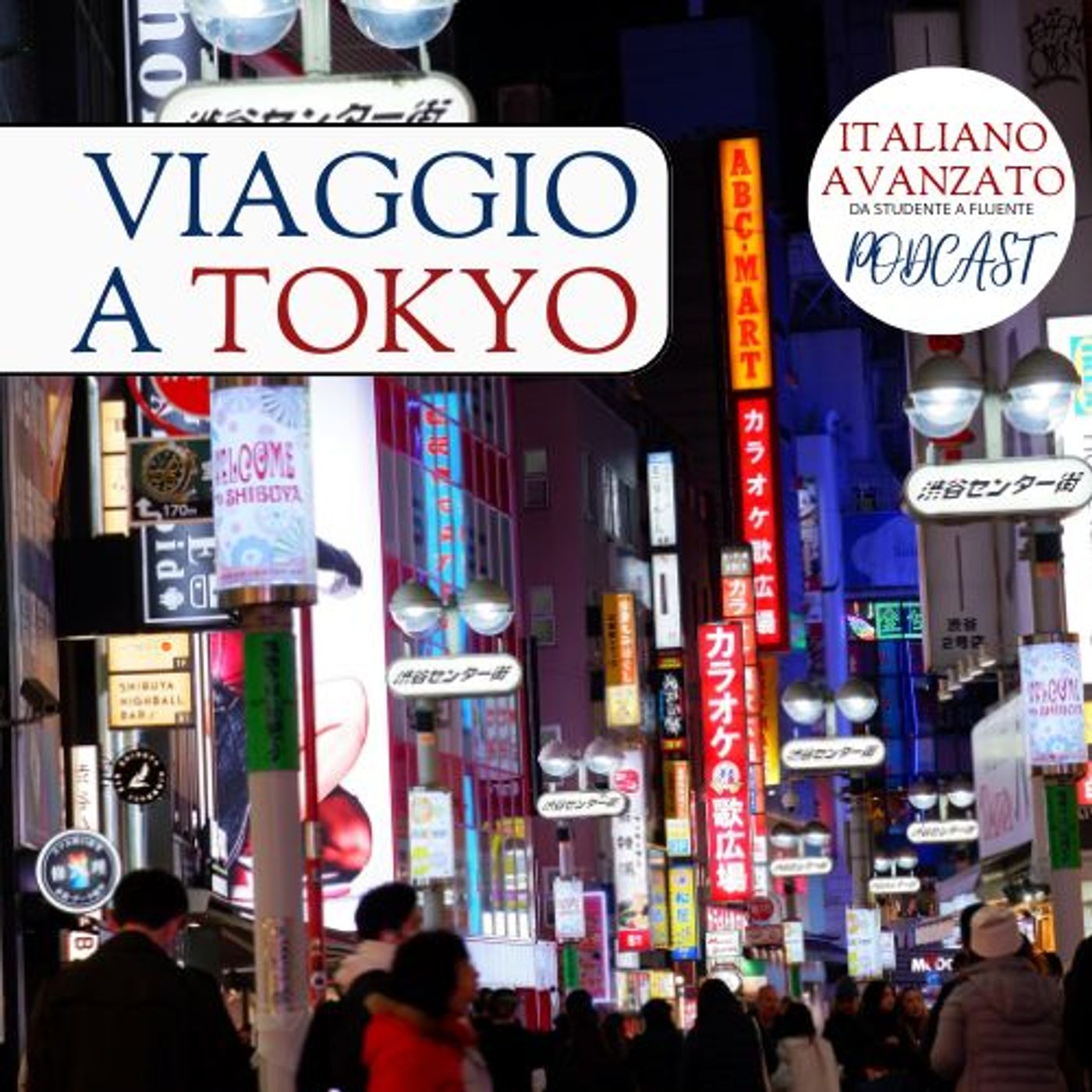
The text begins with advertisements for Greenlight, a financial app for children, and a health campaign promoting kidney disease screening. The core content is a detailed travel diary from a trip to Japan in February. The narrator describes arriving in Tokyo and exploring neighborhoods like Asakusa and Ueno, visiting temples, the Skytree tower, and the bustling Shibuya crossing. A day trip to Nikko highlights its sacred temple complex and natural harmony. Another excursion features views of Mount Fuji from a traditional village. The journey includes culinary experiences like sushi at Tsukiji fish market and ramen, alongside cultural observations on Japanese efficiency and spirituality, such as visiting a serene cemetery and a large Buddha statue. The trip concludes with a nighttime view from the Skytree, emphasizing the trip's memorable blend of modern energy and traditional peace.
Greenlight helps kids learn about money the way most of us never did, by actually using it. It's a debit card and money app that teaches kids to earn, save, and spend in real life. Not just swipe and hope for the best. Learning happens naturally in the moment. Parents can set limits, see spending in real time, and guide better habits along the way, all in one place, without constant check-ins or cash runs. Don't wait. Try Greenlight Risk-Free today at greenlight.com/trygreenlight. In a world of endless notifications, there could be an important one you're missing. Your kidneys may be signaling in SOS. With high blood pressure or type 2 diabetes, your kidneys could be warning you of early signs of damage, which may put you at higher risk for events like heart attack or stroke. But there's a simple test that can help spot a hidden signal. Ask your doctor about a urine test called UACR to help detect kidney disease and heart risk early. To learn more, visit detectthesos.com today. 2 February 14th, the year of flight, the air is hot, and the snow is full. We're on the way to a light plane. For the new year, Japan didn't want to show its flight from high to high. So the first impact on this world was the airport. With a rain, we arrived in Tokyo. More precisely, the station of Ueno. From there, we had to take the subway, for two stops, Finuad Azacusa. The station where our hotel was located. But even more early to make the check-in was near Medzogorno. We left under this very thin beach to have our first real assagio of Japan. The road, crossing a silent, residential neighborhood, we were in a Buddhist temple. Small, simple, serenicious, surrounded by water and large colored fish. And this peace feeling was a sweet welcome in this country. Then, we had a tourist, an occidental, and even now we have found a sushi restaurant, which I had searched before leaving. We entered the small place with Gizai, the old, stanky, but fresh, enthusiasm. And the reality has overcome the expectation. An old man has prepared us a fresh, savoury sushi, offering us the classic Japanese tevern. The local was traditional, and the acquaintance was warm. The right way to start the adventure. Once the hotel is closed, we are left for a evening pass. Walking to the Skytree, the very top panoramic tower of Tokyo. Without leaving, at least for the moment, and already satisfied to be arrived. Finally, so far from home. On February 3, the shower was covered, but the weather was definitely better. With the subway we arrived at Shinjuku, the Tokyo Ovest area. We are at the 45th floor of the metropolitan area of Tokyo, with a view of the city's roof. Tokyo was a desert, endless of palaces and grattaceli. Then, outside the palace, we were directly south towards the park. We had found a forest in the middle of a forest, the "Mage Temple". It is a huge temple with two trees, the very top, the inside which leaves, are placed at the perfect place. Finally, two open umbrellas or two large bells that protect the people here in the base. They protect these leaves where people can write their own ideas and take them together with many other people in the hope that they will be made. Then, still south, beyond the park, towards Shibuya. The quarter, first of all, one of the most popular quarter of the night life. But above all, the quarter with the most trafficked cross in the world. In fact, it is impressive to see the magic of people who, in the semafro verde, are reversed to the road and in the name, every corner of the carriage. They seem like the "lagi" coming from different directions, that, without any more a "dig" to contain them, they are hidden and mixed. They become a humanity, illuminated by the moon and by the light of the grass. 4 February. The 4 February we took the train and we were directly in Niko, two hours of train in Tokyo. This town was the most intense, exciting and rich of meravilles that we made in Japan. It is a small country in the mountains. Here, going from the country to the foot, you can see the famous "ponte sinchio", a red "ponte" "stretto" and elegant, used by the priests and the emperor, to reach the temple area. And so, Ben inserted into his contest, proportionate, colorful, delicate, that capture immediately the gaze and represents the perfect entrance to the temple area. We, as immortals, are limited to observe it without passing us over, then we went forward. A long, climbing, the first of many, brought us to the sacred area of the temple, a heritage of humanity, a vast area of the mountain, where many forests hide ancient, ancient, golden temples, sacred pagos, that are finally raised in the sky, sanctuaries where to pray or simply admire this beauty. It is incredible to see how good the humanity was to build buildings of the genre in such a total harmony with the nature that surrounds them. And sometimes, it seems, looking at modern cities, that we are asked to be the nature of our first real house. The places like this are "sballorditibi", because they report you in the temple, when with the albari we were talking about. And the films were friends, and the animals, our brothers. The mystical atmosphere that these temples and these albari, so high, create, is powerful and touches the soul. You can't come to Japan and you can't visit Nico. Remember it for your trip. We have been good and we are tired and at the last time, the longest, the most desert, because many tourists stop first, and above all, the most wonderful. It is called "tajuin", and the words, but also the photos are not enough. You express how much you can feel in your suggestion in front of the beauty of this temple. You need to be there and find a day like this, where the sun is shining in the sky, the snow is shunned by the tets and I throw it to the ground, while the albari observe the silence. Your expression is wonderful. 5th February. The day after, a new life, the horizon, the mountain of the Fuji, which with its 3800 meters, is the highest mountain in Japan, and everyone knows the name, and the iconic shape, is certainly familiar to us. The first stage was an ancient village at the foot of the mountain, between the forests. The houses here, now are not more inhabited, but they hospitalize various churches,
commerciali di artigiani artisti e un piccolo bar, dove un anziano signore preparava "caffè" e sorrisi per tutti. Ma gli occhi sono andati inevitabilmente alla montagna. Ecco l'olì, il Monte Fuji, alto, imponente, maestoso, un antico vulcano che dorme sotto la nede e che ti fa sentire piccolo, come sempre a cade, quando serviamo la natura. Ti fa sentire piccolo, ma felice, perché a mirare certe meravie riempie e il vuoto che molti di noi possono avere dentro. Ti lascia boccaperta con una sensazione di meravia che non si può spegnere anche dopo aver distolto lo sguardo, perché parà frasando niche, se guardi la montagna, anche la montagna guarda dentro di te. Era incredibile vedere le nubole attirate dalla vetta del Monte, come se lì sulla cima si dev'essero appuntamento le divinità del cielo, i venti, la neve, le nubi. A pranzo, un ottimo ramen ha scaldato il corpo e il cuore. Nel pomeriggio il cielo si errà nuvolato un po', abbiamo servato il Monte Fuji da un'altra posizione di fronte a un'altro tempo, raggiunto dopo non so quante centinaia di scalini, ma ne va al sarapena, dato il panorama che dall'issipoteva osservare. Il rientro a Tokyo è stato tranquillo e ci ha permesso di vedere i grattaccelli del centro, illuminati e affascinanti. Anche questi è normi esplendidi, forse non come il Monte Fuji, ma come il Monte Fuji in grado di farti sentire piccolo piccolo. Il 6 febbraio abbiamo visitato finalmente il nostro quartiere, Asakusa, e la mattinata è iniziata con la visita alla Skytree, la torre più alta del mondo. Attenzione non il palazzo, ma la torre più alta del mondo. Arriva fino a 634 metri, ma la parte visitabile è fino a 450 metri. Abbastanza per provare le vertigini. Dalla su il mondo sembrava lontano minuscolo, ma anche da così in alto, Tokyo non aveva fine, se non dallato orientale dove si poteva vedere il mare. Dalla su abbiamo anche potuto ammirare i fiumi che attraversano la città i gruppi di grattaccelli che si stagiano all'orizzonte e persino la giù, oltre le montagne, la vetta del Monte Fuji che ci salutava dall'ontano. Vedere Tokyo da questa altezza, oltre a essere un'esperienza che lascia senza fiatto, ti fa anche capire che non ti sta inmovendo in una città, ma in un universo che contiene tanti mondi, tante vite, tante avventure. Ussiti dalla Skytree abbiamo fatto una passeggiata fino al tempo senza oggi. Un tempo enorme, imponente sia nella forma che nel colore arrosso accesso che cattura immediatamente lo sguardo. Accanto al tempo una bellissima pagoda e una coppia di Buddha che sembra impace nonostante l'altissimo numero di visitatori e turisti che passeggiano da queste parti. Attorno al tempo c'è una zona fatta di piccole viette, piene di negozie ristoranti, dove abbiamo potuto mangiare una tempura così deliziosa che se ancora ci penso, mi viene voglia di riprendere la erio e tornarci. Nel pomeriggio abbiamo camminato invece fino al quartiere di Ueno, dove si trova un altro tempo, ma dove c'è anche questo laghetto che, forse meglio definire stagno molto interessante perché crea un contrasto particolare con i palazzi sullo sfondo, un contrasto a cui normalmente non siamo abituati in città moderne. All'inizio si rinzia in il mondo. L'ultimo il tempo è cambiato e, suddenly, si rinzia la motivazione di essere in parte. Per il fatto, una di i 5 persone vi experience un formato di depression, no matter il tempo o la masa di anni. A l'america di psychiatricia e associazione di fondazione, la visione è di build una fortuna di rinventazione perché noi vogliamo vivere il mio più più più più più più di你, al mio più più più più. Questo episodio è stato spesso per usare il pranzo di prese, il platform responsable per un raffidio preso in condizio, non per il podcast brain. Simposti anche per i microphones, non ne ho bisogno di dire, explattare i sospiti per infatti di relativi, e appunto di che, "sorry, non posso c'entreti adesso, io ho messo il audio". Se questo è facilmente, tu hai probabilmente già un podcaster. Il mio video è il pranzo di prese il processo simple, si ricorda il suo scelto, si è appena e il pranzo di prese distributo di chi che ci sono sempre. Applet podcast, Spotify, e per quanto non è il mio più più più più più più più di il tuo prodotto. Sperica anche più, il pranzo che ti monetize il suo show con i fattori, o se il podcast potete essere un po' di un'ora di microponia. Sperica il tuo show di oggi, il pranzo di prese. Sperica, perché se tu hai parlato di dirlo a un'ora di un'ora, tu mi piace il mio più più più più. Sette febbraio, destinazione su Kigi, un quartiere dove risiede il mercato del pesce di Tokyo. Qui, in un dedalo di viottoli, trovano spazio in numeri e voli bancarelle e piccoli ristoranti dove poter assaporare sushi e comprare pesce di ogni forma e tipo. Compresi differenti vegetali e cosi allieni alla mia quotidianità che non sono riuscito a identificare. Le persone si riversano per le vie del mercato alla ricerca di assaggi e di acquisti e i ristoranti più famosi, qui possono avere code di gente in attesa sin da le 5.5 del mattino in alta stagione. Per fortuna era febbraio, pieno inverno e la maggior parte delle persone viene in giappone in primavera per assistere alla fioritura di cilieggi. Inoltre non era nemmeno weekend, quindi girare per il mercato nonostante l'affolamento è stato più agevole di quanto mi aspettassi. E ovviamente ho provato il sushi e ovviamente è stato il miglior sushi della mia vita. Carnoso, succooso, delizioso, anche soltanto a vederlo. Prima di andare via ci siamo in battuti in una bancarella che vendeva nigiri di carne Kobe, la carne più pregiata di tutto il giappone. Impossibile resistere ed anche questo assaggio è stato un esplosione di sapore all'interno della mia bocca. Il pomeriggio è stato dedicato a Ginza, un quartiere elegante del centro, qui all'interno di un bar libreria sono stato catturato dalla copertina di un libro che sembrava aspettare soltanto me. Lo preso, lo sfogliato senza capire l'ulla tra ne, il nome dell'autore, acquita gawa e lo comprato. Era la cosa giusta da fare. Una volte in hotel ho ordinato la versione italiana. A volte così che si scoprono certi autori senza cercarli, perché sono loro ad aspettare te in una libreria dall'altra parte del mondo. Ma prima di tornare in hotel, le luce calde delle vie di Ginza che si sviluppano lungo la ferrovia ci hanno attirati con la loro vitalità e accoglienza. Qui sotto le volte dei ponti prendevano vita numerosi locali e ristoranti dove chiunque dal ricco uomo da fare all'operaio stanco per la giornata di lavoro, potevano trovare un posto dove sentire a casa e mangiare un bocco ne caldo senza pensare alle preoccupazioni della vita. Il giorno dopo, 8 febbraio ultima gita, in realtà siamo rimasti entro i confini di tochio, ma il viaggio per arrivare è stato molto lungo e dopo un cambio abbiamo viaggiato fino al capoline della metropolitana. Qui ho avuto modo di confermare l'incredibile rigore con cui lavorano i giapponesi e quanto ci tengano a mostrarsi perfetti, puliti, puri. Non sto esagerando, la metropolitana era immacolata e ci si poteva persino speckliare nel pavimento, ma è vista una cosa del genere. arrivati al capolini abbiamo camminato una ventina di minuti per arrivare
a un tempio molto speciale. Prima del tempio però un'enorme cimitero. I cimiteri giapponesi hanno alcune caratteristiche molto interessanti. Per esempio le persone lasciano sulle tombe dei loro cari tazze appartenute ai defunti e anche lattine delle loro bevande preferite. Non era arro passeggiando per il cimitero trovare birre posate accanto al nome del morto. Ma la cosa che mi ha fascinato maggiormente era la presenza di alcune assi di legno, alte e sottili, appoggiate alle tombe. Su queste assi ci sono delle frasi scritte. Immagino preghiere e quando soffia il vento le assi sbattono ed è come se quella preghiera prende se vita e venisse pronunciata dalle forze della natura. Ussiti dal cimitero il tempio e lì ad aspettare i coraggiosi visitatori c'è un "dai buzzo" cioè un grande bucda e questo era grande per davvero. Alto 13 metri e pesante 30 tonnellate, tì in fondo gratitudine e pace con la sua maestosità. Davanti al grande bucda c'è un incensiere e il profumo che nesce di fronte a quella visione, crea un atmosfera ancora più mistica di quanto non lo si ha già. Venire fin qui è stata una bellissima decisione. Il tempio era quasi deserto, niente turisti, proprio perché è scomodo da raggiungere. È va benissimo così. Per il tempio poi ci sono numerosissime statuette sacre buddiste. In particolare anche grazie alla presenza del cimitero, molte statue e steli rappresentavano il "budda che dorme". Ma un altro simbolo che mi è capitato di vedere più volte in questo viaggio è il "budda felice", chiamato "hotay", ha un largo sorriso e accoglie visitatori con promesse di abbondanza eserenità. Protegge i deboli, i poveri e i vi insegnanti di italiano. L'ultimo giorno, il 9 febbraio, siamo tornati a Shibuya per vedere la statua del famoso cane Hachiko, la sua storia e questa, il suo padrone morì all'improvviso, Hachiko ogni giorno per 10 anni andò alla stazione ad aspettare che il padrone tornasse. Lo aspettò fino alla propria morte e divende in tutto il giappone un simbolo di lealtà e fidelità. Dopo varie passeggiate, tra cui una in un negozio di dischi, dove ho potuto comprare un vinile che cercavo da lungo tempo di un cantante giapponeze che consiglio a tutti, si chiama Itzuro Shimoda e in particolare l'album Love Songs and the Mentation. Ecco, dopo alcune passeggiate, siamo tornati allo Skytree, ma, stavolta, la sera. Tokio, la notte con la sua distesa di luce, infinite e colorate, è elegante e misteriosa, e vederla da questa altezza è stato il modo perfetto per salutarla e dirle, arrivederci. Con un bel bicchiere di vino è una cena anche questa, come tutto il viaggio, indimenticabile. Il giorno dopo siamo saliti sulla aereo e dopo 16 ore di viaggio siamo tornati a casa, ma non ci siamo mai sentiti davvero lontano da casa in questi giorni, e in questa avventura. Voi siete me stati a Tokio, ho in giappone, fatemi sapere nei commenti, sono molto curioso di leggere le vostre esperienze, in ogni caso, per la trascrizione, per video bonus, e per tanti altri materiali, seguiteci su Patreon, se siete interessati in nostri corsi di lingua italiana. Date un'occhiata al sito, e ricordate che tra poco inizia il nostro club del libro, però oggi è tutto, ci vediamo presto, alla prossima avventura. Ciao ciao!
Podcast Summary
Key Points:
Greenlight is a financial education tool for kids, offering a debit card and app that teaches earning, saving, and spending with parental controls.
A health advisory highlights the importance of a UACR urine test for detecting early kidney damage linked to high blood pressure or diabetes.
The main narrative details a personal travelogue through Japan, including experiences in Tokyo, Nikko, and at Mount Fuji, focusing on cultural sites, food, and urban exploration.
Summary:
The text begins with advertisements for Greenlight, a financial app for children, and a health campaign promoting kidney disease screening. The core content is a detailed travel diary from a trip to Japan in February. The narrator describes arriving in Tokyo and exploring neighborhoods like Asakusa and Ueno, visiting temples, the Skytree tower, and the bustling Shibuya crossing.
A day trip to Nikko highlights its sacred temple complex and natural harmony. Another excursion features views of Mount Fuji from a traditional village. The journey includes culinary experiences like sushi at Tsukiji fish market and ramen, alongside cultural observations on Japanese efficiency and spirituality, such as visiting a serene cemetery and a large Buddha statue.
The trip concludes with a nighttime view from the Skytree, emphasizing the trip's memorable blend of modern energy and traditional peace.
FAQs
Greenlight is a debit card and money app that teaches kids to earn, save, and spend in real life, helping them learn naturally through actual use rather than just swiping.
Parents can set limits, see spending in real time, and guide better habits all in one place without constant check-ins or cash runs.
A urine test called UACR can help detect kidney disease and heart risk early, especially for those with high blood pressure or type 2 diabetes.
Shibuya crossing is one of the most trafficked intersections in the world, known for its impressive flow of people moving in all directions when the traffic lights change.
Nikko is a historic town in the mountains with UNESCO World Heritage sites, featuring ancient temples, pagodas, and natural beauty in perfect harmony with the surroundings.
Mount Fuji is Japan's highest mountain, offering majestic views that evoke awe and a sense of smallness, with its iconic shape and spiritual presence.
Chat with AI
Loading...
Pro features
Go deeper with this episode
Unlock creator-grade tools that turn any transcript into show notes and subtitle files.
 PodcastTranscript AI